Retail News CRM

Tag: flying

  • Vietnam Airlines set to perform better than expected

    Vietnam Airlines set to perform better than expected

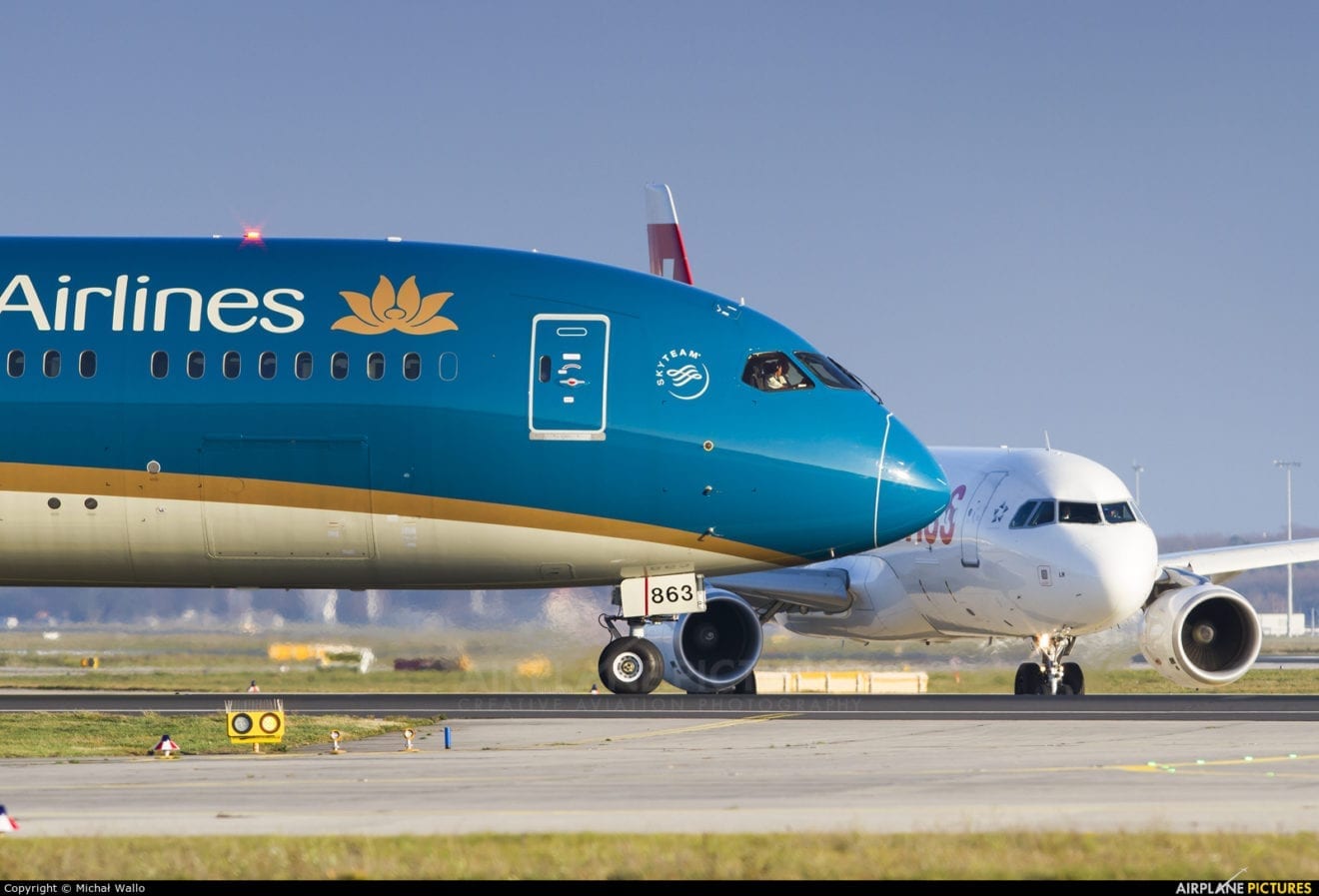
    National carrier Vietnam Airlines expects 2020 losses of VND12 trillion ($521.11 million), about 17 percent lower than it had forecast in August.

    The carrier’s consolidated revenue this year is estimated at VND42.5 trillion, with parent company revenues reaching VND33 trillion, exceeding targets set earlier this year by 4.8 percent and 1.4 percent respectively, Vietnam Airlines chairman Dang Ngoc Hoa said Tuesday at an extraordinary general shareholders’ meeting.

    This allows the company to undershoot the VND14.45 trillion loss figure forecast at the annual general meeting in August, he said.

    This year’s loss could be reduced further by VND2.86 trillion after completing adjustments for amortization of repair, maintenance and ground services costs in accordance with government policy that allows delayed payments to help support airlines, Hoa said.

    In 2020, Vietnam Airlines operated about 96,500 flights, down more than 48 percent over last year. The airline transported 14.23 million passengers and about 195,000 tons of cargo, down 51 percent and 47 percent respectively over 2019, he said.

    Hoa said that for the next five years (2021- 2025), Vietnam Airlines will focus on restoring production and business activities, undertaking a comprehensive restructuring plan which will overhaul areas such as capital ownership and finance, assets and portfolios. It will strive to ensure lean production, and improve business efficacy with the sale and leaseback of aircraft.

    The national carrier will also wholly or partly divest its capital in a number of high-performing enterprises in the air-transport service supply chain to improve cash flow, offset accumulated losses, and create funds for investment and development, he added.

    Vietnam Airlines currently operates more than 60 domestic routes with an average of 300 flights per day. It has resumed one-way flights to Japan and plans to reopen routes soon to mainland China, Taiwan, Laos and Cambodia.

    In mid-November, Vietnam’s National assembly approved a bailout for the carrier that can see it get up to VND12 trillion in funds and will be allowed to sell more shares to existing shareholders to boost cash reserves.

  • Thai Airways Launches Scenic Fly By and Over Buddhist Attractions

    Thai Airways Launches Scenic Fly By and Over Buddhist Attractions

    Proving the ‘flights to nowhere’ trend is taking off, Thai Airways has given religious tourists a bird’s-eye view of 99 holy places across Thailand. Olivia Palamountain reports.

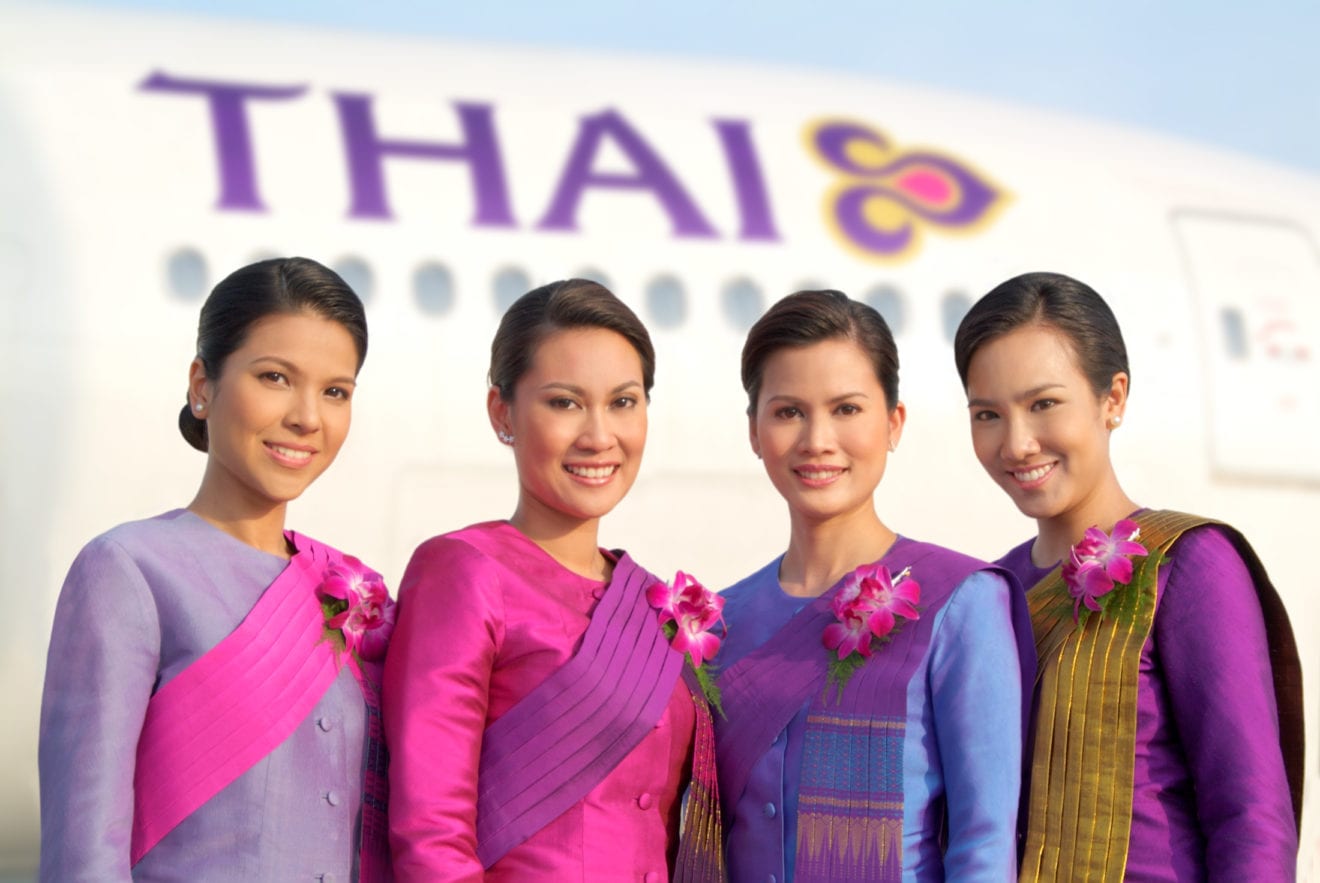
    Led by “celebrity fortune-teller and religion history expert” Dr Khata Chinbunchon at the end of November, the “Thai Magical Flying Experience Campaign” from Thai Airways gave Buddhists the chance to see 99 sacred sights from the air, complete with chanting.

    Passengers on the Thai Airways flight from Bangkok received Buddhist prayer books and a special in-flight meal while flying over temples in 31 provinces before returning home. Tickets ranged in price from 5,999 baht (£149) to 9,999 baht (£248).

    The sacred sights included Bangkok’s Wat Arun and Wat Phra Kaew (commonly known as the Temple of the Emerald Buddha), Phra Samut Chedi in Samut Prakarn, Wat Phra Boromma That Chaiya in Surat Thani and UNESCO-listed heritage sites in Sukhothai and Ayutthaya, in the kingdom’s central plains.

    Part of a plan to boost domestic tourism, the initiative comes hot on the heels of similar offerings from the likes of Qantas, China Airlines and Eva Air, all of which have launched their own series of scenic and themed flights over the past few months. Globetrotter has also reported on Covid-secure luxury cruises to nowhere, recently launched in Singapore.

    Tourism accounts for up to 20 percent of GDP in Thailand, and in a blow to the national carrier, the kingdom has remained shut to foreign travellers throughout the pandemic. However, the airline had been struggling even before coronavirus turned travel upside down. Estimates suggest it is now buried under £6 billion worth of debt.

    Still, Thai Airways has been a pioneer of creative initiatives that boost revenue. The airline has put bags made from life vests and slide rafts on sale, opened an airline-themed café selling in-flight meals in Bangkok, and a food stall selling dough fritters. It has also opened its Airbus and Boeing flight simulators to the public.

    In the autumn, Thailand reopened its borders to international travelers with the launch of a new 90-day Special Tourist Visa (STV).

  • AirAsia Group to reduce fleet size in 2021

    AirAsia Group to reduce fleet size in 2021

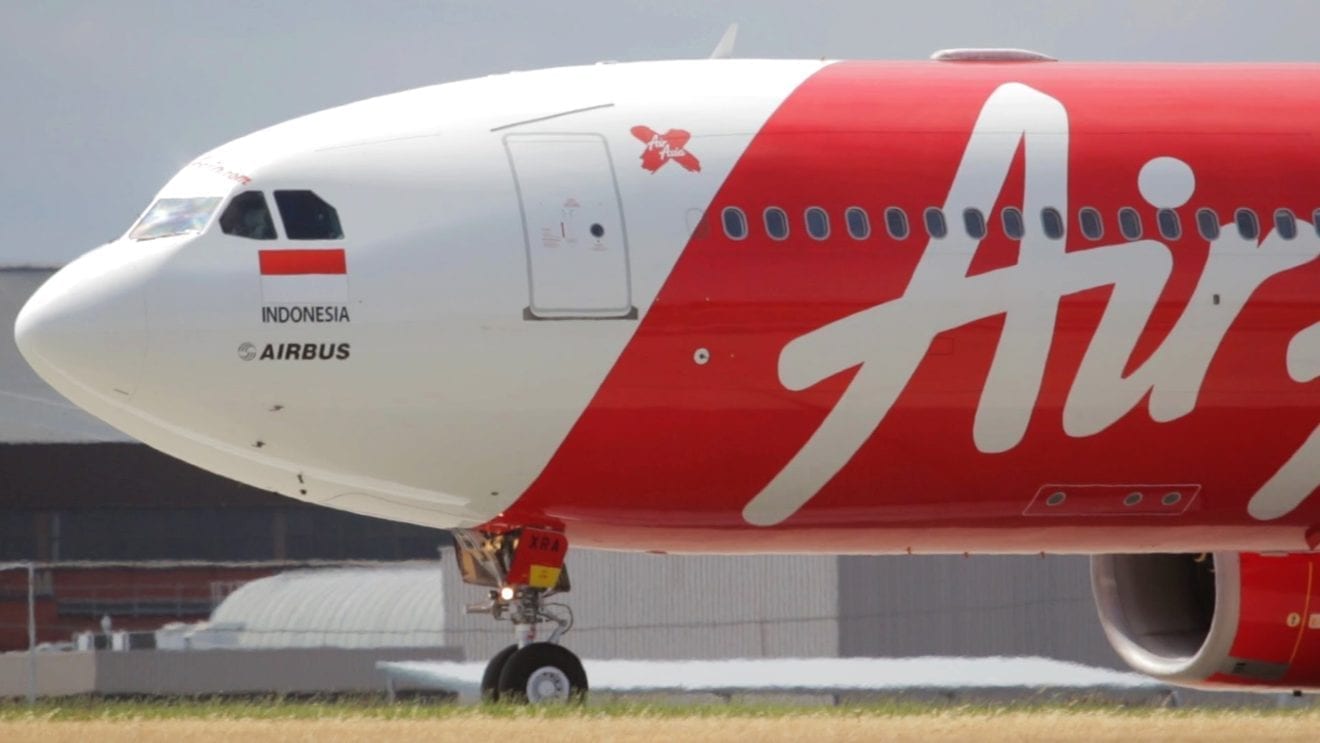
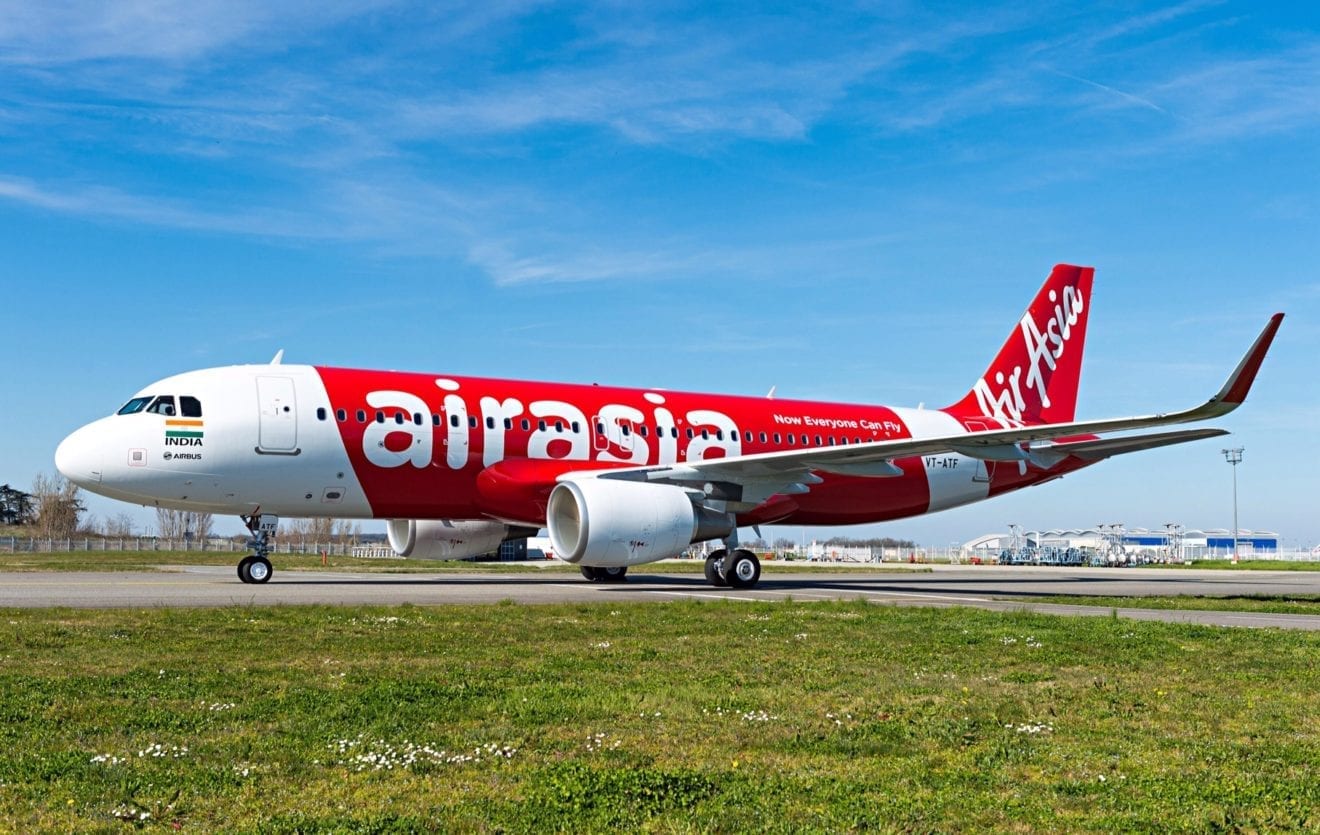
    AirAsia India will be the group’s only unit to see fleet growth by the end of 2021, amid an ongoing investment review conducted by the low-cost group.

    In slides presented at an analyst briefing following the release of its third-quarter results, AirAsia Group states in its outlook that it has “planned for a reduction in our fleet count to match our expected recovery” post-pandemic.

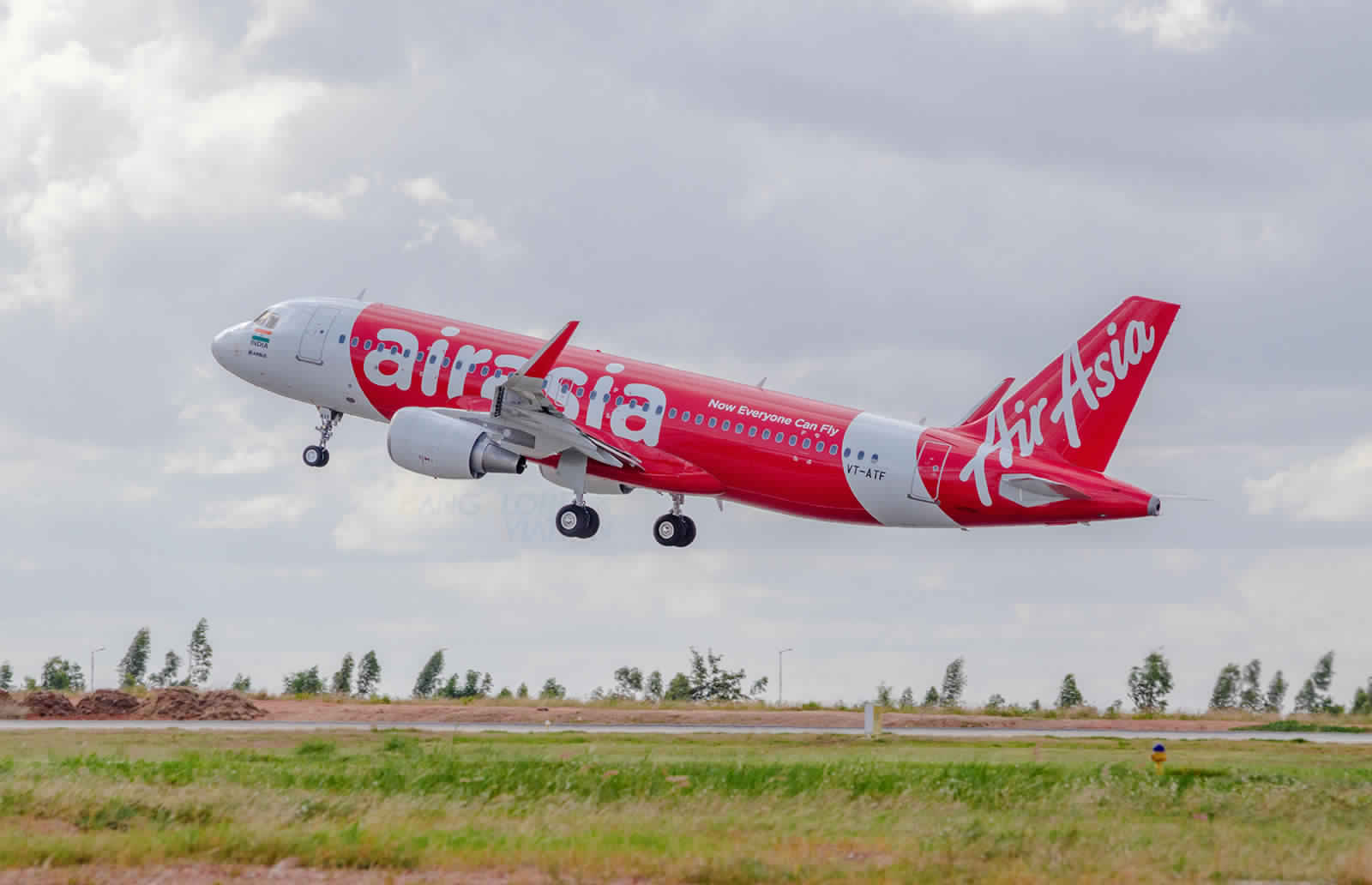
    AirAsia India looks set to expand its fleet by the end of 2021.

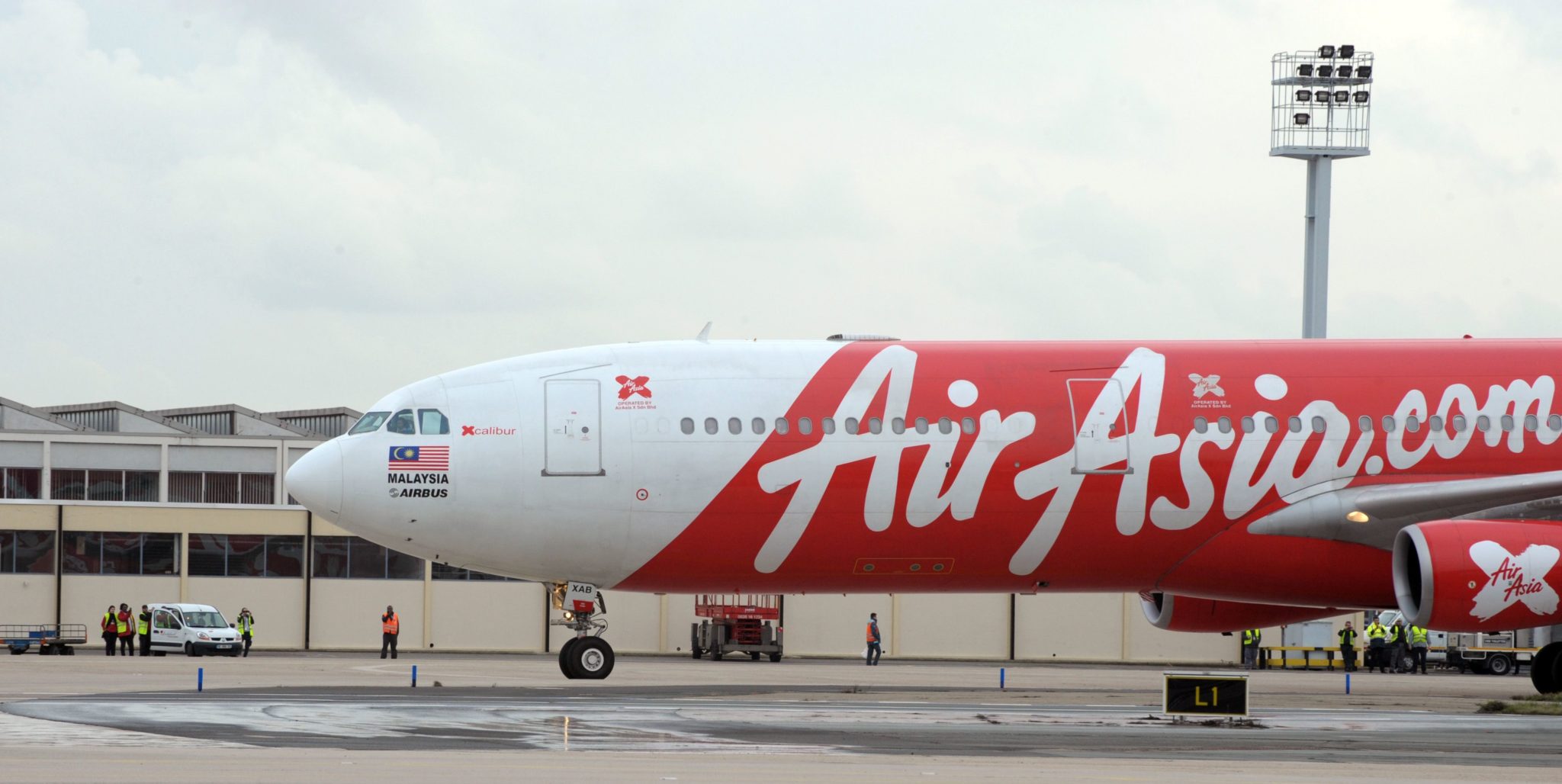
    The group, comprising units in Malaysia, Thailand, Philippines, Indonesia and India, anticipates a reduction of 23 aircraft by the end of 2021 to 221 aircraft.

    By the end of 2020, the group will have one less aircraft than the end of 2019. This is led by a decrease in fleet size from Thai AirAsia, as well as the now-shuttered AirAsia Japan.

    Malaysia-based AirAsia Berhad, as well as Indonesia AirAsia, will have zero aircraft growth for the year, while Philippines AirAsia and AirAsia India will expand their fleet by one and four aircraft respectively.

    Information from the AirAsia Group shows an overall fleet reduction of 23 aircraft by the end of 2021.

    By 2021, all of the group’s carriers, except AirAsia India, will reduce their fleet size by between one to eight aircraft. AirAsia India, meanwhile, will add one aircraft to its fleet.

    AirAsia India’s five aircraft addition between 2020 and 2021 is reported to be Airbus A320neos, of which it currently has two examples in its fleet.

    Indian media, citing an AirAsia India spokesperson, says the airline will be taking a third A320neo by December, with the remaining two aircraft arriving by 2021.

    AirAsia India, a joint venture with the group and Indian conglomerate Tata Group, was also reported to have its eyes set on expansion, with the carrier targeting to operate nearly two-thirds its pre-pandemic capacity, an increase from the current 55%.

    The carrier was most recently the subject of ongoing investment review, with AirAsia Group president for airlines Bo Lingam stating that “cost containment and reducing cash burns remain key priorities” for the group, which led to the closure of AirAsia Japan, and an “ongoing review of our investment in AirAsia India”.

    There were also rumors that the Tata Group could increase its shareholding in the carrier, effectively taking over AirAsia Group’s stake. In June, group chief Tony Fernandes was reported to be considering pulling out of the joint venture altogether. AirAsia Group has not publicly commented on the matter.

    The latest fleet update comes after the group said in April it was negotiating its outstanding orders with Airbus, and would be taking no new aircraft in 2020. The group’s earlier estimates indicate that AirAsia and AirAsia X were due to receive 14 aircraft in 2020, and a further 29 aircraft in 2021.

    Cirium fleets data shows the AirAsia Group to have more than 360 A320 family aircraft on order, the majority of them A321neos.

  • Air Asia develops digital health pass

    Air Asia develops digital health pass

    Air Asia has launched its digital health pass, Scan2Fly, to streamline health document checks and determine eligibility to travel.

    Developed in partnership with analytics company GrayMatter, Scan2Fly has already launched on routes from Kuala Lumpur to Singapore, Surabaya, and Jakarta. About 4 in 10 passengers on these flights are already using the system, according to the airline.

    Scan2Fly will enable passengers to scan and upload medical certificates at the time of online check-in. Entry documentation required by the destination country, including Covid-19 test certificates, is verified in real-time. The airline said the technology, which helps travelers minimize contact with airport staff, will eventually be rolled out to other Air Asia destinations.

    Javed Malik, chief operating officer at Air Asia Group said:

    “Covid-19 gave us the opportunity to fast track numerous new technologies to make flying not only safe and affordable but also more hygienic and contactless. We believe this innovation, alongside numerous others that we are rolling out across Air Asia Group, will help restore consumer confidence and stimulate future air travel.”

    Air Asia’s proprietary digital health pass comes amid global efforts to harmonize standards in verifying passenger health data.

    Cathay Pacific and United Airlines are among carriers trialing CommonPass, a digital health pass developed by the World Economic Forum and Commons Project Foundation. International SOS, a travel security company, is also in the process of developing AOKpass with trials in the Middle East. Meanwhile, the International Air Transport Association (IATA) is in the final development phase of its IATA Travel Pass.

    Covid-19 testing and document verification is a priority for the airline industry as it lobbies governments for borders to reopen and international travel to resume.

    Some governments, including China, have regulations to ban airlines if a certain number of passengers test positive upon arrival. Digital health passes, like traditional passport and visa checks, can help airlines reduce the risk of penalties for non-compliance.

    “We have built Scan2Fly with both scalability and global compatibility in mind. Should there be an agreed global tracing app or vaccination app, our solutions can seamlessly integrate and or exchange relevant data as and when required,” Malik added.

  • Thai Airways offers ‘semi-commercial’ flights to 7 international destinations

    Thai Airways offers ‘semi-commercial’ flights to 7 international destinations

    After a major slowdown in both international and domestic travel due to coronavirus travel restrictions, Thai Airways is now offering flights to and from 7 international destinations over the next 2 months, according to the airline’s chief executive Wiwat Piyawirot.

    These flights are “semi-commercial.” Wiwat says return flights are intended for Thais returning home from overseas, those with families in Thailand, those traveling to Thailand on business, students, and travelers with connecting flights.

    Departures in November and December

    • London – Sundays
    • Frankfurt – Fridays
    • Copenhagen – Sundays
    • Hong Kong – Wednesdays (expect November 11 and 25)
    • Tokyo – Wednesdays and Saturdays
    • Taipei – Fridays and Wednesdays
    • Sydney – Sundays (Must inform the Australian Embassy in Thailand)
  • Vietnam Airlines losses soar as Covid-19 grounds flights

    Vietnam Airlines losses soar as Covid-19 grounds flights

    Vietnam Airlines has reported losses of VND10.7 trillion ($464 million) in January-September, hit hard by Covid-19. The national flag carrier recorded revenues of VND23.9 trillion in the first nine months of this year, down 58.3 percent year-on-year, it said in a press release on Tuesday.

    During this period, the carrier transported 10.2 million passengers, down 41.2 percent from a year ago.

    The airline has blamed its loss on the pandemic’s impacts on the aviation industry. It said it has cut sales, financial and management expenses, reduced salaries of pilots and flight attendants as well as increased the operation of repatriation flights as part of efforts to reduce costs and boost incomes.

    The carrier’s third-quarter revenues fell 68 percent year-on-year after the second Covid-19 outbreak hit the country in late July, said Tran Thanh Hien, the airline’s chief accountant. The third quarter was usually the highest revenue earner of the year as summer travel peaked, Hien noted.

    The second outbreak forced Vietnam Airlines to cancel 22 new domestic routes during the peak period. So far, it has resumed 11 of these and is considering the viability of resuming the rest in the fourth quarter, always a low travel period.

    The national carrier currently operates more than 60 domestic routes with an average of 300 flights per day. It has resumed one-way flights to Japan and plans to reopen routes soon to mainland China, Taiwan, Laos, and Cambodia.

    As of last month, the airline said its cash reserves had gone down to just VND1.9 trillion.

    The airline has estimated this year’s total loss at around VND15.2 trillion on revenues of VND55.7 trillion.

  • US$1bil loan offer for AirAsia data

    US$1bil loan offer for AirAsia data

    An American lender is willing to loan AirAsia US$1bil for the data of its customers it has accumulated from its business over the years. AirAsia Group Bhd CEO Tan Sri Tony Fernandes did not reveal the name of the potential US lender but spoke on how its data-driven new “super app” would become an equal contributor to group profit with its airline business in five years.

    “The airline has created this amazing business, ” he said, adding that post-Covid, the app has seen 50 million unique visitors every month.

    “We didn’t rush into the digital age as we started this journey two years before the Covid-19 outbreak, ” he told the media.

    The contribution forecast is based on AirAsia flying 300 aircraft in five years.

    He said there was a cash-raising potential to be done at the airasia.com and airline levels.

    “The first lot of financing will be announced by the end of this month, ” he said.

    Fernandes said that all pillars of the airasia.com app have already broken even except the fintech segment of the digital business because of the interchange fees it has to pay credit card companies. However, it has secured a money lending license from the Housing and Local Government Ministry to add another element towards the app’s fintech business.

    In a statement yesterday, AirAsia said it’s airasia.com Asean super app provides over 15 types of products and services under three main pillars, which are travel, e-commerce, and fintech.

    Fernandes believes the app can be a competitor to some of the established apps in Asean like Grab and Gojek and will provide competition in a fierce segment like food delivery.

    In the lucrative food delivery business, restaurants would not have to pay a commission to airasia.com like they do for other food delivery apps, but pay instead to the food deliverer, which translates to a commission rate of between 3% and 9% per delivery.

    “Now, everyone can travel, experience, shop, eat, enjoy rewards, and more with the new airasia.com super app. From travel needs to everyday lifestyle essentials, there is something for everyone, ” said airasia.com CEO Karen Chan.

    Fernandes said AirAsia would not be taking delivery of new planes as there is a lot of excess aircraft within the industry.

    “No one is going to fly the same size of fleets they did pre-Covid-19 for a couple of years, I imagine.

    “My guess is that we would be able to fly 180 planes by end-2021 for the entire group.

    “It depends on when the borders re-open for all our markets, ” he said. AirAsia has 245 planes currently.

    In fact, Fernandes said the airline would be returning 22 planes this year to its lessors.

    “I don’t see us getting to a position where we want to buy planes for a number of years.

    “Even when you want to buy planes, there will be cheaper second-hand planes out there, ” he said.

    As for travel, Fernandes said leisure travel would likely bounce back ahead of business travel.

    “Leisure, budget, short-haul business travel will bounce back to pre-Covid-19 level and we are already seeing it.

    “In Thailand, we are 95% of the capacity of pre-Covid-19. In fact, by Q4 we will be 10% ahead of where we were.

    “When the borders re-open, (the business) will bounce back really fast, ” he said.

  • AirAsia Said to Stop Funding Indian Venture as Cash Dwindles

    AirAsia Said to Stop Funding Indian Venture as Cash Dwindles

    AirAsia Group Bhd has stopped funding its Indian affiliate as the global travel slump leaves the Malaysian group struggling to support a sprawling empire of no-frills airlines, people familiar with the matter said.

    AirAsia India Ltd’s future may now depend on Indian conglomerate Tata Group, its majority shareholder, which has provided emergency funding but has yet to commit to a full rescue, according to the people, who asked not to be named discussing a confidential matter.

    The airline isn’t at any immediate risk of folding, the people said. India’s aviation minister said over the weekend that AirAsia was shutting up shop in the South Asian nation, though his office later suggested the comment was taken out of context.

    AirAsia India declined to comment, as did a representative for Tata Group. AirAsia Group didn’t respond to requests for comment after usual office hours.

    AirAsia said earlier Monday that its Japanese arm will cease flying immediately as the coronavirus outbreak continues to roil the airline industry. Once the poster child of the region’s revolution in low-cost travel, the group is seeking as much as RM2.5 billion to steer its way through the crisis.

    Long-haul arm AirAsia X Bhd has meanwhile said it needs to reach deals with major creditors to restructure debt amid “severe liquidity constraints” that threaten its ability to resume services and continue as a going concern.

    AirAsia India has survived on 3 billion rupees (US$41 million) in funding from Tata, which owns a 51% stake, with another round of financing expected soon, one of the people said.

    Tata is weighing its options and how much it would cost to buy out AirAsia and save the carrier, another person said. The industrial group also has a 51% holding in the Vistara full-service airline venture with Singapore Airlines Ltd.

    AirAsia India predicted it would break even in four months when it began flying in 2014. In reality, it has yet to make money in a market where high fuel taxes and cut-throat fares can make even dominant players unprofitable. The carrier has a market share of 6.8% and employs more than 3,000 people.

  • Thai Airways to open flight simulators to public

    Thai Airways to open flight simulators to public

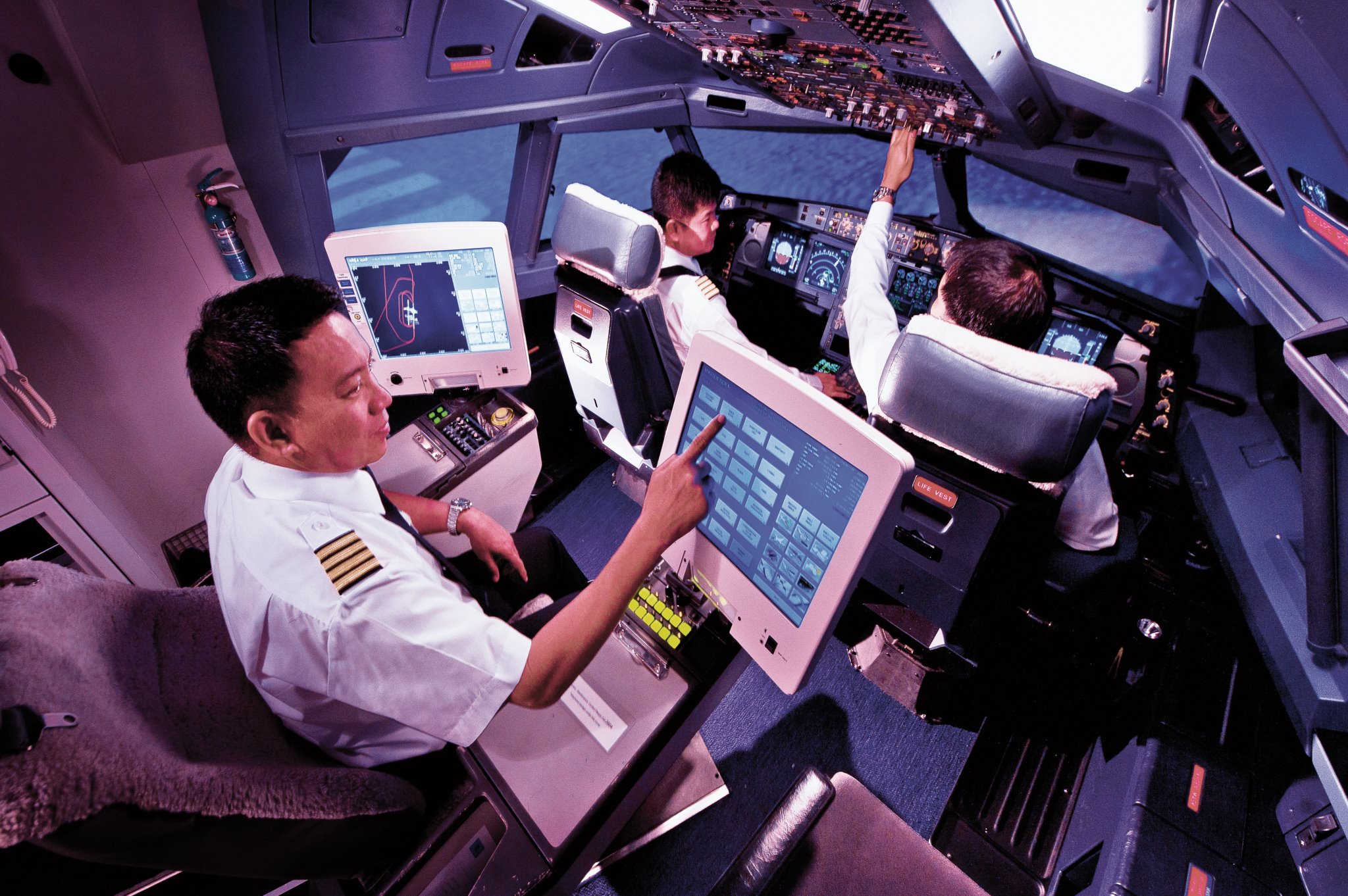
    Thai Airways is opening up its Boeing and Airbus flight simulators to the public this October in its latest bid to boost business amid the drop in travel demand due to the coronavirus crisis.

    As part of the airline’s “Thai Flying Experience and Beyond” project, customers will get to enter a mock cockpit of an A380, B777-300ER, B747-400, and a B737-400 aircraft.

    “Pilots and co-pilots will accommodate customers throughout the entire session,” reads a statement from the carrier.

    According to Thai Airways, customers can choose from the following three packages:

    • Basic Package (30 minutes) 12,000 Baht for two users
    • Deluxe Package (60 minutes) 24,000 Baht for two users
    • Ultimate Package (90 minutes) 36,000 Baht for three users

    The flight simulator project is the airline’s latest effort to generate revenue amid the Covid-19 pandemic as flights continue to remain grounded, and the airline looks to restructure 245 billion baht ($7.83 billion) worth of debt.

    Earlier this month, the national airline converted the cafeteria of its headquarters in Bangkok into a plane-themed restaurant.

  • AirAsia adding services in super app

    AirAsia adding services in super app

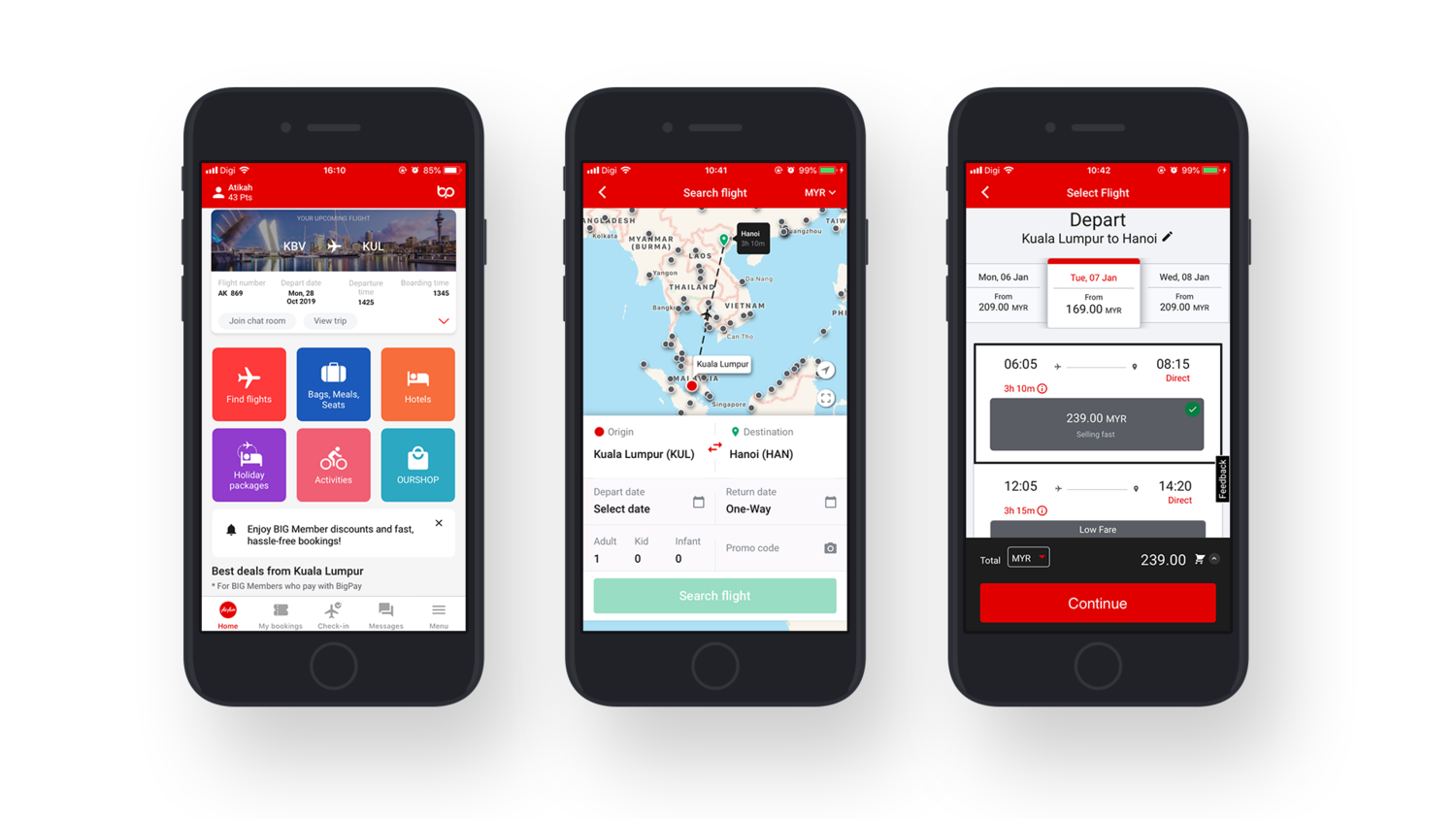
    AirAsia Group announced on Thursday that it is building a super app off its existing mobile application and website to provide services such as e-commerce, delivery, and payments. The app is to be available next month in Thailand and ASEAN.

    AirAsia chief executive Tony Fernandes said the idea to build a super app came before the pandemic, but new revenue streams are desperately needed after most of AirAsia’s fleet has been grounded for months because of travel restrictions. The company suffered losses of US$238 million in the second quarter of this year.

    “This journey didn’t start during the pandemic but it was accelerated because of the outbreak,” Mr Fernandes said. “This is not a Plan B, this was always our Plan A, but we still think aviation will definitely come back.”

    The new platform will be accessible through AirAsia.com and AirAsia’s mobile app on Oct 8, including digital services under subsidiary AirAsia Digital.

    These services include BigPay, a digital payment app; Teleport, a wholly-owned logistics, e-commerce, and delivery business; and Santan, a food and beverage franchise. Mr Fernandes said these services are already earning revenue for AirAsia except for BigPay, which is in negotiations with regulators to set its rates.

    Teleport came to Thailand in 2019 through a joint venture, while BigPay is available in Thailand and can transfer money to Thai bank accounts. Santan is only available in Malaysia or on AirAsia flights.

    “AirAsia’s roots are from moving people from A to B and moving cargo from A to B, and that is the basis of AirAsia Digital and the basis for our platform AirAsia.com,” Mr Fernandes said.

    The app will also allow users to book hotels and flights (from airlines other than AirAsia) and offers a travel and lifestyle rewards program. The company ended its partnership with Expedia and is offering its own travel booking service.

    AirAsia’s new venture will face stiff competition from existing super apps Grab and Gojek, which are both spending billions in venture capital to expand their presence in Southeast Asia. Grab and Gojek are in talks for a merger, which if completed would create a virtual monopoly for ride-hailing and food delivery in Asean.

    Grab is valued at about $14 billion, while Gojek was valued last year at almost $10 billion. Neither company is publicly traded.

    AirAsia, which is listed on the Malaysian stock exchange, has a market capitalization of $624 million.

    “We are nowhere near the size of Grab or Gojek, but AirAsia’s not about being dominant in one country, but providing an Asean product,” Mr Fernandes said.

    The AirAsia app hopes to differentiate itself by leveraging the data it has collected from millions of passengers, while also stressing its cross-country appeal for cross-border travelers in Asean.

    “I don’t believe we are here to compete, but here to complement,” Mr Fernandes said. “Airlines always see us as competitors, but we complemented the full service and created a new market that was not there — before, only a few people could fly, now everyone can fly, and in the same way we will complement the market.”

    He said the platform will also be open to new partners and services, not just those owned directly by AirAsia Digital.

    Michael Araneta, associate vice-president of IDC Financial Insights, said traditional businesses like AirAsia can find success with a super app by leveraging existing customer bases and technical resources.

    “AirAsia has shifted to being a lifestyle company and already has spent considerably on developing technology,” he said. “The company might not need to invest a substantial additional amount to turn their tech offerings into a super app.”

    Users of AirAsia’s super app will benefit from usage points that convert to discount flights and other related partner services supporting its core business, Mr Araneta said.

    During a pandemic, users cannot take advantage of these flight privileges as much.

    Mr Araneta said a winning super app is one that leverages considerable real-time data and various partners to provide relevant benefits to its customer base.

  • AirAsia Seeks Up to $600 Million Cash Injection to whitstand Crisis

    AirAsia Seeks Up to $600 Million Cash Injection to whitstand Crisis

    AirAsia Group is seeking to raise as much as 2.5 billion ringgit ($600 million) by the end of the year as it tries to survive a business slump exacerbated by the coronavirus pandemic.

    The Subang, Malaysia-based budget carrier may borrow up to 1.5 billion ringgit from banks and another 1 billion ringgit from investors, a spokeswoman said Tuesday. AirAsia is also in talks with local and foreign investors including private equity firms, strategic partners, and conglomerates, she said, confirming an earlier report that cited Group Chief Executive Officer Tony Fernandes.

    Airlines around the world are losing money after grounding thousands of planes as countries shut borders and restrict people’s movements. AirAsia, which last month posted its largest quarterly loss on record, resumed domestic operations in late April but its long-haul unit, AirAsia X Bhd., still isn’t flying. Auditor Ernst & Young said in July their ability to continue as going concerns may be in “significant doubt.”

    South Korea’s SK Group said in June that it was in talks to buy a small stake in AirAsia, without providing further details. AirAsia has also cut the salaries of management, trimmed jobs, and deferred plane deliveries in an attempt to shave costs by 30% this year.

    AirAsia is also evaluating its operations in Japan and will make a decision very soon, the company’s spokeswoman said Tuesday. Its India venture remains as is, she said without elaborating. The airline is looking to consolidate and strengthen its business in Southeast Asia, even if that means exiting Japan and India, Reuters reported earlier.

    AirAsia said last month that it needs to reach agreements with major creditors to restructure outstanding debt because it faces “severe liquidity constraints” that threaten its ability to resume flying and continue as a going concern.

    The long-haul budget unit and its AAX Leasing Two Ltd. have received a claim from BOC Aviation Ltd. regarding $23 million of outstanding amounts due under lease agreements, according to an exchange filing Friday. AirAsia X, which said it is seeking legal advice, leases four aircraft from BOC.

    AirAsia is one of Airbus SE’s major customers for A320s while AirAsia X is the world’s biggest customer of Airbus A330neo planes. AirAsia X has 78 of the aircraft on order, according to Airbus’s website, and has already deferred the delivery of some A330neos.

  • AirAsia to start charging customers for checking in at airport counters

    AirAsia to start charging customers for checking in at airport counters

    Cash-strapped budget airline AirAsia Group Bhd said on Tuesday it would begin charging customers a fee to check-in at airport counters, in part to encourage them to minimize physical contact with staff during the coronavirus pandemic.

    Travelers who do not check-in via the airline’s website, mobile app, or airport kiosk will be charged 20 Malaysian ringgit ($4.83) for domestic flights and 30 Malaysian ringgit for international flights, though some exceptions will apply.

    AirAsia Group Chief Operations Officer Javed Malik said the fees would help motivate travelers to make use of the airline’s investment in digital technology.

    “In view of the Covid-19 pandemic, these self-check-in facilities have become very crucial in minimizing physical contact between our guests and staff,” he said in a statement.

    AirAsia last month reported the biggest quarterly loss in its history due to the devastating impact the pandemic has had on travel demand, with revenue down 96%.

    The airline said it had applied for bank loans in its operating markets and had been presented with proposals from investment bankers, lenders, and potential investors to raise capital.

    The new AirAsia check-in fees are well below European budget carrier Ryanair Holdings’s PLC 55 euro ($65.95) charge for airport check-in, which was put in place before the pandemic.

    US low-cost carrier Spirit Airlines charges $10 for boarding passes to be printed at the airport, according to its website.

  • Green light for carrier KiteAir likely delayed until 2022

    Green light for carrier KiteAir likely delayed until 2022

    The Planning and Investment Ministry has suggested that the PM delays his approval to new carrier KiteAir’s investment proposal over Covid-19 impacts. The establishment of the new airline would add to the business woes wreaked on the local aviation industry by the pandemic, the ministry said in a document recently sent to Prime Minister Nguyen Xuan Phuc. “A suitable time for a new carrier would be 2022 when the market has recovered.”

    The ministry added that the current priority and focus should be the restoration of domestic and international aviation markets and support for existing carriers.

    Earlier, in July, the Transport Ministry (MoT) had also proposed that the government not license any new carrier, including KiteAir, till 2022, when the local aviation market is expected to recover.

    Based on the MoT’s proposal, Deputy PM Trinh Dinh Dung in July “agreed in principle” with the temporary suspension as proposed by the MoT. Dung, however, assigned the MPI, as an investment proposal appraisal agency, to report to the PM about the KiteAir investment proposal which was already submitted by hospitality group Thien Minh.

    The MPI had said earlier that KiteAir has a sufficient legal basis to have its investment proposal appraised. The MoT, meanwhile, had said the establishment of the new carrier was in line with the orientation and development plans of the industry.

    But in April, amid the Covid-19 pandemic, the PM requested ministries to review and consider the establishment of any new carrier, including KiteAir, given the new context.

    KiteAir, which planned to take off in the second quarter of 2020, was to be headquartered in the central province of Quang Nam with a charter capital of VND1 trillion ($43 million), invested in by Thien Minh, a leading Vietnamese hospitality group.

    It planned to operate six short-haul ATR-72 aircraft with a capacity of 78 seats in the first year of operation and expand the fleet to 30 jets by the fifth year, including 15 narrow-body Airbus A320/321 aircraft.

  • AirAsia X to implement further payroll cut next month as losses swell

    AirAsia X to implement further payroll cut next month as losses swell

    AirAsia X Bhd’s net loss for the second quarter ended June 30, 2020 (2QFY20) widened to RM305.24 million, 47.4% more than the RM207.11 million it recorded a year ago as the airline bore the full brunt of travel restrictions implemented to curb the Covid-19 pandemic.

    AAX sees more turbulence ahead due to uncertainties surrounding the lifting of travel restrictions, which have grounded most of its aircraft fleet.

    The low-cost carrier revealed that its severe liquidity constraints persisted. “In the short term the company will need to seek agreement with major creditors to restructure outstanding liabilities, which have accrued during the period since the start of the Covid-19 pandemic, in order to continue as a going concern,” AAX said in its quarterly financial result announcement.

    Meanwhile, the carrier continues to seek payment deferrals and concessions from its suppliers, lessors, and lenders. “Further payroll reductions will be implemented in the next month to reflect the significantly lower level of operations both at the current time and also when the company is able to start operating again,” it added.

    However, the quarter’s performance was an improvement over the preceding quarter’s in which the long-haul low-cost carrier posted its largest-ever net loss of RM549.7 million due to large foreign exchange losses and losses from the hedges against higher crude oil prices.

    Quarterly revenue shrank to barely RM91.44 million compared with the RM1.01 billion reported a year ago as AAX operated only 16 scheduled flights throughout the three months versus 4,824 a year ago.

    Its total cash balance contracted almost 30% to RM252.04 million from RM357.96 million at the end of last year. Deducting pledged deposits, its cash pile stood at RM211.94 million, a drop from RM307.85 million previously.

    The airline’s current liabilities ballooned by nearly 31% to RM3.38 billion from RM2.58 billion as at end-2019. The spike in its current liabilities was mainly attributed to trade and other payables, which rose to RM1.31 billion from RM823.81 million.

    “AAX will not be able to restart scheduled operations until international borders reopen and, in recognition of the current degree of uncertainty and the timing of the lifting of restrictions, the company has stopped selling tickets for future travel dates,” said the carrier.

    Shares in AAX closed unchanged at 6.5 sen today, giving the airline a market capitalization of RM269.63 million. Year-to-date, the counter has plummeted by more than half from 15.5 sen.

  • AirAsia’s 1Q e-commerce sales leap 118%

    AirAsia’s 1Q e-commerce sales leap 118%

    Budget airline AirAsia Group Bhd saw revenue from its e-commerce platform, AirAsia.com, rose 118% year-on-year in the first quarter of this year as it rolled out new offers, promotions, flights and hotel bundle packages.

    “As travel continues to gradually resume, more activities are authorized… which in turn will support the growth of our non-airline business divisions, particularly in the lifestyle, e-commerce and media verticals,” said AirAsia.com chief executive officer Karen Chan in a statement today.

    AirAsia anticipates that its airline and ancillary revenues will gradually stabilize as non-airline revenues become a key driver of growth and business priority.

    “In the future, we foresee our non-airline revenues will outperform our airline performance which is why our focus is on offering innovative products that encompass travel, lifestyle, e-commerce and media verticals, in both the B2B and B2C segments,” said Chan.

    “While Asean is our home and domestic travel is our short-term focus, we look forward to the reopening of international borders to realize the potential of AirAsia.com,” she added.

    In anticipation of international borders reopening soon, Chan said AirAsia is in final stages of discussions with key international airlines to connect their European and MEA networks directly with AirAsia’s vast Asean network.

    “These strategic partnerships will complement our existing partnership with Kiwi.com, which provides a virtual interlining and connectivity optimization engine to offer a one-stop-shop, best-price-guaranteed service for our customers.”

    The airline wants to position AirAsia.com as a leading one-stop travel and lifestyle e-commerce platform in Asean, offering products from flights, hotels, travel activities, shopping and more.

    Chan said AirAsia has always regarded Asean as its playground, connecting its 640 million people to 160 destinations across Asia and the Pacific. “But with the pandemic still at large and continued restrictions to cross-border travel, we are looking at creative ways to overcome these limitations.”

    For now, the focus for AirAsia.com is to promote domestic travel until international borders reopen and travel restrictions are relaxed.

    “Given AirAsia’s dominant market position (with over 73% market share in capacity in Malaysia), we are using our position of strength to stimulate domestic air travel where there is demand.

    “Going back to our DNA which is all about making travel affordable for everyone, we will continue to innovate with more exciting products, leveraging on our one-stop travel shop ecosystem and focusing on our business divisions which are most relevant given current market conditions,” said Chan.

    “Based on our recent market survey, close to 45% of travelers want to travel immediately post lockdown. Flight searches on our website have increased by more than 150% post-hibernation period and as of June 2020, AirAsia.com receives 1 million daily active users.

    “Our domestic travel promotions have been very well-received. We sold over a million seats group-wide in July and we continue to ramp up capacity. With restrictions on activities being lifted, we hope to achieve a load factor of 70%-80% by the third quarter of 2020,” she said.

    Chan noted that the aviation industry, being one of the heaviest impacted by the Covid-19 pandemic, is undergoing a period of consolidation — fare rationalization will be a natural outcome.

    “We continually review our products and innovate to best meet our customer’s needs, at unbeatable prices. We survived for 18 years in a hyper-competitive industry and became the leader of the low-cost carrier segment by providing the best prices, best Asean connectivity and best customer experience.”

    Under its recently-launched Unlimited Flight Pass in Malaysia and Thailand, AirAsia sold more than 200,000 passes and has received many requests for the product to be introduced in other markets.

    “We are closely monitoring the domestic travel situation in all of our markets (that AirAsia operates) and are looking forward to extending the Unlimited Flight Pass to other markets such as Indonesia and the Philippines when flight restrictions have eased,” said Chan.

    To date, AirAsia.com partners close to 400 hotel chain properties and over 100 independent hotels across Malaysia, Thailand and Indonesia.

    In Malaysia, AirAsia.com is working closely with the Malaysian Association of Hotels to collaborate with more hotels, and hopes to increase its partnerships with independent hotels in Kuala Lumpur, Langkawi, Penang, as well as Sabah and Sarawak.

    AirAsia shares closed up one sen or 1.52% at 67 sen today, bringing a market capitalization of RM2.24 billion. A total of 11.91 million shares were traded.