Retail News CRM

Tag: flying

  • Launch of direct Vietnam-US flight routes a challenging journey

    Launch of direct Vietnam-US flight routes a challenging journey

    Acquiring flight slots at U.S. airports is only the beginning of a challenging journey to making the Vietnam-U.S. direct route a reality, experts say.

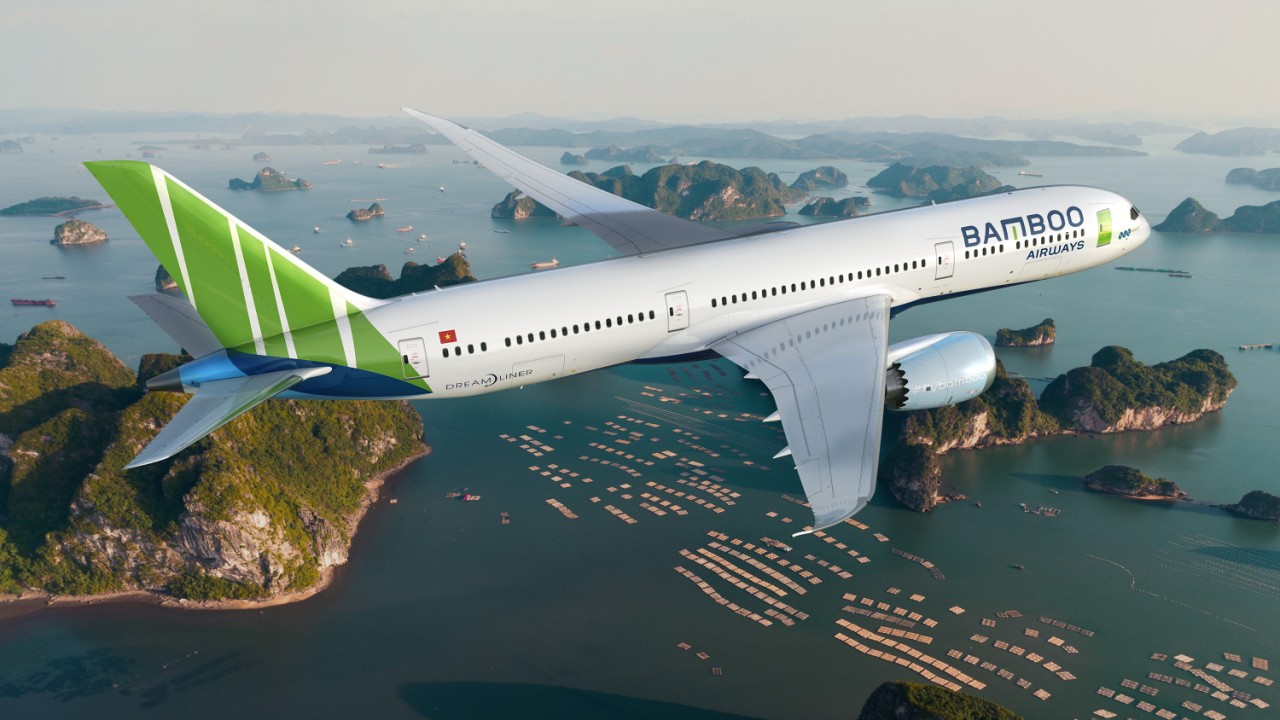
    Private carrier Bamboo Airways recently acquired slots to operate regular direct flights from Ho Chi Minh City to San Francisco and Los Angeles starting September.

    The airline plans to begin charter flights starting July and regular flights in September with four flights a week.

    The flights would be operated using the long-haul Boeing 787-9 Dreamliner aircraft. The carrier said it was rushing to complete the final steps in the process of building its personnel apparatus, including pilot and flight crew training, to get ready for operating direct flights to the U.S.

    While the latest development stirs new hopes for direct flights between the two countries, something that airlines and officials have been discussing and working on for nearly two decades, there are still many hurdles to overcome.

    Aviation expert Nguyen Thien Tong said that apart from flight slots, each Vietnamese airline will need to acquire various safety permits from U.S. agencies before getting the go-ahead for direct flights.

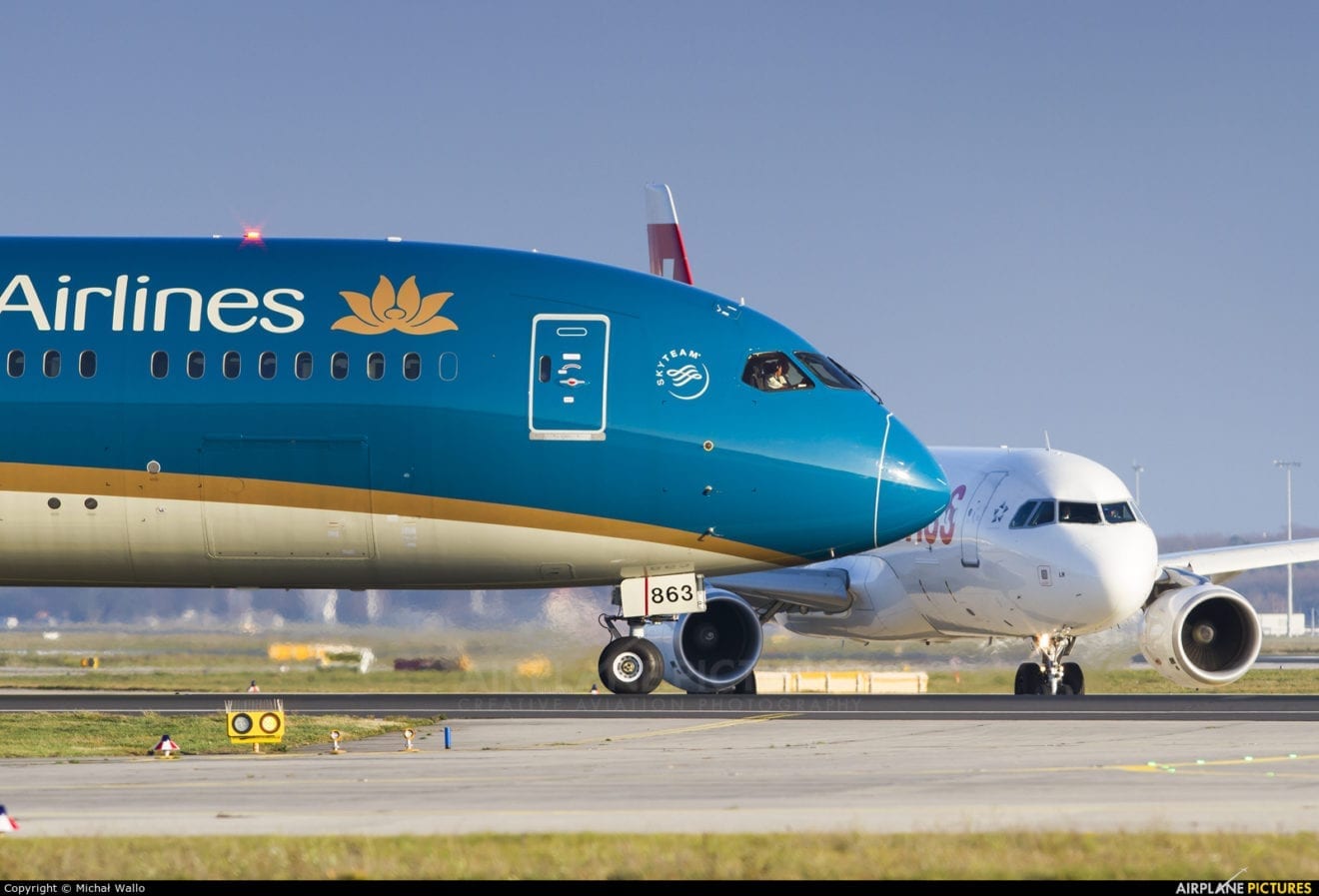
    Vietnam Airlines, with decades of experience in the industry, seems to be the most promising candidate to secure these permits, while Bamboo Airways, having operated for only two years, might face stiff challenges in proving its capability to conduct such long direct flights, he told VnExpress International.

    Last September, national flag carrier Vietnam Airlines had became the first Vietnamese airline to secure permits from the U.S. Department of Transportation for direct flights to the U.S.

    The airline last month received licenses from the Civil Aviation Authority of Vietnam (CAAV) to operate the Airbus A350 aircraft to the U.S. It had already acquired a permit for the Boeing 787.

    Last year, Vietnam Airlines conducted over 20 charter flights between the two countries.

    But, for regular flights, various permits are needed from the Federal Aviation Administration (FAA), the Transportation Security Administration (TSA) and the U.S. Customs and Border Protection (CBP).

    The TSA is one of the toughest obstacles with its stringent requirements. It will send experts to examine Vietnamese airports before proceeding further.

    A CAAV official told local media that the current fleet of Vietnam Airlines and Bamboo Airways with their Boeing 787-9 and the Airbus 350 won’t be able to fly directly to the U.S. at full capacity (over 300 seats).

    For long direct flights, the Boeing 777x and Airbus A350-1000 are needed, but the two carries do not own such jets, he said.

    Apart from concerns over technical challenges, experts have also questioned the profitability of Vietnam-U.S. direct flights.

    Vietnam Airlines CEO Le Hong Ha said the carrier might have to bear a loss of $30-50 million a year in the first five years of operating direct Vietnam-U.S. flights.

    Bamboo Airways chairman Trinh Van Quyet had earlier calculated that the airline could earn VND8 billion ($346,700) a month from direct flights with return ticket prices of around $1,300.

    But it is difficult to confirm those figures, especially as U.S. airlines, such as United Airlines and Delta Air Lines have launched and suspended direct flights to Vietnam after making losses, Tong said.

    There are currently no direct routes between the two countries, and passengers have to transit through Hong Kong, South Korea or Taiwan, taking 18-21 hours in all. A direct flight would shorten the travel time to 15-17 hours.

    Tong also said that with the ongoing Covid-19 pandemic it is unclear when a regular direct route will be established.

    Americans are among the top foreign visitors to Vietnam, with 687,226 arrivals in 2019, and an ethnic Vietnamese population of over 2.1 million in the U.S. is also expected to be a steady source of travel demand.

  • Vietravel posts $3 mln loss in Q1

    Vietravel posts $3 mln loss in Q1

    Tourism company Vietravel has already posted a loss of VND72.8 billion ($3.15 million) this year, or 81 percent of the loss it suffered in the whole of last year.

    Revenues fell nearly 65 percent to VND277 billion as the Covid-19 outbreaks in the first quarter hit travel.

    Its accumulated losses as of the end of March were over VND102 billion, or higher than its equity.

    The company targets an increase of 411 percent in revenue to VND6.24 trillion this year and a pre-tax profit of VND10 billion.

    In the first quarter it spent nearly VND59 billion on its new carrier, Vietravel Airlines, which began operations at the end of last year.

  • Bamboo Airways hikes capital yet again

    Bamboo Airways hikes capital yet again

    Private carrier Bamboo Airways has increased its charter capital by 28 percent to VND16 trillion ($695 million), the highest in the industry.

    Since it was set up in May 2017 with a capital of VND700 billion, this is the airline’s seventh hike.

    Its chairman, Trinh Van Quyet, said this month the airline is considering an initial public offering of shares in the U.S. this year to raise $200 million.

    It is expected in the third quarter, with the company likely to offer a 5-7 percent stake.

    It also plans to expand its fleet from 30 aircraft to 40.

    Last year, Bamboo Airways carried over seven million passengers to account for a 20 percent market share, and hopes to increase it to 30 percent this year.

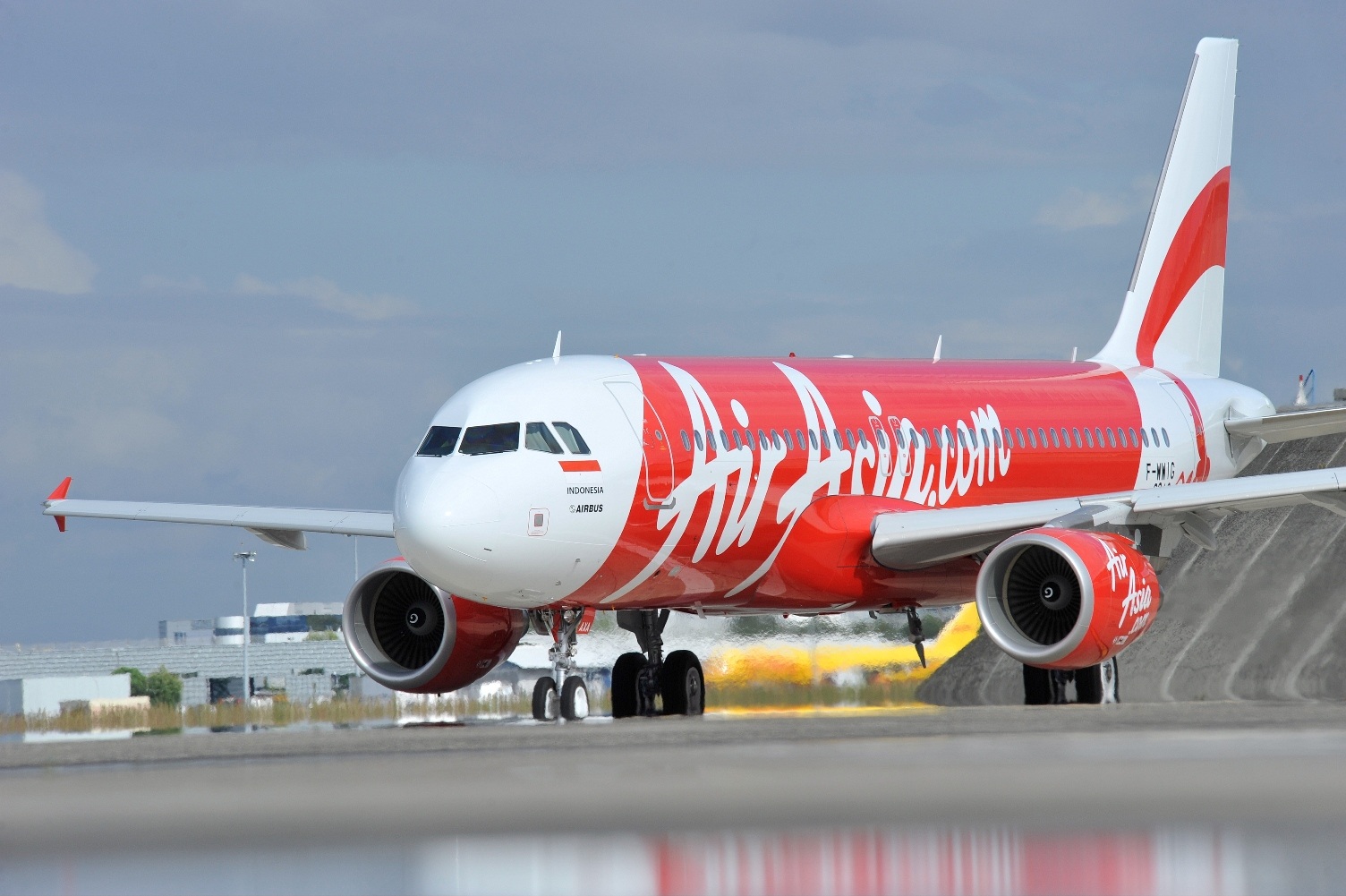
  • AirAsia announces free rescheduling on all flight bookings till May 15

    AirAsia announces free rescheduling on all flight bookings till May 15

    AirAsia India has announced free rescheduling on all flights for bookings till May 15, 2021.

    In a statement, the airline said that guests can now make unlimited changes for all bookings and changes made till May 15, irrespective of the travel dates, without incurring any flight change fees.

    “To ensure that its customers continue to have the greatest flexibility if their travel plans change with increased uncertainty and travel restrictions, the airline has extended this offer on its new website www.airasia.co.in as well as other major booking channels,” it said.

    The airline said that it left no stone unturned in adopting a multi-layered approach to offering safe and seamless travel for guests from booking to check-in and arrival.

    All aircraft undergo deep cleaning and sanitation, while cabin disinfection takes place before each flight, it said.

  • Bamboo Airways warned for overselling tickets

    Bamboo Airways warned for overselling tickets

    Vietnam’s aviation authorities have ordered Bamboo Airways to stop selling tickets for the wrong flight slots after many passengers complained of canceled and delayed flights.

    Each airline has an allocated number of flight slots, meaning a specific period of time wherein an aircraft can take off or land at an airport depending on the latter’s capacity, but Bamboo Airways has sold tickets for slots that it does not have, according to the Civil Aviation Authority of Vietnam (CAAV).

    In recent weeks customers have been complaining about Bamboo Airways frequently canceling or delaying flights, especially on the Hanoi-Da Nang route.

    On March 4, the budget carrier published a public apology over its changing of schedules, blaming it on maintenance work happening at the Noi Bai International Airport.

    However, a representative of Noi Bai airport said the maintenance work had finished earlier and that flight schedules were not affected by it.

    The CAAV has informed Bamboo Airways that if it ignored the warning and continued to offer tickets for the wrong flight slots, the carrier will not get more slots for six months.

    In January, Bamboo Airways, Vietjet, and Vietnam Airlines all received warnings for selling tickets for the wrong slots for the annual Tet (Lunar New Year) holiday.

  • Vietnam allows Boeing 737 Max to enter its airspace again

    Vietnam allows Boeing 737 Max to enter its airspace again

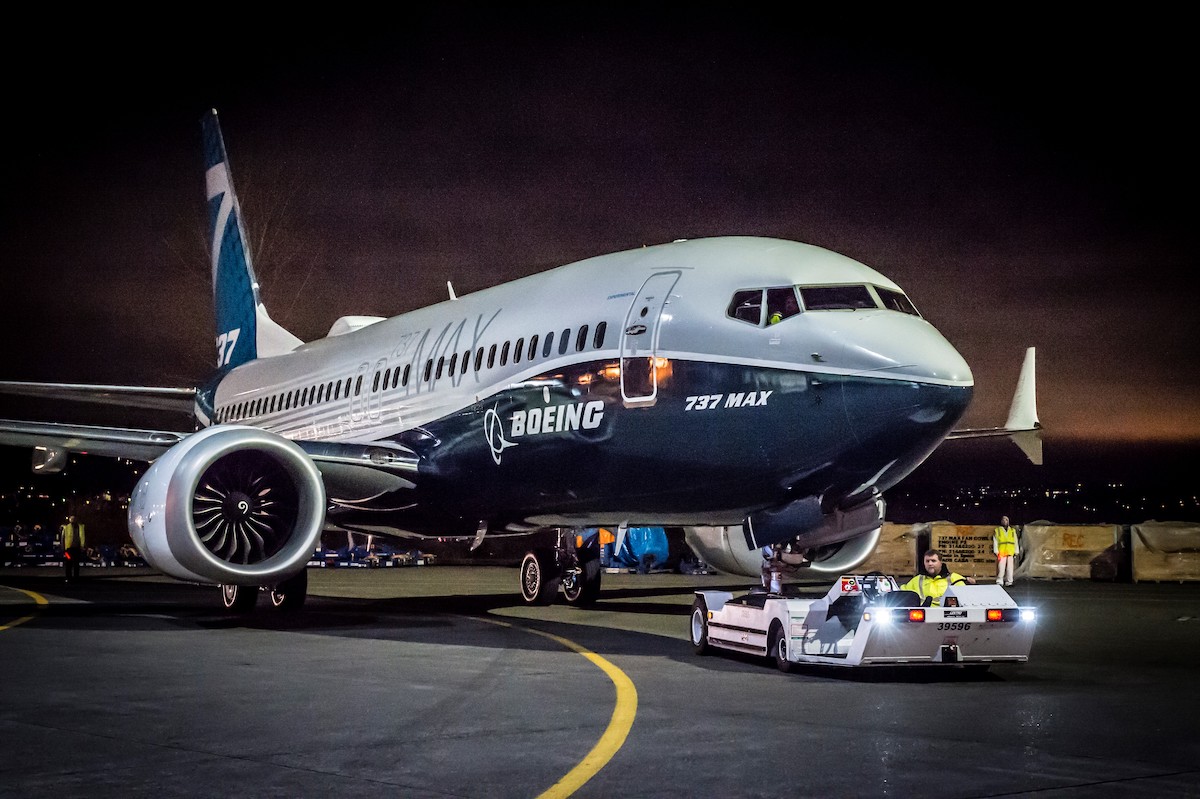
    Vietnam’s Transport Ministry has allowed the Boeing 737 Max aircraft to pass through the country’s airspace after two years.

    The decision was taken following a proposal made by the Civil Aviation Authority of Vietnam (CAAV) last month, citing Boeing’s efforts to address technical issues of the aircraft and assessments by aviation authorities in the U.S. and Europe.

    However, the ministry has ordered CAAV to continue monitoring related issues and updating itself with information from peers in China, Australia, and Russia, countries that have not yet opened up their airspace for this aircraft model.

    The ministry also said that after these countries lift their respective bans on the aircraft and if it meets Vietnamese regulations, the CAAV can report it for the ministry to consider permission for the aircraft to operate in and be imported into Vietnam.

    The U.S. allowed the Boeing 737 Max to resume operations in December and Europe did so in January.

    The Boeing 737 Max aircraft was grounded worldwide in March 2019 after 346 people were killed in two crashes in the space of a few months in Indonesia and Ethiopia.

  • AirAsia to swap stock for full ownership of loyalty programme

    AirAsia to swap stock for full ownership of loyalty programme

    Malaysia’s AirAsia Group and Aimia Holdings UK II have signed a memorandum of understanding (MoU) for a $25 million stock-swap deal, for the latter’s 20% equity interest in the airline group’s loyalty program.

    The parties inked a share sale and purchase agreement for Aimia to sell 1.67 million ordinary shares in BigLife to AirAsia Group for a $25 million consideration. This will be satisfied by 85.9 million new ordinary shares in AirAsia Group, issued at MYR1.20 ($0.29) each, the company said in a 22 March Bursa Malaysia disclosure.

    AirAsia Group and Aimia Holdings UK II have signed a memorandum of understanding (MoU) for a $25 million stock-swap deal, for the latter’s 20% equity interest in the airline group’s loyalty program.

    If it materializes, the deal will increase Aimia’s stake in AirAsia Group to approximately 3.1%, the investment holding company said in a separate, same-day statement.

    AirAsia Group recently raised over MYR330 billion for short-term cash needs, from a private placement of 470 million new shares. These were issued across two tranches in February and March, at MYR0.675 and MYR0.865 per share, respectively.

    A stock exchange filing shows the company had over 3.8 billion issued shares as at 17 March, upon the conclusion of the private placement, with MYR8.36 billion in issued share capital.

    Under the MoU with Aimia, the consideration shares issued by AirAsia Group will rank pari passu with existing shares at the point of completion. The issue price reflects the company’s recent volume-weighted average market prices and represents a 0.84% premium over the last close on 19 March, before the signing of the MoU.

    AirAsia Group states that the purchase consideration takes into account, among others, a 2014 valuation that Aimia paid for its initial stake, which put a 100% equity interest in BigLife at $109 million.

    The MoU is governed by the laws of Malaysia, AirAsia Group states. The terms have yet to be finalized.

    While the company can execute the MoU without shareholder or regulatory approval, the requisite resolutions to complete the deal will need to be passed at a general meeting. Issue of the consideration shares is subject to approval by AirAsia Group shareholders as well as Bursa Malaysia.

    The remaining 80% stake in BigLife is held by AirAsia Digital, a wholly-owned subsidiary of AirAsia Group.

    The company states in its filing: “BigLife is principally engaged in the business of managing customer loyalty schemes whilst its subsidiaries are involved in the marketing and distribution of loyalty programs.”

    It envisages greater synergies across the group from full ownership of BigLife, which it says will give it better control of the entity.

  • FLC Group’s Bamboo Airways shares drops

    FLC Group’s Bamboo Airways shares drops

    After Bamboo Airways hiked charter capital to VND10.5 trillion ($458 million) in February, Vietnamese conglomerate FLC Group’s shares in the airline has reduced from 51.29 percent to 39.4 percent.

    The airline was founded in May 2017 with a total charter capital of VND700 billion. In less than four years, it has increased its charter capital five times.

    In February 2021, the airlines increased its charter capital for the fifth time to VND10.5 trillion, all of it contributed by private investors. With this adjustment, Bamboo Airways ranks second in terms of charter capital among six domestic airlines, only behind flag carrier Vietnam Airlines with VND14.2 trillion.

    In 2020, the airline reported a 34 percent year-on-year increase in pre-tax profits to VND400 billion. It was among the few airlines which made a profit during the pandemic year.

    It also had the best on-time performance in 2020, with an on-time performance rate of 96 percent. In the first two months of 2021, the rate has increased to 97 percent.

    Property developer FLC, which currently owns 39.4 percent stake of Bamboo Airways, posted VND421 billion in pre-tax profit in 2020, a year-on-year increase of 43 percent.

  • AirAsia making Plans for Flying Taxi business next year

    AirAsia making Plans for Flying Taxi business next year

    Malaysian budget airline AirAsia Group on Saturday stated that plans are in the works to launch a flying-taxi business next year.

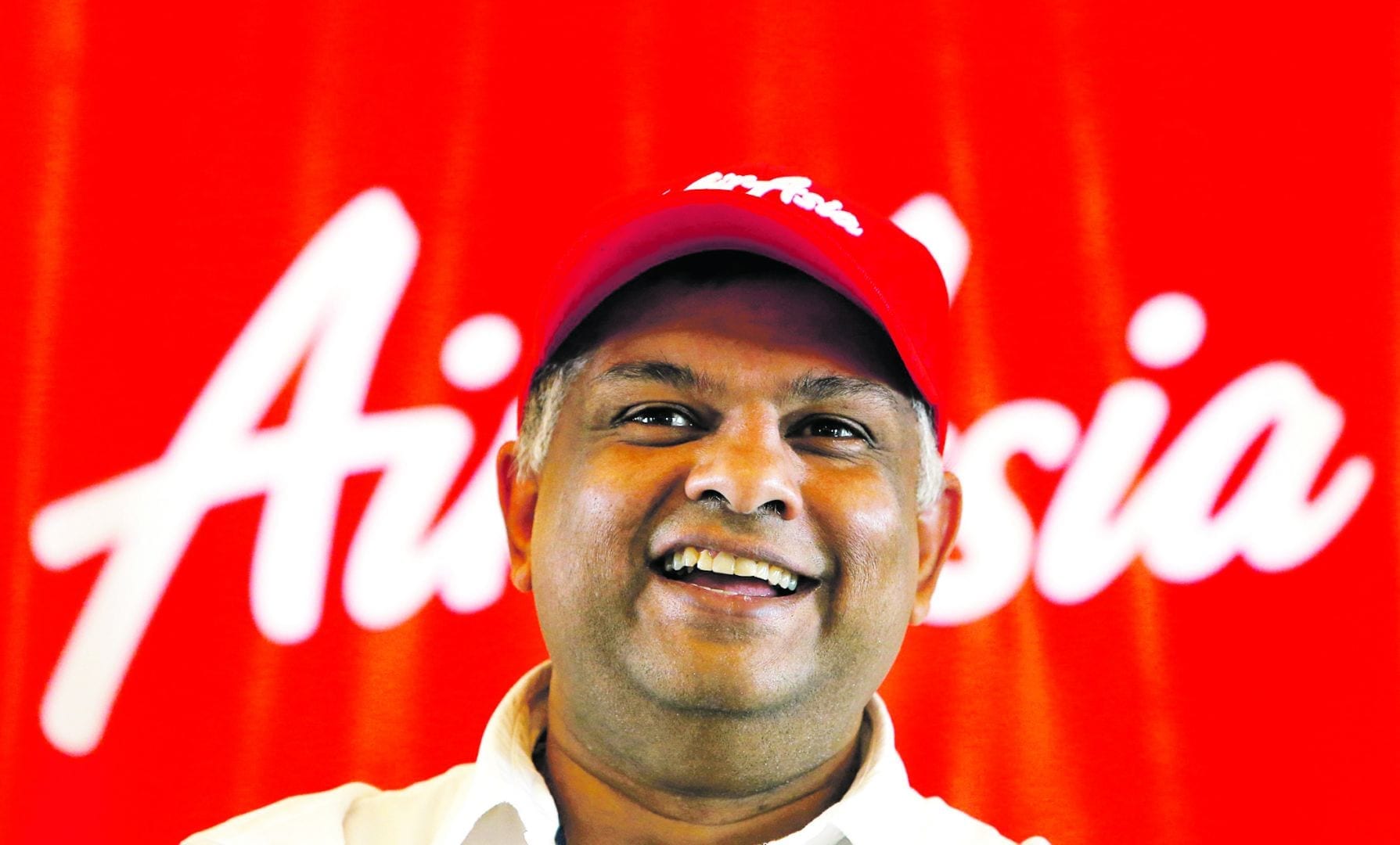
    Air Asia CEO Tony Fernandes on Saturday said that the company is working on the project, and it would take about a year and a half to launch it. He made these statements at an online discussion as part of the Youth Economic Forum.

    Fernandes further said that the flying taxis will be powered by a quadcopter, and it will have as many as four seats.

    With the COVID-19 pandemic proving to be detrimental to the aviation business, Air Asia has now branched into the digital space, launching a “super app” that offers services from travel and shopping to logistics and financial services, thus diversifying its revenue stream.

    Meanwhile, Tata Sons will enhance its shareholding in a low-cost carrier — AirAsia India — by buying a 32.67 percent equity stake of its JV partner AirAsia Group Berhad.

    The budget airline is a JV in which Tata Sons owns 51 percent stake, while 49 percent is held with AAIL.

    After the transaction, Tata’s shareholding will go up to 83.67 percent, while that of AAIL will come down to 16.33 percent.

    In a regulatory filing made to Bursa Malaysia, AirAsia Group Berhad said the transaction via a share purchase agreement with Tata Sons was agreed by AAIL’s Board.

    Headquartered in Bengaluru, AAI flies to 19 domestic destinations across India with 33 Airbus A320 aircraft.

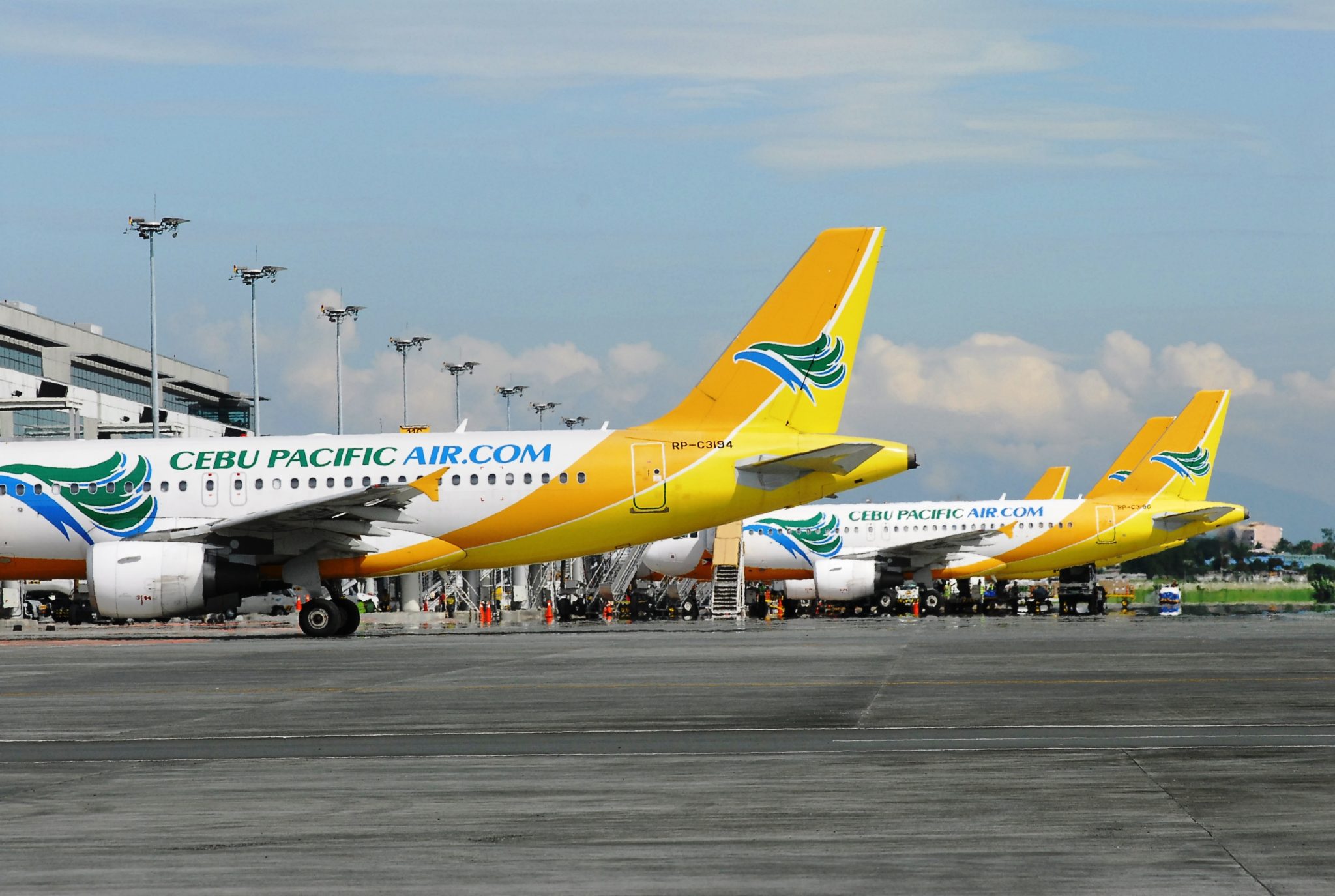
  • Everything is put in place for Cebu Pacific operator’s crucial stock offer to rescue airline

    Everything is put in place for Cebu Pacific operator’s crucial stock offer to rescue airline

    It’s all systems go for the upcoming P12.5-billion stock rights offer of Cebu Air Inc. next month.

    In a disclosure to the local bourse on Wednesday, the operator of loss-making budget carrier Cebu Pacific released the final terms for the fundraising activity meant to keep the airline afloat while lingering coronavirus fears prevent a full take-off to recovery.

    The mega stock rights offer is part of a larger recovery plan worth $500 million that the airline announced last October, which also included a private investor placement of an equal amount. It was unclear whether the balance had been raised already.

    Under the offer, existing common shareholders may buy convertible preferred shares at a conversion price of P38 apiece. Preferred shareholders are entitled to receive fixed dividends with a yield of 6% per year, but they will not have voting rights that common stockholders enjoy.

    Shares will be sold from March 3 to 9, while a tentative listing date was set on March 29. Cebu Air will sell a total of 328.9 million convertible preferred shares to investors for this crucial fundraising activity.

    A chunk of the proceeds worth P4.8 billion will serve as repayment to advances by JG Summit Philippines Ltd., its parent firm. A smaller P3.9 billion would go to aircraft operating lease payments due this year, while P3.3 billion would settle old debts.

    The balance of P384 million would be spent on “general corporate purposes,” primarily for passenger refunds in case cash generated from lackluster operations are insufficient for settlement.

    Unlike regional counterparts that handed bailouts to their cash-strapped carriers like Malaysia and Thailand, the Philippines has been reluctant in spending taxpayers’ money to rescue local airlines on the brink of financial collapse.

    Although Cebu Air is yet to release its full-year financial results, the airline has expected losses to amount to “almost P25 billion” in 2020 that, if realized, will be a reversal of the P9.12 billion in profits in 2019.

    Apart from raising new funds, Cebu Air was also forced to downsize its workforce by 75% last year due to tepid flight operations.

  • AirAsia to raise RM250mil via private placement

    AirAsia to raise RM250mil via private placement

    Low-cost airline, AirAsia Group Bhd is expected to raise approximately RM250mil through the first tranche of its private placement involving 369.85 million shares valued at 67.5 sen each.

    The issue price, which was fixed yesterday, represented a discount of 9.82% to the company’s five-day volume-weighted average price of 74.85 sen up to Feb 9.

    “The actual number of placement shares to be placed out under the first tranche will depend on the final acceptance by the identified places.

    “Any placement share not placed out under the first tranche will be included in the subsequent tranches, ” said RHB Investment Bank Bhd in a filing to Bursa Malaysia on behalf of AirAsia.

  • AirAsia expects to resume flying to most routes by the end of 2021

    AirAsia expects to resume flying to most routes by the end of 2021

    The outlook for the global aviation industry is improving as more countries begin rolling out mass immunization programs against Covid-19, AirAsia boss Tony Fernandes said Tuesday.

    As one of Asia’s top budget airlines, AirAsia expects to resume flying to “a large part” of its routes by the end of 2021 but passenger capacity is not expected to return to pre-coronavirus pandemic levels until 2023, according to Fernandes.

    “It’s been the toughest challenge,” he said,” as part of the network’s coverage of the Davos Agenda. “But I think the outlook’s getting better.”

    “The most important thing is there’s a huge amount of demand out there and we just have to wait for borders to open and I think we’re one of the first kind of businesses that will recover, from an airline perspective, because we’re very strong in domestic and regional,” he said

    The coronavirus pandemic has crippled the global travel and tourism sector. It’s sent many airlines into survival mode as they undertake mass layoffs, cancel orders, retire some of their existing fleet,s and cut down routes.

    In December, the International Air Transport Association (IATA) said airlines will suffer a net loss of $118.5 billion for 2020 and an expected net loss of $38.7 billion in 2021.

    AirAsia is also struggling. In November, the company reported a fifth straight quarterly loss between July and September and is in the process of raising funds through loans and investors. Fernandes said the company is looking at raising up to 2.5 billion Malaysian ringgit ($618 million) for the whole group. That includes AirAsia’s digital business and the logistics unit — both of which are performing well, according to Fernandes.

    “We’re a little bit behind schedule than we wanted to be but the amount’s exactly where we want to be. We are very confident that this capital that we’ll raise will take us well into 2023,” he said, adding that the company will emerge with a better cost structure, a strong digital business, and good demand for the airline.

    The AirAsia stock is down almost 22% so far this year.

    Fernandes also said AirAsia is in talks with Airbus and that the airline’s long-term order book remains. “We’re going to have to defer some of it to a later date,” he said, adding, “We don’t want to change that for short-term decisions.”

    AirAsia is one of Airbus’ largest customers since the airline made a switch from Boeing years ago. Reuters reported that since then, AirAsia has ordered a total of more than 660 Airbus jets including planes yet to be delivered.

    The CEO explained the competitive landscape for airlines has changed due to the pandemic. Some carriers have either reduced capacity or left the market altogether. Cost-cutting measures from AirAsia are expected to improve the company’s margins, he said.

    Budget airlines that fly shorter routes and sell on-demand services are expected to recover quicker than carriers that fly to intercontinental destinations and rely on first and business-class travel, according to Fernandes.

    He said business travel will take a longer time to recover as more people would opt to conduct business meetings virtually. “Time is a great healer. Eventually, business travel will come back but there’ll be an element that will say ‘well I can do it from Zoom,’” Fernandes added.

  • AirAsia founder Tony Fernandes claims governments ’ Covid-19 coordination ‘horrific’

    AirAsia founder Tony Fernandes claims governments ’ Covid-19 coordination ‘horrific’

    “The coordination on Covid-19 is horrific,” AirAsia Group Bhd founder and group chief executive officer Tan Sri Tony Fernandes laments and claims in a direct swipe at world governments’ on how the global pandemic has been managed and its impact on the travel and aviation industries.

    BBC has today quoted Fernandes as saying that in his history of running an aviation business, he has never seen something so poorly coordinated.

    “It’s like nothing I’ve ever heard,” he said. “The United Nations, with the travel industry, should have come up with some standard protocols” earlier in the pandemic, but politics had got in the way, according to him.

    “Governments are petrified of their people, and they’re taking a very, very, very conservative view. They all want to be in control.

    “I just think that everyone’s… scared and just reacting in a very jingoistic and nationalistic way. I think countries are going to say, unless you’re vaccinated they’re not going to let you in without quarantine,” Fernandes said.

    The BBC report, which also quoted International Air Transport Association (IATA) director-general Alexandre de Juniac, said the world’s airlines need another US$70 billion (about RM283.5 billion) to US$80 billion of government support to get through the crisis caused by the coronavirus pandemic.

    de Juniac was quoted as saying the figures were “on top of the US$170 billion already granted”.

    It was reported that June 2021 is when he expects the first significant easing of travel restrictions, as the impact of vaccines begins to be felt.

    “Government travel restrictions and a huge fall in passenger confidence meant global demand for flights fell about 60% last year, according to IATA figures.

    “That means 2020 saw about 1.8 billion passengers fly, instead of the 4.5 billion in 2019. In an industry where profit margins were already thin it means airlines are estimated to have already lost US$118 billion, with worse set to come,” BBC reported.

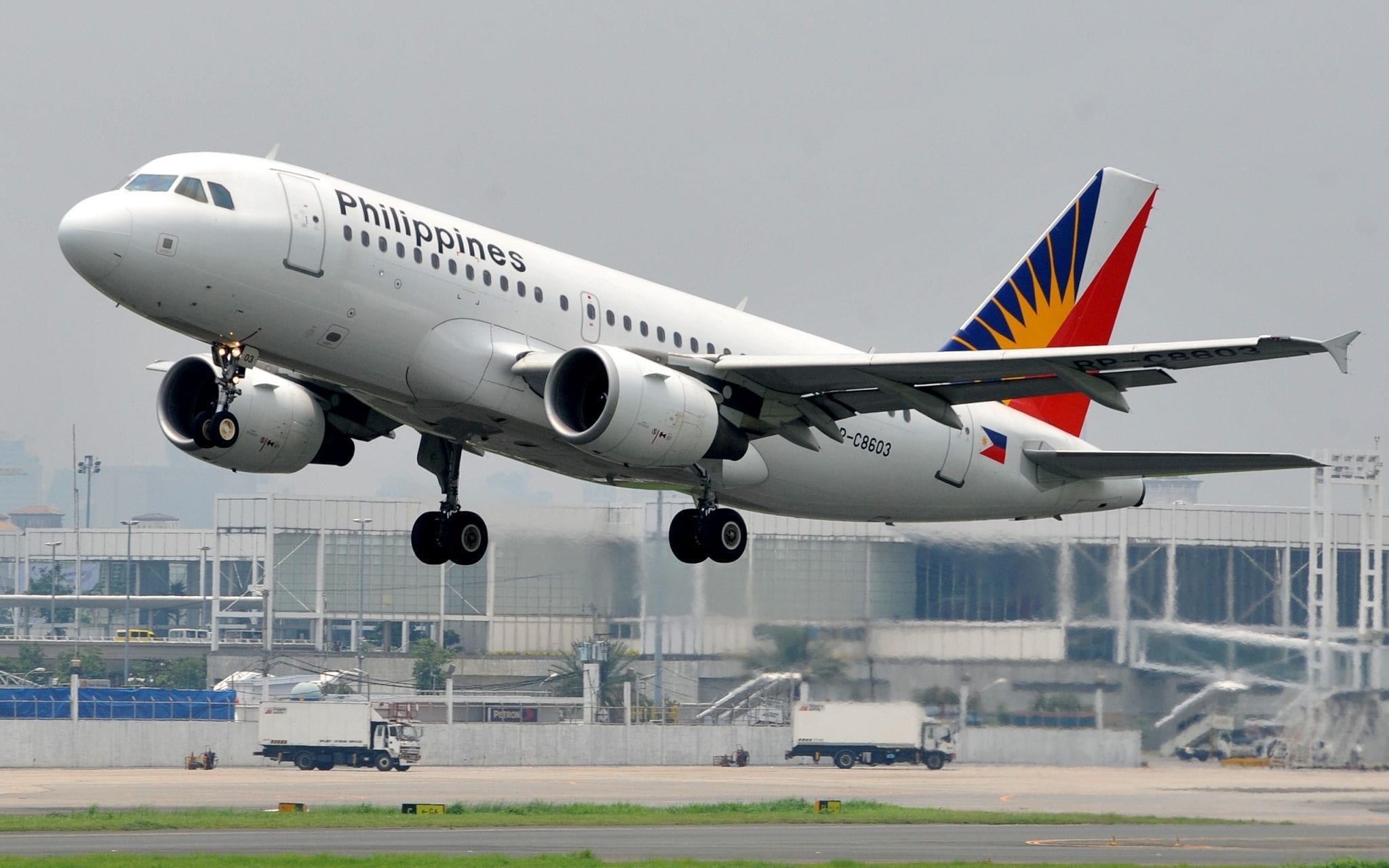
  • Philippine Airlines suspends all UK flights

    Philippine Airlines suspends all UK flights

    Philippine Airlines has suspended flights to and from London till the end of February 2021 as Britain battles a new coronavirus strain, said a report.

    The airline said it supports all measures that seek to curb any potential increase in Covid-19 cases during the holiday season and beyond.

    Passengers already in transit and those who arrived in the Philippines from the UK before December 24 will be allowed to enter the country, but they must undergo stricter quarantine and testing protocols, the report cited Presidential spokesman Harry Roque as saying.

  • Tata grabs bigger slice of AirAsia India

    Tata grabs bigger slice of AirAsia India

    A number of bids have been put forward for India’s loss-making national carrier, including one on behalf of its employees. The Indian government had tried to offload its stake in Air India in 2018 but failed to attract a single bid. One group is representing employees and plans to offer them a controlling stake in the struggling airline. Another bid is reported to have been put forward by the Tata Group, which originally founded the airline in 1932.

    Tata, which owns Jaguar Land Rover, sold its stake to the government in the 1950s. India’s Prime Minister Narendra Modi is keen to sell the government’s entire interest in the airline, which has been kept aloft by a bailout and racked up billions in debts. The airline has many assets, including prized slots at London’s Heathrow airport, a fleet of more than 100 planes and thousands of trained pilots and crew. One of the bids put in ahead of this week’s deadline was from US-based investment firm, Interups.

    Under its plan, Interups will hold 49% of Air India while a controlling stake of 51% will be held by its employees.

    “We are giving an open offer to employees of Air India to substantially own the airline,” Interups chairman Laxmi Prasad told the BBC.

    “Our group will invest the entire monies required for the airline, with no capital requirement from employees to contribute into the acquisition effort.”

    Calling them the “backbone to run the airline”, Mr Prasad added that the 51% stake would be “in exchange for the deep intangible contribution you all would be making for the airline.”

    “No-one knows Air India better than its employees and management.”

    “Any new owners will need to invest heavily in Air India, improving its technology and customer services operations,” said Jitendra Bhargava, former Executive Director of Air India and author of the book, The Descent of Air India.

    “But India is a growing market and offers huge potential. My take is that Air India is better run as a private company than by bureaucrats.”

    Interups, which specialises in turning companies around, says it has also targeted another Indian airline, and if successful, will merge it with Air India. They have not specified which airline that could be.

    “The combined operations will make Air India a global leader for passenger traffic to and from India,” said Mr Prasad.

    He described the potential battle with Tata for the airline as David versus Goliath. “But David mastered the winning, and we are equally confident.”

    The Indian government is expected to notify the qualified bidders in early January 2021.