Retail News CRM

Tag: flying

  • AirAsia resumes KL-Singapore flights under RGL scheme

    AirAsia resumes KL-Singapore flights under RGL scheme

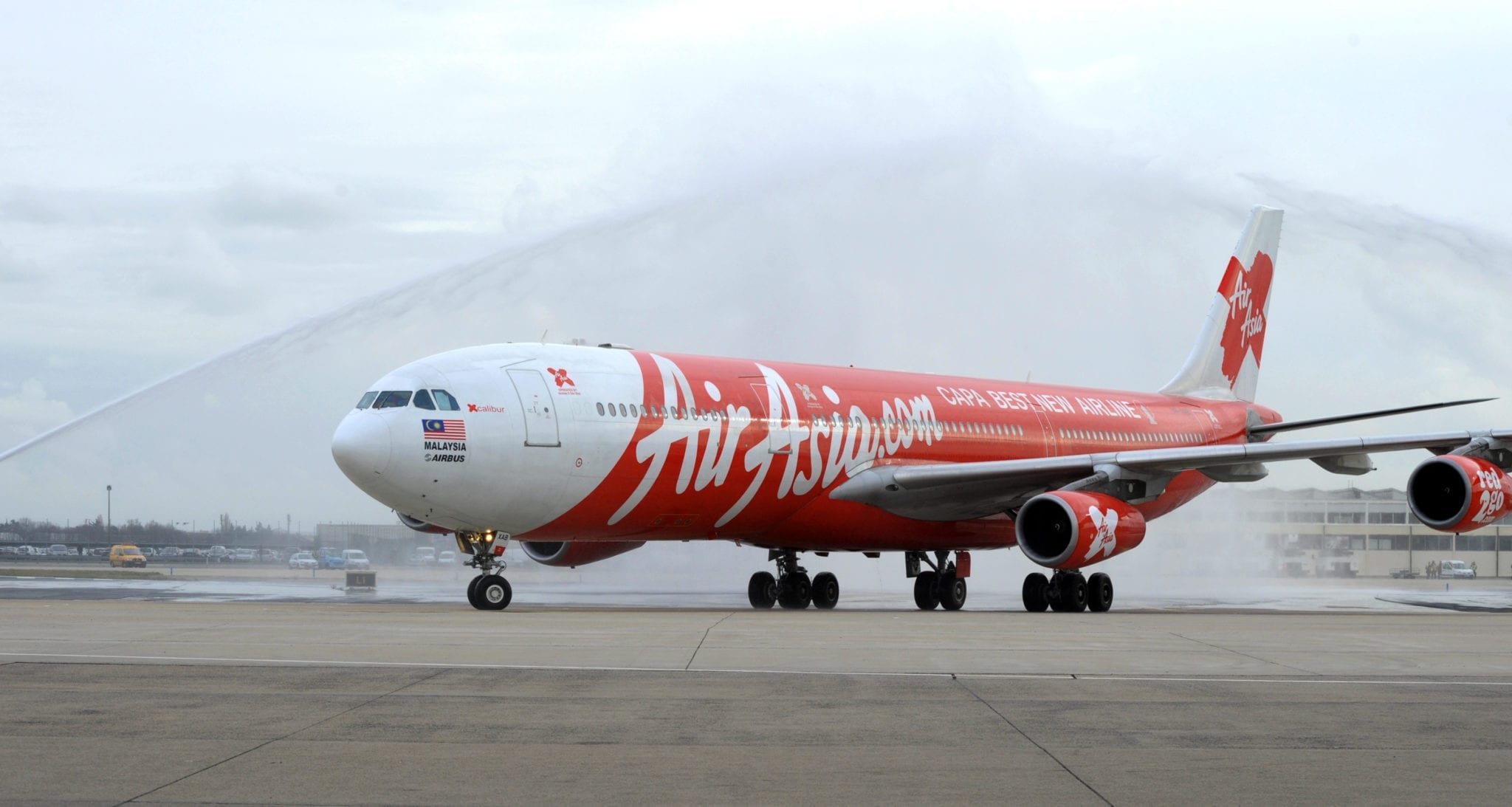
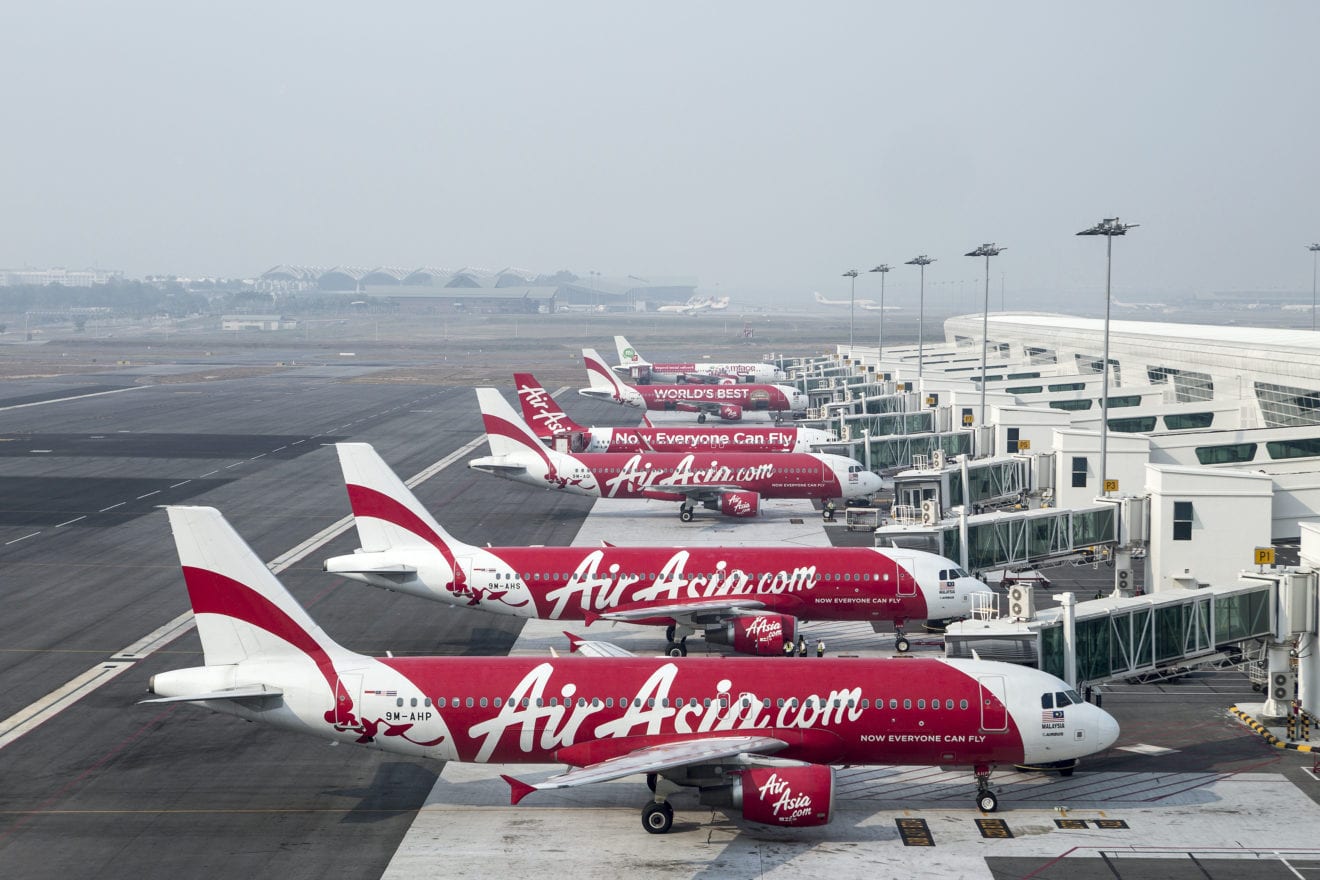
    AirAsia resumed its Kuala Lumpur to Singapore flights today, allowing cross-border travel for essential and official travellers, following the implementation the Reciprocal Green Lane (RGL) scheme by both countries.

    AirAsia Malaysia CEO Riad Asmat said both countries have taken relentless efforts and strict discipline in containing the spread of Covid-19, and the RGL is a first step towards reviving the economy, especially for those who have essential travel needs between both countries.

    “We look forward to seeing more ‘travel bubbles’ and ‘green lanes’ formed between countries with low infection rates or active cases, and proven pandemic curbing systems to facilitate the need for air travel.

    “At the same time, we urge all guests to adhere to the required regulations and follow the safety measures for a safe flying journey,” he said in a statement today.

    The flight departed from klia2 today at 11.50am to Changi International Airport, and returned to klia2 at 2.35pm.

    He said AirAsia will continue to review the suitability of introducing more frequencies between the two countries.

    “AirAsia would like to remind guests of travel requirements set by both countries under the RGL scheme, all inbound and outbound travellers for essential business and official travel between Malaysia and Singapore via the RGL are required to check their eligibility and travel requirements before their scheduled departure,” he said.

    More information on the matter is available on AirAsia’s Travel Requirements page.

  • Flight restart in June offers little reprieve to Cebu Pacific

    Flight restart in June offers little reprieve to Cebu Pacific

    Gokongwei-led Cebu Air Inc. took a turn for the worse on the first half of the year as losses mounted due to the coronavirus pandemic that kept most of its fleet grounded. A gradual recovery is seen from reopening routes.

    In a disclosure on Wednesday, the budget carrier reported net losses amounting to P9.14 billion from January to June this year, a massive reversal of the P7.15 billion profits the same period a year ago. Losses worsened from the first three months of the year, when during the latter part of the period, the government declared a sweeping community quarantine that closed down airports and enforced travel barriers to contain the virus spread. The shutdown’s impact was so severe, Cebu Pacific slashed its workforce by a quarter.

    “While some sporadic arrangements for sweeper flights to assist with stranded tourists did occur, for the most part, the Group’s operations were virtually nil until April when some cargo flights within the Philippines and eventually to countries like Japan, Thailand, China, Hong Kong recommenced,” the company said.

    As the Philippines began to ease quarantine controls last June, Cebu Pacific returned flights to 25 of its 78 domestic routes in seven hubs located in areas under general community quarantine, providing relief to the bleeding. “The Group will continue to expand its operations as more local governments welcome flights into their cities,” the airline said.

    Broken down, revenues for the first six months plummeted 61.2% annually to P17.33 billion. Of that amount, P11.51 billion was generated from passenger flights, down a bigger 65.5% on-year as passenger traffic more than halved to 4.5 million from last year.

    Earnings from revenue operations, meanwhile, slipped 21.7% year-on-year to P2.22 billion in the same six-month period, incurred as a result of a 52.4% drop in cargo volumes. Ancillary revenues decreased by 57.7% annually to P4.9 billion.

    On the flip side, earnings also sank 32.2% from year-ago levels to P35.89 billion “mostly driven by the suspension of the Group’s operations due to the COVID-19 global pandemic,” Cebu Pacific said. The peso appreciation, as well as a decline in global oil prices, also helped temper disbursements by lowering imported fuel costs.

    Broken down, January-June expenditures from flying dropped 53.6% on-year to P8.15 billion, that from aircraft servicing shrank 48.8% annually to P2.17 billion, maintenance costs by 13.9% to P561.08 million, and costs from foreign exchange swings by 11.5% year-on-year to P8.17 billion.

    “The Group’s cash requirements have been mainly sourced through cash flow from operations which was significantly reduced due to the current COVID-19 situation,” Cebu Pacific said, even as the airline assured investors of its “strong” financial position.

    The budget carrier, as well as other local airlines, have pleaded to the government for a direct financial rescue to prevent collapse and layoffs. The Duterte administration, however, has rejected cash intervention to salvage firms, opting to let banks lend them money instead.

  • Cebu Pacific sends 14 planes for storage

    Cebu Pacific sends 14 planes for storage

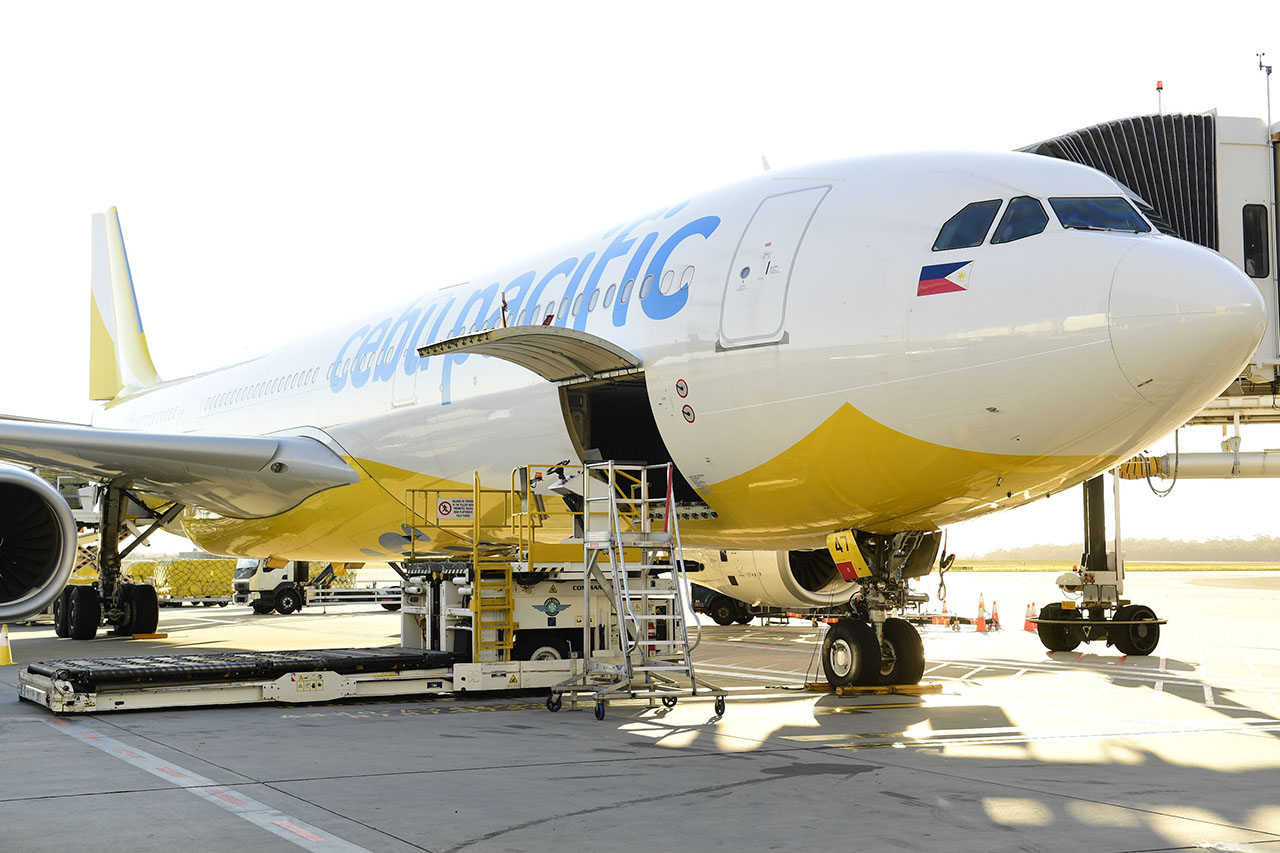
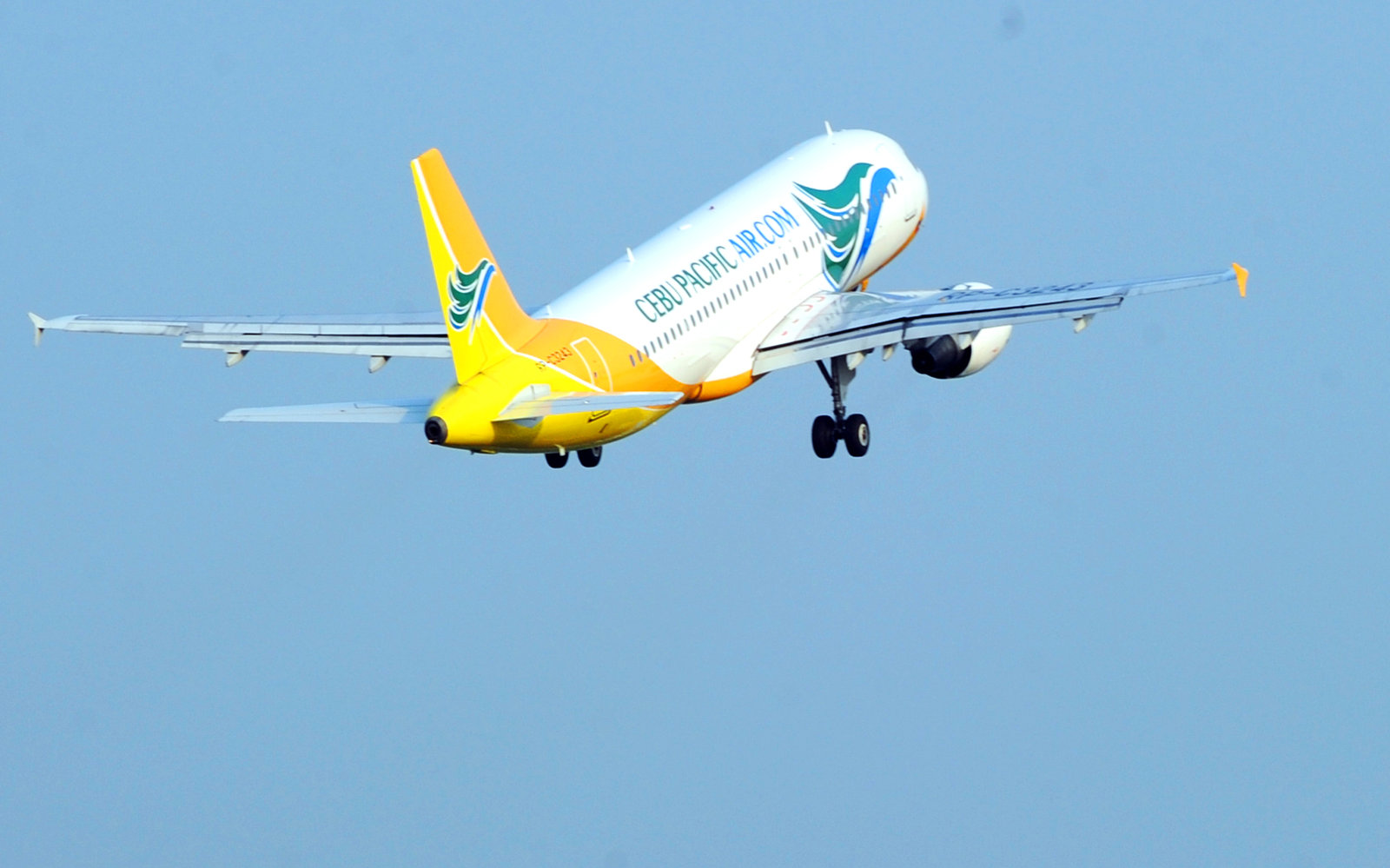
    Budget carrier Cebu Pacific has now sent a total of 14 aircraft for storage at Alice Springs in Australia, with more possibly eyed as travel demand is not expected to return to its robust state anytime soon.

    On top of the 14 aircraft that have been sent so far, Cebu Pacific spokesperson Charo Logarta Lagamon said the next batch is still under study.

    “We have a fleet of 75 aircraft. Because costs continue to be challenged, we have sent aircraft to Alice Springs along with many other airlines, and we are looking to send additional aircraft there for additional storage because obviously we do not see demand coming back in the immediate future,” Lagamon, who is set to leave the airline effective Aug. 15, said yesterday.

    “We will have to store these aircraft in a more proper setting and in a cost-efficient manner,” she said.

    As part of its cost mitigation measures, Cebu Pacific last month said it sent nine aircraft to the Asia Pacific Aircraft Storage at Alice Springs for storage.

    “The best place to store aircraft is somewhere that is dry. This is a facility that stores aircraft because we need to make sure that it stores in a facility that will minimize damage or be equipped for storing aircraft so that once the demand comes back we can easily bring the aircraft back into the line,” Cebu Pacific vice president for marketing and customer experience Candice Iyog earlier said.

    Meanwhile, Lagamon said Cebu Pacific management and their counterparts in Airbus are currently in discussions on the adjustment in delivery or possible cancellation of some of the company’s aircraft orders given the impact of the COVID-19 pandemic to the aviation industry.

    “This is subject to discussions with Airbus. But again, it’s not only Cebu Pacific that is the only carrier in the world that is in talks with the manufacturers for the delay or adjustment of delivery schedules of these orders,” she said.

    Quoting Cebu Pacific president and CEO Lance Gokongwei, Lagamon said the airline is expecting challenging numbers in its second-quarter financial results.

    “This is on account of the course of continuing quarantine. We are still unable to fly the majority of our flights. We’re only at 10 percent of what our capacity used to be,” she said.

    Lagamon said Cebu Pacific has canceled some 150 flights a week, or a total of about 300 flights, from Aug. 4 to Aug. 18 following the return of Metro Manila to modified enhanced community quarantine.

    Cebu Pacific incurred a P1.18 billion net loss in the first quarter, a turnaround from the P3.36 billion net income it recorded in the same period last year, as travel restrictions brought about by the COVID-19 pandemic started taking its toll on its operations.

  • Cebu Pacific to refund tickets of 1.5M passengers

    Cebu Pacific to refund tickets of 1.5M passengers

    Budget carrier Cebu Pacific will provide refunds to an estimated 1.5 million passengers as 50 percent of its fleet remains grounded due to the coronavirus pandemic.

    Charo Logarta Lagamon, corporate communications director for Cebu Pacific Air, assured that passengers who requested refunds since April or earlier will be refunded by August.

    “All of a sudden, we have a situation where hundreds of thousands of passengers are all clamoring for a refund in a 160-day time frame. It’s not that simple to refund, especially now that there’s no cash flow in the airline. Nothing is going in and everything is going out,” she said in a Zoom meeting Friday, Aug. 7.

    Lagamon said they are doing their best to fast-track the process and that there are reforms underway to help in the refund process.

    She said the airline will reimburse payments made through credit or debit card while for those who paid in cash, the refund will be deposited in the bank account of the customer.

    Moreover, to stay afloat during these challenging times, the airline also implemented cost-cutting measures like the layoffs of 800 employees, which is 20 percent of the airline’s 4,000 employees.

    Company officials also had pay cuts.

    “Our second-quarter performance was very challenged due to the prolonged Covid-19 situation,” she said.

    Meanwhile, Cebu Pacific placed 14 of its 76 aircraft in long-term storage in Alice Springs, Australia to preserve the airline’s condition. Others were parked in the different hubs in the country.

  • Financial aid for AirAsia crucial due to high multiplier effect

    Financial aid for AirAsia crucial due to high multiplier effect

    Financial assistance such as loans with easier terms to AirAsia Group is crucial in helping the struggling low-cost carrier to turn around as its recovery will bring about a huge spillover effect to the broader economy.

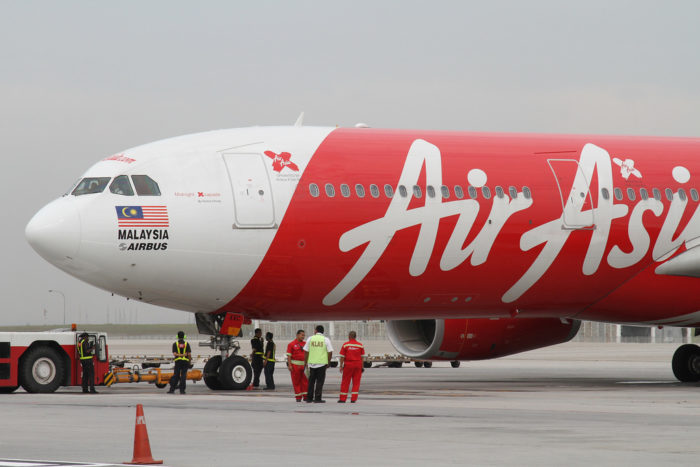
    AirAsia X  chairman Tan Sri Rafidah Aziz reportedly said easier loan terms will not only provide the carrier with operating funds but also create a high multiplier effect in boosting and reviving the country’s economy.

    She was quoted by Utusan Online as saying AirAsia is negotiating for bank loans with low-interest rates and longer tenures.

    “We have a multiplier effect from flights which is 12 times, with every RM1 we bring in, another RM12 given to (economic) sectors such as hotels, resorts and restaurants, ” Rafidah was quoted as saying in the report.

    She said countries understand, when the aviation industry opens, business people and tourists will come, so hotels and restaurants will resume operations and receive visitors

    According to Rafidah, support and financial assistance is needed by the airlines affected by the enforcement of the Movement Control Order (MCO) to curb the Covid-19 pandemic.

    She noted that no income is earned during the MCO period because flights in and out of the country are stopped while expenses continue to be incurred.

    Rafidah said the Covid-19 pandemic situation has not stopped AirAsia from continuing to find new flight destinations.

    However, she said, various aspects need to be looked at first including the number of visitors and fuel prices.

  • AirAsia aiming to launch Muslim-friendly services including packages to perform Haj and Umrah

    AirAsia aiming to launch Muslim-friendly services including packages to perform Haj and Umrah

    AirAsia Group Bhd is aiming to launch Muslim-friendly services including packages to perform the Haj and Umrah.

    In the low-cost carrier’s management discussion and analysis in its Annual & Corporate Governance Report 2019 released July 29, AirAsia co-founder and group CEO Tan Sri Tony Fernandes said the airline was actively assessing the prospects of a number of products that cater to niche travel.

    “For example, we aim to launch Muslim-friendly services including packages to perform the Haj and Umrah.

    “We are also looking to enter the medical tourism space, a rapidly growing segment where we would be able to provide the full complement of visas, travel, accommodation, and insurance,” he said.

    He said the idea was to provide complete end-to-end services and experiences for travelers, who only need to search and click for what they want on their mobiles or laptops.

    Fernandes said while AirAsia adhered to its low-cost model to be able to grow our network and offer an ever-increasing range of exciting destinations for guests, it was not able to fully cushion itself from the vagaries of the operating environment.

    “Natural disasters, viral outbreaks, economic downturns, geopolitical upheavals – all of these can, and do impact travel,” he said.

  • Budget airline AirAsia’s future in ‘significant doubt’

    Budget airline AirAsia’s future in ‘significant doubt’

    The future of Asia’s biggest budget airline, AirAsia, is in “significant doubt”, auditor Ernst & Young has said. Shares in the Malaysian-based airline fell by more than 17% on Wednesday after being halted earlier in the day.

    The airline’s founder and chief executive is tycoon Tony Fernandes, who also co-owns Queens Park Rangers (QPR) football club in the UK.

    The world’s airlines have been hit hard by the sharp fall in passengers due to strict coronavirus travel restrictions.

    Ernst & Young highlighted the airline’s huge debts in a statement to the Kuala Lumpur stock exchange late on Tuesday.

    It said AirAsia’s current liabilities already exceeded its current assets by 1.84bn ringgit ($430m; £340m) at the end of 2019, before the start of the pandemic.

    The Asian carrier’s financial performance and cash flow have been further hit by the grounding of its planes amid tight travel curbs and lockdowns.

    This slump and AirAsia’s financial performance “indicate the existence of material uncertainties that may cast significant doubt on the Group’s and the Company’s ability to continue as a going concern,” Ernst & Young said in its unqualified audit opinion statement.

    On Monday, AirAsia reported a record quarterly loss of 803.8m ringgit. The budget airline started suspending flights in late March.

    “This is by far the biggest challenge we have faced since we began in 2001,” Mr Fernandes said in a statement.

    “Every crisis is an obstacle to overcome, and we have restructured the group into a leaner and tighter ship.”

    “We are positive in the strides we have made in bringing cash expenses down by at least 50% this year, and this will make us even stronger as the leading low-cost carrier in the region,” he added.

    AirAsia said it was in talks over joint ventures and collaborations that may result in additional investment. It has also applied for bank loans and is weighing proposals to raise additional capital.

  • Vietnam Airlines wants $500 mln government bailout

    Vietnam Airlines wants $500 mln government bailout

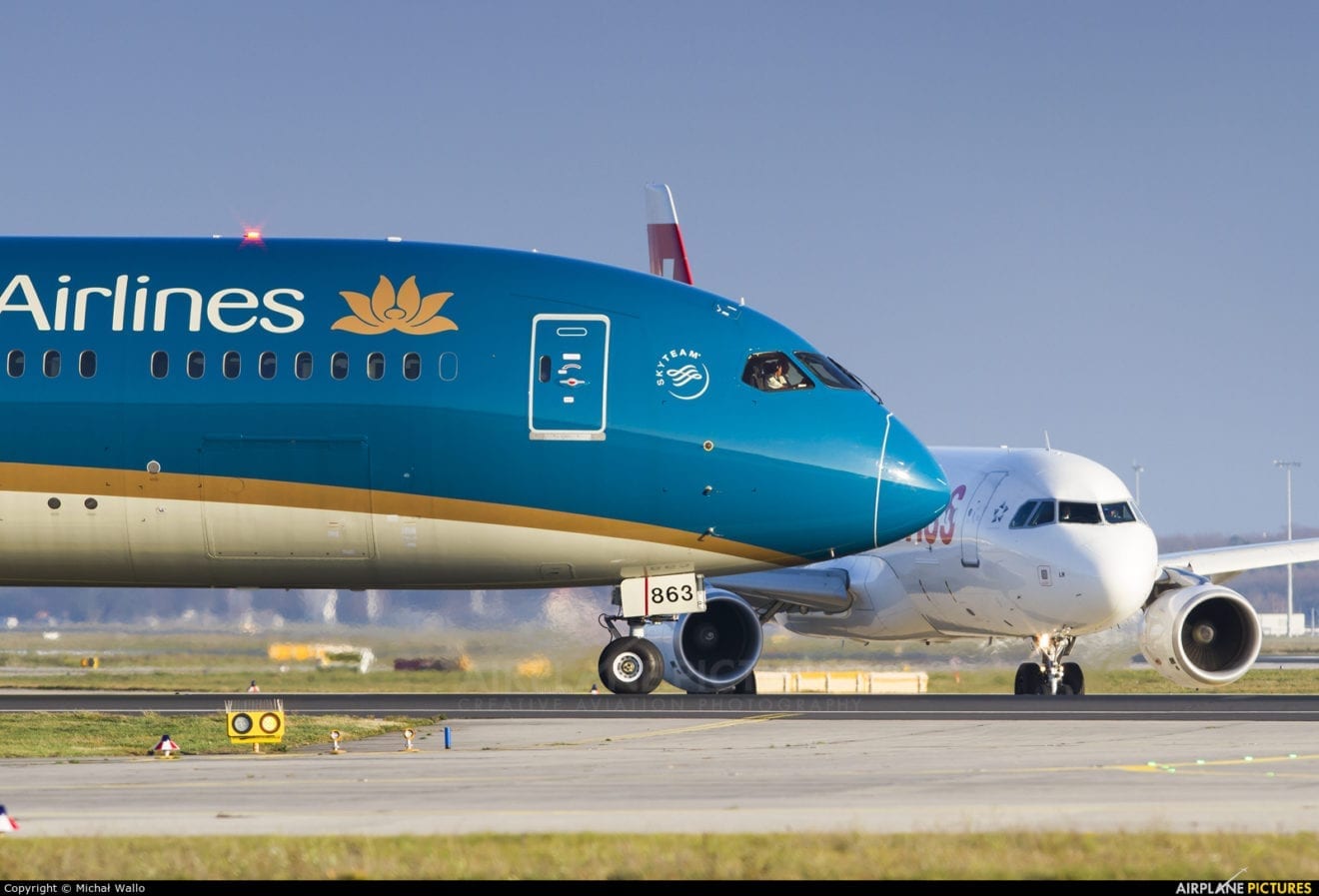
    Vietnam Airlines is seeking an urgent VND12 trillion ($518 million) bailout from the government as the coronavirus continues to hit its revenues. It is likely to report a loss of VND13 trillion ($561 million) this year, with revenues falling by half from last year to around VND50 trillion ($2.2 billion), CEO Duong Tri Thanh said at a meeting on Monday.

    It has stopped all regular international flights since April when it operated only four domestic flights a day on average.

    In June the number of passengers rose to 84 percent of the number a year earlier. “Since 1975 there have never been fewer flights in Vietnam’s skies,” he said, referring to the year the Vietnam War ended.

    He expected the domestic market to recover to pre-pandemic levels only by the end of 2021, and the international market a year later.

    Government advisors said at the meeting that other options to rescue the airline include issuing more shares to existing shareholders or allowing investment by sovereign fund State Capital Investment Corporation.

    One of them, Nguyen Dinh Cung, said many other governments have bailed out airlines and Vietnam should do the same.

    Thanh said Vietnam Airlines has taken up the issue of funding with All Nippon Airways, which owns an 8.6 percent stake in it, but since the Japanese carrier is also in trouble it cannot provide loans now.

    In Vietnam, the aviation industry has been among the hardest hit by the coronavirus pandemic. Airlines served 14.6 million passengers in the first six months, down 46 percent year-on-year, according to the General Statistics Office.

  • Thai Vietjet offers super-saver fares from THB50 for all 13 routes in Thailand

    Thai Vietjet offers super-saver fares from THB50 for all 13 routes in Thailand

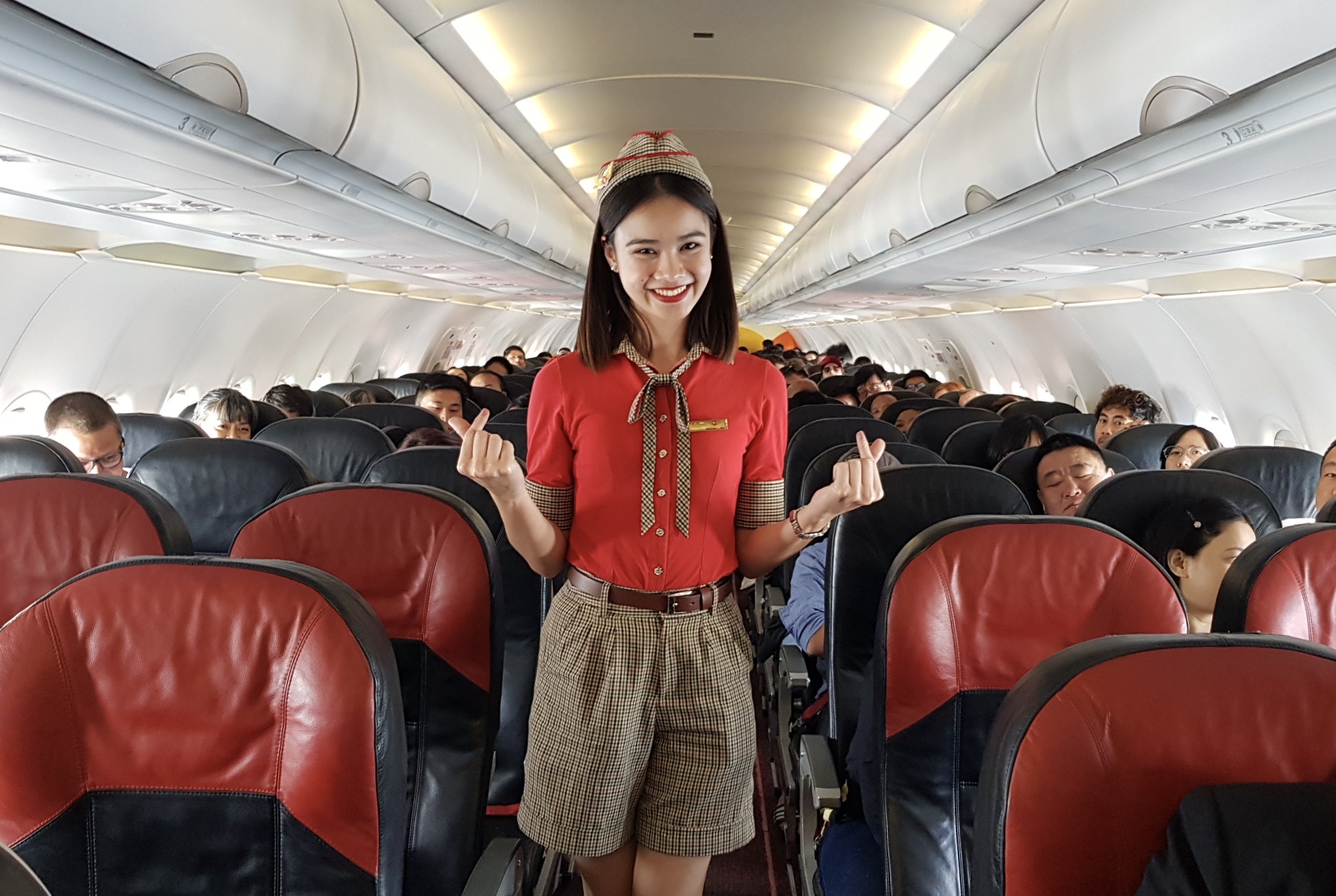
    In celebration of its new routes in Thailand, Vietjet has kicked off a special promotion offering 500,00 air tickets priced from THB 50 (*) (USD 1.5) starting from now to 17 July 2020 during the golden hours of 1.00pm to 3.00pm (Malaysian time).

    Here’s your chance to plan ahead for a perfect Thailand trip! The promotional tickets are applicable on all of its 13 domestic routes in Thailand and valid for travel between 1 September 2020 to 30 June 2021 (**). Tickets can be booked via Vietjet’s website and mobile application Vietjet Air.

    “We are happy to bring in more flying opportunities for the people to discover the “Smiling Land” with amazing experiences. This is a perfect chance for Thai people to go on a tour within Thailand with their families and friends. We are committed to expanding flight network in domestic Thailand and continuously provide exciting experiences to our passengers with daily promotion program”, said Vietjet Vice President, Nguyen Thi Thuy Binh.

    The recently announced six new Thailand routes expand Thai Vietjet’s domestic routes to 13, allowing tourists to travel conveniently around the country. This super promotion is applicable to all Thai Vietjet’s domestic routes in Thailand from Bangkok (Suvarnabhumi) to Chiang Mai, Chiang Rai, Phuket, Krabi, Udon Thani, Phuket – Chiang Rai, and Udon Thani – Chiang Rai, including new routes from Bangkok (Suvarnabhumi) to Hat Yai, Khon Kaen, Nakhon Si Thammarat, Ubon Ratchathani (starting from 6 October 2020),  Surat Thani (starting from 4 November 2020), Chiang Rai – Hat Yai  (starting from 1 November 2020).

    Currently, Vietjet is operating a stable domestic network in Vietnam and Thailand. All Vietjet’s flights are in alignment with all global standards and guidelines from the local authorities, including aircraft disinfection.

  • AirAsia to lay off 30% of workforce

    AirAsia to lay off 30% of workforce

    AirAsia India is expected to let go of several of its employees as its part-owner, AirAsiaBerhad struggles to maintain its group operations across regions following the outbreak of coronavirus.

    AirAsia Berhad is set to reduce up to 30 percent of its workforce across regions including its Indian operations which it part-owns with Tata Sons as the group struggles to maintain its operations following the Covid-19 outbreak.

    Sources in the airline said that apart from salary reduction up to 75 percent, the group is seriously considering plans to let go between 25 percent and 30 percent of its entire workforce of about 20,000 across regions.

    An AirAsia India spokesperson, however, declined to comment on the possible measures being taken to retrench employees. As of December 2019, AirAsia India had a market share of 7 percent. It has a total fleet size of 30 aircraft and flies to 21 destinations across India.

    The airline sector is one of the most-affected industries since the outbreak of coronavirus across the countries. According to the airline consultancy firm CAPA, most airlines in the world could file for bankruptcy soon. “As the impact of the coronavirus and multiple government travel reactions sweep through our world, many airlines have probably already been driven into technical bankruptcy, or are at least substantially in breach of debt covenants.”

    As far as the airlines operating in India are concerned, CAPA said they are expected to incur a total loss of $3.6 billion during the first quarter of the current financial year. Cash reserves are running down quickly as fleets are grounded and what flights there are operate much less than half full, it said.

    Surprisingly, AirAsia India recently received its board’s clearance for increasing its borrowing limit by ₹1,000 crore to ensure it continues to pay leasing and parking charges for its grounded aircraft. AirAsia India is learned to be the first domestic airline to formally increase the borrowing limit. The decision to increase the limit from ₹500 crore to ₹1,500 crore was taken at a meeting of the shareholders in April.

    AirAsia India is a joint venture between Tata Sons, which owns 51 percent in the airline, and AirAsia Berhad. The special resolution was approved to carry out “existing and future financial requirements to support its business operations”

    AirAsia India, which has been struggling since it began its operations in June 2014, recorded a fourth-quarter net loss of ₹123.3 crore in FY19, which was 26 percent lesser than the same quarter in the previous year. It recorded revenues of ₹1,057.6 crore, a 65 percent increase from Q4 of FY18 on the back of a 38 percent increase in capacity, and a 19 percent increase in average fare.

  • TAT joins AirAsia to stimulating domestic tourism with new aviation safety standards

    TAT joins AirAsia to stimulating domestic tourism with new aviation safety standards

    The Tourism Authority of Thailand (TAT) joined Thai AirAsia for a special activity taking place on the Bangkok-Krabi route on 29-30 June 2020, aimed at rebuilding confidence and revitalizing domestic tourism. This was done by bringing together medical workers, tourists, business operators, and the media in a trip showcasing the readiness of airline, venues, travel destinations, hotels, and restaurants, to provide safe and hygienic service.

    Governor of TAT, Yuthasak Supasorn, pointed out that domestic travel will be an important mechanism to jumpstart the economy at both the local and national levels, adding that this event will highlight traveling under the new normal, which focuses on adherence to healthcare advice, encouraging travelers and businesses alike to adapt and rehabilitate tourism.

    The TAT’s goal for this activity is supporting domestic tourism and promoting awareness of various safety practices for traveling, visiting sites, and staying in accommodation so that travelers can prepare accordingly.  The authority assures that measures being promoted are straightforward and that everyone will be able to travel conveniently in the new normal.

    Representatives from different sectors were invited to join in the activity, including medical professionals, travel companies and travel groups, all given the opportunity to experience present-day tourism using the concept “BEST, wherein B: Booking – covers before, during and after travel planning, travel companions, pre-booking and social distancing; E: Environment – covers environmental conservation and social responsibility; S: Safety – covers information for decision making as well as health and hygiene and T: Technology – incorporating the use of technology to facilitate contactless tourism and greater physical distancing.

    CEO of Thai AirAsia, Santisuk Klongchaiya remarked that travel and domestic spending in the nation is crucial at this time to stimulate the economy and tourism sector, affirming AirAsia’s support for TAT.

    From July onward, the airline will be resuming service to all 23 of its domestic destinations, including regional connections Chiang Mai-Hat Yai, Chiang Mai-Pattaya (U-Tapao), Hat Yai-Pattaya (U-Tapao) and Khon Kaen-Hat Yai for a total 25 routes, flying 68 return trips a day in support of travel and business.

  • AirAsia to increase frequency for Langkawi, Kuching and Penang

    AirAsia to increase frequency for Langkawi, Kuching and Penang

    Low-cost airline AirAsia Bhd will increase flight frequencies for its most sought after routes during the Recovery Movement Control Order (RMCO) period including Langkawi, Kota Kinabalu, Kuching and Penang.

    Chief executive officer Riad Asmat said the routes are from Kuala Lumpur to Langkawi, Kuching and Kota Kinabalu, as well as from Johor Bahru to Kuching and Penang. However, the number of add-on flights for July would be announced later, he said.

    “Since the resumption of our flights post-hibernation mode, we are witnessing encouraging demand for domestic travel.

    “We will continue to monitor demand and hope to gradually increase the frequencies from our other hubs such as Kota Kinabalu, Kuching, and Penang in the near future,” he said.

    Other AirAsia’s domestic destinations are Alor Setar, Ipoh, Kota Bharu, Kuala Terengganu, Miri, Bintulu, Sibu, Sandakan, Tawau and Labuan.

    Commenting on in-flight safety measures, Riad said it was paramount for AirAsia to continuously educate travellers about safe flying to build their confidence to start travelling again.

    Hence, the airline has implemented various measures throughout different flight phases such as temperature screenings, limited hand-carry item, face mask usage, end-to-end contactless procedures, proper hygiene standards and inflight medical training for cabin crew.

    According to IATA, evidence suggests the risk of Covid-19 transmission on board is extremely low as aircraft are equipped with features that will reduce the already-low risk of transmission onboard.

    Passengers are seated facing forward with the seatback serving as a solid barrier, while the cabin air is fully filtered and renewed every 2-3 minutes through the hospital-grade high-efficiency particulate air (HEPA) filters, ensuring clean cabin air.

    Coupled with a layered approach of biosafety measures covering the entire passenger journey, the risk of transmission onboard is further minimised.

    “With continuous information provided to our guests, we believe this will help to build the confidence of our travellers to start flying again,” he said.

    With regard to international destinations, Riad said AirAsia would begin operations once the situation improves and governments lift borders and travel restrictions.

    Asked on AirAsia’s focus in the next five to six months, he said the airline would continue with the diversification of its revenue base during this situation, with a more rigorous and market-friendly approach to further expand its digital and ancillary businesses such as Santan, Teleport and BigPay.

    Aside from that, AirAsia would also focus on supporting government initiatives to promote local tourism together, he said.

    AirAsia, which was named the World’s Best Low-Cost Airline for 11th consecutive time at the Skytrax World Airline Awards 2019, has recently extended the sale of its Unlimited Pass Cuti-Cuti Malaysia due to the overwhelming demand.

    Since its launch on June 11, over 40,000 flights have been redeemed with the first flight redemption taking place only seven minutes after the pass went on sale.

    On Thursday, AirAsia announced its partnership with local hotels to offer hassle-free, best price guaranteed deals with bigger savings on SNAP, its new flight+hotel combo booking platform.

    SNAP leverages the airline’s extensive network of over 160 destinations, with many being unique and exclusive routes, to provide the best price for flights, while working directly with hotel partners to offer best value room deals.
  • Thai AirAsia wants regulators to lift restriction on middle seat

    Thai AirAsia wants regulators to lift restriction on middle seat

    Thai AirAsia (TAA) will ask regulators to change the rule requiring airlines to keep middle seats open, aiming to increase capacity ahead of the government’s domestic tourism promotion next month.

    “We have complied with this rule that was introduced when the infection rate in the country was still high, but as we have a low number of cases now, it’s time to consider dismissing this limitation,” said Santisuk Klongchaiya, chief executive of TAA.

    The average load factor since resuming domestic flights in May is 80-85%, he said, but those figures are based on capacity reduced to 60-70% because of middle seat elimination.

    The empty seats, intended to mitigate the spread of the coronavirus, cut revenue by a third for each flight.

    Mr Santisuk said most airlines globally did not block off middle seats when restarting their flights during these two months.

    He said airlines cannot carry this burden in the long run, particularly the loss of opportunity as domestic demand starts to show positive signs.

    Santisuk Klongchaiya, chief executive of TAA

    “We’ve heard that soon the government will launch a new tourism stimulus package for consumers, including a subsidy on airfares,” Mr Santisuk said. “If airlines can increase capacity to the normal level, it’ll coincide with the policy to support travel activities.”

    A meeting between the Civil Aviation Authority of Thailand and airlines is scheduled for June 16. The agency will hear aviation operators’ thoughts about international flights reopening.

    At present, TAA is operating 16 routes countrywide and plans to add more destinations to respond to growing demand.

    Nuntaporn Komonsittivate, head of commercial operations at Thai Lion Air (TLA), said the average load factor is 70% based on available seats. Although the number is high, it barely translates to a profit because 30-40% of seats must always be empty.

    From June 19, TLA decided to reopen all 13 domestic routes to test local demand. It launched an airfare promotion to stimulate purchasing power when the lockdown relaxation enters the fourth phase.

    “Although we cannot be sure about the feedback of the market, we have to try to increase our liquidity and also look for future revival when travel between countries that have successfully contained the coronavirus is allowed,” Ms Nuntaporn said.

    She said the nationwide curfew is another unfavorable factor for flight operations, causing inconvenience for passengers catching early-morning or late-night flights. There are also time-consuming health and safety procedures at airports.

    Meanwhile, TLA must strictly control costs by extending salary cuts further after laying off hundreds of workers earlier, Ms Nuntaporn said.

    The carrier at present has 14 aircraft, down from almost 40 when tourism reached its peak last year.

  • AirAsia launches three-day sale for domestic flights

    AirAsia launches three-day sale for domestic flights

    AirAsia Group Bhd, which resumed its domestic flights on April 29, has launched a three-day sale for domestic flights booked through airasia.com and its mobile app from today to Sunday.

    During the sale, AirAsia BIG members can enjoy all-in one-way fares from as low as RM129 for domestic travels between July 1 and Nov 19, while non-members’ fares start from RM134.

    In a statement, Amanda Woo, head of the commercial for AirAsia, said passengers can now perform an unlimited number of date changes to their flights with the recent announcement of flight change fee waiver for all new bookings with travels up to Dec 31.

    She added that since the resumption of its domestic services, AirAsia has enhanced its safety measures throughout the entire flying journey, including pre-flight, in-flight, and arrival processes.

    Several contactless procedures including contactless payments at the airport, contactless kiosks, passenger reconciliation system, as well as enhanced features on AirAsia mobile app are also in place to ensure a smooth and safe travel experience for all AirAsia’s guests.

  • AirAsia Indonesia to resume flight this month amid relaxation of restrictions

    AirAsia Indonesia to resume flight this month amid relaxation of restrictions

    AirAsia Indonesia will resume flights on June 19 as the country has gradually relaxed rules on large-scale social restrictions, the airline said today. President director of AirAsia Indonesia Veranita Yosephine Sinaga said that preparations for the resumption of scheduled flights had been carried out.

    “AirAsia is committed to serving the needs of traveling or transporting goods to across the country and abroad through special charter flights for passengers and cargoes,” she remarked.

    The airline said that travelers flying with AirAsia in the future are required to understand and strictly adhere to and comply with health and immigration requirements, and the travel restrictions set up by the governments of the country of origin and those of the destination, local media reported.

    The airline said it will gradually reinstate its services around the networks once the global health situation improves and regulatory restrictions are terminated.

    Indonesia has gradually relaxed its restrictions during the Covid-19 pandemic in the hope of a pickup in business activities but also heeded the areas where transmission rates remain afloat.

    Covid-19 has killed 1,851 people across Indonesia and infected 31,186 others, the Health Ministry reported today.