Retail News CRM

Tag: Forwarding

  • SingPost appoints Neo Su Yin as Group Chief Operating Officer

    SingPost appoints Neo Su Yin as Group Chief Operating Officer

    Singapore Post (SingPost) announced the appointment of Neo Su Yin as Group Chief Operating Officer (GCOO), effective 2 January 2025. In this newly created role, Su Yin will be responsible for the Singapore Business Unit, the International Business Unit and Property. Under transitional management arrangements, she will take guidance from the Chairman of the Board, Simon Israel.

    The position of the GCOO is a pivotal role to translate transformation into tangible results, ensuring high quality execution, while fostering a culture of innovation and continuous improvement.  Su Yin will also support the Board in a review of the International Business Unit.

    “The Board is pleased to welcome Su Yin back to SingPost as our Group Chief Operating Officer,” said Simon Israel, Chairman of the Board. “She has a proven track record and deep understanding of SingPost’s business and operations. Her appointment greatly strengthens our leadership’s focus on driving operational performance and excellence – a core foundation for sustainable growth.”

  • Etihad Cargo extends Ministry of Industry and Advanced Technology partnership to boost national ICV programme

    Etihad Cargo extends Ministry of Industry and Advanced Technology partnership to boost national ICV programme

    Etihad Cargo, the cargo and logistics arm of Etihad Airways, has extended its Memorandum of Understanding (MoU) with the Ministry of Industry and Advanced Technology (MoIAT), offering preferential air cargo rates to In-Country Value (ICV)-certified companies. This initiative comes as part of Etihad Cargo’s commitment to promoting local products, strengthening the UAE’s industrial sector and enhancing its competitiveness in international markets.

    Providing discounted air cargo rates across Etihad Cargo’s fleet, the extended MoU was signed by Stanislas Brun, Vice President Cargo at Etihad Cargo, and Salama Al Awadi, Director of National In-Country Value Programme (ICV) at MoIAT, in the presence of His Excellency Omar Al Suwaidi, Undersecretary of MoIAT. The signing ceremony took place on the sidelines of the Abu Dhabi International Petroleum Exhibition and Conference (ADIPEC), held at the Abu Dhabi National Exhibition Centre (ADNEC).

    Under the extended MoU, Etihad Cargo will continue to offer a 25 per cent discount on air cargo tariffs to ICV-certified companies. As a result, more UAE-based companies will be able to scale their operations across the UAE and access more international markets. Building on the original agreement signed in 2021, the partnership highlights Etihad Cargo’s significant role in driving the UAE’s ambitious efforts to boost in-country value and empower local manufacturers.

    HE Al Suwaidi said: “The extended MoU is aligned with the Ministry’s National Strategy for Industry and Advanced Technology (Operation 300bn), aimed at diversifying the national economy and enhancing the UAE’s industrial sector competitiveness. The National ICV Programme serves as a key pillar in empowering this sector and boosting the resilience and sustainability of supply chains. Moreover, extending the agreement will enhance the export capabilities of local companies.

    “Leading national companies, such as Etihad Airways, always strive to support the UAE’s drive towards sustainable industrial and economic development. Etihad Airways is a strategic partner of MoIAT and was one of the first companies to join the National ICV Program in 2021. It also prioritises local suppliers and industrial companies in its procurement business.

    “The UAE has set a clear vision to elevate the national business environment and foster a competitive economy. Therefore, the MoU underscores the important role of national entities in supporting local products and steering larger demand towards local procurement,” HE Al Suwaidi added.

    Brun said: “Etihad Cargo remains committed to fostering a supportive environment for local manufacturers and companies. It delivers bespoke logistics solutions that align with the UAE’s In-Country Value goals. This collaboration offers the UAE’s industrial and service companies the opportunity to expand into more international markets. Therefore, it aligns with Etihad Cargo’s commitment to advancing the targets of Operation 300bn along with Abu Dhabi’s vision of economic diversification and long-term sustainability.”

    Extending the MoU between Etihad Cargo and MoIAT reaffirms their shared strategic vision to leverage logistics operations as a catalyst for sustainable industrial growth in the UAE. It also embodies Etihad Cargo’s ongoing commitment to developing the local industry and enabling ICV-certified companies to expand glob

  • FedEx strengthens healthcare capabilities in Asia Pacific with expansion of its Life Sciences center in Korea

    FedEx strengthens healthcare capabilities in Asia Pacific with expansion of its Life Sciences center in Korea

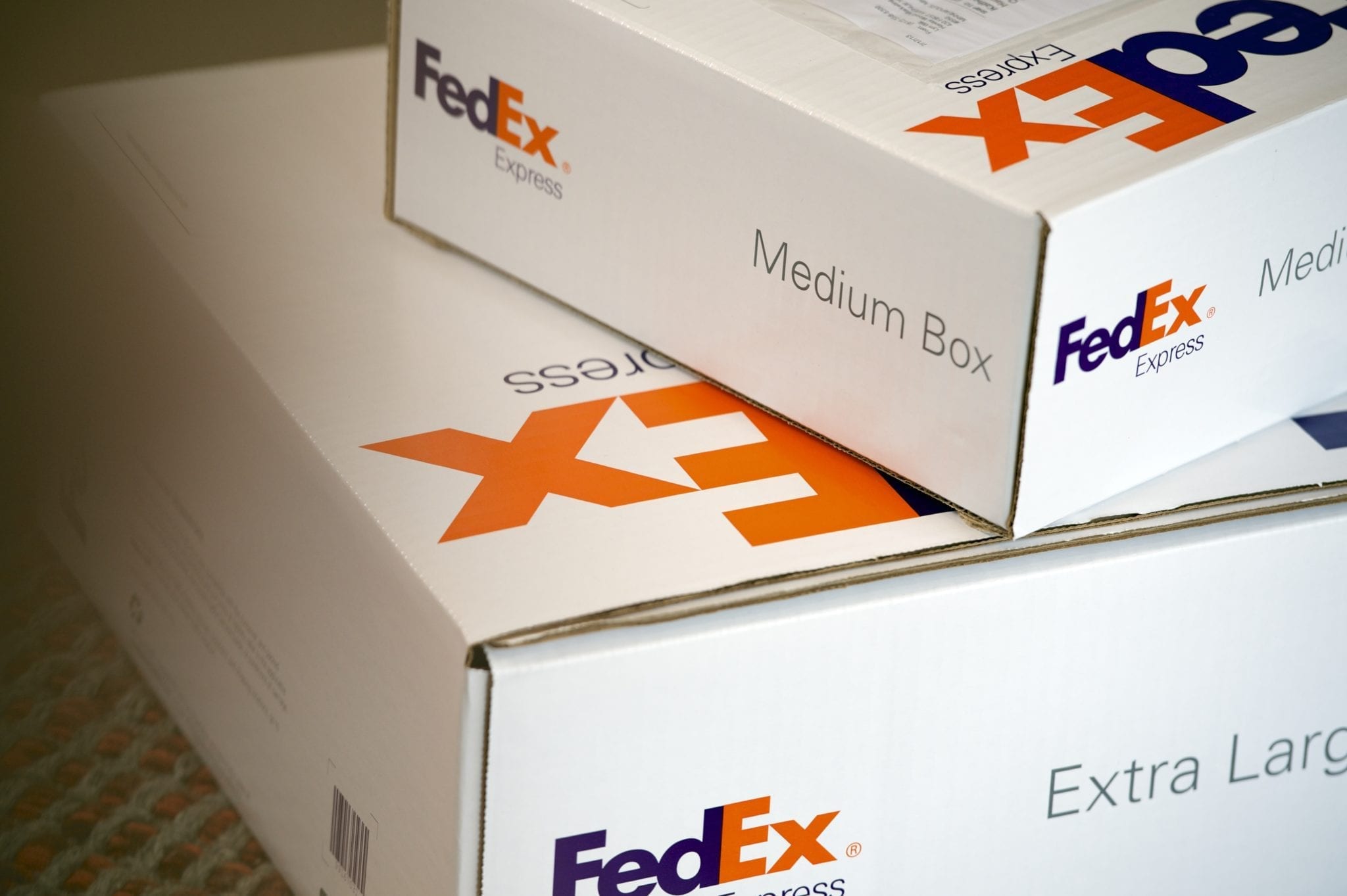
    Federal Express Corporation (FedEx), one of the world’s largest express transportation companies, has expanded its state-of-the-art Life Science Center in Gimpo, Gyeonggi-do, Korea. This strategic enhancement, along with FedEx Life Science Centers in Singapore and Japan, is addressing the rising demand for a robust logistics network with advanced capabilities to support the rapidly growing healthcare industry across the Asia Pacific region.

    The advanced FedEx Korea Life Science Center spans 2,288 square meters – almost triple the size of the previous facility. The new operation includes five temperature-controlled areas for temperatures ranging from -150°C to +25°C, which are monitored 24/7 to ensure continuous compliance with pharmaceutical cold chain requirements. The facility is also Korea Good Supply Practice (KGSP)-certified, in accordance with market-specific quality and regulatory requirements for the healthcare industry. Along with temperature-controlled Inventory management capabilities, the Korea Life Science Center is equipped to support both domestic and international transportation needs.

    By expanding its capacity, FedEx is strengthening its life sciences logistics expertise, ensuring seamless and reliable transportation of critical healthcare shipments including investigational medicinal products (IMP), biological samples, and biopharmaceutical product lines while enabling pharmaceutical and clinical trials customers to prioritize patient care.

    The pharmaceutical market in Asia Pacific is projected to reach USD 290 billion by 2028. Additionally, the region accounts for approximately 50% of global clinical trials, highlighting its increasing role in global pharmaceutical research and development. Customers in the healthcare and pharmaceutical sector need precise, temperature-controlled services to preserve product efficacy. With decades of experience, FedEx provides expertise in specialized healthcare and clinical trial solutions, enabled by its international Express network, customized Time Critical Special Services (SpS), and a global network of Life Science Centers with locations in Korea, Singapore, Tokyo (Japan), Mumbai (India), Memphis (United States), and Veldhoven (the Netherlands). The company’s extensive healthcare infrastructure also includes 130+ cold-chain facilities worldwide, ensuring continuous temperature integrity for shipments moving through our domestic and international networks.

    “Asia Pacific’s healthcare sector is evolving at an unprecedented pace, driven by demographic shifts, infrastructure investments, and rapid tech advancements,” said Kawal Preet, president, Asia Pacific at FedEx. “At FedEx, we are leveraging our decades of healthcare expertise, extensive global network and differentiated solutions to propel this growth. Through strategic investments in cutting-edge facilities and AI-driven smart logistics, we are reshaping healthcare supply chains and enabling the future of life sciences research and business innovation across the region.”

    FedEx Clinical Care, part of the company’s portfolio of dedicated healthcare transportation solutions, provides end-to-end delivery capabilities for time and temperature-sensitive healthcare shipments. This service ensures expedited delivery within 24 to 48 hours, leveraging specialized features including temperature-controlled packaging, priority handling and clearance, and 24/7 monitoring and intervention using sensor-based real-time tracking.

    Recently, FedEx was recognized for ‘Innovation in Clinical Supply Chain Logistics’ at the Korea Biopharma Excellence Awards 2024 for exceptional contribution to clinical supply chains in Korea. In August, the company introduced FedEx Surround®, an innovative monitoring and intervention solution for enhanced control and visibility for healthcare and other critical shipments.

  • DHL Global Forwarding China introduces cross-border e-commerce solution ahead of peak season

    DHL Global Forwarding China introduces cross-border e-commerce solution ahead of peak season

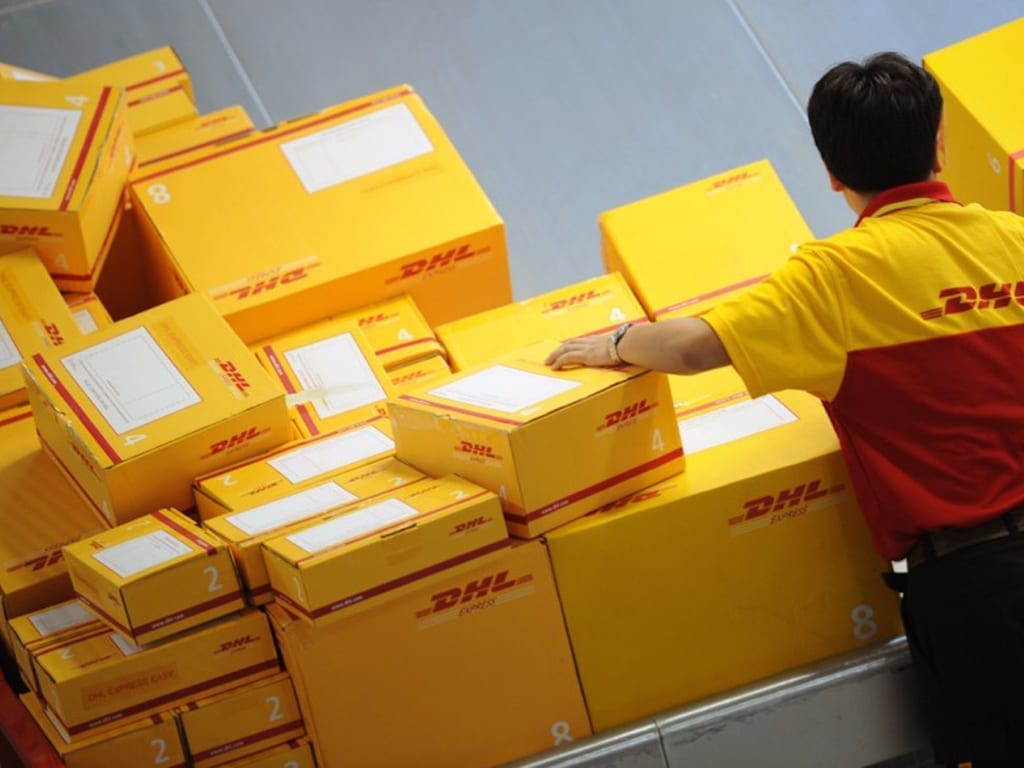
    DHL Global Forwarding, the freight specialist of DHL Group, is introducing a variety of cross-border e-commerce solutions ahead of the year-end holiday shopping season globally. The solutions will offer cross-border shipping from China to the world with different service levels and features, as well as an integrated tracking platform for end-to-end visibility.

    China’s e-commerce sector has continued to grow despite a mixed global economic sentiment. In the first half of 2024, China’s cross-border e-commerce trade totaled 1.22 trillion yuan (EUR155 billion), a 10.5% growth year-on-year.

    “Chinese companies like Shein, Temu, AliExpress and Tik Tok Shop are gaining popularity globally. While the U.S. remains the primary export market, Europe is fast catching up as a critical region for these e-commerce platforms.  In DHL’s recent Global Shopper Trends Report, 53% of European online shoppers purchase goods from China,” said Aditi Rasquinha, CEO of Greater China, DHL Global Forwarding.

    “Cross-border e-commerce business can face many hidden obstacles, especially for small- and middle-sized customers who are not yet familiar with customs and logistics regulations at destination markets. DGF can be a strong and reliable partner for them. Our solution provides Chinese e-commerce companies with a simple and affordable cross-border shipment solution with returns, with full and semi-tracking options,” said Robin Li, Vice President, Global E-commerce Development, DHL Global Forwarding.

    The e-commerce solutions from DHL Global Forwarding China will offer:

    • End-2-End ONE DHL solution in all key markets
    • Fast and Reliable transit time with full track and trace functionality
    • Access to over ten thousand certified e-commerce specialists across the globe with local market expertise
    • Simple IT integration options including APIs, web portals, major marketplaces and e-commerce platforms
    • Different options to cater to the needs of large e-commerce platforms right down to local sellers/Direct-To-Consumer (DTC)

    One of the major advantages of the solution is the direct market access into Europe through the DHL network. The solution will feature:

    • End-to-end fast delivery within 4-5 days from China to Germany
    • Fully managed customs clearance
    • Fast & reliable transit time and doorstep delivery with delivery confirmation
    • End-to-end shipment visibility for senders and recipients via a 24/7 DHL customer portal

    The e-commerce solution will also offer expedited service to other markets such as the rest of Europe, the United Kingdom and the U.S.

    “We are making it easier for our customers to focus on what they do best: bringing their products to a global audience. This solution is designed to help them maximize their reach while minimizing their effort.

    It is particularly timely with the year-end holiday season fast approaching and we are ready to serve the peak season demand,” added Aditi.

  • FedEx appoints Sandeep Shahi as Chief Information Officer in Asia Pacific

    FedEx appoints Sandeep Shahi as Chief Information Officer in Asia Pacific

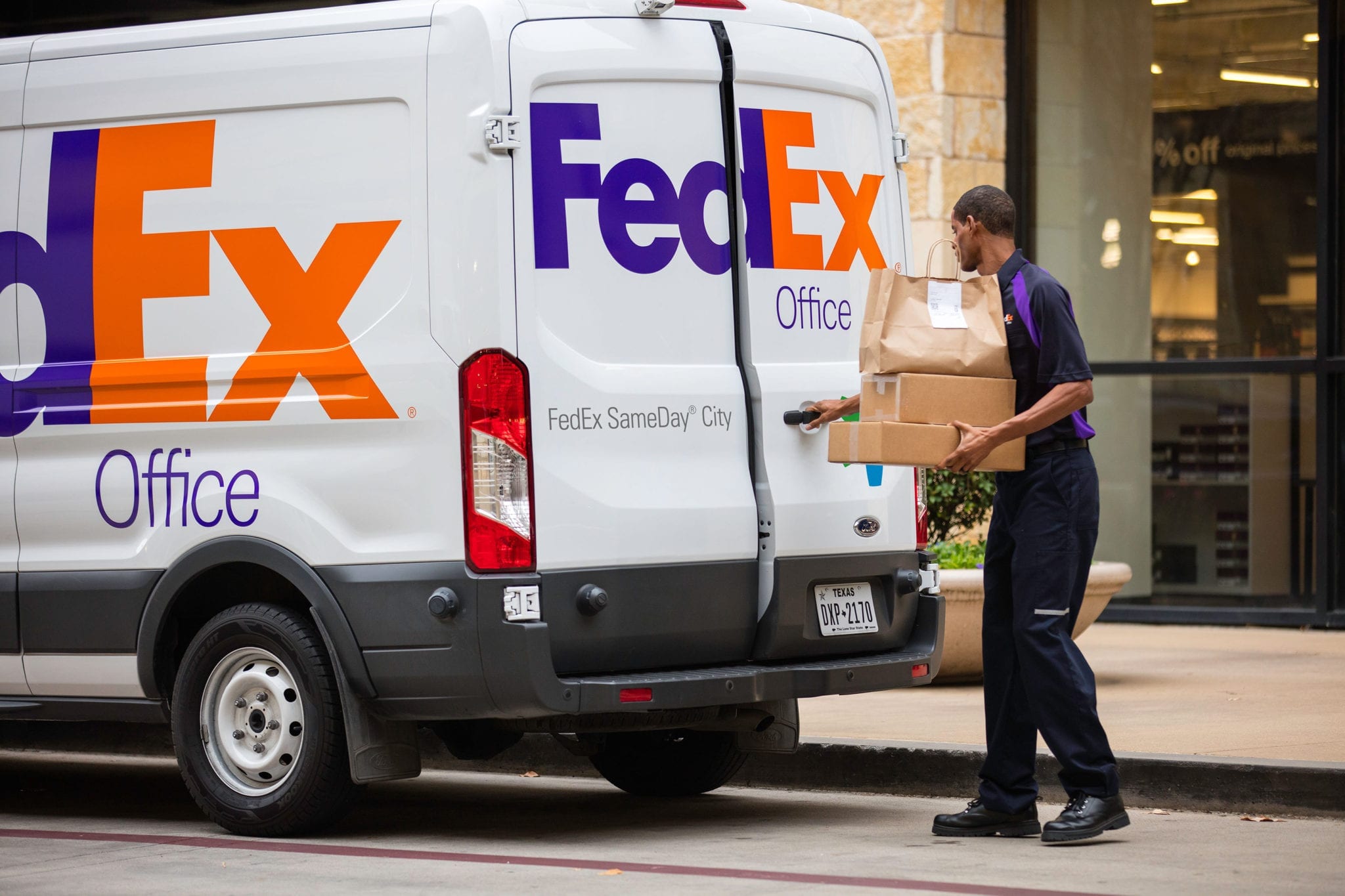
    Federal Express Corporation, one of the world’s largest express transportation companies, announced the appointment of Sandeep Shahi, CIO Asia Pacific. He will drive the company’s technology operations in Asia Pacific.

    Sandeep started his career in Germany with SAP AG before joining the logistics industry to lead digital transformation and the adoption of digital solutions playing a key role in the modernization of integrated IT architectures.

    Operating at the intersection of the physical and digital worlds, FedEx’s business strategy in the Asia Pacific region is deeply rooted in innovation. The company is dedicated to making supply chains smarter by deploying technology to enhance the service experience, automate processes, and improve efficiency for customers.

    Some examples include FedEx Dataworks which harnesses the company’s rich data ecosystem to help optimize internal operations, fuel innovation, and build more intelligent supply chains around the globe. FedEx new digital platform called fdx, will offer end-to-end e-commerce solutions for businesses of all sizes.

    This first-of-its-kind data-driven commerce platform will connect the entire customer journey and make it easier for SMEs to manage their supply chain. To enable transparency in sustainable reporting, FedEx has also introduced FedEx® Sustainability Insights. This innovative cloud-based data engine allows customers to measure the carbon footprint of their shipments using near real-time FedEx network data to estimate CO 2 e emissions.

  • Southeast Asia emerges as top growth market for APAC region, according to new FedEx survey

    Southeast Asia emerges as top growth market for APAC region, according to new FedEx survey

    FedEx Express, a subsidiary of FedEx and one of the world’s largest express transportation companies, today released findings from its latest research report conducted in partnership with Forbes Insights. The report aimed to identify key international growth trends for small and medium-sized enterprises (SMEs) in the Asia Pacific region over the next three years. The survey identified growth opportunities for small businesses as well as challenges to international cross-border commerce.

    The survey polled 250 small and mid-sized business leaders, including founders and C-suite executives, across a range of industry sectors in the Asia Pacific region.

    A key finding was that 68 percent of respondents see the greatest potential for growth in Southeast Asian countries such as Thailand, Vietnam, and Indonesia. Economic growth, cultural affinities, and improved regional trade deals are fuelling optimism around ASEAN markets, according to the report. While 88 percent of those surveyed said that they were planning customer base expansions globally over the next three years, APAC business leaders find it harder to do business with partners, suppliers, and customers in markets like Europe and North and South America.

    Challenges remain for truly realizing cross-border opportunities even within the APAC region. When asked about barriers to international expansion, half of the respondents cited complex customs requirements and documentation as their primary hurdles ahead of finding new customers (45%) and finding partners or suppliers in global markets (42%). With limited in-house trade compliance expertise, navigating different customs regulations across markets remains complicated, according to those surveyed.

    “Our data shows that economic headwinds and global competition are seen as the most pressing business challenges for Asia’s SMEs today. Southeast Asian markets are currently growing faster than in many other parts of the world, so it makes sense for them to focus on intra-Asia trade,” said Kawal Preet, president of Asia Pacific, Middle East & Africa region, FedEx Express. “Yet there remains work to do in surmounting barriers to entry into international markets despite the rising number of regional and bilateral trade agreements. Understanding how to navigate complex customs regulations is where expert partners like FedEx can add value allowing SMEs to concentrate on their core strengths.”

    According to Ross Gagnon, Executive Director of Research, Forbes Insights, “the findings provide valuable insights into high-growth areas and the continuing barriers facing export-driven SMEs. Collaborations focused on unlocking border compliance and bridging digital divides will be key to realizing their international ambitions.”

    Enhancing the customer experience was the most highly ranked business priority for SMEs (57%). While small businesses typically invest only five percent of the total revenue of their annual IT budget on digital transaction capabilities, digital technology was seen as instrumental in tackling customer experience challenges by applying analytics, machine learning, AI, real-time tracking and visibility solutions and technology training to upskill employees. Although the potential of technology is clear, nearly three-quarters (71%) of respondents stated that developing or implementing a digital strategy was their biggest challenge, followed by mitigating security threats (65%) and the cost of upgrading existing systems (64%).

    Where specialized skills and costs are prohibitive, digital transformation can be simplified by choosing partners that have their own digital tools and platforms they can use or incorporate into their own.

    The full FedEx research report is available at fedex.com and offers more data on trends to guide Asian SME strategies for success.

  • JD.com partners with parcel company Evri in the UK

    JD.com partners with parcel company Evri in the UK

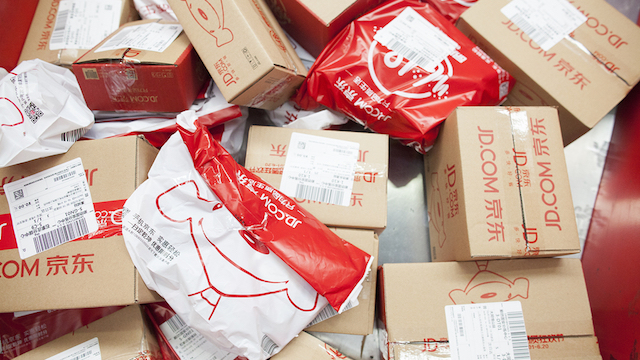
    JD.com is supporting the growth of British businesses in the Chinese market as it partnered with parcel delivery company Evri to combine their expertise and resources in e-commerce and logistics.

    The partnership will combine JD.com’s advanced e-commerce capabilities with Evri’s extensive delivery network across Europe. The services will include local pickup, warehousing, international transportation, access to Chinese bonded warehouses, customs clearance, and comprehensive delivery across China.

    The team-up will initially focus on the beauty and apparel sectors, where JD.com has substantial insights, including consumer behaviour, marketing and pricing strategies, product selection advice, and online operational strategies specific to the Chinese market.

    The collaboration will also enable JD Logistics to offer integrated warehousing and comprehensive delivery solutions to clients in Europe by leveraging its self-operated overseas warehouses and Evri’s local distribution network.

    Qun Xue, Vice President of JD.com and Head of JD Logistics International said: “This partnership underscores our dedication to building a robust global logistics network and our commitment to the success of international brands.”

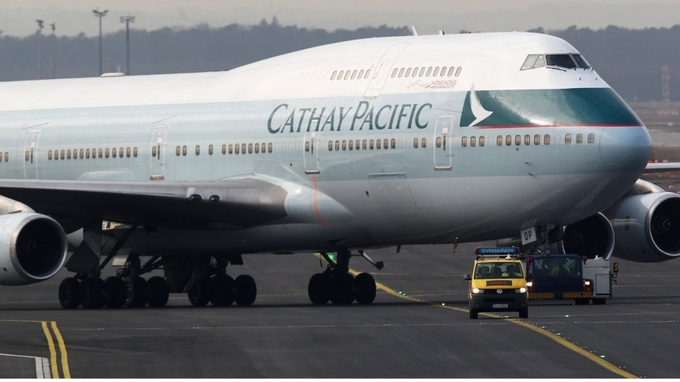
  • Cathay Cargo volume up 20 percent in December

    Cathay Cargo volume up 20 percent in December

    Cathay Pacific’s cargo business ended 2023 on a high note, finishing with around 1.4 million tonnes, compared with about 1.2 million tonnes in 2022, in what it described as ‘an encouraging result.’

    Cargo volume in December jumped 20.7 percent year on year, as the airline carried 128,546 tonnes with cargo revenue increasing 14.1 percent year on year for the month. The cargo load factor slid 6.5 percentage points to 60.8 percent, as capacity measured in available cargo tonne kilometres (AFTKs) increased by 26.3 percent year on year.

    In the full year of 2023, the tonnage increased by 19.6 percent against a 59.7 percent increase in AFTKs and a 40.3 percent increase in RFTKs, as compared with 2022, the airline noted.

    “Our cargo business performed well in December, and finished on a high, primarily driven by the strong year-end demand for e-commerce products. Additionally, there was increased demand for perishable goods for the holiday season. December also saw a pickup in our Live Animal solutions with significant numbers of racehorses being moved across our network in support of the Hong Kong international race events.

  • Qatar Airways, DSV open new cargo route from HSV

    Qatar Airways, DSV open new cargo route from HSV

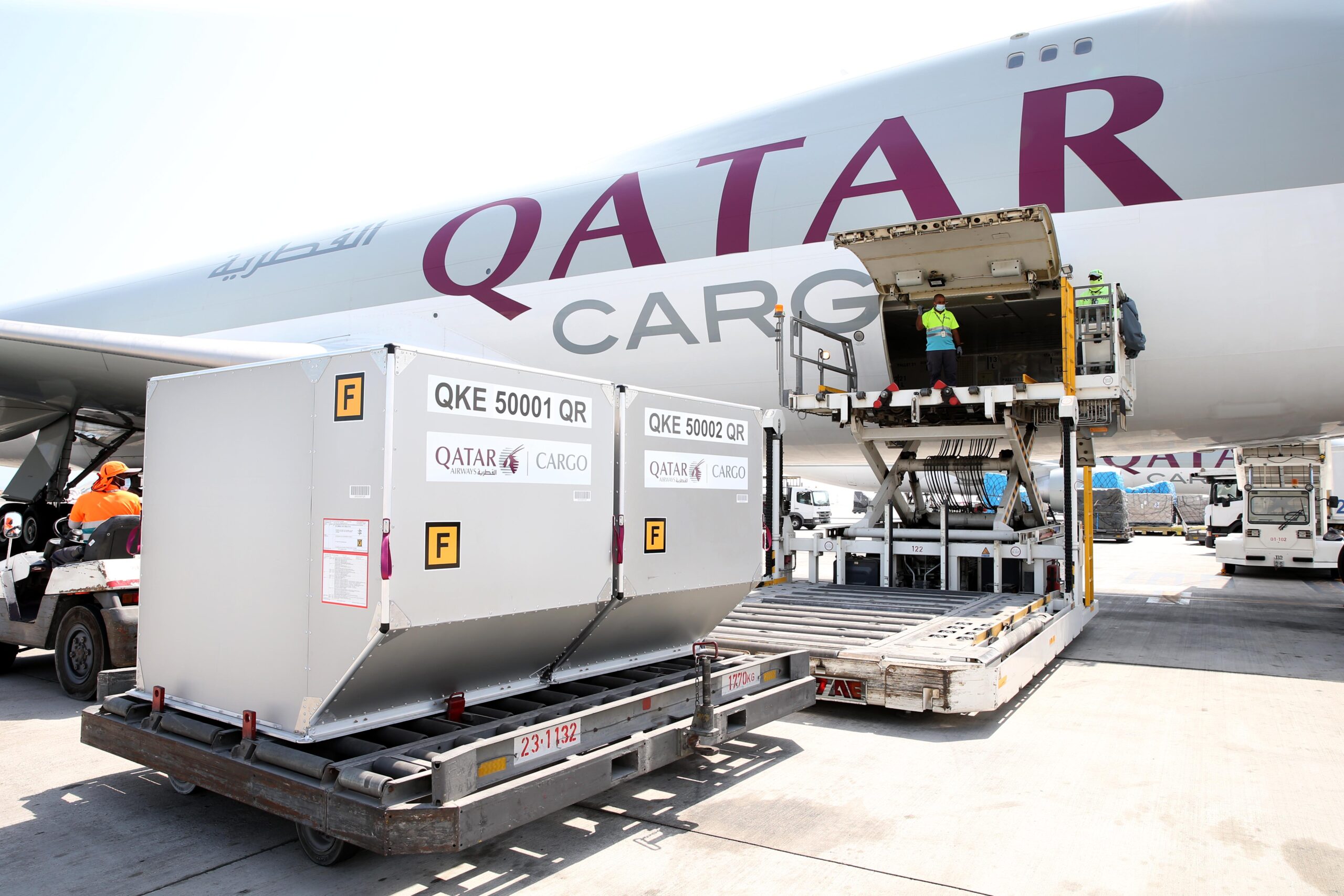
    Qatar Airways Cargo and DSV Global Transportation and Logistics have teamed up to launch a new route from Huntsville airport (HSV) in the US with two freighter services each week.

    The carrier will operate its Boeing 777 freighters twice a week from Felipe Ángeles International Airport in Mexico to Huntsville en route to Doha via Luxembourg. The freighters from HSV will operate on Thursdays and Sundays every week, offering 200 tonnes of capacity.

    Mads Ravn, executive vice president at DSV, said the collaboration will not only extend the forwarder’s market presence but also allows access to the Middle East with a keen focus on the oil and gas sectors.

    The strategic initiative also establishes a direct scheduled service from Mexico City to Europe, the Middle East and beyond via Huntsville and Luxembourg. The carrier expects to transport major exports like auto parts from Huntsville for various manufacturers in Europe along with perishables and cars from Mexico.

    With the addition of Huntsville, Qatar Airways Cargo now serves 22 destinations in the Americas with freighter and passenger belly-hold flights, providing a combined weekly cargo capacity of over 5,500 tonnes

  • Etihad Cargo stretches express moves on e-commerce

    Etihad Cargo stretches express moves on e-commerce

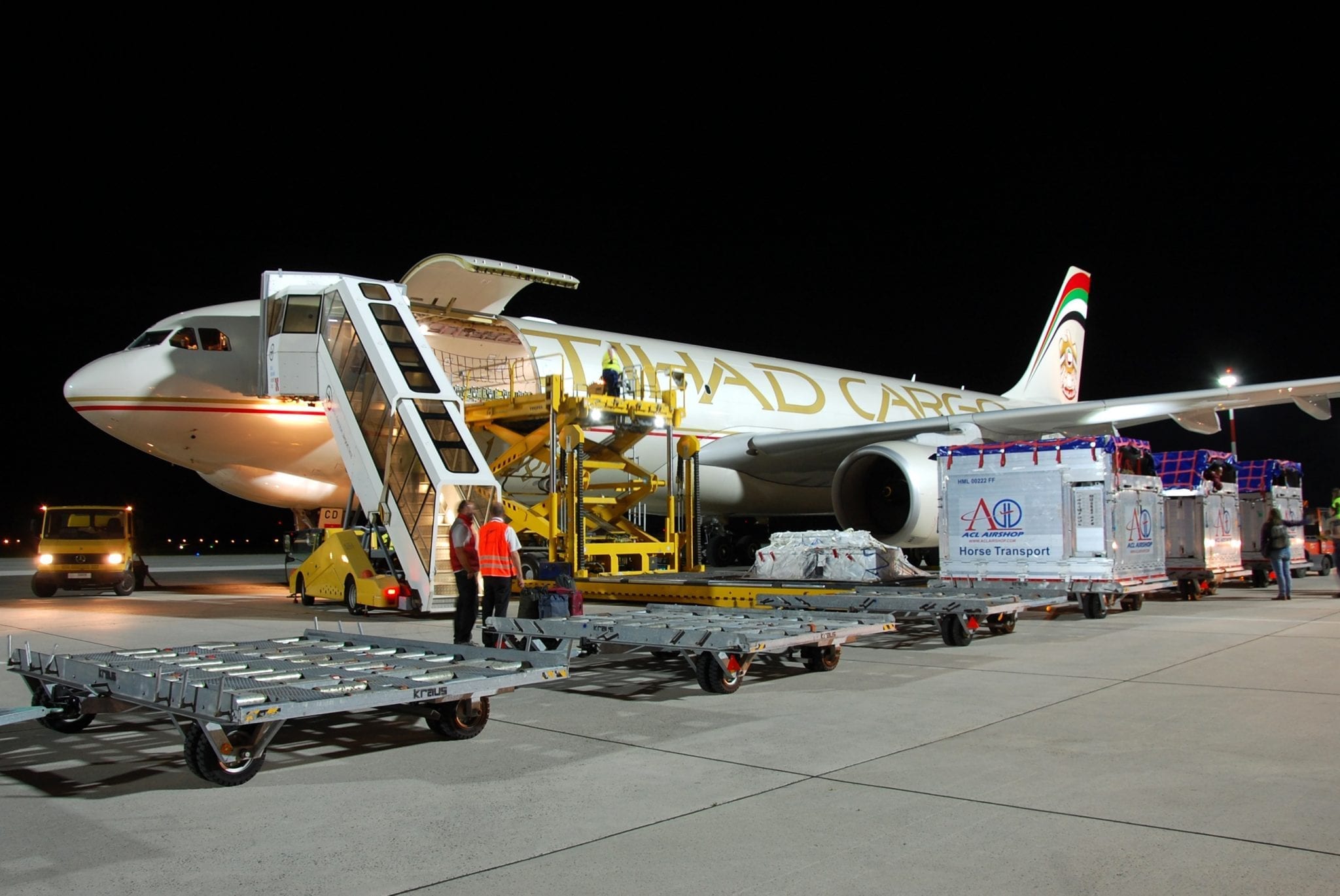
    With cargo volumes way below what the industry saw over the last 2 years, airlines, logistics players and other stakeholders are trying to figure out which sectors could likely drive back more shipments moving by air. One of those that could be a driving factor is e-commerce, particularly exports coming from Asia. With operations between Abu Dhabi and China, Etihad Cargo is well aware of this trend and has been a step ahead in maximising the opportunities. In April this year, it added a fourth Chinese gateway in Hubei and offered a weekly freighter service. The airline also partnered with leading cargo carrier SF Airlines to further establish its presence in China. Leonard Rodrigues, head of revenue management and network planning at Etihad Cargo, shares his insights on e-commerce, the Chinese market and more in this interview.

    Can you share more about your operations between Abu Dhabi and China?
    Etihad Cargo operates seven freighter scheduled flights to mainland China per week and additional ad-hoc charters to meet capacity demand. In addition to our freighter network that serves Guangzhou, Shanghai and the Hubei Province, we also offer additional belly capacity on board ten weekly passenger services to Guangzhou, Beijing and Shanghai. Via the carrier’s growing road feeder services network in China, Etihad Cargo also offers customers and partners access to 25 domestic destinations, providing seamless connectivity across the Chinese market.

    How important is e-commerce in driving the demand in this particular corridor?
    There has been a phenomenal global increase in online shopping and cross-border trade between e-commerce businesses. Cross-border e-commerce has always been a key component of Chinese exports. In the current environment, where passenger capacity in and out of China is still lower than pre-COVID, e-commerce represents a large proportion of freighter demand through dedicated charter programmes.

    Etihad Cargo has identified e-commerce as a critical market for cargo growth, further driving Etihad Cargo’s focus on building a portfolio of cargo products that enable the smarter and faster management of air cargo. In e-commerce terms, Etihad Cargo’s air cargo services offer the speed consumers and businesses need and expect to answer the growing demand. Etihad Cargo will continue to develop agile business models in response to the ever-growing needs of e-commerce and fully supports the development of Abu Dhabi as a logistics and express hub for the region.

    What type of synergies are you looking to unlock with your partnership with SF Airlines?
    Etihad Cargo has continued to invest in partnerships, both here in Abu Dhabi and globally, to expand our capabilities at our hub and internationally to further expand our network and product offering. Etihad Cargo’s partnership with SF Airlines is based on a reciprocal block space agreement. We exchange capacity on both networks, providing Etihad Cargo with additional connectivity in China, with greater accessibility to 25 domestic mainland China destinations via SF Airlines’ road feeder services trucking network, and SF Airlines with additional access to destinations across Etihad Cargo’s expanding global network.

    We are now gaining familiarity with each other’s hub, and we recently welcomed senior leadership from SF Airlines to our Abu Dhabi hub and will be visiting SF Airlines’ hub in China very soon. We are exploring additional synergies and opportunities for mutual growth, and we are confident both sides have a lot to offer.
    Following the success of our recent agreement with SF Airlines to connect our Abu Dhabi and Hubei Province mega hubs, we are also exploring further partnerships that will benefit not only Etihad Cargo’s customers but also further position Abu Dhabi as a global logistics and express hub.

    What can you say about Abu Dhabi’s, or the Middle East, appetite for e-commerce?
    A unique aspect of Etihad Cargo’s Abu Dhabi hub is its location, which provides the perfect link between the East and West, and the Government of Abu Dhabi’s clear vision of becoming a major global hub for air cargo and specifically e-commerce. Etihad’s shareholder, ADQ, also owns Abu Dhabi Airport and other key logistics investments and is facilitating Abu Dhabi’s vision. For example, a dedicated, state-of-the-art facility with e-commerce and express logistics capabilities is in the works, and specific free zones are being developed for fulfilment centres.

    What are some of the trends that you think will drive more e-commerce shipments on planes?
    In terms of trends that are driving more air cargo e-commerce shipments, a change in purchasing patterns is having a significant impact, but these trends are not always easy to anticipate. During the pandemic, online shopping led to a huge surge in e-commerce. Now we’re in the post-COVID era, and after a period where e-commerce fell somewhat, it is again increasing due to a paradigm shift in the garment sector. New market entrants based in China are using e-commerce to offer even more choices and buying options to customers, leading to a boost in e-commerce sales and demand. An interesting trend to look out for is new crowdfunded products being marketed and sold through social media. Volumes are still limited at this stage, but their supply chain relies totally on the e-commerce process, so this could be more impactful in the future.

    Aside from China, where do you see the most potential in terms of e-commerce growth? Can you share more about the direct services to Chennai?
    China is among our top origins for e-commerce, with other top origins including Vietnam, the United Kingdom, the Netherlands, Spain, Australia and the US. India is also witnessing an e-commerce boom. According to the latest data from Redseer Research and Analysis, gross merchandise value (GMV) of India’s e-tailers has risen by 22 percent over the last year and reached $49 billion in 2022. Despite COVID-related disruptions and supply chain disruptions, e-commerce sales have increased by 140 percent since the end of 2020, and despite losing momentum since the peak in 2021, are still two and a half times higher than pre-COVID levels.

    To meet increased capacity demand and reinforce our commitment to both Chinese and Indian markets, Etihad Cargo reinstated a twice-weekly freighter service from Shanghai to Abu Dhabi via Chennai in 2022, providing additional capacity into two key global markets. While we have always served that demand, through continuous evaluation of our network, Etihad Cargo identified the need for a direct service, and we will continue to review our network, adding destinations and frequencies, and optimising freighter utilisation to support key trade lanes and customer demand.

    How do you see e-commerce logistics evolving in the next decade?
    The sector will likely see more partnerships between airlines and e-commerce players. Airlines are already focusing more on the delivery of their airport-to-airport service, as this is their core expertise. These services will then be commercialised by freight forwarders that provide the full 3PL experience. When it comes to e-commerce, this setup will work well in the case of full flights. However, for smaller shipments, this can prove to be inefficient, leading e-commerce logistics to rely heavily on integrators. If we project a trend where the share of e-commerce continues to grow, airlines will see value in developing partnerships that address that need.

    What are key logistics decisions that a shipper or e-commerce player needs to make?
    When it comes to air cargo, the key logistics decisions that need to be made will continue to relate to rate and capacity. When compared to other modes of transportation, the cost of air cargo is almost always higher. Therefore, for shippers or e-commerce players relying on air cargo, there needs to be a choice between securing long-term capacity that protects a growth in volumes for their business, weighed up against the risk of paying a small premium and wanting to procure capacity at the lowest rate based on the ad-hoc market, with the risk of that capacity not being available. When the share of e-commerce was small, gaps in availability could be used at competitive rates, for example, through the use of standby mail. However, with the share of e-commerce increasing, this trade-off must be evaluated fully.

    Express cargo, and express options for other types of cargo, will continue to be a focus for Etihad Cargo in the next decade and e-commerce logistics will further evolve. Etihad Cargo will invest in our product offering so we can offer quick, reliable and efficient transportation solutions across our global network, supported by our extensive road feeder service network to connect with offline stations.
  • SingPost’s Li Yu on e-commerce, logistics and more

    SingPost’s Li Yu on e-commerce, logistics and more

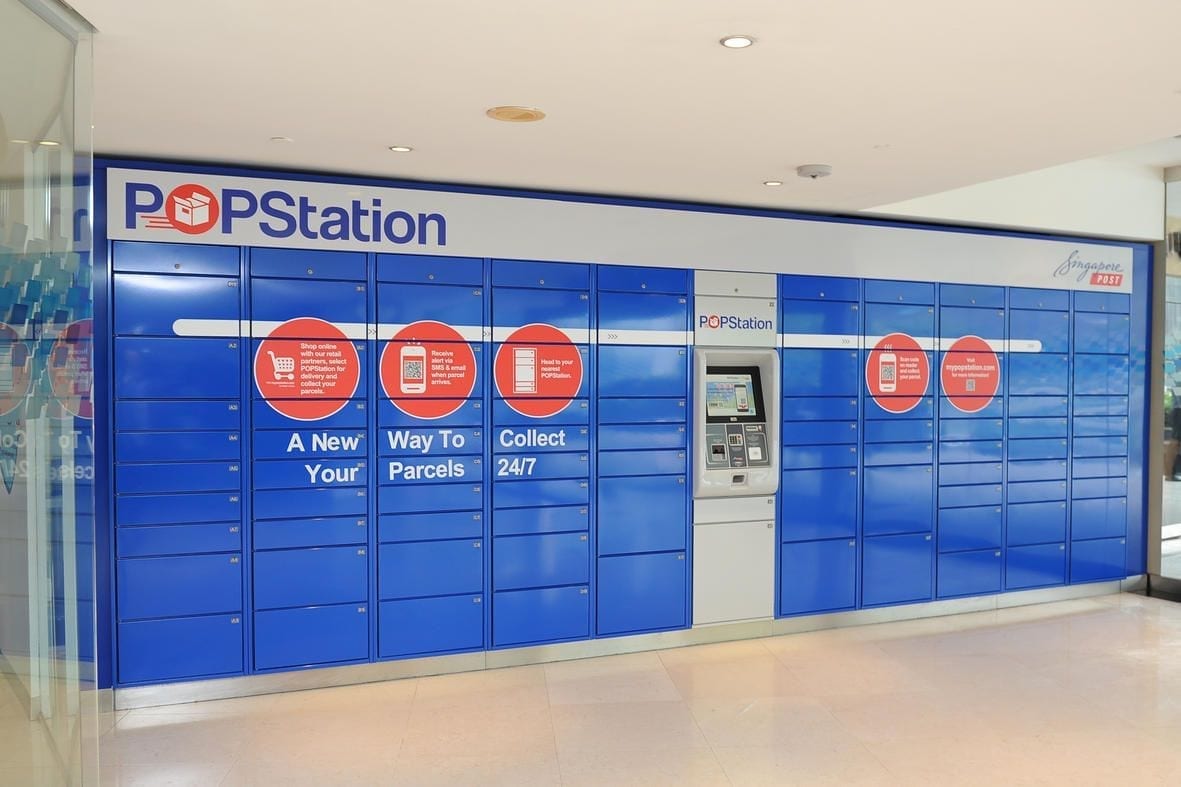
    Singapore Post announced dividends in May as the group posted a record revenue of S$1.9 billion for the financial year 2022/2023, with the international business contributing around 90 percent of the total. In an unpredictable market environment, SingPost’s logistics unit contributed 90 percent of the total operating profit, serving as a buffer for the decline in the postal segment. The postal group is on the verge of transforming into a global e-commerce logistics enterprise with its recent expansion in Australia, newly formed partnerships and the development of international cross-border e-commerce logistics. In this interview, Payload Asia catches up with Li Yu, CEO international at SingPost, to discuss the company’s performance this year as well as the Group’s strategy to capitalise on growing demand for e-commerce logistics.

    What can you say about the company’s full-year performance?

    The Group achieved a record revenue of S$1.9 billion for the financial year 2022/2023. Seventy percent was contributed by logistics versus just 38 percent back in FY2020. More importantly, logistics contributed 90 percent of the total operating profit. Our growth in the logistics segment has mitigated the structural decline of the postal segment, a trend that is prevalent globally.

    The other key highlight is 86 percent of our revenue was generated internationally. With our expansion into Australia and the development of our international cross-border e-commerce logistics business, SingPost is transforming into a global e-commerce logistics enterprise and is well positioned in high growth markets across the Asia Pacific region.

    Can you give us a rundown of your division’s top priorities? Where does e-commerce sit in your priorities and growth strategy?

    According to McKinsey’s projections between 2023 and 2026, the Southeast Asian eCommerce market is expected to triple, boasting a compound growth rate of 22 percent. It is estimated that the market will reach approximately US$230 billion in gross merchandise volume. In a separate report from June 2022, Statista’s forecasts underlined significant growth in the ecommerce market across Asia, Australia, and the Americas.

    At SingPost, we will continue to build on our strengths and establish ourselves as a leading eCommerce supply chain and logistics provider within the 4PL space across Asia Pacific region. Internationally, we have expanded into offering our global customers inbound Australia services, expanding the China/Hong Kong to Singapore lane with efficiencies and offering Europe to Asia services with direct line-haul, and establishing a dual hub system using Hong Kong alongside Singapore to facilitate seamless e-commerce delivery.

    Strategically, we are focusing on three growth drivers. First is enhancing our digital capabilities and leveraging the 4PL model as a supply chain orchestrator, to support the continuous eCommerce growth across Asia Pacific. Second is expanding our hubs in Singapore, Hong Kong and Europe to shorten delivery times and better serve e-commerce flows and delivery into, out of and within Asia. One of the recent partnerships is with SATS to address a growing demand for e-commerce transshipment by leveraging our combined expertise. Third is expanding our infrastructure in domestic markets through pick-up, drop-off (PUDO) network growth to provide convenience and efficiency to our merchants and users, handling the increasing volume of eCommerce parcels

    International business contributed an enormous 86 percent of the Group’s overall revenue? Can you share more about your business in Australia? What makes this market special?

    Australia is the major contributor to our transformation and growth of the logistics business. Over the last 3 years we have seen the business grow three times in size. The logistics business we have built down under caters to both the B2B and B2C segments. The move to go big in logistics is already underway. In December 2020, SingPost took a 28 percent stake in Australia’s Freight Management Holdings (FMH) for A$58.9 million. The stake was eventually raised to 51 percent just over a year later and to a further 88 percent this March. The acquisition of FMH places 4PL (fourth-party logistics) technology at our core. We intend to expand with this asset-light approach in mind, powered by the 4PL digital platform. FMH has performed outstandingly since our initial investment and is a key growth driver in the group’s logistics business.

    Besides FMH, SingPost also owns CouriersPlease, a first and last-mile delivery courier network covering 90 percent of Australia’s population. FMH’s digitally enhanced logistics capabilities, together with our CouriersPlease last-mile delivery network allows us to provide technology-driven, fully integrated logistics solutions for both business-to-business and business-to-consumer operations in the Australian market.

    Does it make sense for big e-commerce players to enter logistics or at the very least insource it? What’s your take on this move?

    There are always two sides of a coin. By undertaking their own logistics, big e-commerce players may gain more control over their supply chain and enjoy more seamless operations. However, substantial initial investment costs are required to set up the logistics systems and infrastructure. Expertise in logistics management, time and resources will need to be devoted to manpower training and technology to provide high-quality logistics services. Fluctuations in e-commerce volumes would also call for the ability to scale their operations efficiently. The decision to establish in-sourcing of its logistics should be based on a thorough analysis and alignment to the company’s long-term growth and strategic objectives.

    In many cases, it is more practical and cost-effective to establish partnerships with reliable logistics providers, increasingly to a 4PL player. Merchants gain immediate access to advanced technologies, established networks, and scalable operations. This allows them to focus on core business functions while the 4PL handles day-to-day logistics tasks, reducing operational burdens.

    The 4PL’s global reach also facilitates international expansion and efficient cross-border shipments, enhancing overall supply chain efficiency, improves customer service, and contributes to the merchant’s business growth in a cost-effective manner.

    With your recent MoU with SATS, what kind of services or enhancements are you looking to unveil in Singapore based on your recent trials in February?

    The partnership with SATS is designed to harness our unique strengths in order to meet the changing demands of e-commerce companies. With a cutting-edge transshipment hub facility, we aim to decrease delivery times and lower operating expenses and labour requirements. By eliminating the need for transportation between SATS and SingPost facilities, we will streamline cargo logistics workflows, reduce reliance on conventional cargo vehicles, and optimise warehouse space usage.

    Based on a 3-month joint operations trial with SATS, we achieved a remarkable 60% reduction in the time taken from arrival to departure. The new approach cut the initial processing time of 21.8 hours to just 8.5 hours. With our extensive air connectivity and flights in Singapore, logistics players who partner us can expect an expedited delivery of products to Asia within a total timeframe of 15.5 hours. The Global eCommerce Hub is poised to disrupt the eCommerce logistics industry by enabling end-to-end delivery within 1-3 days in Asia.

  • DHL Supply Chain to spend €500m in Latin America

    DHL Supply Chain to spend €500m in Latin America

    DHL Supply Chain has announced a landmark investment of €500 million into Latin America over the next years (until 2028) as part of a strategy to strengthen its capabilities in high-demand sectors like healthcare, automotive, technology, retail and e-commerce.

    Projects in the pipeline include decarbonizing the domestic fleet through greener alternatives; building, developing and retrofitting real estate assets and warehouses in the market; as well as significant investments into new technologies, robotics and automation solutions.

    DHL Supply Chain is confident in its plans for the region, citing its proximity to large consumer markets in North America as well as booming sales markets which make it attractive for industries to invest and therewith request additional logistics support.

    The company has been growing its operations in Latin America with more than 240 locations. In Mexico last year, it acquired NTA, a company focused on logistics services for the pharmaceutical industry.

    In Brazil, it recently announced the expansion and modernization of its distribution centre located in Goiás, while expanding its operations and presence in Extrema Minas Gerais for various clients in pharmaceuticals and retail fashion. It also opened a new distribution centre in Pudahuel, Chile, and expanded its presence in Mexico with new warehouses in Tijuana and Monterrey, including a new campus in the State of Mexico, which will serve the e-commerce, retail, fashion, consumer, medical devices, aerospace, electronics, and automotive sectors.

    Following the announcement of the investment, DHL Supply Chain Mexico inaugurated a new center of excellence for electric vehicles to provide synergy to the automotive industry in the region.

  • DHL tops up with Turkish Cargo in Istanbul

    DHL tops up with Turkish Cargo in Istanbul

    DHL Global Forwarding is strengthening its air cargo partnerships in Istanbul and has signed a memorandum of understanding that will extend its operations at Turkish Airline’s modern SMARTIST cargo facility.

    Turkish Cargo supports DHL forwarding unit’s global hub concept with its vast knowledge and advanced operational capabilities at Istanbul Airport.

    Based on the MoU, DHL Global Forwarding will leverage SMARTIST, the mega cargo facility of Turkish Cargo at Istanbul Airport, as one of its global hubs. DHL said the cooperation will not only further improve each other’s operational efficiency, but also enhance Istanbul’s potential to become a leading logistics hub for the world. The two inked the deal at the IATA World Cargo Symposium held in Istanbul in April.

    “Spanning the European and Asian continents, Türkiye is geographically well-positioned to act as a logistics hub for Europe, Asia as well as the MEA region and the US,” said Thomas Mack, Global Head of Air Freight, DHL Global Forwarding

    “We are happy to intensify our long-lasting partnership with Turkish Cargo, that not only provides us with reliable air cargo capacity, but also state-of-the-art logistics infrastructure to handle air freight,” he added.

  • DHL Express to build new Helsinki facility

    DHL Express is set to build a logistics center for international air shipments at Helsinki-Vantaa Airport and is allocating around €100 million for the entire lease period for new premises and technology in the Aviapolis area.

    Once operational, the airside access will DHL aircraft parked on the apron to be reached directly from the new building. All incoming and outgoing express shipments in Finland will be handled in the logistics center, which is scheduled to be completed in the second half of 2025.

    DHL said the new facility comes in response to growing shipment volumes in Finland, powered by international e-commerce and remarkable growth in demand in all customer segments.

    “The new state-of-the-art gateway facility will enhance our ability to continue to create reliable and fast transport services that support the competitiveness of Finnish export and import companies,” said Oktay Nuri, Managing Director DHL Express Finland.

    “The new facility will be about 16,000 gross square meters in size, more than double the size of our current gateway in Vantaa. The automated sorting system can handle approximately 6,500 items per hour. 90 direct loading bays enable efficient sorting of shipments directly from the conveyor to the delivery vans. All bays will be equipped with charging stations for e-vehicles, supporting our goal to electrify our entire pick-up and delivery fleet within a few years,” explained Janne Appel, perations director of DHL Express Finland.

    DHL said the new facility will be built by AVIA Real Estate Oy, with Meijou Oy as the main contractor, and has been designed to be carbon neutral. The new Helsinki gateway is part of an extensive network infrastructure improvement program that the group is undertaking, which includes a new Nordic Express opened in Copenhagen a couple of months ago and a similar gateway facility being built in Munich.

    Some 150 employees will be employed at the new gateway with the head office of DHL Express Finland located in separate premises.

  • Port operators want container fee raised

    Port operators want container fee raised

    Seaport operators want the government to increase its terminal handling charge as they claim they lose billions of dollars annually at the current level, which is lowest in Southeast Asia.

    In a proposal to the government by the Private Sector Development Committee, port operators say that the current terminal handling charge (THC) in Vietnam is only 40-50% that of other countries in the region.

    Le Quang Trung, Deputy Chairman of the Vietnam Logistics Association, said that international shipping firms collect a THC of $140 per 20-foot container from their customers, but only pay Vietnamese seaport operators $45-52, or 37% of the total.

    Cambodian port operators, however, get as much as $90 per container, and operators in Singapore receive $115.

    According to international norms, 80% of the THC must go to the port operator, and therefore Vietnamese operators should get $80-100 per container instead of $45-52 as current, Trung said.

    Port operators have therefore proposed that the Ministry of Industry and Trade raise the THC in Vietnam gradually to reach the same level as other regional countries.

    A 15-20% increase annually for four or five years will bring THC in Vietnam to the regional average of $101 per container.