Retail News CRM

Tag: Forwarding

  • Sanctions hit Vietnamese exports to Russia

    Sanctions hit Vietnamese exports to Russia

    Vietnam’s exports to Russia fell by nearly 60% year-on-year to US$205 million in the first two months of this year.

    Iron and steel, footwear and electronics exports almost came to a halt while those of agriculture produce like rice, vegetables and seafood fell by 20-50%, according to the Vietnam Trade Office in Russia.

    Rubber, garment and coffee were the only items whose exports increased.

    The ongoing Russia-Ukraine war is said to be the main cause as sanctions on Russia limit its trade with other countries, including Vietnam.

    Major shipping firms and airlines have stopped their Russia operations, and so Vietnamese business have trouble sending goods to the country.

    Bilateral trade fell by nearly 62% to $402 million.

    The trade office said Russian businesses are increasingly interested in establishing trade partnership with their Vietnamese counterparts, and the number of Russian companies participating in Vietnam’s fairs and exhibitions is rising.

    Many Russian retailers want to sell agricultural products, clothes and footwear from Vietnam, it added.

  • Sea shipping costs dip amid sliding demand

    Sea shipping costs dip amid sliding demand

    Sea shipping costs have plunged by over 80% from the previous peak as consumption has dropped amid inflation concerns. Tran Lam Son, CEO of wood and furniture exporter Thien Minh, said that shipping a container to Europe now costs around $1,700, down nearly 92% from the peak of $20,000 a couple of years ago.

    The price drop poses opportunities for businesses like Thien Minh but is perceived as a negative sign for the logistics sector.

    Logistics platform Phaata has data showing that shipping a 40-foot container from Ho Chi Minh City to Northern Europe now costs $1,700, down from $15,000 in January.

    From HCMC to Los Angeles, the average price is now $1,400, compared to $12,000 in September 2021. To New York, freight costs $2,900 against $15,000 two years ago.

    From Asia to India costs have plunged by over 90%, said Le Thi Lan Anh, business director of logistics firm MH Great Sun.

    Phaata CEO Nguyen Hoai Chung said that prices are now plunging because consumer demand in North America and Europe has plummeted due to inflation and forecasts of economic difficulties.

    Inventory in these regions is still high and so importers do not need to buy more from Asian countries, including Vietnam, he added.

    Slower manufacturing activity in China in recent years has reduced pressure in ports and congestion is no longer a problem, he said.

    Weak demand is likely to persist throughout this year. The International Monetary Fund last month forecast that global trade growth will drop from 5.4% last year to 2.4% this year.

    American spending on goods has dropped 5.4% from the peak in March 2021.

    Logistics giant Maersk anticipates that container shipping demand will drop by 2.5% this year.

    The supply of container ships, however, is expected to rise in this and next year and many ships are set to be completed.

    Container ship capacity is set to increase by 7.8% this year while demand is expected to rise 3.5%. In 2024 the two figures are expected to be 8.3% and 3.5% respectively.

    This shows that there will be an oversupply of container ships in 2023 and 2024, and competition in the logistics sector is set to be intense, Chung said.

    SSI Securities Corp. analysts said in a report that demand for goods from Vietnam will likely resume in the second half of the year when the shopping season arrives and after unsold inventory has been liquidated in Europe and the United States.

    Anh, however, has a more pessimistic forecast.

    “There is no sign that the financial market will recover this year,” said Anh. “Deposit interest is still rising and a recovery in the logistics industry is not expected until the very end of 2023.”

    Phaata CEO Chung said that container shipping prices to North America and Europe will continue to stay low until recovering in the fourth quarter as Christmas shopping rises.

    Next year, prices will continue to fall as container supply outweighs demand.

    “The logistics sector will see brighter signs in 2025 and prices will resume to pre-pandemic levels,” said Chung, “with a more balanced supply and demand relationship.”

    Chung advises logistics firms to expand their markets to other Asian destinations such as China, Japan, South Korea and Southeast Asian countries.

  • Trade to surpass $730B for first time

    Trade to surpass $730B for first time

    Vietnam’s trade is expected to reach US$732 billion this year, the highest ever, increasing 10% against last year, the Ministry of Industry and Trade said.

    Exports are estimated at $371.5 billion, up 10.5% against 2021, and imports at $360.5 billion, up 8.5%, resulting in a trade surplus of $11 billion, the ministry announced at a foreign trade review meeting Monday.

    The country has gained a trade surplus for seven straight years.

    Among exports, there 39 items accounted for a turnover of over $1 billion, compared to 35 items against last year. Nine items recorded a turnover of over $10 billion.

    Processed and industrial products accounted for more than 86% of total export turnovers.

    Vietnam exported less raw products, while shipping more processed and industrial goods, creating favorable conditions for local products to penetrate more deeply into global production and supply chains, said Deputy Minister of Industry and Trade Tran Quoc Khanh.

    Some 74% of the total export turnovers in Vietnam came from foreign-invested enterprises. Exports from domestic enterprises, especially small- and medium-sized ones, remained modest.

    Vietnam has targeted a rise of some 6% in foreign trade as well as a trade surplus in 2023, he said.

    Deputy Minister of Foreign Affairs Nguyen Minh Vu said that in 2023 many economies around the world experience high inflation, and the world economy would likel have a technical recession, leading to a decrease in global purchasing power. Meanwhile, trading partners will be more demanding, and may adjust regulations related to carbon emissions reductions, and tighten import requirements.

    In 2021, the World Trade Organization had ranked Vietnam 23rd in terms of exports and 20th in imports. In the 10-member ASEAN, Vietnam ranked second behind only Singapore.

  • Vietnam firm reluctant to launch cargo flights, foreign carrier eager

    Vietnam firm reluctant to launch cargo flights, foreign carrier eager

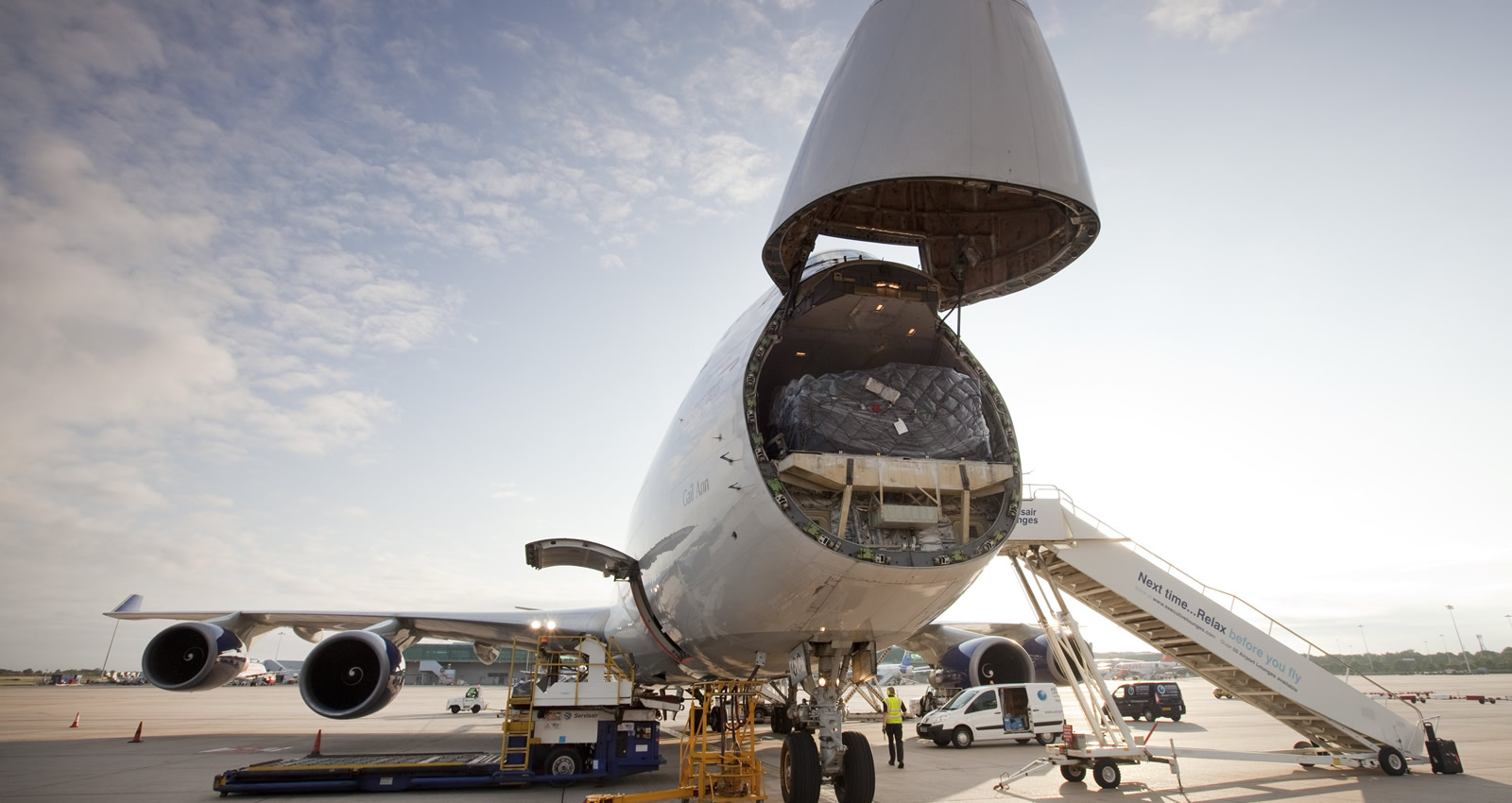
    Local IPP Air Cargo has axed plans to become Vietnam’s first cargo airline, but Germany’s Lufthansa Cargo has expanded operations.

    In late October, IPP Air Cargo canceled its application to launch what would have been the nation’s first cargo airline. However, the company had already completed the procedures to lease four Boeing Converted Freighters 737 800BCF.

    Jonathan Hanh Nguyen, chairman of the airline’s parent company Imex Pan Pacific Group (IPPG), said that global air cargo demand was declining due to current turmoil.

    “We have decided to end our plan to avoid causing more damage to carriers that are already incurring losses,” he said, adding that the company aimed to reinstate the plan when the market stabilizes.

    Last month, Lufthansa launched its first direct flight from Frankfurt to Hanoi.

    The carrier had previously run two weekly flights from Germany to HCMC before diverting operations to Thailand.

    CCO Ashwin Bhat said his airline could not ignore the Vietnamese market, where 30% of exported items are electronics and high-tech goods.

    Vietnam’s plentiful bilateral trade agreements with major markets, especially Europe, were attractive to Luftnasa, said Bhat.

    He added that the country’s rapid economic recovery from the Covid-19 pandemic had also interested the dominant European airline.

    According to government statistics, the total volume of goods transported by air in Vietnam has increased 2.5 times over the last ten years. The number is forecasted to surge to 4.1 million tons by 2030.

    According to the Vietnam Logistics Business Association (VLA), Vietnamese airlines hold an international freight forwarding market share of only 12%, while nearly 30 foreign carriers hold the rest.

    VLA president Le Duy Hiep said the withdrawal of IPP Air Cargo from the market was a pity because domestic logistics enterprises are in dire need of Vietnamese cargo airlines.

    According to Hiep, Vietnam’s massive amount of total imports and exports were worth over $700 billion in 2022, with over half being exports. Over two million tons of goods are exported by air from Vietnam each year.

    Analysts have said that these factors have made the potential of the Vietnamese cargo market plain to see for Lufthansa Cargo.

    Hiep said Vietnam should be home to cargo airlines with larger market shares, but noted that this would require much more investment and a wider network of agents and customers.

  • Malaysia to test air cargo community system at KUL

    Malaysia to test air cargo community system at KUL

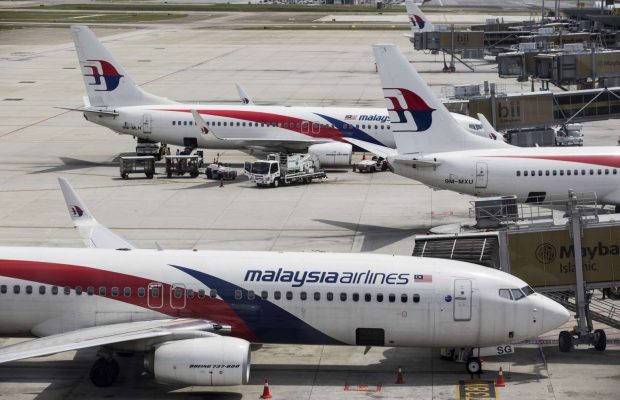
    Efforts are coming in all forms to support Malaysia’s competitiveness in its transport and logistics sectors as plans to introduce a platform that will connect stakeholders of Kuala Lumpur International Airport are underway.

    Air cargo software provider Kale Logistics Solutions and tech company Dagang NeXchange (DNeX), through its subsidiary Dagang Net, have signed a partnership agreement to introduce the Airport Cargo Community System (ACS) platform in Malaysia.

    The ACS is a neutral and open platform, enabling intelligent and secure information exchange between public and private stakeholders and is planned to be integrated with other community systems such as the National Single Window (NSW) and Port Community Systems (PCS) for trade facilitation.

    Vineet Malhotra, co-founder and director at Kale Logistics Solutions, said the latest development presents a powerful case that cargo community platforms need to integrate to bring greater value. And the plan is to create a global network of smart logistics hubs, starting in Malaysia.

    “Our role is to support businesses, especially SMEs, by providing an efficient and comprehensive global logistics network that can serve a larger international customer base and reduce trade barriers.”

    DNeX says the partnership with Kale complements Dagang Net’s capability to grow trade facilitation e-services for air mode through the ACS platform.

    “The ACS enables seamless electronic transactions, equipped with intelligent and secure information exchange among stakeholders to enhance the airport community competitiveness,” commented Tan Sri Syed Zainal Abidin Syed Mohamed Tahir, Group Managing Director.

    “This, in turn, can contribute to efforts in improving Malaysia’s competitiveness in its transport and logistics sectors as well as overall operational efficiency, connectivity, and productivity across the country’s supply chain,” he noted.

    Dagang Net has been using electronic Customs-related services to ease trade facilitation and streamline international trading processes for imports and exports, trade and logistics industries, and this initiative is aligned with the company’s direction, he added.

    Both Kale and Dagang Net are part of the Pan Asia e-Commerce Alliance (PAA), a 16-member regional e-commerce alliance in Asia that aims to promote and provide secure, trusted, reliable and value-adding IT infrastructure and facilities for efficient global trade and logistics.

  • DHL teams up with Coldplay to make their tour as sustainable as possible

    DHL teams up with Coldplay to make their tour as sustainable as possible

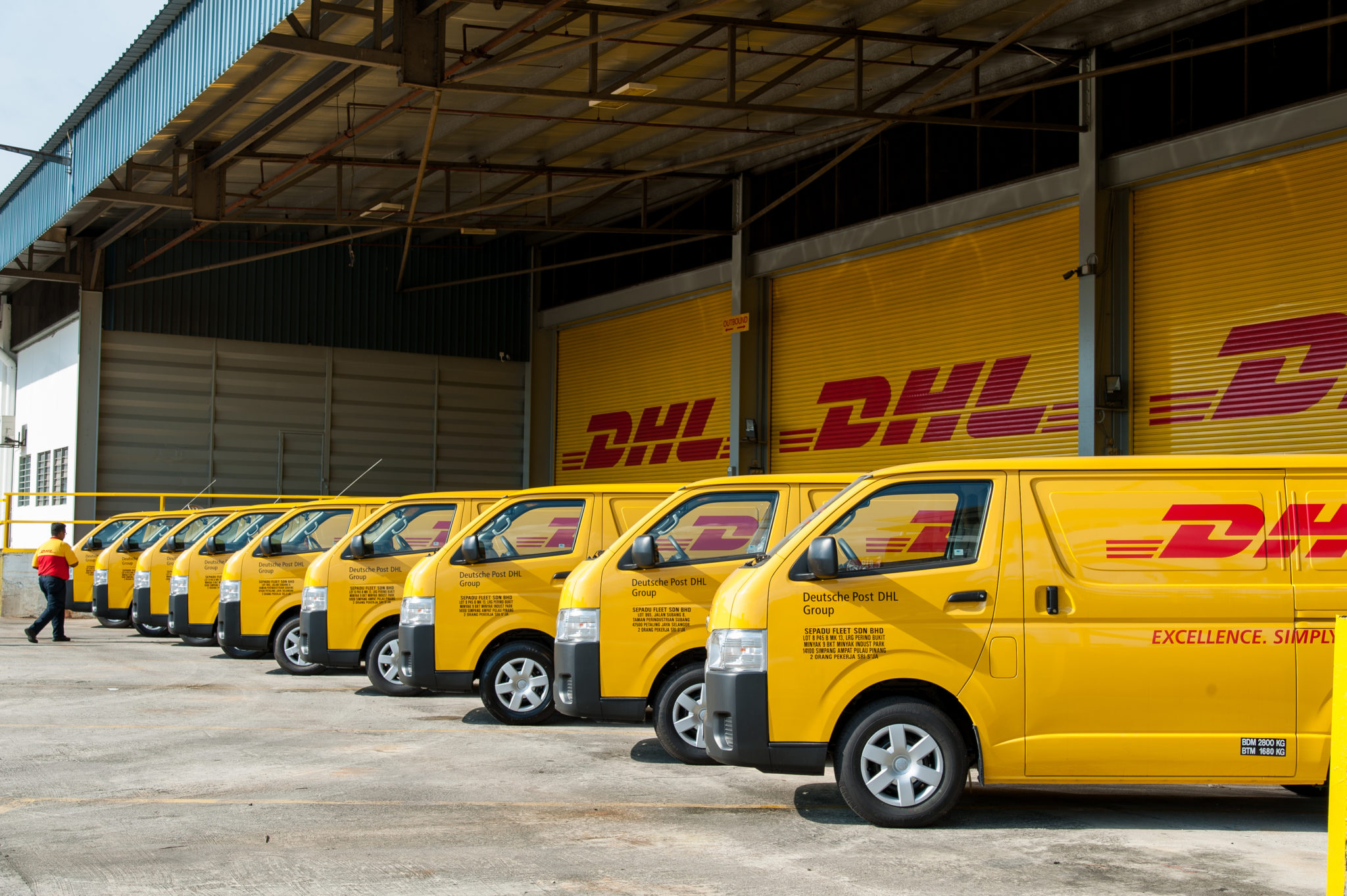
    DHL, a pioneer in the field of sustainable transport and logistics, has announced that it will support Coldplay’s efforts to reduce CO2 emissions by more than 50% during its Music of the Spheres concert tour.

    While every global music tour requires intensive preparation and complex logistics, Coldplay has added to this complexity by setting an ambitious goal to make the tour as sustainable as possible, with the support of DHL’s extensive expertise in the field.

    “As leaders in our industries, it is our responsibility to lead the change but also inspire and facilitate sustainable solutions for other businesses and brands. We feel honored and proud that Coldplay has selected DHL to embark on this journey for change,” commented Monika Schaller, Executive Vice President of Corporate Communications, Sustainability & Brand, Deutsche Post DHL Group.

    Coldplay selected DHL as its logistics partner due to the company’s extensive expertise in sustainable logistics solutions. As the world’s leading logistics provider, DHL will support Coldplay’s efforts, especially in the field of sustainable transportation, by offering multi-faceted approach to lowering CO2 emissions.

    With its GoGreen Plus Service, DHL’s customers are offered a suite of solutions for minimizing logistics-related emissions and other environmental impacts along the entire supply chain. Ocean and air freight emissions are reduced by the use of advanced biofuels. For land transportation, DHL is able to call upon an extensive fleet of electric vehicles and trucks fueled with Bio-LNG (liquified natural gas made from organic waste). The remaining part of the supply chain is made climate neutral by full lifecycle emission compensation – drawing down and offsetting any residual carbon emissions. DHL can ensure the lower CO2 emissions of their services are transparently passed onto its customers.

    DHL and Coldplay’s shared hope is that the Music of the Spheres Tour will provide lessons and best practices for other artists to build on and push the live music industry towards an ultra-low-carbon and sustainable future.

    Coldplay’s co-manager Phil Harvey stated: “When we announced this tour, we pledged to reduce primary carbon emissions by more than 50% compared to the last tour.   This can only happen with tour partners who share this vision and are willing to invest the necessary resources to make it happen.   We’re grateful to DHL for their help in minimizing our tour’s freight emissions through their expertise and investment in sustainable logistics.”

    In line with the company’s sustainability strategy to achieve net-zero emissions by 2050 (“Mission 2050”), DHL is committed to sustainable logistics solutions that will decarbonise the entire logistics sector. As part of Deutsche Post DHL Group’s mid-term sustainability roadmap for 2030, the group strives to achieve the sub-target of having at least 30 percent of fuel requirements covered by sustainable fuels. To reduce CO2 emissions in line with the Paris Climate Agreement, the Group will spend €7 billion on sustainable fuel and clean technologies by 2030.

  • FedEx and eBay Team Up to Boost APAC Businesses Through New E-commerce Offerings

    FedEx and eBay Team Up to Boost APAC Businesses Through New E-commerce Offerings

    FedEx Express, a subsidiary of FedEx and one of the world’s largest express transportation companies, announced a new alliance with eBay, a leading e-commerce marketplace platform for fast-growing and established brands worldwide. eBay sellers in the Asia Pacific region can now sign up for a FedEx account and gain access to the full spectrum of FedEx e-commerce delivery service options at competitive rates.

    Marketplace sales account for 67% of e-commerce globally, with the Asia Pacific e-commerce market expected to grow by about 14% annually, reaching US $352.68 trillion by 2030. This collaboration will help propel e-merchants – especially small business owners – amidst booming e-commerce in the region, driven by consumers’ changing behaviors toward shopping online accelerated by the pandemic.

    Through this collaboration, eBay sellers will be able to provide their customers with a more premium delivery experience powered by FedEx shipping solutions. Key benefits under the current strategic program include:

    • Competitive rates: eBay sellers will receive competitive discount rates on FedEx Express services.
    • Enhanced shipping capabilities: FedEx offers eBay sellers a wide range of services that are critical for cross-border e-commerce, including FedEx Electronic Trade Documents; FedEx Home Delivery, which now delivers seven days a week; a portfolio of flexible, simple returns options; and the FedEx Hold-at-Location which gives consumers a choice to have their packages delivered conveniently and safely to various grocery stores, pharmacies and FedEx Office locations.
    • Direct contact with FedEx: eBay sellers will get their own FedEx account to use any shipping solution from the vast portfolio that FedEx provides. Additionally, eBay sellers can contact FedEx directly for pickups and billing questions, as well as to order shipping forms or other delivery supplies, reroute packages and manage their My FedEx Rewards account.

    “E-commerce has become the new growth engine behind the APAC economy. Logistics services providers like FedEx, therefore, play a critical role in helping e-commerce businesses deliver seamless customer experiences from online to the physical world,” said Kawal Preet, president of Asia Pacific, Middle East and Africa (AMEA) at FedEx Express. “We’re thrilled about this collaboration with eBay that enables easier access to more markets through our international logistics services. By providing international shipping solutions at highly competitive rates, we are helping eBay sellers make the most out of our premium services and products as they continue expanding overseas.”

    “eBay has been driving retail export in the region and enabling our sellers to grow their business via our global marketplace,” said Jenny Hui, General Manager of Cross Border Trade, Hong Kong, Taiwan and Global Emerging Markets at eBay. “Shipping is a critical component of the cross border e-commerce ecosystem. Teaming up with FedEx, one of the world’s most well-respected e-commerce transportation and logistics carriers, gives our sellers access to a unique set of capabilities and rates, which ultimately enables them to provide their global customers with retail-standard buyer experience.”

    The collaboration reflects the latest effort in strengthening the FedEx leadership in the e-commerce ecosystem through strategic collaborations with leading marketplaces and technology providers. To date, FedEx has integrated with more than 17 marketplace providers, including BigCommerce, an open SaaS e-commerce platform, allowing hundreds of thousands of e-tailers across Asia Pacific direct access to FedEx services, using their FedEx account number, to manage shipments and grow their cross-border e-commerce business.

  • Innovative logistics models in great demand

    Innovative logistics models in great demand

    Hardy Diec, Managing Director of FedEx Express Indochina, predicts greater demand for innovative logistics models to enhance online to offline customer experience and support swift pivot businesses.

    What’s the status quo with the logistics industry?

    Supply chains have never been more important. More than that, reliability and accuracy in these supply chains have now become even more paramount. During this pandemic, the logistics industry has proven to be vital, whether in delivering critical healthcare shipments including vaccines and medicine, or delivering huge volumes of e-commerce shipments to end consumers.

    The pandemic has shifted consumer behavior greatly. The boom in e-commerce will continue to be a powerful engine of the global economy. We’re witnessing how essential supply chains are to business survival, success and growth – they are not just an opportunity to reduce cost.

    Businesses are rethinking their supply chains, moving to a “just in case” approach for inventory management to counter unplanned scenarios. Being able to receive products and critical components either by 10:30 a.m. or noon from overseas suppliers means businesses can now improve their competitiveness in the marketplace. In turn, it is driving demand for early-in-the-day delivery of time-sensitive shipments services like FedEx International Priority Express (IPE).

    Demand for cross-border e-commerce is expected to grow even post-pandemic in Vietnam and the region. Vietnam’s e-commerce market is forecast to grow by a staggering 300 percent, from $13 billion in 2021 to $39 billion in 2025, with more consumers shopping online. There will be greater demand for innovative logistics models for a seamless online to offline customer experience and to support the swift pivots businesses are taking to sell online, in step with customer demand.

    What solutions does FedEx provide, given the above insights?

    Firstly, investing in our air network enables us to move quickly to changes in supply chains. When we saw high demand for express air cargo, we were able to add six new flights, starting in August 2021, to enhance connectivity to Europe and the U.S. for customers in Asia Pacific -including Vietnam businesses – adding nearly 2,700 tons in capacity every week.

    To cater to different e-commerce shipping needs, we’re offering businesses in Vietnam more options using different modes of transport through our air, sea and road networks. This includes connecting regional and domestic cities through our FedEx Asia Road Network (ARN) – spanning more than 7,000 km – delivering to eight major locations: Hanoi, Guangzhou, Bangkok, Da Nang, Ho Chi Minh City, Penang, Kuala Lumpur and Singapore.

    We continue to enhance our regional and global network to enhance connectivity with other competitive markets for our customers to access and we are building solutions that will empower Vietnamese businesses to participate in cross-border trade particularly in the dynamic e-commerce marketplace.

    What advice do you have for business owners in Vietnam? What are the opportunities at the moment?

    Firstly, take advantage of free-trade agreements such as the Comprehensive and Progressive Agreement for Trans-Pacific Partnership (CPTPP), the Vietnam – EU (EVFTA), and the Regional Comprehensive Economic Partnership (RCEP), the world’s largest free trade agreement, which can boost investment access and freer trade with these trading partners. These FTAs enable Vietnam businesses to take advantage of reduced tariffs and at the same time attract companies to relocate or expand manufacturing in Vietnam and export to partners. Improved trading access will offer greater opportunities to grow cross-border trade for Vietnam.

    E-commerce and digitalization are key opportunities for Vietnam businesses particularly for small and medium-sized enterprises (SMEs) to spur growth. Vietnam has more than 870,000 enterprises, with SMEs accounting for more than 98 percent. While SMEs have been some of the hardest hit during the pandemic, by shifting to online business models and digitalization they have also been the community who stand to benefit the most and stay ahead and boost competitiveness.

    A key factor to winning in e-commerce, identified in our FedEx whitepaper “E-commerce Megatrends to watch” is making online shopping a more “connected” experience across platforms. This requires a smooth end-to-end shopping experience from the moment they enter the website or social channels all the way to fulfillment and finally delivery.

    To help Vietnam’s businesses, including SMEs, deliver a seamless e-commerce experience from online to offline, we’ve teamed up with more than 20 e-commerce platforms and marketplaces. Enabling customers and e-tailers to select our range of shipping capabilities and easily generate FedEx shipping labels or use additional specialized FedEx features without leaving those e-commerce platforms has become our priority.

    Moreover, we’re using digital solutions to make shipping smarter and easier. Our goal in digitization is to give greater control and visibility for businesses to manage e-commerce shipments. For instance, FedEx Delivery Manager International allows e-tailers to offer their customers the freedom to customize their delivery preferences. In addition, we improving easy-to-use online tools like FedEx ship manager, manager, online billing (FedEx Billing Online); FedEx electronic trade documents, helping both e-tailers and consumers save time when preparing shipments and stay competitive.

    What is the FedEx vision for the future?

    Trade, while being an important driver of Vietnam’s remarkable economic growth over the past two decades, is carbon-intensive – accounting for one-third of the country’s total greenhouse gas emissions. Addressing climate challenge is a very real need today, and an important and collective effort which will impact the future of the country and the health of our communities.

    That’s why we’re using our expertise in logistics to build more sustainable transportation solutions. In fact, we’re working our way toward delivering a more sustainable future including our goal of carbon neutral operations by 2040, which will outpace the targets set by the Paris Climate Agreement by a decade. To achieve this ambitious goal, we’re investing US$2 billion into three key areas that matter the most – vehicle electrification, sustainable energy, and carbon sequestration.

    At the same time, we’re looking to innovative technologies and Artificial Intelligence, including robotics and unmanned vehicles – to reduce road transportation costs and help tackle traffic congestion in cities. For instance, we’re testing zero-emissions autonomous delivery vehicle in China through collaboration with Neolix and battery powered robotics Roxo™, the SameDay Bot® to explore new ways of delivering to our customers’ door-step more sustainably. We will continue to look at ways to connect the world responsibly and resourcefully.

    As one of the world’s largest transportation providers, what role does FedEx play in terms of social responsibility?

    Using our network to deliver for good is what we do and who we are. Not only are we connecting trade and moving the world forward every day, but one of our most important roles is delivering critical aid. Since the start of the pandemic, we have transported more than 14,000 Covid-19 humanitarian aid shipments throughout the world including moving vaccines and test kits to support Vietnam’s fight against Covid-19. Most recently, we delivered 76 tons of critical medical aid for Ukrainian refugees to Poland via a FedEx humanitarian relief flight in March.

    Fostering future entrepreneurs in Vietnam is important to us because we see small business as a driver to creating new jobs, support their families and contribute to thriving communities. For more than a decade, we’ve been inspiring the next generation of leaders in Vietnam through the FedEx/Junior Achievement International Trade Challenge (FedEx/JA ITC) program. FedEx was founded by an entrepreneur with an innovative business idea, which is why we believe in giving resources to people with great ideas that have the potential to change the world for the better.

    Moreover, we support improving healthcare access for remote areas in Vietnam. Through the FedEx delivery heartbeats outreach clinic program, in collaboration with VinaCapital Foundation (VCF), we are bringing free specialty healthcare and medical treatment for congenital heart disease to children in rural areas of the country. We’re proud that our efforts are improving the lives of more than 200,000 children. To add, in May, we’re teaming up with Orbis to train eye care professionals across Vietnam on ways to prevent the worsening of vision loss due to glaucoma in our new virtual Flying Eye Hospital project. By combining online and practical training, we will enable more skilled eye care professionals to offer access to quality eye care for patients particularly in rural areas.

    Through collective efforts we will continue to deliver positive changes to help local communities, businesses and economies prosper.
  • Kerry Logistics Network posts 102% growth in Core Net Profit

    Kerry Logistics Network posts 102% growth in Core Net Profit

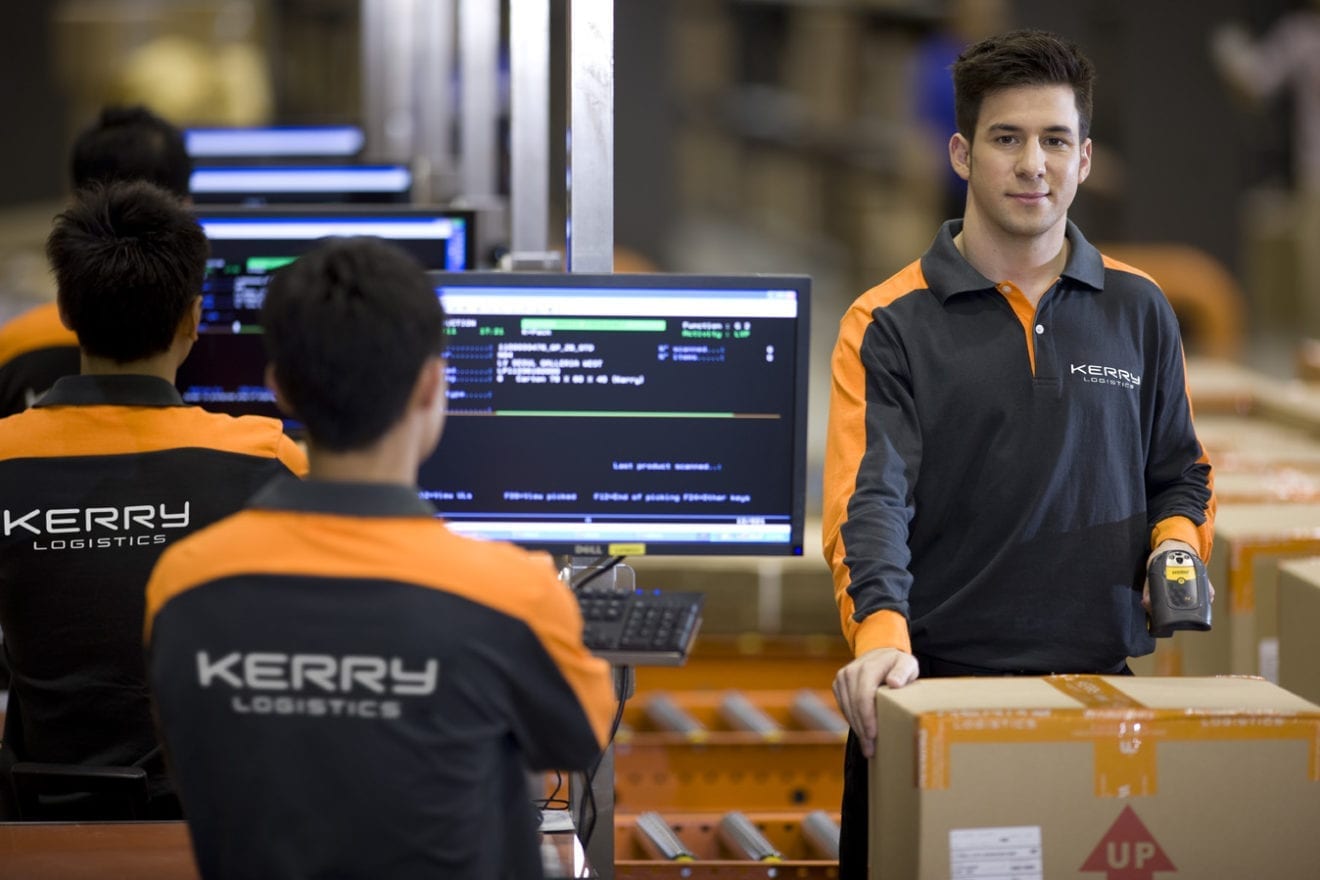
    Kerry Logistics Network Limited (‘Kerry Logistics Network’ or together with its subsidiaries, the ‘Group today announced the Group’s annual results for 2021.

    Group’s Financial Highlights

    • Revenue (including revenue generated from discontinued operations) increased by 53% to HK$81,771 million (2020: HK$53,361 million)
    • Core operating profit increased by 88% to HK$6,229 million (2020: HK$3,320 million)
    • Core net profit increased by 102% to HK$3,692 million (2020: HK$1,828 million)
    • Profit attributable to the Shareholders was HK$7,939 million (2020: HK$2,896 million), which represents a year-on-year growth of 174%
    • Integrated Logistics (IL) business recorded a segment profit of HK$1,868 million (2020: HK$2,642 million), which represents a decrease of 29%, partly due to the disposal of the Group’s Hong Kong Warehouse and the Taiwan businesses during the year
    • International Freight Forwarding (IFF) business recorded a segment profit of HK$4,860 million (2020: HK$993 million), which represents a growth of 389%
    • Proposed final dividend of 50 HK cents per Share, to be payable on Wednesday, 8 June 2022

    William MA, Group Managing Director of Kerry Logistics Network, said, “In 2021, supply and demand mismatch, logistics bottlenecks, congested ports, labour shortage and pandemic related lockdowns and measures continued to cause endless disruptions in the global supply chain. Thanks to the unwavering support from our colleagues and partners, we managed to deliver efficient and consistent services to our customers in the face of complex and relentless challenges. We achieved a record-high revenue of HK$81.8 billion and a core net profit of HK$ 3.7 billion in 2021.”

    IL Shrank

    The segment profit of KLN Group’s IL business did not grow in line with the other segment, mainly due to a weak Asian market brought about by a series of prolonged lockdowns and other pandemic measures across Southeast Asia, severely disrupting both manufacturing and consumption related activities, as well as the required disposal of the Group’s Hong Kong Warehouse and businesses in Taiwan.

    In Hong Kong, the Group’s IL business reported a 14% contraction, with logistics operations decreasing by 4%. This was mainly due to the disposal of warehouses in Hong Kong at end-September 2021 as well as the implementation of pandemic-induced social distancing measures which has caused a depression in particular retail activities.

    In the Mainland of China, the Group’s IL business grew by 33%, mainly from the increase of manufacturing activities as purchase orders shifted back to the Mainland from many Asian countries, boosting its production and export of both components and finished products.

    In Asia, the IL division went down by a large extent. This was mainly due to prolonged lockdowns across many countries in Asia, which depressed manufacturing activities. Furthermore, pricing pressure and fierce competition experienced by Kerry Express Thailand in Thailand have also impacted on the Group’s results. The Group is expected to reclaim its dominance in key Asian markets, where profitability will gain traction starting in 2022 2H.

    Strategic Partnership with S.F. Holding

    KLN Group’s strategic partnership with S.F. Holding will give it an unparallelled advantage as Asia’s largest 3PL provider to tackle the uncertain market challenges ahead. The two parties are already collaborating in the Mainland of China to serve S.F. Holding’s clients’ overseas business needs. By 2022 Q2, KLN Group will serve as the exclusive cargo General Sales Agent (GSA) for S.F. Airlines, as well as the principal service provider outside the Mainland of China for S.F. Holding’s international express business, firmly establishing KLN Group’s position as S.F. Holding’s international arm.

    William Ma concluded, “The complex dynamic system of the global supply chain will remain sensitive to an array of different pandemic responses and measures as well as geopolitics. International freight will face another year of price, volume and capacity volatility. Inflationary pressures and material shortages along the supply side will continue to disrupt global trade for a prolonged period. Although onshoring and reshoring have been discussed widely, it is highly likely that Asia, the manufacturing base of the world, will continue to hold its ground in the next five years. KLN Group and S.F. Holding’s strategic cooperation has opened a new page for both sides. Unique yet competitive service offerings have been co-developed through the ongoing business and operation integrations. As the world is moving faster and further away from the pre-COVID market conditions, we are confident that the new KLN Group is empowered to advance through it.”

  • AirAsia X signs cargo deal with Teleport in bid to boost freight

    AirAsia X signs cargo deal with Teleport in bid to boost freight

    The announcement came just days after Capital A revealed plans to reorganize the airline division and diversify in an online press conference. During the conference, Capital A’s chief executive Tony Fernandes said that for the foreseeable short-term future, the focus of AirAsia Aviation Group will be on short-term travel within the Southeast Asian region.

    The Teleport deal comes as AirAsia X tries to boost its cargo revenue to make up for the lack of revenue on the passenger side as a result of the COVID-19 pandemic.

    On January 26, 2022, AirAsia X announced that it had partnered with French transport, logistics, and supply chain GEODIS to increase cargo capacity in Asia Pacific.

    AirAsia X CEO Benyamin Ismail said that the company is in talks with other “major global clients that have air cargo requirements”.

    “We are also in discussions with several other major global clients that have air cargo requirements, particularly to where we have established bases and flying rights. It’s just two months post our restructuring and the appetite for expansion of our cargo operations is significant. This dovetails neatly into one of the core pillars of our combination carrier strategy. For the foreseeable future, cargo revenue will underpin our route strategy and passenger revenue for the first time, will be ancillary,” Ismail said in a statement.

    COO Captain Suresh Kumar Bangah said that the airline will only fly when it’s profitable and that AirAsia X hopes to bring back more aircraft over the course of the year.

    “We will only fly if it’s profitable to fly. With our restructured low-cost base, we can fly profitably where other airlines may not be able to and this is a significant advantage to us.  We intend to add a further one plane a month to full service from now and we hope to have our full fleet operational by the end of the third quarter. As more aircraft are brought back into service, we are able to recall back pilots and crew who have been through a tough period during this pandemic,” Bangah said.

  • DB Schenker and Lufthansa Cargo welcome Lenovo on their CO2-neutral flights

    DB Schenker and Lufthansa Cargo welcome Lenovo on their CO2-neutral flights

    Another major global player joins DB Schenker and Lufthansa Cargo on their way towards greener supply chains: Global hardware technology provider Lenovo decided to let fly 20 tons of chargeable weight per week from Shanghai (PVG) to Frankfurt (FRA). The carbon-neutral freighter flight is the only regular full charter connection worldwide which is 100 percent covered by sustainable aviation fuel (SAF). SAF is produced out of renewable waste and residue raw materials such as used cooking oils. The transported Lenovo products include laptops, notebooks, and PCs for both private and corporate clients. 

    Thorsten Meincke, Global Board Member for Air & Ocean Freight at DB Schenker: “Our unique SAF full charter flights help corporates to make their shipments more sustainable. Lenovo is a major customer for this game-changing initiative and an example how shippers are keen for real change towards greener transports. We look forward to seeing further companies who would like to prioritize decarbonizing their supply chains together with us.”

    Gareth Davies, Head of Global Logistics at Lenovo: “Sustainability is critical to our business and mission of delivering smarter technology for all. We are proud that we are further enhancing our solutions through this collaboration with DB Schenker and Lufthansa Cargo. For all businesses and individuals, adopting programs that improve sustainability is incredibly important and we are delighted about this new partnership.”

     Ashwin Bhat, Chief Commercial Officer at Lufthansa Cargo: “Our joint effort with DB Schenker to avoid CO2 emissions is continuously growing stronger. An increasing number of customers realizes that we need to work together across industries to achieve our shared goal. Only together, we can make a real difference. With our SAF-covered flights, we are doing pioneer’s work.”

    DB Schenker and Lufthansa Cargo started the world’s first regular SAF-covered full charter air cargo connection between Frankfurt and Shanghai in April 2021 and extended the joint mission throughout the entire winter flight schedule. The CO2 released during combustion in the engine is only the CO2 removed from the atmosphere during the photosynthesis phase of the plants that were utilized to produce the oils SAF is refined from.

    By opting for the SAF based way of transportation offered by DB Schenker in cooperation with Lufthansa Cargo, Lenovo saves around 20 tons of conventional kerosene per flight and, thus, 62 tons of greenhouse gases (CO2e Well-to-Wheel) weekly. In addition, the around 16 tons CO2e resulting from the production and transport of the SAF (upstream emissions) are offset by compensatory measures. Overall, full carbon neutrality is achieved.


  • Alphabet Owned Wing Has Over 100,000 Drone Deliveries In Two Years

    Alphabet Owned Wing Has Over 100,000 Drone Deliveries In Two Years

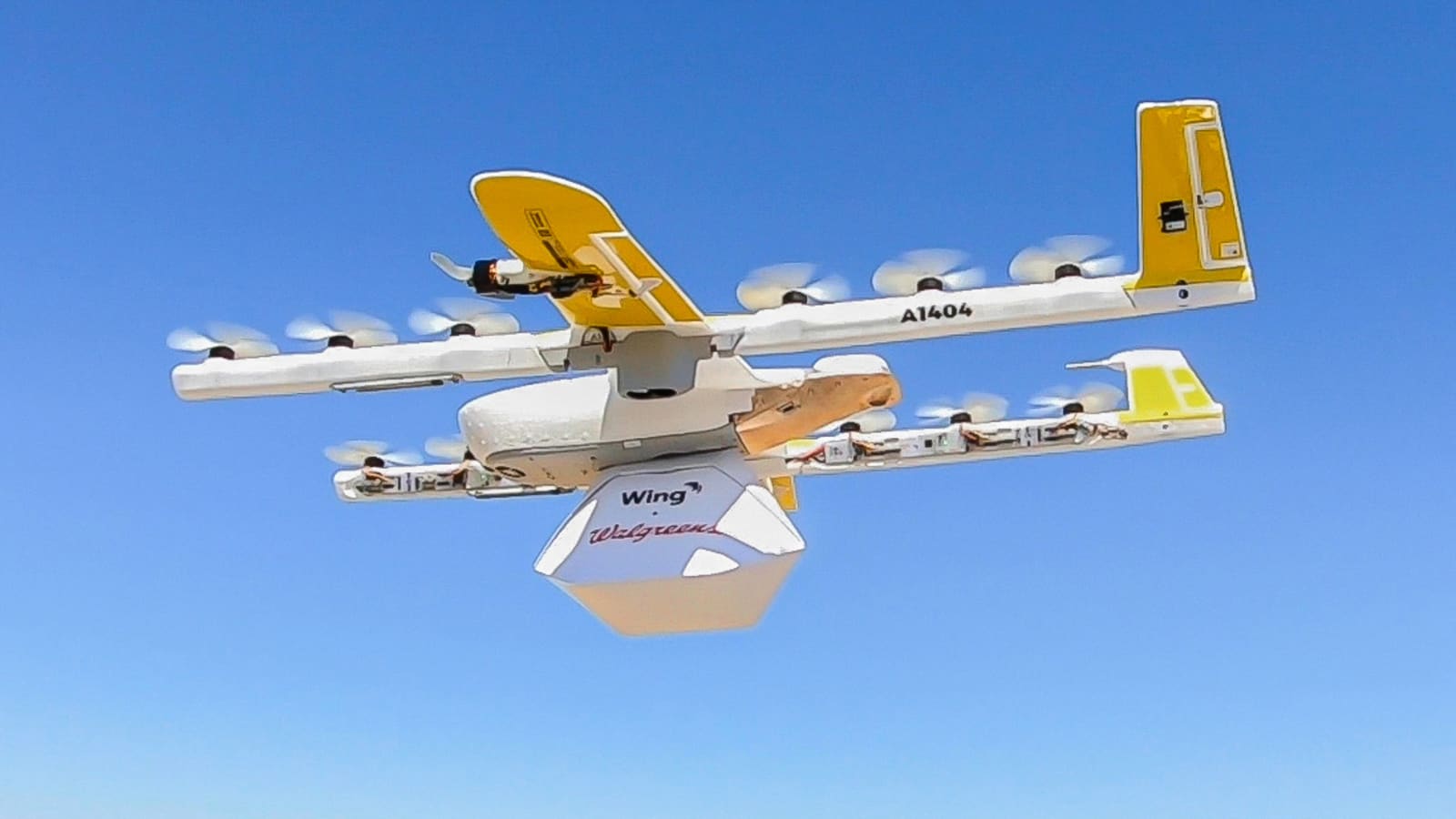
    Alphabet-owned Wing has said that it will hit a landmark of 100,000 drone deliveries over the weekend. This news comes after two years of the launch of service in the Australian city of Logan which only has 300,000 people. This is happening at a time where there are reports stating that Amazon’s plans of drone deliveries are collapsing. Wing has said that it will be entering new markets in the coming months.

    “I think we’ll expand quite a bit. I think we’ll launch new services in Australia, Finland and the United States in the next six months. The capabilities of the technology are probably ahead of the regulatory permissions right now,” said Jonathan Bass, the comms head at Wing.

    Of all the deliveries more than half were completed in Logan itself in the last eight months. In the first week of August customers have placed orders for over 4,500 deliveries that works out to be one order every 30 seconds during its delivery window. Over 10,000 cups of coffee have been ordered, alongside 1,700 children’s snack packs, 1,200 hot chooks, 2,700 sushi rolls, and 1,000 loaves of bread.

    These drones have a range of 9.6 kms as they are limited by the capacity of their batteries and larger batteries are not possible because that will inhibit their ability to fly. This means the short trips are ideal for food delivery which happens in a package that resembles a McDonalds happy meal. Batteries add weight but apart from that, even parcels add weight, so these drones cannot carry anything more than 1.36 kg. But the system works well with fragile objects like eggs which don’t break.

    The drones cruise at a height of 100 to 150 feet in the air and lower down to about 23 feet when they reach the destination. There is a tether that lowers the package to the ground which is unhooked. No person is required to receive the package, something that Amazon’s solution needed.

  • Fees for transporting goods to HCMC nearly quadruple

    Fees for transporting goods to HCMC nearly quadruple

    Many HCMC residents have reported paying higher fees for transporting goods from their hometowns to the city compared to the pre-Covid period.

    Hoa in Ho Chi Minh City’s Go Vap District said that amid the city’s strict social distancing order, she had recently told relatives in the Central Highlands province of Kon Tum to send her a 15-kilo parcel of groceries including vegetables, meat and fish through an interprovincial coach company.

    The fee for transporting the parcel from Kon Tum to a coach station in HCMC was VND200,000 (nearly $8.77), instead of the typical VND50,000. On arrival, the coach company hired a shipper to transport the parcel to Hoa’s home for VND150,000, instead of VND50,000.

    An in HCMC’s Binh Thanh District said she had to pay total transport fees of VND600,000 for a 20-kilogram parcel sent from Kon Tum to her home in the city. “I have lived in HCMC for 10 years, and have never seen such high transport fees,” she said.

    Traders also have to pay higher fees to interprovincial coach firms. “Sometimes the value of goods is over VND1 million, but the transport fee is nearly half of that,” said Loan, a seafood trader in the central province of Phu Yen.

    Mai, a potato trader in the central highlands region, said transport fees for goods from the region to HCMC have surged four times to VND800,000 from VND200,000. There are fewer interprovincial coaches running between the region and HCMC, so coach firms have increased their fees, she explained.

    Tan Anh Coach Company in Kon Tum said passenger coaches are banned from running to HCMC, so lorries are used to transport goods with longer travel times and larger freights. “In the past, it took vehicles 10-12 hours to run from Kon Tum to HCMC. Now, it takes 18-20 hours. We have to cover Covid tests, and more expensive fuel,” the coach company revealed.

    Coach firms in other provinces, including Phu Yen and Khanh Hoa also said goods-transporting vehicles consume more fuel than passenger coaches.

    Meanwhile, shippers in HCMC explained that tightened social distancing, including travel restrictions, upped transport fees. “Each shipper is allowed to operate in a certain district, passing through many checkpoints,” Thanh from Go Vap District said.

    Ho Chi Minh City has recorded nearly 135,500 local Covid-19 cases since the fourth coronavirus wave hit Vietnam in late April. It is now the country’s pandemic epicenter.

  • Kerry Logistics recognised as “Most Honoured Company” for sixth year in a row

    Kerry Logistics recognised as “Most Honoured Company” for sixth year in a row

    Kerry Logistics Network Limited (‘Kerry Logistics Network’; Stock Code 0636.HK) is honoured to be recognised as one of the “Most Honored Companies” in Institutional Investor’s annual All-Asia (ex-Japan) Executive Team rankings for the sixth consecutive year. It was also ranked in the top three in five categories under the Transportation sector.

    Kerry Logistics Network and its key executives secured top three in the following categories, based on votes from buy-side analysts, money managers, and sell-side researchers at securities firms and financial institutions that cover the Asian region:

    • Best CEO – William Ma
    • Best CFO – Ellis Cheng
    • Best Investor Relations Professional – Iris Tsang
    • Best Investor Relations Program
    • Best ESG

    William Ma, Group Managing Director of Kerry Logistics Network, said, “We are honoured to be recognised once again for our commitment to a proactive investor relations strategy. While it has been imperative to respond to the challenges brought by the pandemic, in terms of investor relations, we have remained steadfast in maintaining our transparency, stepping up communication with the investment community and addressing investors’ concerns. Despite all the difficulties, we believe it is of paramount importance for us to keep our shareholders and investors up to date, particularly on Kerry Logistics Network’s latest corporate developments, while providing comprehensive disclosure to our stakeholders to ensure we create value for all. We are grateful to Institutional Investor and the investment community for the long-term support, and we will continue doing our best in applying global best practices in our investor relations programme.”

    Kerry Logistics has received the “Most Honored Companies” accolade since 2016. The 2021 All-Asia (ex-Japan) Executive Team rankings were determined by the votes from over 4,000 investment professionals across 1,285 financial services firms. The survey covered several core areas, including “Financial Disclosure”, “IR Services & Communications”, “COVID-19 responses”, “ESG”, “CEO”, “CFO” and “IR Professional”.

  • Global delivery firms increase flights to Vietnam amid e-commerce boom

    Global delivery firms increase flights to Vietnam amid e-commerce boom

    Express delivery giants like DHL and UPS are increasing their transport capacity to Vietnam thanks to rising demand due to the Covid-19 pandemic.

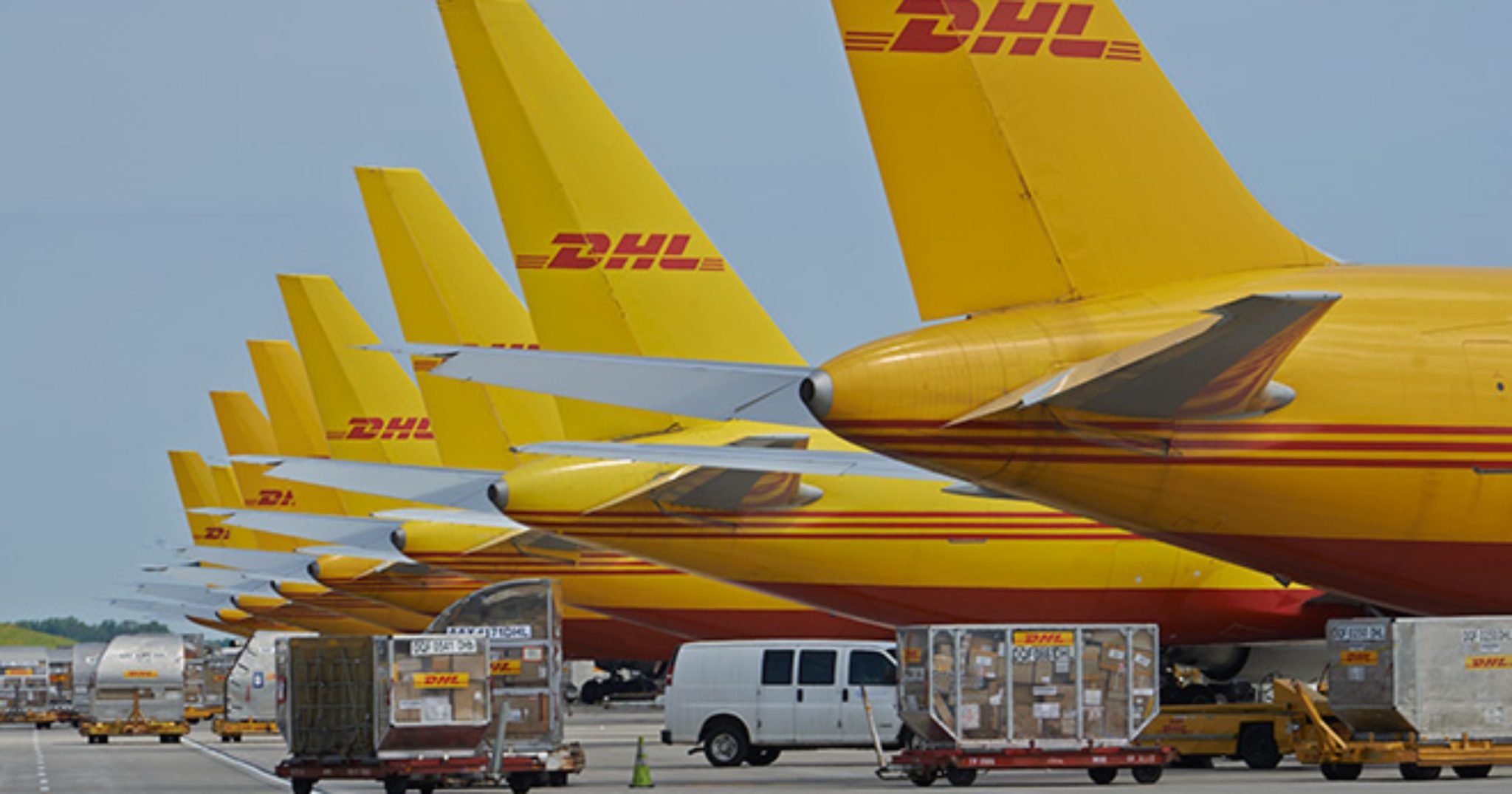
    Germany-headquartered DHL Express recently announced a new delivery route from Hong Kong to Ho Chi Minh City using wide-body Airbus A330 aircraft.

    There would be six one-way trips a week, each with a capacity of up to 62 tons of cargo, it said.

    This is to mainly serve the rising online shopping demand, it added.

    It will also upgrade the aircraft used on the Hanoi – Hong Kong route from Boeing 737-400s to 737-800s to serve Vietnam’s surging exports.

    Most consumers are now looking at delivery speed as a key component of their shopping experience, Bernardo Bautista, CEO of DHL Express Vietnam said.

    Last year U.S.-based UPS launched its first service to Vietnam from its hub in China to increase delivery speed.

    Vietnam does not have a dedicated cargo airline, and industry insiders estimate foreign companies hold an 80 percent aviation logistics market share.

    Johnathan Hanh Nguyen, chairman of retail company Imex Pan Pacific Group, recently announced plans to establish a cargo airline at an investment of $100 million.

    Vietnam’s e-commerce market expanded by 18 percent last year to $11.8 billion, the only country in Southeast Asia to record double-digit growth amid the pandemic, according to the Vietnam e-Commerce and Digital Economy Agency.