Tag: Holiday

  • AirAsia to resume flights in Malaysia

    AirAsia to resume flights in Malaysia

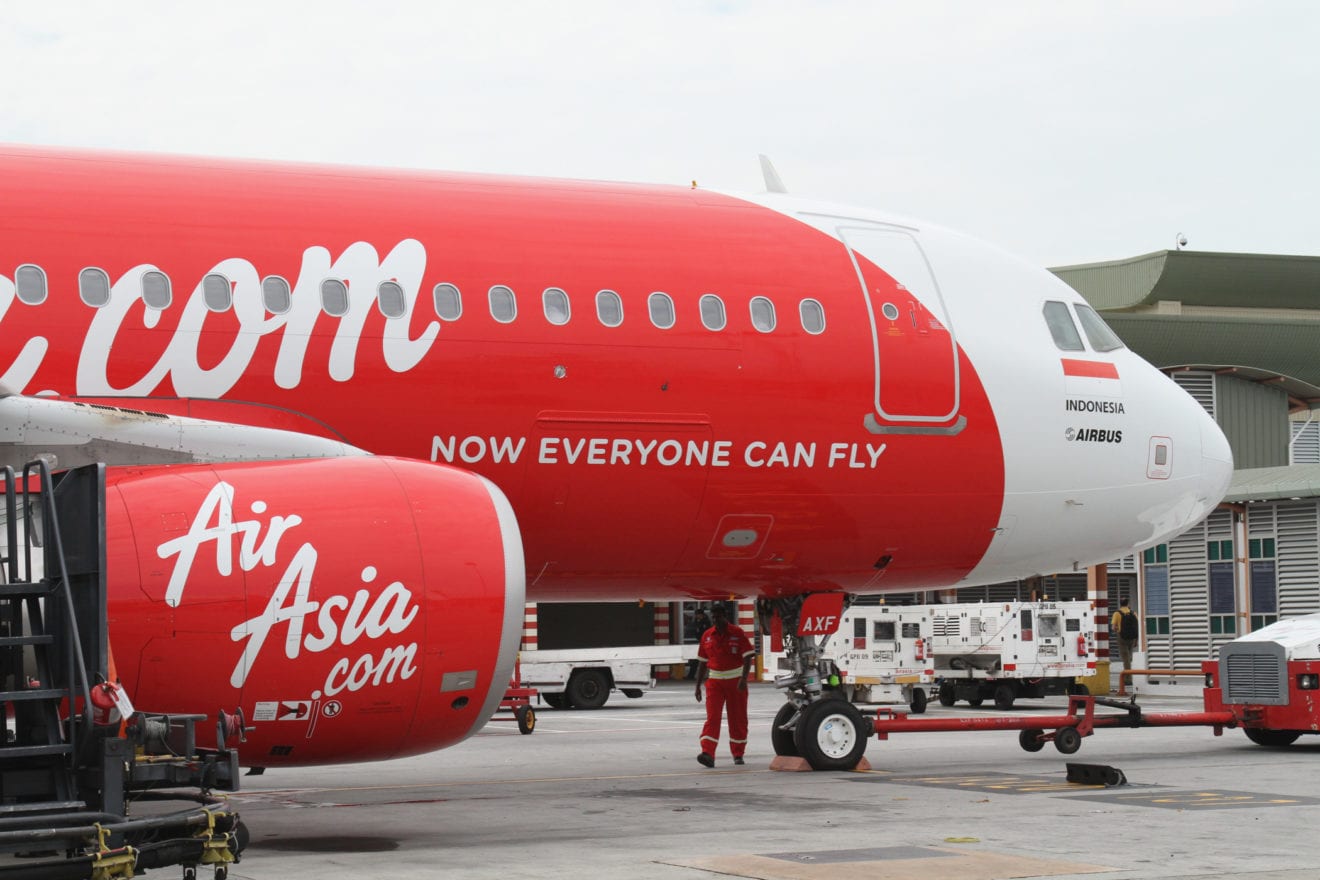
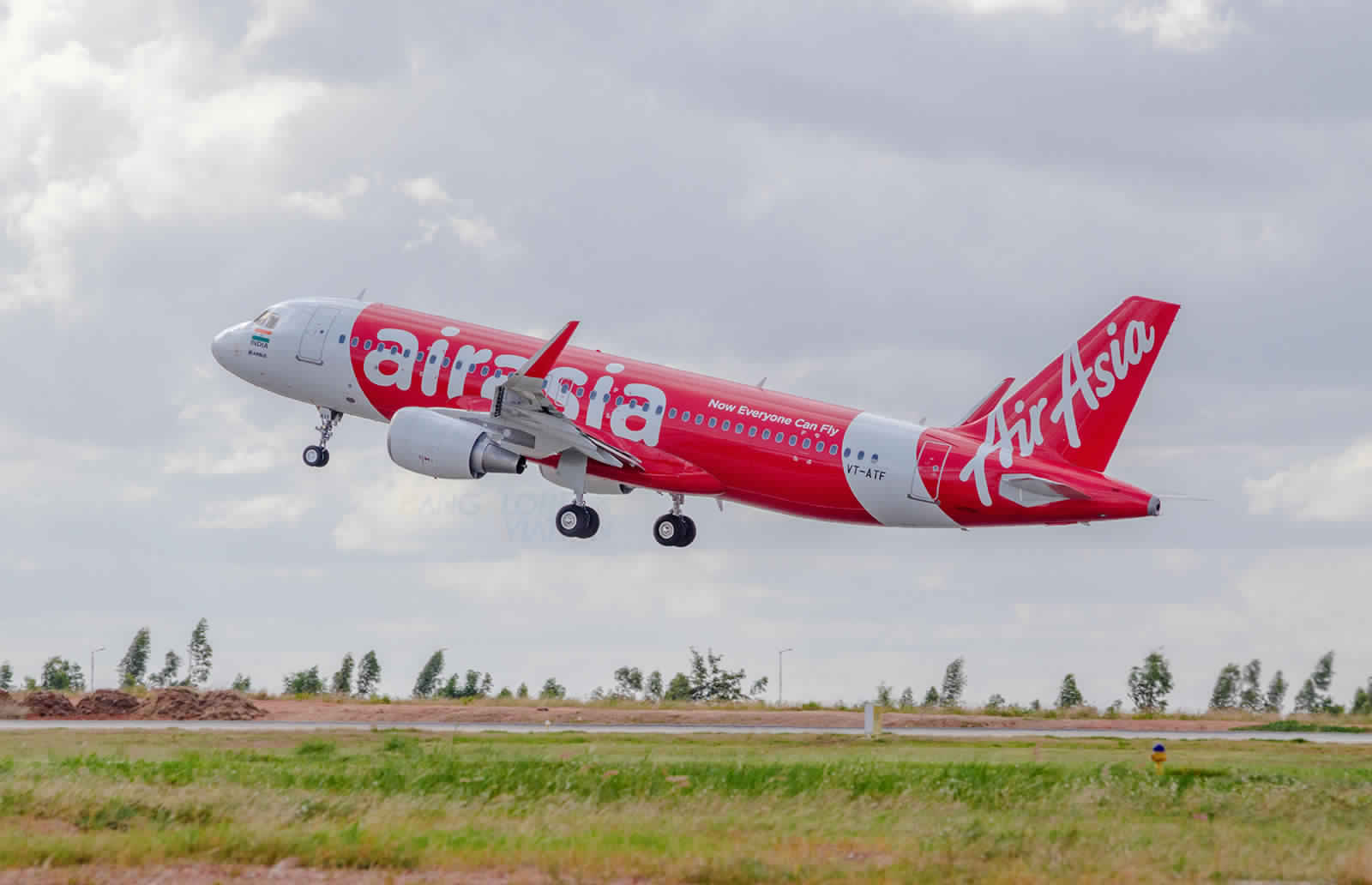
    Low-cost carrier Airasia is set to resume local flights in Malaysia on April 29, subject to the authorities’ approval.

    It said yesterday it has also set to commence flights in Thailand on May 1, the Philippines (May 1), India (May 4) and Indonesia (May 7).

    “The resumption of services will initially be for key selected domestic routes, which will increase gradually to include international destinations around the network, once the situation improves and governments lift borders and travel restrictions, ” AirAsia said in a statement.

    The low-cost carrier said flights are already open for booking via the airasia.com website and its mobile app.

    “Guests may use their credit accounts to redeem for these flights, ” it said, adding that further details on more routes and flight schedules will be announced in the coming weeks, subject to approval from the authorities.

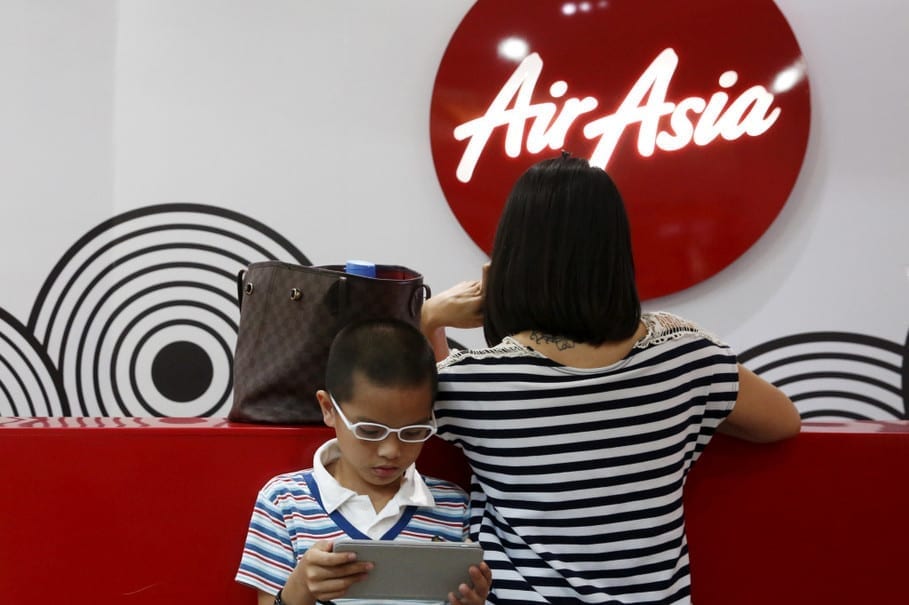
    In the same statement, AirAsia Group president (airlines) Bo Lingam(pic below) said the group hopes to resume full operations as soon as possible.

    “We have undertaken a thorough review of our guest handling procedures both on the ground and onboard in light of the Covid-19 pandemic.

    “We have been working closely with the airport authorities to ensure that all the relevant precautionary measures are in place to ensure a safe, pleasant and comfortable journey for everyone.

    “At AirAsia, the safety and wellbeing of our guests and employees is always our highest priority.

    “We work actively with all our regulators, local governments, civil aviation and health authorities, including adhering to guidance from the World Health Organisation and International Civil Aviation Organisation to ensure the highest standards of compliance and conformance are in place for every single flight we operate in our network.”

  • AirAsia’s burden adds on with asset-light strategy

    AirAsia’s burden adds on with asset-light strategy

    AirAsia has quite a bit going for it. It has cash, RM2.59bil of it, a strong business model and a brand-name that naturally is a crowd-puller in any markets it ventures.

    However, the low-cost carrier knows it is not in a comfortable position in its course of navigating out of the economic maelstrom in the aviation industry caused by the coronavirus disease (Covid-19) pandemic. Firstly, the airline has high commitments to begin with by moving to an asset-light business model.

    It may be a good way of doing away with the residual risk of owning aircraft but in times of downturns, it is the airlines that will incur additional cost for leases.

    And this is proven with AirAsia’s fourth-quarter results for the financial year ended December 2019, where it dipped further into the red by 35.9% to record a net operating loss of RM373.95mil.

    Based on the 2019 unaudited results, leasing charges comes up to RM505.87mil while staff cost is another RM1.78bil.

    Coupled with other fixed overheads such as rentals and finance cost, the burn rate a month can come up to RM200mil, even with none of AirAsia’s flights in operation.

    The group has temporarily suspended all its international and domestic flights in its Malaysia operations for about a month and also in the region, including the Philippines, Thailand and India.

    In Indonesia, it is significantly reducing the frequency of its international and domestic flights.Assuming that everything is back on track with flights operating at their usual frequencies, AirAsia would be incurring additional expenses such as fuel cost, maintenance and overhaul and user charges.

    Based on the 2019 accounts, this would easily add RM300mil more per month to its cost.

    However, the low-cost carrier would generate some amount of cash flow to mitigate its cost.

    “The drawback is the operating cash inflow would not pick up quickly unless a vaccine is found for Covid-19, ” says an analyst.

    And the RM2.59bil, or whatever that is left now after the first quarter, is the only buffer the airline has when it resumes business operations.

    The group knows it cannot be taking any chances and it needs to raise as much cash as it can, which is why it is seeking out a loan from the government.

    This is also why group chief executive officer Tan Sri Tony Fernandes told Bloomberg Markets that it is going to be an uphill slog, even with his team having a lot of ideas to get going again.

    “No bailout. You don’t need a bailout. Obviously many airlines are looking at loans and we think the cash will last us for the most part of this year.

    “And when the sales return, then we’re okay. It’ll be great to get a loan as well and we’re working on that with our government, ” he told Bloomberg.

    The budget airline knows there is no way it is going to get easy money or cheap loans so the best bet is still the government and Fernandes is confident something will transpire out of the airline’s recent meeting with it.

    After all, AirAsia has a high bargaining power with it ferrying the bulk of passengers into Malaysia and domestic flights, which allows it to boast of accounting for 1.8% of the tourism industry’s contribution to the gross domestic product (GDP).

    The question now is, how much cash does it need and at what price would it come?

    Or will it be easier for shareholders to fork out money for a rights issue considering they have been amply-rewarded in the past two years?

    Shareholders of AirAsia have made a pile of cash over the last 18 months from dividends that the group has been giving out, largely from its strategy to go asset-light.

    The airline declared a record special dividend of 90 sen a share in May last year after it sold its 25 aircraft to US-based private investment firm Castlelake LP for US$768mil (RM3.22bil).

    Back in March 2018, it entered into a sales and leaseback arrangement with BBAM Ltd Partnership involving 79 aircraft and 14 aircraft engines, of which AirAsia received US$1.19bil (RM4.62bil).

    There was another special dividend of 40 sen declared for the third quarter of 2018, on top of the interim dividends of 12 sen each for the first and fourth quarters.

    Just from the two years, shareholders have pocketed RM5.15bil in dividends.

    The sales and leasebacks of the aircraft may have made the group asset-light but the commitments of the lease itself has become a huge burden to the airline.

    On the rumors of a merger between AirAsia and Malaysia Airlines, sources say it is unlikely to happen.

    “Malaysia Airlines’ burn rate is not likely to be as high as AirAsia. AirAsia employs 29,000 people while MAS has far fewer workes.

    “Moreover, AirAsia has commitments to take up new planes while MAS does not. So there really is no push for a merger, ” says an executive familiar with the airline industry.

    Instead, Khazanah Nasional Bhd, which owns 100% of Malaysia Airlines, might want to take a stake in AirAsia if the offer is cheap.

    “But there won’t be any merger. It is during a crisis like this that shows that you truly need a national airline on a standalone basis.

    “With AirAsia temporarily hibernating its planes, Malaysia Airlines is the only one prepared to fly, ” the source says.

    Year-to-date, AirAsia’s share price has declined 50.89% from RM1.69 to 83 sen as of yesterday’s close.
  • Two more AirAsia carriers suspend operations from April

    Two more AirAsia carriers suspend operations from April

    Indonesia AirAsia and Thai AirAsia are the latest among the AirAsia Group carriers to suspend operations, leaving just AirAsia Japan in service.

    Indonesia AirAsia will suspend domestic flights until 21 April and international flights until 17 May. Thai AirAsia will halt all domestic services during the month of April, having suspended international flights since 22 March. Indonesia AirAsia’s grounding will not have a significant impact on Indonesia, as Lion Air dominates the market.

    The grounding of Thai AirAsia will have a more significant impact on Thailand, as the airline accounts for 19% of Thailand’s total capacity in February.

    Thai AirAsia’s parent Asia Aviation says the airline is implementing cost reduction measures. This includes voluntary pay cuts for management and senior employees, halting non-essential employee travel, and imposing a hiring freeze.

    Asia Aviation expects a reduction in Thai AirAsia’s variable expenses, which makes up around 70% of its total cost. General administrative expenses could also be reduced through a work-from-home scheme for employees.

    To cope with the suspension, the company is building up its liquidity levels. At the end of 2019, its cash on hand and current investments were collectively valued at Bt3.98 billion ($122 million).

    It says: ”Thai AirAsia also has unutilized revolving credit facilities with banks and has the ability to mobilize the liquidity further by way of the credit facility backed by the remaining no-encumbrance owned aircraft and/or other approaches in the future.”

    It discloses that a transaction announced in January, for the sale-and-leaseback of nine aircraft and the outright sale of one, has been completed in March, with net proceeds totaling Bt3.6 billion.

    Moving forward, Thai AirAsia will not take delivery of any aircraft this year and will study the number of aircraft it needs. The parent company adds that any significant capital expenditures will either be suspended or delayed.

  • AirAsia Indonesia suspends all flights starting April 1

    AirAsia Indonesia suspends all flights starting April 1

    Amid the alarming spread of COVID-19 across the country, low-cost carrier AirAsia Indonesia announced on Saturday that it would suspend all its QZ flight code services starting April 1.

    The carrier’s domestic and international routes will be temporarily suspended until April 21 and May 17, respectively.

    “AirAsia Indonesia will continue to monitor the development of the situation and conduct steps to anticipate what’s required to continue our flight services,” read the statement.

    The airline said affected passengers would be notified by email and SMS. Passengers can access support.airasia.com to either reschedule their flight before Oct. 31 at no additional charge, or convert the amount paid for the flight into a credit account that can be used for the next 365 days.

    Those who booked their flights through booking group services, travel agencies or other third parties are advised to contact the respective parties.

    Passengers who need to travel in the near future are advised to reschedule their flight to a date prior to April 1.

    Meanwhile, on March 20 national flag carrier Garuda Indonesia announced that it would continue to operate some of its services, including to Australia and Netherlands.

  • AirAsia Group hibernates fleet

    AirAsia Group hibernates fleet

    AirAsia Group announced, at the weekend, it is temporarily hibernating most of its fleet across its entire network in Asia, in view of the COVID-19 pandemic that led to extensive border restrictions.

    The actual fleet downtime differs with each of the group’s member airlines.

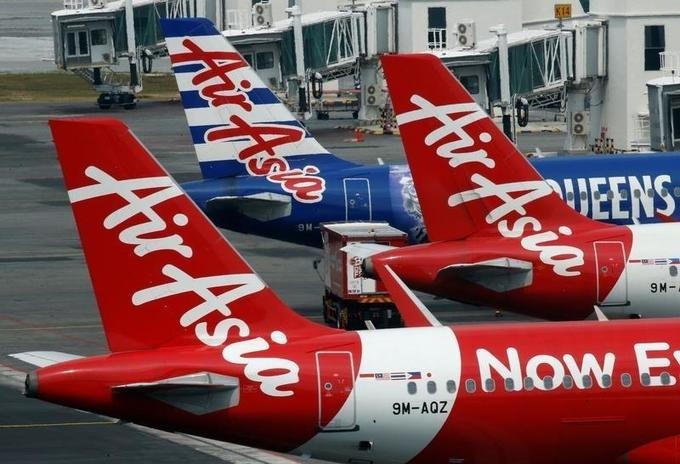
    AirAsia Malaysia suspended all flights, international and domestic, 28 March and that continues to 21 April.

    AirAsia Philippines suspended all flights 20 March, and that continues to 14 April

    AirAsia Thailand suspended all international flights from 25 March to 25 April and now suspends all domestic services from 1 to 30 April.

    AirAsia Indonesia suspends all domestic flights 1 to 25 April and international flights from 1 April to 17 May.

    AirAsia India suspended all flights 25 March for 21 days. (The airline flies only domestic routes)

    AirAsia X Malaysia suspended most flights from 28 March until 31 May. The airline only services international routes.

    AirAsia X Thailand suspended all flights 16 March for three months. Its DMK-ICN service suspended until 19 April.

    Issued on behalf of the entire AirAsia Group and the AirAsia X Group the statement said: “With governments imposing travel and movement restrictions including home quarantine orders, AirAsia is also playing its part in helping curb the spread of the virus in order to keep flying safely for everyone.”

    The group added that it was prepared to reinstate services as soon as the situation improves and subject to the necessary regulatory approvals.

    Passengers have the option of converting flight bookings into a credit account that is valid for future redemption for 365 days or moving their flights for an unlimited number of times without any charges to another date prior to 31 October 2020.

    The changes to bookings are made via AirAsia virtual Allstar AVA on airasia.com or support.airasia.com. However, passengers mainly through social media posts that virtual chatbot AVA could not keep up with the influx of requests with no back-up system manned by people to relieve the pressure.

    The group added that the “temporary fleet hibernation is the right thing to do to ensure the well-being of our passengers and employees.”

    Both management and senior employees of AirAsia Group have volunteered a salary sacrifice, ranging from 100% at the very top to 15%.

    “This will help ensure that we can ride out this prolonged period of extremely low travel demand and at the same time minimise the impact on our employees, especially those in junior positions,” AirAsia Group Berhad explained in the statement.

  • Cebu Pacific feels pinch from Philippines quarantine

    Cebu Pacific feels pinch from Philippines quarantine

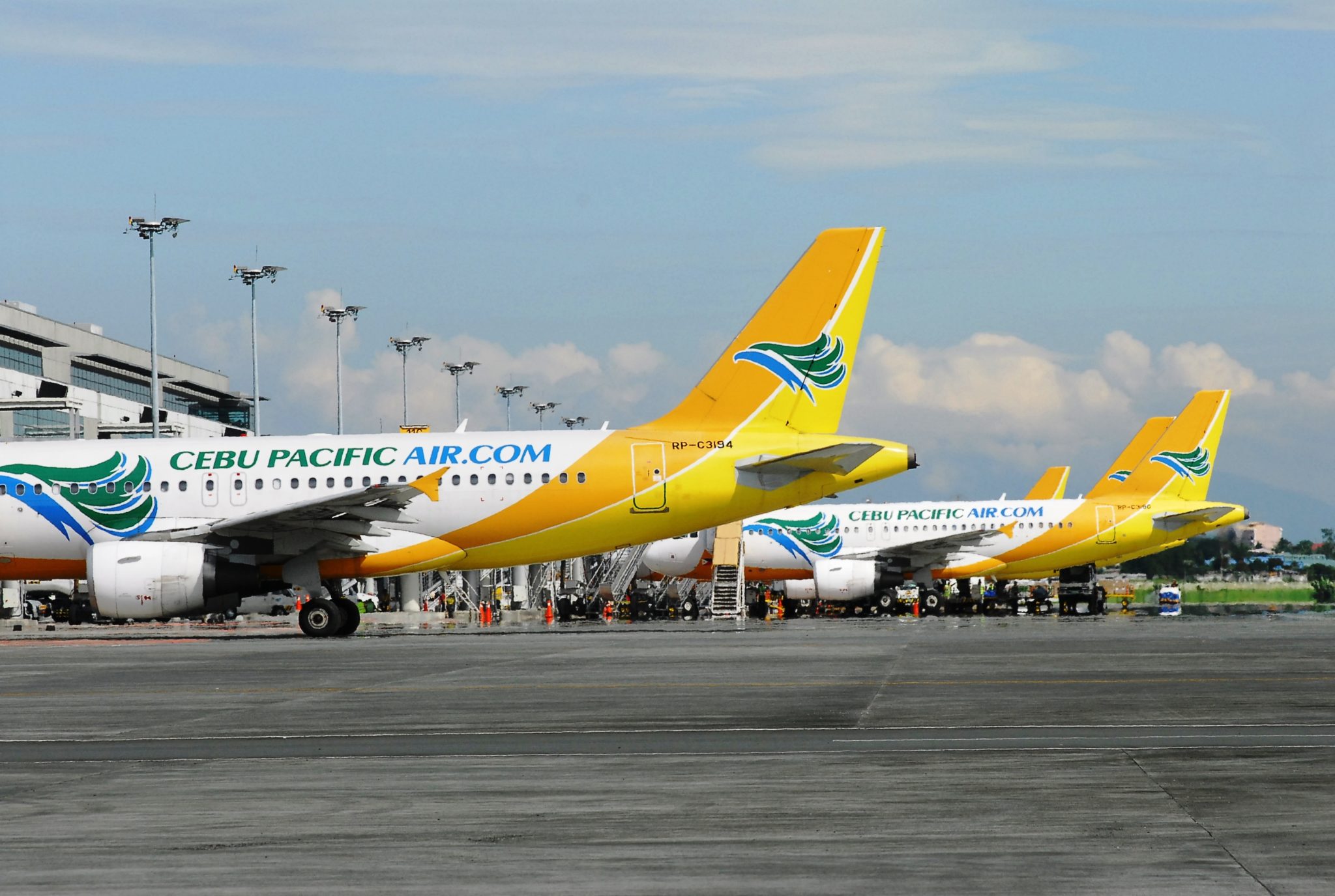
    Cebu Pacific says the month-long “community quarantine” imposed on Metropolitan Manila and the main Luzon island group recently will free up 90% of its total seat capacity, even as it maintains services from its hubs outside of Manila and the region.

    The 90% capacity figure is based on the suspension of domestic flights departing Manila, and previously suspended services to China, Hong Kong, Macau and South Korea, says Cebu Pacific in a Philippines Stock Exchange disclosure.

    During this period, the airline continues to operate flights from its other hubs that have not been affected by the quarantine order such as Cebu, and is maintaining connectivity “where operationally feasible”.

    Cirium schedules data show that in February, domestic routes accounted for 83% of Cebu Pacific and subsidiary Cebgo’s seat capacity.

    Although it expects a “significant revenue impact” during the quarantine period, operating expenses will fall in tandem, while lower fuel prices provide an additional cost benefit to its reduced fuel consumption.

    Cebu Pacific was unable to provide any earnings guidance for 2020, due to uncertainties caused by the coronavirus pandemic. However, it stressed that it has a strong balance sheet with “over Ps18 billion ($353 million) in cash and cash equivalents” at the end of 2019, and that a net debt to equity level of around 1.25x with a long maturity profile gives the airline room to seek short-term or long-term funding.

    It is also conserving cash and reducing expenses by freezing recruitment and consultancy work, implementing pay cuts for its top management, and suspending salary increases.

    Earlier in February, the carrier estimated that the outbreak will see a “Ps3-4 billion swing on profit” should the outbreak remain unabated over the next six months. The estimate was based on 2003’s Severe Acute Respiratory Syndrome outbreak, which curtailed demand for air travel for six months.

    Cebu Pacific is expected to release its 2019 financial results in the coming weeks.

  • AirAsia set to lose over RM1.1 billion

    AirAsia set to lose over RM1.1 billion

    AirAsia Group could report steeper losses in excess of RM1.1 billion in 2020, following its decision to ground its aircrafts worldwide due to the Covid-19 pandemic, according to Affin Hwang Capital.

    The research firm said in a note today that the drastic move highlights the dire operating environment faced by the airline industry.

    In tandem, it reiterated a “sell” on AirAsia’s shares with a lower 12-month price target to RM0.49.

    Meanwhile, Philippines AirAsia, Thai AirAsia, PT Indonesia AirAsia and AirAsia India have similarly reduced their flight frequencies.

    “To further manage and contain costs, the management and senior employees of AirAsia have volunteered for a salary cut, ranging from 100 percent at the very top to 15 percent,” it said.

    AirAsia yesterday announced it was temporarily suspending all international and domestic flights operated by AirAsia Malaysia from March 28 to April 21, 2020. Other airlines within the AirAsia Group will similarly reduce their flight frequencies.

    Affin Hwang Capital expects AirAsia to negotiate with its suppliers to reduce their operating costs, for instance operating leases, airport charges, fuel, operation and maintenance costs.

    “We now expect AirAsia to report larger losses in 2020-2021 after incorporating lower revenue in view of the temporary suspension of flights and dire industry outlook; and lower operating costs arising from savings in staff cost, operating leases, fuel and operations and maintenance expenses,” it said.

  • AirAsia to operate limited number of flights until March 31

    AirAsia to operate limited number of flights until March 31

    Low-cost carrier AirAsia Group Bhd will be operating a limited number of domestic and international flights during the 14-day Movement Control Order period aimed at curbing the spread of the Covid-19 infection.

    When contacted, a spokesperson for the airline said the limited operations are subject to change due to the fluidity of the situation.

    “Affected guests will be promptly notified via email or SMS. AirAsia strongly encourages guests to update their contact details using the “My Bookings” feature on airasia.com to ensure that they receive timely notifications.

    Guests may check on their flights via the “Flight Status” feature, as well as available flights on the airasia.com website and mobile application.

    For the further and latest information on options and eligibility related to Covid-19, guests can visit the Covid-19 “Customer Guide,” the spokesperson responded.

    In a note to investors yesterday, AmInvestment Bank Research said it is projecting a wider loss of RM985.4 million for AirAsia for its financial year ended Dec 31, 2020 (FY20), from RM784.2 million previously. For FY21, the research house is forecasting a smaller net profit of RM258.9 million, from a net profit of RM482.3 million previously.

    It said the earnings downgrade is to mainly reflect a 10% contraction in passengers for FY20, from a 5% contraction previously, against a backdrop of weak demand for air travel currently followed by the cancellation of Visit Malaysia Year 2020 (VMY2020).

    “We believe the cancellation of VMY2020 will add pressure to airlines including AirAsia that are already suffering from the weak air travel demand due to the Covid-19 outbreak. AirAsia has already seen a double-digit year-on-year decline in its passengers since February,” it added.

    The research house cuts its fair value on the budget carrier to 50 sen, from 94 sen previously and maintained its “sell” call on the airline.

    AirAsia shares closed at 52 sen yesterday after dropping nine sen or 14.8%. It saw 48.54 million shares done.

  • AirAsia Updates Rebooking Policy

    AirAsia Updates Rebooking Policy

    AirAsia has updated its rebooking policy so that customers with tickets issued on or before 22 March 2020, with a departure date between 23 March and 31 May 2020, can select from the following two options:

    Unlimited Flight Change: Customers can change their ticket to any travel date before 31 October 2020 on the same route for an unlimited number of times without any additional cost subject to seat availability; OR

    Credit Account: Retain the value of the flight booking in the customer’s AirAsia BIG Member account for future travel with AirAsia to be redeemed within 365 calendar days from the issuance date. The travel date of the new booking can fall on any date within the published flight schedule on airasia.com.

    The above information is only applicable for direct online bookings made via airasia.com. For group bookings or those made with travel agents, the traveler must contact their booking agent directly for further assistance.

    As this is a rapidly changing situation, travelers should make sure that their airline has their correct contact information and should carefully monitor their airline’s website and social media accounts for any new updates.

  • Malaysia Airlines and AirAsia limit number of flights till March 31

    Malaysia Airlines and AirAsia limit number of flights till March 31

    Malaysia Airlines will significantly reduce its overall network, following the nationwide movement control order from March 18 to 31.

    International flights to India are suspended until the end of the month and flights to the Philippines are suspended between March 21 and 31, following the respective governments’ ban on travel to and from Malaysia.

    Malaysia Airlines group chief executive officer Captain Izham Ismail said the situation has been “rather fluid” since the airline has had to make last-minute cancellations to abide by the restrictions.

    “We are doing our best to re-route passengers via reallocation onto other carriers. We are also adjusting our low-load flights by canceling and merging them to manage costs while managing our customer expectations, ” he said.

    Prior to the order, Malaysia Airlines has suspended services to Saudi Arabia, South Korea, and parts of China (Beijing and Daxing), as well as the Kota Kinabalu-Shanghai route due to border controls.

    The carrier also reduced capacity to Australia and New Zealand due to the self-isolation policy of the two countries.

    To date, the company has canceled over 4,000 flights.

    “Our Global Contact Centre has been at the brunt of this situation with the number of calls peaking at 25,000 daily and up to 2,000 e-mail daily in the past three weeks, ” Izham said.

    He added that it will take the company longer to process refunds due to the sheer volume of requests.

    “I assure them that we are not here to take advantage of the situation. In fact we are one of few airlines that have offered unlimited flexibility in travel date change and waiver of certain fees, ” Izham said.

    Due to the significant capacity cut, Malaysia Airlines and all sister companies under the Malaysia Aviation Group’s back-office operations have also been reduced alongside flight and airport operations.

    A majority of its workforce globally are working from home in line with various governments’ requirements.

    Passengers with bookings may initiate changes online via the Covid-19 waiver assistance form available on the carrier’s website.

    Meanwhile, AirAsia has also significantly cut down its number of domestic and international flights.

    “AirAsia will be operating a limited number of domestic and international flights from today until 31 March, which are subject to change due to the fluidity of the current situation.

    “Affected guests will be promptly notified via email or SMS. AirAsia strongly encourages guests to update their contact details using the “My Bookings” feature on airasia.com to ensure that they receive timely notifications,” the airline said in a statement.

    For further and latest information regarding options and eligibility related to COVID-19, AirAsia guests can visit the Covid-19 Customer Guide on its website.

    A quick look at their booking page shows that there are only two flights a day from Kuala Lumpur to Kota Kinabalu, Kuching and Penang (and vice versa). Flights to other cities and towns including Johor Baru, Kota Bharu, Alor Setar, Kuala Terengganu, Sibu, Miri and Bintulu have all been suspended until April 1.

    Currently, there is one flight a day to Sandakan, Tawau and Labuan from KL but even these routes may be suspended within the next few days.

  • AirAsia forecasted to widen loss this year

    AirAsia forecasted to widen loss this year

    Airasia Group Bhd’s losses could sink further to almost RM800 million this year as the coronavirus has spelled doom for the global aviation sector.

    It is forecasted to suffer RM796 million losses in the financial year 2020 (FY20), over threefold from a loss of RM261 million in the previous fiscal year, Nomura Securities Malaysia Sdn Bhd said in a research report.

    Nomura transport analysts Ahmad Maghfur Usman and Divya Thomas said the expected figure is substantially wider than the consensus forecast of an RM2 million loss in FY20.

    Unit seat revenue across the group’s affiliates is expected to drop by 11% to 12% year-on-year (YoY) in FY20, compounded by weaker loads and yields between -3% and -5%.

    “Malaysia’s recent move to restrict tourist arrivals is expected to worsen near-term traffic, in our view, with only a modest recovery seen from this coming July, as the recent number of new coronavirus cases has spiked substantially,” the analysts said in the report published yesterday.

    They said AirAsia’s long-haul sister company AirAsia X Bhd (AAX) will likely be in dire need of a cash injection to stay afloat.

    The analysts said a privatization move for the company may not sit well with minority shareholders as they prefer the long- and short-haul low-cost airline entities to remain separate listed entities.

    Ahmad Maghfur and Thomas said an inter-company loan is the only likely avenue for AirAsia to rescue AAX.

    As it is, AirAsia is expected to weather the crisis with a net cash balance of RM2.2 billion as of FY19, based on actual borrowings without significantly deteriorating its balance sheet.

    On a positive note, the analysts said the current crisis would weaken AirAsia’s key competitors’ positions and allow the company to win market share.

    They added that the company’s high cash position would also present acquisition opportunities that could be utilized to lock in fuel price hedges for the longer term.

    Nomura rated AirAsia downwards from ‘Buy’ to ‘Reduce’ with a revised target price from 70 sen to 63 sen a unit, or 10%.

    MIDF Research analyst Adam Mohamed Rahim said AirAsia’s earnings are forecasted to reduce to RM145 million in FY20 due to lower passenger volume.

    Adam did not rule out the possibility of AirAsia redeploying its aircraft for domestic routes, especially during festive periods following the inbound and outbound travel restrictions.

    He said passengers carried in March 2020 will decline under the 14-day movement restrictions order.

    “Based on our preliminary analysis, the drop in total passenger traffic for Kuala Lumpur International Airport 2 (KLIA2) could reach more than -30% YoY for March 2020.”

    “As a result, we have lowered our total passengers carried forecast for FY20 by around -19%,” he said in a report yesterday.

    KLIA2 registered three million passengers in March last year where 66.2% were international passengers

    MIDF revised AirAsia’s target price from RM1.03 to 63 sen per share, but maintained a ‘Neutral’ call.

    Meanwhile, AirAsia said flights to both domestic and international destinations remain operational and are subject to further review with strict compliance on the travel restriction as announced by Putrajaya.

    The company said guests whose flights have been affected will be contacted with service recovery options and assistance.

    “We continue to monitor the public health situation closely and adhere strictly to all advice by all governments, as well as local and international health organizations. AirAsia has and will continue to quickly make adjustments as needed, in response to government travel directives,” president (airlines) Tharumalingam Kana- galingam said in a statement yesterday.

    Guests affected by travel restrictions with international bookings to or from Malaysia made before March 16, departure on or before April 30 only, will be offered move flight or credit account options.

    AirAsia’s office-based staff nationwide have been asked to work from home, while staff from departments crucial to operations will continue to work on rostered duty from segregated locations in accordance with the company’s business continuity plan.

    AirAsia’s share price closed at 62 sen yesterday, down 10.7% or 7.5 sen with a market capitalization of RM2.09 billion.

  • Asian sales hold up for Samsonite International

    Asian sales hold up for Samsonite International

    A soft North American market saw global sales for luggage maker and retailer Samsonite International slip 1.8 percent in the December year – but the company is expecting a tough first half with the advent of coronavirus.

    CEO Kyle Gendreau said the global health emergency has caused travel disruptions worldwide.

    “While the extent and duration of the COVID-19 outbreak remain uncertain, we are reassured by actions taken by governments and health authorities around the world. Nonetheless, the outbreak will have a negative impact on our performance in the first half of 2020.”

    But he said the company is well placed to withstand the upheaval, with more than US$1.2 billion in liquidity and “a strong record of managing through past travel disruptions”.

    Last year’s sales reached US$3.64 billion, with all areas outside North America – where sales fell 8 percent – achieving growth. Sales in Asia rose 1.5 percent, in Europe by 3.2 percent and in Latin America by 2.8 percent.

    “These encouraging results … were achieved notwithstanding headwinds in four key markets, including the US, which was affected by increased tariffs on products sourced from China, and lower foreign tourist traffic, the Hong Kong domestic market, South Korea and Chile.”

    In Asia, the group’s business was impacted by a planned reduction in B2B sales during the first half of the year in China, challenging market conditions in the Hong Kong domestic market and weak consumer sentiment in South Korea. Excluding these impacts, the Group’s net sales for the Asia region increased by 6.8 percent, year-on-year.

    Samsonite International’s adjusted pre-tax earnings fell by 16.9 percent, or $100.1 million, to $492.2 million, primarily due to the effect of lower net sales and a decrease in gross profit margin, which was in part due to the incremental tariffs imposed by the US on products sourced from China.

    Gendreau says the company made steady progress in repositioning Samsonite for sustained growth and improved profitability last year while navigating sales and margin pressures in some of its key markets.

    “We are pleased with the improvements we achieved in controlling costs, managing working capital, generating cash flow and deleveraging our balance sheet. These improvements, along with our dedicated teams, strong brands, global scale and diversified sourcing base and supply chain strengthen Samsonite’s resilience in the face of challenging headwinds and provide us with the capacity to continue investing in the business to deliver sustainable growth and long-term shareholder value,” he said.

  • Google Translate gains a very convenient transcription feature

    Google Translate gains a very convenient transcription feature

    As handy as Google’s crazy popular translation tool has always been, there was something missing that could make all our lives even easier. We’re talking about a real-time transcription feature, which is now a thing on Android devices.

    This does a great deal more than simply turn speech into text on your mobile phone, also translating said text while a person is still speaking without requiring a lot of effort on your part. All you need is the latest version of the official Google Translate app from the search giant’s Play Store, with a dedicated “Transcribe” icon found on the home screen and the option to select your source and target languages located in the language dropdown at the top.

    For the time being, the groundbreaking AI-powered functionality is compatible with English, French, German, Hindi, Portuguese, Russian, Spanish, and Thai, supporting transcriptions in any combination of these languages while Google continues to work on expanding the list in the near future. The company also plans to enrich the Google Translate experience for iPhones and iPads at some point, although no iOS release schedule has been put together just yet.

    In the meantime, Android users should definitely take this feature for a spin once they receive the newest update for their Google Translate app. An internet connection is required for real-time transcriptions to work, allowing you to follow a lecture, for instance, without understanding the language that’s actually being spoken.

    Although you can’t upload an audio file and have Google Translate automatically and seamlessly transcribe it for you just yet, the extremely cool new feature does support pre-recorded audio, which you can play on your computer, as well as live audio sources.

    You can also easily pause and restart your transcriptions by tapping on the mic icon, as well as check out the original transcript before it’s translated, change the text size, and choose the newly released dark theme in the settings menu. In a nutshell, Google appears to have thought of pretty much everything right off the bat here.

  • AirAsia offers six million promotional seats

    AirAsia offers six million promotional seats

    Asia’s leading low-cost carrier, AirAsia, is offering guests six million promotional seats, including zero-fare seats, to many popular destinations in Malaysia as well as overseas.

    AirAsia said customers can enjoy the promotional seats for travel beginning March 8, 2020, to July 1, 2021.

    “Booking is open for the public from March 9 to March 15, 2020, while booking for BIG members and BigPay begins on March 8,” it said in a statement today.

    It said BIG members can enjoy discounted domestic flights from as low as RM12 one way to fly from Kuala Lumpur to Johor Bahru, Penang, Langkawi, Alor Setar, and Kota Bharu.

    BIG members can also enjoy fares as low as RM71 one way when they fly AirAsia X from Kuala Lumpur to overseas destinations, including Fukuoka, Seoul, and the Gold Coast.

    Besides Japan, South Korea and Australia, international destinations covered under the promotion include Thailand, Indonesia, Cambodia, Vietnam, India, and Taiwan.

    Meanwhile, free seats are available when one books a SNAP (flight plus hotel) package from RM129 per person.

    airasia.com chief executive officer Karen Chan said AirAsia understands the current sentiments of its customers so it provides ample opportunity for people to book in advance for an affordable getaway with the travel period up to July 2021.

    “The best way to snap the lowest fares and best value travel deals is to plan ahead and book early as with this latest BIG Sale 2020,” she said.

  • Philippine airlines are losing Chinese tourists amid coronavirus outbreak

    Philippine airlines are losing Chinese tourists amid coronavirus outbreak

    When Philippine President Rodrigo Duterte pursued closer foreign relations with China, he helped attract planeloads of Chinese tourists to the Southeast Asian nation. Now, the coronavirus outbreak is reversing the trend, much to the chagrin of airline companies.

    Budget carrier Cebu Pacific has put its expansion plans into the Chinese market on hold after the Covid-19 disease triggered the biggest health scare in the region since the Sars (severe acute respiratory syndrome) outbreak in 2003. Cebu Pacific and Philippine Airlines have both canceled all China-related flights until the end of March, and both stocks have taken a beating along the way.

    The country has reported three infection cases, and recorded the first death outside China on February 2. After that, Duterte imposed a sweeping ban on travels to and from mainland China, Hong Kong and Macau to protect the country in one of the most drastic reactions by regional governments. Approvals for visas on arrival have also been tightened.

    “Traveller volumes on China-Philippines routes have fallen,” said Jose Enrique Perez De Tagle, vice-president of corporate communications at PAL Holdings, which owns Philippine Airlines. Mainland Chinese account for about 10 percent of its global passengers, he added.

    Global travel restrictions on Chinese travelers as airlines cut flights to mainland
    15 Feb 2020

    Since Duterte won the presidential election in June 2016, the combative president has embraced closer ties with Beijing despite territorial disputes in the South China Sea. He has also distanced the country from the US, including a decision last week to end the Visiting Forces Agreement, a 21-year pact that allowed US troops to be based in the country for bilateral exercises.

    Mainland Chinese tourists have since become the nation’s second-largest source of tourist arrivals in the Philippines, according to government data. They made up more than one-fifth of the 7.5 million arrivals in the first 11 months of last year, versus 9.1 percent in 2013.

    The Philippines received 1.26 million Chinese tourists in 2018 versus 491,000 in 2015, according to Colliers, citing government data. They spent US$1,130 per person on average, boosting the retail and tourism sectors. In January to November last year, arrivals jumped 40 percent year-on-year, faster than the national average of 10-15 percent, Colliers said.

    Ending Philippines-US military pact will affect South China Sea disputes: analysts
    16 Feb 2020

    The coronavirus outbreak has claimed more than 1,800 lives and infected more than 71,000 people worldwide, mostly in mainland China.

    Before the outbreak, which originated in Wuhan, local carriers were emboldened by the surge in Chinese visitors to consider adding more routes in China to take advantage of the growth.