Tag: Holiday

  • Leading tour operator reports losses

    Leading tour operator reports losses

    Vietravel reported a VND14.1 billion ($606,000) loss in the last quarter of 2019 largely due to rising financing costs.

    Its profit margin slipped in the final quarter, with sales rising by 9.13 percent to VND1.45 trillion ($62.33 million) but cost of goods sold increasing by 10.48 percent to VND1.35 trillion ($58.03 million), according to the company’s latest consolidated financial statement.

    Vietravel’s revenues mainly came from selling tours, goods and tickets on flights it chartered. Q4 financial expenses topped VND26.66 billion ($1.15 million) after ballooning seven-fold year-on-year as the company obtained over VND160 billion ($6.89 million) in short-term loans from various banks.

    Vietravel merely said the loans were to supplement operating capital without elaborating.

    The loss came after three profitable quarters, and in the same quarter of 2018 the company had made a post-tax profit of VND7.3 billion ($313,800).

    Consolidated revenues for full-year 2019 came to VND7.26 trillion ($312 million), up 0.28 percent year-on-year, while post-tax profits fell 32 percent to VND39.93 billion ($1.72 million).

    It applied for a license for setting up an airline last year, and said it plans to launch its first flight late this year using either the narrow-body Airbus A321neo or Boeing 737.

    In the last two years it operated around 300 charter flights a year, both domestically and internationally.

    If licensed, Vietravel Airlines will enter a fiercely competitive aviation market which already has six players: Vietnam Airlines, Vietjet, Jetstar Pacific, Vietnam Air Services Company (VASCO), Bamboo Airways, and newly-licensed military-run carrier Vietstar Airlines, the last two making their debut last year.

    Analysts have forecast 2020 to be a difficult year for tourism companies with the outbreak of the new deadly nCoV pneumonia virus, which has caused Vietnamese airlines to suspend most flights to China.

    The arrival of Chinese tourists, who accounted for 32 percent of all visitors to Vietnam last year, is also expected to fall sharply.

  • Vietjet Commences First Ever Direct ServiceLinking Hanoi and Bali

    Vietjet Commences First Ever Direct ServiceLinking Hanoi and Bali

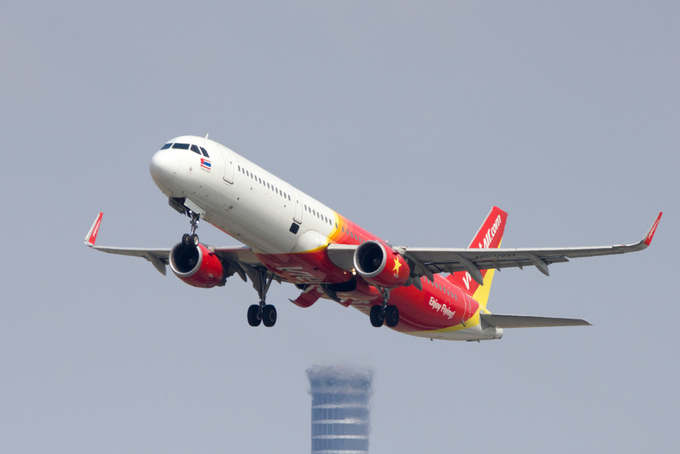
    In celebration of Lunar New Year 2020, new-age carrier Vietjetofficially commences its newest direct route linking Hanoi and Bali, Indonesia on the second day of Lunar New Year. This is Vietjet’s second service to the popular holiday destination, following the Ho Chi Minh City – Bali route that has been in operation from May 2019. It is also the first direct route departing from Vietnam’s capital city to Bali.

    Speaking at the opening ceremony, Chairwoman of Vietjet’s Board of Directors Nguyen Thanh Ha said, “Vietjet was founded with a pioneering mission to connect the skies. We are proud to be the first airline to operate direct flights between Hanoi and Bali. The new route, operated from the second day of the Lunar New Year, will meet the New Year’s travel demand of the locals and international travelers with less travel time and cost. Not only connecting the two most attractive cultural tourism destinations in Asia, the Hanoi – Bali route will also further promote cooperation between the countries in ASEAN.”

    The Hanoi – Bali route operates daily return flights from 26 January 2020. The flight departs from Hanoi at 10.00 am and arrives in Bali at 4.25 pm. The return flight takes off from Bali at 5.30 pm and lands in Hanoi at 9.55 pm. All are in local times.

    As Vietnam’s capital city, Hanoi offers an unforgettable vacation with its rich history. Founded more than one thousand years ago, tourists will be astonished by Hanoi’s architecture and colonial facades. Bali, one the most popular island destinations in Indonesia and all of Asia, is often called “The Island of the Gods” and often described as a tropical paradise. Voted as one of the best islands in the world, Bali is a destination of pristine, beautiful landscapes and unique cultural charms.

  • AirAsia Is Accepting Applications For Its ‘Dare To Fly!

    AirAsia Is Accepting Applications For Its ‘Dare To Fly!

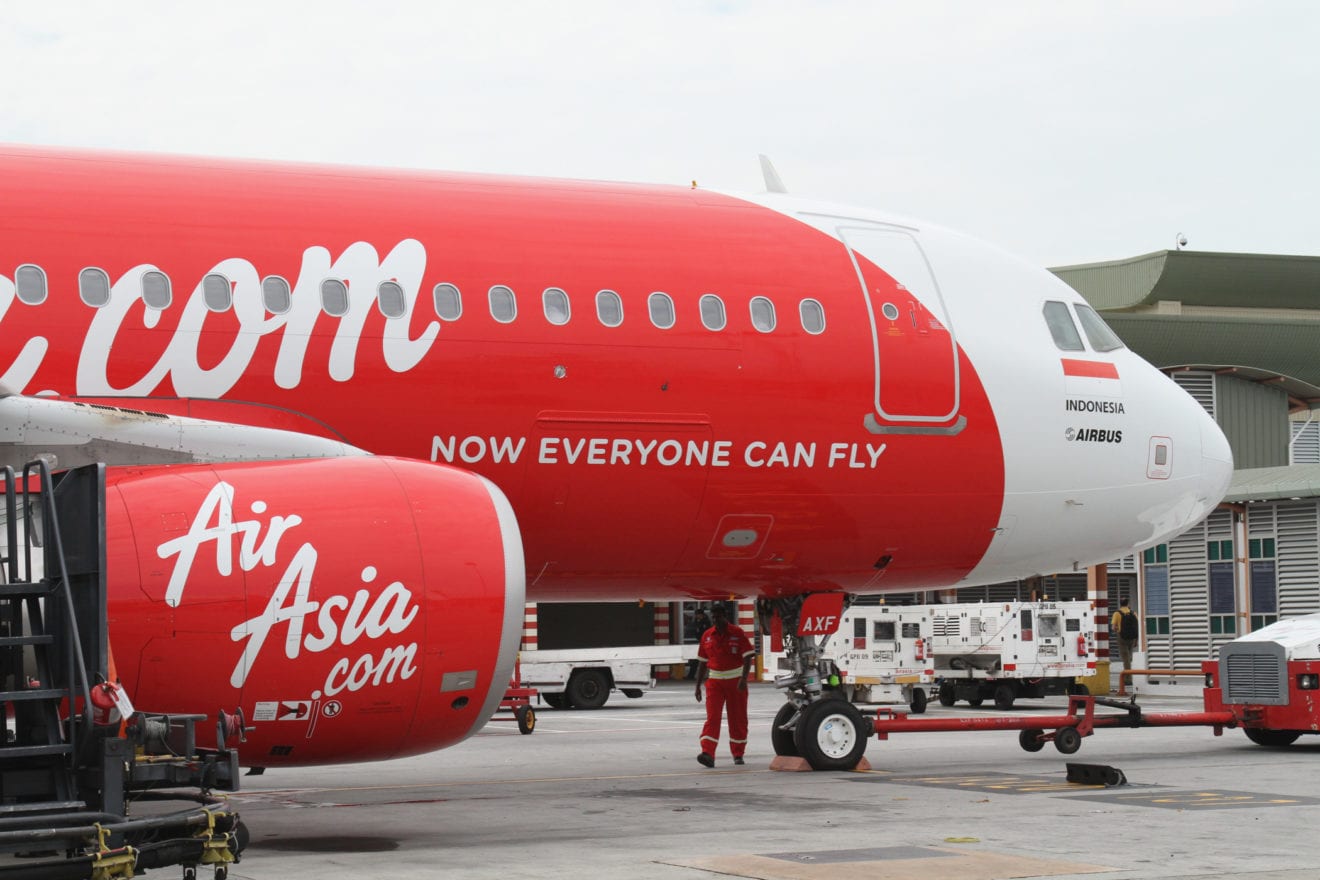
    If you are among those who wish to become pilots someday, now is your chance to reach your dream. AirAsia has recently announced it is now accepting applications for the “Dare to Fly! The Allstars Cadet Pilot Program.”

    The aim, according to a press release from AirAsia, is to select as well as train aspiring young pilots.

    In this program, AirAsia has teamed up with Omni Aviation Corporation in a bid to provide successful cadets with up to two years of technical and leadership training. It is to reach the competencies that are required by the Civil Aviation Authority of the Philippines.

    “AirAsia is proud to have the best pilots in the country and we will strive to train more young cadets with our partner Omni Aviation Corporation,” said Ricky Isla, the CEO of AirAsia Philippines. “Through the ‘Dare to Fly! The Allstars Cadet Pilot Program,’ we invite Filipinos to dare to dream with AirAsia.”

  • Singapore Airlines Set To Fly The Airbus A350 to Ahmedabad

    Singapore Airlines Set To Fly The Airbus A350 to Ahmedabad

    Singapore Airlines will roll out one of its A350-900s on its new route between Singapore and Ahmedabad in Gujarat, India. Singapore Airlines’ new service is set to take flight from 1 February 2020. Ahmedabad will be the airline’s seventh Indian destination.

    The service would operate six days a week from the start of February, ramping up to a daily service at the beginning of April 2020.

    The outbound flights will push back from Singapore’s Changi Airport at dinner time for a mid-evening arrival into Ahmedabad’s Sardar Vallabhbhai Patel International Airport. The return flight is a late evening departure from Ahmedabad, flying through the night for a breakfast time arrival into Singapore. Flying time is five hours and 40 minutes. For the first two months, the flights will not operate on Wednesdays.

    The Singapore Airlines A350 is a popular option for the Simple Flying team. In April 2019, Jay Singh flew from Singapore to Johannesburg on an SQ A350, an experience he described as ‘almost perfect.’

    Well, he was drinking Charles Heidsieck and eating a chicken curry rustled up through the airline’s ‘Book the Cook’ service. What’s not to like about that?

    Now he wants to do the ultra long haul Singapore to Newark A350 flight.

    A few months later, Nick Cummins found himself on the same aircraft type when flying Singapore Airlines. He flew from Germany to Singapore in October 2019. Nick liked it so much he made a video about it.

    Having had a few dodgy airline ham and cheese toasties in his time, he’s now on a quest to discover the best and worst airline ham and cheese toasties. The Singapore Airlines toastie got the thumbs up. Nick’s only real complaint was the airline didn’t have an endless supply of desserts.

    This all bodes well for passengers on the same aircraft type on the new service to Ahmedabad. If, like Nick and Jay, you are lucky enough to be in business class, you’ll enjoy your Piper with 40 other passengers relaxing in lie-flat seats in a 1-2-1 layout. Even back in the main economy 3-3-3 cabin, the 263 passengers can enjoy one of the best economy class products in the sky.

    Services will be six days a week initially before going daily two months later. Photo: Singapore Airlines.
     

    The new service to Ahmedabad will provide local residents with one-stop access to North America, Oceania, Asia, and if you are not put off by a little backtracking, Africa, the Middle East and Europe.

    The six days a week Singapore Airlines A350 service between Singapore and Ahmedabad will begin on 1 February 2020. It will become a daily service on 29 March 2020.

  • AirAsia expands Penang hub

    AirAsia expands Penang hub

    Travellers flying out of Malaysia’s northern hub Penang can now book AirAsia newest flights to Chengdu, the capital city of Sichuan Province, China.

    AirAsia will launch a Penang- Chengdu service 8 March with three weekly direct flights.

    AirAsia Malaysia CEO Riad Asmat said: “Penang is one of our largest secondary hubs in Peninsular Malaysia, to which we flew more than 2.4 million guests to the island last year. This is our first route from Penang to Mainland China, and we are confident this additional route will continue to boost visitor arrivals into Penang, and vice versa.”

    Members all-in fares from Penang to Chengdu start from MYR99*, available for booking on airasia.com and the AirAsia mobile app until 19 January 2020, for travel between 8 to 28 March 2020.

    Return flights with three-day, two-night hotel stays starting from as low as MYR332** per person are also up for grabs through SNAP on airasia.com.

    Best known as home to the adorable giant pandas, Chengdu is a thriving city with many natural, cultural and historical sights. Some of the must-visit attractions include the Chengdu Research Base of Giant Panda Breeding, Jinli Ancient Street and the Leshan Giant Buddha and Wenshu Monastery.

    Named by UNESCO as a “City of Gastronomy”, many popular Chinese dishes such as Mapo Tofu and Kung Pao Chicken originate from the region. Travellers can also choose to unwind by enjoying aromatic tea at any of the local teahouses.

    Chengdu is also a gateway to the western territories of China, including Tibet, which its capital Lhasa is home to the historical centre of Tibetan Buddhism and famous Potala Palace; as well as the Unesco World Heritage Site Jiuzhaigou, one of the most scenic places in China.

    Besides Chengdu, AirAsia currently flies to 12 destinations from its Penang hub, namely Bangkok, Ho Chi Minh City, Surabaya, Jakarta, Medan, Singapore, Kuala Lumpur, Johor Bahru, Langkawi, Melaka, Kota Kinabalu and Kuching.

  • Vietnam air travel demand surges 12 pct

    Vietnam air travel demand surges 12 pct

    Airports across Vietnam served near 116 million passengers this year, up 12 percent from 2018, with Vietnam Airlines Group and Vietjet dominating the market.

    About 64 percent, or 74 million passengers, were domestic, up 11 percent from last year, according to Airports Corporation of Vietnam (ACV).

    The remaining 41.7 million foreign travelers grew by 13.6 percent from last year, with Noi Bai International Airport, Da Nang International Airport and central Cam Ranh International Airport near Nha Trang experiencing the highest traffic growth.

    Vietnam Airlines Group accounted for over 50 percent of the market share. It comprises national flag carrier Vietnam Airlines, low-cost arm Jetstar Pacific and Vietnam Air Services Company (VASCO).

    Budget carrier Vietjet accounted for 41.9 percent of the market.

    ACV Chairman Lai Xuan Thanh said overload will be a challenge next year as red tape in aviation infrastructure and investment constrains upgrade and expansion projects, like at Tan Son Nhat International Airport, which handles 30 percent of the country’s air passengers.

    Another concern is slower growth in foreign passenger numbers, which dropped from over 20 percent in 2016-2018 to 13.6 percent, he added.

    ACV forecasts the number of air passengers would rise by 10 percent to 127 million next year.

  • AirAsia launches bundle deals

    AirAsia launches bundle deals

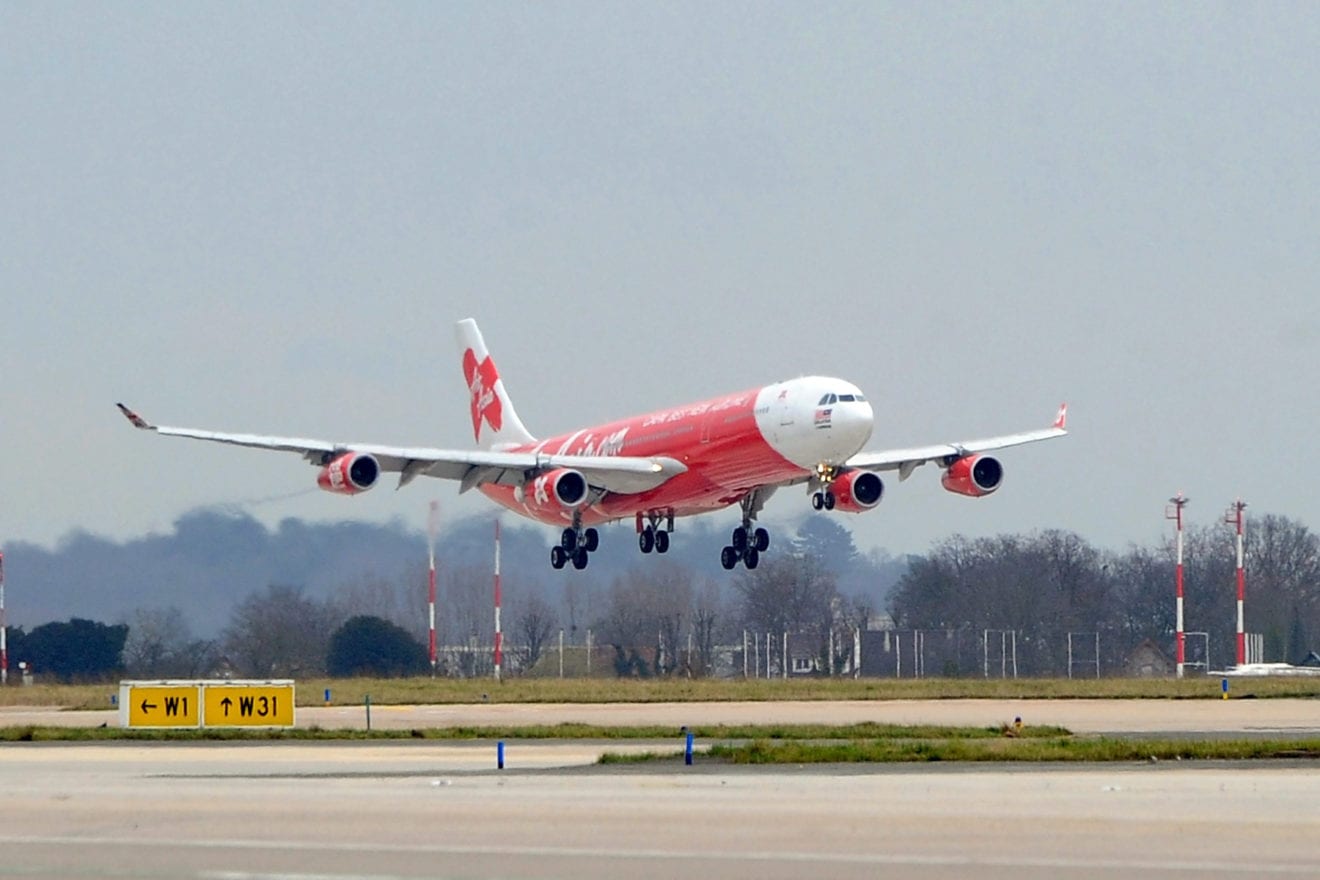
    AirAsia Group Bhd has continued its journey to becoming the fastest-growing travel and lifestyle platform in Asean with the launch of AirAsia Bundle Deals, through its airasia.com platform.

    AirAsia group chief executive officer (CEO) Tan Sri Tony Fernandes said this launch would further diversify the group’s offerings apart from selling airline tickets, restaurant business Santan, hotel platform, as well as its own music label Red Records.

    “AirAsia has grown a lot from becoming a one-trick pony,” he told reporters at the launch here today.

    With over 100 merchants for the AirAsia Bundle Deals in the Klang Valley currently, he said this would be expanded to other cities and countries including Penang, Singapore, Thailand, and beyond starting next year.

    Fernandes said customers would be able to unlock various lifestyle deals comprising food and beverages (F&B), beauty and services through bundled deals by geo-location for a 90-day pass at only RM20, or easily redeemable with only 2,500 BIG Points.

    Airasia.com CEO Karen Chan said the AirAsia Bundle Deals was not only limited to the general public who visit airasia.com, but in the next phase, it would have a corporate reward solution and corporate purchases for organizations that would like to reward employees.

    “We are pleased to introduce another new lifestyle product as part of our journey in becoming a lifestyle brand. As AirAsia envisions to being beyond just an airline, we are now offering travel, lifestyle, logistics, financial services and more to cater to your lifestyle needs.

    “Customers can indulge with deals such as free hair cut, free facial, free manicure and many buy-one free-one deals made available in different locations,” she added.

    Meanwhile, in conjunction with the launch, airasia.com is offering a 24-hour launch promo of only RM1 from midnight tonight for purchases of AirAsia Bundle Deals. Simply log on to airasia.com/deals to grab the deals.

  • Vietjet CEO among world’s 100 most powerful women

    Vietjet CEO among world’s 100 most powerful women

    Vietjet Air CEO Nguyen Thi Phuong Thao is one of 100 most powerful women in the world this year, according to a Forbes listing. The only Vietnamese woman on the list, Thao was placed 52nd, down eight places from last year. This is the third year in a row she has been included in Forbes magazine’s list of 100 most powerful women in the world.

    The list was compiled based on assets, impact, spheres of influence and media presence, the magazine said.

    It estimated that the budget carrier CEO and the richest woman in Vietnam to have a net worth of around $2.7 billion as of December 13.

    Thao, 49, has done business in Vietnam and abroad in many fields, including finance, banking, aviation, real estate, and retail.

    She launched Vietjet in 2011. The airline now leads the domestic market with a 45 percent share. It operates 385 flights daily within Vietnam and to Japan, Hong Kong, South Korea, Taiwan, Singapore, mainland China, Thailand, Myanmar, and Malaysia.

    The carrier launched its IPO on the Ho Chi Minh City Stock Exchange in February 2017, becoming the first airline in Vietnam to list publicly.

    Vietjet has now surpassed national flag carrier Vietnam Airlines in terms of passengers carried. It has a fleet of 80 aircraft flying to 120 destinations.

    German Chancellor Angela Merkel was adjudged the most powerful woman in the world for the ninth consecutive year. She was followed by French politician Christine Lagarde, who serves as the President of European Central Bank, and Speaker of the U.S. House of Representatives Nancy Pelosi.

  • Vietnam Airlines wants caps removed on domestic ticket prices

    Vietnam Airlines wants caps removed on domestic ticket prices

    National flag carrier Vietnam Airlines has proposed that price caps on domestic air tickets be removed to allow carriers more pricing flexibility.

    The current price ceiling makes it difficult for airlines to diversify their prices, increase profits during certain periods of time like peak seasons, and in turn, lower prices on some routes, Le Hong Ha, Deputy General Director of Vietnam Airlines, said at a tourism forum on Monday.

    Vietnam should abolish the domestic price ceiling, and allow market forces to decide prices. “The aviation market is already operating like a free market, so airlines should be allowed to freely adjust prices based on supply and demand,” Ha said.

    The Civil Aviation Authority of Vietnam (CAAV) supports the proposal, as Vietnam is one of the few countries in the world still have a price cap, said Vo Huy Cuong, deputy head of the authority.

    The CAAV has proposed the removal of the price cap every time amendments or supplements are made to the Civil Aviation Law, but these were not approved because the National Assembly felt it was necessary to protect the interest of many classes of civilians traveling by air, he said.

    If this regulation is not amended, airlines will focus on operating and developing international routes rather than domestic ones, he added.

    In mid-2018, many airlines requested the government to raise domestic price caps because they were losing money on many routes after cost of fuel and labor increased, but this was not approved either.

    Currently, air tickets on routes under 500 km operated to promote socio-economic development have a maximum price of VND1.6 million ($69), ordinary routes under 500 km VND2.2 million ($95), while the highest ceiling is VND3.75 million ($162) for routes of 1,280 km or above.

    According to the government portal, the air distance between the northernmost point of Vietnam to the southernmost point is 1,650 km.

    Local airlines served 50.3 million passengers from January to November, up 10.7 percent year-on-year, according to the General Statistics Office.

  • HSBC Grants Extra Day Off in Hong Kong

    HSBC Grants Extra Day Off in Hong Kong

    Due to «unprecedented circumstances» British lender, HSBC is giving its Hong Kong employees an extra day off in 2020. The bank employs about 21,000 people in the city.

    In a gesture of encouragement as six months of continuing street protests have roiled the financial hub, British bank HSBC is giving its Hong Kong employees an extra day off next year. The decision was announced in an internal memo on Monday by Diana Cesar, the bank’s local chief executive. The memo was confirmed by a bank spokeswoman.

    Thanks to your perseverance and dedication, HSBC has been able to sustain our operation and stand by our customers in these unprecedented circumstances, Cesar said in the memo. HSBC employs about 21,000 people in the city and makes around 90 percent of its profit in Asia.

  • Vietjet Air signs $140 million loans for fleet expansion

    Vietjet Air signs $140 million loans for fleet expansion

    Vietjet Air has signed a syndicated loan agreement worth $140 million with three foreign banks to fund its aircraft purchase plans.

    The lenders were South Korea’s Woori Bank and KEB Hana Bank; and the Industrial and Commercial Bank of China, the airline said in a statement Tuesday.

    The low-cost airline is eyeing new routes to the Middle East, Eastern Europe and Australia using the 20 Airbus A321XLR aircraft it ordered last month.

    The A321XLRs are scheduled to be delivered from 2023 and the carrier plans to add 10 international routes every year, Thao said.

    Vietjet currently flies 40 domestic and 66 international routes. It operates 385 flights daily within Vietnam and to places such as Japan, Hong Kong, South Korea, Taiwan, Singapore, mainland China, Thailand, Myanmar, Malaysia and India.

  • Asia Pacific to drive global travel-retail sales

    Asia Pacific to drive global travel-retail sales

    A new report has shown that the Asia Pacific region will continue to be a major driver of global duty-free and travel retail sales.

    According to the study, titled ‘Economic Impact Report of Duty Free and Travel Retail in Asia Pacific,’ the Asia Pacific travel retail industry generated an estimated US$36.2 billion in 2017 which accounted for 45 per cent of total global duty free and travel retail sales, and is projected to maintain its global market leadership at an estimated 8.7 per cent annual growth rate between 2017 to 2022.

    The report identifies several key trends in the industry across Asia Pacific. It finds that East Asian markets are driving growth, with South Korea being the world’s largest duty-free market accounting for nearly US$12 billion in sales. China and Japan are also globally significant markets, with Mainland China anticipated to strengthen its position as the second biggest player in the region.

    Findings also show a growing diversity in product demand and observe that duty-free is becoming increasingly digital with shoppers in the Asia Pacific region increasingly looking to digital platforms to facilitate their purchases. There is also a marked channel diversification beyond aviation – downtown duty-free in Asia Pacific comprises a significant portion of sales for all land channels, and ocean cruising is an emerging sector in Asia.

    The study was commissioned by the Duty-Free World Council (DFWC) and the Asia Pacific Travel Retail Association (APTRA).

    Amid increased regulations, the report aims to highlight the impact of duty free and travel retail sales in real economic terms, while also calling out the trends affecting the increases.

    “Asia Pacific is registering exceptional growth in duty-free and travel retail sales. We are also seeing the regulatory landscape become more complex and dynamic across the various product categories,” said, Duty-Free World Council president Frank O’Connell. “This report is an important investment on the part of DFWC and APTRA in getting the data that will help us engage policymakers and regulators in protecting the sustainable growth of our industry.”

    “The report highlights the significance of the Asia Pacific region to global duty-free and travel retail, and on a macro level to economies in the region through job creation and contribution to GDP,” said the president of APTRA Grant Fleming. “As the industry body that supports, protects and nurtures the growth of the travel retail industry, we are encouraged by the positive trends indicated by the report findings.

    “Understanding the industry’s size and its impact on the regional economy as well as the underlying impetus for emerging travel retail trends is critical to ensuring industry relevance and long-term growth. As the travel retail landscape evolves, the regulatory environment is evolving too. APTRA looks forward to applying the report findings and working with regional stakeholders to help frame and develop policies that will contribute to the sustainable growth of the industry in years to come.”

  • Tigerair expands PBH contract with AJW Group

    Tigerair expands PBH contract with AJW Group

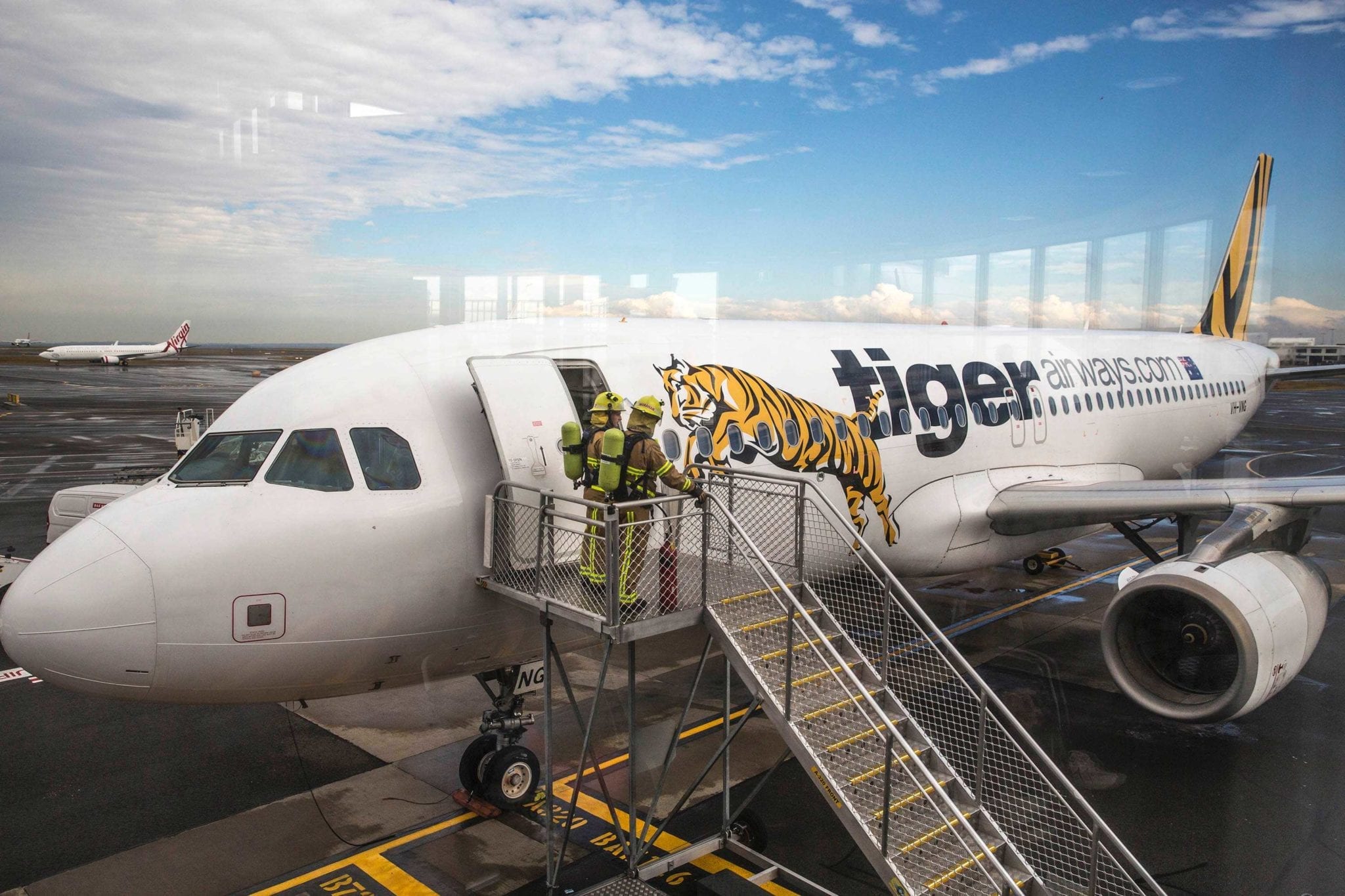
    Australian low-cost airline Tigerair has extended Power-by-the-Hour (PBH) contract with AJW Group. AJW Group specializes in the global management of aircraft spares.

    The company has been providing an integrated component pooling, repair and logistics support program to Tigerair since 2014. The PBH agreement covers Tigerair’s fleet of A320 aircraft.

    Under the support program, AJW will satisfy the airline’s material requirements across a variety of component groups including airframe and engine LRU’s, major assemblies, wheels and brakes, auxiliary power units (APU), thrust reversers and consumables.

    Tigerair is an Australian low-cost airline headquartered in Melbourne with two additional established service bases at Sydney and Brisbane Airports. Tigerair operates a fleet of Airbus A320 and Boeing 737 aircraft, across 21 domestic routes out of 12 destinations around Australia.

    Christopher Whiteside, chief executive officer of AJW Group said: “Tigerair was AJW’s first major contract in Australia and our work over the past five years has demonstrated the Group’s strength across the Australasia region.”

    Over the past five years, AJW Group has successfully delivered improved operational efficiency and cost savings, which according to AJW Group, are ‘key focus areas for the airline’.

  • Vietjet to expand fleet with 20 long-range Airbus jets

    Vietjet to expand fleet with 20 long-range Airbus jets

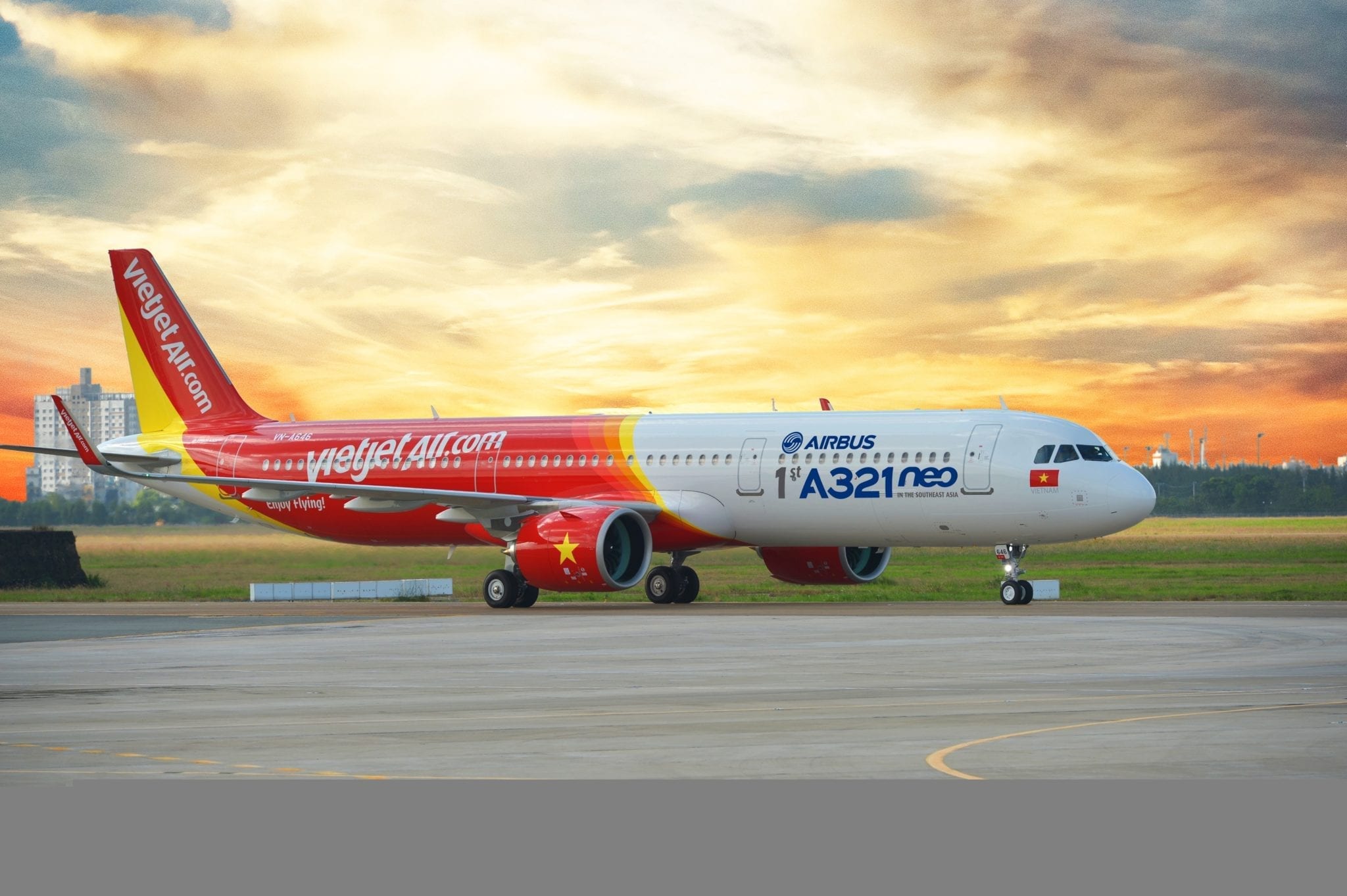
    Budget airline Vietjet has ordered 20 Airbus long-range A321XLR aircraft to expand its international reach as Vietnam’s aviation market keeps growing.

    With a range of up to 8,700 kilometers, the aircraft will serve Vietjet’s plans to expand its international flights network, the airline said in a statement Thursday.

    The contract increases Vietjet’s order book with Airbus to 186 aircraft, with the first A321XLR to be delivered in 2023.

    The single-aisle A321XLR will “modernize Vietjet’s fleet as we look to strongly grow our international flight network,” Vietjet CEO Nguyen Thi Phuong Thao said. The airline currently operates 66 Airbus jets.

    Also Thursday, the carrier ordered two A320/321 aircraft simulators for pilot and technician training on top of the one simulator it already has.

    A321XLR’s range is 15 percent more than the previous model A321LR, it also burns 30 percent less fuel per seat compared with older generations.

    Vietjet’s order follows similar moves by other Vietnamese airlines to expand their fleet as air travel heats up. Private airline Bamboo Airways has ordered 50 narrow-body Airbus A320neo aircraft and is expected to receive the first next month, while national flag carrier Vietnam Airlines plans to get 50 new narrow-body aircraft by 2025.

    Vietnam’s fleet of over 200 aircraft last year could quadruple by 2038, aircraft maker Boeing said last week.

    Last year, the country’s 21 state-run airports served 103.5 million passengers, up 11 percent year-on-year, and the figure is set to rise to 112 million this year, according to the Airports Corporation of Vietnam.

  • AirAsia starts Bacolod-Manila flight

    AirAsia starts Bacolod-Manila flight

    Recognizing the huge tourism potential of Bacolod, low-cost carrier AirAsia has started flying to the Negros Occidental capital city as its 12th and only domestic destination opened this year.

    AirAsia chief executive officer Ricardo Isla said in a press conference at the Bacolod-Silay Airport that they are honored to be part of the city not only in providing socio-economic programs but also in boosting tourism.

    Isla said the airline knows Bacolod City will be one of its fast-selling destinations. Thus, it will continue to expand and build more programs in the near future.

    “This new route will pave the way for us to connect and promote this wonderful destination for its charming location, and of course its local food delicacies and beautiful smiles,” he said.

    He added that now that AirAsia is in Bacolod, “we are committed to offer our affordable products and services so everyone can fly.”

    Initially, the airline has six flight schedules daily — three each for the Bacolod-Manila route and vice versa.

    Its officials announced that ever since they started accepting bookings weeks ago, there were already around 10,000 booked seats for these flights scheduled from the late part of October to December this year.

    Given the initial bookings, they believe that there is a demand in Bacolod City and Negros Occidental.

    Isla, however, said because of their application that has been approved by the airport’s Terminal 4 in Manila with regards to parking and runway slots, the airline has maximized its resources or opportunities for a total of six flights from Manila-Bacolod and vice versa.

    He pointed out that every November and December, there is an increment of about 20 to 30 percent from the regular months.

    “So we are really expecting huge traffic not only for Manila-Bacolod, but also with our 11 other destinations,” Isla said, adding that given these figures, “if we can fly same with other provinces, it should be eight flights here.”

    The 10,000 booked passengers are only about 15 percent of AirAsia’s overall capacity of 64,000 for two months, particularly for its newest domestic route.

    Thus, it can still cater to over 50,000 more passengers, a figure which the airline company is upbeat to cover. Gilber Simpao, chief commercial officer of AirAsia, said the 10,000 booked seats for the next two months is a good start.

    Simpao said they can compare Bacolod versus other flights and that it is ahead of the curve.

    “We’re confident that it’s going to be a healthy route,” he added.

    For Bacolod City Mayor Evelio Leonardia, who was also at the press conference, having more players will always be healthy for the consumers, which is something they expect to happen.

    Citing the reputation of AirAsia and the impression toward it as less expensive, Leonardia said its presence will somehow equalize the playing field.

    “We are expecting AirAsia to be a game changer in Bacolod,” he stressed, adding that the more convenient for the people and more schedules of flights, the better for the city.

    In his speech during the welcome program, the city official said “this is a very much anticipated landing in Bacolod.”

    Leonardia said the 10,000 already-booked passengers are indications of good things to come.

    As he welcomed the new “member of the family,” Leonardia said AirAsia will change the complexion of things.

    “We would like to thank you for responding at a time when there was an uproar over pricing of airfares,” the mayor said, as he expressed hopes that AirAsia’s presence will somehow affect the so-called law of supply and demand.

    For AsiaAsia, making Bacolod City as its newest destination is both a personal choice and corporate decision.

    Lawyer Joseph Omar Castillo, chairman of the Board, said Deputy Speaker Michael Romero, whose family has the largest share at AirAsia, has close relations with the city officials.

    Castillo said the company also sees Bacolod as one of the key cities in the Visayas.

    “So we really wanted to be here for a long time,” he said, adding they waiting for a slot for a long time. “Good thing that we were given.”

    The airline opened only two new destinations this year. Aside from Bacolod-Manila, it also started flying to Osaka, Japan.

    The local government, it recognizes that tourism is going to be the biggest industry in the world. Thus, its programs and plans are also aligned to that.

    Leonardia said AirAsia’s presence will increase the tourism volume for sure.

    “Bacolod is trying to grow, trying our best to be one of the most progressive cities in the Philippines. Let’s grow together,” he added.

    The airline company takes pride in its purpose as a low-cost carrier.

    Simpao said AirAsia believes that flying is not just for rich people as they want everyone to be able to afford to fly.

    He said that when they looked at the market, Bacolod was one of the biggest unserved markets in their network.

    “People from Bacolod should be able to afford good value travel. So we need to be here,” Simpao added.

    Meanwhile, Isla pointed out that the price range varies depending on the timing. Meaning, if the booking is closer to the scheduled flight and if it is during the high-demand period then the airfare cost goes higher, he said.

    If the cost is lower compared to other airlines, it would be five to 10 percent but it still varies depending on the timing, Isla said.

    In terms of on-time performance, AirAsia has 80 percent rate.

    “Hopefully, we will maintain it considering that there is going to be an expected higher traffic in all our airports which most likely we will not encounter that problem in Bacolod,” he added.

    Potential hub

    The airline revealed that two to three more domestic destinations will be added probably by the first quarter of 2020.

    For other areas connecting to the city, officials said they are studying Cebu-Bacolod and Clark-Bacolod routes.

    AirAsia currently has four hubs in the country, namely Manila, Clark in Pampanga, Kalibo in Aklan, and Cebu.

    When pressed if they are looking at Bacolod as another hub.

    “The advance bookings it has are already indications that the focus right now is travelers going to Bacolod,” Isla said, stressing that “for now, there’s no plan but that is actually an option for the future.”