Tag: india

  • Apple, Inc.’s Retail Push Into India Is Under Way

    Apple, Inc.’s Retail Push Into India Is Under Way

    Much of the attention surrounding Apple‘s iPhone is focused on the company’s two most important markets: the U.S. and China. And rightly so — Apple brings in the most revenue from its U.S. sales, while China is the company’s largest smartphone market.

    But mobile device makers are focusing their attention on India’s fast-growing mobile market as well. And if new information about Apple proves true, the iPhone maker is in the midst of establishing a bigger retail presence there as India moves toward becoming the second-largest smartphone market in the world.

    What Apple’s doing
    According to information from NDTV Gadgets, Apple has selected about 100 new reseller retail locations in India, with the goal of adding 500.

    The stores aren’t owned by Apple, but they will sell the company’s mobile devices — part of a larger Authorized Mobility Resellers (AMR) program Apple has set up in the country. So far, 12 cities have reportedly been selected for the AMR program, and individual resellers are still being selected based on their past Apple product sales numbers.

    Why expand further into India?
    It’s no secret that India is quickly becoming a major market for smartphone makers, and Apple is likely trying to position itself to benefit from the country’s trends.

    According to Strategy Analytics, India will become the second largest smartphone market in the world in the next two years. China will continue leading the way, while the U.S. will be pushed down to the No. 3 spot.

    Earlier this month, Strategy Analytics’ Linda Sui said that China’s smartphone growth is slowing a bit and India is “fast becoming the next major growth wave.” That growth is fueled by the country’s low smartphone penetration and a burgeoning middle class. According to research by McKinsey, India’s middle class will expand from about 50 million people right now to 583 million by 2025, which will encompass 41% of the population.

    Apple’s big hurdle
    With its new reseller locations, Apple will be poised to capitalize on India’s projected smartphone growth. But there’s one thing the company has to look out for: local vendors and low selling prices.

    Indian device makers, particularly Micromax, are producing smartphones with good specifications for much lower prices than Apple. The NDTV Gadgets article notes that Apple may allow the reseller stores to sell devices below the official retail prices. We’ll have to wait and see if Apple actually goes through with that, or how deep the discounts are.

    Just as it did in China, Apple will have to balance its premium brand persona with the fact that many smartphone users won’t be able to afford an iPhone for a while. The average selling price of an iPhone is $660, while Micromax sells phones ranging from $50 to $300. And other non-Indian device makers, like China-based Xiaomi, sell devices in the country for about $100.

    Moving forward
    Even if these 500 resellers pan out, it’ll likely take a while (think a few years, rather than months) for Apple to be a major smartphone player in India. Right now, the company has just 2% market share in the country.

    Apple is playing the long game in India, just as it has in China. The company faced some of the same hurdles in China that it will confront in India, yet China has become Apple’s most important smartphone market, and is quickly becoming one of its largest revenue markets as well. If things play out similarly in India, Apple’s small moves right now could pay off in big ways in a few years.

    The next billion-dollar Apple secret
    Apple forgot to show you something at its recent event, but a few Wall Street analysts and the Fool didn’t miss a beat: There’s a small company that’s powering Apple’s brand-new gadgets and the coming revolution in technology. And its stock price has nearly unlimited room to run for early-in-the-know investors!
  • Singapore-based DBS mulls expanding retail banking in India

    Singapore-based DBS mulls expanding retail banking in India

    Global turmoil may have forced many foreign banks to exit non-profit making India businesses but Singapore-headquartered DBS Bank has a different story to sell: retail banking.

    The lender is now planning to expand its retail footprints through remittance business between Singapore and India, and domestic secured and unsecured loans business.

    DBS is the only bank to have applied to RBI to convert its branches into a wholly-owned subsidiary.

    “The online remittance volumes from Singapore to India through our platform, DBS India Remit, have doubled over the past one year,” said Rahul Johri, managing director, head – consumer banking. “This not only generates fee income for DBS but also creates a platform to attract customers to other banking services of DBS.”

    “We are also planning to introduce personal loans, credit cards and multiple-currency foreign exchange cards in the next nine to 18 months,” he told ET.

    DBS India Remit, the online platform for inward foreign exchange remittances to India for DBS Singapore non-resident Indian clients, has brought down funds transfer time to just four hours for DBS India account holders. This service is now available in five metros.

    But it takes 48 hours to transfer funds in far-flung cities and towns in India. DBS will soon extend the service to smaller cities and towns as well.

    DBS now sees 60,000 transactions involving $150-160 million per month. The size and scale were half a year ago.

    “The service will become a differentiator for us to attract Singapore-based NRIs to bank with us as we grow our distribution reach,” Johri said. About 2.5 lakh NRIs bank with DBS in Singapore.

    DBS India offers home loans and loan against properties, launched last December. The lender expects to attain a book size of Rs 3,000 crore in the next three years from Rs 100 crore now. So far, it is selling such products primarily to affluent customers in five cities, including Pune, Mumbai, Delhi, Kolkata and Bengaluru.

    “As we garner more business and the processes become robust, we will enter new markets,” said Johri.

    “We would define a road map for branch expansion once we start operating under the subsidiary route subject to central bank approvals.”

    During 2014-15, the bank incurred a loss of Rs 275 crore as it wrote off loans in the construction and infrastructure sectors, which had gone bad. In the previous year, it had posted a profit of Rs 2 crore. Its overall loan book grew 4.55 per cent to Rs 15,845 crore. The bank did not grow its construction and infrastructure portfolio during the year.

    Asset quality improved due to write-offs and increased provisioning. Net non-performing asset ratio reduced to 4.15 per cent during the year, from 10.19 per cent in the previous year.

  • Flipkart launches financial assistance programme for vendors

    Flipkart launches financial assistance programme for vendors

    Online retail major Flipkart on Friday launched its financial assistance programme Growth Capital Initiative for sellers across the country. The company has tied up with leading banks and financial institutions such as Bajaj Finserv, Axis Bank, NeoGrowth, Lendingkart and Capital First, for the same.

    The platform will compare lending services between different financial players and enable access to capital. While Flipkart will play the role of a curator, the platform will create an arena and ecosystem of financial services for sellers that will be governed by the market forces.

    “Lack of funding has often emerged as one of the key hurdles for small businesses. In fact, most of the lending organisations consider them as ‘un-bankable’ which results in a lot of SMEs/units closing down or borrowing from other sources at higher rates. We see a huge unmet demand in this sector. Our initiative will provide simple, hassle-free and competitive options to sellers to avail financial services,” said Ankit Nagori, Chief Business Officer at Flipkart.

    With this initiative, sellers across India will be able to gain quick access to loans with basic documentation and within minimum turn-around-time. Our focus is to simplify the whole capital fund gathering process so that they can make timely investment and focus on developing their businesses, added Nagori.

    Rivals Snapdeal already has a financial assistance arm for vendors in place since last year while Amazon has tie-ups with various financial institutions in the country for the same. In addition, there are start-ups like Lendingkart.com and Capital Float that assist vendors in online e-commerce to seek easy loans.

  • H&M may open 30 stores in India by early 2016

    H&M may open 30 stores in India by early 2016

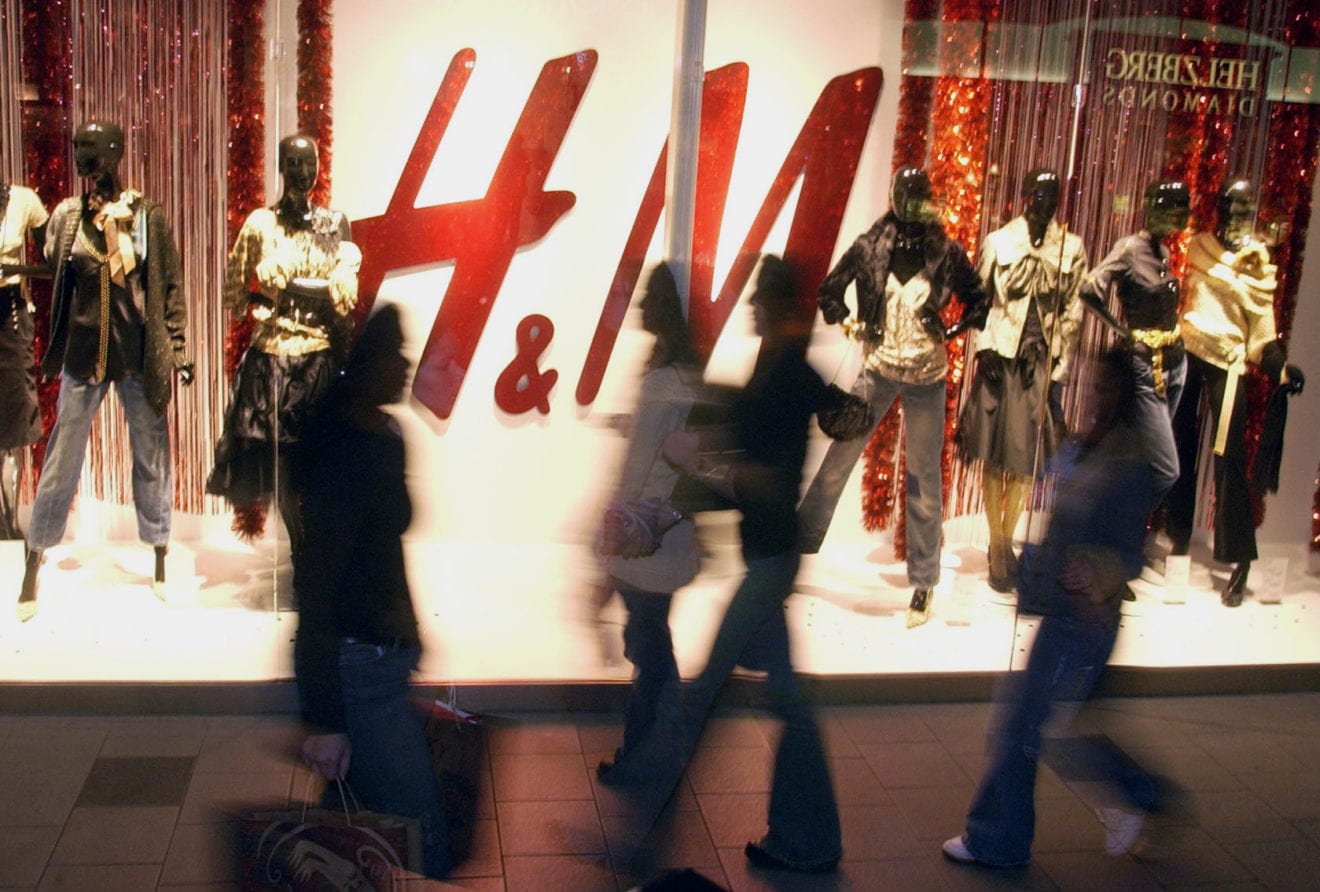
    Following IKEA announcing the purchase of 13 acres in Hyderabad for its first store in India on Friday, it’s the turn of another Swedish chain, Hennes & Mauritz (H&M), to go for a big rollout in the country. H&M, rival to another European fast fashion brand, Zara, is likely to open as many as 30 stores in India by early next year, sources say.

    The Swedish fashion chain, in the middle of major global expansion, is learnt to have already closed about 15 real estate lease deals in India, and is in the process of raising this count. The group, with $22 billion in global sales and 3,600 outlets across 59 markets, recently announced it would launch its first India store in the national capital. The store, of about 25,000 sq ft, would be located at a popular mall.

    At the time of making its application for investing about Rs 750 crore into the country, H&M had said it planned to open 50 outlets across India through the next few years. Zara, in a joint venture with Tata group’s Trent, has 16 stores across the country; it posted $114 million in sales for the year ended March this year.

    H&M did not reply to a Business Standard questionnaire on store openings and lease deals.

    According to H&M’s latest quarterly report, the company plans to open as many as 400 stores across the world this year. Besides India, the group’s expansion thrust is on the US and China. In fact, in North America, both H&M and Inditex’s Zara are giving stiff competition to the US-based Gap. Recently, Gap announced its plan to shut 175 stores in the US.

    Besides international expansion, H&M is also focused on going online. Of late, the group has gone online in Poland, Portugal, Romania, the Czech Republic, Bulgaria, Slovakia, Hungary and Belgium, among others.

    Though the company secured the government’s approval to invest in India early last year, it has delayed its launch partly due to a slow retail environment in its home market, pressure on margins and focus on some other key markets. Analysts said general elections in India, as well as political uncertainties, might also have added to the delay.

    H&M’s big India play at this point is significant because there has been no action in the international brick-and-mortar retail scene for about a year, except Gap launching its store recently.

    The National Democratic Alliance government at the Centre is opposed to foreign direct investment (FDI) in multi-brand retail. The UK’s Tesco, in partnership with the Tata group, is the only entity in multi-brand retail to have invested in India (Maharashtra and Karnataka). In 2013, American major Walmart parted ways with its partner, Bharti group.

    While limiting its business to wholesale, Walmart has not shown any interest in entering India’s multi-brand sector. French chain Carrefour, which also had wholesale stores in the country, made an exit last year, in the absence of a favourable multi-brand policy.

    In multi-brand retail, FDI is capped at 51 per cent, while 100 per cent foreign investment is allowed in single-brand retail. However, despite the fact that there’s no cap on FDI in single brand retail, companies such as IKEA and H&M are believed to have been worried over a clause pertaining to mandatory 30 per cent sourcing from India.

  • As platinum gains popularity, more outlets set to come up

    As platinum gains popularity, more outlets set to come up

    As platinum gains popularity in India, the Platinum Guild India expects to see the number of outlets going up from 800 now to over 1200 by March 2016.

    Vaishali Banerjee, India Manager of Platinum Guild India, told that within a short span, India has become the fourth largest market for platinum jewellery in the world and this can only get bigger as more youth take to this precious metal.

    The growth in India has been particularly rapid in the past 5 years and has grown to over 5 tonnes last year as against about 400 kg in 2008. This speaks volumes of how young people are embracing Platinum jewellery, whose trade is getting extremely organised with big retail stores setting up exclusive zones for display of platinum jewellery, she said.

    What started with platinum couple bands has gradually gained with men’s jewellery spanning chains and bracelets and now has grown into the Evara range of bridal jewellery segment. Introduced about six months ago, it is gaining popularity as its charm is in co-existence with popular gold jewellery in India. Though gold jewellery is tops when it comes to bridal jewellery, a number of youngsters are taking to platinum jewellery, she said.

    Vaishali said, “We are pleased at the way Platinum Evara has been received by consumers and trade, as platinum symbolises love and resonates well with the new bride and groom. There is huge appeal for platinum amongst youngsters.”

    Varghese Alukka, Managing Director of Jos Alukkas Jewellery said, “From 34 stores in the southern market in the country, we are looking at growing this to 50 stores in the next two years.”

  • Jewellery and watch firms top performers in luxury space

    Jewellery and watch firms top performers in luxury space

    India has bounced back and is confidently growing in the luxury markets as other BRIC countries struggle to gather pace, says Deloitte’s annual Global Powers of Luxury Goods report. By the end of last fiscal, world’s 100 largest luxury goods companies had generated sales of $214.2 billion despite currency headwinds and intense technological disruption.

    Developed economies like the US and Europe appear to be on the rebound, thus, boosting the purchasing power of upscale customers.  The Indian economy, too, is recovering from its slump. Jewellery and watch companies are top performers, producing the second-largest share of the luxury goods sale. Companies like Titan, Gitanjali Gems and PC Jeweller all make the cut as newcomers in the Deloitte’s top 100 luxury brands.

    The study also established that the channels on which luxury consumers shop are constantly evolving, making it critical for companies to understand the changing desires and buying behaviours.  “Several key aspects of the luxury sector will be unrecognisable in the next few years. The travelling luxury consumer will change the concept of national boundaries; millennial consumers will represent a significant percentage of sales volume in luxury; and the competitive forces driven by technology will continue to disrupt at a faster pace.” said Gaurav Gupta, senior director, Deloitte, India.

  • Snow Leopard Vodka makes Indian TR debut

    Snow Leopard Vodka makes Indian TR debut

    Snow Leopard Vodka has made its debut in Indian travel retail in May 2015, after hitting the shelves at Hyderabad Airport. Edrington Asia Travel Retail, which distributes the brand, believes this is evidence of a growing momentum in Asian travel retail.

    Ryan Hill, Managing Director of Edrington Asia Travel Retail said: “Snow Leopard Vodka continues to gain strong traction in Asia and we’re now excited to introduce it in India, where we see great potential for it.

    “With vodka sales in India up 14% in 2014, this is clearly a growth market and given Snow Leopard Vodka’s unique story and close ties to this region through conservation projects, we are confident that we have a strong opportunity here.”

    Snow Leopard Vodka’s launch in Indian travel retail will contribute to the work of The Snow Leopard Trust, particularly active in the region, as well as its local partner Nature Conservation Foundation (NCF).

    It has recently accelerated its awareness-raising and educational activities in India through NCF’s eco-camp programme, which help increase knowledge and understanding of local ecology and foster positive attitudes toward local wildlife.

    “2014 was an extremely positive year for the Snow Leopard Trust in India with over 350 children attending 11 camps throughout the year,” commented Siri Okamoto of the Snow Leopard Trust. “These eco-camps inspire and educate future generations, with many participants subsequently aspiring to become wildlife biologists. We look forward to growing this programme in 2015 and continuing our successful partnership with the team behind Snow Leopard Vodka.”

    Snow Leopard Vodka was created to help save the critically endangered snow leopards from extinction, says Edrington, which adds that 15% of all profits from Snow Leopard Vodka are donated to snow leopard conservation projects through the Snow Leopard Trust. Edrington’s goal is to raise US$1m for snow leopard conservation projects each year that will safeguard the snow leopard’s future.

  • Apple’s India test: how to gain volume and meet aspiration

    Apple’s India test: how to gain volume and meet aspiration

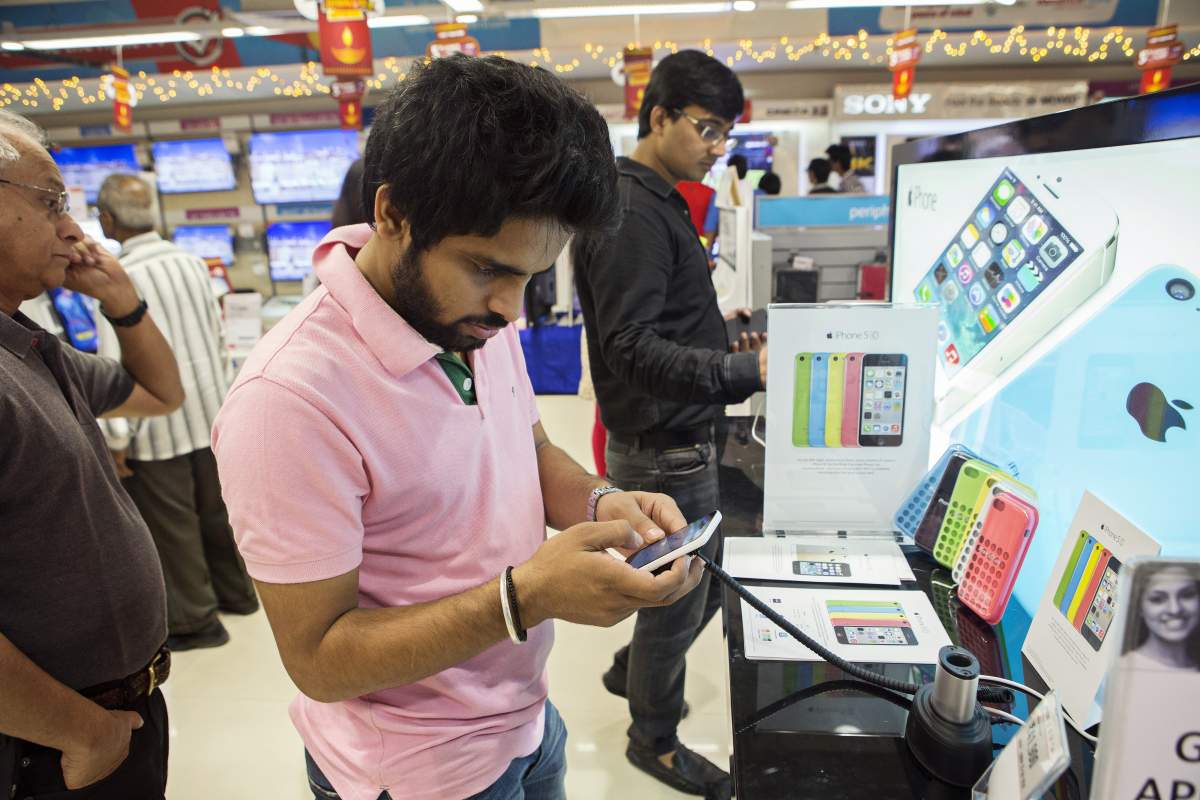
    With only a tiny share of the world’s fastest-growing major smartphone market, Apple Inc is stepping up its push into India, with a first targeted TV advertising campaign, expanded retail network and promotional financing schemes.

    For years, India has been a low priority for Apple as spending power is weaker than in China, where the company’s iPhones swiftly became must-have devices after their 2007 launch.

    But Apple is now looking to build on a 93 percent increase in its iPhone sales in India in April-June, which for the first time outpaced growth in China, of 87 percent – albeit from a low base. Apple has just a 2 percent share of India’s smartphone market, while South Korean rival Samsung Electronics accounts for around one third of volume sales with its range of Android phones.

    The India push coincides with Apple missing elevated expectations when it reported earnings earlier this week, prompting some investors to question how long double-digit growth can continue.

    “Apple is consciously expanding its distribution in India and pushing its products aggressively. The marketing spend too is a part of that,” said Jaideep Mehta, managing director for India and South Asia at tech research firm IDC.

    Executives at several electronics retail chains and Apple distributors said the Cupertino-based firm was chasing shelf space to make its gadgets more visible, and has more than doubled the number of distributors to five.

    Apple has also brought in a new senior executive to take charge solely of the Indian market, industry sources said, and has placed advertisements for a policy adviser to help it work with New Delhi’s bureaucracy.

    The company declined to comment on its India strategy.

    “Apple’s single-minded focus for India is on volume,” said a senior executive at an electronics chain store, who declined to be named. “They have increased distributors and want to reach out to smaller cities.”

    BALANCING VOLUME, ASPIRATION

    Analysts say much of the high growth in iPhone sales in India has come from earlier models such as the 4S, 5S and 5C, which are sold more cheaply.

    “Apple is an aspirational brand. They will (have to) balance their volume push with that to get growth,” said IDC’s Mehta.

    That could be tough in a market where you can buy around eight basic-level smartphones for the upwards-of-50,000 rupee (US$785) price of a new iPhone.

    Taking to Indian TV screens for the first time, Apple plays up the aspirational appeal of its phones, showing a glamorous Indian bride using Facetime, Apple’s video calling feature, to send coy flashes to her groom of a henna-ed hand or skirt hem before their wedding.

    In addition, Apple offers financing schemes where buyers of its latest iPhone 6 can pay in monthly instalments, and has launched Apple Music, a cloud-based music streaming service, for just 120 rupees (US$1.88) a month in India – a fifth of the price in the United States.

    The company has offered easy financing schemes in India before, but retailers say the focus on operations and marketing show Apple is now more seriously targeting the market.

    And there’s plenty of market for it to aim at.

    “The premium smartphone market will be close to 8 million units in 2015,” said Neil Shah, analyst at Counterpoint. “Apple has a lot of room to grow and capture a significant share of that,” he added, noting Apple sold just over a million iPhones in India in the year to April.

  • Reliance in 1000-store telco deal

    Reliance in 1000-store telco deal

    India’s Reliance Industries is to build a network of 1000 stores, the consumer face of a new 4G mobile phone network.

    The new mobile phone network will be launched in December with 1000 stores branded ‘Jio Centers’. The network itself will be called Jio.

    The store network will sell Jio-branded mobile phones and be backed up by 500,000 licenced connectivity outlets and one million recharge outlets. These customer contact points will be operational by December, when the network – undergoing beta testing from next month – will boast 80 per cent coverage of India.

    The stores will also sell Samsung, Apple, Huawei and Xiaomi phones for connection to its network.

    “Reliance Digital would be a catalyst by making available entry level to ultra premium 4G LTE smartphones… in driving the device ecosystem in India for Jio,” the company said in a statement.

    Reliance Industries operates in a number of sectors, although its base is in energy and retailing. It is headed by Mukesh Ambani, India’s richest individual.

  • Honda Click 125i scooter imported into India for R&D purpose

    Honda Click 125i scooter imported into India for R&D purpose

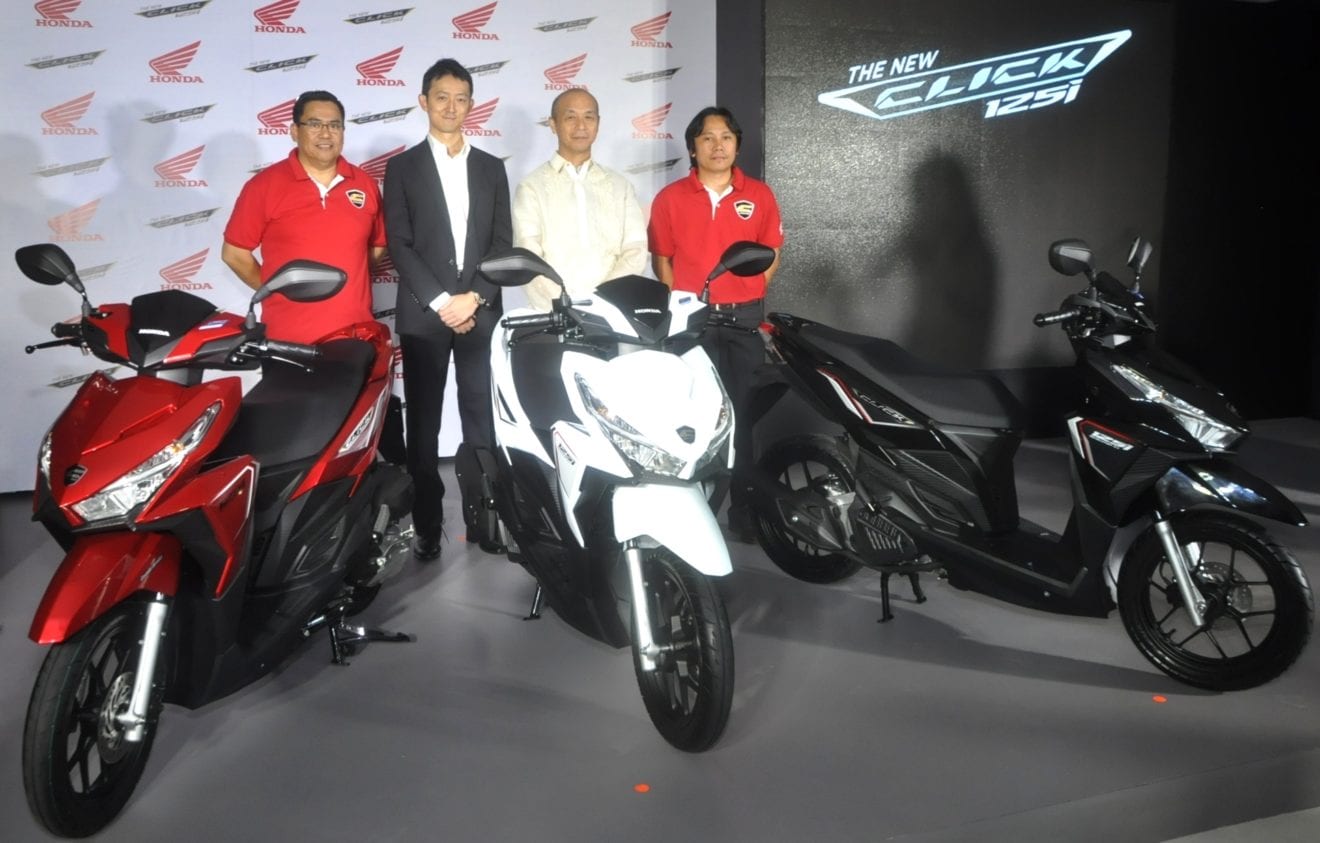
    Seeing the growing two-wheeler market, two-wheeler manufacturers are launching their new products to increase market shares. Last month, Honda’s Activa range of scooters has put the Japanese manufacturer at number one position in scooter sales. It seems that Honda wants to further enhance its sales in the scooter segment. The company has just imported the Click 125i scooter into India for research and development purposes and might even think about launching it in the future.

    Honda Click 125i scooter imported into India for R&D purpose
    Dubbed as the ‘future of scooters’, the Click 125i is a sleek and sharp looking scooter that was mainly developed for countries like Thailand and Indonesia. The Click 125i is powered by 125cc PGM-FI built-in Liquid cooled engine that gives 11.4 PS of maximum power and 11.16 Nm torque.

    It also has ‘The Idling Stop System’ (ISS) technology that helps the company to achieve high fuel efficiency. This system removes wasteful fuel consumption by automatically switching the engine off after 3 seconds in traffic lights and other short stops; and when you have to move all you have to do is just twist the throttle. The Click 125i is claimed to return an excellent fuel efficiency of 64.3 km/liter that is the highest number in 125cc segment scooter.

    To further provide the benefit of Honda Smart Technology, the Click 125i is also equipped with is Combi-Brake System (CBS) which balances braking at rear wheels and front wheel evenly. Though the scooter has been imported for R&D purpose, the possibility of Honda launching Click125i in India cannot be ignored.

  • Aldi targeted by Clean Clothes Campaign

    Aldi targeted by Clean Clothes Campaign

    German discounter Aldi is taking the heat from the latest campaign over fair working conditions at suppliers to major retail brands.

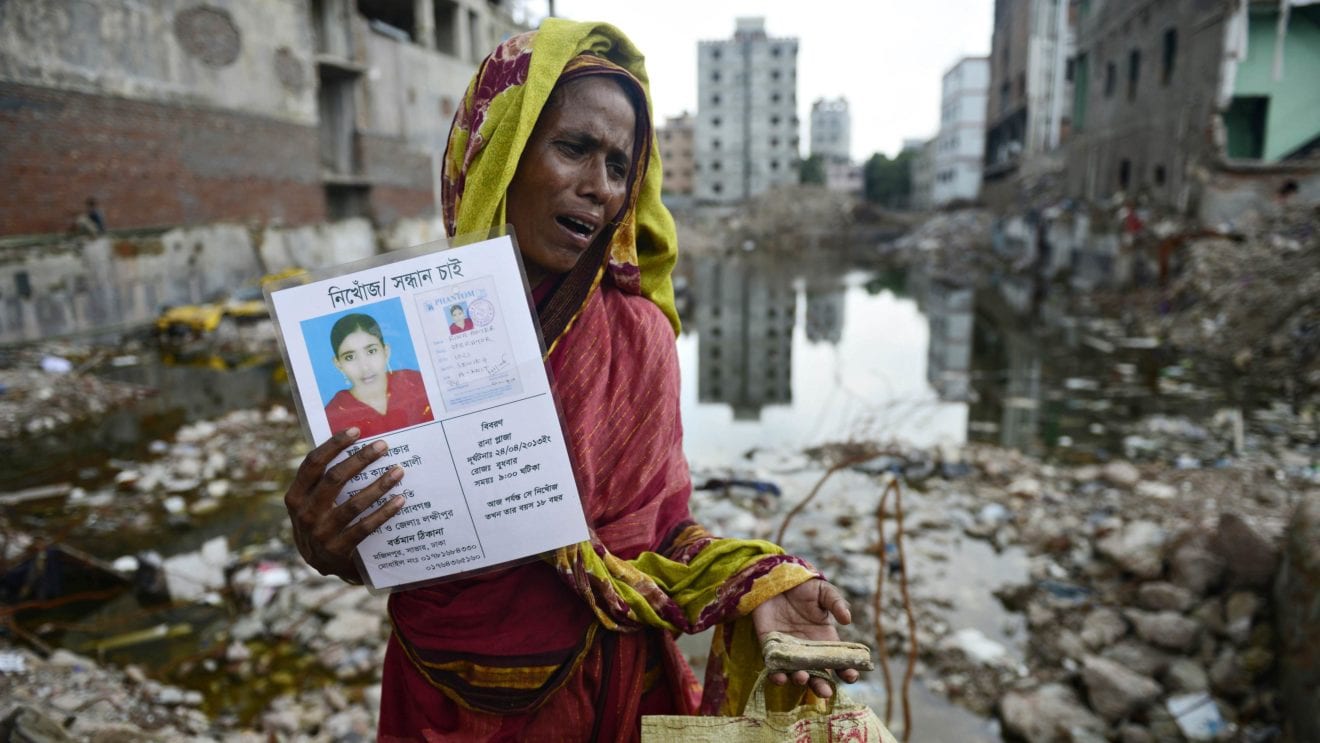
    The Clean Clothes Campaign is lobbying both Aldi and the Bangladesh government to take immediate action to ensure more than 1000 workers employed at the Swan Garment and Swan Jeans factories are provided with months of unpaid wages and bonuses they were allegedly deprived of following “the sudden and illegal closure of the factory” in April.

    Swan workers have been engaged in a sit-in outside the Dhaka Press Club since July 11 to demand action from the Bangladesh government and are due to meet with the Minister of Labour later this week to discuss their demands.

    The CCC says Swan Garments and Swan Jeans are both owned by the Swan Group, who also own a further three factories in the Dhaka area. The Swan Group websites lists a number of European brands as long term buyers from the Group including Lidl, Next, Bestseller, Dunnes and Walmart. Workers claim they were producing for Aldi, Piazza Italia and Motivi in the months prior to closure.

    “After almost three decades of operating in Bangladesh it appears the Swan Group started facing difficulties in 2014, when many of its long term buyers pulled their orders and the factories began to rely on subcontracting to maintain their business. In January 2015 the factory suddenly stopped paying salaries,” CCC said in a statement.

    “The Chinese owner of Swan Group, Ming Yuen Hon (Toby), attempted to flee the country on April 9, but was prevented from doing so by workers who confronted him at the airport and brought him back to the factory. This action forced Hon to pay one month salary to the workers, but on April 10 the two factories were illegally declared closed. According to his family Hon committed suicide some time in the following weeks.

    Workers have been engaged in various demonstrations since April 19 to demand their salaries and the reopening of factories.

    “Concerned that their fate will be the same as the Tuba Group workers who last year were forced to go on hunger strike to demand the wages and bonuses they were owed, several hundred Swan workers have been participating in a permanent sit down protest outside the Dhaka press club since July 12, and a number of workers have been injured by police using force to attempt to disperse protesters. In response the Ministry of Labour and the BGMEA have been promising that steps would be taken to resolve the issue of unpaid wages, but as the Eid holiday passed workers continued to wait for the money they are owed.”

    Joly Talukder, joint general secretary of the Garment Workers Trade Union Centre in Bangladesh said, the government is ignoring the protest, and the state of workers, and has not taken any step to meet the genuine legal demand to pay the arrears.

    CCC says the problem of sudden and illegal closures of garment factories is growing in Bangladesh, in part due to changes in the industry triggered by the Rana Plaza collapse.

    “These closures are leaving thousands of workers unemployed and deprived of their legally owed severance pay. To date little action has been taken by the Bangladesh government or international brands and retailers to ensure workers are not left without the wages and benefits they are owed.

    “Swan Garments is one of many factories that has closed illegally in Bangladesh over the last year. As in the majority of cases it is workers who are left with nothing – not even the wages and severance payments they are owed” says Samantha Maher of the Clean Clothes Campaign. “It is unacceptable that once again workers are being left to pay the price for bad factory management, impossible buyer demands and government inaction and we urge Aldi and the Ministry of Labour to ensure justice for the Swan workers.”

    The CCC did not define a “legal closure” of a factory, or explain where they expected the money to come from if the company was insolvent.

  • Cold Stone Creamery to open in India, Sri Lanka

    Cold Stone Creamery to open in India, Sri Lanka

    US ice cream chain Cold Stone Creamery  is to open multiple stores in India and Sri Lanka.

    Parent Kahala Brands has partnered with Tablez Food Company, part of Lulu Group International, to open 40 locations in India over the next five years and five in Sri Lanka.

    The first Indian store will open by the end of the year at the Lulu Mall, a premier mall in Kochi and will be followed by more in Bangalore initially.

    “Tablez Food Company is a leading organisation in India and a perfect fit for the Cold Stone Creamery brand,” said Eddy Jimenez, senior VP of international operations and development at Kahala.

    “It specialises in unique, home-grown and international cuisines and has acquired the rights to many leading franchise concepts. Tablez Food Company is dedicated to seeking out concepts that bring inspiring experiences to their customers.”

    Lulu Group is diversified in retail, imports & exports, trading, shipping, IT, travel & tourism and education. Tablez currently operates multiple food and beverage brands across India, Sri Lanka and the UAE including Peppermill Indian cuisine, London Dairy, Galito’s Flamed Chicken, Famous Dave’s Barbecue and The Sugar Factory..

    “Cold Stone Creamery offers the best quality product and offers an amazing in-store experience that the international market has embraced for a number of years,” said Shafeena Yussuf Ali, Tablez Food Company chairperson.

    “We now want to bring this unique experience to the India and Sri Lanka markets where we strongly believe that people will embrace not only the quality of the product, but also the overall guest experience.

    “Over the next five years, Tablez Food Company plans to invest around $11-13 million in the Cold Stone Creamery business across India and Sri Lanka.”

    In Asia, Cold Stone Creamery has established store networks in Japan, Thailand, the Philippines and Indonesia. Last month it announced a partnership in Vietnam.

  • Ikea India buys site for first store

    Ikea India buys site for first store

    Ikea India has acquired the land for the first of 25 stores planned for the country.

    The Swedish home furnishings company says the 13 acre site is located close to the IT hub Hitec City and is close to public transport, including a metro line under construction.

    Further details were scant, except that the land was acquired from the Telangana government. Ikea India plans 24 more stores in the long term and is currently evaluating sites in Mumbai, Bengaluru and Delhi NCR.

    Each Ikea store will cost about $100 million to establish, including land and construction costs.

    Part of the arrangement allowing Ikea to open single brand stores in India is that it has to source product from within the country. The company already has about 50 suppliers in India employing some 45,000 people. Now it is actively searching for more suppliers to boost the proportion of locally-sourced stock.

    IKEA India CEO Juvencio Maeztu described India as a promising market because it offers the company the opportunity to source, retail, conduct CSR initiatives through Ikea charitable foundation and empower social entrepreneurs through next generation projects.

    “Our focus now is to bring all of it together in Hyderabad as we have bought our first land to build an Ikea store. We will bring a unique shopping experience through our inspiring stores offering affordable home furnishing products,” he said.

  • China’s e-Commerce market is 80 times larger than India

    China’s e-Commerce market is 80 times larger than India

    Retail e-commerce sales in India are expected to reach $17.5 billion (Rs 105,120 crore) by 2018, from $5.3 billion (Rs 31,800 crore) in 2014, according to data analysed by eMarketer, a digital-research firm, but only two of 10 internet users in India shop online.

    India’s e-commerce market is intensely competitive, with US giant Amazon establishing its presence in India in 2013 and Alibaba, the Chinese giant, planning to start selling by August this year. Flipkart, India’s largest e-commerce firm, recently raised $550 million (Rs 3,300 crore) at a valuation of $15 billion (Rs 90,000 crore).

    Despite having the third-largest internet user base in the world with 200 million users at the end of 2014, India does not feature in the top ten e-commerce markets in the world, according to an eMarketer report. The reasons centre on low Internet reach, slow internet speeds outside the metropolitan cities and poor customer services.

    India’s e-commerce sales in 2014 were $5.3 billion (Rs 31,800 crore), 1/80th the size of China’s $426.26 billion (Rs 2,557,760 crore) and 1/58th the size of the US’ $305.6 billion (Rs 1,833,900 crore).

    “If you look at Japan, China and US, e-commerce became popular as early as 2002-2003. It has taken them about 12-13 years to reach where they have reached.  E-commerce really took off in India only in 2012-13. It will take India also that much time to reach there,” Rajnish (he uses only one name), a technology expert, said.

    China: Number 1 in e-commerce with skyrocketing growth ahead

    China and the US accounted for more than 55% of global internet retail sales in 2014. China’s growth over the next five years will widen the gap between the two countries.

    China will likely exceed $1 trillion (Rs 6,000,000 crore) in retail ecommerce sales by 2018, accounting for more than 40% of the total worldwide.

    Globally, retail sales reached $22.492 trillion (Rs 134,952,000 crore) in 2014 but retail e-commerce sales stood at $1.316 trillion (Rs 7,896,000 crore, 5.9% of overall retail sales).

    E-commerce sales are expected to increase 89% to $2.489 trillion (Rs 14,934,000 crore, 8.8% of overall retail sales) in 2018.

    Digital-buyer penetration—a measure of digital reach—is a major factor in determining the success of retail e-commerce sales. India’s digital-buyer penetration was quite low at 24.4% in 2014 as compared to the global average of 41.6%.

    The UK leads the world with 88% penetration. Ironically, China with 55.2% and US with 74.4% penetration do not feature in the top five.

    Indian e-commerce has a long way to go

    “E-commerce in India still has a lot of friction,” Rajnish said. “Till that is solved, it will be hard for penetration to go beyond 30%. For example, India has very low credit-card penetration and the cash-on-delivery (COD) model is why Flipkart really took off.”

    People above 35 are not very comfortable using their debit card online. PayTm and others solve this problem but there is a lot of friction. “I use PayTm for Uber and it is still a process that has friction. In US, the return policy is very generous. I bought a coat from Amazon in the Bay area; it ended up being the wrong size. My experience of changing to the correct size was very seamless. When I bought a down jacket in Bangalore, and it ended up being the wrong size, getting the right size was really a painful experience,” said Rajnish.
    That view is echoed by Paritosh Sharma, an advisor to tech startups and an entrepreneur with PayUMoney, a digital-payment platform.

    “Digital buying has an attached expectation to it. I place the order and it should appear in front of me over the next two or three days. In many cases this does not happen. Also, in a lot of cases (especially in tier-2 and tier-3 cities) in India, if you get a product that is not of the exact quality that you ordered, returning it is a major problem. Most people, hence, prefer what’s available in a physical retail store,” Sharma said.

    There are two more reasons for low online sales, said Sharma.

    First, the internet infrastructure in India is poor. If one steps outside city limits, you automatically are shifted from 3G to an Edge (a lower-speed) connection, deterring buyers.

    Second, lack of good service and support. While most Indian e-commerce companies are sprucing up their support via phone and digital media, it’s quite haphazard. Most companies still lack processes to ensure customer satisfaction and trust.

  • Asics India goes it alone

    Asics India goes it alone

    Japanese sports shoe brand Asics has opened its first company owned store in India.

    The 670 sqft outlet has opened in a shopping centre in south Delhi.

    It marks the end of a five year partnership with local conglomerate Reliance Retail.

    “We had a five-year agreement with Reliance Retail, and we did not want to renew the alliance,” Rajat Khurana, director of Asics India said in an interview.

    “The market has matured, and we have a much better understanding about the Indian sports shoes market, which is worth about $1 billion.”

    Now the brand will operate as a wholesaler, opening mono brand stores across India through franchise partners. It will manage the franchise business directly rather than partner with a local master franchisee.

    “Over the next 18 months, we will open exclusive outlets across the top 10 Indian cities, with one or two outlets in each city. Over the next three years, sales should treble,” said Khurana.

    Asics is the fourth largest sports goods manufacturer in the world and is currently sold in more than 150 countries.

    Asics branded products will continue to be available through multi-brand stores in India, including reliance Retail’s network.