Tag: india

  • H&M to open first retailer in India this fall

    H&M to open first retailer in India this fall

    Swedish multinational retail clothes firm H&M, which is understood for providing style and high quality at the perfect worth in a sustainable approach, is all set to deliver its product vary to India by means of a flagship retailer within the capital.

    “This Fall, trend could have a model new tackle in India: From a world-class purchasing vacation spot to sustainable and high quality trend choices at one of the best worth, we’re excited to current the entire H&M expertise to our Indian clients,” Janne Einola, nation supervisor – India, H&M Hennes & Mauritz Retail Pvt. Ltd., stated in a press release.

    The 25,000 sq. ft. H&M retailer might be situated d within the Choose Citywalk mall in south Delhi’s Saket space.

    Providing style for ladies, males, youngsters and youngsters, the shop will current a wide array of newest developments, timeless classics and inspirations for patrons to create their private fashion.

    The H&M Group has over three,600 shops in 58 markets worldwide and sees the potential to open 50 shops in India over the subsequent few years.

  • How China And India Are Taking On Amazon

    How China And India Are Taking On Amazon

    China is no longer the Happy Meal toy making economy it used to be. It has a much bigger vision. And part of that vision includes taking what it’s learned from Western entrepreneurs and beating them at their own game. Few companies represent this better than Alibaba, which is teaming up with Indian start-ups to take on Amazon and the more established domestic e-commerce player Flipkart.

    Together, China and India tech will absolutely be a force to be reckoned with in the West.

    It all starts with Alibaba’s investment firm, Ant Financial, pumping $500 million for a 25% stake into five year old Indian e-commerce company Paytm. Paytm stands for Pay-through-Mobile. It’s run by Vijay Shekhar Sharma, the man who founded Paytm back in 2010. He and Alibaba’s founder Jack Ma, one of China’s richest men, met earlier last year and had a dream: take China’s e-commerce know-how and the Alibaba brand and go after rivals in India’s $20 billion online retail market.  That market is important to all e-commerce firms. India’s online retail business is likely to grow 15-fold to $300 billion by 2030, according to Goldman Sachs.

    The two entrepreneurs are not only symbolic of how India and China now have aligned economic interests, but also a sign of things to come. Asian entrepreneurs, led by the Chinese, are going to disrupt the status quo of many Western powers who were first to arrive on the scene. The new kids on the block are smart, ambitious, and numerous. Very, very numerous.

    Since February, executives from Paytm and Alibaba have been travelling between Hangzhou, China and Noida, India where Paytm is based. They’ve been busy developing synergies and strategies to take on Amazon and industry leader Flipkart. “It’s as if Jack Ma is conducting an executive MBA for Paytm executives,” says Vijay Shekhar Sharma, founder, One97 Communications which runs Paytm. “Ma tells us we should build a company that is worth a Nobel Prize,” he told The Economic Times on Tuesday.

    Alibaba is also sharing know-how on the challenges of “product discovery” on smartphones and the ability to handle complexity that scale brings. The ET likened relationship between Alibaba and Paytm to a military alliance, both preparing to take large chunks of market share in a rapidly changing industry where future disruptors are getting millions thrown at them in far away places — namely Silicon Valley.

    Paytm may be young and a somewhat late entrant to the e-commerce market in India, but industry insiders told the ET that Sharma is the real deal. ”Paytm is a dominant wallet in the country. It has the power to disrupt,” adds Rajesh Sawhney, founder, GSF Accelerator. “I can see Paytm becoming the biggest app in the world with about half-a-billion users.”

    Everyone already knows that Alibaba is no joke. It is Amazon’s biggest rival and Jeff Bezos, Amazon’s billionaire CEO knows it. He’s seen what Alibaba can do to other e-commerce players.

    In 2002, eBay had seven years of success under its belt in the U.S. and was now setting up shop in China. It was heady days of the commodity boom. China was growing by double digits. Chinese consumers were buying Prada shoes and smart phones, Buicks and apartment buildings. E-Bay looked unstoppable. It launched in China in 2003. By 2005, FORBES estimated that eBay had 50% of China’s puny $1 billion e-commerce market. ” A bunch of small competitors are nipping at our heels,”  said eBay CEO Meg Whitman at the time. Alibaba was one of them. It was being run by Ma in an apartment building. He was focused on business-to-business and launched the eBay rival Taobao to go after consumers. Here’s what’s happened since…

    Since the launching of Taobao, China’s e-commerce market has evolved into a vast ocean, writes the authors of the new book “No Ordinary Disruption: The Four Global Forces Breaking All Trends.”  They call Alibaba the great white shark at the top of the food chain. In 2006 , Taobao overtook eBay’s consumer-to-consumer market share and has doubled in size since. Buying a 25% stake in Paytm is par for the course, and a sign of what that shark will take a bite out of next. By the end of 2014, ALibaba’s market cap was $270 billion, four times that of eBay’s.

    India is becoming more important to Chinese entrepreneurs. There will be more such allegiances.

    As it is, Alibaba gets less than 16% of its revenue from outside China, while Amazon gets about 40% from outside North America. Both are trying to capture global market share and India is the easiest big market to stake a claim in. That’s because there is not one dominant player in the country yet. While Flipkart is the market leader, it still faces stiff competition from Amazon, eBay, Snapdeal and Paytm.

    Paytm has 50 million people using its digital wallet product. And it has Sharma running things. “I am a fan Vijay,” says Google’s managing director in India, Rajan Anandan. “He is an incredible entrepreneur with deep understanding of users, markets. He is persistent and has a lot of agility. He is trying to build a company like Alibaba.”

    Of course, Sharma won’t be the only Indian entrepreneur to set its sights on traditional rivals. Even though the next big product breakthrough will probably be made in California, India and China have an advantage. Although that advantage depends greatly on their home countries keeping the lid on any brain drain loss to the U.S., it is clear that the U.S. does not have the global skill set at home to do what it wants as easily as it would like, say the McKinsey Global Institute authors behind ”No Ordinary Disruption.” About 30% of U.S. companies say they haven’t exploited international opportunities because they don’t have enough people with the tech skills, let alone the international competencies.

    According to the National Science Foundation, using data from 2012, graduation rates in science in technology were three times higher in China than they are in the U.S., though it is worth noting that those numbers are arguably Chinese private schools in the tier one cities. If anyone is to truly believe that bulk of Chinese humanity living on a mere $10,000 a year is going to the equivalent of a U.S. public school in the midwest is probably an inaccuracy. Moreover, many wealthy Chinese and Indians are moving to Canada and the U.S. to study and work at start up and established tech firms.  Still, many of these elites will return to China and India simply because this is where the growth is. And there is no place like home…

    Indian companies have long surpassed the scale of their developed world counterparts. Indian telecom giant Bahrti Airtel has over 270 million wireless customers worldwide. AT&T, which has been at this business much longer and has better tech has under 120 million wireless customers globally, according to both companies annual reports. The Tata Group, the parent of the Tata companies from automotive to IT has over 580,000 employees worldwide. It is now one of the largest private sector employers in the U.K., employing over 50,000. Tata Consultancy Services has basically defeated IBM’s consultancy services and its biggest rivals now are mostly all Indian.

    China money, Indian start-ups, and a growing tech savvy consumer base in Asia is now a breeding ground for new entrepreneurs, and new brands, that will go head to head with the big boys. Who knows, a Chinese or Indian brand could one day take one of the existing players out of the market through acquisition, or other untimely exit.

  • Indian Retail Market to Reach USD 1.3 Trillion by 2020

    Indian Retail Market to Reach USD 1.3 Trillion by 2020

    India’s retail market is expected to expand at USD 1.3 trillion by 2020 and the GDP is set to grow at 8 per cent over the next three years, making it the world’s fastest-growing major developing market, a consultancy firm has forecast.

    The current retail sales in India is worth USD 925 billion and had grown at 5.8 per cent on compounded annual growth rate in 2010-2014, A T Kearney said in a report on the 2015 Global Retail Development Index.

    “Consumer and investor sentiment have seen an uptick, as the pro-reform government under Prime Minister Narendra Modi sets out on an ambitious goal of improving its Ease of Doing Business ranking from 142nd to 50th in the next two years,” it said.

    “India’s retail market is expected to grow to USD 1.3 trillion by 2020, and GDP is expected to grow at 8 per cent over the next three years, making India the world’s fastest-growing major developing market,” the report said.

    India has risen five positions to rank 15th in the latest edition of the index, the London-based consultancy firm said.

    “India represents a good opportunity for international retailers in single-brand retail, cash-and carry, and e-commerce, as the country appears to be on the cusp of a strong growth phase over the next five years,” it said.

    The tipping point for brick-and-mortar retail continues to be the opening up of Foreign Direct Investment (FDI) norms in multi-brand retail, a move that is not expected in the near-term.

    After two years of dormancy, Walmart will open a new outlet in Agra this year and plans to add 50 wholesale stores to its existing 20 in the next five years, the report said.

  • Spar India plans hypermarket rollout

    Spar India plans hypermarket rollout

    Grocery retail model Spar says it plans “vital progress” in India – with 25 hypermarkets operational by the top of 2017.

    Netherlands-based Spar Worldwide lately reported 2014 international retail gross sales of €31.9 billion from 12,300 shops in 40 nations. It’s anticipates its India operations will attain €300 million turnover by 2019.

    The announcement was made in the course of the go to of the Dutch Prime Minister, Mark Rutte, with a Dutch Commerce delegation, to a Spar Hypermarket in New Delhi.

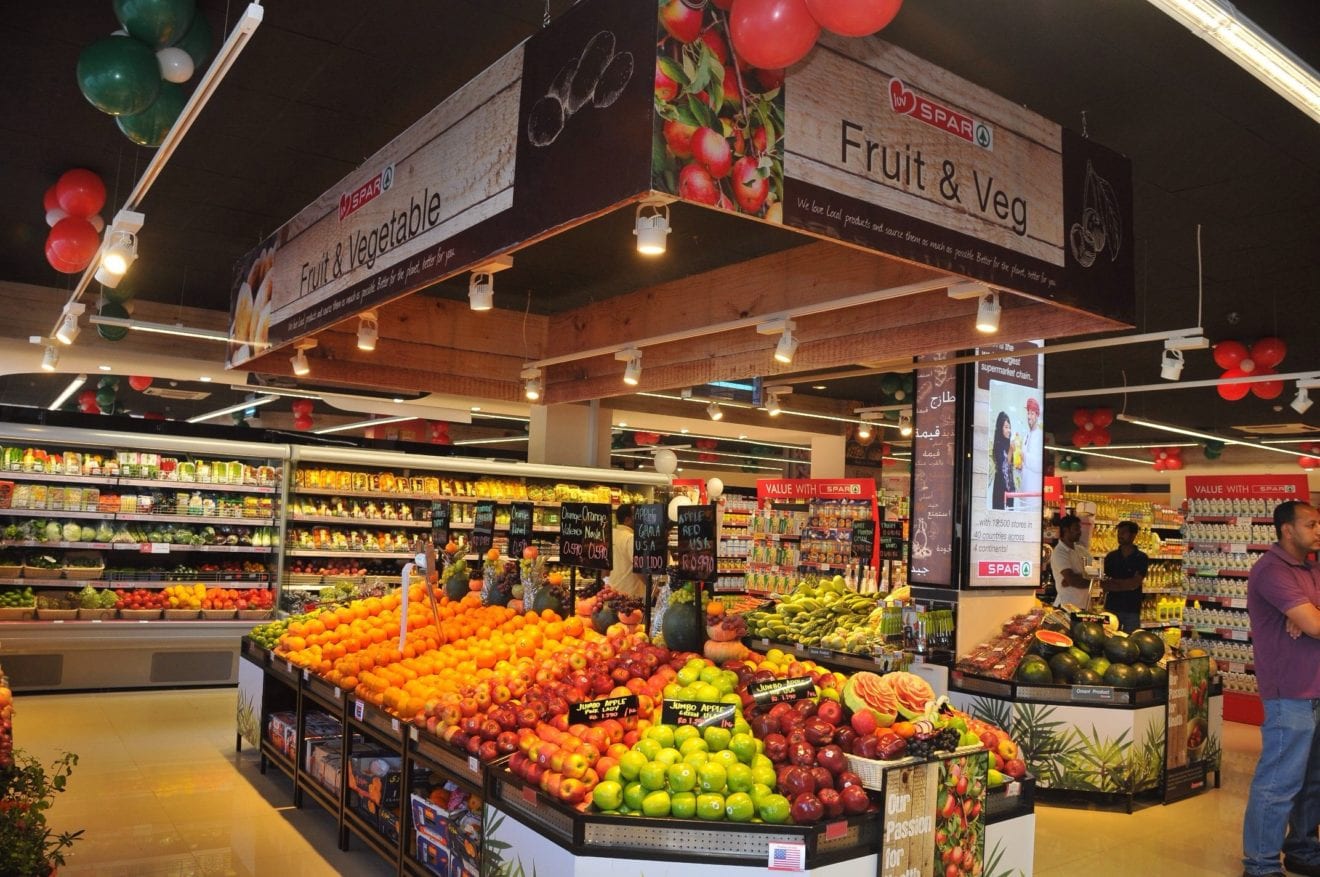
    Spar re-entered the Indian market final August after signing a partnership settlement with Max Hypermarkets. The partnership has already efficiently re-launched 16 Spar Hypermarkets with a further 4 openings deliberate this yr, all providing an in depth vary of meals and non-food, at aggressive costs. The hypermarkets are unfold throughout 9 places in India – 4 in Delhi, Gurgaon and Ghaziabad; 5 in Bangalore; two in Mangalore; two in Hyderabad; one in Chennai, one in Pune and one in Coimbatore.

    Spar Worldwide MD Dr Gordon Campbell stated the corporate’s progress and success in India supplies a great case research for the suitability of the Spar mannequin in rising markets.

    “The place different international manufacturers have struggled to realize traction, Spar’s model values and providing, international experience and partnership mannequin, have introduced speedy advantages for retailer, provider and, finally, the buyer.”

    Spar Worldwide unites and works in partnership with unbiased retailers by working collectively to share international scale and experience to reinforce the competitiveness of its retail companions worldwide and construct the Spar model internationally. In rising markets similar to in Asia, Spar has specialised in creating trendy provide chains to allow the environment friendly motion of products from native producers to the store shelf. In India alone, the corporate now helps over 4000 native distributors who provide meals and merchandise to the rising Spar India community.

    Viney Singh, MD of Spar India, stated: “We’re delighted with the outcomes since we transformed our first 16 hypermarkets to the Spar model. Spar’s understanding of worldwide greatest follow in retail operations and provide chain administration, mixed with our shopper understanding and native sourcing strengths have created an instantaneous uplift in retailer gross sales. The Spar model propositions of freshness and worth have been very properly acquired by the Indian shopper.”

    Globally, the Spar model now adorns 12,300 hypermarket, grocery store, neighbourhood and comfort shops worldwide, serving 13 million clients day-after-day.

  • iPay to expand in India and Indonesia

    iPay to expand in India and Indonesia

    V Arundhati, 52, helps her son Srinivas in running a small kirana store in Himayatnagar in Hyderabad. Apart from selling soaps and sugar, she has begun placing orders on an e-commerce platform for her customers, who have never bought any product online. The duo has increased average daily revenue from ₹1,500 to ₹5,000.

    They are among the 600-odd street-corner outlets that have become part of the e-commerce platform for the uninitiated, giving ‘offers’ on products that range from home appliances to electronic gadgets.

    Daily sales

    On an average, they deliver goods worth ₹10-13 lakhs a day.

    This model, developed by tech start-up iPay, is going to make a foray into Indonesia where it has tied up with a major telecom player to replicate the idea there. Set up by serial entrepreneur Krishna Lakamsani, iPay’s platform ‘dukanline’ works on the premise that there is a huge potential in the retail industry in India that is not yet tapped by the e-commerce players.

    “They (the e-com players) reach only a small portion of those who have access to the Internet. There are about 1.3 crore mom-and-pop stores across the country who have built a loyal customer base over a period of time. These customers too are becoming aspirational and are willing to buy things that their urban peers buy,” Krishna Laksamsani, Chief Executive Officer of iPay Tech, told BusinessLine.

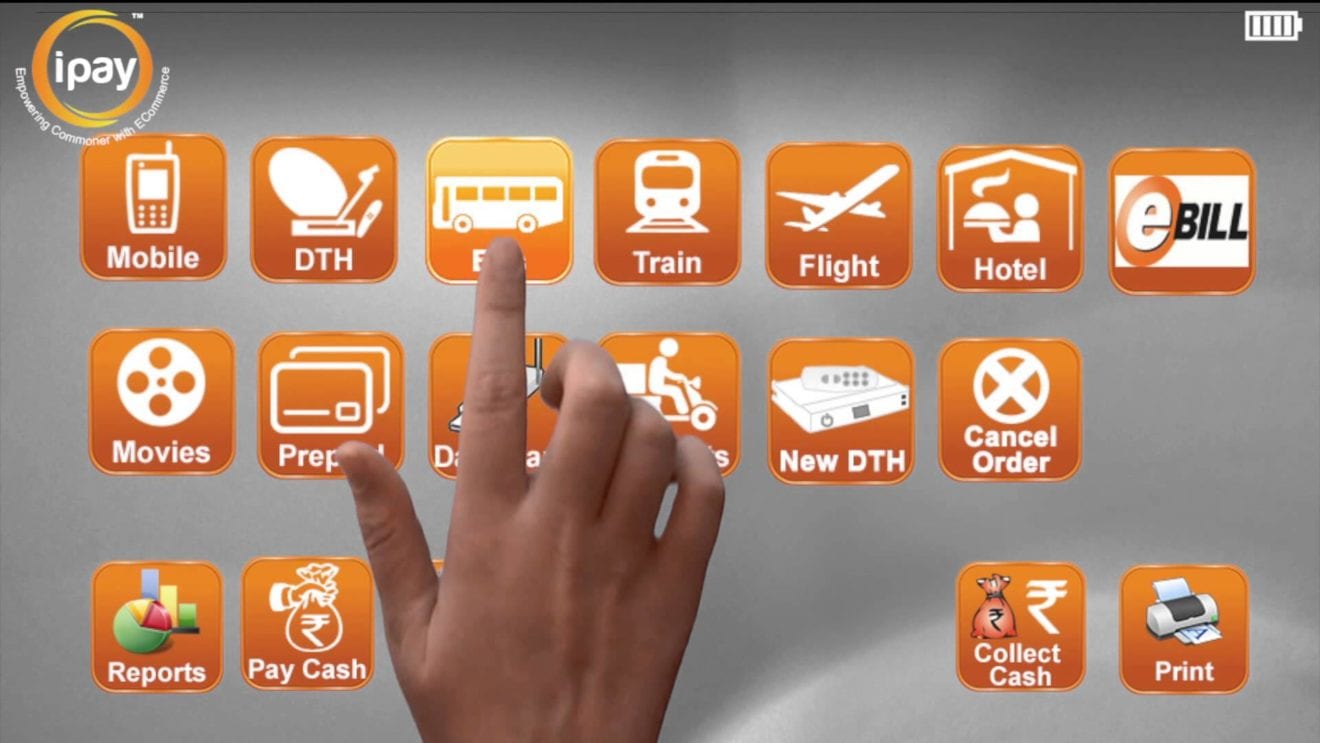
    Set up two years ago, the firm has just completed one year of operations, after doing market research and studying the pulse of the market in the 12 months preceding it. The stores buy kiosks priced at ₹8,888 that comprises a tablet, which gives an access to its e-commerce platform. It throws up a list of offers available for that particular day on the homepage. Besides, it gives a full list of products that can be bought online.

    Store payment

    “Customers pay cash at the store after surfing. They will get an SMS after the product is delivered to the store,” Krishna said.

    Krishna built and sold two firms in the United States before moving to Hyderabad to set up iPay. It is now planning to expand to Karnataka and Tamil Nadu. He has invested $2 million so far, including $1.2 million on technology. In the first year, it registered a gross merchandise value of $10 million through a network of ₹3,900.

    “We have tied up with an Indonesian telecom player. It wants to use our technology platform to provide the e-commerce channel to its customers,” he said.

    The firm is planning to raise $15 million in the next few months to fund its expansion in India.


  • H&M to open first store in India

    H&M to open first store in India

    Swedish multinational retail-clothing company Hennes & Mauritz is to expand its presence to India, with the launch of the first store in the nation’s capital Delhi.

    The move follows H&M’s announcement in 2013 to invest around INR7bn ($109.3m) to open 50 single-brand retail stores in India.

    Spread over an area of around 25,000ft2, the proposed store will be located in Select Citywalk mall in Delhi, besides other foreign fashion brands including Zara, Mango, Tommy Hilfiger and GAP.

    H&M Hennes & Mauritz Retail India country manager Janne Einola said: “This Fall, fashion will have a brand new address in India: from a world-class shopping destination to sustainable and quality fashion offerings at the best price, we are excited to present the complete H&M experience to our Indian customers.”

    Currently H&M operates more than 3,600 stores in 58 markets across the globe.

    The retailer generated around $22.33bn in sales last year.

  • Hole India makes debut

    Hole India makes debut

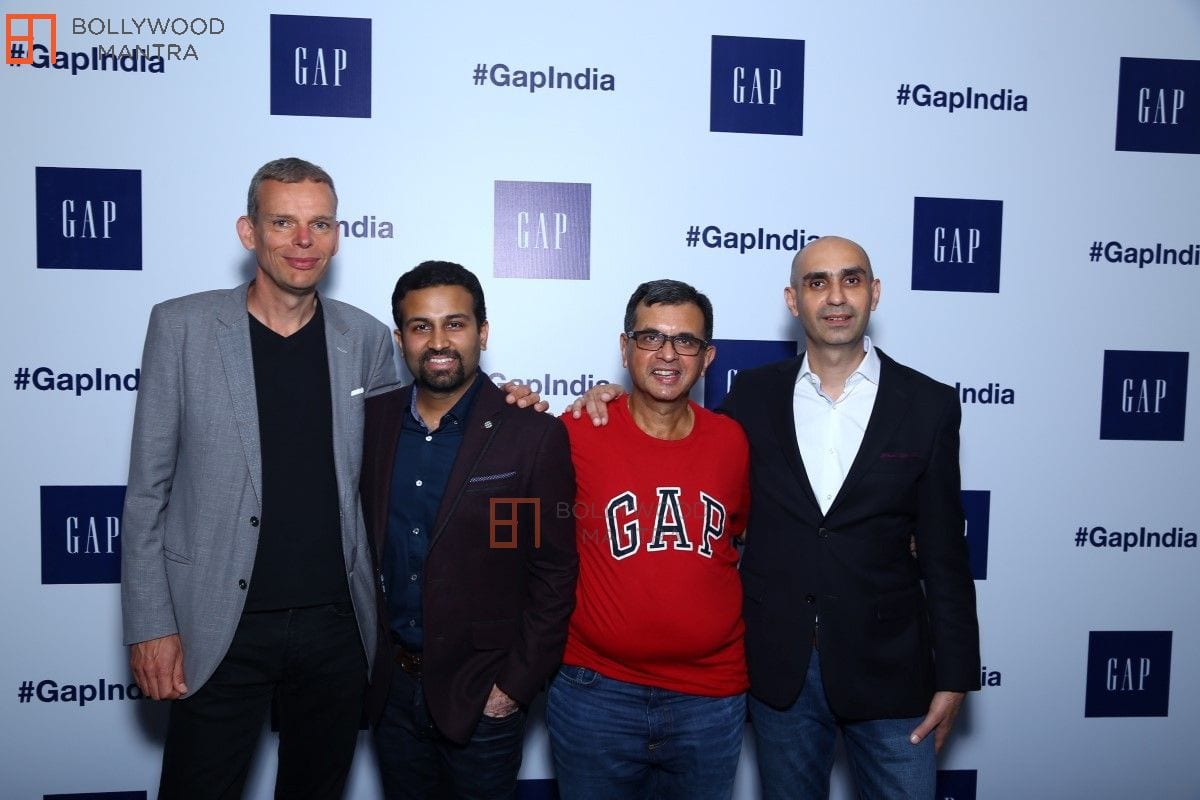
    Hole has lastly made its debut in India – opening its first retailer at Choose Citywalk in an upmarket suburb of Delhi on Saturday.

    India represents one of many final remaining main creating markets the US informal attire model had not entered. It trails Zara by 5 years however nonetheless arrived forward of Uniqlo and H&M who’re reportedly months, relatively than years, away from their very own debuts.

    India’s retail attire market is estimated to be value $41 billion by proper now, with progress of round 50 per cent predicted for 2020 as the center class continues its speedy enlargement, promising burgeoning disposable incomes.

    Hole India will open a second retailer in Mumbai inside about two months, in line with Indian information media stories. It has a 5 yr plan to open 40 shops in main cities.

    The model has been delivered to India by Arvind Group, which has already launched Calvin Klein and Tommy Hilfiger, amongst others, and boasts 1000 shops bearing totally different model names throughout the nation.

  • Montblanc ’s new India companion

    Montblanc ’s new India companion

    German luxurious pen model Montblanc and Indian three way partnership companion Tata Group, have acquired authorities approval for his or her single model retail enterprise in India.

    India’s Overseas Funding Promotion Board (FIPB) on Monday authorised the 51:49 three way partnership, to be managed by Tata subsidiary Titan Co, with the german firm’s Dutch subsidiary to carry the stability.

    The brand new partnership will supersede the present distribution settlement with retired cricketer Dilip Doshi, who launched the model there 20 years in the past and retailed it by means of 17 boutiques, most in luxurious motels.

    Titan says it’s going to take over the shop community, however Doshi is planning authorized motion towards Titan and Montblanc, referring to the phrases by which his distributorship was annulled.

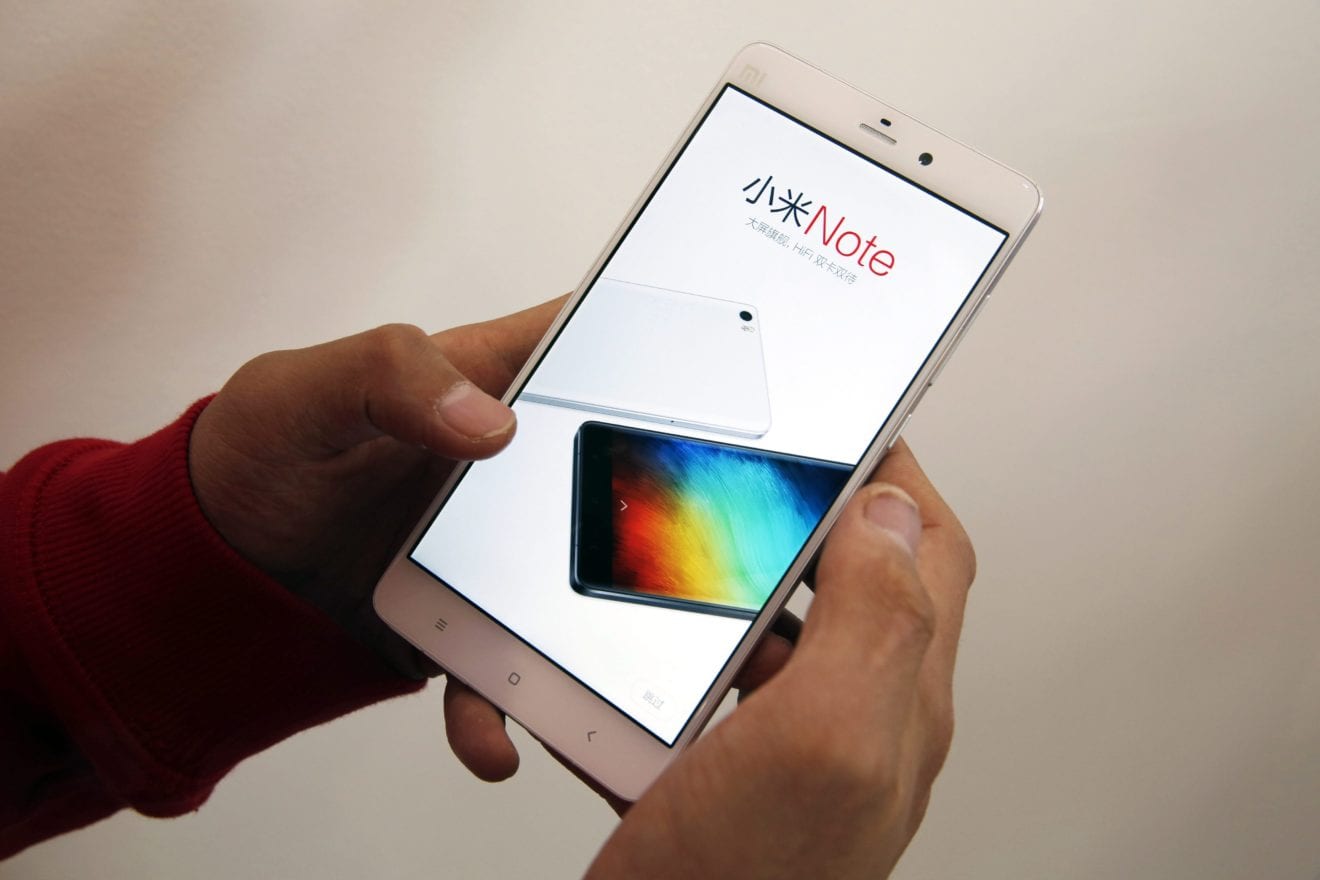
  • 4G, Asia lead smartphone sales rise

    4G, Asia lead smartphone sales rise

    Global smartphone sales rose by eight per cent in value terms in the first quarter of this year.

    Sales of larger screen devices (5″ and higher) continued to drive year-on-year growth according to data from GfK.

    But while handset demand increased seven per cent to 310 million units, a slowdown in demand in China and developed Asian nations dragged down growth, from 19 per cent year-on-year in the fourth quarter of 2014.

    GfK says 4G compatible phones are rapidly gaining share – surpassing 50 per cent of the global handset market for the first time. It predicts a 4G ramp-up in China in the second half of 2015 to drive incremental demand.

    Kevin Walsh, director of trends and forecasting at GfK, said the weakness in China was caused by a significant slowdown in 3G demand, which was not offset by 4G growth.

    “We forecast China to return to growth in the second half of the year, driven by a continued 4G ramp-up. In Developed Asia, the year-on-year decline was caused by tough comparisons with Q1 2014, when demand was pulled forward in Japan due to an upcoming VAT increase in April. We forecast unit demand in Developed Asia to grow by three per cent year-on-year in 2015, driven by Japan and South Korea, which are expected to return to growth in 2Q15.”
    Smartphone growth in India and Indonesia is also expected to be helped by an expanding 4G network. In Q1 2015, 4G share in both countries was well below the global average, at four per cent and seven per cent, respectively. GfK forecasts 4G unit share within smartphones to reach seven per cent in India and 10 per cent in Indonesia in 2015.

    Q1 2015 saw a continued shift towards larger screen sizes, with sales of 166 million units equating to 47 per cent of the global smartphone market, up from 32 per cent in Q1 2014. In China, where the 4G trend is particularly pronounced, the growth in share to 57 per cent – from 32 per cent in Q1 2014 – was driven by cheaper large screen models flooding into the market.

    GfK forecasts this screen size migration to continue in 2015, with global demand for large screen devices increasing by 30 per cent year-on-year to account for 69 per cent of total smartphone unit demand this year.

    Low-end smartphones – those priced in the region of $0-250 – increased share to 56 per cent, up from 52 per cent in Q4 2014, at the expense of the high-end models ($500+), whilst mid-range ($250-500) share remained stable.

    GfK forecasts low-end smartphones to gain further share in 2015, helped by continued price erosion in emerging markets.

    Walsh added: “GfK forecasts global smartphone unit demand to grow 10 per cent year-on-year in 2015, a slowdown from the 23 per cent growth experienced last year. Emerging Asia is forecast to be the fastest growing region, driven by India and Indonesia, where low smartphone penetration leaves plenty of room for growth.”

  • India’s retail market to hit US$1.2 trillion

    India’s retail market to hit US$1.2 trillion

    New analysis predicts the Indian retail market will hit US$1.2 trillion by 2020 and $2.1 trillion simply 5 years later.

    This yr, Indian retail gross sales are projected to realize simply $550 billion.

    The astonishing progress projection comes from business organisation the Confederation of Indian Business (CII) which additionally says the retail business will generate between 10 and 12 million jobs over the subsequent decade.

    The report, titled The Indian Retail Medley, was launched collectively by CII and Wazir Advisors at a Delhi retail business convention organised by the CII, dubbed ‘Decoding the Way forward for Retail’.

    “The organised retail in India is predicted to develop seven- fold and on-line retail 26-fold,” the report stated, however stating that despute such big progress, ‘unorganised retail’ will proceed to dominate the Indian retail panorama.

    “CII & Wazir are sure the sector will get a transformational push with an aggressive collaboration between the organised, unorganised and on-line retail progress, pushed by India’s demographics with large younger and tech savvy inhabitants (500 million are aged under 25 years).”

    Rising incomes and ranges of shopper demand, growing urbanisation, attitudinal shifts and – above all – an outstanding and steady rise in web penetration throughout the nation thanks partially to the federal government’s  dedication to digitisation, may even gasoline progress, the report stated.

    “It’s estimated there can be 550 million internet customers in India by 2018, as additionally the face of the Web consumer will change dramatically, with greater penetration to the tune of 210 million in rural areas.

    “The web retail would offer an outstanding platform to the unorganised retail to succeed in out to the shoppers throughout markets in tier three and tier 4 cities”, the report stated.

    Adesh Gupta, chairman of the CII Retail 2015 and promoter with Liberty Group. stated the time “is completely opportune to Make in India for Retail in India.

    “Our nation is among the quickest rising and most dynamic retail markets on the planet. We should produce and promote in India”

    However Gupta warned of “a dire want” to strengthen the nation’s provide chain administration, indentify shoppers’ wants, developed expert, educated manpower and streamlinethe  taxation system.

    India is predicted to grow to be the world’s quickest rising eCommerce market on the again of strong funding exercise within the sector and the speedy improve in web customers. It’s anticipated that India’s e-commerce market will develop from US$2.9 billion in 2013 to over US$100 billion by 2020.

    “There’s sufficient demand and the problem might be easy methods to attain the shoppers, each from connectivity and logistics perspective,” stated Gupta.

    “On-line retail can attain tier 4 to 6 areas a lot better than offline giving it a much bigger benefit. Collaboration between each organised and unorganised retail corporations could possibly be the actual recreation changer.”

    Shreekant Somany, chairman or CII NR, stated eCommerce’s share of Indian retail is rising steadily.

    “Clients have an ever growing selection of merchandise on the lowest charges. eCommerce might be creating the most important disruption within the retail business and this development will proceed within the years to return.

    “Virtually every thing is bought on the web now and which means just about all the retail business faces the problem of both being part of e-commerce or taking it head on. Partnering is one of the simplest ways out,” stated Somany.

    Mukesh Mathur, government director with Oracle India stated it’s crucial retailers benefit from eCommerce, which can allow them to spend much less cash on actual property whereas reaching extra clients in tier two and tier three cities

    “However, the long run outlook for the business stays to be constructive on the again of rising incomes, beneficial demographics, the entry of overseas gamers and growing urbanisation”, stated Mathur.

    However Harminder Sahni, MD of Wazir Advisors described the profitability of shops as “a serious concern nowadays”.

    “The businesses ought to consider opening worthwhile shops, with thrust on hiring educated manpower. Each on-line and offline should work collectively.”

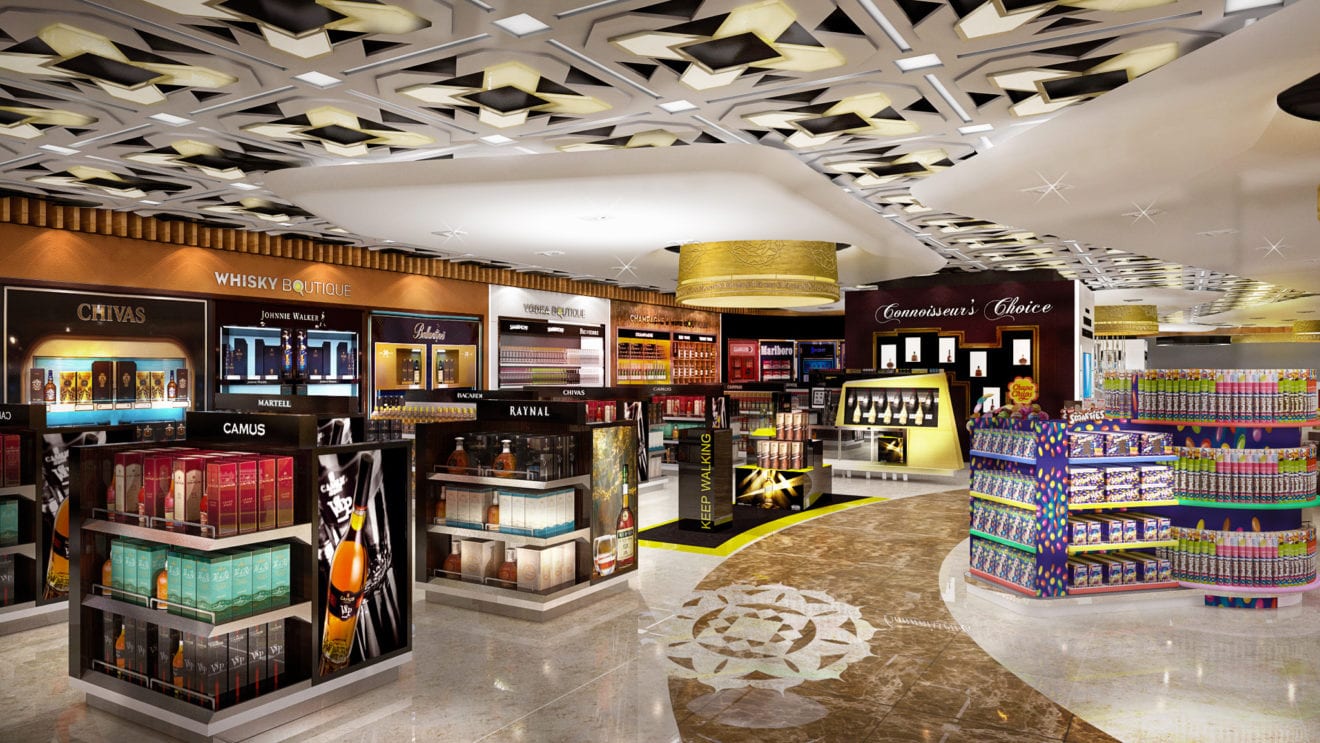
  • Nuance India unveils new duty-free idea

    Nuance India unveils new duty-free idea

    Travellers flying out of Kempegowda Worldwide Airport in Bengaluru, India might be handled to a stroll of nostalgia and wealthy South Indian custom in Nuance’s new Obligation Free Retailer on the departure lounge.

    Nuance India has opened a 900 sqm purchasing expertise which it says – aside from providing the perfect worldwide merchandise and the perfect costs – will showcase Bengaluru’s opulent heritage and tradition.

    “We consider journey is all about new experiences and airports are a touch-point for the travellers to work together with the area,” stated G V Sanjay Reddy, MD of Bengaluru Worldwide Airport.

    “Our try is to make it possible for each business area on the airport supplies a way of place and embodies the native tradition, heritage and aesthetics. The Nuance group has carried out justice to our imaginative and prescient and developed the brand new Obligation Free expertise to fulfil a memorable buying expertise to our passengers.”

    Anirban Dutta Chowdhury, nation head of Nuance India, stated the brand new purchasing expertise “represents the town and showcases an eclectic mix of conventional values coupled with world class design.”

    That design consists of unique Chettinnad pillars from Kalaikudi, kolam-inspired patterns and jhumka-influenced lighting.

    “Our purpose was to make a retailer based mostly on our international Obligation Free Retailer idea, that might be anyplace on the planet, however is proud to be at KIAB and we really feel we now have been capable of ship that to the discerning Bengaluru traveller.

    “The brand new retailer will supply a world boutique-style atmosphere, with a mix of know-how together with an intimate and welcoming environment, which can elevate the buying expertise of the travellers to the subsequent degree.”

    The shop shares perfumes, cosmetics, liquors, confectionaries, electronics and extra and can later introduce trend and equipment.

    “The target is just not solely to offer a singular and unique buying expertise but in addition to supply unmatched offers. Bengaluru Obligation Free has launched a Merely Cheaper Pricing Technique, with assured financial savings in comparison with different regional worldwide airports,” Chowdhury stated.

    Your complete product vary can also be obtainable on-line. Passengers can merely e-book on the firm’swebsite and gather their purchases from the airport retailer.

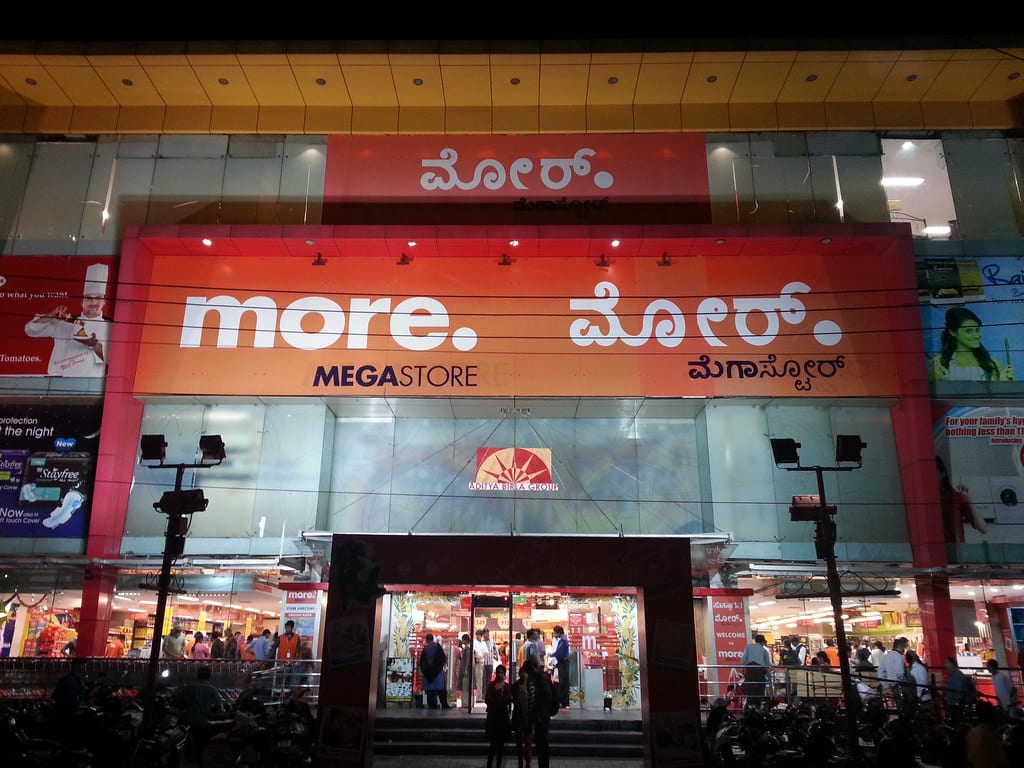
  • Aditya Birla makes extra with Complete

    Aditya Birla makes extra with Complete

    Aditya Birla Retail, which owns almost 500 Extra-branded supermarkets and hypermarkets throughout India, is to purchase the rival superstore enterprise Jubilant Agri and Shopper Merchandise.

    The deal will add 4 Complete Superstore hypermarkets to its community, together with model, warehouse and provide chain amenities.

    “The acquisition of Complete is an effective strategic match for ABRL when it comes to its retailer places and catchment areas,” stated Pranab Barua, enterprise director, attire & retail enterprise, of Aditya Birla Group.

    According to the accepted transaction, ABRL will purchase in an all money deal, the leasehold rights for the hypermarkets in Bangalore together with movable and immovable belongings, a warehouse, an workplace premise, working capital, logos, mental property and different rights.

    The Complete Superstore enterprise has an combination retail footprint of 280,000 sqft.

    The transaction is topic to the approval of shareholders of JACL and Jubilant Industries, together with mandatory regulatory approvals.

    Aditya Birla Retail’s Extra boasts the second largest grocery store community in India with a complete flooring area of two million sqft throughout India.

    The corporate posted gross sales of Rs 25,110,000,000 (US$391 million) final monetary yr.

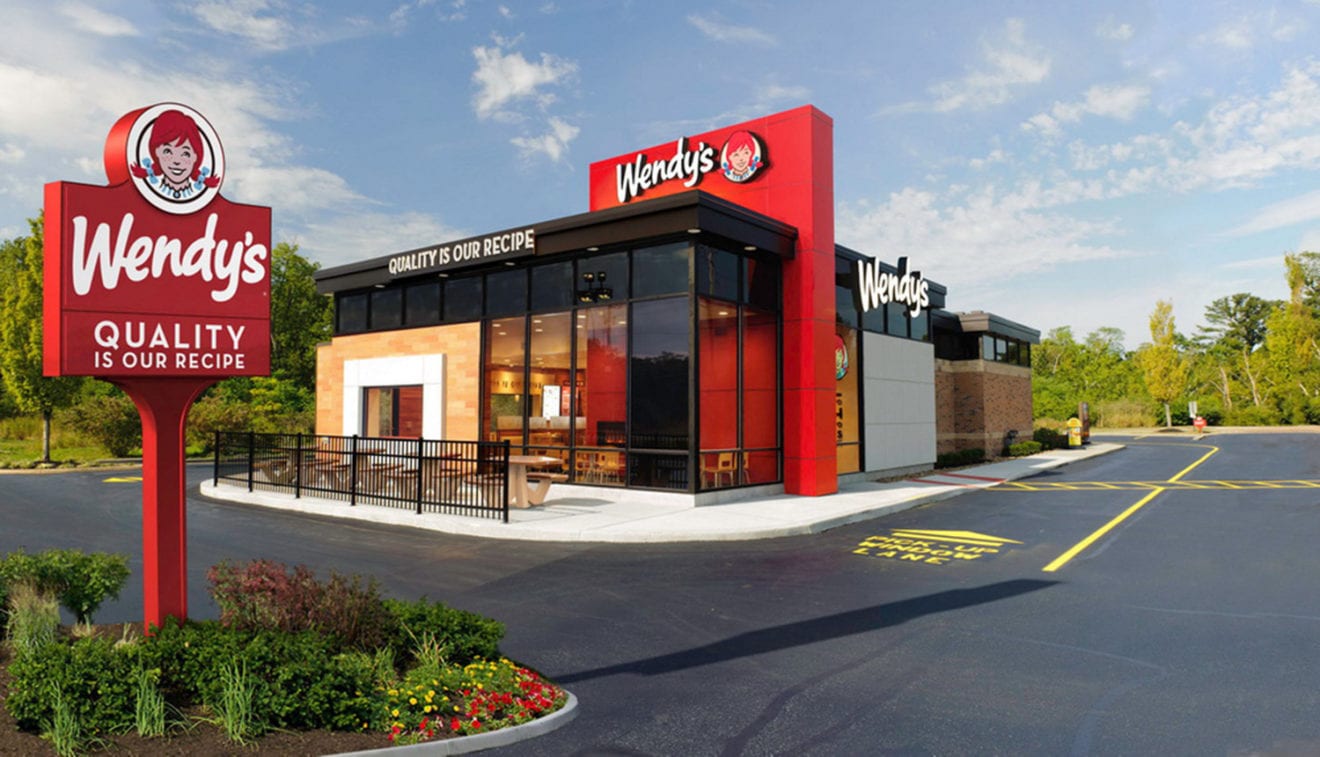
  • Wendy’s India makes debut

    Wendy’s India makes debut

    US burger chain Wendy’s has made its Indian debut this week – with the first of up to 50 stores planned over the next five years.

    Wendy’s India is a joint venture between International Market Management of England and Rollatainers of India who established Sierra Nevada Restaurants to run the business.

    The first outlet has opened in Gurgaon.

    “Sierra Nevada plans to open three more outlets in the Delhi-National Capital Region during summer and up to 20 more in Northern India over the next few years,” the statement said.

    Wendy’s India is seeking to differentiate itself from rivals like McDonald’s and KFC. Its burger pricing will start at Rs 59, while McDonald’s and KFC sell burgers from Rs 25-35 upwards.

    Sierra Nevada says it will offer customers “a casual dining experience at a quick serving restaurant price”.

    “We are starting at Rs 59 (US$0.92) because we believe that’s where quality comes in,” Wendy’s global president Darrell van Ligten told the Economic Times of India. “Competition is playing the Rs 30 game but you can’t do quality at that price.”

    The Wendy’s India menu will not include beef, instead offering 11 vegetarian products and 10 non-vegetarian, using chicken or lamb. The most expensive burger will be Rs 200 ($3.12).

    “India is a growing, dynamic market, which is attracting the attention of leading brands around the world,” Wendy’s president and CEO Emil Brolick said in a statement.

    “We’ve worked on the concept with the Wendy’s team for almost two years” one of Sierra Nevada’s directors Sanjay Chhabra added.

    Wendy’s is the world’s third largest burger chain behind McDonald’s and Burger King, with 6500 restaurants in 29 countries.

    Van Ligten told the Economic Times losing the first mover advantage by entering the Indian market behind McDonald’s and KFC had an advantage.

    “Thanks to them, we don’t have to educate Indian consumers about western QSRs.”

  • Late to the Party, Global Banks Try to Muscle Into India’s Start-Up Boom

    Late to the Party, Global Banks Try to Muscle Into India’s Start-Up Boom

    Global investment banks are scrambling to get a piece of the action from India’s booming technology start-ups, having missed out on the initial flurry of dealmaking to their better-connected but much smaller domestic rivals.

    Banks including Goldman Sachs Group Inc, Citigroup and Morgan Stanley are looking to hire more bankers in India and are now regularly attending “bake-offs” to pitch for advisory roles on deals, according to several banking industry sources.

    Foreign money has been pouring into India’s fast-growing e-commerce sector, with investors ranging from Japan’s Softbank Corp to Singapore’s Temasek Holdings and GIC Private Ltd piling in.

    Many large global investment banks have stayed away from work in the emerging sector though due to the relatively small deal sizes.

    Now they are stepping up efforts to build relationships while the companies are still young — learning lessons from China where many of them are struggling to compete with small boutique banks as Internet deals pick up speed.

    “Several of these companies will be large IPO candidates in the next 12 to 24 months, so the big banks have to start positioning themselves for this,” said Harish HV, a partner in India at advisory firm Grant Thornton.

    The number of venture funding deals for technology start-ups in India in the first quarter of 2015 was the highest in nine quarters and exceeded the number of such deals in China, according to data from CB Insights. The total value of investments in India topped $1 billion for the third straight quarter.

    Local rivals

    To compete with local rivals like Avendus Capital and Kotak Mahindra Capital, foreign banks are now pitching for relatively small deals at start-ups, hopeful they will eventually lead to more lucrative work, banking sources said.

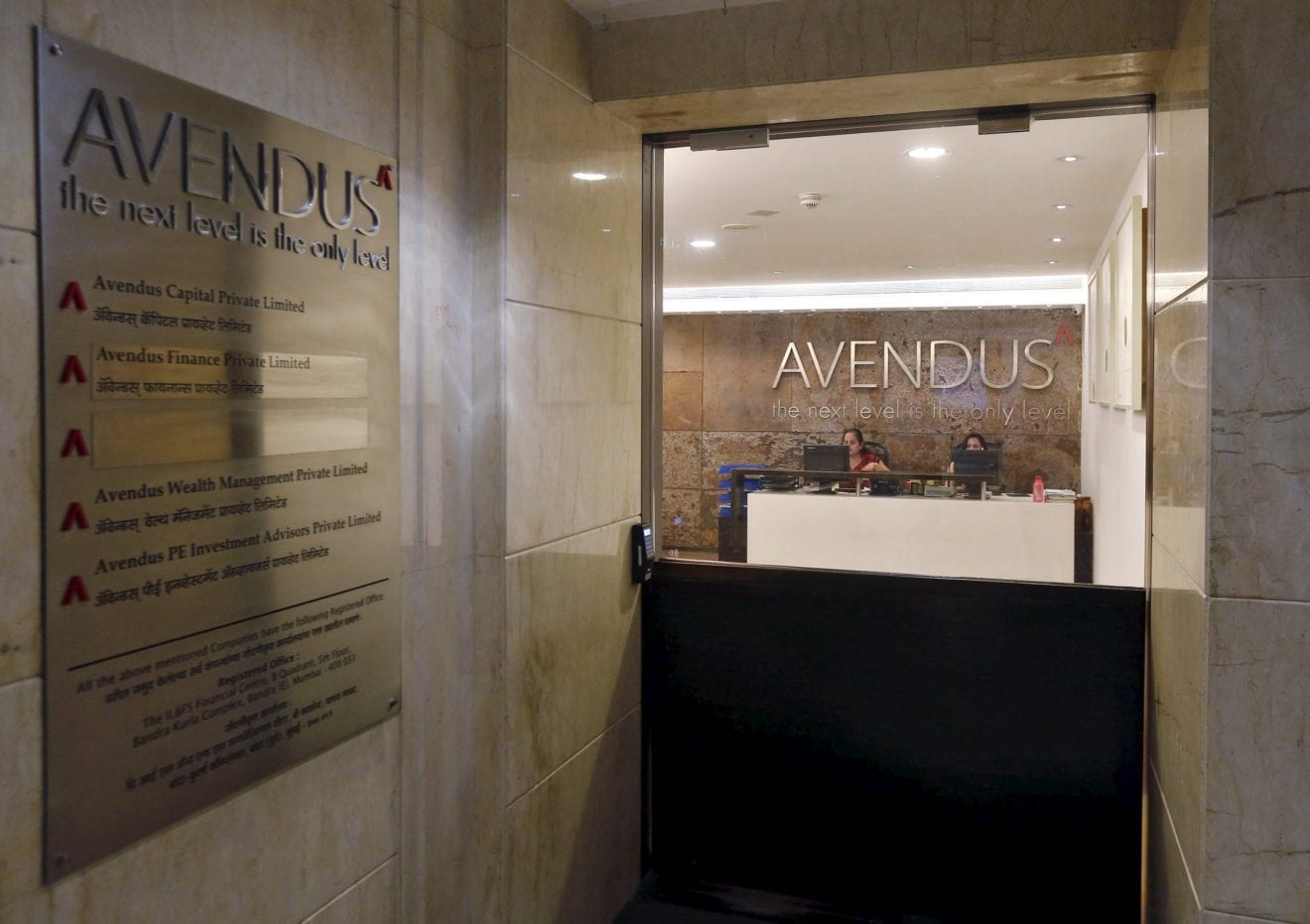
    Avendus, which focussed on the tech sector before the deal momentum picked up, ranks fourth in the advisory league table for announced technology deals in India so far this year. That’s ahead of bigger global rivals including Credit Suisse, Bank of America Merrill Lynch and JPMorgan, according to Thomson Reuters data.

    While Credit Suisse topped the fee income table with $7.7 million in India technology advisory fees in 2014, Avendus ranked second with $3.7 million from seven deals, according to data from Thomson Reuters/Freeman Consulting Co.

    “We first looked at the sector and said ‘okay the sector is going to be sizeable. Who are the leading companies in this?’” said Aashish Bhinde, head of Avendus’s digital and technology practice.

    “Global investment banks were completely missing from the scene.”

    Now foreign investment banks are starting to make inroads. Jefferies’ India arm advised home shopping firm Naaptol.com to raise about $20 million last month from Japan’s Mitsui & Co Ltd and some existing investors.

    Citigroup Inc, which advised Indian online payment services provider One97 Communications in raising funds from Alibaba Group affiliate Ant Financial Services in February, is “very focused” on the internet space in India, said Madhur Deora, its managing director for investment banking in India.

    Morgan Stanley and Goldman Sachs did not respond to requests for comments on their work with Indian technology start-ups.

    Western-style fee

    While India has fewer Internet users than China, online sales could rise to over $100 billion in 2020 from $2.9 billion in 2013, making it the fastest-growing market globally, according to a Morgan Stanley research report.

    This has led to global banks vying to offer services like loan financing to online retailers like Flipkart and Snapdeal, hoping this could help them secure mandates on any future IPOs, sources said.

    “Fees on these IPOs would be much more Western style than the commoditised deals in India,” said an M&A banker with a large foreign bank, also one of the advisers on Chinese e-commerce giant Alibaba Group Holding’s record $25 billion IPO last year.

    For large IPOs, Indian tech companies would need the marketing muscles of big foreign banks. But the local banks have likely cemented strong enough relationships that their foreign rivals can not push them out entirely.

    “I would be surprised if any investment bank out there is not rapidly building up their digital and tech practice given the pace and momentum with which the transactions are happening, which is good for the industry,” said Bhinde of Avendus.

  • Birlas to merge Madura Clothes into Pantaloons Trend

    Birlas to merge Madura Clothes into Pantaloons Trend

    The Kumar Mangalam Birla-controlled group on Sunday introduced a plan to merge its Aditya Birla Nuvo Ltd (ABNL)-operated trend retailing enterprise with Pantaloons Trend & Retail. This can create India’s largest branded attire participant, valued at Rs 12,000 crore.

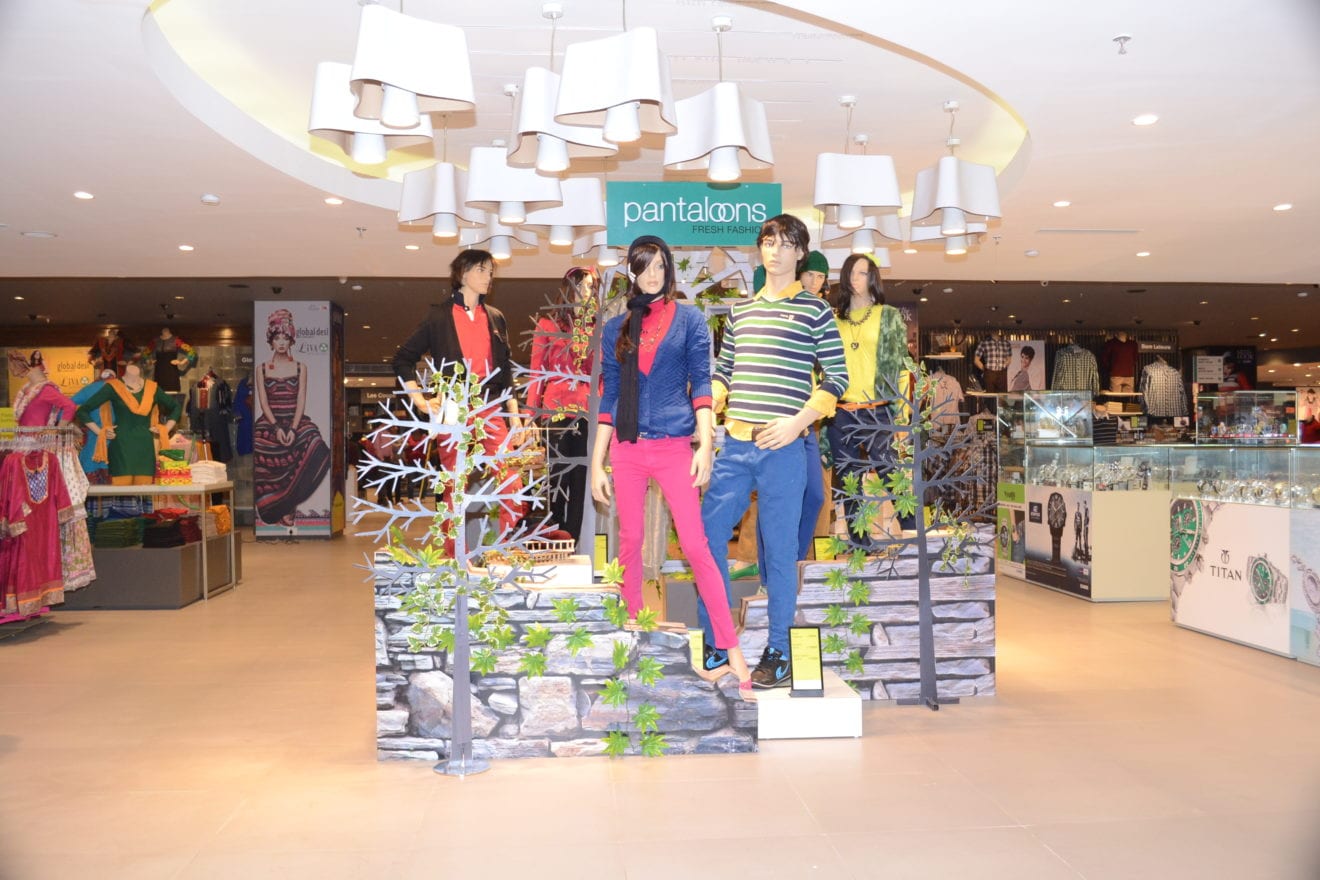
    In accordance with the plan, Madura Trend (the branded attire retail division) and Madura Way of life (the posh branded attire retailing arm of ABNL) will probably be demerged into Pantaloons Fashions, a listed subsidiary of the group.

    After the restructuring, Pantaloons Style might be renamed Aditya Birla Trend & Retail Restricted, and have 1,900 shops throughout India. The mixed entity may have a debt of Rs 1,775 crore, after loans of about Rs 475 crore can be handed from Madura to Pantaloons.

    Underneath the merger plan, ABNL shareholders will get 26 new fairness shares of Pantaloons for each 5 ABNL fairness shares held, following the demerger of Madura Style. Equally, shareholders of Madura Clothes will get seven new fairness shares of Pantaloons for each 500 Madura Garment fairness shares held, pursuant to the demerger of Madura Way of life. The choice shareholder of Madura Clothes Way of life will get one new fairness share of Pantaloons. After the deal, Pantaloons’ fairness base will improve from 92.eight million to 772.eight million shares.

    “The thought is to unlock worth for our shareholders in each ABNL and Pantaloons Style,” stated Aditya Birla Group Chairman Kumar Mangalam Birla. He additionally stated style retailing was doing much better than the nation’s financial system, with the mixed entity’s income rising by 40 per cent and Ebitda by 43 per cent, prior to now two years.

    Normal Chartered Financial institution was the advisor for the transaction, and Worth Waterhouse & Co LLP and Bansi S Mehta & Co have been the valuers.

    With this restructuring, an ABNL shareholder holding 100 shares will get 520 Pantaloons shares, along with the 100 ABNL ones. The promoters will personal near a 60 per cent stake in Pantaloons after the restructuring, in contrast with the current 72 per cent. The group determined to maintain its ‘Extra’ branded grocery shops out of the merger scheme, and stated it might not supply any stake within the new firm to non-public fairness gamers.

    “This consolidation will create India’s largest pure-play trend & way of life firm, with a robust bouquet of main style manufacturers and retail codecs. This transfer brings India’s number-one branded menswear and womenswear gamers collectively,” the chairman stated. He added the corporate’s inner accruals have been sufficient to fund its progress plans and the transaction can be accomplished in six to 9 months.

    “Buyers of ABNL had been asking for a demerger for a very long time. This entity will create the most important pure-play trend firm within the nation and take away the holding firm low cost of ABNL,” Kumar Mangalam Birla stated. The Pantaloons model will proceed on the degree of shops, whilst the corporate’s identify will change. The debt-to-equity ratio of Pantaloons will enhance after the scheme.

    “This may also convey all branded attire companies beneath one roof, speed up the expansion of those companies, and assist exploit rising alternatives introduced by the quickly rising Indian attire market,” stated Pranab Barua, the group’s enterprise director (attire & retail enterprise).

    The consolidation would additionally allow tapping of operational synergies on numerous fronts, reminiscent of sourcing, actual property and know-how platforms, the group stated in a press release.

    Commonplace Chartered Financial institution was the advisor for the transaction whereas Worth Waterhouse & Co. LLP and Bansi S. Mehta & Co have been the valuers.