Tag: india

  • India’s Worst-to-First Phone Stocks Show $18 Billion Well Spent

    India’s Worst-to-First Phone Stocks Show $18 Billion Well Spent

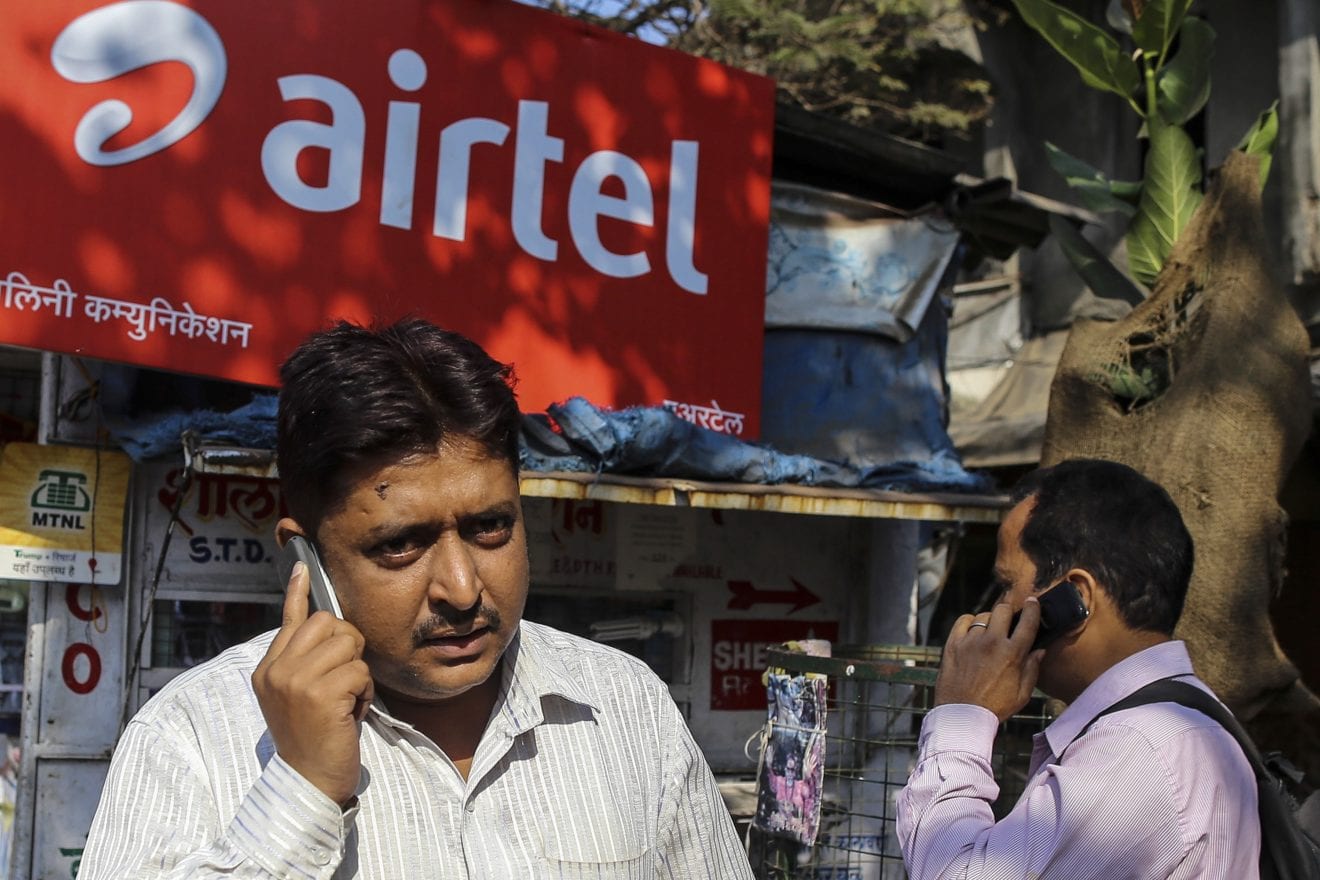
    India’s mobile-phone companies are paying a record 1.1 trillion rupees ($18 billion) to keep their networks running. It’s money well spent, if the stock market is any guide.

    The MSCI India Telecom Services Index has rallied 14 percent from this year’s low on March 9, the only gain among 10 industries, after losing 67 percent in the preceding decade. Local funds have increased holdings to the highest in 11 months, while BNP Paribas Asset Management’s top-performing Indian stock fund is bullish on the industry.

    Bharti Airtel and Idea Cellular are rallying on optimism the expense of securing spectrum for 20 years will pay off as the world’s second-largest wireless market grows. Net incomes at the two companies have climbed at least seven times faster than the broader market over the past six quarters as smartphones costing less than $200 spur a jump in mobile-data use.

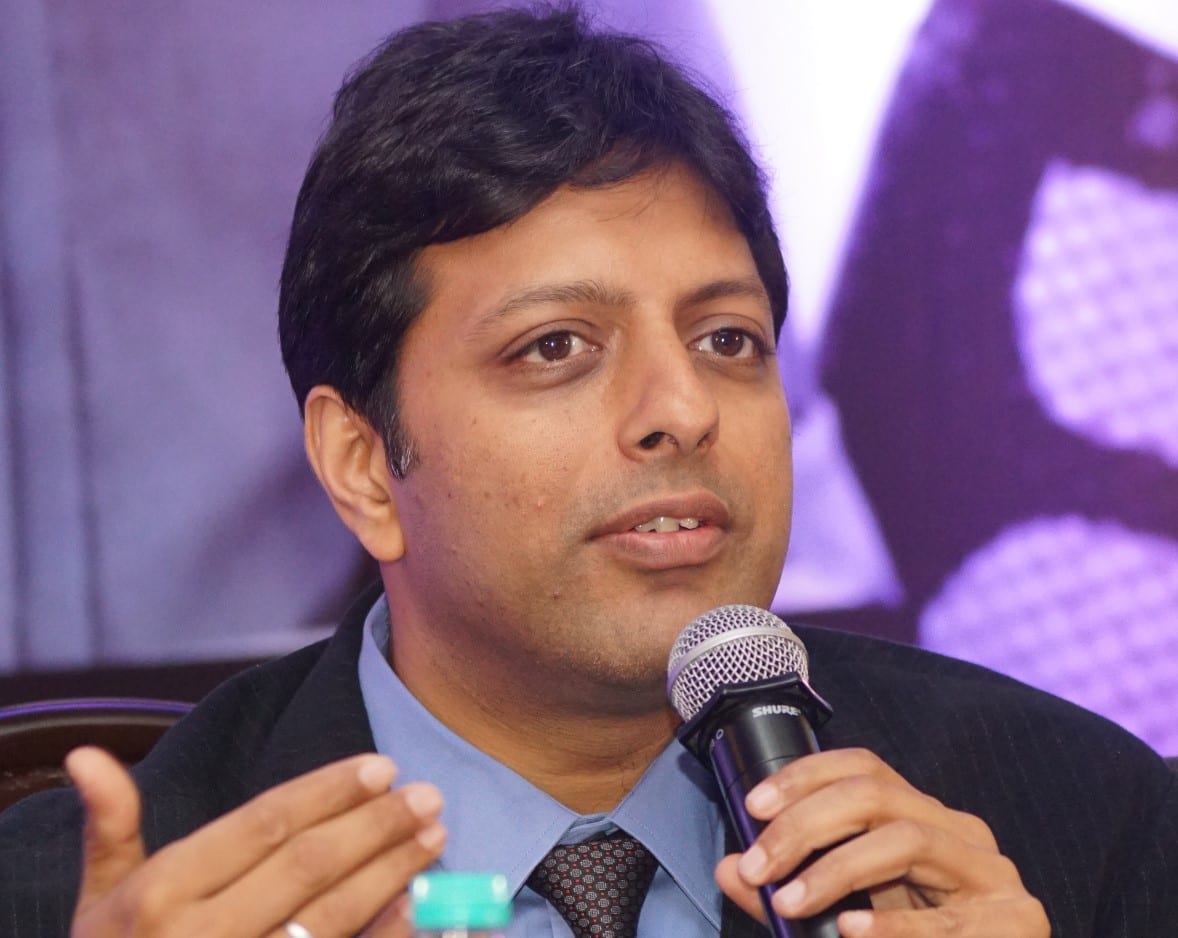
    “In this desert of no earnings growth, telecom companies are the only ones whose profits are growing,” Anand Shah, the chief investment officer at BNP Paribas Asset Management India, which has $2.1 billion under management and advisory, said in an interview in Mumbai on April 29. “We’ve just scratched the surface as far as data is concerned.”

    Sensex retreat

    Money managers have been piling into telecom companies amid a weakening outlook for other industries. The S&P BSE Sensex, one of Asia’s best performing stock indexes in 2014, tumbled to a six-month low on Thursday amid growing concern about Prime Minister Narendra Modi’s ability to push through economic reforms.

    Spending on the wireless spectrum was 68 percent higher than the base price set by the government, according to auction results released March 26. Bharti, Idea and the UK’s Vodafone Group Plc retained airwaves that were up for renewal while also gaining spectrum that enables them to boost fourth-generation offerings.

    “Your costs are fixed for the next 20 years even as the market continues to grow,’” Ajay Srivastava, a managing director at Dimensions Consulting, said by phone from Gurgaon, near New Delhi. “The industry is an oligopoly and the players have realized the Indian market is big enough to be shared among the three or four players.”

    Reliance Jio

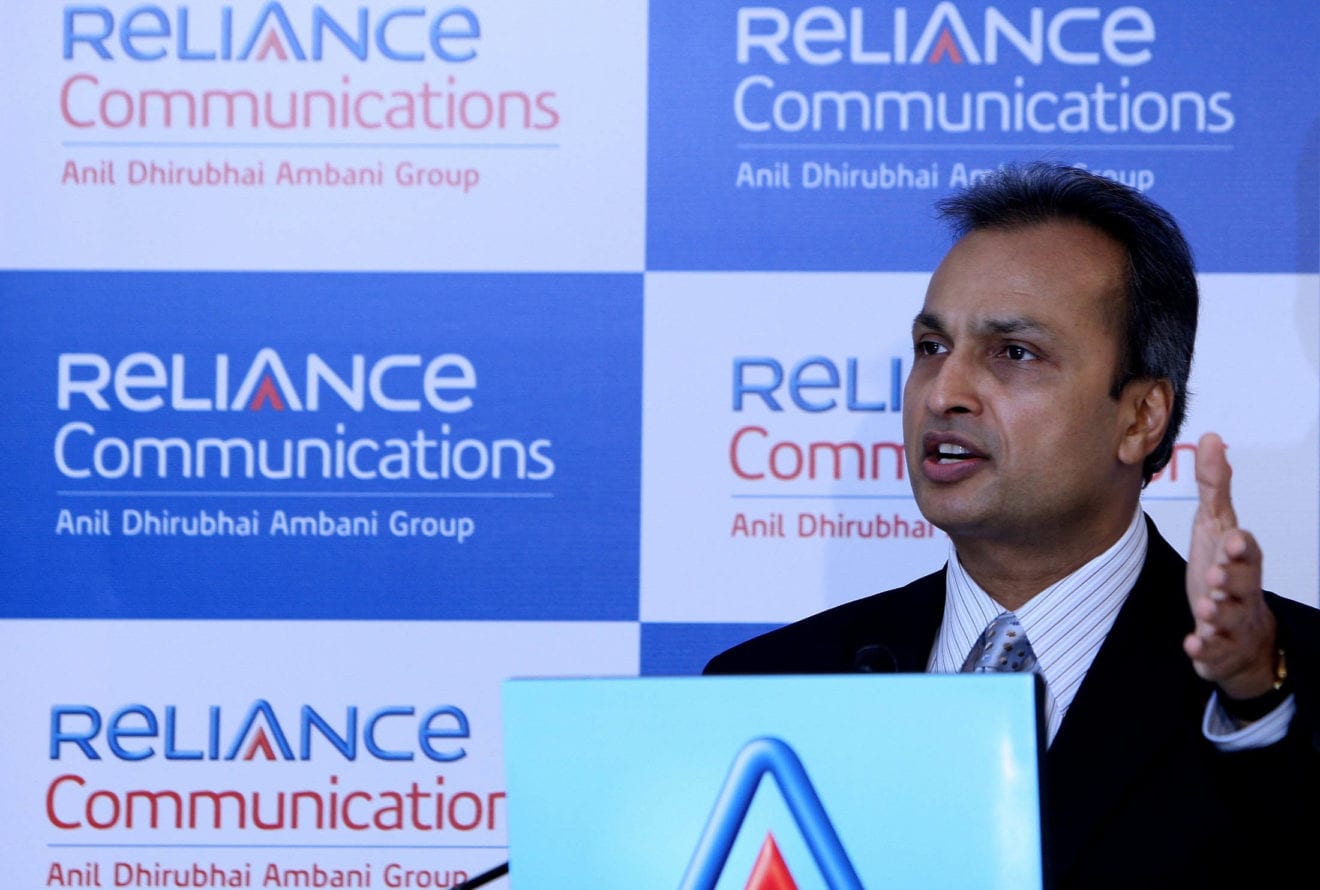
    Competition from billionaire Mukesh Ambani’s upstart operator Reliance Jio Infocomm may complicate the ability of carriers to raise rates in a market where calls cost less than one cent a minute, according to Birla Sun Life Asset Management.

    Reliance Jio, set to start service later this year, has been buying airwaves since 2010.

    “We’re not positive on the sector,” Mahesh Patil, the co-chief investment officer at Birla Sun Life, which has $17.5 billion in assets, said in an interview in Mumbai.

    Smartphone apps that allow free messaging and voice calls also threaten to eat into carriers’ revenue from traditional calls and texts, according to Kotak Institutional Equities.

    “We have no clue of the distraction that could come in the form of technology,” Sanjeev Prasad, the Singapore-based co-head and senior executive director at Kotak, said in an interview with Bloomberg TV on April 15.

    The BNP Paribas Equity Fund, which held 16 percent of its assets in Bharti and Idea on March 31, has beaten 87 percent of its peers since Jan. 1, with a 3.2 percent gain, data compiled by Bloomberg show. The fund has returned 44 percent in the past 12 months. Local funds held 1.8 percent of their assets in phone companies at the end of March, the most since April 2014, data from the market regulator show.

    Greater Internet access and rising smartphone ownership make the carriers a proxy for India’s consumer market, Dimensions’ Srivastava said. Data revenue for Bharti and Idea will grow at least 40 percent annually through March 2017, Mumbai-based brokerage ICICIdirect said in a April 30 report.

    “The telecom industry has a terrific matrix emerging,” Srivastava said. “Buy, close your eyes and just keep it.”

  • Croma to open around a dozen stores in India this year

    Croma to open around a dozen stores in India this year

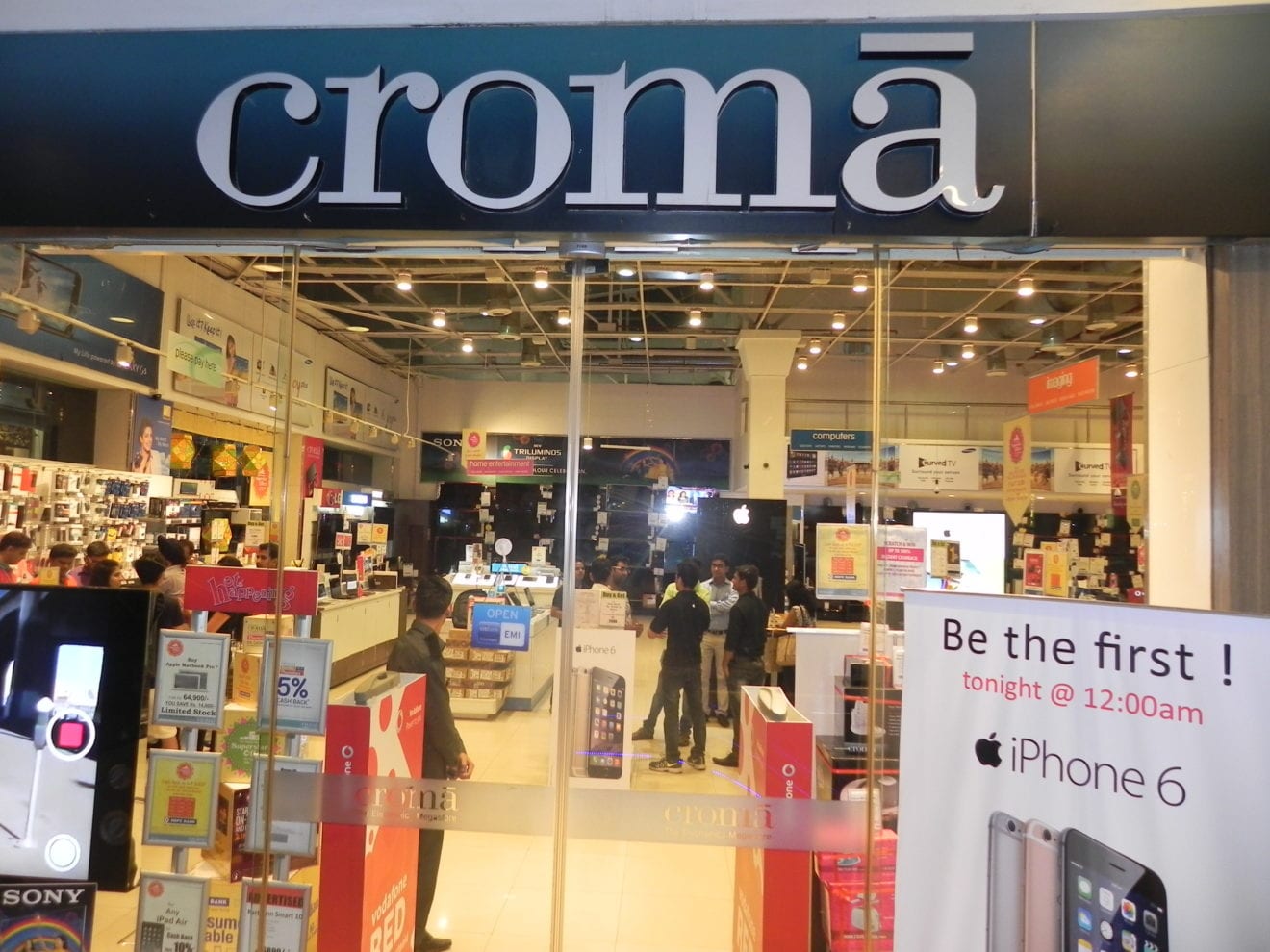
    Croma, consumer durables and electronics chain of the Tata Group, is looking to open a dozen more stores this financial year.

    In April, the first month of 2015-16, it launched three stores. Two more are being readied for launch in a month or so. “We have budgeted for around 10 new stores in FY16 but might exceed that, depending on the quality of location and store layout, if we get the right rental. We continue to focus sharply on calibrated growth in our chosen markets,” said a spokesperson.

    Croma’s first chief executive and managing director, Ajit Joshi, quit the chain recently after eight years at the helm. Its chief financial officer, Avijit Mitra, is interim CE. Croma runs about 100 stores. It is also looking to launch new products in home appliances, the spokesperson said.

    About six per cent of overall revenue comes from its private labels; in home appliances, the share of revenue is 25 per cent.

    Croma’s rival, Reliance Digital, which entered the fray later than the former, has become the biggest durables chain in the country, with about 1,100 stores. Its Digital Mini Express has also become largest mobile phone retailer.

    “Croma continues to lead the consumer durables & information technology (CDIT) organised retail market in store throughput. In the immediate future, Croma will penetrate deeper into the top CDIT markets of India,” the chain had said earlier.

    The chain is yet to break even. Asked to comment, the spokesperson said: “Financial information is internal to the company. We are progressing toward our financial goals as per plan.” Croma entered e-commerce in 2012 and tied up with Snapdeal last year to sell its products.

    “We are already a step ahead in terms of omni-channel retailing and are in the process of rolling out some exciting customer-facing services this financial year, which will be announced once the pilots stabilise,” the spokesperson said.

  • V-Mart to invest Rs 200 cr, add 200 stores in 5 years

    V-Mart to invest Rs 200 cr, add 200 stores in 5 years

    Retail chain V-Mart will invest around Rs 200 crore to add nearly 200 new stores in different part of the country in the next five years.

    The company is also targeting over four-fold jump in revenue to touch Rs 2,500 crore by 2020 with smaller towns expected to be its key growth drivers.

    “We will have around 300 stores in the next five years with a revenue of around Rs 2,500 crore by then,” V-Mart Retail Chairman and MD Lalit Agarwal told PTI.

    The company had a revenue base of Rs 574.96 crore in FY 2013-14. It is, at present, operating 109 stores in 91 cities.

    Agarwal said: “We have clear vision that smaller towns will be our growth drivers as they have very high potential and aspiration level is growing up.”

    Of the total stores that the company has, 56 are in tier III clusters, 35 are in tier II towns and 18 in tier I cities.

    “Presently, the tier III clusters contribute between 55 to 60% of our revenue and we strongly believe that it would go up to 75% in next three years,” Agarwal said.

    V-Mart is present at district level markets including Purnia, Saharsa, Madhubani, Motihari, Basti, Gonda, Lakhimpur, Bahraich and is in process to expand its base in the Eastern regions of Bengal and Orissa.

    “We are finalising the properties there. Presently we are concentrating on Orissa and Bengal,” he said.

    He said in order to drive up sales further, the company would enhance its in-house labels, while also increasing offering existing brands. Currently, it has 21 in-house labels, which contributes around 25% of the sales.

    “We would increase the ratio to 50% from the existing 25% in the next three years. We would add more labels and expand the depth of the existing ones,” he added.

  • Future Group merger creates Indian giant

    Future Group merger creates Indian giant

    Future Group, one of India’s highest profile retailers, has agreed to merge its operations with Bharti Retail to create a retail powerhouse with more than 570 stores.

    Bharti Retail currently runs more than 200 Easyday branded stores of multiple formats across 114 Indian cities, traversing Punjab, Haryana, National Capital Region, Western Uttar Pradesh, Uttarakhand and Bangalore.

    Future Group has more than 17 million sqft of retail space in a variety of formats and categories in 166 Indian cities.

    Post merger, the combined group will comprise two organisations, both listed. One, named Future Retail will run the combined store network. The other, Future Enterprises, will manage the assets, and infrastructure of the two companies.

    Post-merger, Future Retail will run stores in 243 cities with 18.5 million sqft of floor space. The network will include 203 Big Bazaar and Easyday hypermarkets, 197 Food Bazaars and Easyday supermarkets and 171 other retail shops including eZone, Foodhall, Home Town and FBB.

    Kishore Biyani, founder and CEO of Future Group said the Bharti operations and network “complement perfectly” with Future Retail’s.

    “It will bring us closer to millions of consumers and provide new opportunities for our supply partners. The operational efficiencies that can be derived from the merger will create significant value for our shareholders,” he said.

  • Children’s Place boosts Rana Plaza fund

    US retailer Children’s Place, has contributed another $2 million to the Rana Plaza Donors Trust Fund, narrowing the shortfall to $2.7 million.

    The fund was set up to provide assistance to victims of the 2013 disaster when 1129 workers were crushed to death when a multistorey building full of sweatshops collapsed.

    The Children’s Place contribution followed another of $1.1 million by Italy’s Benetton earlier this month and $100,000 from H&M, which never actually sourced any clothes from the complex.

    Last Thursday, Children’s Place working with the ILO convened a conference call of major brands and retailers in an attempt to fill the funding gap by the second anniversary of the Rana Plaza disaster.  This call raised over $1 million in donations to the fund. In addition to those donations, Children’s Place contributed another $2 million to the fund, taking its total contribution to the compensation fund to $2.5 million.

    “We have been calling on brands to work together to collectively resolve the funding crisis for months, and we welcome the initiative of The Children’s Place in doing so now,” said Sam Maher of the Clean Clothes Campaign.

    This last minute initiative coincided with a Global Day of Action, for which activists participated in actions around the world, calling on all brands sourcing from Bangladesh to fill the current funding gap in compensation immediately, and to sign the Bangladesh Accord on Fire and Building Safety. There were major events and demonstrations in at least 20 countries.  Global actions included a mass demonstration held by trade unions and garment workers federations in Dhaka, a public art installation forming a concert of sewing machines in Genova, Italy, demonstrations outside stores including Mango, JC Penney, Zara, and Walmart in the US, and a flashmob outside stores in Berlin.

    “There remains hope that brands and retailers will continue to step up and make additional contributions in order to fully fill the fund at $30 million, the amount required to provide the survivors and victims’ families with full and fair compensation,” said Maher.

    “Over the past several months, there have been rumours of a forthcoming donation of around $4 million from the Bangladesh Alliance, which includes Walmart and a number of other US and Canadian brands with production in Bangladesh.

    “The donations of The Children’s Place and others in the run up to the anniversary has brought us close to the target, but frustratingly, not close enough to finally complete this program.”

    “For months Walmart has been delaying any further donation, claiming that instead the Alliance would be making a significant payment. With only $2.7 million left, the Alliance is presented with a unique opportunity to finally close the gap and we are calling on them to make good on this promise by May Day.”

    The urgency and need for full compensation grows with each passing day.  Many survivors have had to use their entirety of their compensation payments to date on medical fees and are living in abject poverty, awaiting the final installments. To date, claimants have only received 70 per cent of their calculated settlements.


  • Trent and Sonae take Sport Zone to India

    Trent and Sonae take Sport Zone to India

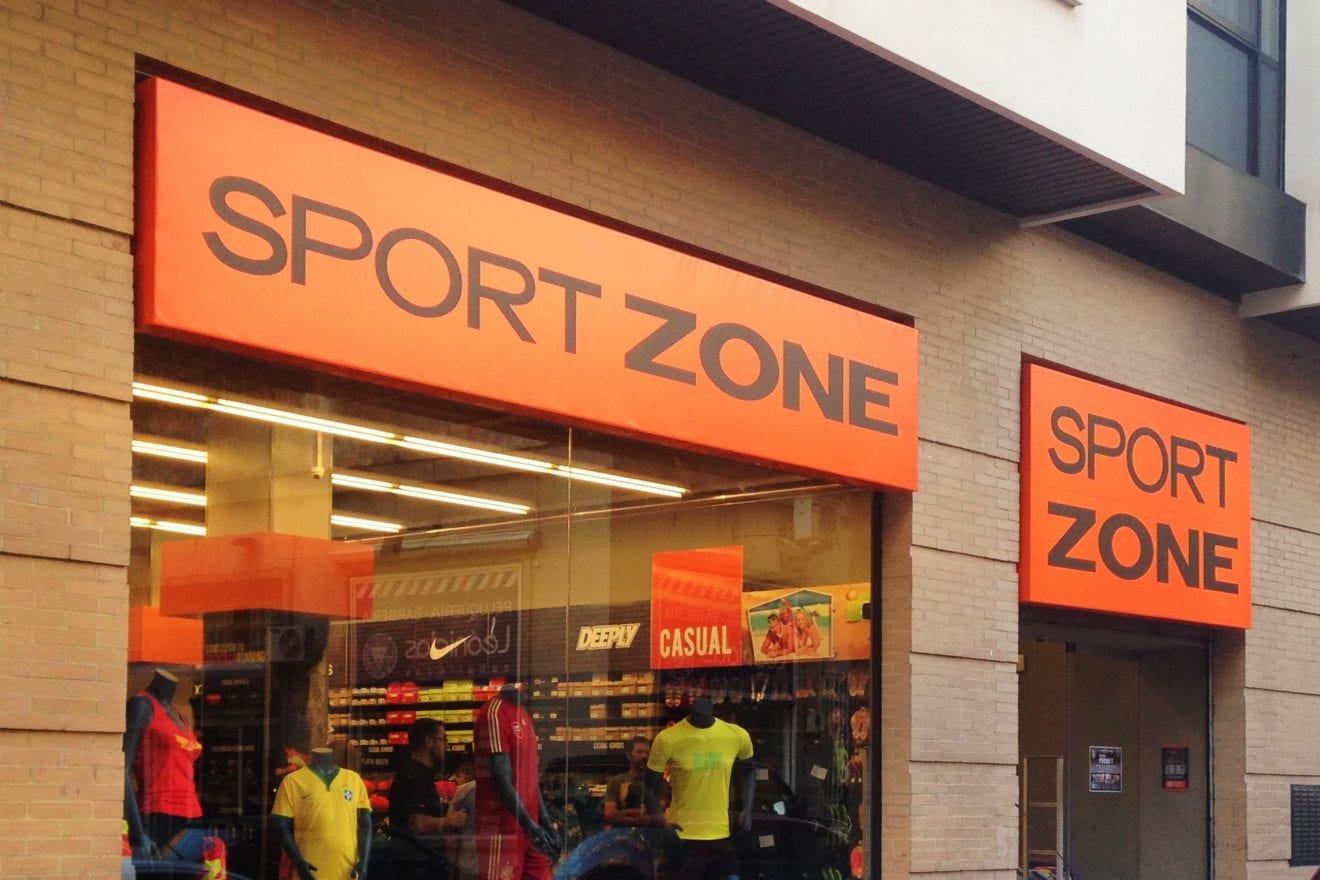
    Sport Zone, Portugal’s leading sports retail chain, will launch in India through stores managed by Trent.

    Part of the Tata group, Trent is one of India’s largest and fastest growing retail chains.

    Sport Zone, headquartered in Iberia and owned by Sonae, is the largest chain of sports shops in Portugal. The innovative products and equipment developed and marketed by Sport Zone will be available to Indian customers in franchised stores and shop-in-shops in department stores managed by Trent.

    The first such store is the newly launched Commercial St store of Landmark.

    The partnership plans to open the first five Sport Zone stores in India by end of 2016.

    Miguel Mota Freitas, CEO of Sonae SR, said Sonae wants to capitalise on the distinctive factors of its brands worldwide, exploiting their competitive advantages, based on the design and quality of their products.

    “The group’s entry into the Indian market is another important step in this strategy, as it enables us to strengthen our presence in Asia and allows us to have Trent as a benchmark partner in the second most populous country in the world.”

    Established in 1997, Sport Zone offers a wide range of sports goods and equipment of leading international brands as well as exclusive brands and has over 100 stores across the world. Sport Zone also markets its brands and innovations worldwide since its exclusive brands are available through wholesale channels in 22 countries.

    Sonae is one of the largest retail groups in Portugal with two major partnerships in Shopping Centers (Sonae Sierra) and Telecommunications (Sonaecom) businesses. At the end of 2014, Sonae achieved turnover of around 5 billion euros.

  • McDonald’s India expands McCafe

    McDonald’s India expands McCafe

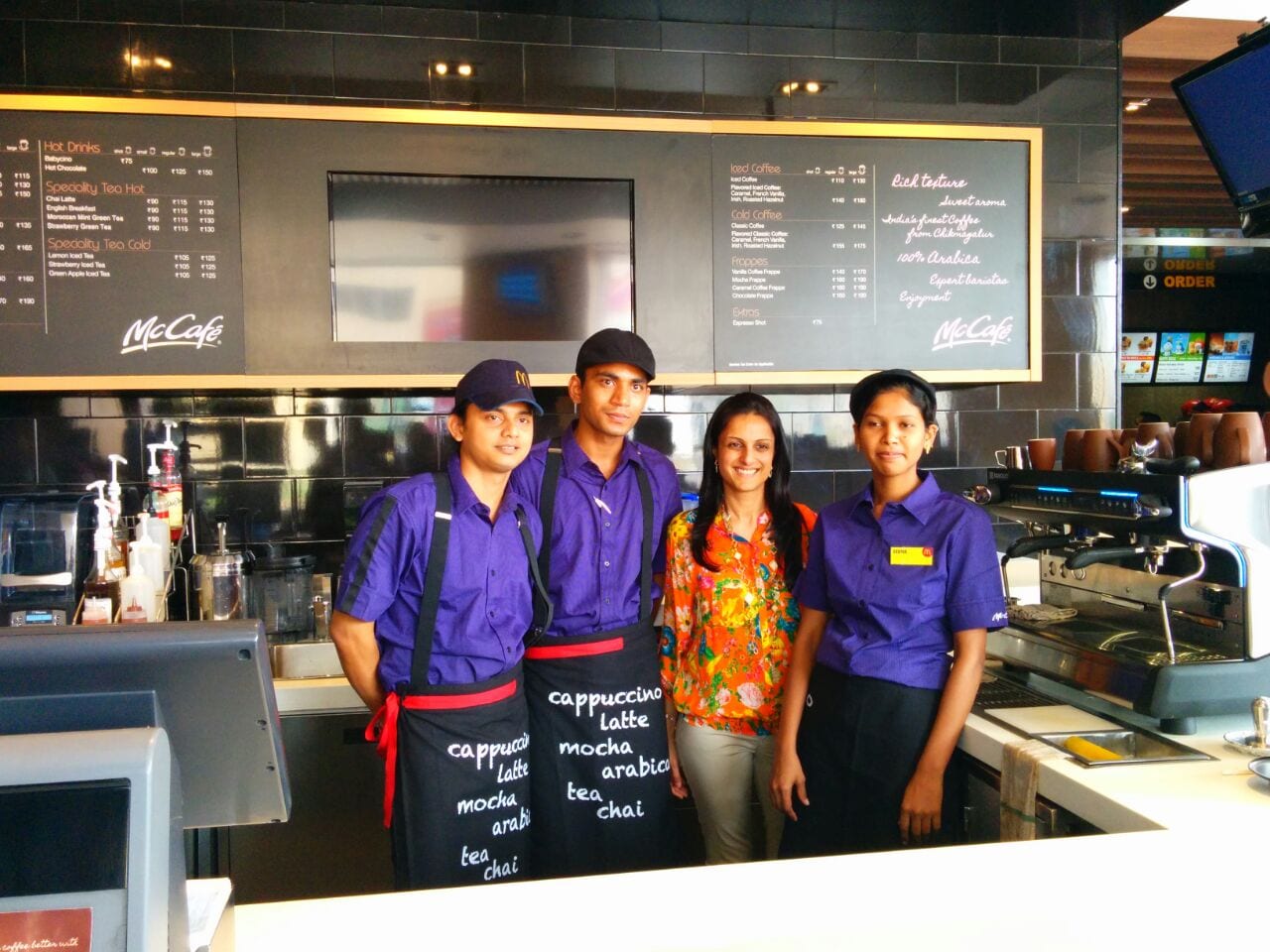
    McDonald’s India has opened three McCafés in Bengaluru.

    Westlife Development, owner of the Master Franchisee of McDonald’s in India, Hardcastle Restaurants, said the McCafes were the first in South India.

    Smita Jatia, MD of Hardcastle Restaurants, said Bengaluru has great significance as a coffee hub and there is tremendous potential for growth there.

    “With the launch of McCafe, we will strengthen our beverage strategy and build our restaurants as a one stop destination for all customers to enjoy across all ‘day parts’.

    Smita Jatia, Managing director, Hardcastle restaurants Pvt Ltd at the Launch of McCafe in Bengaluru

    *Smita Jatia, Managing director, Hardcastle restaurants Pvt Ltd at the Launch of McCafe in Bengaluru

    The store-in-store format enables a quick roll-out of a McCafé with an investment of Rs 30-35 lakhs per outlet across key trading areas in metro cities of West & South India to make it easily accessible to our consumers.”

    Jatia said within the last 18 months McDonald’s India has expanded the McCafé network across 41 restaurants in six cities – Mumbai, Ahmedabad, Nashik, Aurangabad, Pune and now Bengaluru.

    “Today, we are well on track as per the stated goal to launch 75-150 McCafé over the next three to five years, a clear testament to the fact that our coffees, frappes and muffins have been very well accepted by customers.”

    The expansion of the McCafé brand and its product offering is part of the company’s goal to elevate its coffee portfolio and to become India’s favourite destination for good food and quality beverages.

    McCafe counter at McDonald's outlet at JP Nagar,Bangalore (2)

    “We believe that we will be able to delight customers in Bengaluru too with our freshly brewed aromatic coffees,” said Jatia.

    McCafé uses 100 per cent Arabica coffee beans brewed by professionally trained baristas and sourced from sustainable farms in Chikmangalur, India.

    McDonald’s India first opened a McCafe in October 2013. Hardcastle Restaurants, which operates McDonald’s in west and south India, recognised an unmet need, for existing and new customers, in the rapidly growing Indian specialty coffee segment.

    McCafé was created and launched in Melbourne, Australia in 1993, and has since spread worldwide, with the first in the US opening in Chicago, Illinois, in May 2001. Today, McCafés can be found in Costa Rica, Japan, Paraguay, South Africa, Spain, Ukraine, Canada, Malaysia, Macau, Hong Kong, Thailand and the UK, amongst other countries.

  • Metro Cash & Carry to open 4th wholesale store in India’s Bengaluru

    Metro Cash & Carry to open 4th wholesale store in India’s Bengaluru

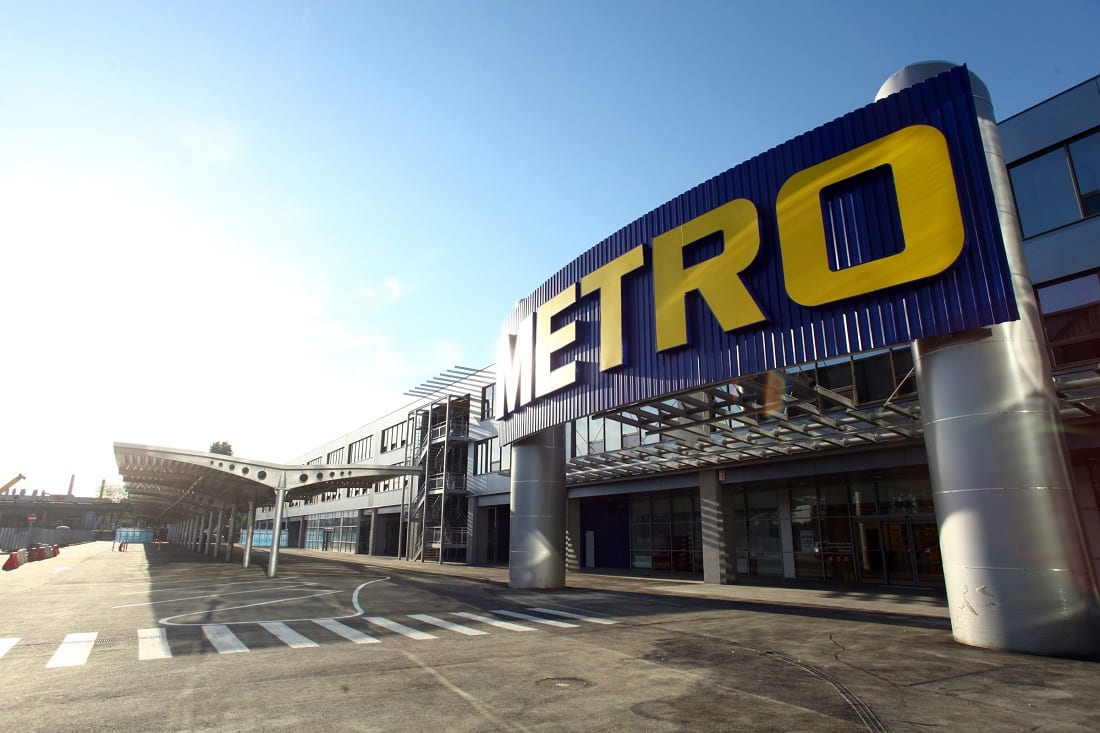
    Germany’s Metro Cash & Carry on Wednesday announced to open its fourth wholesale outlet in Bengaluru, taking its total count to 18 in India.

    The new store, which would come at Binnypet area of the city would start its operation by early July, Metro said in a statement.

    The company had announced last month its third store in Hyderabad which would now open at the same time as Binnypet outlet.

  • Reliance Industries retail chain now largest in India

    Reliance Industries retail chain now largest in India

    Reliance Retail is not just the largest retailer in India in terms of revenues, but is also the biggest in most of the categories it operates in. With 1,000 stores, Reliance Digital has become the largest consumer durables and electronics retail chain in the country. Tata-owned Croma runs 97 stores while Videocon’s durables chain, Next, owns about 800 stores. Reliance Industries gave out its retail figures in the financial results for the quarter ended March 2015 on Friday.

    Reliance Digital Xpress Mini at more than 800 stores is now the largest mobile phone retail chain in the country. Essar-owned The Mobile Store runs over 800 stores in the country.

    Reliance Retail has a clear lead when it comes to cash and carry stores. Started four years ago, Reliance operates 43 such outlets called Reliance Market stores. Set up seven years ago, US-based Walmart runs 20 stores and Germany’s Metro, which had started more than 10 years ago, operates 17 outlets.

  • Arvind Brands to open 25 Calvin Klein innerwear stores in India in 3yrs

    Arvind Brands to open 25 Calvin Klein innerwear stores in India in 3yrs

    Arvind Brands will open 25 Calvin Klein standalone innerwear outlets in three years as it sees the category growing by 25-30 percent annually.

    Arvind Brands, which bagged rights to market Calvin Klein products in India in March last year, will also launch Calvin Klein’s formal and casual wear by mid-2016.

    “We plan to open 20-25 standalone Calvin Klein underwear outlets in three years. Underwear category in India is pegged at USD1.2 billion and we expect the segment to grow by 25-30 percent for the next few years,” Arvind Lifestyle Brands Managing Director J Suresh told PTI.

  • Kalyan Jewellers to set up 22 stores in India during current fiscal

    Kalyan Jewellers to set up 22 stores in India during current fiscal

    US-based PE fund Warburg Pincus-backed Kalyan Jewellers to invest around INR800 crore (INR8 billion, USD128.3 million) during the current fiscal. The Kerala-based jewellery brand said that it will open 22 showrooms during the current fiscal.

    T S Kalyanaraman, chairman and managing director, Kalyan Jewellers, who was in Chennai to announce Kalyan Jewellers new showroom, which he claims is the world’s largest jewellery showroom, said that with the new showroom in Chennai number of Kalyan Jewellers showroom will be increased to 78 and by end of this fiscal this it will be increased to 100.

    The new showroom, which will spread over in 40,000 sq ft in Chennai, was set up at a cost of around INR200 crore. “This will be the largest investment by us in a single store,” said Ramesh Kalyanaraman, executive director, Kalyan Jewellers.

  • Indian stores to sell Xiaomi phones

    Indian stores to sell Xiaomi phones

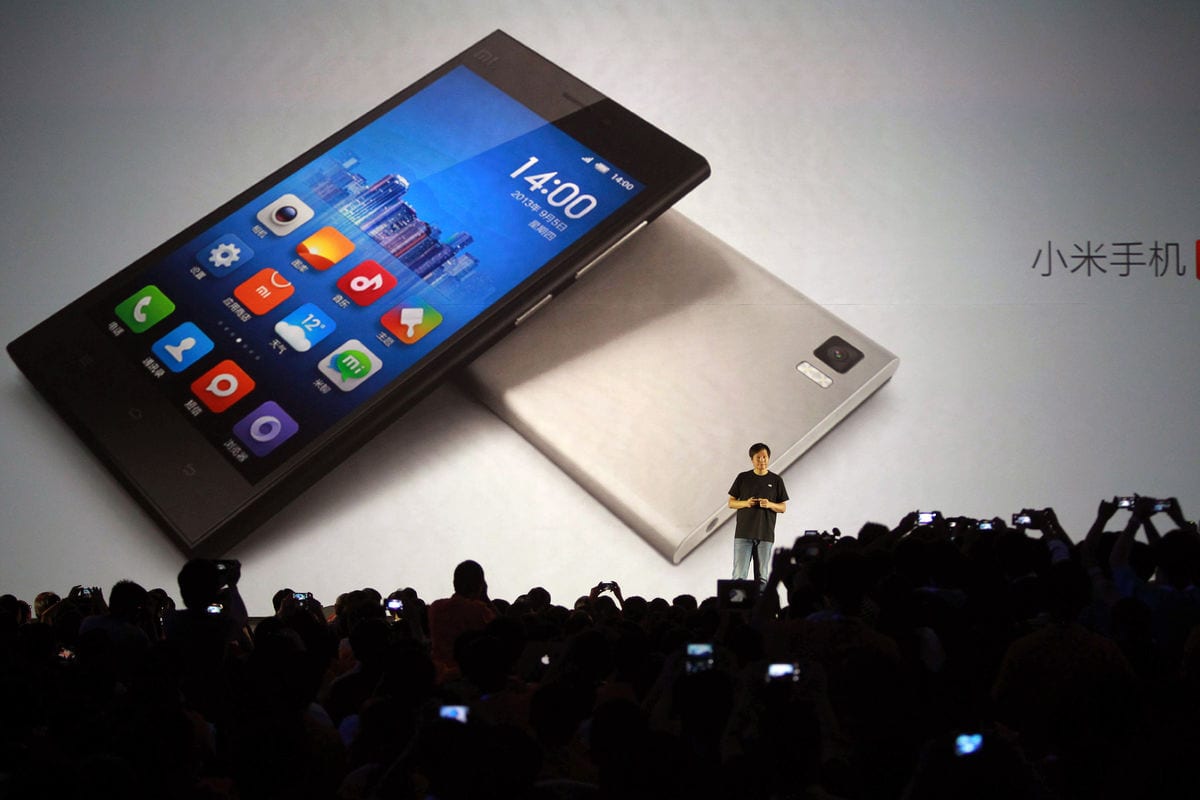
    Chinese smartphone maker Xiaomi Inc has decided to sell devices through a leading electronics retail chain in India, part of its effort to move away from online-only sales and boost growth in the world’s third-largest smartphone market.

    Xiaomi launched its India operations with online marketplace Flipkart.com in July, selling its phones through flash sales where availability is limited to short timeframes.

    The company this year decided to sell its Redmi Note 4G handsets through shops of carrier Bharti Airtel Ltd, but that would still need an online registration.

  • Fashion startup LimeRoad wins funding

    Fashion startup LimeRoad wins funding

    Suchi Mukherjee gave birth to both her second child and her start-up in 2012. In fact, she was on maternity leave when she started up LimeRoad, a fashion eCommerce site targeted at Indian women. Today, it is one of the biggest success stories by a woman entrepreneur in India.

    LimeRoad has just raised US$30 million from Tiger Global, Matrix Partners, and Lightspeed Venture Partners in series C funding. The same investors had pumped US$15 million into the fast-growing fashion portal less than a year ago. Earlier, at inception, Matrix and Lightspeed had invested US$5 million.

    LimeRoad combines fashion eCommerce with social discovery. The site features user-generated ‘looks’ which mix and match interesting combinations of apparel and accessories. It encourages users to experiment with ‘looks’, such as a fusion of Indian and Western styles in wearing a modern crop-top with a traditional saree or finding a dupatta [light Indian women’s scarf] to go with denims and T-shirt.

    A user can build collections of styles in scrapbooks on the site, which others can browse for ideas. LimeRoad’s algorithms rank the scrapbooks to make the most relevant and popular of them easier to find.

    Limeroad-scrapbook 315

    “Women from across the country are using scrapbooks as a medium for self-expression… As a result, over 80 per cent of our orders come from organic traffic,” says LimeRoad CEO and co-founder Suchi Mukherjee, in a statement on the funding.

    “The uniqueness of LimeRoad lies in the passionate user base and the mission of providing an engaging platform for smaller brands to thrive,” adds Lee Fixel, managing partner at Tiger Global.

    Suchi Mukherjee, who studied finance at the London School of Economics, worked for eBay in London before becoming an entrepreneur. Her co-founders in LimeRoad include Prashant Malik, who was earlier with Facebook, and Ankush Mehra, who headed the supply chain at Reliance Hypermarkets.

    Fashion discovery is a hot space in India. Just last week, another fashion portal Roposo raised US$5 million in series A investment. This too was led by Tiger Global, along with participation from Binny Bansal, co-founder of eCommerce biggie Flipkart.

    Started by three IIT Delhi alumni, Roposo is derived from ‘apropos’, alluding to its pitch on making the search for fashion products more relevant to user needs.

  • Panasonic, Lenovo’s retail bets in India

    Panasonic, Lenovo’s retail bets in India

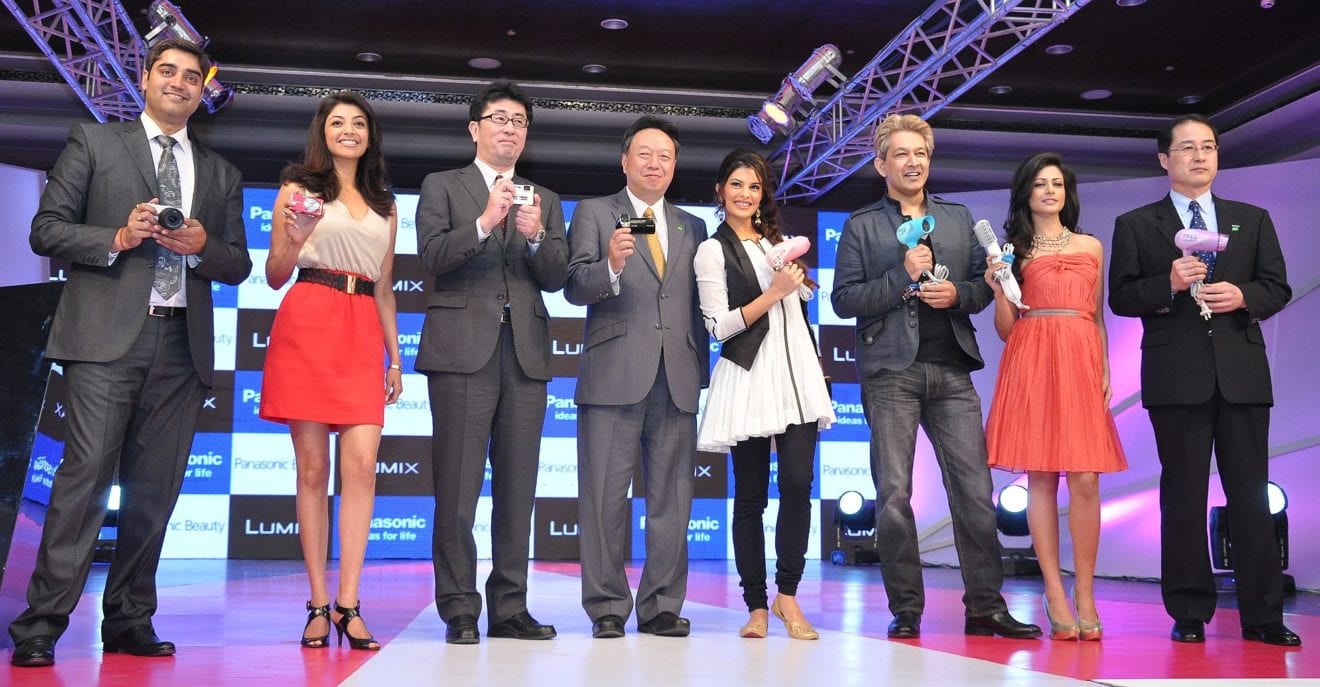
    Two brands trying to get a bigger foothold in India’s smartphone market recently announced plans to expand their retail presence, strongly leaning on exclusive stores and e-commerce.

    The Japanese Panasonic and Chinese Lenovo are both in the process of bolstering their retail strategies. While the new stores would help their wide-ranging product portfolio, their smartphone fortunes would be paramount.

    Lenovo India is planning to triple its retail footprint. Run by franchisees, Lenovo has 400 stores which are branded as Lenovo stores, besides 3,500 outlets where its products are available. In the next three years, Lenovo will add to its branded stores – Lenovo Exclusive Stores (LES) and Lenovo Exclusive Store Lite (a smaller version for lower tier towns). While 30 percent would be LES, the rest would be the LES Lite model.

  • Ashapura plans to open 200 stores across India in 3 years

    Ashapura plans to open 200 stores across India in 3 years

    Ashapura Intimates Fashion plans to open 200 Valentine loungewear retail showrooms across the country in three years on a franchise basis.

    It plans to open 26 Valentine showrooms in Mumbai this year, most of which will be company-owned, it said in a statement on Monday.

    The first Valentine showroom of 1,550 square feet was opened at Bandra in December 2014, following the state’s largest loungewear showroom spread over two floors in Mulund.

    The third store was opened at Ghatkopar this month and another two stores are expected to come up at Borivali and Thane by April, it added. Ashapura is also planning to open its third Valentine loungewear retail showroom in Bangalore this month, following a similar one launched last month.

    Two stores will be opened in Ahmedabad next month, it said.

    Harshad H Thakkar, Chairman, Ashapura-Valentine Group, said with its second plant going on-stream soon in Gujarat, the company will have the highest loungewear production and warehousing capacity in India.

    Ashapura sells intimate garments such as lounge wear, bridal night wear, honeymoon sets, bathrobes, nightwear, relax-wear and sportswear.