Tag: india

  • Agri-Food and Veterinary Authority allows importers to resume sale of India-made Maggi noodles …

    Agri-Food and Veterinary Authority allows importers to resume sale of India-made Maggi noodles …

    NEW DELHI: Singapore’s food regulator declared Maggi noodles imported from India to be free from health risks, bringing some respite to Nestle. The manufacturer had been ordered to withdraw the locally made product from shelves in India because of excessive lead content and mislabeling.

    The Agri-Food and Veterinary Authority of Singapore (AVA) ordered the resumption of India-made Maggi in the citystate, which has among the most stringent rules on public hygiene. Nestle India surged on the news, ending 9.4% up on the National Stock Exchange, its biggest daily increase in five years. The share had plunged by more than 10% last week as the controversy ballooned, culminating in the nationwide withdrawal of Maggi noodles ordered by the Food Safety and Standards Authority of India.

    Singapore had asked retailers to stop selling the product last week, pending tests, after the furore in India over the product. The island-nation imports a wide variety of foods made in the country to cater to expats and locals that are sold through stores such as Mustafa Centre in the Little India area.

    Results from AVA’s laboratory tests showed that the India-made Maggi instant noodles met local food safety standards, according to a report in The Straits Times. The Maggi noodles exported to Singapore is identical to the product sold in India, said a company spokesperson. “They are manufactured at the same plants,” the person said.

    AVA also tested Maggi instant noodles produced in other countries and these too met food safety requirements, the report said. At press time, the UK’s Food Standards Agency (FSA) hadn’t reached any conclusion on India-made Maggi noodles. The FSA was checking whether the product contained excessive levels of MSG along with Nestle UK and the European Commission.

    Nestle UK only imports the masala flavour of the product from India, the FSA said on its website. It also said that the “batch of noodles originally tested by the authorities in India, which was found to contain lead, was not sold in the UK… Following the incident in India, we have taken the decision to test for levels of lead in a selection of Maggi noodles as a precaution.”

    A spokesperson from the Food Standards Agency said: “The FSA is now testing this (masala) flavour and other flavours as a precaution. As tests are currently ongoing, these results are not available at this time.

    We have requested the information on the test results and batches involved from the Indian authorities via European Commission channels.” The India and Singapore food regulators couldn’t immediately be reached for a response.

    Maggi noodles became an integral part of the Indian diet after being launched in the country in the early 1980s. Nestle’s troubles began when excessive levels of lead were found in samples tested by the Uttar Pradesh regulator. The day before FSSAI issued its order, Nestle decided to withdraw Maggi noodles from shelves in India.

    “We withdrew the product from shelves because consumers’ trust was shaken,” said Nestle global CEO Paul Bulcke in New Delhi last week. “We want Maggi noodles back on shelves as soon as possible.” The food regulator rejected Nestle’s queries regarding testing procedures in India. FSSAI said the tests had been carried out on the noodles and the seasoning or tastemaker together and separately.

    It also admonished the company for labeling the pack with the line ‘No added MSG’ (monosodium glutamate), saying this was unacceptable in markets such as the US. FSSAI has since ordered the testing of other noodle brands.

  • Aeropostale to enter India, Indonesia

    Aeropostale to enter India, Indonesia

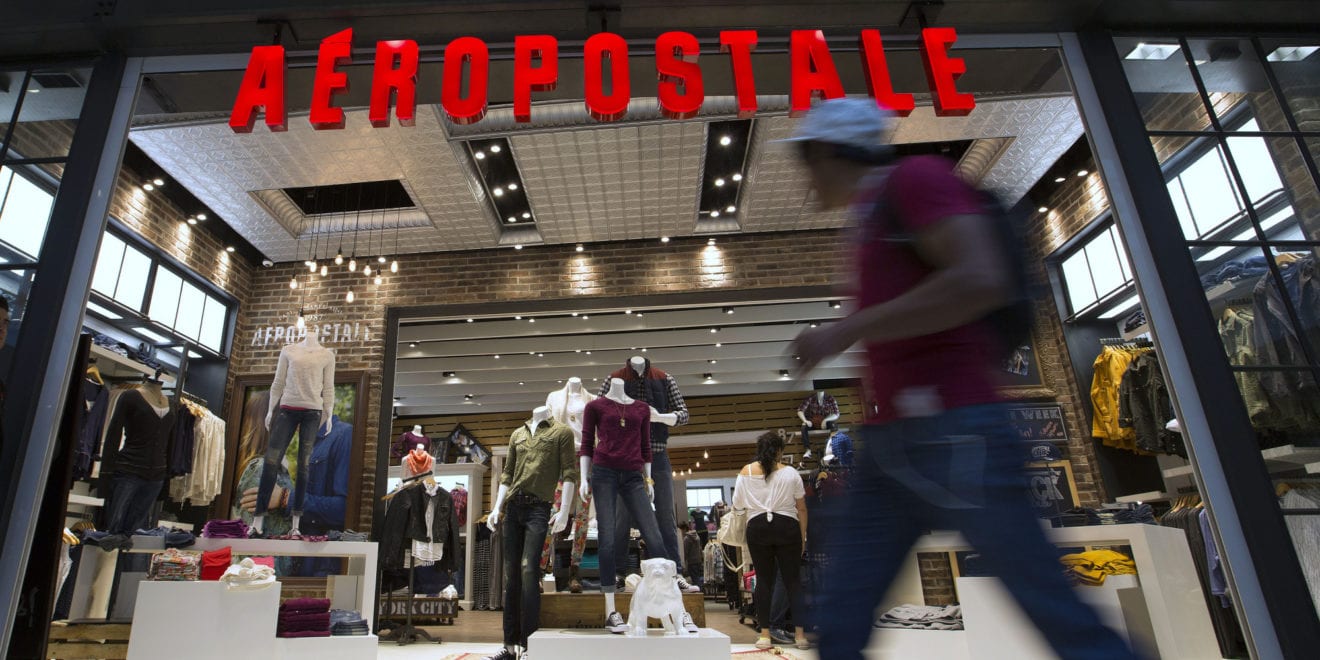
    US mall-based youth fashion discounter Aeropostale has announced new partnerships in India and Indonesia.

    The company will open stores in India through a licensing agreement with Arvind Lifestyle Brands Limited, and in Indonesia through a licensing agreement with PT Mitra Adiperkasa TBK (MAP).

    Julian R. Geiger, Aeropostale CEO, said India and Indonesia are two of the most populated countries in the world and his company sees significant opportunities by taking the Aeropostale brand to them both.

    “Following the successful launch of our brand in the Philippines and Singapore, we are excited to capitalise on the strong growth prospects in both India and Indonesia. We are totally comfortable partnering with two of the largest and strongest retailers in their respectful regions, Arvind Lifestyle Brands Limited and MAP.”

    Aeropostale’s expansion plans in India include the opening of 50 standalone stores, 150 concessions and eCommerce operations across the country over the five years, from March 2016.

    The company expects to open 10 to 12 standalone stores in Indonesia over the next five years, with its first store opening in Jakarta in Fall 2016.

    Continued Geiger: “We anticipate ending the year with over 300 locations across 17 countries. Our aggressive international growth underscores the strength and recognition of the Aeropostale brand, and we look forward to announcing new global licensing partnerships throughout the year.”

    Aeropostale  principally targets males and females aged 14 to 17 and four to 12 year-olds through its P.S. from Aeropostale stores and website.

    Arvind Lifestyle Brands has licensing relationships with many international brands including Gap, TCP, Gant, Nautica, Arrow, Izod, US Polo Association, Elle, Ed Hardy, Hanes, Cherokee and Geoffrey Beene.

    PT Mitra Adiperkasa TBK  is a leading lifestyle retailer in Indonesia with over 1800 retail stores and a diversified portfolio that includes Starbucks, Zara, Marks & Spencer, Sogo, Seibu, Debenhams, Oshkosh B’ Gosh and Reebok.

  • Amazon AWS launches in India

    Amazon AWS launches in India

    Amazon Net Providers is to open an infrastructure area in India for its cloud computing platform in 2016.

    “Tens of hundreds of consumers in India are utilizing AWS from considered one of AWS’s 11 international infrastructure areas outdoors of India. A number of of those clients, together with many potential new clients, have requested us to find infrastructure in India to allow them to take pleasure in even decrease latency to their finish customers in India and fulfill any knowledge sovereignty necessities they could have,” stated Andy Jassy, senior VP of AWS.

    “We’re excited to share that Indian clients will have the ability to use the world’s main cloud computing platform (AWS) in India in 2016 – and we consider India can be considered one of AWS’s largest areas over the long run.”

    Clients in India similar to Hike, PayTM, Zedo, Freshdesk, Inmobi, Capillary Applied sciences, HackerEarth, Getit, Ferns N Petals, redBus, Druva, Vserv, Hungama, Tata Motors, Jubilant Meals Works, STAR India, Future Group, Manipal International Schooling, Classle, NDTV, Dalmia Bharat Sugar, Usha Worldwide, Macmillan India, Apeejay Stya and Svran Group are already utilizing AWS to drive value financial savings, speed up innovation, velocity time-to-market, and broaden geographic attain in minutes.

    Amongst Amazon’s Indian AWS clients is Ferns N Petals is a number one flower and retailer with 194 retailers in 74 cities and supply throughout 156 nations worldwide. Previous to utilizing AWS, Ferns N Petals was operating its IT infrastructure in a standard datacenter. The corporate turned to AWS within the yr 2014 when their enterprise grew quickly and determined to maneuver their complete on-line enterprise to AWS. Since shifting to AWS, they’re able to handle speedy progress of their customers’ visitors that peaks at 80 per cent in the course of the festive seasons.

    “Our expertise with AWS over the previous yr has been wonderful. AWS is now the cornerstone in our progress technique,” stated Manish Saini, VP of on-line enterprise for Ferns N Petals.

    “We’ve got just lately launched two new companies that embrace new abroad enlargement which might be all operating on AWS. We at the moment are capable of spend extra time and assets in areas that matter to our clients reminiscent of new cellular app improvement that may improve their shopping for expertise.”

    Launched in 2006, Amazon Net Providers presents a totally featured know-how infrastructure platform within the cloud comprised of a broad set of compute, storage, database, analytics, software, and deployment providers from knowledge middle places within the US, Australia, Brazil, China, Germany, Eire, Japan, and Singapore.

  • Buffalo Wild Wings critical about Asia

    Buffalo Wild Wings critical about Asia

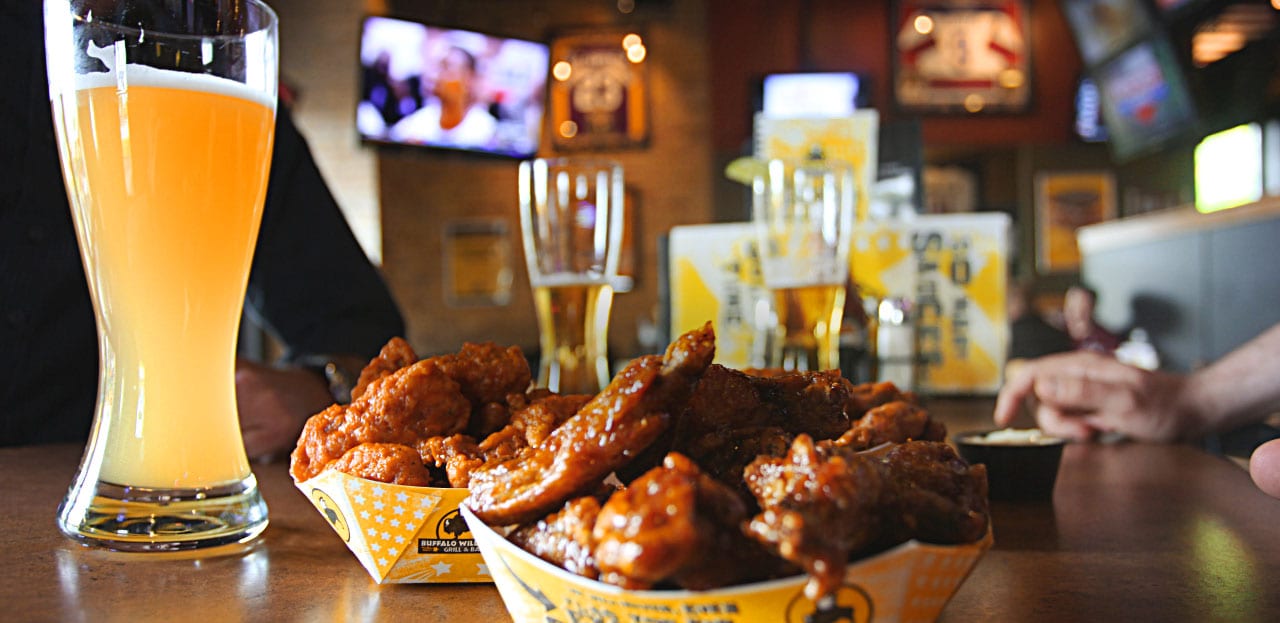
    US informal eating chain Buffalo Wild Wings is within the means of securing grasp franchisees in at the very least six extra Asian nations as its first foray into the area pays off.

    In January BWW opened its first restaurant within the continent, in Manila, in partnership with Philippines grasp franchisee The Bistro Group. That restaurant, in Estancia Mall at Capitol Commons in Pasig Metropolis, proved so profitable inside its first few months two extra websites are beneath improvement already because the rollout plan is accelerated. These eating places will open in Glorietta and Uptown Mall.

    Buffalo Wild Wings CEO, Sally Smith informed Inside Retail Asia in an interview the corporate will probably be signing a grasp franchise settlement in Vietnam in a fortnight with the primary BWW outlet scheduled to open there someday subsequent yr.

    A separate franchise settlement has been concluded for a area in India with the primary restaurant there more likely to be buying and selling inside as little as six months.

    Smith was in Hong Kong this week for talks with suppliers and potential companions and advised Inside Retail Asia the corporate is already speaking with potential companions in Singapore, Malaysia, Thailand and Indonesia. She has additionally been taking a primary hand take a look at the Hong Kong eating scene with a view to contemplating enlargement there, too.

    However she gained’t be dashing into any of those markets.

    “One of many issues that’s necessary to us is discovering the fitting associate, so we’re going to take our time. We need to ensure that our associate understands our enterprise, that they perceive our model and that they share the identical values as we do.

    “Once we choose a companion, they go to us within the US, they practice within the US they usually go to a lot of shops in order that they see how we function – that’s all earlier than they turn out to be a associate.

    “We’re in search of nice franchise companions,” stated Smith. Not simply anybody with a cheque guide.

    Native challenges

    Smith says when getting into a brand new market, BWW understands the necessity to tailor its menu and pricing factors accordingly. Concentrating on locals relatively than expats or vacationers, Smith says the model is lifelike and trusts its franchise companion to work with it on each fronts.

    In Manila, probably the closest Asian market when it comes to dietary habits to North America, BWW has added rice to its menu and it’s contemplating a steak sandwich to satisfy native demand.

    “We definitely work to think about native flavours locals are in search of. However others nonetheless need that genuine Buffalo Wild Wings expertise,” Smith stated.

    In Vietnam, the place the ‘center class’ by definition is on an revenue as little as US$500 a month, BWW is about for an extended, affected person progress cycle.

    “I used to be in Vietnam final yr and I used to be very excited. The overall inhabitants is rising and there’s some nice information on the financial entrance. However we’ll take our time constructing out Vietnam and we’ll attempt to not overbuild.”

    Smith says the franchise companion there’s already evaluating actual property choices.

    A key think about BWW’s portability into new markets is that hen is an accepted a part of the weight-reduction plan in most elements of the world – and sport captures the eye too.

    A key element of the BWW idea is stay sport, with giant screens within the eating places encouraging dwell time. Within the US and the Philippines, American Soccer, basketball and ice hockey are staples on the sports activities menu; in Southeast Asia it is going to be English Premier League. Smith stated in the course of the Superbowl remaining early this yr the Manila restaurant opened early and queues shaped of locals eager to eat and benefit from the match.

    The corporate can also be testing know-how options that may allow clients in its eating places to take part in on-line social gaming, enjoying towards clients of different eating places in the identical nation.

    Buffalo Wild Wings already boasts 1094 eating places serving 21 signature flavors of Buffalo, New York-style hen wings. Its foray into the Philippines was its first step outdoors the Americas.

  • Columbus Espresso launches Bangladesh cafe chain

    Columbus Espresso launches Bangladesh cafe chain

    A US espresso roaster which has developed a retail coaching and partnership idea with cafe companies, has introduced its first retailer outdoors the US.

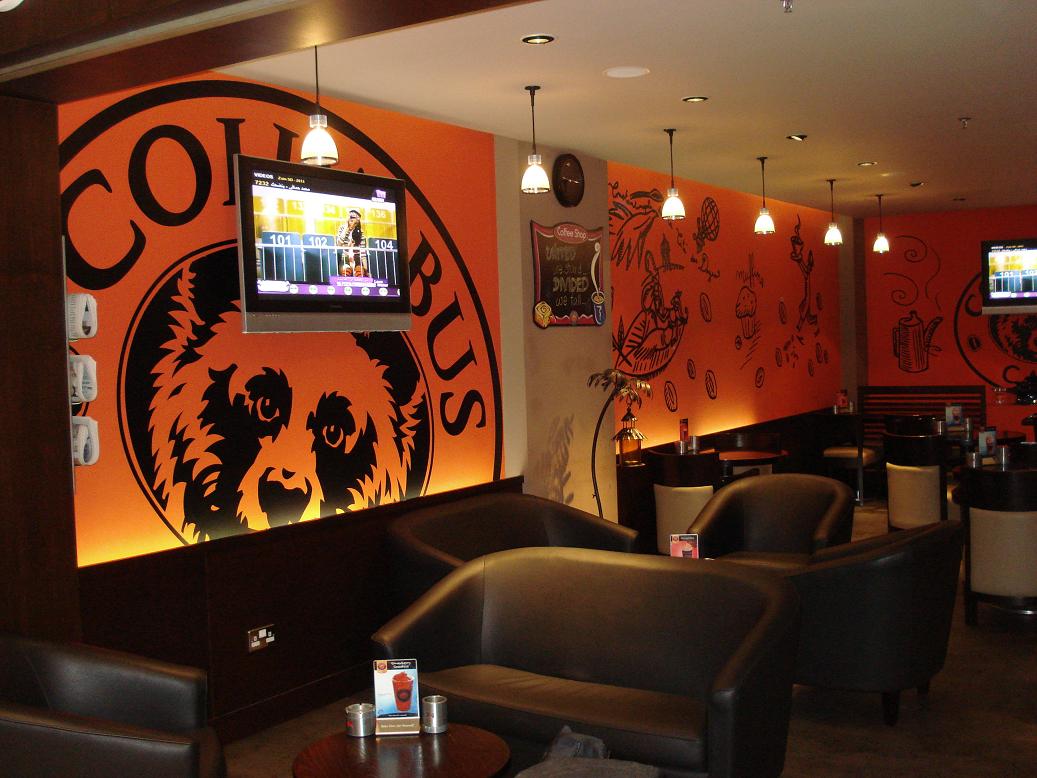
    Columbus, Ohio espresso roaster Crimson Cup Espresso & Tea has labored with a gaggle of Bangladeshi businessmen to launch Columbus Espresso Store within the metropolis of Dhaka. It’s the first in a deliberate chain of cafes throughout the nation.

    Companions Mohaimin Mostafa, Rehanur Rahman, Mirza Abdul Khaled and Tarek Rafi Bhuiyan have created an inviting area for Dhaka residents to take pleasure in handcrafted espressos, café mochas, lattes and different handcrafted espresso drinks. A number of of the companions grew a ardour for American espresso tradition whereas learning in campus espresso homes as overseas change college students within the US. Returning to Bangladesh, they noticed a chance to capitalise on the rising reputation of American-style espresso of their predominantly tea-drinking nation.

    Mostafa and Bhuiyan loved Crimson Cup espresso whereas learning at Ohio State College in Columbus. They reached out for help by means of Crimson Cup’s 7 Steps to Success espresso franchise various program. Based mostly on Crimson Cup’s founder Greg Ubert’s e-book, Seven Steps to Success within the Specialty Espresso Business, this system teaches potential enterprise house owners the whole lot they should open a espresso store. Palms-on consulting covers the whole lot from writing a espresso store marketing strategy and discovering the proper location to picking gear, hiring and coaching employees, attracting clients and extra.

    After simply 9 months of planning and development, they have been able to open the primary in a collection of espresso homes deliberate in Bangladesh.

    Mostafa traveled to the Crimson Cup Brew Lab in Columbus to finish preliminary coaching. When Columbus Espresso was able to open, 7 Steps Coach Steve Bayless traveled to Dhaka to show Columbus Espresso managers and employees about drink preparation and different points of working a espresso home.

    Columbus Espresso Store presents a variety of handcrafted scorching, iced and frozen espresso drinks in addition to scorching and iced teas. Sandwiches and fresh-baked items spherical out the menu. Clients can even purchase luggage of Crimson Cup beans to brew at residence.

    The 2000 sqft inaugural Columbus Espresso Store is open from 11am till midnight every day on the second flooring Home # 25, Street # 11, Block H, Banani, Dhaka.

    The subsequent branches are deliberate for Dhanmondi, Uttara and Mirpur in Dhaka, and in Chittagong, Sylhet and Cox’s Bazar.

    Crimson Cup Espresso & Tea, based in 1991, has hand-roasted specialty espresso in Columbus, Ohio and taught unbiased enterprise house owners how to achieve success by means of its espresso store franchise various program, which features a espresso store marketing strategy template. Sustainably sourced Crimson Cup espresso is accessible by way of a community of greater than 350 unbiased espresso homes, grocers, school and universities, eating places and foodservice operations throughout 29 states of the US – and in Bangladesh – in addition to the corporate’s personal Crimson Cup Espresso Home cafe within the Columbus suburb of Clintonville.

  • Bubble-burst in China to benefit Indian mart

    Bubble-burst in China to benefit Indian mart

    The crash in the Chinese stock market is likely to benefit India in terms of higher capital inflows in coming days.

    On Friday, Chinese shares plunged more than seven per cent amidst concerns of overvaluation after registering a 13.3 per cent loss last week.

    According to market experts, global investors are likely to allocate more funds to Indian equities, as the country is now one of the fastest growing economies in the emerging market universe.

    “India is now the best bet in the entire emerging market universe. India’s current account deficit (CAD) has come down, retail and wholesale price inflation is under control, monsoon is progressing well and interest rates are expected to come down in the medium term. So a combination of improving macro-economic factors coupled with the government’s effort to revive the investment cycle would help India attract higher capital inflows,” observed Ajay Bodke, chief executive officer (CEO), PMS, Prabhudas Lilladher.

    According to him, the rally in the Chinese equity markets was driven by an excessive exuberance on the part of retail investors.

    About four million retail investors in China had opened trading accounts in just the last one month, he said.

    Even after such a steep fall in the Chinese equities, analysts are still not convinced about the valuations.

    While asking its clients to refrain from buying Chinese shares, analysts at Morgan Stanley said, “Our stance on China ‘A’ shares is that this is probably not a dip to buy. In fact, we think the balance of probabilities is that the top for the cycle on Shanghai, Shenzhen and Chinext has now taken place”.

    According to them, increased equity supply, continued weak earnings growth in the context of economic deceleration, high valuations and high margin debt to free float market capitalisation are some of the major concerns for the Chinese equities.

    “During the last two months, global investors had pulled out money from the Indian markets to invest in Chinese equities. Some portion of that money will now come back to India,” said Ambareesh Baliga, a senior stock market analyst.

  • Coach heads to India

    Coach heads to India

    US style model Coach is to enter India with unique retail shops.

    The corporate has reportedly chosen Genesis Luxurious as its companion, based mostly in Gurgaon. Nevertheless on the time of writing no official assertion had been made by both firm.

    Genesis is reportedly buying inventory with a view to opening the primary standalone Coach retailer in Mumbai or Delhi.

    Coach, based in 1941, is predicated in New York, though its shares are additionally traded on the Hong Kong inventory trade.

    Apart from its personal stand alone shops, Coach sells its womens style and equipment by way of department shops, airport concessions and on-line in 35 worldwide markets.

  • Muji heads to India

    Muji heads to India

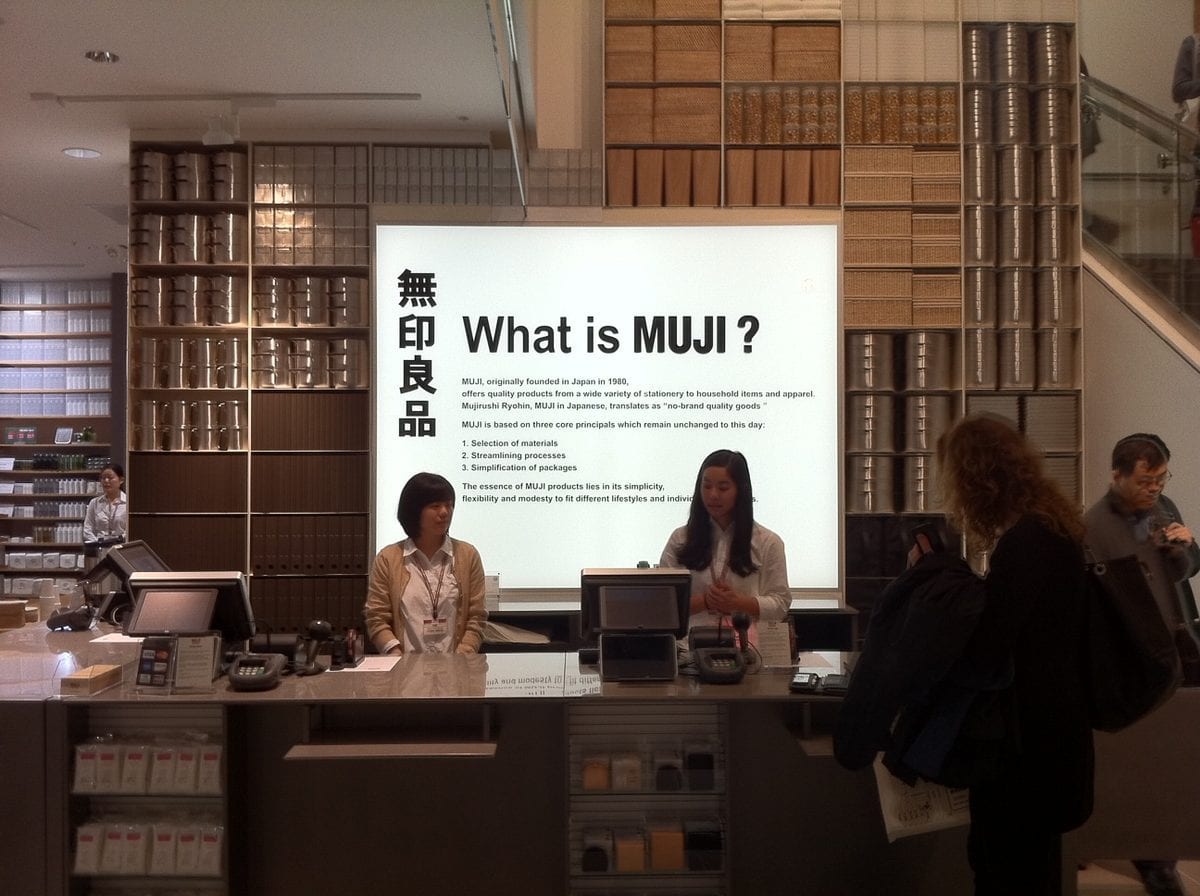
    Japanese minimalist retailer Muji will open its first shops in India by the center of subsequent yr.

    Muji has sealed a cope with Reliance Industries to create an Indian operation, turning into Reliance’s 19th worldwide retail model.

    Muji’s information comes as fellow Japanese retailer Uniqlo is in discussions with potential companions to enter India.

    Famend for its unbranded, minimalist designs, Muji shops inventory items starting from attire and homewares to stationery, cosmetics and meals. About half its gross sales at the moment are furnishings and homewares.

    In some markets it operates cafes, however present laws prohibit in-store cafes in India.

    Reliance says the primary Muji shops will open in Delhi and Mumbai with footprints starting from 6000 sqft to 10,000 sqft.

    “Muji is simplicity – however simplicity achieved via a complexity of thought and design,” stated Reliance CEO and president Darshan Mehta in a press release.

    “Their merchandise are extraordinarily high-quality and have been designed to cater to the life-style of city dwellers. We’ve nice confidence that the Indian shopper will embrace the model.”

    “Worldwide enlargement is of utmost precedence for us and India is our subsequent massive Asian market with immense progress potential,” Satoru Matsuzaki, president and consultant director of Muji mum or dad Ryohin Keikaku, in an e mail interview with the Occasions of India.

    “We consider there’s a vital pool of cosmopolitan shoppers [in India] who’ve their very own sense of favor and who place product above model logos.”

    Reliance Manufacturers already companions with Diesel, Brooks Brothers, Steve Madden and Kenneth Cole, amongst others.

  • Cracking the native advertising code

    Cracking the native advertising code

    Journey, books, electronics, style, classifieds and now native providers – e-commerce has disrupted the established order in virtually each sector. With Amazon venturing into grocery (Kirana Now), Snapdeal getting into providers and Flipkart able to comply with go well with, on-demand providers look like the subsequent frontier for competitors within the crowded e-retail area.

    Take a look at what’s within the pipeline. Amazon lately launched Amazon Residence Providers within the US market. It’s anticipated to launch an identical service in India quickly. On-line market main Snapdeal has gone a step additional with its service platform to incorporate utility funds and a market for monetary providers apart from house providers. Given the large investor curiosity within the class, a handful of extremely localised house providers start-ups (comparable to UrbanClap, LocalOye, Taskbob and UrbanPro) have additionally thrown their hats within the ring .

    This can be a huge shift, thoughts you. From being on-line marketplacesfor merchandise you at the moment are shifting into providers, you’re aggregating photographers and tutors and handymen, and organising a extremely fragmented however big market. Take a look at some numbers. The homecare and set up providers market in India is estimated at Rs 90,000 crore; the laundry market at Rs 200,000 crore yearly, of which 95 per cent is unorganised.

    You possibly can see why e-commerce corporations are muscling in, however does it actually assist the native man who want to supply a extremely personalised service? Apparently sure, it broadens the potential shopper base and provides him an opportunity to scale up shortly. Specialists say an entry in providers can even assist the massive horizontal gamers trim prices and enhance margins. The incremental value of supply of providers is decrease and may probably give higher returns on funding.

    Says Devangshu Dutta, chief government, Third Eyesight, “A seek for margin enchancment and a want to be ‘the e-commerce of every thing’ are the prime drivers to enter the providers aggregation area. Merchandise e-commerce has moved from inventory-led fashions to marketplaces, however as soon as all prices are labored into the equation, even these are margin-negative, if not for the marketplace then for the sellers on the marketplace. Aggregating extra providers can be a method to generate additional margins and in addition defray customer-acquisition and retention prices over a wider base of companies.”

    For giant horizontal gamers, the power to cross-sell providers can result in higher margins in comparison with area of interest gamers. Additionally native providers may be seen as a differentiator. It permits e-retailers to not simply goal the retail share of the buyer pockets however all the consumption basket. “Why would they need to restrict themselves to only retail merchandise when there’s a lot of value-add they will present by way of providers,” asks Pragya Singh, VP, retail & shopper merchandise division, Technopak.

    Jabong.com co-founder & MD Praveen Sinha, who has invested in two native providers start-ups, Zimmber and Wassup, says, “Native providers is the subsequent part of ecommerce and can see big progress offered corporations are capable of execute it nicely. Nevertheless, operational complexity is the most important problem right here.”

    So what are the challenges an e-commerce market is more likely to encounter when it decides to combination providers? How ought to it tweak its provide chain community to reap the benefits of the rising demand for hyper-local providers?

    The larger the higher
    An eretailer can ship a product to any location from its centralised warehouse by way of courier companions however the identical concept does not work in providers. Execution is a problem as you can’t replicate a profitable mannequin in lots of geographies on the similar time.

    That stated, massive horizontal retailers with their established provide chain networks have a bonus over smaller gamers/start-ups within the class. Contemplate Snapdeal, which presently provides house/set up providers, and monetary providers by means of RupeePower. “The house and set up providers enterprise is an extension of our residence and dwelling class, providing an assortment of 10 lakh merchandise and end-to-end residence providers that embrace furnishings set up, electrical, plumbing, pest management and professional residence cleansing providers,” says Saurabh Bansal, vice-president, residence, Snapdeal.

    On-line classifieds platform Quikr can also be engaged on a service providing. Pranay Chulet, co-founder and the CEO of Quikr, says, “We’re launching a sub-brand referred to as Quikrservices, which can allow higher interplay between consumers and sellers. Providers is a unique ballgame. The supply of purchaser and vendor on the similar time is necessary. It isn’t so simple as delivery a product to the buyer’s doorstep.”

    Specialists reckon providers might be cracked however solely at scale. Merely put, until you’re very giant in measurement you can’t hope to offer customised service. Extra quantity means higher customisation and aggressive pricing. “Service suppliers are additionally capable of get extra enterprise from a platform, to allow them to supply higher costs,” provides Chulet.

    However scale can solely clear up 50 per cent of the issues. Delivering a standardised service expertise is an enormous problem. Says Debadutta Upadhyaya, co-founder, Timesaverz, a cellular market for providers, “Standardisation of processes, talent verification, background checks and tender talent coaching of service companions are a should.” Timesaverz is current in Mumbai, Pune, Bengaluru. It fees a 20 per cent fee from service companions for each transaction and noticed 10x income progress final yr over the earlier yr.

    On its half, Snapdeal has tied-up with service suppliers resembling EasyFix and Hicare with confirmed capabilities. “We’re working to make sure that professionals who carry out end-user duties are educated in buyer communication and repair supply,” says Bansal.

    Most gamers are making in depth use of know-how to attach a buyer with a service supplier who’s greatest suited to service her distinctive want. In a approach it additionally makes the native providers enterprise extra clear and environment friendly, says Varun Khiatan, founder, UrbanClap. UrbanClap is an internet market that gives providers in 20 classes together with private providers and occasions.

    Nevertheless, service just isn’t a simple area to function in. Aggregation of native providers are open not solely to ecommerce gamers, but in addition to look big Google on the one hand (by way of search outcomes and advertisements) and native aggregators (sector-specific information bulletins in a metropolis like Noida). “Most home providers, for example, are extra high-involvement than merchandise buys and the last-mile, last-minute connectivity with the client is the place the connection is made or damaged. In such instances native aggregators with a hands-on strategy may have a aggressive benefit,” says Dutta.

    Internet-net, whereas search and repair aggregation might seem a low-margin recreation, over time, technology-powered giant e-commerce platforms have the potential to leverage the excessive volumes it provides and organise this extremely fragmented market within the course of.
  • Jewelry and watch companies prime performers in luxurious area

    Jewelry and watch companies prime performers in luxurious area

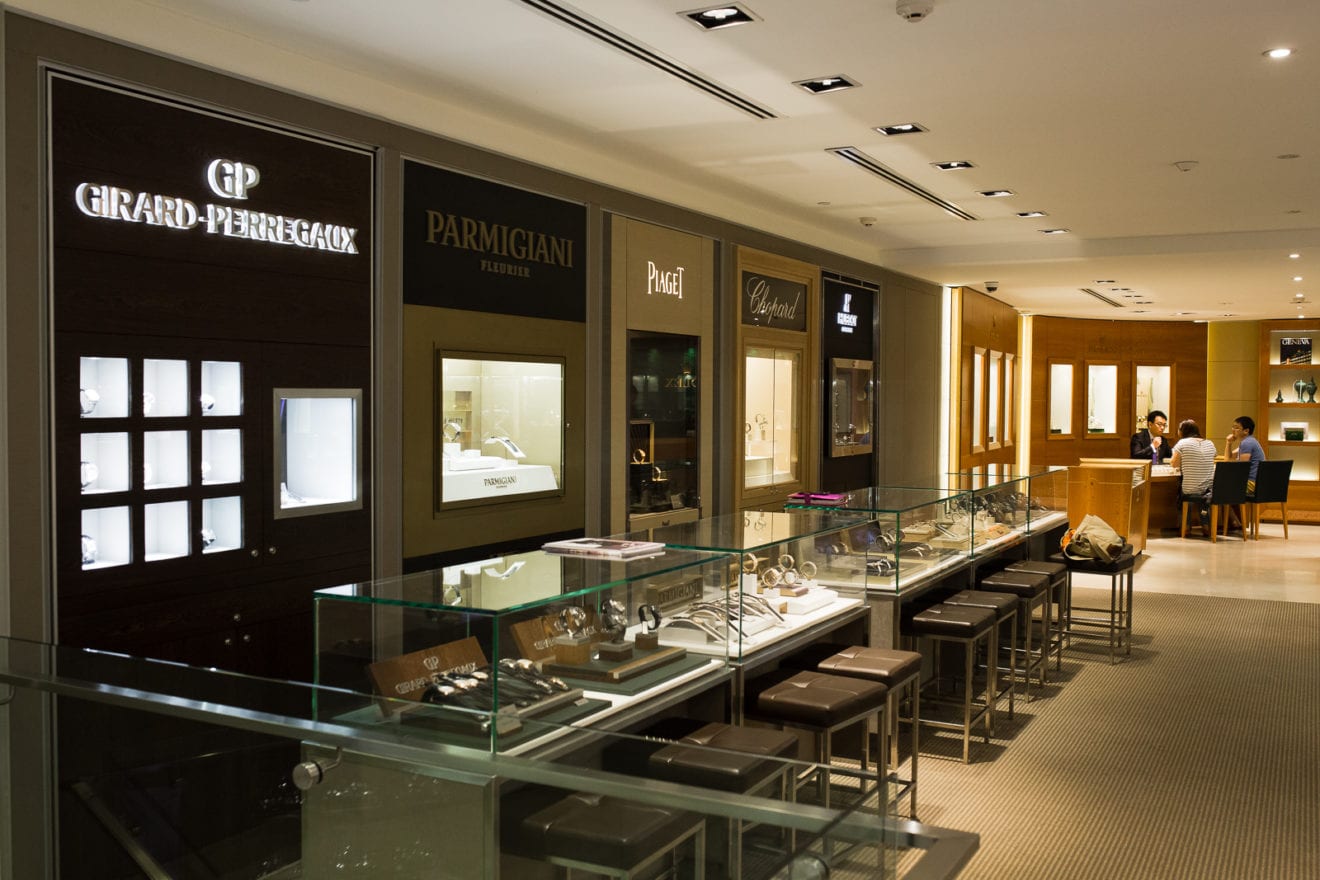
    India has bounced again and is confidently rising within the luxurious markets as different BRIC nations wrestle to collect tempo, says Deloitte’s annual International Powers of Luxurious Items report. By the top of final fiscal, world’s 100 largest luxurious items corporations had generated gross sales of $214.2 billion regardless of foreign money headwinds and intense technological disruption. Developed economies just like the US and Europe look like on the rebound, thus, boosting the buying energy of upscale clients.

    The Indian financial system, too, is recovering from its stoop.Jewelry and watch corporations are prime performers, producing the second-largest share of the posh items sale. Corporations like Titan, Gitanjali Gems and PC Jeweller all make the minimize as newcomers within the Deloitte’s prime 100 luxurious manufacturers. The research additionally established that the channels on which luxurious shoppers store are always evolving, making it crucial for corporations to know the altering wishes and shopping for behaviours.

    “A number of key points of the posh sector shall be unrecognisable within the subsequent few years. The travelling luxurious shopper will change the idea of nationwide boundaries; millennial shoppers will characterize a big proportion of gross sales quantity in luxurious; and the aggressive forces pushed by know-how will proceed to disrupt at a quicker tempo.” stated Gaurav Gupta, senior director, Deloitte, India.

  • Might retail inflation at Three-month excessive of 5.01%

    Might retail inflation at Three-month excessive of 5.01%

    Shopper Worth Index-based inflation rose to a three-month excessive of 5.01 per cent in Might, even because the meals phase noticed a decline within the fee of worth rise, official knowledge confirmed on Friday.

    The inflation had stood at four.87 per cent in April 2015 and eight.33 per cent in Might 2014. Whereas it justifies the Reserve Financial institution of India (RBI)’s cautious stance in slicing the coverage fee earlier this week, RBI was extra nervous about meals inflation, which declined.

    Meals inflation was right down to four.80 per cent from 5.11 per cent in April 2015. Within the year-ago interval, it had stood at eight.89 per cent.

    Whereas the meals inflation was greater within the city areas at four.84 per cent towards four.74 per cent within the rural elements, the state of affairs was fairly reverse in case of mixed inflation. General inflation stood at 5.52 per cent in villages and four.41 per cent within the city areas.

    Whilst meals inflation was down, the costs of pulses rose on the elevated fee. Inflation in pulses elevated to 16.62 per cent in Might from 12.52 per cent. This was the one phase amongst meals gadgets that noticed double-digit inflation. Earlier this month, the Cupboard had determined to import pulses to tame costs.

    Sugar costs noticed a decline, although. In April, costs dropped 5.99 per cent, whereas in Might these turned cheaper by 7.Three per cent.

    The sugar sector has been battling a state of affairs of glut. Earlier this week, the Cupboard gave the sector a tender mortgage of Rs 6,000 crore to pay a part of its Rs 21,000-crore dues to farmers.

    Nevertheless, corporations weren’t glad as a result of it didn’t remedy the issue of over-supply and depressed costs.

    Elsewhere, home lease, an city phenomenon, inched down barely from four.65 per cent to four.64 per cent.

    Nevertheless, gasoline and lightweight noticed inflation rise to five.96 per cent

  • Compensation fund for Bangladesh manufacturing unit victims reaches US$30 million goal

    Compensation fund for Bangladesh manufacturing unit victims reaches US$30 million goal

    A fund set as much as compensate the victims of Bangladesh’s Rana Plaza manufacturing unit collapse has lastly reached its US$30-million (RM112 million) goal, the UN’s Worldwide Labour Group stated Monday, greater than two years after the catastrophe left over 1,100 garment staff lifeless.

    With all of the funding now secured, the final households nonetheless awaiting a payout will obtain their cash “within the coming weeks”, stated the ILO, which chairs the Rana Plaza Coordination Committee.

    The committee, which was established in 2013 and represents all business stakeholders, had estimated it might want US$30 million to completely and pretty compensate the households of the over 1,100 garment staff who died and a few 1,500 others who have been injured within the nation’s worst-ever industrial accident.

    By April 24, on the second anniversary of the catastrophe, the committee had raised US$27 million and was capable of pay compensation to 70% of the greater than 2,800 claimants, the ILO stated in a press release.

    “Additional donations, together with one vital sum pledged late final week imply that US$30 million has now been reached and all ultimate funds might be made,” it added.

    The event was welcomed by ILO director-general Man Ryder.

    “This can be a milestone however we nonetheless have essential enterprise to cope with,” he was quoted as saying within the assertion.

    “We should now work collectively to make sure that accidents could be prevented sooner or later, and that a strong nationwide employment damage insurance coverage scheme is established in order that victims of any future accidents can be swiftly and justly compensated and cared for.”

    Bangladeshi police final week charged 41 individuals together with the proprietor of the Rana Plaza manufacturing unit complicated, Sohel Rana, with homicide.

    He was arrested on the western border with India as he tried to flee the nation within the days after the April 24, 2013 catastrophe.

    Rana turned Bangladesh’s public enemy primary after survivors recounted how hundreds of them have been pressured to enter the compound initially of the working day regardless of complaints about cracks showing within the partitions.

    The catastrophe highlighted appalling security issues in Bangladesh’s US$25 billion garment business, the world’s second largest after China’s.

    A number of Western retailers had clothes made at Rana Plaza, together with Italy’s Benetton, Spain’s Mango and the British low-cost chain Primark. All three have been amongst a variety of worldwide manufacturers that contributed to the compensation fund.

  • Reliance Retail to launch B2B e-marketplace

    Reliance Retail to launch B2B e-marketplace

    Reliance Retail would launch a B2B digital market to allow small retailers to transact on-line, chairman Mukesh Ambani stated at Reliance Industries’ 41st annual common assembly at this time.

    “We’re rolling out the Reliance Digital Market platform to allow hundreds of thousands of small retailers and supply them with an enhanced provider base and product vary, higher provide chain productiveness, digital cost functionality, connectivity to clients and credit score functionality,” Ambani stated. Reliance already runs ‘Reliance Market’ B2B shops.

    Ambani stated the style and way of life codecs of Reliance Retail would launch their e-commerce portals by the top of the yr. Reliance Retail runs trend and way of life codecs corresponding to jewelry chain Reliance Jewels, durables and electronics chain Reliance Digital, attire chain Reliance Developments, and footwear chain Reliance Footprint. After a pilot challenge in Mumbai, Reliance’ Retail’s grocery-focused e-commerce portal www.reliancefreshdirect.com can be launched in different markets, Ambani stated.

    “This yr will convey a few disruptive buying expertise for shoppers as they embrace know-how and have entry to anytime, anyplace buying. With the superior Web infrastructure constructed by Reliance Jio and a strong bodily retail enterprise constructed by Reliance Retail, we’ll create a differentiated e-commerce mannequin for India,” he  added.

    Ambani stated Reliance would scale up its retail presence throughout its codecs from 200 cities to over 900 cities by subsequent yr. Reliance Retail added 930 shops final yr, which translated into 5 shops each two days, setting a brand new international benchmark within the largest variety of retailer openings in a yr, he identified. “This mixed bodily and e-commerce retail enterprise is poised for a progress of 30-50 per cent yr on yr and maintain our management in retail,” Ambani stated. Reliance Retail has a community of two,600 shops in 200 cities throughout 20 states.

  • Bullish on ‘Make in India’, Amazon opens international e-comm markets to exporters

    Bullish on ‘Make in India’, Amazon opens international e-comm markets to exporters

    Amazon on Tuesday introduced the launch of its International Promoting Program in India, opening doorways for Indian companies to export to e-commerce markets of the world.

    Amazon is extending two of its pioneering merchandise – Promoting On Amazon (SOA) and Achievement By Amazon (FBA) – to companies of all sizes and scale from throughout the nation to go international and showcase their “Made in India” creations and merchandise to tons of of hundreds of thousands of consumers, beginning with the US and the UK, by itemizing it on  Amazon.com and Amazon.co.uk .

    Producers and native manufacturers can export merchandise within the Attire, Residence Furnishing (together with Indian Handicrafts), Jewelry, Books, Collectibles, Sporting Items, Purses, Footwear and Well being & Magnificence merchandise classes.

    Decreasing obstacles

    “Amazon at this time presents companies unprecedented attain to clients across the globe. Not are they sure by geography with entry to Amazon’s 270 million-plus lively clients worldwide. Actually, sellers on Amazon from greater than 100 totally different nations all over the world have fulfilled orders to clients in 185 nations utilising our FBA service.

    “Our International Promoting Program in India is designed to help Indian producers & companies to develop their enterprise by leveraging Amazon’s state-of-the-art know-how, world class logistics infrastructure and customer support experience,” stated Chad Goelzer, Director International Gross sales for Amazon.

    Native options

    To allow companies take Indian creations to the world, Amazon will present native enablement options by means of verified third social gathering service suppliers. These initiatives embrace logistics companions, tax consultants and compliance specialists to make the method of worldwide promoting clean and friction-free.

    Amazon’s international promoting group additionally helps them perceive native demand patterns, whereas additionally serving to sellers enhance the discoverability of their merchandise on every market. Hidesign, one among India’s hottest high-end trend manufacturers, has efficiently leveraged the Amazon International Promoting program to increase its attain within the US and the UK.

    Value efficient

    Vikas Kapur, CEO of Hidesign America Inc, says, “International Promoting is a incredible alternative for Indian manufacturers and producers as a result of it permits us to sidestep the distributor and promote on to clients across the globe and at a lot decrease costs.”

    Amit Deshpande, Director Vendor Providers, Amazon India, stated, “We sit up for serving to companies navigate by means of the complexities of promoting globally and develop a world footprint by leveraging the big demand for his or her merchandise throughout borders and thus rework the best way India makes and sells.”

  • Authorities turns down FDI in retail e-commerce

    Authorities turns down FDI in retail e-commerce

    The Union authorities won’t ease overseas direct funding (FDI) guidelines for digital commerce.

    Minister of State for Commerce and Business Nirmala Sitharaman final month met executives of Flipkart andSnapdeal and representatives from the Confederation of Indian Business (CII) and the Federation of Indian Chambers of Commerce and Business (Ficci) to evaluate the impression of FDIon Indian e-commerce corporations.

    The assembly spawned hypothesis that the Nationwide Democratic Alliance (NDA) authorities may permit overseas e-commerce corporations to function in India. New Delhi can also be underneath strain from Washington and Tokyo to chill out its FDI coverage for e-commerce.

    “B2B (business-to-business) is one of the best coverage. We’ll simply not permit B2C (business-to-consumer). India strongly believes that B2C is towards the buyer’s curiosity. If China and Japan haven’t opened up, why ought to we?” a prime official with the division of commercial coverage and promotion (DIPP) informed Enterprise Normal.

    Extra conferences on playing cards
    Throughout Sitharaman’s assembly a number of the factors that emerged have been permitting FDI in e-commerce would face assault from small retailers and the market can be flooded with imported items. Sitharaman deliberate to carry extra conferences on this problem, the official stated.

    The NDA authorities needs the ‘Make in India’ marketing campaign to achieve success earlier than opening up B2C e-commerce to overseas retailers. In addition to, Indian business just isn’t enthusiastic concerning the transfer.

    In a illustration to the DIPP, the CII said overseas corporations must be allowed after Indian e-commerce gamers had acquired the power to tackle the competitors. The chamber sought safeguards for Indian corporations like native sourcing, privateness, security towards tax evasion and checking e-wastage.

    At current, 100 per cent FDI is allowed in business-to-business (B2B) e-commerce, whereas it’s banned within the business-to-consumer (B2C) phase. Apart from, there’s a 30 per cent native sourcing rule for overseas gamers.

    Market set off
    Giant Indian e-commerce corporations like Flipkart and Snapdeal have grown considerably since their inception in 2007 and 2010, respectively. International e-commerce giants like Amazon can function in India beneath the marketplace mannequin. In some instances, overseas gamers have tied up with native corporations to enter the Indian market.

    In response to a report by Technopak, the adoption of market fashions by e-tailers is fuelled principally by enterprise scalability and FDI coverage compliance.