Tag: india

  • Future Group opens London design studio

    Future Group opens London design studio

    Future Group subsidiary Lifestyle Fashions has opened a design studio in London, which it describes as “the fashion capital of the world”.

    The studio will “infuse the company’s brands with global designs, trends and sourcing capabilities and also curate a globally-inspired fast fashion brand for the Indian market,” the company said in a statement.

    Located in Victoria, London, the Design Studio houses an international team of designers and merchandising experts. London’s Victoria district has emerged as the new fashion hub of the city. Tom Ford and Burberry have their headquarters in the suburb and Future Lifestyle Fashions’s neighbours will include Victoria’s Secret, Burberry, Dolce & Gabbana, Moet Hennessy, Richemont and Jimmy Choo.

    “As part of this vibrant fashion ecosystem, Design Studio will tap into global talent and  networks for identifying trends, fashion design and sourcing of materials and merchandise that will fuel its fast fashion brand,” the company said.

    “Its first collection will be launched in Spring‐Summer 2016.”

    Future Lifestyle Fashions MD Kishore Biyani said Indian fashion is evolving at a rapid pace and incorporating global trends and sensibilities.

    “Women in India today shop for fresh fashion eight to 10 times in a year. Our Design Studio in London will develop a fast fashion brand that responds to these needs and infuse our brands with global sensibilities and innovation in design and sourcing.”

    The Design Studio is led by Manjula Tiwari who joined Future Group from Jabong earlier this year. Tiwari has more than two decades of experience in the fashion industry and was previously involved in introducing global brands such as Esprit and United Colors of Benetton in India. The design team in London will be led by Ainsley Dart, who has been instrumental in directing and leading large design teams of multi product, fast fashion women’s wear for global retail brands and major suppliers such as Courtalds and Dewhirst.

    Future Lifestyle Fashion markets leading international and domestic brands such as Lee Cooper, Converse, Indigo Nation, Scullers, Daniel Hechter, Giovanni, Urbana, John Miller, Jealous 21, aLL, UMM, RIG, Champion and Umbro, which are retailed through the company‐owned department store network, Central, other retail chains such as Planet Sports and Brand Factory. Most of these brands are also available at exclusive brand outlets, other department stores and fashion chains across India.

    The company also has investments in fast growing fashion brands such as Tresmode, Mineral, Desibelle, Mother Earth, Pepperone, Famozi and Turtle, and operates joint ventures with Hidesign and Clarks. With more than two dozen brands and 5 million sqft of retail space, Future Lifestyle Fashions aims to develop a globally benchmarked fashion business here in India.

  • RFG eyes India’s $24b franchise industry

    RFG eyes India’s $24b franchise industry

    Retail Food Group (RFG), has entered into an exclusive partnership with Franchise India, Asia’s largest integrated franchise solution company to launch its brand in India.

    Franchise India has extensive experience in pairing franchisors with qualified master franchise partners while creating a high level of interest from potential local franchisees to achieve successful international expansion for foreign brands. The organisation also runs the world’s leading franchise website.

    Andre Nell, CEO franchise of RFG, said RFG is targeting significant international growth with plans to open 130 outlets in international markets this financial year.

    “RFG’s Brand Systems are market leaders and award-winning brands in Australia, each possessing successful business models that have been proven over many years. Our goal is to replicate this success in global markets by working with motivated partners who share our vision,” said Nell.

    “RFG is looking forward to working with Franchise India and leveraging their extensive reach and intimate knowledge of franchising.”

    Franchising in India Gaurav Marya, chairman of Franchise India, said the country’s franchise industry is valued at $24 billion with year on year growth of 30 per cent.

    “India’s franchising industry continues to thrive, driven by a growing preference for internationally branded products and an emerging café culture,” said Marya.

    “The retail and food and beverage sectors have evolved over the last decade, leading to a high level of consumer interest in specialty and gourmet brands in particular. The market is expected to increase in value to around $35 billion by 2020.

    “With a rising global awareness and increasing spends on eating out among Indian consumers, the timing is opportune for RFG to enter the Indian market.”

    Under the new partnership Franchise India will use their extensive network, database and marketing systems to recruit Master Franchise Partners for RFG.

    Franchise India and RFG will be recruiting Master Franchise Partners for the Gloria Jean’s Coffees, Crust Gourmet Pizza, Donut King, Michel’s Patisserie, Brumby’s Bakery, and Pizza Capers Brand Systems.

    With the opportunity for a minimum of six licenses across India, Nell said he is confident RFG’s unique business model will be a major point of difference for potential partners.

    “RFG’s strength in brands philosophy positions us to enter the market with multiple Brand Systems, increasing our ability to effectively and efficiently provide enhanced support systems and resources to our partners in the region,” said Nell.

    “Our existing support team is currently based in India, made up of seasoned experts in franchising who, along with the experienced team at Franchise India, will be invaluable assets as we work with our prospective Master Franchise Partners to develop a successful model for their territory.”

    Behind RFG’s international expansion

    RFG’s international expansion model is based on recruiting master franchise partners who purchase a licence to develop a certain brand system in a defined territory.

    Nell said the master franchise partner model provided the company and local partners with the opportunity to forge sustainable partnerships to successfully develop RFG’s Brand Systems internationally.

    “We firmly believe our international licensees are more like our business partners. Our international model has become very collaborative and supportive as we work with partners on development schedules and growth strategies as well as marketing and training,” said Nell.

    “The benefit for partners is access to a wealth of experience in retail food franchising, proven systems and a global training and support framework, while RFG gains a partner with the strategic, operational and financial capabilities to expand each brand system within their territory.”

    Nell said RFG’s franchising expertise and strong established Brand Systems provided the company with the perfect opportunity for significant expansion into international markets.

    “Refined over 11 years and 40 global territories, RFG’s global franchising expertise and master franchise partner model provides the perfect springboard for the company’s established Australian brands to enter major new international markets.”

  • Lacoste India targets flyers

    Lacoste India targets flyers

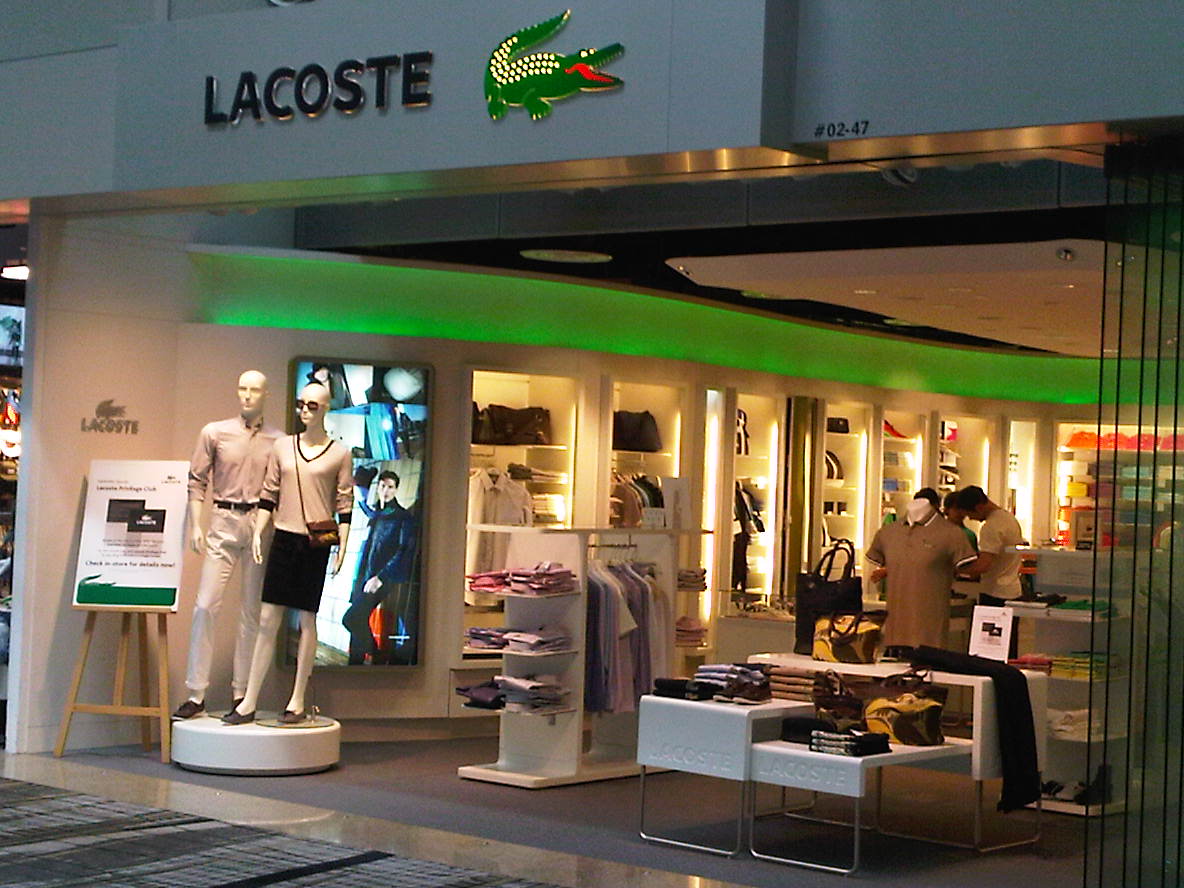
    French apparel brand Lacoste hopes to score more impulse sales by opening stores in Indian airport terminals.

    Lacoste India plans to open three new stores this year in Mumbai and Hyderabad airports and another five in shopping centres as it gradually builds its footprint in tier one cities.

    “We will be opening one outlet at the Hyderabad domestic terminal and at Mumbai airport,” Lacoste India director & CEO Rajesh Jain told PTI in an interview.

    “The new retail stores at airports would start contributing up to seven per cent of our total sales from next financial year.”

    Lacoste already operates a store inside Bangalore Airport. It is eyeing Kochi and Delhi as well.

    The company currently operates 46 stores in 18 Indian cities.

  • Chinese millennials: the new big spenders

    Chinese millennials: the new big spenders

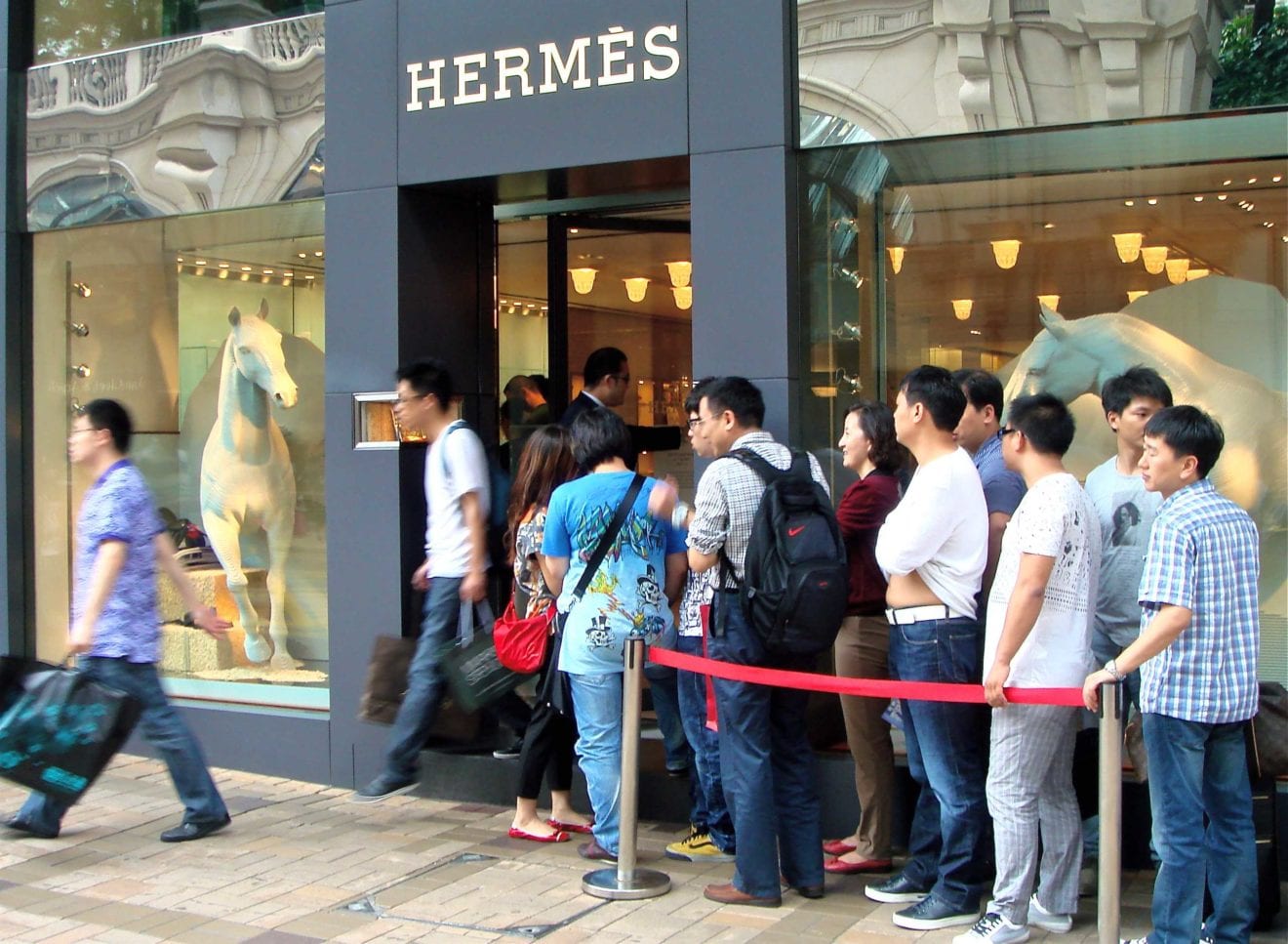
    Chinese millennials – China’s new rich – are looking to spend double the Asia-Pacific average on luxury items in the next year.

    The millennials – those aged 18 to 29 – are already China’s biggest spenders on luxury goods in Asia Pacific, followed by those in South Korea and Hong Kong.

    According to research from MasterCard, the most popular luxury items are high-end tech gadgets, with 25 per cent of millennials in Asia Pacific planning to buy an item such as a smartphone or tablet computer in the next year. This is followed by designer clothes and leather goods (17 per cent) and jewellery (17 per cent).

    Overall, most millennials in the region take approximately a month to consider and research their luxury purchases. More millennials in Asia Pacific (a quarter) buy on impulse than those aged over 30 (a fifth).

    Meanwhile, over a third of millennials in the region prefer Western brands over regional or local, however there is a marked difference across the region. While more than half of millennial shoppers in China, Vietnam, South Korea and Hong Kong prefer Western brands, the majority in India and Indonesia would rather buy local. The top three reasons for preferring Western brands were reliability of quality, followed by value for money and brand loyalty.

    When choosing where to buy luxury goods from, the majority of millennials still prefer purchasing from local brick and mortar stores (64 per cent), instead of local eCommerce sites (nine per cent). Meanwhile a fifth prefer to buy luxury items in-store when travelling overseas, this is especially true of Chinese millennials, 51 per cent of whom are most likely to buy a luxury item in-store while travelling.

    The results are based on interviews that took place between May and June 2015 with 2272 millennials across 14 Asia Pacific markets.

    More findings:

    • Millennials from China intend to spend on average US$4362 on luxury goods over the next year, nearly double that of the Asia Pacific average of US$2584. South Korea (US$2638) and Hong Kong (US$2584) round off the top three.
    • Overall, the majority of millennials in the region will take under a month to research and consider a luxury item before buying it (44 per cent), led by those in India (64 per cent), China (51 per cent), South Korea (48 per cent) and Taiwan (48 per cent).
    • Thai (60 per cent) and Indonesian (50 per cent) millennials are the most impulsive shoppers in the region with at least half buying luxury goods on impulse, above the regional average of 26 per cent.
    • The most careful millennial shoppers are from Vietnam – the majority will only buy a luxury item after two to six months of extensive research (45 per cent), more than the regional average of 20 per cent.
    • Over one-third of millennials across the region prefer western brands to local and Asian brands. More than one in two millennials in China (66 per cent), Vietnam (60 per cent), South Korea (59 per cent) and Hong Kong (52 per cent) would pick a western luxury brand over a local or Asian luxury brand. However, in Indonesia (61 per cent) and India (50 per cent), a large majority of millennials would rather buy luxury goods from a local brand.
    • Most millennials in the region purchase luxury goods in-store rather than online – this is especially so when they are on sale locally (43 per cent) compared to when they are at full price (23 per cent). Only a small percentage of millennials in the region shop for luxury goods on local (nine per cent) and overseas sites (four per cent).
    • Chinese millennials are the most likely to buy luxury goods in-store when travelling overseas (51 per cent), whereas the majority of consumers in India (81 per cent) and Indonesia (50 per cent) buy luxury goods locally in-store at full price.
    • Millennials in Indonesia are the most likely to spend more on luxury goods in the next year than the year before (47 per cent). Across Asia Pacific, most consumers (40 per cent) intend to spend the same amount as they did the year before, 22 per cent plan to spend less while 19 per cent plan to spend more.
  • Hard Passage to India for China’s Phone Makers

    Hard Passage to India for China’s Phone Makers

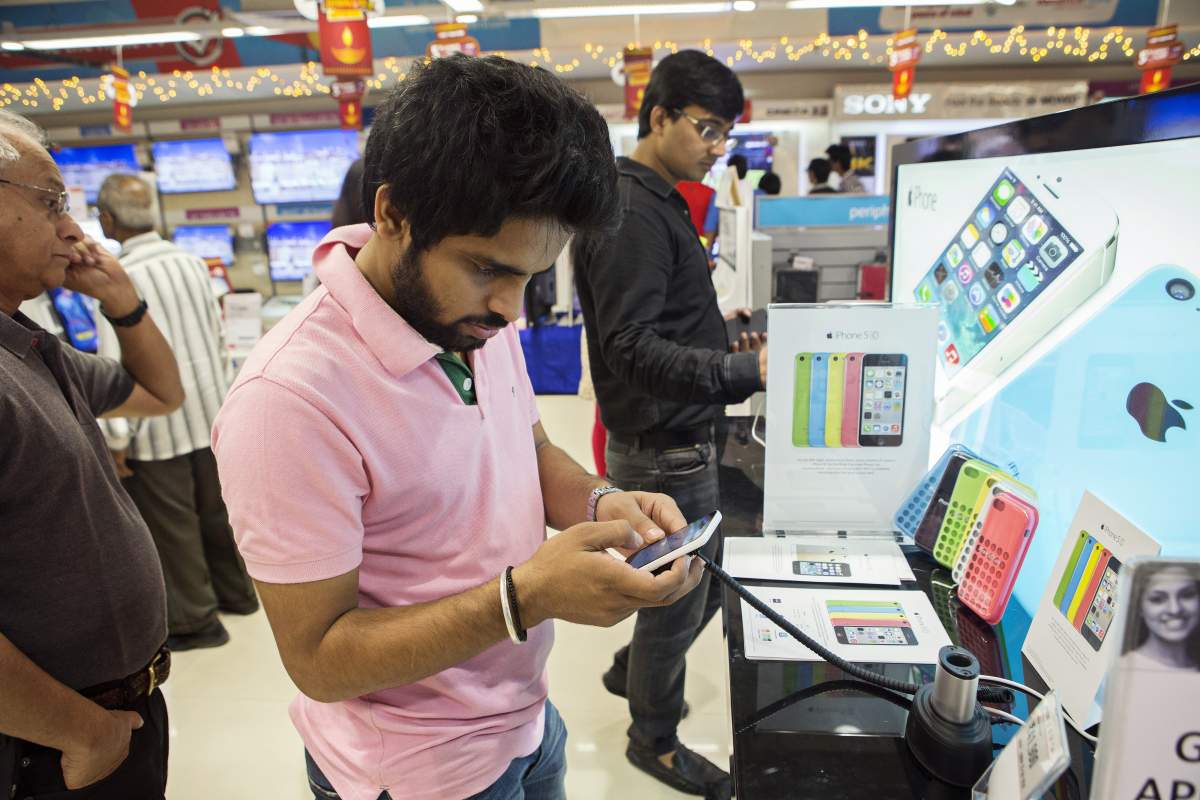
    For Chinese smartphone and mobile phone manufacturers, the crowded Karol Bagh market district in Delhi, India, is a key outpost for an exciting business frontier. Vendors in cramped shops peddle handheld devices from India and around the world. Most shops feature budget phones, although in recent years expensive smartphones have been added in increasing numbers to store shelves.

    Chinese smartphone makers such as Xiaomi Inc. and Huawei Technologies Co. Ltd. are working hard to unlock what they see as enormous sales potential at Karol Bagh and similar markets around India. Analysts think Indian sales of Chinese-made phones could explode very soon.

    Contributing to these expectations are figures from researchers such as Gartner Inc., which found only 115 million of India’s 1.2 billion people owned a smartphone at the end of 2014. It also found the country is home to about 610 million mobile phone users.

    Anshul Gupta, a researcher at Gartner, said he expects the Indian smartphone market to expand by 40 percent annually over the next two years.

    Kiranjeet Kaur, Asia-Pacific division director for the market research firm International Data Corp. (IDC), said Chinese phone makers have accelerated efforts to expand in India in order to offset a sales slowdown at home tied to the cooling economy.

    Officials at Chinese smartphone manufacturers echo those sentiments.

    “Today’s mobile phone market in India is just like China’s four or five years ago, with golden opportunities everywhere,” said a source at a mobile phone maker who asked not to be named.

    Chinese brands account for about one-quarter of mobile phone sales in India, said Gupta. But the Chinese market share is rapidly increasing, according to an IDC report. Brands including Lenovo, Xiaomi, Gionee and Huawei cornered a combined 12 percent of the market in the second quarter of this year, the report said, up from 6 percent during the same period last year.

    Although store sales are important in India, the role played by Internet shopping is growing. According to IDC, online sales accounted for 27 percent of all smartphone sales in India in the second quarter, rising from 10 percent in the same period 2014.

    Survival Tactics

    Chinese companies that are now growing their sales in India survived an assault that began a few years ago when competitors flooded the market with cheap knock-off brands. That attack dented business and the reputations of legitimate phone makers, including the first Chinese players in India, Gionee and Coolpad. Today, some Chinese phone brands are still plagued by a negative image.

    Chinese companies bounced back by investing in brand-building ads and retail sales networks. Another tactic, used by companies such as the relatively young phone maker Xiaomi, involved building Internet sales channels and social media promotions aimed at India’s diverse market.

    Another Internet-savvy smartphone manufacturer is Meizu Technology Co. Ltd., which in August became the latest Indian market player by premiering its MX5 model at a press conference in New Delhi. Meizu is selling devices online through Amazon and the Indian e-commerce website Snapdeal, foregoing the costly task of building on-the-ground sales networks.

    “Chinese companies want to take advantage of the opportunities presented by India’s market boom,” said the manufacturing source. “But building sales networks takes time and resources in the face of challenges from domestic brands in India. So using e-commerce channels is much safer for Chinese phone makers.”

    Xiaomi is relying on the Internet for sales and has opened an Indian operations headquarters in Bangalore, an e-commerce hub in India.

    Xiaomi’s strategy in India mimics its successful strategy China: “flash sales” through which consumers are offered a limited number of products during a single marketing event. Most flash sales are promoted through social media.

    Xiaomi’s first online sales event targeting Indian shoppers came in 2014 through a partnership with India’s largest e-commerce site, Flipkart.

    Manu Jain, the chief executive of Xiaomi’s India division, said 10,000 Xiaomi phones were sold through the Flipkart website in just two seconds in July last year. By early December, he said, Xiaomi has sold 1 million phones in India, making it India’s fifth-largest phone supplier.

    Xiaomi has hit some bumps on its fast road to success. The company’s sales surge in India caught the attention of its Swedish competitor Ericsson, which in December filed a complaint in the Delhi High Court claiming Xiaomi broke the law by using Ericsson-patented parts in its phones without paying royalties.

    The court agreed with Ericcson and barred Xiaomi from selling phones in India that are equipped with chips made by its parts supplier MediaTek. Devices equipped with Qualcomm-made parts were not covered by the ban.

    Indian courts are still considering the case, Jain said. And Xiaomi is still expanding in India through partnerships with retailers and e-commerce firms.

    Some Chinese phone makers have paid an even higher price in India. Shenzhen-based Coolpad has been in India since 2007, but has had a hard time competing against the Samsung, Nokia and Blackberry brands. The company is hoping its recently launched partnership with Amazon will, after years of lukewarm sales through Indian telecom tie-ups, boost online sales.

    Brand Building

    Coolpad’s plan for enhancing its image in India is to launch a new model every month and then sell the phones through e-commerce websites.

    “Unless we start building up the brand now, there will be no future opportunities” said Syed Taj, head of the company’s India division. “Coolpad has to catch up.”

    Not every smartphone manufacturer has switched to e-commerce sales. Some companies, such as Shenzhen-based Gionee, continue to rely on brick-and-mortar retailing for most sales in India.

    Arvind Vohra, head of Gionee’s India operations, said the online sales strategy pursued by many Chinese companies has quick effects but lacks long-term brand-building efforts. “It’s hard to say how it will go,” he said.

    Gionee has taken the old-fashioned route by building up a retail sales network in India. According to Vohra, the company has maintained contracts with 10 dealers operating 35,000 shops across the country since 2007.

    And Gionee’s retail effort has paid off. The company sold about 4 million devices last year in India, or about half of all Chinese-made devices in that country, pocketing US$ 300 million in revenues. And since the Indian smartphone market is only about three years old, Vohr said, there’s plenty of room for growth.

    Still, building a retail sales network in India from scratch means competing against established players such as Samsung, one of several international brands that dominate the market. It also requires navigating a retail environment characterized by a large number of phone dealers and retailers spread over a wide area.

    It’s easier to switch to an online sales strategy from a retail environment than the other way around, Vohra said, because consumers in stores are more brand-focused while those shopping online pay more attention to price.

    Samsung shipped more phones to India – 6 million – than any competitor in the second quarter of 2014, according to IDC, giving the South Korean company 22.6 percent of the market. Indian mobile phone manufacturers Micromax, Intex and Lava were the second, third and fourth largest, underscoring the fact that Chinese firms face an uphill climb.

    Chinese phone makers Vivo Electronics Corp. and Oppo Electronics Corp. have each spent hundreds of millions of yuan in India on retail marketing campaigns since the beginning of the year, an industry source who asked not to be named said. Yet “the effects of this huge investment have been limited.”

    Lenovo is also trying to break into the Indian market through store sales. The company’s devices are sold by more than 7,000 retailers across India, a number that Ye Zhuliang, vice president of Lenovo Group Ltd., expects will rise to 15,000.

    “Sales networks are quite complicated in India, which has more cities and greater regional differences” than China, said Ye.

    Yet brand-building may be the most important task for Chinese device-makers in India. And different companies are taking on that task in different ways.

    To get people talking about its phones, Gionee sponsors Bollywood movies and cricket matches. According to Vohra, the company also buys newspaper and TV ads that say its high-tech products are built for high-end consumers. These ads often stress that a Gionee phone costs about 20 percent more than Indian-made brands.

    To give the Chinese device maker even more support, Vohra said, Gionee plans to step up newspaper and TV ad spending, and look into expanding online sales.

    Xiaomi is trying a different approach, targeting young consumers through online marketing campaigns. It’s using an online forum and social media to connect with younger Indians, mirroring the company’s online marketing efforts in China. The firm also modified its phone operating system and added user functions designed for Indian users.

    It’s also common for Xiaomi to pitch its phones by mentioning the price tag can be half of what other brands charge, said Jain.

    Chinese phone makers also see the Indian frontier as a future production base.

    Gionee plans to invest US$ 15 million over the next three years to build phone production facilities, Vohra said. Xiaomi, through a partnership with electronics supplier Foxconn Technology Group, has started assembling smartphones in India. And Coolpad hopes to open a research and development office in India within two years.

     

  • Siyaram announces joint venture with Italian lifestyle brand Cadini

    Siyaram announces joint venture with Italian lifestyle brand Cadini

    Domestic textile player Siyaram Silk Mills today announced joint venture with leading Italian lifestyle brand Cadini.

    “We have entered into joint venture with leading Italian lifestyle brand Cadini. We have bought ownership rights to manufacture and market Cadini brand for its fabric segment in India, Sri Lanka and few other countries in Middle East,” Siyaram Silk Mills Chairman and MD Ramesh Poddar told PTI here.

    “We want to give Indian consumer the Italian feel at a reasonable price by customizing it to our market. Some products will be imported from Italy, but a major portion will be from India. We will bring the Italian innovation and manufacture it over here,” Poddar said at the launch of the brand in India without disclosing the consideration.

    He added, “Siyaram’s currently has annual revenue of around Rs 1,550 crore and expects to grow by 10-15 per cent annually this year. We expect Cadini to contribute around Rs 100 crore of our total revenues in the next financial year.”

    Cadini will also help Siyaram’s in sourcing and designing. The brand will be available in India in superior fabrics followed by garments and accessories, while the company also plans to open its Cadini exclusive outlets and shop-in shop in the near future.

    Expecting a great response from the humongous and fast growing Indian market Cadini Brand Director Daniella Nicolle said, “This venture has not only provided us a platform to showcase our collection to the Indian consumer but has also helped us to discover various avenues in terms of global marketing.”

    Cadini derives 95 per cent of its revenues from international market and only 5 per cent from Italian market, Faralli said.

    Siyaram’s has spent Rs 80 crore to modernize its manufacturing facility this year and will spend around Rs 70 crore next year funded through internal accruals as well as government incentive Textile Upgradation Fund Scheme (TUFS), Poddar said.

    He added, this will enable the company to add 10-15 per cent more to its monthly sales of 65 lakh metres of fabric per month.

  • WS Retail’s Logistics Division Has Been Bought Back By Flipkart

    WS Retail’s Logistics Division Has Been Bought Back By Flipkart

    Flipkart Ltd., the parent company of India’s homegrown ecommerce portal Flipkart.com, which is based in Singapore, has bought back the shares of their logistics business from WS Retail. Business analysts are predicting that this move has been made keeping in mind their IPO launch, which can happen somewhere between 2016 and 2017.

    This acquisition has been made via Instakart Services Pvt Ltd., a new entity which was formed in June, 2015. This new entity’s directors are Ankit Nagori (Chief Business Officer at Flipkart) and Rajnish Singh Baweja (Flipkart’s Finance Controller). It is not yet clear how much money has been traded in this acquisition, and Flipkart has refused to share more details.

    One spokesperson from Flipkart said, “We, as a policy, do not comment on specific transactions.”

    Flipkart’s IPO Plans

    By purchasing the logistics arm of WS Retail, a company which is again, a part of Flipkart Ltd., the management is trying to simplify the company structure and make it more presentable for public listing scrutiny in near future.

    In May this year, Flipkart Chief Financial Officer Sanjay Baweja said that Flipkart is not looking for IPO for the next couple of years, as they are not ready with the strict regulations and scrutiny which comes with it.

    Sanjay had said, “We are still at a stage where we do not want to stand scrutiny on a quarterly basis. We would rather keep ourselves private for as long as we can and then we will see what lies ahead.”

    Considering that Flipkart is headquartered in Singapore, an Indian listing is not possible. As per insider sources, Flipkart is aiming for a listing at New York based NASDAQ, which is world’s second largest stock market.

    Flipkart’s Complex Company Structure

    As per various speculations, WS Retail will be closed down in the next few years, as Flipkart will convert fully into a marketplace and advertisement based business model, ditching inventory based model.

    WS Retail was actually created to get around the strict FDI rules in India. WS Retail was formed in 2009, as a seller on Flipkart’s own platform.

    Technically, WS Retail buys the products from Flipkart India Pvt. Ltd., and sells to Indian customers. Flipkart India Pvt. Ltd. is the B2B division of Flipkart Ltd. And as FDI is allowed in B2B ecommerce, but not in B2C; this arrangement made sense to the tax collector.

    However, In 2013, Flipkart sold WS Retail to a group of investors led by former OnMobile Chief Operating Officer Rajiv Kuchhal. This was done to comply with other FDI norms in India, as a special investigation had started to look into the tax issues inside the company.

    Buying back the logistics arm from WS Retail is just the start of a new restructuring process, specially aimed for the IPO listing or so we think…

    We will keep you updated as more details come in.

    “WS Retail’s Logistics Division Has Been Bought Back By Flipkart Ltd; Is It Preparation For IPO Launch?”, 5 out of 5 based on 2 ratings.

  • AirAsia Now Offers Tickets at Rs 1,290 All-Inclusive

    AirAsia Now Offers Tickets at Rs 1,290 All-Inclusive

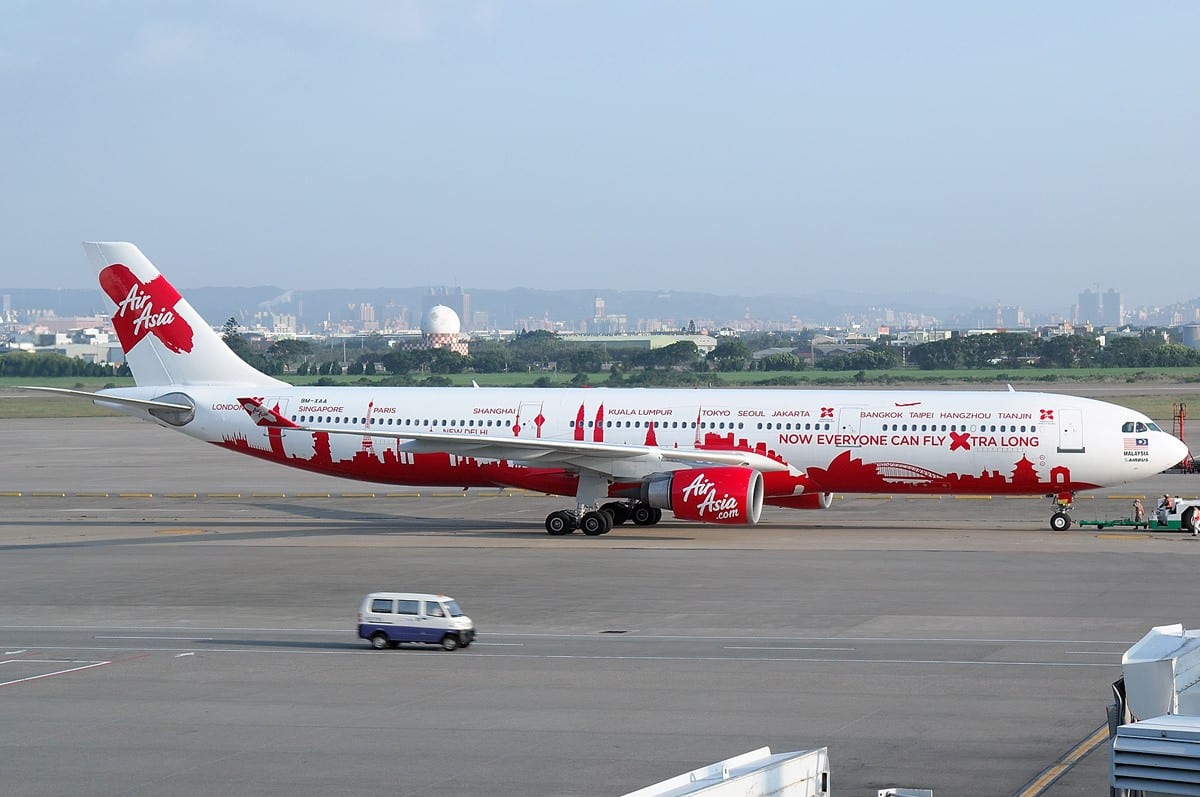
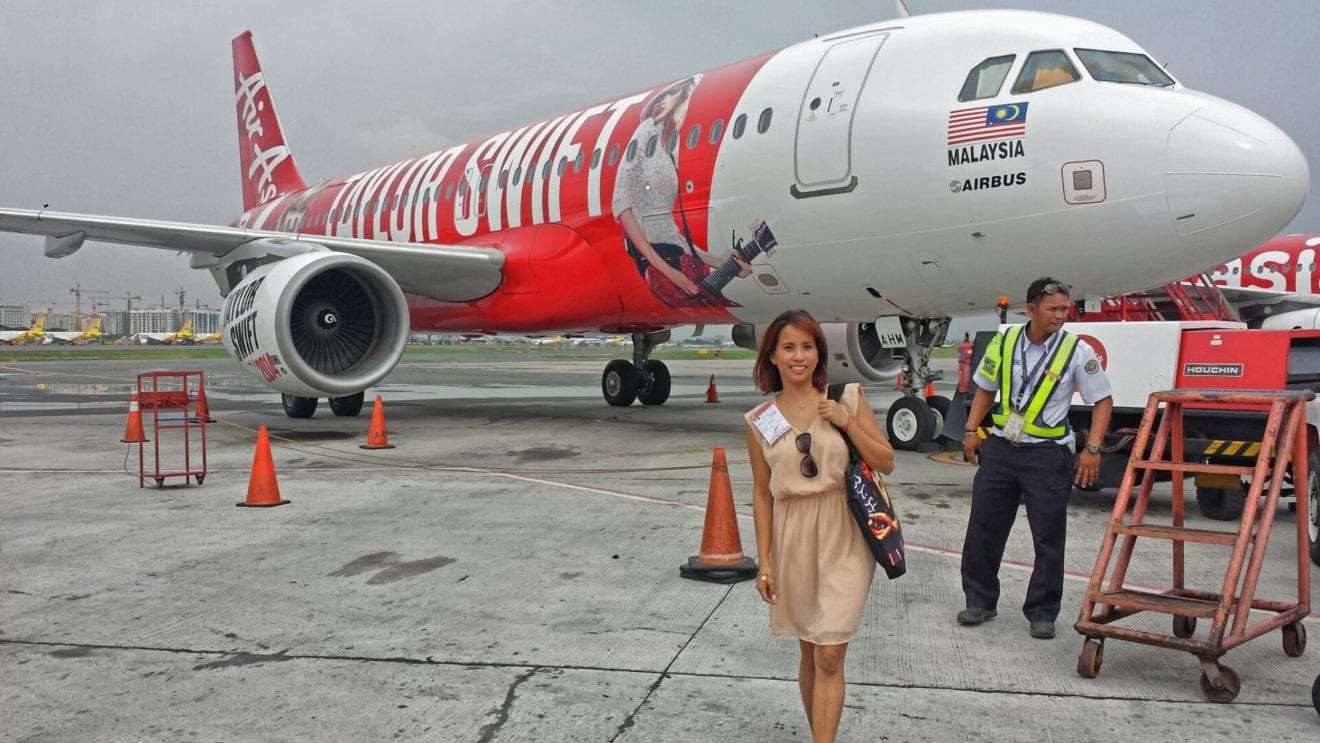
    AirAsia India has come up with yet another promotional offer and is offering tickets for Rs 1,290, inclusive of taxes.

    The travel period to avail the AirAsia offer is between January 15, 2016 – April 14, 2016 and tickets must be booked by September 27, 2015.

    While tickets from Bengaluru to Goa or to Kochi are available for Rs 1,290, fares from the IT capital to Delhi are priced at Rs 3,490. The AirAsia promotional offer is valid across its flying network.

    Airlines have been announcing with slew of offers almost every other week in a bid to garner market share in a fiercely competitive environment.

    These promotional schemes by airlines have ensured a spike in the number of people travelling by air. Passengers carried by domestic airlines during January to August 2015 were 523 lakh as against 433.24 lakh during the corresponding period of the previous year – a growth of 21 per cent.

  • YepMe raised $75 million for expansion

    YepMe raised $75 million for expansion

    Indian online fashion retailer YepMe has raised US$75 million for expansion in a funding round led by Malaysia’s Khazanah Nasional Berhad state fund.

    YepMe, based in the city of Gurgaon in the National Capital Region, was launched in 2011 by three entrepreneurs. It has so far attracted investment from the US and India, and in this latest round from Jabong, Myntra, Fashion and You, among others.

    The company says it plans to use the fund to develop and launch an ethnic India range of clothes, and to boost brand awareness.

    With an estimated 500,000 items sold every month, YepMe makes its own brand clothes, focusing on menswear and accessories featuring formal, casual, outdoor and party wear. It also sells apparel, watches, glasses, footwear and other goods from other brands, targeting men and women in the 20 to 29 year age group.

    It targets tier 2 and tier 3 cities in India where name apparel brands have few physical retail stores.

    Last year, it enterd the US market with a different website brand, Yepmeworld.com and it also sells on Amazon.com.

  • India eCommerce to lead BRICs

    India eCommerce to lead BRICs

    India – not China – is set to become the fastest growing B2C eCommerce market of the BRIC countries in the next five years.

    A new publication by Germany-based secondary market research expert yStats.com India B2C eCommerce Market 2015 also reveals the main challenges faced by online retail in this country, including underdeveloped logistics and low credit card penetration.

    The rapid growth of B2C eCommerce in India is driven by a combination of its vast population, increasing internet penetration and the scarcity of organised retail – especially in small towns and rural areas.

    “Next year, India is predicted to top the USA to become the second largest country worldwide in terms of the number of Internet users, behind China. While China has been the leader among the BRIC markets in terms of online retail growth in the five years to 2014, during the next five-year period India is predicted to take over this position,” says the report.

    Online retail in India has much room for growth. B2C eCommerce share of total retail sales was estimated at less than one per cent in 2014, while the share of internet users making purchases online was below one quarter. Another sign of immaturity is the high share of online travel in total eCommerce sales, reaching close to two-thirds according to some estimates. Furthermore, Internet penetration on the 1.3 billion population in India was relatively low in 2014, although showing an improvement from a single digit figure in 2010.

    “The spread of mobile Internet is expected to especially benefit the state of connectivity in this country, while also driving mCommerce sales up,” said the report.

    Apart from low Internet penetration, some major challenges faced by B2C eCommerce in India include underdeveloped logistics infrastructure and low credit card penetration. Online merchants’ profitability suffers from the necessity of accepting cash on delivery and offering free shipping.

    The top three eCommerce companies in the country – Flipkart, Snapdeal and Amazon India – developed their own logistics capabilities using recently obtained investment. Other eCommerce players that benefited from investment pouring into the Indian market include marketplace operator ShopClues, online classifieds website Quikr and online accommodation booking website Oyo Rooms.

  • Omni-channel to be the next big play in retail

    Omni-channel to be the next big play in retail

    “I haven’t seen such a behaviour in other South East Asian markets. While businesses in countries like Taiwan, Thailand and Philippineshave adopted e-commerce in a big way, there is a clear focus on bottomline. Money is being made on every transaction and majority of the companies there are gross margin positive,” said Iyer at the inaugural session of the two-day IRF summit in Mumbai on Tuesday.The fast emerging e-commerce sector in India has been talked about in the business world as the next big thing to be in. However, according to Krish Iyer, president and CEO, Walmart India and chairman of India Retail Forum (IRF) 2015, one thing that has hit him in the last year and half isthe whole craze about building valuations while not really looking at the bottomline.

    “I haven’t seen such a behaviour in other South East Asian markets. While businesses in countries like Taiwan, Thailand and Philippines have adopted e-commerce in a big way, there is a clear focus on bottomline. Money is being made on every transaction and majority of the companies there are gross margin positive,” said Iyer at the inaugural session of the two-day IRF summit in Mumbai on Tuesday.

    Defending the valuations game being played in the e-commerce sector in India, Alok Goel, managing director, SAIF Partners, said that India is the only country that offers an opportunity for growth investment in the global scheme of things. “Lot of money is flowing into India looking for opportunities and return on investment. And when lot of money is chasing fewer products out therein the market, the price of that product increases. This roughly explains the rapid price-valuation situation that’s come up in the market,” said Goel, adding that from a valuations point of view, businesses need to be looked at in terms of growth they will register over the next five to 10-year horizon.

    Stressing on the need for Indian retail (online / offline) players to seek profitable growth, Anurag Mathur, retail and consumer goods practice leader, PricewaterhouseCoopers India, said, currently mom-n-pop stores are enjoying operating margins of between 6% and 8%over gross margins of 16% and 18%, while the organised retailers had high gross margins of 20% and 22% though operating margins were as low as 2% and 4%. “The online / e-commerce players are still ages away from getting into the positive space with gross margins anywhere between -3% and -8% and operating margins between -15% and -22%,” he said.

    While the recent past has seen the Indian retail fraternity debate aggressively about retail and omni-channel, Iyer pointed out that a few years ago, it was about retail and e-commerce. “And from what I see on the ground, I can tell you that omni-channel will be the key focus of discussion next year. The brick-n-mortar players will continue to learn from the pure-play e-commerce players and then will be able to drive profitable growth while providing omni-channel experience to the customers. And that to my mind, is the only way to go,” he said adding that retail players, particularly those in the brick-n-mortar space, are clearly focused on profitable growth.

    Iyer stressed that ongoing economic adjustments around the world offered businesses in India a brilliant opportunity to lead global growth. And the fact that India has been a domestic consumption-driven economy has come handy. “We are not an export-driven economy and that’s one of the primary reasons why the economic turmoil and global events haven’t had as much impact on India as we have seen in other BRIC countries viz. Brazil, Russia and China,” he said.

    The next phase of retail revolution, retailers and experts said, will be driven by India and China unlike the past phases that were driven by the West. However, Indian retailers lagged in retaining a black bottomline when compared with their foreign counterparts.

    “Operating margins (ebitda) of Indian retailers have dropped to 2% in 2014 from8% in 2011. During the same period, ebitda of select international retail chains like Walmart, Target, Tesco and Home Depot have maintained 7-11% during the same period,” said Mathur.

    In fact, according to a survey conducted by PricewaterhouseCoopers India, over 65% of Indian retailers are focusing on improving profitability through improvement in revenue throughput as fast-changing consumer behaviour is driving many retailers to rethink their business model. As per the survey, 53% retailers are considering a change in their operating model driven by changing consumer behaviour.

    With the emergence of new formats, distinct paths to sustainable profitability will need to be crafted as retailers in India face a herculean task of reaching out to the customer through a combination of mobile, social and human connect, experts said.

    According to Abheek Singhi, senior partner and director, Asia Pacific leader –consumer and retail practice, The Boston Consulting Group, online and e-commerce with varying digital density along with omni-channel are straining traditional business models in retailing. “Moreover, with consumer companies selling directly via offline and online tools, value chains are also getting disrupted,” he said.

  • McDonald’s India to double network

    McDonald’s India to double network

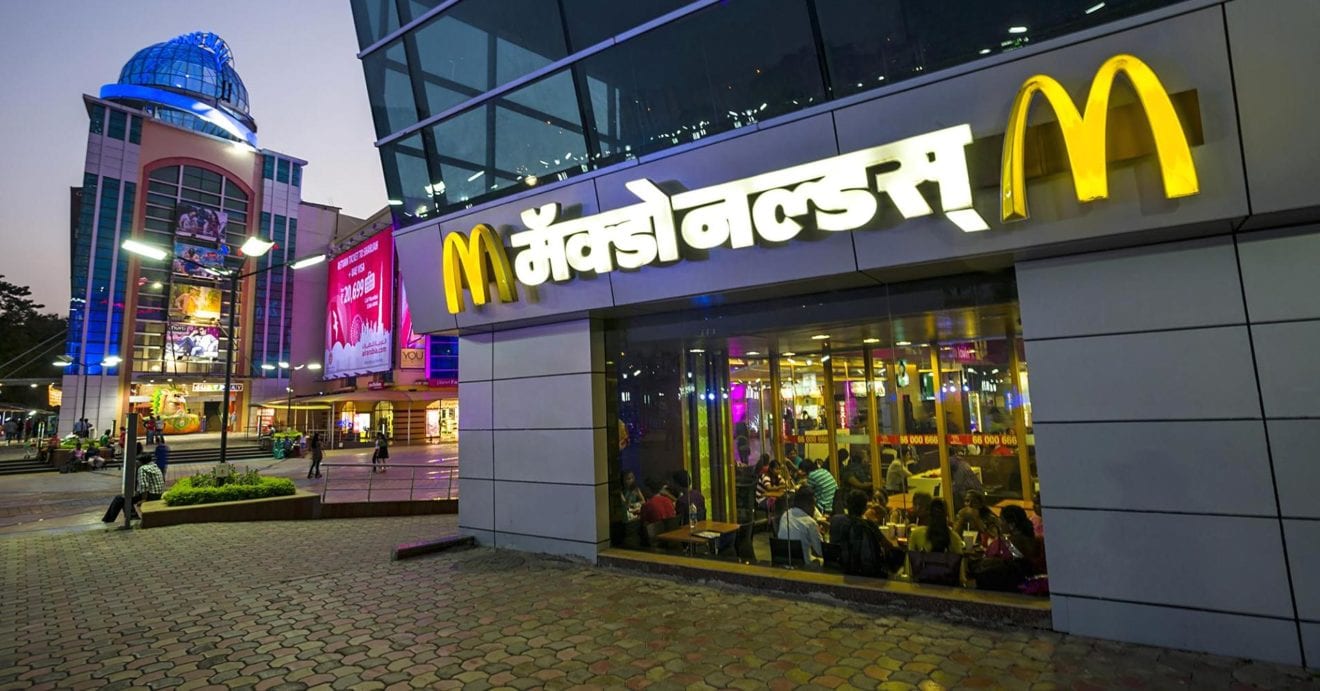
    McDonald’s India says it plans to open a new restaurant every week for the next five years.

    That’s 250 restaurants by the end of 2015, more than double its current network of 231.

    McDonald’s India master franchisee is Westlife Enterprise, whose vice chairman Amit Jatia says the growth focus will be on the western and southern parts of the country.

    McDonald’s launched in India 20 years ago, essentially the first of the crop of global fast food chains to establish a presence there. Now it faces growing competition from the likes of Burger King, Domino’s and Pizza Hut for a share of the growing fast food market.

    Jatia says McDonald’s will be expanding its coffee offer, opening the McCafe concept within its fast food restaurants as part of a move away from softdrinks.

    “We offer a range of smoothies, besides coffees and this encourages customers to opt for non-carbonated drinks,” he said in an interview with the India Times.

    The McCafe network will be expanded from the current 45 to about 140 within two years.

  • Nike, Muji, Adidas apply for Indian retail rights

    Nike, Adidas and Muji are among eight global companies seeking single brand retailing approval from the Indian government.

    According to a report in The Indian Express the Department of Industrial Policy and Promotion (DIPP) has received eight applications from global brands including Skechers, Kiko International, Ryohin Keikaku (Muji), Nike, Adidas and Swarovski after foreign direct investment rules were relaxed in July.

    Foreign companies can now conduct business through more than one joint venture in India, according to the newspaper.

    Since then, ITaly’s Kiko International has applied to retail beauty and skin care products, apparel, jewellery and handbags. Shoe maker Skechers and glass creator Swarovski followed.

    Swarovski, along with Nike, have previously had applications turned down – in Swarovski’s case because it wanted to sell in both cash-and-carry chains and single brand retail stores. It was told to reapply with separate applications, The Indian Express reports.

    The identity of the other two companies was not revealed.

  • Japan’s Kakaku.com launches Priceprice.com in India

    Japan’s Kakaku.com launches Priceprice.com in India

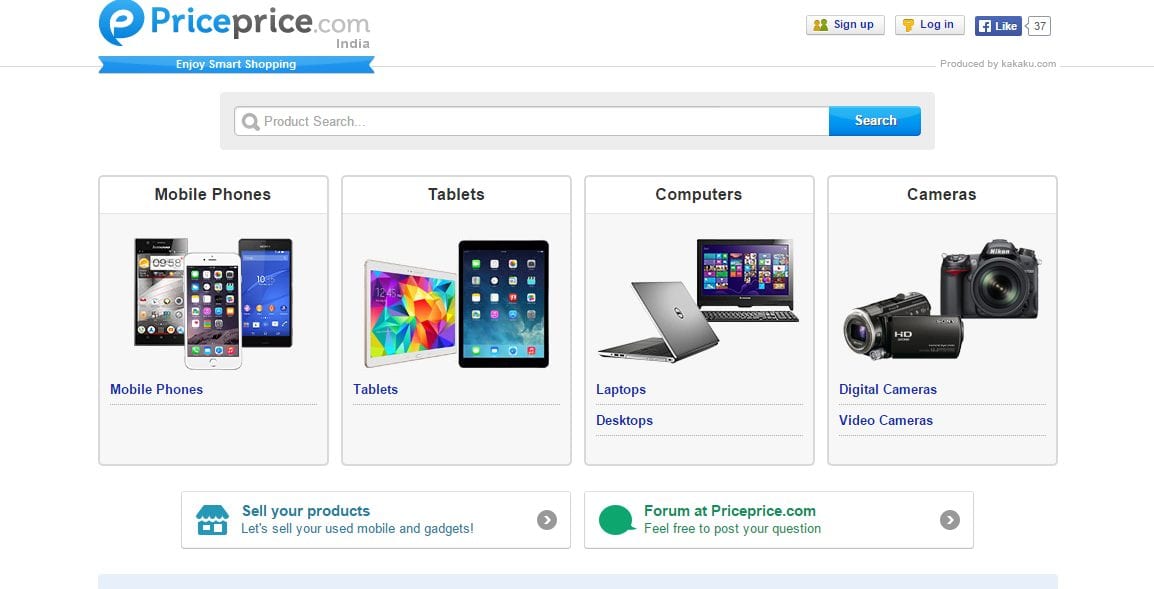
    Japan’s Kakaku.com has launched the Indian version of Priceprice.com, a price comparison site for mobile phones, tablets, computers and household appliances.

    Priceprice.com shows online shoppers a list of products from various sites, sorting the results from lowest to highest price, to easily show the best available price for that product.

    Kakaku.com is the largest price comparison site in Japan with approximately 50 million monthly users. Eighteen years after its founding, Kakaku.com has strengthened its management expertise and in recent years, the company has expanded its service globally. Following the launch in the Philippines, Thailand and Indonesia, Priceprice.com has established its position as the largest price comparison site in Southeast Asia with approximately 5.3 million unique users in all three countries.

    “We have now launched a new site in one of the fast-growing eCommerce market, India, where we dedicate ourselves continuously to offer pleasurable shopping experience for consumers,” the company said in a statement.

    The site not only compares prices. Users can access forums for each product allowing a place for people to ask questions about a product or for users to exchange opinions with other users. Shoppers can also see the ratings and reviews written by users who have actually used the products.

    “As we continue to improve product search and comparison functions, we also hope to include price information from offline retailers to further expand our services,” the company said.

  • Air Asia to connect 4 more cities with Kuala Lumpur

    Air Asia to connect 4 more cities with Kuala Lumpur

    Low-cost carrierAir Asia today said it will connect four more Indian cities with its hub in Kuala Lumpur to take the number of destinations linked to the Malaysian capital to 12.

    Its Executive Director and CEO Aireen Omar announced here that four more Indian cities will be connected with the Malaysian capital.

    She, however, did not specify the cities which will be connected or offer details on the timelines by when the new flights will start.

    The airline, which entered the country in 2008, had launched a Visakhapatnam-Kuala Lumpur service in May, which was followed up by a flight to Goa from the Malaysian capital.

    Other Indian cities it connects with Kuala Lumpur include Tiruchirappalli, Kochi, Kolkata, Chennai, Bengaluru and Hyderabad.

    Omar today said it is also increasing the frequency of the Kochi-Kuala Lumpur route to 14 per week, from the present 10 per week, starting November 19.

    The airliner has chosen Bengaluru as its operating hub in the country.

    “India is an important market to us, and together with AirAsia India, we are committed towards providing the Indian consumers with low fares and high-value services. We entered the Indian market with Tiruchirappalli as AirAsia Berhad’s first destination back in 2008, and today, we serve eight cities to Kuala Lumpur and beyond,” she said.

    She said factors like exhaustion of traffic rights sometimes hampers its plans and added that the airline has already sought to increase bilateral rights so that AirAsia Berhad can expand frequencies on existing routes.

    The average flight load of the Visakhapatnam-Kuala Lumpur route since its launch in May has been 78 per cent, she added.