Tag: india

  • Ishtara Jewellery plans expansion into Europe

    Ishtara Jewellery plans expansion into Europe

    Ishtara Jewellery, a Singapore business with origins in India, plans to expand within Asia and into Europe and the Middle East.

    MD and owner Parthiban Murugaiyan says Ishtara is marketing Indian-made gold jewellery in Singapore and its sister company Luvenus Jewellery is retailing international brands overseas.

    The company has been importing Indian gold and diamond jewellery into Singapore for 20 years under its previous name India Jewellery Pte Ltd. It has just completed a rebranding.

    Now Ishtara is planning to open retail stores and showrooms in Hong Kong, India – and further afield in Europe and the Middle East. It will also focus on airports, with a Mumbai airport contract already reportedly signed..

    “We are catering to the younger generation of South Asian diaspora with fashionable jewelleries by setting up showrooms and retail outlets globally, especially starting with airports,” Murugaiyan said in an interview.

  • Maggi clears lab tests, to begin manufacturing noodles soon

    Maggi clears lab tests, to begin manufacturing noodles soon

    Nestle India, maker of the country’s highly popular Maggi, on Friday announced all samples of recently-banned instant noodles have cleared the tests conducted by three laboratories as mandated by the Bombay High Court.

    The move will now allow Maggi to be back on the shelves after it was banned over the presence of excess lead since June this year.

    “All the 90 samples, covering six variants, tested by these laboratories are clear with lead much below the permissible limits,” Nestle India said in a statement. “In compliance with the orders of the Bombay High Court, we will now commence manufacture and will start selling only after the newly-manufactured products are also cleared by the designated three laboratories.”

    The company said “it is committed to reintroduce Maggi into the retail market at the earliest”. However, analysts believe it could take up to six months to put back Maggi back on the shelves across India. “One of the challenges for Nestle is to fill up the pipeline again. From the day of production, it could take three to six months to reach out to the retailers in the far flung areas across India,” said Arvind Singhal, chairman of retail consultancy Technopak.

    Various countries, including the US, the UK, Singapore, Australia and others have found Maggi noodles safe for consumption. Nestle claims to have conducted over 3,500 tests representing over 200 million packs in both national as well as international accredited laboratories with all the reports clear. “It is never easy to build the trust again… But an excellent communication plan and a crisp ad campaign could be a way out,” said Srinivas K Reddy, director, center for marketing excellence, Lee Kong Chian School of Business, Singapore Management University.

    Retailers, however, reject the skepticism. “We missed Maggi because our customers missed it a lot,” said Darshana Shah, senior V-P, marketing, HyperCity, retail chain. “Despite the availability of many other brands, no brand was able to fill in the vacuum left by Maggi.”

  • More Indian consumer use social media for feedback than Japanese

    More Indian consumer use social media for feedback than Japanese

    Indian consumers are more digital savvy for reporting and resolving customer service experiences over social media than their counterparts in Japan and Hong Kong, says a survey by American Express.

    According to the American Express Global Customer Service Barometer (CSB), which did a random online survey of 1,000 respondents each in the three Asian countries this year, 71% Indians use social media to get a customer response, same as last year but significantly up from 54% in 2012. In Japan, only 29% used social media for customer response while in Hong Kong the number stood at 29%.

    While 41% Indians said they always receive resolution of their customer service issues through social media, for Japan and Hong Kong the numbers stand at 12% and 18%, respectively.

    In selecting a company to do business with, consumers in India and Japan give top priority to ‘good product’ followed by ‘good value for the price’, while the order stood reversed in the case of Hong Kong. All three countries ranked ‘excellent customer service’ third in importance, the survey said.

    While most consumers are willing to give a company at least one more chance after receiving poor service before they consider switching, 33% immediately consider switching after initial poor customer service experience.

    Indians customers are the most reactive with 73% having dropped an intended purchase or transaction due to poor customer service as compared to 56% and 40%, respectively, for Hong Kong and Japan.

    As for sharing their experiences, on an average, consumers tell 39 people about their good experiences (41 in 2014), and 42 people about their bad experiences (48 in 2014), the report said. As much as 98% talk about their good customer service experiences at least some of the time.

  • Cash boost for Amazon India

    Cash boost for Amazon India

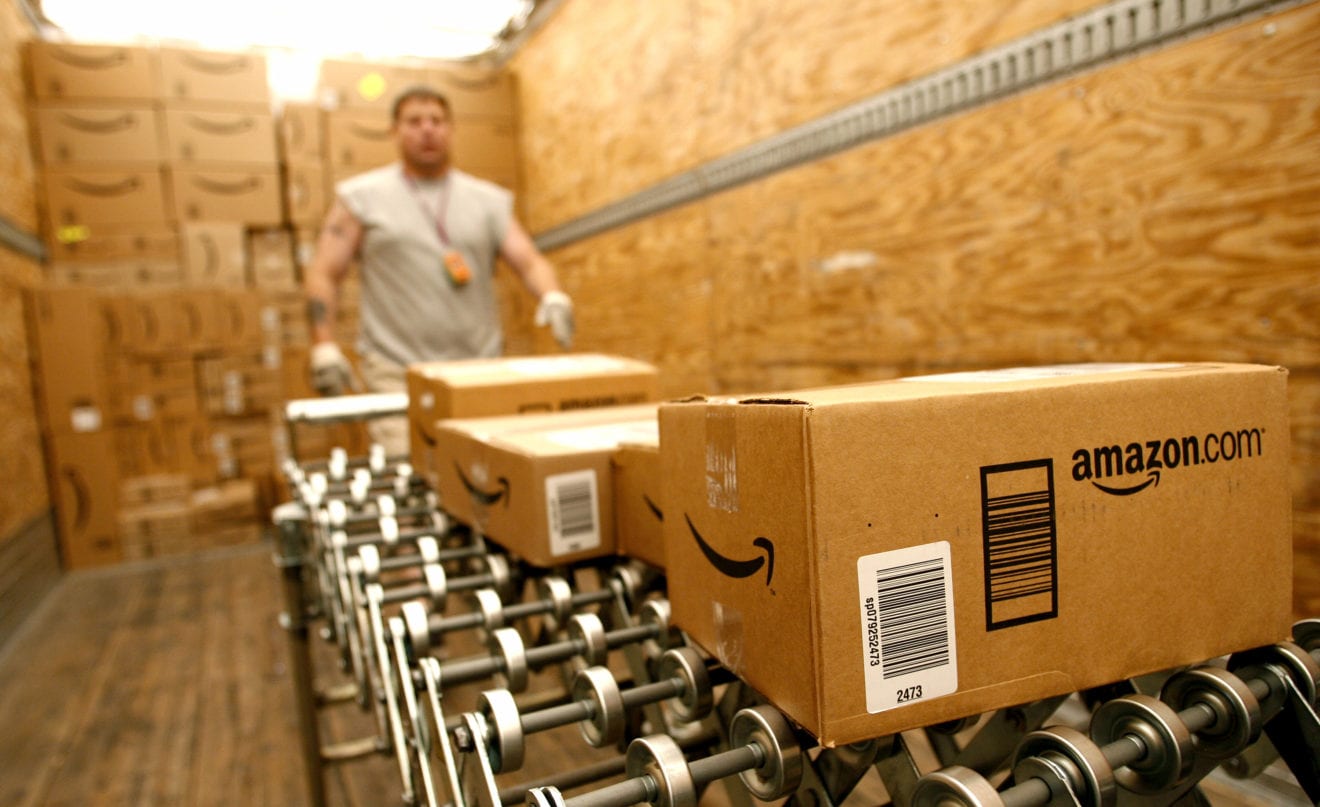
    Amazon India has received a massive $189 million cash injection from its US parent.

    It marks the biggest capital inflow into Amazon Seller Services in India since the brand made its debut in the nation in 2013.

    Five months ago the parent invested a $177 million taking the total to $460 million.

    “We are very excited by our growth and continue to invest in technology, especially mobile, infrastructure and logistics to support seller capability in order to deliver value to our customers,” an Amazon spokesman said.

    Amazon founder Jeff Bezos is on record saying he was prepared to invest up to $2 billion into Amazon India because he is confident about the eCommerce giant’s future prospects in the fast-developing market.

    The company now has 21 fulfilment centres, the newest near Pune City boasting 55,000 sqft.

    Rival Flipkart plans to raise $1 billion from investors, following a $700 million funding round in July. And Snapdeal reportedly raised $500 million in collaboration with Alibaba.

  • Ricoh India opens first flagship

    Ricoh India opens first flagship

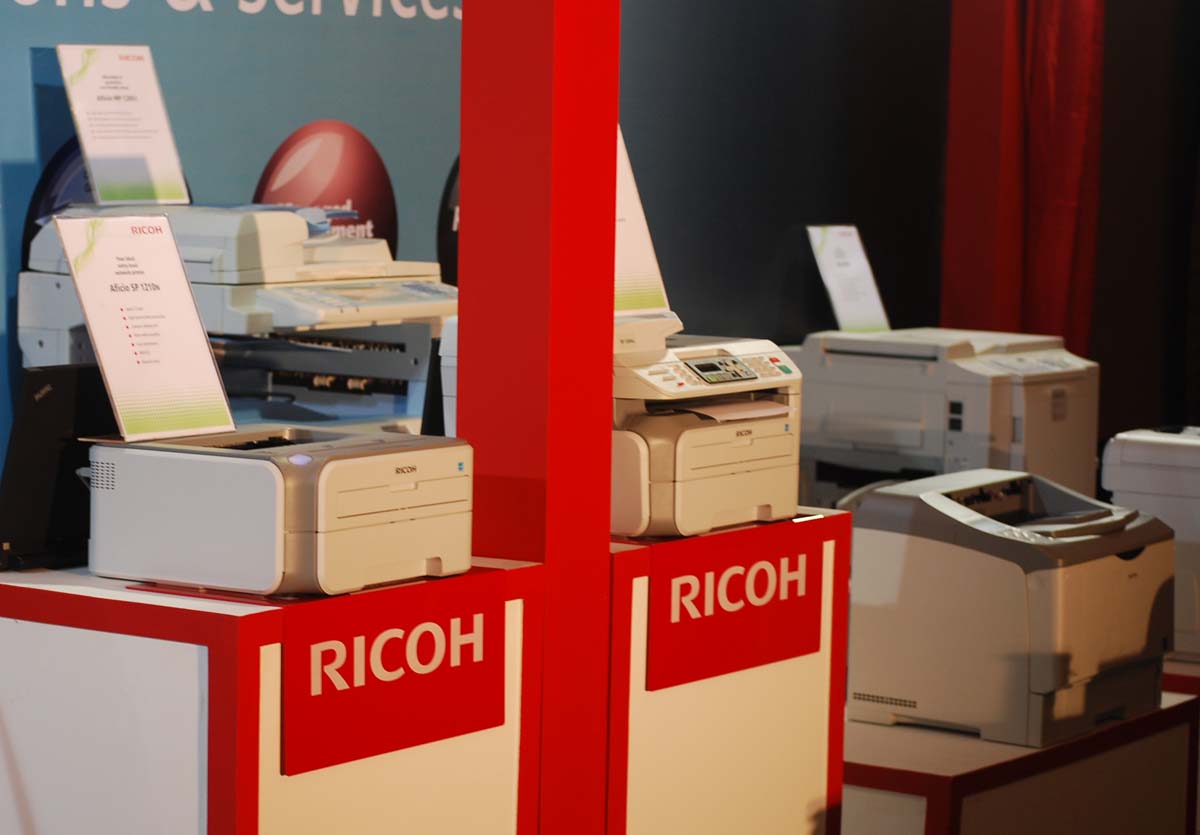
    Printing and document solutions specialist Ricoh India has opened its first Indian flagship store at Lucknow.

    The Japanese brand says the new retail facility is an effort to “strengthen consumer experience and engagement”.

    Ricoh Brand Stores are conceptualised as “the ultimate retailing experience that synchronises with innovation, quality and excellence”.

    The company says the flagship will give the company, better insight into customer needs and help it to come up with customised products and solutions. The Lucknow Store will display the copiers, projectors, cameras, binoculars, and visual communication products, laser printers as well as toner and genuine refills.

    At the Ricoh India store, customers can experience the recently launched, Ricoh Theta m15, a spherical camera that captures the space around you with just one touch. The camera range also includes the Pentax K-500, an entry-level DSLR, all weather and all-purpose underwater camera WG4 among many other products.

    Ricoh India says it has ventured into this brand store to have greater visibility and offer customers an easy access to products and technologies.

    “Through its retail stores, Ricoh wants to enhance customer experience of the technology products and also to cater to the B2C Segment. The brand shop will complement the Ricoh eStore, so that the consumers can make the most of the Ricoh one-stop printing and imaging solutions.

    Manoj Kumar, CEO and MD of Ricoh India said more brand stores are planned for key markets along with a strategy to expand its channel partner base.

    “We are also working with various large format retail stores to expand our presence across the country. Our expansion strategy has fetched us tremendous growth and added to company’s bottom line.”

    The brand’s turnover has doubled in the first quarter of this year compared to the same period last year.

  • Apple Stores set to enter India; teams up with Croma Retail

    Apple Stores set to enter India; teams up with Croma Retail

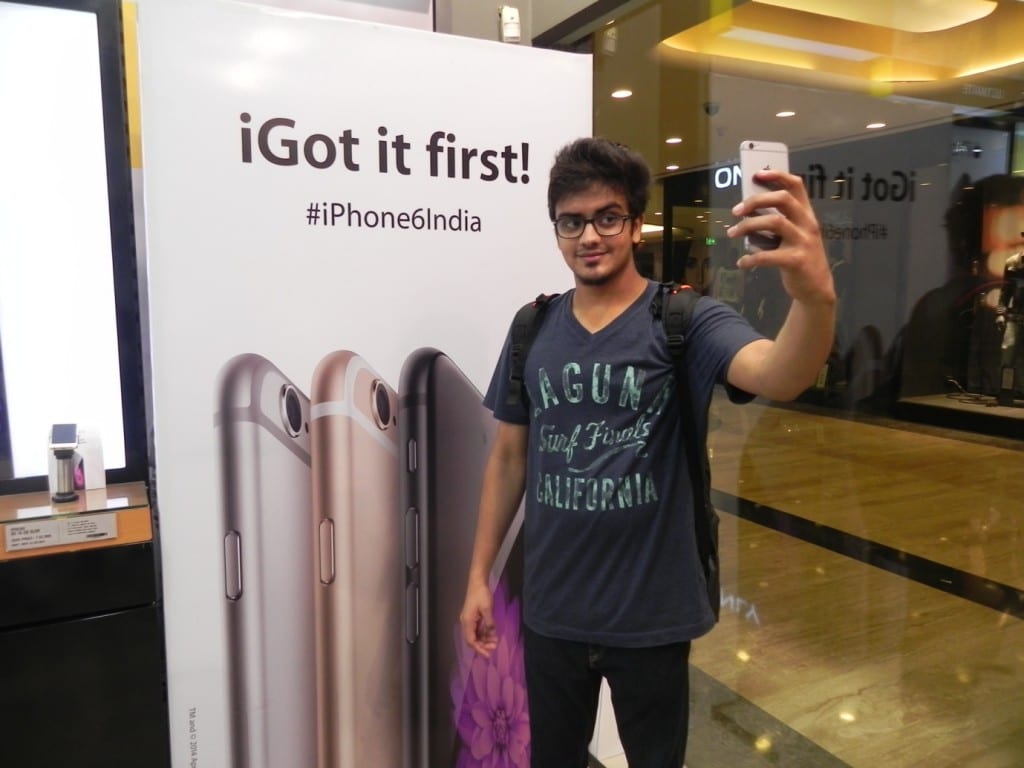
    Apple Stores will now officially enter Indian shores in partnership with Tata-owned consumer electronics chain Croma which will host Apple at six locations – five in Croma stores, Mumbai and one in Bangalore – to begin with. The locations are Juhu, Oberoi Mall, Malad, Ghatkopar, and Phoenix Mall in Mumbai. In Bangalore, it will be opened in Jayanagar. These stores will be opened by Diwali this year.

    Avijit Mitra, chief executive officer of Infiniti Retail, which owns Croma said, “We are proud to partner Apple to launch the Apple Store in India and extremely bullish about it. These stores will be modelled on the global design and will offer the best experience to consumers, showcasing the entire range of Apple products.”

    It should be pointed out that these stores will be different from Apple exclusive stores in India. Apple will not own these stores, but has franchisees who are premium re-sellers. Apple products are sold online via e-commerce portals as well.

    The Apple space will be 400-500 square feet in area and the store design, furniture, fixtures and lighting will the same as that used in Apple stores globally and the sales staff will also be trained by the company, the report added.

    Croma has stated that it has 97 stores across the country with 3.8 million customers where as Apple owns more than 460 stores in 17 countries. The company has significantly increased its retail presence in the country in the past year with five distributors in India.

  • Snapdeal integrates offline, online retail in new platform

    Snapdeal integrates offline, online retail in new platform

    Indian online marketplace Snapdeal has launched an omnichannel platform that integrates its offline and online retail channels. It offers customers the convenience of online discovery and ordering along with faster hyper-local fulfilment and is expected to power an ecosystem of leading brands, large format retailers (LFRs), small businesses and technology start-ups. 

    The first categories to go live on the Janus omnichannel platform will be mobile phones in partnership with The Mobile Store (TMS), automobile tyres with Michelin, inverters and batteries in partnership with Luminous and fashion products with Shoppers Stop.

    “This platform will blur the lines between offline and online retail, demonstrating that both channels can act as gateways to each other,” said  Kunal Bahl, Co-founder and CEO, Snapdeal.

    Snapdeal said various studies have shown that consumers switch between online and offline before making purchase decisions. For one, 77 percent of consumers browse in stores before making a purchase online and 55 percent consumers conduct on-the-go mobile research before making a purchase in-store.

    In certain categories of products like mobile phones, majority customers follow up their online purchase with a visit to the store for accessing related services like data transfer, screen protection etc.

    These trends clearly indicate a need to create channels for customers to seamlessly access the benefits of both online and offline to create a delightful buying experience.

    Customers buying their phones on Snapdeal will have the option to pick up or get their phone delivered from the nearest TMS store within two hours of ordering. TMS trained agents will also help set up and demonstrate phone features in addition to offering services like sim resizing, data transfer, screen guard installation, all in the comfort of the buyer’s home.  Customers will also be able to access these services at the nearest store if they chose the pickup option. These services will be available across 70 cities in India. 

    “We look forward to scaling up this ecosystem by leaps and bounds in the coming months with more like-minded partners,” said Tony Navin, Senior Vice President, Partnerships and strategic initiatives.

  • 40% of Indian food retailers to grow by 10% or more this year

    40% of Indian food retailers to grow by 10% or more this year

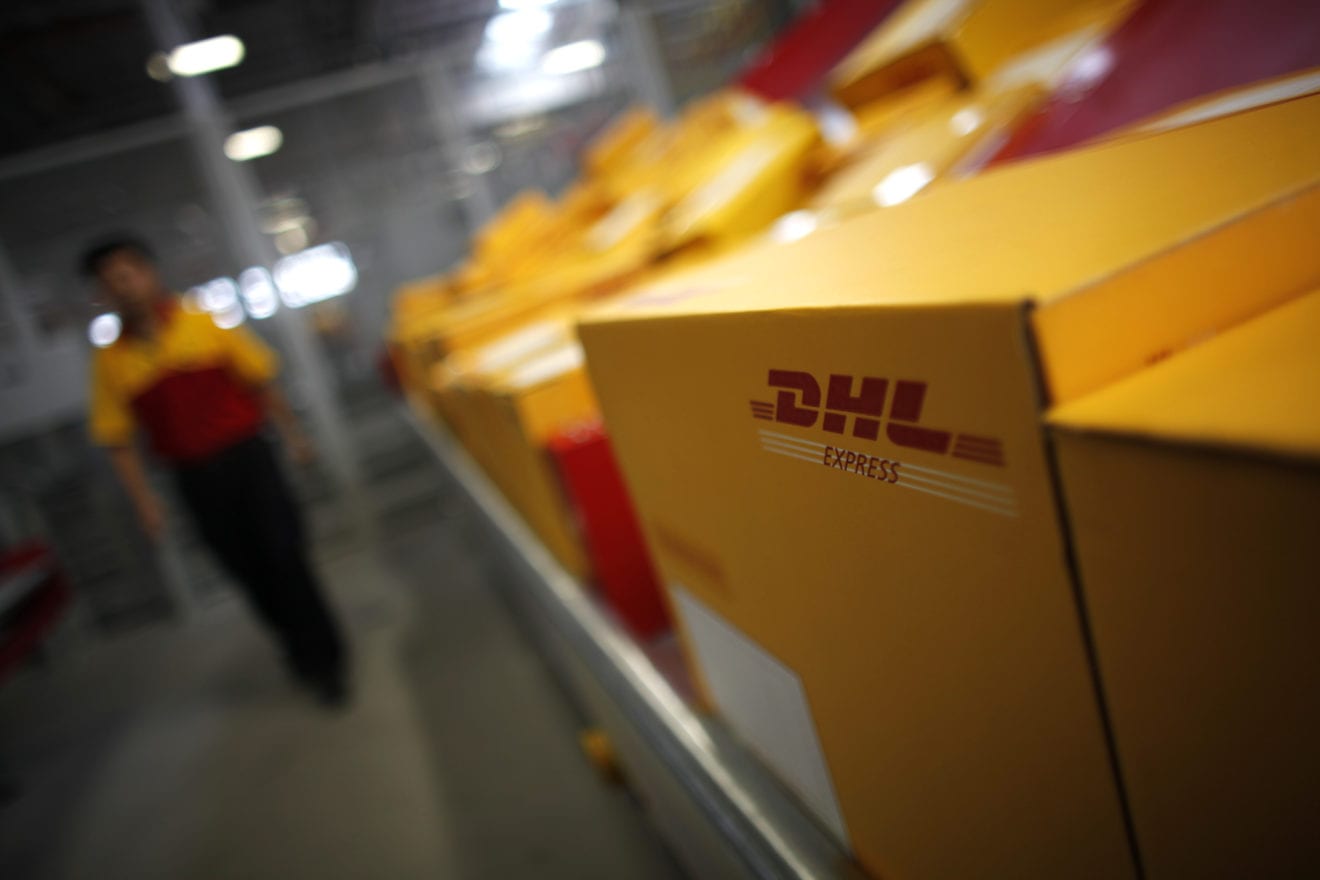
    Almost four in 10 Indian food retailers are expected to grow by 10 per cent or more this year, according to research commissioned by DHL Supply Chain, the global market leader for contract logistics solutions.

    Based on interviews with more than 300 industry decision-makers in India, Indonesia, Thailand and Vietnam, the study titled, Hungry for Growth: Logistics Trends in Asia’s High-Growth Food Retail Markets, found that more than one in four food retailers in some of Asia’s fastest-growing economies expect to grow by 10 per cent or more this year, as a result of expanding populations and rising income levels.

    However, the report also found that while 86 per cent of Indian food retailers understand their supply chain costs, six in 10 are struggling to maintain adequate levels of shipment accuracy in fulfilling growing demand – potentially impacting their ability to keep shelves stocked and orders filled as demand and competitive factors grow increasingly complex.

    “Rapid increases in purchasing power, coupled with surges in demand driven by population growth, will yield obvious expansionary benefits to food retailers,” said Dean Eichorn, Vice-President – Retail, DHL Supply Chain Asia Pacific. “However, any food retailer’s success is ultimately dependent on the agility of their supply chains when faced with demand volatility, seasonal fluctuations, and other complex market factors. Asia’s food retail industry looks set to undergo significant growth in the next year, and only with greater understanding and control of their logistics processes will companies be able to take advantage of new opportunities.”


  • Asia luxury goods market still growing

    The Asia luxury goods market is still growing rapidly despite negative press about Hong Kong, Macau and deteriorating China spending.

    Luxury goods retail sales in Asia-Pacific are expected to reach US$134.9 billion by 2019, growing at a CAGR of seven per cent during 2014-2019, according to the report Luxury Goods Retailing Market in Asia-Pacific, 2014-2019 Market and Category Expenditure and Forecasts, Trends, and Competitive Landscape.

    Japan will remain the largest Asia Pacific luxury goods market amid a slowdown in China and India’s luxury goods market is the fastest growing in Asia-Pacific, driven by rising disposable income, growing fascination towards luxury brands, and the desire of high earners to differentiate themselves from others.

    The report says jewellery, watches and accessories is the largest and fastest growing category in the region, driven by higher spending on jewellery and watches by Chinese, Japanese, and Korean consumers.

    The Hong Kong luxury goods market is struggling due to political unrest and reduced Chinese spending. A luxury tax exemption is expected to boost luxury goods consumption in Indonesia.

    Social messaging apps is a trending marketing channel for luxury brands, as the digital channel is influencing the purchasing decisions and pattern of consumers.

  • Grofers shifts base to Singapore

    Grofers shifts base to Singapore

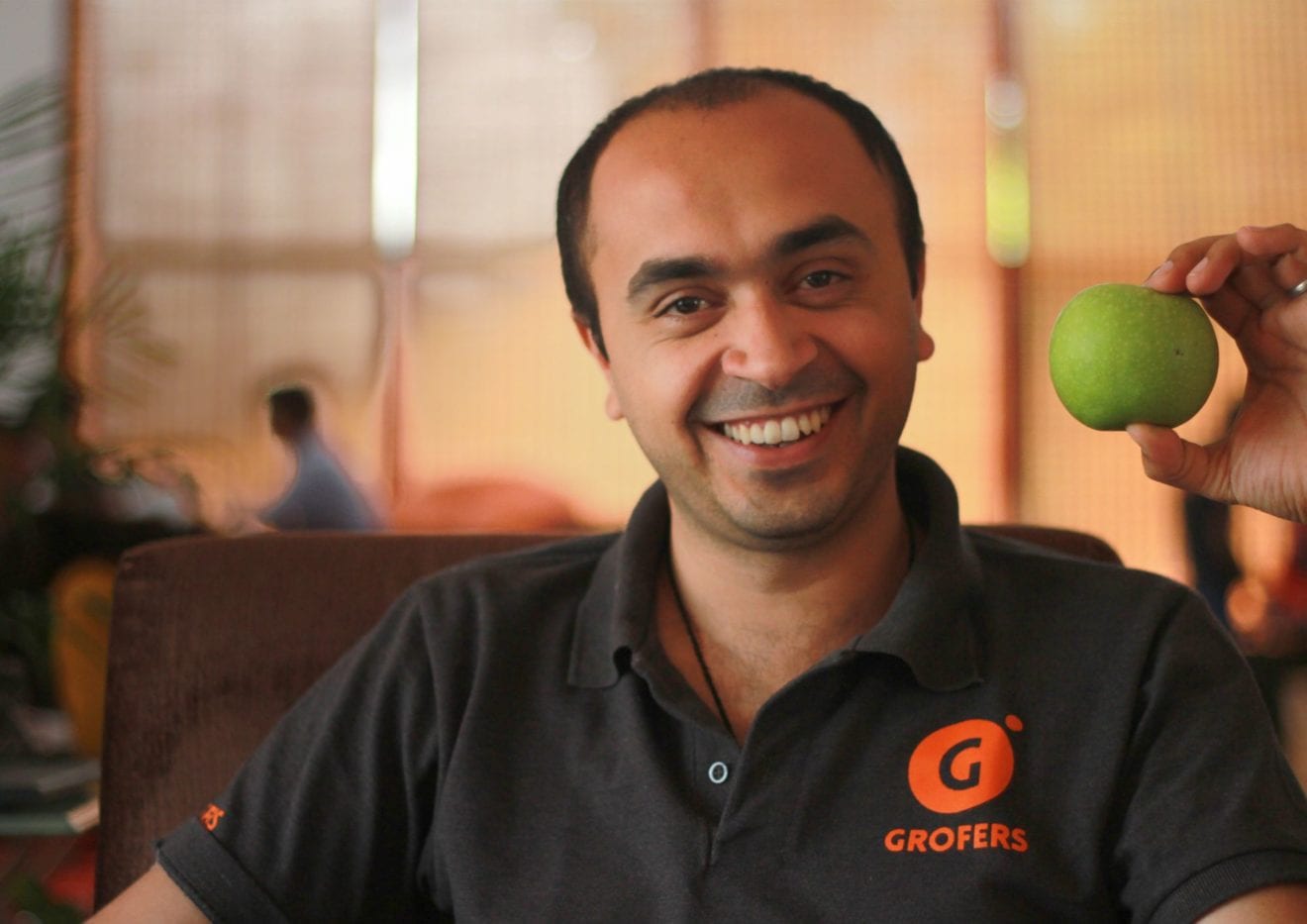
    PM Narendra Modi may have been the flag-bearer of `Make in India’, with his recent trip to the US being a highlight for `Digital India’. But another Indian startup has joined the growing list of new companies moving base out of India. Gurgaon-based Grofers decided to shift headquarters to Singapore from India.

    A hyperlocal grocery delivery firm, Grofers’ moving out is primarily due to a friendlier corporate regime in foreign countries.

    The shift has again highlighted a `brain drain’ of sorts with regards to Indian companies. Earlier, companies like Mobikon and AdNear had also moved out of India. In fact, Indian e-commerce’s poster boy Flipkart too shifted its base to Singapore, while some of the others like Fresh Desk and Druva chose USA.

    Grofers co-founder Albinder Dhindsa said, “Our main reason for a Singapore holding company is owing to listing potential in the future. Our assets are still on the books of the Indian entity, so tax equation remains same for us.”

    India’s high corporate tax rates and compliance issues are the key reasons for companies to join the exodus, industry experts pointed out.

    In fact, investors too are more confident putting money into a startup when the company headquarters operates out of a tech-friendly foreign country .Corporate tax rate is 30% in India, while the same in Singapore is 17%. “India is a hot spot for startups now. But it is yet to catch up in terms of regulations and tax structures. In a tech-friendly market, which is mature enough to house them, getting relatively higher fundings and more valuation becomes easier,” said a domestic investor.

    Key stakeholders pointed out what also makes it even tougher for early stage or emerging companies in the new economy space is the fact that a fairly modestvalued company has to exercise same sort of compliances which an established conglomerate is expected to meet in India. “It is a strenuous task for even a middlesized company to match the corporate compliance standards of, say , a behemoth like ITC,” a corporate lawyer said.

    For Grofers’ next round of funding too, the Singapore entity might come in handy as its competitors like BigBasket and PepperTap have recently raised funds for expansion and acquired consumers in a sector which is the hottest in the ecommerce arena in India.What remains to be seen is whether the government can arrest the rising exodus and `Make In India’ becomes a reality.

  • Gold at Discount for Fourth Week in India, China Goes on Holiday

    Gold at Discount for Fourth Week in India, China Goes on Holiday

    Gold prices in India continued to trade at a discount for a fourth straight week, while premiums in China fell before it went on a week-long national holiday, in signs of sluggish demand in top consuming region Asia.

    Persistent weakness in India and China, which together account for about half of global demand, could add more pressure on gold prices, already reeling from a looming US interest rate hike.

    In India, retail demand dwindled due to the start of Shradh, a two-week period considered an inauspicious time to buy gold, property or any big purchases.

    Demand was also reduced by a weak monsoon that has eroded farmers’ income. Two-thirds of Indian gold demand comes from rural areas, where jewellery is a traditional store of wealth.

    “Prices are attractive, but retail demand has moderated due to the start of Shradh,” said Kumar Jain, vice-president of the Mumbai Jewellers Association.

    Discounts remained steady from last week at $6-$8 an ounce to the global benchmark.

    “Local refiners are aggressively selling due to duty advantage they are getting on dore import,” said a Mumbai-based bullion dealer with a private bank.

    A lower import duty of 8.24 per cent on dore, versus the 10.30 per cent on refined gold, is helping refiners offer a bigger discount than banks, he said.

    In top consumer China, premiums slipped to $1-$2 an ounce this week, from around $5 early last week, before markets closed on Thursday for a week-long holiday.

    Robust imports across the region since July, when gold price dropped to a 5-1/2-year low, was also adding to woes in the physical market.

    “There is an oversupply in the precious space,” said a dealer with a bullion bank in Hong Kong. “There was a lot of enthusiasm earlier with the price drop but now not so much.”

    “Physical demand is subdued so we are in a situation where we are stuck with the metal,” he said.

    However, things could pick up as the fourth quarter is a seasonally strong period for gold demand in both the countries.

    Chinese demand is expected to pick up from the ongoing Golden Week holiday, when millions of people travel and spend more than usual, boosting retail sales, and lasts until Lunar New Year early next year.

    In India too, an auspicious period kicks off around mid-October.

    “After Shradh, demand will improve significantly as festivals and wedding season are lined up,” said Mumbai Jewellers Association’s Jain.

     

  • KidZania India enters Delhi

    KidZania India enters Delhi

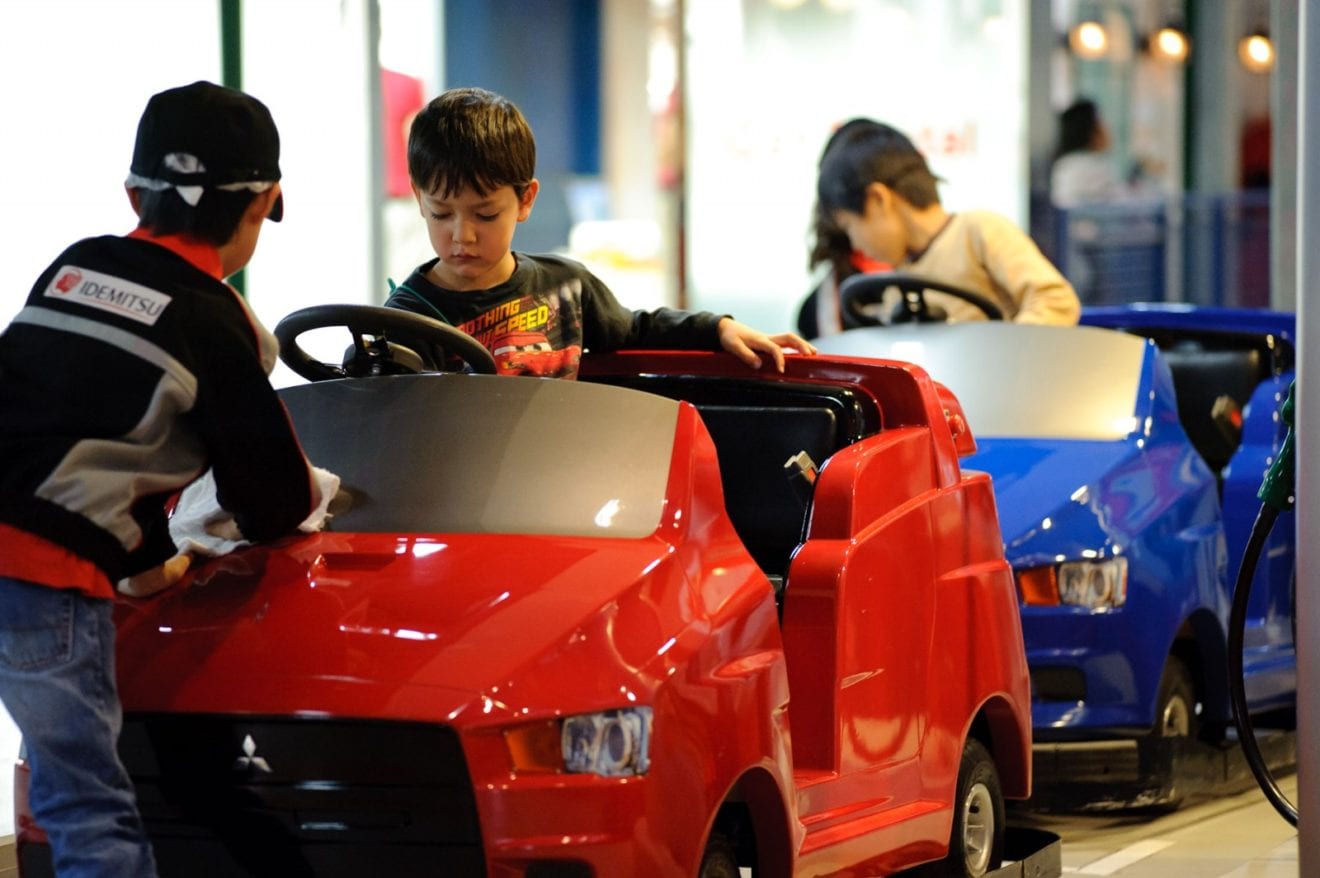
    KidZania, the global chain of role-play centres for children, will invest over US$15 million in a facility in Delhi-NCR, CEO Sanjeev Kumar, has said.

    “The project funding will be done through 70 per cent equity and 30 per cent debt, Kumar said.

    The new KidZania will be located on a 147-acre facility in Noida and will open in 2016.

    The Kidzania India franchise rights are owned by Imagination Edutainment. Singapore-based KidZ Inc, whose shareholders are Comcraft Group, Xander Group and Maxfield Management, owns 74 per cent of the franchise and actor Shah Rukh Khan the remaining 26 per cent.

    “We are very bullish about the Delhi NCR market. While we will be targeting kids between four and 14 years and their parents residing in Delhi, Noida and Gurgaon and we feel there is a great potential in the surrounding cities of Sonipat, Panipat, Mathura, Agra and Meerut.

    “Our feasibility report has also shown interest of inbound tourists and school groups from Punjab and Haryana. We are confident of hosting 600,000+ visitors in the first year,” said Kumar.

    The indoor theme-park, built-to-scale across three levels, will be spread over nearly 100,000 sqft and have a capacity for 1800 visitors a day – 65 per cent children and 35 per cent adults.

    The KidZania Delhi operation will follow on from the successful Mumbai destination which has now hosted 700,000 children in the last two years.

    But this one will feature new zones, including an underground archaeology facility, a stadium and a hanging aircraft at the entrance.

    There are now 20 KidZanias, operating in cities including London, Dubai, Jeddah, Lisbon, Tokyo and Santa Fe.

    KidZania Delhi facility has signed on brands including Parle-G for a biscuit factory, Bajaj Electricals for a culinary school and an energy conservation hub, Kellogg’s for a cereal factory, Big Bazaar for a supermarket, and E-Zone for an electronics store.

  • H&M backs China, India

    H&M backs China, India

    Sweden’s H&M has followed in the footsteps of archrival Uniqlo in voicing its confidence in the China market despite the economic slowdown.

    Like Uniqlo H&M is aimed at the mass market, not the high end luxury sector most hit by the tightened spending of Chinese consumers.

    H&M says it will open 70 stores in China in the year to November 30, taking its network up to just over 300.

    Like Uniqlo, the company says it sees itself appealing to cost-conscious shoppers.

    In an interview in Hong Kong on Monday, H&M country manager for Greater China, Magnus Olsson, said the brand’s customers say they enjoy spending with H&M and they plan to shop more in future.

    “Those signs we think override some other maybe noise in the marketplace right now. We’re humble but confident.”

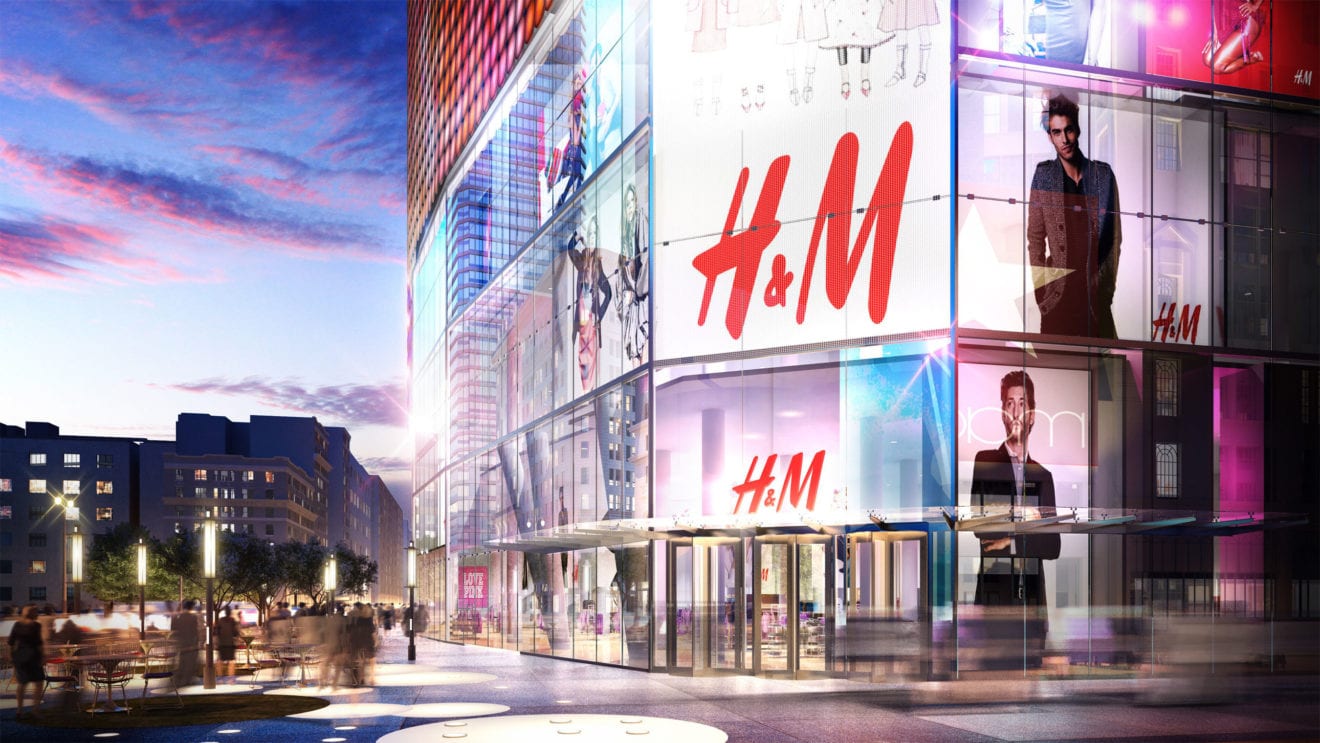
    H&M will open its largest store yet in Asia in Causeway Bay, Hong Kong, on October 30.

    H&M group’s sales in the nine months to August rose 22 per cent globally; expressed in local currency, by 12 per cent.

    In the fourth quarter of this year H&M plans to open about 240 new stores – almost three per day.

    It will enter India and South Africa this autumn, with maiden stores in New Delhi this week and in Cape Town in October.

  • EasyFix, India’s Uber for repair and maintenance, raises seed funding

    EasyFix, India’s Uber for repair and maintenance, raises seed funding

    India’s EasyFix, a maintenance and repair service startup, announced today that it secured an undisclosed amount of seed funding from Axilor Ventures.

    Started in 2011, EasyFix calls itself an Uber for repair and maintenance services, such as carpentry, electrical work, and plumbing. The startup says its repairmen are all professionals and have undergone training. It claims to have serviced half a million people from Delhi, Bangalore, Chennai, Hyderabad, Kolkata Mumbai, Ahmedabad, and Pune.

    With the fresh capital, EasyFix plans to expand its geographical reach to 15 cities in India. It will also build tools to improve delivery turnaround time.

    “We have a huge unmet demand coming from existing customers and from cities we are yet to reach. We will invest in growing our field professional network from 2,000 to 5,000 strong, and tech-enabling them to ensure the home repairs experience is as close to the Uber experience as possible,” says EasyFix founder Shaifali Agarwal Holani.

    Specialized service

    This space has seen a number of new entrants and significant investments. In July, HandyHome, an on-demand electrical appliances repair service provider,raised US$500,000 in early stage funds from Bessemer Venture Partners and Kae Capital.

    Other players in the space include heavily-funded services marketplaces like UrbanClap, LocalOye, and Taskbob. UrbanClap recently bagged US$10 million from SAIF and Accel Partners, while LocalOye raised US$5 million in series A funding from Tiger Global Management and Lightspeed Venture Partners.Taskbob received US$1.2 million from Orios Venture Partners and Mayfield.

    These players are generic marketplaces providing all sorts of services – from guitar tutors, electricians, beauticians, and event managers. EasyFix specializes in the home repairs and maintenance category, which requires technical expertise.

  • Vroom! In-car heads-up display races past $100K crowdfunding target in 5 days flat

    Vroom! In-car heads-up display races past $100K crowdfunding target in 5 days flat

    Exploride drove out of India to global crowdfunding site Indiegogo last week with bated breath. The crossed fingers turned to high-fives within an hour as the creators of this transparent heads-up display (HUD) for cars watched the Indiegogo counter ratchet up to US$20,000. Half way through the fifth day, Exploride raced past its US$100,000 target. Gleeful Sunil Vallath, founder, tells me that a new surge target will be set tomorrow. Probably US$500,000.

    We wrote about Exploride a few days before it hit the crowdfunding circuit. It’s unusual to see a smart hardware device meant for the global automobile market come out of a small town in the south Indian state of Kerala. Exploride HUD lets you access music and maps, take or decline calls, read texts, and get alerts on a melt-into-the-windshield-like piece of glass fixed on top of the dashboard. You can control it all with gestures and voice.

    The Exploride team was quietly confident of its prospects on Indiegogo.

    “Our expectation was high due to the massive response and sign-ups we got on our website. In the beginning of the crowdfunding campaign, 50 percent of the backing came from those who signed up on the Exploride site. So right away, we knew that we were going to hit the goal within 10 days. But our backers proved us wrong and got us there in half the time,” Vallath says.

    Exploride founder Sunil Vallath with wife and fellow Explorider Parvathy Sreekumar

    Before Exploride two other hardware startups, also from Kerala, had successful campaigns. Mindhelix raised US$120,000 on Kickstarter for Rico, a smarthome security device made from discarded smartphones. Fin, a wearable ring that turns your palm into a numeric keypad and gesture interface, raisedUS$202,547 on Indiegogo. But the speed at which Exploride raced to its target sets a new high. It’s bound to inspire the many innovators hacking away on their smart gadgets in little corners of India.

    And who knows, they might get the attention of global VCs too. Institutional VCs may be reluctant to put seed money into hardware startups, but they’re happy to back the ones that get going on crowdfunded platforms. One out of every 10 hardware startups that raised US$100,000 or more on Kickstarter and Indiegogo went on to get funding from VCs.