Tag: india

  • Jeweller Malabar to expand in Asia, Gulf

    Jeweller Malabar to expand in Asia, Gulf

    Indian retailer Malabar Gold and Diamonds says it will open 22 new stores in India, the Gulf and ‘the Far East’ over the next six months.

    New showrooms will be opened in Hong Kong and Indonesia as part of the plan, but there are no details as yet on timing or exact location.

    To help stock the expanded store network – 155 after the openings – a new gold processing unit will be opened in Dubai and a diamond processing facility in Mumbai.

    “The new showrooms will be opened in major cities across India, the Gulf region and the Far East in next six months,” Malabar group chairman M P Ahammed said in a statement.

    The rollout is a further step towards Malabar’s goal of reaching 300 stores by 2020.

    “In response to the government’s ‘Make in India’ initiative, we are setting up new processing units at Kinfra industrial park in Kerala and at other industrial parks in Andhra Pradesh, Gujarat and West Bengal,” Ahammed said.

    “We are also building an advanced gold manufacturing unit on a five-acre land in Dubai with the support of the UAE government.

    “As more Indians are buying diamond jewellery due to changing lifestyle, higher disposable incomes and for being trendy, the diamond processing unit will be in Mumbai, which is a major centre for diamonds business,” Ahammad said.

    The group’s retail network is already spread across nine countries, including Bahrain, Kuwait, Oman, Malaysia and Singapore.

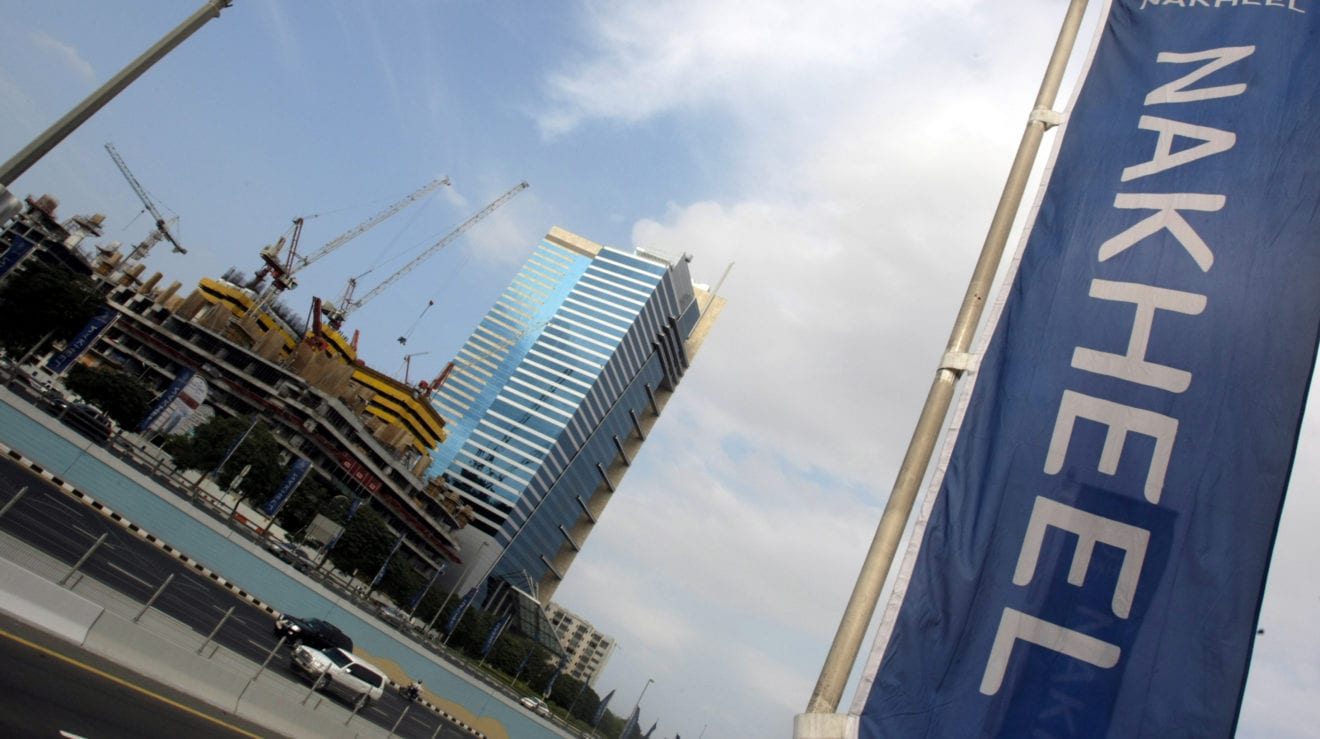
  • Nakheel looking to partner with Indian retail brands

    Nakheel looking to partner with Indian retail brands

    Ving in a strong way in retail and hospitality,” said Ali Rashid Lootah, the chairman of Nakheel, who was in Mumbai for the three-day Dubai Property Show that opened on Friday. “We don’t have many Indian retailers in Dubai but a lot of Indian brands are becoming more and more known regionally and internationally. We are trying to get them to come to Dubai. We have these old relations with India and we are trying to capitalise on that.”

    Mr Lootah said he would be keen for an Indian partner to invest in a joint venture in a three- to four-star hotel project. He added that the company had been talking to one potential partner, although nothing had as yet materialised.

    The Dubai developer already has three joint venture partnerships for projects. It has partnered with Spain’s RIU Hotels and Resorts for a 750-room, four-star beachfront resort and with Thailand’s Minor Hotel Group for a 500-room Avani resort. A few days ago it emerged that Nakheel would join forces with Thailand’s Centara for a 550-room resort on Deira Islands.

    Nakheel has 10 hotels in the pipeline, including a luxury hotel as part of its Palm Tower project.

    It is also aggressively developing new shopping centres, including Nakheel Mall, Deira Mall, and Al Khail Avenue.

    Nakheel showcased $4.6 billion worth of projects, in terms of construction costs, at the exhibition in Mumbai, including its Deira Islands development and various projects on the Palm Jumeirah. Indians make up about 11 per cent of Nakheel’s customers, having bought almost 4,400 villas, apartments, and land plots worth about $2.5bn in total, according to figures from the company.

    Mr Lootah said that Nakheel would consider investing in India if it found the right partner and project.

    The company is hoping to unveil a partnership on a project in Riyadh soon, Mr Lootah said, although with the deal yet to be signed he was unable to share details.

    “In Saudi Arabia we are talking to a big developer and we would like to be a development manager, passing on our know-how,” he said.

    The mixed-use project covered a “huge, huge area” and would “hopefully” be announced in a couple of weeks, he said.

  • AirAsia India Rolls Out Promotional Fares Starting Rs 1,269

    AirAsia India Rolls Out Promotional Fares Starting Rs 1,269

    Budget carrier AirAsia India has yet again rolled out a promotional fare scheme, offering tickets as low as Rs 1,269 (all-inclusive). The offer ends on November 8, 2015 and is applicable on travel between January 15 and April 30, 2016.

    Under this AirAsia offer, tickets on Bengaluru to Kochi route are priced from Rs 1,269 (all-inclusive). Tickets on Bengaluru to Goa route is priced from Rs 1469 and Bengaluru to New Delhi at Rs 3,469.

    Its parent AirAsia is also offering fares starting from Rs 3,399 (all-inclusive) on overseas routes as part of a separate promotional scheme. This offer is open till November 8. For example, tickets from Kochi to Kuala Lumpur are priced from Rs 3,399.

    Many airlines have come up with promotional fares to tap the festive season demand.

    Air India’s offer christened ‘Diwali Dhamaka’ is valid till November 7 for travel between January 15 and April 15, 2016. Earlier, SpiceJet had also come up with ‘Diwali Sale’ with fares staring at Rs 749 (base fare-excluding taxes) for domestic sector and from Rs 3,999 (all-inclusive) on international sectors.

    Airlines have rolled out many promotional fares this year on the back of a sharp fall in oil prices. Domestic airlines in the first nine months of this year – January to September – have carried 590 lakh passengers, a growth of 20 per cent.

  • China Apus to invest Rs 100 crore in Indian startups

    China Apus to invest Rs 100 crore in Indian startups

    China’s Apus group plans to invest an initial amount of Rs 100 crore in Indian startups as part of its aim to build a positive ecosystem for the ever growing startup community in the country.

    Apus group was founded in 2014 and is among the top 10 developers on Google Play. Apus Launcher is the group’s flagship app with more than 200 million downloads.

    “The group will offer support to these companies via programmes focussed on developing and building a positive ecosystem for their growth. These programmes will range from providing incubation to free Apus traffic,” the company said in a statement.

    The company will offer an open platform to all startups and will aim to deliver the right guidance and resources till the time they gain enough exposure in their targeted markets.

    “Startups shortlisted under this programme will also have access to tools and experts helping them to enhance decision making capabilities,” it said.

    The company said it has over 25 million users from India and targets 80 million users by 2016 by setting up a local operation centre and also by providing more localised service and experience to Indian users and augment India specific content.

    Founder and CEO of Apus Group Li Tao said as an emerging market, India’s market potential is great and it offers one of the greatest ecosystems for startups.

    “We had similar situation in China three to five years ago and India represents an important market for us. We are looking to further strengthen our presence as we evaluate more partnership opportunities with more firms as we look to strengthen our relationship with India,” Tao said.

  • WS Retail’s 10K crore sales offer peek into Flipkart’s performance

    WS Retail’s 10K crore sales offer peek into Flipkart’s performance

    WS Retail, the largest seller on India’s biggest online marketplace Flipkart, nearly tripled its turnover to Rs 10,163 crore in FY15 — more than the combined sales of top brickand-mortal retailers such as Shoppers Stop, Future Lifestyle, Tata’s Trent and Aditya Birla Group’s Pantaloons.

    Experts feel WS Retail’s numbers, which were submitted by the company to the ministry of corporate affairs earlier this week, offer a peek into Flipkart’s likely performance for the year to end-March 2015, given its dominant position on the e-tailer’s platform.

    Cutting dependence on WS retail

    Flipkart’s own annual revenue numbers are not known. “WS Retail numbers should be good barometer to the performance of Flipkart considering it gets a bulk of its sales from this seller,” said Ruchi Sally, director at retail consultancy Elargir.

    The six-year-old company, originally founded by Flipkart’s founders Sachin Bansal and Binny Bansal, sells nearly 80% of its merchandise to Flipkart. Three years ago, the Bansals sold their stake to former OnMobile Global chief operating officer Rajeev Kuchhal and a clutch of investors.

    WS Retail reported a net profit of Rs 67 lakh on sales of Rs 3,135 crore for fiscal year 2014, which was higher than Flipkart India’s revenue of Rs 2,846 crore for the same period, the numbers showed. Another company, Flipkart Internet, which earns commission and advertising revenues from sellers, posted total sales of Rs 179 crore last year. Both WS Retail and Flipkart didn’t respond to email queries sent by ET.

    Flipkart’s head of commerce Mukesh Bansal told ET last month that Flipkart was on course to sell goods worth $10 billion (Rs 65,000 crore) during fiscal 2016. The company has in the past said it had achieved $4 billion worth of gross merchandise value or GMV, which is industry jargon for sales, last year.

    For years, WS Retail was the mainstay seller on Flipkart, the one encountered most by customers shopping on its platform. However, in the last year and a half, Flipkart has sought to diminish its prominence as part of its shift away from an inventoryled model to a marketplace one, even though WS Retail remains its top seller even now. Indian laws also prevent foreign-owned internet retailers — Flipkart is registered in Singapore and a majority of its ownership is held by overseas entities — from only operating inventory-based models.

    While Flipkart has 60,000 sellers on the platform already, it is planning to double the count by March next year in an effort to convert itself into a pure marketplace much like the one its rival Snapdeal operates.

    “Flipkart has been reducing its dependence on WS Retail in its effort to simplify its business structure. It is expected that such a step and simultaneous addition of new vendors on its website directly shall automatically reduce the trading volume of WS Retail over time,” said Rakesh Nangia, founder and managing partner at tax and transaction advisory firm Nangia & Co.

    In fact, Flipkart informed several companies and brands, which sell on the site through WS Retail, to sell directly to consumers through its marketplace few months ago. However, WS Retail will continue to be the seller for Flipkart exclusives such as the Motorola and Xiaomi handsets.

    Snapdeal already has 2 lakh sellers listed on its marketplace while Amazon India has nearly a lakh sellers, although in its case, Clouttail, its joint venture with NR Narayana Murthy’s Catamaran Ventures, is its biggest vendor.

    A month ago, Flipkart bought back the logistics business of WS Retail, which has also seen exits of two shareholders — Meenu Gupta and Sujeet Kumar — who together held a 25.3% stake.

    According to WS Retail’s annual filings for fiscal year 2015, Rajeev Kuchhal owned 49.7% stake, while one of Flipkart’s early employees, Tapas Rudrapatna, controlled another 24.8%. In fact, Rudrapatna was given Rs 24 crore as a one-time bonus for ‘increasing sales beyond targets,’ said the filing.The latest shareholding pattern after these exits and logistics business sell-off hasn’t been filed yet.

  • Soo Kee Group plans to sell diamonds online

    Soo Kee Group plans to sell diamonds online

    Singapore listed jeweller Soo Kee Group is planning to become the first bricks and mortar store in the city to start selling gold and diamonds online.

    Soo Kee operates a network of more than 60 retail stores under the brands Soo Kee Jewellery, SK Jewellery and Love & Co in Singapore and Malaysia.

    In an interview published in the Straits Times newspaper, CEO Daniel Lim said his company has already launched the first of three planned online stores, choosing its namesake brand for the online debut. He said the site was designed to improve service to local customers by showcasing its entire range online before they visit a physical store.

    “Some of our customers live in Indonesia, Malaysia and Myanmar, and with this eCommerce platform, we can better target and attract them,” he told the newspaper.

    Sites for the other two retail brands will follow later.

    Lim acknowledged that while consumers are happily embracing online shopping in most categories, when it comes to jewellery there is a reticence to buy online due to security and the importance of trust and personal experience in selecting purchases.

    The company is strategically positioning its websites as complementary to the physical retail store experience.

    Earlier this year, Soo Kee Group executed an IPO, raising $31.6 million. Those funds are being used to expand the business via new store openings, development of eCommerce and developing new products.

  • Homelane.com India seeks $20m funding

    Homelane.com India seeks $20m funding

    Homevista Decor and Furnishing, parent of Homelane.com India, is seeking $20 million in a fresh round of capital raising.

    The cash will be used to fund an extensive advertising and marketing program to raise the online brand’s awareness and expand its market penetration.

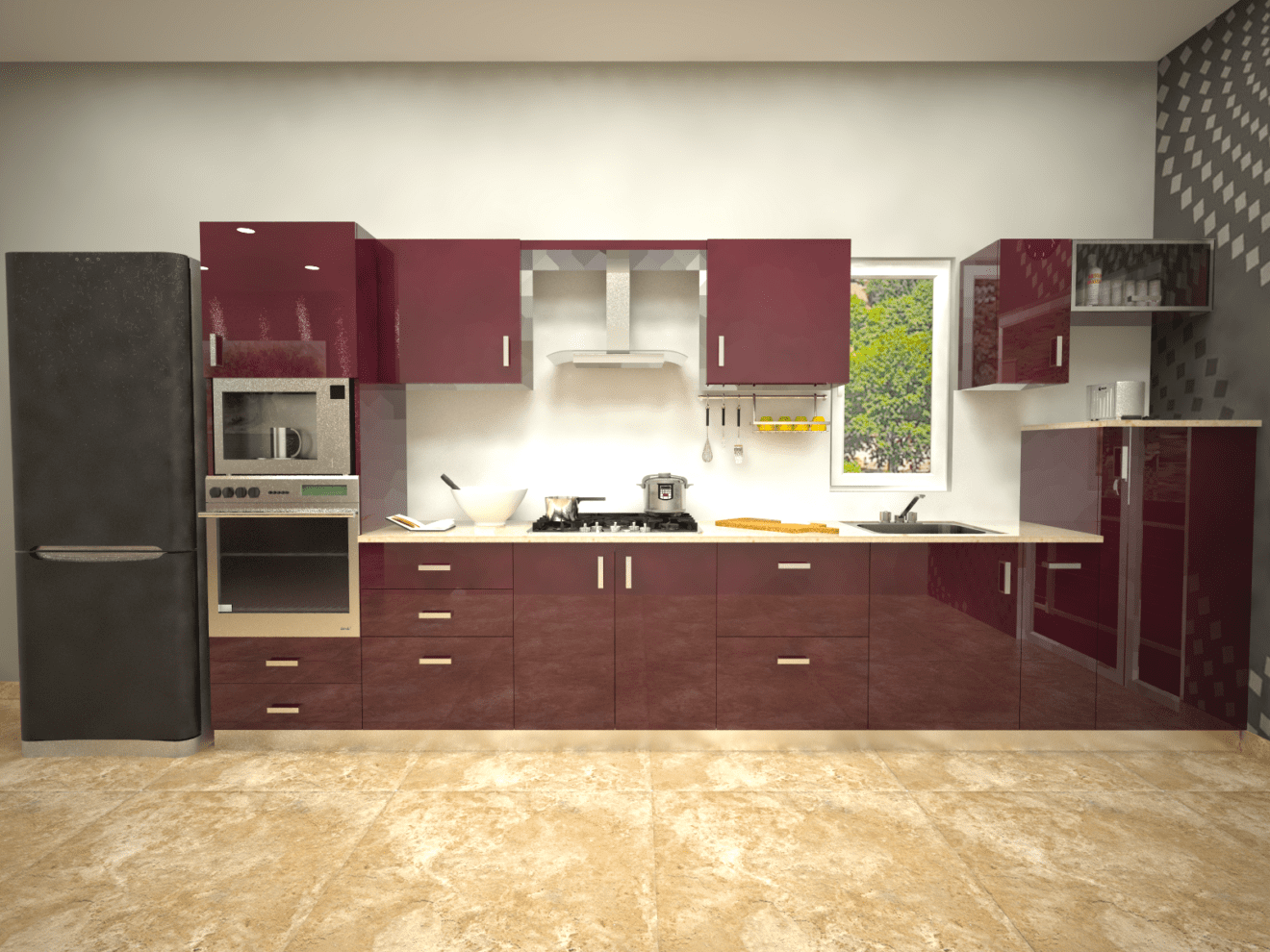
    Homelane.com offers a furniture design and ordering service online for six Indian cities, including Mumbai, Delhi, Hyderabad and Pune.

    “We don’t have any plans to expand to new cities but to grow deeper in the existing ones,” co-founder Srikanth Iyer said in an interview.

    “We are looking at investing in creating a brand.”

    Homelane.com was founded just a year ago by Iyer and his business partner Rama Harinath. In that time it has raised funds in two rounds, the latest $4.5 million from Sequoia Capital and Arin Capital last February.

    According to Ken Research, India’s furniture market is expected to grow at around 13 per cent annually until 2018.

  • The Melting Pot eyes Asia

    The Melting Pot eyes Asia

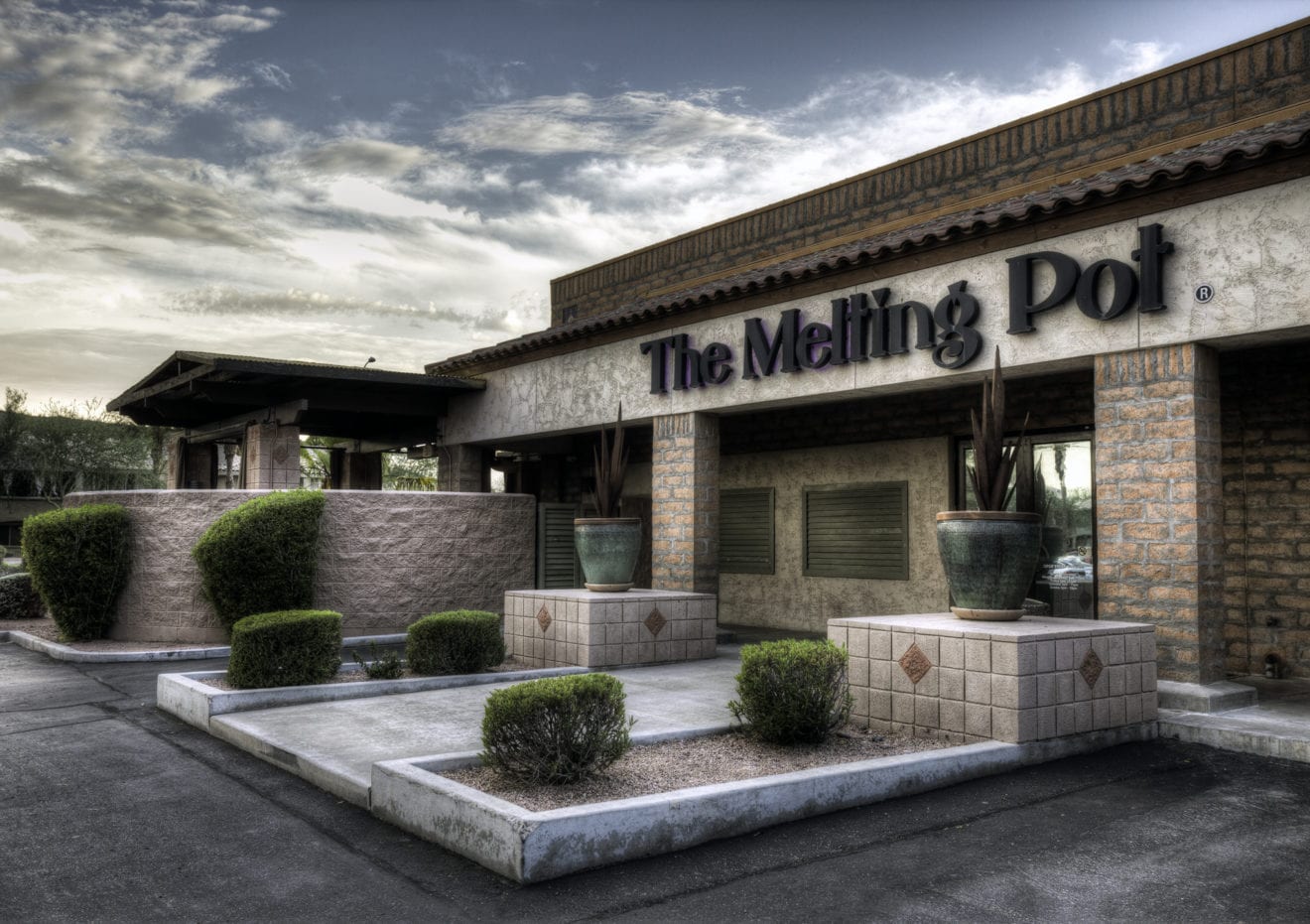
    The world’s largest fondue restaurant chain is looking to expand throughout Asia after early success in Indonesia.

    Franchisees are now actively being sought for The Melting Pot in Hong Kong, Macau, China, Japan, South Korea and India.

    The Tampa, Florida-based restaurateur plans to enter China by opening at least five restaurants in Hong Kong and Kowloon as well as in Macao and numerous cities in Mainland China, including Guangzhou, Shanghai, Beijing and Shenzhen.

    Markets outside Asia, including Brazil, Canada and Mexico, are also in planning.

    The Melting Pot operates more than 125 restaurants across 35 US states, Canada, Mexico, Southeast Asia, and the United Arab Emirates, and has more than 15 locations in development internationally.

    The concept is known for its assortment of flavorful fondue cooking styles and unique entrees served with signature dipping sauces. The menu features a variety of a la carte selections, highlighting customisable options that invite guests to enjoy one, two, three or more courses as they select any combination of individually-priced cheese fondues, salads, entrees and chocolate fondues.

    “The Melting Pot is a proven 40-year American franchise concept that is unlike any other,” said Dan Stone, chief business and people development officer for Front Burner Brands, the chain’s parent.

    “Featuring four distinct courses, guests dip menu items into heated fondue pots at the centre of each table. The concept provides a very social and interactive dining experience that has proven to translate well to multiple countries,” said Stone.

    “We provide our franchisees the necessary training and support to ensure success, as well as expert resources to assist with identifying the best sites for our restaurants. We are ready to do business in Hong Kong and are seeking qualified candidates to build a strong brand presence throughout Hong Kong and the People’s Republic of China over the next few years.”

    The concept will be exhibiting at the Franchising & Licensing Asia 2015 from October 29 to 31 at the Marina Bay Sands in Singapore.

    Earlier this year, The Melting Pot opened its first restaurant in Jakarta, Indonesia and most recently its first Middle Eastern location in Dubai.

    Franchisee candidates or groups should have access to a minimum of US$3 million in capital and at least one partner must be fluent in English. Depending on the real estate site selected, franchisees of The Melting Pot in the US can expect the total investment for one restaurant to be approximately $959,000 to $1.436 million. The initial franchise fee ranges from $45,000 to $60,000 per unit depending on the number of units committed and there is a one-time training fee of $50,000.

  • Corner stores still dominate Asia retail

    Corner stores still dominate Asia retail

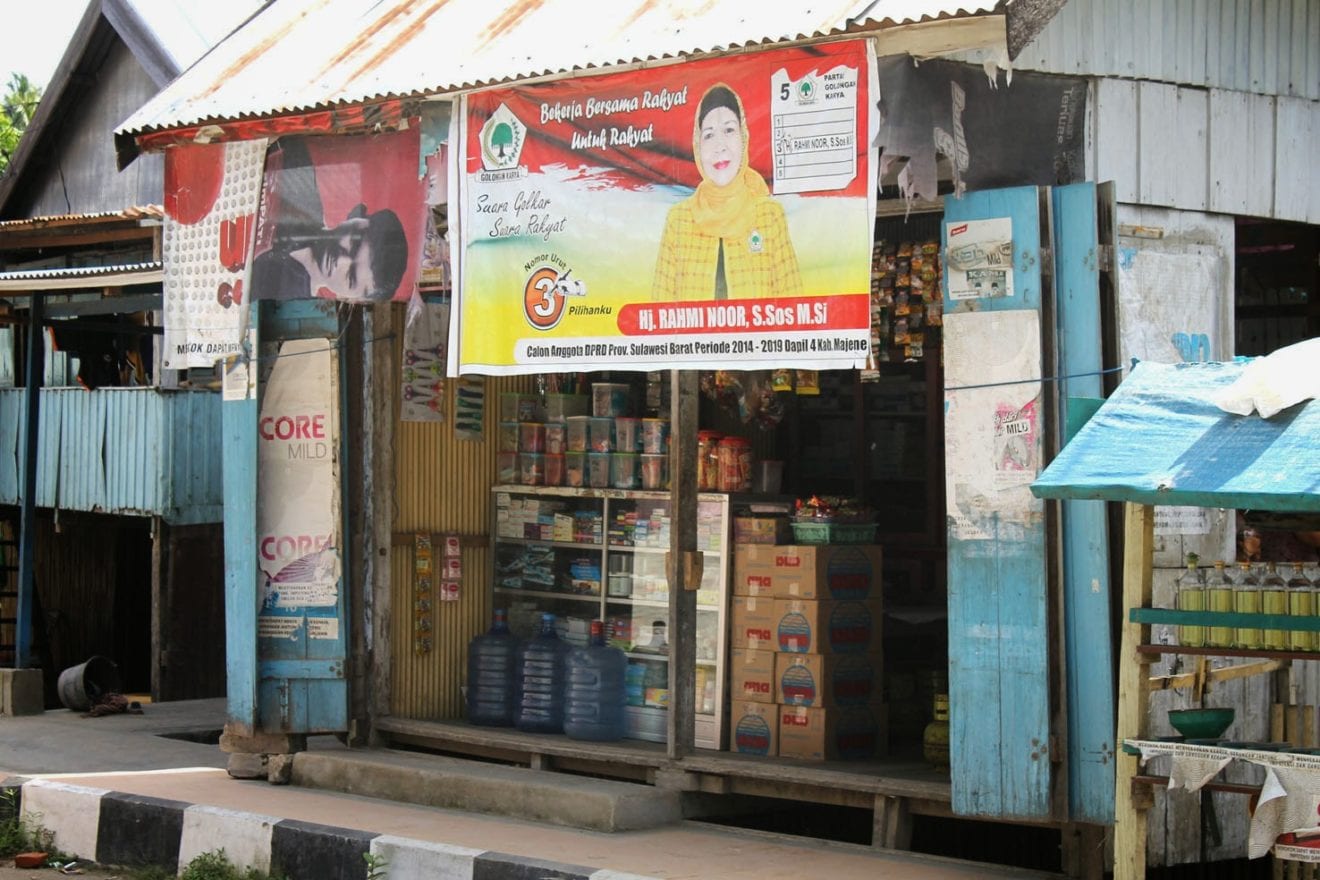
    In Asia retail, the humble corner store is an essential ally to fast-moving consumer goods in the battle for market share and customer loyalty, according to a new report from global performance management company, Nielsen.

    The whitepaper, Maximising Traditions – The Shop. Shopper. Shopkeeper, argues that a better understanding of this fragmented yet ubiquitous traditional trade channel – which comprises more than 5 million outlets in Southeast Asia alone – has the potential to drive sales by putting brands in front of more consumers.

    Nielsen’s research suggests that to better maximise sales, brands should consider a more thorough analysis of their market segmentation, and tap into the understanding of the shopkeeper and shopper.

    Traditional trade channels account for almost half of all grocery sales in Asia and India. In 2014, 47.9 per cent of all retail sales were made through traditional trade channels, compared to 17.2 per cent for supermarkets which account for the second-largest proportion of sales.

    The paper’s author, Connie Cheng, Nielsen’s executive director of shopper solutions for Southeast Asia, North Asia and Pacific, says traditional trade accounts for up to 70 per cent of all retail sales in key markets such as Jakarta, Indonesia, and Ho Chi Minh City, Vietnam.

    “While there’s been a headlong rush into the hypermarket and supermarket retail formats throughout most of Southeast Asia, there are untapped loyalties between brands and consumers shopping at traditional trade stores on every street corner, in every town, village and city,” said Cheng.

    “With almost 50 per cent of retail sales in Asia made at a small, independent grocery store, the research suggests that FMCG brands are leaving money on the table. The key to maximising sales through traditional trade channels is to focus on the relationships between the shopkeeper and the shopper,” she said.

    Maximising Traditions finds that the humble warung in Indonesia, the Philippines’ sari-sari, Malaysia’skedai runcit and Vietnam’s cử a hàng tạp hóa are used by consumers in similar ways. The majority of consumers shop at traditional trade stores for daily meals, snack foods and beverages for immediate consumption, while they are less important for top-up or main shopping trips.

    The whitepaper reveals that the majority of consumers plan their trips to the most conveniently located store in advance, and have a specific brand in mind. Such behaviour highlights opportunities for brands to vary pack formats or leverage loyalty for premium lines to increase basket size.

    When it comes to commonly purchased products, powdered coffee blends, coffee and carbonated drinks top the list in Indonesia, the Philippines and Vietnam, respectively.

    While shoppers clearly tend to view the traditional trade store as an extension of their kitchen pantry, sales of homecare and personal care lines are also common purchases. Laundry items, shampoos, makeup, vitamins, baby-care lines and general household products are the most frequently purchased items at grocery stores in Indonesia, the Philippines and Vietnam.

    The report suggests that marketers need to undertake a more thorough segmentation analysis to maximise market share. Although traditional trade grocery outlets are plentiful in Indonesia, Malaysia, the Philippines, Thailand and Vietnam, the market is fragmented.

    Cheng suggests extending segmentation and tapping shopkeepers for their intimate understanding of hyper-local consumer behaviour.

    “Information on demographics, psychographics and shopper behaviour can help provide actionable information for sales teams,” she adds.

    A better understanding of grocery shoppers can also assist in brand strategy and modelling, potentially unlocking value for brands in regions with a higher average GDP. This may help overcome issues in a fragmented market.

    “There’s an unfortunate and unnecessary disconnect between the desires of brand managers, who may think that bigger is better, and the demands of shoppers utilising Southeast Asia’s most popular channel for purchasing groceries,” continues Cheng.

    “Traditional format stores are as relevant now as they have ever been. By better tapping into consumer behaviour, brands can discover what most Southeast Asians already know; that bigger doesn’t always equate to better.”

  • Dermozone eyes $42mn revenue from herbal skincare products

    Dermozone eyes $42mn revenue from herbal skincare products

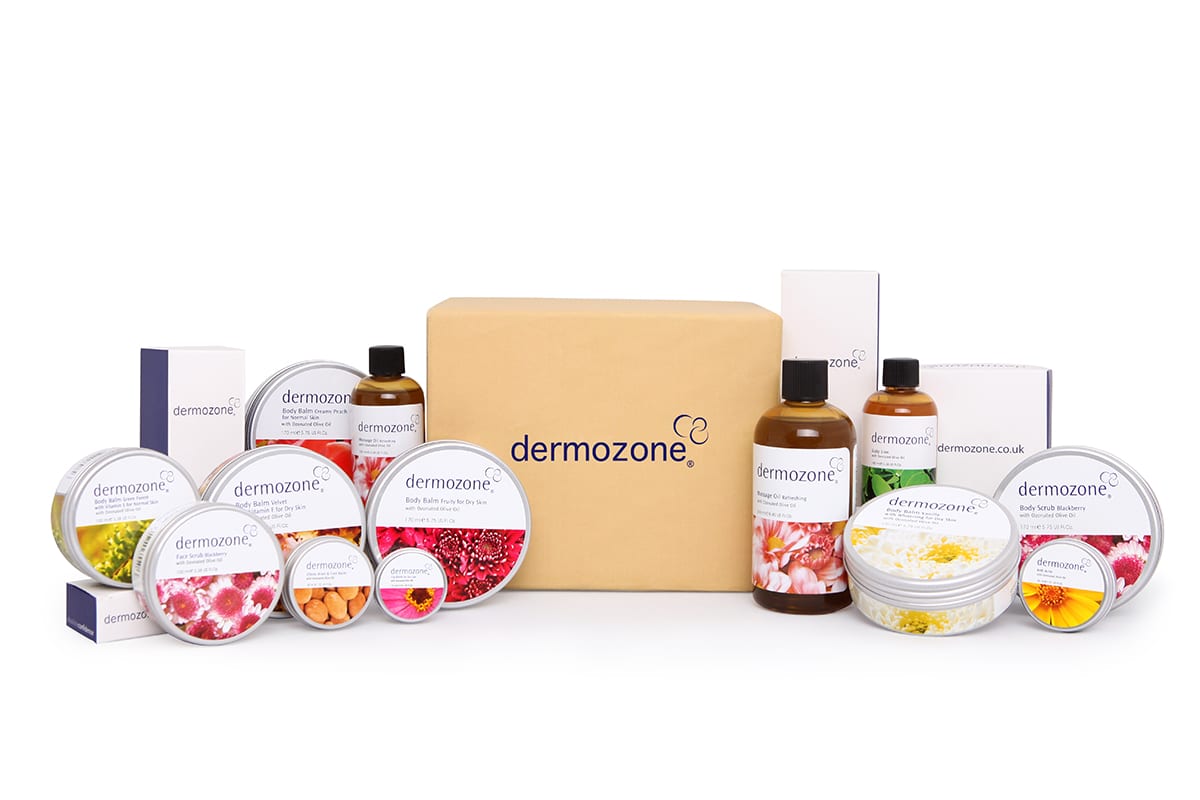
    Indo-Dermozone Herbal, makers of Indonesia-based herbal skin care products Dermozone, today said its target would be to reach 3-4 million households in India for its soon to be launched herbal skincare products with revenue target of $42 million over the next three years.

    “We are launching our herbal skin care products Dermozone in India soon and targets revenue of $42 million over the next three years,” a company’s statement issued here said.

    The company would also be looking at establishing India as a hub for managing all the technology, sales and customer support to other countries as well, it said.

    Dermozone had recently announced its entry into the Indian market by setting up an office in Bengaluru in the name of Indo-Dermozone Herbal Pvt Ltd.

    The company also announced the appointment of Manjunatha K G as the Chief Operation Officer of Indo-Dermozone Herbal, who would lead and oversee the Indian operations.

    Dermozone is globally recognised for its wide range of herbal skin care products especially its flagship brand- MedCare Ozonated olive oil, primarily used for the treatment of acne, fungal infections, dry skin, insect bites, athlete’s foot, eczema, blisters, carbuncles, diabetic wounds, burns.

    “We plan to enter the Indian market and will be soon formally launching our flagship product MedCare Ozonated olive oil,” Dermozone Chairman and CEO K S Dharshan said.

    “We have invested over $4 million over a period of six years in developing MedCare Ozonated olive oil. We have done ample research that suggests a huge market for MedCare in India. Our anticipated revenues from this product alone would be in the region of $22 million in 3 years,” Dharshan added.

    “We are also looking at the option of setting up a manufacturing base in India in the near future based on the ‘Make In India’ policy of the government. A final decision on this will be taken in the first quarter of 2016,” he further added.

    Headquartered in Indonesia, Dermozone has its operations in UK, USA, Japan, Russia, Seoul and China.

  • Ishtara Jewellery plans expansion into Europe

    Ishtara Jewellery plans expansion into Europe

    Ishtara Jewellery, a Singapore business with origins in India, plans to expand within Asia and into Europe and the Middle East.

    MD and owner Parthiban Murugaiyan says Ishtara is marketing Indian-made gold jewellery in Singapore and its sister company Luvenus Jewellery is retailing international brands overseas.

    The company has been importing Indian gold and diamond jewellery into Singapore for 20 years under its previous name India Jewellery Pte Ltd. It has just completed a rebranding.

    Now Ishtara is planning to open retail stores and showrooms in Hong Kong, India – and further afield in Europe and the Middle East. It will also focus on airports, with a Mumbai airport contract already reportedly signed..

    “We are catering to the younger generation of South Asian diaspora with fashionable jewelleries by setting up showrooms and retail outlets globally, especially starting with airports,” Murugaiyan said in an interview.

  • Maggi clears lab tests, to begin manufacturing noodles soon

    Maggi clears lab tests, to begin manufacturing noodles soon

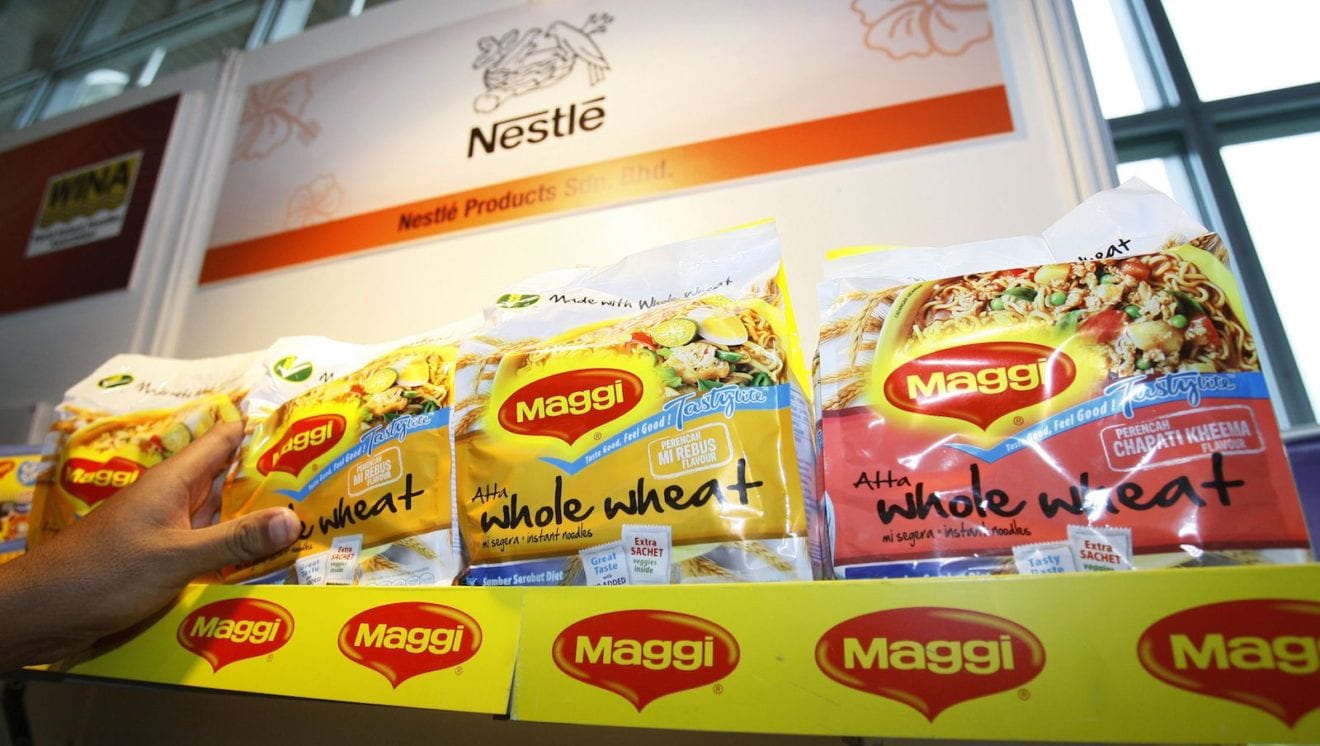
    Nestle India, maker of the country’s highly popular Maggi, on Friday announced all samples of recently-banned instant noodles have cleared the tests conducted by three laboratories as mandated by the Bombay High Court.

    The move will now allow Maggi to be back on the shelves after it was banned over the presence of excess lead since June this year.

    “All the 90 samples, covering six variants, tested by these laboratories are clear with lead much below the permissible limits,” Nestle India said in a statement. “In compliance with the orders of the Bombay High Court, we will now commence manufacture and will start selling only after the newly-manufactured products are also cleared by the designated three laboratories.”

    The company said “it is committed to reintroduce Maggi into the retail market at the earliest”. However, analysts believe it could take up to six months to put back Maggi back on the shelves across India. “One of the challenges for Nestle is to fill up the pipeline again. From the day of production, it could take three to six months to reach out to the retailers in the far flung areas across India,” said Arvind Singhal, chairman of retail consultancy Technopak.

    Various countries, including the US, the UK, Singapore, Australia and others have found Maggi noodles safe for consumption. Nestle claims to have conducted over 3,500 tests representing over 200 million packs in both national as well as international accredited laboratories with all the reports clear. “It is never easy to build the trust again… But an excellent communication plan and a crisp ad campaign could be a way out,” said Srinivas K Reddy, director, center for marketing excellence, Lee Kong Chian School of Business, Singapore Management University.

    Retailers, however, reject the skepticism. “We missed Maggi because our customers missed it a lot,” said Darshana Shah, senior V-P, marketing, HyperCity, retail chain. “Despite the availability of many other brands, no brand was able to fill in the vacuum left by Maggi.”

  • More Indian consumer use social media for feedback than Japanese

    More Indian consumer use social media for feedback than Japanese

    Indian consumers are more digital savvy for reporting and resolving customer service experiences over social media than their counterparts in Japan and Hong Kong, says a survey by American Express.

    According to the American Express Global Customer Service Barometer (CSB), which did a random online survey of 1,000 respondents each in the three Asian countries this year, 71% Indians use social media to get a customer response, same as last year but significantly up from 54% in 2012. In Japan, only 29% used social media for customer response while in Hong Kong the number stood at 29%.

    While 41% Indians said they always receive resolution of their customer service issues through social media, for Japan and Hong Kong the numbers stand at 12% and 18%, respectively.

    In selecting a company to do business with, consumers in India and Japan give top priority to ‘good product’ followed by ‘good value for the price’, while the order stood reversed in the case of Hong Kong. All three countries ranked ‘excellent customer service’ third in importance, the survey said.

    While most consumers are willing to give a company at least one more chance after receiving poor service before they consider switching, 33% immediately consider switching after initial poor customer service experience.

    Indians customers are the most reactive with 73% having dropped an intended purchase or transaction due to poor customer service as compared to 56% and 40%, respectively, for Hong Kong and Japan.

    As for sharing their experiences, on an average, consumers tell 39 people about their good experiences (41 in 2014), and 42 people about their bad experiences (48 in 2014), the report said. As much as 98% talk about their good customer service experiences at least some of the time.

  • Cash boost for Amazon India

    Cash boost for Amazon India

    Amazon India has received a massive $189 million cash injection from its US parent.

    It marks the biggest capital inflow into Amazon Seller Services in India since the brand made its debut in the nation in 2013.

    Five months ago the parent invested a $177 million taking the total to $460 million.

    “We are very excited by our growth and continue to invest in technology, especially mobile, infrastructure and logistics to support seller capability in order to deliver value to our customers,” an Amazon spokesman said.

    Amazon founder Jeff Bezos is on record saying he was prepared to invest up to $2 billion into Amazon India because he is confident about the eCommerce giant’s future prospects in the fast-developing market.

    The company now has 21 fulfilment centres, the newest near Pune City boasting 55,000 sqft.

    Rival Flipkart plans to raise $1 billion from investors, following a $700 million funding round in July. And Snapdeal reportedly raised $500 million in collaboration with Alibaba.

  • Ricoh India opens first flagship

    Ricoh India opens first flagship

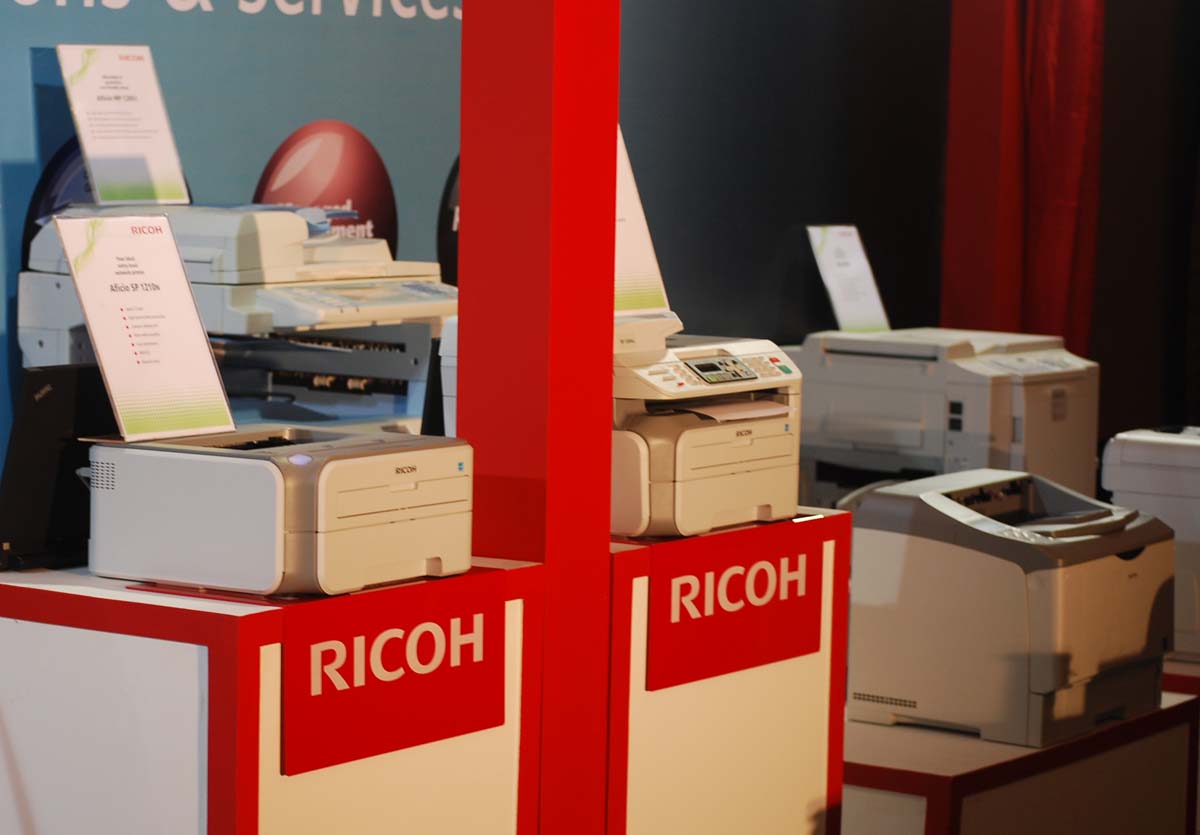
    Printing and document solutions specialist Ricoh India has opened its first Indian flagship store at Lucknow.

    The Japanese brand says the new retail facility is an effort to “strengthen consumer experience and engagement”.

    Ricoh Brand Stores are conceptualised as “the ultimate retailing experience that synchronises with innovation, quality and excellence”.

    The company says the flagship will give the company, better insight into customer needs and help it to come up with customised products and solutions. The Lucknow Store will display the copiers, projectors, cameras, binoculars, and visual communication products, laser printers as well as toner and genuine refills.

    At the Ricoh India store, customers can experience the recently launched, Ricoh Theta m15, a spherical camera that captures the space around you with just one touch. The camera range also includes the Pentax K-500, an entry-level DSLR, all weather and all-purpose underwater camera WG4 among many other products.

    Ricoh India says it has ventured into this brand store to have greater visibility and offer customers an easy access to products and technologies.

    “Through its retail stores, Ricoh wants to enhance customer experience of the technology products and also to cater to the B2C Segment. The brand shop will complement the Ricoh eStore, so that the consumers can make the most of the Ricoh one-stop printing and imaging solutions.

    Manoj Kumar, CEO and MD of Ricoh India said more brand stores are planned for key markets along with a strategy to expand its channel partner base.

    “We are also working with various large format retail stores to expand our presence across the country. Our expansion strategy has fetched us tremendous growth and added to company’s bottom line.”

    The brand’s turnover has doubled in the first quarter of this year compared to the same period last year.