Tag: india

  • Spykar denim plans 250 new stores

    Spykar denim plans 250 new stores

    Spykar, an Indian-founded denim brand, is planning to open 250 stores over the next five years under a franchise program.

    According to Franchise India, Spykar currently operates 200 exclusive brand outlets across India targeting the youth market.

    Meanwhile, the company is also exploring opportunities for international expansion.

    Spykar COO Sanjay Vakharia told Franchise India the brand has operated stores in London and Melbourne, Australia, for three years.

    “The experience gained during these overseas ventures is invaluable and will help us for future propositions. We will explore more global markets.”

    Grounded in denim, the brand has expanded into casual clothing including t-shirts, shirts and winter clothing. Womenswear and accessories are likely to be added to the portfolio “in the near future”.

    Under its Indian franchising program, the brand will open new stores at a rate of about one a week, focusing on tier 1, 2 and 3 cities: Noida, Kolkata, Pune, Mumbai, Jamshedpur, Indore, Calicut, Kota, Bangalore, Hubli, Coimbatore, Vadodara, Lucknow, Ghaziabad, Ranchi, Jaipur, Alwar, Udaipur, Jalgaon, Chandrapur, Satara, Trivandrum, Thrissur, Kottayam, Kannur, Vizag, Vijaywada, Guntur, Nellore, Rajahmundry, Tirupati, Kakinada, Chennai, Madurai, Bilaspur, Ahmedabad and Hyderabad.
  • New Delhi tops list of Asia’s top cities for shopping

    New Delhi tops list of Asia’s top cities for shopping

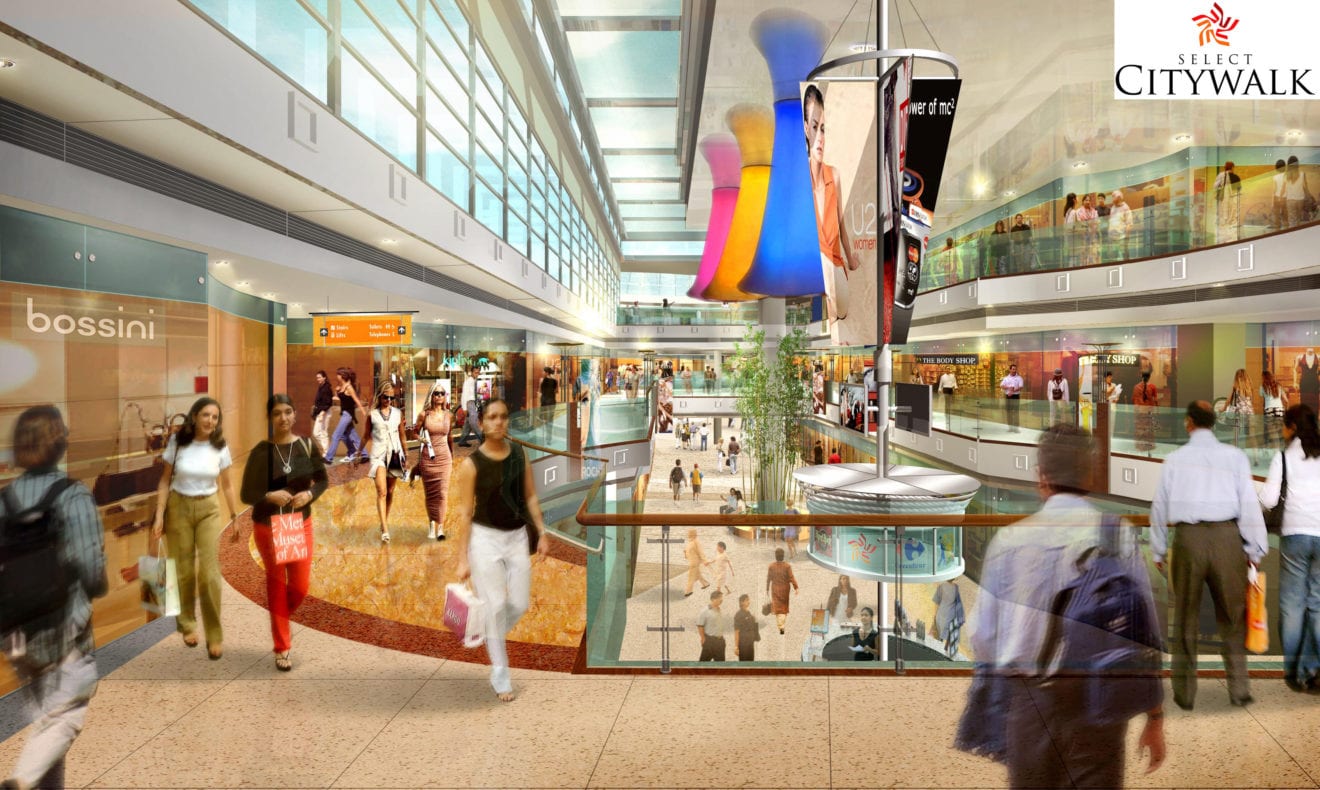
    New Delhi has topped the list of Asia’s top cities for shopping, offering a treasure trove of goods through its blend of charming traditional markets and glitzy shopping malls, according to a new survey.

    New Delhi has topped the list for the best shopping city in Asia, followed by Bangkok and Singapore, according to a survey by TripAdvisor.

    “Shopping in Asian cities can be a rich and colourful experience if you know exactly which spots to go to and how to maximise your dollar,” TripAdvisor’s Communications Director for Asia Pacific Janice Lee Fang said.

    Most cities feature top quality malls, where one can find their favourite designer shops, but there are also the night markets or street shops that sell beautiful handicraft and other local gems unique to the culture, she added.

    This ranking is based on the popularity of shopping activities in Asian cities and also includes highly-rated hotel recommendations, which are bookable on TripAdvisor, offering shoppers great value for their stay so they can save as much of their holiday budget.

    The rank of the best cities for shopping is based on the total of commercial activities for shopping, the number of commercial activities for shopping with a good score, the frequency of mention for the word shopping in the reviews relative to the destination and the average score of reviews that talk about shopping in all the languages applicable on TripAdvisor.com.

    Bangkok (Thailand) is second with its huge variety of shopping options for every lifestyle and budget, from the very high-end to street shopping, wholesale and weekend markets.

    Singapore, which ranked third in the list, is famous for its retail options across the city state, with a plethora of shopping malls that open till late.

    Other cities mentioned in the top 10 shopping destination are Beijing in China at the fourth place, followed by Hanoi in Vietnam, Tokyo in Japan, Seoul in South Korea, Kuala Lumpur in Malaysia, Kathmandu in Nepal and Jakarta in Indonesia.

  • How to choose the right smartphone in India

    How to choose the right smartphone in India

    In this modern era, mobile phone is an important thing for every person and its importance cannot be ignored because of the latest technology by which an individual can use the internet on it and can stay in contact with the dear ones. It is obvious that a mobile phone is an expensive product which cannot be changed after a short period of time, so a person should select the mobile phone carefully. Given below are some points which can assist in making a good decision of choosing the best mobile phone in India.

    Know your requirements:

    A person should list down the requirements because it makes the decision making process and selection easy. He or she should figure out what matters most to him/her like if the person uses the mobile for a lot of texting then the focus should be on the keyboard. Some individuals like physical keyboard while others like to use touch keyboard, so it should also be kept in mind that which keyboard he or she finds easy for texting because some people like to use QWERTY keyboard.

    If the person is fond of taking selfies or clicking random pictures then the attention should be paid on the camera. Nowadays, individuals mostly use mobile phones for using social media platforms or for checking E-mails so, if the person wants it for using the internet then he or she should focus on the internet capabilities. One should not ignore the deciding the size of the mobile and the screen size.

    Prior to making the final decision of purchasing the mobile phone, a person should not ignore listing the personal preferences because not paying attention to the desired choices can result in a wrong purchase.

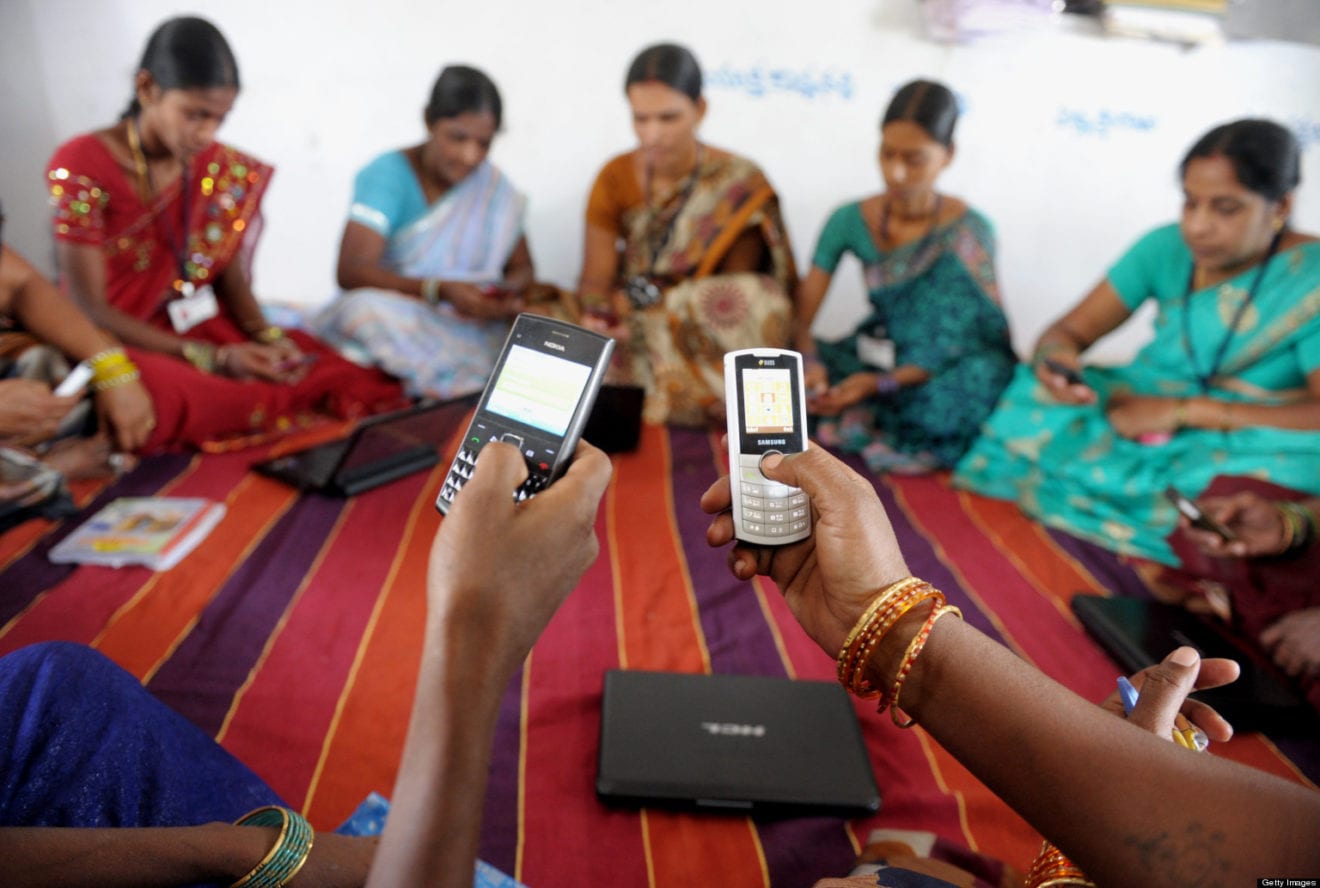
    A vendor speaks on his mobile phone as he waits for customers at his roadside shop selling clothes in Mumbai

    Choose the brand:

    There are many famous brands available in India so, a person should choose the brand before he/she starts looking for the mobile model.

    Find the right design:

    Mobile also reflects the sense of style of the person holding it so one should find the right design that not only looks great when a person carries it, but a person should also be comfortable with the way it looks so a person should pay attention on its design.

    Browse through search engines:

    A person can browse through the search engines to know about the specifications of different models of different brands, which is the best way of selecting the best mobile fulfilling the requirements. One can also see the looks of the mobile phone on the mobile selling websites which he or she has decided to purchase.

    Read reviews:

    Reading reviews on different mobile selling websites is a great way of getting information about the mobile functioning and it is the best way of purchasing the right mobile because one can avoid purchasing a mobile which he or she has selected if the reviews of the individuals using it are not good. Feedbacks of the mobile users assist a lot in making the final decision and helps in preventing the wrong purchase which saves the hard earned money.

  • China and India to Dominate Divergent Picture in Asian Real Estate for 2016

    China and India to Dominate Divergent Picture in Asian Real Estate for 2016

    The outlook for real estate in the Asia Pacific region remains largely positive heading into 2016, according to Colliers International’s 2016 Property Outlook. But pockets of weakness are starting to appear, according to the forecasts from Colliers International, while government policy continues to drive the behaviour of investors in many markets.

    China is the proverbial “elephant in the room” for Asian real estate. That’s whether it is as a source of outbound capital or as an investment destination. Its economic slowdown and Beijing’s attempts to rebalance the domestic economy also spill over into its neighbors and trading partners.

    “The focus remains firmly on China and the continued impact it has on all aspects of property activity,” Simon Lo, executive director, Asia research & advisory at Colliers international, says. “The dominance of China means that any changes to government policies in that country will continue to have ramifications throughout the whole region.”

    Amid general caution and cost cutting among multinational finance companies, Chinese banks will continue to drive the office leasing in markets such as Hong Kong and Singapore in the year ahead. China’s outbound tourism is reshaping the hotel sector across Asia, rapidly becoming the No. 1 source of visitors to Japan.

    India is cropping up on the radar for investors, in many cases for the first time. That is mainly as a result of its opening up of its domestic economy to international capital. Players active in India and China should see their cost of financing decline in 2016. In contrast, with U.S. interest rates set to increase, borrowing costs will be on the rise in Hong Kong and Singapore, although landlords should benefit from better yields.

    India and China combined will account for around 70% of the huge impending supply of Grade A office space, Colliers predicts, with 100 million square feet already hitting the market in 2015 and 110 million square feet due for completion in 2016.

    E-commerce is reshaping retail and industrial space around Asia. Logistics should be one of the most exciting spaces for investment, Colliers anticipates, as capital — once almost exclusively local — starts to cross borders in greater volume. Business-process outsourcing has put the Philippines on the map, resulting in large demand for purpose-built facilities there.

    China represents a significant opportunity for retailers and mall operators, Colliers forecasts, since both global and Asian mid-market food & beverage operators are underrepresented there. This suggests China can build on the same kind of trends at play in Singapore, Hong Kong and Japan, where landlords are creating more “experiential retail,” built around wellness and lifestyle as well as a broader range of dining options.


  • India’s Specialty Restaurants plans 24 new ‘fun’ eateries

    India’s Specialty Restaurants plans 24 new ‘fun’ eateries

    Fine dining operator Speciality Restaurants says it will focus on its ‘fun dining’ brands as it rolls out 24 new eateries over the next two years.

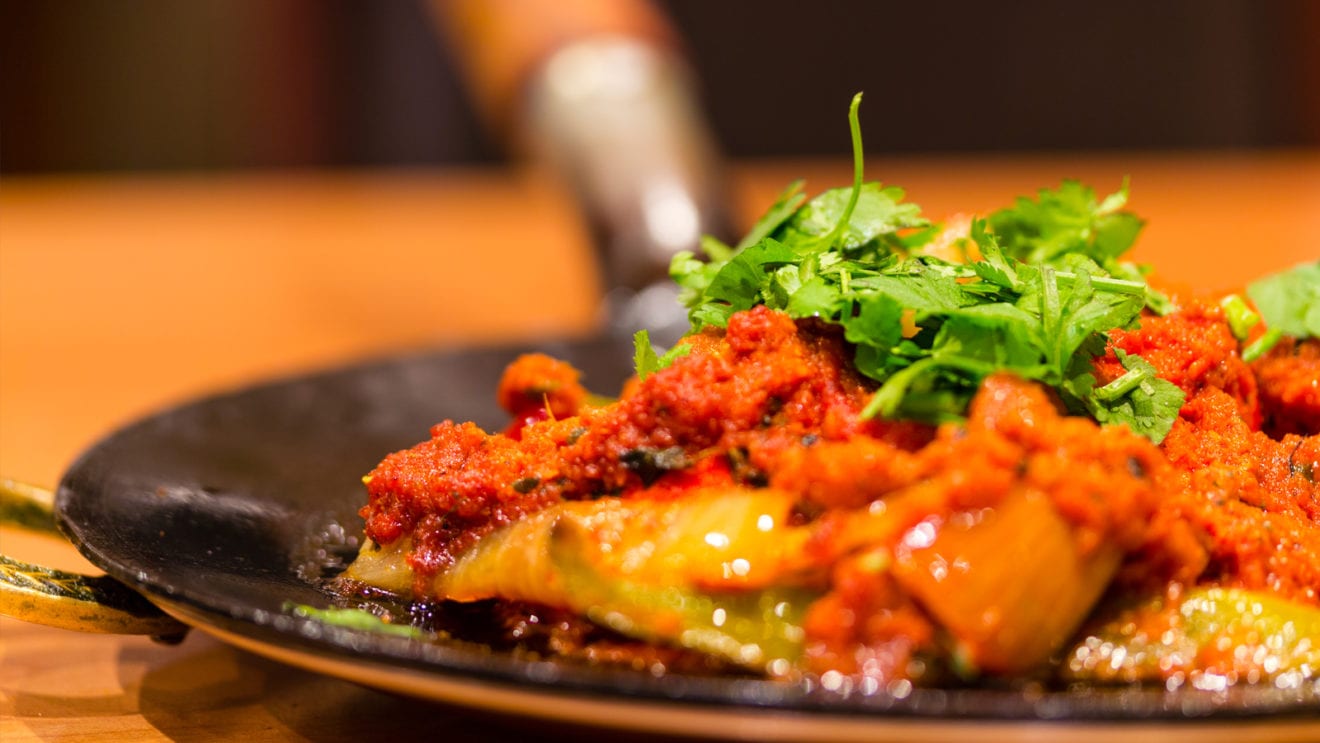
    The group currently operates 123 restaurants, a mix of fine dining destinations branded Mainland China and Oh! Calcutta, and what it terms ‘fun’ brands – Mainland China Asia Kitchen, Cafe Mezzuna and Hoppipola.

    Executive Anjan Chatterjee says from now on the company will more or less equally split its capital investment evenly between the two channels – fun and fine dining.

    “At least 50 per cent of restaurants we open in 2016 and 2017 will be fun dining. The vertical will help us maintain leadership in the fine and casual dining restaurants and confectioneries market. Over the years, we have developed a dedicated client base that is sophisticated and appreciates fine dining. But there is another group that is as important who want an informal atmosphere and a fun dining experience,” he said in an interview with the Times of India at the opening of a new Asia Kitchen restaurants at the Acropolis Mall.

    “They are young customers with disposable incomes. We have developed brands for them and will now expand this vertical.”

    The company is also pursuing opportunities to expand overseas.

    With two restaurants in Bangladesh and two in Tanzania, it is about to open its first outlet in Doha. Chatterjee is seeking locations for new restaurants in London and New York.

    Specialty Restaurants also has a small collection of quick service restaurants – one each trading under the brands Zoodles, Shack, Kibbeh and Kix.

    Chatterjee believes consumer dining preferences are changing.

    “Traditionally, people went to a restaurant and had their fill. But the trend has changed. They have become small eaters for health and economic reasons. Food is expensive and people don’t want large portions that will lead to wastage or a doggy bag. For instance, if a portion of mocha chop contained eight pieces, we have now introduced a regular portion that has four pieces. The regular size is good for two. If there are three or more, customers have the option of ordering one more. It is good on the pocket too and will encourage customers to come back more often. We don’t want price to be a barrier,” he said.

    Specialty Restaurants has already introduced regular portions at Mainland China and Oh! Calcutta.

  • Warburg Pincus in $400m bid for MedPlus India

    Warburg Pincus in $400m bid for MedPlus India

    Private equity investor Warburg Pincus is making a bid of up to $400 million for the giant MedPlus India pharmacy chain.

    Nine year old MedPlus currently operates a network of 1200 retail stores in 12 states of India.

    Promoter Madhukar Gangadi, who together with his family owns 31 per cent of the company, wants to ramp up the brand’s rollout to a massive 10,000 stores by 2020.

    Warburg Pincus is one of several in a race to acquire 69 per cent of the business, according to The Economic Times newspaper. Its rivals include General Atlantic and Bain Capital.

    If the chain fetches the figures being broadly quoted – between $350 and $400 million – it would represent a 250 per cent profit on the original investment of the outgoing shareholders, US-based Mount Kellett Capital Management, TVS Capital Funds and Ajay Piramal’s India Venture Advisors.

    Investment bank Credit Suisse is leading the search for strategic buyers to help fund the store rollout.

  • India is now Alibaba Group’s second largest market

    India is now Alibaba Group’s second largest market

    For Alibaba.com, the business-to-business arm of the world’s largest e-retailer Alibaba Group India is the second largest market globally.

    “India is the second most important market for Alibaba globally, next only to China for us,” said Timothy Leung, head of global business development, Alibaba. The business-to-business subsidiary of Alibaba Group launched an online platform to provide Indian small and medium enterprises (SMEs) access to global counterparts.

    “India is at a critical point at present and from here we will see sharp upswing in ecommerce. We are very excited in building this consortium for SMEs,”he added.

    The company has 4.5 million registered users from India, with the country accounting for the second-highest paid users on the platform after China. SMEs in India can also avail assistance in terms of financing, logistics (domestic and cross-border), inspections and certifications, technology and SME trade-linked education on this platform. The Chinese company has partnered with enterprises such as ICICI Bank, Kotak Mahindra Bank, Crisil Rating, Tally, Capital Float, Jeena, SGS and Mypacco to help Indian SMEs expand their business.

    “There are at similarities in our experience in Chinese and India markets in terms of population size, kind of SMEs and also the core path in the ecommerce. We are also looking at our experience in the past in China and match it with what is happening in India,” added Leung.

    Citing similarities with the Chinese market Leung said that in China, B2B side of the business spearheaded the growth for Alibaba. The company through its B2B platform brought buyers and suppliers together and then ventured into supporting different aspects of the ecosystem.

    “That’s what we trying to build here. Other than matching buyers and supplier we are trying to develop the ecosystem,” Leung said.

    On the consumer side of the business also the Chinese major and its financial arm Ant Financial have picked up stakes Indian ecommerce companies Paytm and Snapdeal. Founder Jack Ma was in India three times in one year and also met the prime minister.

    The recently launched initiative, known as SMILE, hopes to connect Indian manufacturers with quality Chinese suppliers on Alibaba.com, provide Indian sellers the trading support and facilitate the global sales of Indian products through the platform.

    Talking about the fast growing ecommerce industry in the country, Leung said that 16 years ago when Alibaba started China went from becoming a no-internet country to one of the most advanced ecommerce ecosystems in the world. India is at much advanced stage and growing at a very fast rate when compared to China of those times.

  • Indonesia promotes “Wonderful Indonesia” in Mumbai, India

    Indonesia promotes “Wonderful Indonesia” in Mumbai, India

    Indonesia will be promoting “Wonderful Indonesia,” its country branding, in Mumbai, India, from December 2-4, 2015 in order to market tour packages featuring attractive cultural performances and festivals.

    Assistant Deputy for Asia Pacific Market Development, Ministry of Tourism, Taufik Nur Hidayat, said here on Wednesday that India is a potential market as most Indian tourists are high-class travelers.

    Indian tourists generally prefer hotels with five star facilities, so a specific strategy has to be put in place to attract more tourists to Indonesia.

    “We must prepare what they need, such as adventure tour packages as well as comfortable and safe environment, Indian food, and a pleasant night atmosphere,” he said.

    The Ministry of Tourism, according to Taufik, is targeting Indian tourists, hoping that around 250 thousand people will visit the country in 2015, especially Bali, Jakarta and Batam (Riau Islands).

    The tourism ministry also facilitates various Indonesian tourism players to participate in the South Asia Travel & Tourism Expo (Satte), last of which was held in New Delhi recently.

    Taufik explained that the promotion of Wonderful Indonesia in Mumbai is part of the cultural diplomacy to strengthen emotional ties between the two countries, emphasizing that Indonesia has a close relationship with India in terms of history and culture.

    In the ninth century, some Hindu kingdoms flourished in Java. Many Hindu relics are preserved by the people and the Indonesian government.

    The spread of Islam in Indonesia also involves traders from Gujarat, India, who developed trade in various port cities in Indonesia.

    In modern times, Indonesia, along with India, initiated the Asian-African Conference (AAC) in 1955 which resulted in Dasa Sila Bandung (the ten principles of Bandung).

    The number of Indian tourists visiting Indonesia in 2016 is expected to increase by 10 percent to 300,000 visitors.

    The Wonderful Indonesia promotion campaign in Mumbai is a combination of the two programs, namely selling tour packages and cultural festivals such as dance performances, culinary exhibitions and sasando music performances (featuring a Timorese traditional musical instrument).

  • Bizpluss.in targets $20 billion sales

    Bizpluss.in targets $20 billion sales

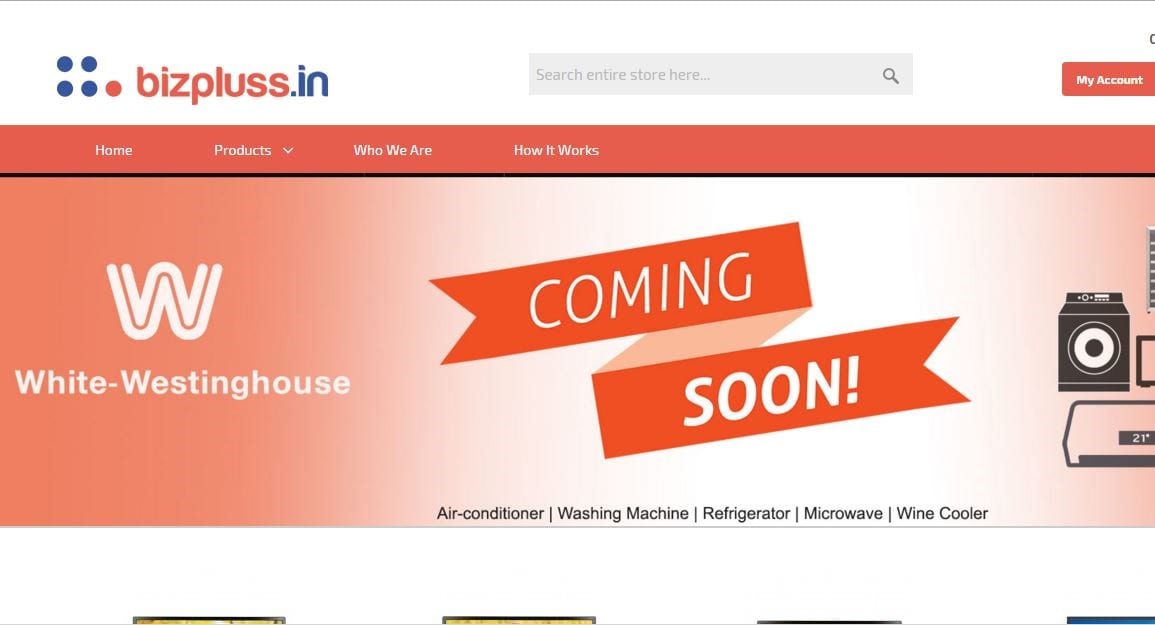
    Indian B2B eCommerce startup Bizzplus.in has added 32 suppliers from China to its portfolio, giving 50 brands direct access to its Indian business customers.

    And the company says it aims to become a US$20 billion turnover business within the next three years.

    Its next priority is to add suppliers from the UK, UAE and Europe as it aims to supply 100,000 retailers in the first phase of its growth plan.

    Among the 50 new Chinese suppliers are TCL, Toshiba and G’Five.

    “This new venture will disrupt the long supply chain and will directly connect the retailers and suppliers between India and China for better pricing,” said Yasharth Verma, executive director of Bizpluss.

    “Today with 100 per cent production, the demand is only for 50-60 per cent compared to 120 per cent before. Suppliers from electronics, electrical home appliances and home furnishing are the top categories from China region. Next, we will get children products and garments from European countries,” he said.

  • Virtual wardrobe tech comes to Singapore

    Virtual wardrobe tech comes to Singapore

    Technology from Metail, a United Kingdom fashion technology company is set to arrive in Singapore tomorrow as part of the company’s first Asian collaboration with new Indian fashion retailer abof.com. The new launch is understood to be in partnership with Singapore Press Holding’s e-commerce portal Shop.SheShops.

    According to Metail, 25% are put off online shopping because they are confused with sizing, with 44% returning clothes due to sizing issues. As it is, a majority of customers (62%) wish that images online would be more reflective of their own body shape.

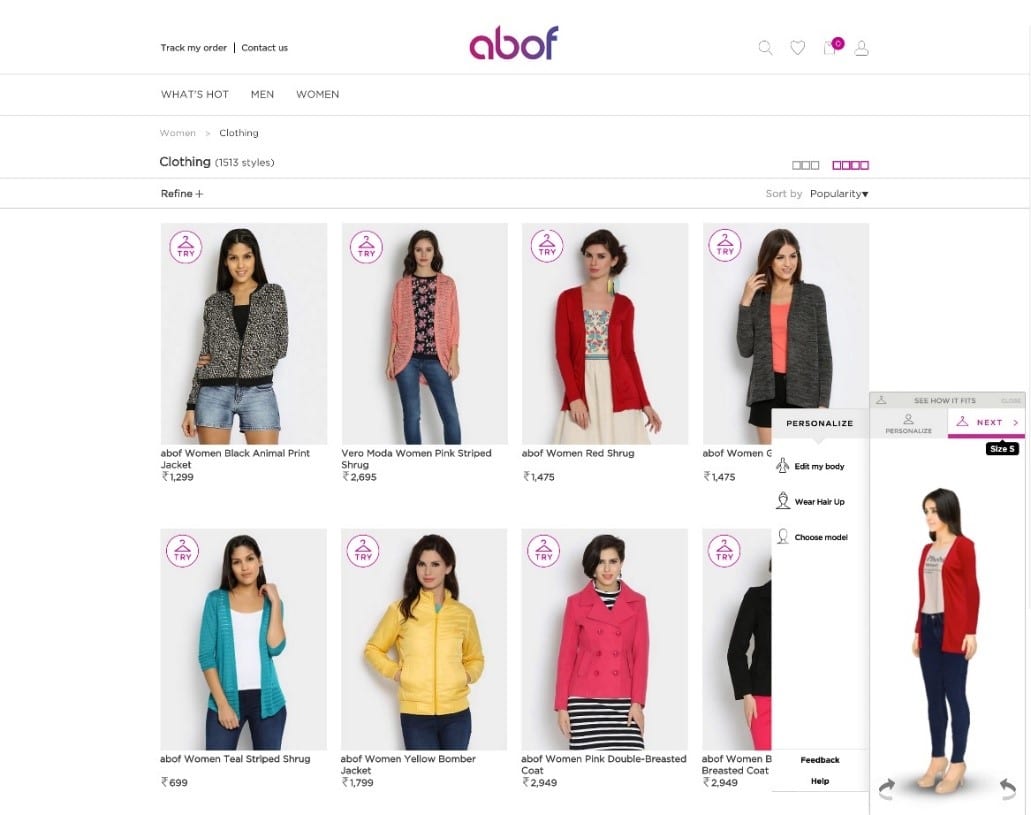
    The technology from Metail is an attempt to solve – or at least alleviate – these issues by allowing users to try out their clothes virtually. This is done by generating customized body avatars dubbed as “MeModels” sporting users’ vital statistics. According to Metail, the MeModel avatar is up to 92% accurate of the customer’s own body shape.

    The objective is to allow customers to better visualize an outfit prior to making the purchase. When browsing through clothing options, shoppers can see the avatar donning selected clothes in a small docked window at the side. This only works with clothing items tagged with a “Try it on” sign though.

    CMO Innovation gave the Metail demo a spin, and the site asks shoppers for vital statistics pertaining to their weight, height and bust. This is used to estimate waist and hips measurements, which can be tweaked if desired. A handful of models can be used as the base template for the avatar, while the hair type can also be tweaked slightly. Male MeModels are not available at the moment.

    It will be interesting to see how well the technology fares with fashion brands in the region, especially in costly retail locations such as Singapore and Hong Kong. Is the technology too nascent or too hard to implement on a wide scale for brands here? Or is it arriving at just the right time to address the growing propensity for online shopping by Millennials, or Gen Y customers.

    Inline image: Metail avatar donning a Halloween-themed Poison Ivy Dress

  • India’s Bindaas restaurant opens in Hong Kong

    India’s Bindaas restaurant opens in Hong Kong

    Indian restaurant operator Mayo Hospitality HK Limited has opened its first outlet in Hong Kong – Bindaas restaurant.

    The Indian tapas bar and restaurant, its full name Bindaas – Bar + Kitchen – marks a plan to use Hong Kong to leverage the city’s favourable location to expand its business in the broader Asia region.

    Located at the corner of Hollywood Road and Aberdeen St in the Soho area, Bindaas – Bar + Kitchen offers a modern style of traditional Indian food alongside craft cocktails and fine wines.

    Mayo plans to open more restaurants in the city before expanding into the Mainland market, according to Bindaas MD Sanat Patel, who has won prestigious Times Food Awards twice for his restaurants in India.

    “Indian tapas is getting famous in India but we can’t find a similar place in Hong Kong. Doing business in Hong Kong is very easy and efficient, so that is also why we decided to start our first venture in the city to introduce our new food culture,” said Patel.

    “Hong Kong has a very large expat base and people here love dining and entertainment. The restaurant and bar scene in the city is thriving. Also, it is close to the huge food and beverage markets in the Mainland. Therefore, Hong Kong is the ideal starting point for us to develop our business.”

    Associate director-general of investment promotion Dr Jimmy Chiang said with Hong Kong renowned as “the culinary capital of Asia” with a large number of international and Mainland Chinese visitors, it is an ideal place to showcase and develop exciting food and beverage concepts like Bindaas.

    “We wish Bindaas – Bar + Kitchen every success in the city.”

    “Bindaas” is Hindi slang meaning “chilled out and carefree”. Bindaas restaurant uses the “bindaas” style to provide traditional Indian food with a unique contemporary twist. Its signature dishes include NaanZa, which is an Indian version of pizza, Chingri Malai curry, Boti kabab, Bindaas tandoor chicken and cocktails like the Kala Khatta margarita, the Sheikh Chili and more.

  • Hello Curry plans 100 outlets in 2016

    Hello Curry plans 100 outlets in 2016

    Indian quick service restaurant chain Hello Curry says it plans to treble its network by the end of 2016.

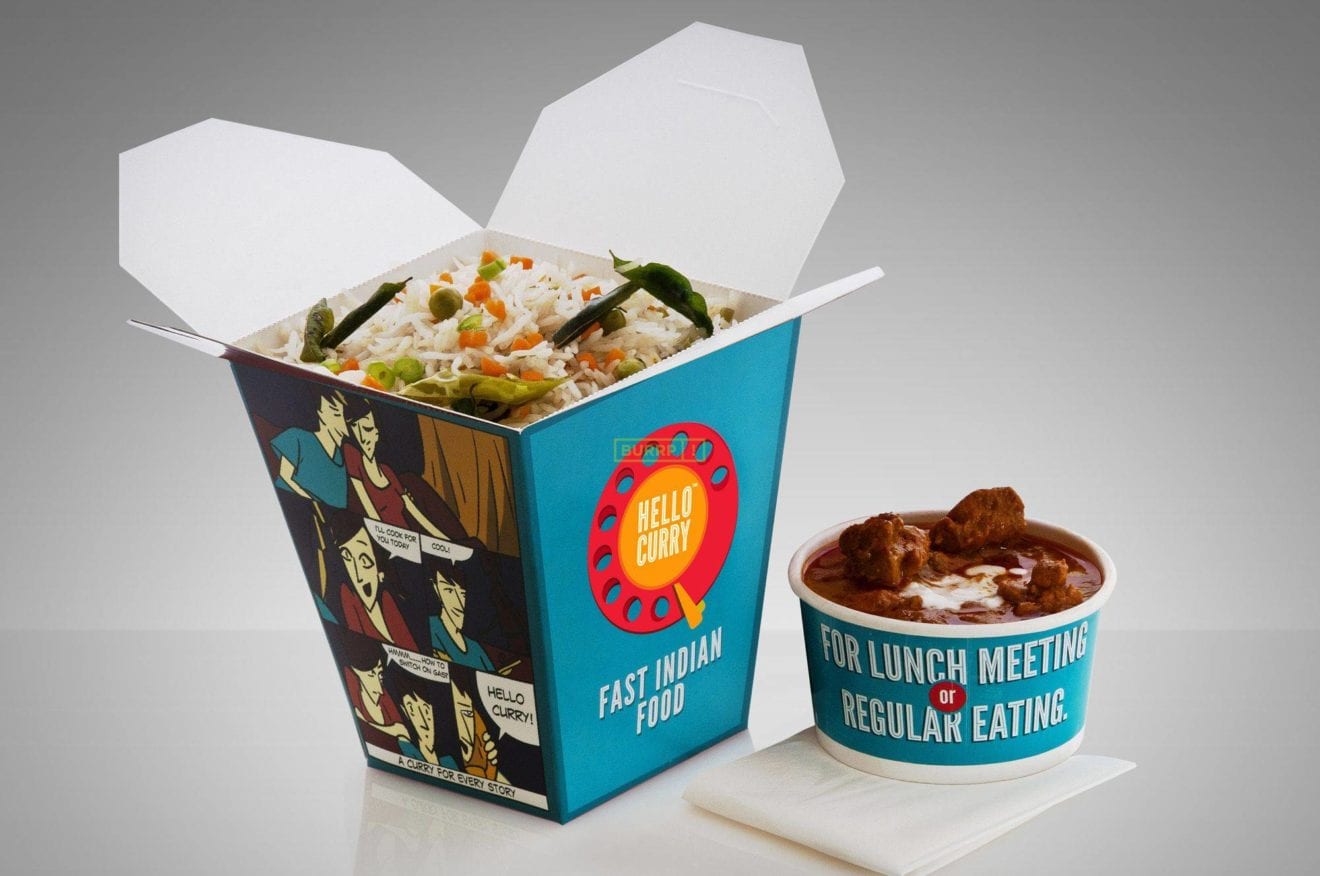
    Hello Curry serves curries and biryanis from 32 outlets opened since its launch 19 months ago. It is now moving to ramp up its rollout because it wants to take on international fast food operators like KFC and McDonald’s, and local rivals, with a unique Indian offer.

    Co-founder and CEO Raju Bhupati says the chain plans to have 100 restaurants operating by the end of next year.

    Hello Curry is looking to work with established restaurant chains in urban centres in a unique concept. The business model, called KICK (Kitchen in Commercial Kitchen), would see Hello Curry cover the costs of supplying the ingredients and packaging, with the partner kitchens cooking the food and delivering it, receiving a commission of 15-20 per cent on each sale in return.

    Meanwhile, the company has just sealed a deal to open kiosks within six multiplex cinemas operated by PVR Ltd in Bengaluru and one in Hyderabad. Biryanis and rolls will be served to moviegoers at their seats.

    Three more theatres will follow in Hyderabad by the end of this month with plans to extend the agreement into Delhi, Mumbai, Pune and Nagpur.

    Bhupati says partnering with PVR will help raise the brand’s profile and drive traffic to its restaurants after patrons experience the food and tell their friends.

    Hello Curry will deliver pre-cooked biryani to the kiosks for consumption in a three-hour time period, ensuring the food remains fresh and hot and minimising wastage.

    More than half the first 100 stores planned will be KICK concepts, the rest company operated stores. The PVR kiosks are not included in that figure.

  • Ethnic e-tailer Craftsvilla raises Rs 220 crore

    Ethnic e-tailer Craftsvilla raises Rs 220 crore

    Etsy-like marketplace for ethnic products, Craftsvilla.com, has raised $34 million – or Rs 220 crore – led by existing investors Sequoia Capital India and Lightspeed Venture Partners. Russian internet billionaire Yuri Milner also participated in the latest financing round personally, through DST Global partners’ fund, by putting $5 million in the four-year-old firm. Craftsvilla’s other existing investors Nexus Venture Partners and Global Founders Capital, a VC fund founded by Rocket Internet’s Samwer brothers, were also part of the latest fund-raise, valuing the company at $200 million, post the investment.

    With its Series C round of funding in place, the Mumbai-based e-tailer is looking to go public in the next 12-18 months, Manoj Gupta, co-founder & CEO, Craftsvilla, told TOI. The plan comes at a time when most e-commerce majors have put their IPO plans on hold.

    Kribha Handicrafts, which runs Craftsvilla.com, is currently clocking $120 million in gross merchandise value, or GMV annual run rate. GMV is an industry jargon for sales made on an online retailer’s platform without factoring discounts and returns.

    “We are looking at a valuation of at least a billion dollars in the next 12-18 months before we go public. Our aim is to hit $500 million in GMV over the next one year,” Gupta said. The online retailer is in the process of appointing independent directors as it prepares to go public, he said.

    The ethnic e-tailer plans to use a significant chunk of the fresh capital for marketing and international expansion having entered Malaysia and with an Indonesia launch on the anvil. “Craftsvilla has risen to category leadership in the ethnic space with a lean marketplace model that has scaled in an unusually capital-efficient manner. We are excited to continue to back them as they grow to the next level,” said Shailendra Singh, MD, Sequoia Capital India. All told, the e-tailer had raised $20 million (excluding the fresh infusion) across two rounds of financing since it began operations.

    Founded in 2011 by Gupta and his wife Monica, Craftsvilla sells products across categories including clothing, handicrafts, jewellery and art, among others. It claims to have 25,000 sellers on its platform, selling close to 3.5 million products. The online ethnic wear market is pegged at around $300-500 million in size with the bigger horizontal e-commerce players like Flipkart, Snapdeal and Amazon aggressively pushing their presence in the segment.

    Margins in the ethnic category are higher compared to other segments, sometimes ranging as high as 60-80%. “We typically get a 20% commission on products sold,” Gupta of Craftsvilla said. The e-tailer is looking to launch private labels over the next few months, which offer better margins to e-commerce players.

  • Indian eCommerce growth fastest in Asia

    Indian eCommerce growth fastest in Asia

    The Indian eCommerce growth rate is now the highest in Asia – yet online still accounts for less than one per cent of total retail sales.

    Gene Alvarez, MD and VP at research house Gartner, told a symposium in Goa this week that India represents a US$7 billion market, growing at more than 40 per cent every year.

    “Currently B2C commerce leads the market in India, while B2B is limited to organisations that drive online sales while trying to cut costs in dealing with their partners and distributors.”

    More than 40 per cent of digital commerce transactions came from a mobile device in 2014, and that proportion is likely to exceed 50 per cent in 2015. Due to the low internet penetration in India, mobile has leapfrogged the PC, and consumers are using mobile as the primary channel for online shopping.

    “There is a lot of hype due to the high growth and high expectation of the market, and many companies are fast expanding to grab market share and increase visibility. However, the fierce competition is pushing up costs while the average order value remains low. Players need to execute on the basics to ensure the growth is sustainable,” said Alvarez.

    Gartner identified the top five things Indian digital commerce players should focus on to drive growth:

    • Customer Experience: This is the most important differentiator of a digital commerce service as price becomes transparent across sites. Providers that can design a compelling user interface, personalise landing pages, search results and product feeds based on the shopper’s behaviour, and effectively engage shoppers to make them loyalty customers, will win over those that cannot.
    • Product Range: Due to the nascent nature of India’s digital commerce market, product range and choices are still quite limited even on major marketplaces. Providers will need to expand the product ranges to make the service attractive to shoppers through organic growth and partnership. Focusing on a few categories, such as consumer electronics, fashion and grocery can also be the right strategy to deeply penetrate a product segment and become the go-to site for that category.
    • Delivery: This is a key challenge in India given the less developed logistic infrastructure and the lack of last-mile connectivity in remote areas. Providers will have to partner with multiple logistic providers to leverage their strengths in national, regional and local delivery, as well as with retail stores as pick-up stations to offer reasonable delivery speed and costs. They also need to consider putting in place reverse logistics for returns, which significantly impacts the customer experience.
    • Payment: Payment has a big impact on the conversion rate, and a frictionless payment process greatly helps increase digital commerce sales. India has relatively low credit card penetration, and most of digital commerce is done via cash on delivery. Despite regulatory challenges, digital commerce providers should work with payment providers to offer a frictionless payment experience.
    • Customer Service: Besides offering immediate help on site and via the contact center, and making processes and cost information transparent, digital commerce providers should think carefully about their return strategy. A generous return strategy encourages sales especially for categories such as fashion and consumer electronics.

    This week’s Gartner Symposium/ITxpo is a major gathering of CIOs and other senior IT executives. The event delivers independent and objective content with the authority of Gartner, a leading IT research and advisory organisation, and provides access to the latest solutions from key technology providers.

  • Adidas India gets nod to run its own stores

    Adidas India gets nod to run its own stores

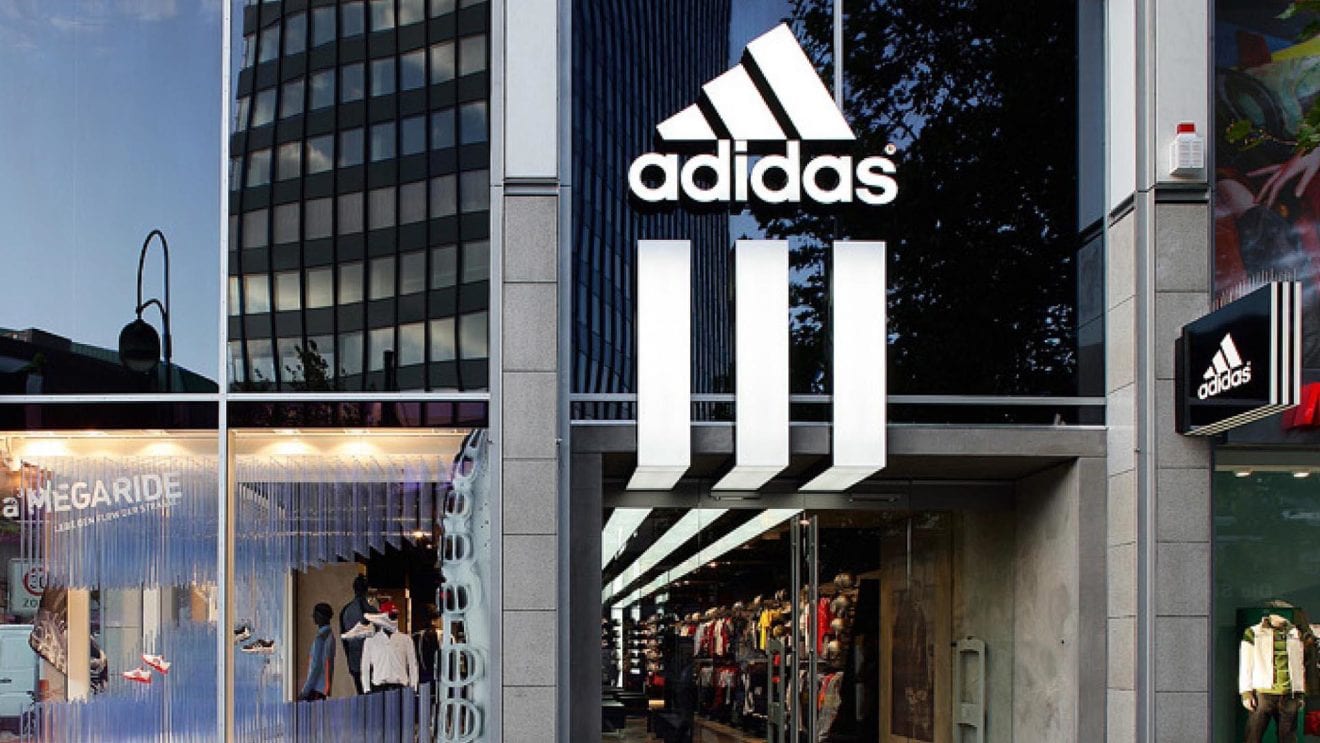
    Adidas India has received government approval to own and run its own stores.

    The German headquartered sportswear brand, which also sells Reebok-branded products in India, had submitted an application for 100 per cent foreign owned stores under India’s tough local ownership regulations in July.

    In gaining approval, Adidas has beaten rival Nike, whose application last year was rejected, and so becomes the first sportswear brand to gain the right.

    Dave Thomas, MD of Adidas Group India, confirmed the approval this week.

    The company plans to open flagship stores in key cities, as it does in other international markets, but would continue to supply locally owned, franchised outlets as well.

    “Own retail channel plus eCommerce channel, complemented by our franchise network, will drive growth for our brands and our business in India,” Thomas said.

    Adidas entered India in 1995 and currently has a network of 760 franchised stores, two thirds of which sell only Adidas products.

    “We would like to take this number up to 1000 stores by 2020,” Thomas said.

    “We strongly believe own retail will enable us to take our market leadership position to an even higher level. It will give us additional flexibility to bring in global concepts across all categories in larger stores, thereby enabling us to further enhance the premium experience for our consumers,” he concluded.

    A condition of the approval is that the company must source at least 30 per cent of its products locally.