Tag: india

  • Hong Kong Indian entrepreneur out to build ‘the next Alibaba’ in Mumbai

    Hong Kong Indian entrepreneur out to build ‘the next Alibaba’ in Mumbai

    Akanksha Hazari’s parents were relieved when she announced in 2013 that she was moving to Mumbai on her own.

    “After Palestine, India was fine,” says her mother, Anjali. “Akanksha wanted to go to Africa originally, but her father and I managed to convince her that it was probably not a good idea.”

    Home for the 32-year-old former Middle East strategist turned star technology entrepreneur is Hong Kong, the city she moved to with her Indian parents when she was eight. She attended West Island School,and became so good at squash she was selected to play for Hong Kong in her teens.

    “For me, Hong Kong is very much home … I am an Indian-Hong Kong girl,” she says.

    Hazari is the founder of m.Paani, a phone-based customer loyalty platform that helps to bring together small retailers andconsumers in emerging markets.

    It may sound esoteric, but as she explains in her parents’ Mount Davis flat, this is just the first step in building a global business that can help the world’s underserved “offline” population access important services from which they have been excluded. In short, she wants m.Paani to be the next Alibaba.

    Her ambition is matched by an iron will that has seen her take on a large American charity co-founded by Hollywood star Matt Damon, and win.

    In 2010, Hazari was studying for an MBA at Cambridge University and formed a team to enter an annual competition for business students run by the Hult Prize Foundation. That year, participants were asked to submit business plans that could help address water scarcity issues, and Damon’s Water.org was brought in as an adviser. Hazari’s team came up with m.Paani (paani means water in Hindi), a mobile phone-based customer loyalty programme that encourages the supply of clean water to low-income families in India. When they won, Hazari – the only team member who wanted to launch the start-up for real – asked for the US$1 million prize money she believed they had been promised. Water.org, however, was under the impression that the US$1 million was going to its own projects.

    Our goal was to support Hult in its efforts to teach about the urgency of this issue among students and the need for innovation,” writes Rosemary Gudelj, the charity’s senior manager, global advocacy and office of the CEO, in an email. “However, we also knew that these students only had two months to develop ideas. While we were hopeful that the winning case or other cases would be actionable by Water.org, we clearly were not comfortable committing to implementing the winning idea.

    “When [Hazari’s] team won, we offered to have her and her team work with Water.org on looking into and developing the group’s idea to probe further, and see how this concept could be applied to local needs and circumstances. However, her request was to receive the full US$1 million grant to fund the organisation she launched.”

    In the end, Water.org kept the US$1 million and the Hult family gave Hazari a separate grant of US$300,000 that allowed her to widen m.Paani’s business.

    “At the time, Hult Prize thought it a better strategy to partner with a non-government organisation to help the winners manage and deploy the prize capital, rather than to directly give the money to a young student team. But once the US$1 million was transferred to Water.org, they kept it. That’s why I couldn’t start m.Paani straight away. It took me two years to get the money, which Philip Hult privately gave me,” says Hazari.

    That tenacity helped her secure most of the funding she needed to set up the business in Mumbai around 18 months ago. Today, the loyalty point network has around 200 merchants and 10,000 customers.

    “Think of it as something like air miles or credit card points. You earn points when you buy your groceries at your neighbourhood m.Paani corner shop. The shopkeeper taps in your mobile phone number – that’s your m.Paani account number – and your point balance is updated in real time,” says Hazari. The points can be used to pay for items or to redeem practical gifts from the m.Paani gift shop: water filters, English language textbooks or small appliances, for example.

    While m.Paani has a social agenda – to leverage the often-neglected purchasing power of lower-income households and to boost the competitiveness of small, independent retailers that make up about 70 per cent of India’s US$600 billion a year retail market – it is very much a for-profit business.

    It makes money by charging shop owners a commission for each transaction recorded. In return, previously offline mom-and-pop shops get a customised website, mobile app and digital transaction histories, and a consumer database.

    The latter is key to Hazari’s ultimate goal: for m.Paani to become a “big data” player. The idea of data collection may be anathema to many internet users concerned with privacy, but she says those who do not have any data to offer get left behind.

    “These shopkeepers tend to write everything down in a notebook. They can’t get insured, or apply for a bank loan, because there is no data about their business,” she says.

    The same goes for the customers. Without any credit history, they are not likely to get bank loans or access other financial services. From this year, m.Paani will start scoring individuals and businesses on their creditworthiness, a first step in utilising their shopping records.

    Hazari says small retailers with no online presence will struggle to compete against the growing presence of international chains such as Wal-Mart and Tesco as India gradually liberalises its retail sector. Online giants such as Amazon are also expanding aggressively in India. Issuing loyalty points helps rope in their customers.

    The next step for m.Paani is to go national, and eventually spread to Africa and Southeast Asia.

    “I want to build an Indian company that’s international,” she says. “For me there’s a lot of pride in that. Why can’t the next Google come out of India? That’s why Alibaba is such an exciting company. It’s the first company to do that out of our market.”

    After earning a degree in politics and Middle Eastern studies from Princeton, Hazari worked for the Aspen Institute, encouraging Israeli and Palestinian joint business ventures as a way to promote peace. It meant living in Jerusalem and crossing the border every day to manage operations such as a hospital and a power plant in Gaza.

    “Her time in the Middle East meant months of sleeplessness for me,” says her mother. “But I’m very proud of her.”

    After two years,Hazari decided that business had a lot of power to change people’s lives and immersed herself in the corporate world, becoming a consultant in clean energy at Booz & Co. in the US and Dubai. That was followed by a year of designing environmentally sustainable services and information technology applications to help rural Indian families, and then the MBA in Cambridge.

    Hazari’s parents had settled in Hong Kong so that their children could have access to better education, and a better quality of life (dad Ajay is a director in a shipping company, and mum Anjali teaches at an international school). But for her, the opportunities lie in India and beyond.

    I think we have a desire to be a part of that story, of building our country and taking it forward.

    Akanksha Hazari

    “For my parents, or people like them in India and mainland China, the dream was to get their kids to go out. That’s not the case for us any more. These countries are no longer the same. We see so much opportunity to do something bigger than just go the West and get a job. If we come home we can actually build something of our own. And also, I think we have a desire to be a part of that story, of building our country and taking it forward. We are shaping the future of that country, and that’s a huge opportunity,” says Hazari.

    The start-up in India has yet to make her a billionaire (“We’ve been surviving by bootstrapping, she says). But it has already earned her valuable international recognition. On March 9, she is receiving an award from the Vital Voices Global Partnership, the NGO set up by Hillary Clinton and former secretary of state Madeleine Albright, at a gala celebrating women leaders around the world.

    Investors are also beginning to see m.Paani’s potential. “We’ve just closed series A [funding]. Our user numbers are growing 20-40 per cent month-on-month and investors are starting to see this as a proper business,” Hazari says. Their backers include an Indian venture capital firm and a select group of Indian angel investors.

    She is not surprised that Hong Kong – once known as a breeding ground for entrepreneurship – has failed to produce many start-ups that grab the world’s attention.

    “There’s a lot of pushback here for those who want to set up their own business. You have to be a very strong personality to do it anyway. I didn’t take any money from my parents. I knew the decision I was making meant I would not have a great lifestyle but I was OK with that. You need to be ready to deal with the negative pushbacks… and work a lot harder to prove your point and make sacrifices,” she says.

    Besides, Hong Kong is fundamentally a very small economy and very focused on financial services, which means that young people who want to pursue big ideas tend to have to go abroad, or to China. And she expects more people will.

    “Our generation is more purpose-driven than it is pay-cheque driven. The time is right – we are very educated and have the luxury of thinking about what values we want in life and not just how much money we want to make. I think it’s a fundamental shift,” she says.
  • Reliance retail business thrives

    Reliance retail business thrives

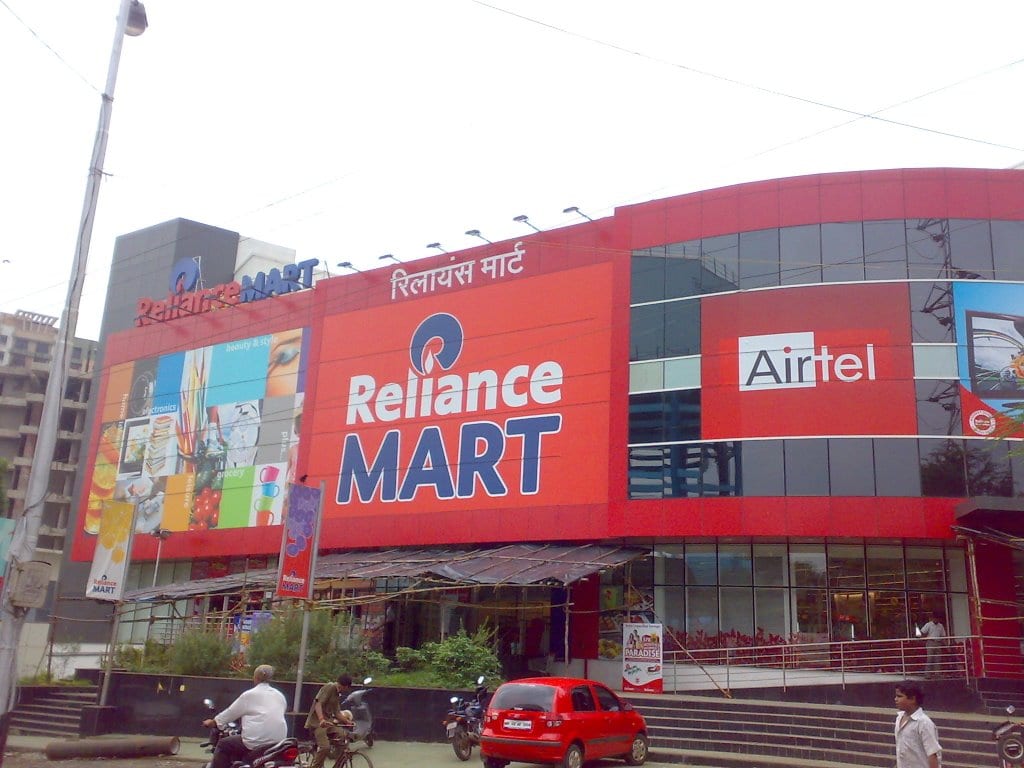
    Indian retailer Reliance Industries has reported a 50 per cent growth in sales in its consumer electronics category for the quarter to December 31.

    Reliance Retail also consolidated its leadership in the grocery category, optimising its network to enhance profitability. Several private-label products were launched in the grocery and general merchandise categories during the quarter. The contribution of private-label sales to overall sales increased to 14.6 per cent from 8.6 per cent in the same period the previous year.

    There are now more than 2 million registered members across 37 countries for Reliance Mart stores. These 1537 outlets specialise in consumer electronics. Strong year-on-year growth in this category was helped by Digital Express Mini rapidly scaling up during the quarter to reach more than 1250 outlets across the country in a short time since launch.

    Also delivering a strong performance, the fashion and lifestyle category was 16 stores opened byReliance Trends during the quarter.

    A Reliance Retail joint venture with Marks & Spencer continued to grow with new store openings, whileReliance Brands launched Dutch lingerie brand Hunkemöller, and also opened the first airport store in India for UK games and toys retailer Hamleys, in Delhi.

    Initiatives encompassing fashion and lifestyle e-commerce are also proceeding through beta testing. The development of a marketplace platform and distribution ecosystem for 4G devices are on track and being rolled out. It will be the largest distribution reach for devices in India, says the company.

    Meanwhile, the company is training 4G sales specialists while integrating supply chain and service centres. Reliance Retail also launched its own brand of 4G LTE smartphones, under the brand LYF, during the quarter.

  • Direct flights between Indonesia, India likely this year

    Direct flights between Indonesia, India likely this year

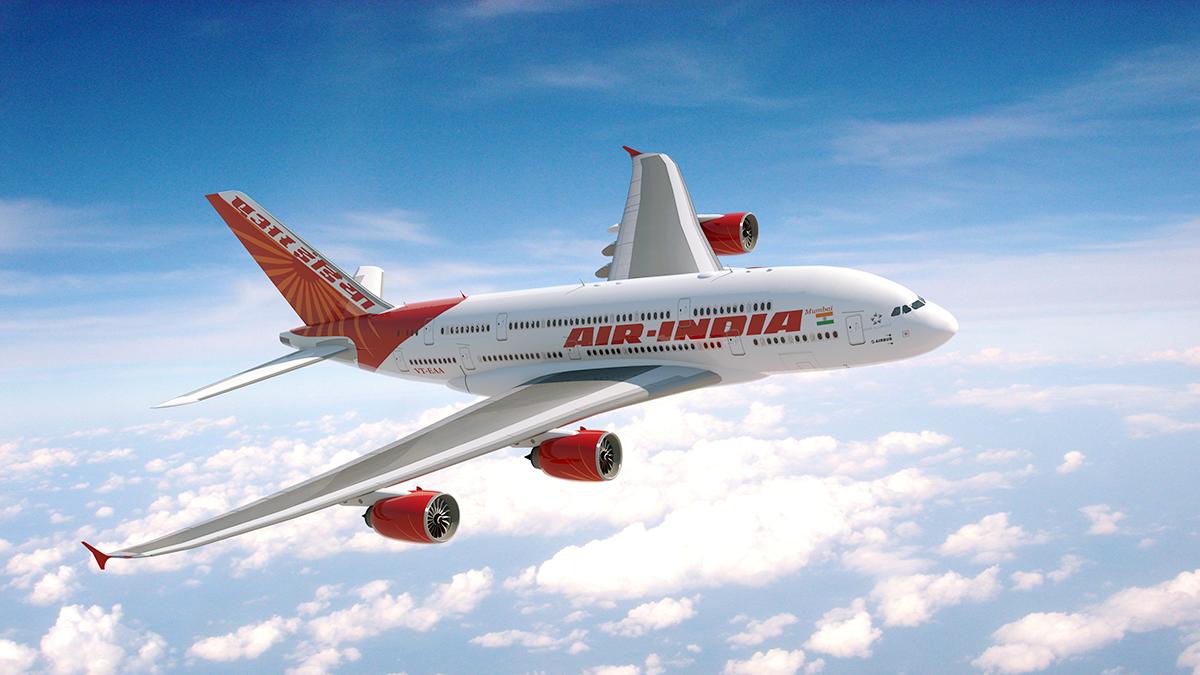
    Direct flights between India and Indonesia are likely to begin this year to facilitate tourism, Indonesian ambassador Rizali W. Indrakesuma said on Wednesday.”The Indian government has already given permission; it is a matter of how Indonesia responds. We are hoping that direct flights between the two countries begin by this year or by next year at the latest,” said Indrakesuma said.The first flights both governments plan to launch initially are between Delhi and Jakarta and Mumbai and Bali. Garuda Indonesia and Air India will operate flights between the two countries.

    The ambassador said a deal on the matter could be finalised in March when the transport minister of Indonesia will participate in an event organised by the civil aviation ministry in India.”This is an opportunity for our minister to engage with the Indian civil aviation minister (Ashok Gajapathi Raju Pusapati) at an event organised in Hyderabad in March,” the ambassador said.”The consulate general of Indonesia in Mumbai will push the ministry of tourism to open direct flights for the first time between Delhi and Jakarta and Mumbai and Bali.

    Last year, 262,000 tourists from India visited Indonesia; we expect the figure to go up to 350,000 this year. First it’ll be a government-to-government engagement and later we can engage private airlines,” said Taufik Nurhidayat, deputy director, ministry of tourism, Republic of Indonesia.Indonesia attracts the highest number of tourists from Singapore, followed by Malaysia, Australia, China, Japan, Korea and India.

  • Xiaomi keen on single brand retail license

    Xiaomi keen on single brand retail license

    Xiaomi is keen on applying for a single-brand retail licence in India and will take a final call on the matter in a couple of weeks after more consultations as the Chinese company strives to deepen its presence in the world’s fastest-growing smartphone market, where it just recorded its best-ever quarter by sales.

    As part of its India strategy for 2016, Xiaomi will locally manufacture most of the phones it will sell in the country, begin investing in startups and expand its offline presence, Manu Jain, the company’s head of India operations.

    “We would be very keen (on applying for single-brand retail) but we would want to understand this better. We are talking to multiple people who are subject matter experts on this to understand everything about it before we go ahead,” Jain said. “Overall, this looks very positive from our perspective.”

    Once it applies, Xiaomi would join Apple as among the top foreign brands opting for a direct presence in India, which eased foreign direct investment rules for single-brand retailing in November. The South Asian nation relaxed mandatory local procurement conditions for high-tech companies and allowed single-brand licence holders to sell their products directly online.

    Xiaomi currently sells 90% of its products through online portals Flipkart, Amazon, Snapdeal and its own store, Mi.com, and has ventured into the offline market with outlets of Airtel and The Mobile Store selling about 10% of its devices. The company will forge more partnerships to expand its offline presence in 2016 and will focus equally on revving up sales through its own portal.

    Jain said the aim would be to achieve a balance between online and offline sales, similar to what it has in China, where one-third of its sales comes from offline channels.

    Through a combination of online and offline sales in India, Xiaomi clocked its best-ever three months yet, selling between 1 million and 1.5 million smartphones in the quarter ended December. “This is the second consecutive quarter that we’ve crossed 1 million…despite the competition, we continue to grow aggressively,” Jain said. In the September-ended quarter, sales were up 45% on-quarter.

    “One of our targets for 2016 is to invest in startups,” Jain said, which would replicate the model followed by the company in China. Though Jain didn’t specify the amount, he said the company would be flexible and investments would depend on the startup and the stage it has reached.

    India will continue to be a critical market and Xiaomi will reduce the time gap between China and India product launches and also introduce more models in 2016. Separately, it will scale up local manufacturing to make a majority of the phones that it sells in the country.

    Jain did not share the present manufacturing capacity at Sri City in Andhra Pradesh, where Foxconn manufactures phones for Xiaomi, but said that the scale-up will be “significant.”

  • India And Southeast Asia Could Be The ‘New China’ For Apple

    India And Southeast Asia Could Be The ‘New China’ For Apple

    I first wrote about the potential of Asia for Apple in September 2014. My article, titled “Asian Growth sends strong bull message for Apple” met with a lot of critical comments that the Apple brand would never catch on in China. The people were too poor, the local competition was too strong, the political and legal hurdles were an insurmountable barrier, etc. Of course, such critics have been proved very wrong. In the company’s 2012 annual report, China was not even listed as a specific operating segment. China is now second behind the US in terms of operating income. Now everyone writes articles about how vital China is to the company.

    Apple’s Q1 2016 results showed the importance of international sales (66% of revenue) to Apple, and specifically the importance of Asia.

    The Americas: revenue decline of 4% to US$29.3 billion.

    Europe: revenue increase of 4% to US$17.9 billion.

    Japan: revenue decline of 12% to US$4.8 billion.

    Asia-Pacific: revenue increase of 4% to US$5.4 billion.

    Greater China: revenue increase of 14% to US$18.4 billion (and + 47% sequentially).

    India specifically, and Asia in general, now offer the same future potential for Apple as did China. Indeed, Asia is already realizing that potential for the company.

    India

    Of course, India is not exactly the same challenge as was China, but the similarities are very apparent. Again, the naysayers state the people are too poor, the local competition is too strong, and the political and legal hurdles (including rampant corruption at every level of society) are insurmountable. For the same reason this was a false argument in regard to China, it is a false argument in regard to India.

    China’s economic growth is indeed slowing. However, consumer demand is strong as China transitions from an industrial economy to a consumer-driven one. Apple will continue to grow there, but more slowly than the 84% growth in revenue it enjoyed last year. Despite all the talk of gloom and doom, in Q1 2016 iPhone unit sales in China did increase by 19%. Mac sales increased 27% year-on-year as the Apple “ecosystem” increasingly embeds itself in the country.

    The country forecast by the IMF to have the fastest growth of any major economy this year is India, at 7.5%.

    Of course India has the negative of a much lower GDP per head than China or of many other Asian countries. The IMF assesses Chinese GDP per head in 2015 at US$8,280. For India it has a figure of US$1,688. What this misses out though is the incredible wealth inequality in India. The middle class there is growing fast and has a strong culture of showing off brand affordability. General estimates are that by 2025 the country will have over 500 million people who can be called “middle class.” As Tim Cook commented in the Q1 2016 conference call, the median age of the country is only 27, the kind of demographic that economists love.

    As my October 2015 article pointed out, India is forecast to have 314 million mobile users by 2017, which would be the second-highest total of any country.

    Retail in India

    Despite the headlining and highly-paid Angela Ahrendts coming on board, Apple has been slow to ramp up its retail presence in Asia. Only about 10% of Apple’s worldwide total of stores are in Asia and Australia. Only in China has the pace of new stores been quickened. In total, 26 new stores are planned for China this year, doubling their current number. The latest of these, the 33rd, opened in Qingdao this week. Apple targets to have 40 stores open in China by the middle of this year. This still compares poorly with the 53 retail stores, for instance, in California alone.

    In India, retail could be vital for success. So far Apple has been handling the retail market in India through sub-distributors, but this has put their brand image in the hands of often not very competent third parties. Historically, retail has been difficult for foreign companies in India, but the Modi Government is relaxing the rules.

    Previously, single-brand retailers which were foreign-owned had to source 30% of their product locally. Additionally, there were heavy restrictions on the use by such companies of e-commerce. With these restrictions being loosened, in mid-January, Apple filed an application to open the first real Apple Store in the country. Just as Tim Cook personally led the political dance to get Apple established in China, so he has reportedly met twice with Indian Prime Minister Modi in the past six months.

    The India Market

    Almost identically to when Apple entered the China market, the smartphone market in India is dominated at present by Samsung (OTC:SSNLF) and by local manufacturers. We all know what happened in China when that was the case a couple of years ago.

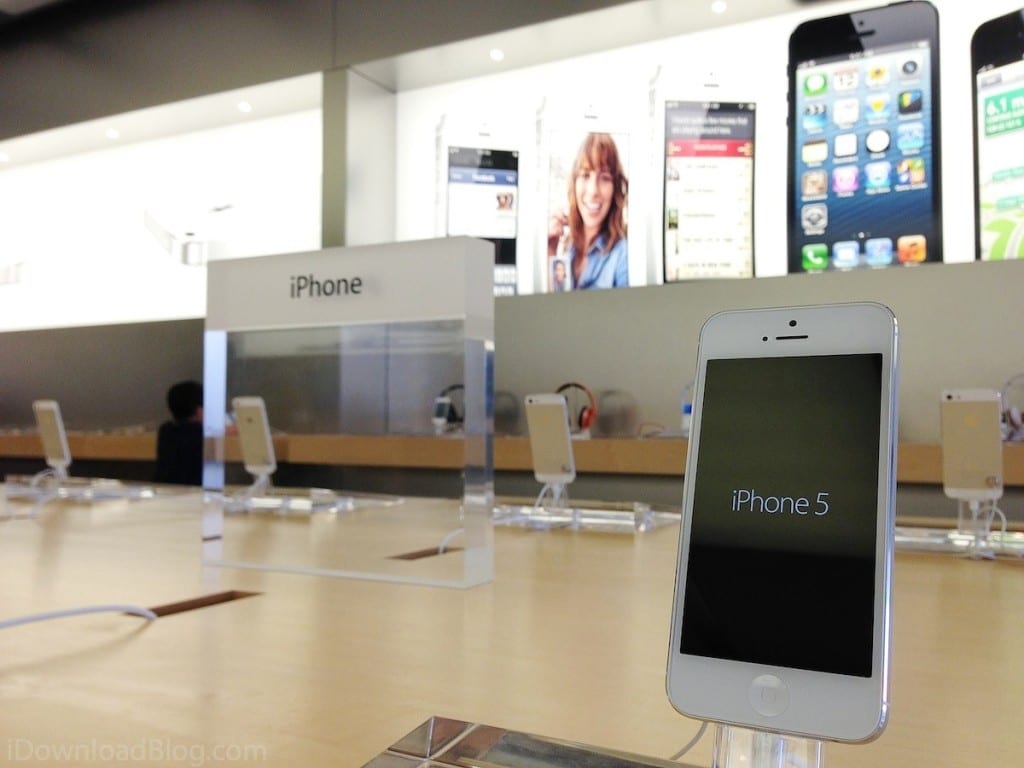
    IDC estimates that in the third quarter of 2015, Samsung had 24% of the market and Lenovo held second place among imported phones. Apart from them, it was local manufacturers such as Micromax, Lava and Intex. This is ripe for Apple to follow their China strategy. That means supplying current new models to the wealthier middle-classes and their older models at a strongly discounted price to those who cannot afford the current model. Apple is already doing this in fact. As an example, the 6S originally sold for 62,000 rupees, while the 5S price was cut in early December to 24,999 rupees. This put it in a similar price bracket to the Samsung “A” and “E” series phones. Now the 16GB 6S has been further reduced to 48,499 rupees.

    Up to March 2015, Apple increased sales by 44% to over US$1 billion. It is expected that this figure will double in the year to March 2016. In Q1 2016, revenue increased 38% (or 48% in constant currency terms). iPhone unit sales increased 76%.

    Sales are growing from a small base, but retail expansion and a new concentration on India by Tim Cook should see sales take off in the next couple of years. An accelerated planned roll-out of 4G in India, just as we saw in China, will also help the company’s expansion. Interestingly in the Q1 2016 conference call, Tim Cook made specific reference to rising 4G penetration in China as a boost to Apple sales. No doubt the same is equally true of India.

    He also stressed the importance of emerging markets in general and LTE penetration to the future. He commented:

    “If you go outside of China into the other emerging markets, our share is much lower and the LTE penetration is so low…. it indicates to me that there is still a lot of people, a tremendous number of people in the world, that will buy smartphones.”

    The GDP per head differential with China will mean that India takes longer to reach the stratospheric sales figures we saw in China. Equally, the Apple ecosystem is not as strong in India and it will take time for iTunes and the App Store to become a way of life there.

    One potentially very bullish factor for Apple is the fact that their biggest manufacturing partner, Foxconn, has applied for manufacturing approvals in the country. This has led to obvious speculation that iPhones will be manufactured in the country, with all the myriad advantages that would bring. Foxconn is proposing to have 20 facilities operating in India by 2020 at an investment cost of US$5 billion.

    Elsewhere in Asia

    China may have a population of 1.4 billion and India 1.25 billion, but elsewhere in Asia the sheer mass of the addressable market is substantial. Figures of population of other Asian countries for 2015 and World Bank details of GDP per capita for 2014 illustrate the often-overlooked potential in Asia outside of China and India. In the Q4 2015 conference call, the company had stated that revenue increased 27% in that period for this region.

    There are over 1.8 billion people in Asia outside the behemoths of China and India. This potential is reinforced by the fact that these countries have the demographics that economists look for. That is to say, young growing populations with improving educational levels in countries with strong growth rates. This group of countries alone far exceeds the populations of US or of Western Europe.

    Below, I summarize just a few of the Asian countries where Apple’s footprint has grown strongly.

    Japan (population 127 million and GDP per capita of US$36,194) is the market in the world where the Apple ecosystem is generally considered at its strongest. In the Q4 2015 conference call, Apple had stated that Japan revenue increased 9%, not bad for a mature market. However in Q1 2016, revenue declined 12%, although in constant currency terms it was a decline of only 4%. This is still of some concern for Apple, and the figures seem to reinforce market rumors that the iPhone 6 and 6S were not so well received there in what is already a mature market for Apple.

    Indonesia (population 255 million and GDP per capita of US$3,491) and the Philippines (population 101 million and GDP per capita of US$2,872) are both seeing Apple sales grow strongly. Both have very young populations and the Philippines was the strongest growing economy in Asia last year. Apple is planning to invest in R & D facilities in Indonesia following new government regulations to come into effect in 2017. These will require overseas suppliers to include 30% of import value in their products from either local manufacturing or from software input. Official figures show that Indonesia imported US$5 billion worth of mobile phones in 2015. The real figure would be higher as it does not include parallel imports through Singapore.

    In Korea (population 49 million and GDP per capita of US$27,970), Apple has made significant inroads. This is despite Korea being the home market of the formerly all-powerful Samsung. At the Q1 2016 conference call, it was reported that iPhone sales increased 45% there.

    Thailand (population 67 million and GDP per capita of US$5,977) and Malaysia (population 30 million and GDP per capita of US$11,307) are seeing significant growth for Apple. Exact growth rates have not though been released by Apple.

    Vietnam (population 93 million and GDP per capita of 2,052) is an interesting study. The country was a long-time foe of the US and has a low GDP per capita of US$2,052. Yet, Apple opened a subsidiary there in October last year on the back of sales that had tripled in the first half of 2015. This will allow them to open their own store and sell directly to Vietnamese consumers. There are a startling 124 million cellphone subscribers in the country which shows the fast development in the country.

    Singapore (population of 5.6 million and GDP per head of US$56,284) will be seeing its first Apple store opening in 2016. With a GDP per capita higher than the US and a large re-export business, this is a strong market for the company. Apple Pay will be launched here in 2016. The other Asian destinations for Apple Pay this year will be China and Hong Kong.

    Different commentators may argue as to what extent these countries can have a substantial effect on Apple’s bottom line. There seems little doubt to me as to the strongly accretive effect on the company in the medium to long term.

    For 2016, the ADB (Asian Development Bank) has forecast GDP growth of 7.3% for South Asia, 4.9% for S-E Asia and 6.7% for China. Though lower than in some previous years, this is a lot stronger than likely growth rates in developed countries and will further narrow the gap between the two.

    Conclusion

    It should be only a matter of time before China is the single biggest market for Apple in terms of revenue. As Tim Cook said on the earnings call, the company is “maintaining our investment plans for China.”

    It is probably only a matter of time and demographics before the rest of Asia is Apple’s third biggest market in terms of revenue. This makes it false to argue that growth for the iPhone and other Apple products is limited because of the company’s high market share in its mature markets. Short term, currency fluctuations somewhat tempered Apple’s still healthy growth in the region, but that will not be a continuing long-term issue.

    These immature markets signify that Apple has very significant growth opportunities for years to come, as Tim Cook pointed out. The company may have been somewhat slow to roll out its retail footprint around Asia, but this now seems to be on the way. At the Q1 2016 results call, it was revealed that the company has US$215.7 billion in cash. US$200 billion of this is stashed off-shore. Retail expansion in Asia could well be the best use Apple has for a portion of this huge cash pile. This will help set up Apple’s long-term continuing growth in the region.

  • Retail-tech start-up SnapBizz raises $7.2 million

    Retail-tech start-up SnapBizz raises $7.2 million

    SnapBizz Cloudtech Pvt Ltd, a start-up that devises technology for corner grocery stores, has raised $7.2 million in an investment round led by venture capital firms Jungle Ventures, Taurus Value Creation, Konly Venture and Blume Ventures to expand across cities.

    The Bengaluru-based company, which was started in 2013, had earlier received seed funding of $1.7 million from Qualcomm, Jungle Ventures, National Research Foundation of Singapore, Taurus Value Creation and Blume Ventures.

    SnapBizz provides grocery stores an Android-based, cloud-connected business platform in the form of a tablet, barcode scanner, printer and a consumer-facing LED display, with the technology enabling merchants to manage their billing, inventory and customer engagement.

    “We are convinced with the SnapBizz business model, which brings a tailored technology solution to kirana stores and believe that it will play a large role in India’s retail growth story,” said David Gowdey, managing partner, Jungle Ventures.

    SnapBizz is one of a small but growing number of start-ups like IPay Tech India Pvt. and StoreKing that aim to help small businesses like grocery stores to bridge the digital gap by targeting specific uses like payments or enabling e-commerce.

    “We are thrilled that all ecosystem players have shown confidence in our solution and that our existing investors have reiterated their support to us,” Prem Kumar, chief executive officer, SnapBizz, said in a statement.

    “Large retail and online players account for only 10-15% of any brand’s business. The remaining 90% happens through traditional trade and there is zero or minimal last mile connectivity between brands, consumers and retailers. We are on a mission to address this big gap while addressing the pain points of the kirana stores,” he added.

  • H&M India plans largest store yet

    H&M India plans largest store yet

    H&M India says it will soon open its first flagship store in the country – its largest yet.

    The new shop is under construction at the DLF Mall of India, the company said in a statement. It will comprise 37,000 sqft (3440 sqm) spanning four floors in the mall, and is expected to open in Spring.

    This year, the Swedish retailer also plans to open stores in Bengaluru, Gurgaon and Mumbai.

    H&M opened its first store in India on October 2  last year in New Delhi’s Select Citywalk mall.

    “After successful store launches last year, we continue the trend by expanding to some of the most exciting retail destinations across the country with H&M’s business concept of fashion and quality at the best price in a sustainable way.” said Janne Einola, country manager, H&M India.

    The company says it plans to open 50 stores in India after  gaining Foreign Investment Promotion Board approval to open mono brand stores in december 2013.

  • Tesco Thailand wins record market share

    Tesco Thailand wins record market share

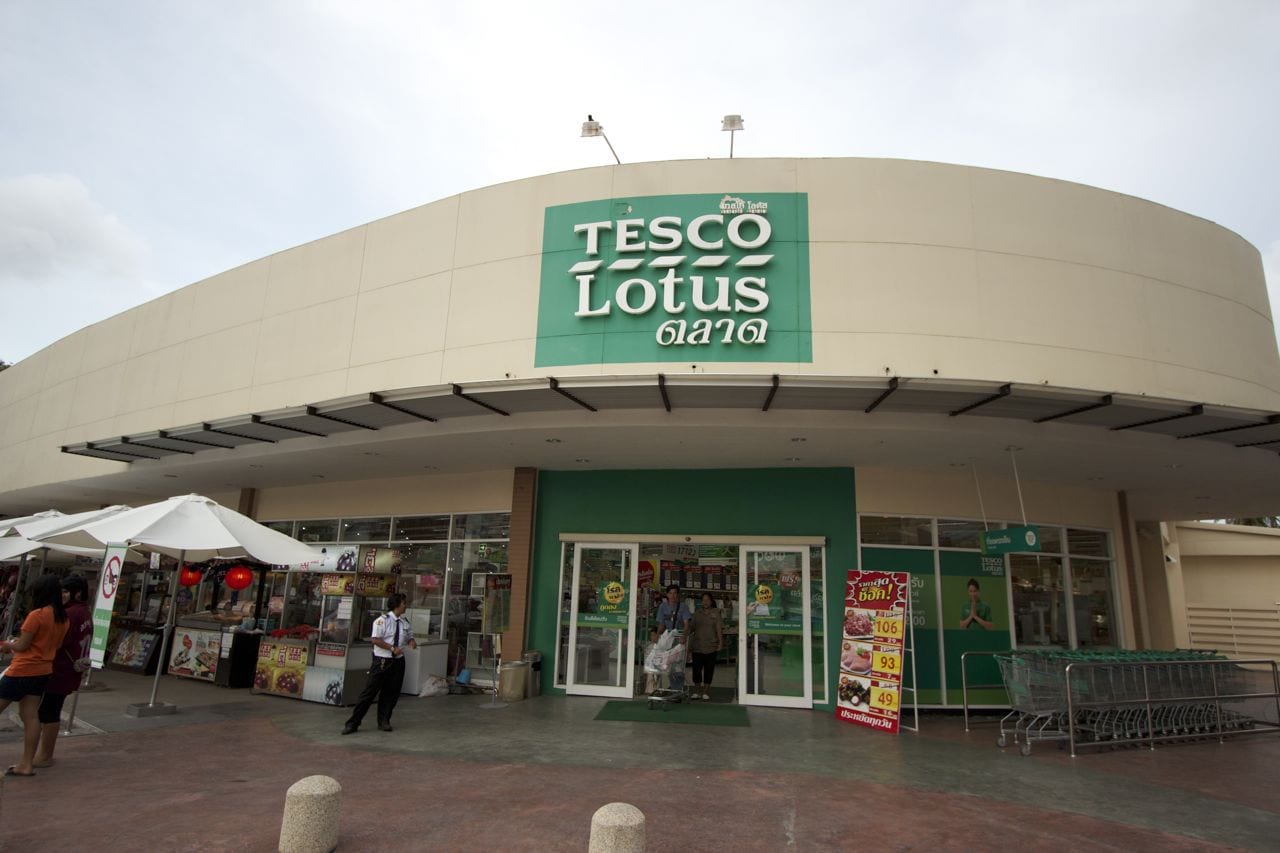
    Embattled Tesco achieved a record market share in Thailand in the latest quarter – as Asia shined in a mixed set of financials.

    Analysts appeared in agreement that the UK’s largest supermarket operator delivered patchy results overnight, despite the solid Asian performance.

    “Foreign adventuring hasn’t been all bad,” observed David Gray, retail analyst at Planet Retail.

    “Asian expansion did deliver a big windfall last autumn with a sale raising some £4 billion,” he said, referring to the divestment of the Korean business

    “And Tesco still holds valuable assets in Asia – the Tesco Thailand business (which has long-term growth potential), plus Malaysia (though potential here is less obvious), while India (though not valuable at the moment) is set to receive more attention,” Gray concluded.

    Conlumino senior consultant George Scott added: “In Asia, improvement in its food offer helped Tesco achieved positive like for likes across the region.”

    But the majority of Tesco’s business is still the UK, where its market share is under attack by super discounters Aldi and Lidl from Germany. Like-for-like sales in the UK slipped 1.5 per cent, despite a 1.3 per cent increase in the Christmas period.

    “Tesco showed signs of a fightback against discounters Aldi and Lidl over the festive period, delivering a UK Christmas like-for-like performance well ahead of market expectations and comfortably beating the comparable trading of rivals Morrisons (+0.2 per cent) and Waitrose (down 1.4 per cent),” said Scott.

    Planet Retail said it saw the third quarter domestic decline as indicative of the wider challenges hitting the UK grocery market.

    “With growth of Aldi/Lidl at the value end, M&S Food lording over the premium segment and Sainsbury’s holding its own in the mid-market, this comes as little surprise,” said Gray.

    “As anticipated, Tesco’s Q3 domestic recovery has slowed, with like-for-like declines widening on Q2, even if the shorter Christmas period delivered a more positive number,” said Gray

    “This was to be expected considering Dave Lewis has always said recovery would be choppy. Even so, a slowdown is a slowdown. The difficulty for Tesco is that, by being the UK’s largest retailer, it has most to lose from wider food price deflation and structural shifts.

    “With Aldi/Lidl gaining share at the value end, M&S Food ruling premium and Sainsbury’s holding the middle ground, Tesco is stuck between a rock and a hard place,” Gray concluded.

    Scott says despite the patchy figures, Tesco has shown a marked improvement in putting the customer back at the heart of its proposition, particularly over Christmas.

    “To this end, a further shift away from give-away promotions to deeper investment in base price cuts and its brand match, coupled with improved availability were particularly key. The introduction of 4000 additional ‘Here to Help’ in-store colleagues, will have undoubtedly boosted in-store standards. Elsewhere, demand for online grocery home grocery shopping led to a record number of orders on December 22, which was certainly helped by an improved price and service reputation.”

    Tesco CEO Dave Lewis was upbeat about the figures, especially for the festive trading season.

    “Our Christmas performance was strong, benefiting from lower prices on an outstanding range of products. Our customer service improved materially and our colleagues went the extra mile.  Put simply, we put customers at the heart of everything we did and they responded by buying more of what they needed at Tesco.”

    Lewis said Tesco would continue to focus its efforts to serve its customers “a little better every day”.

    “There is plenty more to do, but we are making good progress and are trading in line with profit expectations for the full year.”  

  • Apple seeks nod to open India stores amid concerns of slowing sales growth

    Apple seeks nod to open India stores amid concerns of slowing sales growth

    Apple sells its iPhones, iPads and Macs in India through third party resellers, and industry analysts estimate that the Cupertino, California-based company has less than a 2 percent share in India’s smartphone market, dominated by cheaper brands.

    The company has filed an application with India’s Department of Industrial Policy and Promotion to open its own stores, Amitabh Kant, secretary at the federal trade ministry unit told Reuters.

    Apple also confirmed the application filing, but declined to give details.

    Its expansion plans in India come at a time when concerns about slowing growth in the United States and China, the world’s most important market for smartphones, have weighed on the company’s stock in the last few months.

    Shares in Apple, the world’s most valuable company by market value, are down 28 percent from their peak in April last year.

    The company operates more than 450 stores in 18 countries. Chief Financial Officer Luca Maestri told Reuters in October that Apple had 25 stores in China and was opening a new one roughly every month.

    Its plans for India have been held back due to restrictions on foreign investment in the retail industry, which require single brand overseas retailers to buy close to a third of the goods sold at their stores from local producers.

    Apple representatives held talks with Indian government officials about a relaxation of the 30 percent local-sourcing norms before filing the application, said a source familiar with the company’s plans.

    Apple’s plans come against the backdrop of initiatives unveiled by Indian Prime Minister Narendra Modi, who met with Apple chief Tim Cook during his U.S. visit last year, to boost foreign investments in India.

    In November, the government eased foreign investment norms in 15 major sectors, including relaxing the mandatory local-sourcing rule for foreign single-brand retailers in the case of “cutting-edge technology” products.

    Kant said his department would examine Apple’s application in view of the changes made for local sourcing.

    For years, India has been a low priority market for Apple as spending power is weaker than in China, where the company’s iPhones swiftly became must-have devices after their 2007 launch.

    But Apple is now looking to boost its market share in India’s rapidly growing market, and the company’s recent growing spend on advertising in the country has indicated an aggressive campaign to sell more.

    India is likely to overtake the United States to become the world’s No. 2 smartphone market in 2017, according to research firm Strategy Analytics. The local smartphone segment is dominated by Samsung Electronics and India’s Micromax.

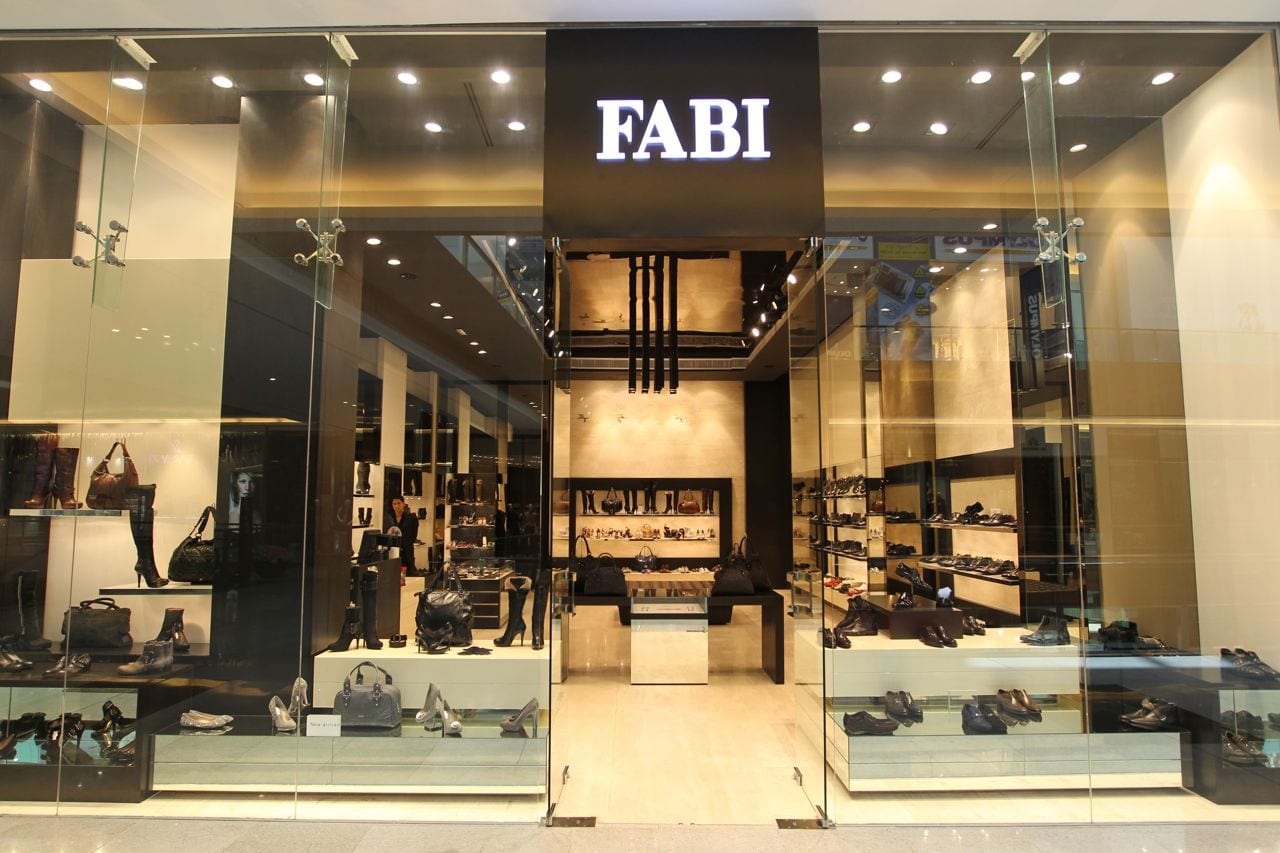
  • Fabi launches first retail store in India

    Fabi launches first retail store in India

    Designed by Alessandro Germini, the store decor is in line with contemporary stores across Europe and the rest of the world. The store exhibits class and its décor is pristine with a touch of the latest global trends. The store’s cordial staff, international feel and strategic location in the city of Delhi will ensure the ultimate shopping experience for its customers.

    Sameer Singh, director, Mescos Shoes Ltd., was born and brought up in Delhi. He always had a burning desire to make it big in life. He completed his Mussorie Modern in 1998. Later on, he moved to Italy where he got his first job as director Vanilla Fashion. After working with the international fashion brand Vogue in Dubai, he finally joined the renowned Mescos group as director in 2014. His eye for detail, focused approach, eagerness to learn ‘something new’ and ability to seamlessly bring together the necessary resources to ‘get a job done’ gained him a lot of appreciation. As the director of Mescos, Singh has made his mark as a dynamic professional and has many responsibilities under his hat, from business expansion to charting a future growth path for the Mescos brand. With 5 years of total work experience in India and abroad, he has garnered thorough and superior skills and knowledge of the Indian market and has become the driving force of the company. His vision is to expand Mescos’s base in India and to transform it as a brand of choice for the discerning customers. When not working, Singh enjoys travelling and spending time with family and friends. His interests include theatre, music, reading and sports like tennis, squash and cricket. A bundle of energy, he is creative, goal-oriented and certainly an inspiration for the younger lot.

    Founded by Enrico Fabi in 1965, Fabi is a premium Italian brand with its headquarters in Monte San Giusto, Italy. The company has three hundred sixty five employees including master shoemakers and artisans who work closely with specialists in IT technology and state-of-the-art machinery. The brand’s first set of samples was 12 hand-stitched tubular models which instantly became hit among people. After getting success in such a short span of time, Fabi expanded its horizons and established its reputation as a dynamic brand. It has now become a perfect beacon of Italian made designs, a promoter of elegant style and an astute observer of trends who always anticipate new ways of life.

  • India’s direct selling industry likely to reach Rs 645 bn by 2025

    India’s direct selling industry likely to reach Rs 645 bn by 2025

    A report titled, ‘Direct 2015 – Direct selling: Mapping the industry across Indian states’ by FICCI-KPMG says that direct selling, the oldest and traditional forms of selling, is today a successful industry operating in over 100 countries, with a market size of $180 billion.

    In India, the market is estimated at Rs 75 billion (2013-14), and accounts for 0.4 per cent of the total retail sales in the country. The direct selling industry in the country has the potential to reach Rs 645 billion by 2025.

    As per the report, North India is the largest region by market size accounting for direct sales worth Rs 22 billion in 2013-14; South India holds the second highest share of the direct selling market is worth Rs 19 billion in 2013-14. While the north east is the smallest market, it has recorded the highest growth rate of 14 per cent in India with revenues of Rs 9 billion.

    The growth in direct selling has primarily been driven by rising income levels, high rate of urbanisation and growing consumerism in the states. The report claims that despite witnessing growth, direct selling industry faces multiple changes, one of the biggest being the lack of regulatory clarity.

  • Holland & Barrett eyes India

    Holland & Barrett eyes India

    UK health goods retailer Holland & Barrett is negotiating with a potential partner in India as its Asian retail rollout broadens.

    Holland & Barrett expects the Asian expansion to help boost its sales to £1 billion in annual sales by 2020 – turnover rose 12 per cent during the last year.

    Owned by US health group NBTY, the company opened 56 stores this year taking its network to 1071. It has also established two shopfronts on Alibaba’s Tmall.com in China.

    With retail stores in Singapore, Malta, China (34) and Kuwait already, the company changed its name to Holland & Barrett International earlier this year reflecting its growing global reach, but the majority of its shops – 744 – are in the UK.

    The company has not yet revealed details of its India plan, other than to confirm negotiations are underway with a prospective partner and the first store is scheduled to open early in 2016.

    Holland & Barrett says the consumer shift towards healthy eating and greater awareness of food allergies and intolerances is sustaining growth.

    “This year’s performance – especially our rapid growth overseas – underlines the fact that rising consumer interest in healthier living and wellness is by no means a UK or even eastern phenomenon,” says CEO Peter Aldis.

    “Our experience is that the British heritage behind our brand gives us significant advantage in our sector, and overseas consumers, such as those in China, seem to prefer the quality and reliability of our products compared with local competitors,” said Aldis.

  • Study reveals Asian dining spending trends

    Study reveals Asian dining spending trends

    One in three millennials in Asia are eating at fine dining restaurants at least once a month – more often than those aged over 30.

    The surprise finding is one of a list of revelations uncovered by a MasterCard survey of Asian dining trends away from home. It featured consumers in 17 Asia Pacific markets: Australia, Bangladesh, China, Hong Kong, India, Indonesia, Japan, Malaysia, Myanmar, New Zealand, Philippines, Singapore, South Korea, Sri Lanka, Taiwan, Thailand and Vietnam.

    The most frequent fine-diners in Asia Pacific are millennials (18-29 year olds) from China – on average they visit more expensive establishments two or three times a month. This is higher than the average for millennials across the region and higher than any other age group.

    When choosing where to eat, consumers in Asia Pacific still prefer to rely on word of mouth and recommendations from friends and family (50 per cent). This was applicable for all consumers, regardless of age group, with even millennials trusting word of mouth recommendations (52 per cent) more than online reviews (38 per cent).

    This is despite the fact that more than a third of millennials (36 per cent) post comments and reviews of their dining experiences online. This is especially true of Chinese (61 per cent) and Thai (52 per cent) millennials, where more than half of the young people polled regularly post reviews after a meal.

    Beyond millennials, people in Thailand (39 per cent) and China (30 per cent) are also the most likely to spend more on dining over the next six months with around one in three indicating they plan to eat at more expensive establishments.

    But while consumers may be enjoying fine dining, they are still cost conscious. Sixty-four per cent of consumers in Asia Pacific regularly check for discounts or dining deals from coupon websites, mobile applications or credit card promotions. Sixty-eight per cent of millennials regularly look out for deals before choosing a place to eat.

    Eric Schneider, regional head, Asia Pacific, with MasterCard Advisors, said Asia has always had a strong dining out culture and so it is not surprising that affluent millennials in the region are ‘foodies,’ with many sharing their dining experiences on social media and posting reviews online.

    “While the survey has shown that people are increasingly moving from the hawker centres and into restaurants, young people are still cost conscious, taking a practical and savvy approach by looking for discounts and deals. Young people also still rely on word of mouth recommendations, despite many posting online reviews of dining spots. As Asia’s economies continue to grow, and with technology and social media revolutionizing the dining experience, people will increasingly demand top quality experiences when dining out,” he said.

    Other findings from the survey included:

    • Overall, consumers in Asia Pacific are not looking to make any significant changes to their dining out plans with 61 per cent of all consumers indicating they will look to eat out at the same frequency in the next six months. Twenty per cent plan to eat out more and 19 per cent plan to eat out less in the next six months.
    • The most popular dining option for consumers in Asia Pacific are mid-range restaurants and cafes, followed by fast food outlets and then hawker centres and food courts.
    • Consumers in the Philippines (44 per cent) are looking to tighten their belts with close to one in two planning to eat at less expensive venues in the next six months. Forty-nine per cent also plan to eat out less regularly.
    • A significant proportion of older consumers are going online to check for dining discounts whether on coupon websites/applications or credit card promotions. More than one-third of consumers aged 55 years old and above (36 per cent) indicated they regularly do so before deciding on a dining option.
    • Consumers in China (58 per cent), Taiwan (44 per cent) and Thailand (44 per cent) are the most likely to book dining deals on coupon sites or coupon applications; while consumers in Bangladesh (1 per cent) and Indonesia (11 per cent) were least likely to do so.
    • Diners in Thailand (60 per cent) and China (57 per cent) are most likely to post comments or reviews on social networking sites like Facebook and Twitter with about one in two respondents in these markets reporting that they regularly post comments online following their dining experience.

    The results are based on interviews with 8698 individuals aged 18 to 64 years-old.

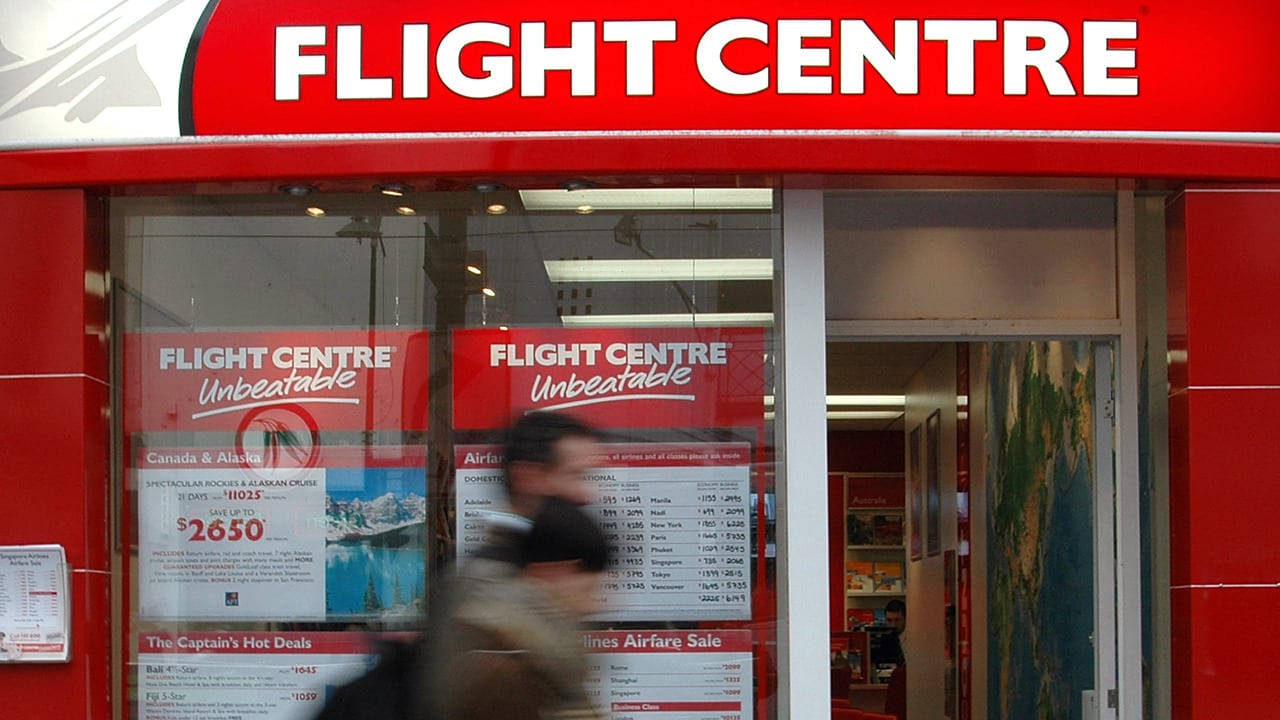
  • Flight Centre India to double network

    Flight Centre India to double network

    Australian travel retailer Flight Centre expects to more than double its network and business in India over the next five years.

    Flight Centre, listed on the Australian Stock Exchange, debuted in India 10 years ago and now considers the nation one of its top five corporate business markets globally.

    “India is an emerging market and a long term business for us,” said Rob Flint, executive GM – Asia and global corporate told the Economic Times.

    “We are expecting a high double digit growth from this market over  the next five years.”

    Flight Centre currently operates a corporate travel arm FCm Travel Solutions along with leisure travel company Flight Shop in India. The company currently has 12 operational stores in the country and plans to open 10 more next year.

    “We currently do about Rs 200 million (US$3 million) of business in India and believe that to be a leader in our space in India, we need to do at least Rs 500 million of business. We want to get to that level in the next five years,” added Rakshit Desai, MD India, FCm Travel Solutions and Flight Shop.

    Consumer travel accounts for about half the company’s turnover currently but it sees the corporate market as its main growth driver. The entire Flight Centre India operations posted profit growth of 12 per cent this year against last.

    The company entered India by buying New Delhi-based travel agency Friends Globe.

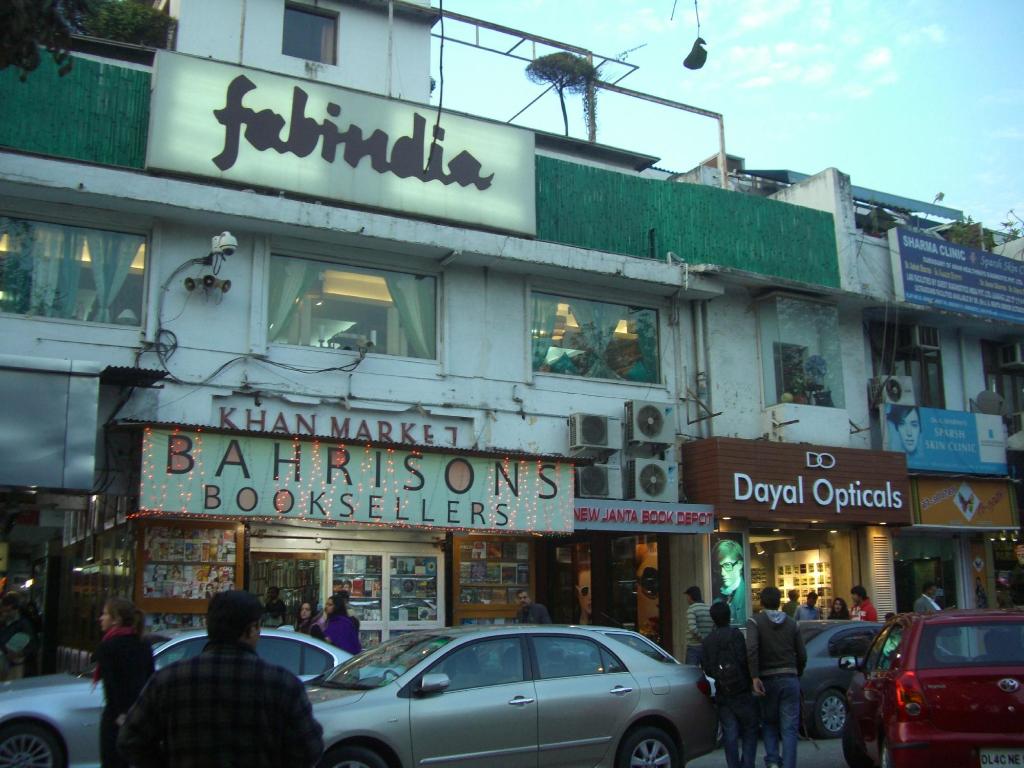
  • Delhi’s Khan Market moves up two spots in global retail rank

    Delhi’s Khan Market moves up two spots in global retail rank

    With a rent of $ 235 per sq ft per year, New Delhi’s Khan Market moved up from twenty sixth place to twenty fourth place in the ‘Main Streets Across the World’ report by Cushman & Wakefield, which ranks world’s expensive retail locations.Within the APAC region, Khan Market was the 10th most expensive retail location.

    The top spot has been retained by New York’s Upper 5th Avenue followed by Hong Kong’s Causeway Bay on second spot and Avenue de Champs Elysess in Paris completing the top three.”Despite witnessing no change in the rental values of the location, Khan Market gained in rankings due to marginal changes in the rankings of other countries in the rankings,” Cushman & Wakefield said.