Retail News CRM

Tag: india

  • Apple Stores in India could resemble the iconic 5th Avenue Store

    Apple Stores in India could resemble the iconic 5th Avenue Store

    Apple has stepped up its efforts to tap the Indian market by seeking government approvals for opening Apple Stores and selling and manufacturing refurbished devices in India. Now Apple is already said to be looking for space in key cities such as Mumbai, Delhi-NCR, Bengaluru and Pune for its first Apple Stores in the country.

    The report further says Apple is planning to replicate its iconic Fifth Avenue Apple Store in New York City, along with smaller outlets in India. Apple’s Fifth Avenue store is popular for its unique glass cube design partly designed by the late Steve Jobs. The large cube encloses the entrance to the main store via an Apple patented glass staircase. The report points out the cube design will be for the flagship stores in India.

    According to the report, Apple is planning to set up 2,000-3,000 sqft stores in India that will also have space for tech support and small workshops — similar to the ones in the US.

    Apple stores are one of the critical elements of Apple’s business model. In fact, Apple leads the US’ retail market in terms of sales per unit area. So far it has 481 retail stores in 18 countries including neighboring China. These stores have helped Apple build itself as a luxury brand as well as giving users a premium experience before making a purchasing decision.

    With its main markets nearing saturation level, Apple has shifted its focus on emerging markets like China and India. Even as it has yet to begin its efforts in retail segment, Apple has already grown a lot bigger in China in the recent years. Apple’s sales to China market along with Hong Kong and Taiwan, grew 14 percent to $18.37 billion, in the December quarter. It now plans to increase its Apple Stores to 40 in China by the end of the summer this year.

    CEO Tim Cook has already revealed India is going to hold key for its success and is one of the most important growth areas for the next decade. It may be recalled that despite the global slowdown, Apple had recorded better figures in India, which has been long considered as a price sensitive market and is currently dominated by budget Android smartphones. According to the recent IDC figures, Apple edged past Xiaomi to grab no. 6 spot in 30 Indian cities.

    Apple Stores are likely to lay the foundation for Apple’s bigger foray into the Indian market, which it had largely ignored for several years. A Fifth Avenue-like store clearly show Apple’s intentions of company’s long-term strategy for the Indian market. We can expect Apple’s smaller outlets to be akin to the ones in the US and may initially target the urban consumers. These outlets are likely to offer uniform design and experience to the customers.

    But does Apple’s new efforts mean cheaper devices in India? Well, highly unlikely. Tim Cook recently said that the company has no intentions of launching a stripped down version of the iPhone to appease emerging markets. Cook added the company’s research indicates users in these markets are now willing to invest more for improved experience.

    But that being said, another interesting thing to watch out from Apple is its plans tosell refurbished iPhones in India. The pre-owned Apple devices are likely to attract price-sensitive consumers. This is likely to help Apple expand its foothold in the mid-range smartphone segment where Android is very huge.

  • Indonesia to woo more visitors from India

    Indonesia to woo more visitors from India

    Indonesia is to participate in a major Indian major cultural festival in New Delhi in an attempt to seduce the growing middle-class in the South Asian nation into visiting the archipelago.

    The three-day festival, organized by international spiritualist NGO The Art of Living, will last from March 11 to 13. As one of the biggest stages in the world, it will attract around 3.5 million participants from around the globe. It is expected that more than 36,000 artists will come to demonstrate their musical skills; thousands of them will play 50 different musical instruments at the same time to create an alluring rhythm and harmony.

    “We hope the World Culture Festival can encourage better understanding between people of different religions, nationalities and backgrounds by exposing their diverse cultures, dancing, music, arts and also yoga,” Sri Ravi Shankar, the founder of Art of Living, said in a press release.

    To take part in the major event, 27 professional Indonesian dancers from iKreasindo, a cultural angklung workshop, will work with 80 artists from the Art of Living to present a joint angklung and dance performance entitled “Cendrawasih Menebar Pesona,” accompanied by the traditional Betawi folk song “Jali-Jali”.

    The government hopes that through this performance, Indonesia will be able to expose its culture to the world and attract more foreign tourists, especially Indians, to Indonesia.

    Home to the world’s second-largest population, India ranks 7th on the list of major markets for Indonesian tourism.

    In 2015, the number of Indian tourists coming to the archipelago rose to 271,252, a 15 percent increase from the previous year. This year, the Tourism Ministry expects at least 350,000 Indian tourists to visit popular destinations such as Bali, Jakarta and Batam.

    The lack of direct flights, however, hampers the flows of tourists from India to Indonesia.

    “We are now depending on Malindo Air and Singapore Airlines, because there still aren’t any direct flights from India to Indonesia. With Garuda opening direct flights in August, we expect more Indians tourists to come to Indonesia,” said Vinsensius Jemadu, the director of Asia-Pasific Tourism Promotions.

    This August, Garuda Indonesia is to launch direct flights from Jakarta to Mumbai; the flights will run three times a week. Besides Garuda, the Tourism Ministry also plans to work together with AirAsia to begin direct flights from India to Indonesia.

    Another government effort to increase the number of foreign tourists from India is to promote Indonesia’s tourist destinations by organizing a visit of media, tour operators, hoteliers and wedding organizers to major cities in India including Mumbai, New Delhi, Bangalore, Calcutta and Hyderabad.

    Besides India, the government is also striving to lure visitors from other countries, especially Singapore, Malaysia, China, Australia and Japan, in order to reach its target of hosting 12 million foreign tourists in 2016 and 20 million in 2019.

    The ministry recorded 9.73 million foreign tourist arrivals last year, short of the 10 million target, with the sector disrupted by haze and volcanic eruptions for a good part of the year.

  • Woodland looking at franchising

    Woodland looking at franchising

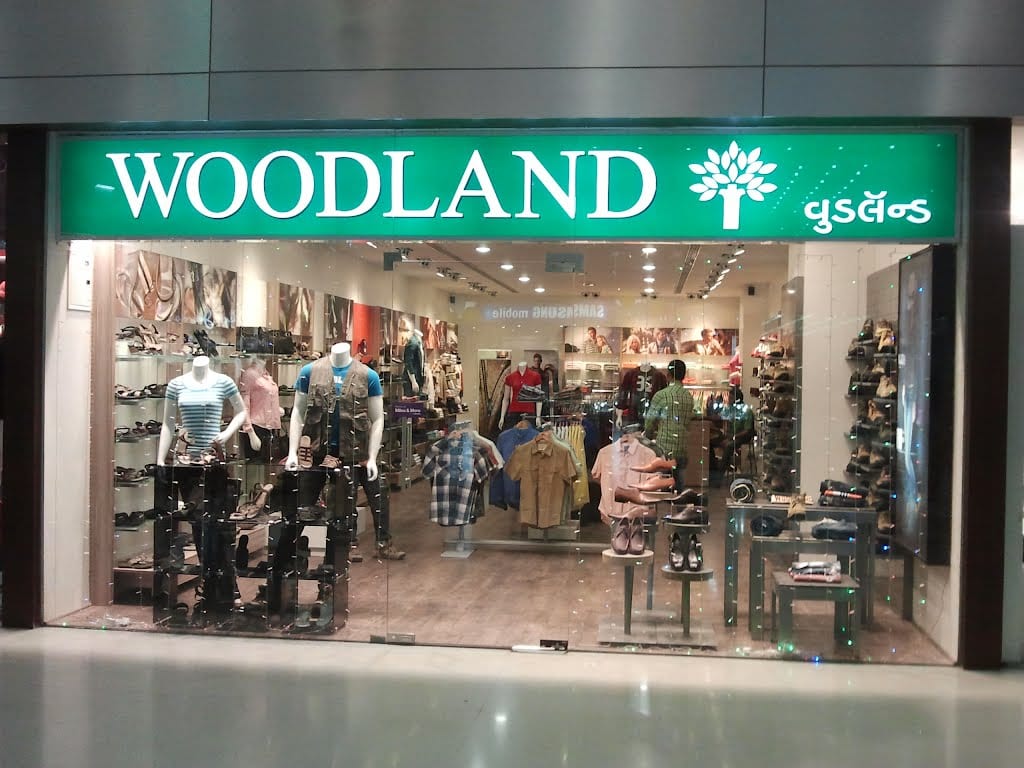
    Indian footwear and outdoor gear brand Woodland is planning to open stores in China, Malaysia and Singapore along with franchising its brand in other markets.

    Woodland is also taking the eCommerce route as part of its expansion, and is hiring social-media teams to run campaigns and online selling platforms in local languages.

    After announcing plans two years ago to launch 25 stores across China, it has subsequently opened “about a dozen stores” in Hong Kong. Its products are available through distributors in Singapore, and the company plans to enhance its global distributor networks. It aims to add at least 10 retail outlets internationally over the next two years.

    While the first few international stores will be company owned, MD Harkirat Singh says Woodland is open to franchisee formats for serious investors. The global stores will be a mix of independent stores and shops in shops.

    Singh says the product line in international markets will be customised to suit the region’s climate. according to the climatic conditions of the region. Woodland looks to tap the fast-growing extreme-weather outdoor gear market both in national and international markets, and claims to already have an 80 per cent market share in this segment in India.

    “While we have grown at an average of 15 to 20 per cent year-on-year in the past two to three years, the outdoor category has grown exceptionally in the past five years, says Singh. “Outdoor gear has become a lifestyle item, making our brand more popular.”

    Founded in Canada in 1992, Woodland is owned by Delhi-based Aero Group, which has its own leather-tanning and production units in Bangladesh, Canada, China, Indonesia, Macau, Malaysia, Sri Lanka, The Philippines and Vietnam, and as well as India.

  • Toys’R’Us Asia Pacific chief retires

    Toys’R’Us Asia Pacific chief retires

    Toys’R’Us has announced that Monika Merz, president, Asia Pacific, will retire effective May 31. Her successor will be named later.

    Monika-Merz

    As president of Toys’R’Us Asia Pacific, Merz oversees all operations and business activities for the company’s more than 300 stores in Japan, Southeast Asia, Greater China and Australia, responsible for the continued growth, profitability and success of the company in those markets.

    Since she started working at Toys“R”Us, Merz has been instrumental in the development of new store formats and merchandising concepts that have been successfully translated to other markets, ultimately strengthening the company’s position in the global marketplace.

    Dave Brandon, chairman and CEO, described Merz as a highly regarded leader “who has inspired new ideas, demonstrated innovative thinking and unwavering passion for the business and grown our Toys’R’Us brand internationally, even through challenging times and market transitions”.

    Merz’s retirement will bring to a close a remarkable career of nearly 20 years of continuous service to the company. She joined in 1996 as VP and GM, Toys’R’Us, Canada and was promoted to president, Toys’R’Us, Canada four years later. In 2007, she assumed leadership of Toys’R’Us, Japan. Her role was expanded to include responsibility for the company’s stores in Australia in 2011, and, later that year, she gained oversight of the company’s locations and corporate offices in Southeast Asia and Greater China when the company entered a joint venture agreement with Li & Fung to operate these formerly licensed stores.

    “During my time at Toys’R’Us I’ve had many experiences and challenges, but I’ve always been supported by exceptional teams and leaders,” she reflected. “I’m proud of all that we have accomplished and confident that the work we have done to provide a fun and memorable shopping experience for customers will continue after my retirement. After more than eight years in Asia Pacific, I’m now looking forward to returning to Canada and a new stage in my life.”

  • Global duty free retailing to hit US$98 billion

    Global duty free retailing to hit US$98 billion

    Global duty-free retailing is expected to reach nearly US$98 billion in revenue by 2019, according to a new study by global technology research and advisory company Technavio.

    With the expansion of low-cost airlines, many middle-class travellers are taking inexpensive holidays, a trend that has helped the Asia Pacific and Middle East emerge as the fastest-growing regions for duty-free retail marketing, says Technavio analyst Vijay Sarathi.

    He says China, India, Indonesia, South Korea and Sri Lanka were among some of the most-desired inexpensive destinations in 2014.

    “During the same period, it is estimated that international tourist inflow in APAC increased to almost 263 million travellers, and it has largely helped the market grow until 2019.”

    Just released in London, Technavio’s report, Global Duty-Free Retailing Market 2015-2019, provides an in-depth analysis of market growth in terms of revenue and emerging market trends.

    By products, the global duty-free retailing market for 2014 comprised fashion accessories and hard luxury (32.1 per cent), perfume and cosmetics (29.21 per cent), wines and spirits (16.02 per cent), tobacco (12.43 cent), and confectionery and fine food (10.25 per cent), says the report.
    It says the fashion, accessories and hard luxury segment was valued at close to $20.81 billion, with the most in-demand products including precious jewellery, briefcases, handbags and shoes. The more popular brands include Armani, Burberry, Fossil, Gucci and Michael Kors.
    Technavio researchers say Chinese travellers emerged as the largest consumers of luxury brands last year, contributing nearly 25 per cent of global revenue.
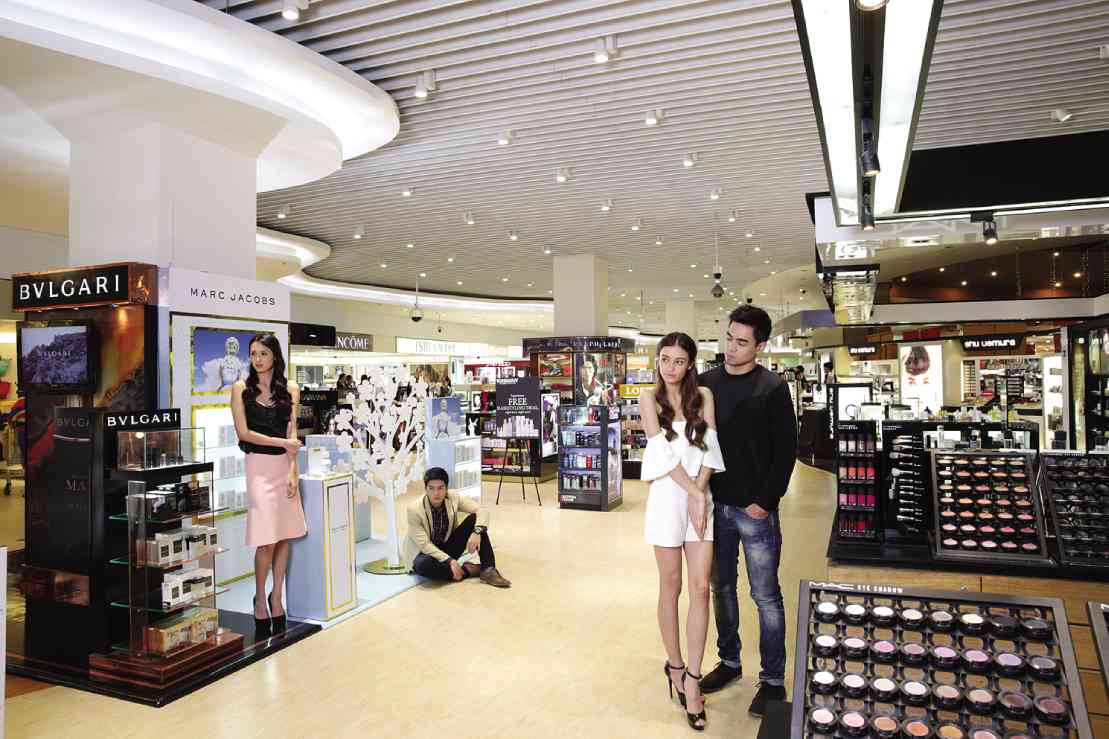
    The perfumes and cosmetics segment is one of the fastest-growing categories in the global duty-free retailing market. APAC and the Middle East are the key regions for this category, with some of the top-selling brands including Chanel, Christian Dior, Estee Lauder and Guerlain.

    With close to 21.5 per cent of revenue share in the category, L’Oreal created a division especially for duty-free stores in 2013, describing the division as “the sixth continent”. In 2014, L’Oréal launched theVichy and Kerastase brands in the duty-free retail segment in Asia, and also launched the Three-Minute Beauty program to engage with potential luxury product buyers at airports.
    The liquor category is expected to grow to $13.47 billion in 2019. In 2014, Diageo opened two Johnnie Walker Houses in duty-free shops in India and Taiwan.

  • Mall of Qatar wins award at Asia Retail Congress

    Mall of Qatar wins award at Asia Retail Congress

    Mall of Qatar has won the Retail Leadership Award in the real estate category at Asia Retail Congress 2016 held recently in Mumbai, India.

    On behalf of Ramez al-Khayyat, managing director of UrbaCon Trading & Contracting (UCC), the award was received by Siva Kumar, estimation and proposal director of UCC, and Patrick Hage-Chahine, PR and events manager at Mall of Qatar.

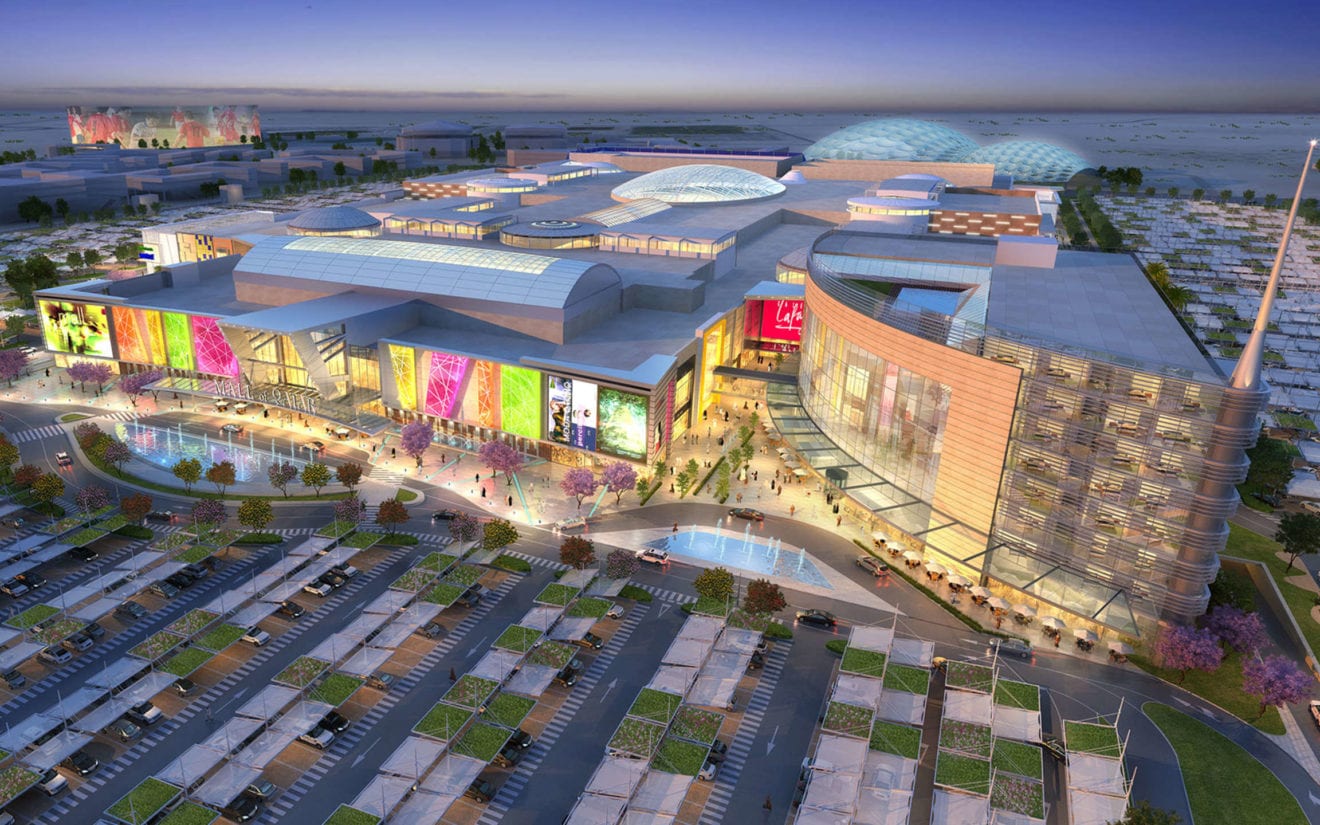
    “Being developed by UCC’s Doha branch, this super-regional mall spread over 5.4mn sqft of area combines incredible shopping with captivating live entertainment and leisure options,” according to a statement. “An innovative and inspiring architecture, easy accessibility, fascinating new live entertainment concepts and signature restaurants will all capture the imagination of the nation when the Mall of Qatar opens its doors in the third quarter of 2016.”

    The Asia Retail Congress recognises best practices in the retail industry across categories such as fashion, consumer durables, mobile & telecom services, food, travel & hospitality, health and real estate.

    Speaking on the occasion, al-Khayyat said: “We are privileged to receive this esteemed recognition from the Asia Retail Congress. This recognition provides a great incentive to continue our journey to provide best-in-class services and create new benchmarks in the retail industry.

    “One of the major distinguishing architectural features of the Mall of Qatar is the 30m-high, 6,000sqm glassed dome roof that illuminates a captivating central arena called The Oasis, which will become the heart of the project. The Oasis will host live entertainment shows performed daily on a revolving circular stage, set in a pond surrounded by interactive dancing fountains.”

    Expected to receive a footfall of 20mn customers annually, the Mall of Qatar will feature 7,000 underground and surface car parking spaces, 500 shops, including over 100 restaurants, and a 19-screen cineplex, as well as a 200-bedroom luxury and fashion hotel operated by Curio, a Collection by Hilton, the statement adds.

  • HCL Care Wins Asia Retail Excellence Award in ‘Mobile and Telecom Service’

    HCL Care Wins Asia Retail Excellence Award in ‘Mobile and Telecom Service’

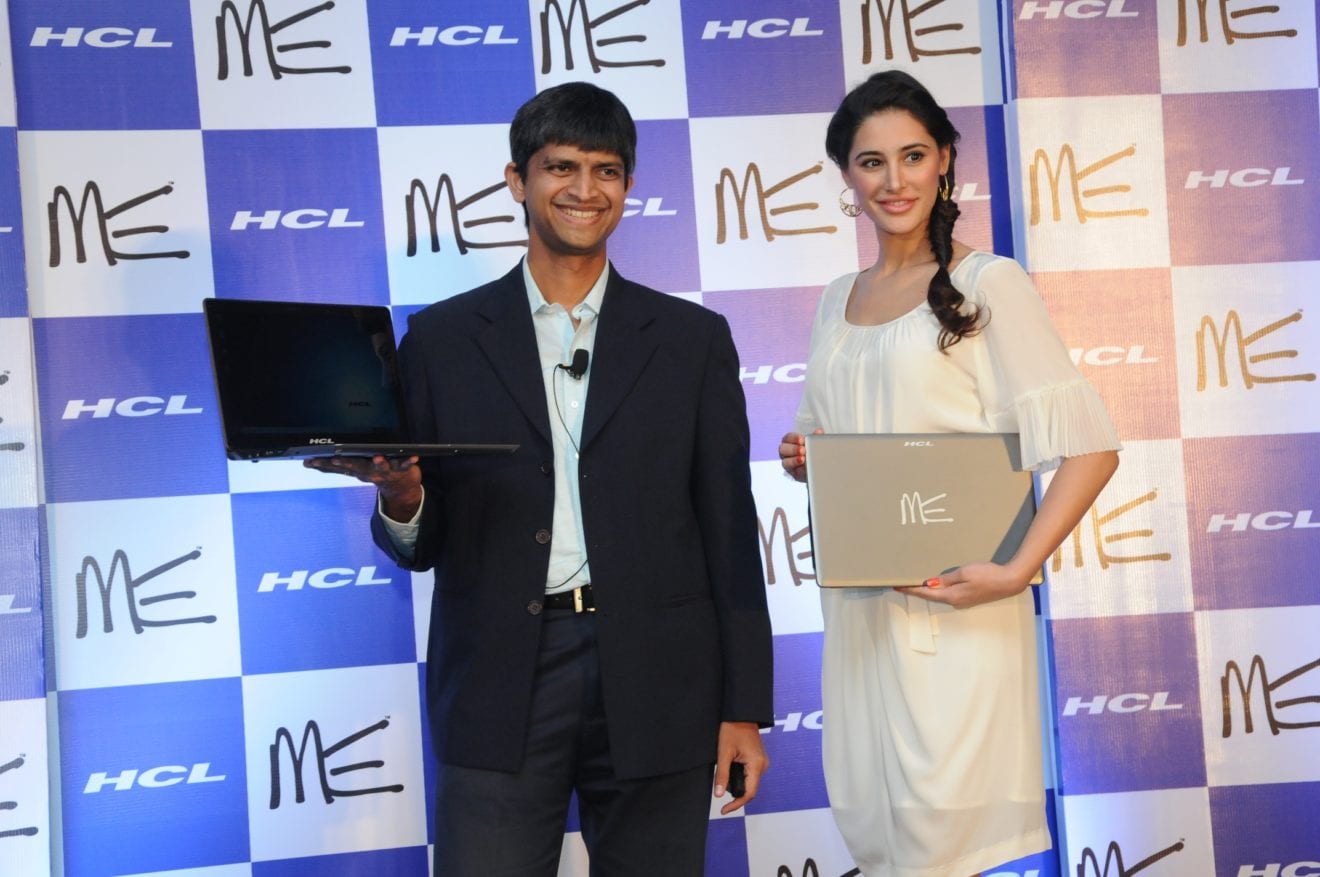
    The HCL Care division (HCL Care Services) of HCL Services Ltd., a wholly owned subsidiary of HCL Infosystems Ltd. (India’s premier IT Services and Distribution Company), has won the prestigious Asia Retail Excellence award in the ‘Mobile and Telecom Service’ category at an award ceremony held in Mumbai. This recognition was conferred on HCL Care Services for providing excellent end-to-end support services for various product categories across locations in India.

    On receiving this recognition, Mr. Sharad Talwar, Head, HCL Care Ltd. said, ” We are honored to receive the prestigious Asia Retail Excellence award in the ‘Mobile and Telecom Service’ category. This award encourages us to continue delivering service excellence and exceptional after-sales support to our customers. Today we provide world-class service support, including setting up exclusive Service Centres to leading OEMs, and are the preferred partner for leading Indian and international brands.”

    HCL Care Services provide support across telecom, IT, consumer electronics and consumer durables products for multiple brands through its contact centres, walk-in centres, on-site support, supply-chain operations, reverse logistics, repair factory and value-added services. HCL Care Services, under its specialized retail outlets ‘Touch’, have a network of more than 300 service centres across 250 cities in India, and serves more than 3 million consumers in a year. HCL Consumer Services has further expanded its retail presence by opening up exclusive service centres for various brands.

    Asia Retail Congress is an important global platform to promote world-class retail practices. The forum is aimed at company chairs, presidents and CEOs from leading international and national retailers, directors of international and national retailers, and directors of international brands, who believe in making a change. Their awards recognize best practices in the retail industry across various categories like fashion, consumer durables, mobile and telecom services, food, travel and hospitality, health, real estate, etc.

  • Wildcraft expands out of India

    Wildcraft expands out of India

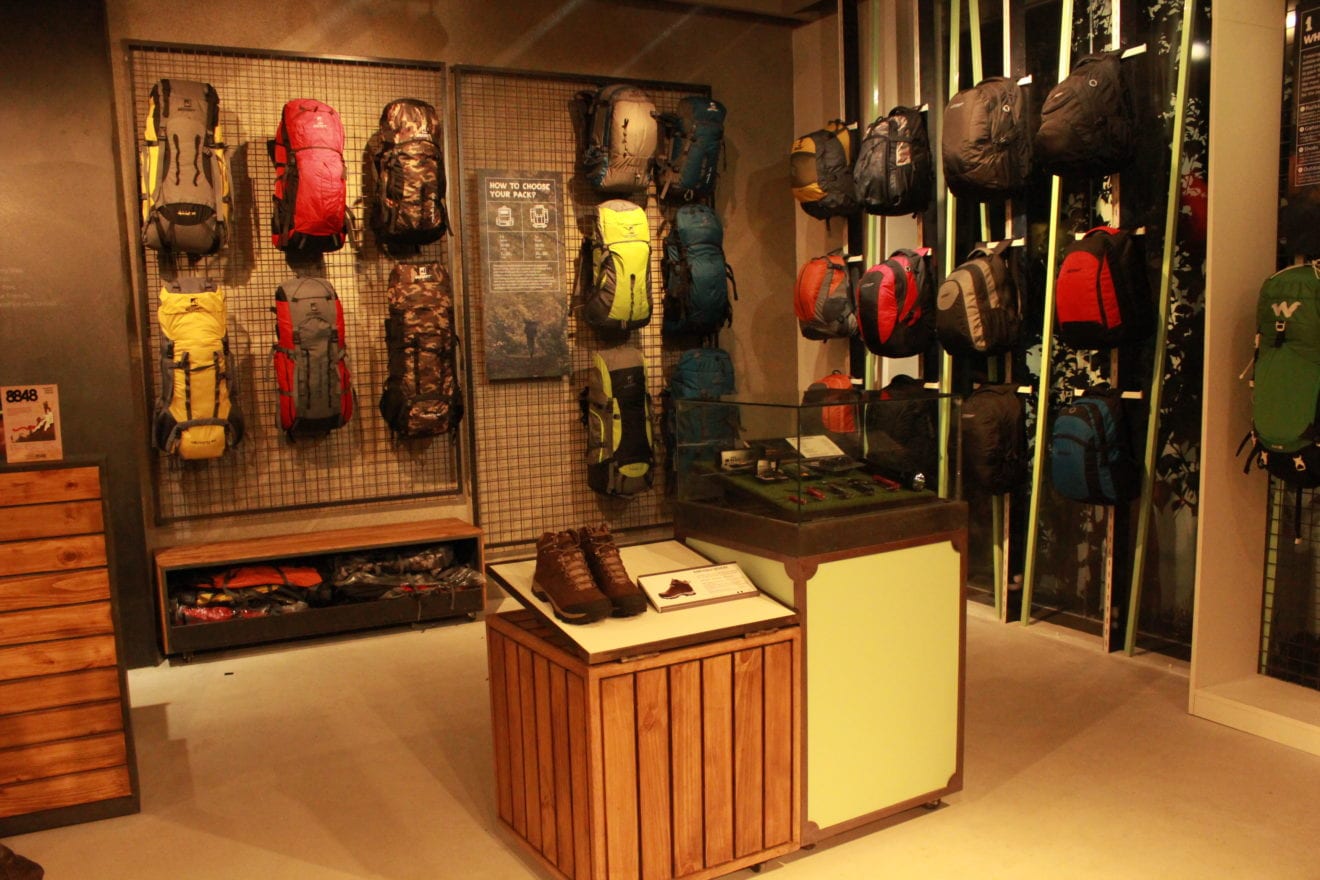
    As a first step toward growing its international presence, Indian fashion brand Wildcraft has launched into the Middle East and Southeast Asia.

    It has formed partnerships for its foray into the UAE, Oman and Muscat markets, and online partnerships for Hong Kong, Indonesia, Malaysia, Singapore and Taiwan, reports ETRetail.com.

    Wildcraft unveiled a new brand identity last year while expanding its product portfolio into clothing and footwear. It has also added 130 retail outlets in more than 50 cities across India, giving it more than 3000 distribution points in more than 400 cities in India.

    In Southeast Asia, the brand has partnered with Zalora, part of the Global Fashion Group, giving Wildcraft access to the Hong Kong, Malaysia, Singapore and Taiwan markets. It will use this alliance to initially sell its outdoor gear products.

    Co-founder Gaurav Dublish says the international expansion “is just the start of our growth plans”.

    “The focus, at this point, is to reach countries with similar climatic conditions and geo-proximity.”

  • World of Beer Asia launch confirmed

    World of Beer Asia launch confirmed

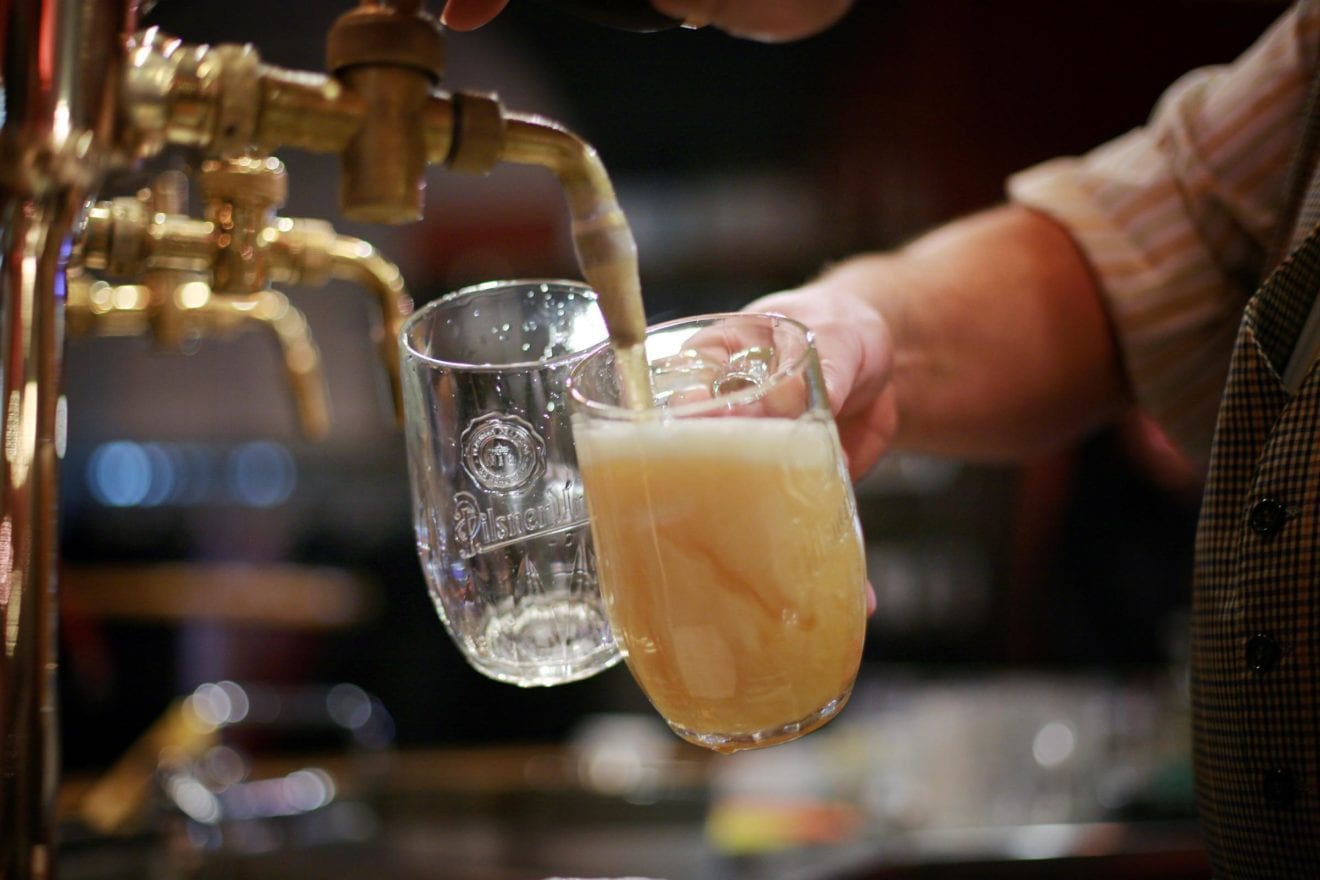
    An American tavern chain known for its craft beer is headed for Asia this year, opening first in Shanghai, then India and The Philippines.

    It is the first overseas bar for World of Beer, based in Tampa, Florida. CEO Paul Avery, a 20-year veteran of the Outback Steakhouse chain, says the move to open franchisee-owned taverns overseas is the next logical step for the brand’s growth.
    “I am very confident that World of Beer will do well in international markets,” he says. “Craft beer is already there, but no-one offers what we do.”
    Avery, 56, bought a controlling interest in the six-year-old company in January 2013, and has built it up to now offer craft cocktails. The footprint is nearly double in size, and most of the taverns serve food. But the focus is squarely on craft beer, reports Tampa Bay Times.
    World of Beer has 77 locations in 19 states in mainland America. Fourteen are company owned, the rest by franchisees.

    Avery says the company will open 35 new restaurants this year, including at least one of the three World of Beer Asia locations.. The goal is to grow the number of company-owned stores to 30 per cent.

  • Mitsui & Co. invests in Singapore’s analytics startup Crayon Data

    Mitsui & Co. invests in Singapore’s analytics startup Crayon Data

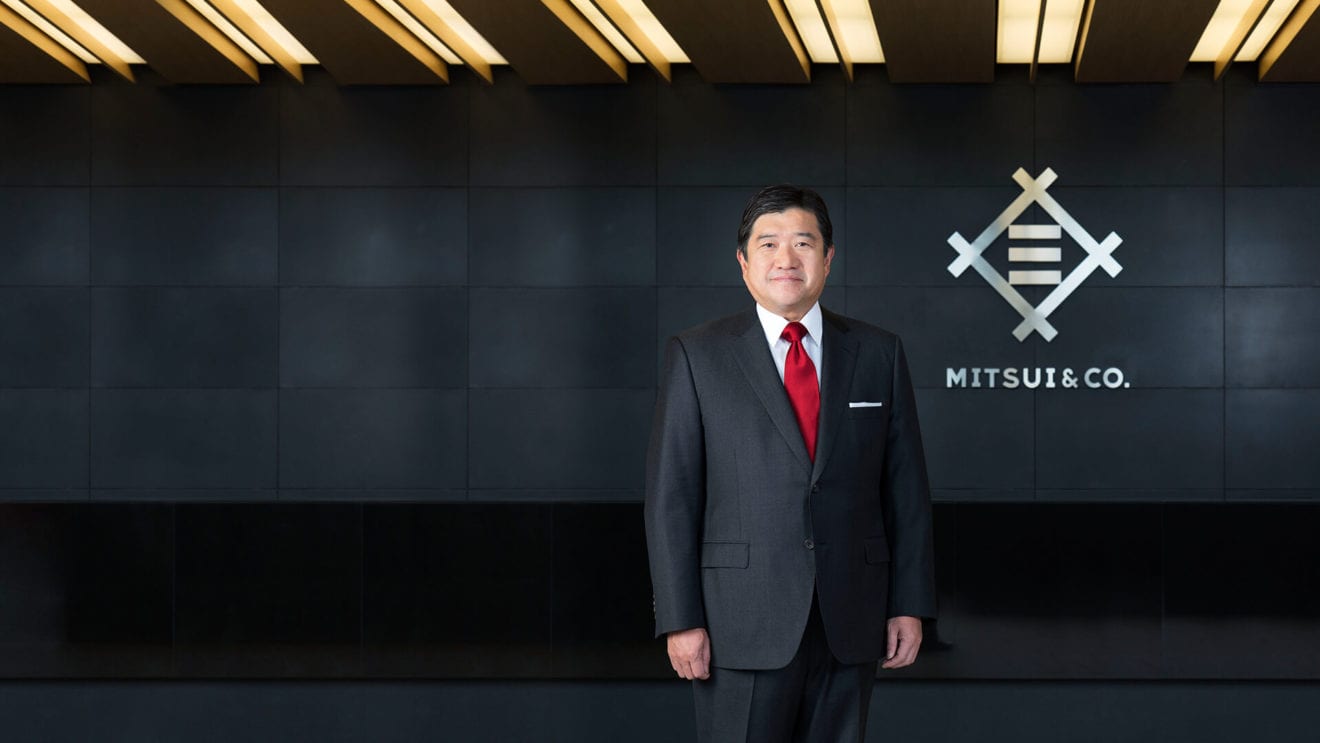
    Japanese conglomerate Mitsui & Co. has invested an undisclosed amount in Crayon Data, a Big Data analytics startup in Singapore, with operations in Chennai (India)

    The funds will help Crayon accelerate its global expansion, according to an official statement.

    The investment also includes a business service agreement by which Mitsui will support the launch of Crayon’s products in Japan, and the expansion of its customer assets. Crayon is looking to partner with banks, hotels, and advertising and media companies in Japan.

    Mitsui will also look to add benefits to their own subsidiaries and investee companies in retail, CRM and digital advertising.

    This announcement comes hot on the heels of Ratan Tata’s investment in Crayon Data in November last year. Crayon has previously raised approximately US$7 million in seed and Series A funding from angel investors such as Jungle Ventures and Spring Seeds.

    “We believe that personalisation, which Crayon Data brings through Big Data analysis of consumer behaviour is going to be key for every business-related to consumer interactions, across every industry and every geography,” said Noda, General Manager of IT Service Div, IT & Communication Business Unit of Mitsui & Co.

    Founded in 2012 by Srikant Sastri and Suresh Shankar, Crayon Data is an analytics startup. Unlike the conventional people-led model of analytics, Crayon builds tools that deliver real business solutions by bringing together enterprise, public, external internet and social data to a single platform.

    Its flagship product ‘Simpler Choices’ brings the power of Big Data and analytics to enterprises that enable clients increase their sales conversions and improve returns from existing accounts. The firm’s key focus verticals are hospitality, finance, retail and technology.

    The firm also offers Maya, a personalisation engine that facilitates choice delivery for the banking, hotel and digital media verticals.

  • Ikea finding India alluring, but difficult

    Ikea finding India alluring, but difficult

    Ikea has good reason to expand into India. The country has an emerging middle class dominated by millennial-age, mobile-first consumers, among other perks. That has led many retailers to eye the country as an alternative to faltering China.

    English is an official language in the country, and serves as a common language for many of the sub-populations there. And while there’s a Chinese equivalent to Facebook, Twitter, and other social media platforms, the most widely used ones in India are those that are widely used in the U.S. India gives Facebook its second-largest membership base, after the U.S. That means brands have one less barrier to bust through when reaching Indian consumers.

    Above all, though, experts have told Retail Dive that India’s demographics are almost ideal for retailers, with a population that includes a large young, mobile-first generation and a growing middle class. It’s now outpacing China as the world’s fastest-growing big economy.

    But, it turns out, there’s a catch, or several. The bureaucratic and economic realities in India also present significant obstacles, as this report on Ikea demonstrates.

  • Walmart India ramps up investment

    Walmart India ramps up investment

    US-retail giant Walmart is investing between $240m and $300m to bolster its presence in India by expanding its number of stores from 21 to 70 by 2020.

    “We have a cash-and-carry model, and the growth has been good for us,” Walmart India VP and head of corporate affairs Rajneesh Kumar told Retail Update.

    “Each store takes two to three years to set up. These will create nearly 2000 direct and indirect jobs.”

    Walmart India inside

    Meanwhile, Walmart’s technology centre in Bengaluru is also expanding its role and headcount, ramping up from 750 employees to 1200 by next month, says the Business Standard.

    “Most of the growth at Walmart Labs here is driven by supply chain and analytics,” says Walmart Global Technology Services VP and MD Jayakumar K. “The focus is to set up two centres of excellence, from ground up.”

    Walmart is working to merge its retail stores and online presence to become an omni-channel player, and has merged its computer systems technology team and its eCommerce technology team in Silicon Valley to create Walmart Technology.

    Jayakumar says that as the announcement is new, the immediate impact on the India centre is yet to unfold.

    “However, the combined structure in some sense already exists here. The Bengaluru centre is the only one in the world for Walmart where both these teams work together. We not only work in the same building, but have also collaborated on projects.”

    Walmart has made huge changes to its technology roadmap for its eCommerce over the past few years. Two years ago, the company changed from using off-the-shelf applications to using more software developed in-house.

    In India, it has created the Pangaea platform, which has been partially rolled out locally and this year will be introduced in other countries.

    Jayakumar says this approach allows the company to be quicker and more agile when launching products.

    As well as its focus on technology, Walmart is also tapping into the start-up ecosystem, acquiring 15 start-ups since 2011.

  • Rail option for Indian online shopping deliveries

    Rail option for Indian online shopping deliveries

    While eCommerce can go off the rails when it comes to delivery, train companies are coming to the rescue.

    Because most customers are not at home during the day when parcels are delivered, Network Rail in the UK is solving this with its Doddle mail collections points at train stations – an idea now being trialled by the Delhi Metro Rail Corporation in India, reports Springwise.

    Indian online shopping site customers will soon be able to arrange to collect their purchases from 10 Metro stations in New Delhi, including MG Road, Huda City Centre and Kashmere Gate.

    When making online purchases, users will have the option to choose “station collection” as a delivery method. They then click on their preferred station and will be given a one-time password via email or SMS. Their order will be delivered to the designated station, where they can collect it from a kiosk during their commute to or from work.

  • Furla Asia-Pacific plans more flagships

    Furla Asia-Pacific plans more flagships

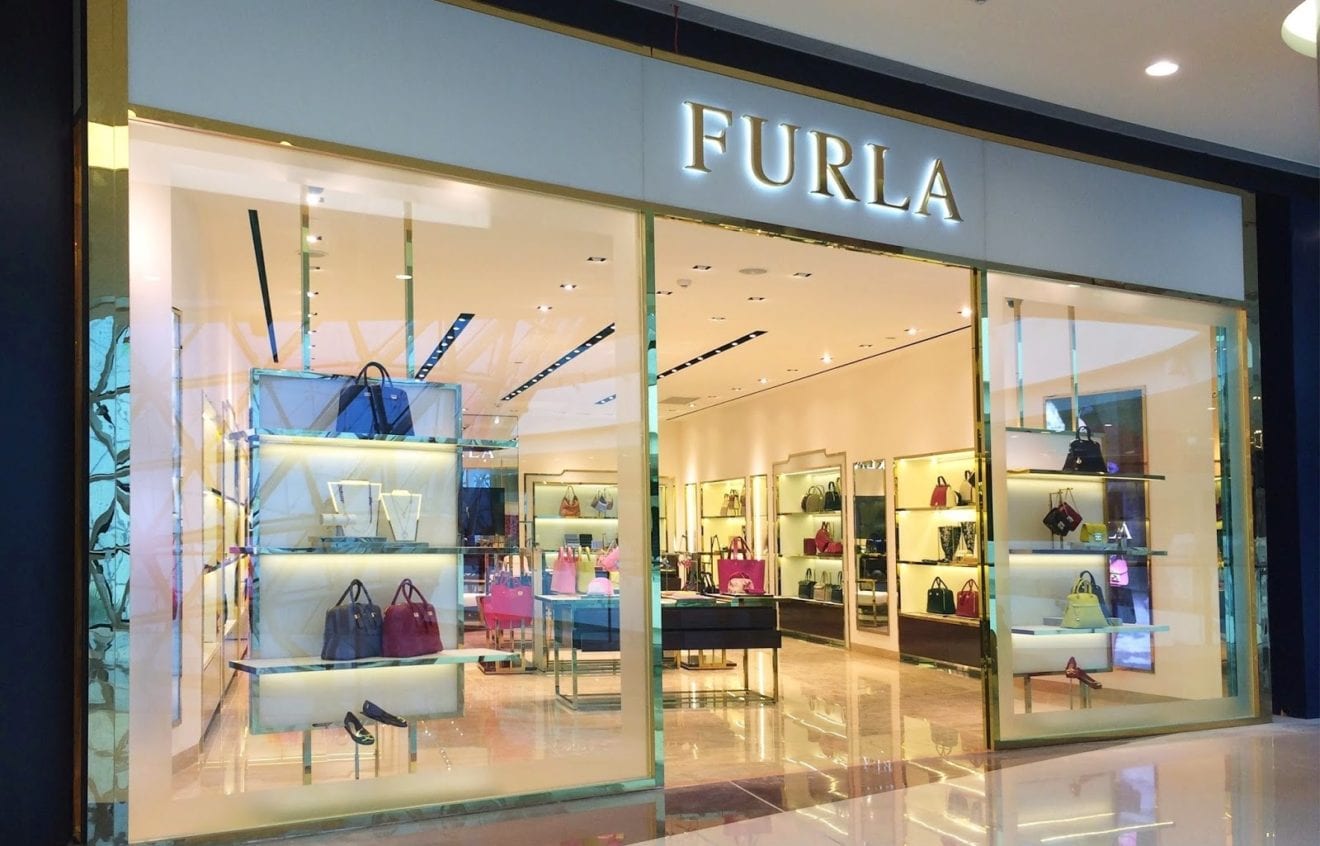
    Luxury Italian brand Furla is planning more flagship stores in Asia as the region delivers strong growth for the 89-year-old family-owned company.

    FURLA CEO_Eraldo PolettoIn an exclusive interview with Inside Retail Asia, Furla CEO Eraldo Poletto explains how the company has bucked the decline in luxury spending in core markets like Hong Kong and Singapore during the past year. Furla achieved 53 per cent growth in total sales (in euro at the current exchange rate) in Asia-Pacific, where it counts 14 markets – Australia, Cambodia, China, Hong Kong, India, Indonesia, Korea, Macau, Malaysia, Singapore, Taiwan, Thailand, The Philippines and Vietnam. Japan, a stand-alone territory in Furla’s accounts, saw sales grow 24 per cent.

    Even discounting sales from new stores, like-for-like growth for Furla Asia-Pacific reached 15.5 per cent last year, yet the region accounts for just 19 per cent of the company’s sales – about €64.4 million ($72.1 million) – suggesting strong growth potential ahead.

    “The consistent strategy we have implemented over the past four years – positioning ourselves as the only Italian and ‘Made-in-Italy’ brand in the premium segment, without accepting compromises in terms of quality – is paying off,” says Poletto.

    “We are expanding our footprint with important flagships: Singapore Marina Bay Sands opened in September; Hong Kong Miramall and Shanghai Citic, each with a 300 sqm street facade, opened in December with a luxury retail concept showcasing our full ladies’ and men’s collections.”

    Furla China Flagship Store @ Shanghai Citic Square 4

    He says more flagships will open this year in Australia and Bangkok.

    “Flagships are meant to represent every aspect of the brand in terms of image and product range; however, we are not expecting to open more than five or six flagships in the region, as we are focusing on the profitability of our retail network, and prefer to penetrate the market extensively.”

    In what he terms a “capillary” approach, more standard-sized stores and points of sale will also open across the region.

    Furla China Flagship Store @ Shanghai Citic Square 7

    For the past two years the company has opened or renovated one store a week. It now has 172 points of sale in Asia-Pacific, along with 72 monobrand stores in Japan.

    “In terms of our retail format, our average store size is increasing together with Furla’s total-look collections. Malls and high-street locations complement each other, and in this period of time, rent levels in some markets have decreased substantially because of a drop in demand from luxury, watch and jewellery brands. We are always on the lookout for new opportunities to invest in,” says Poletto.

    “Our retail store concept is also quite special, as it wants to deliver a 360-degree luxury shopping experience while maintaining our the value-for-money approach.”

    Furla China Flagship Store @ Shanghai Citic Square 2

    Asians appear to be embracing Furla’s distinctive quality brand feel and shopping experience. Perhaps surprisingly, the brand has no strategy of differentiating its Asia-Pacific product range from those of other markets.

    “We believe that if a product captures customers’ hearts in one market, its appeal is universal. Our price and product range have always been appealing to a large spectrum of clientele; it is not by chance that our two best-seller styles – Metropolis and Artesia – represent the most affordable and the highest offer of our collection respectively.

    Furla China Flagship Store @ Shanghai Citic Square 6

    “In terms of branding, strong marketing investments – like our collaboration with Mario Testino and a more aggressive digital and outdoor media planning strategy – are making Furla far more visible.”

    Department stores are still an integral part of the Furla sales strategy, especially in China, where that sector is still in its infancy by western standards.

    “The department store culture in Greater China isn’t very strong yet, and there are very few players compared to the shopping mall retail model in western markets. There is most surely room for improvement in this region.

    Furla China Flagship Store @ Shanghai Citic Square

    “The situation is much more developed in Singapore and Australia, and obviously a priority in Korea with Shinsegae, Hyundai and Lotte, where we are present with 10 domestic stores and an aggressive development plan.”

    Furla is also experiencing strong growth in the travel retail sector, which is helping both top-line sales and brand awareness.

    “Travel retail will continue to fuel the growth in APAC,” says Poletto. “Total sales generated by the travel retail channel were up 27 per cent for 2015, and we opened five new locations. We see blooming opportunities in this channel as Asian customers shop worldwide while they travel: it is a great showcase for the brand.”

    In June, Furla will open a directly managed boutique in Hong Kong International Airport.

    Furla China Flagship Store @ Shanghai Citic Square 8

    Southeast Asian focus

    Furla’s strong growth in the region is coming not just from the established markets of Hong Kong, Singapore and Greater China.

    “We have witnessed a significant double-digit growth in Southeast Asia markets including Cambodia, Malaysia, Singapore, Thailand, The Philippines and Vietnam,” says Poletto.

    “In Indonesia, a fast-growing country with a population of 250 million, we have a capillary quality presence with 10 boutiques in five cities. As of today, Furla has 46 stores in Southeast Asia, and we will focus on strengthening our foothold in these markets this year.”

    Furla China Flagship Store @ Shanghai Citic Square 5

    In India, which Furla has entered in a joint venture with Genesis Luxury, the label has three boutiques – one each in Mumbai, Delhi and Calcutta.

    “They are all performing very well with a 50 per cent sales growth increase in 2015,” says Poletto. But the market has considerable challenges.

    “India is a market with very high potential, but also with a huge limits when it comes to infrastructures. There are not enough qualitative shopping malls to cover Indian clients’ high demand for fashion and luxury: this is why Indian consumers represent a key nationality in markets like Dubai, London or Singapore.

    “In terms of expansion, we will tap into all the new relevant real-estate projects.”

    Globally, Furla has 415 monobrand stores, of which 190 are directly owned and 198 franchised. It has 27 travel retail stores and more than 1200 outlets in department stores and multibrand outlets.

    Furla China Flagship Store @ Shanghai Citic Square 10

    Results released today show that Furla’s global turnover reached €339 million last year, up 30 per cent on 2014. The growth was driven across all Furla product categories, including the new men’s collection, women’s footwear collection and eyewear.

    Poletto says that being a family-owned business – an increasingly rare phenomenon in the model luxury retail business – has its advantages.

    “Being 89 years old gives us a great DNA to be around into the future: the real assets are the brand and its heritage, which are translated into equity. The Furlanetto family has very strong values – they have a long-term vision, instead of making opportunistic choices.”

  • Only 32% of Indians love denim

    Only 32% of Indians love denim

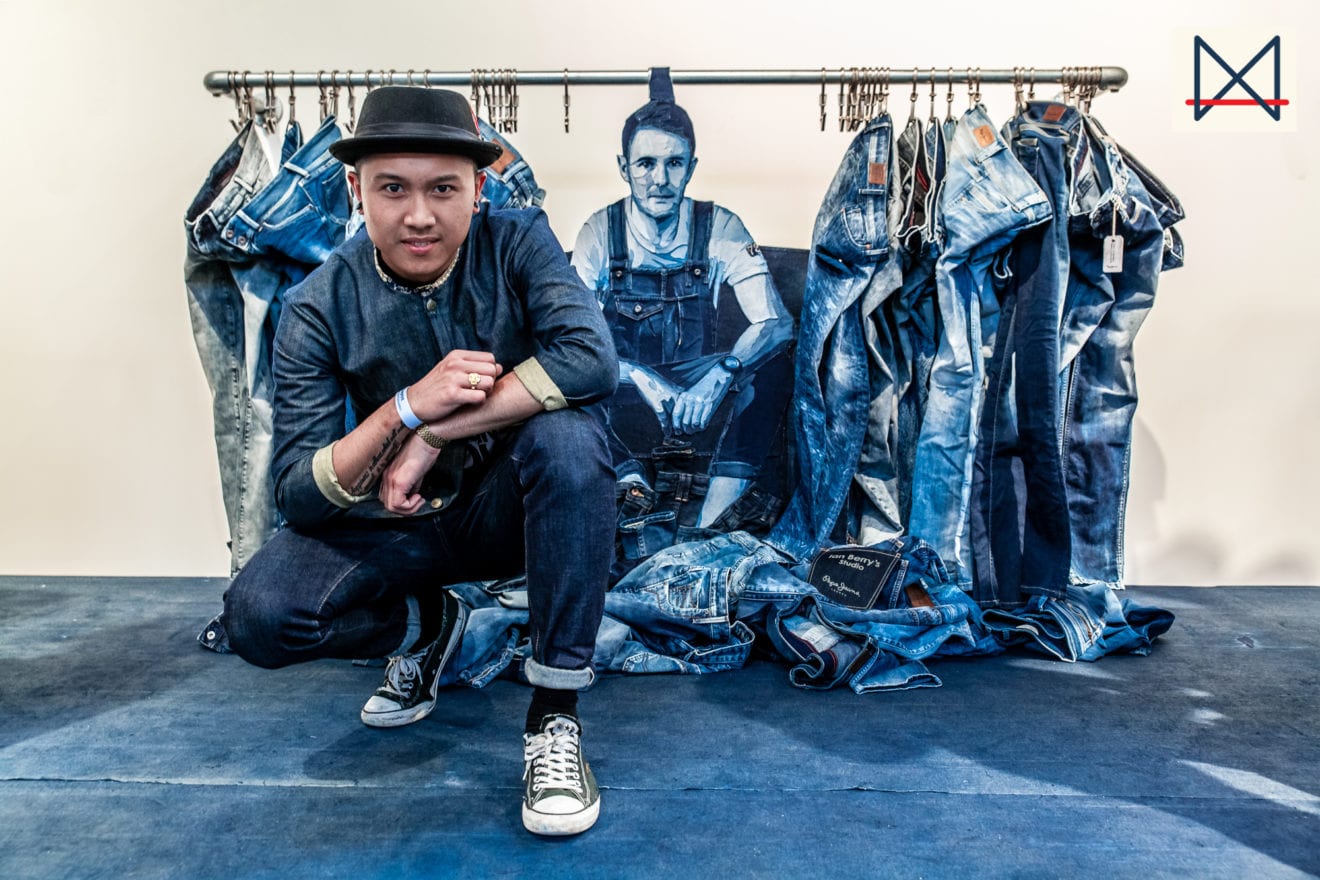
    India is one of the largest producers of denim, with manufacturing capacity of 1.2 billion metres, but only 32% of Indians love or enjoy wearing denim, which is the least among the six denim hubs of the world. This was revealed by J Berrye Worsham, president and CEO of US-based Cotton Inc at the two-day global summit on denims and jeans, ‘Denims: A Democracy in Fashion’ which began at IIM Ahmedabad on Friday.

    As many as 71% of people in Europe and Latin America love to wear denim, followed by 70% in the US, 58% in China and 57% in Japan. Worsham gave these details from the ‘Consumer and Retail Insights’ study, conducted by Cotton Inc.

    In his keynote address on ‘Markets and Trends in Denims’, Worsham said that the growth of denim in US has slowed down but China, India and Latin America are likely to see tremendous growth. He also said that close to 1.9 billion units of denim jeans were sold in the world in 2015 and by 2021 the yearly sales of jeans will cross 2 billion units.

    S N Modani of Sangam Group said that per capita consumption of denim in India is 0.3 pairs, which is much lower than that of China (2 pairs) and the US (8 pairs). CEO of Arvind Ltd, Aamir Akhtar, however cautioned denim manufacturers saying they cannot get into a comfort zone as the consumer is not going to stay with denims forever.

    Dr Pankaj Chandra, former director, IIM Bangalore said, “The textile industry structure must be disrupted by new technology and skills. The textile and apparel sector has seen the fewest startups in the last three years among the five major sectors in the country that provide the maximum employment.” Chandra further put a question to manufacturers, “Do you think the textile sector can perform without its small players experimenting?”

    Akhtar further said, “China is losing its sheen and countries including India have got the opportunity to fill that gap in exports. In India, according to present capacity utilization, over 800 million metres per annum (mmpa) of denim is produced. Out of this 550 mmpa goes into domestic consumption while 250 mmpa is exported. The denims industry is growing at a CAGR (compounded annual growth rate) of 13%-15%.”