Retail News CRM

Tag: india

  • Telenor may exit the Indian market

    Telenor may exit the Indian market

    Telenor India is gearing up to launch LTE services across its footprint, but according to reports Telenor’s days in India’s telecom sector may be numbered.

    CEO Sharad Mehrotra told that the operator has already upgraded 7,000 mobile sites to LTE.

    Telenor India plans to have its entire network upgraded by the end of the current financial year, which in India ends on March 31.

    The operator has awarded Huawei with a 12.4 billion rupee ($186.3 million) contract to modernize all 25,000 of its base stations across the six circles.

    But according to a separate report, Telenor is also considering exiting the Indian telecom market due to its negative experiences to date.

    Besides only holding spectrum in seven circles, Telenor India also has limited data spectrum and no 3G services. The company has only around a 5% share of India’s mobile market with its 2G-only operations.

    Despite investing over $3 billion since 2008 trying to build its Indian business, the loss of its Indian telecom licenses during the 2012 spectrum scandal was a setback the operator has been unable to come back from.

    According to the report, Telenor is seeking a valuation of $1.6 billion to $1.8 billion for its Indian business, but experts believe the company could find it difficult to find a buyer at this price.

  • RCom to upgrade CDMA network to 4G from May

    RCom to upgrade CDMA network to 4G from May

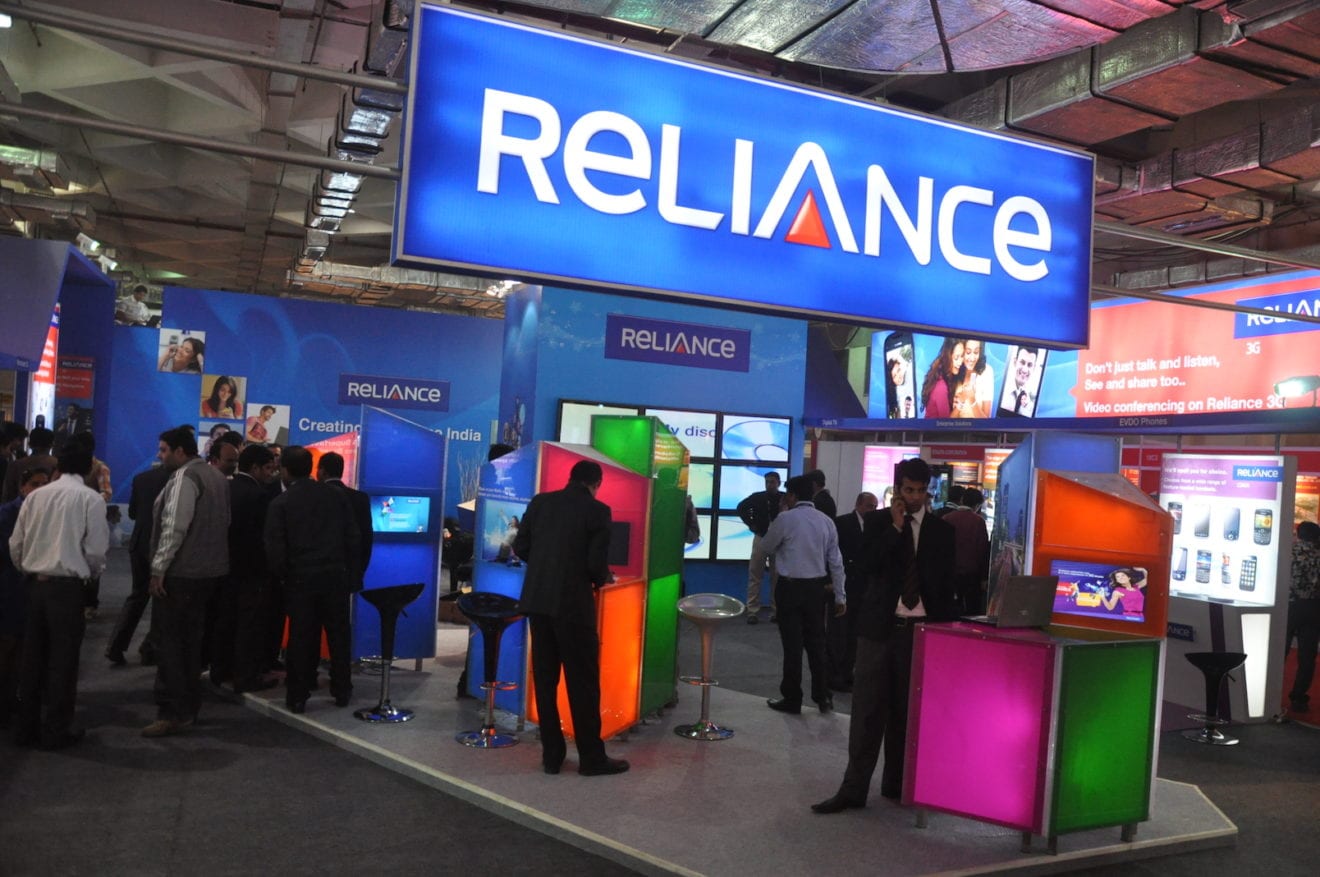
    India’s Reliance Communications (RCom) has revealed plans to progressively upgrade its CDMA customers to 4G starting in May.

    The operator will upgrade its CDMA network to LTE using the newly liberalized 800-MHz spectrum starting on May 4, citing a letter sent from the company to the Department of Telecom.

    RCom will progressively move its roughly 5 million CDMA customers onto 4G as the rollout progresses.

    RCom has already liberalized its 800-MHz spectrum in 16 of India’s 22 telecom circles and recently received clearance from India’s cabinet to do the same in four more.

    The first round of spectrum liberalization cost a hefty 53.83 billion rupees ($806.5 million), while the second will cost around 1.3 billion rupees. In the remaining two circles, RCom has already paid for liberalized 800-MHz spectrum.

    The sources stating that RCom plans to take advantage of its spectrum sharing pact with Reliance Jio Infocomm by deploying its own network but mostly using Reliance Jio’s infrastructure to provide the 4G services.

    RCom and Reliance Jio plan to leverage each others’ spectrum to ensure they are both capable of providing pan-India 4G coverage and competing against the nation’s three largest operators, Bharti Airtel, Vodafone India and Idea Cellular, which have already launched 4G.

  • PGI: Platinum Jewellery Weathers Difficult Conditions Favorably in Key Markets

    PGI: Platinum Jewellery Weathers Difficult Conditions Favorably in Key Markets

    Platinum Guild International (“PGI”) today published the findings of its third annual Retail Barometer. The Barometer, conducted by independent platinum market experts and industry analysts, reveals the consumer retail sales data of platinum jewellery in 2015 and projections for 2016. It is the only research in the industry that measures sell-out, i.e. platinum ounces sold from retailers to consumers.

    The Retail Barometer gives a unique view of platinum demand from retail sales. Platinum jewellery is the second largest consumer of platinum in the world after the autocatalyst market.

    The research survey covered over 400 jewellery retail companies with approximately 23,000 retail outlets in the four main international markets of China, India, Japan and the USA. The research was conducted between January and February 2016.

    Huw Daniel, Chief Executive Officer of PGI, commented, “Despite manifold challenges in the luxury category and a difficult year for jewellery in general, jewellery retailers vested in platinum have weathered the storm ahead of their peers. The historically low platinum metal price has benefitted consumers and retailers alike, presenting a unique opportunity to acquire the most aspirational fine jewellery. Even China, the biggest market for platinum jewellery, shrank to a much lesser extent than other jewellery sectors. Both China and India remain key development markets for platinum jewellery which we will further grow ahead of the market average, leveraging successful programs and new launches.”

    Tim Schlick, Chief Strategy Officer of PGI, commented, “The jewellery industry is at a point where future growth comes from either conquest of market share or unlocking untapped consumer segments. PGI and our partners feel confident that having initiatives that provide both will continue to give us a competitive edge, as consumers increasingly seek quality and differentiation.”

    China
    China’s economic growth in 2015 was slowest in 25 years at 6.9%. The slow-down reflects an adjustment towards a consumption-based economy, which bodes well for future growth in platinum jewellery. Retail witnessed a year of fluctuation, however the growth in the H2 didn’t counter the decline in H1, resulting in a modest platinum jewellery volume decline of -4% for the whole year

    • The bridal segment continued to grow moderately despite the overall decline in jewellery consumption — in addition to pair rings and engagement rings, bridal platinum jewellery saw growth in other jewellery products, such as necklace and bracelet, which were typically purchased as a set along with the wedding rings.

    Based on initial retailer outlook, PGI expects to see a flat year of virtually no growth, or even a modest decline of 0% to -3%.

    India
    The Indian economy was also impacted by the global slow down, although consumer spending at a macro level increased slightly. Platinum Jewellery volume grew 24% in 2015, driven by increasing acceptance of platinum as the choice of the young aspiring urban consumer. Platinum saw increases across the board from Platinum Love Bands, Men’s Jewellery, and the new Evara Platinum Blessings, which marked platinum’s entry to the key wedding category in 2015.

    For 2016, PGI and retail partners expect continued growth of +23% — retailers expect platinum to continue outperforming the category average.

    Japan
    Japan’s economy is working to maintain modest recovery leading up to the 2020 Olympics with a GDP growth of 0.6%. The exceptionally warm winter benefitted jewellery and record numbers of inbound tourists benefitted metropolitan retailers and service providers, especially department stores and non-bridal. Platinum jewellery sales outperformed total jewellery, and platinum jewellery volume increase 2.7% in 2015.

    For 2016, retailers are nervous about economic outlook, but expect growth rate of +1% to +2% in platinum jewellery volume.

    USA
    The US economy has been further recovering and growing moderately at 1.9% in 2015 with overall retail growing in line with the GDP growth rate. Platinum jewelry imports experienced sharp increases in 2015, while retail demand increased +10%.

    For 2016, PGI expects platinum to continue to benefit from the positive 2015 momentum, in particular if the ounce price remains low, resulting in an expected volume growth rate of +5% to +7%.


  • eCommerce won’t dent Asian retail real estate demand

    eCommerce won’t dent Asian retail real estate demand

    Growing online sales will not undermine demand for Asian retail real estate, according to the last CBRE study of major international brands.

    For the seventh edition of How Active Are Retailers Globally?, the real-estate company looked at more than 150 major international brands based in Americas, Asia Pacific and EMEA (Europe, the Middle East and Africa) countries.

    China is the top target market in the Asia Pacific (APAC) and fourth-ranked globally, with 27 per cent of retailers looking to expand there. Hong Kong follows in sixth position (24 per cent), Japan in seventh (22 per cent) and Singapore in ninth (21 per cent). The top three globally were Germany (35 per cent), France (33 per cent) and the UK (29 per cent).

    China and Hong Kong maintained their placings, while Japan, Singapore and Australia (11th) all rose higher in the ranking, up from 13th, 18th and 15th positions respectively.

    “Hong Kong will remain a desirable market for retailers, particularly as it continues to serve as a popular shopping destination for mainland Chinese tourists,” says CBRE Hong Kong executive director for retail services Joe Lin.

    “The main difference is a shift from luxury to mid-range brands. This is forcing luxury retailers to consolidate their footprint, leading to a drop in rental cost in prime locations and therefore opportunities for non-luxury retail brands.”

    Most APAC markets saw increased interest for this year, with the exception of China and South Korea. Malaysia (10 per cent), Indonesia (9 per cent), Thailand, Vietnam and The Philippines (all 8 per cent) received more than double the interest they saw last year, when all markets secured between 1 and 3 per cent.

    Asked about the risk factors for the coming year, brands indicated that real-estate cost escalation (56 per cent) and unclear economic prospects (42 per cent) continue to be at the forefront of their minds.

    “We’re seeing more of a challenging economic environment, and concerns such as high operating costs and a lack of quality space means retailers are somewhat more wary this year,” says CBRE head of Asia Pacific research Dr Henry Chin. “However, even as markets such as China and Hong Kong are experiencing a slowdown, we see increasing numbers of opportunistic retailers looking to enter markets like Hong Kong, supported by strong underlying consumer demand.

    “Japan and Australia remain attractive, while Southeast Asia showed strong growth because of opportunities for retailers around an expanding middle class and stronger economic growth.” CBRE senior director and head of retailer representation for Asia Joel Stephen says there are still opportunities for retailers to grow their business in Asia, underscored by the region having four of the 10 most popular destinations. “The goal now for all brick-and-mortar retailers is to build an engaging offer that encourages people to stay longer and spend more.”

    The survey shows that 83 per cent of brands suggest their physical store expansion plans for this year will not be affected by the growth of eCommerce. From a retailer perspective, only 22 per cent of the brands see stiff competition from online retailing as a threat to their business.

    At the same time, retailers are cautiously optimistic on physical expansion. Of those canvassed, 17 per cent have large-scale ambitions, many of them looking to open more than 40 stores this year (up from 9 per cent last year), while 67 per cent plan to open up to 20 stores.

    “A physical store presence in key locations is still critical to the strength of a brand’s image,” says Stephen. “Customers still feel a need to go into stores, to physically touch a product and enjoy the feel-good factor associated with a particular brand experience. The store is integral to the shopping journey and can be used in different ways, such as to click and collect, research of the product or brand, or to test the product. It isn’t solely about the transactional side.”

    A new trend is brands looking to expand into travel hubs, such as airports and train stations, giving them access to high footfall in busy locations. But for APAC retailers, shopping malls are still the preferred destination by far, at close to 90 per cent.

    While globally the key concern for brands in negotiations for premises is lease length, APAC retailers are most concerned with turnover rent clauses (GP). They are also particularly concerned about changing consumer behaviour (40 per cent), which is higher than the global average (31 per cent).
  • New Balance India return

    New Balance India return

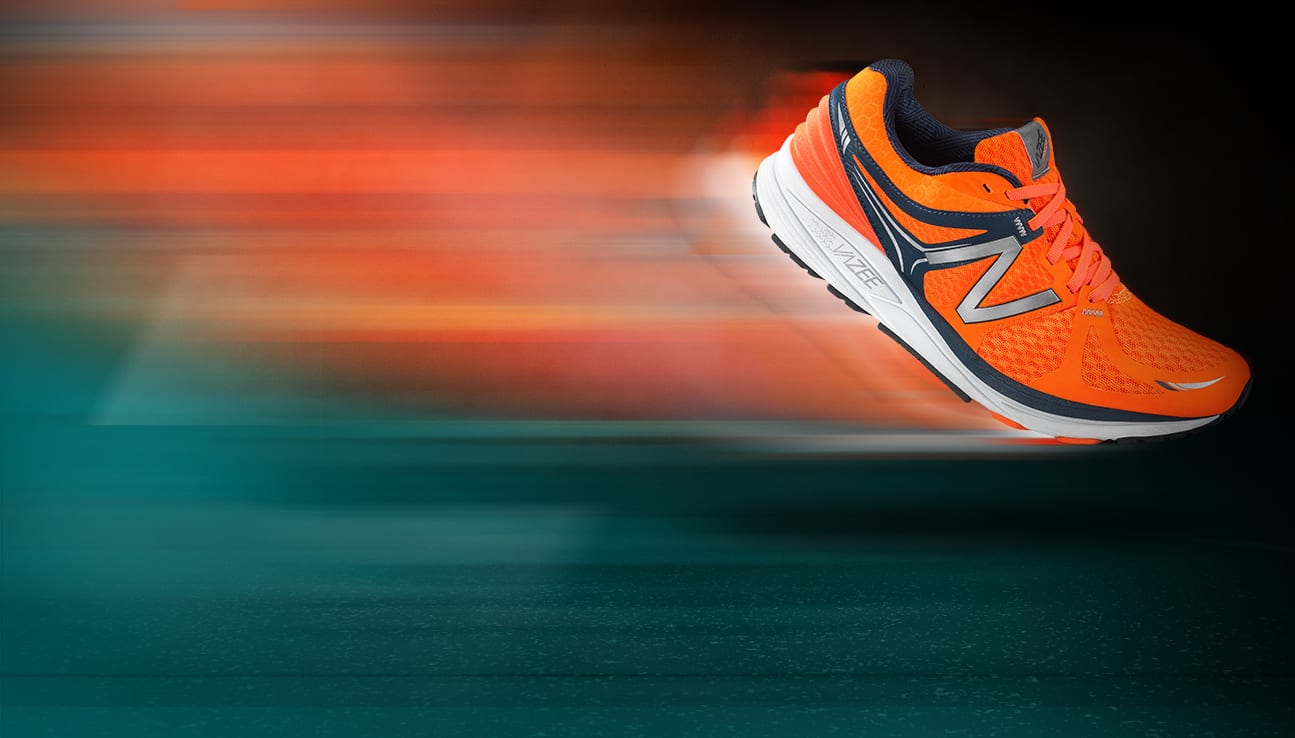
    New Balance India is to make a comeback – and says it aims to open about 50 stores within the next few years.

    The US sports shoes brand’s first foray into India was in the early 2000s, but it shut its shops after a few years. Now its VP for Asia Pacific Darren Tucker says it plans outlets across shopping malls and high streets in Delhi, National Capital Region (NCR), Mumbai and Bengaluru.

    “We were ahead of time,” says Tucker. “We did not have such a wide brand presence globally then, and the retailing experience was poor. Now, the market looks more mature.”

    Its first store this time around opened yesterday – an 1100 sqft (102 sqm) New Balance Athletic Shoes standalone outlet at DLF Mall of India in Noida, near New Delhi. The company has a distribution agreement with The Major Brands Group in Mumbai for retailing New Balance products in India.

    “It’s not about the number of stores,” says Tucker. “We would prefer to have a profitable retail presence and grow at a relatively slower pace this time.

    “All our global competitors are here. The market is built. We know our competitors, and that’s an advantage.”

    With an average selling price of Rs.7000 (US$105) for shoes, New Balance will be a premium offering. Tucker says apparel is a promising segment, so lifestyle will be a focus area. The company has also tied up with online retailer Jabong for e-etailing, and is negotiating with global partner Amazon for the Indian market.

    “Considering the growth of eCommerce in India, that’s a must,” says Tucker. The company will continue to leverage its global marketing properties across sports and athletics, and plans to develop local properties. “For India, it’s going to be cricket first.”

    At the moment, the sports shoe and apparel market in India is dominated by Adidas, Nike, Puma and Reebok. Japan’s Asics Corp. opened its first standalone store in Delhi last July.

    A report by Images F&R Research estimates India’s active sportswear market at Rs.6000 crore, growing at 13 per cent a year.

    New Balance, which reported $3.3 billion in sales worldwide in 2014, was founded in 1906 by British immigrant William J. Riley to sell arch supports to police officers and waiters. The company was bought by Jim Davis, the son of a Greek immigrant, in 1972 and from its base in Boston now sells athletic shoes, apparel and accessories for men, women and children across 5000 outlets worldwide under brands such as Aravon, Brine, Dunham, PF Flyers and Warrior Sports.

  • Anti-Hindu posters at Texas “Dairy Queen” removed

    Anti-Hindu posters at Texas “Dairy Queen” removed

    Anti-Hindu signs at Kemah (Texas) restaurant of “Dairy Queen” (DQ), which upset Hindus worldwide found highly inappropriate, have been reportedly removed.

    Dean A. Peters, Associate Vice President of Communications of American Dairy Queen Corporation headquartered in Minneapolis, in an email response to Hindu statesman Rajan Zed, wrote on March 31 evening: “We are pleased to announce that as of Wednesday, March 30th, the DQ location in Kemah, Texas is now under new ownership and all interior and exterior signs posted by the former franchisee were immediately removed from that location.”

    Zed, who is President of Universal Society of Hinduism, in a statement in Nevada today, thanked International Dairy Queen (IDQ) Inc. for understanding the feelings of the community and resolving the issue.

    But, Rajan Zed pointed out, that DQ appeared to have been shirking from its responsibility by not formally apologizing for allowing these derogatory signs reportedly posted at its Kemah store for many months. DQ seemed to have even failed to follow its own “Mission Statement: To create positive memories for all who touch DQ” by permitting such disparaging signs.

    Zed urged IDQ Inc. CEO John P. Gainor Junior to come up with an official apology and institute a mechanism in its franchise operations ensuring that such belittling of religions did not happen in the future. Posters reportedly displayed at its Kemah store were highly inappropriate and trivialized the oldest and third largest religion of the world with about one billion adherents and a highly philosophical thought.

    International Dairy Queen Inc.; based in Minneapolis; is a subsidiary of Omaha headquartered Berkshire Hathaway Inc.; serving treats and food in over 6,600 locations in USA, Canada and 28 other countries since 1940. Warren E. Buffett is the CEO of Berkshire Hathaway Inc.

  • IOC bids for fuel marketing and retail rights in Myanmar

    IOC bids for fuel marketing and retail rights in Myanmar

    State-run Indian Oil Corp (IOC) has bid for rights to import, store and distribute petroleum products in Myanmar.

    “We have put in a bid to enter fuel marketing and retail business in Myanmar,” a senior company official said.

    Myanma Petroleum Products Enterprise (MPPE) last year invited companies to form a joint venture for import, storage, distribution and sale of all petroleum products except liquefied petroleum gas (LPG) and liquefied natural gas (LNG).

    A separate tender for cooking gas LPG was floated. IOC had bid for that tender too, the official said.

    MPPE left the fuel distribution business when it was privatised in 2010, but is planning a re-entry into the fast-growing business sector that is marred by widespread dissatisfaction over service standards and fuel quality.

    In 2010, MPPE transferred 216 filling stations to private companies across the country but it still runs 12 pumps which supply fuel to state-owned vehicles.

    It also owns four main fuel terminals and 24 sub-fuel terminals. Around 70 private companies run the country’s 1163 petrol stations, but few have storage facilities or an import licence.

    MPPE now wants to tie up with foreign companies to expand the business and rehabilitate existing facilities. MPPE will hold 51 per cent of equity while the foreign company will hold the rest.

    The joint venture will be for a maximum of 30 years, extendable two 10-year periods.

    The official said IOC wants to use its just commissioned Paradip refinery in Odisha to ship fuel a short distance across the Bay of Bengal to get to Myanmar.

    Being the country’s largest fuel retailer, it also has experience of setting up fuel stations and managing logistics, which would be helpful in the nascent market.

    IOC is among the 11 to have bid for the separate tender to build a new liquefied petroleum gas (LPG) terminal and supply chain business for the distribution and marketing of the cooking and heating fuel.

    Winner of this tender will have to upgrade eight storage containers each with a capacity of 5550 metric tonnes of LPG for Ministry of Energy-owned No 1 Refinery (Thanlyin), and build a wharf with the capacity to load and unload 2000 metric tonnes of LPG.

    This is the first time foreign companies will be allowed to distribute LPG in Myanmar.

    Besides IOC, Singaporean firms Puma Energy Group and BB Energy (Asia) and a consortium of Japan’s Marubeni Corporation and Tokai Holdings has also bid.

  • Hong Kong textile eye India as alternative production base to cut cost

    Hong Kong textile eye India as alternative production base to cut cost

    India is rising, not only as a new choice of relocating labour-intensive industries from China, but also as a retail market of good potential, says a research report by The Hong Kong Trade Development Council (HKTDC).

    In recent years, the sustained rise in production costs on the Chinese mainland has eroded the profit margins of many Hong Kong companies with labour-intensive factories located on the Chinese mainland, prompting them to seek alternative production bases elsewhere.

    While Southeast Asian countries offer many choices, the HKTDC report says India offers many advantages as an alternative production base, along with the added advantage of having a domestic market of great potential.

    According to the report, the majority of Indian garment producers are focused on the domestic market, as their product quality was generally lower than the standards required by overseas importers.

    Despite this, many big Indian exporters have successfully lined up with international buyers, including department stores, retail chains and brands.

    The paper was written after a recent field trip to India that included factory visits and interviews with garment manufacturers.

    In the four years to 2014, India’s garment exports increased at an average annual rate of 12 per cent, surpassing China’s 9 per cent, in line with Bangladesh’s 13 per cent and eclipsed by Vietnam’s 17 per cent.

    With advantages of raw materials and prospects of vertical integration, India is a strong garment exporting country and a location worth considering for factory relocation in relation to labour-intensive manufacturing, such as garment-making.

    The report pointed out that while China is the undisputed world leader in exporting textiles and garment products, many have overlooked India’s position as the world’s second biggest exporter of textile and garment products in 2014, selling a total of $36 billion, during the year, far behind China’s $399 billion.

    For textile exports alone, India was second after China in 2014, with a share of 5.8 per cent of the global market, compared to China’s enormous 35.6 per cent share.

    HKTDC says it is not surprising that the bulk of garment manufacturing in India is for the domestic market, supported by the country’s huge capacity in textiles production.

    India stands out to be a substantial exporter in both garments and textiles. In 2014, India imported textiles worth only $3.8 billion, lagging much behind Vietnam’s $12 billion, Bangladesh’s $6.8 billion, and just ahead of Cambodia’s $3 billion, the report said.

  • Xiaomi India lodges FDI application

    Xiaomi India lodges FDI application

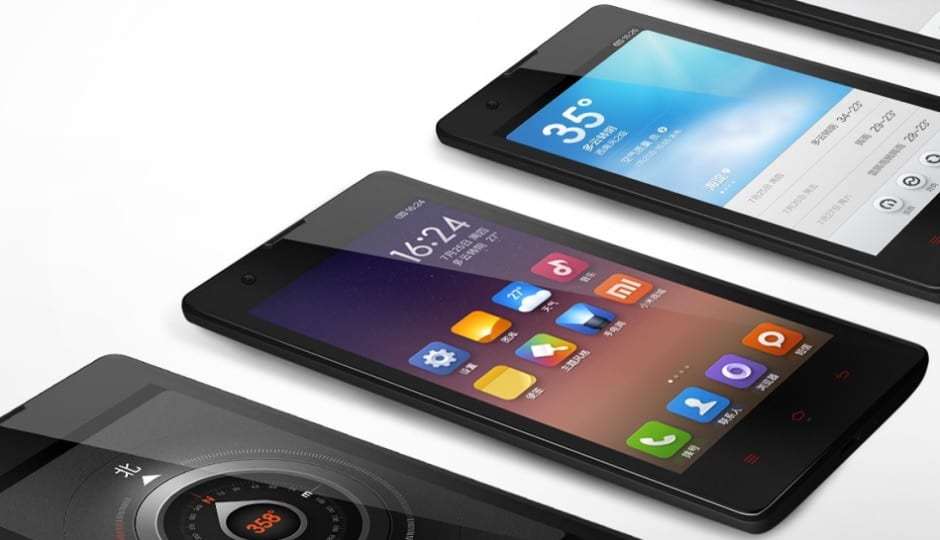
    Xiaomi India, the Chinese smartphone maker’s local subsidiary, has lodged an application with the government to operate single-brand retail stores.

    The move coincides with US tech giant Apple resubmitting a similar application as it attempts to gain formal Indian Government approval to operate its own Apple Stores in the heavily-regulated economy.

    Xiaomi currently sells handsets online and through a network of offline distributors.

    But to gain approval to open single-brand stores, companies must commit to sourcing at least 30 per cent of its stock or componentry locally. Apple is applying for a waiver of this clause on the grounds it makes “state-of-the-art” and”’cutting edge” technology products which cannot be sourced locally.

    “Chinese smartphone maker Xiaomi has submitted an application to the Department of Industrial Policy and Promotion (DIPP),” an official confirmed to Indian news media this week.

  • Hong Kong textile cos eye Make in India to cut costs

    Hong Kong textile cos eye Make in India to cut costs

    India is rising, not only as a new choice of relocating labour-intensive industries from China, but also as a retail market of good potential, says a research report by The Hong Kong Trade Development Council (HKTDC).

    In recent years, the sustained rise in production costs on the Chinese mainland has eroded the profit margins of many Hong Kong companies with labour-intensive factories located on the Chinese mainland, prompting them to seek alternative production bases elsewhere.

    While Southeast Asian countries offer many choices, the HKTDC report says India offers many advantages as an alternative production base, along with the added advantage of having a domestic market of great potential.

    According to the report, the majority of Indian garment producers are focused on the domestic market, as their product quality was generally lower than the standards required by overseas importers.

    Despite this, many big Indian exporters have successfully lined up with international buyers, including department stores, retail chains and brands.

    The paper was written after a recent field trip to India that included factory visits and interviews with garment manufacturers.

    In the four years to 2014, India’s garment exports increased at an average annual rate of 12 per cent, surpassing China’s 9 per cent, in line with Bangladesh’s 13 per cent and eclipsed by Vietnam’s 17 per cent.

    With advantages of raw materials and prospects of vertical integration, India is a strong garment exporting country and a location worth considering for factory relocation in relation to labour-intensive manufacturing, such as garment-making.

    The report pointed out that while China is the undisputed world leader in exporting textiles and garment products, many have overlooked India’s position as the world’s second biggest exporter of textile and garment products in 2014, selling a total of $36 billion, during the year, far behind China’s $399 billion.

    For textile exports alone, India was second after China in 2014, with a share of 5.8 per cent of the global market, compared to China’s enormous 35.6 per cent share.

    HKTDC says it is not surprising that the bulk of garment manufacturing in India is for the domestic market, supported by the country’s huge capacity in textiles production.

    India stands out to be a substantial exporter in both garments and textiles. In 2014, India imported textiles worth only $3.8 billion, lagging much behind Vietnam’s $12 billion, Bangladesh’s $6.8 billion, and just ahead of Cambodia’s $3 billion, the report said.

  • Airtel to allow prepaid data top-ups for postpaid plans

    Airtel to allow prepaid data top-ups for postpaid plans

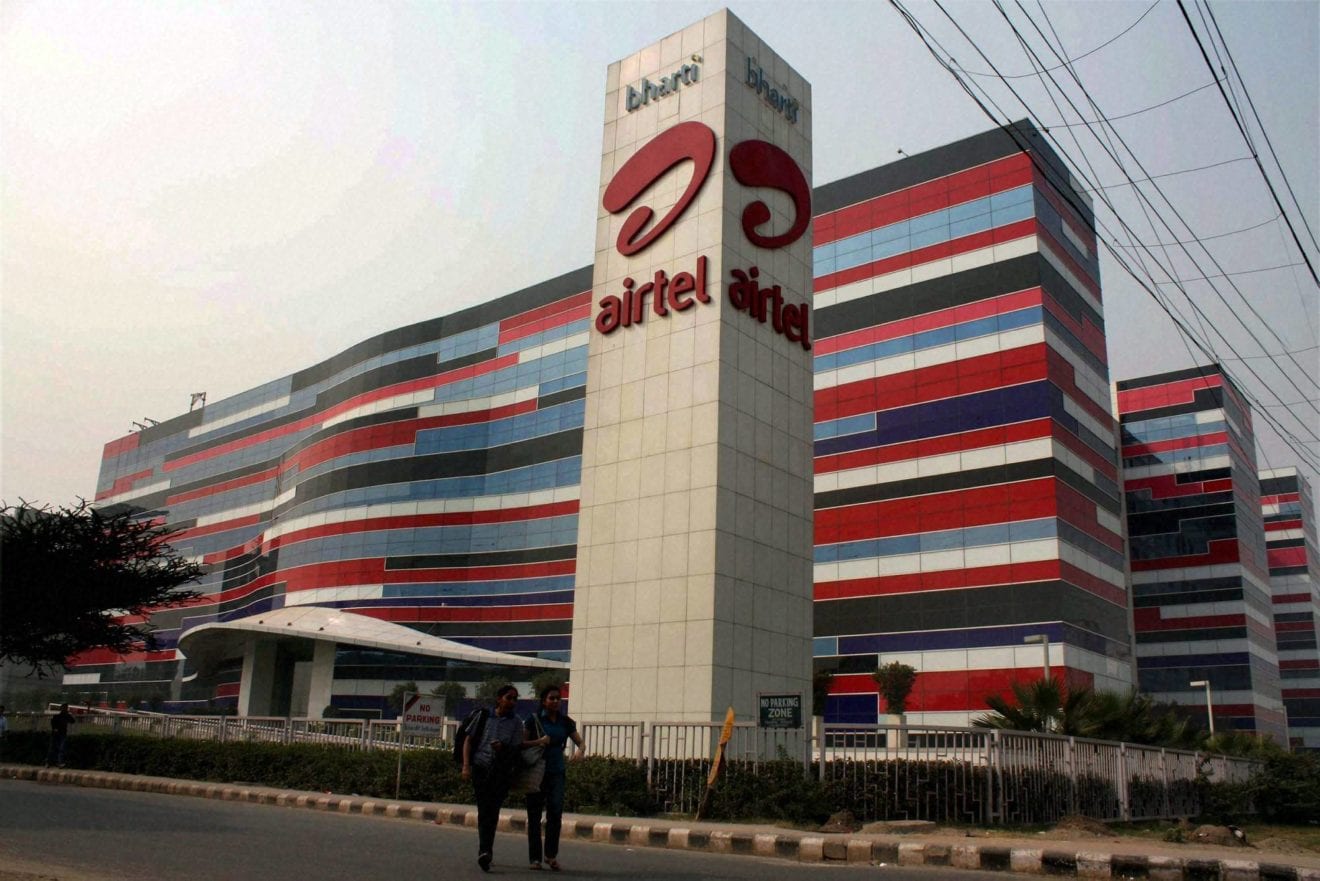
    India’s Bharti Airtel has introduced an innovative new service allowing post-paid business customers to top up their data allocations with prepaid credit.

    The operator will allow customers to recharge their accounts through retail or online credit purchases or mobile wallets.

    The new Prepaid on Postpaid feature has been introduced to give business customers more flexibility in how they use their mobile plans while simplifying the data experience.

    Users of corporate plans that lack mobile data, for example, could pay for their own allocations rather than needing to swap SIMs or devices every time they want to use their data allocations.

    Standard prepaid data recharges start at 99 rupees ($1.48), the company said. Airtel has asserted that allowing prepaid top-ups for postpaid plans is an industry first.

    Bharti Airtel is India’s largest mobile operator with an estimated 245.8 million customers as of the end of January.

  • Vodafone India aims to double SME base in Bangalore

    Vodafone India aims to double SME base in Bangalore

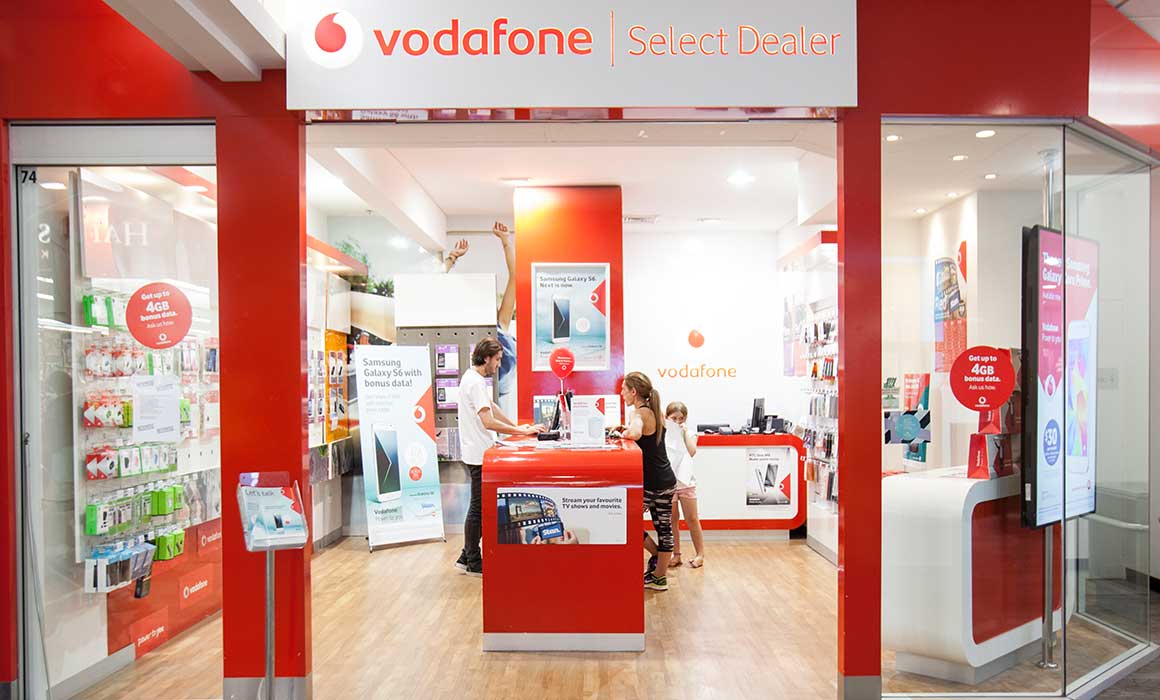
    Vodafone India has outlined a strategy aimed at doubling its SME customer base in Bangalore, known as the Silicon Valley of India.

    Vodafone Business Services announced a three-pronged plan to increase its SME coverage in the state of Karnataka – particularly capital Bangalore (Bengaluru) – and across India.

    The three spokes of the strategy are coverage, intelligence and automation. Coverage involves widening the company’s ecosystem of channel partners and advanced resellers.

    Automation will involve making it easier for SMEs to do business with Vodafone through initiatives involving opening a system access partner portal. Intelligence will involve launching six new services tailored for specific industry verticals, to complement the six already launched.

    In addition Vodafone will use the newly launched VBS cloud platform to provide SaaS to Indian SMEs. The operator has also introduced Ready Business 2.0 – an integrated suite of Vodafone communications services designed to help SMEs find answers to business problems.

    “Vodafone Business Services will help growing businesses become ready for their next phase of growth. Our newly launched cloud platform will act as a one-stop shop for SMEs for all their ICT related business needs,” VBS national head for SMEs Ajay Sehgal said.

    “With our Ready Business 2.0 proposition, our fixed, mobile and cloud solutions can empower SMEs in scaling up faster, enhancing operational efficiencies and building a more connected and productive workforce, thus making their business more responsive to customers.”

  • IKEA donates Rs 92 crore for safe water projects in India, Indonesia

    IKEA donates Rs 92 crore for safe water projects in India, Indonesia

    Swedish furniture retailing giant IKEA will contribute 12.4 million euro (Rs 92.84 crore) to provide safe water and sanitation to one million people in India and Indonesia through Water.org. IKEA Foundation has announced a new grant of 12.4 million euro to Water.org on the occasion of the World Water Day, it said in a statement.

    “IKEA Foundation is committing 12.4 million euro to Water.org to expand its WaterCredit model, helping families have access to small, affordable loans so they can get safe water and sanitation,” it added. IKEA Foundation is the philanthropic arm of INGKA Foundation, the owner of the IKEA Group of companies.

    Commenting on the development, Matt Damon, co-founder of Water.org said: “Our work at Water.org has never been more important, and thanks to this grant and to IKEA Foundation, we are going to help hundreds of thousands of kids gain access to safe water and sanitation and impact their lives forever.”

    IKEA Foundation CEO Per Heggenes said: “We believe that every child deserves a healthy start in life and this is why we are supporting Water.org’s innovative programmes to help families in India and Indonesia access safe water and better sanitation facilities, giving them improved health and a life of dignity.”

    The World Bank estimates that 21 per cent of communicable diseases in India are linked to unsafe water and the lack of hygiene practices, and 50 per cent of India’s population continues to practice open defecation, the statement said. In Indonesia, more than 33 million people lack access to safe water and 100 million lack access to improved sanitation facilities.

  • It’s Skin signs with Dabur India

    It’s Skin signs with Dabur India

    South Korea’s fourth-largest cosmetic maker, It’s Skin, has made a move to extend its international reach through a partnership with retail giant Dabur India.

    It’s Skin has signed a memorandum of understanding with Dabur to sell 120 kinds of cosmetics in itsNew U beauty retail chain, stepping up its overseas bid beyond China, Japan and Southeast Asian markets.

    Starting with 10 shops in New Delhi, the company plans to open 20 in the capital and the surrounding area this year.

    It’s Skin is best known for its snail cream, Prestige Cream d’escargot, which went on the market in 2009. The company posted  won 309.6 billion (US$255 million) in sales last year, up 28 per cent from the previous year. It started listing on the Seoul bourse in December.

    Founded in 1884, Dabur India is India’s fourth-largest retailer, logging 78.1 billion rupees (US$1.2 billion) in sales last year. Its beauty chain New U has 70 outlets in 28 cities.

  • Indian traction for Myanmar

    Indian traction for Myanmar

    India is to supply 18 metre-gauge 1350 hp diesel electric locomotives to Myanma Railways. The traction will augment the railway’s fleet and enable it to meet increasing demand for passenger and freight transport services in Myanmar. The requisite contract was signed at Naypyitaw (Myanmar) in week 9.

    The locomotive order is a vital project that is being funded under an existing Indian government line of credit for Myanmar. The traction, sporting several modern features such as microprocessor controls, fuel-efficient engines and an ergonomic cab design etc, will be manufactured at the diesel locomotive works in Varanasi