Retail News CRM

Tag: india

  • H&M India opens Swedish brand’s 4000th store

    H&M India opens Swedish brand’s 4000th store

    Bollywood actress Parineeti Chopra hosted the grand opening of Swedish fashion brand H&M India’s newest – at the Mall of India in Noida, near Delhi.

    The shop is the 4000th globally to bear the famous red H&M logo.

    Covering 37,000 sqft (3437 sqm), the store has four floors, each devoted to apparel and accessories for women, men, teenagers and children respectively.

    parineeti chopra h&m india 1

    H&M country manager Janne Einola, area manager Mikko Alatalo and store manager Varun Pratap Singh cut the red ribbon to officially open the store.
    A queue formed ahead of the opening, with the first 10 customers receiving a gift card worth Rs 4000 (US$60), while the next 200 in the queue each received a goodie bag and gift card worth Rs 500.

    parineeti chopra h&m india

    DJ spin-offs were a feature of the launch, as well as dance and fashion contests for the customers.

    Parineeti Chopra was clearly impressed: “I’ve always liked H&M’s exciting and affordable fashion- there is plenty of inspiration in store to create your personal style. The opening was incredibly fun!”

  • BookMeds invited to move into Malaysia

    BookMeds invited to move into Malaysia

    Hyderabad-based startup BookMeds, which allows customers across India to order medicines online and have them delivered from their nearest pharmacy, may move into Malaysia.

    Launched in December 2013, BookMeds is now the third-largest online pharmacy chain after Apollo and Medplus. With a presence across 18 cities, it serves more than 15,000 customers and 400-plus pharmacies.

    Now BookMeds has been chosen by the Malaysian government’s Magic Accelerator program to explore entry into Malaysia.

    “The pharma-retail model in Malaysia is similar to that of India, offering BookMeds a great opportunity,” says BookMeds founder/CEO Mohammed Abubakr.

    Apart from finding workspace and accommodation, Magic provides advice on setting up a working model for Malaysia. “Initially, we will be targeting the urban population of Kuala Lumpur, then expand across Malaysia,” says Abubakr.

    Meanwhile, BookMeds is in discussions with venture firms to raise $2 million for its continuing expansion across India, with more than 50 cities as targets. Previously, the company raised seed funding from Flipkart VP Ravi Krishnaswamy and Xtream IT CEO Javed Sikander, along with angel funding from Back Office Associates CEO Krish Datta.

  • Apple sales fall 26% in Greater China, optimistic on China and India

    Apple sales fall 26% in Greater China, optimistic on China and India

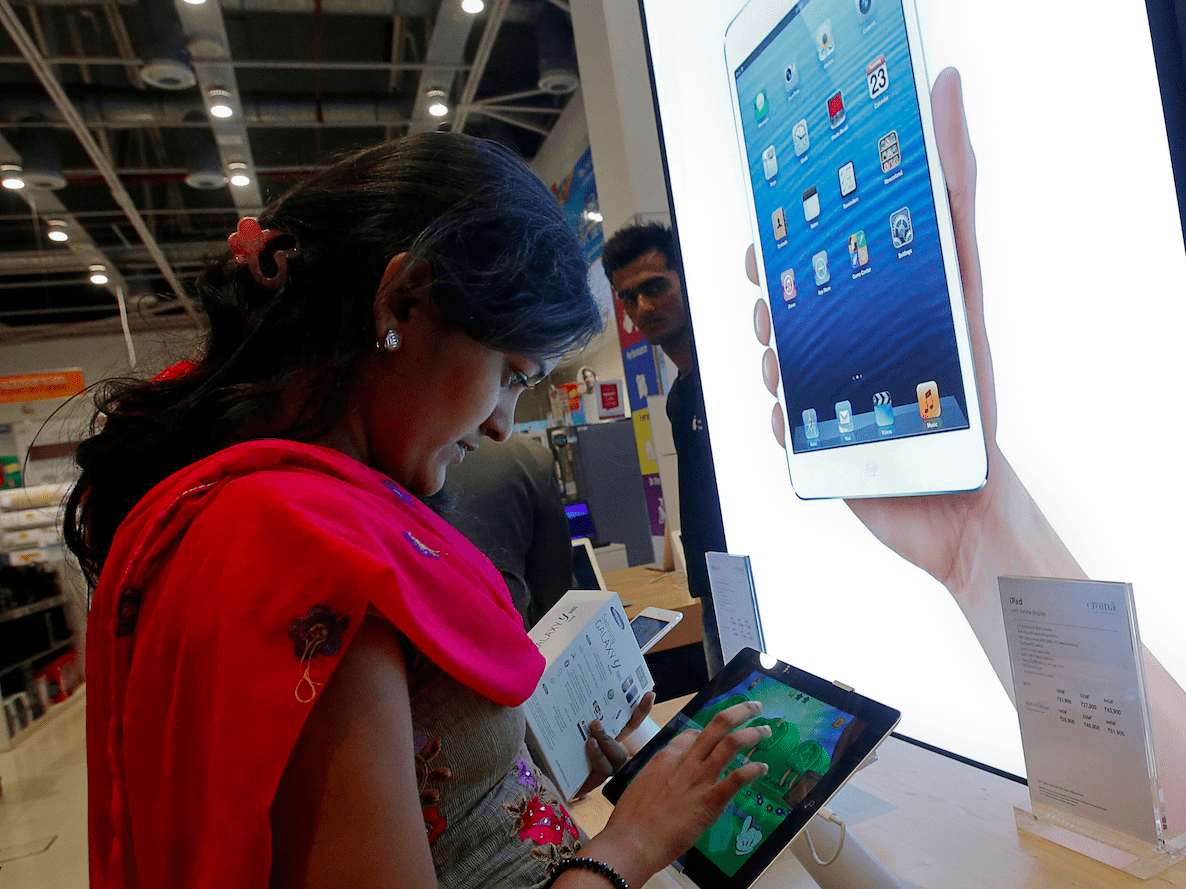
    Apple’s double-digit growth in Greater China, which has helped fuel the huge success of the iPhone over the past few years, came to a grinding halt last quarter, with revenue falling 26 per cent as iPhone demand softened.

    Sales in the Greater China region, which includes the mainland, Hong Kong and Taiwan, dropped to $12.5 billion in its fiscal Q2 ending 31 March. The region accounted for a quarter of Apple’s total revenue, down from 29 per cent a year ago.

    Revenue in mainland China, Apple’s second largest market after the US, fell 11 per cent (7 per cent in constant currency terms) – a year ago sales surged by 81 per cent.

    Apple yesterday reported its first-ever quarterly drop in iPhone sales,which dropped 16 per cent to 51.2 million units.

    Apple CEO Tim Cook said in the earnings call he doesn’t think China is as weak as everyone says. “In China we may not have the wind at our backs that we once did, but it’s a lot more stable than what I think is the common view. So we remain really optimistic on China.”

    He noted that it opened seven stores in China last quarter, taking its total to 35, and will open five more this quarter.

    Cook talked up its services businesses, which expanded 20 per cent last quarter and represented the company’s second largest revenue-generating category in Q2. But with Apple suspending its iBooks and iTunes Movies services in China last week after the country’s video and publishing regulator imposed stricter guidelines on online content, its growth prospect in services could be severely dampened.

    Beyond China
    The company faced declining sales across the Asia-Pacific region, with revenue falling 25 per cent in Asia Pacific (ex China and Japan) to $3.16 billion.

    Japan was the bright spot in the region, reporting a 25 per cent jump in sales to $4.13 billion.

    Responding to a question about India, the third largest smartphone market in the world, Cook said infrastructure and sales channels will be key.

    The LTE networks being rolled out in the country will “unleash the power and capability of the iPhone in a way that an older network, a 2.5G or even some 3G networks, would not”, he said.

    He noted that unlike in the US, where operators sell the vast majority of phones, in India the operators in general sell virtually no phones. “So it’s through retail, and retail is many, many different small shops”.

    The company has been working on its sales channels for the last 18 months, and Cook said he is encouraged by the results that it’s beginning to see.

    “But because the smartphones that are working there are low end, primarily because of the network and the economics, the market potential has not been as great there. But I view India as where China was maybe seven to ten years ago, and I think there’s a really great opportunity there,” he said.

  • DBS taps digital platform to grow retail banking operations

    DBS taps digital platform to grow retail banking operations

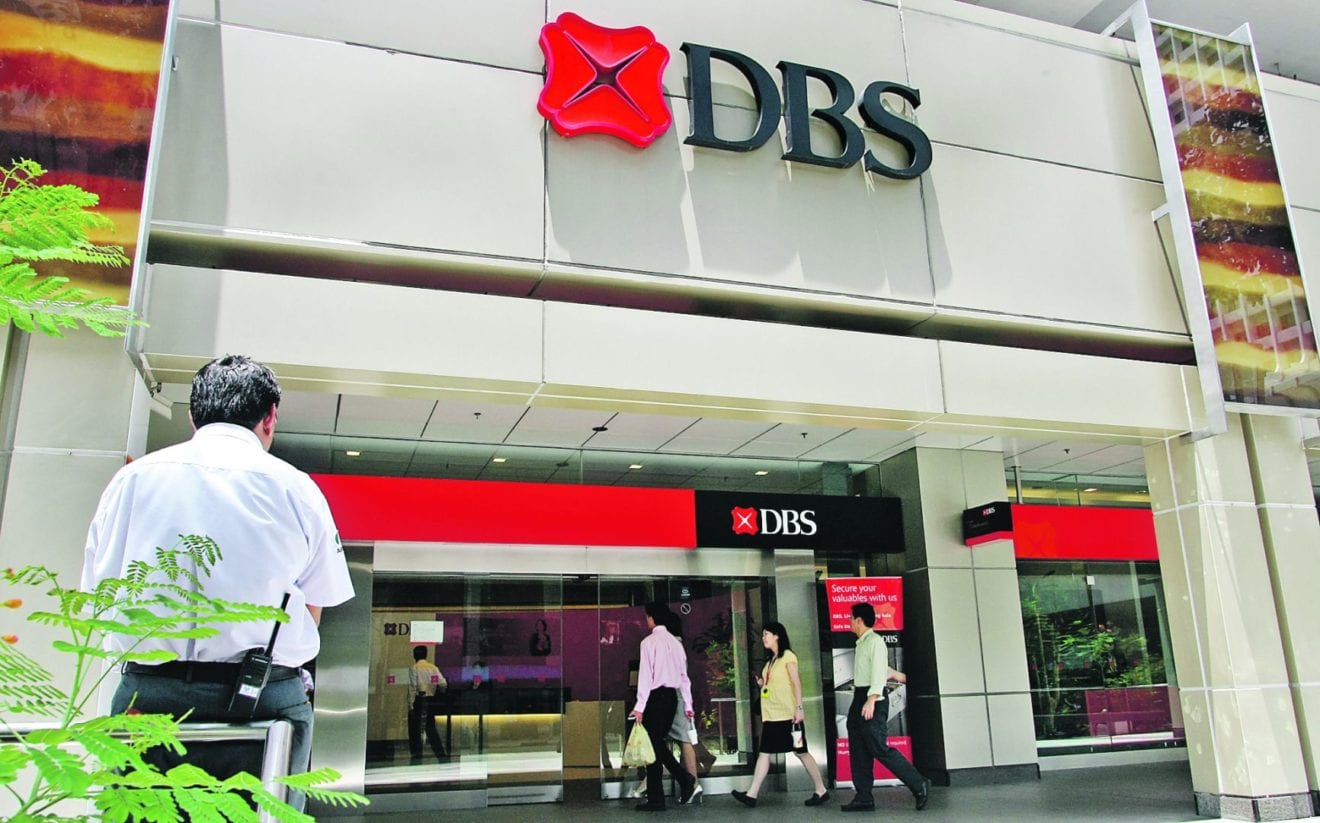
    DBS launched a “mobile-only bank” and said it aims to garner 5 million customers and a deposit base of Rs50,000 crore over the next five years

    On Tuesday, DBS launched a “mobile-only bank” and said it aims to garner 5 million customers and a deposit base of Rs.50,000 crore over the next five years. Named digibank, the DBS mobile application will allow individuals to access a wallet at first and then open a savings deposit account with the bank. The balance in the account will earn 7% interest per annum.

    “We are going to focus outside our affluent banking base and we hope to be a mass consumer banker through this product. We hope to get 5 million customers over the next 3-4 years through digibanking,” said Piyush Gupta, chief executive officer at the bank. Currently, DBS Bank has 35,000-45,000 customers in India, according to Surojit Shome, head of India operations for the bank.

    DBS Bank isn’t the only one to board the digital bandwagon. Large Indian banks such as State Bank of India, ICICI Bank Ltd, HDFC Bank Ltd and Bank of Baroda are building digital channels with an aim to garner new customers and serve existing ones better.

    The rush for digital dominance comes even as 11 payments banks are preparing to launch their operations. These banks will have the infrastructure and technology to provide digital banking from day one.

    Among the most popular digital channels is the use of the smartphone for transactions. Transactions on mobile phones in India have surged in recent months owing to large value transactions being concluded on smartphones by corporate clients besides an increase in retail transactions, Mint reported on 28 March. Data from the Reserve Bank of India (RBI) show that on a year-on-year basis, the amount transacted in December 2015 rose more than fourfold to Rs.49,029 crore from the Rs.11,323 crore transacted a year ago.

    India is estimated to have about 220 million smartphone users in 2015 and a February report by networking solutions firm Cisco forecast this would jump to 651 million by 2019.

    Gupta of DBS said the bank’s digital offering stands out because of an inbuilt dynamic security system that takes away the need for one-time authentications and a natural language interface that allows customers to use voice commands to transact.

    Mobile banking products of most banks require the customer to enter a one-time password to conclude any transaction.

    For the initial authentication of a new customer, DBS has tied up with Coffee Day Enterprises Ltd that runs the Cafe Coffee Day outlets. A customer will be required to carry an Aadhaar or a PAN card to a Cafe Coffee Day outlet and, using a biometric system, will be allowed to open an account.

    Meanwhile, DBS Bank will continue to expand its branch network to service corporate clients and small and medium enterprises, Gupta said. The bank has 12 branches in India and has applied to RBI to move to a wholly-owned subsidiary structure. “The application is pending and we have been told it may take 12-18 months to process. We have not received any negative feedback though,” Gupta said. The bank’s Indian assets form only 5% of its total book. Gupta said the bank is hoping for double digit growth in its India balance sheet.

    The bank will leverage its digital platform to build a retail loan book of Rs.10,000 crore over the next five years. “Right now, we are launching digibank mostly on the liabilities side. We will introduce investments and, later, loans, over the next few months,” said Gupta.

    “If you look at some of the global stories, the broad perspective is that a bank starts excelling in certain things when it begins to focus in some areas. Digital-first banks such as some in the US like Atom Bank, they channelize all their energies into one thing as opposed to existing Indian players who will continue to focus on traditional branch banking and in addition give digital services,” said Vivek Belgavi, partner and leader of financial services technology at PwC.

    Belgavi added that new companies would largely focus on untapped segment such as individuals who do not visit a branch as a target for their digital banking.

    “It is a classic disruptor strategy. It will go after segments which are under-served. There is a segment that does not visit branches and because they don’t visit branches they expect a superior experience; if this is not catered to, this is what the disruptors will focus on,” he said.


  • Sevenfold growth forecast for Indian eCommerce

    Sevenfold growth forecast for Indian eCommerce

    The Indian eCommerce industry is expected to burgeon in the next four years, according to a report by the Confederation of Indian Industry (CII) and Deloitte Touche Tohmatsu India.

    While the business to business (B2B) segment is expected to more than double from US$300 billion last year to $700 billion in 2020, the business to consumer (B2C) segment will grow more than seven times from $13.6 billion to $101.9 billion, says the report.

    It will be supported by a spurt in number of online shoppers, from 20 million in 2013 to 220 million in 2020, as well as a three-fold increase in average spending by online shoppers, from $147 in 2013 to $464.

    However, there is a price: combined losses for eCommerce companies such as Flipkart, Snapdeal (Jasper Infotech) and PayTM (One97 Communications) last year stood at $557 million, says the report. It notes that most B2C eCommerce companies globally, even after five to 20 years in business, have low profitability.

    “This trend, however, does not hold true for B2B eCommerce companies, which are profitable with greater GMV values.” The report attributes this to lack of heavy discounting, greater emphasis on quality rather than price, and higher volumes of purchases.

    A spurt in internet penetration, especially via mobile devices, is expected to propel eCommerce sales in India, with the report saying the proportion of 3G users among internet users has improved substantially since 2013, when about 28 per cent of the 150 million mobile internet users in India had 3G connections. This year, about 59 per cent of the estimated 371 million mobile internet users in India are expected to have 3G connections.

    According to the report, India had the highest share of mobile based eCommerce sales (41 per cent), ahead of China (37 per cent) and the US (15 per cent). The report also estimates a significant growth in the digital payments segment, from $20 billion in 2014 to $115 billion in 2018, though 60 per cent of transactions in India currently use cash on delivery.

    While payments in instalments and digital wallets account for less than 2 per cent of overall transactions, they will grow faster than plastic money, says the report. eCommerce firms such as Flipkart, Snapdeal and Amazon India are seeking to strengthen their payment offerings.

    Snapdeal bought utility payment service provider FreeCharge for $400 million last year, in the biggest domestic consumer internet deal. Amazon acquired Emvantage Payments for an undisclosed amount in February, and market leader Flipkart acquired payment services start-up FX Mart, which holds a prepaid wallet licence, in September last year. In March, the company launched mobile wallet Flipkart Money, 18 months after shutting down its payment gateway PayZippy.

  • Siam Makro plans $258m expansion

    Siam Makro plans $258m expansion

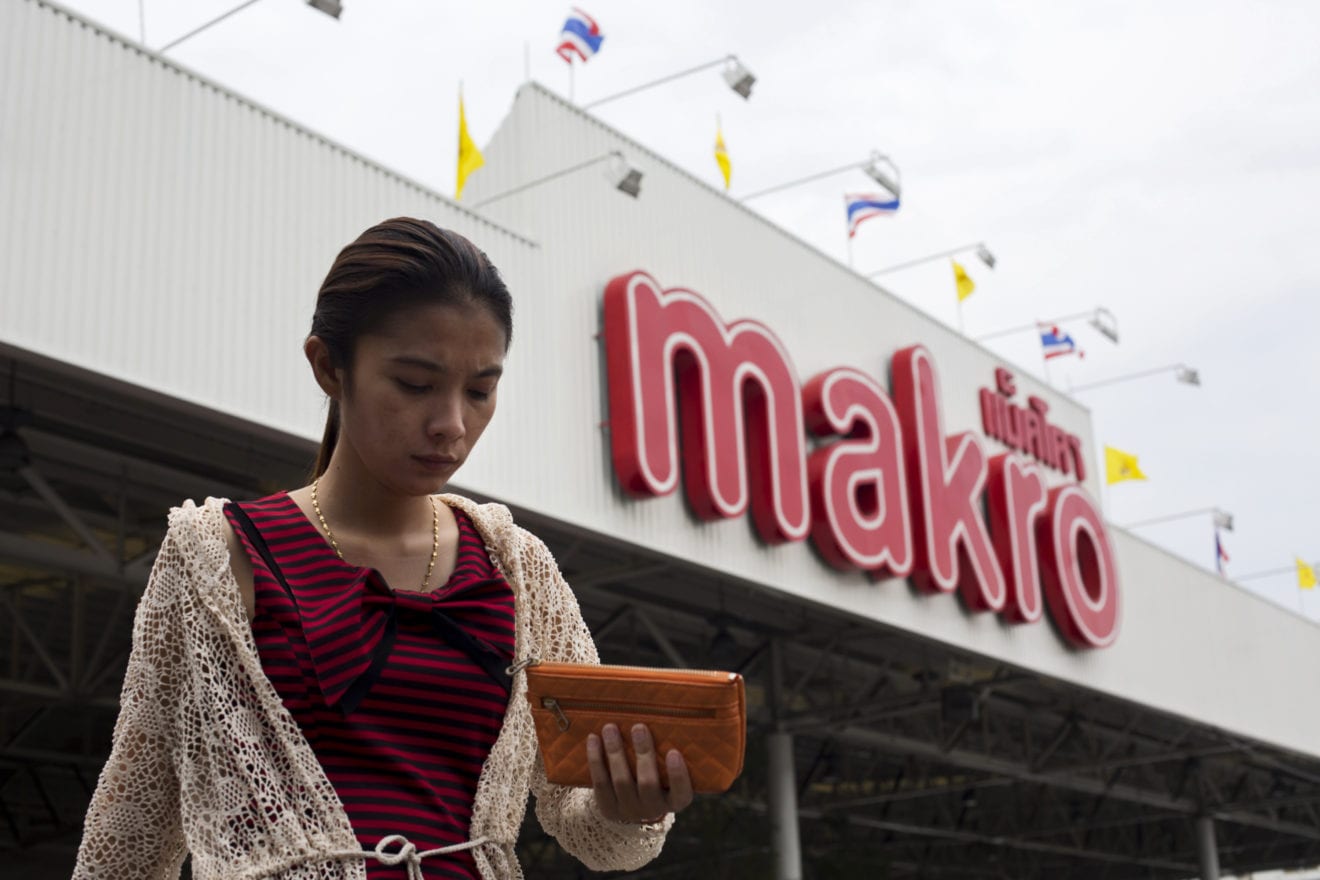
    Thai cash-and-carry chain Siam Makro plans to invest up to 9 billion baht ($258 million) in opening stores this year in Thailand and overseas.

    Its parent company, CP All, which through its ownership of 7-Eleven Thailand is the country’s largest convenience store operator, plans to sell some of its 97 per cent stake in Siam Makro. It has appointed Siam Commercial Bank as financial advisor for a public share sale.

    It is reported CP All aims to keep a stake of more than 50 per cent in Siam Makro, whose main customers are hotels, restaurants and small convenience stores.

    Siam Makro plans to spend 6 billion baht to open 20 stores in Thailand this year, plus 3 billion baht to expand elsewhere in Southeast Asia. CFO Saowaluck Thitaphant says possible markets include Cambodia, Laos and Vietnam.

    She says the company is also interested in India, and plans a store for Myanmar once the political climate is clearer following elections.

    Siam Makro expects revenue to rise by less than 10 per cent this year.

    CP All, controlled by billionaire Dhanin Chearavanont’s Charoen Pokphand Group, says it will use proceeds of the share sale to repay debt.

  • Gammon India to sell EPC biz to Thailand firm for Rs 250 crore

    Gammon India to sell EPC biz to Thailand firm for Rs 250 crore

    Debt-laden civil contractor Gammon India has accepted the proposal from Thailand-based GP Group to sell a controlling stake in Gammon’s engineering, procurement and construction (EPC) business for R250 crore.

    In a filing to BSE, the company said that the board of the company “considered and accepted the proposal from GP Group, Thailand to invest in the company’s Civil EPC by investing in the company’s wholly owned subsidiary, Gammon Retail Infrastructure Private (GRIPL)”.

    As part of the agreement, GP Group shall invest a sum of R250 crore, of which R26 crore is to be invested on completion of business transfer agreement and balance R224 crore upon completing the scheme of arrangement for acquiring upto 75% stake in GRIPL.

    The sale of EPC business forms part of the company’s efforts to repay the CDR lenders. Gammon India’s CDR package of R13,000 crore in 2013, was among the largest approved in the last two years.

    According to the Master Restructuring Agreement (MRA) dated September 24, 2013 executed by Gammon India with the CDR lenders, the company was required to ensure that either the corporate guarantees issued by the company on behalf of its subsidiaries are released in full or the company monetises or divests its investments in the domestic and overseas subsidiaries.

    However the progress on company’s asset monetisation programme and sale of foreign businesses has remained very slow. The signing of agreement for the sale of EPC business, is the first in a series of asset sales that the company needs to undertake to repay the banks.

    On November 23, lenders had decided to initiate strategic debt restructuring or SDR for Gammon India by converting a portion of its debt to equity. Lenders have 18 months to find a buyer for the firm, failing which the account will need to be classified as a non-performing asset (NPA). In August last year, Gammon India’s board had approved the restructuring and transfer of its EPC business to Gammon Retail Infrastructure (GRIL) and the T&D business to Transrail Lighting (TLL), subsidiaries of Gammon India. In FY14 ending September 2014, GRIL reported a loss of R42,807 and TLL reported a net loss of R89.3 lakh.

    In December, the consortium of eight banks had become the largest shareholder of Gammon India in the public shareholder category. As on March 9, banks stake in Gammon India had gone up to 55.43%, which was further upped to 63.41% as on March 18, according to the shareholding pattern on BSE. The shareholding under financial institutions/banks stood at 2.18% as on September 30.

    The SDR rules allow banks to convert a company’s debt into shares at a price below the current market value or an average of closing prices in the ten trading days before a decision is taken at the Joint Lenders Forum(JLF). They can hold at least 51% of the equity of the company.

    The company’s gross debt at the end of March 2014 stood at R11,061 crore, up 15.4% over March 2013, Bloomberg data showed. In FY14, the company reported a consolidated net loss of R729 crore on the back of R3,763 crore in revenues.

    The finance costs stood at R699 crore. The company has not reported its 2015 earnings numbers.

    The company is promoted by Abhijit Rajan (2.24%) who is also its chairman and managing director and other promoters include Pacific Energy Private (4.93%), Devyani Estate and Properties (3.33%) among others. Their stakes have come down to present levels from 5.99%, 13.20% and 8.93% respectively, at the end of September 2015.

    Gammon India plans to divest 30% in Gammon Infra Projects

    Gammon India will be divesting up to 30% stake in its listed infrastructure arm Gammon Infrastructure Projects (GIPL), held through its wholly owned subsidiary Gammon Power Limited (GPL), said a BSE notice. Company’s board has approved the divestment, which will be done in one or more tranches. “This divestment will be done at such times and in such manner as the board /duly constituted committee of directors, may approve, on the floor of the stock exchanges, at the price prevailing on the exchanges on the date of such sale,” the company said. fe Bureau
  • Telenor confirms it may pull out of India

    Telenor confirms it may pull out of India

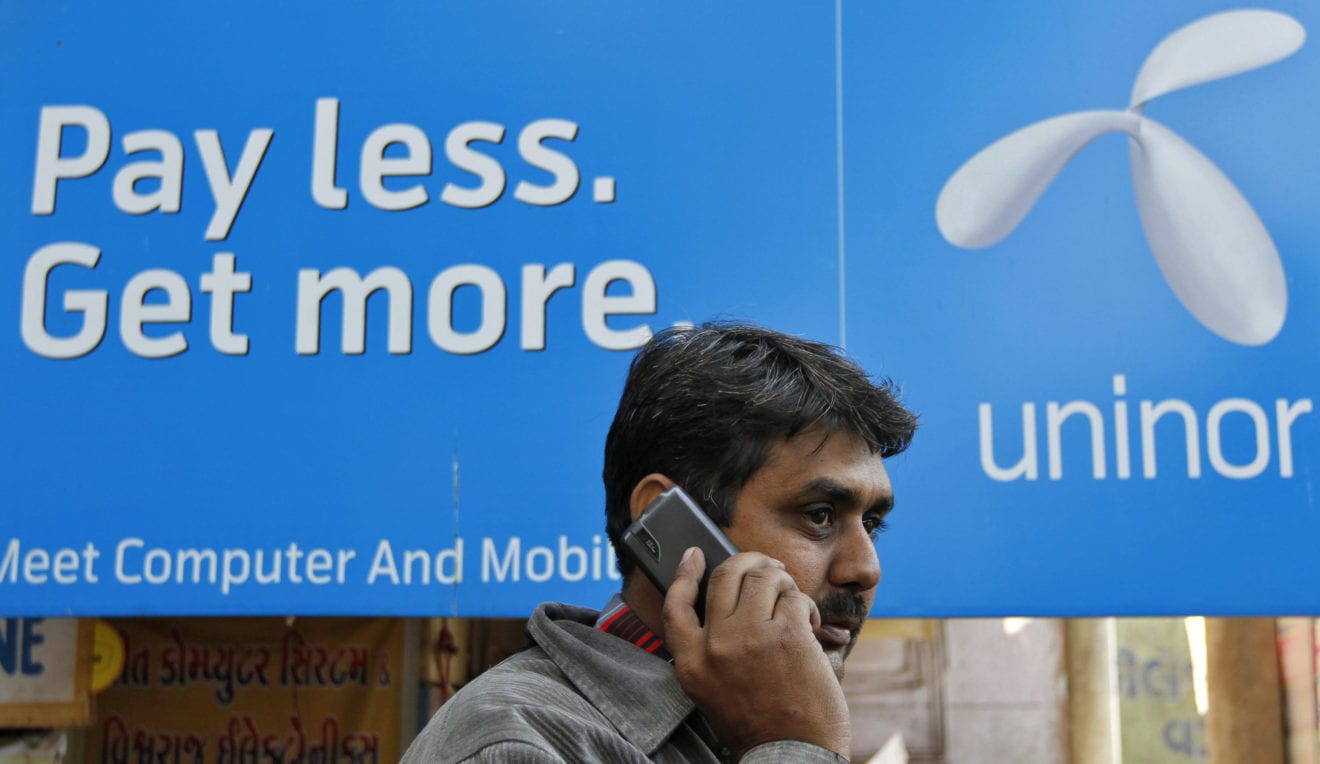
    Norway-based Telenor has confirmed it may exit the Indian market if the operator is unable to procure spectrum at affordable rates, as operating losses from Telenor India mount.

    Announcing its financial results, Telenor group CEO Sigve Brekke said the operator’s long-term presence in India is dependent on the ability to secure additional spectrum at a price that can be justified.

    Telenor is looking into participating in upcoming auctions and into potential spectrum trading options, but will remain open to other alternatives in case the price doesn’t justify the move. Brekke said the company is looking at all options for a sustainable business model.

    æThe news comes as Telenor India reported a substantially wider operating loss of 3.1 billion krone ($381.5 million) for the first quarter of 2016, despite an 11% increase in revenue.

    The company recorded an impairment loss of 2.3 billion krone for the first quarter of 2016 due to network equipment and spectrum depreciation.

    Indian media reports from earlier this month suggested that Telenor is considering withdrawing from the Indian market even as the operator gears up to launch LTE services across its footprint.

    As part of its LTE rollout, the company has already launched services in one city, and plans to expand this to at least 6-8 more in the next 60 days.

  • Mobiles sold in India must have panic button from 2017

    Mobiles sold in India must have panic button from 2017

    India’s telecoms ministry will mandate that all mobile phones sold in the country from 2017 must include a ‘panic button’ providing easy access to emergency services.

    As part of the new norms phones sold from 2018 will also have to include GPS navigation systems.

    While it is not yet clear what form the panic button system will take, it is likely to allow customers to call emergency services by pressing or holding a single button or pressing the power button several times in a row.

    The regulation also applies to feature phones, and will likely be achieved by holding down a button on the keypad.

    The move forms part of a wider campaign to help ensure the safety of women in the wake of growing reports of violence including rape and molestation. Women’s safety has been a political priority since the high-profile fatal gang rape of a 23 year old student on a Delhi bus in 2012.

    While India currently lacks a central number for calling emergency services, the government is aiming to introduce one this year.

    Manufacturers selling devices in India – including international smartphone giants like Apple and Samsung – will need to be compliant with the new regulations from next year.

  • DBS introduces a mobile-only bank in India

    DBS introduces a mobile-only bank in India

    Singapore’s DBS Bank has launched what it says is India’s first mobile-only bank. Dubbed digibank, the mobile app functions as an entirely paperless, signatureless and branchless bank for India’s residents.

    The initiative aims to break away from conventional banking norms such as form filling and other cumbersome processes.

    Account-opening can be done easily and effortlessly at an extensive network of outlets run by DBS’ partners, including over 500 cafes across India. No paperwork will be involved and instead, customer authentication is done purely using the Aadhaar card, a biometrics-enabled ID which has been issued to over 1 billion Indians.

    Other digibank features include 24/7 customer service provided by a real-time, AI-driven virtual assistant, which understands natural language and is incorporated with the ability to anticipate and answer some 10,000 customer questions.

    This AI feature was made possible due to DBS’s partnership with US-based fintech Kasisto. The latter is a spin-off from SRI International which created the technology behind Apple’s Siri.

    In-built into digibank is a budget optimizer that helps customers do their budgeting, track expenses and analyze purchasing trends. The function is equipped to understand customer behavior and preferences, synthesize data, and provide recommendations.

    The budget optimizer also studies customers’ spending patterns and prompts them if they are overspending. Conversely, if a customer’s savings regularly exceed his or her expenditure, digibank will provide suggestions on how to make one’s money work harder.

    Dynamic inbuilt security, which is safer than OTP, is employed in digibank. Most bank customers are used to receiving One-Time Passwords (OTPs) via SMS, and then typing codes into pages to authorize their mobile banking transactions. digibank has an embedded soft token security, avoiding the need to wait for SMSs to arrive and providing even stronger security for transaction authorization.

    The new offering also gives account-holders earn 7% interest from the first rupee, one of the highest in the market with no minimum balance requirements. Customers receive a physical debit card which can be used across all Visa-enabled online and POS transactions, as well as overseas. Free cash withdrawals will be available at more than 200,000 ATMs nationwide.

    Said DBS CEO Piyush Gupta, “India’s banking system is at the cusp of massive change, and as a bank committed to shaping the future of banking, we are excited to roll out a revolutionary, mobile-only bank. With digital, we are able to create a completely different customer experience. What’s more, digibank’s efficiencies and lower costs enable us to pass on significant benefits to customers in the form of greater customer value.”

  • India discounts narrow as jewellers reopen shops after strike

    India discounts narrow as jewellers reopen shops after strike

    Gold demand in India improved this week as jewellery retailers reopened stores after a strike, but the world’s second biggest bullion market remained at a discount to the global benchmark as purchases across the region were curbed by higher prices.

    Indian jewellers went on an indefinite strike since the start of March in protest over the reintroduction of a sales tax on gold jewellery after four years. They started opening shops from last week.

    “Demand is better than last week, but it is lower than expected,” said Harshad Ajmera, the proprietor of JJ Gold House, a wholesaler in the eastern Indian city of Kolkata.

    “We were expecting retail consumers’ rush as jewellery shops were closed for a long time. We couldn’t see that kind of rush.”

    Dealers were offering a discount of up to $8 an ounce to the global spot benchmark this week, down from a discount of up to $25 last week. The discount hit a record high of $53 an ounce in late February on weak demand.

    India’s gold imports in March slumped 80.5 percent from a year ago to $973 million, the government said earlier this week.

    “Gradually discounts will taper off and we could see market at parity or at premium by Akshaya Trititya,” said a Mumbai-based bullion dealer with a private bank.

    India will celebrate Akshaya Tritiya, the second-biggest gold-buying festival after Dhanteras, on May 9.

    For now, a rally in global gold prices has kept buyers away.

    The gold price hit a five-week high of $1,270.10 an ounce on Thursday, and was set to post a weekly gain of 1 percent. [GOL/]

    Dealers said they were seeing some investment demand for gold, though not robust purchases.

    “These prices are quite high for retail consumers so they are holding back,” said a bullion dealer in Hong Kong.

    “Banks and trading house are trying to reduce their gold inventory as there is no demand, so premiums are quite low,” he added.

    Prices in Hong Kong were at a premium of 50 cents an ounce to the global benchmark, their lowest since May 2015, traders said.

    In top consumer China, premiums were steady at around $1 to $2 an ounce. Tokyo prices were on par, with dealers reporting little demand. Singapore premiums also held near 50 cents.

  • Spar Asia flourishes

    Spar Asia flourishes

    Food retailer Spar Asia had “significant” developments during its latest financial year.

    In a partnership with Ramayana, the Amsterdam-based group opened 15 stores in Indonesia in nine months, had rapid growth in India after re-entering the market in 2014, and saw its China sales rise 6.8 per cent to €1.9 billion (US$2.14 billion).

    Internationally, its retail sales netted €33 billion for the year, a 3.5 per cent increase on 2014 – the group’s strongest sales growth in five years.

    During the year it entered four new countries, in Asia, Africa and the Middle East, taking its total to 12,100 stores in 42 countries serving 13 million customers a day. Spar International’s multi-format strategy includes hypermarkets, supermarkets, and neighbourhood and convenience stores.

    The fresh department is at the core of the Spar concept, with the stores also offering FMCG products and core non-food ranges. Value is underpinned through its low-priced, quality private-label products.

  • Muji India set to make history

    Muji India set to make history

    Muji India  is about to become the first Japanese retailer to open stores in the nation.

    One is planned for Mumbai, the commercial capital, and another in Bangalore, the hub of the IT industry.

    This follows the forming of a joint venture by Muji owner Ryohin Keikaku, Tokyo, with Reliance Brands, based in Mumbai.

    Ryohin Keikaku is also the first-ever Japanese retailer to receive individual approval for a direct investment from the Indian government’s Foreign Investment Promotion Board.

    Its first venture will be the Muji Palladium. Opening in 2009, Mumbai’s Palladium is one of India’s largest shopping centres, attracting more than 24 million visitors every year. It has luxury retail brands, restaurants and a food court, and is next to a five-star hotel and cinema complex. The Muji India store, scheduled to open in August, will cover about 207 sqm.

    Muji’s second outlet will be in the VR Mall next to Phoenix Market City, which has fashion stores as well as a cinema complex and restaurants. Covering about 485 sqm, the Muji store is scheduled to open in September.

  • Zalora Thailand and Vietnam to be offloaded

    Zalora Thailand and Vietnam to be offloaded

    Rocket Internet is selling its Zalora Thailand and Vietnam eCommerce fashion sites.

    This follows the Alibaba Group investing in Rocket Internet’s Lazada, valued at US$1.5 billion. Zalora, which raised more than $250 million, was once on an equal footing with Lazada, according toTechCrunch.

    Southeast Asia did not have service from Amazon or eBay when Rocket started Lazada and Zalora in 2012, but the two outlets have posted heavy losses and experienced slow market growth.

    Zalora, part of the Global Fashion Group (GFG), covers 11 countries across Asia Pacific, including Australia, Indonesia and Taiwan. While its revenue rose 78 per cent to US$234 million last year, its net loss blew out 36 per cent to $105 million.

    Meanwhile, Rocket has announced a new strategy that takes it back to its roots, launching early-stage startups. It sold India-based Fab Furnish this month and Foodpanda Vietnam last year, and is said to be seeking buyers for Foodpanda India and eCommerce site Jabong.

  • Vodafone said to start preparations for Indian IPO

    Vodafone said to start preparations for Indian IPO

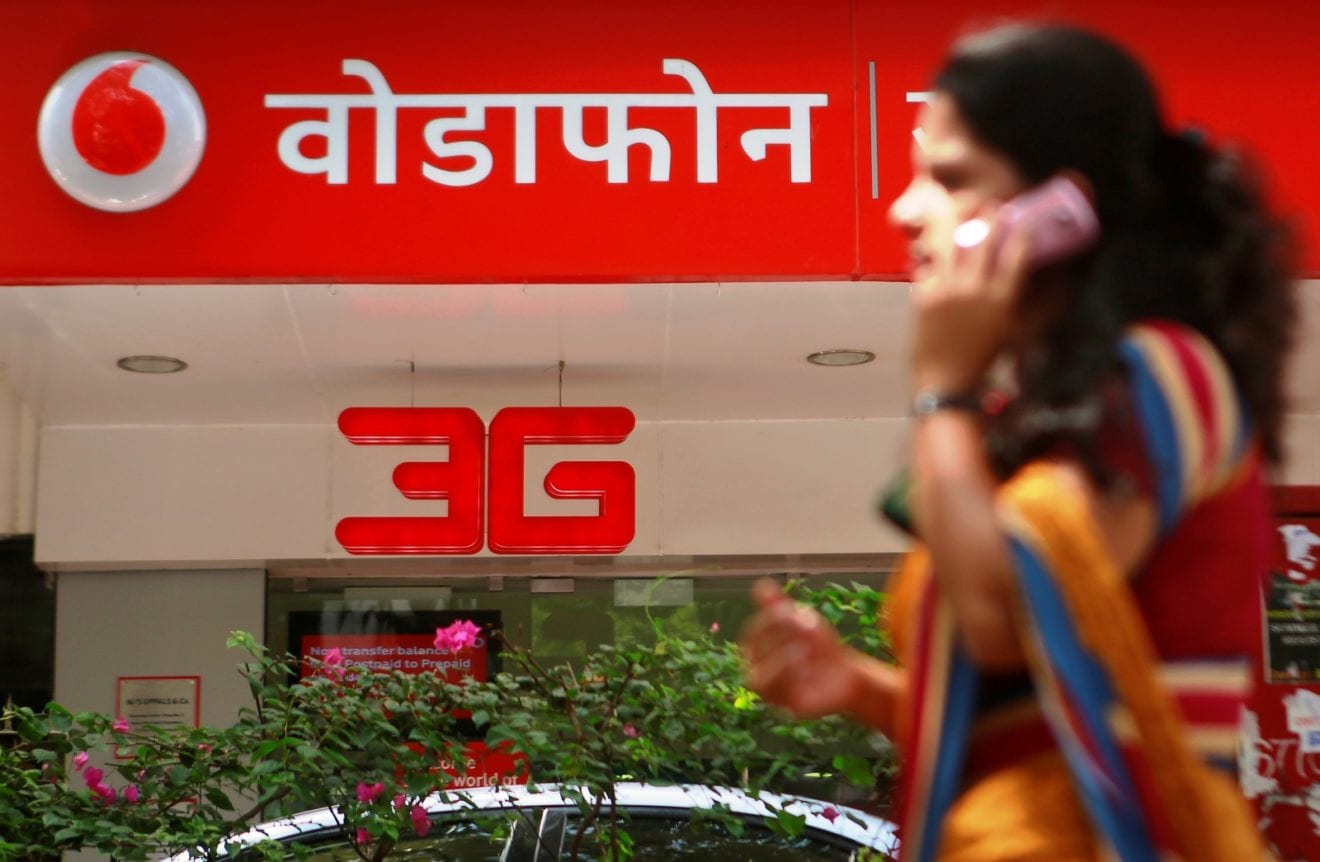
    The company has asked interested investment banks to sign NDAs so it can provide more detailed information about the unit, citing people familiar with the matter.

    Vodafone may be ready to pick advisers by next month, the sources said. Around 10% of the Indian unit could be sold as part of the IPO. Vodafone India has a potential valuation of around $20 billion, which would make the IPO the largest in India to date.

    Vodafone has been planning to conduct an IPO for Vodafone India for some time, but macroeconomic, regulatory and market conditions have stood in the way.

    On the record, Vodafone spokesperson Matt Morgan commented that “[w]e have previously stated that we have started preparations for a potential IPO, which includes private conversations with banks, but this is a lengthy process and no decision will be made until we are at the end of it.”