Retail News CRM

Tag: india

  • Asian retail outlook: “more cautious”

    Asian retail outlook: “more cautious”

    High operating costs – particularly rents and labor in Asia – will ensure retailers are more cautious this year, concludes real estate specialist CBRE.

    In its annual Asian retail outlook, the company’s research department predicts many retailers will shift their strategic focus from expanding their store networks to rationalisation, improving in-store profitability and upgrading to better locations.

    That trend is expected across the broad Asia-pacific market, including Hong Kong.

    “Leasing activity will diverge across markets, with Australia, Japan and New Zealand the most upbeat, whereas Hong Kong and Singapore will continue to struggle,” CBRE concluded.

    “Driven by ongoing urbanisation and wage increases, Southeast Asia will also see solid leasing activity. Demand across the region will be led by food and beverage retailers, while affordable and niche luxury brands will also be active.”

    CBRE also warns the rise of online shopping will continue to force shopping malls to embrace ‘retail-tainment’ and adjust their trade mix to include more experience-oriented retailers to retain foot traffic. Around 63.8 million sqft of new shopping center supply is scheduled to be completed in 2016. Against the sluggish leasing demand and ample new supply, overall retail rents are forecast to experience a mild correction of below 1 per cent in 2016.

    In a broader property outlook, CBRE forecasts that due to Asia Pacific’s steady economic growth – which will continue to outpace the rest of the world in 2016 – investment activity in the region will remain solid, although activity will be limited by asset pricing and availability.

    “The region’s investment market will continue to see strong demand from real estate funds and institutional investors. Institutional investors will continue to invest in Asia Pacific to increase their exposure to real estate for strategic diversification,” said Dr Henry Chin, head of research, CBRE Asia Pacific.

    “That said, Asia Pacific will enter a period of slower growth in the commercial real estate market with activity likely to moderate over the course of the year as it becomes more challenging to source investable stock able to meet investors’ target returns. Interest rates will remain low in 2016 so yields are largely to remain stable across Asia Pacific. However, we are expecting to see a mild yield expansion in 2017 together with the rise in interest rates.”

    The economic slowdown in China – as well as higher-than-expected US interest hike rates, and currency volatility – will also remain a key concern for investors, given the scale of its impact across the whole region.

    “However, macro trends of urbanisation and the rise of the middle class remain largely unchanged and will continue to drive growth across Asia.

    “There are structural investment-themed opportunities for investors to focus on in 2016, such as the growth of e-commerce, regional tourism and demographic changes. Demographic changes will create opportunities in niche sectors such as self-storage facilities, senior and student housing, and data centers,” said Chin.

    “Regionally, active markets will continue to be led by Australia and Japan, whilst India expects to see a positive year following the relaxation of FDI norms at the end of last year.

    “China will also remain on the radar for most international investors although demand will be largely confined to tier I cities. Overall, the long-term outlook remains positive for the region,” he concluded.

    CBRE’s 2016 APAC Real Estate Market Outlook report can be downloaded here.
  • Ratan Tata backs retail tech startup SnapBizz

    Ratan Tata backs retail tech startup SnapBizz

    Tata Sons’ chairman emeritus Ratan Tata has invested an undisclosed amount of funding in retail technology startup SnapBizz Cloudtech Pvt Ltd.

    Earlier last month, the startup, which provides an Android-based connectivity platform to local offline grocers, raised $7.2 million (around Rs 48.7 crore) from Jungle Ventures, Taurus Value Creation and other VC firms, to expand across key cities in India.

    Before that, the Singapore-headquartered firm, which has an office in Bangalore, received a seed funding of $1.7 million from Qualcomm, Jungle Ventures, National Research Foundation of Singapore, Taurus Value creation and Blume Ventures.

    This is the eighth investment in 2016 for Tata, one of India’s most active angel investors last year. This year, Tata has also invested in tea etailer Tea Box, coupons site CashKaro, baby products e-commerce site FirstCry, startup analytics firm Tracxn, animal lovers’ portal DogSpot, Invictus Oncology and Moglix. He has backed 29 startups since retiring as Tata Group’s chief.

    “A visionary of Tata’s stature showing confidence in SnapBizz is certainly a big boost for our business idea and will continue to accelerate the digital revolution in India’s kirana stores,” said Prem Kumar, CEO and founder, SnapBizz, in a statement.

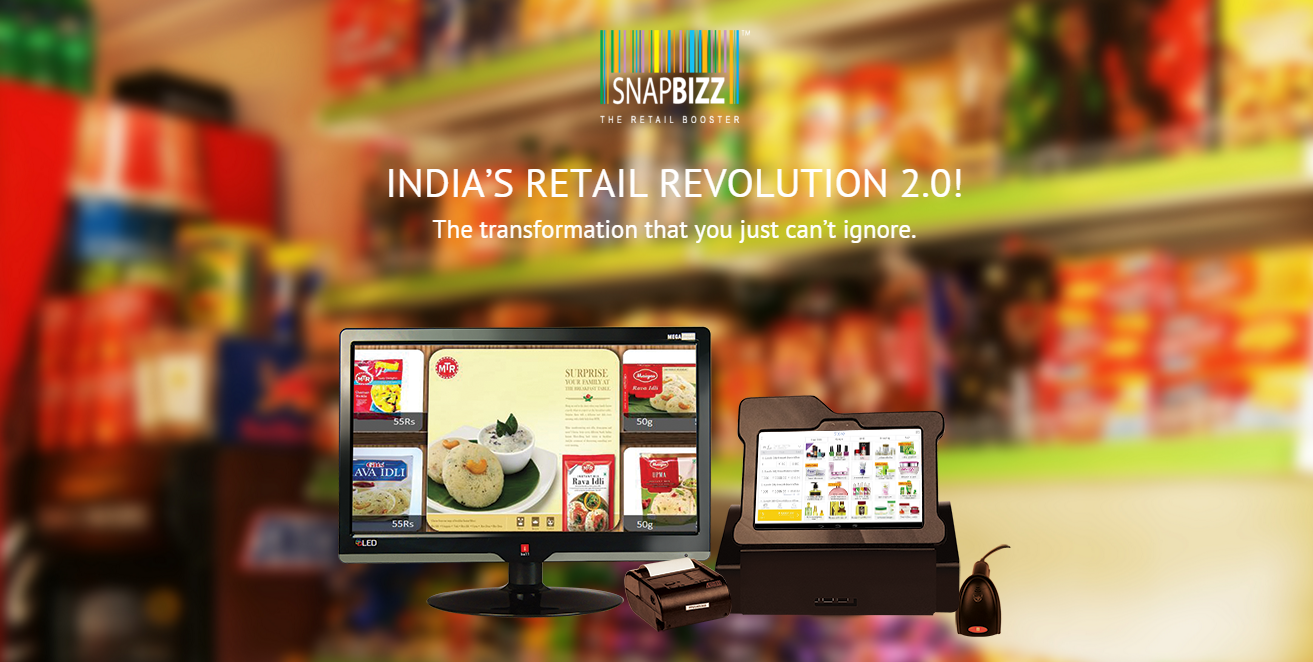
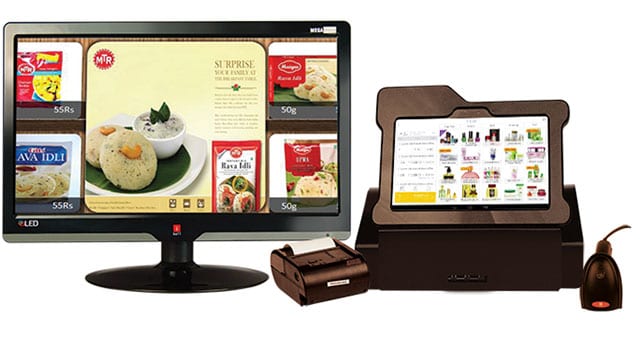
    Founded in 2013 by Prem Kumar and Yashwant Prakash, SnapBizz aims to develop a mobile technology platform to connect the various stakeholders of a fragmented retail market ecosystem. SnapBizz’s Android-based, cloud-connected solution in the form of a tablet, barcode scanner, printer and a consumer-facing LED display enables merchants to manage their billing inventory and customer engagement.

    SnapBizz currently works with over a thousand kirana stores across Mumbai, Pune, Delhi, Hyderabad, Chennai and Bangalore and aims to expand its footprint across tier 1 and 2 cities.

  • Genesis Luxury takes on Coach India

    Genesis Luxury takes on Coach India

    Indian fashion conglomerate Genesis Luxury Fashion has formed an exclusive partnership to New York design house Coach to introduce it to the Indian market.

    The first Coach India store will open to coincide with the brand’s 74th anniversary this year.

    “We are confident the brand’s commitment to heritage and innovative design will be warmly embraced by the growing number of Indian luxury consumers, who are innately drawn to craftsmanship, ” says Genesis Luxury MD Sanjay Kapoor.

    “Coach has tremendous potential in our market, and with our shared vision and well-defined strategies, we are focussed on accelerating its retail presence and visibility across key cities in India over the next few years. ”

    Coach international group president Ian Bickley says the company is confident its luxury store environment featuring designer Stuart Vevers will be “embraced and coveted” by fashionable Indian buyers.

    Established in New York City in 1941, Coach is known for its leather goods.

    After consolidating the Indian fashion market with such designer labels as Bwitch and Satya Paul, Genesis Colors (established in 2001) moved into marketing and distributing global luxury brands through its subsidiary Genesis Luxury Fashion in 2008. Its portfolio includes Burberry, Bottega Veneta,Canali, Giorgio Armani, Emporio Armani, G-Star Raw, Hugo Boss, Jimmy Choo, Michael Kors, Paul Smith, Tumi and Villeroy & Boch.

  • Ratan Tata invests in retail tech startup SnapBizz

    Ratan Tata invests in retail tech startup SnapBizz

     Ratan Tata Now Invests In Retail Tech Startup SnapBizz. Tata Sons’ chairman emeritus Ratan Tata has invested an undisclosed amount of funding in retail technology startup SnapBizz Cloudtech Pvt Ltd.

    SnapBizz is now has presence in retail outlets in Mumbai, Pune, New Delhi, Bengaluru and Hyderabad through a technology solution addressing the key business challenges faced by them.

    Commenting on the funding, Prem Kumar, Chief Executive, Snapdeal said, “Tata, as one of the most respected names in corporate India, brings a rich legacy of doing business with a human touch”.

    The announcement comes less than a month after the Singapore- and India-based startup announced US$7.2 million in Series A led by Jungle Ventures, with participation from Taurus Value Creation, Konly Venture and Blume Ventures. “It comprises of tablet, barcode scanner, thermal printer and an intelligent external 22” consumer facing LED display for Hi-Definition consumer engagement.

    SnapBizz had previously secured US$1.7 million in seed funding from Qualcomm Ventures, Jungle Ventures, National Research Foundation of Singapore, Taurus and Blume.

    This is Mr Tata’s eighth investment in start-ups in 2016 so far.

    In a diverse market like India, where the traditional kirana stores make 98% of store universe and 85% of retail business, the Snapbizz solution is revolutionizing kirana stores across the country by connecting all the dots of the fragmented FMCG ecosystem (brands, retailers, consumers, wholesalers and distributors) and addresses pain points of all stakeholders. This year, Tata has also invested in tea etailer Tea Box, coupons site CashKaro, baby products e-commerce site FirstCry, startup analytics firm Tracxn, animal lovers’ portal DogSpot, Invictus Oncology and Moglix.

  • Apple Retail Stores Headed To India Soon

    Apple Retail Stores Headed To India Soon

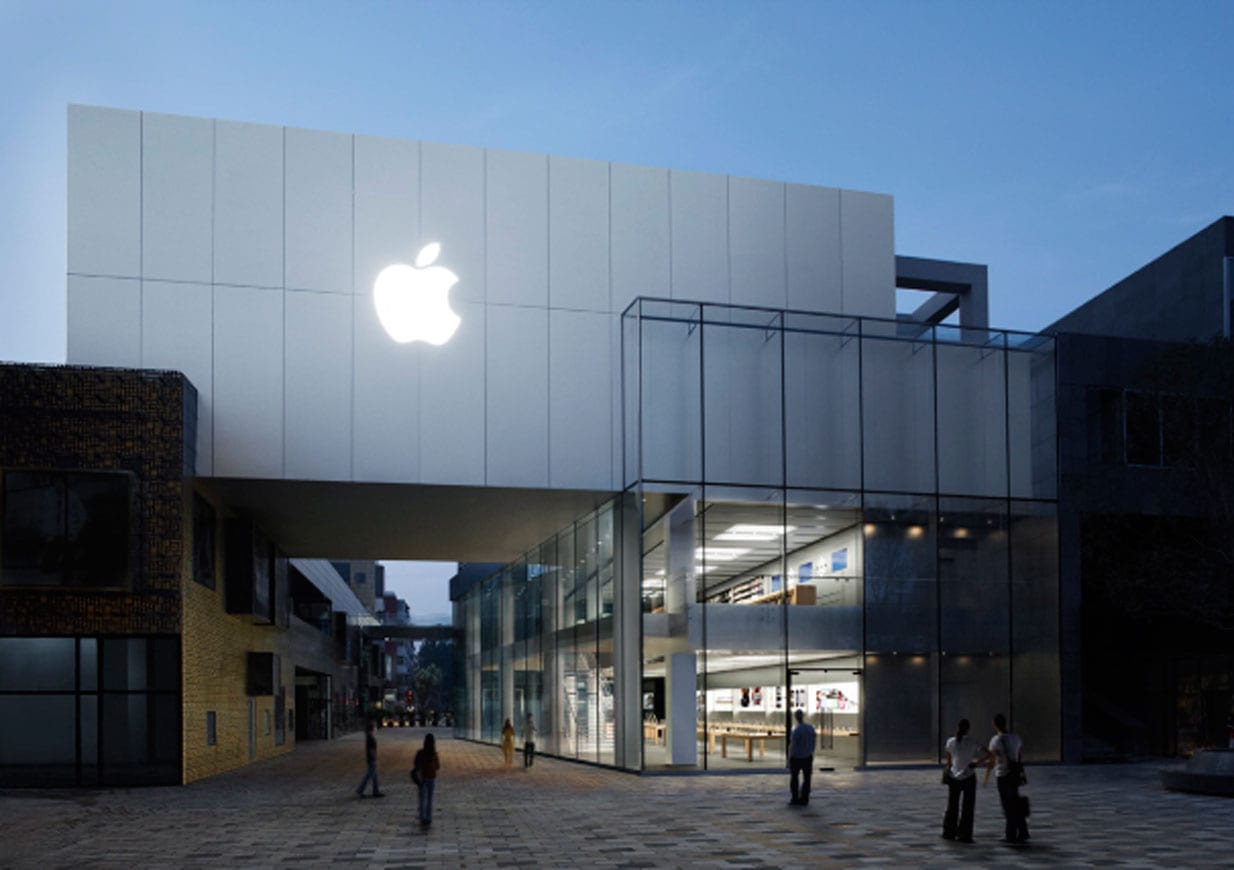
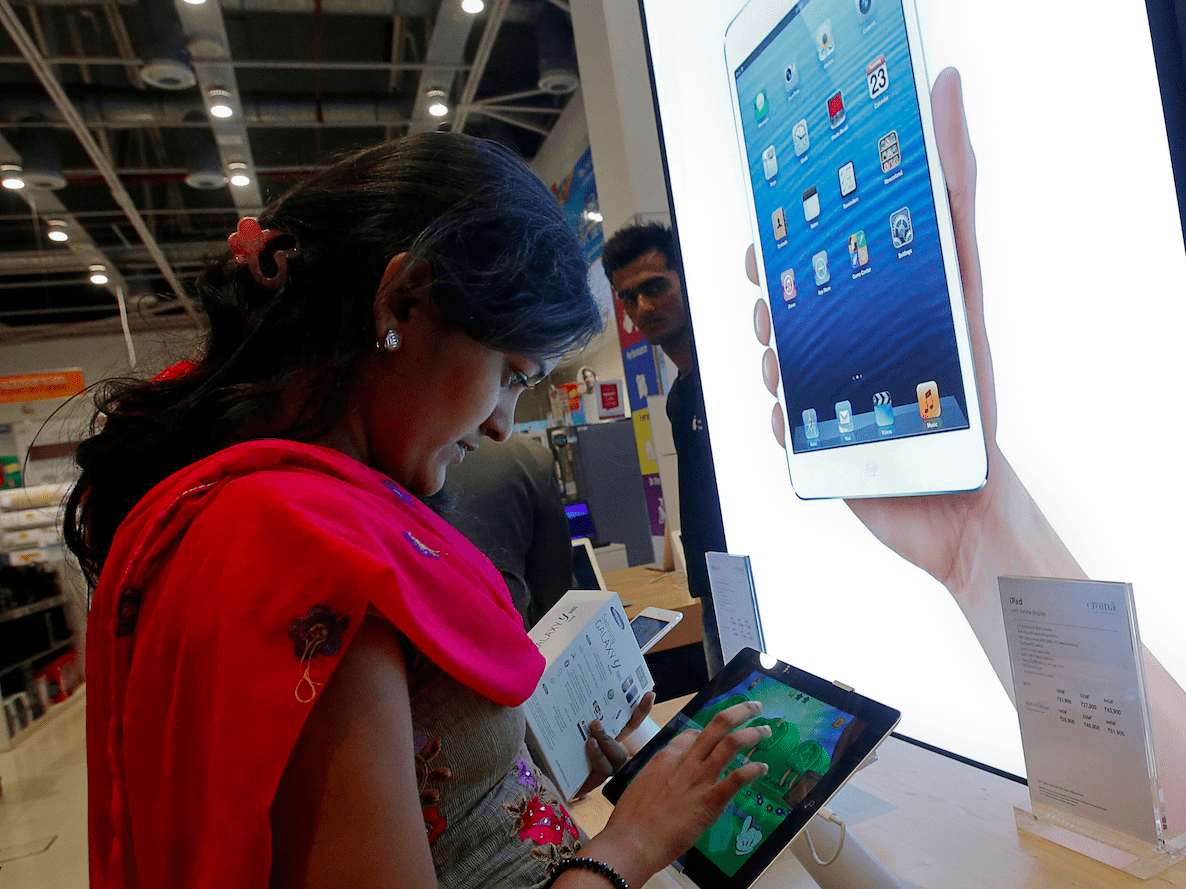
    Apple is working to open retail stores in India, now the world’s second-largest smartphone market. Although Apple has eyed the country for a while now, the company’s plans point to a quick and rapid expansion to help its iPhone sales.

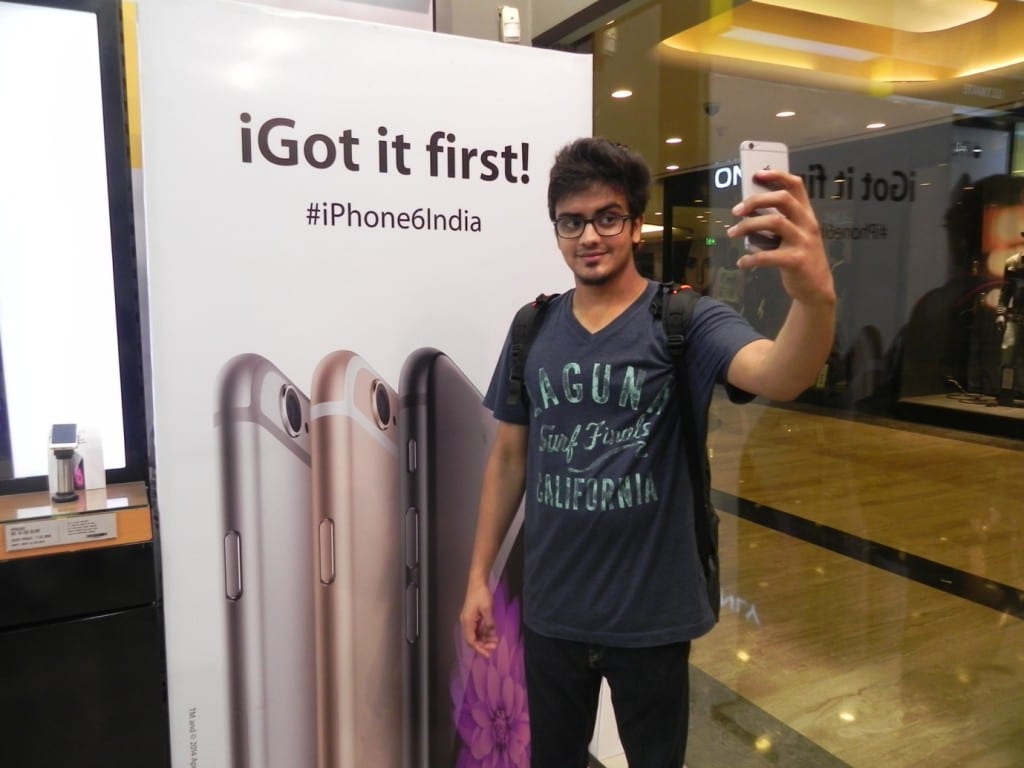
    Apple is working to open its first retail stores in India, a country of 1.3 billion people that’s grown into the world’s second-largest smartphone market, behind China, and one that can help keep new customers coming to the iPhone.

    To get that process started, Apple submitted an application to receive government approval to open its first stores there, though it didn’t get the “format” quite right and has resubmitted the application, according to a Feb. 7 report from Bloomberg Business. An unnamed source told the publication that it’s not clear how many stores Apple aims to open, or in what time frame the application may be approved.

    During Apple’s Jan. 26 earning call with analysts, CEO Tim Cook pointed to India as an “incredibly exciting” market for growth and an example of Apple’s ability to find investment opportunities during times of economic uncertainty.

    “Some of the most important breakthrough products in Apple’s history were born as a result of investing through the downturn,” Cook said during the call. “We’ve also seen these times as opportunities to invest in new markets, just as we’re doing now in areas such as India.”

    As of the close of Apple’s quarter, 66% of its revenue was generated outside of the US. Despite economic softness, Cook said that Apple saw its best results ever in Greater China, with revenue growing 14% over last year and 47% sequentially.

    It currently has 28 stores in China and plans to have 40 by this summer.

    Highlighting the potential that India represents, Cook noted that while the median age in China is around 36 or 37, in India it’s 27.

    “Almost half the people in India are below 25,” Cook noted. “So I see the demographics there also being incredibly great for a consumer brand and for people that really want the best products.”

    Sales of iPhones in India grew 76% during the quarter.

    During the calendar third quarter of 2015, one in three smartphones shipped in India was 4G enabled, an almost threefold increase over the previous quarter

    Nearly half of the smartphones sold there during the quarter had 5-inch-plus displays and prices below $200. With sub-$150 LTE devices, Samsung currently dominates India’s budding smartphone market, with a 24% share, followed by Micromax, an Indian brand, with a 16.7% share.

    Apple’s marketshare, by comparison, is around 2%, which analysts attribute, in part, to Indian consumers’ lack of an in-store experience and the relative high prices of the iPhone.

    Following Apple’s last earnings call, Jackdaw Research analyst Jan Dawson explained that while Apple continues to diversify its revenue streams, the size of its iPhone base “becomes ever more important to its revenue growth.”

    While Apple introduced the Apple Watch, Apple TV, Apple Music, and the iPad Pro in 2015 to spur growth and profitability, Dawson wrote, “almost all of these new products and services are tied to the iPhone in some way, and benefit greatly from the installed base of a half billion iPhone users.”

    While the iPhone itself will contribute less to Apple’s overall performance going forward, Dawson added, “it’s going to become ever more central to Apple’s future growth.”

    IDC analyst Kiran Kumar expects smartphone marketshare in India to finally outstrip feature phones in 2016, and for the country to see a “healthy double-digit growth rate” over the next few years.

    From the research of Counterpoint, “India smartphone user base grew to 220 million users by the end of 2015, surpassing [the United States] for the first time ever.”


  • H&M suppliers’ Bangladesh factories ‘unsafe’

    H&M suppliers’ Bangladesh factories ‘unsafe’

    Labour rights groups are calling on H&M to do more to protect garment workers in Bangladesh, after a review of strategic H&M suppliers revealed “severe delays” in urgent building repairs.

    The Clean Clothes Campaign, the International Labor Rights Forum, the Maquila Solidarity Network and the Worker Rights Consortium say the lack of action leaves “tens of thousands of workers at risk of death and injury”.

    The agencies were witness signatories to the Bangladesh Accord on Fire and Building Safety, and have published an update to an initial report into delays in safety repairs at 32 of H&M’s most strategic Bangladesh suppliers. The update, based on a review of publicly-available documentation carried out in January 2016, shows that all but one of H&M’s strategic suppliers remain behind schedule in making repairs and that over 50 per cent of them are still lacking adequate fire exits.

    “More than two and a half years into the process of the Bangladesh Accord every single mandated repair at H&M’s suppliers should have already been completed. However, the sad reality is that hardly any of H&M’s supplier factories in Bangladesh can be called safe,” said Scott Nova of the Worker Rights Consortium.

    The report does demonstrate some progress. Although the overall number of outstanding fire, electrical and structural renovations remains high at 37 per cent, the number of items reported as “behind schedule” at these 32 factories has decreased. However, the authors point out that, while this reflects actual progress in some cases, it is largely the granting of deadline extensions to factories rather than the completion of renovations that explains the improvement.

    “We are pleased that the pressure placed on H&M following our last report has resulted in some recent improvements, but are shocked that so much remains left to do,” said Liana Foxvog of the International Labor Rights Forum.

    “We urge H&M to provide meaningful funding for lifesaving safety renovations in order to put an end to the persisting delays.”

    Furthermore, the renovations required to ensure workers can safely exit a factory in the case of a fire are still subject to some of the most severe delays. In 13 per cent of the factories (compared to 16 per cent in September) lockable doors have not yet been removed; 38 per cent of the factories (compared to 55 per cent in September) still have not removed sliding doors and collapsible gates; and 55 per cent have failed to install fire-rated doors and enclosed stairwells (compared to 61 per cent in September. Any of these hazards could result in garment workers being trapped in a burning building, as has happened repeatedly in Bangladesh, including at H&M supplier, Garib & Garib, where 21 workers died.

    “H&M is able to increase profits in an extremely competitive climate, but yet the company is apparently incapable of getting all of its suppliers to carry out even simple actions such as removing a lock,” said Sam Maher of the Clean Clothes Campaign. “This is totally unacceptable.”

    Further information on the Accord on Fire and Building Safety in Bangladesh can be read here.

  • Apple Inc Set to Infiltrate India with Famed Retail Outlets

    Apple Inc Set to Infiltrate India with Famed Retail Outlets

    Imagine being in the hustle and bustle of everyday Mumbai traffic, and spotting an Apple Store across the street. This is about to get real, as Apple Inc. is on course to open its first single-brand retail outlet in India. Sources told Bloomberg that applications for retail business are already under process, with no approval date finalized as of yet. In his recent town hall meeting, CEO Tim Cook personally confirmed that the tech giant is going to open Apple Stores in India.

    Such a deal is believed to exempt Apple from local regulations, according to which, single-brand stores need to assemble products comprising 30% of locally-manufactured components. Currently, the company sells its iPhones, iPads, and other devices in the country via third-party distributors. The company’s push into India has been part of Mr. Cook’s turnaround strategy, as he aims to target the 1.3 billion Indian citizens and exploit the inherent growth potential in the country.

    This target market may be even more lucrative than China, as India’s population is relatively younger and has relatively low smartphone penetration. The country possesses a vast 4G connectivity network, unlike other emerging markets; this presents a lucrative opportunity for Apple, as it would be able to promote its latest gadgets in the region. Last year, India surpassed the US as the second-largest smartphone market, in terms of global unique active users.

    Apple reported a 38% year-over-year (YoY) sales increase in India in its latest quarterly earnings; the company sold over 800,000 units in the region during the quarter ended December 31, 2015. Sales in other emerging markets had shown stagnant growth for the same period, while China experienced a comparatively lower growth rate than India at 14%. Sales volume for the iPhone alone experienced 76% growth in India, compared to 45% in the Middle East, South Korea, and Africa, 18% in China, and 20% in Europe. Moreover, the India’s population has a median age of 27 years, as opposed to China, where the median age is 37 years.

    Such high-growth numbers indicate that now may be the perfect time for Apple to open its famed single-brand retail stores in India. Apple Stores are known for their distinctive setup, excellent customer experience, and strong brand association, which is known to deliver superior products. Such a setup is likely to attract the country’s youth, who helped raise India’s smartphone sales by 23% to 220 million in 2015.

    A major roadblock to Apple’s business, however, comes in the shape of local smartphone makers and other cheaper brands, as the country has a relatively lower income-scale than most of Apple’s other markets. But the tech giant has so far successfully weaved past this issue by enforcing aggressive price cuts on some of its older devices, such as the iPhone 5s. Even the iPhone 6s/6s Plus models were sold under various discount packages, and this pricing flexibility helped increase product availability across all third-party distributors.

    With the company reporting stagnant growth in global smartphone sales in its earnings release, due to increasing consumer product upgrade lifecycles, India may just be the bailout it seeks. The company aims to turn around faltering handset sales with the new iPhone 7. Establishing stores in major population centers such as Delhi and Mumbai can help it attain greater traction when the smartphone launches.

  • Foodpanda answer to rumors

    Foodpanda answer to rumors

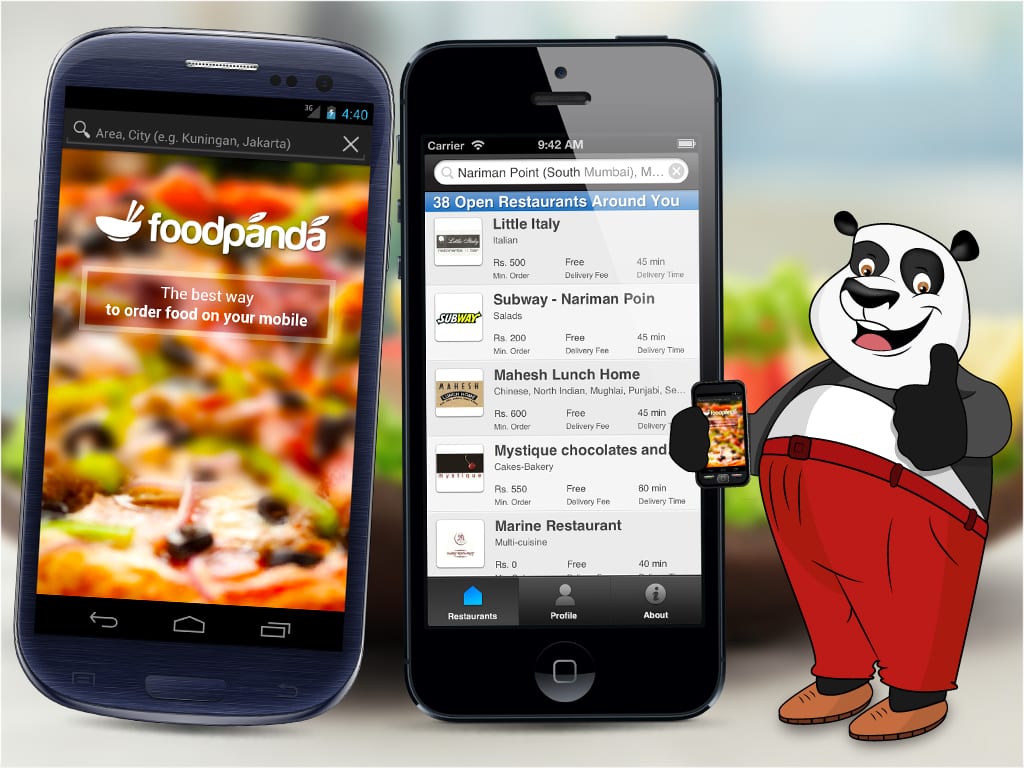
    Foodpanda India has rubbished reports it will close down, parent Rocket Internet saying the market is one of its fastest growing internationally.

    “We are extremely happy with the development of our business in India,” Saurabh Kochhar, CEO, Foodpanda India said in a statement emailed to Inside Retail Asia.

    “We are a global player in food ordering business, backed by a group of renowned investors. Whenever we have felt the need for investments we have invested and we will continue to do so.”

    Kochhar said the company is market leader in India’s online food sector.

    “We have achieved an outstanding rate of automation in India and have built incredible technological innovations that have dramatically improved our order processing, vendor management and delivery rider allocation.

    “Marketplace businesses generally require many years to turn profitable,” he continued. “We are happy to see this happening even faster at Foodpanda. Online food ordering is one of the most profitable internet business models and we are proving so in India as well.”

    Further, Kochhar told the Times of India the country is expected to be one of its top three globally by 2019.  Currently, its top markets are Russia, Singapore, Hong Kong, Saudi Arabia, India and Malaysia.

    “We have no plans to exit from the Indian market. We are best placed to grow and consolidate our leadership in the Indian market,” Kochhar said.

  • Myntra India pins hopes on sportswear

    Myntra India pins hopes on sportswear

    Adding more products and international brands to its portfolio, online fashion retailer Myntra India aims to grow its outdoor and sports range revenue by 20 per cent over the next 15 months.

    Owned by Flipkart, the company earns about 15 per cent of its revenue from sportswear and has just introduced apparel and footwear from US brand The North Face (TNF), reports The Times of India.

    “The North Face is an important addition to our list of international exclusive brands,” says Myntra head of eCommerce Prasad Kompalli.

    He says the outdoor category is expected to double its growth in 2016-17.

    TNF’s range went on sale this month. Part of VF Inc, it was founded in California in 1966 and specialises in outerwear, fleece and coats. It competes directly with Columbia Sportswear, which entered India in December 2013.

    VF Asia executive Bruno Feltracco says India offers a huge opportunity as a market.

    “Our experience in China helped us decide to first go online and understand the market. There is nothing that prevents us to go offline after we reach a certain stage,” he says. “We already have some of our other brands here doing really well.”

    VF Asia’s other brands include Lee, Wrangler and Nautica.

  • Apple’s Tim Cook confirms intent to set up retail stores in India

    Apple’s Tim Cook confirms intent to set up retail stores in India

    Weeks after we revealed that Apple has applied to the government to set up its fabled stores in India, its chief executive officer Tim Cook has confirmed the same, signaling India’s elevation in the Cupertino-based smartphone maker’s consciousness as one of its key growth markets.

    In a townhall meeting with Apple employees held at Infinite Loop headquarters in Cupertino in the days following the first quarter earnings, Cook said that Apple was in “early preparations” to bring its retail stores to India, according to report by 9to5Mac, which tracks developments at Apple very closely.

    Cook singled out India as “one of Apple’s most important growth areas for the next decade”, underlining its importance given its favourable demographics and surging smartphone sales.

    Apple’s top boss also said India unlike many emerging markets had 4G mobile services and it which therefore “gives Apple the opportunity to push its latest devices to regions like India”.

    Cook also fielded audience questions, attempting to reduce concerns related to the company’s iPhone dependence, and discussed porting more Apple services to Android and releasing cheaper iPhones to appease growing markets.

    India is the world’s fastest growing smartphone market, having surpassed the US in 2015 as the second largest by unique active users worldwide. This would make a strong case for Apple’s famed retail stores, distinct for its look, feel and customer experience, to come up as the brand enjoys a very strong aspiration value, especially among the youth.

    Apple has applied for the single brand retail license, which once granted, will allow it to open its own stores here. Currently, Apple sells its iPhone, iPad, Mac and other products through third-party resellers in the country. But with the government easing up foreign investment rules on single brands and relaxing mandatory local procurement conditions for high-tech companies, the doors are now open for Apple to make a direct foray.

    Apple posted its best ever quarterly sales in India recently, with volumes crossing 800,000 units for the three month period to end-December 2015. During this period, sales in developed markets faltered. Revenue in India surged 38%, albeit on a smaller base, compared with 11% growth in overall emerging markets and 14% in Greater China, its second-largest market after the US.

    iPhone sales volumes grew 76% in India compared with 45% in Korea, the Middle East and Africa, 20% in several western European countries and 18% in mainland China, in the October-December quarter.

    “During hard times like now, it provides an opportunity to invest in newer markets such as India where there are long-term prospects,” Cook said during the first quarter earnings last month, acknowledging the potential of the Indian market.

    “India is quickly becoming the fastest-growing BRIC nation, the third-largest smartphone market behind China and the US, and the median age of the population is 27 compared to 36-37 in China,” he added.

    Apple has been making aggressive price cuts on older devices such as iPhone 5s and even cut prices on iPhone 6s and 6s Plus models after consumers were deterred by the high cost of new models. It’s also increasing availability, including online besides giving greater flexibility to retailers and distributors on pricing.

  • Foodpanda India ‘likely to close’

    Foodpanda India ‘likely to close’

    Foodpanda India appears likely to be shut down after parent Rocket Internet failed to find a buyer at a bargain basement price.

    It’s the latest chapter for the increasingly troubled Asian operations of Foodpanda which last monthgave up in Vietnam after failing to win market share off rivals and in Hong Kong axed its upmarket spinoff brand Foodora, merging the two businesses into one.

    India’s Economic Times reports Foodpanda is “desperately searching for a buyer” for the troubled Indian business, despite setting the price tag at just US$10 – $15 million.

    “Both Zomato and Swiggy have been approached for a buyout, besides one larger horizontal company. But Rocket is yet to garner keen interest from possible suitors for Foodpanda,” another source told theTimes of India.

    At the end of December, Foodpanda India laid off 300 staff , about 15 per cent of its local workforce, as it faced increasing competition from Zomato. The company said the redundancies were the result of achieving near 98 per cent automaticon of its ordering process.

    The Economic Times reports Rocket’s problems in India are not restricted to Foodpanda.

    “The Samwer brothers-led Rocket Internet’s interest in its Indian portfolio has been waning with most of its flagship firms, including FabFurnish and PrintVenue, being put on the block,” the newspaper said.

    It concluded that if a buyer for the sites cannot be found the company would simply close them.

  • Apple turns to India as Chinese market weakens

    Apple turns to India as Chinese market weakens

    As red-hot sales in China show signs of cooling, Apple Inc executives are touting India’s growing appetite for iPhones.

    In an earnings call in which the company reported meager iPhone growth and forecast its first revenue drop in 13 years, the Indian market stood out as a rare bright spot for Apple.

    Sales of the company’s flagship smartphone climbed 76% in the country from the year-ago quarter, Apple CFO Luca Maestri said on the call.

    And Apple CEO Tim Cook suggested more growth is on the horizon, noting the median age in India is just 27.

    “I see the demographics there also being incredibly great for a consumer brand, and for people that really want the best product,” Cook said. “We have been putting increasingly more energy in India.”

    Growth in India is a tantalizing prospect as Apple grapples with the economic downturn in China, its second largest market. While revenue in Greater China rose 14% in the last quarter, Apple is beginning to see a shift in the economy, particularly in Hong Kong, Maestri told Reuters in an interview.

    India cannot immediately offset Apple’s woes in China, said analyst Neil Shah of Counterpoint Technology Market Research. The company averaged only about 450,000 smartphone shipments per quarter in India in 2015, compared with more than 15 million per quarter in China, Shah said.

    What’s more, nearly 70% of smartphones sell for less than $150, leaving just a sliver of the market for Apple’s high-end phones. The company’s smartphone market share stands at less than 2%, Shah said.

    But the Indian market seems to be turning in Apple’s favor. With 4G coverage spreading, Indian consumers will likely be more open to investing in smartphones, Shah said.

    Young consumers are already willing to spend heavily on the device at the center of their digital lives. As in China, Apple products are coveted status symbols.

    “The love for the iPhone is there,” said Carolina Milanesi, chief of research and head of US business at Kantar Worldpanel ComTech, a consumer research firm.

    Apple’s next task is expanding distribution in India, where its products are sold through third-party resellers. The company has filed an application with India’s Department of Industrial Policy and Promotion to open its own stores, an Indian official told Reuters earlier this month.

  • Retail in India, The opportunities and challenges retailers can expect

    Retail in India, The opportunities and challenges retailers can expect

    The country presents retailers with growth opportunities, including some advantages that can’t be found in China

    Lately there’s been much talk and worry about China’s long-term growth prospects and what that means for retailers counting on expanding in the country. Certainly, China seems to be in a time of transition, in which consumption seems destined to fall after years of strong and steady surges.

    Meanwhile, India also presents retailers with growth opportunities, including some advantages that can’t be found in China.

    Already, American brands constitute a large 35% of all foreign brands in India, followed by U.K. brands, at 12%, Italian and French brands at 8% each, and Japanese, Swiss, and German brands at 5% each, according to a 2015 Indian retail report from London-based real estate consultancy Knight Frank.

    In fact, Apple Inc. just last week confirmed that it has applied to India’s Department of Industrial Policy and Promotion to open and run its own stores there, a sign that it sees potential in the country.

    “I expect to see a lot of action in the next 10 years in India,” Venkat Viswanathan, founder-CEO of LatentView Analytics Corporation, told Retail Dive. “I believe we are still at a very early stage of realizing the potential of a market the size of India, and that it’s only a matter of time that India becomes an equally big part of the [business] ecosystem.”

    Language, just the beginning

    English is an official language in India, and serves as a common language for many of the sub-populations there. Therefore, language isn’t the barrier for businesses doing business there, including retailers selling to Indian consumers.

    Furthermore, while in China there’s a Chinese equivalent to Facebook, Twitter, and other social media platforms, the most widely used ones in India are the very ones that are widely used in the U.S. India gives Facebook its second-largest membership base, after the U.S. That means brands have one less barrier to bust through when reaching Indian consumers.

    And, while the Indian government’s official statistics aren’t quite as credible as those released by U.S. government agencies, says Viswanathan, they’re deemed by most as more solid than numbers released by the Chinese government, which are widely seen as untrustworthy and even confusing. (Something that has only served to increase the level of uncertainty and worry about China’s future.) India’s equivalent of the Federal Reserve is considered highly credible, says Viswanathan, and what he calls the “reasonably strong English press,” a strong judiciary, and the open and democratic parliamentary system that supports questioning and debate—plus the strength of the private sector—all help give companies doing business in India some solid ground to build on.

    Growth potential

    But above all, our experts say, India, with a population that includes a large young, mobile-first generation and a growing middle class, presents a lot of growth potential for retailers.

    A study from the Internet and Mobile Association of India last year found that there were 52 million new internet users there in the first six months of 2015, bringing the country’s total user base to 352 million as of June. And of those, 213 million, more than 60% accessed the web through their mobile devices.

    As internet and mobile use has exploded, not surprisingly, so has e-commerce. India’s top 25 retail websites took some 62% of all traffic there, according to digital market intelligence company SimilarWeb. While e-commerce is still a small fraction of retail in India—some 4% to 6%—it’s growing rapidly and expected to scale up exponentially in coming years.

    How Amazon is changing the game

    Amazon, as it has done here, is giving retailers in India fits. India’s best known online marketplace, Flipkart, looks like it’s being overtaken by Amazon, even though Amazon India wasn’t established there until two years ago. In December, for example, Amazon India registered 163.1 million monthly web visits (mobile plus desktop) compared to Flipkart’s 122.8 million, according to SimilarWeb. However, Flipkart still dominates via its mobile app, which is installed on 35% of mobile devices in India, according to SimilarWeb, at least for now.

    “Amazon is giving all the India players a run for their money,” says Viswanathan. “Step by step they’ve introduced all the new concepts have in the U.S., including Prime, which this year is expected to change the way all these marketplaces operate.”

    Challenges in India

    While many startups in India have garnered attention and money, Viswanathan says that some of that will ease up as investors get pickier about where they put their money (a smaller version of the tech bubble that many expect will burst before long, or at least deflate).

    But a more concrete challenge for retailers is the reality that, while mobile is well established and e-commerce is growing, the physical infrastructure needed to get goods from point A to point B is in need of further development, says Viswanathan.

    While retailers are used to being able to offer two-day shipping to just about anywhere in the U.S. or Europe, he says, that’s just not possible in many parts of India.

    “Many retailers assume such things exist in India and then have to completely reinvent their logistics,” he says. “Anyone with physical goods will encounter the real India, and have to adapt to the logistics realities in India.”

    However, that could also mean that state-of-the-art fulfillment capabilities like drones could do well there, especially as demand for such goods heats up.

  • Mumbai has highest potential for modern retail in India

    Mumbai has highest potential for modern retail in India

    Mumbai Metropolitan Metro has the highest potential for modern retail in the country at Rs 1.05 lakh crore, followed by Delhi-National Capital Region, which has total potential of Rs 77,900 crore, according to Knight Frank & Retailers Association of India’s ‘Think India. Think Retail. 2016’ report.

    Bengaluru is third in the list, with potential of Rs 48,600 crore.

    As part of the city-level analysis, the report has identified zone level supply-demand gap for apparel, F&B, entertainment and grocery across India’s top markets.

    It says the penetration of modern retail is set to increase from the current 13.5% to 50% by 2036 in Mumbai, from 26% to 50% by 2028 in NCR and from 24% to 50% in 2026 in Bengaluru.

    While the market potential of daily needs supermarkets and hypermarkets is pegged at Rs 58,800 crore in Mumbai and Rs 51,200 crore in NCR, it stands at Rs 24,300 crore in Bengaluru.

    The report says that modern retail penetration in India is extremely low at 19% compared to US, Singapore and China, where the figures are 84%, 71% and 63% respectively.

    According to the report, 69% of the total retail spending comes from Mumbai Metropolitan Region, NCR and Bengaluru out of the top seven cities in the country.

  • Indonesia lures Indians with free visas

    Indonesia lures Indians with free visas

    Indonesia may be attracting almost double the number of global tourists than India but visitors from here are few and the southeast Asian country has decided to grant free visas to Indians to attract more travelers from India which is a “big market” for them.

    Vinsensius Jemadu, Indonesia’s tourism director, was in India to promote Indonesian tourism and attract more Indians. He says Indonesia and India enjoy very good relations which will help in attracting more tourists. Indonesia is also participating in the South Asian Tourism and Travel Expo (SATTE) 2016.

    Jemadu said that more than 10 million people from across the globe visit Indonesia every year – but only 270,000 from India. Indonesia attracts the highest number of tourists from Singapore, followed by Malaysia, Australia, China, Japan, South Korea and then India.

    “Realising that India is a big market, the Indonesian government decided to grant free visas to Indians. We have set a target to attract 350,000 tourists from India this year, which is a big challenge for us,” he said. “Most of the people from India visit Bali. May be it is because they do not know about other places there. We want them to explore other places of the country as well,” he said.

    Indonesia’s tourism industry contributes nine percent to the country’s GDP. “Our plans are to boost tourism industry and increase it to 15 percent of the GDP by the end of 2019.”

    “As many as 60 percent of the total tourists visit Indonesia because of its rich cultural heritage while 35 percent come to the country to see its natural beauty. Five percent tourists come here to enjoy manmade activities,” Jemadu told IANS.

    Expressing concern over lack of direct connectivity between India and Indonesia, Jemadu said: “So far there is no direct flight between the two countries. People from India reach Indonesia via Singapore or Malaysia which is not good for tourism because people have to spend more time and money in travelling.”

    He, however, added that this issue will be sorted out soon as both the governments have agreed to start direct flight between the two nations.

    “I am hopeful that the direct flight between Mumbai and Bali will start by March or April. Garuda Indonesian airline had agreed to operate flights between the two countries,” he said.