Tag: india

  • Blackberrys Charts Upon The Next Growth Chapter

    Blackberrys Charts Upon The Next Growth Chapter

    Following an exceptionally successful year, amidst 8 months of re-branding, Blackberrys plans to significantly increase its long-term guidance in 2019. In April 2018 the company revealed its new face to the world after 27 years of its inception. In 2019, Blackberrys intends to strongly accelerate its retail presence and sales growth as part of its long-term strategic business plan.

    Blackberrys is currently present across 350 cities in India and operates more than 260 EBOs and 700+ MBOs. In 2018, Blackberrys added 50 new doors to its retail footprint and is confident of adding upto 50 more in the current financial year.

    In the New Year the company will continue bolstering marketing programs both in store and through online and offline media. The company has earmarked a marketing budget of Rs 55 crore for the current financial year.

    In 2018, Blackberrys launched several consumer centric brand campaigns including India Khaki week, The Distinguished Gentleman Rides, Style partnership with Bollywood blockbuster Race 3 and Lord of Giza to name a few, which were very well accepted by the customers and trade alike.

    Blackberrys is consistently investing in building a par excellence consumer experience using Machine Learning based analytics, and extensively leveraging the digital presence for redefining the Indian man’s Fashion journey.

    Nikhil Mohan, Founder Director at Blackberrys sharing his thoughts on the same added, “Our 2018 results and our positive outlook for 2019 are proof that our strategy is paying off. Company’s growth, grounded in deep acceptance of our brand, led by the product quality, innovation and service, is remarkably healthy. The new development model implemented across, has paved the way for increased value creation along with profitable, sustained and consistent organic growth. We are expecting an accelerated growth in coming years with a strong focus on developing newer wardrobe propositions and our retail presence across the country.

    Nitin Mohan, Co-founder Director at Blackberrys said, “We are committed to developing a ownership and entrepreneurial brand culture at employee level as it’s pivotal for the company in achieving its long-term objectives. As part of the accelerated growth plan, Blackberrys is focusing its HR initiatives on talent development and performance management.  The company plans to launch its new office very soon in Gurgaon, reflecting the collaborative work culture and with a young & fresh look and feel.”

  • Indian shop fit industry poised for sustainable growth in 2019

    Indian shop fit industry poised for sustainable growth in 2019

    The Indian retail sector is growing faster than ever before and is one of the fastest growing in the world. According to a Deloitte Report, the Indian retail industry is expected to grow to US $1.1 trillion by 2020, registering a CAGR of 8.79 percent between 2000 and 2020. This growth can be attributed to the growing young population of the country, rise in disposable income, change in lifestyle and most importantly, digitization and connectivity.

    Though brands are investing heavily in online retail, traditional retail continues to be their core focus and hence, demand for shop fit designers and manufacturers only continues to grow.

    Changing retail landscape and role of retail shop fitting

    2018 was a redefining period for Indian retail industry. From huge investments by international players to M&A, downsizing of physical stores from traditional players to investing in physical stores by ecommerce players, the retail industry witnessed significant changes.

    As the debate around relevance and profitability of brick-and-mortar stores continues, retailers continue to invest in physical stores and thrive to provide the best shopping experience for customers. The traditional, one-size-fits-all store formats are slowly decreasing and brands are now continuously working towards exploring creative concepts to rejuvenate the look and feel of the store to stay relevant and attract their respective consumer targets.

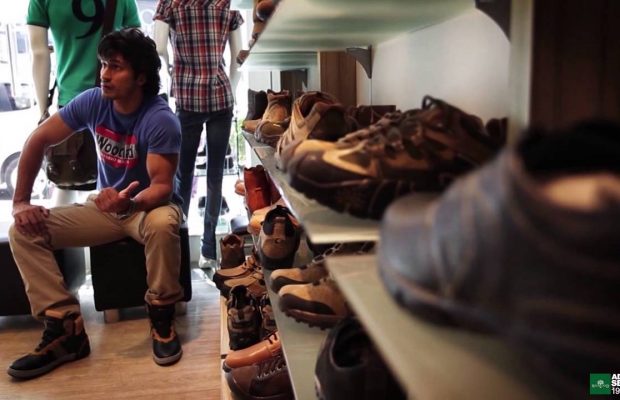
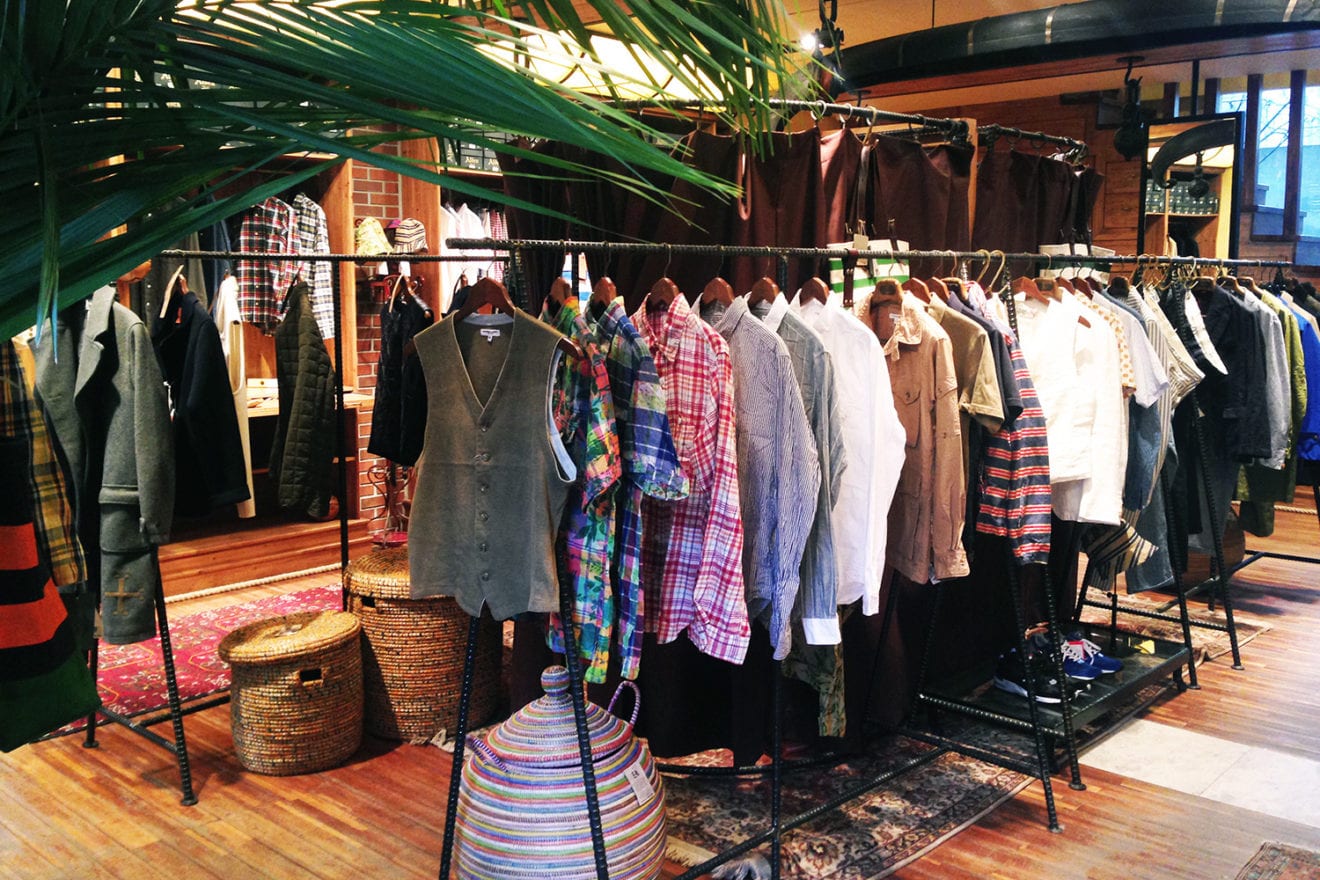
    Every brand has a different approach in designing retail outlets and so are their shop fit requirements. For example, a sportswear brand store will have a spacious interiors, relaxed furniture for seating, minimum product placement on shelves to create clutter free picking up of products and eye-catching digital display of celebrated sports personalities on the walls to influence customer’s shopping. Whereas, a clothing brand store for infants and children has shop fittings and fixtures of lower height making it easy for kids to select what they want and have popular animated characters all over the store. This is where the expertise of shop fitters come into the picture. Shop fitters play a very important role in building successful retail brands by planning, designing and manufacturing shop fit and fixtures that reflect a brand’s ethos. They closely work with the brands to execute their designs and ideas for Visual Merchandising.

    Growth opportunities for shop fit industry

    A study by JLL suggests that the country is expected to see the highest mall supply in the next three years (2018 – 2020) touching 19.4 million square feet. Due to the radical shifts in the consumption pattern of new-age consumers, brands see tremendous untapped potential in small towns and cities (Tier II and III) they will expand their footprints in these geographies and continue to invest in physical stores.

    Brands continue to focus on integrating online and off-line shopping and the concept of ‘Experiential shopping centers’ will gain importance. Physical stores will double as fulfillment centers to help process online orders. Like in other markets, the concept of BOPIS, i.e. “Buy Online, Pickup In-Store”, which gives customer the flexibility to shop (order) online and visit the nearest store to try the product and collect it may become popular among people. As customer shopping experience, engagement and purpose of the physical store becomes more crucial, brands will regularly invest in store design, interiors, shop fits and new concepts in order to differentiate themselves from competitors. A good fit-out raises a brand’s profile, efficacy and creates a positive perception about the brand. Hence, there is a growth opportunity for shop fitting industry.

    Adding to this, the trend of solo entrepreneurs entering the market and small scale traditional retailers who wish to revamp their business rely on professional shop fitters for retail store design, floor planning, shop fits, etc. which will also give a boost to the shop fit industry.

    Conclusion:

    As organized retail industry continues to grow in the country, it possesses a great opportunity for the shop fit industry. Decisions by brands to downsize the store formats may hurt the shop fit industry’s business and profitability, but there will definitely be significant growth as more brands are now looking to establish their offline presence and also increase their physical presence across markets. In addition to this, with the new rules regarding single brand retail ownership, many new foreign brands will look to enter the Indian market.

    Being an allied industry of the retail sector, the shop fit industry grows hand-in-hand with the retail industry. As brands continue to invest in visual merchandising and store design, they rely on experienced and quality focused shop-fit manufacturers to partner with them. The role of shop fitters cannot be understated in helping the retail brands build their identity, differentiate them from competitors and attract footfall in the store by their innovative designs and store concepts. Shop fitting is an important investment for retail brands and when done right can translate to improved business and performance. Overall, the outlook for the shop fit industry is positive.

  • Grofers eyes $2.5 billion in revenue by 2020

    Grofers eyes $2.5 billion in revenue by 2020

    SoftBank-backed Grofers aims to garner $2.5 billion (approximately Rs 17,500 crore) in revenue by 2020 as it scales up its private label offerings in the country and focusses on expanding repeat purchases in its platform. The company, which has recently completed five years of its operations, has a revenue run rate of $360 million (about Rs 2,500 crore) currently.

    Grofers Co-Founder and CEO Albinder Dhindsa said Grofers has been witnessing over 30 percent month-on-month growth.

    “While we do not sell gourmet products that usually offer higher margins, we have been able to create a set of dedicated customers that usually promote our brand as well… We will continue to ramp up our business and we aim to clock $2.5 billion revenue by 2020,” he said.

    Outlining the expansion strategy, Dhindsa said about 40 percent of the selection on its platform now comprises of private label products.

    “There are a number of local manufacturers, who have great products but can’t compete with the FMCG giants and therefore, their products often don’t find shelf space in retail stores…we continue to grow the number of manufacturers that we work with,” he said.

    He further explained that putting these private labels on its own platform has helped the company provide aspirational products like muesli, peanut butter at more affordable prices.

    These private labelled products are also making their way on retail shelves at Grofers’ over 1,500 partner stores, which the company aims to ramp up to one million in the next two years.

    Asked about competition, especially with Walmart-backed Flipkart and Amazon expanding their presence aggressively in the online grocery segment, Dhindsa said the company is not worried.

    “Grocery is not the same as books and electronics. We may carry a smaller selection but the focus for us is on affordability. Consumers are very conscious when it comes to the grocery buying and that is what we want to ensure for our customers,” he said adding that Grofers is focussing on further enhancing its coverage of the cities it operates in.

    In March 2018, Grofers had announced raising Rs 400 crore in funding led by SoftBank, Tiger Global and Apoletto Asia. It has raised funding of $226.5 million till now. Its average daily order volumes were over 35,000 per day in June this year.

    Grocery segment accounts for a significant portion of the unorganised retail segment in the country. With people becoming comfortable buying even milk and bread online, the online grocery segment is projected to witness a strong growth over the next few years in India.

    As per the estimates, e-tail is just 0.5 percent of the total grocery market in India, which is pegged at $400 billion or 70 percent of all retail.

    In a recent interview, Flipkart CEO Kalyan Krishnamurthy had said grocery is one of the key focus areas for the company currently and, the segment will play an important role in getting access to the next 200 million customers.

    Amazon India, too, has been aggressively ramping up selection and focussing on speedier delivery to consolidate its position in the segment. In February this year, Grofers’ competitor Bigbasket had raised USD 300 million led by Chinese e-tailer giant Alibaba and others.

  • Knows more : Rahul Singh, Founder & CEO, The Beer Café India

    Knows more : Rahul Singh, Founder & CEO, The Beer Café India

    With multiple awards like; Images Coca Cola Golden Spoon Award, India Restaurant Congress Award, Times Nightlife Award and ET Now Business and Service Excellence Award, the consumer and industry has recognized this startup as a blockbuster. Singh is the recipient of the TiECON 2010 Entrepreneurial Award for Excellence and holds the position of the Honorary Secretary for the NRAI (National Restaurant Association of India). He was also bestowed with the Prestigious Entrepreneur India 2015 Award in F&B services.

    Before he started The Beer Café, Singh was CEO, Greg Norman Collection India from 2007-09. In that role he spearheaded the brand’s operations involving sales, marketing and manufacturing.

    Prior to 2007, he was the Executive Director at Reebok India for 8 years and was a part of their leadership team, also setup a robust sourcing base for exports from South Asia.

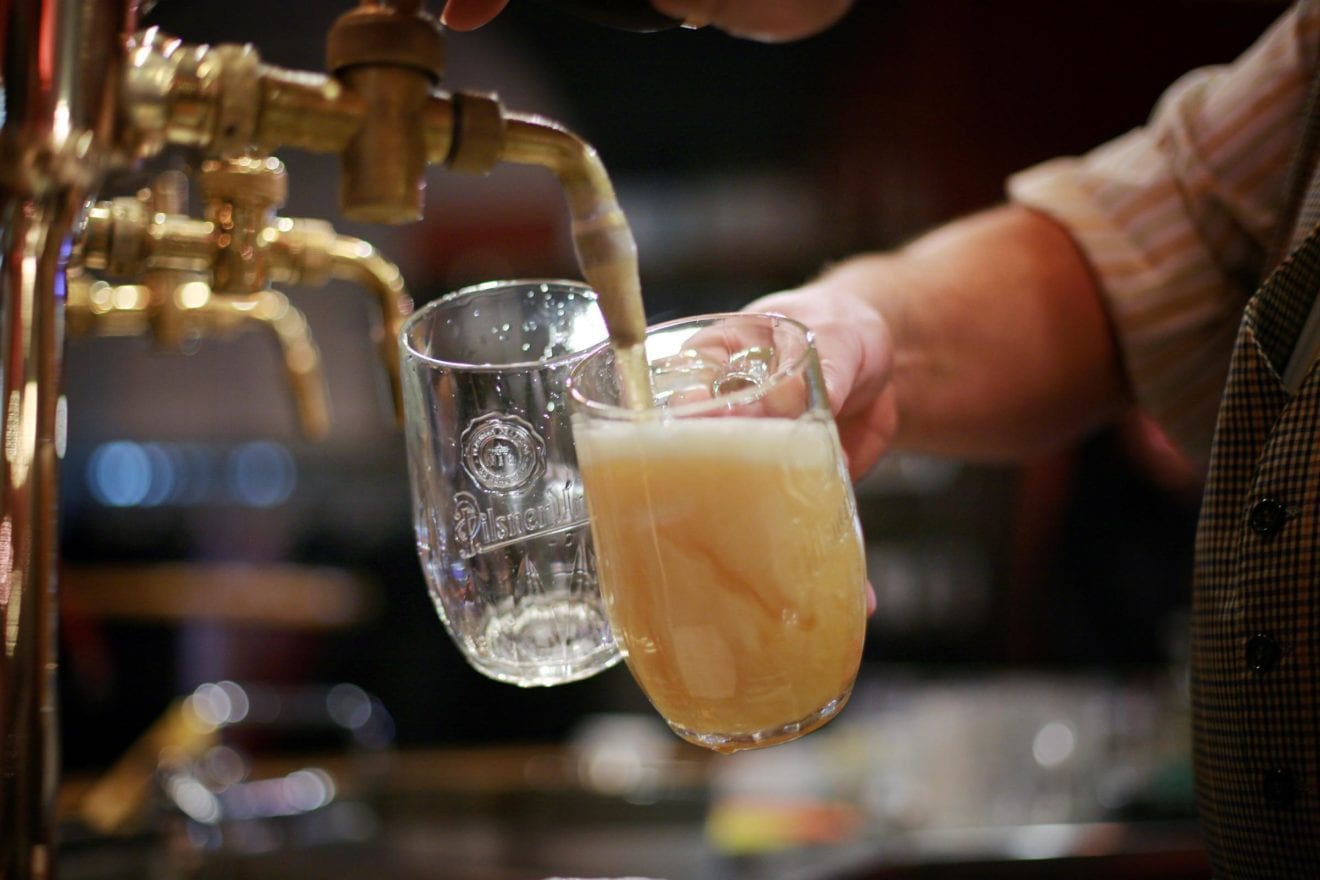
    As a textile engineer, he brings in an analytical approach to each line of enterprise that he gets into. He has undergone training in draught beer technology at Micromatic Institute in Florida, USA.

  • Yum! appointed new leader for Pizza Hut Asia Pacific

    Yum! appointed new leader for Pizza Hut Asia Pacific

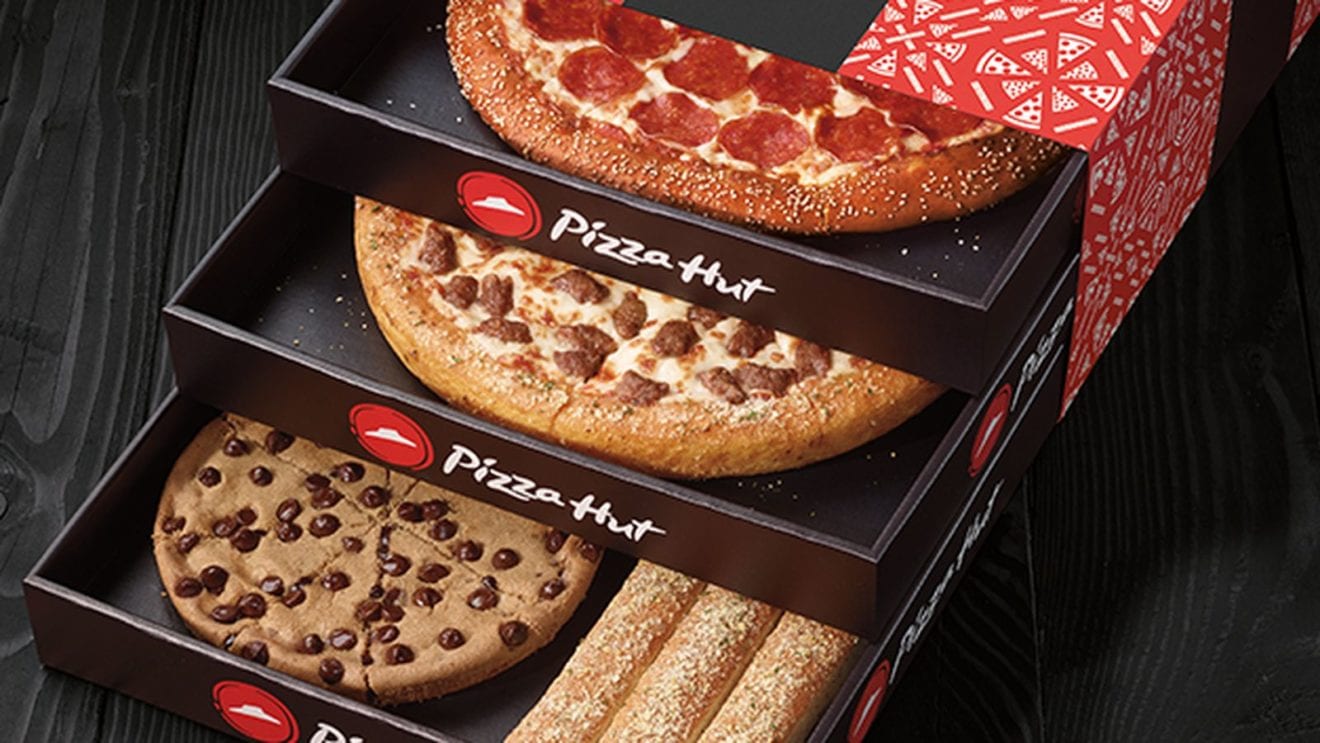
    Pizza Hut International on Tuesday announced that Unnat Varma, Managing Director, Pizza Hut India Subcontinent has been elevated to the position of Managing Director, Pizza Hut Asia Pacific effective 1 January 2019. In his new role, he will be responsible for steering Pizza Hut to the next phase of growth across the Asia Pacific region. Varma will be based in Pizza Hut APAC headquarters at Singapore and will report to Vipul Chawla, President, Pizza Hut International. As part of the APAC growth strategy, Pizza Hut India-Subcontinent will now be inducted under the Asia Pacific Business Unit. In total, Varma will oversee over 5500 stores across 22 countries.

    With Varma at the helm since 2015, Pizza Hut India-subcontinent has achieved strong business results with 10 successive quarters of positive Same Store Sales Growth. The brand has also expanded its physical store footprint – having recently launched its 500th physical store in the Indian Subcontinent.

    Under his stewardship, Pizza Hut has also pioneered the Fast-Casual Delco (FCD) concept in India, which offers a seamless integration of dine-in, takeaway and delivery channels, all under one roof and also upgraded all its digi-tech assets including the website, m-site and mobile app.

    These initiatives have enabled Pizza Hut to deliver on the promise of providing the Easiest, Fastest and the Tastiest pizza experience to consumers in India. As a result, Pizza Hut has been voted the most trusted brand in India for the 12th time in a row (as per a reputed media house) and was awarded the prestigious EFFIE Gold in the Foods and Confectionery category in 2018 for its outstanding consumer-centric performance.

    Varma is a respected and credible leader with over 24 years of industry experience. He joined Yum! in February 2006 and was elevated to Director Marketing, KFC, India Subcontinent in 2008. In February 2011, he took over the role of General Manager – Taco Bell and was responsible for launching the brand as the next growth engine for Yum! in India.

    After successfully establishing a strong foundation for KFC and Taco Bell, Varma was appointed as General Manager – Pizza Hut, India Subcontinent in December 2015and thereafter promoted as Managing Director – Pizza Hut, India Subcontinent in February 2016.

    Varma is also the Chairman of FICCI Task Force on Food Service Retail. Prior to joining Yum!, he worked with Gillette in India for 12 years across sales and marketing functions.

  • Retail trends to look forward to in 2019

    Retail trends to look forward to in 2019

    Retail industry in India is undoubtingly one of the fastest growing retail industry in the world. It is the largest among all industries accounting to 10 percent of the country GDP and employs around 8 percent of the workforce. The retail industry is an experiential motley that is currently going through a robust transformation. Be it employing new technologies or exploring new store formats, revamping business strategies or creating personal experiences; retailers are indeed getting ready for the future by looking beyond conventional retail and evolving along with their modern consumers.

    India is also expected to become the world’s fastest growing e-commerce market, driven by robust investment in the sector and rapid increase in the number of Internet users.

    As the opportunities are immense, let’s take a look what retail trends the stalwarts think will rule in 2019:

    – Customization – The need for customized products and services is increasing thereby pushing the demand for personalized goods and services. With a pragmatic approach, the interface between companies, brands and customers will improve. Social media conversation tracing is going to be trending in 2019, which is a ground-breaking path to the future of handling customer behavior for tailor-made solutions. Also, studies reveal customers come down in favor of personalization — up to a point. They enjoy seeing products and deals personally relevant to them.

    – Brand Experience – It’s not just about selling the products to the customers but also providing them with the best experience too. Most retailers recognize this shift, but the majority struggle with strategies to transform their organization to deliver on consumers’ increasingly demanding expectations. Emerging online brands naturally seek to disrupt traditional ways of doing business and developed digital-first models that have created better experiences.

    On the other hand, established retail brands are burdened with legacy systems that are not optimized for today’s environment. The core – people, service, and experience – are strength to maintain and to satisfy today’s consumer they must integrate the flow of information and resources across the networks of employees, stores and partners.

    Hence, experiences will make a compelling occurance that consumers will always remember and be more than happy to share with one another.

    – Customer Retention – Customer retention is often far more effective and profitable than customer acquisition. An individual shopper want personal recognition. While loyalty programs offer rewards to existing customers the challenge is the acquisition of new customers. Innovation in content is the key to retaining and acquiring customers.

    – Retailers that step up their social media strategies will thrive – The rise of Instagram Stories, Facebook Live and messenger apps will fundamentally change how retailers interact with consumers online. Simply posting photos or updates on a brand’s social media handles won’t work anymore. Retailers will need to up their social media game and use social networks and apps to tell stories and engage with fans in real time.

    – Display – Retail displays is a strategic aspect of the business that can help attract customers, retain their interest, and increase sales. Visual merchandising helps to set a brand apart from competition by creating attractive and fascinating windows that can pull the consumer in to the store. Effective retail displays attract potential customers to the store. When designing displays, choose engaging colours, unique décor and stock arrangements to appeal both the head and the heart of customers.
    Once the brand has attracted potential customers, the brand can Improve chances of making a sale by doing research to see what works in other retail spaces, and keeping an eye on how customer traffic flows through the store.


  • 2.5 million buyers shop during Myntra, Jabong special sale

    2.5 million buyers shop during Myntra, Jabong special sale

    About 2.5 million shoppers ordered eight million products during four days of Myntra and Jabong’s special sale from December 22 to 25, a company statement said on Wednesday. “The ninth edition of End of Reason Sale concluded with Myntra and Jabong recording a massive surge in sale and traffic,” city-based Flipkart-owned Myntra said in a statement here. As a result of the sale, the fashion portals saw a 700 per cent surge in sales and 120 per cent increase in online traffic over normal business days, it added.

    American retail giant Walmart-owned leading e-commerce player Flipkart Group includes online fashion portals Myntra and Jabong.

    The Flipkart arms, however, did not disclose the combined value of goods sold in those four days.

    “Sports goods were the highest selling category with a total of eight lakh pairs of shoes sold across the country during the sale,” the statement added.

    The shopping carnival also saw 7.2 lakh new customers ordering through the portals.

    The two portals together sold 1,200 products per minute during the four-day sale.

  • New E-Comm Rules: Flipkart India for broad market-driven framework

    New E-Comm Rules: Flipkart India for broad market-driven framework

    India’s largest online marketplace Flipkart has requested New Delhi that a broad, market-driven framework for the e-commerce industry be put in place after consultations with the relevant stakeholders. The request came a day after the federal government announced changes in the foreign direct investment (FDI) policy for the sector. On Wednesday, New Delhi took a series of measures to tighten the norms for e-commerce companies, such as Flipkart and Amazon, barring them from selling products of the entities in which they have a stake. The altered norms also restrict them from mandating any seller to sell products exclusively on their respective platforms.

    Flipkart said that the e-commerce ecosystem has created thousands of jobs apart from fostering innovations in MSME manufacturing, supply chain, warehousing, packaging, and digital payments.

    “Government policy changes will have long-term implications for the evolution of the promising sector and the whole ecosystem. It is important that a broad, market-driven framework through the right consultative process be put in place in order to drive the industry forward,” the Bengaluru-based online retail giant said in a statement.

    Flipkart was acquired by the US retail giant Walmart for $16 billion earlier this year in what was the country’s largest acquisition and the world’s biggest purchase of an ecommerce company.

    Amazon’s India unit said that the company was still evaluating the policy changes. The new policy aims to restrict any kind of control on inventory by an e-commerce marketplace entity, thus impacting Flipkart and Amazon as they have structured their group companies in a way that would help retain control on pricing and inventory.

    “For Amazon and Flipkart, this policy change brings massive challenges. They have to not only make changes into the business model and structure of how they are selling goods, but this will also affect the profitability due to limitations on private label products,” said Satish Meena, senior forecast analyst at Forrester Research.

    “Apart from this, the planned investment in the offline channel is going to be recalibrated after this change. All these will have an impact on how they scale up the business in India,” Meena added.

  • Lulu Group opens Y Mall at Thrissur India

    Lulu Group opens Y Mall at Thrissur India

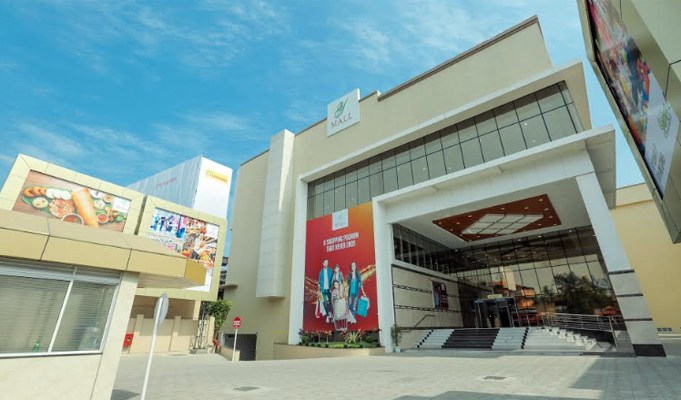
    Lulu Group Chairman and Managing Director, M.A. Yusuff Ali dedicated the newly-opened Rs 250 crore mall project – Y Mall to his home town on 29 December, 2018. M.A.Yusuff Ali’s grandchild, Ayan Ali cut the ceremonial ribbon, officially inaugurating the mall. Speaking at the inaugural event, M.A.Yusuff Ali said that the 2.5 lakh sq.ft Y Mall at Triprayar in the Thrissur district of Kerala and the 4.6 acres of land on which it has been constructed is his endowment towards worthy initiatives.

    He declared that Y Mall will be under the ownership of the ‘Y Foundation’ and the profits from the mall will be contributed towards various charitable activities under the foundation, including assistance for the places of worship in the town, who will collectively receive Rs 19 lakhs every year from the profits of Y Mall.

    This will be in addition to the various charity works under the Y Foundation, Y Mall will provide an incredible shopping, dining and entertainment experience for all the people in and around Triprayar. The Mall is within easy reach from Ernakulam, Calicut, Thrissur and almost all landmarks and prominent facilities.

    The mall features Lulu Xpress Freshmarket, which houses everything from food and grocery, ready to eat food, mobile and electronics to home décor. Home to over 40 international, national and local brands in the categories – watches; footwear; men, women and kids fashion, lingerie and innerwear, denims and casuals, accessories, eyewear, mobile and electronics,  books/gifts/toys; beauty and wellness; bags and more, the mall
    has everything to satisfy a shopper’s needs.

    Customers can visit Kerala’s first ToysRus store at Y Mall along with brands like 1946, Baby Care, Label M, My G, Jockey, Vismay, Wrangler, Sylcon, Lens and Frames, Arabian Souk, WCDI, Blackberrys Casuale, Ajmal Perfumes, La Femi, Blossom, American Tourister, Super 99 and Lulu Forex. Bank of Baroda and salon services are expected to commence within a month or two. Café Coffee Day is located on the ground floor of the mall and Chennai Ananda Bhavan on the second floor.

    The 225 seater food court is a food lover’s paradise with brands like Baskin Robbins, ChicKing, Burger Hub, Fujian Express, Dosa Tawa, Tea Stop, Pulp Factory and Chak De serving a variety of cuisines including Chinese; North and South Indian; Burgers and
    Fries, Arabic, Juices and ice creams.

    Half of the third floor is dedicated to the entertainment zone by Sparkys, which hasinnumerousvideo games; bump-a-car; carousel rides; a soft play area and many more fun-filled rides. The mall has basement parking provision and spacious open parking area for more than 800 vehicles.

    Equipped with prayer halls, feeding room, reserved parking spaces and washrooms for differently abled; special parking for pregnant women; bag, umbrella and helmet park zones;
    ambulance, ATM, money exchange and more, Y Mall is a destination for travellers and localities alike.

  • India eyes $100 billion FDI in next two years

    India eyes $100 billion FDI in next two years

    India will aim to receive $100 billion in foreign direct investments in the next two years and special industrial clusters are being created for countries like Japan, South Korea, China and Russia where their companies can invest and operate, Union minister Suresh Prabhu said. The commerce and industry minister said his ministry has also identified sectors and countries which holds huge potential for investments in India.

    “I have given a target. $100 billion of FDI should come from different sectors into India. It will not happen in one year. We have identified companies, sectors and countries and now we are going for road shows to attract investors,” Prabhu said.

    He said India would remain a top destination for foreign investors in 2019 and the ministry would look at all sectoral issues that may come come in the way to attracting overseas investments.

    “For countries like Japan, South Korea, China and Russia, we are creating industrial clusters where they can invest and operate,” Prabhu said.

    The minister said China has agreed to set up industrial parks in India and the Chinese authorities have been asked to give a list of companies that are willing to set up factories in India.

    Similarly, India would be happy to welcome firms from Europe and the US who want to move out of other countries and set up manufacturing bases in India, Prabhu said.

  • The highs and lows of Indian retail real estate in 2018

    The highs and lows of Indian retail real estate in 2018

    2018 saw further liberalization of FDI policies, repositioning Indian retail on the global investment map and attracting a large number of global retailers into the country. In H1 2018, private equity investments into Indian retail swelled to over US$ 300 million, denoting a bracing growth of 54 percent over the previous year.

    Worryingly or encouragingly (depending on one’s viewpoint) online retail also witnessed exponential growth in 2018. In fact, online retailing is now expected to be at par with physical retail over the next 5 years. With India positioned to become the world’s fastest-growing e-commerce market, online retail in the country is driven by robust investments and deepening internet penetration in the country.

    As per ANAROCK data, the top cities with significant retail growth in 2018 included MMR, NCR, Bengaluru and Hyderabad
    New retail supply in 2018 was limited to 5.1 mn. sq. ft.
    Interestingly, apart from the top metros tier 2 & 3 cities played a significant role in India’s retail growth story in 2018

    Saturation of the metros due to limited space availability, mounting rental values and escalating infrastructure issues fuelled retail growth in smaller cities like Ahmedabad, Bhubaneshwar, Jaipur, Lucknow, Thiruvananthapuram, etc. New malls that became operational in the smaller cities in 2018 range from anything between 200,000 to 18,00,000 sq. ft. in size, amply vouchsafing the increasing appetite for organized retail in the hitherto underserved cities.

    In response to the huge potential in these markets, both domestic and international brands made deep forays into them via the online route, followed by more gradual offline presence. This disparity is hard to ignore and sends out a clear signal to investors and mall developers – physical retail deployment must pick up considerable pace in these smaller markets in the coming years.

    Other Sunshine Sectors

    The logistics and warehousing sector transformed rapidly in 2018 after the Government granted the coveted infrastructure status to logistics in November 2017. In fact, warehouse stock supply is expected to see substantial increase over the next two years owing to implementation of GST, the Government’s determined infrastructure push and increased interest from national and international investors. Overall, strong economic fundamentals, proactive reforms and increasing use of technology will continue to boost the sector.

  • How the retail industry has fared in 2018

    How the retail industry has fared in 2018

    The overall retail market in India 2018 stood at Rs 43,251 billion and is forecast to grow by 6.4 percent CAGR in 2018-2023. Retailing in India still predominantly takes place in physical stores and shopping behaviour between urban and rural consumers continues to be vastly different. Smaller independents (both grocery retailers and non-grocery specialists) continued to dominate the landscape they faced growing competition from modern outlets opening in out-of-town shopping centres and malls capturing the Tier II & III markets.

    This year, we witnessed modern retailers launch interesting payments schemes and effective pricing strategies to propel the sales. For example, leading retailer Future Group launched its payment wallet Future Pay which can be used in all its retail brand outlets. Retailers also capitalised on growing acceptance of modern retail by developing new marketing schemes and strategies to attract shoppers.

    Additionally, multi-channel strategies remained key for retailers as they are developed online platforms that are also smartphone and tablet compatible to drive Internet sales.

    Furthermore, retailers also increased their new private labels products. This is was done for certain grocery categories like: packaged foods, non-alcoholic drinks, beauty and personal care and home care products.

    Finally, subscription-based retailing practices started to pick up in 2018. Although still relatively niche, and limited only to urban India, the subscription-based model for beauty and personal care and consumer health became quite popular in metropolitan cities.

    What are the retail trends that are going to rule the roost in retail in 2019?

    – Retailing will continue to offer potential for grocery retailers. Convenience stores and forecourt retailers are likely to continue to see healthy growth rates as their format can meet the demands arising from changing lifestyles by offering more convenient shopping solutions, both in terms of location, business hours and product range.

    – Given the rising maturity of retailing in metros/urban areas, retailers have slowly started to focus on the semi-urban consumer base. This has resulted in the slow and steady urbanisation of shopping styles amongst semi-urban consumers.

    – As the labour crunch and high rentals continue to affect the retail landscape in India, hypermarkets are looking to ramp up investment on self-service technology and automation to reduce costs and improve customer experience. Some hypermarkets chains have implemented self-service kiosks at checkout counters, generally with positive results because of reduced waiting times. Investments have also been made into automated ordering systems, which has helped brands reduce storage space at outlets, hence control rental costs. This can be expected to grow during 2019 as well.

    – Furthermore supermarkets are likely to push the broadening of key product categories, such as organic fresh food, soft drinks and packaged food. They are also likely to further narrow the line between foodservice and grocery retailing, with the introduction and integration of new foodservice elements within their stores.

    – Non-grocery retailing will likely be impacted by the growth of internet retailing at the expense of specific store-based retailers and other non-store channels. Consumers are expected to increasingly shop and research products online, with the popularity of smartphones making mobile-optimised sites and shopping apps crucial in attracting consumers. Moreover, social media will be used more often to alert consumers to attractive price promotions and build interest in new product launches. Also, omni-channel strategies will remain key for non-grocery retailers.

    – Non-grocery retailers will increasingly integrate their online brand information with store inventory, as consumers expect to find the same products in both channels. Moreover, to minimise showrooming, players will also need compelling reasons for customers to buy their brands in store, whether in terms of product selection or price competitiveness.

    – The entry of Amazon and Flipkart could stimulate a much-needed increase in the competition, which will bring both opportunities and threats for existing food and drinks retailers in India. Amazon with ‘Amazon Pantry’ and Flipkart with ‘Flipkart Supermart’ eventually launched its online grocery business in 2018. Millennials and affluent consumers were encouraged to change from shopping in physical stores to online in 2018 with convenience and heavy discounts on offer. Also, with increasing investments from player such as Amazon who are expected to buy skate in Future Retail and PayTm who have partnered with BigBasket and Future Group to strengthen its online grocery business, the food and drinks internet retailing is expected to show tremendous growth in 2019.

  • Yellow Tie Hospitality to bring Taiwan-based beverage brand Chachago in India

    Yellow Tie Hospitality to bring Taiwan-based beverage brand Chachago in India

    Karan Tanna led Yellow Tie Hospitality, the leading food and beverage franchise management company, has tied up with Taiwan based beverage brand, Chachago to launch its first outlet in Bengaluru in January 2019. Yellow Tie has acquired the master franchise rights for the brand in India as well as UAE, Turkey, Kuwait, Lebanon, Jordan, Israel, Oman, Syria, Turkey, Iran, Iraq, Qatar, Bahrain & Afghanistan and plans to launch100 outlets in India by 2021, with an overall investment of USD 6 million in brand expansion and development in India.

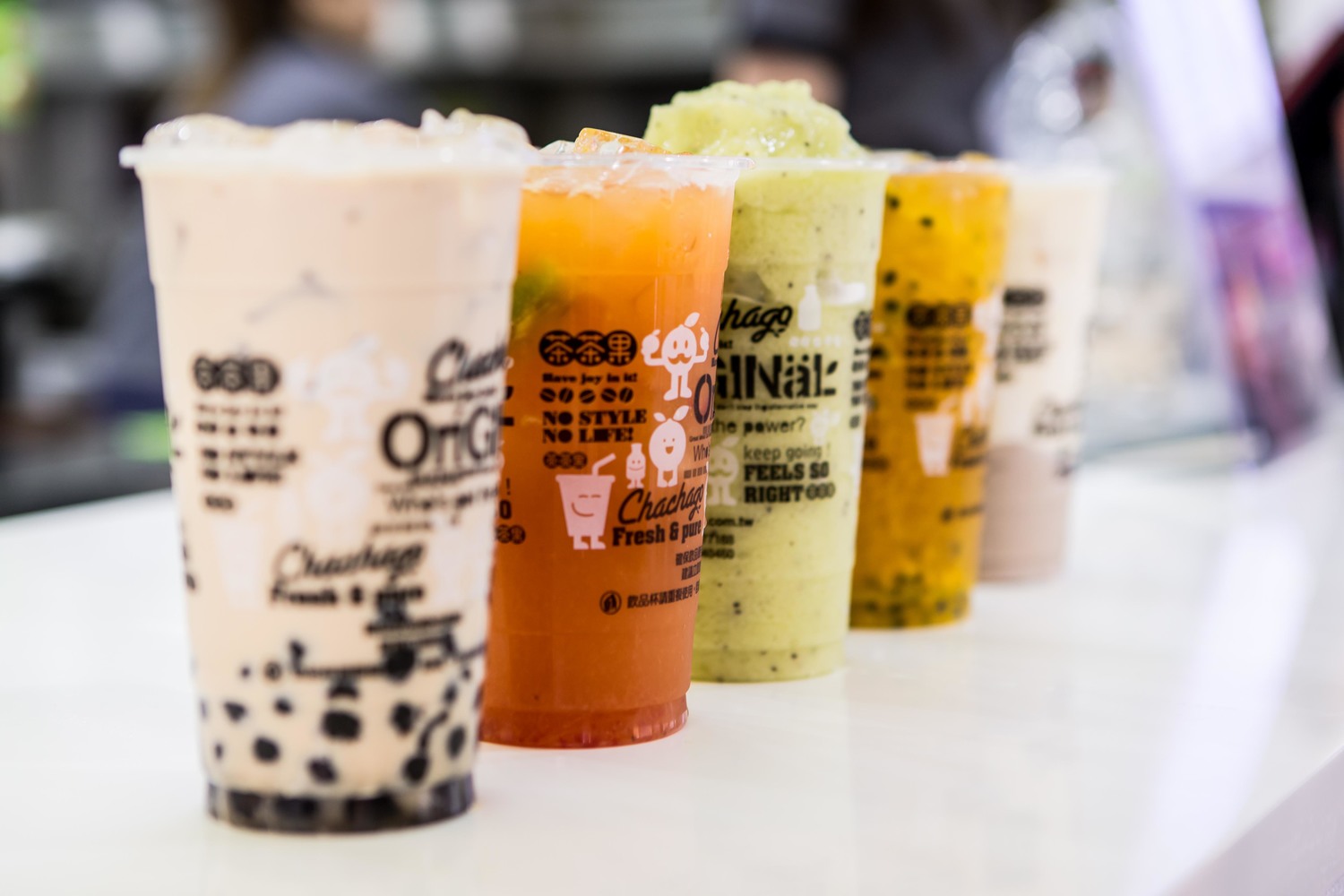
    Chachago is a Taiwanese beverage brand known for its aromatic and delicious varieties of Taiwanese milk tea, bubble teas, fruit-infused beverage, cheese-based beverages, milkshakes, and other specialty beverages and desserts. This is the first time the brand is entering India after having established its presence in countries like Taiwan, Canada, Australia, Hongkong, Vietnam, and Phillippines. A typical Chachago outlet will be in malls, high street, and educational institutions, and will spread over an area of 100 to 500 square feet and a capex of INR 20-40 lakh will be invested in building each outlet.

    Commenting on the launch Karan Tanna, Founder CEO of Yellow Tie Hospitality said: “Chachago is a specialty beverage brand originated in Taiwan, a country also known as the ‘House of Milk Tea’. We felt Indian consumers would connect with these specialty beverages, as there is a high demand for them in a tropical country like ours. It is a well-known fact that specialty beverages are a large and growing segment in the QSR category. As the market evolves, niche offerings are becoming more popular, giving us confidence that a brand like this will go down well with Indian consumers. Chachago is positioned very well with a gamut of products ranging in various teas, fruit infusions, and milkshakes. Chachago will be a one-stop-destination for premium beverages. We are very sure that the finest product development capability of Chachago in Taiwan combined with their experience of over three decades and optimized operation to give more throughput, will enable very quick growth for them in India”.

    He further added that there is a plan to turn Chachago into a 300 outlet chain by 2023 across the franchise geographies, “Going forward, the company is also looking for strong growth in countries outside India, by the second half of 2019; and by the year 2023, we are expecting the total outlets of Chachago to contribute approximate Rs 120 crore in annual revenue.”

    “We have tasted success in the very competitive Taiwanese market because of our own capability of using the most premium ingredients with optimized results. These ingredients are not only appreciated in Taiwan but also in other countries like Canada and Australia. We are very sure that with our experience and the expertise of Yellow Tie Hospitality, Chachago will be able to grow aggressively in a market which is the second highest competitive market in the world. We look forward to our presence in India”, said Hseih Yu Yin, Owner, Chachago.

    To further streamline the franchising process for Chachago, the company will go through a master franchise and multi-unit franchise route wherein franchise selection criteria will be based as per International brand standards. The potential franchise owner’s credibility will be audited by Yellow Tie Hospitality.

    Economic growth and social change on the Indian subcontinent are causing the beverage, dairy and liquid food industry to boom. Euromonitor International forecasted that all beverage sectors will grow at double-digit rates in the next four years, which Drink Technology India (DTI) will also benefit from.

  • Strong sales growth for India’s textile manufacturing sector in Q2

    Strong sales growth for India’s textile manufacturing sector in Q2

    The manufacturing sector, particularly textile and iron and steel segments, maintained its pace of sales growth in the second quarter of 2018-19 as compared to the year-ago period, the RBI said on Wednesday. Demand condition in the manufacturing sector “maintained its pace in the September quarter 2018-19 as reflected in strong sales growth (year-on-year)”, as per the RBI analysis of 2,700 listed private sector non-financial companies.

    “The manufacturing sector sales growth was mainly supported by robust demand conditions in chemical and chemical products, iron and steel, and petroleum products industries coupled with significant improvement recorded by textile industry,” the RBI said.

    The central bank said heavy moderation was seen in the sales growth of motor vehicles and other transport equipment, driven in part by a large adverse base effect, and pharmaceutical and medicine industries.

    The information technology (IT) sector also recorded further improvement in sales growth over the year-ago period.

    The manufacturing sector continued to record strong growth in net profits, which received support from other income.

    The RBI said companies in manufacturing sector posted a net profit of Rs 47,100 crore in the reported quarter, up 29.4 per cent from the same period last year. The data is based on abridged financial results of 1,734 companies in the manufacturing sector.

    “Despite continuous contraction in the telecommunication, the services (non-IT) sector posted a turnaround riding on the support from wholesale and retail trade,” the RBI said.

    The profit of IT sector, based on data of 172 firms, was Rs 17,700 crore in the second quarter, up 5.8 per cent over the July-September period of 2017-18.

    As per the RBI, the combined sales of 2,700 companies was Rs 9,81,800 crore in the September quarter, up 18.2 per cent from the year-ago period.

    Their net profit was Rs 71,900 crore, an increase of 41.7 per cent year-on-year.

    On expenditure front, manufacturing companies continued to face rising input cost (cost of raw materials, staff cost) pressures. In case of IT sector, staff costs accelerated in tandem with the improvement in sales growth, the RBI said.

  • Value fashion retailer in India launches 200th store

    Value fashion retailer in India launches 200th store

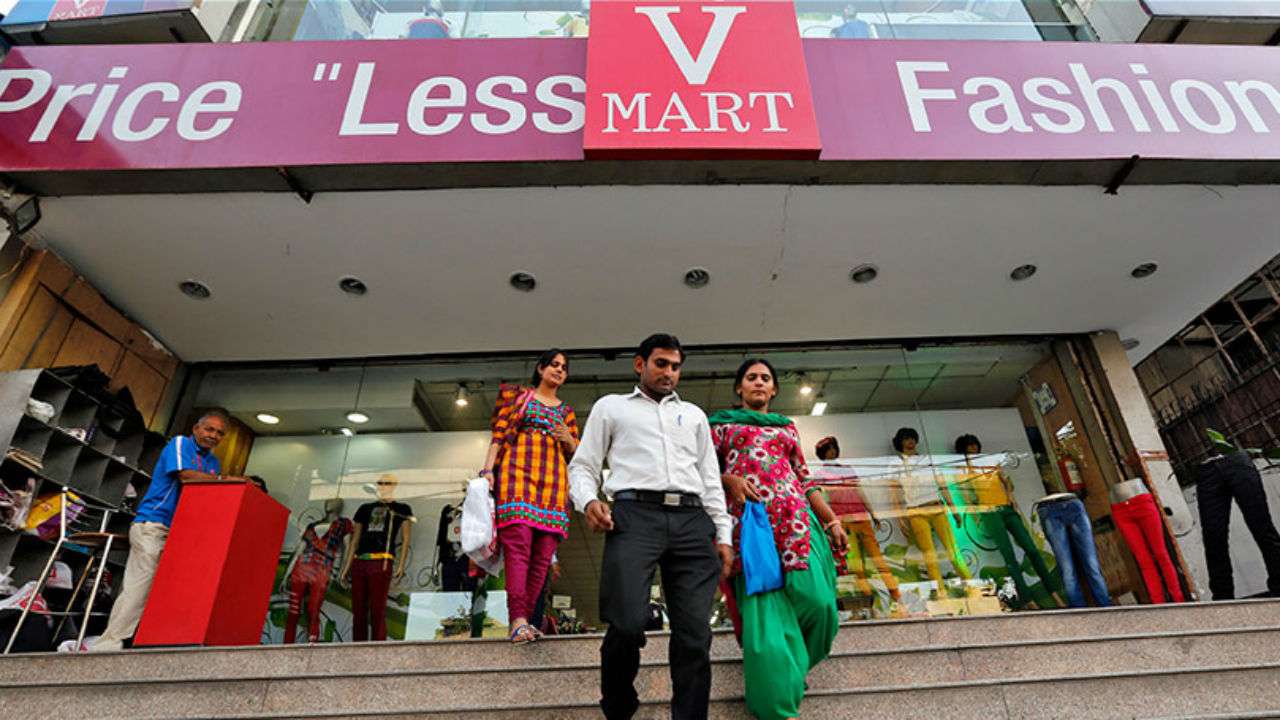
    V-Mart, the world’s best performing department store chain in 2018 as per data compiled by Bloomberg, launched its 200th store in Mughalsarai, Uttar Pradesh. With this landmark achievement, the company has opened a total of 29 new stores in the current fiscal year so far.

    Earlier this month, the company launched its 198 th and 199 th store, both also in UP, at Kannauj and Naubasta near Kanpur, respectively.

    Marking the significance of this milestone for the company, Lalit Agarwal, CMD of V-Mart said, “We remain focused on strong execution, riding on the back of our proven cluster-based expansion model. The 200th store is a key milestone for V-Mart, more so, because we have added the last 100 stores in
    three years, while we took twelve years for the first 100. This demonstrates accelerated customer demand and V-Mart’s ability to translate that into all-round value creation.”

    With the 200th store launch coming just ahead of Christmas and New Year, V-Mart has planned a grand celebration campaign at select locations, starting with Kannauj and Mughalsarai, to bolster the festive spirit among its customers. At both the locations, the company is organizing a ‘Mela’ in large open fairgrounds, inviting the general public to enjoy an eclectic mix of food, fun and entertainment.

    The event in Kannauj, organized with complete support from the local administration, received tens of thousands of attendees enjoying music, folk performances, choreographed shows, fun rides, and delectable street food.

    Snehal Shah, SVP, Projects and Marketing, said, “V-Mart has always endeavored to createlasting value and moments of happiness for its customers. These celebrations are a small way of saying thanks to our customers who have made this milestone possible.”