Tag: india

  • Dhaba restaurant opens its 10th outlet in Aerocity India

    Dhaba restaurant opens its 10th outlet in Aerocity India

    Dhaba Estd 1986 Delhi by Azure Hospitality is all set to land itself at Delhi’s posh new Aerocity. The award winning deliciousness carries forward the thirty year legacy as it stamps another one at Delhi’s most favourite leisure destinations, The Walk at Aerocity. At Dhaba Estd 1986 Delhi, one not only experiences fabulous Dhaba food but from the moment the patrons enter till the time of their exit, the ambience recreates unparalleled highway eatery nostalgia. Given a shot of new age fun and kitschy interiors with the legendary classics on the menu along with some nouveau beauties – Dhaba is set to recreate the same magic again – but with more full-on Punjabi flair.

    “Keeping the drama to a minimum, we plan another Dhaba, where food is the king yet again. We are thrilled to share that Delhi’s prime food, beverage and leisure destination Worldmark at Aerocity is about to get struck with Dhaba’s dildaar Punjabi love that has been warmly accepted in Delhi NCR, Pune, Chennai, Hyderabad and Bangalore. Aerocity restaurant marks the tenth outlet for us after five successful years across the country. The response has always been heart-warming and we look forward to the same yet again,” say Rahul Khanna and Kabir Suri, Directors, Azure Hospitality.

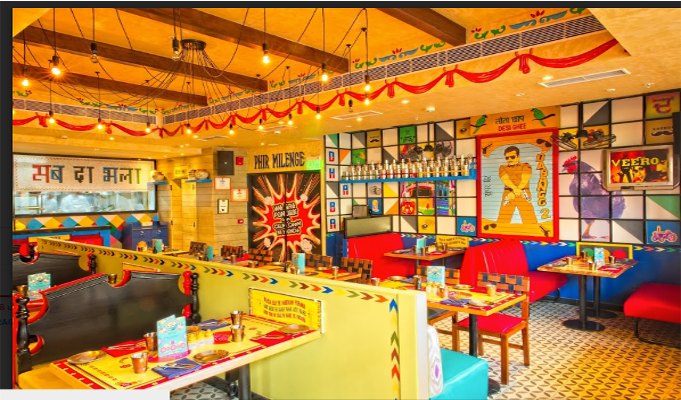
    Dhaba comes in a new avatar with signature kitschy quirk, vintage collages and retro Indian décor of the 80s and 90s, and use of popular Indian weaving techniques in ikat fabrics. Designed by Atul Anand, this 52-seater outlet showcases environmental friendly décor using recycled elements and community tables for group seating. The ambience effortlessly infuses the excitement of a highway meal; and in fact, takes it up a fair few notches! The creative chaos of colours, quirky desi quotes, revival of vintage black and white Bollywood posters and the signature truck art adds to the overall dining experience. The mood of the restaurant is further enhanced by the mock façade of a building, which is designed like a small town.

    With a crafted legacy of over 30 years, the real highway magic always takes place in the kitchen. With a legendary classic Indian menu divided into three drooling parts – the Tandoor, Tawa and Patila, food at Dhaba will be a true showstopper amongst corporate and tourists visiting the location. Chef Ravi Saxena expertly helms the Dhaba kitchen chronicle, reconditioning its fabled signature recipes bringing forth the best of highway cuisine and North Indian cuisine concepts. With signature recipes since 1986 and the new experimental highway specials, there are a whole lot of new and signature dishes for everyone to try.

    The food menu is inspired by travels down the highways of India and the eccentric by-lanes of old towns famous for unique age-old recipes. In addition to the age –old classics, the new menu experiments with newer flavours showcasing Highway specials, not only from Punjab but from all over the country. The essence and soul of Dhaba is Punjabi, however a whole range of regional dishes are now available for indulgence.

  • Reliance Retail Q3 revenue up 89.3 percent

    Reliance Retail Q3 revenue up 89.3 percent

    Healthy festive season sales and new store openings led Reliance Industries’ organised retail business — Reliance Retail — to report a 89.3 per cent rise in its revenue for the third quarter of 2018-19. The firm’s revenue figure was disclosed under the Reliance Industries (RIL)’s third quarter results, on Thursday. Accordingly, the firm’s revenue for 3Q FY19 grew by 89.3 per cent to Rs 35,577 crore from Rs 18,798 crore reported for the corresponding quarter previous year.

    The company’s Earnings Before Interest and Taxes (EBIT) rose 210.5 percent on a year-on-year (Y-o-Y) basis to Rs 1,512 crore from Rs 487 crore demonstrating strong operating profit during the quarter.

    In addition, EBIT margin for the segment improved by 160 basis points to 4.2 percent reflecting scale benefits. Retail now has 9,907 stores with a reach across more than 6,400 towns and cities

  • Pizza Hut India betting big on delivery in 2019

    Pizza Hut India betting big on delivery in 2019

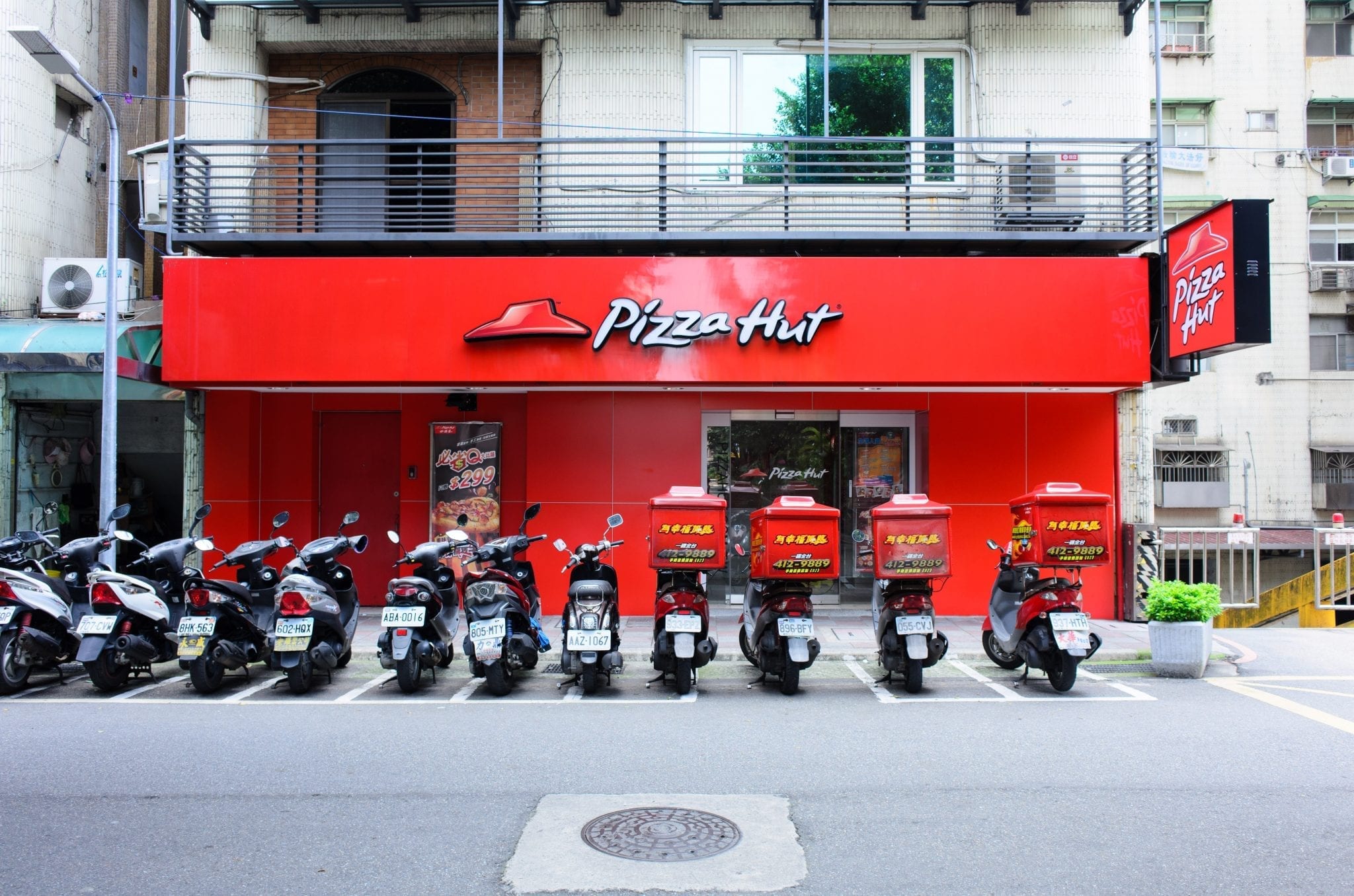
    Pizza Hut India has announced that the company will focus on delivery as a key driver of business growth in 2019 and introduce various initiatives to further enhance the delivery experience for consumers. Coherent with this aim, the brand has launched a rider tracking feature across its digital ordering platforms – mobile-site, mobile app and desktop site. The feature is available across all cities where Pizza Hut has delivery services.

    The rider tracking feature has been launched by Pizza Hut as a solution based on key behavioral findings of the brand’s large consumer base, majority of whom are tech-savvy, on-the-go millennials. The findings have shown that consumers choose brands which adapt to their lifestyle, understand their preferences and enable them to take charge. Also, with changing consumer habits, pizzas have evolved from being a special occasion treat to becoming a part of everyday food consumption in India. Therefore, hassle-free and seamless food ordering and delivery experience has become a vital deciding factor, apart from taste and quality. Rider-tracking is an enabler of the convenience that consumers are seeking, further bolstered by value offers.

    Commenting on the launch of the feature, Prashant Gaur, Chief Brand and Customer Officer, Pizza Hut India Subcontinent said, “At Pizza Hut, we take a lot of pride in serving the freshest and the tastiest pizzas to all the pizza lovers in the country. Apart from great taste, elevating the overall experience across every consumer touchpoint is our biggest focus, and we are implementing this strategy through initiatives like rider tracking feature and value offers. We are confident that these initiatives will further enable us to stay relevant and blend even more seamlessly into the daily lives of our consumers.”

    The upscaling of the delivery channel comes at a time when Pizza Hut India Subcontinent has achieved strong business results with 10 successive quarters of positive Same Store Sales Growth. The brand has been steadily expanding its physical store footprint and launched its 500th physical store in the Indian Subcontinent. Pizza Hut also pioneered the Fast-Casual Delco (FCD) concept in India, which offers a seamless integration of dine-in, takeaway and delivery channels, all under one roof. The company recently upgraded all its digi-tech assets including the website, m-site and mobile app. These initiatives have enabled Pizza Hut to deliver on the promise of providing the easiest, fastest and the tastiest pizza experience to consumers in India. As a result, Pizza Hut has been voted the most trusted brand in India for the 12th time in a row (as per a reputed media house) and was awarded the prestigious EFFIE Gold in the Foods and Confectionery category in 2018 for its outstanding consumer-centric performance.

  • Milkbasket India launches operations in Bengaluru

    Milkbasket India launches operations in Bengaluru

    Milk delivery startup Milkbasket Wednesday said it plans to hire 2,500 people over the next two years and announced the launch of its services in Bengaluru. According to a report, the company said it will hire people to support the operations and growth in Bengaluru. “Within next two years, we hope to have the largest operations in Bengaluru and will be creating employment for over 2,500 people in the process,” Anant Goel, Co-founder and CEO, Milkbasket was quoted by PTI as saying.

    Hiring will be made for ground operations as well as the corporate office, the company said. The startup has 1,500 employees in Delhi-NCR and Bengaluru.

    It has raised close to US$ 16 million from Mayfield Advisors, Beenext, Kalaari Capital, Unilever Ventures, Lenovo and Blume Ventures.

  • Burger Singh India to launch 10 drive thru outlets by 2022

    Burger Singh India to launch 10 drive thru outlets by 2022

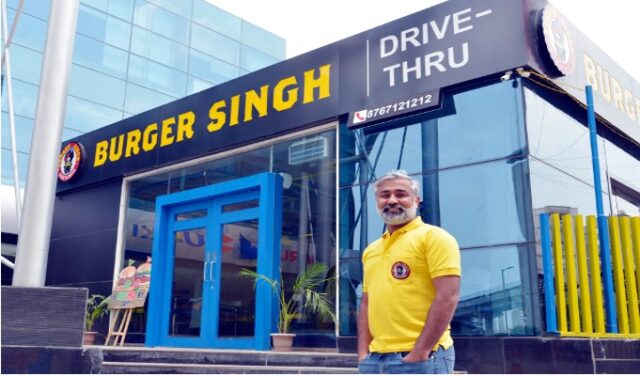
    Burger Singh, the chain of Indianised burgers, has announced its plans to invest substantially in the burgeoning concept of drive thrus, and launch 10 drive thru outlets within the next three years. Overall, the company aims to open 100 outlets in the country by 2022. Speaking on the launch, Kabir Jeet Singh, Co-founder and CEO of Burger Singh said, “Consumer experiences are evolving, and the demand for swift and efficient food outlets has been validated by the popularity of drive thrus. By 2022, over 10 percent of our outlets in the country will be drive-thru outlets.”

    Located on the Golf Course Road in Gurugram, the first Burger Singh drive thru offers swift Indianised burger feasts to the busy and rushed of the city.

    Burger Singh is the largest chain of homegrown Indian flavour burgers in the QSR category in India, with a strong presence in West & North India with 25 outlets in Delhi NCR, Jaipur, Dehradun, Nagpur and Pune. The brand has also ventured in the UK with two outlets in London and has emerged as the most popular brand of Indian burgers in the state.

    The brand has also announced its aggressive expansion plans for the next three years. The company will be hiring over 450 employees by 2020, setting up 100 new outlets.

    Kabir Jeet Singh said, “2019 is expected to be a landmark year for Burger Singh, and we are looking at growing our operations and revenues at least by double in the year. We are planning to expand our operations to more cities in India, which would demand additional manpower to manage the new outlets, and will be hiring aggressively to support our growth. Also, we need to multifold our staff in the corporate office, especially marketing, procurement and hiring teams, to keep up with the expansion, and business targets”

    “We plan to hire resources across all profiles, for delivery and outlets, pan-India and for the corporate office,” he added.

    Known for Indianizing a typical western flavour, Burger Singh specialities include the vegetarian Keema Pao, the Pao Bhaji Burger, the Malabar Express Chicken Burger & Channa Burger for the vegetarians, the Jaatputt Chicken Burger, the Amritsari Murgh Makhani Burger, the Udta Punjab Burger, the Bunty Pappeh Da Aloo Burger and the United States of Punjab Burgers in both vegetarian & non-vegetarian options, amongst others.

    The company is headquartered in Gurgaon, Haryana

  • Travel Food Services India introduces the futuristic robot – Mitri

    Travel Food Services India introduces the futuristic robot – Mitri

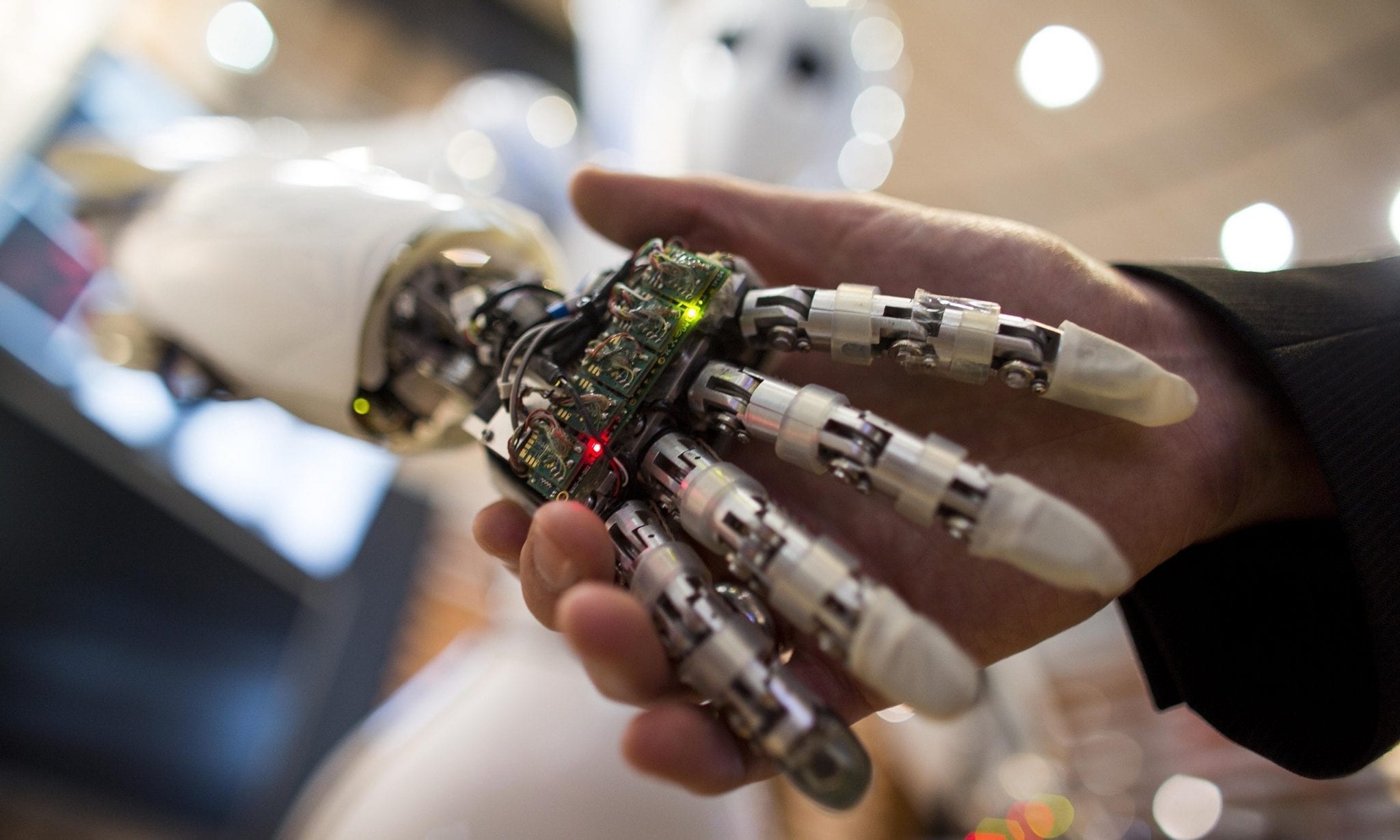
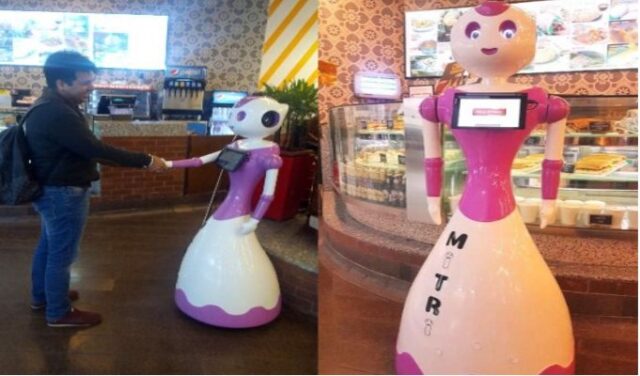
    Travel Food Services (TFS), India’s leading Travel Food and Retail Company, unveils the latest in technology – Mitri, the Robot, to make the experience of travellers interactive and fun. Mitri will be engaging with customers at TFS’s Dilli Streat outlet at Indira Gandhi International Airport, New Delhi, and is the first ever airport installation in the F&B segment.

    Visitors to the Dilli Streat outlet will be met and greeted by Mitri, who will facilitate activities and engage with them by providing menu detail. It would also be offering food recommendations. Mitri is a testament to Travel Food Service’s commitment of enhancing the travel experience in India, and presents a true example of how technology like Artificial Intelligence can help improve customer satisfaction, and drive productivity and sales.

    Commenting on the latest technology, Gaurav Dewan, COO and Business Head, Travel Food Services said, “We are always on the lookout for latest innovative technologies that can enhance the experience and satisfaction of our customers. We are extremely excited to present Mitri at our Dilli Streat outlet at the Delhi Airport. With Mitri being such an innovative and futuristic concept, and given her success, we are hopeful to bringing her to more outlets across India.”

  • Natural food startup Jus’ Amazin launched in India

    Natural food startup Jus’ Amazin launched in India

    Eyeing the burgeoning US$ 100 billion global natural foods and drinks industry, Jitin Munjal, former Global Director for Sales and Marketing at DuPont has announced his natural nutrition food and beverage venture, Jus’ Amazin Foods and Beverages Pvt. Ltd. Co-founded with his wife, Shilpa Mogilishetty, Jus’ Amazin started in the kitchen, as the couple were developing nutritiously rich natural food products that are delicious, for their son, who is allergic to dairy and soy products. After a lot of R&D, the kitchen experiment has now grown (over the last few months), to be present in 75 retail stores, and 20 e-commerce sites, pan-India.

    Speaking on the venture, Jitin Munjal, Co-founder and CEO of Jus’ Amazin said, “Most packaged food is highly processed, packed with chemicals and low in nutrition, and as consumer awareness about the ill-effects of chemicals in food is growing, they are demanding foods that are natural, nutritious and delicious. While trying to find dairy and soy free foods for our son, we realized how underserved the natural and nutritious food market is in India. Jus Amazin caters to the health and nutrition conscious consumer with natural wholesome foods, which are both delicious and nutritious.”

    Jitin Munjal is a seasoned professional and entrepreneur with more than 20 years of rich experience in Business Management, Marketing, Sales & Distribution, Product Development and in leading global and regional teams. Jitin has received his education from premier institutes such as Indian Institute of Technology Delhi, Indian Institute of Management Ahmedabad, London School of Economics and Political Science, and has worked with blue chip companies such as P&G, Tata Group (as part of the prestigious TAS), Castrol & DuPont. In his last corporate role, Jitin was heading global marketing and sales excellence at DuPont, a leading multinational corporation with interested in varied industries. Shilpa Mogilishetty holds a Masters in Anthropology from the University of Sussex and has worked across the corporate and social sectors, in the areas of Market Research, Media Planning and Change Management.

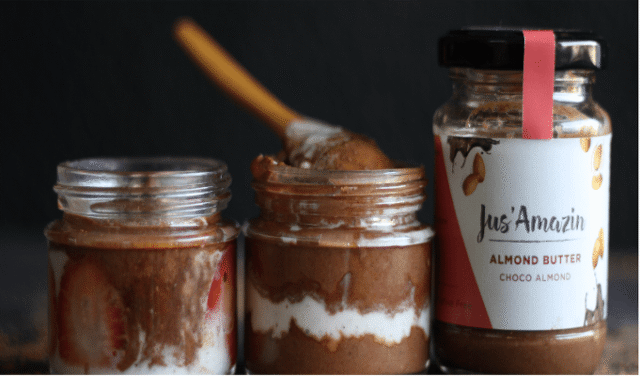
    Jus’ Amazin’s current product range includes 100 percent natural, gluten free, soy free, dairy free and plant based foods such as nut and seed butters/ spreads (almond butter, organic peanut butter, seed butter and cashew butter). The products are currently available both online at leading e-commerce websites and also in retail stores in Bangalore, Delhi NCR, Mumbai, Pune, Chennai, Hyderabad and Goa. Leading brands such as Foodhall, Spar, BigBasket, Namdhari’s, Modern Bazaar, Loyal World, Amazon, HealthifyMe, FirstCry, HealthKart, Qtrove, The Gourmet Box, among others have partnered with the company.

  • Myntra India taps 9,000 kirana stores to boost last-mile delivery

    Myntra India taps 9,000 kirana stores to boost last-mile delivery

    Flipkart-owned ecommerce platform Myntra that saw 80 percent revenue fall in FY2018 has doubled down on last-mile delivery, tapping into over 9,000 kirana stores across 50 cities to fast deliver packages. Today, nearly 60 percent of all Myntra’s product pick-ups and deliveries happen through its ‘Kirana Delivery Programme’ — helping the company reduce delivery costs, the company said on Tuesday.

    “Myntra’s ‘Kirana Delivery Programme’ is a successful model introduced by the company to accelerate order delivery in the most efficient way possible, while ensuring we provide a good partnership opportunity to our kirana partners,” a company spokesperson said.

    “We will continue to innovate, expand and hope to register more kirana partners in the future as well,” the spokesperson added.

    The ‘Kirana Delivery Programme’ is an ingenious model introduced by the company to accelerate order delivery, while creating a platform for kirana stores to have an additional source of income.

    “A mutually beneficial model, it has helped Myntra achieve greater consumer satisfaction and is enhancing the standard of living of the owners of several ‘mom & pop’ stores across the country,” said the company.

    Several tailors and beauty parlour owners, among others, have also signed up with Myntra for the programme.

    The online fashion retailer narrowed its consolidated losses to Rs 178.7 crore for 2017-18, compared with a loss of Rs 655.8 crore in the previous fiscal.

    According to business intelligence platform Tofler, the company saw its income growing nearly threefold to Rs 427.4 crore in 2017-18 as against Rs 155.6 crore in the previous financial year.

    Ananth Narayanan, Chief Executive of e-tail portals Myntra and Jabong, stepped down from the post on January 14 “to pursue external opportunities”.

    The 11-year-old Flipkart Group, owned by US retail giant Walmart, includes e-tail sites Flipkart, Myntra, Jabong and digital payment platform PhonePe.

    In May last year, Walmart bought a 77 percent equity stake in the company for a whopping US$ 16 billion.

  • India’s Reliance to take on Walmart and Amazon online

    India’s Reliance to take on Walmart and Amazon online

    South Asia’s richest man Mukesh Ambani is establishing an e-commerce platform to compete with Walmart and Amazon in India. The Reliance Industries chairman will roll out services in Gujarat before extending them nationwide. “Jio and Reliance Retail will launch a unique new commerce platform to empower and enrich our 1.2 million small retailers and shopkeepers in Gujarat,” said Ambani.

    Reliance introduced the 4G Jio network in September 2016, a market disruptor with its free voice calls and cheap data plans. Its move into e-commerce will aggravate an already cut-throat battle between market leader Flipkart, owned by Walmart, and Amazon’s services in the territory.

  • Indian retail drew Rs 1,300 crore investment in 2018

    Indian retail drew Rs 1,300 crore investment in 2018

    The hallmark of a market’s increasing maturity is how organized it is – and in any developing country, the state of ‘organized’ business is usually kick-started by the entry of foreign players who bring in structured deployment and business philosophies wherever they go. This philosophy of organized retail players covers a lot of ground, from the aptness of locations to size and visibility of a mall or high street, from store sizes to layouts, tech enablements and promotion parameters, and from pricing to financial accountability. The arrival of foreign brands forces domestic brands to up their game, as well. This is exactly what is happening in Indian retail, and what ‘getting organized’ is all about.

    By definition, organized retailing essentially refers to any trading activity conducted by licensed retailers from modern retail formats such as hypermarkets, supermarkets or departmental stores. Organized retail formats can exist either as stand-alone shops or occupy space in a mall. Unorganized retailing, which is what all developing nations start out with, are usually family-run neighbourhood shops (referred as ‘kirana’ shops in India) and in open markets.

    Bringing organized flavour into a previously disorganized market first disruption, then gradual acceptance and emulation, and finally prosperity to all stakeholders and immeasurable benefits to customers. Getting organized has certainly benefited Indian retail, causing massive growth spurts.

    Growth of Organized Retail

    From a mere 9 percent share in 2017, the organized retail market in India is gearing up for a significant 20-25 percent growth jump across the top 7 cities. By 2020, organized retail will have captured approximately 19 percent of overall market share. The fact that it accounted for only 4 percent just 10 years ago tells its own story. Indian retail is coming of age.

    The growth of organized retail obviously involves organized retail real estate – especially modern, well-researched and fully-equipped malls in the right locations – and organized mall space is definitely proliferating across India.

    As per ANAROCK data:

    – Around 39 mn sq. ft. of organized retail space is slated to hit the market between 2019-2022
    – Out of this supply, approximately 71 percent is in metros and Tier 1 cities and the remaining 29 percent in Tier 2 & 3 cities

    Ahmedabad, Bhubaneshwar, Ranchi, Kochi, Lucknow, Surat and Amritsar, among others, are the new stages where the next chapters of the Indian organized retail saga will play out. Global retailers are now also eyeing cities like Chandigarh, Lucknow and Jaipur, to name a few.

    As they catch this growth wave, mall developers and big-banner brands have grasped the utmost importance of providing a metropolitan-grade shopping experience to customers in these smaller cities. This is hardly surprising.

    In these cities, customers’ shopping options were previously limited to whatever was available locally. Today, they are being aggressively wooed by hyper-capitalized e-commerce giants who sensed the latent opportunity in Tier 2 and Tier 3 long before brick-and-mortar retail did.

    To counter this onslaught, albeit belatedly, retailers whose business model is largely based on physical retail are prevailing on mall developers to build metro-grade shopping centres in areas they had never considered before.

    Policy Impetus Fuels Growth

    Foreign retailers, to whom India owes most of its turbo-charged growth in organized retail, took their time to view India as worthy of their attention. For the longest time, this country was an unattractive destination for them, largely because of regressive Government policies.

    All this changed when the Government decided to give a major impetus to the retail industry. By liberalizing its hitherto restrictive FDI policies, it repositioned Indian retail and finally put it on the global map. Consequently, global retailers and foreign investments made a beeline for the Indian retail industry. The decision to allow 51 percent FDI in multi-brand retail and 100 percent FDI in single-brand retail under the automatic route has caused global retail giants like Walmart and IKEA to foray into India.

    Thereafter, the rebooted regulatory environment post DeMo, RERA and GST implementation put even more wind into organized retail’s sails and allowed organized players to race ahead of the unorganized sector.

    Investments Surge

    The Indian retail sector has attracted cumulative investments of more than Rs 5,500 crore between 2015-2018, and close to Rs 1,300 crore in 2018 alone. This made 2018 one of the best years ever for the Indian retail sector, and the momentum is eminently sustainable. The increasing involvement of foreign and private players in India’s retail infrastructure indicates long-term growth potential for organized retail in the country.

    The growth of organized retail is also evident in the stock prices of listed retail firms, which were major wealth generators for investors in 2018. If we check the performance of these stocks on the basis of their 52-weeks high and low, some very interesting data emerges:

    Untapped Potential

    The fact that despite this growth, 91% of India’s retail market still remains unorganised underscores the huge latent potential that remains to be explored by organised players. Despite the deliriously positive numbers, organized retail in India is nowhere close to the level in more developed countries. For instance, in the US, 85 percent of the overall retail market is organized.

    Advantage Brick-and-mortar in 2019?

    The most recent policy developments will give physical organized retail a leg up in its fierce battle with e-commerce. The Government is pushing a new e-commerce policy from February 2019 wherein the concept of ‘exclusivity’ will no longer hold good. This means that online retail players will scramble to grab a larger pie of the offline market, so physical stores will get the upper hand.

    2019 will hopefully be the year in which the Government embarks on the next stage of ushering more unorganized retail into organized formats – thereby making Indian retail a worthy contender as a global grade market.
  • Starbucks India showcases coffee craft and innovation with ‘Starbucks Barista Pride’

    Starbucks India showcases coffee craft and innovation with ‘Starbucks Barista Pride’

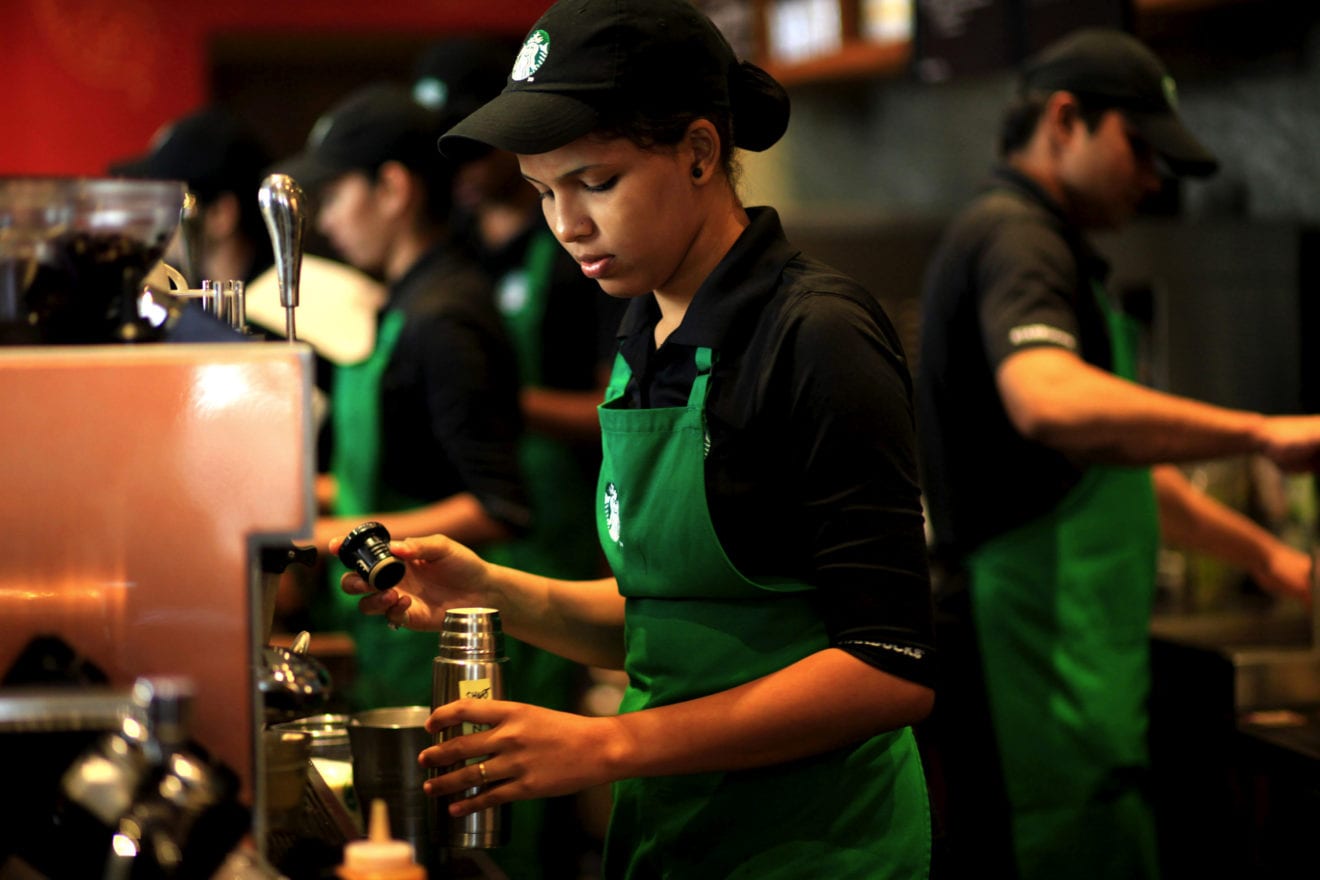
    Starbucks is taking beverage innovation to new heights with the simultaneous launch of 134 new, crafted beverages. Delivering on the iconic ‘Third Place’ experience, while strengthening commitment to innovation and coffee passion, the global coffee chain has introduced a new initiative called Starbucks Barista Pride where baristas from each Starbucks store will feature a beverage unique to their store, conceptualized and created by themselves.

    Till the end of February, all Starbucks stores across India will serve a specially curated beverage, enabling customers to ‘coffee hop’ and try 134 unique beverages across the 134 Starbucks stores in India.

    Based on the idea of customization and personalization, while celebrating the heart and soul of the signature Starbucks Experience, Starbucks Barista Pride is here to showcase the talent and innovation the Starbucks baristas have to offer.

    The wide range of unique beverages includes Turkish Espresso Praline available at the Chapel Road store in Mumbai, Chai White Chocolate Mocha available at the Vega Mall store in Bangalore and Winter Chocolate Cream available at the DLF Hub store in Delhi.

    “Starbucks is committed to delivering an unparalleled, unique experience for every customer. We are delighted to introduce ‘Starbucks Barista Pride’- a new coffee forward initiative which highlights the exemplary coffee skills of our Starbucks baristas and brings to our customers a wide range of artisanal beverages. At Starbucks, we believe in celebrating each customer’s individual coffee preference and profile. For us each cup of coffee is unique and especially suited to the coffee palette of our customer. With a deep understanding of coffee, our Starbucks baristas personalize each cup to perfection,” said Veetika Deoras, Head – Marketing, Category, Digital and Loyalty at Tata Starbucks Pvt. Ltd.

    “We are humbled to lead specialty coffee in India and initiatives like Starbucks Barista Pride are a tribute to our customers and reflect the Starbucks 47-year legacy of sourcing, roasting and serving world’s top Arabica coffee,” she added.

  • Indian rice prices slip as demand lags; Vietnam awaits major harvest

    Indian rice prices slip as demand lags; Vietnam awaits major harvest

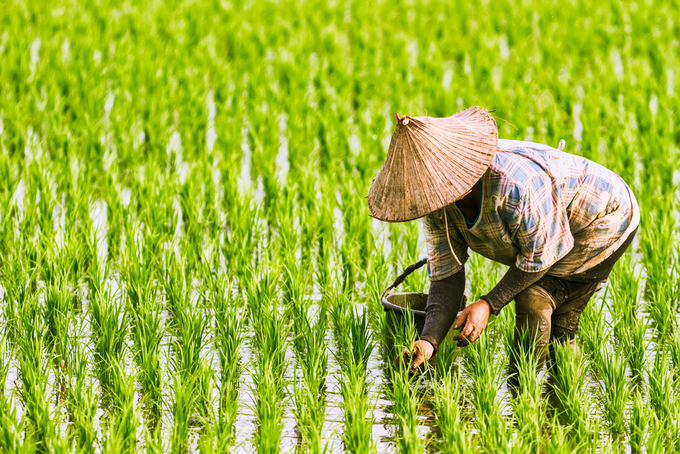
    Rice export prices slipped in India as the rupee weakened and demand waned, prompting buyers to turn to other markets such as Vietnam. India’s 5 percent broken parboiled variety eased to $379-$384 per tonne this week from the $382-$387 range last week. “Demand is still weak due to higher prices,” said an exporter based in Kakinada in the southern state of Andhra Pradesh, adding that despite the fall, prevailing high rates were prompting buyers to look at other markets, such as Vietnam.

    The Indian rupee hit a month low on Thursday, increasing exporters’ margins from overseas sales and thereby prompting a reduction in prices.

    Export prices in India had shot up after the central state of Chhattisgarh, a leading rice producer, raised minimum paddy buying prices to 2,500 rupees per 100 kg from 1,750 rupees.

    In neighboring Bangladesh, an increase in domestic rates for rice could prompt the government to cut the import duty on the staple grain, traders said.

    The south Asian country, which emerged as a major importer of the grain in 2017 after floods destroyed crops, imposed a 28 percent duty in June last year to support its farmers after local production revived.

    In Vietnam, rates for 5 percent broken rice fell to $355-$360 a tonne from $370-$375 last week ahead of the country’s largest harvest, expected to begin in two weeks.

    “Indonesia’s state food procurement agency’s recent announcement that it may not import rice this year has also weighed on prices,” a Ho Chi Minh City-based source said.

    “We are negotiating a deal for around 10,000 tonnes to be delivered late February, and we are stuck at pricing. We’re asking for $360 and they are offering $345,” the trader said, adding that the shipment would be bound for Africa.”

    Another trader said China’s move to limit rice shipments from Vietnam may not be as bad as some traders initially feared.

    “It’s only the beginning of the year now and importing countries can change their import plans, especially when hit by natural disasters,” the trader said.

    In second biggest exporter Thailand, prices of the benchmark 5 percent broken variety widened to $385-$400, free on board Bangkok, from $390-$400 the previous week, mostly due to fluctuations in the value of the domestic currency.

    “Demand remains flat, but some exporters are starting to talk about possible orders from the Philippines,” a Bangkok-based trader said.

    The Thai market is likely to see additional supplies flowing in toward the end of this month, from the seasonal harvest, and this could in turn move prices, another trader in Bangkok said.

  • Flipkart secures more funding to face competition

    Flipkart secures more funding to face competition

    Indian e-commerce firm Flipkart has received US$201 million funding for its wholesale business from its Singapore-incorporated parent. The investment comes during a period of intensifying competition between the firm and its Amazon-backed competitor in a market estimated to be worth $18 billion. It signals a prioritising of sales growth by the retailer since its acquisition by Walmart.

    A report last year indicated that Flipkart has seen a more than 80-per-cent increase in transactions in recent months, prompting the company to expand into new business lines such as furniture and groceries over the next three years.

    Separate reports show that Amazon also looks to invest significant funds into the market in order to challenge Flipkart’s present lead in the territory.

  • John Jacobs India aims to bag Rs 500 cr revenue by March 2021

    John Jacobs India aims to bag Rs 500 cr revenue by March 2021

    Lenskart’s eyewear brand John Jacobs is looking to garner Rs 500 crore in revenue in two years as it strengthens its retail presence and expands the product portfolio. The brand, which has eight stores currently in Delhi, Pune and Bengaluru, will add six more in the next two months and aims to set up about 50 stores by March 2021. “John Jacobs has been witnessing strong growth, we expect to close this fiscal with a topline of Rs 180 crore. By March 2021, we expect our revenues to touch Rs 500 crore,” Manan Duggal, Business Head, John Jacobs said.

    According to a report, about 40 percent of the sales is driven by online channels, with the rest coming from offline stores.

    Last year, Lenskart had said it will invest US$ 4 million in John Jacobs to fuel the brand’s expansion plans.

    “We are aggressively growing our presence both in online and offline. The brand is already retailing through Lenksart outlets (over 450 in more than 100 cities). The aim is to take the number of our own stores from 8 now to 50, by March 2021, covering all major metro cities,” he said, adding that the store expansion will entail investment of about Rs 10-15 crore.

    John Jacobs is also in discussions with fashion retail chains for distribution of its products.

    “In terms of online reach, we are already there on Lenskart and Amazon.in and will soon be available on Flipkart as well,” Duggal said, adding that the brand is aggressively expanding its product portfolio as well.

    John Jacobs recently introduced a new eyewear delivery model where the brand delivers eyeglasses, fitted with powered lenses, in a 20-minute timeframe.

    The service, currently available in select stores in Bengaluru, will be expanded to Delhi and Pune as well, Duggal said.

    He further said that with the new service, the brand expects to “see 30-40 percent upside in orders”.

  • Strategies that will differentiate leaders in Indian retail in 2019

    Strategies that will differentiate leaders in Indian retail in 2019

    Indian retail industry has seen tremendous transformation and growth in the last few years and has become one of the most favourable market for global investment. The vibrant industry, hugely shaped by changing policies and consumer behaviour is adopting technology not only to understand changing consumer preferences but also to enhance shopping experiences. Innovations have defined a gradual shift in how companies approach retail altogether.

    Technology disruptions have taken all industries in its stride and the cash and carry business is no exception, despite it dealing with B2B customers. Technology has been a pivot for the creation of personalised, ‘instant’ buyer experiences. The players who leverage technology well will be industry leaders of the next decade.

    As we have stepped in 2019, here are some retail trends that will make news this year.

    Integrated Omnichannel presence for retail analytics – Omnichannel in retail has been a high talk point and some retailers have successfully expanded their presence across platforms. However, integration is the key to success in this game. Unless the platforms are integrated, they will present an inconsistent experience to the customers, creating confusion about the product, pricing and promotions.

    Besides ensuring an unswerving experience, a bigger advantage of an integrated Omnichannel approach would be to share and cross-leverage customer behaviour data. For instance, if a customer has a specific purchasing pattern for a product offline, the retailer can use these insights for targeted marketing on various digital platforms. It will not only help the shopper find what they need but also help the retailer generate higher sales through relevant product suggestions and repeat business.

    Shaping in-store experience through proximity marketing – Internet of Things has transformed many industries and has the potential to enable real-time interaction between retailers and consumers, providing them with a truly connected experience. It not only brings about a seamless experience but also enable guided discovery and shopping, using a network of beacons in store. These beacons can help retailers in marketing, mapping the consumer movement patterns and time spent at various sites, in-store messaging, building consumer loyalty etc. This will offer the opportunity to revolutionise in-store experience for consumers.

    Increasing focus towards sustainability – The consumer dynamics have evolved considerably over the last few years. They feel connected to a company or a brand that helps them contribute to social and environmental issues. The inclination of Indian consumers towards building a sustainable future will provide an edge to brands operating sustainably.

    The dynamic regulatory environment and shifting consumer preferences are making it imperative for retailers to decrease the social and environmental impact of their operations. Companies will be seen instituting practices and initiatives to address this need, and, the players who will ace this, will be the most preferred brands for consumers in the future.

    Decreasing wastage, promoting recycling and energy conservation will be certain immediate outcomes of bringing sustainable practices within business operations. Over a longer period, the impact of sustainability will run much deeper, with local community engagement and expected economic benefits.

    Employing Blockchain to enhance credibility through responsible and ethical sourcing –Blockchain technology helps retailers with core functions including supply chain management, inventory management, authenticity verification, auto-renewal and subscription services, customer data and loyalty programmes. However, the key benefits that the technology is delivering to retailers are to ensure authenticity and improve accuracy in tracing the origin of any product swiftly.

    Incorporating blockchain technology will enable retailers to track data right from sourcing stage to customer purchase while ensuring authenticity for their customers. It will also help establish sustainable sourcing practices being followed by the company, making a stronger connect with the millennial consumer.