Tag: india

  • Starbucks India to add around 10 stores this fiscal

    Starbucks India to add around 10 stores this fiscal

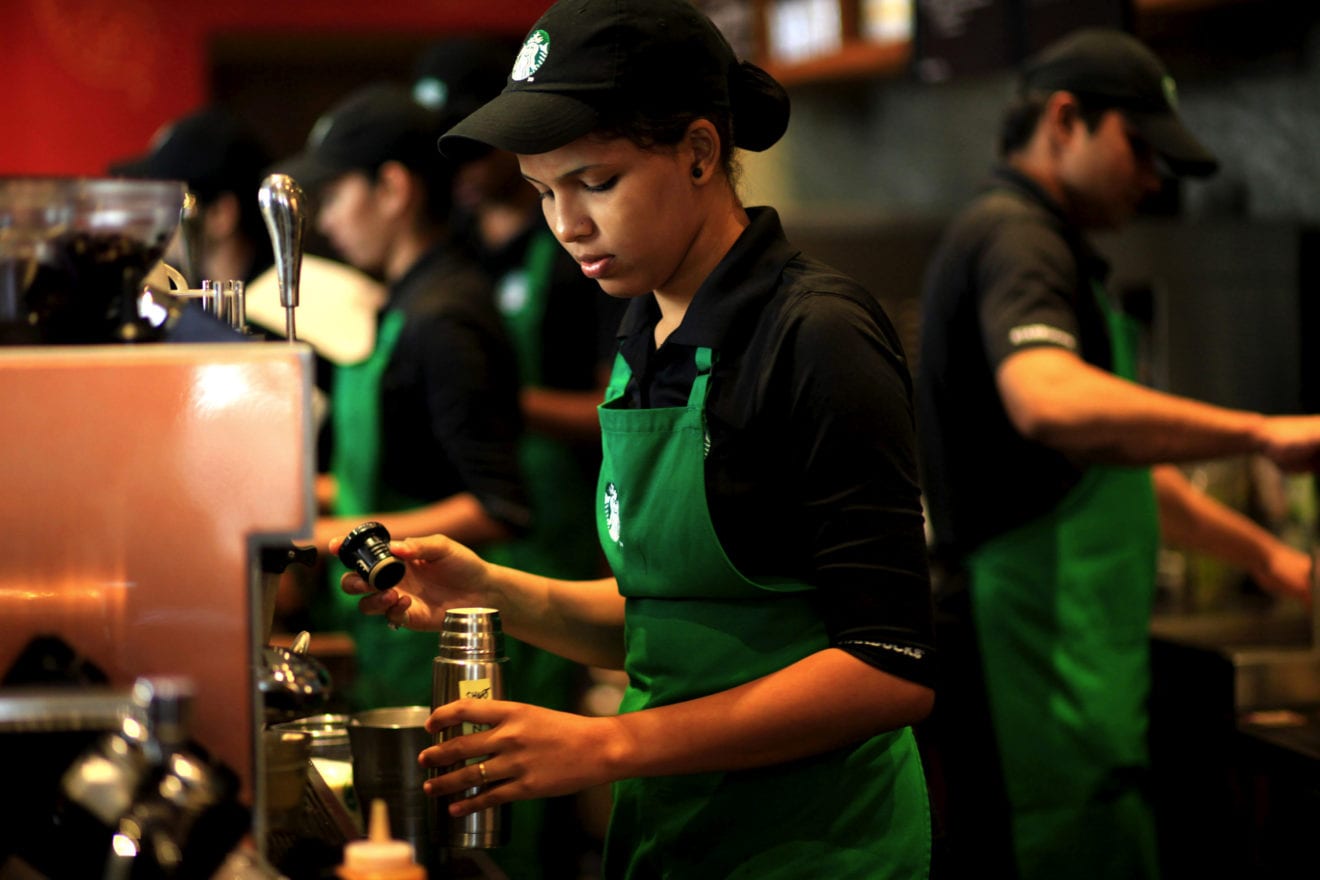
    Starbucks, a 50:50 joint venture between Tata Global Beverages and Starbucks Coffee of the US, is planning to add up to 10 new stores in the next two months, taking the total count to around 145 outlets, said a top company official. According to a report, the premium coffee chain is increasing the number of roll outs as it is getting overall good consumer response, said Tata Global Beverages (TGBL).

    “We currently have around 136 stores and we would open another between 5 to 10 stores by the end of the year (fiscal). We have seen an increase in the store roll out. We look at activating more stores roll out in the next few years, what we have seen in the past,” L Krishnakumar, CFO, TGBL Group said.

    Tata-Starbucks has recently started food delivery through online food aggregator apps like Swiggy.

  • India central bank makes surprise interest rate cut

    India central bank makes surprise interest rate cut

    India’s central bank unexpectedly lowered interest rates and, as anticipated, shifted its stance to “neutral” from “calibrated tightening” to boost a slowing economy after a sharp fall in the inflation rate. The monetary policy committee (MPC) of the Reserve Bank of India cut the repo rate by 25 basis points to 6.25%, as predicted by only 21 of 65 analysts polled by Reuters. Most polled respondents expected the central bank to only change the stance, to neutral.

    Four of six members of the MPC voted to cut the rates, while all six voted for a change in the stance.

    “Investment activity is recovering but supported mainly by public spending on infrastructure,” the MPC said in a statement. “The need is to strengthen private investment activity and buttress private consumption.”

    Rupa Rege Nitsure, chief economist at L&T Financial Services, called the central bank moves “the perfect policy response in the current circumstances.”

    Indian shares pared gains while 10-year bond yields slid 5 basis points after the surprise rate cut.

    The Indian rupee weakened to 71.69 to the dollar immediately after the announced but strengthened soon after to 71.42.

    The NSE index was up 0.04% at 11068.05 while the 10-year benchmark government bond yield fell to 7.51% from Wednesday’s close of 7.56%.

    India’s last rate cut, to 6.00%, was in August 2017.

    Also, in Manila, the Philippine central bank kept its benchmark interest rate steady for a second straight meeting , saying inflation risk had fallen on lower crude oil and food prices.

    The Bangko Sentral ng Pilipinas kept the rate on its overnight reverse repurchase facility The central bank paused its tightening cycle in December to allow its five straight previous rate increases, totalling 175 basis points, to work their way into the economy.

    The rate increases appear to be having their desired effect as inflation has started to cool since it hit a near-decade peak of 6.7% in September and October last year.

    The decision to stay on hold was based on the central bank’s view that lower oil costs and stabilisation in food prices would bring inflation under control and could see it back on target as early as March, when it could fall to below 4%.

  • V-Mart reports 27 percent growth in topline, reaches 200-store milestone

    V-Mart reports 27 percent growth in topline, reaches 200-store milestone

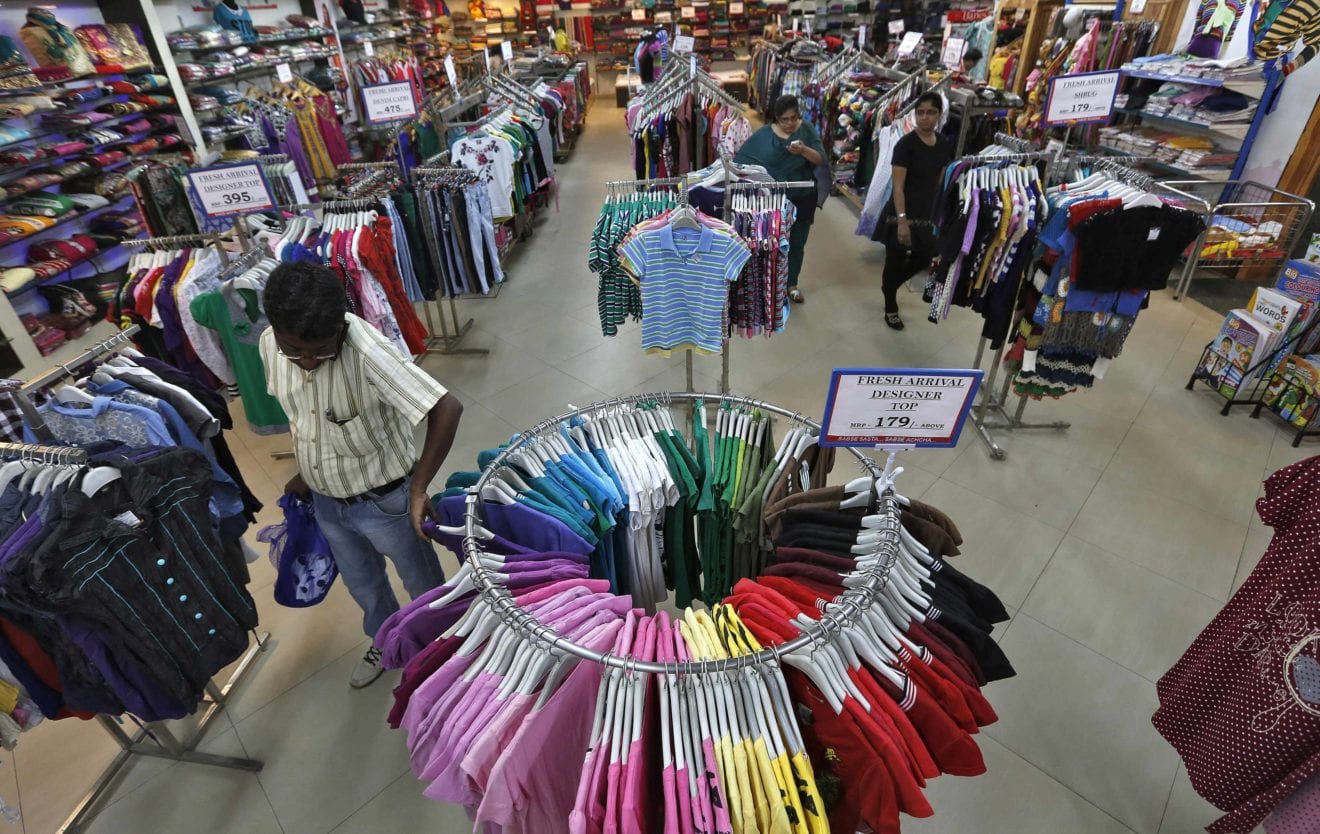
    V-Mart Retail, India’s leading value fashion retailer,  announced its unaudited financial results for the quarter and nine months ended 31st Dec,2018 whichwere approved by the Company and Board of Directors at its meeting held on 5th Feb, 2019. The company posted robust numbers for the third quarter, recording 27 percent YoY growth in revenue from operations, 15 percent increase in EBITDA and same store sales growth (SSSG) of 11 percent. The quarterly revenue and EBITDA stood at Rs 4658 million and 733 million, respectively, up from Rs 3680 million and 640 million in the previous year. The strong topline growth was also mirrored in PAT, which at Rs 417 million, delivered 14 percent YoY growth.Festive season shopping – comprising Durga Puja, Diwali and Chhath – in the company’s main geographic markets was the primary growth driver for the quarter. In the 69-day duration from 6th Sep – 13th Nov spanning the three festivals, the company registered overall and like-to-like growth of 49 percent and 27 percent, respectively. This was achieved through revamped product assortment, supply chain, and marketing and sales strategies that the company executed effectively. The company has invested in ramping up its warehousing capacity and strengthening the talent pool at all levels.

    Riding on the back of healthy numbers in Q3, V-Mart continued to strengthen its performance for the fiscal year. On a YTD basis, revenue stood at Rs 10,892 million for the nine months ended 31st Dec, growing at 18 percent YoY, while EBITDA and PAT, at Rs 1127 and Rs 625 million, grew at 3 percent and 1 percent, respectively.

    Commenting on the company’s performance in Q3, Lalit Agarwal, CMD, said “There has been a great execution of fresh product ideas and customer connect which was amplified by strong festive demand in all our markets. V-Mart was well prepared and well-positioned to tap into this opportunity in all its key markets, delivering its value fashion promise with a wider and deeper assortment that resonated with the fashion aspirations of our customers. Launch of stores in Assam and Meghalaya further added the growth momentum for the company and the company witnessed its best ever Durga Puja sales during the quarter especially from the Bengal region. We thank all our valued customers for their trust and belief in V-Mart and look forward to their continued support.”

    While driving a strong execution focus during the festive season, the company maintained its consistent pace of retail network expansion, reaching the 200-store milestone in December. V-Mart opened 10 new stores during thequarter, andon a YTD basis, has added 29 stores with more launches planned in the last quarter. While the company took 12 years to open its first 100 stores, the journey to the next 100 has taken less than 3 years. Looking ahead, the company is building a strong pipeline of locations for targeted store expansion in the next fiscal year.

    For the upcoming Spring-Summer 2019 collection, the company shall be launching a new range of Indigo collection denims, camouflage, high fashion t-shirts, joggers, ladies tops, salwar suits, gowns, solid woven skirts for girls and kurti’s along with a new kids summer collection. The launch of summer collection and the special marriage range, with an emphasis on vibrant colors and silhouettes willgive shoppers a wide choice of fabricsand form key customer-centric highlights of the next quarter.

  • Optimistic about Indian market despite changes in new FDI policy: Walmart

    Optimistic about Indian market despite changes in new FDI policy: Walmart

    US retail major Walmart, which invested $16 billion in Flipkart, Wednesday said it is committed to the Indian market and is optimistic despite recent changes in the FDI policy for e-commerce firms in the country, according to a PTI report. The Bentonville-based retailing major’s statement came after a recent report by global consultancy firm Morgan Stanley, which had hinted that Walmart may quit Flipkart as the new foreign direct investment (FDI) policy came into effect, which would lower its profitability in the long run.

    Morgan Stanley, in a report titled ‘Assessing Flipkart Risk to Walmart EPS’ dated February 4, claimed that “an exit is likely, not completely out of the question, with the Indian e-commerce market becoming more complicated.”

    “Walmart’s and Flipkart’s commitment to India is deep and long term. Despite the recent changes in regulations, we remain optimistic about the country,” said Dirk Van den Berghe, Executive Vice President and Regional CEO Walmart Asia and Canada.

    He further added, “We will continue to focus on serving customers, creating sustained economic growth and bringing sustainable benefits to the country, including employment generation, supporting small businesses and farmers, and growing Indian exports to Walmart’s global markets.”

    Tightening norms for e-commerce firms having foreign investment, the government, from February 1, barred online marketplaces like Flipkart and Amazon from selling products of companies where they hold stakes and banned exclusive marketing arrangements that could influence product price.

    The revised policy on FDI in online retail, issued by the commerce and industry ministry, also said that these firms have to offer equal services or facilities to all its vendors without discrimination.

    Last year on August 18, Walmart had completed acquisition of 77 per cent stake in Flipkart for about $16 billion (Rs 1.05 lakh crore), a deal which gave the US retailer access to the Indian e-commerce market.

  • Fashion to contribute Rs 70,000 crore to revenue in 7 years: Future Group India

    Fashion to contribute Rs 70,000 crore to revenue in 7 years: Future Group India

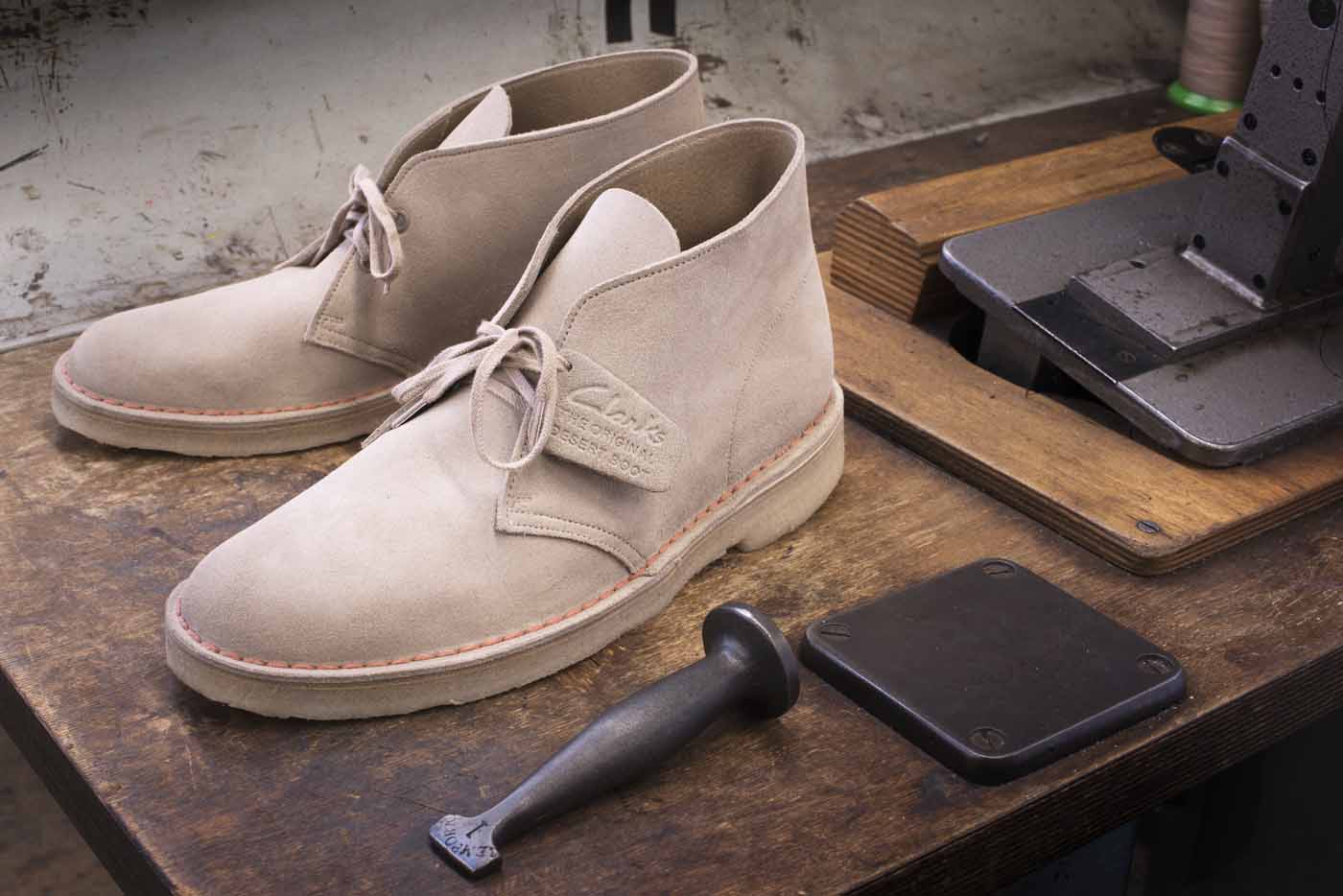
    Kishore Biyani, Chairman, Future Group says his company is planning to step up its focus on men’s footwear retail since the category is becoming an important accessory for the Indian consumer. According to Biyani, footwear today is no longer category defined for just women. It’s equally important for men – almost as important as buying trousers. With brands like Koovs, Lee Cooper, Clarks, Converse under one roof, Future Group claims to be the number two footwear retailer in India.

    “We aim to be number one footwear retailer in India,” he says, adding, “Men are equally inclined towards buying footwear and on an average have at least 20 pairs to go with different trousers. This is the reason why we are expecting footwear to contribute approximately 18 percent to the overall revenue, an increase from the current 11 percent,” he says.

    “We are expecting the share of footwear to increase from Rs 1,600 crore to Rs 2,500 crore by next year and we aim to be the number one footwear retailer in the country very soon,” he adds at the re-launch of Central at Ambience Mall, Vasant Kunj. The contribution of private labels to the group’s revenue is around 40 percent presently.

    At Central, Hyderabad, the footwear section spans across 30,000 sq. ft. and even in Central, Vasant Kunj, footwear occupies a major space covering 15,000 sq. ft. Area.

    Exploring Central Vasant Kunj

    The re-launched Central Vasant Kunj, spanning across 44,000 sq.ft area, is a high-definition store offering luxury experiences while keeping the price of the products at masstige level.

    “Many online brands like Koovs, Craftsvilla have come offline with us. We are expecting an average ticket size of Rs 4,000 here and plan to take this up to Rs 8,000,” Biyani states.

    With state-of-the-art décor, minimalistic fixtures and an aspirational fashion boutique feel, Central aims to provide a delightful shopping experience to its customers right from the time they enter the store to the time they reach the billing section. The space has subtle displays that compliments the store design and aesthetics. The store is designed and specialized to offer an enhanced and a more customized service to shoppers as per international standards.

    The outlet showcases a premium mix of national and international brands in various categories like Men’s and Ladies Formal Wear, Casual Wear, Ethnic Wear, Cosmetics, Fragrances, Handbags, Watches, Men’s and Ladies Footwear, Toys, Kids Apparel, Lingerie and more. From brands like Tommy Hilfiger, Guess, Gucci, FCUK to acclaimed designer like Micheal Kors, Giorgio Armani, Ferragamo, Calvin Klein, Diesel, Roberto Cavalli, Versace, Dolce & Gabbana, Central serves as the one stop shop for fashion-conscious customers of the capital.

    Central, which has at present no plans to go Omnichannel, has always believed in redefining the fashion and lifestyle retailing concept in India. Offering world class designs, with over 500 brands displayed in high definition and latest trends, the stores offer an enhanced and a more customized service to customers as per international standards.

    According to Vishnu Prasad, CEO, Central, “Every brand and its products have their own story to connect with customers and indulge in the latest in fashion. We also have exclusive brands in store resulting in a new and improved shopping experience.”

    “We intend to make next-gen Centrals ‘experience-savvy’ stores rather than ‘tech-savvy’ stores, s all services and features that we are offering will be in that direction,” he adds.

    Highlighting the services that set Central apart from others, Prasad says, “We have features like WhatsApp shopping – i.e. if a shopper likes something in our store but is not sure about the purchase, we can reserve the product for them and they can Whatsapp us once they have made up their mind to buy and we deliver the item to their doorstep.”

    Loyalty, cashback, wallets and HD services are some areas where Central has been focussing and has seen better results with technological advancements.

    “With the help of technological advancements, we have observed a hike in business contribution from loyal customers and payment wallets to overall customers,” Prasad says, adding, “A few other features that we offer at Central include priority billing counters for our customers, introduction of many unique services like automated wheel chairs in store for special customers.”

    Currently, the company is operating 44 Central stores in large cities (including Mumbai, Bengaluru, Hyderabad, Pune) and some in smaller cities such as Indore, Patna, Baroda and Surat.

    “We shall be touching 50 stores in just a few months from now,” says Prasad. “Our focus is towards nurturing and identifying the relationship with loyal patrons along with using digital wallets and digital medium as an overall means to enhance the formats footprints,” he adds.

    At present, Future Group – which is selling 30 crore garments annually – occupies a 35 percent market share in the fashion segment.

    “We are expecting fashion to contribute Rs 70,000 core to the company revenue in the next seven years,” says Kishore Biyani.
  • Luxury brands open stores in Ambience Mall India

    Luxury brands open stores in Ambience Mall India

    Ambience Mall, Gurgaon, with some of the biggest food and fashion brands such as H&M, Gap, Zara, Marks & Spencers, Kiko Milano, Luxe Bridge, Iconic, Da Milano, Jack & Jones, Cover Story, Ritu Kumar etc, is the perfect destination for shoppers of all age groups. To augment its standing as the numero uno, two more luxury brands Ted Baker and Hackett London have opened their stores in the mall recently.

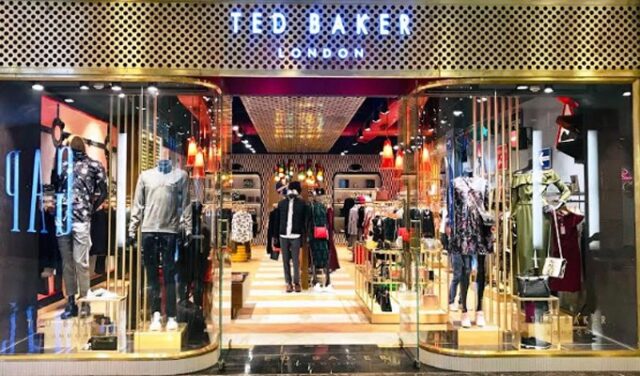
    British clothing and accessories brand Ted Baker known for designer apparel and signature tailoring opened its latest store at the Ambience Mall, Gurgaon. The store is equipped with glamorous interiors and tons of charm. The brightly-lit store will house their wide range of both menswear and womenswear. Ted Baker is a mainstay for every stylish wardrobe with a collection of bright dresses, tops, menswear, luxe accessories and add-ons.

    Located adjacent to the Ted Baker store, Hackett London is a multi-channel British menswear retailer, specialising in vintage clothing for men. As the official couturier for the British Army Polo team, the Henley Royal Regatta, the BAFTA awards and Aston Martin Racing, Hackett London is steeped in Britain’s rich sartorial heritage. With a wide repertoire of fine casual and formal clothing the store is a niche addition to the malls offering.

    Speaking on the store launch, Arjun Gehlot, Director, Ambience Malls, said, “We are delighted to have some of the best international fashion luxury brands Ted Baker and Hackett London in our mall. This is part of our commitment to offer International and Domestic premium quality brands to our customers under one roof. We will continue to bring best quality brands in the future as well.”

    The Ambience mall with the best offers in shopping, entertainment and culinary offering under its roof is the definitive favorite of shoppers looking for premium international and domestic brands. With an eclectic mix of top international and Indian clothing brands to cater to all age groups, wide array of entertainment options and unique decorative concepts that is constantly refreshed in-tune with changing seasons and festivities, the Ambience Mall, Gurgaon has indeed cemented its place as the perfect destination for shopping enthusiasts and thrill seekers in Delhi-NCR.

  • Superdry forays into sports fashion category, to open 50 retail stores in 3 years.

    Superdry forays into sports fashion category, to open 50 retail stores in 3 years.

    Recognizing the immense scope in the lucrative fitness market that has hit the country, Superdry announces its venture into Sports category under the name SuperdrySport. The brand is all set to open its first exclusive Sport store in the country that will celebrate technical sports gear, athleisure, great design and outstanding craftsmanship at DLF promenade, Delhi.

    From technical gear to workout essentials, SuperdrySport has everything from active wear, athleisure and sportswear. With pieces engineered to enhance performance and aid- goal focused activity, to more fashion lead items made with sports fabrics but designed more to turn heads, there are items carefully mastered to suit whatever your ability. Geometry and pop grid structures are complimented with layered mesh weaves. The highly technical performance range is created with a distinct ‘win’ attitude featuring compression fits and engineered ventilation designs.

    The 1076sqft, brand-owned Delhi outlet located at this premium location retains the Superdry DNA of clean lines set against raw finishes yet takes a leap forward into the fresh brand of SuperdrySport by merging the future technology, lighting and finishes to enhance the experience of the customers. SuperdrySport stores will have the ability to evolve with seasonal change, product sales and popularity or gender demand allowing maximum traction from every square meter. It is sure to catch the eye of a millennial customer.

    Millennials are increasingly buying clothing that’s characterized by durability and utility, this shift has led to a surge of interest in brands offering innovative designs, new functionality and practical fashion.

    With many celebrities donning the athleisure look, the trend has reached Tier 2 & Tier 3 cities as well. Having understood this potential Superdry plans to open stores in these cities as well soon.

    The report published by Global Industry Analysts Inc., the global market for Sports and Fitness Clothing is projected to reach US $231.7 billion by 2024. The research also indicates that technological developments designed to improve comfort and performance has also led to the growth in sales of sports apparel. The report points out that the Asia-Pacific region is expected to be fastest growing region, with a CAGR of 6.9 percent over the forecast period. Sales came from emerging markets, such as India and Thailand, as well as the US, the world’s largest sportswear market.

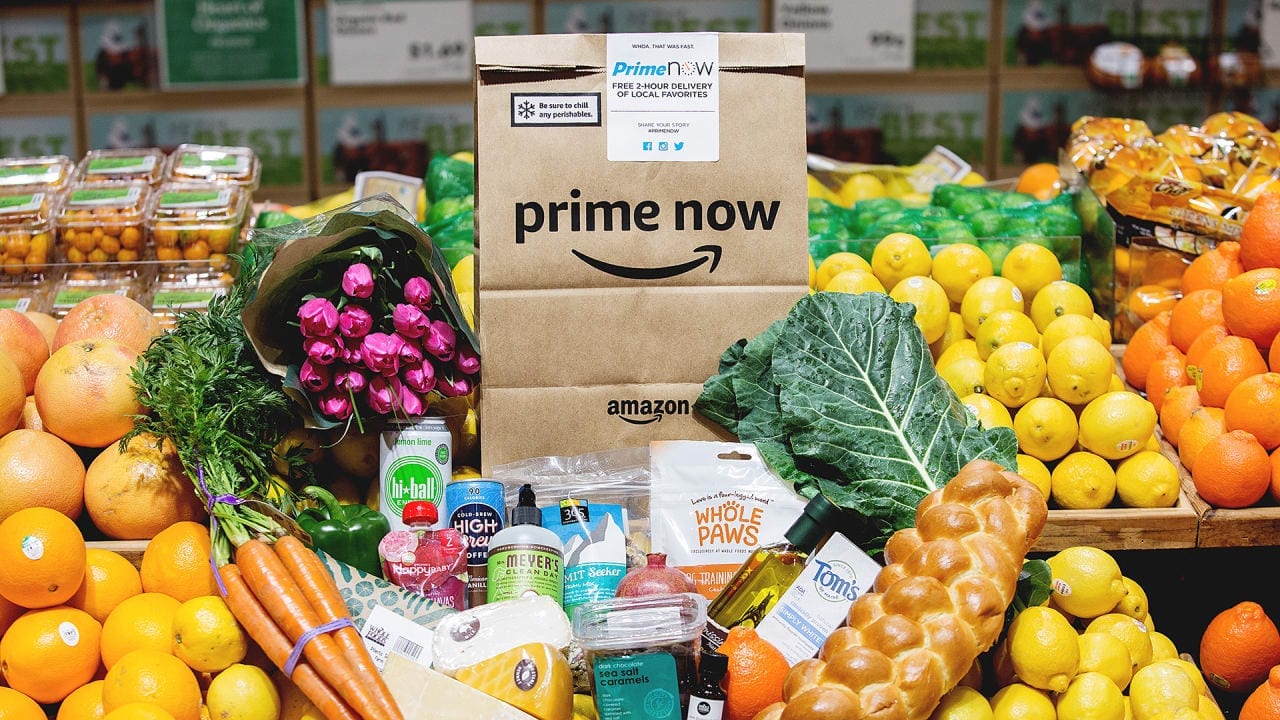
  • Indian consumers ask Amazon to resume Pantry service

    Indian consumers ask Amazon to resume Pantry service

    The Indian users of online grocery delivery service Amazon Pantry have taken to Twitter to urge the e-retail major to resume services ever since it was discontinued on February 1. “Currently, pantry items are not available on Amazon. Kindly stay tuned for more updates. Thank you for understanding,” Amazon responded to its Indian users in a tweet. The service became unavailable in India on February 1, the day revised norms for Foreign Direct Investment (FDI) in e-commerce came into force in the country.

    Following the new norms, Amazon has also removed from its website sellers such as Cloudtail India and Appario Retail Pvt Ltd in which it owns a stake.

    “I am missing Amazon Pantry service which catered to my monthly needs. It was super convenient,” tweeted a user.

    “What happened to Amazon Pantry? Please fix it,” read another user’s tweet.

    Under the Ministry of Commerce and Industry’s new guidelines issued on December 26, e-commerce platforms providing a marketplace are barred from exercising control or ownership over the inventory.

    They are also barred from allowing any company to sell its products exclusively on their e-commerce platforms alone.

    The Indian arm of the Seattle-based e-commerce giant did not respond to questions by IANS on the expected impact to its business in the light of the revised norms.

    While the company had earlier in a statement to IANS said that “it has always operated in compliance with the laws of the land”, it did not respond to queries on the changes it may have to make to its business model to suit the new norms.

  • Puma Shuffle makes its debut in India

    Puma Shuffle makes its debut in India

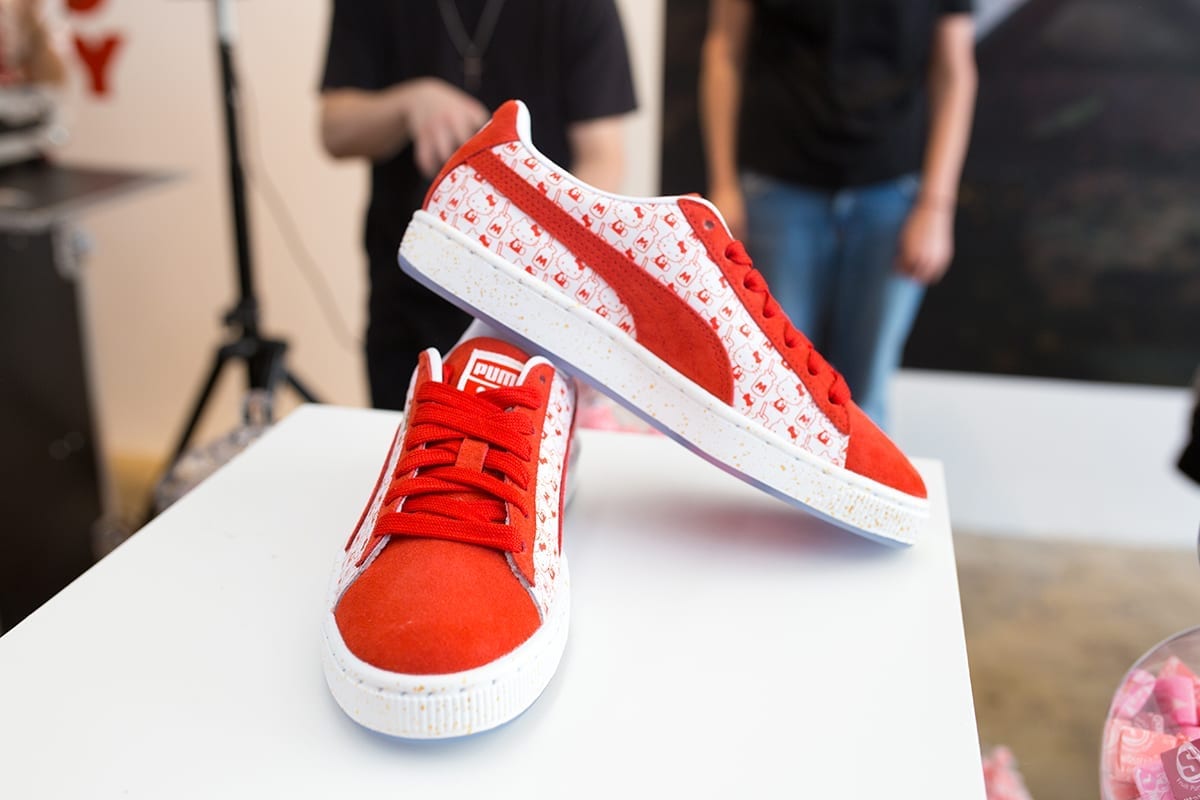
    Global sportswear brand Puma has launched Puma Shuffle, a street style weekend pop up space in Indiranagar, Bangalore on February 02, 2019. With an aim to become the hub for growing sub-cultures in the city, Puma has introduced a brand new concept that emerges over weekends to provide a dedicated space for creative expression.

    PUMA Shuffle is created on the notion of an alter ego where the identity of the place oscillates between a friendly neighbourhood bar, Watson’s and a high-energy creative space that celebrates live music and sub-cultural communities of the city over the weekend. The fluid pop up space by Puma comes to life on Friday and Saturday evenings with gigs by an eclectic selection of DJ’s, musicians, artists, designers and sneakerheads.

    Speaking about the new concept, Abhishek Ganguly, MD, Puma India, says, “Bangalore has always been a hub for culture, but it’s time to re imagine the city’s cultural landscape with the rise of a new generation of youngsters who are using sneaker, street art, skateboard, hip hop battles, and basketball as a form of self expression. Puma Shuffle, is an innovative concept aimed at being the hotbed for such communities and sub cultures, giving them a dedicated space, impetus and empowerment they need. This new concept of shuffling between two spaces will also be a great visual, gastronomical and creative experience for our consumers all under one roof.”

    Resonating the dual identity of the space, the aesthetics are all about fusing the two entities and creating a concept that allows a smooth transformation from one identity to the other. The interiors exude an old world, heritage charm with soaring arched windows and a barrel roof with an unfinished surface that gives the space raw yet regal feel. The quirky wall art and live animation breaks the earthy palette to give the space a distinct personality. The mezzanine floor displays live graffiti – a cat silhouette and Puma Shuffle artwork are brought to life by animated projections. Vibrant layered art with mixed styles of graffiti adorns the wall beside the staircase.

    Created by artist Badaal, the edgy illustration also pays homage to two of Puma’s big sneaker names – Puma Suede and RS-X Toys. There are also 5 arched frames that house images of international Puma assets on the top floor. In keeping with Puma’s first sustainable store, located below, the idea was to retain elements from the existing space and reuse materials to construct the new venue.

    Puma Shuffle provides both a great visual and gastronomical treat for the audience. Much like the vibe of the place, the menu curated for Puma Shuffle is new age, vibrant and refreshing. On offer is a medley of cuisines from different corners of the world, including a few local favourites, that makes one keep coming back for more. In keeping with the theme of the space, the bar is hooked up with a mechanical pulley system used to elevate the wrought iron lighting at the facade. Here, an array of fun cocktails are created by expert mixologists.

  • E-commerce share to rise to 12pc from 2pc in 10 years: Walmart India CEO

    E-commerce share to rise to 12pc from 2pc in 10 years: Walmart India CEO

    Share of e-commerce is set to rise, despite the growth in brick and mortar or physical retail from 2 percent to 12 percent over the next 10 years, aided by pick up in Omnichannel format, said Krish Iyer, President & CEO, Walmart India and Chairman of India Food Forum, at India Food Forum 2019 on Tuesday. Gap between physical and digital needs to be bridged as the consumer is going digital in terms of experience as also his touchpoints, he said delivering the inaugural address at the two-day India Food Forum 2019.

    Sharing his insight at Walmart, Iyer said that by enriching customer experience, the consumer started buying Rs 180 over Omnichannel instead of buying Rs 100 from the store itself and later the ratio in the store was Rs 70 while digital was Rs 110. Calling for technology adoption as key to retail growth, Iyer enumerated four key challenges led by food security, safety & nutrition, food wastage and sustainability.

    “Feeding a rising world population of 10 billion from 7 billion amid rising death of infant children due to malnutrition, changing climatic conditions are key challenges. In India, phenomenal efforts are made on the regulatory front for safety and nutrition that will follow with awareness, compliance and enforcement of law. Significant investment amounting to Rs 92,000 crore in food processing in catchment areas is needed to overcome the wastage of 30 percent of all food and 40 percent of fruits and vegetables,” he said.

    Earlier, speaking at the forum, Ajay Macaden, Executive Director, Nielsen said, “Consumers have evolved now for omni-channel even for specific categories like milk and bakery. Increased internet and smartphone penetration has led to multiple shopping channels and change in consumer behaviour.”

    In markets around the world categories such as travel, entertainment (books, music, events) and durable goods (fashion, IT/mobile, electronics) are the front runners for consumers to enter the online retail sphere. Consumers are, however, also looking for e-commerce options for an increasing range of categories, as their more immediate needs for convenience and ease expands, Macaden said.

    Consumers in APAC (Asia Pacific) have even evolved to fresh grocery and packaged goods with China, India, Japan and Korea leading the market. In fact, packaged grocery food and fresh groceries are showing the highest percentage growth of all categories in 2018 in this region, he said.

    Other key speakers at the forum included Damodar Mall, CEO, Reliance Retail (Supermarketwala), Sadashiv Nayak, CEO Food business, Future Group, Mohit Kampani, CEO, Aditya Birla Retail, C. Gopalkrishnan, Founder, N. Supermarkets, Ramesh Menon, Former CEO, Hypercity, Mohit Anand, MD, Kellogg, India and South to name a few.

  • Walmart may exit Flipkart due to new FDI rules: Morgan Stanley

    Walmart may exit Flipkart due to new FDI rules: Morgan Stanley

    Retail giant Walmart may exit Flipkart after India’s new Foreign Direct Investment (FDI) norms for e-commerce companies came into force, US investment banker Morgan Stanley has warned. “An exit is likely, not completely out of the question, with the Indian e-commerce market becoming more complicated,” the report by Morgan Stanley said late Monday.

    According to the report, Walmart-Flikkart saga might turn out to similar to what happened with Amazon in China in late 2017.

    “There is a precedent for an exit as Amazon retreated from China in late 2017 after seeing that the model no longer worked for them,” the report read.

    “We estimate that Flipkart derives 50 per cent of its revenue from this category, meaning Flipkart could face meaningful disruption and top-line pressure in the near term,” it added.

    The new FDI rules may require Flipkart to remove as much as 25 per cent products from its platform including smartphones and electronics that constitute a bulk of sales, said Morgan Stanley.

    On February 1, disruption was caused in the e-commerce operations in India of the two companies after the new FDI norms for the e-commerce sector came into effect.

    The norm prohibited the online retailers from mandating any company to sell their products exclusively on its platform.

    In the new policy, the Commerce Ministry also noted that the online retail firms would not directly or indirectly influence sale price of goods and services and would maintain a level playing field.

    Amazon India had to withdraw many of its products and they were listed as “currently unavailable” as the new norms prohibit the e-retailers from selling products of companies in which they have stakes.

    The two companies have together lost market capitalisation of $50 billion.

    Amazon lost market capitalisation of over $45 billion on Nasdaq while Walmart lost over $5 billion on the NYSE.

  • IKEA’s first India store sold more despite lower than anticipated footfall

    IKEA’s first India store sold more despite lower than anticipated footfall

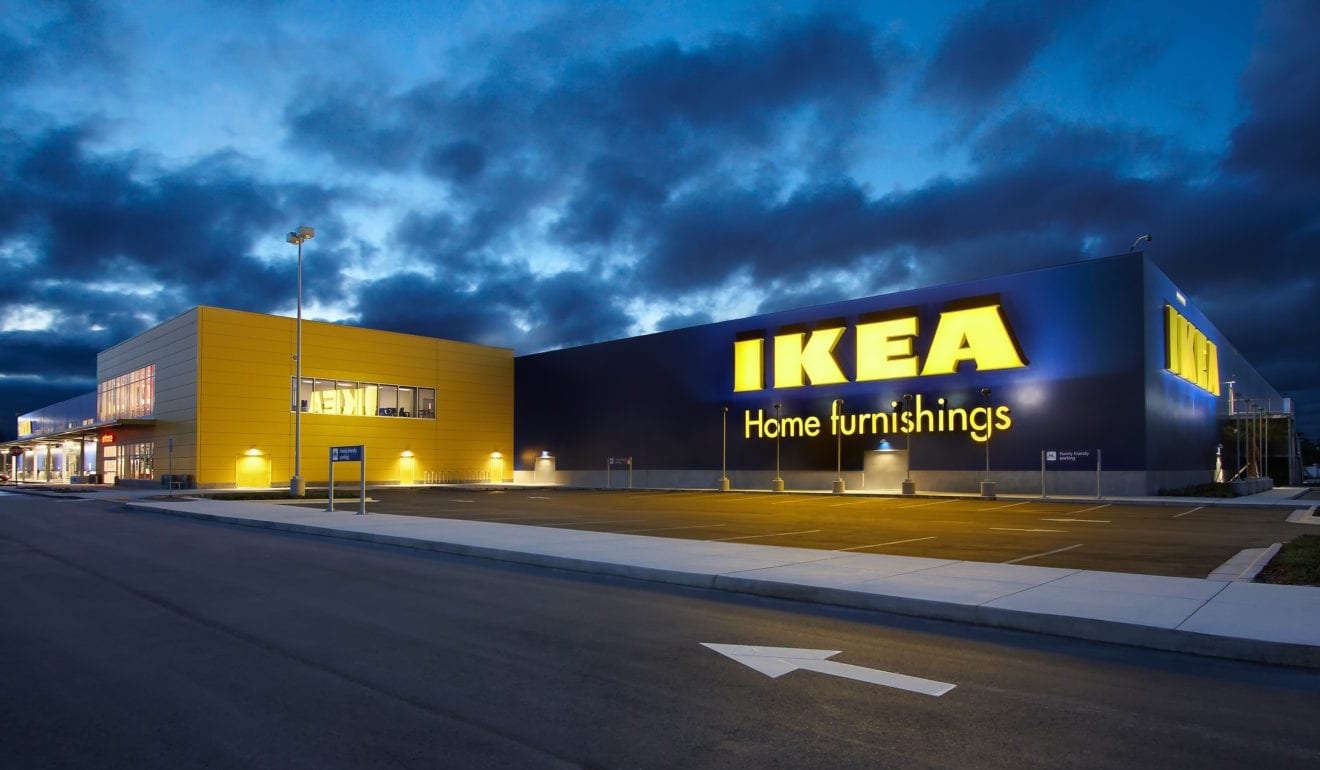
    Swedish home furnishing multinational IKEA’s first India store here witnessed less than expected footfall during last six months but the spending by the buyers was more than what it anticipated, said a top company official on Thursday. IKEA’S Hyderabad store, which opened in August last year, said it was originally looking for 7 million footfall a year but it is now 5 million a year.

    “The ambition was to have more footfall. We imagined higher visitation but the same time we see many positive categories. People are buying more items and they are spending more money. We are selling more pieces. This is good for IKEA because we are volume driven company. They are spending and buying more than we anticipated,” said John Achilles, Hyderabad Store Manager, IKEA India.

    He told reporters that products with a volume of 80,000 square metres were sold but declined to share the numbers in terms of value.

    Terming the people’s response as amazing, Achilles said it was a great learning experience. “We learnt so much about market, so much about customers and about their buying habit.”

    According to Achilles, customers in India were price sensitive. “Low priced items are those selling in much higher volumes. People want great value for money for products both accessories and furniture.”

    Kallas spoon set, priced at Rs 15, the lowest at the store, has been the number one selling item during last six months. “We sold half a million of those in six months. There is no other store in the world that sold this kind of volumes,” he said.

    He said IKEA’s range of products were lowest in many categories in the market. While 95 per cent of the products sold in India were the same available at IKEA stores around the world, about five per cent were specifically meant for India. These products included spoons, “tawa” and other accessories.

    Achilles was talking to reporters on the sidelines of the launch of made in India textile collection, Anglatarar, by by IKEA.

    IKEA opened first store five years after the world’s largest single brand retailer received government approval in 2013 to invest Rs 10,500 crore to open 25 stores in India by 2025. The company last year revised the number of stores to 40 across all formats.

    Achilles said they would open the next store at Mumbai during 2019 while Bengaluru store would come up in next 24 months and this would be followed by New Delhi.

    On sourcing from India by IKEA, he said this had gone up to 19 per cent while it was less than 10 per cent before the launch of first store.

    The sourcing has to go up to 30 per cent in five years as prescribed by the government of India, the official said, adding that they were looking to go beyond 30 with ambition to reach 50 per cent.

    Mia Olsson, Country Communication and Interior Manager, IKEA India, said: “This collection mark the celebration of design aesthetics from both countries.” She termed it as a tribute to India.

    IKEA’s Hyderabad Stores Food Woes Resolved

    After a gap of nearly five months, vegetarian biryani returned to the menu of Swedish home furnishing retailer IKEA here on Thursday.

    In September last year, IKEA’s had stopped selling vegetarian biryani at its store here found a foreign object in a dish.

    “Today is the first day we have started reselling vegetarian biryani,” said John Achillea, Hyderabad Store Manager, IKEA India.

    He said that they were making this dish in house and it is available for Rs 99 like in the past.

    IKEA’s first India, which is completing six months in February, was earlier sourcing prepared veg biryani from Haldiram of Nagpur.

    The Greater Hyderabad Municipal Corporation (GHMC) had fined the IKEA store Rs 11,500 after a customer lodged a complaint that he found a caterpillar in veg biryani served to him at the IKEA restarurant.

    The furnishing giant subsequently removed the veg biryani from its menu and stated that it takes food safety and quality very seriously.

    IKEA opened its first India store here on August 9. It has a 1,000-seater restaurant.

  • India Food Forum 2019: Alliance avenues with foreign partners to expand food market in India

    India Food Forum 2019: Alliance avenues with foreign partners to expand food market in India

    India Food Forum 2019 identified avenues for partnerships in food, beverages and food service industry with Ambassadors, Trade Commissioners and Consul Generals of several countries and highlighted how Embassies and Trade Commissions can play a more pro-active role to facilitate such alliances. Emerging as major market of the world, India offers huge opportunities for manufacturers, producers and providers of products and services from across the globe to sell here or partner with Indian companies to serve this market.

    Acceptance of multinational culture, a growing taste for foods from across the globe, increasing inflow of foreign nationals, willingness to experiment new cuisines and more over avenues to market new products further add to the opportunity.

    The session was moderated by Amit Lohani, Convener, FIFI.

  • Hiring persons with disabilities in India’s retail sector up by 53 percent

    Hiring persons with disabilities in India’s retail sector up by 53 percent

    Only 36 per cent of disabled persons in India are employed, of which 90 per cent are in the unorganized sector, said a new report by Trust for Retailers & Retail Associates of India (TRRAIN) here on Wednesday. The report – ‘Disability Employment: Indian Retail Changing Equations’ – said that as per Census 2011, the number of persons with disabilities was 2.21 per cent, or 26.8 million of the total population.

    However, the actual number in India could be between 5-10 percent, belying the Census figures, said TRRAIN.

    Around 50 per cent of the disabled population in the country was in the employable age of 20-59 years but jobs remain a problem for them as nearly 46 per cent are illiterate.

    Though 36 per cent are employed, almost 90 per cent have jobs only in the unorganized sector. And mainstreaming them could add around 5-7 to the country’s GDP, the report said.

    It noted that hiring persons with disabilities in the retail sector had gone up by 53 per cent between 2011 and 2018, but there was more scope to employ and mainstream them as there existed a positive correlation between customers and stores manned by the disabled.

    The report said that with 80 per cent jobs in retail ‘customer-facing’, employing the disabled PwDs serves the dual purpose of providing employment and sensitising the society at large about the challenges encountered by the disabled.

    The report was released at the 3rd Retail Inclusion Summit held here by TRRAIN founder B.S. Nagesh in the presence of big names from the retail industry.

    TRRAIN also runs an initiative ‘Pankh’ that trains and prepares disabled persons for employment opportunities in the retail sector.

  • The Beer Café’s 40th outlet at Delhi with new concept

    The Beer Café’s 40th outlet at Delhi with new concept

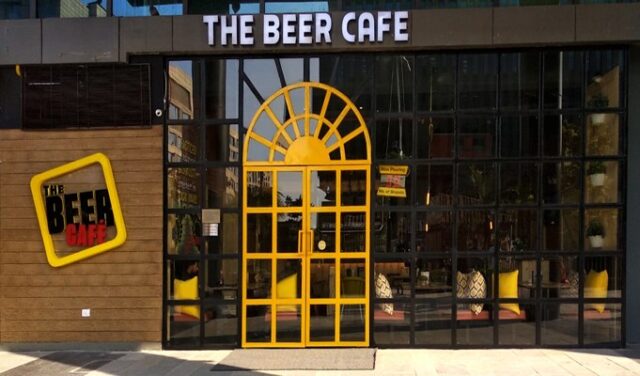
    The Beer Café, India’s largest alco-beverage chain, has opened its 40th outlet at Delhi’s Aerocity. Enhancing the beering experience for its patrons, this brand-new outlet is the only place in the city to offer a whopping 16 varieties of the fresh and delicious ale on tap. With a food menu that perfectly complements the golden brew and an energetic and lively ambience that is a hallmark of the brand, The Beer Café is definitely the new must-visit spot for beer lovers in Delhi/NCR.

    Aerocity is fast emerging as one of the most posh and upmarket locales in the Delhi-NCR region. Not only has it become the hub for some of the most vibrant F&B brands in the city, it is also a hotspot for a variety of lifestyle and cultural events. Further, its easy connectivity to the airport and other bustling locations in the city such as Gurgaon, Vasant Kunj and Dwarka made Aerocity the perfect choice for the newest The Beer Café in the capital.

    The brand has been a pioneer of casual, inviting, neighborhood hangout spaces in India. The innovations in providing superior consumer experiences have played a key role in establishing its domain leadership in India.

    With this 40th outlet that serves more beers on tap than any other bar or hangout space in the city, The Beer Café has elevated the benchmark for social drinking experiences in the city yet again.