Tag: india

  • Fila to open 100 exclusive retail stores in India over the next 5 years

    Fila to open 100 exclusive retail stores in India over the next 5 years

    Fila India, owned by Cravatex Brands Limited, the Indian arm of the $150 million Batra Group, is adopting an aggressive expansion strategy in India. 2018 saw the comeback of sports brands, both globally and in India, due to the shift in consumer preference towards sports inspired athleisure clothing. A key player in the Indian market, Italian sports and fashion brand Fila has planned to capitalize on this trend and strengthen its presence in the country with an aggressive expansion strategy. The brand is projecting sales to grow more than 50 percent by the end of this financial year.

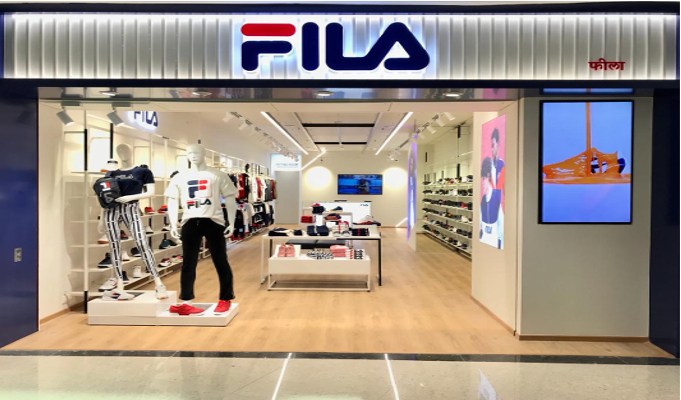
    As part of the new Heritage Store format, Fila has been opening one store a month and expects to keep this momentum going in 2019. The next 3 months will see stores coming up in Mumbai, Bhubaneswar, Baroda and Chennai among other cities. The focus will be skewed largely towards Fila Heritage format stores, driving fashion lifestyle imagery in the premium sportswear segment with a global Heritage collection across footwear, apparel and accessories.

    Aside from main metros and mini metros, Fila has set its sights on the North Indian market with a focus across Delhi, Gurgaon, Noida, and the entire region of Punjab; followed by South India. While company owned stores will be the primary objective, the brand is identifying some key partners to pursue a franchise model.

    Maintaining uniformity across layout and design, the average store size is expected to be between 1000-1200 sq feet carpet area with larger flagship locations in metros.

    Speaking on the strategy, Rakesh Singh Kathayat, Chief Operating Officer, Cravatex Brands said, “The resurgence of sportswear in mainstream fashion is the most relevant conversation in the industry today, particularly among millennials and Gen Z. Fila’s retro aesthetic and nostalgia-tinged DNA has thus, gained relevance and this conversation has supplemented its evolution into a sports fashion label. While we’re steadily making this progression in perception, supplementing consumer demand with supply is the need of the hour. Our offline retail growth in India focuses on strengthening our pan-India presence to create easier access and increased engagement with our growing consumer base.”

    Fila India is a licensee held by Cravatex Brands Limited which is a part of the Batra Group, a Global Retail, Brand Licensing, Distribution and Sourcing company with a presence across the Indian Subcontinent, United Kingdom, Europe, North Africa and the Middle East.

  • Jubilant FoodWorks Q3 net profit up 46 pc to Rs 96.5 cr

    Jubilant FoodWorks Q3 net profit up 46 pc to Rs 96.5 cr

    Jubilant FoodWorks Limited (JFL) has reported its financial results for the quarter and nine-months ended December 31, 2018. Operating revenue for Q3 FY19 stood at Rs 9,291 million, representing an increase of 16.8 percent over Q3 FY18, and a sequential growth of 5.4 percent over the preceding quarter. The growth was driven by a strong 14.6 percent same store growth (SSG) in Domino’s Pizza.

    EBITDA for Q3FY19 was Rs 1,706 million, or 18.4 percent of revenue, a growth of 24.6 percent over Q3FY18 and a margin expansion of 120 bps. This is the highest EBITDA margin in seven years.

    Profit after Tax in Q3 FY19 stood at Rs 965 million, or 10.4 percent of revenue, a growth of 46.2 percent over Q3 FY18 and a margin expansion of 210 bps.

    During the quarter, the company added new products to its portfolio. Domino’s launched ‘Multigrain Crust’ with an objective of offering a wider range to the customers. In addition to this, the company also introduced four new side dishes viz. Potato Cheese Shots, Crunchy Strips, Crinkle Fries and Brownie Fantasy.

    The store opening momentum accelerated during the quarter, with 35 new Domino’s stores being opened during the quarter.

    Dunkin’ Donuts delivered break-even in Q3 FY19 on the back of strong growth in the core portfolio of Donuts and Beverages, as also disciplined cost management.

    Commenting on the performance for Q3 FY19, Shyam S. Bhartia, Chairman and Hari S. Bhartia, Co-Chairman, Jubilant FoodWorks Limited said, “I am delighted to share that we have once again delivered healthy earnings growth during the quarter which stood in-line with our expectations. Performance was driven by consistent progress made across each of the growth pillars.”

    Commenting on the performance for Q3 FY19, Pratik Pota, CEO and Whole time Director, Jubilant FoodWorks Limited said, “We have demonstrated strong all-round performance in Q3 FY19, led by robust same-store sales growth (SSSG) of 14.6 percent reported in Domino’s Pizza. This was accompanied by a tight control on operating costs that led to EBITDA margins improving to a seven year high of 18.4 percent. In addition, Dunkin’ Donuts also broke even during the quarter, ahead of the targeted Q4 timeline. We are happy with our performance and confident of the prospects ahead, as evident in the 35 new stores opened in Q3, the highest in eleven quarters.”

  • Nykaa launches Drew Barrymore’s cosmetics in India

    Nykaa launches Drew Barrymore’s cosmetics in India

    Nykaa, India’s largest beauty retailer, has exclusively launched international cult beauty brand, FLOWER Beauty, in India. FLOWER Beauty was developed and created by award winning actress and entrepreneur, Drew Barrymore and her philosophy that woman everywhere deserve the best quality makeup at an affordable price. The makeup line will be launched in mid March’19.

    The combination of cruelty-free, luxury-quality formulas, premium packaging, and an affordable price have made FLOWER Beauty one of the fastest growing makeup brands in the US. Having grown up in the makeup artist’s chair, Drew brings her years of experience to FLOWER, with a mission to encourage women to look and feel great in their own skin. The brand’s tag line – Beauty is for Everybody – reflects Drew’s philosophy of inclusivity and positivity.

    Speaking of India’s launch, Drew commented: “I’ve always believed that beauty is for everybody, and that women everywhere should have access to great quality products at an affordable price. That has been our mission at FLOWER Beauty since day one, and now to be able to bring our story and products to women around the world is so incredibly exciting.”

    Addressing the partnership/ launch, Nihir Parikh, Chief Business Officer, Nykaa.com quotes, “At Nykaa we are always trying to include a range that satisfies audiences across different age group and interests. The brand reflects Drew Barrymore’s passion for cruelty-free products with premium formulas. We are very excited to bring this brand exclusively to India.”

    FLOWER Beauty launches in India with a range consisting of award-winning Flower Pots Powder Blush, bestselling Shimmer & Shade Eyeshadow Palettes, Lash Warrior Mascara, and many more. All the products will be exclusively available at Nykaa.com and Nykaa retail stores.

  • Snapdeal bats for new FDI policy in e-commerce from Feb 1

    Snapdeal bats for new FDI policy in e-commerce from Feb 1

    Leading Indian e-tailer Snapdeal on Tuesday supported the implementation of revised Foreign Direct Investment (FDI) policy on e-commerce from February 1. “Snapdeal supports the immediate implementation of the current FDI policy on e-commerce so that marketplaces are not misused to run inventory operations,” Delhi-based Snapdeal told IANS in a statement.

    The Ministry of Commerce and Industry on December 26 issued revised policy guidelines on FDI in e-commerce.

    The policy revision, which will be in force from February 1, dictates that e-commerce platforms providing a marketplace will not exercise control or ownership over the inventory.

    E-tail majors Flipkart and American online retailer Amazon’s Indian arm, however, sought an extension on the implementation of the new norms, amid protesting voices from retail traders’ bodies against granting the extension.

    “Government policy changes will have long-term implications in the evolution of the promising sector and the whole ecosystem,” American retail giant Walmart-owned Flipkart told IANS through a statement earlier.

    The new norms also barred e-tail firms from allowing any company to sell its products exclusively on their e-commerce platforms alone.

    While Amazon India had said in a statement to IANS that “it has always operated in compliance with the laws of the land”, it did not respond to queries on the changes it may have to make to its business model to suit the new norms.

    On the other hand, the Confederation of All India Traders (CAIT) has asserted that delaying the execution of the policy will allow the e-tailers to continue with their “dominance over retail trade”.

    “The modus operandi of these e-commerce companies for seeking extension (on implementation of new FDI norms) is to keep delaying fair execution of the policy,” CAIT wrote in a letter to the Ministry of Commerce and Industry this month.

    “They (e-commerce platforms) may continue with their sinister designs of operating all kinds of malpractice including predatory pricing, deep discounting and exclusivity, in order to ensure their control and dominance over retail trade and wipe out the competition,” the letter said.

    The Ministry, however, has not indicated any possible extension of deadline to implement the new norms.

  • India’s  jewellery brand opens new outlet

    India’s jewellery brand opens new outlet

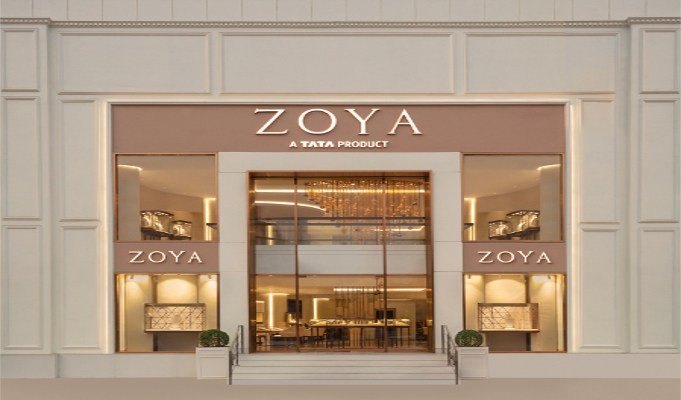
    Zoya, the exquisite diamond boutique from the House of Tata, has reopened its flagship store in Delhi, amidst a glittering celebration, graced by connoisseurs of design from Delhi’s high society. Located in the iconic South Extension neighbourhood, the new boutique of India’s homegrown luxury brand spreads luxuriously over 4,600 sq.ft. Designed as a minimalist gallery of fine art, where each piece resonates with reflections of Zoya’s inspirations from its journey around the world, the boutique is home to Zoya’s rare masterpieces.

    In keeping with the brand’s unwavering focus on fine design and impeccable craftsmanship, celebrated designer Gauri Khan was guest of honour for the evening and joined CEO of Titan’s Jewellery Division, CK Venkatraman, and guests, in raising a toast to the boutique’s many treasures.

    A splendid, two-part, fashion showcase by Zoya in collaboration with ace couturier Monisha Jaising showcased her elegant designs and a spectacular array of Zoya’s collections. Embellished gowns and cocktail dresses were paired with Zoya’s dramatic ‘6299 Hollywood Blvd.’, a collection that draws design direction from the panache of three iconic Hollywood eras translating the undying glamour of film into an absolutely unique take on jewellery.

    Fusion lehengas and sarees in pleasing pastels highlighted the mood for Whispers from the Valley, a collection that captures the poetic beauty of Kashmiri seasons and picturesque icons of the land, from the gentle shikara to falling chinar leaves.

    Stark black and navy created dramatic flair for the presentation of ‘Musee Du Luxe’ – Museum of Luxury, a collection that looks towards the sublime architecture, rich culture and inherent joie de vivre of Paris, blending a modern style palette with vintage charisma while summery whites paired with Zoya’s Pezzo D’Arte,a versatile line of 37 pieces inspired by rich Italian history and style. As visionary as art, the collection uses geometry in design, to create an edgy fashion statement, imbued with a distinctly modern vibe.

    The evening gave guests a chance to explore the purposefully planned navigation of the boutique and opportunities to appreciate each splendid piece. With three floors in Zoya’s signature tones of mushroom, champagne and orange, the store opens onto the ground floor presenting guests with its newer collections. A wide staircase or elevator leads to the basement unveiling a gallery of Zoya’s most iconic pieces. The first floor reveals the breadth of Zoya’s fine collections with an exclusive presentation of high value jewellery.

    Zoya travels the world to seek varied inspirations for its fine collections in the culture and art of historic periods like Awadh, Rajputana or the Romanov era. Iconic destinations like Banaras, Kashmir, Italy, Paris, Greece and Spain, are Zoya’s muse as much as legends and myths such as those of Krsna. Guided by a personal jewellery specialist, an indulgent walk-through of the thoughtfully-designed boutique is a tryst with luxury quite unlike any other; an opportunity to be regaled with tales of lands far and near, as the inspiration behind every creation of Zoya is brought vividly to life.

    The showcasing of jewellery with storytelling, visual merchandising, and varied lighting enhances the intricacy and beauty of each piece. Panels and partitions have been created by local artisans to tell the Zoya story, and clean, uncluttered lines and display units, showcase the treasures of this exclusive gallery of fine design.

    Thoughtful touches to make the customer feel special are a hallmark of luxury, and the store is designed to ensure valued guest experience the highly personalised service Zoya is known for. Private viewing areas with sheer curtains add softness while allowing customers to peruse the collections at leisure and with discretion, or to converse intimately with Zoya’s master designers at call to help them customize their favourite pieces. Once seated for a private viewing, chosen pieces of Zoya are individually showcased with an expert designer in attendance to fulfil bespoke desires. All while personally-curated gourmet hors d’oeuvres and sparkling flutes of bubbly flow in abundant luxury.

    CK Venkatraman, CEO, Jewellery Division, Titan Company, says “Zoya is a home-grown luxury brand, with an Indian heart and an eye on the world. It holds a cherished spot in the Titan story. With the aesthetic value of unique design and refined craftsmanship becoming sought after benchmarks of selection, we see great potential in Zoya’s growth. Delhi has always been a very important market for all of Titan’s jewellery brands, and we are delighted to offer our customers this beautiful new space to explore Zoya’s splendid treasures.”

    Added Gauri Khan, “Zoya’s products are very artistic. They are thoughtfully designed and meticulously crafted. This attention to detail and commitment to quality is similar to my own approach to design. I am happy to be here for the opening of Zoya’s new boutique in Delhi.”

  • Grofers crosses Rs 300 cr sales in single month

    Grofers crosses Rs 300 cr sales in single month

    Grofers, the low price online supermarket, announced the record revenue of Rs 310 crore in January 2019. With this, Grofers became the first online grocer to cross Rs 300 crore in monthly sales and also became the largest e-grocery company in the fast growing space. Aligned with its aim to drive the next wave of growth for e-commerce sector, the company has brought 2.5 lac new customers to its platform in January. The brand is eyeing a revenue target of Rs 2,500 crore for FY 2019.

    On the back of the industry’s biggest grocery sale – Grand Orange Bag Days, Grofers recorded an average of 14 lakh visits per day on the app. During this period, a total of 1.81 crore items worth Rs 207.5 crore were sold. With an average ticket size of Rs 2,640 and 20 items per cart, Grofers recorded highest customer engagement in Delhi NCR followed by Mumbai and Bengaluru.

    Speaking on the success Albinder Dhindsa, Co-Founder and CEO, Grofers said, “We are excited to emerge as India’s favourite e-grocer. We have received a tremendous response in the Grofers Orange Bag Days sale and we will sustain the momentum going forward. We are geared to bringing better priced grocery products to 100 million customers and this is just the start.”

    Customers received jaw dropping offers during Grofers Grand Orange Bag Days sale. Grocery and staples were the highest selling items followed by household items (detergents and dishwash bars) and personal care products. During this time period, Grofers recorded a 80 percent increase sales of Grofers branded products as well.

  • Food trends and their impact on consumption

    Food trends and their impact on consumption

    We are a young nation of 1.2 billion consumers. We are more connected to each other and the rest of the world than ever before. We travel within India and outside India more frequently. We are more informed about ourselves, about what we eat, about our environment and also about the impact of our consumption on environment. We see a large number of trends and counter trends that influence us. Some of these are fads that just pass away and some are here to stay. Here are some key trends that will have an impact on the way we consume.

    Food is an experience

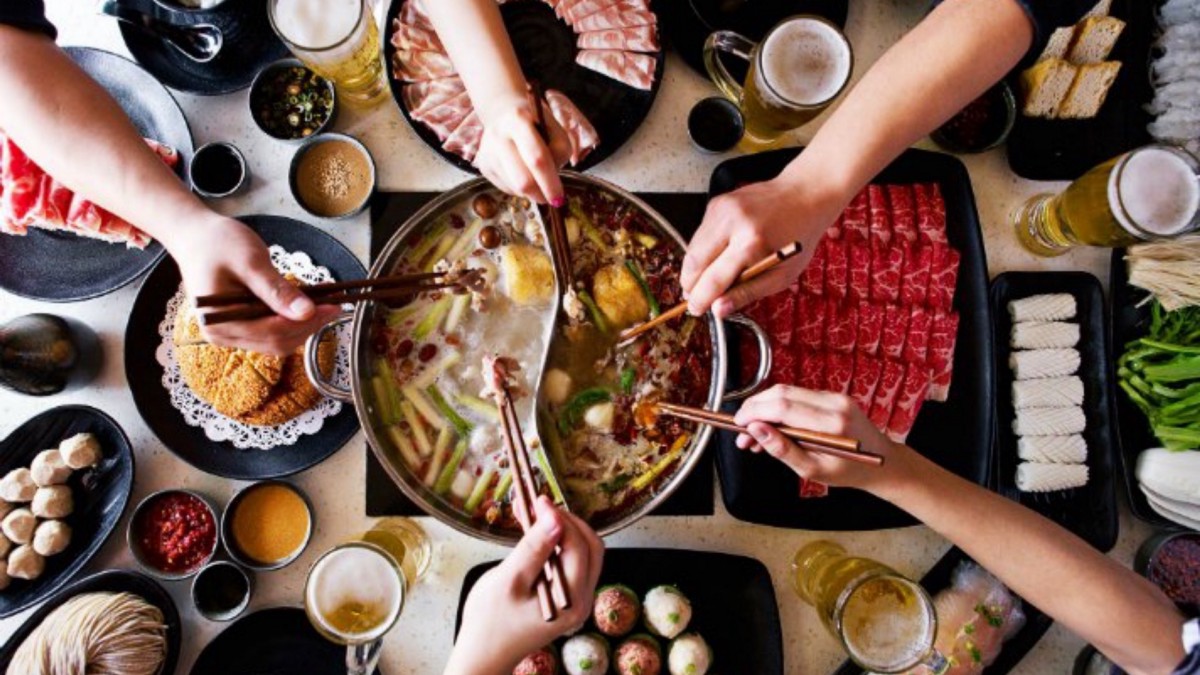
    Indians have historically valued pure, freshly cooked home-made meals. The trend of eating out, widely prevalent in the West, has slowly emerged in India over the past few years. Eating out is no longer considered as a means of satiating hunger nor is it limited to the rare occasions. Shopping and casual outings, spending free time and experimentation are, not surprisingly, the new reasons for eating out!

    As per a recent Nielsen report, on average, Indians spend Rs 6,300 per year on eating out with affluent Indians spending approximately twice as much as their middle class counterparts.

    Usage of “Let’s Do…” for food is a true reflection of Food as an Experience. Consumers are frequently experimenting with a variety of cuisines, flavors, and combinations of food that were hitherto either unavailable or unheard of in the Indian market.

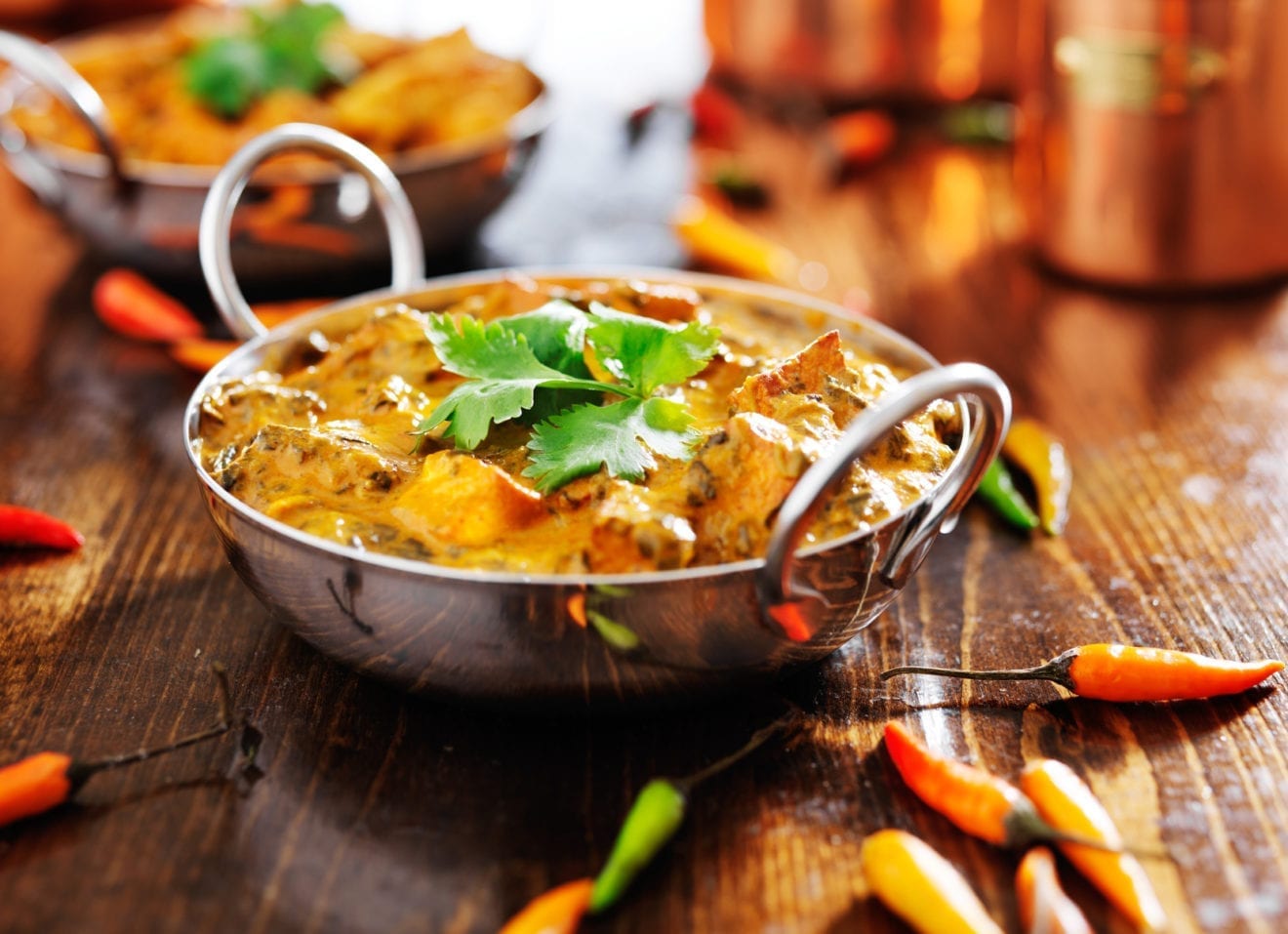
    Cross-cultural influences abound in dishes. Some examples of the innovative confluence of flavors are peri peri bhel, Schezwan and chocolate dosas and a wide variety of Frankies. Even the quintessential lassi can be found with a multitude of western influences such as chia seed additions and imported fruit flavors. Tikka and tandoori flavored mayonnaise, Indian versions of Chinese dishes, Chettinad sandwiches and paneer tikka pizzas are instances of Indian flavors seeping into western culinary dishes. The same is reflected in some of the food product launches.

    Variants range from quinoa rawa upma insta mix, smoky tikka mayonnaise & tamarind date chutney to beverages such as jamun kalakhatta, kokum, gol gappe ka pani, aam panna, and jal jeera made specifically as substitutes to fruit- based juice. These immensely popular products reveal the inclination of the Indian consumer towards mixing flavors.

    Health is Imperative

    As a nation, India is performing better on all indices of health such as quality and longevity of life. Indians are living better, longer and have healthier life spans. Thanks to mobile apps and wearable devices, it is possible to constantly monitor the heartbeat, quality of sleep, blood pressure and even the number of steps taken during the day. The entire idea of health has transformed from being curative to becoming preventive in nature.

    Although consumers are time constrained due to hectic work schedules, especially in urban areas, they are looking for avenues to build and maintain a healthy life style. While physical activity forms a core part of this endeavor, Indians are proactively choosing the right food products to meet their diet and health goals.

    Food products in the market range from breakfast cereals such as oats and muesli to vitamin pills. There is a marked rise in the consumption of baked goods, health biscuits, multi-grain flours, green tea and other health drinks. Furthermore, consumers are willingly buying premium products that promise health benefits. Some of the health attributes perceived to be the most important are high protein, high fiber, low cholesterol and low fat.

    Oats-based mango flavored, calcium and fibre-rich ready-to-drink breakfast option and power sprouts, honey dates flavored malt-based food drinks are good illustrations of healthy beverages available on the shelves. Snack packs of sweet and savory yoghurt and snack combos such as the Jalapeno Greek yoghurt with barley puffs are healthy replacements for the “in between meals” snacks that Indians are prone to eating. Packed khichdi mix infuses the health quotient of broccoli, carrots and almonds in the consumer’s diet. Another unique example is the gluten-free alternative to spaghetti made by cutting vegetables into thin noodle shapes or curls.

    Consumption of dietary supplements, especially in relation to adult nutrition, has also boomed. There is an emergence of “immunity boosting” foods as a major category in the market.

    These supplements can induce weight gain or weight loss or nourish the body with vital elements such as calcium, iron, omega 3 and vitamins. Moreover, active adults are consuming copious amounts of whey proteins and energy beverages.

    Consumers are as conscious of the wellness of their children as they are of their own. For instance, consumers are willing to experiment with chocolate-flavored nutritional supplements for children in a bid to ensure holistic growth. Busy parents who rely on prepackaged food or ready-to-eat meals are some of the key purchasers of probiotic drinks meant for children.

    The wide acceptance of health and wellness foods has created a Rs 10,352 crore market with a growth rate of about 10 percent. The sales contribution is the highest in non-metro but urban cities, at 40 percent. This is closely followed by rural areas at 32 percent and urban areas at 28 percent. The category penetration is highest in the south followed by the east.

    Natural & Ayurvedic Way of Life

    We see both these trends- Health and Tradition- coming together in Ayurveda and Natural Foods. The growing belief that natural products are uncontaminated and best is getting firmly ingrained in the minds of Indian consumers as the word “processed” implies a negative connotation of unoriginality. Ingredients recommended by our ancestors such as tulsi, turmeric, neem, lemon, mustard oil, ghee, saffron, amla juice, cold pressed oils of nuts and seeds are all finding their way on to the consumer’s plate. Food items made with these ingredients are not only considered as healthy but also as comfort food since consumers perceive that they have made a special effort to look after themselves. The re-emergence of yoga has only served to boost this trend. Consumers will continue to turn to nature to search for viable but healthy food options. This trend also manifests itself in organic foods though they are still a niche and are hampered by a lack of trust and high premiums. We foresee that the natural and ayurvedic trend will be stronger in the years to come and that multiple entrepreneurs will establish profitable ventures in these categories.

    Increasing Share of Proteins & Dairy

    The biggest trend as a Nation that we see is the shift to Proteins and Fats. For the first time in Indian history, milk has become the biggest agriculture crop at almost INR 5 lakh crore. It’s now bigger than all cereals and pulses put together and is 20% of the agricultural output. This shift towards fats and proteins from the traditional intake of carbohydrates for subsistence is the biggest perceptible proof of prosperity of the people. Though India is 70% non-vegetarian, it apparently has not yet crept into daily dietary preferences. Milk appears to be the most economic and culturally accepted protein source of daily diet in our country. It can also be seen as the reflection of the dietary habits of a younger India. In Modern Trade, we have seen milk and value-added milk products increasing their share and new entrepreneurs and new products coming up. We envision this trend to become stronger in the times to come.

    Startups in Food

    The emergence of modern trade and e-commerce has made it easy to be a single product company and has fostered innovation and entrepreneurship. Launching a new FMCG product is no longer the domain of multinationals or big players with financial and distribution muscle. Small and medium enterprises that were previously deterred by the huge capital investments required for distribution networks while launching new products can now easily develop and bring their products to the market in a cost effective manner.

    This has had a profound effect on the number of launches of innovative products in the market. Quinoa puffs, butter spreads, health and energy bars, pasta kits, packaged ready to cook idli/ dosa batters, raw juices, water based functional beverages, are all excellent examples of new age products built and marketed by small companies being widely accepted by the consumer base.

    In conclusion, the purchasing decisions of consumers are affected by trends to a large extent. As enablers in the consumer’s shopping journey, recognizing and translating these trends into viable business opportunities remains a key concern for manufacturers and retailers today.

  • Coca-Cola India launches grape based sparkling drink Colour

    Coca-Cola India launches grape based sparkling drink Colour

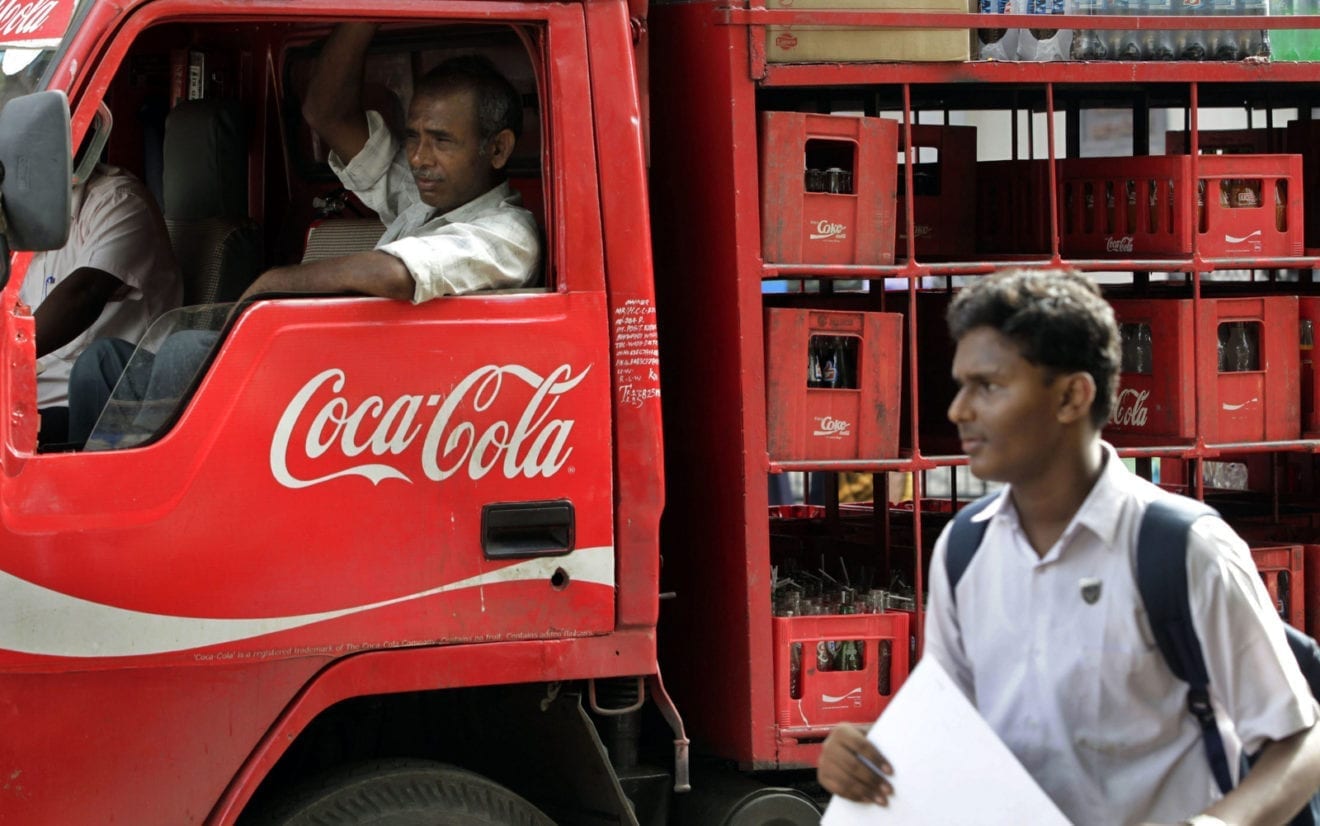
    Beverages major Coca-Cola India on Friday expanded its Minute Maid product range by launching a grape fruit based sparkling drink branded as Colour, said a top company official. People in Tamil Nadu towns and villages used to call soft drink ‘Colour’. Coca-Cola India has branded its new grape juice sparkler as ‘Colour’ to resonate with the local lingo.

    He also said the company would launch a new product in Andhra Pradesh that would be branded under a similar philosophy.

    “The new grape juice based Colour is launched here and will be focused on Tamilian population within India. The product is part of our strategy of expanding our fruit based beverages,” T.Krishnakumar, President, Coca-Cola India and South West Asia said.

    He said the company apart from focusing on its core products – carbonated drinks – also concentrates on launching products preferred in regional markets and also on expanding the ‘fruit circular economy’ – launching fruit based drinks made with domestically grown fruits.

    “The black grapes for the drink are sourced from grape farmers in South India,” Krishnakumar said.

    He did not agree that the new brand ‘Colour’ under the broader Minute Maid brand would reduce the latter’s brand equity. Minute Maid brand is known as a fruit based beverage brand.

    “We are expanding the products under the Minute Maid brand. The new product has 12 per cent grape juice content,” Krishnakumar said.

    According to Srideep Kesavan, Director-Juices, Coca-Cola India and South West Asia, research showed that grape juice was a fast moving product at fruit juice stalls in Tamil Nadu.

    Queried about cutting down on the sugar content in the company’s beverages, Krishnakumar said it will come down soon and a start has been made with the grape sparkler Colour with 9.5 grams of sugar.

    On the value of fruit pulp/products that Coca-Cola India would source under its ‘fruit circular economy’ he said the company had committed that a sum of Rs 5,000 crore would be spent on that head by 2023 and the company is in line with that commitment.

  • Emami India acquires German brand Creme 21

    Emami India acquires German brand Creme 21

    Indian FMCG major Emami Ltd on Friday said it has acquired German brand Creme 21 in the personal care space, having major business in the Middle East and other focus markets. The brand, which offers skin care and body care products such as creams and lotions, shower gels, sun care range and men’s range, has been acquired at less than 1.5 times of its sales.

    With current sales at over eight million euros and a gross margin of over 50 per cent, the city-headquartered company expects to take this brand on an aggressive growth trajectory.

    “The acquisition has a strong business fit as it operates in our focus markets and chosen categories. We plan to leverage our existing network of distribution and infrastructure to grow the brand.

    “It has good potential for growth and we expect it to add value to our growth trajectory. With this acquisition, the company would be able to enjoy economies of scale due to additional business base,” said company Director Harsha V. Agarwal.

    The company said international acquisition is in line with its strategy for growth through inorganic route.

    Over 80 percent of the brand’s business is contributed by MENA (the Middle East and North Africa) region and the balance by Germany and other focused countries. The products are manufactured by a third party in Germany under asset lean model.

    “The acquisition is being funded from internal accruals,” it added.

  • Reliance has true potential to evolve into India’s Amazon or Alibaba

    Reliance has true potential to evolve into India’s Amazon or Alibaba

    A week after Reliance Industries (RIL) reported a 8.82 percent rise in consolidated net profit for its third quarter at Rs 10,251 crore, global financial services firm UBS on Thursday said the Mukesh Ambani-led RIL has the true potential to evolve from an integrated energy company into a consumer giant like Amazon or Alibaba.

    In a comprehensive 100-page report, UBS said RIL can become a market leader in telecom and media, while gaining a significant share in retail/e-commerce.

    “Its success could be built on an ecosystem or bundling strategy, and a home-court advantage, similar to Alibaba’s success in China, beyond explicit or implicit policy support,” noted the report.

    RIL posted a net profit of Rs 9,420 crore in the corresponding quarter of 2017-18. The company’s consolidated revenue from operations during the quarter in consideration at Rs 1,60,299 crore jumped a massive 56.38 per cent over Rs 1,02,500 crore earned in the October-December quarter of FY18.

    According to the UBS report, its China Internet analyst, Jerry Liu, has listed some comparables between Alibaba and Reliance such as pursuing an ecosystem or a bundling strategy in a high-growth fragmented retail sector with lower online penetration and home-turf advantage.

    “Similarly, Eric Sheridan, our US internet analyst, thinks Amazon’s core value proposition to customers is its Prime subscription, which offers free shipping and video and music content,” the report noted.

    “Our assessment of the capital framework, regulations, business positioning and emerging trends in each of its consumer-facing business indicates RIL can lead in telecom and media and gain significant share in retail/ecommerce,” it added.

    The report found another similarity RIL shares with Amazon and Alibaba – an ecosystem strategy.

    “The biggest difference is that the Chinese and American internet platforms do not own telecom networks.

    “But based on the success of Amazon Prime, and similar memberships such as Alibaba’s 88VIP and JD’s Plus in China, we believe bundling of products and services is a tried and true strategy, and this should play to Reliance’s advantage,” the report highlighted.

    Addressing the “Vibrant Gujarat Global Summit 2019” on January 18, Reliance Industries Chairman and Managing Director Mukesh Ambani announced that Reliance would double its investment and employment numbers over the next decade.

    He said Reliance Jio and Reliance Retail would soon launch a new commerce platform for small retailers — a mega mission which will first be launched in Gujarat and then across the country, urging Prime Minister Narendra Modi to lead a fight against ‘data colonisation’.

  • International Food Business: Current scenario and future in India

    International Food Business: Current scenario and future in India

    The misconception about Gourmet Food in India is amazing. There are many who equate gourmet with imported food, which is far from the reality. To encapsulate what the concept of gourmet is all about, let me say that it is less about the food than about the person who is the subject of the word. The term and its associated connotations are used positively to describe people with a refined taste and passion towards food.

    Add the word gourmet to any food or drink and, voila, it feels fancier, more upscale and generally more desirable. Gourmet food connotes food and drink that takes extra care to make or acquire. Gourmet food has a certain flair around it as it is usually found or made only in certain locations. The ingredients used are usually exotic, hard to find in regular grocery stores, and they are usually unique in flavor and/ or texture. Gourmet ingredients usually blend herbs and spices in an interesting manner to add flavour to the food. For example, lemon olive oil spray, black truffle balsamic glaze, and white wine vinegar are a unique take on the otherwise simple ingredients.

    Being an advocate of international food business for over 20 years now, I have seen the F&B sector in India go through various highs and lows over the years. But the one thing that I can say with absolute certainty is that the gourmet food category in the country has a tremendous scope and potential to grow in multiple areas, many of which still remain a virgin territory for food companies wanting to explore the business of international foods. We have been working diligently to bring new and exciting global gourmet food brands from all around the world to India. We have built our reputation through a commitment to offer unique products at competitive prices and we strive to never compromise on the quality of products or services that we offer. It is a passion for many of us who function in the realm of international food business and we aim to bring diversity to our Indian consumer base.

    Two-Way Trade is the Key to Future

    We firmly believe in two-way trade and in the current globalized world, it is a grave mistake to keep our consumers deprived of food options and opportunities available elsewhere in the world – from gourmet cheese to epicurean chocolates to the varieties of rice or spices or fresh fruits or exotic vegetables. The list is never ending and we must continue to explore to make it even more expansive. Unfortunately, our trade figures have been none too encouraging on this count. In the calendar year (CY) 2016, India exported consumer foods worth US$ 11 billion and imported consumer foods valued at US$ 4.25 billion. While our exports grew by 0.50 percent over the previous year, imports showed a decline of about five percent.

    The low takeoff of international food in India is surprising considering that there are quite a few success narratives around it: Italian pasta, Vietnamese basa, mayonnaise, Californian almonds, Canadian canola oil, Chileans walnuts and Washington apples, to name a few. When we look at Italian pasta, considered to be one of the most gourmet ingredients in Italian cuisine, the product is widely available in the country – from hand made to artisanal to commercially made – and it has penetrated the deepest corners of the Indian market with extensive marketing, transforming the kitchens of the aspirational Indians.

    A commodity like Californian almonds, which has about 80 percent of almond market share in India, touched a whopping US$ 693 million sales figure in India for 2016.

    For imported foods to expand their consumer base in India, it must be kept in mind that Indian consumers are rational shoppers who want value for money.

    Obviously, there is no one-size fits-all concept for a country as big as India but to have a deeper market penetration it is important to learn from the market leaders and try to do things the right way. Many of us confuse India with China, which is just not the case as the Indian market has its own set of business dynamics and consumption patterns here continue to evolve and offer valuable lessons in business.

    Teething Issues and Role of Associations like FIFI

    While on the one hand, we are facing teething issues like those associated with demonetization or Goods and Service Tax (GST), on the other hand, we also have government agencies like the Food Safety and Standards Authority of India that is willing to think out of the box and listen to the version of the trade side. We, at the Forum of Indian Food Importers (FIFI), have given numerous representations to Government of India and are pleased to note that several of our suggestions have been entertained as we always had a logical and scientific presentation to make. We still have some pending areas of concerns but are pretty confident that the regulator and trade will be able to come together on a common ground in the interest of the greater good of the food industry and consumers. Food safety is of utmost priority for us and, as industry representatives, we want global suppliers to understand the fact that Indian consumers have become very demanding and want only quality products. We are clearly out of the era when international companies looked at India as a not very important market for their food products. For many global food companies, India is now a critical country for doing international trade.

    Government’s Initiatives

    The Food and Beverage sector is governed by several Government of India agencies like Ministry of Health’s Food Safety and Standards Authority of India (FSSAI), Ministry of Food Processing and Industries (MoFPI), Ministry of Consumer Welfare, Food and Public Distribution, Ministry of Agriculture, Ministry of Commerce and Industries, and Ministry of Finance.

    With Government of India’s “Make in India” campaign, MoFPI aims to boost growth in the food processing sector by leveraging reforms such as 100 per cent foreign direct investment (FDI) in marketing of food products and by offering various incentives at the central and state government level along with a strong focus on supply chain infrastructure.

    – Government of India has relaxed foreign direct investment (FDI) norms for the sector, allowing up to 100 percent FDI in food product e-commerce through the automatic route.

    – FSSAI plans to invest around Rs 482 crore (US$ 72.3 million) to strengthen the food testing infrastructure in India, by upgrading 59 existing food testing laboratories and setting up 62 new mobile testing labs across the country. Additionally, FSSAI has been aggressively introducing numerous notifications pertaining to imported Food and Beverage category.

    – The Indian Council for Fertilizer and Nutrient Research (ICFNR) will adopt international best practices for research in the fertiliser sector, which will enable farmers to get good quality fertilizers at affordable rates and thereby achieve food security for the common man.

    International Chains Entering Indian Market

    With India opening the doors to numerous international restaurant chains, the youth is able to break the tradition and try several new international cuisines. This exposure is generating employment, changing the F&B scenario in India, bringing in international business practices, world-class technology, standard operating procedures and opening the way for trade. These chains buy imported ingredients or products to get a marketing edge or when such ingredients are not available domestically. They are able to lead the way for upscale manufacturing in the country and create more avenues for employment. It is important for us as an industry to understand that our strategy should be to grow hand-in-hand with these international chains and to open more ways for doing business with all stakeholders. Some of these chains, which already have a sizable market presence in India, are Chilli’s, Barista, Café Coffee Day, Au Bon Pain, McDonald’s, Subway, KFC, Starbucks, Tacobell, among others.

    Market Size Growing Despite all Odds:

    Despite numerous challenges such as high base tariffs and the fallout from the implementation of new regulations like demonetization and GST, the Indian market for imported and international foods is showing a noticeable growth trend. India is emerging as a favorite market destination for many national and international players in the food business. The Indian foodservice sector is valued at US$ 48 billion and is anticipated to grow to US$ 77 billion at a Compound Annual Growth Rate (CAGR) of 10 percent by 2021. The Indian food and grocery market is the world’s sixth largest, with retail contributing 70 percent of the sales. The Indian food processing industry accounts for 32 per cent of the country’s total food market, is one of the largest industries in India and is ranked fifth in terms of production, consumption, export and expected growth. The Indian gourmet food market is currently valued at USD 1.3 billion and is growing at a CAGR of 20 percent. India’s organic food market is expected to increase three times its current size by 2020.

    The online food ordering business in India is in a nascent stage but has a huge potential and a promising future. The online food delivery industry grew at 150 percent year-on-year with an estimated Gross Merchandise Value (GMV) of US$ 300 million in 2016.

    Emergence of Social Media

    We should not underestimate the role of the new generation bloggers and social media enthusiasts who are instrumental in shaping the trends and are helping brands and products to get visibility and gain popularity with the consumers. They are emerging as an alternative to the traditional media and are a less expensive media tool. However, they also act as watchdogs of quality and standards for the foodservice industry. Social media is helping to generate exciting stories around the foodservice industry but at the same time, we need more honest voices that understand the food business and its nuances better.

    Traditional Marketing Avenues Still Hold True

    While new marketing tools are becoming popular, the traditional methods should not be considered obsolete as they continue to have deeper penetration and visibility. Participation at trade shows and conferences, print and electronic media activities continue to rule the game and offer a range of visibility without comparable alternatives.

    Way Forward for the Imported F&B Industry

    The Indian consumers represent a community of diverse sentiments. A majority of them favour an experimental palate, which creates a plethora of opportunities for the international F&B sector in country. While maintaining a balance between aspiration and tradition agrees perfectly with the Indian palate, culinary trends originating in the West are promptly picked up by Indian social media and are translated on the ground with an instant recognition. The earlier practice of trends coming to India after three to five years of introduction in the Western world is now a thing of the past. This willingness to accept international trends without any inhibition has played a pivotal role in the marketing of international brands in India and has opened up the entire market for international foods. As a result, recent years have seen the launch of numerous new categories like gluten-free breads, organic chocolates and many others products in country. However, as mentioned earlier, it is important for us to ensure quality delivery to our consumers and adhere to the food safety regulations. We need a more organized voice in trade to echo the this message and to take the India story to many more global markets.
  • Crocs India opens 109th store

    Crocs India opens 109th store

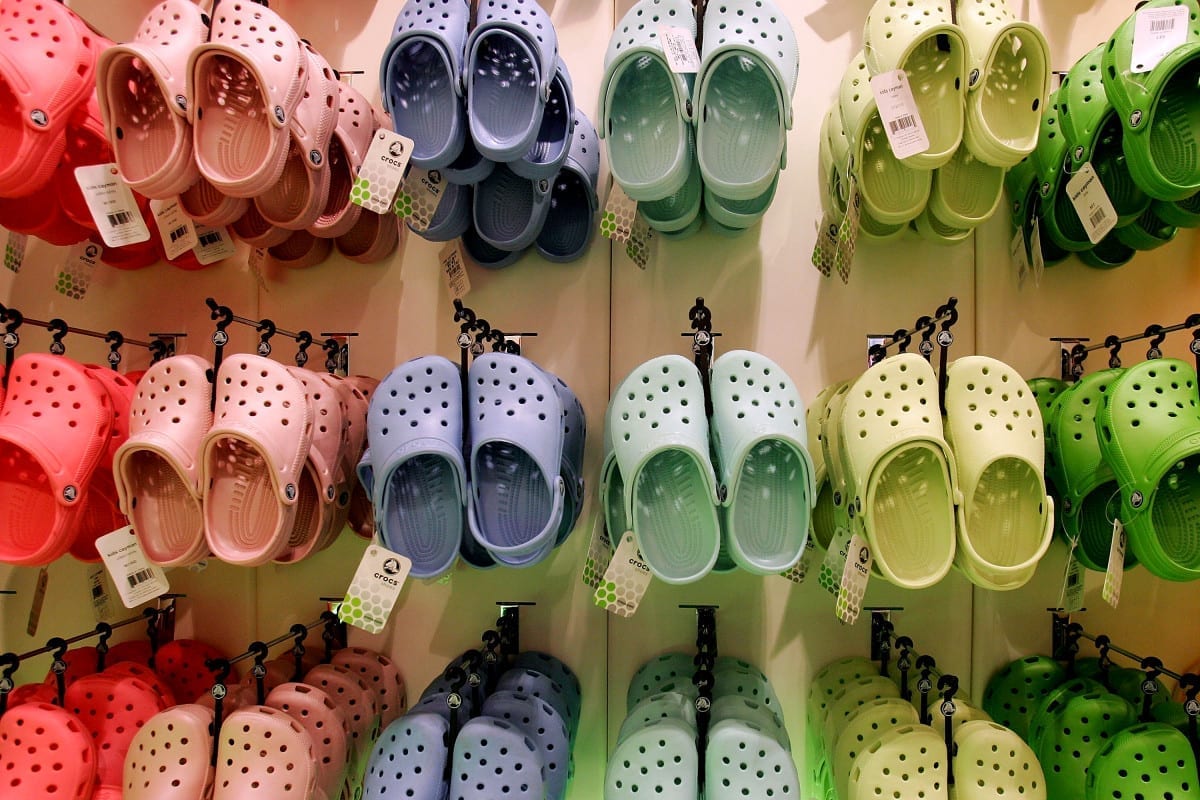
    Crocs, the iconic casual footwear brand, announced the launch of its 109th store in India at Ballygunge, Kolkata. Crocs inaugurated the 580 sq.ft. store situated in one of the poshest high-street vicinity of Kolkata. With this new store, Crocs promises to strengthen the reach of the iconic brand in the ‘City of Joy’; where now has seven stores. The other stores of Crocs in Kolkata are located at City Centre New Town, Camac Street, Forum Courtyard, City Centre Salt Lake, Axis Mall, Rajarghat-New Town, and Acropolis in Kolkata.

    The new store showcases the recently launched Spring Summer’19 collection along with an array of styles which include sandals, loafers, sneakers, flip-flops, and clogs suitable for all age groups.

    Speaking on the launch, Deepak Chhabra, CEO & MD, Crocs India, said, “Kolkata is crucial market for us with huge potential and high fashion sensibilities. We are pleased to announce the launch of our 7th store in the city and will continue to strengthen our presence in the state of West Bengal. In addition to aggressively growing our EBOs, we will be strengthening our presence in tier-2 cities via MBOs and Kiosks. Further, e-commerce will remain an integral part of our distribution strategy and help us reach out to consumers where our brick and mortar presence is limited.”

    With unparalleled brand awareness and break-through product innovations, Crocs is progressing towards becoming India’s top non-athletic casual footwear brand. India is currently the 6th biggest market for Crocs globally with a double-digit growth year on year.

    Over the past 16 years, Crocs has sold more than 350 million pairs of shoes worldwide. Crocs as a brand will continue to focus on clogs and sandals, along with new product innovations and extensions of the current product line.

    Last year, Crocs launched its newest innovation ‘LiteRide™’ which is available in Flips, Slides, clogs, shoes and sandals. The LiteRide™ Collection merges sporty, on-trend styles and silhouettes with the legendary Crocs comfort that consumers expect. LiteRide™ has redefined comfort, taken the brand’s style quotient a notch higher and it has been a stellar success across genders and age groups.

    The associations with Christopher Kane and Balenciaga in the last couple of years has also further elevated the fashion appeal of the brand.

  • Global business leaders raise concerns over e-commerce policy changes in India

    Global business leaders raise concerns over e-commerce policy changes in India

    Several global business leaders have raised concerns over the evolving regulatory challenges concerning the e-commerce sector in India and said they want a stable policy regime to help this space achieve its robust growth and investment potential. According to a report, multiple business leaders attending the World Economic Forum Annual Meeting here said there are confusions in their mind in the backdrop of recent policy changes for e-commerce players having FDI in India.

    They did not want to be named, given the sensitivity of the subject and the evolving nature of the proposed rules, but said they have directly, or through their representatives, raised their concerns with the Government. They wanted to raise the issue directly with Commerce and Industry Minister Suresh Prabhu in Davos, but his plan to come here got changed at the last moment.

    At a session here at the WEF meeting, WTO Chief Roberto Azevedo also said there was a need for a global multilateral framework on e-commerce business.

    India’s FDI policy allows 100 percent foreign direct investment in marketplace model, but investors also want a stable policy and regulatory regime, a senior official of a leading online retailer said.

    An industry lobby group official said there is a fear that certain new rules proposed by the Government could lead to discrimination against investors as this policy is only for foreign players and not for domestic ones in the e-commerce sector.

    Another executive claimed it is being seen as a non-consultative approach even with investors who bring in huge foreign direct investment.

    However, Government officials rejected these allegations and said the new changes seek to safeguard competition and the interest of domestic players. The rules have been made after due consideration and consultations with concerned stakeholders, they added.

    The Commerce and Industry Ministry brought certain changes to Press Note 2 on December 26, 2018 which prohibited e-commerce companies from entering into an agreement for exclusive sale of products along with tightening norms for firms having foreign investment.

    The Government has also barred online marketplaces like Flipkart and Amazon from selling products of companies where they hold stakes and banned exclusive marketing arrangements that could influence product prices.

    The revised policy on foreign direct investment in online retail also requires these firms to offer equal services and facilities to all its vendors without discrimination. The policy would be effective from February 2019.

    In India, the policy as such does not permit FDI in inventory-based model of e-commerce.

    Companies have been seeking more time to implement the changes even as some of them have warned that these substantial modifications in the way they do business pose risks of derailing the e-commerce sector that has been a big job creator.

    Executives from another global retail major said the impact could also be felt by several connected sectors such as advertising, logistics, warehousing and manufacturing.

  • Walmart, Amazon India seek extension of Jan 31 deadline on e-commerce compliance

    Walmart, Amazon India seek extension of Jan 31 deadline on e-commerce compliance

    There is trouble in paradise. The Government’s drastic intervention in e-commerce at the behest of vested domestic interests and the powerful traders lobby has created consternation in the bulge bracket world of e-commerce in India. With the big players having reached out to the Government to give them breathing space on the new compliance measures beyond the January 31 deadline, the Industry ministry has not responded, leading to panic attacks across the board.

    Powerful stakeholders led by Walmart and Amazon from the e-commerce eco system have sought a six-month extension since lakhs of sellers – small and medium-sized – in the market place need to be educated, IT-enabled and connected to meet the statutory audit requirements. Moreover, contracts have to be re-negotiated so that the compliance measures remain ongoing with time being of the essence.

    It is believed that the DIPP or Industry Secretary Ramesh Abhishek, who was earlier encouraging the major players to ramp up their investments in India, has not responded to their pleas and petitions.

    The situation has become precarious primarily because the clarification to press note 2 was even more confusing. On a granular level, the market place cannot have any equity in the seller.

    Hence, Amazon which has five percent equity in Shoppers Stop has to comply with the new standards. The new government directive does not allow private labels, nor does it allow big brands to have commercial tie-ups with the market place. Basically, the rules of engagement have been turned on their head.

    Bain Capital reckons that the heavy lifting e-com players have generated three lakh jobs in India. Over and above this, there are lakhs of vendors.

    Further, the eco system has multiple spin-offs like advertisements, courier companies, logistics companies, supports innumerable manufacturing operations and caters to large scale supply chains. Flipkart has 80,000 employees, 80 fulfilment centres (warehouses), nearly one lakh plus sellers and artisans of all hues across the land. Ditto for Amazon, which has similar numbers across its business spectrum.

    Walmart paid US$ 14 billion for Flipkart stock with a promise of an additional US$ 2 billion in physical structure investment. So, there is a lot riding on these heavy lifters for both know that this is the last frontier in terms of a consumption market, since India consumes 67 percent of its own US$ 2.6 trillion GDP. Interestingly, Walmart runs Flipkart as a stand-alone entity.

    For Walmart this is a priority market and it is keen that the January 31 compliance window deadline is extended. Its commitment to the Indian market can be gauged from the fact that it recently got 100 acres in Bengal for warehousing as a pivot to the northeast market. Hence the size of the commitment is seeing enlargement almost daily.

    It is on the verge of closing another 100 acre fulfilment centre in Telengana to service the southern market. Remarkably, the Indian retail market is estimated to be US$ 650 billion, of which 90 percent is the kirana stores while nearly eight per cent is made up of Indian retail players and only two percent is e-commerce. However, since the biggies in e-com are global behemoths, impediments are being placed in their path.

    At the kernel of the government notification and clarificatory statement is the targeting of e-commerce giants who are quick to retort that they helping small sellers with a channel that is tech-enabled to put their products on the marketplace.

    At the time same time, even as they try and get the government to listen to their litany of woes on immediate compliance, the process of evaluation of sellers will continue and remain ongoing so that they are effectively compliant every single day. The government’s intervention is perceived to be through a non-consultative process and the global giants want more time for compliance and enhanced level of dialogue.

    The audit requirement on the sellers by opening their books to the marketplace in such a short time is reminiscent of the haste in the launch of GST, which threw small businesses out of gear.

    Many of the sellers will now have design IT systems and the marketplace cannot be liable for this. In parallel, there is no clarification on how to conduct the private label business.

  • Reliance Retail is 94th on Deloitte’s top retailer list

    Reliance Retail is 94th on Deloitte’s top retailer list

    The global retailing industry saw a record growth in revenue in 2017 with the top 250 companies increasing their revenue by over 83 percent, according to a latest report by a professional services multinational that said Reliance Retail was the only Indian company in the list. The Deloitte’s ‘Global Powers of Retailing 2019’ said that with the fast moving consumer goods (FMCG) being the main growth drive for the top 250 global retailers, the retail revenue increased by over 83.2 percent generating aggregate revenue of US$ 4.53 trillion in fiscal 2017.

    “Despite the deceleration in the global economy, the consumer and investor sentiment continues to remain positive.

    “Our global reports highlight that of the top 10 companies on the top 250 list, eight were FMCG companies and that sector has been a strong reason for the India retail story,” Deloitte India Partner Anil Talreja said.

    According to the report, Europe had the highest number of top 250 retailers.

    Companies such as Amazon and Reliance doing exceptionally well by climbing 2 and 95 spots, respectively, on the back of exceptional retail growth.

    Reliance Retail as the only Indian company in the top 250 list came in at the 94th position and was also placed sixth among the 50 fastest growing retail companies.

    In fiscal 2017, the company doubled its annual revenue to $10,649 million over the previous year.

    Walmart retained its position as the world’s largest retailer with an improvement in retail revenue growth by three per cent in 2017. Its major growth drivers were the acquisition of e-commerce firms such as Jet.com, ModCloth, Shoes.com, Moosejaw, and Bonobos, besides greater investments in store remodelling and investment in store wages.

    Walmart has recently acquired Indian e-commerce major Flipkart.

    The Deloitte survey reported sluggish growth in Europe, China and Japan, but said retailers continued to grow as a result of increased merger and acquisition (M&A) activity, new store openings, and robust e-commerce activity.

    “The global economy is currently at a turning point. Until early 2018, the global economy displayed strong growth.

    “With inflation accelerating in major markets, governments making shifts in monetary and fiscal policies, and most of the emerging markets experiencing significant currency depreciation the global economy will slow down in the near future,” Deloitte Global Chief Economist Ira Kalishsaid in the report.

    “For retailers, this change will mean slower consumer spending growth, higher consumer prices, and disrupted global supply chains,” he added.