Tag: india

  • Tracking the dynamics of India’s gym wear market

    Tracking the dynamics of India’s gym wear market

    Whether or not one shows dedication in maintaining their gym routine is debatable, but it is an undeniable fact that gyms are doing well when it comes to their membership registers being filled. India’s waking up to being healthy and this means tons of gym memberships. This also means that when one takes a gym membership, the very next thing they do is head off to stores that deal in gym wear. Or they just log on and buy gym clothes and accessories. The demand for gym and active wear is growing in India because of a desire to stay fit and healthy. IMAGES Business of Fashion takes a look at the market dynamics…

    Setting the context for the story, Pallavi Burman, Head – Marketing, HRX shares, “The Indian active wear industry is currently estimated at a whopping Rs. 8500 crore. It is expected to continue growing at CAGR 12 percent and touch expected sales of approximately 6X at Rs. 54,000 crores by 2020.”

    Burman attributes the reason for this to growing health and wellness trend in India along with an increase in the number of sporting clubs, increased interest in sporting activities like football, basketball, tennis, badminton and cricket, the Indian active wear industry is fast proliferating. She says, “More disposable income and general inclination towards fitness is rising and resulting in the growth of this industry.”

    Another major reason for an increase in demand for gym wear is having Bollywood celebrities being spotted in gym gear, especially the likes of Hrithik Roshan, Malaika Arora and Kareen Kapoor Khan. It isn’t uncommon to see Page 3 pictures of these celebrities in their gym wear. The glamour magazines often have pictures and articles of how celebrities are taking gym wear to the streets and this eventually does give a fillip to the demand for workout clothes in the country.

    Market Overview

    Perhaps the above well explains the emergence of active wear in the country. Where dedicated gym wear is opted for only by a handful few, those opting for working it out in the gym clubbing their active wear or sportswear as gym wear. No wonder then that brands in India too offer gym clothes under the category of ‘active wear’.

    Pallavi Burman decodes the difference between the often clubbed together categories of active wear, athleisure wear, sports / performance wear. “By definition, athleisure and active wear clothing are those which can be worn from studio to street. Sportswear or performance wear, however, is clothing which help athletes or sports persons enhance their performance specially items like shoes, technologies like compression, socks in some sports etc.”

    Nivida Kohli, Design Manager, Numero Uno shares her views, saying, “As of today each distinct category is reinventing itself. This is a phase where the consumer market is changing since there is a generic shift towards more flexible lifestyles. Once this change settles in, I believe there will be clearer newer distinct definitions for sportswear and athleisure.”

    However, a lot many online players have an exclusive category for gym wear and some have gone a step further to have their portals dedicated to offering nothing else but gym clothing.

    The emphasis is more on offering men’s gym wear than having something specialized for women and unfortunately in India, gym wear still consists of mostly leggings and sports brassieres, although bigger brands have started innovating for women as well now.

    Taking note of this gap, brand Mojostar in association with Bollywood actor Jacqueline Fernandes, recently launched their exclusive portal www.justf.in that is dedicated to women’s active / gym wear.

    Just F was launched after Jaqueline and CEO Mojostar, Abhishek Verma, realized the gap in the market for women’s gym / active wear.

    “Sportswear needn’t be super masculine, so we are introducing fusion elements, florals, and may even add lace to some designs,” says Jacqueline Fernandes in a media interview. She has actively participated in the designing of the brand and has ensured that little things are not given a miss like pockets in fitness wear, the positioning of the straps and hooks and the materials used for leggings.

    According to Abhishek Verma, the focus for the brand for now would be functionality and support. The brand is also going quite aggressive with their collection of sports bras.

    The research by the brand indicated that most of the international brands that are present in this category design their range keeping in mind the target audience of western countries, which don’t fit the average Indian woman. Another reason for launching Just F was to give Indian women appropriate exercise clothing at reasonable costs, especially since most international brands come with a hefty price tag.

    Growing Demand

    Pallavi Burman says that with Indians becoming more health conscious and image sensitive, their pursuit for fitness has increased. “The average age bracket for Indian fitness enthusiasts is 20-35 years, which makes for the majority population of young Indian students and professionals. This target set loves to experiment with their wardrobe. Office wardrobe has drastically changed – we don’t see dress pants and brogues and oxfords anymore. Jeans and trainers have smoothly replaced these items. Everything in today’s clothing spells comfort and chic,” she says as way of explanation of why there a fillip in the performance wear category in Indian retail has been noticed.

    She explicates that to be able to tap into this big chunk of the Indian population with available disposable income and the affinity for fitness, brands and minimalistic wardrobe brands have to focus hugely on active wear and the athleisure segment.

    Gym Wear Essentials in India

    According to Pallavi Burman, a pair of leggings and shorts for women and men respectively –usually a loose tee and a pair of decent walking shoes – constitute for basic gym wear in India.
    “But this isn’t enough if the exercise routine includes more than walking. While almost 50 percent of Indians still prefer traditional ways of staying active like walking and running, the other 50 percent are inclined to swimming, cycling and other sports and training means. For targeting this kind of segmentation one needs to delve deeper into sub categories.”

    What makes gym wear more intricate for women is the inclusion of a high-performance sports bra. Without a well-designed sports bra, the gym wear ensemble for women remains incomplete. Quite a few Indian brands that have taken note of this and the range available online as well as offline is exhaustive. It is interesting to see brands like Triumph launching exclusive brassieres for gym wear considering they are a premium lingerie wear brand. The option they have is bounce control certified by world renowned Research Group in Breast Health, the University of Portsmouth. Elaborating on the same, Jennifer Kapasi, Commercial Director, India & Sri Lanka, Triumph International shares, “Triaction by Triumph is a stylish, high-performance sportswear collection that gives modern women the freedom to train how and when they like. Boasting the best bounce control levels on the market, three versatile fits and superior comfort, Triaction supports women throughout the day—on the go from the gym or studio in complete style.”

    Innovative Fabric Play

    Anything that stretches and helps absorb sweat yet keeps the fabric dry is the most preferred fabric when it comes to performance wear. Reiterating the same, Pallavi Burman says, “The fabric we use is always stretchable “wicking” blend made up of polyester and lycra. We also use a breathable mesh fabric as design and utility elements and several other performance enhancing features like anti-microbial layering, UV protection, rapid dry etc.”

    When you go through the collection, what catches your attention is interesting mélanges for both men and women. She says, “Color blocking and coordinated sets are finding a big audience in this space now.”

    Adding in a safety feature to go along with their sportswear, Numero Uno uses reflective N1 ACTIVE prints that act as safety alerts along with digital and high-density prints for a futuristic fashion flare. Kohli further adds, “For our sportswear/active wear, we are using fabrics that have technically advanced finishes with features like Anti-Static, quick dry, moisture wicking, Windproof, water repellent, Anti-microbial, odour control, easy care etc.”

    Triumph has developed two series of specialized brassieres that use innovative fabrics for the woman on the go. Their Dynamic Lite series with 3D Powertech material is made from the innovative fabric Dynamic Lite, which offers flexibility that keeps its shape over time. It fuses three innovative fabrics in one, is a two-way stretch fabric, has a strong lightweight mesh and soft moisture management lining which are insightfully laminated together, allowing the bras to stay very light and adjustable to all body shapes. These features make the bra light and comfortable to wear with its functional unpadded fabric combination. This innovation received an honorable mention at the 2016 Red Dot Deign Awards.

    Elaborating on the second innovation, Jennifer Kapasi says, “Our Magic Motion series is made from the most comfortable fabrics. Powered by LYCRA sport technology, these bras have stay dry properties, bacteria-reducing fabric with moisture management mesh. Extremely elastic fabric using LYCRA, guarantees unique freedom of movement.”

    The next generation LYCRA® SPORT technology combines the proven stretch performance of LYCRA® fibre with demanding testing standards that measure fabric performance descriptors on a simplified 1-10 scale. The three indexes measure Power, Comfort and Energy (PCE™). Triumph has gone ahead to combine these indexes to create performance levels tailored to fit each garment’s end use.

    The range at Just F is made using polyester-spandex or polyester-cotton blend which well suits the Indian climate.

    Promoting Gym Wear

    Since gym wear is a part of the performance wear / active wear category, brands don’t actively engaging in marketing and promotion initiatives targeting gym goers. However, on the other hand, some brands like HRX go the extra mile to reach to their target audience right at the place they are at – i.e. the gym!

    Pallavi Burman reveals, “Ours is the first homegrown, successful fitness brand in the country. We have multiple partnerships for various verticals all-leading to and adding up to fitness. We have our active wear and athleisure collection exclusively available on Myntra, we have the signature HRX Work out available at all Cult gyms, we have HRX Athlete meal packs selling at Eat.fit and we have our Mi HRX fitness bands available with Xiaomi. Across the three partners we have active communication all around the year on Digital, TV, OOH and Cinemas. Needless to say Hrithik is the face of HRX and this is the biggest draw for building customer engagement.”

    On whether there is a genuine demand for gym / active wear in the country, especially by women, Jennifer Kapasi says, “Women who regularly work out and those who lead an active lifestyle desire sport specific garments designed to help optimize performance. They pay a lot of attention to the fabric when buying a sports bra. In general, they will tend to look for hi-tech fabrics with ‘moisture-wicking’ and ‘stay-dry’ features. One of the most important qualities women look for is a high percentage of Elastane which not only makes the bra comfortable to wear but also retains its shape after multiple uses.”

    To launch their Autumn/Winter ‘18 Triaction – a collection by Triumph – took a digital approach through the launch of an online campaign ‘Team Triaction’, featuring four inspiring women, undertaking a fitness challenges to test both mind and body.

    “Team Triaction is led by actress and fitness enthusiast Mandira Bedi. She is joined by celebrity fitness instructor and owner of a Pilates studio Namrata Purohit; popular yogi and influencer Yogasini (aka Radhika Bose); and lifestyle and beauty influencer Juhi Godambe. The campaign also included a weekly contest with four rounds for Instagram and Facebook fans,” states Jennifer Kapasi.

    Getting Future Ready

    While there are a lot of dedicated online portals for gym wear, it remains to be seen how these enterprises survive over a period of time with their niche offering. With fitness being seen as a goal on everybody’s to-do list, especially with the new year approaching, all the gyms will experience a full house and so the sale of gym wear eventually is going to go up, but it is completely upon these brands to maintain the tempo for after all.

  • Vietnam labor costs highest among ASEAN comparators

    Vietnam labor costs highest among ASEAN comparators

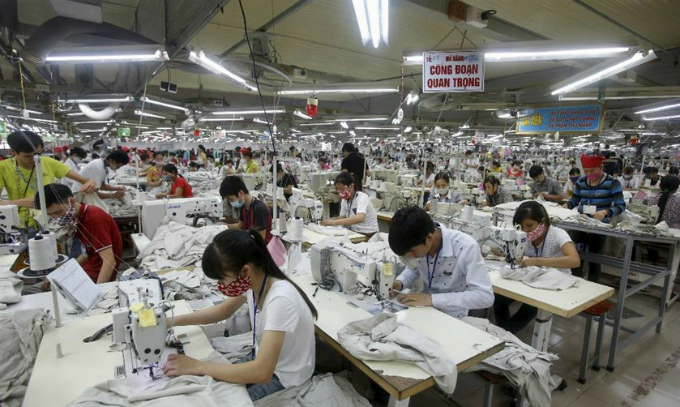
    Vietnam’s labor cost is the highest among comparator countries in Southeast Asia, a World Bank report says.

    In a report on enhancing enterprise competitiveness and enhancing small and medium-sized enterprise (SME) linkages, it says Vietnam’s labor costs are higher than in comparable Southeast Asian peers.

    It defines labor costs for each firm as the cost of all payments to all workers divided by the number of workers.

    It says wage costs about $2,739 per worker for the median Vietnamese firm, about twice as high as in Laos, Myanmar and Malaysia, and about 30 to 45 percent higher than in Cambodia, Thailand and the Philippines.

    While Vietnam’s labor costs are higher than in the rest of the region, they seem in line with productivity levels and thus do not seem to be a major obstacle to competitiveness, the report says.

    The average manufacturing firm in Vietnam produces about $10,500 worth of value-added per worker per year, higher than in most countries in Southeast Asia. It is around $10,000 in Malaysia, and $5,000 in Cambodia.

    Vietnam’s relatively high value appears to be partly driven by high and growing use of capital, the report says.

    The report also breaks down labor productivity in the country by region. The north-central and central coastal regions of Vietnam have the highest productivity — of almost $16,000 value addition per worker — while the southeast comes in second at $14,000.

    The Red River Delta region has a productivity of only $7,000, and it is even lower in the Mekong River Delta at around $6,000.

    It also said that foreign-owned firms are generally more productive than domestic firms, which can be explained by their easier access to technology and finance through their parent companies.

    The World Bank report also says that capital productivity is low in Vietnam. The ratio of sales to value capital in Vietnam is around 160 percent, lower than in any of its peers in Southeast Asia. The bank’s data confirms that capital might not be used very efficiently in Vietnam.

  • LOTS to cheer for the Cash & Carry business in India

    LOTS to cheer for the Cash & Carry business in India

    LOTS Wholesale Solutions recently unveiled its second Cash & Carry wholesale distribution centre in India at Akshardham in East Delhi. The launch of LOTS’ second store follows closely on the heels of its first store three months ago. Inaugurated by Amitabh Kant, CEO, NITI Aayog, this is second of the fifteen distribution centres that the firm is aiming to open in India over the next three years.

    The newly launched store will cater to over 45,000 registered business customers, which include hotels, restaurants, and caterers (HoReCa), kirana stores, corporates, MSMEs and institutions such as government agencies, educational institutes, and hospitals.

    Spread over an area of more than 53,000 sq. ft., the newly opened store has all the facilities including automatic system orders forre-stocking, predicting the demand as per customer’s behaviour, and designated goods receiving and dispatching, live bakery, among many more. Other notable features are transparent pricing, round-the-year promotions, consistent product availability, customized last mile delivery and credit facilities, all of which are tailored to satisfy the needs of its registered members.

    “We had promised to open two wholesale distribution centres in India in 2018. Today, that promise has been fulfilled. From our first store, we have exceeded the expectations we had set for ourselves. We have been getting very good response and we are getting 600-1500 walk-in customers daily. We decided to open our second store in Akshardham in view of the unfulfilled potential of the area in terms of wholesale buying options. The facility is all set to cater to the requirements of our members in east Delhi and nearby catchment areas. Through this store, the business customers of LOTS Wholesale Solutions will have a wide range of more than 5,000 food and no-food products to select from. Besides, they will also benefit from customized delivery solutions, competitive pricing and personalized service through our business development associates,” Tanit Chearavanont, Managing Director, LOTS Wholesale Solutions, said commenting on the launch of the new store. With its expanding footprint in Delhi-NCR, LOTS Wholesale Solutions will generate 5,000 direct and indirect jobs over the next five years.

    The launch ceremony was presided over by the chief guest Amitabh Kant, CEO, NITI Aayog. Also present at the launch ceremony was Chutintorn Gongsakdi, Thailand’s Ambassador to India and LOTS’ global and Indian leadership team. “I congratulate LOTS Wholesale Solutions on opening its second store in Delhi-NCR. The Retail sector in India is poised for higher growth as we are growing at 8.2 percent. We have jumped 65 spot and moved up substantially in the ease of doing business. India is the only country to have repealed 1,300 regulatory laws as part of our efforts towards creating a better business environment. Indian FDI has grown 62 percent whereas globally the numbers have shrunk by 16 percent.

    This is a unique story for Indian retail and the government is pushing for greater financial inclusion and working closely with other stakeholders. Such enabling regulatory norms and liberalised FDI policy should make it easier for global companies like LOTS to invest in India and on mutually benefiting terms. We will act as a facilitator and assure them of all the support they need to excel and deliver on the demands and expectations of their customers,” said Kant.

    In recent years, India has emerged as one of the top destinations for FDI. The inflow of FDI into India has gone up significantly with receipts flowing in from across the world, which has given India access to the latest technology, best practices, and global innovations. The arrival of multinational companies like CP Wholesale Solutions in India, which has chosen a 100 percent FDI route to establish its operations in India, further vindicates the popularity of Brand India in the world. With India’s retail sector projected to grow to USD 1.3 trillion by 2020, the country is the land of opportunities for potential investors and companies looking to start operations here.

    There has been an overall growth of the Indian economy, which has increased the purchasing power of the people in rural areas opening development opportunities for the companies to expand their presence. This offers a huge potential for Cash & Carry players to target B2B customers – like kirana stores and catering to the rural audience. Also, the implementation of GST has created a favourable environment for companies like LOTS that aim to establish and expand operations across India. It rubs off positively on supply chain efficiency, uniform assortment of goods and in supporting the end consumers. Cash & Carry, also known as wholesale trade, is fast emerging in India, where Lots Wholesale competes with players such as Walmart, Metro Cash and Carry and Reliance Cash and Carry, a unit of Reliance Industries Ltd. According to Ambassador Chutintorn Gongsakdi, after the arrival of LOTS in India, business interest in the country has picked up substantially and many more companies from

    Thailand have begun making enquiries about starting operations in India. “As the Thai Ambassador to India, I have set an ongoing goal for India and Thailand to strengthen our economic relations. One target I had was to have at least two new businesses to come and start business in India during my term in office,” said the Ambassador. He remarked in a lighter vein that his task in India has already been accomplished within one and half years of taking up office. “With the registration ofCP Group’s LOTS Wholesale Solutions Pvt. Ltd. and SCG International Pvt. Ltd., I have already succeeded in meeting my target. I can go home but I have reset my target to bring in two new Thai companies per year.”

    Expressing his satisfaction and pleasure at India’s participation in Thailand’s eastern economic corridor, he observed: “Speaking on this occasion, I already know that two new businesses are in the process of registering their business in India. So things are very vibrant. I have witnessed all the hard work done by Tanit and his team with respect to LOTS’ first store. I would like to sincerely congratulate the LOTS team on the opening of the second store. To witness a Thai MNC such as CPGroup, known for great corporate governance and values, grow their business in India gives us great satisfaction and pride. India is a dynamic country with a great future and it is a moment of pride for the Royal Thailand government and myself that Thai companies are keen to play a contributory role in India’s economy.”

    Pointing out that the opening of the LOTS’ second store reflects the ongoing rise of Thai businesses in India and is proof of T ai investment successfully flowing into India, Ambassador Chutintorn Gongsakdi said: “LOTS and CP Group’s success will, in turn, have a halo effect on other companies in the CP Group and other Thai businesses wanting to enter India. As ambassador, I am pleased to see the full potential of Indo-Thai economic relations being developed through the engagement of CP Group and other Th ai MNCs and SMEs and also vice versa from the Indian side.We have now around 28 Thai companies in India and the 28 will soon be thirty and more. The trend is good and The Royal Thai embassy has been receiving many expressions of interest in doing business with Thailand from the Indian side as well. I will use my office as a business matching venue to put this act together. Thanks to the eff orts of Amitabh Kant, Niti Ayog, and others in team India, the government in India has been very successful in reforming the economy and making it friendly to investors. Th is is the right time for Th ai businesses to secure their place in India’s future. And this message is not only for Th ais but other ASEAN and other nationalities as well. It’s not too late to be in India and startnow but in another five years it will almost be too late. Thailand is ranked 26 in the ease of doing business and we also off er a very friendly setting for foreign investors wishing to set up operations in our country.”

    The Indian government, on its part, is actively favouring open-door policies in investment and trade. The government is pushing for financial inclusion and working closely with ministries like Commerce, DIPP and Food Processing to bring relief to farmers by doubling their income through better yield. “It is our vision to make India an ideal place for large format business groups to set up shop and contribute to the growing demands of our growing nation. I am impressed that LOTS with its values of “local love” and principles of 3Cs – country,community and company – is not just about profit making but also about focusing on contributing to the society in equal measure. My compliments to LOTS Wholesale Solutions for opening two wholesale stores within a span of three months,” Kant said.

    In India, LOTS is committed to invest over Rs 1,000 crore in the first five years and its plan of opening 15 wholesale distribution centres across northern India has already started taking shape. Within a span of one year of signing the Memorandum of Understanding (MoU) with the Ministry of Food Processing Industries, the company – CP Wholesale India Private Limited – was incorporated, LOTS brand was launched and two stores have started operations already. It plans to open a third one in Noida by the end of this financial year. Because of the real estate challenges in the country, the company has decided to open 25,000-50,000 sq. ft. stores inside the cities instead of outskirts. “If we build centres out of the city, it is very difficult for the people to travel. Th at is the reason why we continue to focus on building stores where the catchment is,” said Tanit.

    The company, which invests on average Rs. 60-70 crore in one centre, is also looking at opening stores in Lucknow, Kanpur, Varanasi, Jalandhar, and Kolkata. For the next 2-3 years, the company will continue to add more stores in north India as a part of its expansion plans and intends to have a national footprint in 10 years time. Besides, the company also plans to adopt the omni-channel system for integrating online sales channel with its brick and mortar stores and is also exploring the idea of having dark stores/fulfilment centre in India.

    “With regulatory changes like GST, demonetization, RERA and the Make in India policy bringing about a higher organization on the Indian retail scene, there is no time like the present for retailers from across the world to venture into the country and invest. Our parent company Siam Makro has defi nitive expansion plans in the ASEAN region and owing to a positive regulatory environment, India is the first on our list. We see a lot of potential and the right type of investing and retailing environment in the country, which is why we were ready to take the lead here,” said Sameer Singh, Director – Operations, Business Development and Expansion, LOTS Wholesale Solutions.

    He added that LOTS follows a cluster approach. The brand sets up stores basis the supplier/ customer base so that it can provide them with a hassle-free experience and build a robust supply chain and make the delivery process faster. “Our parent company Siam Makro has evolved into several separate store formats and we are bringing all these formats and this knowledge to India, ready to explore both large or small sizes and even multilevel sizes. We can look at different sizes, which could help us at different levels. It gives us that excitement to be part of the catchment itself, otherwise we might be stuck on a certain format,” explains Singh.

    This catchment-specific approach is extended to the daily needs and grocery sections of the product range of LOTS as well. All efforts are made to source fresh produce from local farming community, which helps farmers earn better while reducing wastage during transportation and storage.

    According to Singh, LOTS offers solutions to member companies, which help them undertake a path of sustainable growth. Our product selection is based on detailed research that is specific to the region as well as the community. A critical element is to provide support to the home-grown brands – an essential component of our region-specific business strategy. Therefore, apart from engaging with international brands, we are working very closely with Indian brands and local farmers.”

    Taking pride in working with the local community and giving back to society, LOTS has joined hands with farmers in Bhatinda to help them adopt progressive farming methodology. In addition to that, the company is committed to sourcing fresh produce from the local farming communities, share know-how and packaging and storage so that farmers can reduce wastage during transportation and storage and increase their income. The company hopes that its efforts will help to develop the agricultural sector in India.

    At the same time, LOTS is focused on customers’ needs and satisfaction. The company brings specially curated assortments, categorised into food and beverages, kitchenware, household appliances, home decor, furniture, bedding, textiles, stationery and office supplies, electronic products and others; making LOTS Wholesale Solutions a complete one-stop shop. Th e company also offers a varied set of benefits to its members, including a wide range of product selection at its stores, based on detailed research specifically catered to the catchment area and market demand. Th e company, which currently has a customer base of around one lakh members,will also offer its support to home-grown brands and local suppliers and is looking to turn profitable in the next five years.

    “We place our customers at the core of our business and aim to provide a hassle-free shopping experience, making LOTS Wholesale Solutions a one stop shop for all their business needs. We aim at sourcing our products from not only top international brands but also Indian brands as well. Additionally, we believe in supporting the local community so that they flourish without support,” emphasised Tanit Chearavanont.

  • Inside the Indian sportswear industry

    Inside the Indian sportswear industry

    India today is at par with wider global fitness trends. The booming economy and changing lifestyle preferences have compelled Indian consumers to be more health conscious and add new health and wellness routines to their hectic lifestyles. This trend has largely benefited the sportswear industry in India, which now is among the top in demand fashion segments of the country.

    According to a research report published by Global Industry Analysts Inc., the global market for Sports and Fitness Clothing is projected to reach US $231.7 billion by 2024. The research also indicates that technological developments designed to improve comfort and performance has also led to the growth in sales of sports apparel. The report points out that the Asia-Pacific region is expected to be fastest growing region, with a CAGR of 6.9 percent over the forecast period. Sales came from emerging markets, such as India and Thailand, as well as the US, the world’s largest sportswear market.

    The Indian Market

    According to reports from various internet sources, the Indian sportswear market grew 22 percent from 2015 to 2016, outpacing the segment’s global increase of 7 percent.

    As documented by a Euromonitor research, the sportswear market in India has grown from Rs. 24,000 crore in 2014 to Rs. 37,000 crore in 2016 at more than 50 percent over the past two years. A same study has shown a 23.7 percent CAGR for the 2011-16 period with a forecast of 11.3 percent for the 2016-2021 period.

    Men’s wear comprises the biggest share of the Indian sportswear market followed by the women’s and kids’ segments. In the recent past, the women’s market is progressively showing positive signs of accelerated growth. “Women’s wear is the fastest growing segment in the sportswear industry in India now — both for the industry and for us. Earlier, it was highly underpenetrated, but now it’s a booming segment. The men’s segment continues to grow at a steady pace of 40 percent,” says Sandeep Mukim, Managing Director, Proline.

    “While the men’s segment in sportswear is growing fast as numbers of sale, it is the women’s segment that is registering a higher growth percentage. This is due to the growing awareness of women for individual sports category like running, marathon, and other fitness activities. The kid’s segment is highly influenced by team sports – and the segment is growing fast along with the increasing popularity of cricket, football, etc.” says Mohit Prabhakar, GM, Nivia.

    “For our brand, as also for the category as a whole, the growth is largely driven by the men’s category. The women’s and kids market has not grown at the same pace, largely for the need to be fashion-oriented and/or more colourful as opposed to the fact of being more functional and performance-driven. Also, given the same budget, women are likely to purchase more garments to match element of their wardrobe and hence are more likely to buy, say, 2 pieces of stretch leggings rather than 1 track bottom,” says Sakshi Juneja, Key Accounts Manager of Black Panther, a unit of Juneja Global.

    “It is very difficult, almost impossible to accurately estimate the market size for sportwear, considering the fragmented nature of this particular industry and the overlapping categories such as lounge wear, athleisure and even sleepwear and undergarment brands vying for a slice of the activewear pie by styling themselves as sportwear brands. Added to this is the huge unorganized sector with a full-fledged and well-developed market for counterfeit merchandise of global brands, retailing brazenly through not only MBOs but also leading online portals,” she adds.

    As a whole, the sportswear market in India has traditionally been dominated by the big international brands, aptly named the ‘Big Four’ — Reebok, Adidas, Nike and Puma. Most of these brands entered the country in the 1990s and in the years that followed established their presence through a flood of local franchisees.

    But, in the recent past, given the enthusiasm of consumers towards sports and sportswear in general, a slew of brands, both home grown and foreign, have mushroomed absorb the market tendencies to cater to the rising needs of the consumers. Indian brands, although young, have an edge over their international peers – the price segment in which they operate. “In the case of apparel, international bigwigs are growing at very slow rate compared to homegrown brands due to their high price points. Indian brands are creating huge demand due to their capability of manufacturing compatible quality in India and offering products at very affordable prices,” explains Mohit Prabhakar.

    Of late, a legion of celebrity launched brands have surfaced in an attempt to cash in on the mammoth popularity they enjoy among the commonality. “With fitness fever gripping the nation, celebrities have also caught on to this trend. Bollywood stars Hrithik Roshan and Jacqueline Fernandez have launched their own sportswear brands which are gaining popularity amongst the general audience. However, for those who are more seriously into fitness, they still stick to more international and well-established brands because of proven technologies and brand equity,” remarks Vishal Gupta, Director – Retail, Puma India.

    Growth Drivers

    The average, modern Indian consumer’s lifestyle is undergoing a massive metamorphosis. Rising incomes and discretionary expenditure in urban India have allowed people to focus increasingly on health and wellness, as well as rising awareness of lifestyle diseases. The proliferation of international brands represented by sports and Bollywood stars have kept sportswear in the public eye fuelling this drive as well.

    Contemporary trends like taking long vacations, going on bike rides, hiking, travelling and indulging in recreational activities has been instrumental in driving growth of outdoor, sports inspired apparel. Most of the reputed brands of the sportswear domain have a wide range of outdoor apparel that makes a significant contribution to the total brand revenue.

    Driving the sportswear trend further into the masses are Indian pop culture icons, who are becoming self-proclaimed spokespersons of the fitness movement that is sweeping the country by storm. The proliferation of international brands represented by sports and Bollywood stars have kept sportswear in the public eye, fuelling this drive.

    The flourishing online retail market is yet another catalyst that has been successful in bolstering the growth of the sportswear market in India. E-commerce has especially been instrumental in aiding brands reach to smaller cities and towns where they are not physically present of yet. “E-commerce is a channel which is going to stay and keep becoming stronger because of its massive reach and the huge Indian population. As a brand we would never be able to reach them all with physical retail and hence would have to depend upon online. The younger population is also very tech savvy and spends a lot of their time on social media where they not only get to know fashion / trends but also make purchase decision,” says Vishal Gupta.

    “E-commerce is filling the availability gap for the consumers and thus growing fast. As physical retail would expand in these towns, we foresee that consumers would be happier to experience the products and buy,” says Sandeep Mukim.

    Considering that the second innings of the Indian retail revolution is all set to start from the country’s smaller cities, these geographical locations have emerged as key points of importance for the sportswear industry too.

    “The next big consumer group to adapt to this trend is currently in the smaller towns and cities of India. Their rising aspiration makes our availability in these locations a prime priority,” adds Sandeep Mukim.

    “Sportswear is a brand-driven category and footwear even more so, and footwear is what gives international brands the edge. Added to this is the fact that sports footwear has a largely undeveloped domestic manufacturing capability in terms of material, styling and technology. So the sourcing from manufacturing bases like China entails high MOQs and huge investments. Also, footwear having a low shelf life is a high-risk business. As such, global brands have an edge as it gives them the critical value and volume to sustain EBOs and premium retail space in megastores,” explains Sakshi Juneja.

    “However, Indian brands are pulling up their socks by smart sourcing of limited styles in footwear. Also, global brands are largely marketers who are dependent on local and international vendors for their apparel sourcing. Local brands like Black Panther, having vertically integrated manufacturing facilities are able to adapt and customize to customer preference more efficiently and will always have their own space,” she adds.

    The Indian Consumer

    The modern Indian consumer too has metamorphosed over the time and the Indian sportswear market now speaks to a more educated consumer who is aware of the importance of the right type of gear. “Through the internet and via international trends the consumer is updated with the latest in sportswear technology. To keep up with the evolving consumer, sportswear brands now launch products and technology at the same time as their global counter parts. The coolest and latest technology is brought to Indian audiences, giving them a taste of the type of innovation and experience the brand has to offer. Along with performance technology, trends such as athleisure and street style have played a big role in inspiring product and collections for the Indian market,” says Vishal Gupta.

    Although Indian consumers have come a long way from their earlier price conscious selves, vestiges of this trait are still witnessed today. In line with this, brands still have to make deliberate efforts in their pricing policies. “Our prices are competitive with other international players in the market. We also try to ensure that our price points are more or less the same in India and internationally. The key is providing an awesome product with cutting edge technology while keeping the pricing competitive,” says Vishal Gupta.

    “Nivia is capitalizing in a big way on our affordable price and technical products. In our factory at Jalandhar, we have total control from fabric designing to the final garment which is helping us in keeping our prices affordable for most products,” states Mohit Prabhakar.

    Conclusion

    The sportswear segment in India, like many other fashion segment, is undergoing an astounding change of perception as well as evolution. A noticeable change in the Indian sportswear industry is that it’s becoming increasingly organized; and modern retail is picking pace in small cities too, much to the delight of brands, suppliers and retailers of sportswear and sports lifestyle products.

    Overall, the industry is poised to grow, and India will be a key market as the awareness about sports and fitness increases and people become aware of being healthy.

    “We are extremely positive of the future and next opportunity is in making products for India at local prices. There is large population waiting to consume this category, which has stayed away till now because of the absence of trustworthy home grown players. The domestic brands would take this advantage as local manufacturing is becoming more updated,” concludes Sandeep Mukim.

  • Signify launches Interact IoT platform in India

    Signify launches Interact IoT platform in India

    Signify (formerly known as Philips Lighting), the world leader in lighting, has launched its new Internet of Things (IoT) platform, called Interact in India, which will enable its professional customers to unlock the full potential of connected lighting for the IoT.

    The platform delivers new insights to help customers drive operational efficiencies and take more effective decisions. It also supports the company’s strategy to deliver new data-enabled services as value expands from lighting products and systems to services.

    Signify has already installed 29 million connected light points worldwide and plans for every new LED product it produces to be connectable by 2020. This growing number of connected light points, sensors and devices, as well as systems, can collect large volumes of data for which Interact was designed to handle. The highly secure, scalable cloud-based Interact platform uses sophisticated and modern data management and data processing capabilities, including machine learning, to bring sense to all manner of data – creating data-enabled services for customers that will deliver benefits beyond illumination. It also offers a growing suite of licensed open application program interfaces (APIs) which will foster innovation from third-party developers, development partners and customers, enabling various data enabled services to be developed.

    A typical example of such a service is occupancy data from different buildings, combined and analyzed to help managers to understand and predict how people use office space. Such insights can help deliver savings by optimizing the use of existing office space and support better designed, more efficient buildings.

    In addition, data from authorized third-parties can also be analyzed by Interact. For example, for a municipal authority, news articles and social media posts, reacting to a new lighting installation on a bridge, can be analyzed and data sent to a social impact app dashboard that summarizes the public sentiment.

    Launching the platform in India, Sumit Padmakar Joshi, Vice Chairman and Managing Director of Signify’s operations in India said, “First, we led the way in energy efficient LED lighting, then in connecting lighting to deliver operational benefits for our customers. Now that light points are smart enough to collect data on their performance and the environment around them, we are tapping into that intelligence. By analyzing the data from our connected lights, devices and systems, our goal is to create safer cities, energy efficient buildings and industries and smarter retail stores in the country. We are confident that this platform will deliver immense value for our professional lighting customers in India”.

    Interact connected lighting systems

    These connected lighting systems, offering a unified user experience, feature applications that address industry-specific verticals. Available now are:

    – Interact Office – enables you to turn your office into a smart sustainable workspace with software that allows you to increase building efficiency and employee productivity.

    – Interact City – helps improve street lighting, safety, reduce energy consumption, improve efficiency and support your sustainability goals and beautify the urban landscape across roads.

    – Interact Retail – enables customers to group, zone and schedule connected lighting to create stopping power in stores. It also supports in-store location-based marketing services to increase shopper engagement and indoor navigation to improve staff productivity.

    – Interact Landmark – aids in managing and triggering light shows with dynamic architectural lighting to help increase tourism, regenerate downtown areas, and stimulate commerce.

    – Interact Sports – aids in monitoring, managing and coordinating across all lighting infrastructure from a single dashboard from pitch lighting, entertainment light shows, hospitality areas and exterior architectural lighting.

    – Interact Pro – an intuitive cloud-based software for small and medium enterprises that automates lighting and allows management via the Interact Pro dashboard.

    Signify became the new company name of Philips Lighting as of May 16, 2018. The legal name of Signify will be adapted in India in the beginning of 2019.

  • How Pizza Hut is mixing technology with pizza

    How Pizza Hut is mixing technology with pizza

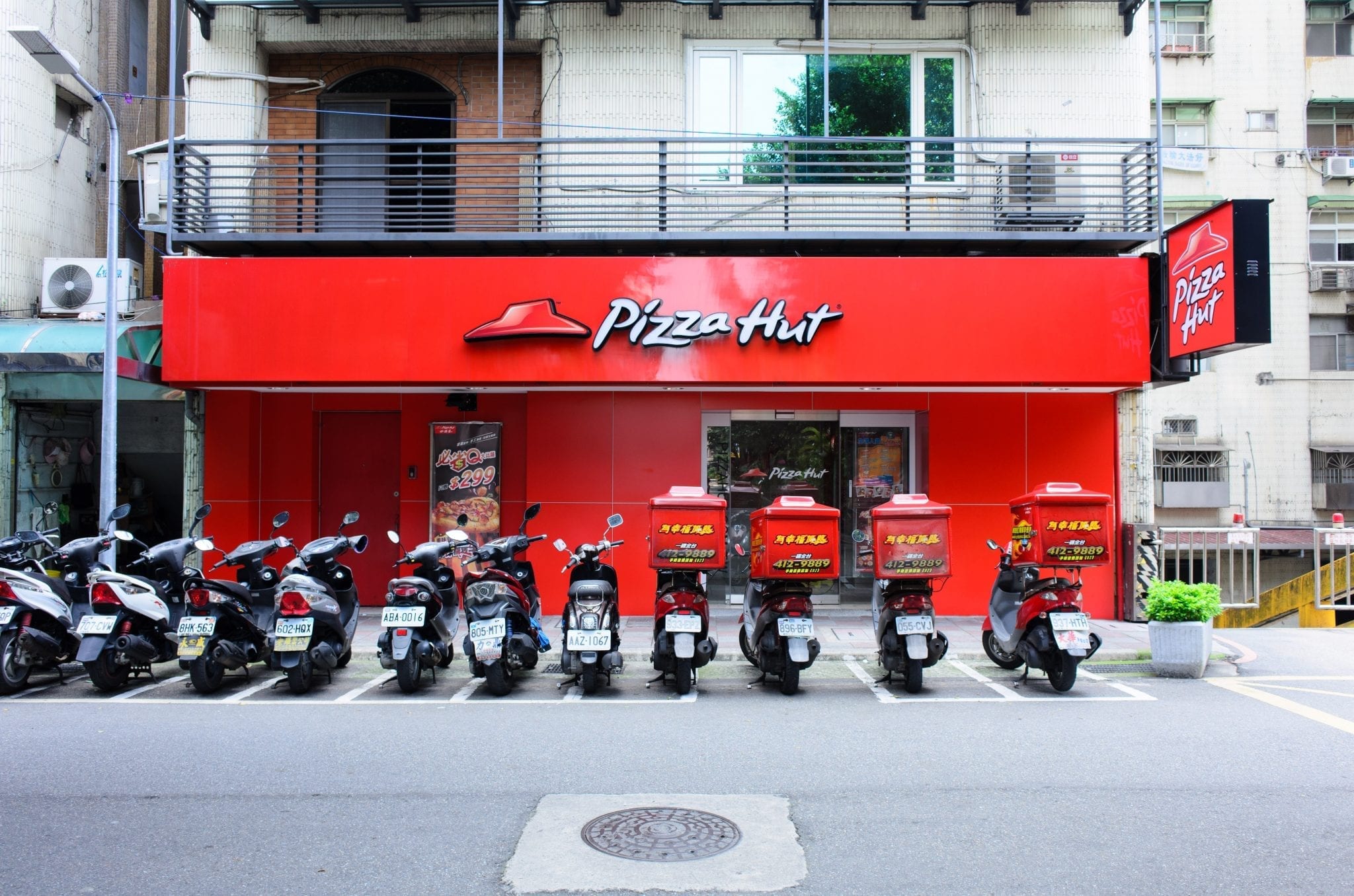
    Yum! Restaurants-led Pizza Hut is betting big on technology. The brand is investing technology at each every step from taking orders to delivery of the pizza. Elaborating more on the same, Managing Director, Pizza Hut (India Subcontinent), Yum! Restaurants, Unnat Varma said, “We are using technology in sorting out our kitchens. So kitchens are becoming better in terms of layout, efficiency, optimising labour. Apart from this, we are also using technology to schedule riders to make sure that pizzas reach hot and fresh to the consumers.”

    “To ensure a seemless experience to the customers we have again using technology. We have a new online experience for customers, it is one of the best friction-less experience. From getting customer’s location to ordering the pizza, the entire process has been reduced to a four-step journey,” he added.

    The brand is also not shying away from using drones to deliver the pizzas in the near future.

    “We are closely watching the drone delivery space. However, there is no current successful model. There has to be regulation, approval from the Government that drones can fly in the air space and to understand that how does it work for food as food is very atypical, it cannot loose temperature and it has to be accurate, it has to reach in a certain stipulated time and it has be delivered straight. We will host the space, we are very open, we are transforming ourselves digitally and technologically, if this space helps us unlock some future possibilities, we will definitely go ahead with it,” Varma revealed.

    Enhancing Customer Experience

    To add to the overall consumer experience, the brand has been constantly improving its products.

    According to Varma, “These days the customer experience is always around product and product excellence and there we have been making a continuos effort to make our product more delicious, fresh and hot but in addition to that it is about the entire experience – how fast customer can place the order, how fast cusotmer can locate our store, can we give cusotmers a great value deal, can we understand their requirements, can we customise, can we help them earn and let them use some loyalty points in the future.”

    Expansion Plans

    Pizza Hut India plans to open over 200 more outlets in India by 2022 to expand its retail footprint. Currently, it operates 422 stores in the country.

    “‘Pizza Hut is a very democratic brand, it is used by segments of the consumers in the market, so our attempt is to go to as close to consumer as possible, it could be going after the shoppers in the shopping mall or it could be going close to residential areas, or going to captive locations where we have people working, so we are open to all kind of opportunities that exist. We are even open to open our outlets at airports and railway stations too,” asserted Varma.

    The pizza chain runs a franchise model in the country, where investments for opening new outlets mainly comes from franchise partner.

  • Xiaomi India to foray into appliances, white goods space

    Xiaomi India to foray into appliances, white goods space

    Xiaomi is all set to convert its India arm into an end-to-end consumer durables company. According to a report, Xiaomi officials are currently identifying potential categories including air-conditioners, washing machines, refrigerators, laptops and small appliances like vacuum cleaners and water purifiers for the Indian market. All the products will be smart appliances based on Internet of Things (IoT) or which can connect to the internet and other devices, and operated remotely.

    Xiaomi entered the Indian television market in February this year with products 30-50 percent cheaper than the top three brands — Samsung, LG and Sony. It eventually expanded TV sales to offline stores and started assembling them in India in partnership with contract manufacturer Dixon. It recently announced having shipped more than a million televisions into the Indian market.

    The company will follow the same model for appliances. The products will be priced aggressively in line with its announced strategy of keeping just 5 percent profit margin for itself and start local assembly after gaining some scale to take advantage of Make in India duty benefits, according to the report.

  • UK-based international chain bar Toy Room enters India

    UK-based international chain bar Toy Room enters India

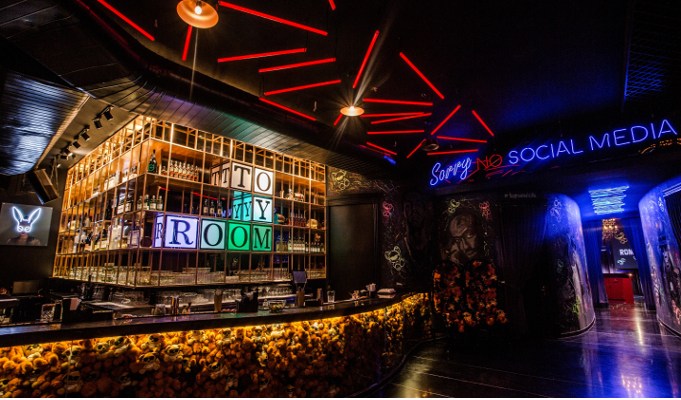
    Toy Room, one of the most talked-about premium and international brand which has attracted visits from A-listers around the world including Jessie J, Lindsay Lohan and Nicole Scherzinger, has opened its first outlet in India in Aerocity. According to Akshay Anand, Owner Toy Room India, “Present in eight different countries, Toy Room is one of the biggest and hottest UK-based international entertainment brands with outposts already operating in London, Dubai, Istanbul, Rome, Mykonos, Athens, São Paulo and now India.”

    “This was the right time to introduce the brand in the country as food service industry is at its full-bloom all thanks to the well-informed and frequent travelling consumers,” he adds.

    Toy Room is the first international nightlife brand to enter the Indian market.

    Elaborating more about the brand, Anand says, “Toy Room is a playful, provocative, unpretentious and sexy place with a special focus on intimate hospitality and service and that is going to set it apart from other brands in the same category.”

    “With capacity for over 400 guests and a Hip-hop/ Rock ‘n’ Roll only music policy, Toy Room is derived from an urge to create an intimate setting for people to have fun,” he adds.

    Spanning across 4,500 sq.ft. Toy Room has been positioned as a finest party place that delivers an upscale nightclub experience with a focus on delivering premium hospitality, while still retaining its brand of sexy and provocative playfulness, which made it a worldwide sensation.

    The Toy Room brand internationally is known for placing children’s toys and imagery in an entertaining setting for adults, bringing together the notion of innocence alongside deviant party behaviour.

    “We are eyeing Rs 25 crore per annum revenue from Toy Room and going ahead we will be opening more outlets in Mumbai and Goa,” Anand concludes.

  • ‘E-commerce share in India’s FMCG retail sales triples in 2 years’

    ‘E-commerce share in India’s FMCG retail sales triples in 2 years’

    Growing consumer trust and confidence in online buying has helped e-commerce platforms expand their share in India’s total FMCG retail sales by as much as three times, according to market researcher Nielsen. This has led to online purchase of a broader range of categories, with a particularly interesting upswing seen in fresh and packaged groceries, Nielsen said in a report.

    It further stated that global online grocery purchasing is up 15 percent in the last two years, leading to an estimated US$ 70 billion additional sales in online FMCG.

    The 2018 Nielsen Connected Commerce Report said e-commerce categories — travel (69 percent), fashion (66 percent), and IT and Mobile (63 percent) continue to account for the largest proportion of online transactions in the country.

    Interestingly, categories posting the most significant growth in e-commerce channel included packaged grocery (where 40 per cent of respondents said they made a purchase), fresh groceries, and baby and children products.

    “From tracking the e-commerce evolution in pioneering countries like South Korea where online sales now account for a staggering 20 percent of the total FMCG sector, we know that consumers follow a certain pattern of online shopping behaviour,” Sameer Shukla, Executive Director (Retail Measurement Services), Nielsen South Asia said.

    Travel, fashion and IT/ Mobile products are typical categories for first-time online shoppers and as their familiarisation, comfort and trust levels increase, their category repertoire expands into areas like beauty, personal care and baby products, he added.

    “… and then moves even wider afield to packaged and fresh grocery categories, and this is evidenced in the significant jump we’ve seen in online purchasing within grocery and food delivery in recent years,” he said.

    The report also revealed that consumers are more open to purchase packaged and fresh groceries online when they are offered certain purchasing options and quality assurances.

    About 60 percent of consumers pointed towards the need to offer and improve hassle-free refund, replacement experience as well as free cost delivery, which if offered, would boost their confidence to buy online with higher frequency.

  • Miniso to set up warehouses in Delhi, Mumbai, Kolkata and Bengaluru

    Miniso to set up warehouses in Delhi, Mumbai, Kolkata and Bengaluru

    Japanese retail brand Miniso plans to source India-made products for its stores in the US and Australia, said a top company official. According to a report: Miniso India is also investing to set up its own warehouses in Delhi, Mumbai, Kolkata and Bengaluru to cater to its expanding network.

    “We are looking into getting more local purchase and we also want to sell Indian products to other countries,” Yang Liu, Chief Business Development Officer, Miniso Indi said.

    He further said, “We have built up a system. We do not only want to import here but also export from here to markets like Australia and the US.”

    The initial line-up of products to be sourced from India include socks and snacks, he said.

    About the local purchase, Liu said by December 2019, around one third products at Miniso India would be sourced locally.

    As per FDI norms, it is mandatory to source 30 per cent goods from India in single brand retail trade.

    “The products which are selling are not only from China but some cosmetics are from South Korea and Thailand also, and I think before the end of next year, we would be able to put our local purchase to 30 per cent,” Liu said.

    He further added that the company is working in this direction and has already signed contract with some local manufacturers.

    The company would also set up small warehouses around tier II & III cities for its new franchise stores.

    Miniso launched retail operations in India in August 2017 and clocked Rs 700 crore revenue in one year. It plans to take its store count to 800 by 2019.

    It operates around 3,000 stores in over 70 markets.

  • Food delivery start-up Swiggy raises US$ 1 billion from venture funds

    Food delivery start-up Swiggy raises US$ 1 billion from venture funds

    Leading food ordering and delivery start-up Swiggy has raised US $1 billion (Rs 7,000 crore) venture funds from existing investors led by Naspers, to strengthen its technology and hire talent, it said on Thursday. “Swiggy will use the funds to bring more quality food brands closer to consumers and address gaps in supply through delivery-only kitchens, as well as hire talent and strengthen the technology,” the city-based app provider said in a statement.

    The Series H round of funding, led by Naspers, also includes the participation of existing investors DST Global, Meituan Dianping and Coatue Management.

    The funding round saw the participation of new investors Tencent, Hillhouse Capital and Wellington Management Company, the company said.

    The firm will also use the capital to hire talent, especially for machine learning and engineering roles across mid and senior levels, as well as strengthen its technology backbone.

    “The company will focus on building a next-generation Artificial Intelligence (AI)-driven platform for hyperlocal discovery and on-demand delivery,” it added.

    Inclusive of the latest round, Swiggy said it has raised a total of US$ 1.26 billion (Rs 8,825 crore).

    In June, the food-tech start-up raised US$ 210 million (around Rs 1,500 crore) from multiple investment firms, including Naspers, DST Global in Series G funding and US$ 100 million (around Rs 700 crore) in Series F in February from multiple investors.

    Details of the promoters’ equity holding in their firm after the latest round of funding are not made public by the company.

    “As we add more firepower to our vision of elevating quality of life for urban consumers by offering unparalleled convenience, our global investors also share our purpose and have made a significant investment in our future,” Swiggy’s Chief Executive Sriharsha Majety said in the statement.

    Founded in 2014, Swiggy claims to have 50,000 restaurant partners across 50 cities, including New Delhi, Gurugram, Hyderabad, Bengaluru, Chennai, Mumbai, Kolkata and Pune, and receives about 25 million food orders a month.

    The company, which has over 4,000 employees, reported an operating revenue of Rs 442-crore for fiscal 2017-18.

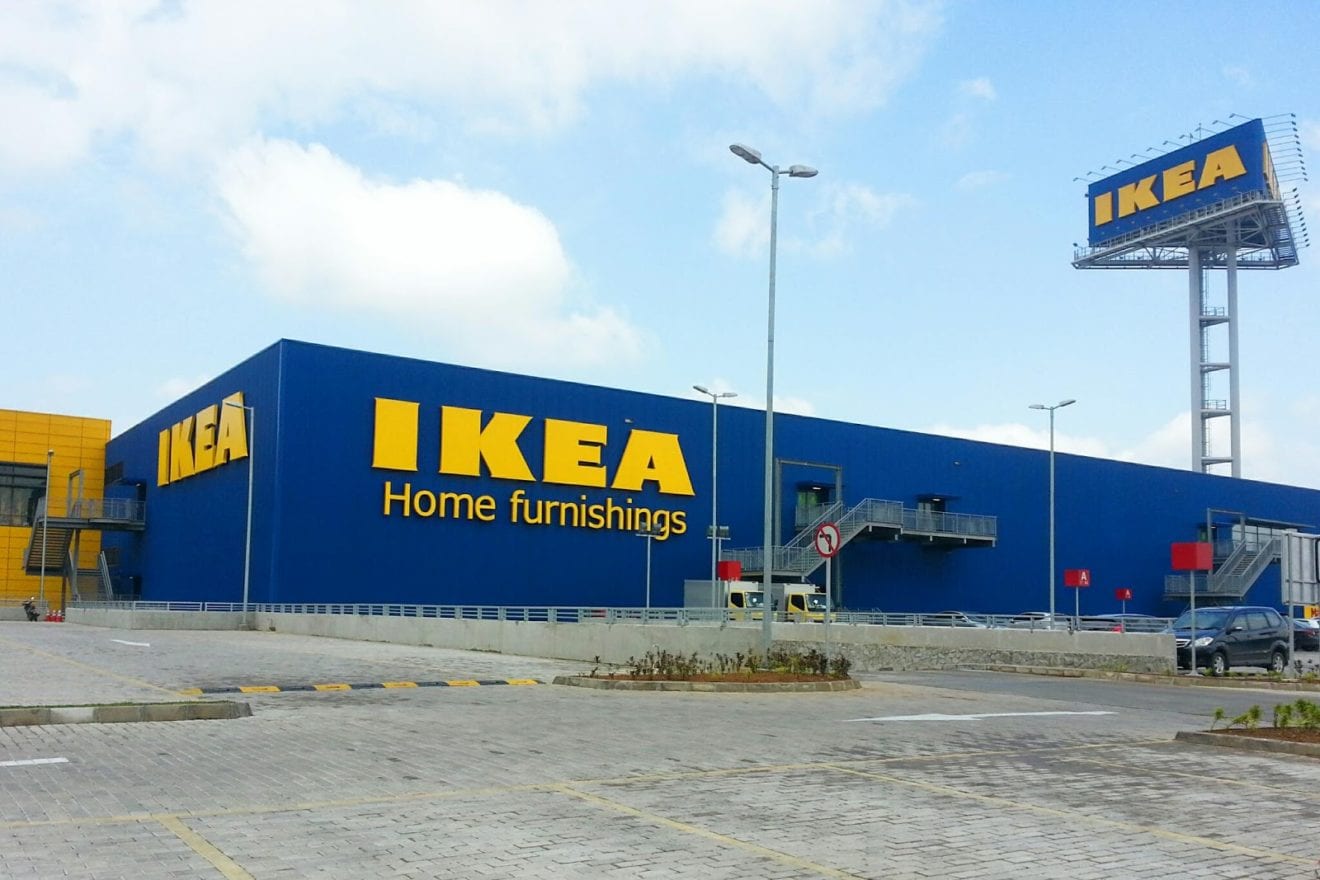
  • IKEA signs MoU to open store in Noida; create 8,000 jobs

    IKEA signs MoU to open store in Noida; create 8,000 jobs

    Swedish furniture giant, IKEA, has signed MoU with the Uttar Pradesh government for the investment of Rs 5,000 crore to set up an integrated commercial project, including a store, in Noida. The MoU was signed between R K Singh, Principal Secretary, Infrastructure and Industrial Development Department, and David McCausland, Country Property Manager, IKEA.

    An integrated commercial project will be set up by Ikea at Noida, Gautam Budh Nagar. After the establishment, approximately 4,000 direct and 4,000 indirect employment opportunities will be created by this project.

    IKEA said the first store in the state is expected to come up in Noida for which the Swedish company has not yet signed any land deal.

    “The state government will provide all possible help to such investors,” the Uttar Pradesh government said in a statement on Wednesday.

    IKEA had, on September 24, 2015, signed an MoU with the UP government during the previous Akhilesh Yadav regime for launching three stores in Lucknow, Agra and Noida. The deal, however, did not move forward.

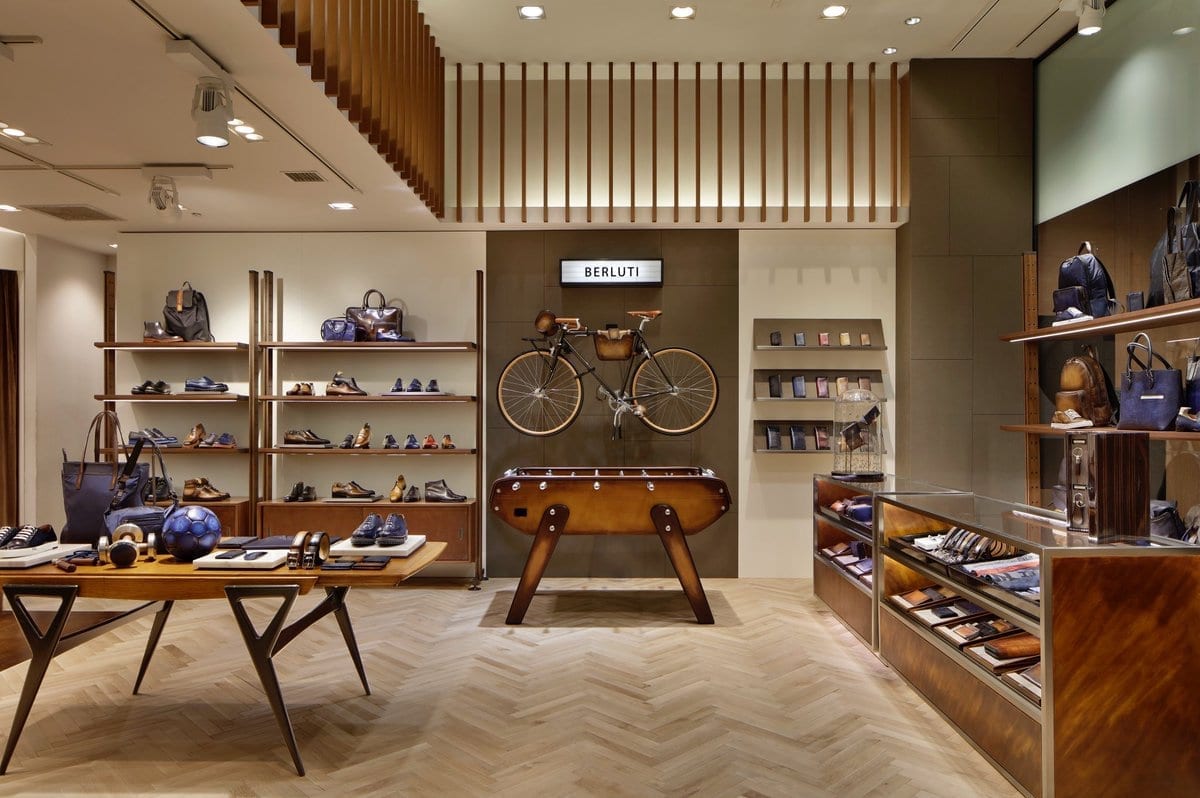
  • Berluti showcases its signature styles in Mumbai

    Berluti showcases its signature styles in Mumbai

    One of the world’s most iconic luxury footwear brands, Berluti, hosted an exclusive evening to showcase new styles to guests and present their signature technique of footwear tattoo artistry by Elena Lodiat Soho House, Juhu. Firmly grounded in bespoke know-how, Berluti took its technical skills and creative flair a notch higher by transforming the rules of style with tattooing.

    The rare tattoo designs based on four themes: a classic bestiary of Insects & Animals, the signs of the Zodiac and the Chinese horoscope, vintage designs with Eagles, and the subtle art of Calligraphy can now be perfected on Berluti’s original and globally renowned Venezia leather. The noblest of all leathers, only Venezia leather sustains the creative audacity of Olga Berluti’s vision of art.

    The design is crafted to meet the modern-day sensibilities of contemporary dandy men. Fire-breathing dragons, fantastic beasts, regal eagles, all the mythical creatures and several other esoteric designs can now be realized on the emblematic Berluti Venezia leather from shoes and handbags to belts and other small leather goods.

    With this exclusive service, Berluti brings an even more bespoke look to an already-unique shoe.

    Talking about the event, the only female shoemaker in the world Olga Berluti said, ‘’I always wanted to grace leather shoes with the markings of the skin; scars, gashes, branding, piercings. We have already mastered the color technique on the leather from bronze and brown to red and copper, and the dark blue of the Tuaregs. Only one thing was missing, the most obvious and most difficult: tattoos. I tried to tattoo shoes using every possible process, but the designs faded, the colors were lost beneath the patinas, and the tattoos had no “life” in them. However, my technique has evolved over the years and today I am using the exact same methods as tattoo artists, along with inks that work well with leather. I hope Berluti loyalists from across the world admire this new art.”

    An exclusive Indian distribution partner of iconic global brands Bequest Group, Managing Director, Gaganmeet Singh said, “Luxury is all about a bespoke experience and personalization and creating tattoos on leather is an artisanal process. We are glad to have showcased this unique technique of tattooing on the Berluti Venezia leather to our patrons in India. The activity was insightful and interactive at the same time that gave a chance to the luxury connoisseurs to get involved in the nuances of tattoo making on leather at this unique Berluti event.”

    Berluti currently has a store in New Delhi at DLF Emporio Mall and is scouting for a property in Mumbai to open its store.

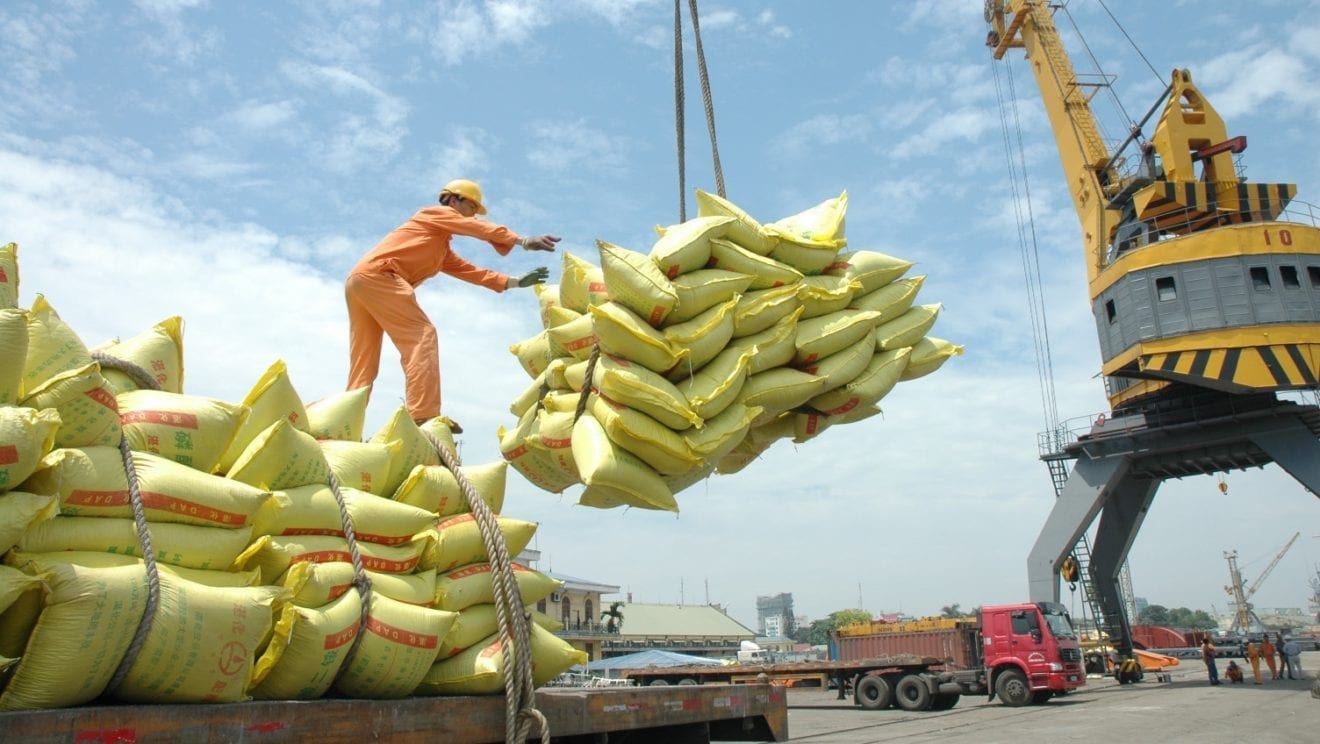
  • India rice rates hit more than three-month high, Chinese rules weigh on Vietnam

    India rice rates hit more than three-month high, Chinese rules weigh on Vietnam

    Rice export prices in India rose to their highest in more than three months as a key producing region hiked procurement rates for domestic paddy. Top exporter India’s 5 percent broken parboiled variety was quoted at $375-$382 per tonne this week, the highest since Sept. 7.

    The central state of Chhattisgarh, a leading rice producer, raised the minimum paddy buying price to 2,500 rupees per 100 kg, from 1,750 rupees earlier this week.

    “Importers are not ready to pay a higher price. Exports are likely to slow down in coming months,” said an exporter based at Kakinada, in the southern state of Andhra Pradesh.

    Prices of Vietnam’s 5 percent broken rice declined for the fifth straight week to $385 a tonne as activity remained muted, traders said.

    “Prices fell further because we are concerned that China’s move to impose stricter conditions on Vietnamese rice will have a long-term impact,” a trader based in Ho Chi Minh City said.

    “It’s not clear if China is buying more from Cambodia and Myanmar to compensate for the possible declining shipments from Vietnam.”

    Another trader said supplies from Vietnam will increase from late next month when the winter-spring harvest begins.

    In Thailand, benchmark 5 percent broken rice prices were quoted at $390-$391 per tonne, free on board Bangkok, versus $385-$393 a week ago, as the market is expected to remain quiet until well after the New Year period.

    “This is a reasonable level as we’re nearing the end of the year. There is not much overseas activity and we’re also in the harvesting season,” a Bangkok-based trader said.

    Meanwhile, Bangladesh, which emerged as a major importer of rice in 2017 due to stock depletion following floods, has stepped up efforts to procure more rice locally after output of the staple grain improved, a food ministry official said.

    “The response from farmers is very good and the procurement drive will be continued,” the official said.

    The country’s production for 2018/19 is expected to recover to 34.7 million tonnes, up 6.3 percent year-on-year, according to estimates from the U.S. Department of Agriculture attaché in Bangladesh.

    The South Asian country has procured more than 1.3 million tonnes of rice locally so far in the current season to build state reserves.

  • American Eagle Outfitters India to open 25 outlets in three years

    American Eagle Outfitters India to open 25 outlets in three years

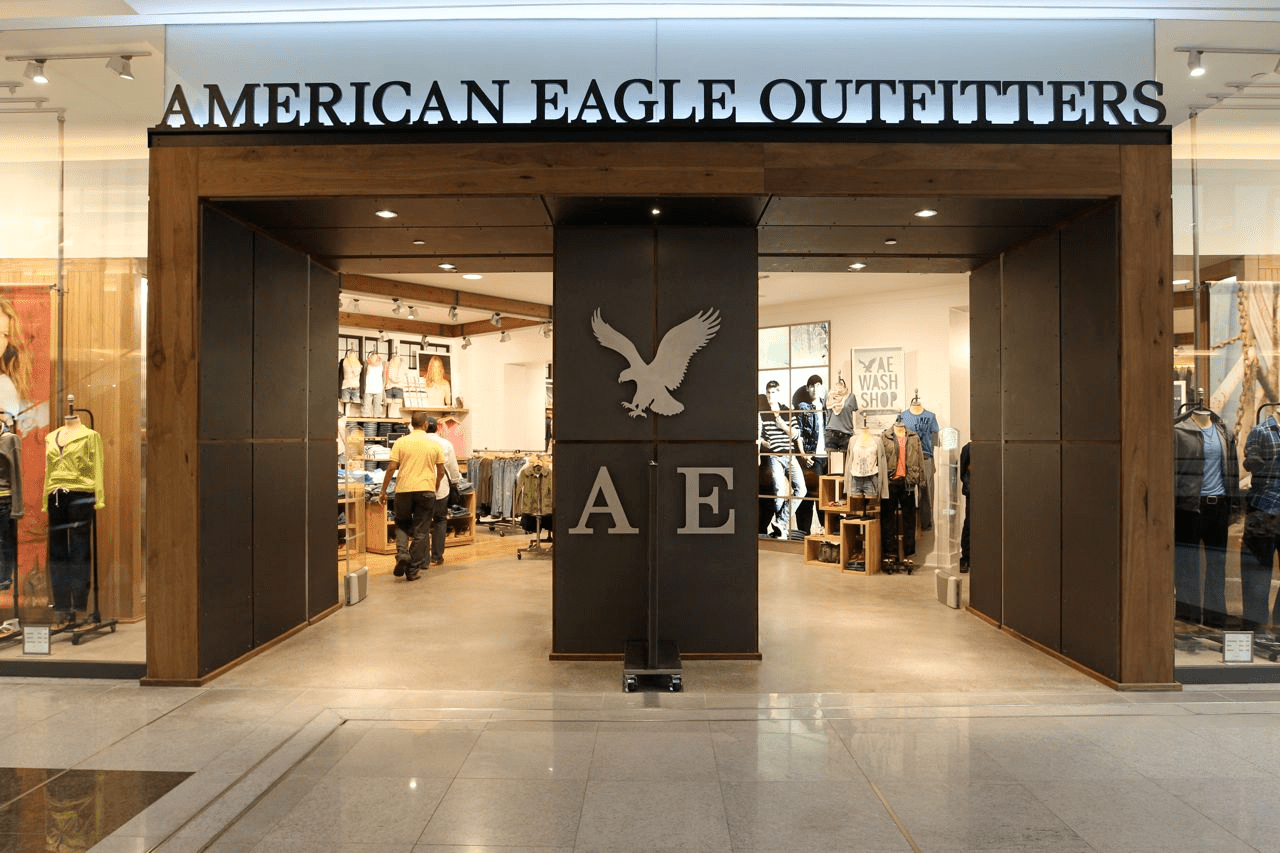
    US-based mid-to-premium denim wear brand, American Eagle Outfitters entered India in the summer of 2018 through a licensing agreement with Aditya Birla Fashion and Retail Ltd. The brand expects India will be its top three international markets in the next five years.

    In an interview with IMAGES Retail, Guillermo La Rosa, Vice-President, International and Business Development, American Eagle Outfitters says, “Our brand has been in India for the past few months and it has been performing well. We are learning a lot about the Indian consumer as we plan to expand within the market and as we will get these learnings under our belt, it will help us grow and offer the right products to consumers.”

    Target Customers

    American Eagle Outfitters is a leading global specialty retailer offering high-quality, on-trend clothing, accessories and personal care products at affordable prices.

    The brand is betting big on Generation Z, who are between the age group of 15-25-year-old.

    “India’s rapidly developing and vibrant economy, anchored by the world’s largest youth population, provides an exciting growth opportunity for our brands and expanding our global reach,” says La Rosa.

    Category Mix

    The category mix of American Eagle Outfitters comprises of jeans, shorts, joggers, t-shirts, tops, woven shirts, sweatshirts, jackets and hoodies along with accessories like shoes, socks and belts.

    Elaborating on this, La Rosa says, “The breadth of our assortment is global; however, the category mix varies from location to location. For example, in DLF Promenade, the penetration is around 60 percent men and 40 percent women products whereas in Mall of India, it is 50-50.”

    In the Indian market, Denim is the Number 1 category for both men and women followed by other categories like woven shirts, polo shirts, fleece and sweaters.

    “In India, there have been a lot of learnings for us, like in the women’s category, the customer prefers more of bootcut whereas outside India it is more about skinny and super skinny. Skinny and super skinny is little bit slower than what we had anticipated. Similarly, in the men’s category, slim and skinny are very important globally whereas here in India it is more of slim and straight denim. It seems like here in India the customer wants more clean-cut denims. We will continue with what the consumer wants as we grow,” he adds.

    Decoding the Store

    The average size of the American Eagle Outfitters’ store spans across 2,500-3,500 sq. ft. in India.

    According to La Rosa, the store size of the brand in India is smaller as compared to that in the US. “In the US the store size ranges from 4,500 sq. ft. to 10,000 sq. ft.,” he says.

    Despite the smaller spaces, the brand is hoping to launch more stores in more cities soon. Apart from this, the brand will also launch bigger flagship outlets.

    “We are looking forward to opening more flagship stores in key cities like Delhi, Mumbai and Bengaluru and these stores will be bigger than the average store. In addition to this, after the launch of Aerie in India, we expect to have bigger stores,” he adds.

    Aerie is a lingerie retailer and intimate apparel sub-brand owned by American Eagle Outfitters. In the US, Aerie targets the 15- to 25-year-old female demographic.

    Expansion Plans

    At present, the brand has three operational stores spread across Delhi-NCR and Chandigarh. Apart from this, it is available through its own website and also on fashion portal Myntra.

    “By this year-end, we are looking to open six to nine more outlets. In the next three years, we are looking at a total of 25 locations. For some of the new stores, we have got locations in Hyderabad, Chennai, Pune, Mumbai, Delhi and we are also exploring other options,” La Rosa reveals.

    “We are not here to be in every single mall and exploit the brand. We want to be very meticulous and calculative in the partnerships that we have with malls. We will be launching the Mumbai outlet in the upcoming months,” he adds.

    The brand may also look at having a presence through multi-brand stores and in Tier II markets in the future. It will also open Aerie stores across India in partnership with the Aditya Birla Group.

    “We believe that in the next five years India could emerge as the top three markets outside the US,” La Rosa asserts.

    American Eagle Outfitters merchandise also is available at more than 190 international locations operated by licensees in 24 countries.