Tag: india

  • Amazon in advance stage to buy stake in Future Retail

    Amazon in advance stage to buy stake in Future Retail

    Online retailer Amazon is in advanced stage of talks to buy around 9.5 percent stake in Kishore Biyani-led Future Retail, according to sources. According to a report: A final shape to an agreement between the two parties is expected to take place within the next 10 days, the sources said although in case of last minute hurdles the deal could be announced as late as January 2019.

    When contacted, Amazon declined to comment while messages sent to Future Group Founder and Group CEO Kishore Biyani remained unanswered by the time of filing story.

    According to a media report, the Amazon-Future Group deal is initially estimated to be around Rs 2,000 crore executed under foreign portfolio investor (FPI).

    The agreement could also include Amazon buying out Biyani and promoter group’s entire holding in future subject to applicable regulations in India.

    As of September 2018, promoter and promoter group had 46.51 percent share of Future Retail Ltd, which operates hypermarket and supermarket under brands which include- Big Bazaar, Easyday, Foodhall, HyperCity, FBB, Heritage fresh, ezone and WH Smith.

    It has presence in 250 cities across the country.

    Leading e-commerce major Amazon, which is looking to expand its presence in India, already has stake in Shoppers Stop and More.

    If the deal is through, this would be the third investment by the US-based company in the Indian brick-and-mortar retail ecosystem.

    Last year, retail major Shoppers Stop had announced raising Rs 179.26 crore from Amazon through an issue of equity shares on preferential basis. The deal with Amazon.com Investment Holdings LLC translated into just over 5 per cent shareholding for Amazon in Shoppers Stop.

    In September this year, Amazon said it has co-invested in Witzig Advisory Services, the entity that is acquiring Aditya Birla Retail’s ‘more’ chain of stores in India.

    According to market watchers, this deal is expected to help Amazon strengthen its play in the Indian retail market that is still dominated by offline retailers.

    The move would also intensify competition further between Amazon and Walmart-backed Flipkart that are locked in an intense battle for leadership in the Indian e-commerce market.

    The US’ largest retailer Walmart had picked up 77 percent stake in Flipkart for US$ 16 billion, the largest deal in the Indian e-commerce space so far.

    Both Amazon and Flipkart are pumping in millions of dollars towards building infrastructure, and expanding operations in the country.
  • Snapdeal unveils ‘Brand Shield’ to help firms fight counterfeits

    Snapdeal unveils ‘Brand Shield’ to help firms fight counterfeits

    India’s e-commerce major Snapdeal Monday said it has launched ‘Brand Shield’, an anti-counterfeiting programme to help brands report counterfeit products being sold on its platform. The programme has been designed based on the inputs received from various brand owners, Snapdeal said in a statement.

    The programme is aimed at enabling a structured interaction between the platform and brands with regard to any intellectual property (IP) issues flagged by the brand, it added.

    Under Brand Shield, there will be an online, triple-check point process for brands to report any violation of their IP rights in terms of trademark, copyright, patent or concerns related to design.

    Brands can also list specific issues relating to unlawful copying of logos, brand images, design features and packaging by sellers listed on Snapdeal’s platform. Brands will be required to establish their ownership of the IP, identify the listing of concern through proof and state their claim of infringement.

    The statement said designated teams at Snapdeal will review every report of IP infringement submitted through Brand Shield. Upon verification of the accuracy and adequacy of the information provided by the brand, Snapdeal will take down the listing within one business day, it added.

    In continuation of current practice, Snapdeal will also continue to de-list products/ listings in compliance with any directions or orders passed by the courts and other relevant authorities, the statement said.

    “The issue of unscrupulous sellers misusing online marketplaces to sell fake goods is a global problem. Brand Shield is part of our ongoing initiatives to collaborate with brands owners to combat counterfeits and infringement offences,” a Snapdeal spokesperson said.

    Snapdeal, an online marketplace, acts as an intermediary connecting buyers and independent third party sellers. It also prohibits the sale of counterfeit products on its marketplace and any sellers found in violation are penalised as per the terms of agreements with the sellers, the statement said.

  • Cover Story to launch accessories line soon

    Cover Story to launch accessories line soon

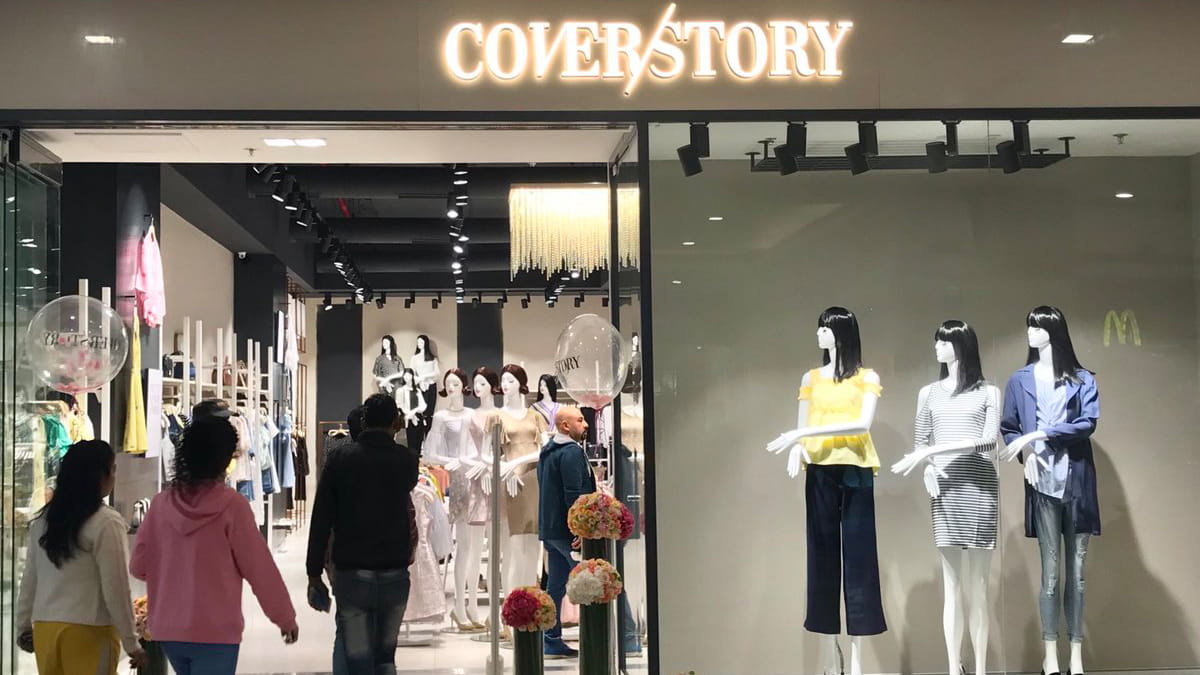
    Kishore Biyani-led Future Retail launched fast fashion brand Cover Story almost two-and-half years back with an aim to take international brands like Zara and H&M head on. The company then proceeded to set up a design house based out of London to develop cutting edge fast fashion. This design house was dubbed Future Style Lab, a wholly-owned subsidiary of Future Group, which developed and procured styles for Cover Story. And since then there has been no looking back.

    According to Manjula Tiwari, CEO, Future Style Lab, a fantastic growth has been seen for the brand, in terms of its popularity with customers and retailers alike. “Being just a 2.5 year old brand, Cover Story has established itself as a formidable competitor in the fast fashion space to international players. The brand is among one of the very few Indian brands to be present on ground floor locations across the leading malls in India, a great indication of the journey so far.”

    “We place customers in the centre of all that we do. Our product is a blend of latest trends and suitability in the Indian context and that has struck the right chord with our customers,” she adds.

    Target Audience

    The target audience of the fast-fashion brand is the 23 to 40 year old, financially independent woman with a rising disposable income which she loves to splurge on frequent shopping trips.

    “She thrives on social media, is a traveller in spirit and embraces new experiences. She frequently seeks to refresh her wardrobe. Feminine and eclectic, she switches effortlessly between Indian and western wear. Dressing up for her is a form of self-expression. She is modern but rooted,” says Tiwari.

    Store Design

    All Cover Story outlets are designed to recreate the intimate boutique and provide a comfortable shopping experience. The layout is layers of transparency with opacity, which encourages a sense of discovery while shopping.

    “A warm and neutral palette has been chosen for the store as well as all the equipment in it. Colours such as Rose Gold have been opted for, to give the place a feminine touch, to help women identify with the store,” states Tiwari.

    The display panels in the store are designed to look like magazine editorials. Exclusive fashion clusters display merchandise as if they were stories, luring women into reading them.

    Visual merchandising is done by and premium in-store windows are designed by London stylists on the lines of international luxury brands. The cash counter mimics a woman’s vanity bag, while changing rooms have seating for the comfort of waiting friends and family.

    “Customers can browse tablets with fashion content and styling tips. Cover Story’s in-store ‘selfie booths’ are bound to create brand excitement. Consumers can browse through stores and merchandise, share their personal information, and then have their shopping home delivered,” asserts Tiwari.

    Shoppers can even make a request for sizes not currently available at the store. A personal shopper then locates the size from other outlets and delivers it to consumer.

    Product Category

    The brand offers around 450 SKUs per season under the categories like dresses, tops, tees, trousers, skirts, shorts, jackets and sweaters.

    “We also do footwear and bags and are planning to launch a jewellery and accessories line,” reveals Tiwari.

    “Dresses and tops are our fastest moving categories because we provide a wide variety in both categories for all occasions. Also these categories are generally the most sought after categories by women in general,” she adds.

    Marketing Strategy

    The marketing strategy of the brand is a healthy mix of generating brand awareness and driving traffic to the stores to convert to sales.

    According to Tiwari, “We ensure our campaign imagery is of high quality and for that we shoot internationally to bring forth the true image of the brand, being designed in London. Locally, we rely on heavy mall activations and branding to steer the customer to our stores. We also turn to Instagram as a great tool to highlight our fashion authority in the market along with a lot of support from celebs and influencers.”

    “We believe the future of consumer engagement is to get personal – create a connect with the consumer through great experiences. We intend to bring our customers a connect to our London designers with regular events and interaction, and to create constant content around international fashion and style to establish Cover Story as a go to fashion authority for the Indian consumer,” she adds.

    Future Plans

    The brand, which has 23 EBOs, 61 SIS across the country and presence on 5 online channels, will cross 100 doors by the end of this year.

    “We have been more than doubling the turnover every year and same store sales growth has been in the health double digits. Currently online contributes 5 percent to the overall revenue and we see it growing significantly in the times to come,” concludes Tiwari.

  • Samsung Galaxy A9 to debut in Indian market

    Samsung Galaxy A9 to debut in Indian market

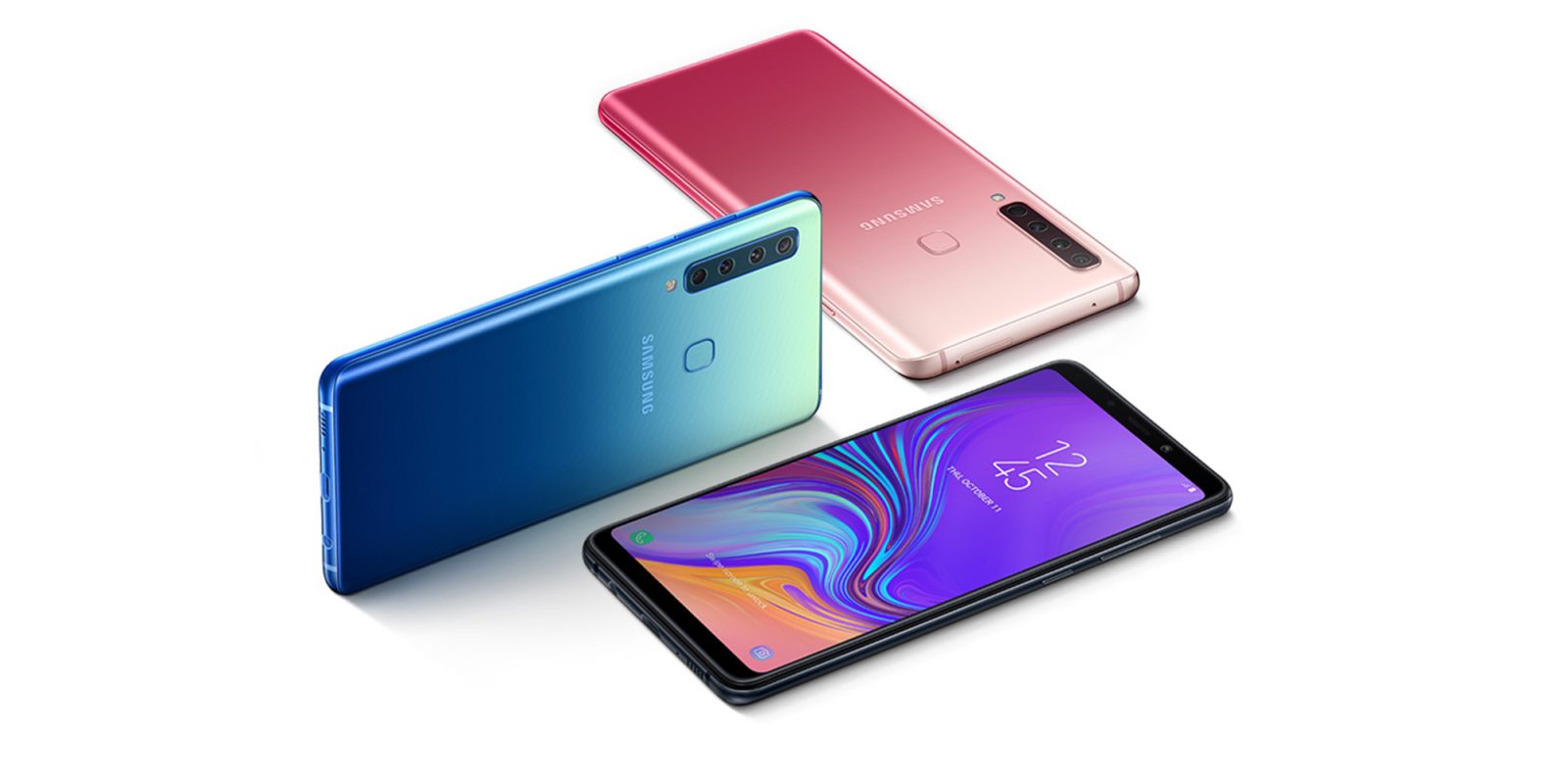
    Samsung Electronics has chosen India as the first country in which to release its Galaxy A9 mid-range smartphone. The company is set to begin sales of the model on Nov. 28.  The A9, introduced on Oct. 11 in Kuala Lumpur, in the presence of some 1,000 journalists and businessmen, is the first Samsung smartphone with four cameras on the back.

    “We are beefing up the smartphone lineup and marketing activities in India,” a Samsung spokesman said. “We plan to churn out smartphones best optimized for the Indian market at the newly established factory in India and supply directly to the local market.”

    In July, Samsung completed the expansion of its smartphone factory in Noida, south of the Indian capital of New Delhi. Work began on the 800-billion-won ($707,780) project in June 2017.

    Once the No. 1 smartphone vendor in India, Samsung has been overtaken by Chinese rookie Xiaomi, the world’s fourth-largest smartphone vendor. India is the world’s third-largest smartphone market.

    According to Counterpoint Research in October, Xiaomi accounted for 27 percent of the India smartphone market, up 5 points year on year, whereas Samsung captured 23 percent, the same share as a year earlier.

    India is a crucial market for Samsung, given that the company lost China to Chinese players. According to Strategy Analytics, Samsung’s market share in China slumped to a mere 0.8 percent in the second quarter, with Huawei taking 27 percent.

    Samsung launched eight models in its low-end Galaxy J series alongside premium models, such as Galaxy S9 and Note9, in India this year. The J series is the company’s the most popular lineup in India

    The A9 is a part of the trend of adding as many cameras as possible to smartphones. Its four cameras on the rear boast four different resolutions – 24, 10, eight and five megapixels. The first one is regular, the second has a telephoto lens and the third is for ultra-wide angle shots. The fourth, with the lowest resolution, serves as a depth camera that gives users the ability to manually adjust the depth of field of their images. That helps create so-called bokeh-effect photos, whereby the subject is in focus but the background is blurred.

    Xiaomi is betting aggressively on India. Its Indian unit promised to open 500 offline stores under the Mi brand and hire more than 15,000 staff by the end of 2019. Huawei followed suit, vowing to expand production facilities and open over 1,000 stores.

  • Uber Eats appoints Alia Bhatt as India brand ambassador

    Uber Eats appoints Alia Bhatt as India brand ambassador

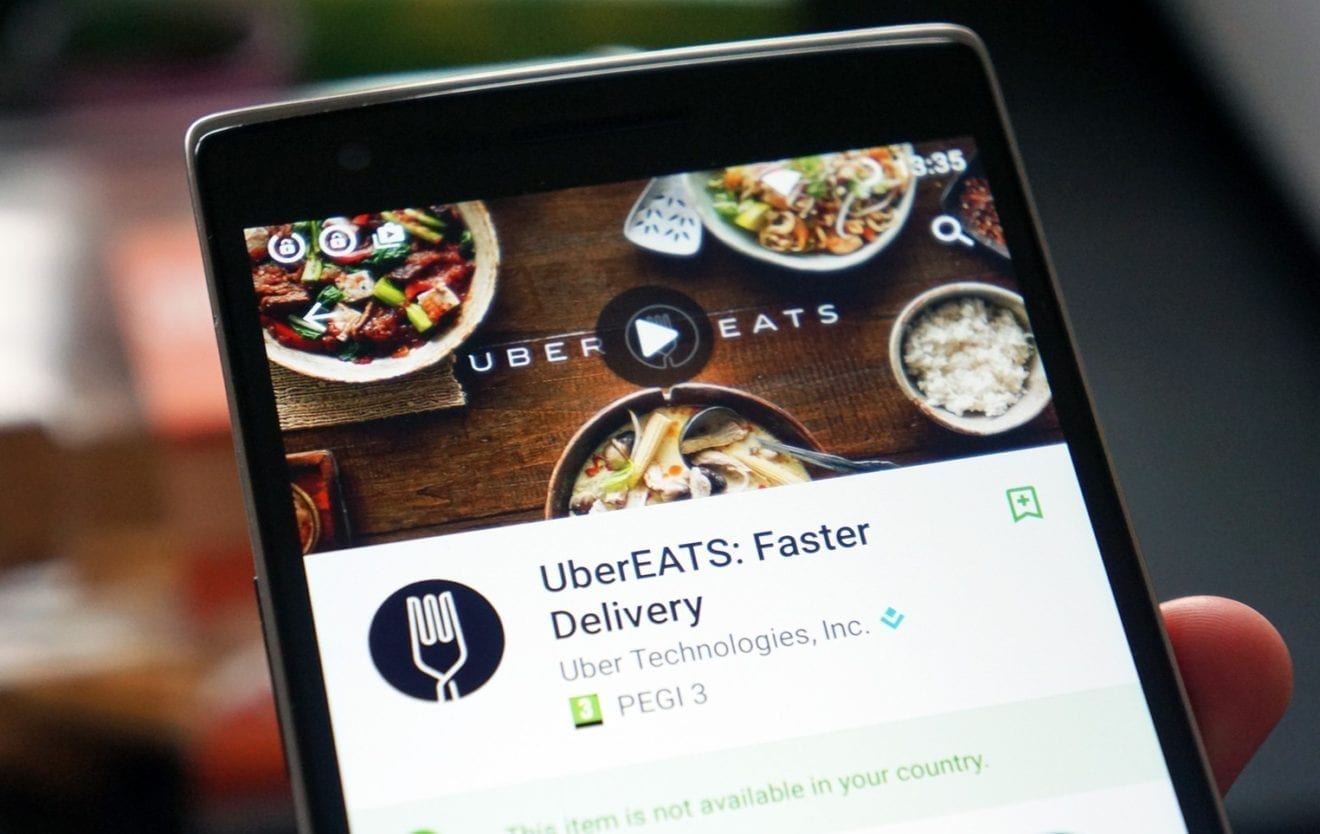
    Uber Eats, the food delivery arm of ride-hailing major Uber, Thursday said it has appointed actor Alia Bhatt as its brand ambassador in India. India is the first country for Uber Eats globally where the company has appointed a brand ambassador, Uber Eats said in a statement.

    “Alia is an inspiration to Indian millennials and we are thrilled to have her on board. The youth today relates to her easy-going, carefree and energetic personality. “She is known for her unique style and agility as an actor – the same qualities are an integral part of the Uber Eats DNA; thus making her the perfect fit to represent our brand in India,” Bhavik Rathod, India and South Asia Head, Uber Eats said.

    Uber Eats was launched in India in May 2017. The food delivery service is available across 37 cities compared to 31 cities where the American company operates its rides business. Uber Eats started in 2014 as a small delivery pilot in Los Angeles and was launched as a separate application in Toronto in December 2015. It is now available as a stand-alone app in over 350 cities globally.

    The US-based company has been aggressively investing in its Uber Eats business globally. Earlier this month, Uber said gross bookings from Uber Eats grew more than 150 percent in September quarter to US$ 2.1 billion (excluding Southeast Asia and Russia) over the year-ago period.

  • FILA India collaborates with Streetwear Label Norblack Norwhite

    FILA India collaborates with Streetwear Label Norblack Norwhite

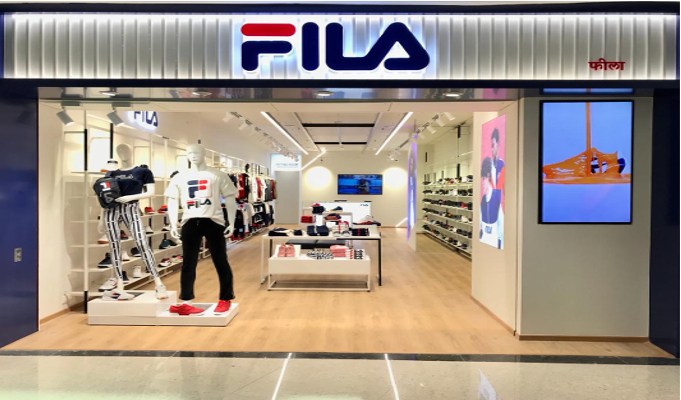
    The Italian sports-fashion brand Fila has announced its first ever Heritage collaboration with indie streetwear brand Norblack Norwhite which are now available in its stores. FILA India’s partnership with Norblack Norwhite pays homage to a heritage of textiles from Italy and to the age-old traditions of Indian textile makers, debuting with this India-only exclusive collaboration.

    Fila India’s Creative Director, Abdon Lepcha worked closely with NBNW for almost a year to design a limited edition collection that fuses iconic FILA silhouettes with their signature prints and patterns. The collaboration is a fusion of Indian streetwear with sports fashion. The collection was created applying the NBNW love for pattern and color, keeping it breathable within the sporty space. The styles focus on comfort, playing off some of Norblack Norwhite’s textile styles applied in a new way to work with Fila fabrics.

    Speaking on the collection, Mriga Kapadiya & Amrit Kumar said, “NBNW celebrates textiles and colors and patterns so creating within the FILA form and brand has taken us out of our comfort zone and pushed the boundaries on our design capacity. Fila is a brand we grew up on and we were super excited when Fila India approached us to collaborate on this capsule collection. We’ve never got to design athletic wear and it’s been super fun and also challenging to apply our style and aesthetic in this form! It’s important for our process to stay true to things we feel comfortable and empowered in while balancing the visual story of our favorite elements of India combined with our guiding feelings of classic streetwear.”

    Rohan Batra, the MD of Cravatex Brands, the Licensee for Fila in India, says, “This collaboration is one that is very special for us. It is the first time a global brand has collaborated on an entire collection with an Indian streetwear label. The limited India-only drop for the collaboration is part of our commitment to building and nurturing the streetwear fashion culture in India.”

    The collection comprises of baseball jerseys, tracksuits, fanny packs, tees and a special edition Disruptor. The price points for apparel, footwear and accessories start from Rs 1,999 and go up to Rs 8,999.

  • The Walt Disney Company appoints new Head of Consumer Products Commercialization

    The Walt Disney Company appoints new Head of Consumer Products Commercialization

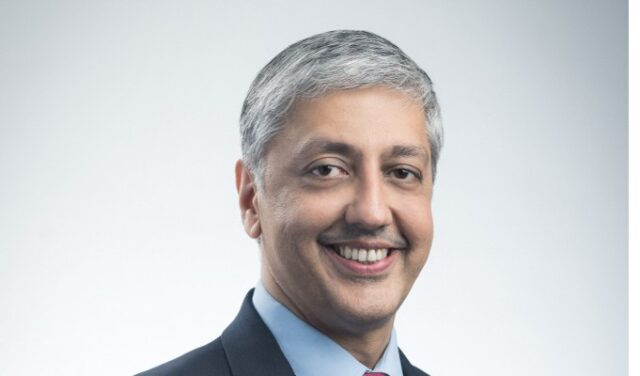
    The Walt Disney Company has announced the appointment of Mahesh Samat, Executive Vice President, Disney Consumer Products Commercialization for the Asia Pacific region. Reporting into Ken Potrock, President, Disney Consumer Products Commercialization, he takes on responsibility for the commercialization of Disney franchises across merchandise, publishing and licensed games throughout India, Southeast Asia, Greater China, Korea, Japan, Australia and New Zealand.

    Samat rejoined The Walt Disney Company in India in November 2016 and went on to integrate the Southeast Asia and India businesses to form The Walt Disney Company’s South Asia regional hub in September 2017. He led most of Disney’s integrated business units driving new strategies that are providing tremendous growth for global franchises and unilaterally creating new business opportunities for all Disney businesses. He previously led The Walt Disney Company’s India operations from 2008-2012.

    “The Asia Pacific region continues to provide immense opportunity for Disney products and experiences,” said Potrock. “I am confident that Mahesh’s proven leadership and steadfast focus on innovation and entrepreneurship will deliver dynamic growth across our brands and product categories.”

    “Disney products and experiences bring our stories and characters closer to fans every day. I am pleased to have the opportunity to lead this exceptional team to delight kids and families across these high growth Asian markets,” said Samat.

    With more than twenty-five years of experience in FMCG, Media and Healthcare across India, Asia-Pacific and Europe, Samat previously worked with Johnson & Johnson, Kellogg’s, Warner-Lambert/Parke-Davis and Boots India Limited. Between 2012 and 2016, he established the Epic Television Networks and its popular Hindi-language, The Epic Channel in India.

  • Mumuso to open 300 stores in India by 2022

    Mumuso to open 300 stores in India by 2022

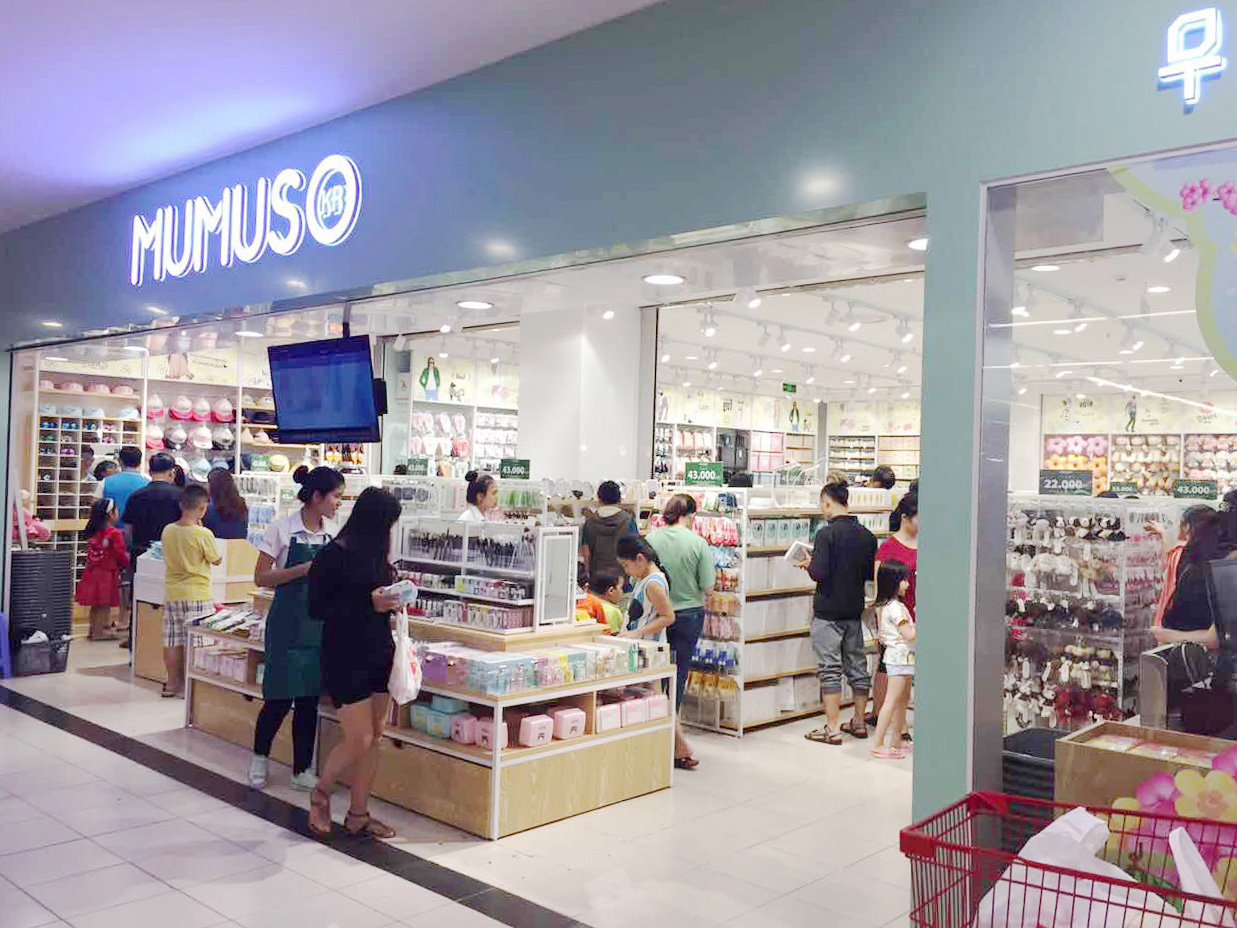
    Korean lifestyle brand Mumuso has announced its plan to open 300 stores across India by 2022. The lifestyle brand, currently present in 30 countries, entered the Indian market in September with a flagship store in Kolkata’s Park Street. “Mumuso is eyeing the Indian market aggressively with new stores in different parts of the country” said Raunak Agarwal, Managing Director of Mumuso India.

    “Mumuso is eyeing the Indian market aggressively with new stores in different parts of the country” said Raunak Agarwal, Managing Director of Mumuso India.

    “India has seen a sharp rise in the demand for lifestyle products in the recent years”, he added.

    Mr. Agarwal said each Mumuso store will offer 1200 unique items across eight categories and there will be an investment of Rs 80 lakh to Rs 1.2 crore in opening the stores.

    The next stores to open will reportedly be in Hyderabad, Siliguri, Bangalore, Delhi, Mumbai, Surat, Durgapur and Chenna.

    Out of the 300 stores planned, 10 are said to be launched in the current calendar year.

    Mr. Agarwal added the company would take the franchisee route to achieve its target of 300 stores, but the tier 1 and tier 2 cities will have at least one flagship Mumuso store.

    Company officials said the brand was expected to grow at a 12 to 13% rate in eastern India in the next four years.

    Mumuso currently has only one warehouse of 50,000 square feet on the Bombay Road in West Bengal but it plans on having more warehouses with future expansions.

  • India’s Spencer’s opens 9 stores in 90 days

    India’s Spencer’s opens 9 stores in 90 days

    Spencer’s Retail, the multi-format retailer from RP-Sanjiv Goenka Group is on an expansion spree. It is presently focussing to expand the store count in existing clusters in east, south and north of India.nIn this effort, Spencer’s essentially opened one store in every 10 days and thereby augmented the retail network of the chain recently by adding 9 new stores in 90 days. With this expansion, the store count of Spencer’s has now reached 146 across 37 cities.

    The strength of Spencer’s lies in its retail network which is constantly growing. It is an endeavour of Spencer’s to become more accessible to the customers and after receiving positive feedback from the clusters it operates in, the chain is poised to explore new territories.

    In this phase, Spencer’s launched stores in existing cities and its adjoining areas like Rajarhat in Kolkata, Maheshtala (South 24 Parganas), City Mall (Gomti Nagar) in Lucknow, Raheja Mall (Sector 47) in Gurugram, Sector 48 in Noida, Madeenaguda in Hyderabad, and at Howrah’s Aurobindo Mall.

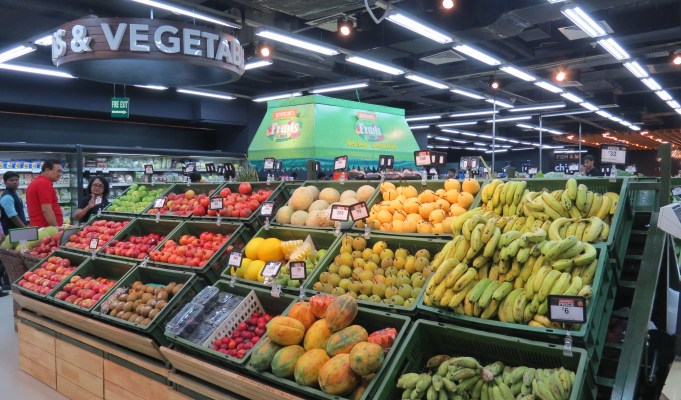
    The size of these stores varies between 2,000 sq. ft. to 15,000 sq. ft.. The stores offer a wide range of assortment from different categories including Fresh Fruits & Vegetables, Fish & Meat, Staples and Groceries, FMCG, Dairy and Frozen products, Organic Food items, Dry Fruits, Apparels, Electronics and Electricals and Home Essentials. The product range in each of the new store has been meticulously planned to suit the tastes and preferences of the local neighbourhood.

    According to the Spencer’s spokesperson, “To consolidate the business, Spencer’s is dedicatedly selecting 360 degree catchments where the customers are looking for aspirational products in an affordable range. The expansion of Spencer’s currently is focussed at metros as well as in Tier I and II cities. In this FY we are further concentrating at spreading our network in the profitable zones like West Bengal, Delhi NCR, East UP and down south in Hyderabad and Chennai. In terms of product range, with more than 25,000 SKU’s (Stock Keeping Units), Spencer’s is constantly evolving in terms of its offing at each store. It is not only limited to food category but Spencer’s has extended a similar experience in the non-food and general merchandise space.”

    Spencer’s has been redefining the Indian retail landscape since 1863 and with the brand proposition ‘Makes Fine Living Affordable’, it continues to inculcate the same kind of trust and patronage among its millions of consumers across India.

  • Da Milano aims for 100 stores by year end

    Da Milano aims for 100 stores by year end

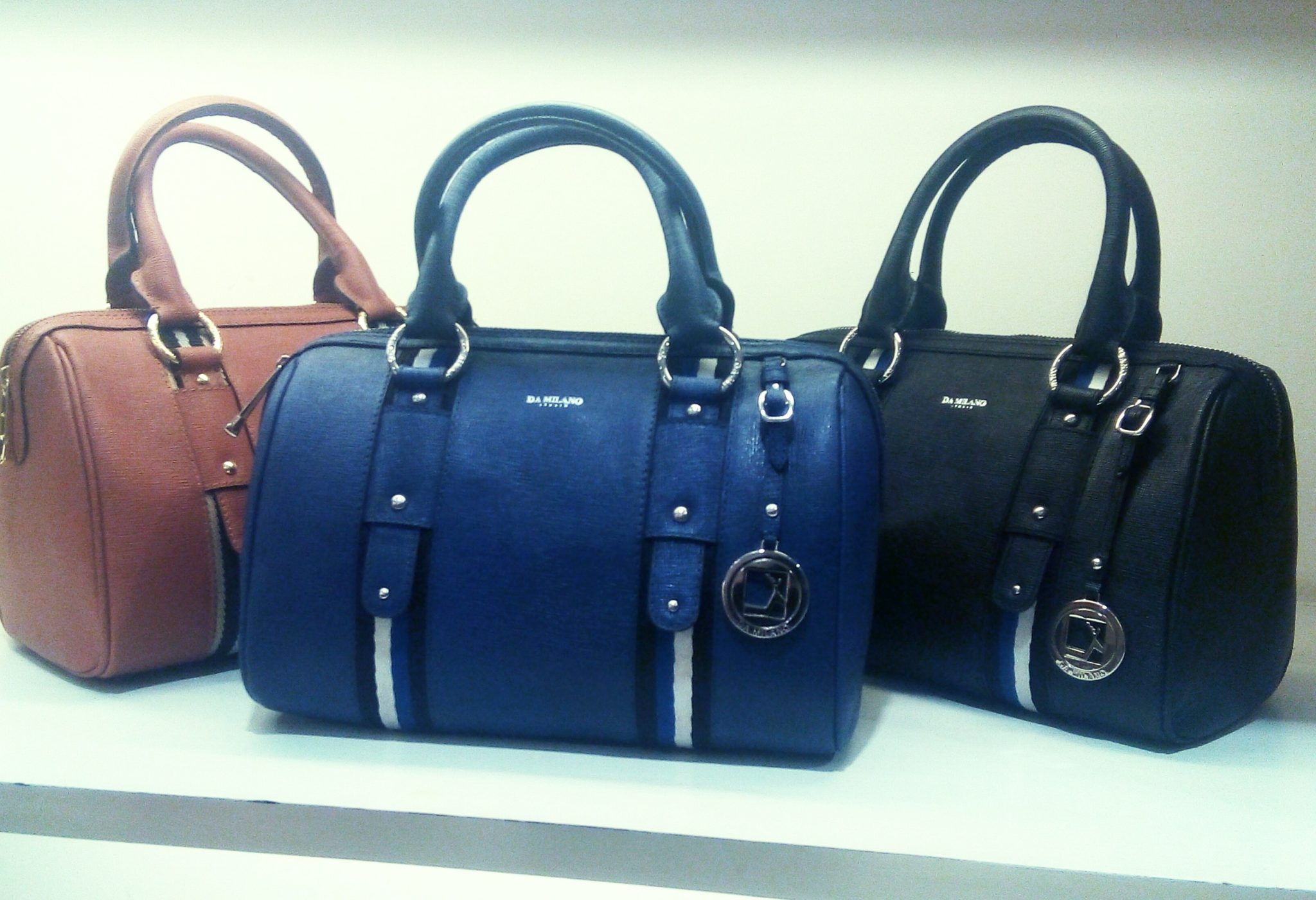
    Indian-Italian handbag and accessories retailer Da Milano is aiming to be operating 100 stores by the end of this financial year, including in Singapore. The company offers “affordable luxury” items and is likely to open further locations in airports and Tier II and III cities across India. It currently runs 80 stores across the country, as well as three in Dubai and one in Nepal.

    Stores are scheduled for launch in London, Singapore and more in Dubai. Its distribution network currently covers eight countries, retailing the brand’s more than 300 products per season. Designs are produced in collaboration between Italian and Indian teams.

    Da Milano sales grew 25 per cent over the last financial year, with expansion expected to continue through 2019. Efforts to promote the brand online are at the forefront as the brand approaches its 30th anniversary.

  • Nykaa.com to bring Laneige to India

    Nykaa.com to bring Laneige to India

    Nykaa.com, India’s leading beauty retailer has launched Korean Beauty brand Laneige, exclusively in India. Laneige maximizes the potential of water to deliver the right solution to each skin concern with carefully selected, optimum natural ingredients. The brand has been showing great results with its simple yet innovative skincare and makeup solutions.

    With over 20 years of research, Laneige’s Water Science has developed optimum water to address skin concerns like hydration, pore refining, anti-aging, or complexion-correcting. Their signature Hydro Ionized Mineral Water offers quicker and deeper absorption for better overall moisturization while Mint Water reduces excessive sebum while offering greater pore care.

    “Observing the growing trend of Korean beauty brands across the world, Nykaa began introducing Korean brands to our portfolio last year. These brands have been a huge success with the Indian audience with their innovative ingredients and cutting-edge science. With Laneige’s signature water science based products we offer our customers a new facet in their beauty regime,” says Falguni Nayar, CEO Nykaa.

    Laneige’s best-selling products like Water Sleeping Mask, Lip and Eye Sleeping Mask, Water Bank Hydro Essence and White Dew Ampoule Essence are now available for women in India exclusively on nykaa.com and at select Nykaa Luxe stores in Delhi, Ahmedabad, Indore, Hyderabad, and Bangalore.

  • Bath & Body Works to open third store in India

    Bath & Body Works to open third store in India

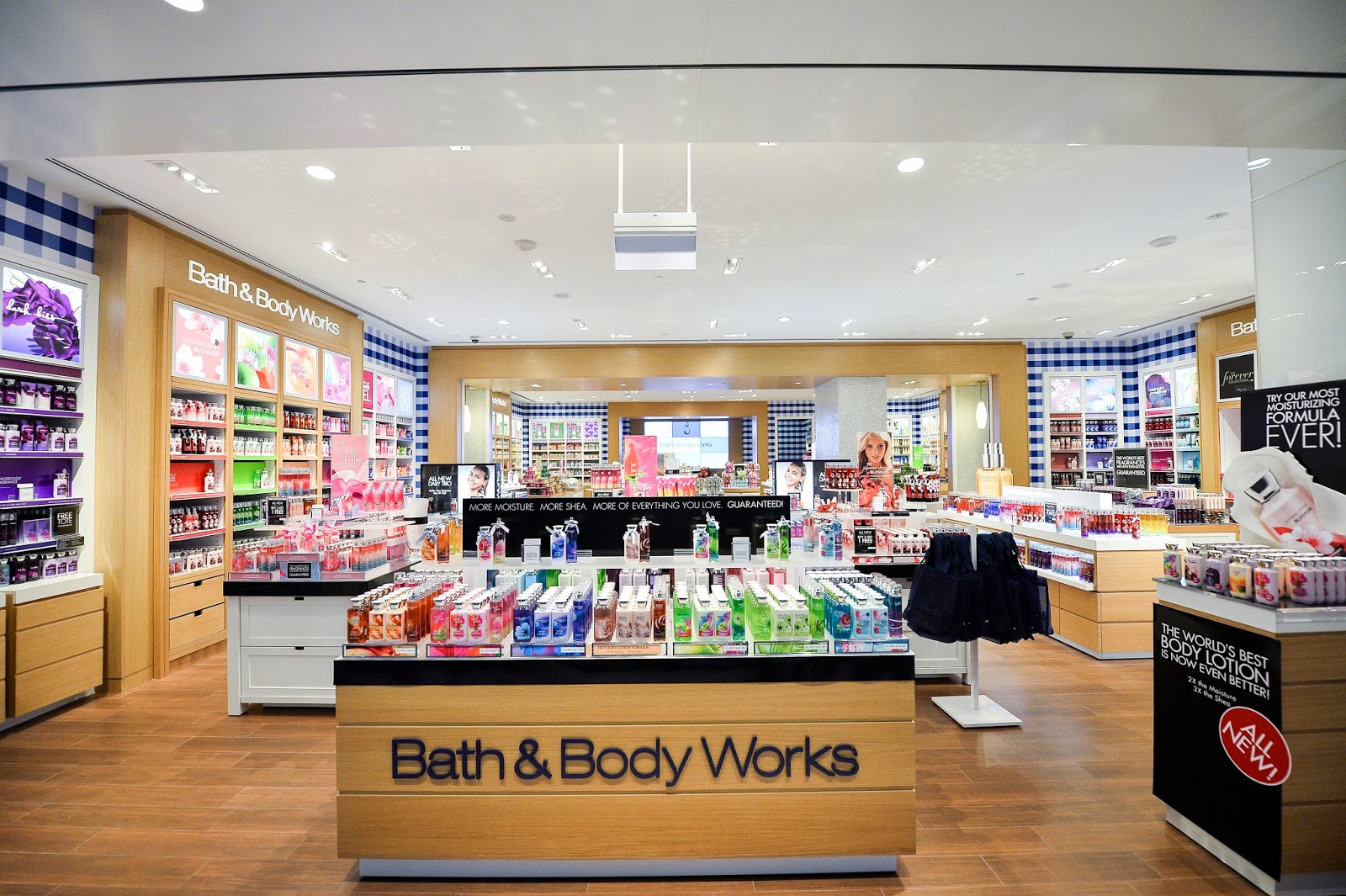
    Bath & Body Works, one of the world’s leading specialty retailers of fragrant products for the body, hands, and home for more than 20 years, is launching its third store at Ambience Mall, Gurugram on November 25. Earlier this year the brand launched in India with two stores in New Delhi at Select Citywalk and DLF Mall of India.

    In keeping with international formats, the Bath & Body Works stores in India showcase latest trends as well as the newest, freshest fragrances for body, hand, and home.

    From light-hearted and flirty scents to sophisticated and exotic fragrances, the Bath & Body Works store at Gurugram will be all about fun with world-class fragrances, with a special launch offers.

    Having established itself as one of the best and most sought after Personal Essentials and Home Fragrance brands, the Bath & Body Works store in Gurugram will be spread over approx. 1,200 sq.ft that will allow customers to enjoy an extensive array of fragrances: Body Crèmes, Shower Gels, Body Lotion, Bath Frizzies, Fragrances Mists, Hand Creams, Hand Washes, Hand Sanitizers, Candles and Gift Sets.

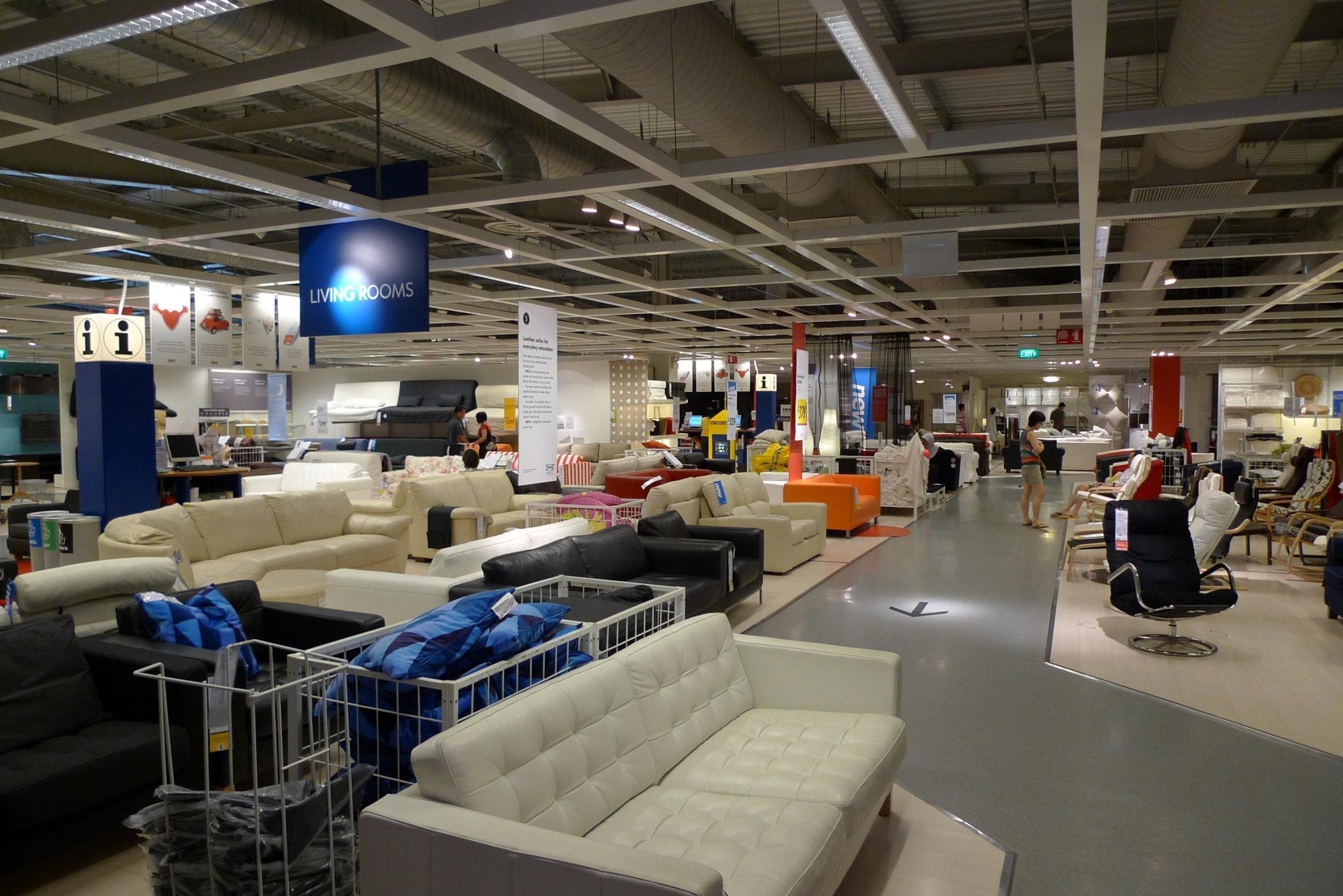
  • IKEA announces new retail direction globally; to hire aggressively in India

    IKEA announces new retail direction globally; to hire aggressively in India

    Ingka Group (Ingka Holding B.V and its controlled entities) is accelerating its transformation, stepping up investments in new and existing IKEA stores and fulfilment centres, developing city centre formats and focusing on its e-commerce platform, to better meet the needs of its customers and be more convenient and affordable to many more people.

    Building on many years of solid growth and as part of a transformation, Ingka Group is assessing all parts of the organisation and is simplifying to enable a greater focus on adding value to its customers. As a result, in the coming 2 years 11,500 new jobs will be created globally, through opening around 30 new IKEA touchpoints, investments in its fulfilment network and in digital capabilities. At the same time 7,500 jobs may become redundant globally, out of the current 160,000 jobs, mainly focusing on global functions and offices in 30 markets.

    Jesper Brodin, Chief Executive Officer, Ingka Group says: “We continue to grow and perform strongly. At the same time, we recognise that the retail landscape is transforming at a scale and pace we’ve never seen before. As customer behaviours change rapidly, we are investing and developing our business to meet their needs in better and newer ways. We will put greater emphasis on making our existing stores even better and taking the opportunity to renew and reinvent our business in a way that is inspired by our history, culture and values. Together these elements guide our work and build our inclusive, open and honest culture, and we’re going to support our co-workers in the best possible way throughout this change.”

    To support the biggest transformation in the history of the Ingka Group, IKEA India has already adopted its expansion approach. Through its expansion in India, it will create many more direct and indirect jobs. The number of co-workers is expected to grow from the current strength of 1,500 co-workers to over 15,000 co-workers in the future, out of which 50 percent will be women. Besides jobs in the stores and new city centres, the company will also create a lot of new roles in areas such as digital, data analytics, diversified fulfilment networks and personalisation. Certain existing roles will change and the company confirmed that all its co-workers will get to explore new opportunities in the new organisation. 3,000 new jobs are expected to be created in the next two years in line with its growth plans and transformation.

    Peter Betzel, Chief Executive Officer, IKEA India says, “We are in an exciting time at IKEA India. We have recently embarked on our retail journey here and have the unique opportunity to implement our new retail direction from the beginning itself. The India organisation will align with the new global structure and competencies to build a future ready organisation in terms of skill sets. IKEA India will hire many more people, both in terms of direct and indirect employment, and as we start our digitisation journey, we will add many more co-workers with different skill sets, while also creating avenues for our existing co-workers to grow in many new roles.”

    IKEA India, part of the Ingka group and one of its most recent retail markets is as one of its most important long term markets. It is on track to invest Euros 1.5 billion and aims to be present in many Indian cities in the coming years. Mumbai will be the first megacity in India to offer the full in India including city centre formats, large stores and a strong digital offering next year. IKEA intends to reach 200 million Indians in the coming three years through different channels. Globally in Ingka’s top 30 mega city strategies, three Indian cities – Mumbai, Bangalore and Delhi are included which reinforces IKEA’s belief in the potential of India.

    In August 2018, it opened its first India store in Hyderabad and will enter Mumbai next with online and stores.

    IKEA has been present in India with IKEA Purchasing and IKEA Foundation businesses. The purchasing organisation has been sourcing from India for close to 35 years for its global stores. Currently it has 55+ suppliers with 45,000 direct employees and 400,000 people in the extended supply chain. The long term goal is to maximise local sourcing to increase affordability and also tap into the many sustainable raw material India has to offer to create more sustainable products in its range. It also works with 1500 women artisans through two social entrepreneurs, one of who is based in Karnataka.

    IKEA Foundation, its philanthropic arm has been working with the communities for 18 years. It has partnered with public and private organisations for the DISHA skill development program to empower one million marginalised Indian women to join the retail workforce. The IKEA Hyderabad store that recently opened has employed around 100 women from this program.

  • Uno Chicago Bar & Grill to opens stores in India

    Uno Chicago Bar & Grill to opens stores in India

    Ambuja Neotia Group’s hospitality vertical has recently introduced globally recognized American casual dining chain, Uno Chicago Bar & Grill in India through franchise route. The first outlet has opened at Gardens Galleria Mall, Noida.

    Harshavardhan Neotia, Chairman of the Ambuja Neotia Group says, “We feel that the Indian consumer is a well-travelled consumer who has an acquired taste to world cuisine. The Indian market is yet untapped with immense potential and it is an exciting time to enter India.”

    “As an authentic American Bar & Grill concept, the brand is positioned to be a smart casual dining restaurant in India, where people can enjoy a truly American cuisine paired with crafted drinks and entertainment with live performances. Anchored by vibrant culinary heritage, strong craft culture in food and beverages and deeply mindful of wellness, Uno is bringing Deep Dish and New Americana to India. As an ‘Eat-ertainment’ driven casual dining space, it is inclusive and welcoming for all generations – millennial, the young-at-heart and kid. The restaurants will operate as a family style full service restaurant,” he adds.

    Each restaurant in India, which will spread across 2,500-3,000 square feet with the interiors same as of any other Uno Pizzeria & Grill restaurant in the US, will be opened with an approximate capex of Rs 4-5 crore.

    “This year, the brand is opening outlets in region of NCR, Kolkata and Bengaluru. The group has signed a franchise agreement with the food chain to open about 70 outlets across the country over the next seven years spreading across Tier I and II cities,” states Neotia.

    The brand is planning to open 12-15 outlets in the next 3 years with estimated investments upwards of Rs 60 crore.

    Tracing Brands’ History

    Uno Chicago Bar & Grill’s entry in India also coincides with its 75 years of successful global operations. Globally, the brand is recognized for its fun and welcoming Chicago inspired environment. The dining experience is relaxed, casual and family friendly as the brand places great emphasis on hospitality and service. The brand is synonymous with pizza but the menu extends to pastas, grills, salads, burgers, sandwiches and special curated menus. The chain also gives special emphasis to bar and alcohol offerings.

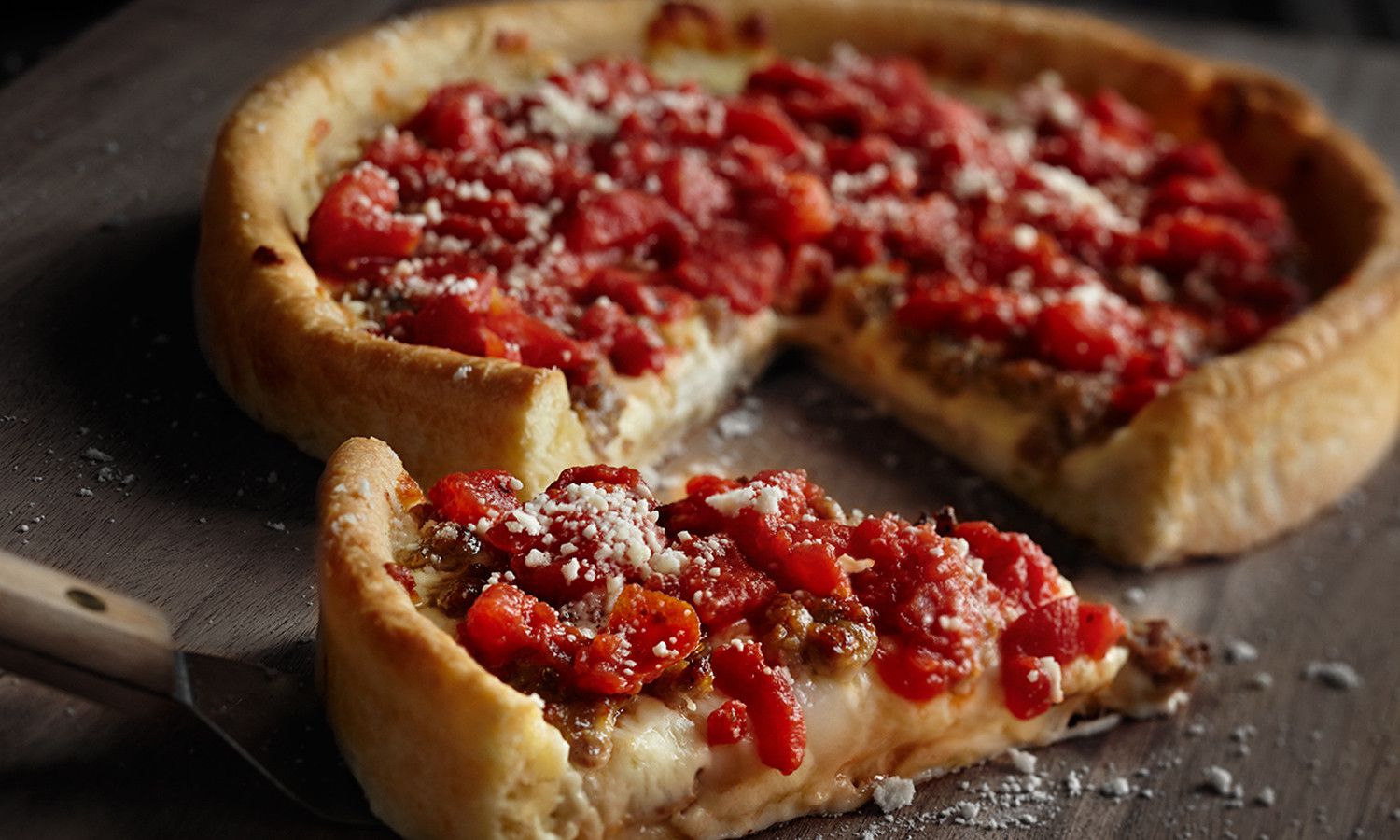
    Famous for inventing Deep Dish Pizza in 1943, Uno’s mission is to deliver big, bold flavors, rich, rewarding experiences and unbelievably delicious pizza and a range of other delectable menu creations.

    According to Neotia, “The UNO story began in Chicago in 1943 when Ike Sewell developed deep-dish pizza and opened a new type of restaurant at the corner of Ohio and Wabash. It was here that Ike served a pizza unlike any that had been served before. He figured that if some of Italy’s old, authentic recipes with impressive quantities of the finest meats, fresh cheeses, ripe vegetables and flavourful spices is combined with pizza, it could become a hearty meal. That was the start of an American tradition – the Chicago Deep Dish Pizza. Today, 75 years later, UNO continues to be undisputed creators of original Deep Dish Pizza, bringing its legacy to India.”

    The Boston, Massachusetts-based brand has 110 company-owned and franchised restaurants located in 21 states of the US. Apart from this, the brand has international presence through franchise outlets in the District of Columbia, the United Arab Emirates, Honduras and Saudi Arabia.

  • BigBasket India eyes 40 pc revenue from private labels next fiscal

    BigBasket India eyes 40 pc revenue from private labels next fiscal

    Chinese retail giant Alibaba-backed online grocery player BigBasket that aims to be a billion-dollar company by the next fiscal year, is expecting 40 percent of its projected revenue to come in from its private labels, a top company official has said.

    “Private labels are around 34 per cent of our business now and we plan to scale this to 40 per cent in about a year. The incremental 6 percentage points of revenue will come from non-fruits and vegetables and non-staples,” Hari Menon, Co-founder and Chief Executive, BigBasket said.

    According to a report: The company aims to clock Rs 3,500 crore in sales this fiscal year, up from Rs 2,000 crore last year.

    He added that the Bengaluru-based company will add a lot of categories to the private labels vertical.

    BigBasket that aims to raise up to US$ 200 million over the next few months, said, the FMCG sales overall (food and non-food) contributes over 50 percent of its business, 30 percent from staples (including 14.5 percent from private labels) and 18 percent from fruits and vegetables.

    It is going to launch beauty as a category in the next few days, with imported products as well, Menon said.

    The company has a presence in 25 cities and plans to launch its operations in Kochi soon.

    “Having gone deeper into the existing consumer base already, which has been our growth driver, we are now planning to get into the upper middle class and middle class segments,” he further said.

    BigBasket, founded in December 2011, claims 10 million subscribers and close to 1 lakh orders per day. The company expects to break even in the 10 large cities by next June.

    BigBasket last month acquired Pune-based RainCan and the Bengaluru-based Morning Cart to deliver milk to 20,000 customers. It has already launched this service in seven cities and expects to roll out to other three cities among the top 10 metros.

    Menon expects the milk delivery business to clock Rs 1,000-crore by next year and plans to grow this business as it will give access to many homes.

    He further said that the company will look at scaling up the fresh meat segment and increase its contribution to 5-6 percent from 1-1.5 percent at present.

    BigBasket has 30 warehouses now and will touch 45 by next year.