Tag: india

  • India’s Myntra launches Italian handbag brand Carpisa exclusively on its platform

    India’s Myntra launches Italian handbag brand Carpisa exclusively on its platform

    Myntra has announced the launch of Carpisa, the Italian brand known for its fine collection of handbags, suitcases, wallets and accessories, exclusively on its platform. The brand is being introduced to shoppers in India for the first time exclusively on Myntra, through a range of handbags, crafted for the modern and fashion-conscious women.

    Founded in 2001, Carpisa became one of the leading retailers in the bag, luggage and fashion accessory sector and holds celebrity actor Penelope Cruz as the brand ambassador. The brand is known for its designs, quality of products and above all, represents Italian culture and lifestyle.

    Catering to the affordable luxury segment, products from Carpisa are available at an average price of Rs 3,600, targeting women in the age group of 25-40 years from Sec A and Sec A+ categories in metros and Tier 1 cities.

    The handbags segment that Carpisa caters to in India is growing at a CAGR of over 15 percent, with an annual market potential of US$ 10 billion when combined with luggage and accessories.

    Speaking on the launch, Manohar Kamath, CXO and Head, Myntra Fashion Brands and Category Business, said, “We are delighted to announce the launch of Carpisa exclusively on Myntra. Shoppers in India are increasingly becoming brand and quality conscious and are exploring international brands and designs, clearly looking up to global styles and trends. As a leader in fashion ecommerce, we are focused on making the best of international brands accessible to our customers and Carpisa is the latest entrant, targeted at the fashion conscious women in India.”

    Francesco Pinto, Pianoforte Group International Expansion Director added, “We are extremely delighted to set foot in India in partnership with Myntra. India offers a huge growth opportunity for Carpisa, considering the size of the burgeoning fashion and lifestyle market. We are proud of this association with Myntra that builds a strong launchpad for Carpisa, while also giving the much needed initial thrust to take off.”

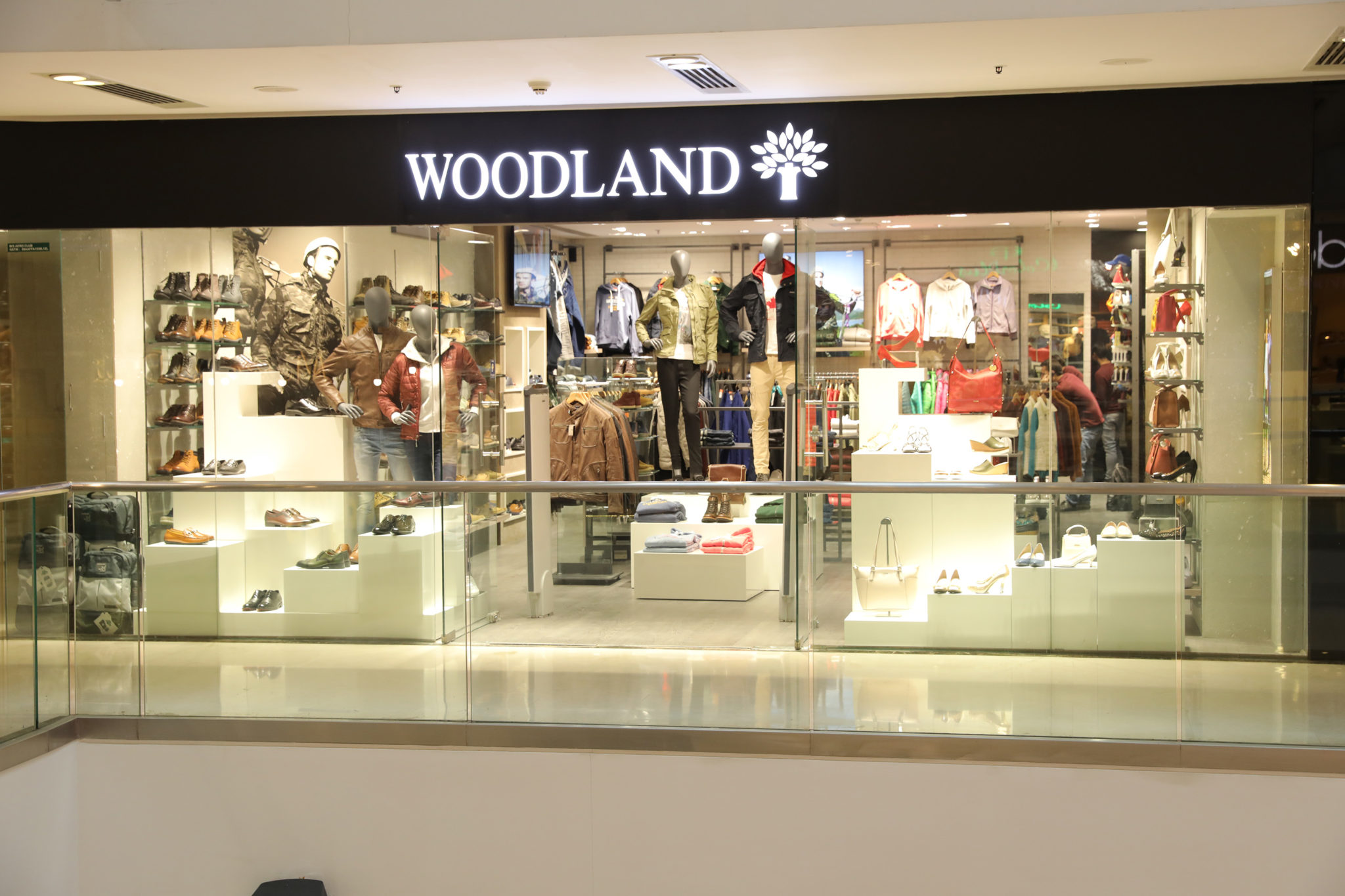
  • Woodland to add 60 stores, strengthen franchise model in India

    Woodland to add 60 stores, strengthen franchise model in India

    With changing lifestyles and increasing affluence, domestic demand for footwear is projected to grow at a faster rate than has been seen in India. Currently, India is the second largest footwear producer in the world, with footwear production accounting for approximately 9.6 per cent (till April 2018) of the global annual production – 22 billion pairs as compared to China, which produces over 60 per cent of the global production.

    The footwear market in India is now dominated by men’s footwear which contributes close to 58 percent of the total Indian footwear retail market and is expected grow at a CAGR of 10 percent by 2020. The women’s footwear segment, however, is projected to grow at a much faster CAGR of 20 percent.

    While the industry is currently dominated by unorganized domestic SME footwear manufacturers, changing consumer behavior and modern lifestyles have led to more organised brands coming into the fray, lured by the potential of bigger sales, but mostly in a bid to give the consumer branded, better quality products, value for money.

    A significant shift was observed post liberalisation when lifestyles expanded to foster great value for the sports/active segment and for casualization as a whole. The technological prowess of global sportswear giants enabled them to functionally and fashionably appeal to a young India. Tapping the unlocked potential in India, Woodland entered India in 1992 when the Indian footwear market was largely unorganized and soon became a recognizable name in the adventure and outdoor segment in India.

    The Right Fit

    The brand boasts of a huge product portfolio aside from footwear, including apparel and accessories.

    “In order to survive in today’s ever-changing and highly competitive market like India, diversifying our product portfolio is inevitable. Keeping a close eye on latest trends and new rising demands, we upgrade our portfolio accordingly,” Harkirat Singh, MD Woodland.

    The demand for the products is different in India and other countries because of the various factors namely demographic conditions, climatic conditions, styling culture.

    “We created a product line specifically for India and since then we have never looked back. Our product positioning was altogether unusual, and we were known as a one definite choice for adventurists, taking the market for rugged and outdoor leather shoes by storm. The phenomenal success in the shoe segment encouraged and motivated us to enter in new segments like clothes, handbags as well,” explains Singh.

    Over a period of time, the brand has expanded its product category and now has an extensive product range including handbags, wallets, travel bags, casual shoes, formal shoes, track pants, eyewear, gloves and outdoor equipment like tents, sleeping bags, umbrellas, trekking poles, waterproof outdoor backpacks.

    The prices of products have been set with a realistic approach since Woodland prides itself on being a customer-friendly brand.

    “The pricing strategy is to keep the prices in sync with the purchasing power of our target customers, which are majorly the youth segment – aged between 17-25 years, college studenst and professionals – who are interested in adventure sports and are on the lookout for stylish, yet value for money products. The price range of our jackets varies from Rs. 5,000 to 35,000 whereas the price range of our footwear starts from 3,000,” says Singh.

    Letting Technology Lead the Way

    With online channels taking over the retail industry, e-commerce has gradually become an inevitable part of the company’s sales and revenue. The company’s portal and other e-commerce sites collectively contribute to the e-commerce sales revenue, thereby adding to volumes. There is also an exclusive range of merchandise for e-commerce sites.

    The availability of Woodland products on all the prominent e-commerce websites enhances the brand visibility among the larger group of audience and helps widen the scope of sales.

    The brand is also a strong believer in Omnichannel retail, investing in online sales which are expected to grow to 40 percent in the next three to four years. It plans to concentrate more on a seamless approach through all available shopping channels, i.e. mobile internet devices, computers, bricks-and-mortar, television, radio, direct mail, catalogue, in-store experience and so on.

    Aside from this, Woodland has a history of exploring innovative technology embedded in products and integrating it with all aspects of the brand.

    “We have already launched GPS embedded jackets, BOA shoes, client T-shirts, and many more new technologies and innovations in products are in pipeline,” says Singh.

    Retail Mapping & Expansion Plans

    Globally, Woodland is present in more than 40 countries. In India, Woodland has a chain of over 600 company-owned stores and is present in over 5,000 multi-brand outlets and is planning on adding another 60 stores in this financial year in an equivalent combination of small towns and metros.

    It is also working towards strengthening its franchise model in India, to grow its presence in smaller cities and towns.

    “We are currently working on entering into more foreign countries in the near future to add to our international kitty. Woodland as a brand is already present in China, Aokang and Hon Kong. Apart from this, we are working on strengthening our presence in South-East Asia, West Asia, Europe and USA,” states Singh.

  • Crocs opens its 100th store in India at VR Mall Chennai

    Crocs opens its 100th store in India at VR Mall Chennai

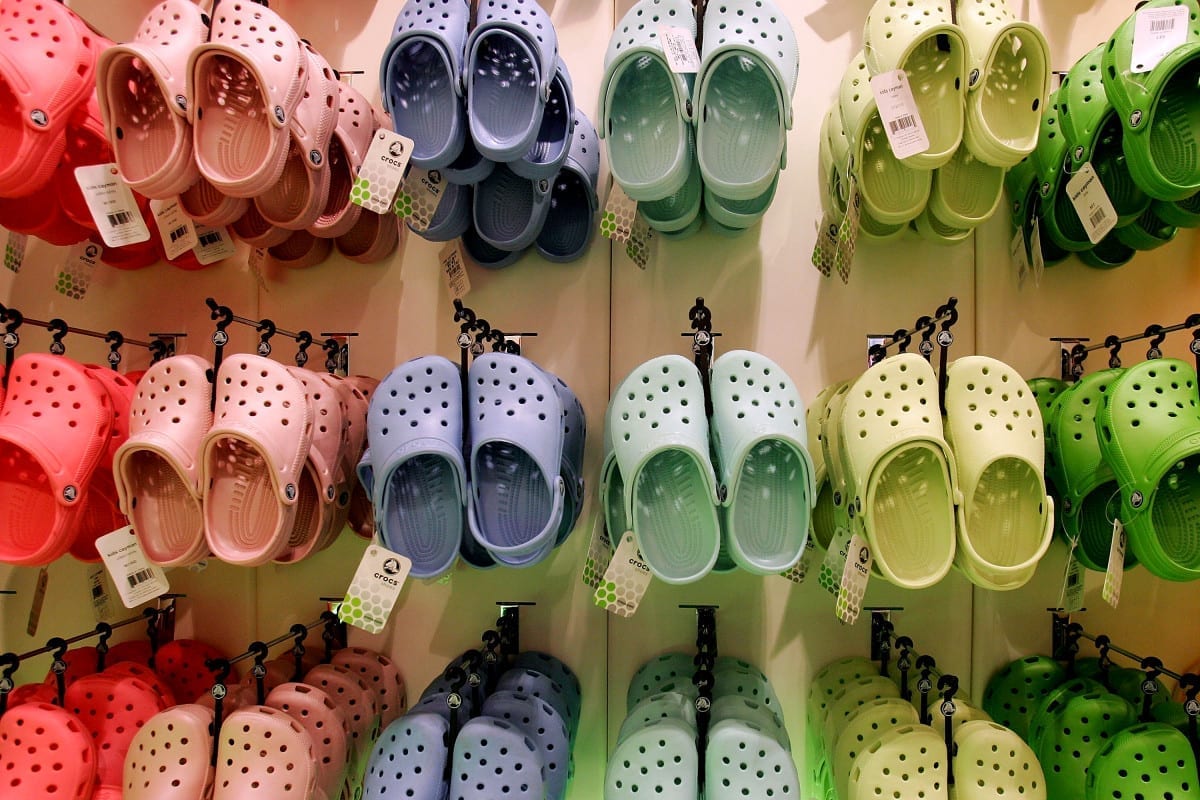
    The new store, which spreads across 625 sq. ft., is Crocs’ third store in the city and 5th in the state of Tamil Nadu. Boasting a premium location at VR Mall, the hub for luxury and international brands in Chennai, the store promises to strengthen the reach of the iconic brand in the state capital.

    Since the opening of its first store in India in 2008, Crocs has successfully carved a distinct positioning for the brand amongst the Indian consumers akin to its global positioning and is growing at a robust pace with presence across 50 cities in India.

    Crocs, which is known globally for its iconic Clogs, is turning towards India to fuel its next phase of growth. India is currently the 6th biggest market for Crocs globally with a high double-digit growth year on year.

    Metro Shoes, the national franchise partner of Crocs India, will be operating this 100th store located in Chennai. The partnership with Metro Shoes began in 2014 which has helped the iconic footwear brand in expanding its reach to over 50 cities through its EBO operations.

    Speaking on occasion, Deepak Chhabra, CEO & MD, Crocs India, said, “We are excited on reaching the century mark in India. India is one of the rare markets where even after opening 100 stores we still feel under-penetrated. Our absolute focus for the next phase of geographical expansion will continue to be on top 6 metro cities across the country along with state capitals. Exclusive brand stores are a very significant part of our growth strategy. In addition to aggressively growing our EBOs, we will be strengthening our presence in Tier-II cities via MBOs and Kiosks. Further, e-commerce will remain an integral part of our distribution strategy and help us reach out to consumers where our brick and mortar presence is limited. Region-wise South India, due to its demographics and very high brand recall, contributes the highest amongst all regions in the country and will remain an integral part of our India growth strategy.”

    Commenting on the occasion, Rafique Abdul Malik, Chairman & MD, Metro Shoes, said, “We would like to congratulate Crocs India on the launch of their 100th store and are confident that this is just one of many more milestones to follow. Metro Shoes is glad to partner with a brand which despite being just 16 years old has an iconic status with probably the highest brand-recall across the globe. India as a nation has a high affinity for open shoes and sandals owing to the climatic conditions, making Crocs highly relevant in this market.”

    With its unique brand awareness and break-through product innovations, Crocs is progressing towards becoming India’s top non-athletic casual footwear brand. Other than its EBOs, Crocs asserts its strong presence in MBO channels through which its overall offline reach extends to more than 150 cities via 1,500 + points-of-sale. Additionally, it caters to 20,000+ pin codes translating to 400 cities via its e-commerce presence.

    Over the past 16 years, Crocs has sold more than 350 million pairs of shoes worldwide. Crocs as a brand will continue to focus on clogs and sandals, along with new product innovations and extensions of the current product line. This year, Crocs India launched LiteRide™, Drew Barrymore ♥ Crocs Collection, Crocband™ Platform Collection, and Luxe Lined Collection. Last year internationally, the brand has associated with designers like Balenciaga and Christopher Kane bringing in some exciting trends to the runway which further elevated the appeal of the iconic clog in fashion space.

  • The ThickShake Factory eyes 1,000 plus outlets across India

    The ThickShake Factory eyes 1,000 plus outlets across India

    The ThickShake Factory, a premium thick shake brand that recently completed a century of being operational with more than 100 outlets in India, is planning to expand its footprint in Telangana, Tamil Nadu, Andhra Pradesh, Karnataka, Gujarat, Maharashtra and many more states in the coming few months.

    According to a ANI report: The brand, which brings the concept of running a cold dessert beverage quick service business (QSB) for the first time in the country, has won a number of accolades in the recent past, including ‘The Times Nightlife – Best Beverages, 2015 & 2018’, ‘Coca-Cola Golden Spoon Awards 2018’, ‘IMAGES, Most Admired Startup of the Year’, Best Shakes Parlour Award at ‘Indian Restaurant Awards 2018’, ‘Best Business Growth in F&B’, ‘Best Beverages Swiggy Award 2018’, ‘Franchisor of the Year Award, Franchise India 2016’, and many more.

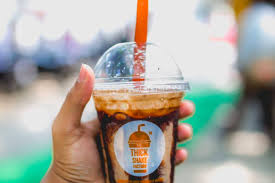
    The ThickShake Factory serves over 50 types of shakes with more than 40 topping/ mix-ins. It is famous for their ‘Shape your Shake’ feature where customers can choose what they want from the variety of toppings. The brand brings the best flavours in the form of not just ThickShakes, but a complete range of cold coffee varieties, slushies, chocolate and fruit-flavoured drinks.

    The ThickShake Factory has had an excellent journey and has only moved forward since the opening of its first outlet in 2013 with winning ‘Franchisor of the Year’ award twice, one in 2016 and the other in 2018 along with many other awards.

    The company has the vision to have over 1,000 outlets pan-India, along with a strong global presence and has created more than 300 jobs so far, mostly at the bottom of the pyramid and the lesser privileged sections of the society. Recognised as one of the fastest growing QSR chains in India, the company’s current business model is such that the outlets which are currently operational, most of them are franchise-operated and some are company operated.

    “With each day passing, we at The ThickShake Factory are only going ahead as there is no looking behind. We started with our first outlet in 2013 in Hyderabad and have come a long way from there with more than 100 outlets already. Our main focus is to provide the customers with the thickest and most delicious shakes and hence that’s the only thing in our menu. With over 50 types of shakes on the menu, we have something for everyone to suit their palate. We are excited to serve the tastiest and thickest ice cream based shakes in more cities across India,” M. Yeshwanth Nag, Founder of The ThickShake Factory said.

    The founders, M. Yeshwanth Nag and Ashwin Mocherla, were inspired by the global trend of growing appetite for sweet savouries and therefore brought the most appealing range of tastiest ‘Thick’ Shakes to India. The brand never ceases to impress with their heavenly ‘ThickShakes’ through its wide range of offerings.

  • Korean lifestyle brand Mumuso enters Indian market

    Korean lifestyle brand Mumuso enters Indian market

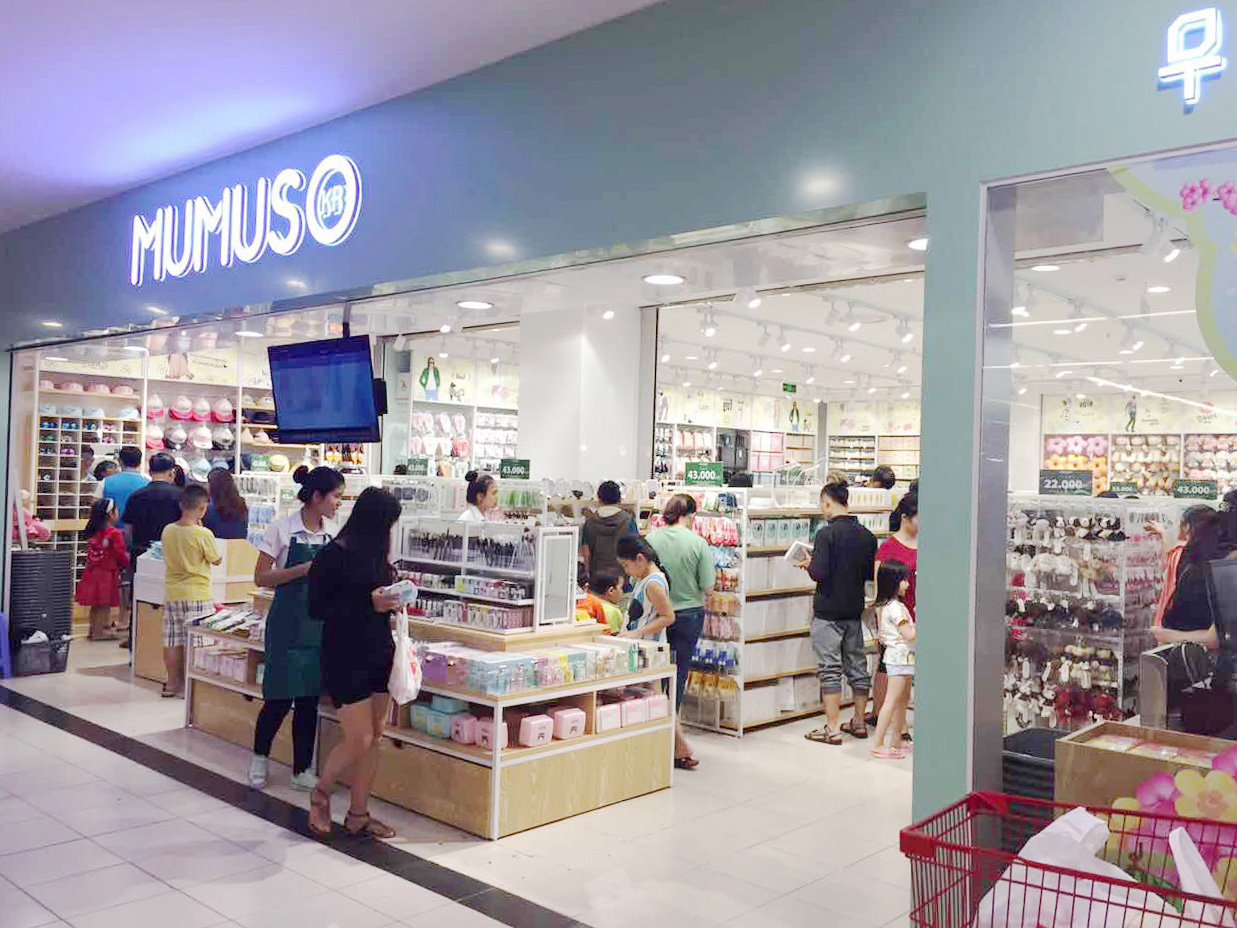
    East Asia’s affordable lifestyle brand Mumuso has announced its expansion plans in Kolkata while opening its first store. Mumuso is eyeing the Indian market aggressively with new stores in different parts of the country, a senior executive said.

    With a strong presence in over 30 countries across the world, the Korean lifestyle brand Mumuso has entered into the Indian Market and plans to open around 300+ stores by 2022 with an average investment of Rs 80 lakh to Rs 1.2 crore which will be spent towards setting up these company-owned and franchise stores. The brand is planning to open outlets pan India with its market reach in cities likes Kolkata, Hyderabad, Siliguri, Bangalore, Delhi, Mumbai, Surat, Durgapur, Chennai and so on.

    Mumuso India — the Indian entity of Mumuso —whose offerings include accessories, stationery, small electronics and lifestyle items, sources these mostly from South Asian nations such as Malaysia, Singapore, China, Indonesia and Korea.

    India has seen a sharp rise in the demand for lifestyle products in the recent years. Mumuso has product categories from Health and Beauty, Fashion Home Accessories to Apparel, Accessories, Digital Products and more. The products offered by the brand are not only beautiful, functional, high-quality and affordable but also provides relaxing and pleasant shopping experience to the customer.

    Speaking on the occasion, Raunak Agarwal, Managing Director, Mumuso India said, “Our expansion strategy is to set up 300+ outlets all over India along with entering the e-commerce market as online shopping has seen a big boost in India in recent years. We are also looking to source from Indian companies specially apparels and small leather products. The company will look to have 300-odd stores by mid-2022. India, being a fast emerging market for retail industry, we are expecting an escalated growth in a short span of time. Indian market has a big potential, where we believe our creative range of products will enhance the rich experience of customers since it’s an international brand with high quality and valued pricing.”

    He added, “There has been a high demand for the trendy and affordable products as far as lifestyle is concerned. People not only look forward to quality and style but also affordability. With Mumuso coming into the picture, people won’t have to travel to different stores for their needs, but just walk into our showroom and get their products. Mumuso brand always adheres to the principle of selling products with reliable quality and affordable price, strictly observes to the borderline of high quality, strives to improve the upper limit of taste and price ratio and provides well-designed products, continuously optimizes the supply chain service system to reduce the cost, creating relaxing and light-hearted shopping experiences for consumers.”

  • Xtep Sports opens sportswear store in India

    Xtep Sports opens sportswear store in India

    Hong Kong-headquartered Xtep Sports has opened its first Indian flagship store, in Bengaluru. The Xtep group, which specialises in footwear and sportswear, currently has 6035 stores in 31 Mainland China provinces as well as in Vietnam, Nepal, Saudi Arabia and Spain. The company was founded by Ding Shui Po, now its CEO, in 1999 as an original equipment manufacturers for global sports brands. It launched its own label in 2002.

    The company is reportedly planning to open five stores in India by the end of this year and will also sell through local online marketplaces.

  • India’s Jabong merges with Myntra

    India’s Jabong merges with Myntra

    Myntra has announced the integration of Jabong with the brand and Ananth Narayanan will continue to lead the team.“Since Myntra’s purchase of Jabong in mid-2016, the two brands have been steadily integrating key business functions and streamlining processes. This has resulted in revenue growth and a significant improvement in the customer experience. As the next step in this process, Myntra and Jabong will now fully integrate all the remaining functions including technology, marketing, category, revenue, finance and creative teams,” said company spokesperson.

    “The closer integration of Myntra and Jabong is a necessary step in our continuing development. To remain the leader in fashion eCommerce in India, we have to find ways to operate more effectively and innovate more quickly. By better aligning our resources with our long-term plans, we can put the best structure in place to serve our sellers and brand partners and ultimately benefit our customers.” it added.

    According to the company, Myntra’s independence as a business will be preserved. Myntra team will continue to operate independently to achieve even greater success.

    “We will continue to lead the market, serve our customers, and do what we do best,” according to the company.

    From a consumer perspective, the well-loved Jabong brand will remain.

  • India’s Tata food to focus on healthy range

    India’s Tata food to focus on healthy range

    With consumers increasingly becoming health conscious, health and wellness will drive the growth for the food and beverage segment, Tata Sons brand custodian Harish Bhat said Friday. “My belief is, as far as the food and beverages segment in the country is concerned, one of the key drivers for the future will be the consumers’ need for health, wellness and fitness,” he said.

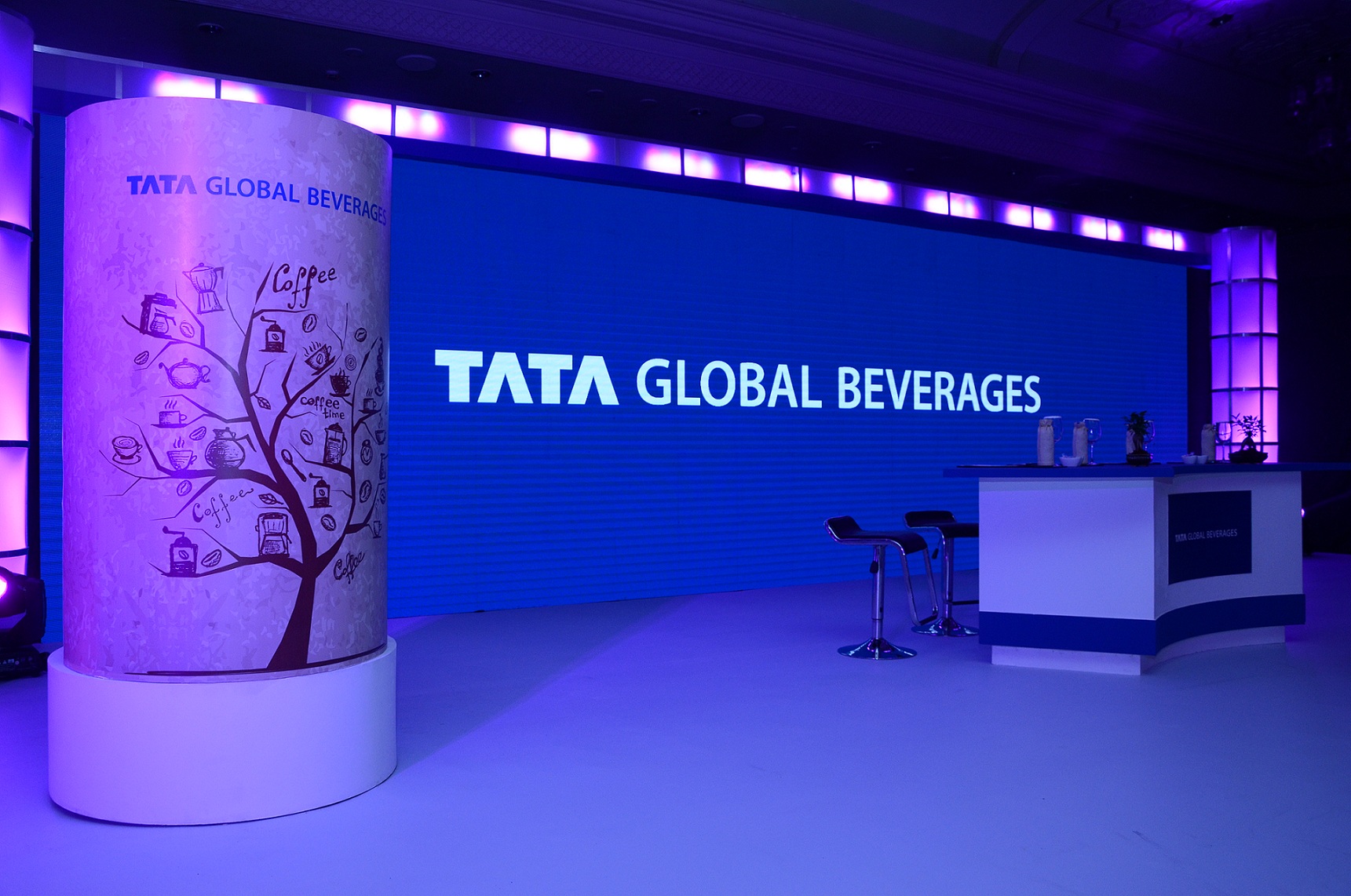
    According to a, Tata Global Beverages has presence in green tea with its Tetley brand, while its other firm Tata Chemicals offers unpolished pulses and low sodium salt.

    Bhat said the salt-to-software conglomerate’s brand is synonymous with trust as its companies offer quality products and services at a reasonable price, adding that in a country which has strong trust deficit, the brand works very well.

    He elaborated that inferior quality products, products which are overpriced, or products or services which don’t live up to world class standards, can create a trust deficit. He further said if there is a segment of trade which is not fair with its consumers that can create a trust deficit.

    “I believe that the Tata brand has earned trust over a long period of time through the behaviours that it has exhibited, through the products and services it has provided to our customers. All our companies believe in providing our customers with products and services of impeccable quality at very good value and it is that combination of quality and value which has made 650 million Indian customers trust the Tata brand,” he further said.

    Trust also comes because the Tata Group has been functioning in harmony with the community…Those are the factors which has made the Tata Group brand synonymous with trust in the country, he added.

    On the impact of the controversial removal of Cyrus Mistry as the group chairman in 2016, on the brand, Bhat parried a direct reply but said the Tata brand is synonymous with trust and continues to remain strong with all stakeholders.

    “All our internal and external researches keep throwing that up all the time,” he said.

  • Dubai’s Danube Home makes debut in India

    Dubai’s Danube Home makes debut in India

    Danube Home, part of Dubai-based diversified business conglomerate Danube Group, has forayed into India by opening its first store in Hyderabad in October 2018. The brand has high hopes for the Indian market. In an exclusive interview with IMAGES Retail, Shubhojit Mahalanobis, General Manager, Danube Home says, “We see India as a country with huge potential, offering an incredible opportunity for growth. The real estate sector is at its peak in India with numerous properties, towers, communities and complexes coming up for both residential and commercial purposes. This directly contributes to a rise in demand for home furnishing products and solutions. Moreover, demonetization and GST has made operating in India much easier for international brands.”

    “Reports say India is expected to see a faster expansion of urban population consisting of aspirational millennials and middle class families with spending power that will trigger the growth in demand for affordable home furnishing products and solutions. For a brand like Danube Home that offers home furnishing products and solutions, this is a very promising time to enter the country,” he adds.

    Danube Home, which will be sourcing 30 percent from India to complement the government’s initiatives, has done an extensive study on Indian consumers, their buying behaviours, color and lifestyle patterns. Based on the research, the store that spans across 60,000 sq. ft offers more than 20,000 products under one roof targeting the middle and upper-middle segment of pyramid.

    The USP

    The Danube Home store in Hyderabad has all the key features and benefits that global consumers are experiencing across the Middle East. However, its India product portfolio will be a lot different from the Middle Eastern market.

    “We have handpicked collections to cater to the well-travelled modern Indian consumer with products from various parts of the world such as US, Netherlands, Spain, Italy, Russia, Malaysia, Turkey, Egypt, UK and China, to name a few, giving customers a great opportunity to shop the best quality products at value for money price,” states Mahalanobis.

    “In addition to this, customers will enjoy free interior designing services and seamless payment solutions with consumer financing options,” he states. These key features ensures 90 percent of repeat customers.

    Danube Home, which starts as an online player and plans to go Omnichannel eventually as traction picks up, aims to offer complete home solutions, for instance other brands who sell sofa or beds do not sell wall paper or customized curtains, but Danube offers end-to-end solutions that include everything from outdoor furniture to sanitary ware.

    “We focus a lot on our customer service standards and ensure both pre and post sales is a memorable experience which is why we have been awarded the No. 1 furniture retailer by the Dubai Government. We have a dedicated post sales team that makes direct calls to ensure everything goes smoothly post sales. This is an important step of the whole brand experience,” explains Mahalanobis.

    Their customers also experience Augmented Reality, Virtual Reality, Online Seamless Shopping and many new technologies that Danube offers in its markets abroad. Customers will also be able to walk through their dream home in Virtual Reality.

    “Danube Home offers global quality products at local price. We source our products from across the world and design our collections looking at customers behaviour and needs. Gradually, the Indian consumers shall experience various innovative and engaging little touches which we hope will be unique to us. That is what the brand is all about,” he adds.

    Marketing Plans

    As far as marketing plans of the brand is concerned, Danube Home has mixed conventional and unconventional mediums to connect with the brand’s ethnicity. The brand has taken the ATL, BTL, social and guerrilla marketing routes.

    “We have added fun, interactive elements and image build up activities. We are targeting middle class and upper middle class millennials, double income no kids section and nuclear families. Our key focus remains with builders, architects and the designers’ segment, who shall be amazed to see our collection and price offerings for their projects,” says Mahalanobis.

    The brand will be using all the mediums – print, TV and online – to advertise itself in India to get the maximum ROI.
     
    Human Resources

    Besides, the entry of the brand in the Indian market will not only create 1,500 direct jobs, but also support local industries that will benefit from the supply chain as it will deepen, sourcing products from every nook and corner of India.

    “This will also help us to create a greater demand for Indian designed home décor and home furnishing products and export them to other markets – such as the GCC – where we have a strong presence,” states Mahalanobis.

    Each store of the brand will employ around 85-100 direct employees and 50 indirect employees, logistics department will have 50-75 employees during the initial days and gradually with the increase in strength of stores, the count will also increase.

    “We hire the best from the industry, train them rigorously sharpen their skills aggressively and keep them motivated for a long period of time to deliver great results. The India team will also experience our team bonding and training methods, and hopefully, they will also deliver miraculous results,” he says.

    The brand believes in flexible work culture driven only by performance based rewarding, empowering the team and giving them enough freedom to bring success.

    Apart from this, Danube Home has a plethora of employee engagement activities like multiple outbound training programs at various levels, product launches at off-sites involving the power sellers, runs reward programs and engage in healthy competition atmosphere within each peer group.

    Future Plans
     
    Danube Home plans to set up 10 large format showrooms, a large logistics hub, transport network and associated facilities in the next 5 years.

    “We have identified potential locations across the North and South Indian States. Once the properties are signed, the plan would be disclosed,” says Mahalanobis.

    The average store size in India will be between 40,000 – 50,000 sq. ft depending upon the space and layout of the store. Depending upon the size of each store, average investment per store will be Rs 40 crore. The brand is already in talks with few big mall developers and hopes to partner with them for aggressive pan India expansion.

    “We target to grow 15 percent like-for-like each year for the initial 5 years. We don’t want to be bullish about the growth unless we settle down and understand the market deeply,” he concludes.
  • E-commerce to contribute 11 pc of FMCG sales by 2030: Nielsen

    E-commerce to contribute 11 pc of FMCG sales by 2030: Nielsen

    E-commerce’s contribution to the total FMCG sales is expected to be 11 percent by 2030, according to market research firm Nielsen. E-commerce contributed 0.4 percent to FMCG sales in 2016 and in 2018 it is expected to be around 1.3 percent of the branded packaged FMCG sales.

    “Over the next 12 years, we expect e-commerce itself to be 11 percent of FMCG sales, an 8X growth from its current size, Sameer Shukla, Executive Director – Retail Measurement Services, South Asia, Nielsen (India) said.

    E-commerce is around 10 percent of modern trade, while modern trade at present is 10 percent of FMCG sales.

    “E-commerce channel contribution to India FMCG sales now stands at over 1 percent and has grown at over 101 percent since last year. In specific product categories and markets the contribution is already touching double digits of total category value sales,” he said.

    He added that in categories like diaper there has been an upsurge in e-commerce from 4 percent to 9 percent since July 2016 to September 2018.

    Modern trade itself has seen a growth over the last few years from growing at one-third of traditional trade in 2015 to 2X at present.

    From the third quarter in 2016 to third quarter of 2018, traditional trade grew at 2 percent while modern trade at 23 per cent.

    The growth in modern trade has been classified as 18 percent from metros, 32 to percent from 5-10 lakh towns, 33 per cent from 1-5 lakh towns and 58 percent from less than 1 lakh towns.

    Nielsen also noted that salary weeks witness 15-20 percent higher sales compared to regular weeks in a given month and the tactical play adopted by modern trade retailers around big days or weeks (Republic Day, Independence Day, Diwali etc) is an essential ingredient for success in the fast growing modern trade channel.

    In the third quarter of calendar year 2018, FMCG had a growth of 16 percent largely led by volumes, with 81 per cent share or 13 percentage points and the remaining 3 percentage points from price changes.

    It also noted that north and east have contributed to the 16 percent growth in the third quarter. Rural consumption is growing at a faster pace than urban with an index of 1.4X.

    The market research firm also noted that the FMCG companies in the top 50 contributed 60 percent in value terms, however the smaller manufacturers are driving the growth.

    It noted that companies in the bracket of top 101 to 300 contributed 11 percent in terms of value however their growth was 12.8 percent and in terms of the tail-end companies beyond the top 300, the contribution was 21 percent while the growth was 18.5 percent.

    Regional players are growing at a faster clip at 27.7 percent compared to national players at 11.7 percent.

    The presence of regional players is predominantly in packaged food categories where they clocked 31 percent growth in September 2018 on year. This was nearly 3X times growth witnessed among national players.

    However for the last quarter of 2018, it expects the growth in FMCG to come down to 12-13 percent.

  • Asia rice: Indian rates up on firmer rupee; Thai harvest to shore up stocks

    Asia rice: Indian rates up on firmer rupee; Thai harvest to shore up stocks

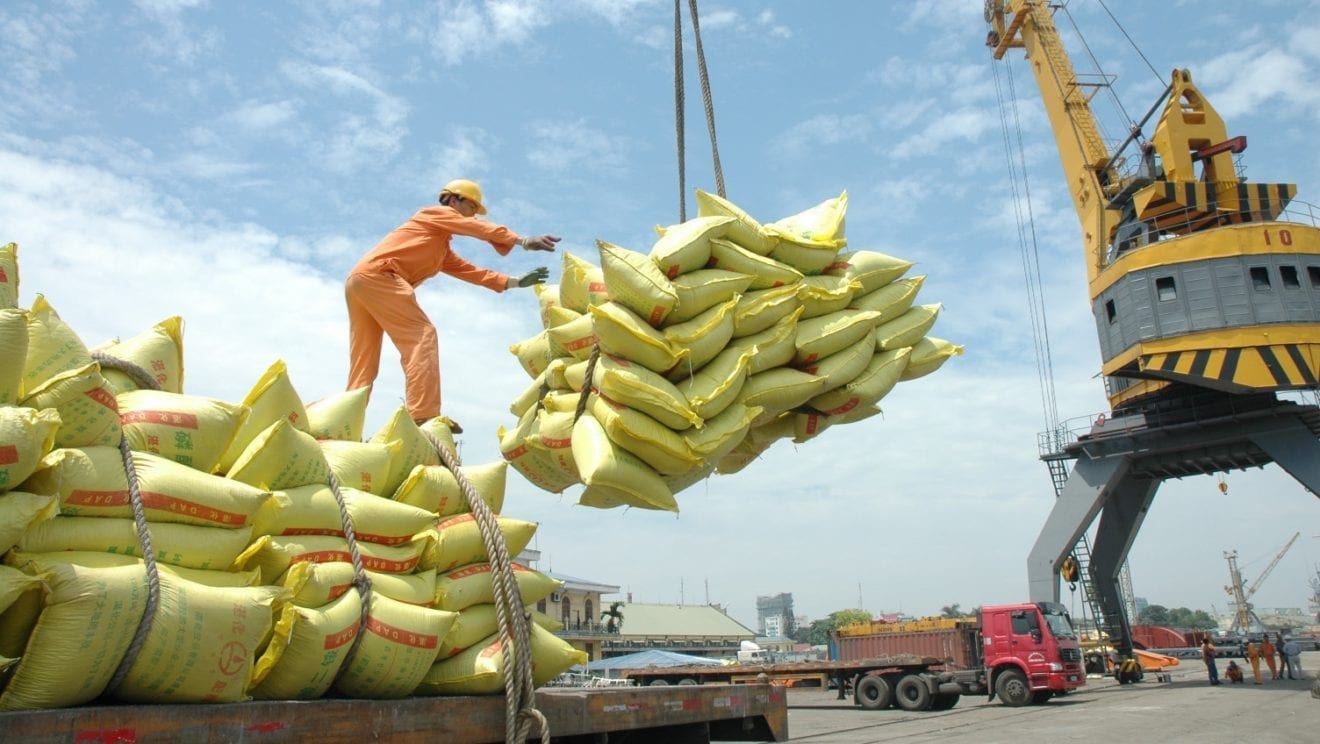
    Rice prices in India nudged higher this week as the rupee firmed, while Thai exporters eyed fresh demand from the Philippines. India’s 5 percent broken parboiled variety was quoted around $363-$371 per tonne this week, versus $362-$369 last week.

    “As the rupee has started to appreciate, we have to adjust export prices,” said an exporter based at Kakinada in the southern state of Andhra Pradesh.

    The Indian rupee rose 0.4 percent on Thursday to its highest level in nearly 8 weeks, trimming exporters’ margins from overseas sales.

    In southern and eastern states, supplies have started to arrive from the new season crop but they are expensive due to higher fixed government buying prices, said a Mumbai-based exporter.

    India’s rice exports dropped 9.6 percent to 5.8 million tonnes between April and September from a year earlier, as leading buyer Bangladesh trimmed purchases due to a bumper local harvest, a government body said earlier this week.

    Meanwhile in Thailand, benchmark 5 percent broken rice prices were quoted at $380 – $398 per tonne, free on board (FOB) Bangkok, unchanged from last week.

    “There have been some minor deals with markets like Japan but they have had no impact on prices,” a Bangkok-based trader said.

    “Thai rice exporters are now watching the Philippines closely because their government will open the bidding process next week.”

    The Philippines’ National Food Authority has issued an international tender to import up to 500,000 tonnes of rice with offers to be opened on Nov. 20.

    “We see this as a major deal ahead of December,” another trader in Bangkok said, pointing out that during the mid-November to early-December period, the market expects an increase in supply due to the seasonal harvest.

    In Vietnam, rates for 5 percent broken rice remained in the $415-$420 a tonne range seen last week.

    “We haven’t signed any new export deals over the past month as domestic supplies are scarce,” a trader in Ho Chi Minh City said. “We wouldn’t be able to secure sufficient rice if we got any new contracts now.”

    Egypt received offers for more than 500,000 tonnes earlier this week, including 50,000 tonnes from Vietnam, the trader said, adding that they were not sure if they will bid in the Philippines’ state grains agency tender.

  • Swiggy to engage 2,000 women for food delivery

    Leading food ordering and delivery start-up Swiggy on Tuesday said it would engage about 2,000 women as delivery personnel by March 2019. “About 2,000 women will join our delivery team by March next year. Over the last few months, we have been working on training women for opportunities in this growing food delivery sector,” the city-based online food delivery platform said in a statement here.

    By deploying more women as delivery personnel across the country, the company said it aimed to create an inclusive workforce.

    The company engages around a lakh personnel daily to deliver food across 45 Indian cities it operates in.

    Currently, about 60 women are tied up with Swiggy across 10 cities, including Ahmedabad, Kochi, Kolkata, Mumbai, Nagpur and Pune, to deliver food.

    World over, the employment of women as delivery personnel has been meagre.

    “We are creating a women-friendly work environment with a dedicated helpline for any concern, as well as appointing more women in managerial roles,” the company said.

    Swiggy is identifying ‘safe zones’ for women delivery personnel to operate in and will allow them to complete their deliveries by 6 p.m., it added.

    “Since inception, we have seen the potential in investing in logistical prowess, which has helped us in having end-to-end control over the food delivery experience,” Sachin Kotangale, Vice President (Operations), Swiggy said in the statement.

    Set up in 2014, the food delivery platform claims to receive about 20 million orders a month across 45,000 restaurants in 45 cities, including New Delhi, Hyderabad, Mumbai, Bengaluru, Chennai, Kolkata, Gurugram and Pune.

    It raised US$ 210 million (around Rs 1,500 crore) from multiple investment firms, and has so far raised over US$ 460 million (around Rs 3,350 crore).

    The company, which has over 4,000 employees, reported an operating revenue of Rs 442-crore for the fiscal 2017-18.

  • Coffee Day India Q2 net profit plunges

    Coffee Day India Q2 net profit plunges

    Coffee Day Enterprises Ltd Wednesday reported a 59.78 percent fall in consolidated net profit at Rs 23.83 crore for the September quarter due to higher expenses. The company had reported a net profit of Rs 59.26 crore in the corresponding period of the previous fiscal.

    According to a report, Its total income grew to Rs 1,015.13 crore during the quarter under review, up 12.42 per cent, as against Rs 902.9 crore in the corresponding quarter of the year-ago period, Coffee Day Enterprises said in a BSE filing.

    Expenses during the quarter stood at Rs 1,014.99 crore, up 13.83 per cent, as against Rs 891.6 crore a year ago.

    The company said board of directors, at its meeting held on 14 November 2018, discussed the potential restructuring of the company’s business to segregate its coffee business and its subsidiaries from their non-coffee businesses (including integrated multi-nodal logistics, financial services, development and management of commercial space, hospitality services and investment operation).

    “No decision to undertake any restructuring has been taken by the board at this stage,” it added.

  • Snapdeal trims losses for FY18, exudes confidence on hitting profits

    Snapdeal trims losses for FY18, exudes confidence on hitting profits

    E-commerce firm Snapdeal has narrowed its consolidated losses substantially to Rs 613 crore for FY2017-18, as per regulatory documents. According to a report: The company, which competes with larger rivals like Amazon and Flipkart, had posted a consolidated loss of Rs 4,647.1 crore in FY2016-17, documents filed with the Corporate Affairs Ministry showed.

    The consolidated revenue from operations declined to Rs 436.1 crore for 2017-18 as against Rs 903.8 crore in the previous financial year.

    On standalone basis too, Snapdeal trimmed its losses to Rs 440.7 crore in 2017-18 from Rs 4,638.9 crore in the year-ago period. Total revenue was at Rs 514.6 crore in FY18 as against Rs 1,105.7 crore in the previous fiscal.

    Snapdeal, in its filing said, the company had embarked on its journey towards profitability last year.

    “This year, we continued on this path and focused on building a leaner and more capital efficient business. We substantially reduced our costs, both variable and fixed overheads,” it added.

    The company said it reduced its business promotion expense by 88 percent year-on-year, whereas fulfilment expenses were lower by 67 percent y-o-y.

    “We optimised the team structure and leveraged technology more efficiently, which was critical in trimming our employee expenses by 68 per cent y-o-y. While all of this has come at the expense of lower top line, your company is extremely proud of its achievements over the year and is absolutely confident that it is heading in the right direction to achieve profitability,” it said.

    When contacted, a Snapdeal spokesperson said, “Our prime focus last year was to maximize the operating efficiency of the marketplace ahead of implementing our planned growth initiatives. We are extremely pleased to see the incredible results from our disciplined execution with losses reducing by 88 percent”.

    In addition, parts of the revenue, which were disproportionately loss-making, were identified and curtailed during the year in order to realign the business for growth with healthy margins, the spokesperson added.

    Snapdeal, which had seen its business being impacted severely by the intense competition in the e-commerce segment, had last year dumped the US$ 950-million takeover offer from rival, Flipkart.

    It was then that Snapdeal Co-founders, Kunal Bahl and Rohit Bansal had said the company will pursue a fresh strategy in the Indian market.

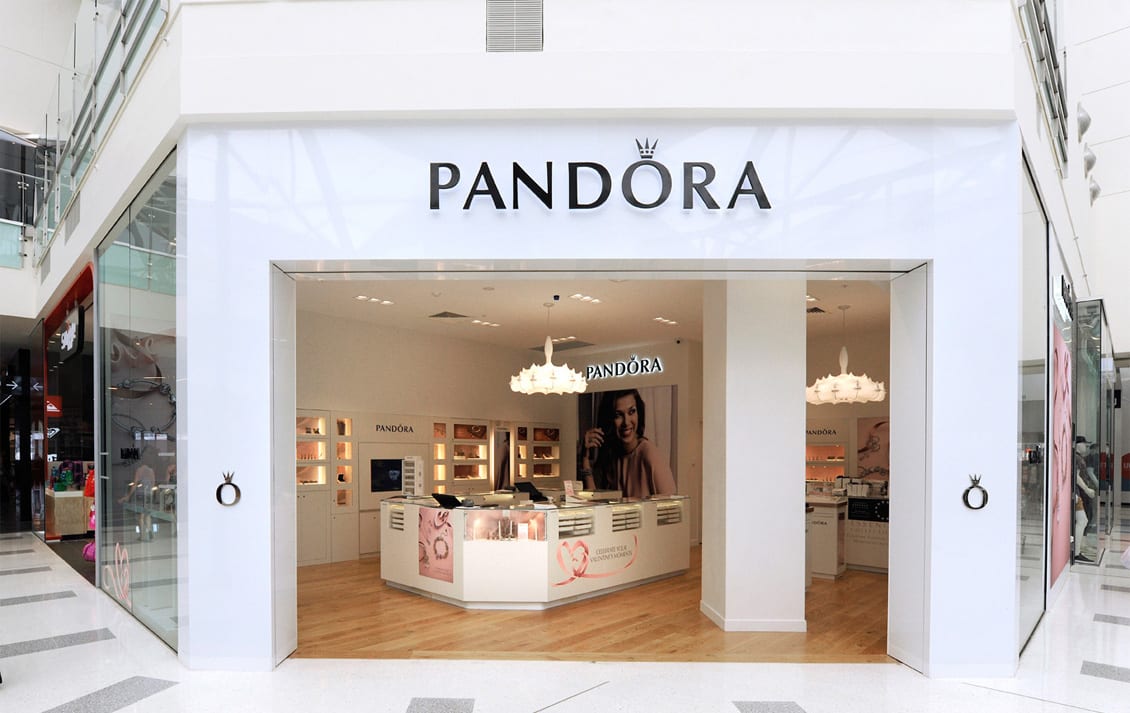
  • Pandora sales declining, relies on China

    Pandora sales declining, relies on China

    Jewellery retailer Pandora is looking to China, India and Latin America to arrest a decline in global sales. The Danish company has unveiled an initiative that it hopes will reignite sustainable revenue growth, Programme Now, after group revenue dropped 3 per cent in the third quarter of this year.

    Under the program, Pandora will significantly reduce its franchise acquisitions and scale back new store openings. For the stores it does open, it will concentrate on growth markets, such as China, India and Latin America. It hopes the move will grow like-for-like sales, if not total sales.

    To achieve this, the business plans to enhance its marketing, personalisation, digital and e-commerce capabilities, as well as the in-store customer experience.

    Pandora also noted that part of its success moving forward lies in execution in all parts of the value chain, as well as more closely coordinating parts of the business to work in tandem, to reduce costs.

    The implementation of the program, as well as the weak third-quarter results, however, have led the company to revise its full-year earnings guidance. It has cut its annual revenue forecast from between 4 and 7 per cent to between 2 and 4 per cent, or DKK 1.2 billion to DKK 1.4 billion (US$184 million to $214 million).

    “The third quarter results were unsatisfactory and we adjust our full year guidance,” Pandora CFO Anders Boyer said.

    “We have taken the first major step in the programme today by changing our network expansion plan. We have confidence in a strong future for Pandora and will use this year and next to reset the business.”

    Pandora expects revenue and total like-for-like growth to be impacted through to 2020 by the planned reduction of mark-downs, though this is likely to cause a margin neutral result on the group level.