Tag: india

  • Chinese white goods company Midea announces Rs 1,350 crore new plant in India

    Chinese white goods company Midea announces Rs 1,350 crore new plant in India

    Chinese consumer durables firm Midea aims to manufacture its products locally in the country by next year and is setting up a new facility in Pune at an investment of Rs 1,350 crore. “India is a strategic growth market and we expect our investments in this market to yield good growth. Considering the potential of the market we have committed over Rs 1,350 crore investment for a new facility,” Krishan Sachdev, Managing Director of Carrier Midea India and also Midea Group India region, told PTI.

    “We have a manufacturing facility at Bawal in Haryana and we are strengthening our base here with a second plant in Pune. By next year, 100 percent of our products shall be manufactured locally,” he further told PTI.

    According to a report: He further said that the company is evaluating prospects of exports from India.

    The new facility near Pune, with a technology park, will have three manufacturing units for home appliances, HVAC products and compressors and will also include a manufacturing facility for Carrier Midea India, a 60:40 joint venture between Midea and Carrier.

    The complex is likely to begin commercial operations at the beginning of 2020 and the technology park is expected to generate employment opportunities for over 2,000 people, both directly and indirectly.

    Over a period of five years, the facility will produce refrigerators, room ACs, washing machines, water purifiers, water heaters, commercial ACs and compressors.

    The company, which has been growing at a CAGR of 25 per cent over the last five years, said plans for manufacturing other home appliances categories in a phased manner have been completed.

    Sachdev further said the rupee depreciation has had an impact on their business.

    “Even though we manufacture 70-80 per cent locally, production cost has gone up because some of the components are imported,” he said.

    The company is expecting a good festive season this year with 25 per cent growth and by next year it plans to have IoT enabled product solutions for this market.

    South and East are the leading markets for the company, contributing significantly to the business, while non-metros contribute 30-40 per cent of the overall revenue.

    Midea India plans to double its footprint across the country.

    “For the RAC, which is the refrigeration and air conditioning category, and which contributes 80 per cent of revenues), we are targeting to be in around 5,000 retail outlets before next summer apart from 800 plus sales and service dealers.

    We are constantly looking to expand our reach to consumers. We are already present in more than 400 cities and towns of India,” he further said.

  • IKEA to create 10,000 jobs in Maharashtra India over next 3 years

    IKEA to create 10,000 jobs in Maharashtra India over next 3 years

    Swedish furniture giant IKEA is planning to hire 10,000, both direct and indirect, in Maharashtra over the next two to three years, a senior company executive has said. According to a report: The company opened its first store in Hyderabad in August this year and the Navi Mumbai will be the second store in the country.

    “Next year, we are opening the Navi Mumbai store, for which we are planning to recruit 5,000 directly and an equal number will be hired indirectly over the two to three years,” Anna-Carin Mansson, People and Culture Manager, IKEA India said.

    This will include directly hiring 1,000 by mid-next year and 1,500 indirectly for services, including assembly among others, she said adding as per the IKEA policy, 50 percent of this recruitment will be of women at all levels.

    “We believe in equality and providing a balanced, safe and secure work environment for all employees. We are also open for recruiting from the lesbian, gay, bisexual and trans (LGBT) communities,” she further said.

    The world’s largest furniture chain is looking to hire people in e-commerce, sales, logistics, digital and Human Resource’s and mostly they hire locals, she said.

    “With our employee friendly policies, we are expecting to keep the attrition levels very low. We believe in value- based recruitment, where the core values of an individual is considered and not what is said in the CV. We provide equal opportunities to all our co-workers, help them grow and enable them to follow their passion,” she said.

    IKEA has several employee friendly policies, such as day care facilities, parental leave policy, transport policy, competence development, mentoring, pension plan among others.

    “Maharashtra is an important market for us. We have been sourcing from the state for many decades and now we are ready to enter the market in 2019 with our full offer to be able to serve all the customers,” Per Hornell, Market Manager for Maharashtra, IKEA India said.

    IKEA opened its first store in the country in Hyderabad in August, where it employs 1,000 people.

    The company is the first major single brand retailer to get FDI approval and plans to open several stores and multiple touch points across the main cities over the next 10 years .

    IKEA has four land sites in Telangana, Maharashtra, Karnataka and Delhi/NCR, and continues to look for more in other major cities.

    IKEA operates 423 IKEA stores in 50 countries with a sales volume of 38.3 billion euros.

  • Apple’s India profit zooms 140 pc to Rs 896 cr in FY18

    Apple’s India profit zooms 140 pc to Rs 896 cr in FY18

    Tech giant Apple’s India unit registered 140 percent jump in its net profit at Rs 896.3 crore for the fiscal ended March 2018, as per regulatory documents filed by the company. According to a report: The iPhone maker, which competes with the likes of OnePlus and Samsung in the premium smartphone category in India, had registered net profit of Rs 373.3 crore in 2016-17, the documents filed with the Corporate Affairs Ministry showed.

    The company saw its total income (including other income) rising about 12 percent to Rs 13,097.6 crore in FY2018 from Rs 11,704.3 crore in the previous financial year, documents sourced by business intelligence firm Tofler showed.

    During the company’s earnings call in July, Apple CFO Luca Maestri had stated that Apple was witnessing great momentum in emerging markets and that it had established new June quarter records for Mac sales in India.

    Earlier in the year, Apple CEO Tim Cook, too, had emphasised the importance of the Indian market. He had said the company plans to launch all its initiatives, including retail, in India where it has an extremely low overall market share but offers huge opportunities. The CEO also stated that Apple was putting a lot of energy in India and working with the carriers in the market.

    The company has also been steadily increasing its market share in the burgeoning Indian smartphone market. According to Counterpoint Research, the company had a 25 percent market share in the premium category (Rs 30,000 and above) — after OnePlus (30 percent share) and Samsung (28 percent share) — in the third quarter of 2018.

  • ‘Physical and online retail will co-exist in the future in India’

    ‘Physical and online retail will co-exist in the future in India’

    The retail sector in India has been evolving at a swift pace. Rapid urbanisation and digitisation, rising disposable incomes and lifestyle changes – of particularly the middle-class – are major contributors to the revolution of the retail industry.

    In a freewheeling chat, Anuj Puri, Chairman – ANAROCK Property Consultants talks about what canbe expected from the Indian retail industry going ahead. Excerpts:

    How do you see retail industry shaping up in India?

    Retail is back with a big push. A lot of foreign brands are looking to enter India, a number of Indian brands are expanding rapidly, a number of new Indian brands are opening up retail stores. Equally, I see a huge amount of promptness within the Indian retail real estate on the bounce back of organised retail in India. Modern retail is growing fast. 10 years ago, the contribution of modern retail format was only 2 percent and today it is getting into the double digits.

    Which retail format will come out clear-cut winner in future?

    There will be newer formats that will be very important to get into the retail real estate spaces. F&B and new formats in entertainment will continue to do very well.

    Anything which is experiential and cannot be bought online and has an ability to touch, feel, taste, hear and smell, those formats in the physical space will continue to do well.

    With e-commerce expanding at a rapid pace, what is future of malls in India?

    Expanding e-commerce in India has a positive impact on the physical retail real estate. E-commerce space cannot divulge into physical space. Both of them are integrating with each other like Walmart has recently bought Flipkart, Amazon in setting up its physical stores, there are number of e-commerce players which are planning to set up their retail stores and many e-retailers are also investing/ buying existing physical stores. We can say it is an integration of e-commerce and physical space.

    What is the future of malls a few years from now?

    Going ahead, technology is going to play a big role for both retailers and mall developers. The taste of the consumer coming in, the ability to drive the footfalls to the right stores, to understand the demographics of the people who are coming into mall are all going to be important learnings which the mall developer will pass on to his partners – the retail brands.

    In future, technology will integrate the experience, partners and will help in driving the sales, deriving right retail formats in the malls. Just like in the more mature markets, where technology plays a huge role in the mall operation, similarly it will be replicated in India as well.

    How can the malls stay relevant to the consumers for years?

    It is true that a mall has to continue to change its skin. It is necessary to bring something new to attract different retailers. Change is a perennial process. Malls must continue to attract footfalls by adapting to change.

    What is your outlook on retail spaces in Tier II cities and beyond?

    Big retailers are occupying a huge space in Tier II cities as the profit margins are very high and the rentals are low. Also, since consumers coming to these stores have more time to spend, they have an ability to experience on the entertainment, leisure, retail and food. We are not only bullish on Tier II cities but Tier III cities as well. Retailers are often seen complaining about lack of good retail real estate spaces in India.

    How do you see this changing in the future?

    At this point of time, we are starved for good quality retail spaces. It is absolutely true that there are more retailers who want to get into the malls which are successful. We are hopeful that over the next 2-3 years there will be a better equilibrium because there are number of malls that are under-construction and it is expected that these malls will be able to cater to the increasing requirement of retailers.

    I also think that these mall developers who are building up the malls have also learnt that how to build, operate good quality malls and how to attract right kind of retailers within those malls.

  • Arvind India Q2 profit rises 16 pc to Rs 75 crore

    Arvind India Q2 profit rises 16 pc to Rs 75 crore

    Textile and apparel player Arvind Ltd on Thursday reported a 16.38 percent increase in its consolidated net profit to Rs 75.08 crore for the second quarter ended September 2018. According to a report: The company had posted a net profit of Rs 64.51 crore in the July-September period a year-ago, Arvind Ltd said in a BSE filing.

    Total income during the quarter under review stood at Rs 1,815.98 crore, up 12.85 percent, as against Rs 1,609.10 crore in the corresponding quarter of the previous fiscal.

    Total expenses stood at Rs 1,723.27 crore as against Rs 1,540.08 crore, up 11.89 percent.

    Meanwhile, the company said that as NCLT has approved the scheme of demerger for its branded apparels and engineering businesses, “the reported financial statements reflect figures for continuing businesses only”.

    “Pending receipt of order and other conditions precedent in the Scheme, the Group has considered the business of Engineering and Branded Apparel Undertaking as ‘Discontinuing Operations’,” the company said.

    Arvind’s net profit for the period from continuing operations rose to Rs 56.10 crore as against Rs 48.48 crore earlier.

    Net profit after tax from discontinuing operations was at Rs 18.98 crore as compared to Rs 16.03 crore.

    “The effective date of demerger and record date for allotment of shares is likely to be end of November,” it added.

  • Flipkart, Amazon see bumper in India festive sale

    Flipkart, Amazon see bumper in India festive sale

    With festive sales drawing to a close, e-tailing giants Amazon and Flipkart have claimed bumper sale on their platforms, and that they were ahead of the competition, as they received orders from customers from over 99 percent of the pin codes in the country.

    According to a report: Citing a survey by Kantar IMRB and other reports, Amazon India Senior Vice President and Country Head Amit Agarwal said Amazon emerged as “the most visited and transacted shopping destination in India this festive season” (October 10-15, October 24-28 and November 2-5).

    “With 99.3 percent of pin codes placing at least one order, 89 percent of new customers coming from smaller towns, almost 70,000 small and medium businesses getting at least one order and new Prime memberships growing by nearly 2X, we are humbled that India trusts us to find, discover and buy anything online,” he said in a release.

    Asked about another report stating that Flipkart cornering 51 percent share of the festive sale between October 9-14, Agarwal said, “we don’t comment on reports that are based on non-scientific methodologies”.

    The said industry report had stated that Amazon.in had a 32 per share in the first leg of the festive sale before Dusshera.

    Both Walmart-backed Flipkart and Amazon have claimed record-breaking sales numbers across categories like smartphones, large appliances and fashion during their festive sales.

    “The current sale (November 1-5) is already more than 2X of our Big Billion Days sale this year. We were the clear leaders in the fashion category… we had all brands (of smartphones) except one…competition is no where close to that,” Smrithi Ravichandran, Head of Growth, Flipkart said.

    She added that customers on an average spent Rs 7,500 on various purchases during this festive sale and that its gross merchandise value (GMV) was up 90 percent over last year.

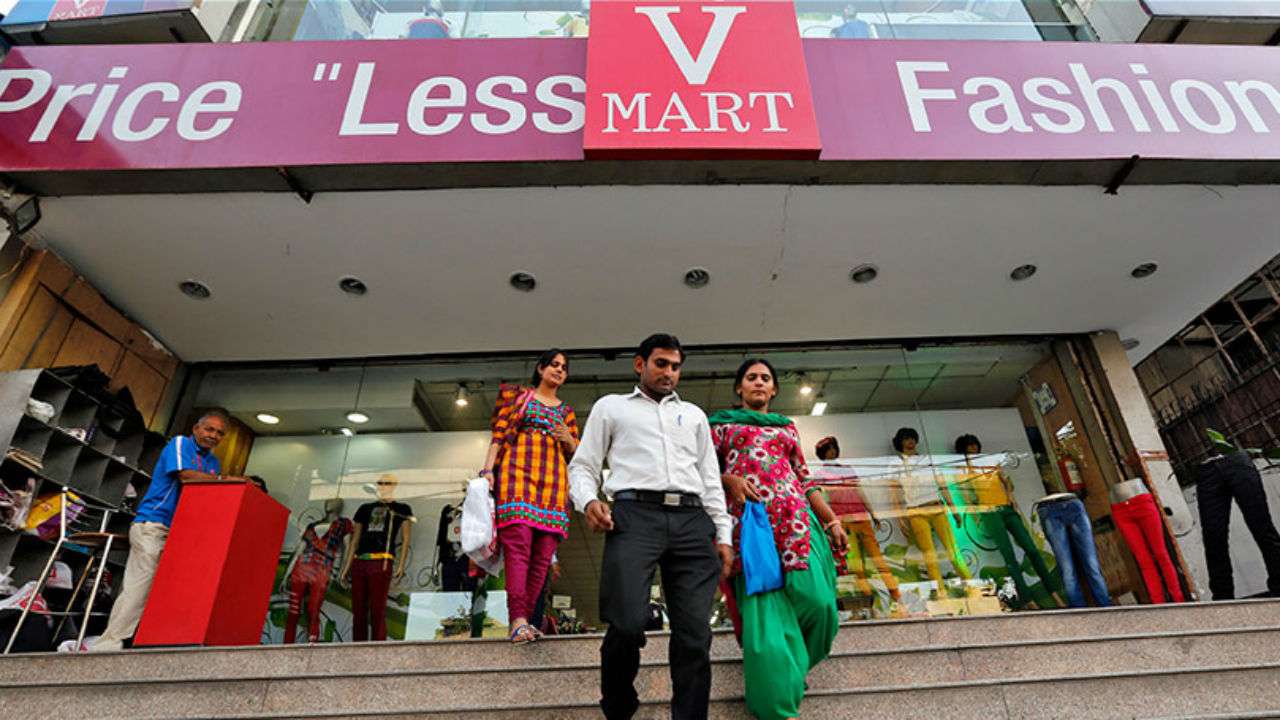
  • V-Mart India appoints new Independent Director

    V-Mart India appoints new Independent Director

    V-Mart, the world’s best performing department store chain, has announced the appointment of Govind Shrikhande as an Independent Director of the company, effective Nov 2, 2018. Shrikhande possesses rich cross-functional experience in the textiles, apparel and retail industry. In his last professional role, he was the Managing Director of Shoppers Stop, where he started his stint in 2001 as the Vice President of Buying & Merchandising function, growing to the role of Chief Operating Officer role before being elevated as the MD.

    Prior to Shoppers Stop, he was associated with Mafatlal and Johnson & Johnson. He has the unique distinction of being part of the team that launched Arvind Denim and Arrow. Shrikhande has also worked with Bombay Dyeing.

    With this appointment, V-Mart’s current Board constitution is as follows: Lalit Agarwal, Chairman & Managing Director; Madan Agarwal, Whole Time Director; Aakash Moondhra, Independent Director; Murli Ramachandran, Independent Director; Sonal Mattoo, Independent Director; and Govind Shrikhande, Independent Director.

    Welcoming Shrikhande to the board, Lalit Agarwal, Chairman and Managing Director said, “We are excited to welcome Govind on the Board of V-Mart. His extensive experience in managing large scale organizational transformation to drive customer centricity, and successful adoption of enabling technology and processes will be a great asset to the value retailing ethos of the company.”

    “V-Mart has a strong brand as a value retailer, impressive connect with its customer base in Tier II and III towns, and is well-positioned to establish leadership in the affordable fashion segment,” commented Govind Shrikhande. “I am honored to join the Board during a time of opportunity driven by dynamic shifts in the Indian retail landscape, with millions of families in Tier II, III and IV towns transitioning to a modern retail and Omnichannel experience.”

  • Swiggy India expands services in 16 new cities

    Swiggy India expands services in 16 new cities

    Food ordering and delivery platform Swiggy Thursday said it has expanded its presence in the country by launching services in sixteen new cities across India. The new cities include Thrissur, Tirupur, Warangal, Aurangabad, Agra, Mangalore, Manipal, Jalandhar, Trichy, Udaipur, Amritsar, Varanasi, Bhubaneshwar, Vellore, Thiruvananthapuram and Kota, Swiggy said in a statement.

    These cities join the 28 cities across India where Swiggy already has presence, it added.

    Commenting on the development, Vivek Sunder, COO, Swiggy said, “One of the reasons for the expansion across the country is because of the strong consumer demand that we have witnessed through thousands of Swiggy app downloads in cities where we were not even present.”

    In just four years, Swiggy has become a household name among Indian consumers by providing them the best food delivery experience in the country, he added. The growing consumer demand in tier 2 and tier 3 cities for quality food, convenience, and easy accessibility are one of the key reasons for the company to enter newer cities. Swiggy said.

    Founded in 2014, Swiggy currently has over 40,000 restaurant partners spread across 44 cities in the country.

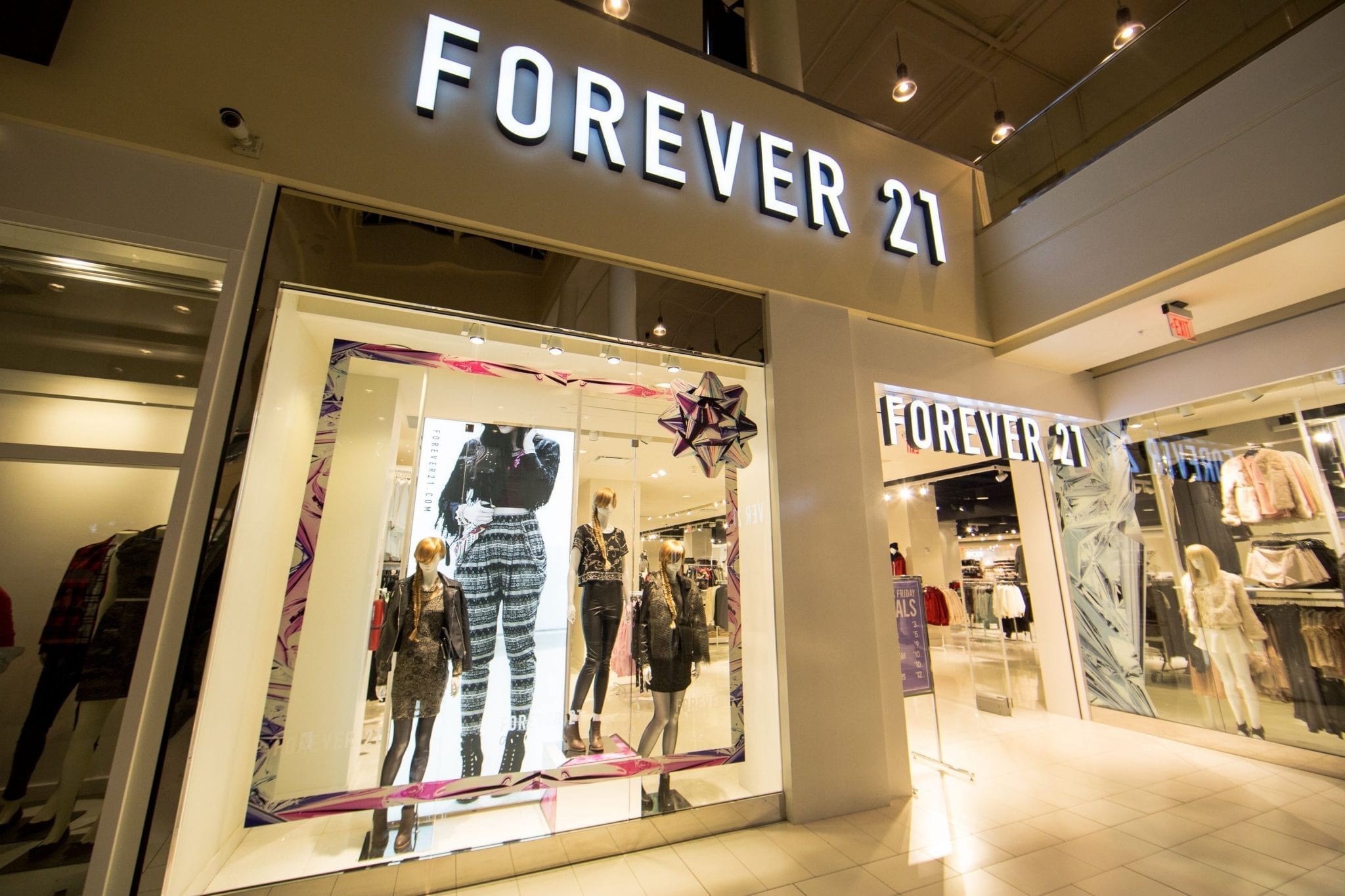
  • Forever 21 revamps Mall of India store with an international twist

    Forever 21 revamps Mall of India store with an international twist

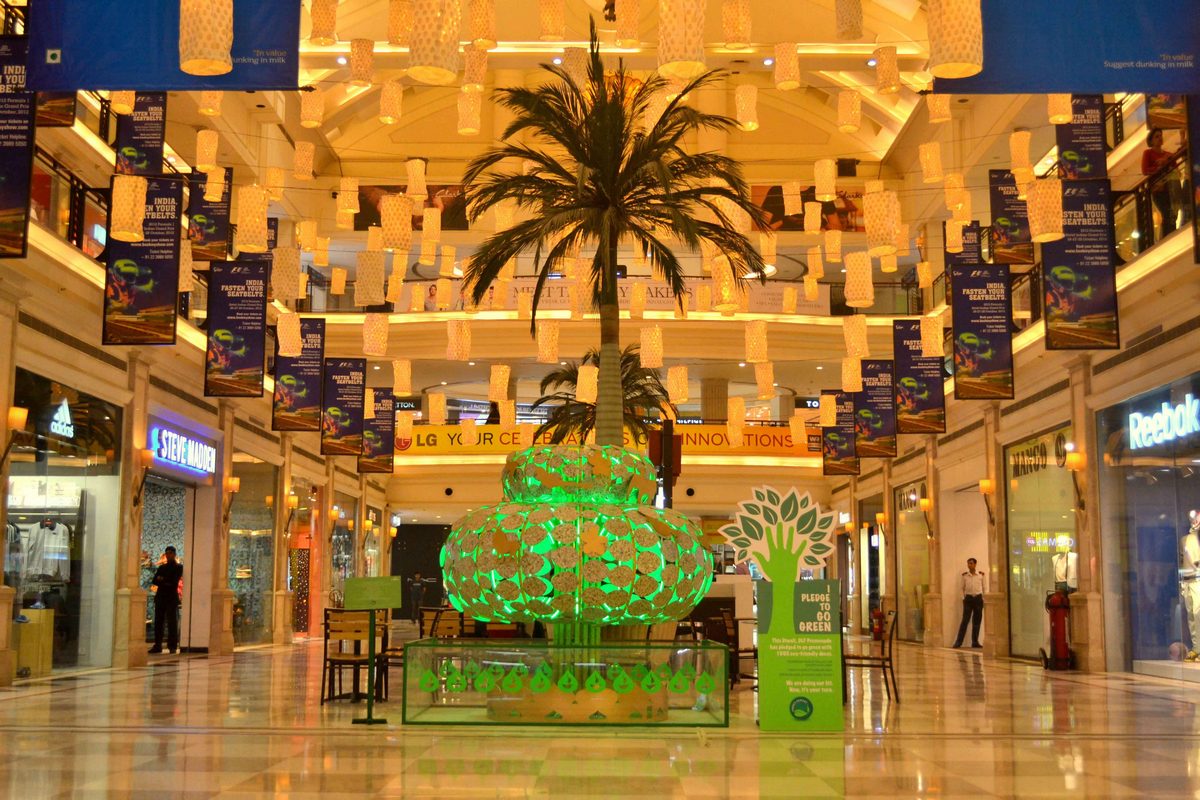
    Forever 21, the most loved international fast fashion destination from Los Angeles, California, and part of Aditya Birla Fashion and Retail Ltd. will be re-opening the store at Mall Of India on November 2, 2018. The refreshing new look gives the shoppers an unforgettable experience bringing classic, international designs with fresh and chic merchandise which effortlessly reflects the brand’s promise of an fulfilling shopping experience.

    The revamped store is best identified as ultra-modern, which houses fresh styles straight off the streets and fashion districts of LA.

    Customers can get their hands on the latest global, contemporary and chic designs loved by all under one roof. The new collection comprises of trendy party wear outfits, laid-back street wear styles, sophisticated contemporary outfits and edgy athleisure wear. They can step up their style quotient with a wide range of international footwear designs, which include – boots, slip-ons, sandals and much more.

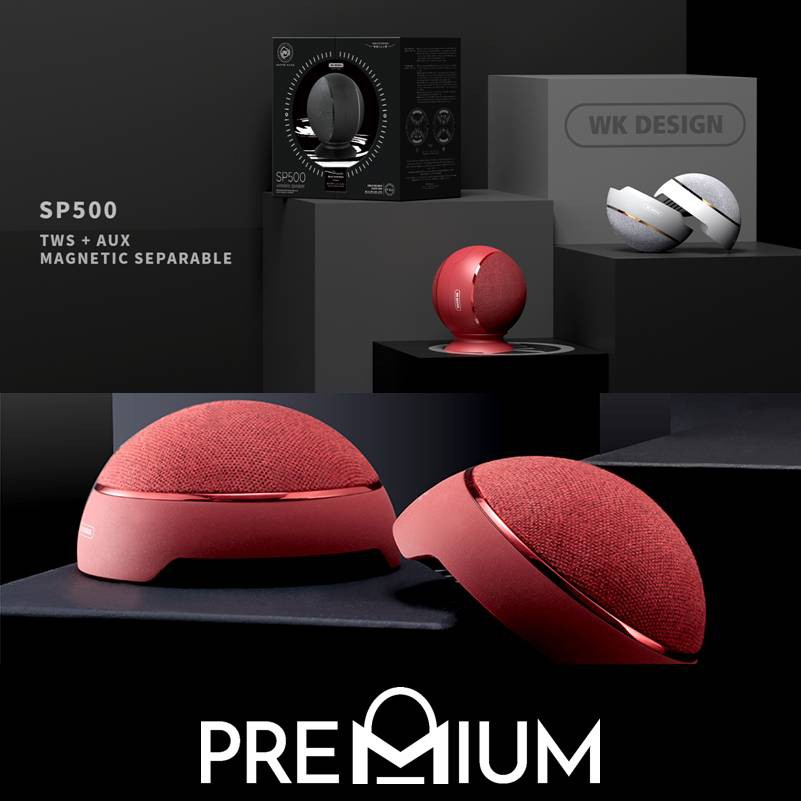
  • WK Life launches its flagship store at Mall of India

    WK Life launches its flagship store at Mall of India

    Electronics and accessories retailer WK Life is launching its first Indian flagship at DLF Mall of India, Noida. The firm is entering the Indian market on the strength of its more than 1000 outlets in 60 countries worldwide. The 1000sqft flagship stocks a broad range of the brand’s products designed according to the ideas of its customers.

    WK Life director Rohit Sahni said the launch of the company’s first store in India is a significant achievement. “The decision to enter the Indian market has been driven by the anticipated growth in this untapped sector which is worth ₹10,000 crore.”

    WK Life retails bluetooth speakers, laptop accessories, travel luggage and gear, household electronic articles and car accessories.

  • Pepsi India betting big on digitisation for growth; to connect 10 million retailers

    Pepsi India betting big on digitisation for growth; to connect 10 million retailers

    Food and beverages major PepsiCo India is betting on digitisation as a big growth opportunity and is looking at using technology in both backward and forward integration. According to a report: The maker of Lay’s, Kurkure and many a cola brand, including Pepsi, said it is working on a project to digitally connect about 10 million retailers along with about 600 million consumers, with the supplier.

    Ahmed El Sheikh, President and Chief Executive Officer, PepsiCo India, said that the company has just finalised a project which is digitising the total supply chain within PepsiCo India, end-to-end.

    “We are working on another project to digitise our connection with farmers. We are talking about thousands of farmers where we want to be connected with the crops in the field, getting certain parameters measured and taking corrective action against it through digital solutions.

    “We are using digital in backward integration of supply chain network,” he said.

    Sheikh said the company is making technology as the cornerstone and building the business around it.

    “We are looking at how technology is going to reshape India and I think this is one of the key enablers to unleash the potential of our business in the country,” he said.

    The company, which reported profit in 2017-18, after a gap of seven years, is bullish on the prospects in the country and is rolling out the first river shipment of its snack portfolio from Kolkata to Varanasi.

    “We are going to start the first river shipment this month, from Kolkata to Varanasi. This is based on GST, which we are leveraging. We are starting a pilot with the Government.

    “It is the first containerised movement on inland waterway on river Ganga,” he said.

    Sheikh, PepsiCo India’s first expat president, further said the company, which has been in the country since 1989, isseeing healthy growth coming out of India, which is well balanced between food and beverage, while the nutrition segment comprising Quaker Oats and Tropicana, is growing faster albeit on a lower base.

    “We need to be positive growth driver for PepsiCo, but that growth needs to be sustainable and responsible,” he said.

    He added that the water and juice segment outgrows the soft drink segment in India, and the company is counting on being glocal to succeed in the food segment.

  • DLF Emporio: 10 years of a successful luxury retail journey

    DLF Emporio: 10 years of a successful luxury retail journey

    DLF Emporio is a name to reckon with in the evergrowing luxury retail space in India and the credit for its successful journey, spanning 10 years, goes to Dinaz Madhukar – a stalwart in the hospitality sector in India. Madhukar has over 24 years of operational experience with The Taj Group of Hotels, India’s largest luxury hospitality chain, as General Manager where she led multiple functions. Currently, she is responsible for providing executive leadership and management of DLF’s Vasant Kunj Retail Complex including DLF Emporio and DLF Restaurants – including the iconic Set’z. In addition to this, she is responsible for the management of DLF’s hospitality vertical, which includes The Lodhi. She also looks after the brand’s spanking new luxury addition to the capital – The Chanakya.

    Sharing the secret recipe of success, Dinaz Madhukar’s, EVP, DLF Luxury Retail & Hospitality says, “Luxury, in its very essence, thrives on exclusivity and personalized experiences. Technology, has proven to be a strong ally for the luxury brands and engagement with the audience has become more direct. We use the social and digital media to introduce disruptive content and creative campaigns to connect with our patrons, which leads to a direct impact on footfalls and sales.”

    In an exclusive interview with Shopping Centre News, Madhukar talks about the journey of DLF Emporio over the past 10 years, the challenges, expansion plans and the future of luxury malls in India.

    DLF Emporio has successfully completed 10 years of operations. Tell us about the journey been so far?

    When DLF Emporio started operations in Delhi in 2008, there was no antecedence on how to do it right. At that time no other real estate brand had forayed into the luxury retail terrain. For DLF Emporio, therefore, there was neither an example nor a benchmark; however, ten years of successful operations undoubtedly is a coup for the brand.

    In many ways, DLF Emporio remains a case study for the luxury retail spaces, across India. The mall is today globally synonymous with Indian luxury retail and has been catalytic in putting India back on the global luxury retail map. The Indian luxury retail trail, begins with DLF Emporio and goes on to set higher expectations for their next luxury project, The Chanakya. This young one-year-old property is wisely curated given its compact nature and is poised to cater to the niche and discerning young and mature digitally savvy audiences.

    What, according to you, are the key elements that determined the success of DLF Emporio?

    The success of every business depends on understanding the pulse of your customers and pre-empting and adapting to the change in dynamics of the everevolving market space.

    DLF Emporio has been very cognizant of creating bespoke customer and retailer experiences in keeping with aggressive marketing and promotion plans of its retail partners, and I think keeping pace with and supporting the marketing needs of each retailer and guest, is what has worked for us.

    The marriage of hospitality services with luxury retail has been key to best attend the needs of both the retail partner and our guests.

    If you were to look at the annual brand properties created by DLF Emporio right from the luxury shopping festival, to couture weddings, down to the shopping fiesta, every event property is focused at addressing and pushing targeted business goals of our retail partners, while showcasing the best of luxury fashion and hospitality to our loyal customer base. The idea is to continually support both our retail and customer audiences with winning propositions for each.

    In the past 10 years, how have you seen the fashion luxury market evolving in India?

    The Indian luxury retail industry has been on a growth trajectory ever since we opened our doors in 2008. We have actually seen the customers’ taste maturing over the years. When the luxury brands came into India it was more of a sellers’ market; however, today we see a conscious buyers’ market where subtlety and self-astuteness guide govern purchase behaviour. Our guests have always veered towards quality and craftsmanship, and today you will see a significant acceptance and slant towards bespoke merchandise and limited-edition products. The guests today adhere to the ‘less is more’ adage when it comes to investing in luxury.

    India has always been a great purveyor of luxury. The initial luxury patrons were the royalty and today the most decadent luxury products are consumed by not just HNI’s but also top CXO’s, young, mature and astute entrepreneurs. We have also seen the emergence of the young start-up communities egging their ways into the Unicorn universe; these are also voracious consumers of luxury.

    The trend now is slowly shifting from product and brand focused luxury to experiential luxury consumption. You do see brands reflecting this shift with their new verticals and product innovations. Earlier, technology was restricted to corporate corridors in the silicon valleys, however, technological disruptions are now becoming a norm across luxury brands. These tech-luxe disruptions are focused on capturing eyeballs and mind space of the more assertive, highly demanding and seriously articulate, young Millennials, who live their lives on, and consumer information on virtual and social mediums.

    How has the brand mix at the mall changed over the years?

    The brand mix has remained broadly the same. In fact, we have had to request some brands to give back some proportion of their spaces to us in order to pave room for new brands. As the market and the consumer evolved, we have seen an epic change in the kind of ranges and products that the brands started introducing in the mall.

    Monograms have made way for subtle luxury, and limited editions are becoming more coveted. The propensity to own, gave way to the intent to own curated, one-of-a-kind, products.

    What are the new brands that you are introducing this year?

    We have already introduced first-comers of luxury in India, including names like Berluti and Molton Brown. Polo by Ralph Lauren has also launched its store at DLF Emporio. We have added a global luxury porcelain art creator like Lladro to our brand mix, which makes the DLF Emporio luxury retail proposition even more exciting. India will continue to be a lucrative market for global luxury brands given its discerning customer mix and penchant for curated luxury.

    Do you see luxury shopping in India evolving in the future?

    2018 is turning out to be a massive year in the world of luxury retail in India. The retail industry has depicted a future forward and a very positive growth, and we see this trend continuing. Luxury is no longer the bastion of a few but fast becoming the remit of the successful first-generation entrepreneurs, the affluent corporate and the young and the aggressive successful start-up landscape.

    Older brand narratives are finding vibrant new platforms. Brands are re-inventing storytelling and showcasing disruptive innovations. The luxury shopper is now, an ever-expanding universe with audiences across various luxury access points, looking to fulfil varied and differentiated needs. You will now see a more exuberant and new age evolution of the luxury retail sector with global brands jostling for consumer’s minds space and share of wallet.

    And what steps are you taking to keep consumers coming to DLF Emporio for the next ten years?

    DLF Emporio has always been a forerunner in the luxury retail sector. We were the first to foray into luxury retail, and we have been agile enough to keep on top of our game. A decade is a long time, and we have successfully completed our milestone, replete with challenges, learnings and substantial deep dives into our customer’s buying behaviours and mindsets.

    For any brand to stay relevant it must appeal to the core interests of its customers and guests. We have kept the brands more than relevant, by offering unique experiences, the best in luxury brand offerings and superlative service experiences in a genuinely luxurious environment. We are committed to elevating our customer and brand experience with many more luxury retail disruptions in the near future.
  • Cover Story to expand retail presence; open new outlet at Bengaluru

    Cover Story to expand retail presence; open new outlet at Bengaluru

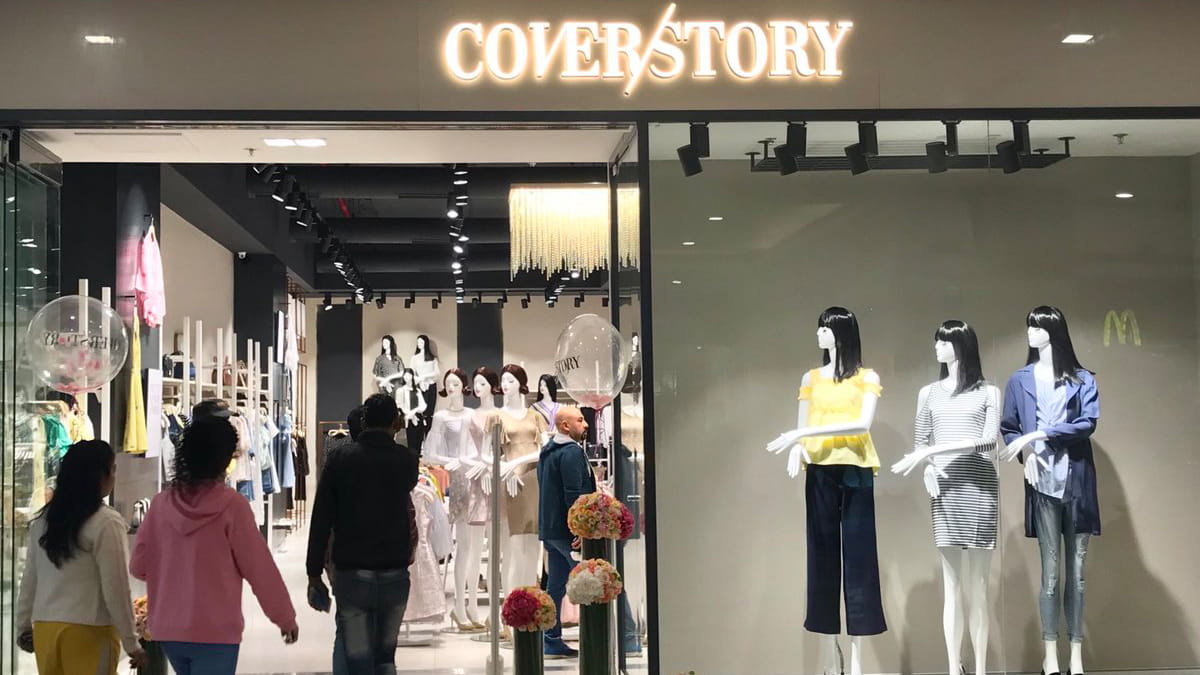
    Cover Story, a fast fashion brand for women by Future Style Lab, will be launching its new store at Forum Mall, Bengaluru in the coming week. This is Cover Story’s 23rd exclusive store with an existing presence across Mumbai, Delhi NCR, Surat, Pune, Kolkata, Chennai, and many other cities. The store is placed at a prominent location in the mall amidst the most fashionable brands around.

    The sprawling area is an apt location for Cover Story with its state-of-the-art workspaces, retail havens, entertainment zone, F&B options, and signature hospitality services.

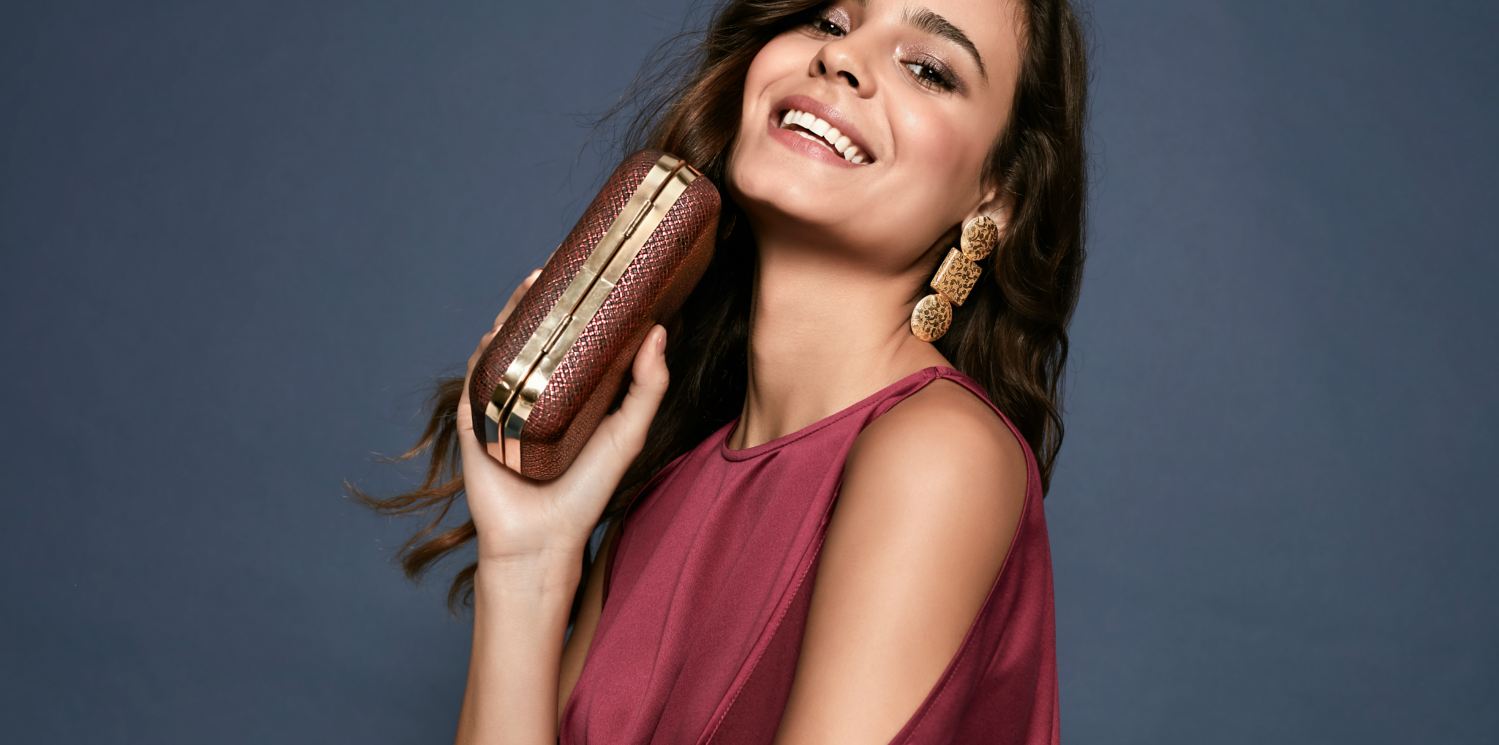
    The new store’s stock includes the latest Autumn-Winter’18 collection. The collection, designed at the creative headquarters in London, consists of women’s apparel and accessories, which include bags and shoes. The collection is inspired by the best runway trends seen across the world. This season the brand turned to the high streets of cosmopolitan cities for inspiration. When it comes to style in London, there’s nothing like High Street Fashion which displays the best trends from the runways across the world. Cover Story’s AW18 Collection features ready to wear styles that will give the Cover Story Woman (and her BFF) the confidence to turn the streets into their own personal runway. The collection, spread across 9 stories, has encompassed the key trends emerging this season.

    At present Cover Story has 22 exclusive outlets across Delhi NCR, Mumbai, Surat, Kolkata, Coimbatore, Kochi, Chennai, Indore, and Vadodara. Overall, Cover Story is present across more than 80 doors at Central, Kapsons, Iconic & Sohum. Additionally, the brand has its own online store to help cater its customer from anywhere, by simply visiting the website – www.coverstory.co.in Cover Story is retailed through online marketplaces including Myntra, Jabong, Amazon.in and Koovs.

  • India’s KOOVS.COM goes offline now exclusively at Central

    India’s KOOVS.COM goes offline now exclusively at Central

    KOOVS.COM, the ultimate fashion destination in India, has announced the launch of its first shop-in-shop presence exclusively at Central M.G Road, Gurugram, India. The launch saw Bollywood celebrity and fashionista, Kiara Advani walk the ramp in the brand’s latest collection marking the celebrations.

    Recognized for bringing latest fashion off international runways for both men and women to the country, KOOVS.COM now gives all fashion lovers an access to the collection offline. Customers can touch and feel the quality of the products, try them on to understand their best fit and buy their products from the store and get it delivered at their doorstep.

    Mary Turner, CEO KOOVS.COM, said “The brand is taking a step to get closer to our customer, by providing them the diverse range of the fresh fashion collection for both men and women. We are excited to see the response at the store and take customer interaction to the next level.”

    The venue was turned into mini London representing brand’s aesthetics and inspiration, resonating European fashion history and impressions of uber chic design philosophy.

    The brand is bringing alive the new trends in style through an aesthetic portrayal for the new age Indian consumers who have a global outlook and admire fashion in their everyday life.

  • Beccos plans expansion in India with 50 new stores

    Beccos plans expansion in India with 50 new stores

    Chinese-owned ‘South Korean designer brand’ Beccos says it plans to launch 50 stores in India. Scheduled to be opened by the middle of next year, the stores will require an investment of ₹100 crore (US$13.67 million) and are expected to return a revenue of around ₹200-250 crore ($27.35–34.18 million) in the next financial year based on the potential of the market.

    Like rival chain Mumuso, the store is positioned as Korean and using Korean design influence in its products, but is actually Chinese.

    The Hong Kong-based firm will also be investigating the potential of online sales in the region next year.

    Beccos global CEO Dabin Wang said: “We see tremendous potential in the Indian market… The company would have stores on company-owned-company-operated and franchise patterns. We would have a mix of both franchised and company-operated stores.”

    Beccos has started the expansion by opening its first few stores in Kamala Nagar.