Tag: india

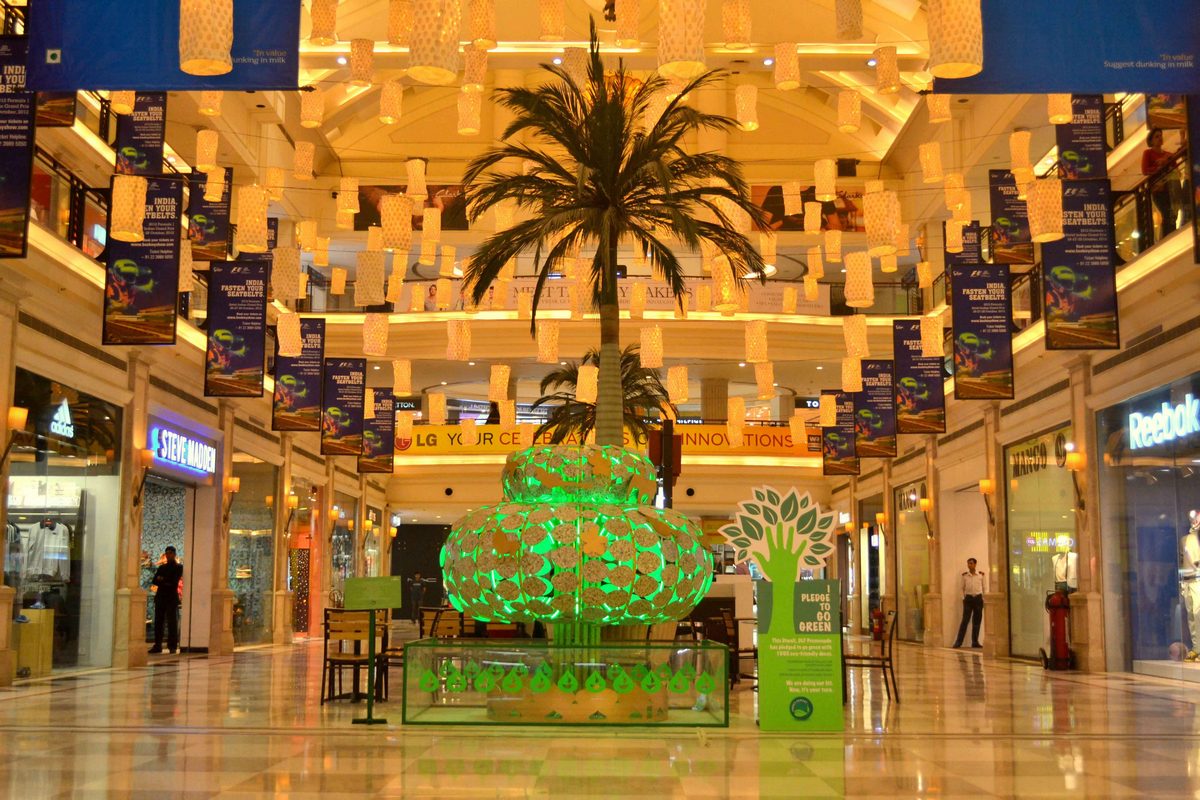
  • DLF Emporio: 10 years of a successful luxury retail journey

    DLF Emporio: 10 years of a successful luxury retail journey

    DLF Emporio is a name to reckon with in the evergrowing luxury retail space in India and the credit for its successful journey, spanning 10 years, goes to Dinaz Madhukar – a stalwart in the hospitality sector in India. Madhukar has over 24 years of operational experience with The Taj Group of Hotels, India’s largest luxury hospitality chain, as General Manager where she led multiple functions. Currently, she is responsible for providing executive leadership and management of DLF’s Vasant Kunj Retail Complex including DLF Emporio and DLF Restaurants – including the iconic Set’z. In addition to this, she is responsible for the management of DLF’s hospitality vertical, which includes The Lodhi. She also looks after the brand’s spanking new luxury addition to the capital – The Chanakya.

    Sharing the secret recipe of success, Dinaz Madhukar’s, EVP, DLF Luxury Retail & Hospitality says, “Luxury, in its very essence, thrives on exclusivity and personalized experiences. Technology, has proven to be a strong ally for the luxury brands and engagement with the audience has become more direct. We use the social and digital media to introduce disruptive content and creative campaigns to connect with our patrons, which leads to a direct impact on footfalls and sales.”

    In an exclusive interview with Shopping Centre News, Madhukar talks about the journey of DLF Emporio over the past 10 years, the challenges, expansion plans and the future of luxury malls in India.

    DLF Emporio has successfully completed 10 years of operations. Tell us about the journey been so far?

    When DLF Emporio started operations in Delhi in 2008, there was no antecedence on how to do it right. At that time no other real estate brand had forayed into the luxury retail terrain. For DLF Emporio, therefore, there was neither an example nor a benchmark; however, ten years of successful operations undoubtedly is a coup for the brand.

    In many ways, DLF Emporio remains a case study for the luxury retail spaces, across India. The mall is today globally synonymous with Indian luxury retail and has been catalytic in putting India back on the global luxury retail map. The Indian luxury retail trail, begins with DLF Emporio and goes on to set higher expectations for their next luxury project, The Chanakya. This young one-year-old property is wisely curated given its compact nature and is poised to cater to the niche and discerning young and mature digitally savvy audiences.

    What, according to you, are the key elements that determined the success of DLF Emporio?

    The success of every business depends on understanding the pulse of your customers and pre-empting and adapting to the change in dynamics of the everevolving market space.

    DLF Emporio has been very cognizant of creating bespoke customer and retailer experiences in keeping with aggressive marketing and promotion plans of its retail partners, and I think keeping pace with and supporting the marketing needs of each retailer and guest, is what has worked for us.

    The marriage of hospitality services with luxury retail has been key to best attend the needs of both the retail partner and our guests.

    If you were to look at the annual brand properties created by DLF Emporio right from the luxury shopping festival, to couture weddings, down to the shopping fiesta, every event property is focused at addressing and pushing targeted business goals of our retail partners, while showcasing the best of luxury fashion and hospitality to our loyal customer base. The idea is to continually support both our retail and customer audiences with winning propositions for each.

    In the past 10 years, how have you seen the fashion luxury market evolving in India?

    The Indian luxury retail industry has been on a growth trajectory ever since we opened our doors in 2008. We have actually seen the customers’ taste maturing over the years. When the luxury brands came into India it was more of a sellers’ market; however, today we see a conscious buyers’ market where subtlety and self-astuteness guide govern purchase behaviour. Our guests have always veered towards quality and craftsmanship, and today you will see a significant acceptance and slant towards bespoke merchandise and limited-edition products. The guests today adhere to the ‘less is more’ adage when it comes to investing in luxury.

    India has always been a great purveyor of luxury. The initial luxury patrons were the royalty and today the most decadent luxury products are consumed by not just HNI’s but also top CXO’s, young, mature and astute entrepreneurs. We have also seen the emergence of the young start-up communities egging their ways into the Unicorn universe; these are also voracious consumers of luxury.

    The trend now is slowly shifting from product and brand focused luxury to experiential luxury consumption. You do see brands reflecting this shift with their new verticals and product innovations. Earlier, technology was restricted to corporate corridors in the silicon valleys, however, technological disruptions are now becoming a norm across luxury brands. These tech-luxe disruptions are focused on capturing eyeballs and mind space of the more assertive, highly demanding and seriously articulate, young Millennials, who live their lives on, and consumer information on virtual and social mediums.

    How has the brand mix at the mall changed over the years?

    The brand mix has remained broadly the same. In fact, we have had to request some brands to give back some proportion of their spaces to us in order to pave room for new brands. As the market and the consumer evolved, we have seen an epic change in the kind of ranges and products that the brands started introducing in the mall.

    Monograms have made way for subtle luxury, and limited editions are becoming more coveted. The propensity to own, gave way to the intent to own curated, one-of-a-kind, products.

    What are the new brands that you are introducing this year?

    We have already introduced first-comers of luxury in India, including names like Berluti and Molton Brown. Polo by Ralph Lauren has also launched its store at DLF Emporio. We have added a global luxury porcelain art creator like Lladro to our brand mix, which makes the DLF Emporio luxury retail proposition even more exciting. India will continue to be a lucrative market for global luxury brands given its discerning customer mix and penchant for curated luxury.

    Do you see luxury shopping in India evolving in the future?

    2018 is turning out to be a massive year in the world of luxury retail in India. The retail industry has depicted a future forward and a very positive growth, and we see this trend continuing. Luxury is no longer the bastion of a few but fast becoming the remit of the successful first-generation entrepreneurs, the affluent corporate and the young and the aggressive successful start-up landscape.

    Older brand narratives are finding vibrant new platforms. Brands are re-inventing storytelling and showcasing disruptive innovations. The luxury shopper is now, an ever-expanding universe with audiences across various luxury access points, looking to fulfil varied and differentiated needs. You will now see a more exuberant and new age evolution of the luxury retail sector with global brands jostling for consumer’s minds space and share of wallet.

    And what steps are you taking to keep consumers coming to DLF Emporio for the next ten years?

    DLF Emporio has always been a forerunner in the luxury retail sector. We were the first to foray into luxury retail, and we have been agile enough to keep on top of our game. A decade is a long time, and we have successfully completed our milestone, replete with challenges, learnings and substantial deep dives into our customer’s buying behaviours and mindsets.

    For any brand to stay relevant it must appeal to the core interests of its customers and guests. We have kept the brands more than relevant, by offering unique experiences, the best in luxury brand offerings and superlative service experiences in a genuinely luxurious environment. We are committed to elevating our customer and brand experience with many more luxury retail disruptions in the near future.
  • Cover Story to expand retail presence; open new outlet at Bengaluru

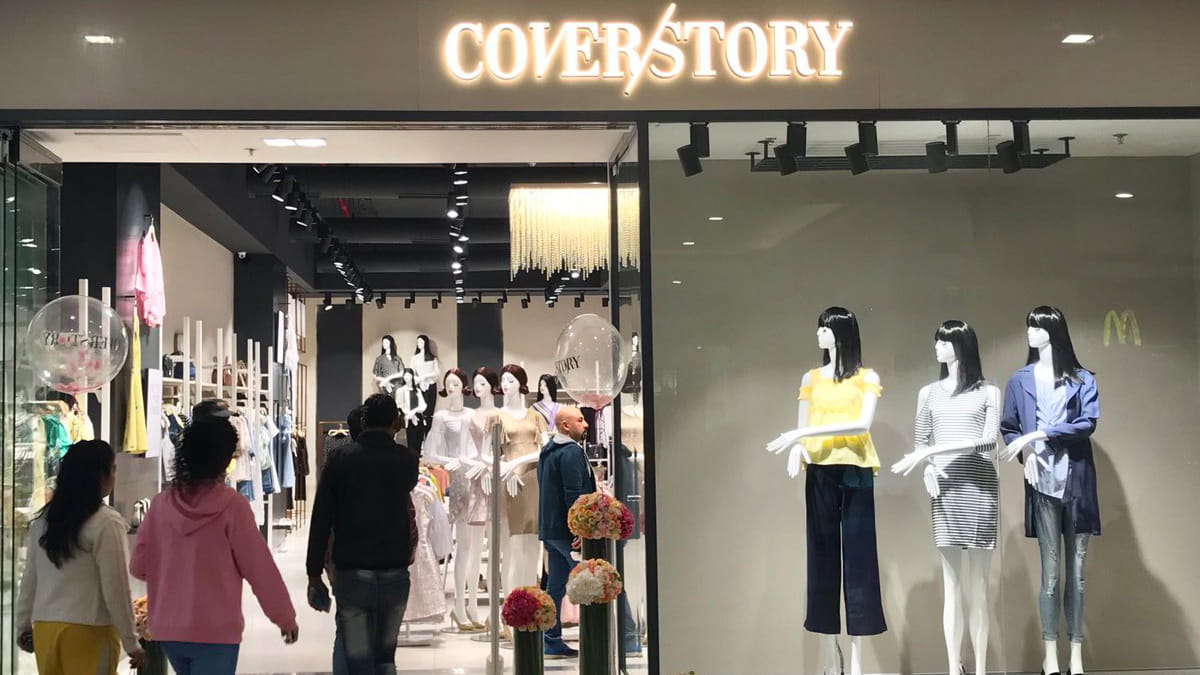
    Cover Story to expand retail presence; open new outlet at Bengaluru

    Cover Story, a fast fashion brand for women by Future Style Lab, will be launching its new store at Forum Mall, Bengaluru in the coming week. This is Cover Story’s 23rd exclusive store with an existing presence across Mumbai, Delhi NCR, Surat, Pune, Kolkata, Chennai, and many other cities. The store is placed at a prominent location in the mall amidst the most fashionable brands around.

    The sprawling area is an apt location for Cover Story with its state-of-the-art workspaces, retail havens, entertainment zone, F&B options, and signature hospitality services.

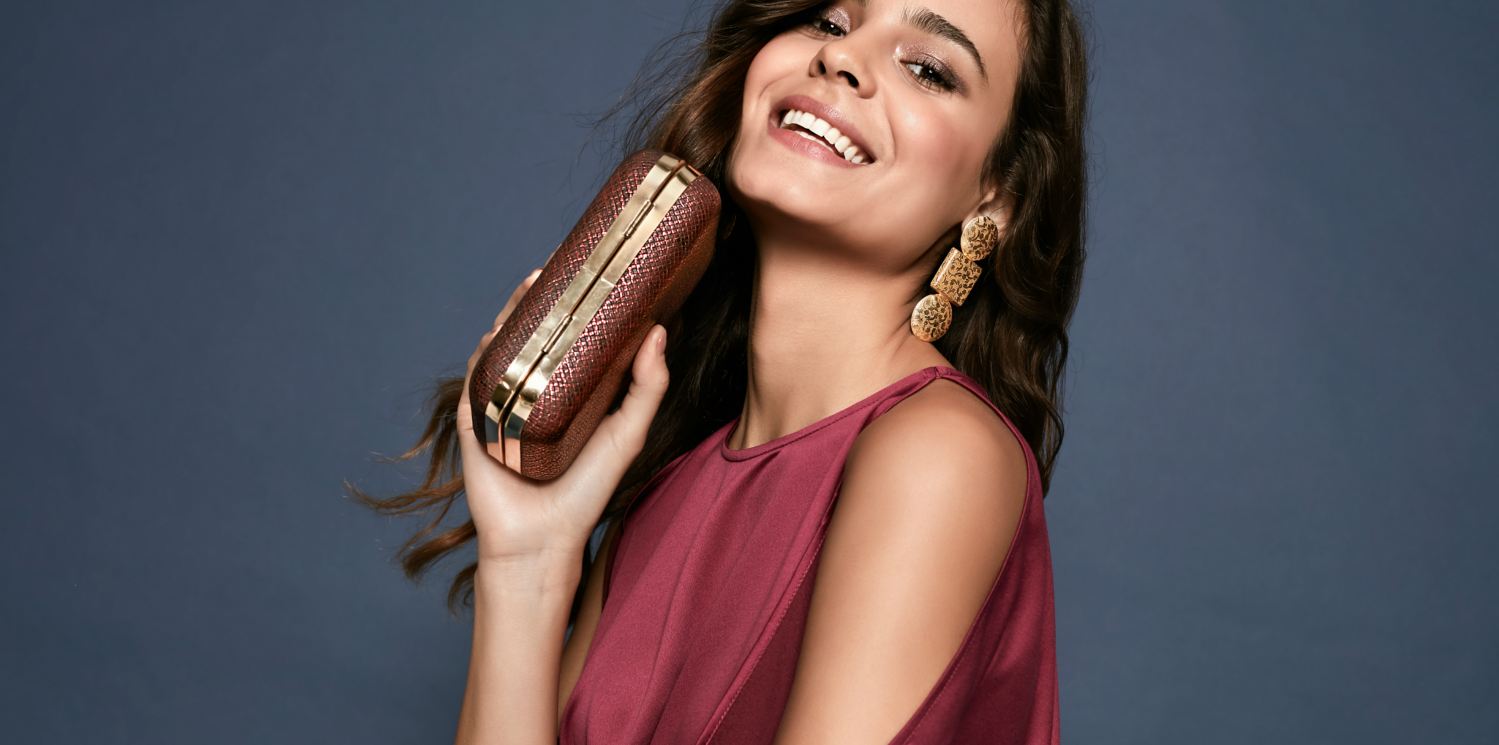
    The new store’s stock includes the latest Autumn-Winter’18 collection. The collection, designed at the creative headquarters in London, consists of women’s apparel and accessories, which include bags and shoes. The collection is inspired by the best runway trends seen across the world. This season the brand turned to the high streets of cosmopolitan cities for inspiration. When it comes to style in London, there’s nothing like High Street Fashion which displays the best trends from the runways across the world. Cover Story’s AW18 Collection features ready to wear styles that will give the Cover Story Woman (and her BFF) the confidence to turn the streets into their own personal runway. The collection, spread across 9 stories, has encompassed the key trends emerging this season.

    At present Cover Story has 22 exclusive outlets across Delhi NCR, Mumbai, Surat, Kolkata, Coimbatore, Kochi, Chennai, Indore, and Vadodara. Overall, Cover Story is present across more than 80 doors at Central, Kapsons, Iconic & Sohum. Additionally, the brand has its own online store to help cater its customer from anywhere, by simply visiting the website – www.coverstory.co.in Cover Story is retailed through online marketplaces including Myntra, Jabong, Amazon.in and Koovs.

  • India’s KOOVS.COM goes offline now exclusively at Central

    India’s KOOVS.COM goes offline now exclusively at Central

    KOOVS.COM, the ultimate fashion destination in India, has announced the launch of its first shop-in-shop presence exclusively at Central M.G Road, Gurugram, India. The launch saw Bollywood celebrity and fashionista, Kiara Advani walk the ramp in the brand’s latest collection marking the celebrations.

    Recognized for bringing latest fashion off international runways for both men and women to the country, KOOVS.COM now gives all fashion lovers an access to the collection offline. Customers can touch and feel the quality of the products, try them on to understand their best fit and buy their products from the store and get it delivered at their doorstep.

    Mary Turner, CEO KOOVS.COM, said “The brand is taking a step to get closer to our customer, by providing them the diverse range of the fresh fashion collection for both men and women. We are excited to see the response at the store and take customer interaction to the next level.”

    The venue was turned into mini London representing brand’s aesthetics and inspiration, resonating European fashion history and impressions of uber chic design philosophy.

    The brand is bringing alive the new trends in style through an aesthetic portrayal for the new age Indian consumers who have a global outlook and admire fashion in their everyday life.

  • Beccos plans expansion in India with 50 new stores

    Beccos plans expansion in India with 50 new stores

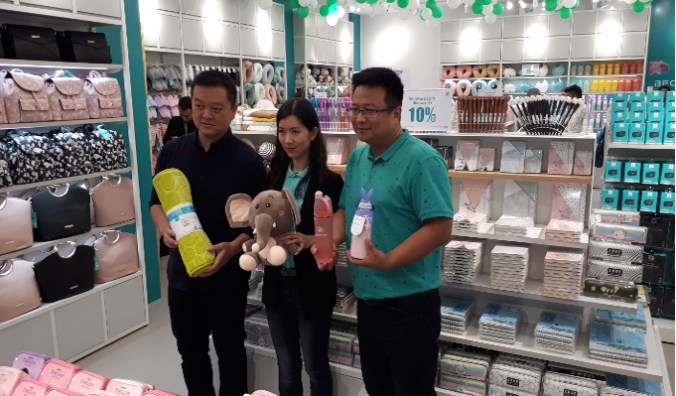
    Chinese-owned ‘South Korean designer brand’ Beccos says it plans to launch 50 stores in India. Scheduled to be opened by the middle of next year, the stores will require an investment of ₹100 crore (US$13.67 million) and are expected to return a revenue of around ₹200-250 crore ($27.35–34.18 million) in the next financial year based on the potential of the market.

    Like rival chain Mumuso, the store is positioned as Korean and using Korean design influence in its products, but is actually Chinese.

    The Hong Kong-based firm will also be investigating the potential of online sales in the region next year.

    Beccos global CEO Dabin Wang said: “We see tremendous potential in the Indian market… The company would have stores on company-owned-company-operated and franchise patterns. We would have a mix of both franchised and company-operated stores.”

    Beccos has started the expansion by opening its first few stores in Kamala Nagar.

  • Airport Retailing Consumer Electronics Market Witnessing a 2x Increase in Consumer Electronics Sales across SEA; India Most Lucrative

    Airport Retailing Consumer Electronics Market Witnessing a 2x Increase in Consumer Electronics Sales across SEA; India Most Lucrative

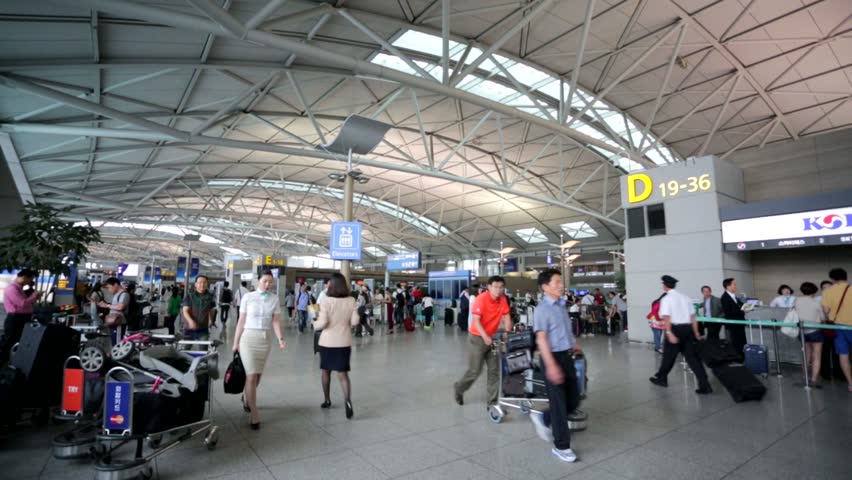
    The airport retailing consumer electronics market is foreseen to expand at a significant pace with global revenues crossing US$ 1,700 Mn in 2017, according to a new study. Traditionally pervasive as transportation service facilities, airports are now witnessing an influx of retail outlets for consumer electronics products. The shift in customer perspective toward airports as a retail destination continues to influence the growth of the airport retailing consumer electronics market.

    Fact.MR envisages that prospects for consumer electronics in airports are expected to remain promising, with the airport retailing consumer electronics market to grow at a CAGR of 6.3% in terms of value throughout the period of forecast, 2018-2028.

    The market valuation is likely to remain influenced by growing number of airports. Sales of consumer electronics in airports are projected to remain concentrated in the Southeast Asian (SEA) countries, making the region a lucrative market for airport retailing consumer electronics. India is poised to showcase higher market attractiveness in SEA during the forecast period on the back of steady economic development coupled with rising air tourism, according to the study.

    India’s lucrativeness in the airport retailing consumer electronics marketplace is attributed to rising number of air passengers. According to IATA (International Air Transport Association), the air passenger count in India is expected to reach 478 million by 2036. This is expected to present potential opportunities of growth for airport retailing consumer electronics in the coming years. In addition, sales of airport retailing consumer electronics on departure are likely to be on an upswing as compared to sales on arrival in the country. The report forecasts that the sales of airport retailing consumer electronics in India could exceed US$ 250 Mn by 2028.

    Growing sales of accessories are expected to largely contribute to the growth of the airport retailing consumer electronics market, according to the report. Consumer preference for accessories is projected to expand at a higher rate as compared to electronic devices. Against this backdrop, airport retailers are also planning to rent accessories for travellers opting for short trips.

    IATA projects that by 2036, global air passenger traffic is expected to reach 7.8 billion. This indicates that growth of airport retailing consumer electronics market is likely to remain significant in large airports. However, medium size airports are projected to showcase growing demand for airport retailing consumer electronics, says the report.

    Trend of hyper-personalization remains instrumental in driving growth of airport retailing consumer electronics market. With critical airline restrictions apropos to amount of goods to be carried in flight, a new personalised service in the airport retailing consumer electronics space has been witnessed. Airport retailing consumer electronics stores can use customer data from boarding passes, and deliver products to the customer’s destination. This trend is likely to influence growth in revenues of airport retailing consumer electronics in the coming years.

    Advertisements on flyers continue to remain instrumental in driving the growth of airport retailing consumer electronics market. Growing digitalization coupled with product displays on flyers are expected to influence sales of consumer electronics in turn presenting positive growth avenues for airport retailing consumer electronics market. This is likely to translate into increasing product sales across specialty retail stores in airports, consequently making them a key growth platform for airport retailing consumer electronics, says the report.

    As traditional brick and mortar sales are getting impacted due to mega trends such as relentless onslaught of online selling platforms, the physical retailing in airports is thriving. Overall, the airport retailing consumer electronics scenario remains positive and stakeholders can expect an optimistic growth path in the airport retailing consumer electronics market in the forthcoming years.

    The insights presented here are from a research study on Airport Retailing Consumer Electronics Market by Fact.MR

  • Pandora opens fifth concept store at New Delhi Terminal 1D

    Pandora opens fifth concept store at New Delhi Terminal 1D

    Pandora has recently opened its fifth store at New Delhi Terminal 1D. This will be the third store opening in 2018 for Pandora. The brand launched its first store at DLF Mall of India, Noida in April 2017, followed by Select Citywalk in September 2017, DLF Promenade in April 2018 and Galleria Market Gurgaon in June 2018.

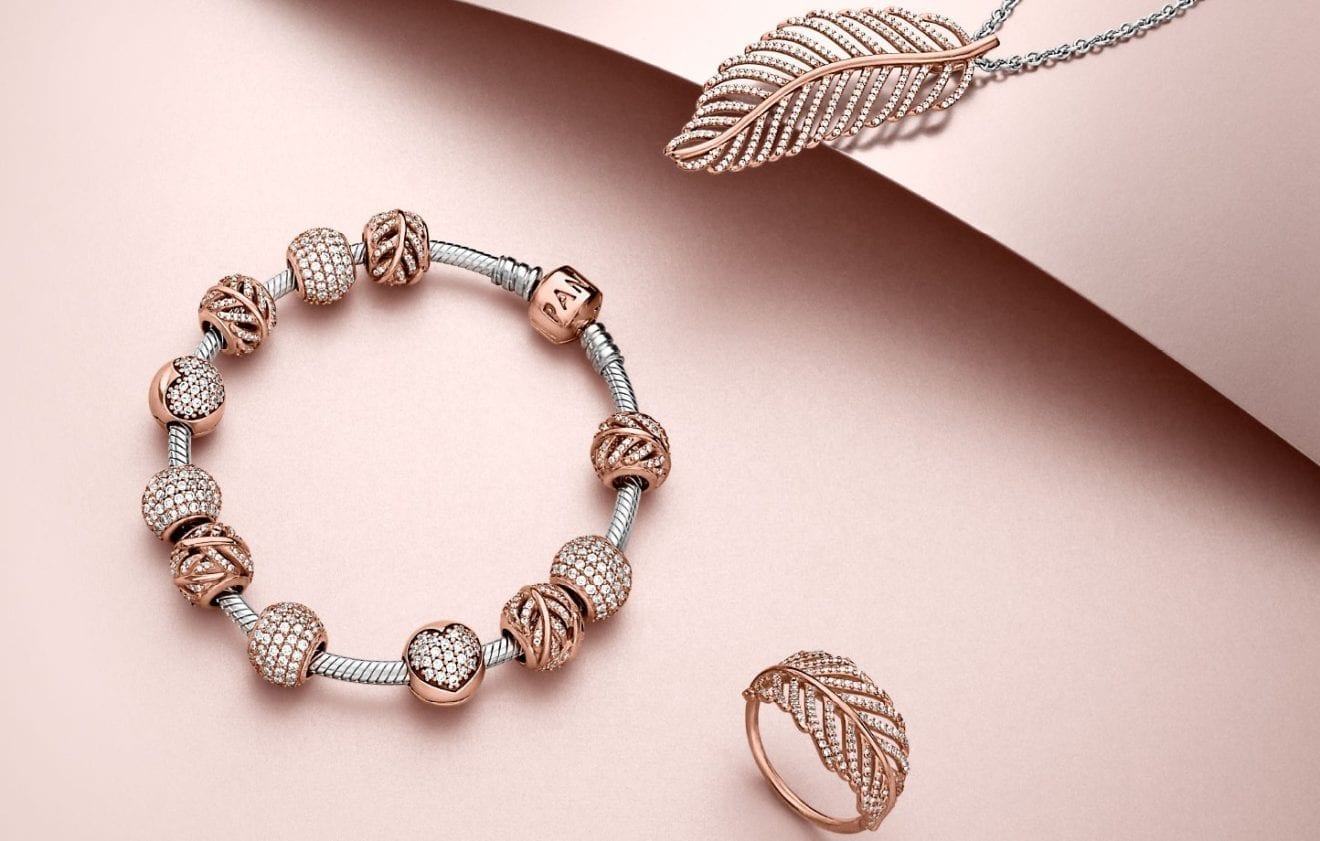
    The contemporary and aesthetically designed concept store is located on the ground floor of the domestic airport in the departure holding area of Terminal 1D, New Delhi. The new store carries the entire Pandora jewellery collection available worldwide, including the moments collection, the essence collection, Pandora Rose collection; the all-new 18k gold plated sterling silver-Pandora shine collection.

    Pandora has always encouraged women to empower themselves by celebrating their achievements. These collections are designed to capture life’s unforgettable moments at affordable prices.

    Speaking on the opening, Kanika Bakshi Talwar and Devika Bakshi, Managing Director, say, “We are proud to enter a different format of a concept store, our first in any airport in the country. This store will cater to a large variety of domestic shoppers outside of Delhi NCR and spread the excitement across various cities. Accessibility to our products would be easier now for travelers and we hope to expand further and provide an opportunity for all Indian consumers to acquire their Pandora products in the near future.”

    The Terminal 1D store is a medium size concept store, with all collections available in-store, and is aesthetically designed to give customers ample browsing space to make their shopping experience very comfortable in-transit.

  • Baby apparel FirstCry in talks with Alibaba, SoftBank for funding

    Baby apparel FirstCry in talks with Alibaba, SoftBank for funding

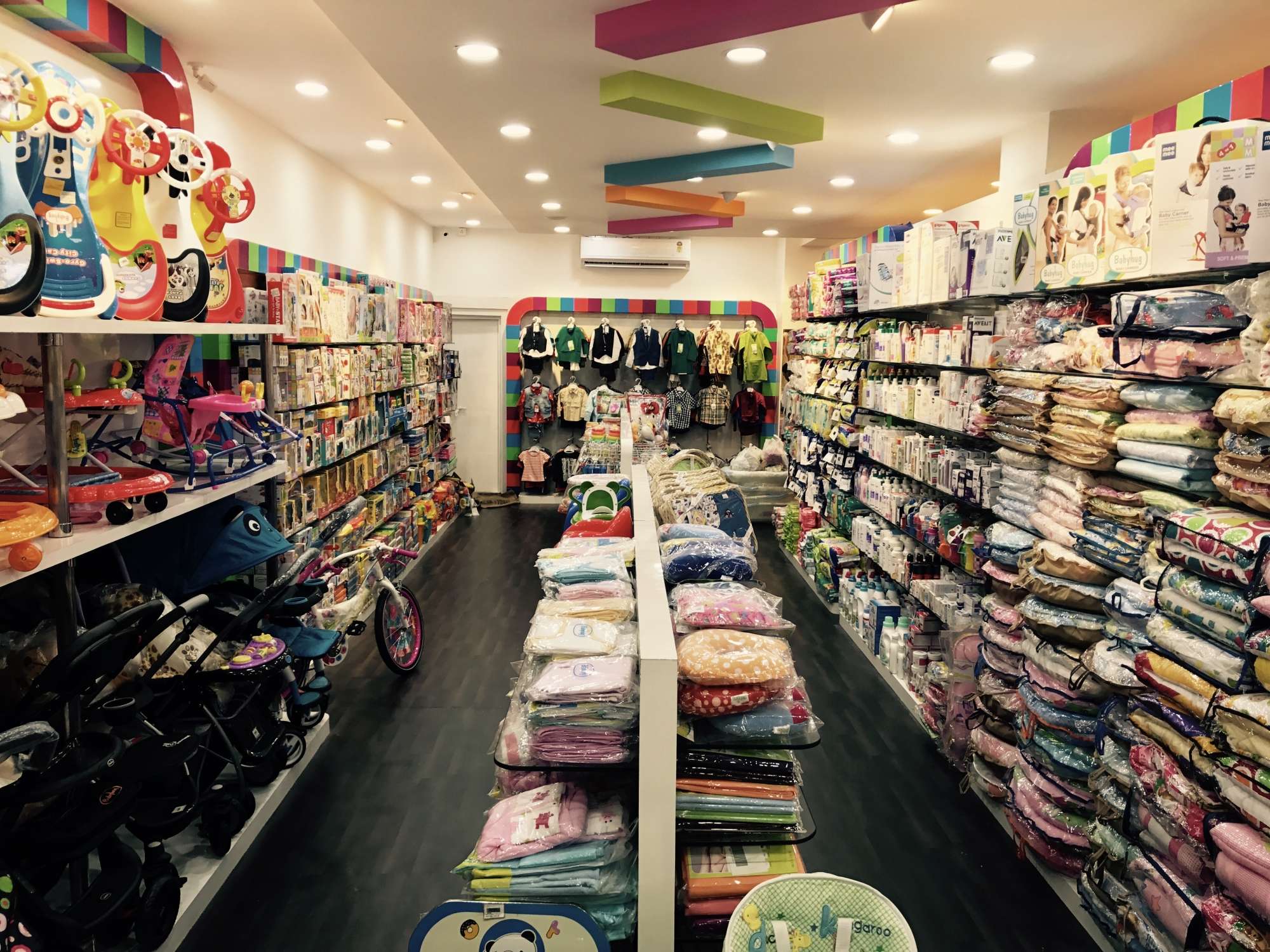
    Indian online baby product retailer FirstCry is in funding talks with Chinese e-commerce platform Alibaba and Japanese multinational conglomerate SoftBank Group. The firm is seeking at least US$100–$150 million in the deal in a move to put it at the forefront of the market, according to unverified reports. Both investing partners may participate in the funding if the deal goes ahead.

    While none of the parties have released statements on the proposal, previous reports have revealed FirstCry as seeking similar investment figures over the past year.

    FirstCry has raised more than $100 million since launching in 2010. The business derives the majority of revenue from a network of more than 300 stores despite the relatively small size of its offline business compared to its online presence.

  • Myntra launches its in-house plus size brand, Sztori

    Myntra launches its in-house plus size brand, Sztori

    Myntra has announced the launch of Sztori, its in-house plus size apparel brand, especially designed to suit a larger range of body shapes and sizes. It is essentially a designer wear in the plus size category, offering consumers, the perfect fit and multiple style options at affordable rates. The apparel is made to suit plus size body types rather than prove to be a mere extension in size on existing profiles, thus breaking the existing age-old norm in the Indian market.

    Post identifying a white space opportunity in the segment, Myntra set out to design and develop merchandise under a new brand to cater to the category and make wearers look fashionable with multiple style options at affordable prices, opening new avenues in the industry.

    Known for democratizing fashion across segments, the launch enables Myntra to go a step further and include size profiles into the ambit of ‘fashion for all’. It champions inclusivity in fashion, evaluating and emphasizing greater attention to styles, trends, designs, fit and fabric for plus sized apparel, in order to bring out the personality of the person wearing it. ‘Sztori’ derives its name and theme from Myntra’s ‘story’ of developing a brand that celebrates a person’s journey and spirit, helping to soar above shape and size.

    The brand offers a range of products for men and women, including, Tees, denims, tops, dresses and more in L to XXXXL (Large to 4 times Large) sizes. Shoppers can choose from over 225 styles and designs at prices ranging from Rs 799-1,999.

    Speaking on the occasion, Manohar Kamath, CXO and Head, Myntra Fashion Brands, said, “We are extremely delighted to announce the addition of Sztori to our portfolio of private brands. Plus size clothing is in great demand and it was time we offered something substantial in the category, opening up more avenues and possibilities for our customers. Research estimates that this segment will account for US$ 5-6 billion in the US$ 40 billion Indian online fashion apparel market, by 2020, which is approximately 10-12 percent of the overall market, making it an important proposition.”

  • Uber Eats India, CCD partner for virtual restaurant network

    Uber Eats India, CCD partner for virtual restaurant network

    Food delivery app Uber Eats in partnership with Cafe Coffee Day (CCD) on Friday launched a network of virtual restaurants that will offer more choices of ‘delivery-only’ restaurant brands. The first restaurant brand under this partnership is scheduled to launch in mid-November on Uber Eats app, the company said in a statement.

    “We are thrilled to partner with CCD – the pioneers of cafe culture in India,” said Jason Droege, Vice President of UberEverything, Uber Technologies.

    “Using experience and lessons learnt in the virtual restaurant space from our global operations, we hope to provide our Indian restaurant partners greater growth opportunities,” Droege added.

    Uber Eats is currently present in 37 cities in India while CCD has a network of 1,742 cafes across 246 cities in India.

  • Online jewellery brand Melorra aims Rs 40 cr revenue this fiscal

    Online jewellery brand Melorra aims Rs 40 cr revenue this fiscal

    Online jewellery startup Melorra aims nearly five times jump in its revenue at Rs 40 crore in the current fiscal on bullish demand from non-metro cities, Saroja Yeramilli, Founder and Chief Executive said Tuesday. According to a report: The company, which sells contemporary lightweight jewellery in gold, diamond and coloured stones, had clocked a revenue of Rs 8.5 crore in the first year (2017-18) of its business, she added.

    “Much of the demand is coming from non-metro cities. We are getting orders from smaller cities and adding 100 new cities for delivery every month. We expect our revenue to touch Rs 40 crore this fiscal,” Yeramilli said.

    With rise in Internet and smart phones users, the company expects revenue to touch Rs 100 crore mark in the next fiscal and start making profits from 2021 onwards, she said.

    The company’s unique selling point is affordable rates, modern designs and quality of gold and diamonds from recognised agencies, she added.

    That apart, the Bengaluru-based company does not carry any inventory as it makes gold jewellery on order and delivers to customers with a return policy in 30 days and lifetime exchange of jewellery at prevailing rates of gold.

    On investment plans, Yeramilli, who had once headed sales division at Tata group jewellery brand Tanishq, said the jewellery start-up has already raised US$ 12 million from a venture capitalist, out of which US$ 8 million has been spent on the business.

    “We still have funds. We will invest that and later look for more funds. Funding has not been a problem. Investors are keen to invest in our company,” she further said.

    Asked if the company would go offline, Yeramilli said, “There are no plans to set up retail outlets. Melorra is an internet brand and it will remain like that.”

    With 100 employees recruited at present, the company plans to expand its marketing and technology division to cater to the growing online customers, she added.

  • Jubilant FoodWorks Limited Q2FY19 standalone net profit rises yoy

    Jubilant FoodWorks Limited Q2FY19 standalone net profit rises yoy

    Jubilant FoodWorks Limited (JFL) has reported its financial results for the quarter and half year ended September 30, 2018. Operating revenues for Q2 FY19 were Rs 8,814 million, a growth of 21.3 percent over Q2 FY18 and a sequential growth of 3.1 percent over the previous quarter, driven by a strong same store growth (SSG) of 20.5 percent in Domino’s Pizza.

    EBITDA for Q2 FY19 came in at Rs.1,475 million at 16.7 percent of revenue, a growth of 44.4 percent over Q2 FY18. Profit after Tax in Q2 FY19 was at Rs 777 million at 8.8 percent of revenue and a growth of 60.2 percent over Q2 FY18.

    The strong performance in Q2 FY19 was a result of continued momentum driven by strategic initiatives taken during the recent past such as the product upgrade All New Domino’s, Every Day Value (EDV) extension to regular pizza and the continued momentum of online sales driven by the new Domino’s app.

    In particular, the new Domino’s app introduced during Q1 FY19 has been liked and received strong user ratings. Features like Easy Location Selection, Automatic Re-ordering, Train Ordering, Advance Ordering and hassle free payments have been well received. Online sales were up to 68 percent of delivery sales in the quarter, with 1.7 million downloads of the new app, the highest ever.

    The company stepped up the store opening momentum during the quarter, with 24 new Domino’s stores being opened, the highest in the last seven quarters.

    Dunkin’ Donuts too did well with strong growth driven by donuts and beverages; its losses more than halved over last year.

    Commenting on the performance for Q2 FY19, Shyam S. Bhartia, Chairman and Hari S. Bhartia, Co-Chairman, Jubilant FoodWorks Limited said, “We are pleased with our Q2 FY 19 performance. Strong growth momentum continues to be driven by successful execution of growth strategy outlined at the beginning of FY 2018. ”

    Commenting on the performance for Q2 FY19, Pratik Pota, CEO and Whole time Director, Jubilant FoodWorks Limited said, “Despite significantly increased competitive intensity, Q2FY19 was yet another strong quarter delivered by our continued focus on the basics. Growth was driven by a strong and sustained momentum in delivery orders. In particular, our digital focus showed good results with strong online sales growth, enabled by the new Domino’s app garnering strong user ratings and having a slew of innovative and user friendly features. Dunkin’ Donuts too delivered healthy growth and is moving towards profitability.”

  • Louis Vuitton New Delhi flagship store to go bigger

    Louis Vuitton New Delhi flagship store to go bigger

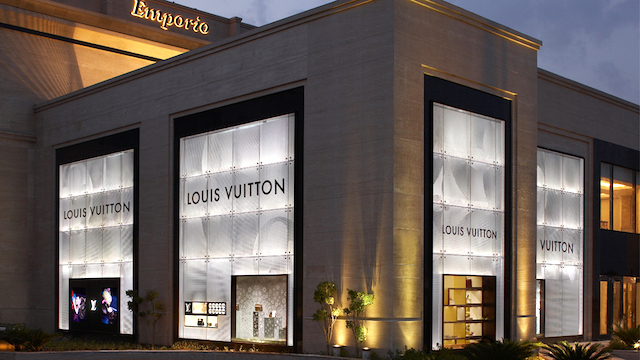
    The Louis Vuitton New Delhi flagship store is being expanded. The French luxury house, which has been present in India for 15 years, is expanding its DLF Emporio Mall outlet to another floor, and will for the first time house men’s and women’s ready-to-wear collections.

    The store’s decor uses both vintage pieces from Paris and furniture items especially created for the store, as well as Jaipur and Nepalese carpets.

    Interior designs were developed by creative teams based in France and Hong Kong. The first floor of the store is entitled “L’Appartement”, mimicking a luxury apartment with accessories and other higher-end products.

  • Fila opens its flagship heritage store in Pune India

    Fila opens its flagship heritage store in Pune India

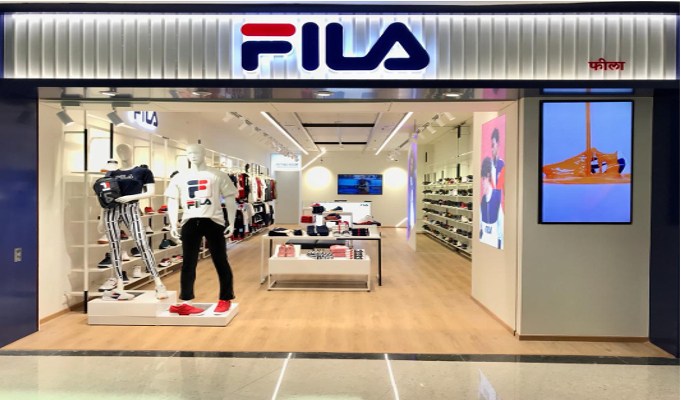
    After the success of Fila India’s flagship heritage store in Mumbai, Fila has just launched its new heritage store in Pune. Sneaking its way into the affluent neighborhood of Viman Nagar at the bustling Phoenix Market City mall Pune, the store is a 1,068 sq. ft. mecca for sneakerheads and sports fashion enthusiasts alike.

    The bold, oversized, backlit logo is configured to reveal the store’s exteriors from afar. Also reflecting its classic-meets-contemporary vibe with iconic red, white and blue colour palette, the muted store interiors serve as the ideal backdrop to showcase a show-stopping and vibrant Fila Heritage autumn/winter 2018 collection. Global campaign images are displayed around the store as a visual treat to the eyes.

    Talking about the store launch, Rohan Batra, MD of Cravatex Brands Ltd. said, “Quick on the heels of our flagship heritage store launch in Mumbai, we are excited to launch our second store in the young, vibrant city of Pune. With a dominantly cosmopolitan and fashionable student community, Pune seemed like the perfect pit stop on the road to taking on the sports fashion segment in India.”

  • BSNL, Nokia to collaborate on public safety networking

    BSNL, Nokia to collaborate on public safety networking

    Nokia and Indian state-owned operator BSNL are expanding their relationship with an agreement to jointly explore opportunities in the public safety sector.

    Under the agreement, Nokia will become BSNL’s OEM technology partner for public safety projects in support of the government’s efforts to advance public safety standards in the country.

    The two companies will explore developing solutions for first responders based on Nokia‘s ViTrust line of critical communications products.

    This will include the Nokia Ultra Compact Network, a portable solution designed to allow the deployment of a mission critical LTE mobile broadband network within minutes of arrival.

    The companies will explore opportunities in industry segments including smart cities, border enforcement, and mines and quarries in remote areas, and will work with India’s National Disaster Response Force (NDRF) to augment public safety communications systems with LTE technology.

    “As a trusted telecom service provider, BSNL is committed to providing the best technology solutions for public safety professionals,” BSNL chairman and managing director Anuam Srivasta said.

    “Our technology partnership with Nokia is a crucial step in this direction. We have a longstanding working relationship with Nokia, and this project starts a new chapter in our journey. Nokia’s innovation and leadership in mission-critical communications will allow us to deliver a best-in-class public safety network.”

    Last week the two companies announced another collaboration aimed at using LTE technology to improve operational efficiency at Nokia’s Chennai manufacturing plant.

  • India allocates license-free 5-GHz spectrum

    India allocates license-free 5-GHz spectrum

    The Indian government has freed up spectrum in the 5-GHz frequency band for use in the provision of license free Wi-Fi and short range 5G services.

    The government has issued a notification stating that no license will be required to establish or operate wireless equipment for the provision of low power wireless systems including radio local area networks, in parts of the 5-GHz band.

    The directive covers spectrum in the range of 5150-MHz to 5250-MHz; 5250-MHz to 5350-MHz; 5470-MHz to 5725-MHz; and 5725-MHz to 5875-MHz, and is designed to support short range communications such as for providing coverage for apartment buildings or shopping centers.

    This frequency range is used for the provision of Wi-Fi services worldwide, and can also be used to augment capacity for 5G services, according to SN Gupta, secretary general of the ITU’s APT foundation of India.

    It will support the government’s goal of improving Wi-Fi coverage nationwide. Under the Bharat Net program, the government plans to roll out 10 million Wi-Fi hotspots across the country in rural areas, and is in discussions with the market’s telecoms operators to augment Wi-Fi coverage in urban areas.