Tag: india

  • Everstone puts on the block a piece of Burger King India

    Everstone puts on the block a piece of Burger King India

    Five years after setting up the franchise for Burger King in India, homegrown PE firm Everstone Capital is set to offload a minority stake in the quick service restaurant (QSR) chain. Everstone, which holds about 88% of Burger King India, will offload 20%, valuing the chain at $300-350 million, according to two people aware of the development.

    As per the proposed transaction, about 30-35% of Burger King India will be sold through secondary and primary offerings. Parent Burger King Worldwide holds 12% of Burger King India.

    Advisory firm EY has been mandated to run the sale process, which is expected to be launched in a few weeks, said one of the persons cited above. Everstone will remain the controlling stakeholder after the transaction.

    F&B Asia Ventures, a pan-Asian food and beverage business platform controlled by Everstone Capital, owns and operates Burger King’s branded restaurants in India and Indonesia. Everstone joined hands with US fast-food chain Burger King Worldwide in 2013 to set up the franchise for the two countries.

    Burger King India grew 68% to post sales of Rs 237 crore in FY17 from Rs 141 crore in FY16. In FY17, the company generated average sales of Rs 2.7 crore from each of its 88 outlets opened till March 2017, while rival Westlife Development, which runs McDonald’s in the south and west, posted average sales of Rs 3.6 crore from each outlet. Burger King, however, notched up higher numbers than Jubilant FoodWorksNSE -0.78 %, where average sales per outlet were at Rs 2.1 crore from both its brands, Dominos, Dunkin’ Donuts, ET reported last year.

    Since its first outlet was opened in November 2014, Burger King India has grown into 140 outlets in more than 30 cities in India and is expected to cross 200 by FY19. The chain is present in Amritsar, Ahmedabad, Bengaluru, Chandigarh, Chennai, Hyderabad, Kochi, Ludhiana, Mumbai, Delhi-National Capital Region and Pune.

    If the deal materialises, it will be Everstone’s second part exit from the food and beverages (F&B) portfolio in the past year. In December, Everstone sold a stake in Massive Restaurants, owned by Jiggs Kalra and son Zorawar Kalra, to PE firm Gaja Capital.

    Brands on its F&B Asia platform include Harry’s, Domino’s (Indonesia), Burger King, Pind Balluchi and Duck & Rice. The fund has invested over `1,200 crore in the sector so far. Besides F&B Asia, Everstone also owns Pan India Foods Solutions, a platform with brands such as Spaghetti Kitchen, Copper Chimney, Gelato Italiano, The Coffee Bean & Tea Leaf, Bombay Blue and Noodle Bar.

    “Investor interest in Indian QSR is driven by the same trends that are driving consumption theme across categories such as demographics, urbanisation and eating out,” said Harminder Sahni, managing director of retail consultancy firm, Wazir Advisors. Multinationals have the advantage of global brand equity and experience. Indian brands are too young to compete as of now and have to tackle issues such as product development, supply chain, store expansion and consumer connect, Sahni added.
  • Chocolate maker Mars sees India as a key accelerate market

    Chocolate maker Mars sees India as a key accelerate market

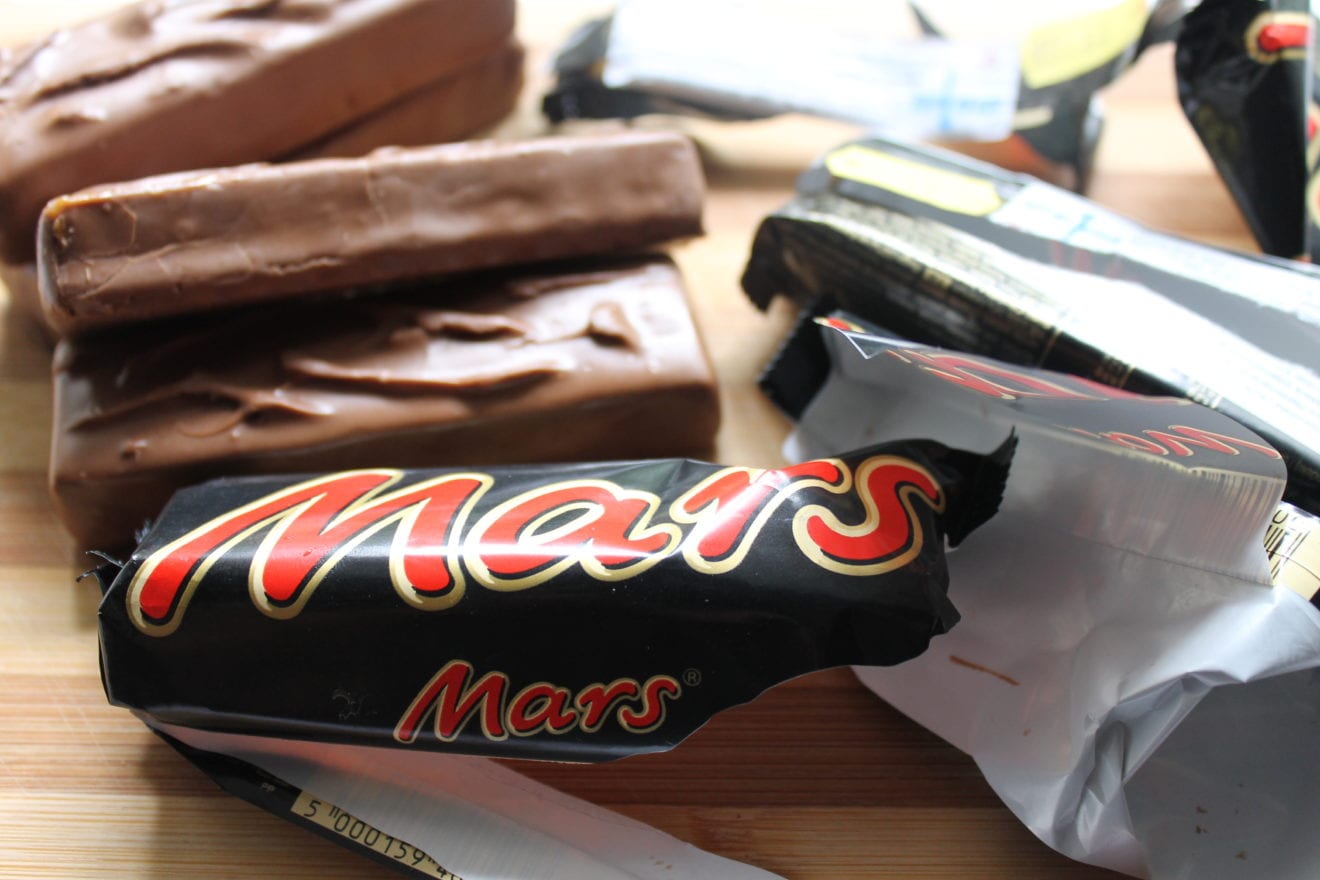
    US-based chocolate maker Mars sees India as a key ‘accelerate’ market and is ramping up its distribution network in the country to tap the high growth potential, a senior company official said.

    According to a report: The company, which has brands such as Snickers, Mars, Bounty, M&M, Double Mint, Boomer, Orbit, Galaxy and Twix in India, also plans to introduce one more brand in the next six to eight weeks to enhance its presence here.

    “India is a key ‘accelerate’ market in Mars Wrigley Confectionery Asia, Australia, Middle East and Africa (AMEA),” Andrew Leakey, Mars Wrigley Confectionery General Manager – India said.

    The company is investing to strengthen its distribution network and is building a sustainable supply chain here to expand its reach beyond metros and some key cities. The company has stronger growth ambitions and is taking a long-term view on the Indian market, he said.

    Presently, Mars Wrigley products are distributed through around 3,00,000 outlets and it is eyeing to take the number to over 5,00,000.

    “With our continued focus on growth in the India market through our expanding distribution network, flexibility to scale as per demand, ongoing efforts to build sustainable supply chain and strong market potential, we anticipate one-fourth of our growth contribution for AMEA region, coming from India, over the next few years,” he further said.

    However, he declined to share revenue or other financial details.

    Last year, Mars Inc integrated its Mars Chocolate and Wrigley segments in India, creating Mars Wrigley Confectionery (MWC) to tap high growth potential here.

    “We are taking a long term view over the business in India and the company is less concerned about the immediate paybacks,” he was quoted as saying.

    Leakey said that the company looks to introduce “products which are more relevant to the Indian market”.

    The company has an innovation centre in Bengaluru which is helping it to localise some of the flavours here.

    Asked about growth, he said, “Confectionary market is growing with CAGR of 9 percent in last 5 years and we are growing double than that and we would continue to grow at that rate.”

    To expand its reach in the mass market, Mars has introduced a small Rs 10 pack of Snickers as in India around 80 percent chocolates are sold in the Rs 10 price segment, he added.

    “Since we have launched it, we have doubled our distribution of Snickers,” he was further quoted by PTI as saying.

    Mars has manufacturing plants in Pune, Baddi (Himachal Pradesh), Hyderabad and Bengaluru and has plans to expand capacity when the demand increases.

  • Flipkart acquires Israeli startup Upstream to strenghten pricing capability

    Flipkart acquires Israeli startup Upstream to strenghten pricing capability

    India’s leading e-tailer Flipkart on Tuesday said it has acquired Israel-based Upstream Commerce startup for an unspecified amount to strengthen its selection and pricing capability.

    “The acquisition enables us to help sellers boost sales and serve customers better with Upstream’s advanced and data science-based intelligent solutions,” said the city-based retail giant Walmart-owned company in a statement here.

    A leader in real-time pricing and product assortment optimisation solutions, the eight-year-old Tel Aviv-headquartered startup builds cloud-based, automated competitive pricing and product analysis tools.

    “The acquisition will also help us to have an overseas centre to support our business in India with its 20-member team based in Israel,” a company spokesperson told IANS.

    Post-acquisition, the startup will continue to work in Tel Aviv and become one of Flipkart’s global centers for data science work.

    “Upstream’s solutions will enable us to give insights to our sellers, help them optimise product assortment, pricing strategy and find gaps in the market,” noted the statement.

    The buyout is in line with Flipkart’s vision to solve e-commerce challenges through innovations and will help provide wider selection and better pricing for its customers.

    “We have spurred e-commerce growth across the country and solved local problems through innovations. With Upstream, we will have tech and talent presence across Asia, Israel, the US and some global hubs for innovation,” said company’s Chief Executive Kalyan Krishnamurthy on the occasion.

    Backed by YL Ventures as a leading investor since its inception in 2010, the startup will be one of Flipkart’s excellence centres to do cutting-edge data science work.

    Upstream Chief Executive Amos Peleg said Flipkart’s choice to have presence in Israel through the acquisition was a vote of confidence in his team, technology and domain expertise.

    “We share the same passion for technology and vision for the contribution of data science in future and success of online retail as Flipkart,” said Peleg.

    Though Flipkart has been developing machine learning algorithms to improve the selection and pricing parametres for sellers and helped thousands of small and medium businesses get online, it is betting on Upstream providing it with automated pricing and planning better selection.

    “Upstream’s expertise will be a huge addition for us and our in-house AI capabilities, which will share actionable insights with sellers to help them make informed decisions on products and their pricing,” added Flipkart’s Marketplace Head Anil Goteti.

    The 11-year-old e-shopping portal claims to have over a lakh sellers and offers a whopping 80 million products across 80 categories, including smartphones, books, media, consumer electronics, furniture, fashion and lifestyle.

  • Myntra launches loyalty program, ‘Myntra Insider’

    Myntra launches loyalty program, ‘Myntra Insider’

    Myntra has announced the launch of its loyalty program, Myntra Insider. A first of its kind in the country, the program is a comprehensive package, designed to strengthen engagement with its users to drive stickiness on the platform.

    This open-to-all program allows Myntra to democratise fashion for every registered user through unique rewards and experiences.

    The Myntra Insider program hinges on three pillars – it rewards members for purchases as well as engagement such as browsing new categories, sharing feedback, wish listing etc. It offers a host of exciting perks across fashion and lifestyle, with offers from sellers on Myntra and lifestyle partners such as Zomato, TataSky, BigBasket, PhonePe, BookMyShow, EROS NOW, Zoom Car, Gaana to name a few.

    Myntra Insiders will be able to avail special privileges such as early access to sales, priority customer support, special birthday offers and more, depending on their Insider level.

    Based on their level of fandom, users are categorized to be either, Insider, Select, Elite or Icon, with each level offering greater benefits and privileges over the previous. The program will also offer unique experiences to its users such as a session by a stylist, modelling on Myntra content/platform and co-creating designs and styles for Myntra.

    Speaking about the program, Ananth Narayanan, CEO, Myntra-Jabong, said, “Myntra Insider is our endeavour to engage deeply with our users and celebrate our fans. We aim to encourage casually involved users to interact and indulge with Myntra and grow in their journeys to become our icons. The uniqueness of our program is two fold – our uniquely crafted experiences for our biggest fans and gamification of engagement through personalisation and inter-activity. We aspire to have 10 million Myntra Insiders signed up over the next 12 months. We want to make visiting Myntra a habit for our users and aim to get our fans to visit us over 100 days a year and make a purchase every month.”

  • Amazon, Samara Capital buy India’s retail chain More

    Amazon, Samara Capital buy India’s retail chain More

    Samara Capital, a private equity company, has teamed with Amazon to buy Indian grocery retailer More from Aditya Birla Retail.

    While the value of the deal has not been disclosed, it is reported a person close to the transaction putting it at around ₹4,200 crore (US$584 million).

    It is believed Amazon’s stake in the business will be capped at 49 per cent to comply with Indian foreign investment regulations. The balance will be held by Samara Capital, which is an Indian entity founded by former Citigroup executives.

    Amazon has already committed US$500 million to build its food retailing business in India, where it sees massive opportunity for growth.

    Analysts say that by investing in More, Amazon can build both online and offline food retailing operations simultaneously and find ways to marry the two. But it faces intense competition from Walmart which spent $16 billion acquiring Flipkart in a deal completed last month.

    More operates more than 500 supermarkets and 20 hypermarkets, ranking it fourth among Indian grocery retailers.

  • House of Masaba to host pop-up shop in Singapore

    House of Masaba to host pop-up shop in Singapore

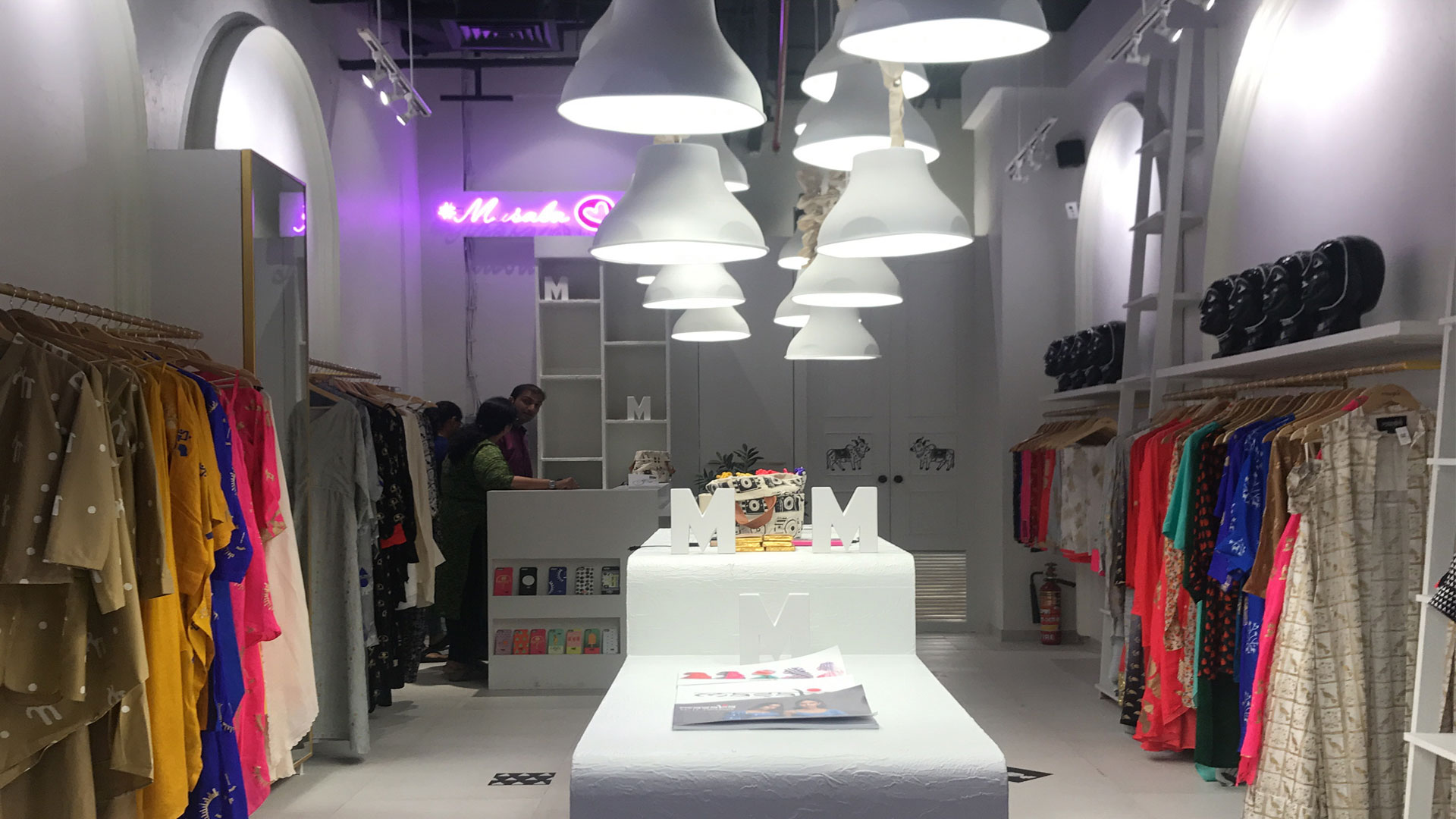
    Designer Masaba Gupta’s House of Masaba will open a pop-up shop in an Indian restaurant, Yantra, on Saturday (September 22).

    Located in Singapore’s Tanglin Mall, the store will present the brand’s latest collection and provide shoppers with a chance to meet the designer.

    Shoppers at the one-day long event, which closes at 6pm, will have the opportunity to meet Gupta and discuss styling options for her designs as well as ask about her inspirations.

    Gupta has held pop-up shows this year in several countries, including the US, Thailand, Canada and Hong Kong.

  • Flipkart gets over Rs 3,462 crore infusion from Singapore entity

    Flipkart gets over Rs 3,462 crore infusion from Singapore entity

    Flipkart Internet, the online marketplace arm of the Walmart-backed company, has received over Rs 3,462 crore fund infusion from Flipkart Marketplace, Singapore, as per regulatory documents.

    According to a PTI report: The fund infusion — done in two tranches — will provide more ammunition to Flipkart, which is locked in an intense battle with US-based Amazon for leadership in the burgeoning Indian e-commerce market.

    “…in accordance with the Letter of Offer dated August 14, 2018 circulated by the company for the rights issue of shares, the board of directors of the company be and hereby allot 14,57,598 Class A equity shares…for an amount aggregating to Rs 30,07,02,46,740 for cash to Flipkart Marketplace Private Ltd, Singapore,” regulatory documents filed with Corporate Affairs Ministry said.

    The resolution was passed at the board meeting held on August 30, 2018. The board, during the same meeting, also passed another resolution (in accordance to a Letter of Offer dated July 18) for allotting 2,21,002 equity shares for Rs 455.92 crore for cash to Flipkart Marketplace, Singapore.

    The fresh capital also comes close on the heels of festive sale season that not only brings in discounts and deals for customers, but is also an annual showdown of sorts between the two largest players in the segment — Flipkart and Amazon India.

    Market watchers expect the competition between the two to be even fiercer this year as both companies have invested significantly through the year to ramp up product offerings as well as logistics infrastructure to ensure speedier delivery.

    While Flipkart now has the backing of US retail giant Walmart (via a Rs 16 billion deal signed earlier this year), Amazon India too has received millions of dollar in funding through the year from the US parent across operations like marketplace and payments business.

    About 20 million people are expected to shop on various e-commerce platforms during the festive sale next month, translating into sales of around Rs 3 billion for players like Amazon and Flipkart, according to a report by research firm RedSeer.

    In a statement Tuesday, Flipkart said it expects to see a surge of 8-10X in sale of perfumes on its platform during the sale season. This growth, it said, would be on the back of an overhaul undertaken by the company.

    “Project ‘Authenticated’ promises a revamp of Flipkart’s portfolio comprising over 2000 perfumes and a seal of authenticity on the listing image, a new feature that showcases brand-approved sellers,” it said.

    The company will also add more exclusive partnerships and expand its collection of globally recognised labels in coming months, it added. The size of the perfume industry as a whole is predicted to grow 50 percent to Rs 3,000 crore over the next five years, the statement said.

  • India rice prices recover; low Thai rates dampen Vietnamese offers

    India rice prices recover; low Thai rates dampen Vietnamese offers

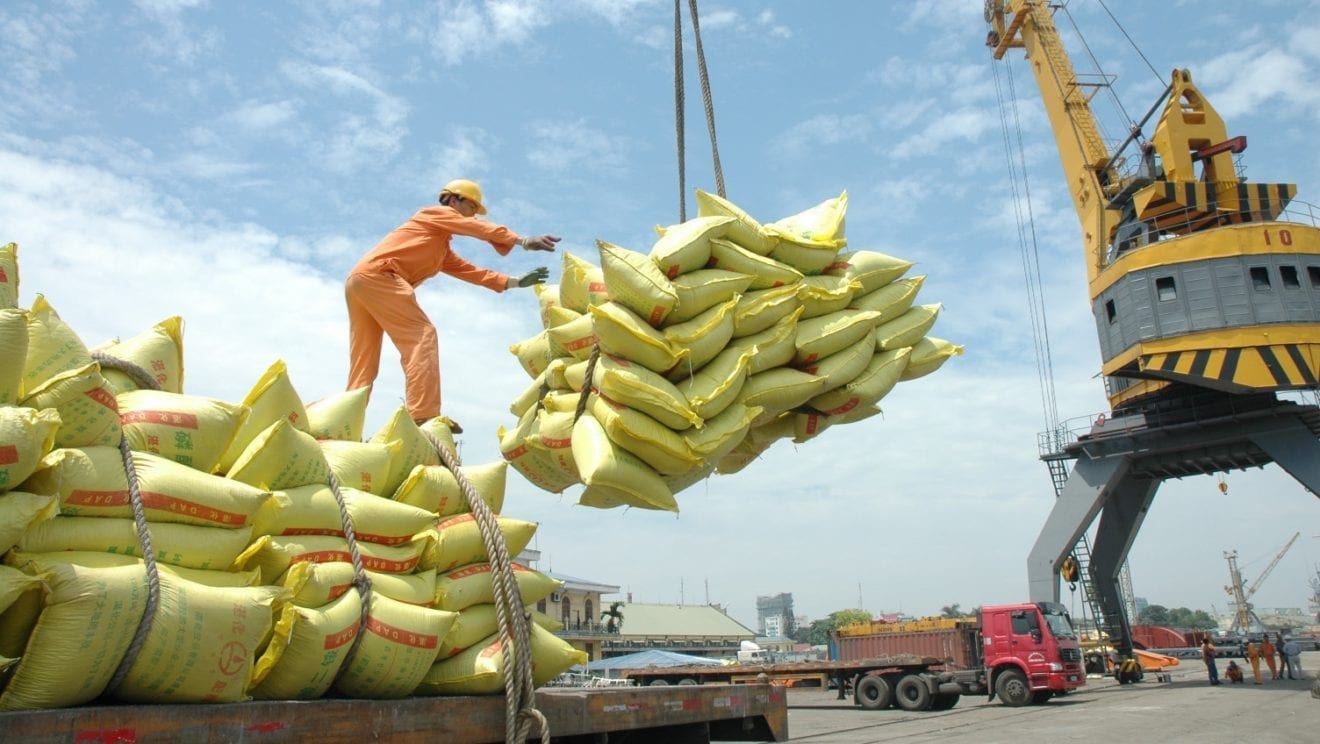
    Rice export prices in India recovered this week after demand improved, while rates for the Vietnamese variety eased.

    Rates for top exporter India’s 5 percent broken parboiled variety edged up by $2 per ton to $373-$377 per ton this week, from their lowest in 17 months last week.

    “Enquiries from African buyers have risen in the last few days,” said an exporter based at Kakinada in the southern state of Andhra Pradesh.

    Another exporter, based in Mumbai, said Indian rice was currently competitive due to rupee depreciation.

    The Indian rupee has lost more than 13 percent of its value so far in 2018, and plunged to a record low earlier this week, increasing exporters margins.

    Meanwhile, in neighbouring Bangladesh, rice output from the summer-sown crop ‘Boro’ hit 19.5 million tonnes, exceeding the target of 19 million tonnes, as farmers raised acreage to cash in on higher prices, data from the Bangladesh Bureau of Statistics showed.

    Last year, the country’s Boro rice crop, which accounts for more than half of the country’s typical annual rice production, fell to its lowest in seven years after floods destroyed crops.

    In Vietnam, traders offered benchmark 5 percent broken rice at $395-$405 a ton, slightly lower than last week’s $400-$405 range.

    Despite potential demand from the Philippines in the aftermath of Typhoon Mangkhut, which damaged paddy in the country, prices for the Vietnamese variety did not go up since Thai rates were lower.

    “If we increase prices further, people will just go and buy Thai rice,” a Ho Chi Minh City-based trader said.

    The south-Asian country, which has already completed the harvest of its two major crops, exported 4.5 million tons of rice in the first eight months, meeting around 70 percent of the whole-year projection of 6.5 million tons set out by the government.

    A trader estimated Vietnam’s current autumn-winter mini crop could yield around 1.8 million tons, half the volume of a major crop, with most of the rice likely to be kept for domestic consumption given the next harvest will not be until March 2019.

    In Thailand, benchmark 5 percent broken rice prices were quoted at $390-$393 per ton, free on board (FOB) Bangkok, unchanged from last week.

    While demand was flat, it would pick up in the near future due to natural disasters in the region, especially in the Philippines and Indonesia, traders said.

  • Walmart India opens 22nd cash and carry store in India

    Walmart India opens 22nd cash and carry store in India

    Walmart India, the wholly-owned subsidiary of Walmart Inc, Saturday announced the opening of its 22nd business-to-business Cash and Carry store in the country, making it the second Best Price Modern Wholesale store in Ludhiana and the sixth in Punjab.

    The new store simultaneously got integrated with the B2B e-commerce platform, making it the 22nd Best Price store to go online, a release said here.

    “I am very excited about opening the 22nd Cash and Carry store in India. It reiterates our commitment to India and our growth plans. Setting up a second store in Ludhiana and sixth one in Punjab reinforces our belief in the ease of doing business here in the state,” Krish Iyer, President and CEO, Walmart India said.

    The Best Price Modern Wholesale Store stocks over 5,000 items, including a wide range of fresh, frozen and chilled foods, fruits and vegetables, dry groceries, personal and home care items, hotel and restaurant supplies, apparel, office supplies, electronic goods and other general merchandise items.

    Punjab is an important sourcing destination for Walmart India and the company sources food items such as fresh vegetables, agri-commodities, staples, meat, and beverages and non-food items including plastic-ware, glassware, decor items, brooms, mattresses, among others.

  • Swiggy India expands services in 8 new cities

    Swiggy India expands services in 8 new cities

    The new cities are Dehradun, Puducherry, Mysore, Vijayawada, Nashik, Guwahati, Kanpur and Ludhiana, Swiggy said in a statement.

    The company has partnered with over 1,200 restaurants in these cities, it added.

    Commenting on the development, Swiggy COO Vivek Sunder said, “Expanding to these eight new markets is very important to us”.

    Over the years, Swiggy has played an instrumental role in making food ordering and delivery more accessible, reliable and convenient for consumers across the country, he added. Founded in 2014, Swiggy is an online platform with over 40,000 restaurant partners spread across 27 cities.

  • V-Mart Retail evaluating Omnichannel strategy to expand business

    V-Mart Retail evaluating Omnichannel strategy to expand business

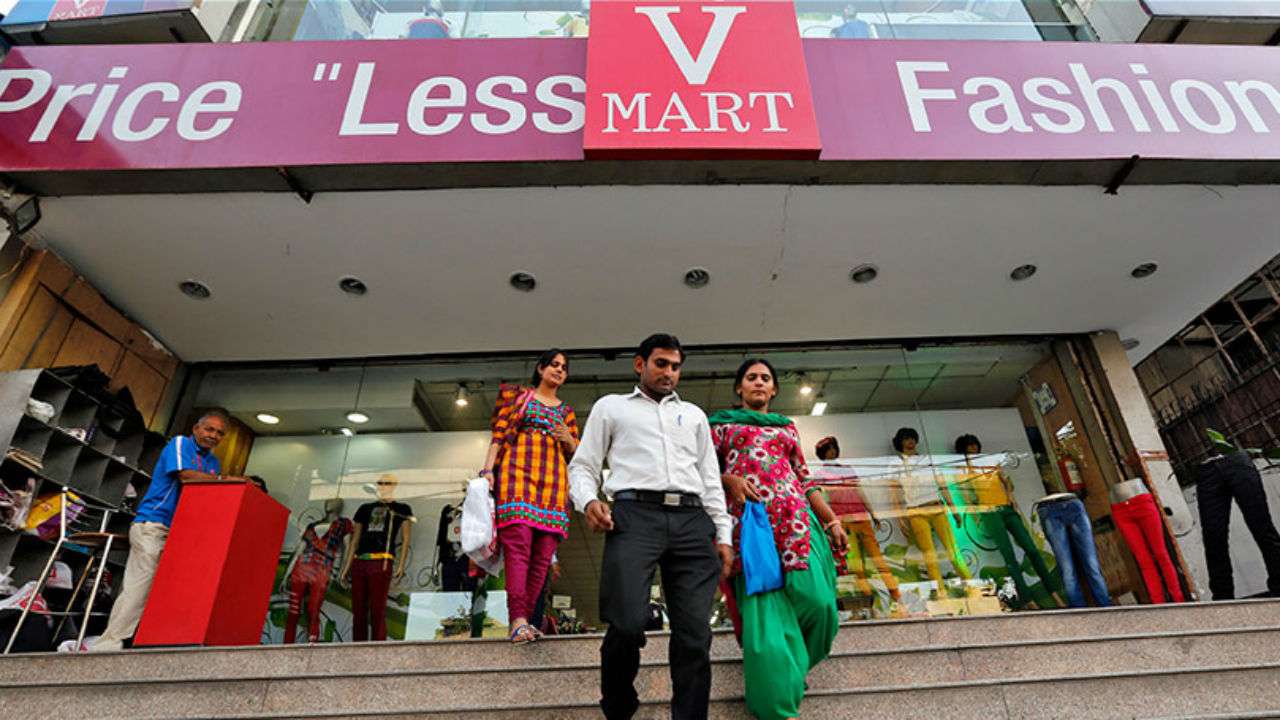
    Value fashion and lifestyle products retailer V-Mart Retail, which primarily operates in smaller towns, is evaluating a Omnichannel (offline and online retail) strategy to expand business and reach its customers.

    According to a report: The company is also looking at investing Rs 100 crore next fiscal to open new stores and setting up a new warehouse.

    V-Mart primarily operates in Tier II, III and IV cities and follows a cluster-based model approach to expand and has a set a target to invest Rs 300 crore to double store count and treble its turnover to Rs 3,500 crore in the next five years.

    “We are considering an Omnichannel strategy and plan to get into online retail to reach our customers. It may happen by end of next year,” Lalit Agarwal, Chairman and Managing Director, V-Mart Retail said.

    It currently operates about 185 outlets in over a dozen states in India. The company plans to add more than 200 stores in the next five years to create a network of 400 outlets.

    In 2017-18, the company had reported a revenue of over Rs 1,200 crore.

    The company also plans to invest Rs 100 crore next fiscal to open new stores and set up a new warehouse in the country.

    “We are looking at setting up a new warehouse to service our stores. It will come up in Uttar Pradesh or Bihar,” Agarwal further said.

    About 75 percent of V-Mart’s stores are located in just four states — Uttar Pradesh, Uttarakhand, Jharkhand and Bihar.

    V-Mart, at present, has a distribution centre located near Gurugram to service all its stores.

  • India to have first cashier-free store

    India to have first cashier-free store

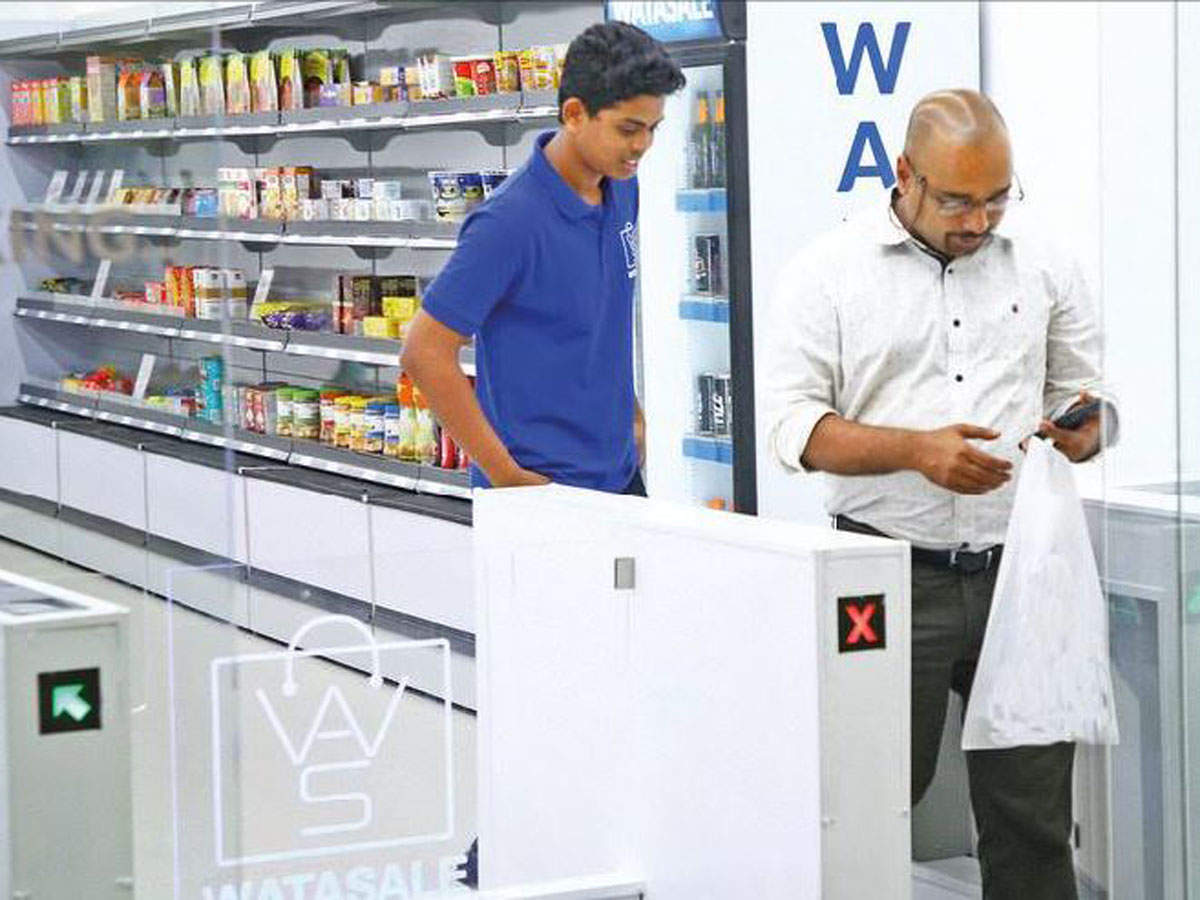
    The first automated, cashier-free store in India has opened its doors.

    Watasale, which has opened in Kerala, has no staff on sales or cashier duty and customers are not expected to scan products or wait in line. Shoppers carrying their smartphones can walk in and out of the store without needing to check out any items for sale. The store’s AI allows customers to purchase from the store by scanning a QR code.

    “Back in 2015, it was a time when machine learning and artificial intelligence was really coming out,” explains the firm’s COO Richu Jose. “We knew any segments can be disrupted using this technology. If you look at the market structure, the retail segment was still following the age-old technologies. We found it as a ripe ground for innovation and disruptive technologies.”

    Chief marketing officer Rajesh Malamal said that the firm believes “our systems are more economical and scalable in comparison to Amazon’s solution”.

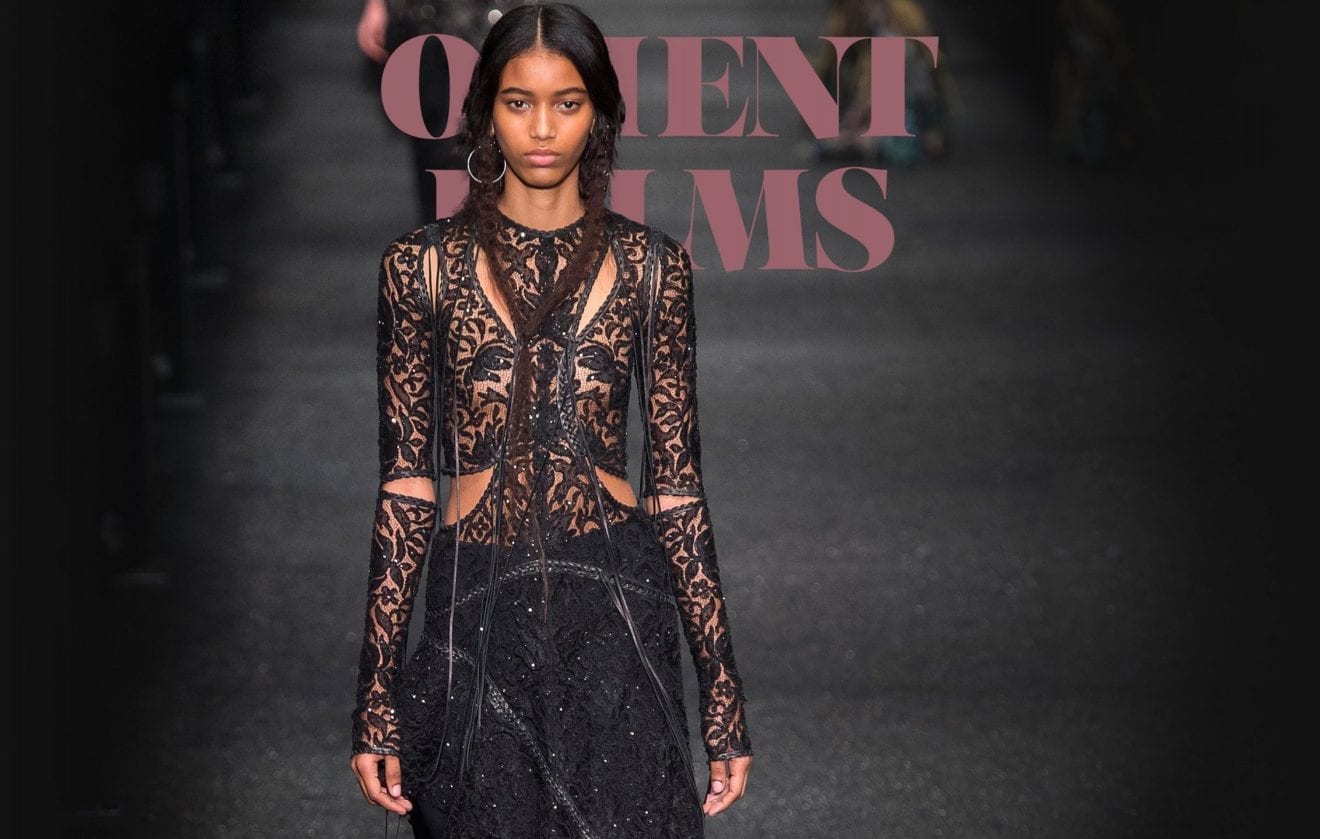
  • Saint Laurent, Alexander McQueen to open first India stores

    Saint Laurent, Alexander McQueen to open first India stores

    Two of Europe’s biggest luxury fashion brands are opening official stores in India next year, according to reports.

    French label Saint Laurent and British Alexander McQueen are set to enter India with respective debut standalone stores, sources said last week.

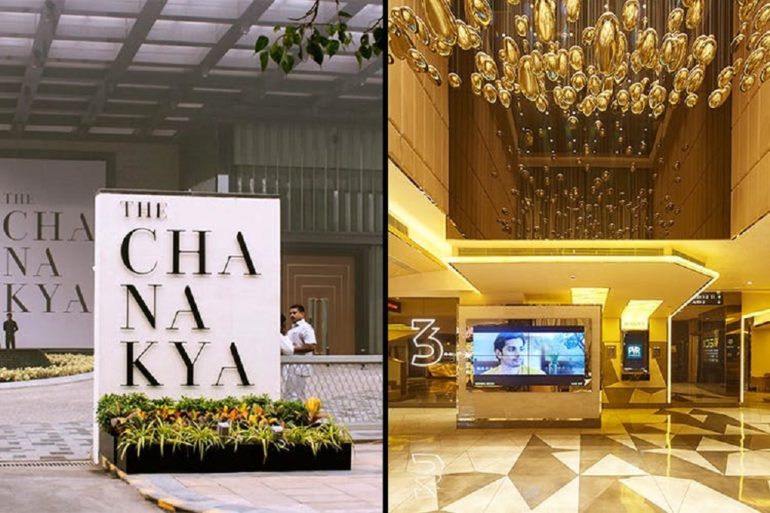
    With a letter of intent signed, the stores are expected to bow in DLF’s Chanakya mall in Delhi mid-2019.

    “There are plans to launch the two brands in Chanakya by the middle of next year,” one of the persons cited earlier said.

    “A letter of intent has been signed between the brands and DLF and the lease deed is awaited.”

    Both luxury brands, which form part of the French conglomerate Kering, already have a soft retail presence in India, being stocked in local boutiques and e-stores.

    Alexander McQueen products are available through multi-brand portals like Rock N Shop, while Saint Laurent is currently sold via stores Kitsch and Luxe Polis, among others.

    It is not understood if the brands plan to roll out more India stores in the near future, nor if the current retail partnerships will remain once each respective flagship opens.

    The Chanakya mall, which reopened in 2017, has attracted a number of international luxury brands such as Ted Baker, Thomas Pink, Diesel, and Rolex in the last twelve months.

    Founded in 1992, Alexander McQueen has standalone stores in the UK, US, France, China, Italy, Thailand, and Japan among other countries. Kering acquired it in 2010, and bought a majority stake of 51% in the brand.

    Saint Laurent was founded in 1961 and is also part of the Kering Group. For the first half of 2018, the Kering Group reported consolidated income of €6.432 billion.

  • Pepsi India to install plastic crushing machines across Maharashtra

    Pepsi India to install plastic crushing machines across Maharashtra

    Food and beverages firm PepsiCo India is planning to install reverse vending machines to crush PET plastic bottles in all the 36 districts of the state over the next two years as part of its plastic waste management initiative, a top executive said.

    According to a report: It aims to collect, segregate and recycle 6,500 tonnes of PET bottles in the state in the first year through this initiative.

    “We plan to roll out this (plastic waste management) initiative to all the 36 districts of the state over the next two years,” Neelima Dwivedi, Vice President, Pepsi-Co India said.

    In a meeting with chief minister Devendra Fadnavis in Nagpur in July, PepsiCo India’s president Ahmed ElSheikh had said the company is committed to the government’s vision and focus on addressing the issue of plastic waste in a sustainable manner.

  • India is Hyundai’s land of opportunity

    India is Hyundai’s land of opportunity

    Hyundai Motor is still working hard to woo Indian consumers as the world’s second-most populous country emerges as one of the fastest growing markets in the global auto industry.

    Hyundai Motor Vice Chairman Chung Eui-sun made a speech at the first Move Global Mobility Summit on Thursday, presenting the automaker’s plan to pursue future mobility and its dedication to the Indian market.

    The summit is a two-day state-run event taking place in New Delhi under the theme “Shared, Connected and Zero Emissions Mobility.” More than 1,200 attendees, including the CEOs of auto giants and start-ups, will participate in discussions centering on future mobility.

    “Hyundai Motor will actively pursue to become a smart mobility solution provider from a manufacturer,” Chung said in his speech.

    “I am certain that innovation in mobility will improve not only people’s lives but also improve environment and energy issues at the same time. It will also act as a means to connect the urban with the suburban and a person with another person,” he added.

    Chung also unveiled plans to launch a total of four eco-friendly vehicles in India in the near future, three of which will be electric models and the fourth a hydrogen-powered Nexo.

    Hyundai Motor, the world’s fifth-largest automaker, has seen huge potential in India’s auto market for some time.

    India is currently the world’s fourth-largest auto market, posting a year-on-year sales growth rate of 9.5 percent according to 2017 market data.

    Hyundai Motor established its Indian office in 1996 and has been using the regional office as an export hub, sending cars made there to more than 90 countries.

    Hyundai Motor is currently the No. 2 player in India. It sold some 320,000 units this year as of July, posting a year-on-year growth rate of 7.5 percent. The i20 hatchback and small SUV Creta are the most popular models.

    Most recently, the automaker has made a hefty investment in local car-sharing start-up Revv.

    Hyundai’s smaller affiliate Kia Motors belatedly entered the Indian market in 2017 by starting the construction of a local factory with a $1.3 billion investment. It will start sales of its models from next year.

    At the forum, Hyundai Motor summed up its strategies in pursuing future mobility with three keywords – clean mobility, freedom in mobility and connected mobility.

    “India has been taking significant steps toward the future it has long dreamt of,” Chung said. “[The country] will play a leading role not only in the manufacturing industry but also in ICT in the face of the fourth industrial revolution as well,” he added.

    According to Hyundai Motor, Chung attended a tea meeting with Indian Prime Minister Narendra Modi and 50 other global companies CEOs after making the speech on Thursday.

    The CEOs of Maruti Suzuki, Mahindra & Mahindra, Tata, Toyota, Ford, Mercedes-Benz, Uber and SoftBank all attended the summit.