Tag: india

  • Air Asia India offering cheap flight tickets starting at Rs 1,199

    Air Asia India offering cheap flight tickets starting at Rs 1,199

    AirAsia has started its ‘Trust your Wanderlust’ promotional sale under which it will be selling flight tickets starting from Rs 1, 199.

    The promotional sale includes domestic destinations such as Kolkata, Hyderabad, Chennai, New Delhi, Kochi, Goa, Guwahati, Jaipur, Chandigarh, Pune, Ranchi, Bagdogra, Bhubaneshwar, Indore and other places.

    The offer could be availed on tickets booked till 2 September 2018, and discounts applicable on travel period up to 17 February 2019.

    The sale offers the cheapest ticket of Rs 1, 199 for travel between 27 August 2018 and 17 February 2019, from Bengaluru to Hyderabad; and Rs 3,499 for travel from Amritsar to Bengaluru.

    The sale, however, does have its own terms and conditions that include a non-refundable processing fee for payments made via credit cards, debit cards or charge cards.

    The fare includes airport taxes (this is not applicable for selected airports where taxes are collected at departure entry point), and all taxes should be paid during purchasing of the tickets.

    The offer would be valid for new purchases only as seats would be limited. Bookings to avail the offer could be done on the company’s official website. The sale does not offer any refunds once the payment has been made.

    The company has further stated that it reserves the right to change its terms and conditions of the offer without a prior notice and has the right to deny any passenger from boarding without proper documentation.

    The offer would be subjected to availability and flight and date changes are subject to a change in fees.

  • The Supply Chain management dynamics in the Indian retail industry

    The Supply Chain management dynamics in the Indian retail industry

    Efficient supply chain management has a cascading impact on all aspects of retail – from sourcing of raw materials based on demand forecast and then speeding up the production to getting the product to the store and finally to the consumer, everything depends on the supply chain. Experts unanimously agree that besides infrastructure and complications in taxation, it is the efficiency of manpower and adoption of technology that gives a huge boost to supply chain management. However, it still remains to be seen whether the Indian Retail Industry has actively invested in the smooth running of its backend supply and logistics.

    Setting the context of the story, Farah Malik Bhanji, Metro Shoes says, “While supply chain may be invisible to the end consumer, it is definitely very visible on a business’ balance sheet. It is as critical to the functioning of a retail business, as the central nervous system is to the functioning of a body. A warehouse is the heart of a business and the nerves are the dispatches across the retail network.”

    Malik throws light on two aspects of supply chain management –the first is the physical movement of goods and the second is the tracking of these movements and bringing efficiencies into place. She points out that where there is not a very high level of talent needed for the former with goods needing to go from A to B, it is however vital to know the processes, and the flow of supplies and to understand that to be able to achieve the latter.

    Vasanth Kumar, Managing Director, Lifestyle International shares, “Supply chain is increasingly getting sophisticated on two counts: one is that there is constant demand to deliver freshness always at the B&M stores. And two, we are moving to an Omnichannel world where customer delivery happens through real time supply chain connecting warehouse or store inventory for which supply chain needs to implement advanced ERP/ planning tools to be effective including web order fulfillment. With the advent of e-commerce and Omnichannel, the supply chain function is no longer limited to B2B as it now encompasses B2C deliveries direct to customer. And the single biggest factor which affects NPS is quality of deliveries which is very much the responsibility of the supply chain. This is a huge shift in terms of mindset and capabilities indeed moving from cost efficiency to customer experience orientation.”

    Echoing the effects of e-commerce in shaping up supply chain management efficiency, Hemant Gupta, Chief Operating Officer & Chief Finance Officer – The Mandhana Retail Ventures Ltd. shares, “The introduction of e-commerce in the Indian market has brought about a drastic change in the retail scenario leading to a different perception of the supply chain management. The advancement of technology has helped decrease manual processes comparatively and has also been adopted by our logistic partners and warehouses easing out the entire supply chain process.”

    Talking specifically about the jewelry sector, Vijay Jain, CEO & Founder Director, ORRA shares, “Historically, supply chain in diamond jewellry centers around trust and long term relationships and while prior experience, or training/ certification in diamond and allied areas is given due regard is taken as secondary to integrity and trust. However, given the new complexities of businesses what is held in premium is skills that understand the trade offs in managing inventories, vendors, commercial demands, deliveries, and responsiveness to market conditions and balances the pressures across departments, like design, merchandising, procurement, vendor management and logistics. Mind sets required to run the front end part of the business and supply chain are different.”

    Moving towards food, the role that supply chain management plays cannot be underestimated. Gaurav Dewan, COO & Business Head, Travel Food Services shares his take, saying, “India today has a burgeoning economy, rising urban population and a fast growing middle class; and along with an increase in their disposable income, there has also been a proportionate rise in travel and consumption rates. However, given the vastness of the country, and the magnitude of people, there are definitely challenges involved, being in the F&B sector. Among the major challenges that we face, the lack of proper infrastructure is one that has hampered the growth of the food retail sector across the country. And while we are in the process of developing the right infrastructure to support the growth, we also need to build a network of reputed and reliable suppliers, to move away from the current scenario of multiple vendors and lack of aggregators for products. Because of this, we also face challenges in the distribution system, which is quite poor across the country.”

    “The logistics and supply chain management function has been undergoing an unprecedented transformation in the last few years, fueled by innovations in IT and digitization. Government initiatives like Make in India and Digital India are providing thrust towards the logistics and supply chain management function. According to a study by The Associated Chambers of Commerce and Industry of India (ASSOCHAM), the logistics market in India is expected to grow to US $307 billion by the year 2020, recording a CAGR of 16 percent on an average,” says Vivekanand, Country Manager, India & SAARC, Greyorange.

    Complications & Challenges

    Complications in taxation are one of the biggest hurdles gripping the industry besides infrastructure. Where GST has bee introduced to simplify the taxation woes, there seems to be a long way to go before the issue of taxes, invoicing etc. cease to be an issue. Gupta explains, “The challenges we face are more on the statuary compliance side with the change in laws on day-to-day basis like the introduction of GST and error in E-way bills due to lack of knowledge and inefficient websites. Currently due to the difficulty in generating the E-way bills, the entire process of movement of goods has been slowed down.”

    On the challenges, Malik says, “While logistics companies are doing very well today, there is still a lot of uncertainty involved in Tier II players. Tier I logistics players are still very highly priced and have not passed on benefits of scale to companies. There is a heavy dependence on documentation that can be better streamlined through efficient technology solutions like tracking and tagging.”

    Elaborating on the set of challenges and roadblocks being faced as a retailer when it comes to implementation of effective supply chain, Malik talks about infrastructure particularly the conditions of the roads.

    She says, “Although in recent years there has been an improvement, but still a lot more is needed. This coupled with a lot of documentation requirements lead to an uncertain lead time. During monsoons and extreme weather conditions, this lead time is further extended.”

    However, she does add that there has been some relief as far as documentation is concerned as on the introduction of GST last year multiple taxes and multiple documents are done away with. A new e-way has also been built and hopes are high that it will ease the lead time as well.

    Malik, however, shares some concerns with regards to the e-way stating, “The recent introduction of the e-way may cause some disruptions initially but are then expected to help smooth movement of goods without much harassment from various authorities. Another area, which may not be very relevant to us is the availability of proper storage facilities, particularly for perishable goods. While bigger companies are adopting advanced technology to make the supply chain efficient and robust, small and medium scale industries also need to have access to the benefits of these technological advances.”

    Jain talks to challenges specific to his sector i.e. diamond jewelry, “Supply chain challenges stem primarily from the complexity induced by the range of stock keeping units that jewelry demands in its variety that is further accentuated by sizes, diamond qualities, regional preferences, price points preferred and coordinated ensembles. The increasing use of technology has helped cope with the complexity. However, while technology can manage complexity it does not mitigate uncertainty. Uncertainty in preferences, demand, regulatory changes make demands on organization mechanisms like teams, cross functional groups etc. that have to keep sharing information to respond to market conditions, competitive pressures etc. Diamond jewelry continues to be a closely held conservative business that remains fragmented despite the growth of organised retail. While new regulatory controls have brought more transparency and eliminated grey zones it will still take a while to bring in greater transparency.”

    Dewan adds, “As aggregators, we are into all formats of QSR, which makes supply chain management across our various restaurants requires to be individually managed. In India, supply chain management is still in its nascent stages and the entire ordering process is still very manual, making it a challenge for us. Logistics too, which forms a very important part of seamless supply chain management needs to be developed further with the inclusion of GPS enabled vehicles to track their movements. If we are to be on par with other developed countries, these are two very important aspects which need to be worked on.”

    He further adds, “As diverse as India’s culture is, her travelscape is equally so, and to tend to each variant in the sector, we need to understand the different nuances of each. Although we have the second largest road network in the world, logistics and supply chain management are not yet fully developed, keeping in mind, the location of most highways and roads being in remote locations. And while we also have the fourth largest railway network in the world by size, fully developing supply chain management in the sector is reliant on traditional small-midsized vendors who operated on a cash system, and in some cases are not too educated. With regards to the air travel sector, these are high security zones and entry into facilities is an elaborate process, often taking hours on end. At TFS, we follow a system with thorough internal checks and receiving audit frameworks to ensure products are supplied in the most desirable state. Therefore, we maintain high inventory levels and have to be extremely careful with supplies.”

    Highlighting the challenge gripping the industry from logistic point of view, Vineet Kanaujia, Vice President – Marketing, Safexpress Pvt. Ltd. shares, “Due to the significant increase in customer expectation and demand over the last decade, time-definite delivery of goods has been the biggest challenge for the retail supply chain. Also, the demand for last mile delivery continues to be an uphill task for the industry. With the vast geographic spread of our country, time-definite delivery will continue to be a major challenge. And with congestion on the highways as well as inside city limits being at all-time-high levels, managing last mile delivery has never been tougher.”

    With access to 22,344 pincodes, Safexpress has been helping the Indian retail industry with warehousing support and time-definite deliveries of goods anywhere in India.

    The Supply Chain Challenges

    The growth in retail is outpacing the delivery of key infrastructure programs within India. This will only be exacerbated by the ongoing population growth and the rise of megacities. Technology costs have hindered retailers in the past however this is an area that retailers will need to have solid investment plans for the future. Modernisation of supply chains will require a combined effort from government, private industry and foreign investments. The challenges are also amplified by volatile demand and increasing expectation of the consumers, changing trends and preferences of the consumers, increasing number of SKUs and the huge Indian customer base – ranging from highly populated metro cities to millions of sparsely populated villages.

    Having the right pricing strategy and tools is another factor to consider. It is a well-known fact that 50 percent of promotions don’t generate the necessary ROI.

    For a diverse market like India with many fragmented players, what works at national level doesn’t necessarily work at regional level. Executing a sledgehammer promotional strategy across the entire chain without understanding factors like local events, weather, localized competitors can result in suboptimal returns. Retailers need a pricing tool which not only helps them automate decision making across the enterprise but also provides important metrics like halo and cannibalisation to compete eff ectively.

    Another tricky area for retail in India is that of last mile delivery. Indian retailers are tackling these challenges in ways that cannot be addressed by a cookie-cutter approach used in the developed countries. The preferred mode of delivery like trucks in these countries face a difficult time navigating the crowded streets. Postal services can be leveraged but they are known for delays. A new option in India is the use of couriers to deliver goods using smaller modes of transportation like motorcycles and scooters. It is a common sight to see these drivers carrying giant backpacks filled with merchandise. These drivers navigate narrow streets, potholes, and erratic drivers to deliver everything from ice cream to guitars to laptops. Without the use of these couriers to deliver, the e-commerce market as a whole would grind to a halt in India.

    The Role of Technology in Supply Chain Management

    Jain is quick to point out, and rightly so, that adoption of new technology is not a matter of choice but timing; organizations cannot insulate themselves from the same. He shares, “Though technology is widely deployed the depth of its penetration remains limited. Technological capability outstrips our ability to harness its possibilities though it inexorably invades our decision making. ORRA has chosen two platforms that are under integration ETP and ICSoft that drive point of sale demand to supply chain responsiveness.”

    Accentuating the benefits of technological advancements in boosting supply chain management, Gupta minces no words when he shares, “Due to lack of technology, there was a huge gap in the time taken between the arrivals of merchandise in the warehouse till the time taken to dispatch the goods as all the processes were then done manually. The introduction and advancement of technology has played a very important part in the supply chain, including the logistics and warehousing functions. We now have an electronically generated process which helps decide the key responsibility area which clearly indicates the cycle for the goods to come in and move out. The entire supply chain management functioning has evolved over a period of time and has been structured in a way to adhere to timelines accordingly which helps to reduce our working cycle capital of the overall supply chain management. For e.g.; to track a package, earlier one would have to manually dial a number and call the logistic partner to find out where the package is, today most of the logistic partners have developed websites with GPS enabled systems thus making tracking easier.”

    “We use an ERP call Genesis which is a retail solution. It has an inbuilt operation that tracks all the processes including billing, tracking and tallying the goods. It also helps us manage our inventory agent which is an important part as far as the supply chain is concerned,” he adds.

    Kumar says, “At Lifestyle International we have successfully implemented Oracle ARS as well as TOC Symphony software apart from single view inventory (SVI) order management for effective last mile deliveries from warehouse.”

    At Metro Shoes, the company has migrated to SAP as an ERP. According to Malik, this has enabled them to get accurate data on the movement of goods across the country. She explains, “SAP ensures that movement of goods and the accounting of those movements happens simultaneously. This enables us to analyse our data much closer to realtime and monitor the cost effectiveness of our processes. We have invested in TOC (Theory of Constraints) to automate replenishments to stores as well as analyse vendor effectiveness. This has allowed us to streamline our purchase process and capitalize on styles preferred by customers in a much faster time period. It is also the ability of our internal team to be able learn how to look at data effectively and base their decision making on data that has been vital in the optimization of these processes.”

    The lack of/ sporadic robotics technology adoption is also a challenge. While robots are widely used in manufacturing and assembling, the supply chain function has remained technologically starved for a long time. In the last five years, e-commerce and logistics companies across the globe have pioneered adoption of advanced robotics technology to create high productivity warehouses and optimizing supply chains to match the dramatic evolution – in terms of volumes and values. The vital challenge now is faster adoption of new technologies and trends such as 3D printing, automation, robotics and big data in the supply chain function.

    “More international retail companies and brands are investing in supply chain automation in other parts of the world. Our Butler system is being deployed in Japan, Europe and the Americas at a faster rate,” says Vivekanand.

    Supply Chain Management & E-commerce

    The onset of e-commerce has played a huge role in having retailers work diligently on strengthening their supply chain management systems and practices. A large section of people has migrated to online shopping and they have become accustomed to having their products delivered to them within a day or so. Therefore, more and more retailers are upgrading their warehouses with some degree of automation as they race to deliver goods to the shoppers ever faster. The increasing demand for goods to be delivered, not only on time but on the same day is pushing the need for robotised warehouses which will make the whole process of sorting orders and delivery quicker.

    Online players have been more receptive towards investing in automated supply chains as they do not have any physical stores and have relied completely on technology to run their operations. Many offline retailers could be seen as laggards in this trend simply because their development and growth may not have primarily depended on technology.

    “The absence of technology and limited online presence, means that offline retailers are not faced with the kind of volume and surge ordering often witnessed by online platforms/ e-commerce players. Hence, such players are not pressed to invest in automation at the warehouse level,” says Vivekanand.

    According to Gupta, the introduction of the Omnichannel module has helped to bridge the gap in the supply chain. Elaborating further, he shares, “If you are running out of stock in a store in a particular category, the Omnichannel module helps to deliver the product to the consumer due to the specialization in deliveries of the Omnichannel partners. Additionally, even at the retail store, E-look books are available which helps the customer to browse through and place their orders which can then be delivered at their doorstep. To cater to our customer’s needs, we too have started the Omnichannel module. It will keep the pressure off from the normal logistics and supply chain function and they can save the cost of transferring the goods from one location to another.”

    Sourcing Manpower

    Effective human resource management is often the biggest hurdle to overcome for businesses across genres. Besides lack of skilled manpower, it is the attrition level that increases that challenge of having the right team in place. Supply Chain Management until recently faced a huge challenge when it came to sourcing of manpower owing to two reasons – being a backend process, not many opted for a career in supply chain due to lack of exposure and excitement and secondly because the industry was at its nascent there was a lack of organized training. Though things are changing gradually.

    Gupta says, “As far as sourcing talent is concerned, there is no problem as the retail industry is now considered to be growing successfully at a fast pace. With courses specializing in supply chain management and the introduction of technology, it is now becoming easier to source talent as opposed to earlier times.”

    One of the leading logistics company in supply chain management, Safexpress Pvt. Ltd. has set a lot many standards for the industry to follow. From a world class logistic parks to a well-equipped transportation system in place, the company has a team of efficient skilled manpower as well.

    Vineet Kanaujia of Safexpress says, “Training has a huge role to play in this industry, and we have been focusing heavily on the same. This has helped us in managing an employee retention rate which is way ahead of the industry average.”

    EOSS & Supply Chain Management

    A mad rush to grab discounts and offers is common during the EOSS. But it is only those brands that can cater to the demand of customers in terms of size and style will see an inflow of customers during the next EOSS. Hence the role of supply chain management is ever so important during EOSS to ensure that the store is well stocked.

    Gupta says, “During EOSS, the movement of goods is faster as compared to the normal period, thus ensuring timely replenishment of goods is a must. Especially in retail chains, there is a term called pivotal sizes which includes 28-36 sizes as 80 percent of the demand is in these sizes. This is where the auto replenishment technology is extremely beneficial to the supply chain ensuring timely deliveries. There should not be any deliveries planned which will take longer period to reach the customer as it will increase the stock only without increasing the sales.”

    Brand Speak

    On the supply chain management system in place at Metro Shoes, Malik reveals, “We have over 415 stores of 4 different brand formats – Metro, Mochi, Walkway and Crocs, in 110 cities in India. For Walkway we also have shop-in-shops format in DMart stores. We retail our in-house brand as well as other brands such as Clarks, Skechers, Fitflop, etc. In case of in-house brands, the goods are received from the vendors as per purchase orders raised by our buyers in our central warehouse at Bhiwandi. The vendors are from Mumbai and from other cities such as Agra, Kanpur, Delhi, Chennai. We receive goods in our warehouse and dispatch it to 110 cities across India from our centralized warehouse. It takes between one to seven days to receive the goods from the warehouse to a store, depending on the distance of the store from the warehouse. The dispatches are on daily basis. After the introduction of GST, the company has been preparing tax. There are detailed processes in place at the warehouse to ensure control over inventory and safety. The goods at various stages of processes are recorded and daily MIS is sent to the management which covers the goods received, processed and dispatched highlighting any delay in processing or dispatch. Very recently, the company has implemented SAP ERP in the warehouse in place of warehouse management system and the inventory is kept style/ item wise in these bins so that it is tracked through system.”

    She further adds, “In case of other brand’s goods, they are dispatched by the manufacturer or distributor to our stores directly as these are from organized players and there are generally no quality issues. On receipt of goods at a store, they are checked for any damage or discrepancy in quantities and then added in the stock and discrepancy is intimated to the warehouse or the supplier for corrective action. The goods received at the stores from customers for repairs are sent to repair depots in Mumbai and after repairs sent back to the stores for delivery to the customers. We run our e-commerce operation through a separate warehouse facility where we conduct Flipkart and amazon processes through our own warehouse. We currently work with eight portals in India.”

    At Being Human Clothing (Mandhana), the company has a warehouse of approximately 25,000 sq.ft where they manage almost around 30 lakh pieces in a year with a team strength of about 50 people.

    There is formulised KRAfunction of each employee defining each one’s role in the entire process. The company has also partnered with various logistic partners depending on the zones to ensure a quicker turn around /in the respected areas.

    From ensuring the sourcing is done on a timely basis from the different vendors to management of the goods to decrease the time taken to dispatch, each and every minute detail is carefully taken note of to ensure timely deliveries to the consumer.

    At ORRA, the front end and the backend of the supply chain use two different but integrated technology platforms. The key functions of the supply chain team include, diamond and metal procurement, production planning and control, vendor selection and management, quality control, pricing, distribution, repairs and custom order management apart from support processes of audit and raw material inventory management. The staff strength of the supply chain team is approximately a third of the total HO staff .

    Providing the Best Service

    Talking about the services offered by Safexpress, Kanaujia says, “Safexpress covers all 720 districts of India through its massive distribution network of over 620 destinations. The company has a fleet of over 6,000 GPS-enabled vehicles, operating 365 days a year on more than 1,000 defined routes across the country. The firm delivers in excess of 100 million packages to over 5,000 corporates in India. We offer 3PL solutions ranging from designing, implementing to operating the complete supply chains of companies. These solutions help in reducing costs, streamlining delivery schedules and enabling organizations to focus on their core competencies. The 3PL services offered include inventory management, packaging, labeling and reverse logistics and the services are supported by 35 ultra-modern Logistics Parks and a total warehousing space of over 14 million sq.ft. across India.”

    Besides logistical support, Safexpress also offers value added services in the form of supply chain consulting. Kanaujia adds, “The team of consultants is vastly experienced and offers global know-how, best practices and cutting edge technology solutions, to make an organization’s supply chain model more dynamic. We create strategies which focus on processes and technologies required to drive growth and profi tability. The consulting services include planning, strategising, network designing as well as end-to-end supply chain implementation.”

    It is interesting to note that Safexpress has been early adapter of technology for ease of taxation. Kanaujia shares, “We are India’s first logistics service provider to adopt Oracle Fusion Cloud, the next generation compliance and accounting solution for instant GST accounting. With GST having been implemented for more than a year now, technologies like Oracle Fusion Cloud ensure accounting compliance which is proving to be crucial from a customer perspective. This has led to a considerable increase in demand for our services.”

    The GreyOrange Butler goods-to-person solution for automated material movement in warehouse also caters to end customer, retail stores and production floors. The AI-powered Butler robots, using Machine Learning, are able to react to various situations as well as adapt to scenarios such as seasonal peaks, or surge in demands due to flash sales. In 2018, they introduced the AI-powered Butler XL that can be used in manufacturing facilities and Omnichannel warehouses, to move different kinds of loads from raw materials to finished goods.

    Talking about another innovation by the company, Vivekannd says, “The GreyOrange sorter is an advanced sortation system that automates outbound profiling and sortation process in fulfillment and distribution centres. It is a conveyor based system that routes packages based on customized logic such as destinations, cut-off times, vehicles, cities, zip codes and more. This system enables faster sorting of same and next day deliveries. This is very useful for month end scenarios in Retail/ FMCG sector.”

    Niranjan Thirumale, Senior Vice President & Managing Director of Global Centers of Excellence (India, Poland, and Mexico) at JDA Software says, “JDA can address the end-to-end retail supply chain to assist retailers in delivering a profitable Omnichannel shopping experience for their customers.”

    He talks about the three key areas that JDA solutions cover are Intelligent Planning, Intelligent Fulfillment and Intelligent Store: JDA Intelligent Planning which parses data from all demand channels, JDA Intelligent Fulfillment which synchronizes all physical and digital order demand channels and JDA Intelligent Store which aligns inventory, labour and store operations with demand, merchandising and fulfillment tasks.

    In conclusion, effective supply chain management unlike before is not plagued with challenges that cannot be tackled, all thanks to technology and the changing mindset of decision makers.

    Where the Government is seen working towards building on a strong infrastructure, companies and brands too are realising the need to invest in supply chain as that truly is the backbone of the organisation.

    When a product fails to reach the customer the way it is intended to, the entire purpose stands defeated. Outsourcing supply chain management to industry experts such as Safexpress can boost the companies’ allocation of resources and when in able hands, logistical challenges can be turned into opportunities.

  • India fastest growing market for Uber Eats globally

    India fastest growing market for Uber Eats globally

    US-based Uber said India is the fastest growing market for its food delivery platform Uber Eats and the service is being rapidly expanded to cover more Indian cities.

    Uber had launched Uber Eats in India in May last year and recently expanded the service to five more Indian cities — Tiruchirappalli, Surat, Nashik, Ludhiana and Mysore — to now cover 28 cities.

    “India continues to be the fastest growing market for Uber Eats in the Asia Pacific region and globally. As urbanisation picks up in the country, we look for opportunities to take our service to newer cities and expand our network, especially in tier II cities, which we believe, offer tremendous potential for the food tech industry,” Bhavik Rathod, Head of Uber Eats India said in a statement.

    While the company did not disclose specific numbers, it said the number of orders on its platform has “more than quadrupled” in the last three months and recorded nearly 50 percent month-on-month growth.

    Interestingly, Vijayawada and Madurai were the first two cities where Uber Eats was launched before the rides service. Uber CEO Dara Khosrowshahi had recently said the company is “deliberately investing” in products like Uber Eats and “high-potential” markets in the Middle East and India, even though its losses widened year-on-year in the June 2018 quarter.

    According to a report: Globally, the Uber Eats business is growing 200 percent per year and has a US $6 billion run rate. Uber Eats was started in 2014 as a small delivery pilot in Los Angeles and was later launched as a separate mobile app in Toronto in December 2015. In India, Uber Eats competes with the likes of Zomato and Swiggy as well as FoodPanda, which is owned by Uber’s rival, Ola.

  • Grofers eyes over Rs 2,500 cr revenue in FY19

    Grofers eyes over Rs 2,500 cr revenue in FY19

    Online grocery firm Grofers expects its revenue to cross Rs 2,500 crore this fiscal on the back of strong addition of new customers along with increasing cart sizes of existing users.

    According to a report, The SoftBank-backed company, which competes with the likes of Alibaba-funded BigBasket as well as e-commerce majors like Flipkart and Amazon, currently has a monthly revenue run rate of about Rs 150 crore (translating into Rs 1,800 crore for the year).

    “We had launched a loyalty programme — Smart Bachat Club (SBC) — earlier this year and that has given a strong fillip to out business. It’s a subscription offering, where the customer is paying in advance for special pricing on items and we have seen huge uptake for it, we have crossed half a million subscribers already. By December, we expect to reach one million,” Albinder Dhindsa, Co-founder and CEO, Grofers said.

    He added that the frequency of shopping for SBC members is 2.5 times that of non-members, while their carts are 30 percent larger.

    “SBC is playing an important role in our business and we will continue to focus on growing the membership as it also gives us predictability of demand… Overall, we expect to close the fiscal with a monthly revenue run of Rs 215 crore (which translates to Rs 2,580 crore on annual basis),” he further said.

    Asked about competition, especially with Walmart-backed Flipkart and Amazon expanding their presence aggressively in the segment, Dhindsa said the company isn’t worried.

    “Giants have been there but we have been growing despite of that. We have been focussed on our performance, the categories we play in and in offering value to users. And so far, it has worked well for us,” he said.

    He added that the company is focussing on enhancing its coverage of the cities it operates in rather than adding more names to the list.

    In March this year, Grofers had announced raising Rs 400 crore (around US $62 million) in funding led by SoftBank, Tiger Global and Apoletto Asia. It has raised funding of US $226.5 million till now. Its average daily order volumes were over 35,000 per day in June this year.

    Grocery segment accounts for a significant portion of the unorganised retail segment in the country. With people becoming comfortable buying even milk and bread online, the online grocery segment is projected to witness a strong growth over the next few years in India.

    As per estimates, e-tail is just 0.5 per cent of the total grocery market in India, which is pegged at US $400 billion, or 70 percent of all retail.

    Earlier this month, Flipkart had said it plans to expand its online grocery service ‘Supermart’ to 5-6 major Indian cities by the end of the year. In May, Amazon India had re-branded its groceries service to ‘Amazon Now’ and has been aggressively ramping up selection and focussing on speedier delivery to consolidate its position in the segment.

    Also, in February this year, Bigbasket has raised US $300 million led by Chinese e-tailer giant Alibaba and others. It had said it plans to use the money to build farmer networks, expand deeper into existing cities, and to hire new hands.

  • India’s Hidesign plans Asian expansion

    India’s Hidesign plans Asian expansion

    Indian leather retailer Hidesign plans to open flagship stores at Singapore’s Changi airport and in Indonesia as it eyes an Asia-wide footprint.

    At home, Hidesign plans 12 new stores in the next two months in cities including Goa, Kolkata, Indore, Jaipur, Varanasi and Lucknow.

    The New Delhi-based company, which has been operating for 40 years, has also recently opened in Sarajevo, Bosnia adding to a global network which includes South Africa, Kenya, Nepal, Bhutan, Russia and the Czech Republic. It is also planning boutiques in the UAE, Saudi Arabia, Lebanon and Kuwait later this year.

    Chairman Dilip Kapur says the company wants to become a more viable brand internationally.

    “Our immediate focus is to expand our luxury range Atelier Hidesign – made from ostrich and deer leather – starting at ₹30,000 (US$428) by adding new colours and designs to the existing women’s range and launching men’s collection.”

    Hidesign expects turnover to grow by about 30 per cent year.

    “Our growth is led by new stores as well as e-commerce platforms where consumers from several big and small cities now have access to Hidesign. Discounted products online are also one reason that consumers are buying Hidesign online,” Kapur said.

    Hidesign has 84 standalone stores in India and shops in 14 international and domestic Indian airport stores.

  • MINISO completes one year in India; achieves Rs 700 crore revenue

    MINISO completes one year in India; achieves Rs 700 crore revenue

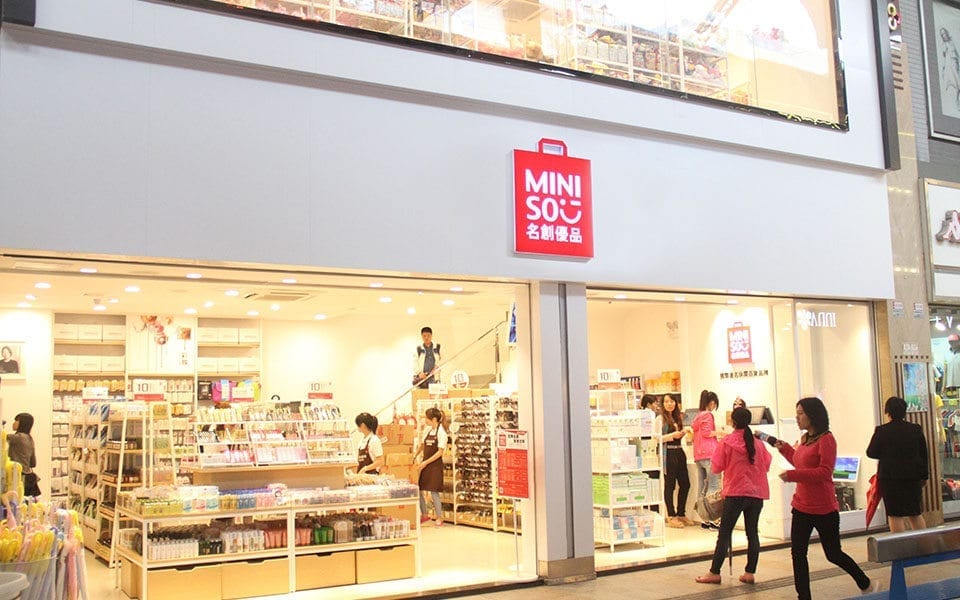
    Japanese retail brand MINISO has completed one year of operation in India and achieved its annual target of Rs 700 crore revenue for 2017-18.

    The brand, which was launched in August 2017, at present operates 26 stores in India – 21 in Delhi/NCR, three in Mumbai, one in Bengaluru and two in Lucknow.

    It plans to take its store count to 800 by 2019 by increasing its spread in existing cities and entering new cities across the country.

    MINISO India plans to expand its business by increasing its footprint across the country. The company aims to open 200 stores by this year end and hopes to increase it to 800 by the year 2019, the company said in a statement.

    “India is one of the top five markets in terms of revenue for MINISO. To expand our presence in India, we have initiated our franchise model and have already started five franchise stores in India,” Miyake Junya, Global Chief Designer and Co–Founder, MINISO said.

    “MINISO India has extensive plans to start operations in Chennai, Kolkata, Hyderabad and Jaipur while tapping into Tier II and III markets. This rapid expansion will be done through company-owned model and through franchise partners as well,” the company added.

  • Flipkart unveils Indian version of eBay for refurbished goods

    Flipkart unveils Indian version of eBay for refurbished goods

    Retail giant Walmart-owned leading e-tailer Flipkart on Wednesday unveiled a dedicated portal ‘2GUD’ for refurbished goods, including mobile phones, laptops and tablets, a week after shutting its eBay India operations.

    “The independent platform ‘2GUD’ aims to bring affordability, accessibility and availability to the refurbished market, while also addressing the problem of trust and convenience,” the company said.

    The platform offers refurbished mobile phones, tablets, laptops and other electronic accessories along with a 3-12 month warranty.”

    Through 2GUD, we aim to remove the trust deficit that exists in the refurbished goods market,” the city-based company’s Chief Executive Kalyan Krishnamurthy told reporters here.

    The platform has been launched on mobile browsers initially through the site 2gud.com, and it will soon be accessible through desktop browsers and a mobile application.

    The company’s executives, however, declined to give the investment being made in its new arm.

    “Every product that is sold on the platform goes through about 47 rounds of checks and is sold in five grades based on their physical condition — ‘Like New’, ‘Superb’, ‘Very Good’, ‘Good’ and ‘Okay’,” the company’s Vice President heading 2GUD operations Anil Goteti said.

    The prices of products on the platform will vary based on their condition.

    With the refurbished goods market remaining “highly fragmented and unorganised”, 2GUD will remove the buyer-seller interaction by performing the necessary quality checks itself, Goteti said.

    The platform also allows customers to return their products, he added.

    The company estimates the refurbished goods market in India to be worth US $20 billion in the coming five to six years.

    The launch of the independent platform for old goods, which was developed over the last 10 months, comes a week after Flipkart shut down the eBay India operations on August 14.

    Several of eBay India’s staff are now working with Flipkart’s new arm for refurbished goods, the company’s executives said, though they declined to share the specifics.

    The Bengaluru-based Flipkart in 2017 acquired eBay India’s operations in a US $1.4 billion fund-raising deal from several investors, including eBay, which invested US $500 million and received US $200 million worth stocks in Flipkart.

    With Walmart acquiring a majority stake (77 percent) in Flipkart in a US $16 billion (Rs 1,07,662 crore) deal in May this year, California-based eBay had announced that it would sell its stake in Flipkart back to the company for about US $1.1 billion and relaunch its India business soon.

  • Flipkart acquires AI-led startup to get next 200 million online shoppers

    Flipkart acquires AI-led startup to get next 200 million online shoppers

    In a move aimed at getting the next 200 million online shoppers to its platform, e-commerce major Flipkart has acquired Liv.ai, an artificial intelligence-led speech recognition startup. The company, however, did not disclose the deal amount.

    Post the acquisition, Liv.ai will become a Flipkart centre of excellence for voice solutions, and help accelerate an end-to-end conversational shopping experience for its users, Flipkart said in a statement.

    Founded in 2015, Liv.ai is the first Indian company to build speech to text application programming interfaces (APIs) that enable speech to text conversion in 10 Indian languages including Hindi, Bengali, Punjabi, Marathi, Gujarati, Kannada, Tamil, Telugu and Malayalam.

    US retail giant Walmart has recently completed its US $16 billion transaction to buy 77 percent stake in Flipkart.

    “The next wave of growth of internet users is coming from tier II+ cities and 70 percent of these current internet users are native/vernacular language speakers and this proportion is only increasing,” Flipkart CEO Kalyan Krishnamurthy said.

    Given the complexities in typing on vernacular keyboards, voice will become a preferred interface for new shoppers, he added. He explained that building a voice interface is complex, especially in Indian context given multiple languages and accents.

    The team at Liv.ai has been able to solve this through multiple technological innovations including deep neural net-based methods and this expertise is a big capability add-on for Flipkart, he said.

    “Ultimately, we want to give our customers a conversational e-commerce experience and believe that with the voice interface the opportunities are endless including discovery, search, engagement, transactions etc,” Krishnamurthy said.

    Flipkart said this will help build voice and speech capabilities to help get next 200 million online shoppers, who will prefer native language interaction on the web. As per industry studies, Hindi internet user base is likely to outgrow English user base by 2021 and along with Marathi and Bengali users, will drive the volume growth.

    Liv.ai co-founders Subodh Kumar, Kishore Mundra and Sanjeev Kumar, along with the entire Liv.ai team will join Flipkart as a part of the deal.

    The team under the leadership of Ravish Sinha, Vice President Flipkart, will act as a centre of excellence to drive further developing the voice solutions, integration with Flipkart app and developing use cases for various categories.

  • Zomato India expands food delivery services to other cities

    Online restaurant guide and food ordering firm Zomato on Wednesday said it has expanded its ordering and food delivery services to Vijayawada, Madurai, and Cuttack as part of its expansion plans.

    With this launch, Zomato’s online ordering services are now available across 31 cities in India, Zomato said in a statement.

    Zomato Food Delivery CEO Mohit Gupta said that growth in Tier II and tier III cities has been really encouraging for the company.

    It has extended its services to 10 new cities in the last 2 months and the response in all these cities has been exceptional so far, he added.

  • Fabelle eyes retail expansion; to launch e-commerce portal soon

    Fabelle eyes retail expansion; to launch e-commerce portal soon

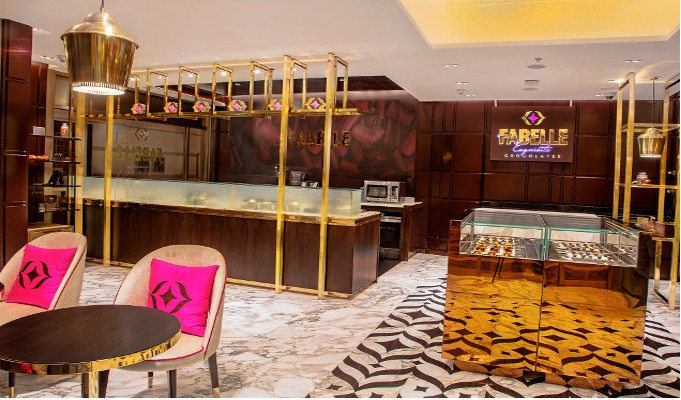
    Fabelle was launched in April 2016 with it first boutique in Bengaluru India at ITC Gardenia. In the subsequent 12 months the brand scaled up to all major ITC Hotels in 6 metros. Bengaluru was followed by Kolkata, Delhi, Mumbai and so on. The brand has just entered Hyderabad with its new property called ITC Kohenur.

    Recently, the brand has also forayed into malls by opening its retail outlets. Elaborating on the same, Abhijit Chakravorty, Head of Marketing – New Categories at ITC Limited says, “Our first retail outlet was opened at Quest Mall in Kolkata and second outlet in Select Citywalk in Saket, New Delhi.”

    The outlets in malls are take-away boutiques and the outlets nestled in hotels ranges from 500-1,500 sq.ft.

    A continuous product innovation has been the USP of the brand. According to Chakravorty, “Recently we have launched Fabelle chocolate bars which are positioned in the mid-luxury range. The average price of the bar ranges from Rs 300-500.”

    He further adds, “Going forward, we are looking at premium retail points to sell these bars. Soon, we will be expanding the range to Bengaluru market. We are targeting around 150 premium retail outlets like Food Hall, Godrej Nature Basket etc and premium modern trade outlets located at premium catchment areas.”

    The brand is also going to launch the fourth variant of the Chocolate Buzz, Rocky Road, inspired by desserts. Chocolate Buzz has already tasted success and the demand for the products have been increasing as it falls into the category of daily consumption in mid-luxury segment.

    “Then we also wish to work on premium gifting products. Then we will be launching our truffles range and aim to be the pioneer. We are going to launch a lot of gifting offers for coming festivities like Diwali,” reveals Chakravorty.

    In future, the brand will also be launching its e-commerce portal where the delivery of the products will be taken care by the brand itself.

    “We have launched a pilot e-commerce service in Bengaluru and soon it will be extended to other parts of the country. All our retail outlets will be mapped with the e-commerce portal by September 2018,” asserts Chakravorty.

    Recently, Fabelle commemorated the Independence Day with a first of its kind 72 kg chocolate bar made from a unique mix of 72 ingredients. The brand which is known to create distinct chocolate experiences had crafted a larger than life 72 Kg chocolate bar in each of the 6 metros where the brand is currently available. These bars will be displayed in the chocolate boutiques in select ITC Luxury Hotels in Mumbai, Delhi, Kolkata, Hyderabad, Chennai and Bengaluru from August 15-19, 2018.

  • Gelatissimo plans expansion to India and Bangladesh

    Gelatissimo plans expansion to India and Bangladesh

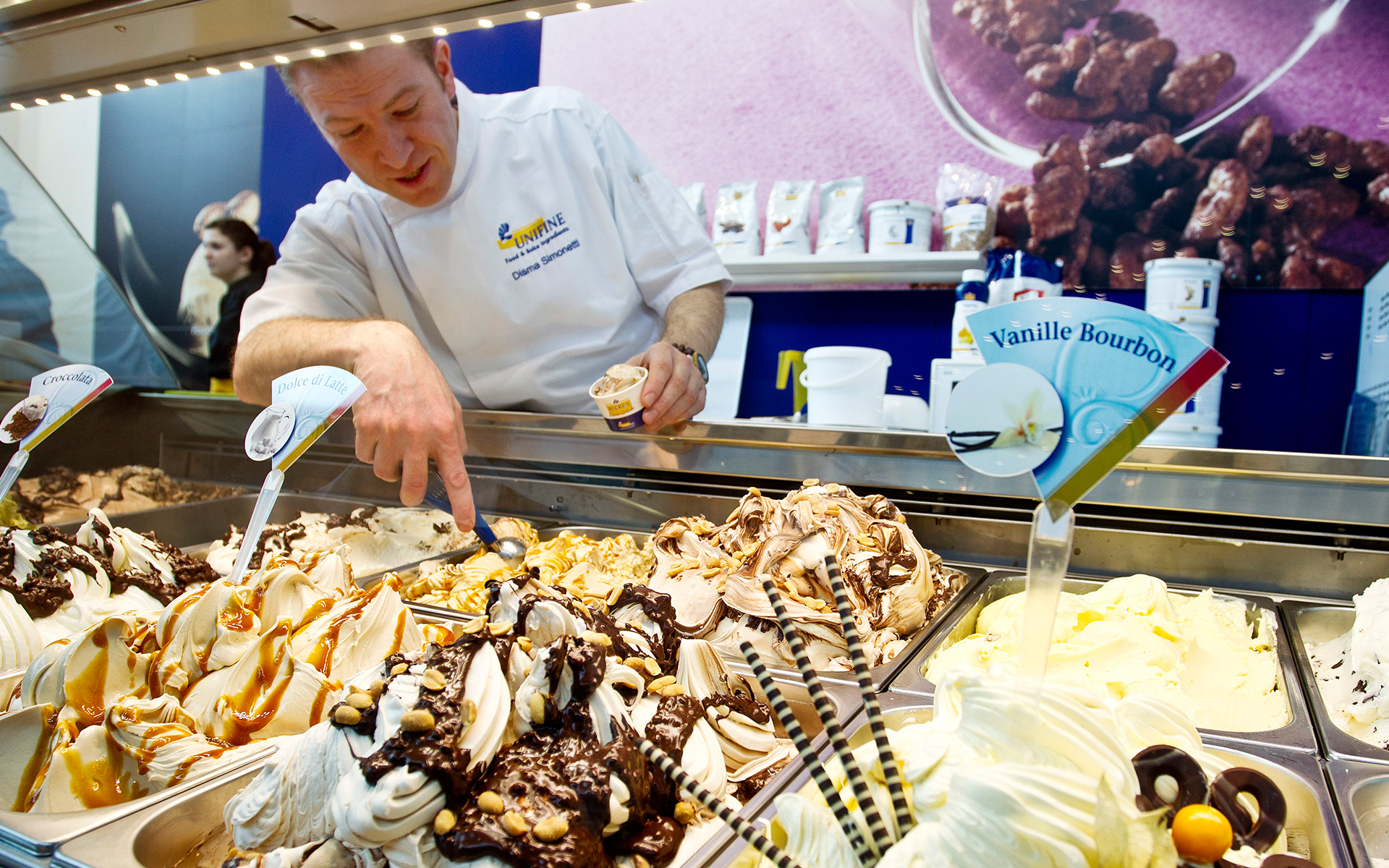
    Gelatissimo, Australia’s largest franchised gelato chain, will open stores in India and Bangladesh next month.

    The openings mark the privately owned company’s latest international expansion, joining franchises in Southeast Asia and the Middle East.

    Gelatissimo CEO Filipe Barbosa CEO said that in both India and Bangladesh, populations are booming and the average spend per head on eating out and luxury goods is growing rapidly. Coupled with a love for desserts and all things Australian, Gelatissimo and the franchisees see a great potential for growth in both regions.

    Although gelato is a newer concept to both markets, the ice-cream and premium dessert categories has expanded quickly and is forecast to increase significantly over the next five years.

    “The stores will be fitted in the internationally recognisable Gelatissimo branding and serve the brand’s best-loved flavours and products,” added Indian master franchisee Sangeeta Dumpeta.

    Bangladesh’s Nilesh Jamnadas added, “The stores have been adapted with localised features and will serve some new flavours, adapted for local taste buds”.

    Since its launch in 2002, Gelatissimo has grown to 45 stores across Australia, with a further 17 overseas. The store launches in Bangladesh and India will take the total to 66 outlets  globally.

    Gelatissimo launched in Singapore in 2005 and has been expanding its overseas footprint since then in the Philippines, China, Kuwait and Saudi Arabia -along with a failed foray into Malaysia.

    The franchisees in both Bangladesh and India are expected to open at least five stores in each market over the next year.

    “Bangladesh and India represent big opportunities for us and our partners and we look forward to making it a sweet success,” said Barbosa.

  • Coca-Cola India announces changes to its leadership team

    Coca-Cola India announces changes to its leadership team

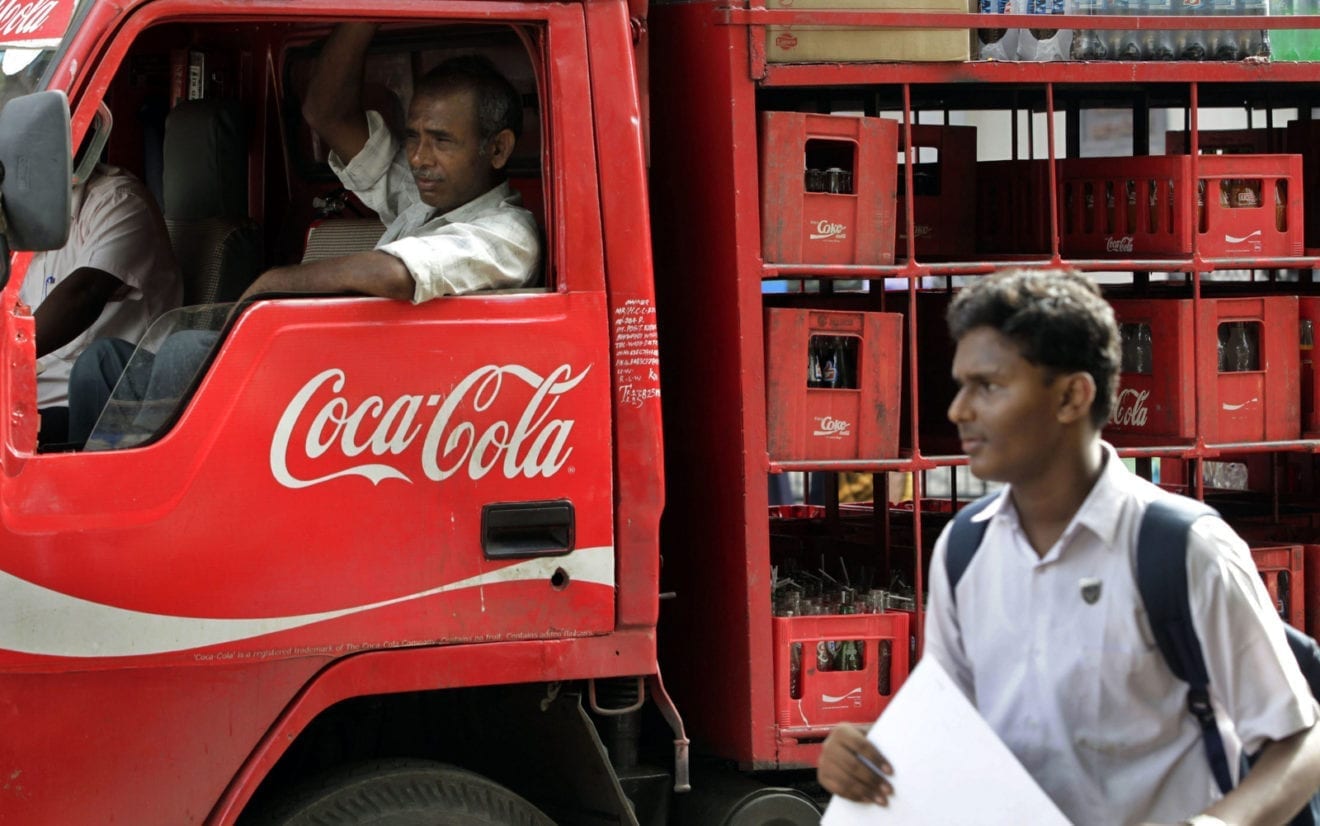
    Coca-Cola India, a leading beverage company that offers a range of beverage choices to consumers, announced changes to its leadership structure. The new structure is designed to enable the India and South West Asia business to be a growth engine for The Coca-Cola Company by capitalizing on emerging opportunities while continuing to build on talent development.

    Announcing the change, T. Krishnakumar, President, Coca-Cola India and South West Asia said, “We believe there are significant opportunities that lie ahead of us to grow our portfolio and meaningfully penetrate the market. These changes will address developing business needs and pave the way to develop a stronger portfolio for the future. It also reinforces our commitment towards investing in talent development.”

    To lead this change, Sundeep Bajoria, a veteran of the Coca-Cola system has taken over as Vice-President – South West Asia (SWA) Operations from his earlier role of Vice President Strategy and Insights. With the growing significance of expanding our regional footprint, he now spearheads the South West Asia region and will work towards making it an innovation and growth engine for the India & South West Asia business and the Coca-Cola system.

    Bajoria brings a successful track record of over 20 years within and outside the Coca-Cola system in Strategy, Finance, revenue growth management, Capital projects, and People & capability development. He is a 14 year veteran of the Coca-Cola system having worked in multiple roles in different Group businesses and Bottling Investment Groups.

    Chandrasekar Radhakrishnan has been appointed to the position of Vice President – Strategy & Insights, Coca-Cola India and South West Asia. Chandrasekar will take charge of the strategic initiatives for the company to accelerate the pace of innovation and assess opportunities to offer a much broader and deeper portfolio of beverages for the consumers.

    With a career spanning over two decades, Radhakrishnan comes with a combination of international and domestic experience. He joins Coca-Cola India from Nestlé, where he was responsible for leading a worldwide initiative to optimize marketing efficiencies. As the Head of Consumer Communication and eCommerce, he has effectively embedded brand building capabilities in the organization, drove creative excellence in brand communication via strong internal and external partnerships, laid a strong foundation in building digital and eCommerce competencies and played a key role in establishing consumer engagement. He has contributed significantly to the cause-based campaigns of the company thereby making a positive impact on the society. He has also worked with Britannia, Marico and Airtel and has played a variety of roles across sales, marketing and business functions.

  • PepsiCo enters into agreement to acquire SodaStream International Ltd.

    PepsiCo enters into agreement to acquire SodaStream International Ltd.

    PepsiCo, Inc. and SodaStream International Ltd. announced that they have entered into an agreement under which PepsiCo has agreed to acquire all outstanding shares of SodaStream for US $144.00 per share in cash, which represents a 32 percent premium to the 30-day volume weighted average price.

    “PepsiCo and SodaStream are an inspired match,” said PepsiCo Chairman and CEO Indra Nooyi. “Daniel and his leadership team have built an extraordinary company that is offering consumers the ability to make great-tasting beverages while reducing the amount of waste generated. That focus is well-aligned with Performance with Purpose, our philosophy of making more nutritious products while limiting our environmental footprint. Together, we can advance our shared vision of a healthier, more-sustainable planet.”

    Daniel Birnbaum, SodaStream CEO and Director said, “Today marks an important milestone in the SodaStream journey. It is validation of our mission to bring healthy, convenient and environmentally friendly beverage solutions to consumers around the world. We are honored to be chosen as PepsiCo’s beachhead for at home preparation to empower consumers around the world with additional choices. I am excited our team will have access to PepsiCo’s vast capabilities and resources to take us to the next level. This is great news for our consumers, employees and retail partners worldwide.”

    PepsiCo’s strong distribution capabilities, global reach, R&D, design and marketing expertise, combined with SodaStream’s differentiated and unique product range will position SodaStream for further expansion and breakthrough innovation.

    The transaction is another step in PepsiCo’s Performance with Purpose journey, promoting health and wellness through environmentally friendly, cost-effective and fun-to-use beverage solutions.

    “SodaStream is highly complementary and incremental to our business, adding to our growing water portfolio, while catalyzing our ability to offer personalized in-home beverage solutions around the world,” said Ramon Laguarta, CEO-Elect and President, PepsiCo.

    Laguarta added, “From breakthrough innovations like Drinkfinity to beverage dispensing technologies like Spire for foodservice and Aquafina water stations for workplaces and colleges, PepsiCo is finding new ways to reach consumers beyond the bottle, and today’s announcement is fully in line with that strategy.”

    Under the terms of the agreement between PepsiCo and SodaStream, PepsiCo has agreed to acquire all of the outstanding shares of SodaStream International Ltd. for US $144.00 per share, in a transaction valued at US $3.2 billion. The transaction will be funded with PepsiCo’s cash on hand.

    The acquisition has been unanimously approved by the Boards of Directors of both companies. The transaction is subject to a SodaStream shareholder vote, certain regulatory approvals and other customary conditions, and closing is expected by January 2019.

    Goldman Sachs acted as financial advisor to PepsiCo in this transaction. Centerview also acted as financial advisor to PepsiCo in the transaction. Gibson, Dunn & Crutcher LLP acted as lead counsel to PepsiCo, Davis Polk & Wardwell LLP as U.S. tax counsel, and Herzog, Fox & Ne’eman as Israeli legal counsel. Perella Weinberg Partners acted as financial advisor to SodaStream with White & Case LLP acting as SodaStream’s U.S. legal counsel and Meitar Liquornik Geva Lesham Tal as Israeli legal counsel.

  • Tekka Place set to Rejuvenate Little India Heritage District

    Tekka Place set to Rejuvenate Little India Heritage District

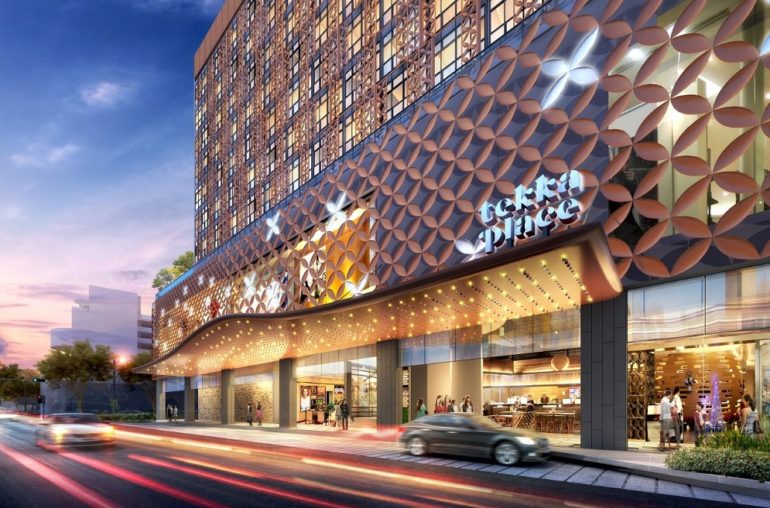
    Tekka Place, an upcoming integrated development at 2 Serangoon Road, is poised to deliver a fresh and unique retail and lifestyle experience, aimed at adding vibrancy to the Little India heritage district.

    Named for its location straddling the fringes of Singapore’s Little India precinct and
    the Central Business District, Tekka Place pays homage to the area’s rich and multicultural heritage.

    A gateway to arts and culture, Tekka Place is envisioned to be a destination with a convergence of cultures, travellers and experiences. Its logo, which incorporates the use of diverse textures and patterns infused in a medley of vivid colours, embodies the essence of this vision.

    Jointly developed by Lum Chang Holdings Limited and a fund managed by LaSalle Investment Management Asia Pte Ltd, the integrated development is currently undergoing construction, and is slated for completion in the later part of 2019.

    Located at the junction of Serangoon and Sungei Roads, it is easily accessible via major expressways and within walking distance of three MRT stations – Rochor and Jalan Besar stations on the Downtown Line; and Little India interchange station for the North East and Downtown Lines.

    Given Tekka Place’s unique location, its developers have been engaging with the Singapore Tourism Board and community stakeholders such as the Indian Heritage Centre and LaSalle College of the Arts, exploring means to both foster and maintain the vibrant Little India Community. As a result, dedicated spaces to host exhibitions,
    artwork and performances have been set aside within the Annex block at the rooftop deck.

    Mr. Peter Ow, Property Director of Lum Chang and spokesperson of the joint venture said, “Tekka Place’s location, distinct architecture and curated retail offerings, capture the vibrancy and personality of Little India. By working closely with our partners and other stakeholders in Little India, we want to offer visitors a chance to immerse themselves in the rich heritage and culture that Little India offers, whilst enjoying a quality shopping and dining experience. Tekka Place will provide a unique space to live, dine, entertain or simply relax and enjoy the vitality of Little India.”

    The future landmark development comprising a 10-store Main Block and seven store Annex Block with rooftop deck, will bring a serviced residence, 70,000 square feet retail mall and five levels of parking lots, to the lively Serangoon district.

    The upper floors of the Main Block will house Citadines Rochor, a 320-unit serviced residence featuring studio and one-bedroom units. Residents at Citadines Rochor can enjoy facilities including a residents’ lounge, gymnasium, launderette and swimming pool.

    The retail podium will offer 80 shops spread across the basement and first two floors of the Main Block, and one level with mezzanine and rooftop deck of the Annex Block. It will cater to a diverse mix of customer segments, residents in the southern central part of Singapore, office workers in the immediate vicinity, tourists and commuters on the North East and Downtown Lines.

    “We are proud to be the appointed retail consultant and marketing agent for Tekka Place, set to be a lifestyle destination not just for locals, but also the many tourists who pass through the Little India area.”, said Ms. Wendy Low, Head of Retail at Knight Frank Singapore.

    “We will be curating a mix of tenants whom we will work with to create bespoke, unique and multi-sensory lifestyle experiences for shoppers that will excite from the very moment they step into the mall.”

    “On the rooftop in the Annex Block, a once mundane carpark will be transformed into a dining and cultural event space, where visitors can dine and hang out at under the stars, in an urban setting with scenic views of Little India at their feet,” Ms. Low added.

  • Dip in Indian rates on rupee weakness dulls Vietnam offers

    Dip in Indian rates on rupee weakness dulls Vietnam offers

    Rice export prices in India fell this week as the rupee weakened, weighing on demand for the Vietnamese variety.

    Rates for India’s 5 percent broken parboiled rice fell by $3 per tonne to $389-$393 per tonne this week.

    “Rupee depreciation is allowing us to lower prices, but at the same time competitors are also lowering their quotes,” said an exporter based at Kakinada in the southern state of Andhra Pradesh.

    The Indian currency fell to a record low against the dollar on Thursday.

    Farmers in India had planted summer-sown paddy rice on 30.78 million hectares as of Aug 10, down 2.9 percent from a year ago due to scant rainfall.

    Monsoon rains in India are likely to be below-normal levels in 2018, a private weather forecaster said earlier this month, raising concerns over farm output and economic growth in Asia’s third-biggest economy, where half the farmland lacks irrigation.

    The falling rice prices in India also weighed on the market in Vietnam, the third largest exporter, but rates for the country’s 5 percent broken variety were unchanged at $395-$400 a tonne.

    “Trade is slow as Vietnamese prices are comparatively higher, especially compared with Indian prices … Exporters have lost their African customers to Indian rivals due to that,” a Ho chi Minh City-based trader said.

    Vietnam exported 444,235 tonnes of rice in July, down 17.4 percent from June, government customs data released late last week showed. That was slightly lower than a government forecast of 450,000 tonnes.

    In Thailand, the world’s second biggest rice exporter, demand also remained soft, traders said.

    Thailand’s benchmark 5 percent broken rice price was quoted at $390-$393, free on board (FOB) Bangkok, little changed from last week’s $390-$395.

    The commerce ministry on Wednesday said Thailand had exported 6.99 million tonnes of rice worth 3.52 billion baht this year by August 15, a 2 percent increase from a year ago.

    Meanwhile, Bangladesh, which had emerged as a major importer of rice since 2017 after floods damaged its crops, continued to procure rice domestically.

    In the 2017-18 financial year that ended in June, Bangladesh imported a record 5.7 million tonnes of rice. However, imports dropped sharply after the government imposed a 28 percent tax on shipments to support its farmers following a revival in local output.

    Rice at government warehouses stood at nearly 1.3 million tonnes, data from the country’s food ministry showed.