Tag: india

  • Hong Kong’s Fung Group injects US$35M into India’s B2B e-commerce ShopX

    Hong Kong’s Fung Group injects US$35M into India’s B2B e-commerce ShopX

    The Fung family has invested US$35 million in Indian technology platform ShopX.

    The funds came from Fung Strategic Holdings a member of Fung Investments, the private investment vehicle of the families of Dr Victor Fung and Dr William Fung.

    ShopX is described as India’s leading B2B e-commerce company, connecting India’s consumers and small merchants with brands and suppliers directly to purchase products and services.

    India’s retail market is estimated to reach US$1.1 trillion by 2020, and small-to-medium sized businesses play an important role in the Indian economy, making up about 90 per cent of the retail sector. Until now, they largely remain ‘offline’ in small villages and towns serving the local surrounding population.

    ShopX, founded by Amit Sharma and Apoorva Jois in May 2015, aims to be the preeminent e-commerce platform serving more than 12 million small merchants across India, enabling everything from ordering to delivery, payments and localised customer support. ShopX already covers 50,000 retailers in more than 300 locations across India.

    Nandan Nilekani, a leading entrepreneur, has been an early investor in ShopX, supporting the company from inception with more than $18 million in personal investment and active mentorship.

    “The ShopX model provides small retailers access to the same cutting-edge technology and supply chain solutions as any established e-commerce or organised retailer,” he said.

    “This access provides an onboarding ramp into the formal economy for millions of India’s small retailers and the next 400 million consumers. ShopX has been built on scalable and sound business principles like platform thinking, capital efficiency and a sustainable growth model. We are very excited to welcome the Fung Group into ShopX, and look forward to expanding the platform with their investment and strategic synergies.”

    Victor Fung added: “This is one of a series of investments the Fung Group and its companies are making to advance new, disruptive technologies shaping the future of retail and supply chain. ShopX is combining technology and an innovative business model to transform the traditional retail model in India. Given the country’s sheer population size and rising consumer spending power, not only do we see tremendous opportunity in India, but also the successful application of this model to other parts of the region.”

    Tech focus

    The ShopX investment follows recent Fung Group initiatives and investments in new technologies including:

    • A partnership with Tencent-backed WeDoctor to create an e-commerce platform connecting China’s myriad of hospitals with medical device manufacturers and service providers to centrally procure medical devices, consumables and services.
    • A partnership with JD.com to develop AI-driven retail solutions.
    • A new innovation lab with Shima Seiki, the Japanese company behind the world’s most advanced computerised flat knitting machines, to conduct specialised materials R&D.
  • PepsiCo India’s Indra Nooyi to step down as CEO in October

    PepsiCo India’s Indra Nooyi to step down as CEO in October

    Indian American business executive Indra K. Nooyi will step down as the Chief Executive of food and beverage major PepsiCo Inc in October, the company said on Monday.

    According to the US-based multinational, Nooyi, 62, will step down on October 3 after 24 years with the company, the last 12 as the CEO. However, Nooyi will remain the Chairman of the company until early 2019, Pepsico said.

    She will be succeeded by Ramon Laguarta, 54, as the Chief Executive Officer.

    “Growing up in India, I never imagined I’d have the opportunity to lead such an extraordinary company,” Nooyi was quoted as saying in a company statement.

    “Guided by our philosophy of ‘Performance with Purpose’ – delivering sustained performance while making more nutritious products, limiting our environmental footprint and lifting up all the communities we serve, we’ve made a more meaningful impact in people’s lives than I ever dreamed possible.

    “PepsiCo today is in a strong position for continued growth with its brightest days still ahead.”

    While Nooyi departs, the rest of PepsiCo’s senior leadership team will remain unchanged.

    Speaking on behalf of PepsiCo’s Board of Directors, presiding Director Ian Cook said: “As Chairman and CEO, Indra has provided outstanding leadership over the past 12 years, serving as a model both within our industry and beyond for responsible corporate stewardship in the 21st century.

    “As CEO, she grew revenue more than 80 percent, outperforming our peers and adding a new billion-dollar brand almost every other year. And shareholders have benefited: US $1,000 invested in PepsiCo in 2006 is worth more than two-and-a-half times that amount today.”

    Cook pointed out that under her leadership the company invested “for the future, leading the way on corporate sustainability and responsibility, and embedding a sense of purpose in everything the company does.

    “As one of the first Fortune 100 CEOs to embed sustainability targets into business operations, Indra was a pioneer, paving the way for a new generation of business leaders who seek to ‘do well by doing good’.

    “Under her leadership, PepsiCo grew its portfolio of ‘Good for You and Better for You’ options from about 38 percent of revenue in 2006 to roughly 50 percent in 2017, almost tripled its investments in research and development to expand its more nutritious offerings and minimize its environmental impact, and achieved global recognition for the company’s work in communities around the world.”

  • The great differentiator in retail industry

    The great differentiator in retail industry

    The retail industry is competitive, it’s relentless and the success of brands and retailers depends on how firmly they deal with their competition. One way to stay ahead of the curve is the incorporation of technology in a brand’s operating model.

    Technology is changing the shape of the global retail industry as also the way many retailers and businesses operate. In retail, technology gives brands the platform to better satisfy their customers by helping them concentrate on consumer needs.

    According to a Walker study, customer experience will overtake price and product as the key brand differentiator by 2020 and 86 percent of consumers will pay more for a better experience. The challenge in serving the modern customer for most retailers, therefore, lies in bringing about the right balance between technology and humans.

    Retailers with the foresight to understand the potential of technology without getting lost in its complexities, and merging it with human interaction, have always been able to grow faster and bigger. Simply put, technology is beginning to play an increasingly important role in the management of complex retail operations all over the world. To stay ahead of the game, retailers are taking the help of different technologies to lead the way in changing two aspects: their points-of-sale and their points-of-supply.

    As retail markets continue to grow and become complex, it is becoming increasingly tough for businesses to keep a track on new developments and then to figure out how these developments can be combined into their operating models in order to come up with a winning proposition – both for themselves as well as their consumer. This is one of the many reasons that retailers need technology.

    Other important factors for retail brands to transform their IT capabilities include:
    – Increasing the company’s ability to respond to the evolving marketplace through enhanced speed and flexibility
    – Collecting and analysing customer data while enhancing differentiation
    – Working effectively; retailers need one system working across stores (or even across national borders) to make sure the most effective use of stock and improve business processes

    Technology in Retail

    High tech innovations help retailers stay competitive in key categories including consumer convenience, price, size and speed. High tech tools help in manufacturing products in bulk, ensuring fulfillment of consumer demands with greater speed and ease both at the warehouses/ stores and on the sales floor.

    Technology also balances inventory assortments, manages ordering and tracks pricing. Customer tracking tools increase customer satisfaction and promote loyalty by enhancing shoppers’ in-store experience.

    For example, in-store sensors and beacon technology can record behavioral and demographic data to a business’s cloud computing system, offering insight into the customers’ psyche. This data can then guide product, layout and display strategies. The data gathered systems can analyse customer browsing and buying patterns, which then be used to personalise in-store experiences for consumers. IoT beacons can also help customers quickly find items in a store and notify them of offers and discounts via their smartphones.

    On the executive level too, technology plays a positive role in strategy and decision making, saving time and adding convenience and profits to the business.

    Personalisation & CRM Through POS Systems: Thanks to modern technology, cloud-based POS systems aid business owners in the automation of daily tasks. These include payment and checkout like interactive signage, employee attendance, self-service applications like customer check-in. POS systems also help in the overall optimisation of processes like tracking inputs from different access points, implementation of a reservation system (in case of a restaurant) and developing a customer loyalty program.

    These smart register terminals provide reports, calculate discounts, offer coupons, capture and match tally of customer profile information with ease to avoid chaos at the billing counter. They use a signature capture technology for credit card transactions which retains receipts electronically.

    Use of POS technology has served towards making the payment process easier and contactless. RFID and NFC technology provide customers with the bonus of making a purchase using their smartphones and smartwatches.

    It is important for retail businesses to streamline these processes to develop a system which is informative and error-free.

    Inventory Management: According to stores.org, “Retailers will continue to explore ways to use IoT in the coming year for everything from keeping better tabs on their inventory to managing losses from theft and connecting with shoppers.

    With the help of technology, managers can track inventory in an organised manner through its purchase cycle and offer real-time information and updates about the product to consumers. Technology is also already helping in informing managers of the status of the store stock – whether it needs replenishing or not.

    Features like ‘Electronic Data Interchange (EDI)’ help in maintaining direct computer-to-computer transactions from the store to the vendors’ databases and ordering systems. The wireless hand-held inventory units keep a check on the entire database at the headquarters by downloading and help in downloading the data regularly.

    The Universal Product Code (UPC), is used for product identification system using bar code and unique numbering for organising the goods category wise. Automatic replenishment manages restocking of what’s been sold. Customer Relationship Management (CRM) software allows retailers to track customers.

    Price Auditing: Despite being a time consuming and costly process, price auditing is another important aspect for retailers which ensures that the consumers are not being charged extra or less. Auditing has been streamlined to a large extent by the introduction of technology as products can now be scanned at the time of purchase. Th is creates more accurate pricing, saves store employees a lot of time and creates better trust between the store and the customers.

    Impact of Technology on the Retail Industry

    The dawn of e-commerce had dealt a huge blow to the traditional retail – that is until retailers discovered the advantages of Omnichannel retail. With the advent of new technology, retailers are now raising the industry from the simple concept of buying and selling and taking Omnichannel to another level altogether.

    “Retailers will continue to adopt emerging technologies in 2018 to close the gap between the digital and physical worlds, and to learn more about consumers. Mobile will become an increasingly important part of the retail equation as stores also evolve. And throughout the industry, retailers will attain more data about their shoppers and use artificial intelligence to enhance their marketing and merchandising. Personalisation in retail will play a important role in 2018.

    Retailers will use data and AI platforms to better engage customers with personalized shopping experience both online and in the store. More retailers will use AI-based capabilities and technologies to better match shoppers with products. They will be able to access personal shopping history, demographics, page views and clicks then use AI to offer better recommendations and individually tailor their marketing,” says Sunil Nair, Sr. Vice President IT & Business Solutions, SPAR India (Max Hypermarkets).

    Indians as customers are more digitally aware now than ever before, and this number will increase over the next few years. More Indians getting into the digital space would mean more opportunities and challenges for us retailers in terms of getting through to the right audience in a manner that converts them into loyal customers. Upcoming technologies are going to make way for the Indian Retail Industry to make a digital breakthrough and provide exactly what the digitally-aware customers would want,” he adds.

    “India is one of the biggest consumer market in terms of mobile devices. Coupled with an efficient distribution and logistics setup, the retail industry is set for exponential growth. The real time analytics could bring in efficiencies in inventory management, product placements, supply chain, deliveries, and even product development for the right consumer market. The two hot technologies that are becoming very popular are ‘Robotics & Drone Deliveries’ in retail are yet to get a serious consideration in Indian market,” says Chetan Chaturvedi, CIO, Head – IT, Reliance Market Retail Ltd.

    “With the availability of new technologies each consumer today can be viewed as a unique individual with clearly identifiable preferences. Therefore, Indian retail needs to move from one-size-fits-all approach to a highly-customized, consumer-centric
    approach. The way retail is currently structured, this requires a both a big paradigm and structural shift,” adds Abhishek Lal, Sr. Director E-commerce – Emerging Markets, adidas Emerging Markets.

    “AI has become one of the biggest technological developments in recent years. With its ability to help turn large and diverse data sets into enriched information that can help improve speed, cost and flexibility across the value chain. In fashion, AI helps brands and retailers with predictive forecasting, capacity planning and merchandising. Consumers enjoy the benefi ts of better product availability,” says Manoj Patel, Dep. CIO, House of Anita Dongre Ltd.

    How IOT is Shaping the Industry

    “Retailers will make greater use of beacons, sensors and the Internet of Things devices to drive the in-store experience in 2018. IoT will be the tool that can finally bridge the gap between the digital and physical worlds as it finally offers the ability to obtain and use data in stores. Retailers will be able to use these devices to gather more information about consumers in the store and convert that into data that can also be used online and through mobile. They will pilot more IoT programs to enhance store entry, customer interaction, improve merchandising and offer more rapid checkout. We are in the process of implementing IOT for inventory management, improving in-store experience through personalised marketing and energy management,” explains Nair.

    “IoT adaptation varies from company to company. For beauty and cosmetics retail, it would help in recognizing customer sentiments through camera sensors, analysing in-store traffic and converting them as shoppers in real time. IOT can help out in building virtual assist to ‘try on’ makeup look before actually buying the final products. We are working on that,” says Tarun Bali, Head IT, Quest Retail Pvt. Ltd., The Bodyshop.

    “IoT is key for this consumer facing industry and it would create a huge impact in our customer offerings. There is use of sensors which capture Image/ Video/ Product information which are critical elements for retailers. Organizations need to store IoT data and use in for better operating decisions,” Piyush Chowhan, Chief Information Officer, Arvind Fashions Ltd.

  • Amazon India announces ‘Amazon Freedom Sale’ from August 09-12

    Amazon India announces ‘Amazon Freedom Sale’ from August 09-12

    Amazon India is all set to celebrate the country’s spirit of independence with the ‘Amazon Freedom Sale’ from 12 am (midnight) on August 9 to 11:59 pm on August 12, 2018.

    With over 20,000 deals on Smartphones, Consumer Electronics, Fashion, Large Appliances, Groceries & Daily essentials, TVs and more, customers can enjoy shopping from over 170 million products across hundreds of categories on Amazon.in.

    Customers can look forward to new launches and exciting deals across brands such as OnePlus, Huawei, Honor, Samsung, Vivo, RealMe, 10.Or, Marks & Spencer, UCB, GAP, Shoppers Stop, Levis, Pantaloons, Red Tape, Sanyo, Casio, Puma, UCB, Prestige, LG, Bajaj, Pampers, Lego, Lakmé, Nivea, Philips, Pedigree, Bombay Dyeing, JBL, Sony and many more. Amazon Echo devices, Fire TV Stick and Kindle e-readers will be available at great discounts on all four days of the sale.

    “As the most trusted and visited shopping destination in India, we look forward to celebrating every occasion with our customers. The Amazon Freedom Sale has been curated to offer everything customers are looking for this season and more! With new launches, great deals, extra cashback, no cost EMI and convenient exchange options, customers can look forward to a grand celebration on Amazon.in,” said Manish Tiwary, Vice President – Category Management, Amazon India.

    This Amazon Freedom Sale, customers can save more with an additional cashback of 10 percent when they pay using SBI debit and credit cards. Millions of eligible customers can also enjoy EMI on using their debit card from select banks.

  • Nestle India Q2 net profit jumps 50 pc to Rs 395 crore

    Nestle India Q2 net profit jumps 50 pc to Rs 395 crore

    FMCG major Nestle India has reported 49.95 percent jump in net profit at Rs 395.03 crore for the second quarter ended June 30, helped by lower expenses.

    According to a PTI report: The company, which follows January-December financial year, had posted a net profit of Rs 263.43 crore for the April-June quarter of 2017-18.

    Total income during the quarter stood at Rs 2,758.63 crore. It was Rs 2,525.96 crore in April-June, 2017-18, Nestle said in a BSE filing.

    The company said financial results for the reported quarter are not comparable as sales for the June quarter 2017 were reported gross of Excise Duty and net of Value Added Tax (VAT)/ Sales Tax. Excise duty was reported as a separate expense line item.

    “Consequent to the introduction of GST with effect from July 1 2017, VAT/Sales Tax, Excise duty etc have been subsumed into GST and accordingly the same is not recognised as part of sales,” the company said.

    “The market momentum continued to be favourable and…we have sustained our broad based volume growth across categories. There is an improvement in margins due to favourable cost of commodities and cost efficiency programmes.

    “However, we are now witnessing headwinds in commodity prices,” Suresh Narayanan, Chairman and Managing Director, Nestle India was quoted by PTI as saying.

    The company said its total sales and domestic sales increased 8.5 percent and 8 percent, respectively in the reported quarter.

    “The growth rates are adversely impacted due to lower reported sales by the change in structure of indirect taxes and reduction in realisations to pass on the GST benefits.

  • India mall space leasing saw a rise of 77 percent Y-o-Y in H1 2018

    India mall space leasing saw a rise of 77 percent Y-o-Y in H1 2018

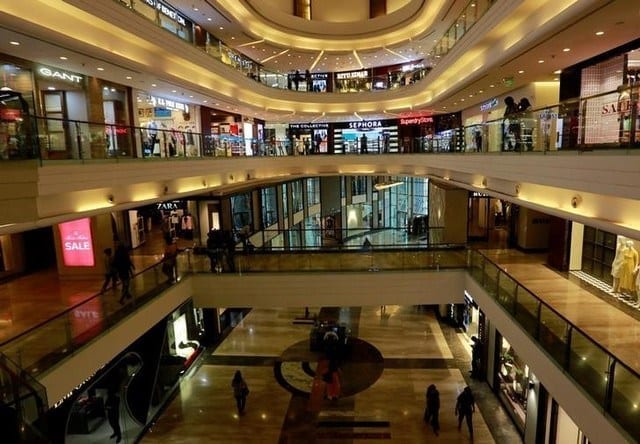
    JLL, one India’s largest professional real estate services firm, in their half yearly update note that net absorption in H1 2018 for retail space has seen a rise of over 75 percent year–on–year (y-o-y) recording a total absorption of 1.9 million square feet (msf) in the first half of 2018.

    In the same time new completions saw a decline of about 25 percent year–on–year with total completion of new mall space recorded at approximately 2.1 msf in H1 2018 over 2.8 msf in H1 2017.

    The retail market, which has been experiencing a new lease of life with investment interest returning to the market, has also see a growth in leasing activities from both international and domestic brands.

    RETAIL REAL ESTATE PERFORMANCE (H1 2018)

    City New Completion (‘000) Net Absorption (‘000)
    H1 2017 H1 2018 H1 2017 H1 2018
    Mumbai 800 120 652 118
    Delhi 2,005 385 726 325
    Bangalore – – 2 –
    Chennai – 988 8 957
    Hyderabad – 500 -104 358
    Kolkata 75 150 169 154
    Pune – – -355 33
    TOTAL 2,880 2,143 1,098 1,945


    The total net absorption for H1 2018 was recorded at close to 2 msf in top seven cities[1] of India of which Chennai saw the highest absorption at 950,000 square feet (sf). Chennai saw the completion of a major retail project which attracted many brands to set up and start operations.

    Delhi (325,000) and Hyderabad (358,000) also saw healthy leasing activities, though, Delhi saw a slowdown owing to reduced new completion in the period under study.

    Mumbai, saw total new leasing of 118,000 sf in H1 2018. The trends of retail supply and absorption are linked as malls usually are reticent in starting operations without complete or near complete absorption of malls. Only in very limited cases, do malls start with noticeable vacancies.

    The new supply for retail mall space was estimated to be 2.1 msf in H1 2018 which was lower by approximately 25 percent over the same time last year. However, with robust leasing activities, the reduced supply will help the rentals remain stable and even firm up over a period of time.

    Development companies have been aiming at creating products that match the requirements of retail companies in terms of location, quality of development, as well as design and other relevant aspects to ensure sustained sales velocity.

    Chennai saw the highest volume of retail mall supply in H1 2018 which was close to 1 msf. While Hyderabad recorded new supply of 500,000 sf in the same period. Both these cities had not witnessed any new supply in the comparable period last year.

    Ramesh Nair, CEO & Country Head, JLL India said: “The retail scenario in India has started to show signs of maturity now, by concentrating on malls that will have longevity, sustainable business and have scope of refurbishment and renovations in the future. As Indian consumer becomes more discerning, the physical asset surrounding retail has become important in creating the right experience. Therefore, developer companies are now creating retail destinations rather than mere shopping centres. In the next few years, we will see a concentration of large format malls that will allow shoppers a variety of experience beyond purchase.”

    JLL’s estimation for next 6 months of 2018 (July – December) to see fresh supplies of 3.7 msf in the top 7 cities of the country. Of the total, Hyderabad will see the highest volume of 1.8 msf. Delhi at 715,000 sf will see the next highest volume of mall space supply followed by Chennai (511,000 sf) and Bangalore (500,000 sf). Pune is expected to be the only market which will not see any new addition of retail mall space in 2018.

  • New e-commerce policy draft may curb deep discounts by India online retailers

    New e-commerce policy draft may curb deep discounts by India online retailers

    Any group company of an online retailer or marketplace may not be allowed to directly or indirectly influence the price or sale of products and services on its platform, a recommendation in the initial draft of a national e-commerce policy suggests.

    The policy draft has been circulated among stakeholders for discussion and could completely restrict e-tailers from giving deep discounts. The draft has also suggested to introduce a pre-set timeframe for offering differential pricing or deep discounts by e-commerce players to customers.

    The suggestions are part of the strategy to address anti-competitive issues in the e-commerce sector effectively, says a report.

    “The restriction imposed on e-commerce marketplace, to not directly or indirectly influence the price of goods and services, would be extended to group companies of the e-commerce marketplace.

    “A sunset clause, which defines the maximum duration of differential pricing strategies (such as deep discounts) that are implemented by e-commerce platforms to attract consumers, would be introduced,” the draft reads, according to a report.

    Further the draft recommended to permit 49 per cent foreign direct investment (FDI) in inventory-based business-to-customer model of e-commerce. Currently, FDI in such businesses is prohibited and it is allowed only in marketplace model.

    It stated that sale of country-made goods through online platforms would be promoted by permitting limited inventory-based business-to-customer model, where 100 per cent made in India items would be sold through Indian owned e-retail companies.

    The initial draft has also talked about adopting a common definition of e-commerce for the purpose of domestic policy making and international negotiations as currently there is no commonly accepted definition.

    At present, industry ministry, consumer affairs, department of IT, WTO, OECD and UNCTAD have separate definitions.

    The draft has proposed that “e-commerce may be understood to mean buying, selling, marketing, selling, marketing, distribution, or delivery of goods, services and digital products (like e-music, e-books, software) through electronic means”.

    It also called for steps to develop capacity for and incentivise data storage in India though creation of facilitative data infrastructure.

    The incentives could include according infrastructure status to data centres and server farms besides extending tax benefits and rebate in customs duties.

    The draft, said that the development of cutting-edge and innovative technologies in India would be promoted by ensuring access to data.

    In context of international trade negotiations, policy space for granting preferential treatment and imposing customs duties on e-transmission to digital items created in India would be retained.

    Further, it recommends steps for increasing use of Rupay. The steps could include identifying deficiencies in infrastructure, providing budget, branding, and addressing quantitative deficiencies in service for wider use of Rupay.

    It suggested to set up a ‘social credit database’ through PPP to promote digital lending and use of blockchain technology for further financial inclusion.

    To enhance participation of MSMEs in e-commerce, it has called for several steps including setting up of e-retail platform, addressing issues of financing for online participation, incentivising platforms and aggregators to engage MSMEs.

    The initial draft has recommended the Competition Commission to consider amending some threshold rules to mandatorily examine competition-distorting M&As below the existing ‘de minimis’ level.

    E-commerce companies may be asked to mandatorily make full disclosure to the consumer regarding the purpose and use of data in a simplified way, and also share main features of their terms and conditions besides disclosing clauses governing their arrangement with the vendors.

    It has also suggested setting up of a central consumer protection authority to act as a nodal agency for intra-government coordination, mandatory registration of all e-commerce operators, registration of complaints.

    “The legal framework governing unsolicited commercial SMSs and calls would be strengthened. A law/regulation to govern unsolicited commercial e-mails would be framed,” the draft stated.

    It said that the grounds for seeking disclosure of source code to government would be expanded to include situations of unfair trade practise, fraud.

    “The policy space to seek disclosure of source code would be retained, by not taking any commitments on this issue in international trade negotiations,” the draft said.

    The relevant GST provisions would be modified to create a level playing field between online and offline delivery of goods and services, besides providing GST refund for goods exported by courier would be considered.

    “A single legislation to address all aspects of ecommerce would be enacted and a single regulator would be set up to consider issues like FDI implementation,” the initial draft said.

  • JLO’s capsule collection cosmetic range with Inglot now in India

    JLO’s capsule collection cosmetic range with Inglot now in India

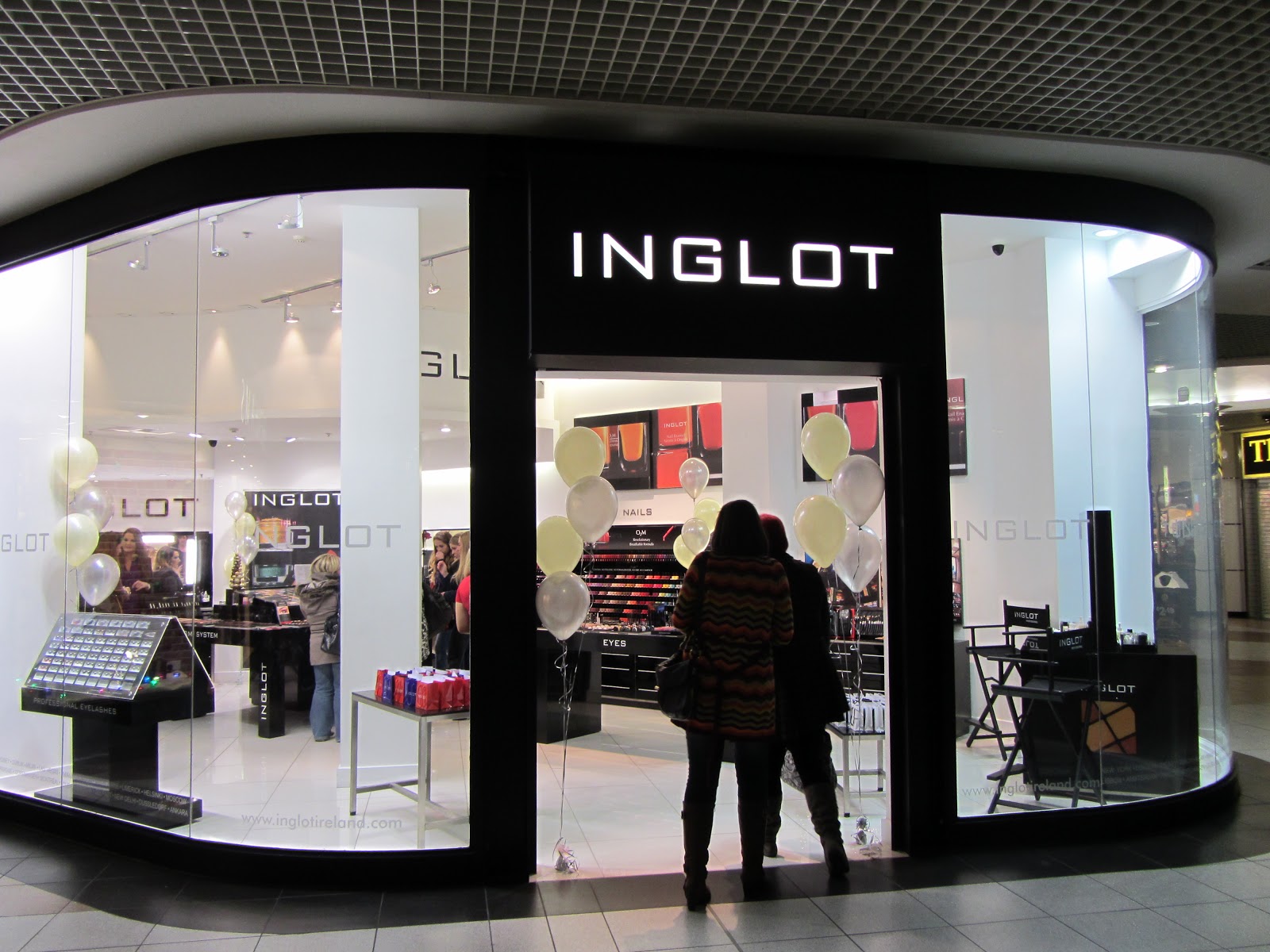
    Jennifer Lopez’s capsule collection cosmetic that she has made for brand Inglot Cosmetics is now available in India and the singer-actress says the entire range is filled with all her go-to products in her favourite colours.

    The 70-piece collection ranges from powders to lipsticks, eye shadows and mascara to eyelashes, nail enamels and cosmetic palettes.

    “The capsule collection we created with Inglot is filled with all my go-to products in my favorite colors. We have everything from mascara, lipsticks, eyelashes, blush, eye shadow and of course…bronzers.”

    “What I think is unique and exciting is our Freedom System Palette-which allows you to create your own personalized palette with the specific colors and products that you need. Now you no longer have to buy that 5-piece eyeshadow kit to get the one color you really want,” Lopez said in a statement.

    The expertly formulated products range in shades from nude to glow and add a touch of smoky glam! The products in the collection include eyeshadows, eyeliners, eyelashes, nail enamels, highlighters, bronzers, blushes, powders and matte and gloss lipsticks.

    Commenting on the association, Tushar Ved, President, Major Brands (INDIA) Pvt. Ltd. said, “Jennifer Lopez is an icon for women all over the world. With her sense of style and expertise on beauty, she remains the apt choice for Inglot to connect with its consumers. We are positive, our Indian customers will take great affinity towards the new collection considering her connect with Indian audiences as well.”

    Roy N Subramoney, Managing Director, Inglot Cosmetics, APAC & Middle East added, “It is our privilege and pleasure to collaborate with a style icon like Jennifer Lopez to launch this special collection. With the perfect formulation and products across categories, this special JLO capsule collection offers our Indian consumers the opportunity to achieve Jennifer’s authentic JLO glow.”

    The capsule collection is now available across Inglot stores in India.

  • Numero Uno India takes sustainable fashion a notch higher with One Glass Water Denims

    Numero Uno India takes sustainable fashion a notch higher with One Glass Water Denims

    Numero Uno, one of India’s first indigenously manufactured denim labels, has always been a strong believer of sustainable fashion. Adding to their commitment towards the global green movement, the brand has recently launched its one glass water denim collection.

    Traditionally, a pair of jeans requires 70 liters of water to complete the washing and finishing process but Numero Uno, through its new sustainable process and improvised technology, has managed to reduce the water and chemical consumption drastically by using one glass of water to create one  pair of jeans.

    Numero Uno adopted this technology as an answer to the environmental issues that are being faced today thus representing a new era in the industry where environment protection and worker well-being play a key role.

    Narinder Singh, CMD, Numero Uno says “We believe that we can create attractive looking denims & protect our natural resources at the same time. This collection is actually an initiative towards revolutionizing the harmful impact of industrial wash processes of making jeans on our environment”

    Numero Uno prides itself on responsibly innovating and driving the transformation of the textile industry towards sustainability by launching their new range of jeans, One Glass Water Denims. The jeans are priced between Rs 1,899 to 2,499 per pair.

    Numero Uno, one of India’s first indigenously manufactured denim labels, was incorporated in 1987 by Hi Fashion Clothing Co., the Flagship brand of Numero Uno Clothing Ltd.

    Over the years, Numero Uno Jeanswear has transformed into a dynamic and perceptive label for the youth. Today, it has the privilege of being one of the few power brands that fuses international trends, innovative fabrics, washes, treatments and accessible pricing.


  • Jabong announces the 4th edition of its ‘Big Brand Sale’, targets big growth

    Jabong announces the 4th edition of its ‘Big Brand Sale’, targets big growth

    India’s leading online fashion brand, Jabong, has announced the dates of its much awaited Big Brand Sale (BBS). The 4-day shopping extravaganza will be held between the July 27-30, with discounts ranging from 55-80 percent, across all product categories. The fashion major is offering 4 lakh styles from over 3,000 international and Indian brands at very attractive discounts. Over 1 lakh styles are for the first time on over 50 percent discount, in addition to over 80 percent off on more than 15,000 styles.

    The 4-day fashion festival on Jabong will see never before deals on premium brands like U.S. Polo Assn., Calvin Klein, Next, Adidas, Nike, Guess, Superdry, Mango, Fossil, Dorothy Perkins, Lee Cooper, Vero Moda, Jack& Jones, Puma, Blackberrys, Lakme, Lavie, Sangria and many more.

    Ananth Narayanan, CEO, Myntra-Jabong said, “The Jabong Big Brand Sale is our marquee property that aims at celebrating premium fashion in a unique way. We have witnessed a significant growth in the last 3 editions, and we are expecting 100 percent growth this edition over last year’s Big Brand Sale in July. We are anticipating 25 million sessions across platforms, acquiring 4X new Jabong customers as compared to same edition last year.”

    Speaking about the Big Brand Sale, Gunjan Soni – Head of Jabong, said, “Jabong customers are fashion forward and have a taste for international, premium and exclusive styles. The Big Brand Sale is a unique sale which has a disproportionate focus on global brands and is in line with Jabong’s affluent consumer base. It is a great opportunity for them to acquire their favourite brands at great discounts ranging from 55-80 percent. Over 1 lakh customers will also get exclusive VIP slots to shop before millions of other shoppers, leading to 15X sale during the slot hours vs. a normal day. We are prepared to provide a great shopping experience to over 13 million customers over the 4 days of BBS, leading to 4X traffic during peak hours compared to a normal day. This time we are also offering 100 percent cashback (in Jabong points) to all our customers to make their shopping experience on Jabong much more exciting.”

    Jabong promises an extraordinary fashion experience to its customers and is launching an exclusive on-demand stylist service on Whatsapp for these 4 days. Jabong customers can Whatsapp their wardrobe picture to get curated looks and personalized fashion advice from an in-house fashion expert.

    For each edition of BBS, Jabong encourages its customers to wishlist their favourite products to avoid missing out on buying them at great discounts. Sale prices will be revealed at 7 pm on July 24, and customers can continue to wishlist till 7 pm on July 26. Jabong will start allotting the VIP slots to select consumers who can buy the wishlisted products from 7-11 pm on July 26, before the sale goes live. Shoppers can also earn their slots by wishlisting or playing amazing games on the Jabong app.

    In addition, Jabong is offering 10 perent cashback using HDFC credit and debit card of up to Rs 750 on a minimum spend of Rs 3,000. New customers will get free shipping on their first orders.

    The Jabong Big Brand Sale is India’s biggest fashion bonanza of the biggest brands. Bigger and better than the previous edition, the current edition of BBS will offer an out-of-the-world experience to its customers. Jabong also launched its 360-degree marketing campaign on July 21 to support this property.

  • Panasonic India eyes Rs 12,300 crore revenue in FY2018-19

    Panasonic India eyes Rs 12,300 crore revenue in FY2018-19

    Japanese consumer electronics major Panasonic is aiming for revenues of Rs 12,300 crore in India this fiscal, driven by its refrigerator and TV businesses. Panasonic India reported revenues of about Rs 10,500 crore in the previous financial year.The company also expects its B2B business to contribute almost half of its revenues by FY 2020-21 as it is expanding its presence in the segment. Panasonic also introduced new models of OLED and 4K TVs here to strengthen its presence in the segment.

    “This financial year, we are looking at Rs 12,300 crore revenue overall. Last year we had closed around Rs 10,500 crore,” Panasonic India and South Asia President and CEO, Manish Sharma told news agency PTI.

    This includes Panasonic’s revenue from its step-down firm Anchor Electricals.

    “Our intention is to grow for three years with a CAGR of 20 per cent and this year, we are looking for 30 per cent growth in TV,” he further told PTI.

    “By FY 2020-21, we expect our B2B business to contribute half of our revenue,” Sharma said.

    Panasonic also expects its consumer business to be double in the next three years.

    “Last year, we had Rs 7,800 crore from the consumer business (including Anchor) and we are looking it at Rs 9,100 crore this financial year,” said Sharma who is also Vice President, Appliances Company, Panasonic Corporation.

    “Last year, B2B was Rs 2,300 crore and this year it is expected to be Rs 3,200 crore,” he told PTI.

    In the mobile phone market, where Panasonic is struggling, the company has decided to focus only on the niche segment.“We are looking at Rs 800 crore this year and the strategy in mobile is to focus on niche segment of Rs 9,000 and above,” he told PTI.

    In the TV segment, the company expects its 4K range of televisions to account for around 25 per cent share of sales this fiscal.

    “This year we are looking at 1.2 million units of sales which is 11 to 12 per cent of value share. Market share is currently 9 per cent and next year, we are looking at 11 to 12 per cent,” he he told PTI.

    “From less than one million units last year, we are looking up to 1.5 to 1.6 million unit in next three years” he added.

    The TV market in India is estimated to be around 12.5 million units. It is growing at around 10 per cent every year and is expected to touch 14 million units in 2018.

  • Jubilant FoodWorks operating revenues for Q1 FY19 stand strong at Rs 8,551 million

    Jubilant FoodWorks operating revenues for Q1 FY19 stand strong at Rs 8,551 million

    Jubilant FoodWorks Limited reported its financial results for the quarter ended 30th June, 2018.

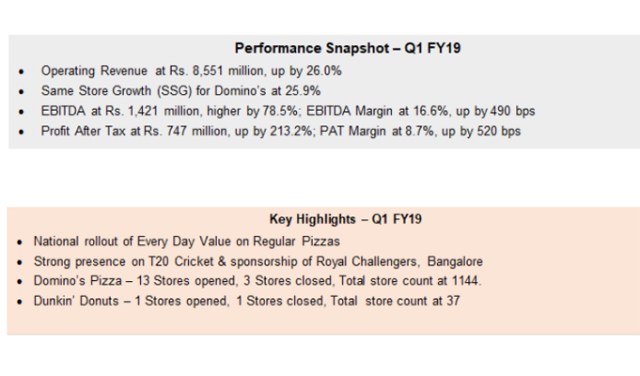
    Operating Revenues for Q1 FY19 stood strong at Rs 8,551 million, representing a growth of 26.0 percent over Q1 FY18, and a sequential growth of 9.6 percent over the preceding quarter. The growth was on the back of a strong Same Store Growth (SSG) of 25.9 percent in Domino’s Pizza.

    Overall profitability also improved, with EBITDA for Q1 FY19 coming in at Rs 1421 million at 16.6 percent of revenue, a growth of 78.5 percent over Q1 FY18. Profit after Tax in Q1 FY19 stood at Rs.747 million at 8.7 percent of revenue and a growth of 213.2 percent over Q1 FY18.

    The strong performance in Q1 FY19 was on account of a good response to the Every Day Value offer on regular pizzas launched in March 2018, and which was supported aggressively during the IPL T20 cricket season. In addition to this, the continued success of the all new Domino’s product upgrade launched last year also drove a strong growth in core pizza orders.

    In addition, Dunkin’ Donuts made sustained progress towards its goal of breaking even with a slew of innovations that drove sales growth and which was accompanied by disciplined cost management.

    Commenting on the performance for Q1 FY19, Shyam S. Bhartia, Chairman and Hari S. Bhartia, Co-Chairman, Jubilant FoodWorks Limited said,”We are pleased to start the year on a strong note with our robust performance in Q1 FY19. The strong growth in Domino’s came on the back of a superior product, Value for money delivery and growing digital contribution. This together with our focus on achieving break-even in Dunkin’ Donuts by the end of the financial year will continue to drive profitable growth for us.”

    Commenting on the performance for Q1 FY19, Pratik Pota, CEO and Whole time Director, Jubilant FoodWorks Limited said, “We delivered a strong quarter in both Domino’s and Dunkin’ Donuts. In Domino’s, the extension of EDV to Regular Pizzas received a very good response with an increase in both new customer acquisition as well as existing customer frequency. Dunkin’ Donuts too saw encouraging growth and made good progress towards profitability on the back of successful innovations and disciplined cost management.”

  • Monte Carlo launches largest brand outlet in Delhi, unveils new logo

    Monte Carlo launches largest brand outlet in Delhi, unveils new logo

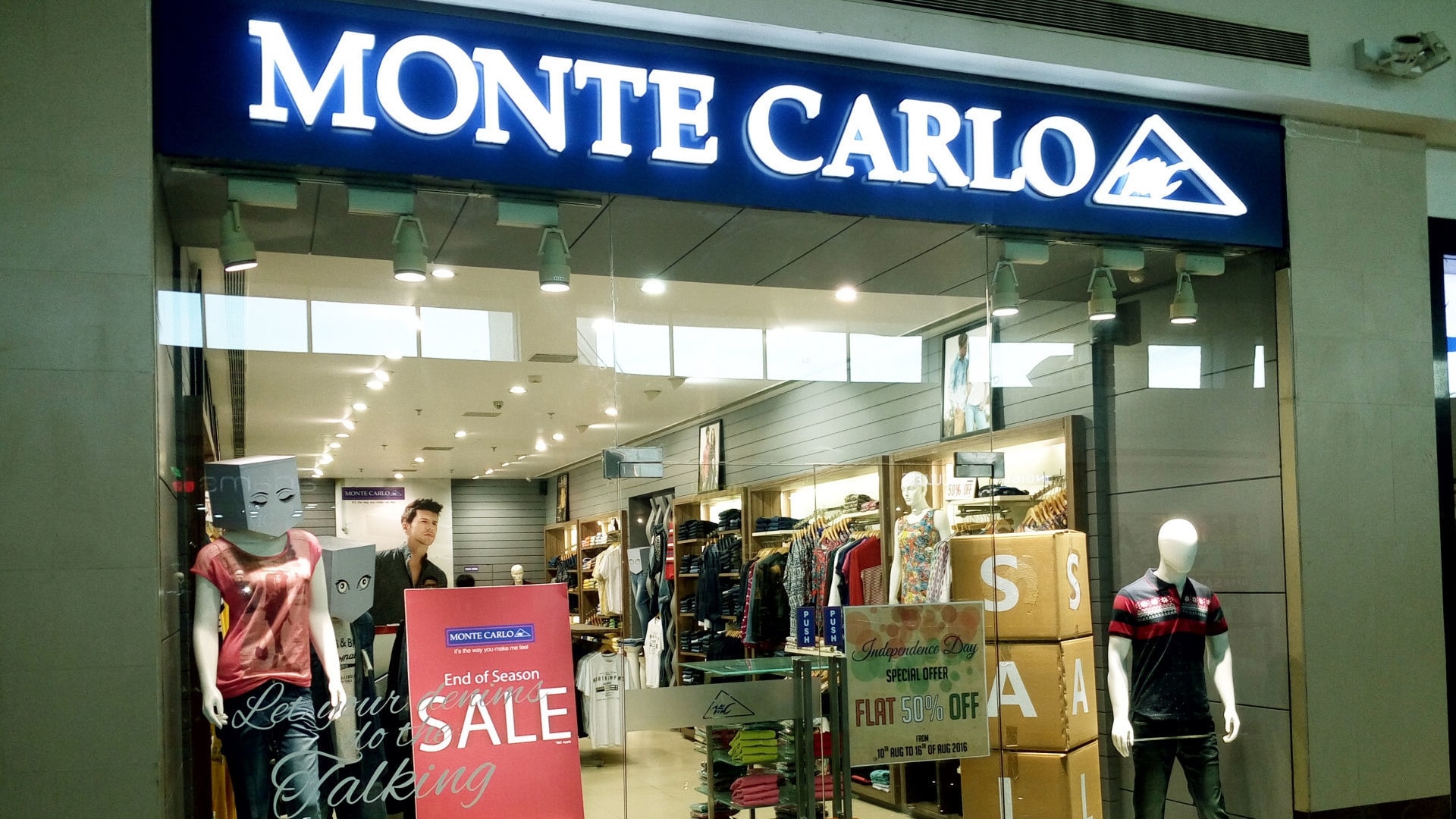
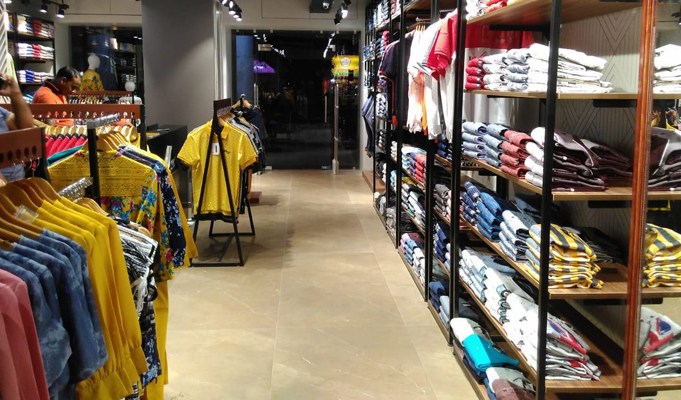
    Monte Carlo, India’s premium fashion brand has inaugurated a new retail outlet in Delhi. The newly launched store is in Janakpuri, a prominent shopping hub of India’s capital city. The brand outlet offers a diverse range of stimulating clothing options for men and women across all age groups. The alluring ambiance of this exclusive store is all set to treat its customers with modern décor, plush feel and sophisticated shopping experience. The staff at the store is specifically trained to deliver a smooth and pleasant experience to the customers.

    Monte Carlo’s latest spring and summer collection along with Luxuria, a luxury collection designed for elite buyers are featured at the new store.

    “Our new store is one of our largest stores in Delhi. Following our strategy to revamp the brand identity and render it a fresh appeal, the store features new-fangled collection with an utterly pleasing décor. Given its presence at one of Delhi’s most posh and shopper busy localities, the retail outlet will provide us a strategic presence and visibility in West Delhi” says Rishabh Oswal, President, Monte Carlo.

    The newly launched store already registered heavy footfall on its very first day with residents of Janakpuri checking out the stylish summer collection and rejoicing the new look and feel of the brand.

    Previously Monte Carlo had launched a brand outlet in Rajouri Garden, another popular shopping hub in Delhi. The store launches are being followed after the unveiling of the new logo by Monte Carlo, revamping its brand identity.

    In the new logo, the blue background and red rectangle enclosing the text have been given up and the tagline is also brought closer to the brand name “Monte Carlo”, which is given a new typography style. The triangle with letters “mc” has been retained, and given a dynamic appeal in order to connect with the fashion conscious populace and exhibit a contemporary and modern expression.

    Designed with utmost planning and attention, the bolder and trendier logo signifies the ethos of the company better and will be featured in all brand communication hence forth, including TV commercials and outdoor advertising. The company has retained its tagline “It’s the way you make me feel”.

    Monte Carlo is already an established brand in North, Central and East India and enjoys great customer loyalty. The brand has always been bringing the latest international trends to Indian market and offers meticulously designed apparels that are always high on quality. Coming up with a new logo and adding more brand outlets at prominent locations in major Indian cities is part of the brand’s new marketing strategy to become the ‘one-shop-destination’ for all fashion conscious consumers in India.

  • Onitsuka Tiger Delhi store opens door

    Onitsuka Tiger Delhi store opens door

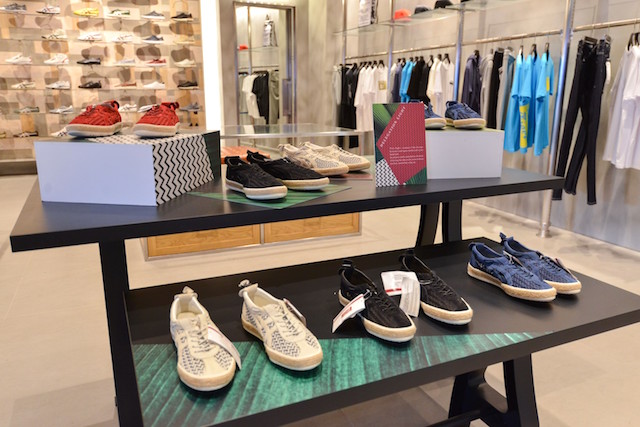
    Japanese luxury sneaker brand Onitsuka Tiger has opened its third store in India, expanding its footprint to Delhi.

    The debut Onitsuka Tiger Delhi store is located in the Select Citywalk shopping centre, which hosts more than 80 luxury brands, this is Onitsuka Tiger’s third store in India. It has opened previous outlets in Mumbai and Chandigarh.

    Select Citywalk executive director and CEO Yogeshwar Sharma said Select Citywalk has always been at the forefront of retail experience keeping pace with the changing priorities in the retail landscape… “With the Onitsuka Tiger Delhi launch, Select Citywalk brings the deep-rooted heritage and craftsmanship of Japan mixed with modern flair, for the people of Delhi.”

    The Onitsuka Tiger Delhi launch was attended by popular Bollywood actor Tiger Shroff.

    Onitsuka Tiger, launched in 1949, is the original brand name of Asics, which was revived as a luxury brand spurning an independent retail network about a decade ago.

  • Walmart to open 6 more stores in Uttar Pradesh India soon

    Walmart to open 6 more stores in Uttar Pradesh India soon

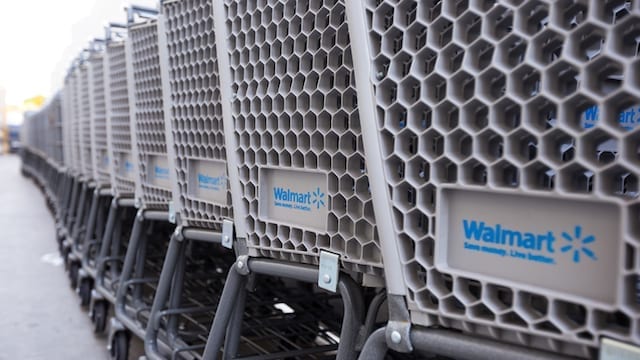
    US retail major Walmart will open six more stores in Uttar Pradesh soon, taking the number of such outlets to ten, a top company official said.

    “We have four stores at present – two in Agra, and one each in Meerut and Lucknow,” Krish Iyer, President and CEO of Walmart said.

    According to a PTI report: He was addressing reporters after launching Walmart India’s second B2B Fulfilment Centre here — the first in Uttar Pradesh and the second in the country after Bhiwandi, Mumbai, which was set up last November.

    “Uttar Pradesh is a very important and priority growth region for us and we are further expanding our business in the state to support kiranas, small farmers and local suppliers to help make them successful,” Iyer said.

    “The next such centre will be set up in Hyderabad,” he said.

    Iyer said that these centres would support ‘kirana shops’ and other small businesses.

    “It aims to contribute to local and state economy by creating thousands of job opportunities at the local level, besides giving a boost to the SME sector and the farmers,” he said.

    “The Fulfilment Centre will cater to the business needs of under-served small businesses such as kiranas (re-sellers), offices and institutions, and hotels, restauants and caterers,” he said.

    Walmart also plans to set up its ‘Best Price’ stores at various locations in Uttar Pradesh, including Kanpur, Moradabad, Varanasi, Gorakhpur, Sharanpur, Lucknow and Ghaziabad.