Tag: india

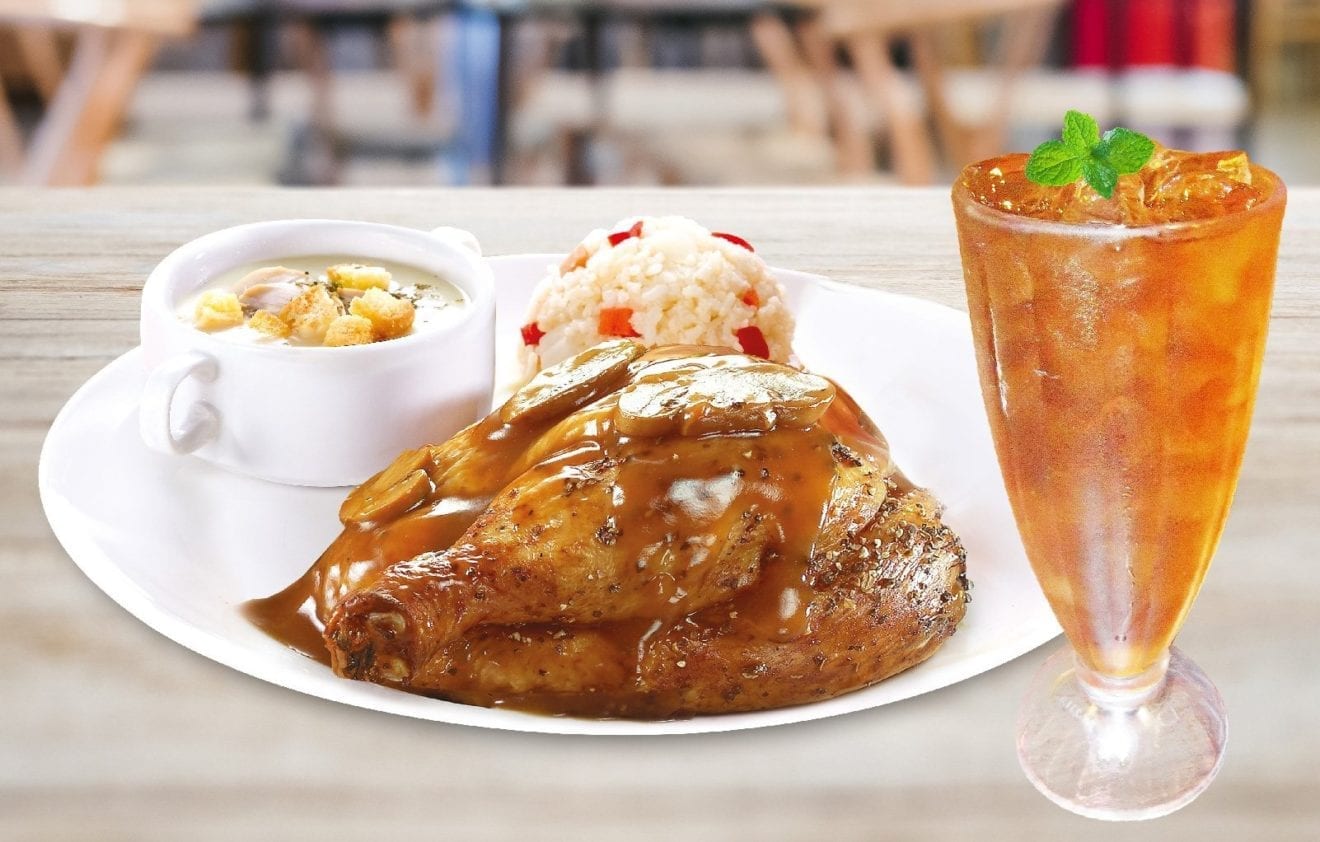
  • Kenny Rogers Roasters, Jollibean to enter India market

    Kenny Rogers Roasters, Jollibean to enter India market

    The Kenny Rogers Roasters and Jollibean food retail brands are to launch in India.

    Malaysia’s Berjaya Food has signed a preliminary franchise partnership deal with India’s World Iconic Brands Hospitality (WIB) to take the banners into the new market.

    WIB will invest US$50 million to open 30 Kenny Rogers Roasters restaurants and 75 Jollibean kiosks in India over the next five years.

    Berjaya Food owns the two chains as well as operating Starbucks in Malaysia and Brunei.

    CEO Sydney Quays describes India as “a stepping stone” for the company to expand into more foreign markets.

    “We have a lot of interest from Southeast Asian countries,” he told the Sun Daily.

    With 970 shopping malls and more than 200 airports, India represents a strong potential market for both the brands, said WIB MD Gaurav Marya.

    “We’ll spend the next six to eight months to get the model right, understand the preference of consumers and we will scale up the business,” he said.

    The first new outlet will open early next year.

    WIB is a subsidiary of Franchise India, Asia’s largest integrated franchise solutions company, which manages 400 brands.

    Kenny Rogers Roaster restaurants already operate in Malaysia, the Philippines, Singapore, Indonesia, Thailand, Bangladesh, India and Dubai, while India is only the second offshore market for Jollibean, after Singapore.

  • Drunken Monkey India eyes 10,000 outlets by 2025

    Drunken Monkey India eyes 10,000 outlets by 2025

    Samrat Reddy, Founder and Managing Director of Drunken Monkey grew up in Chennai where he was a frequent visitor to a local juice and smoothie shop in the neighborhood. Not an avid consumer of tea/ coffee, he gravitated towards smoothies. During his stay in Australia and UK, he observed that the sheer number of places or cafes that serve coffee is far greater than places that serve smoothies. He felt if given a chance to experience smoothies, a huge number of people would turnover and incorporate them into their lifestyle.

    Looking to fill this huge gap in the market and inspired from his own experience, he conducted some extensive research on the potential of the smoothie market and subsequently came up with a business plan to implement it. After coming back to India, with more patient groundwork and comprehensive research, hefinally started the first outlet in February 2016.

    “I wanted to do to smoothies what Starbucks did to coffee. The new generation, the millennials want to be catered to and are more willing than ever to experiment with new brands. People want a space to create meaningful social connections without restricting themselves to the regular coffee and chai outlets. Smoothies are the new social lubricant in town,” says Reddy.

    The journey has been challenging so as to build a new market for smoothies rather than feeding to an existing market of milkshakes, coffee, ice creams etc. Logistics of highly perishable products like fruits is another challenge that I faced in this journey. As a result, a scalable and sustainable business model has come out as a learning.

    “Our operating model is mostly FOFO – franchise owned and franchise operated. The training, supply or raw materials and back-end support are taken care of by the brand, the front-end operations are taken care of by the franchise. However, there is a small percentage of outlets which are COCO – company owned and company operated,” he adds.

    Drunken Monkey currently has 60 outlets in 16 Indian cities like Delhi NCR, Bengaluru, Pune, Vijayawada, Indore, Kolkata, Visakhapatnam, Chennai, Guntur, Jalandhar, Chandigarh, Surat, Thane, Vellore, and Kakinada.

    “We operate out of a cafe sit in the model (600 to 1,300 sq.ft) or a kiosk take-away model (100 to 200 sq.ft). These are located on the high-streets of the city and in malls,” says Reddy.

    What’s There To Offer?

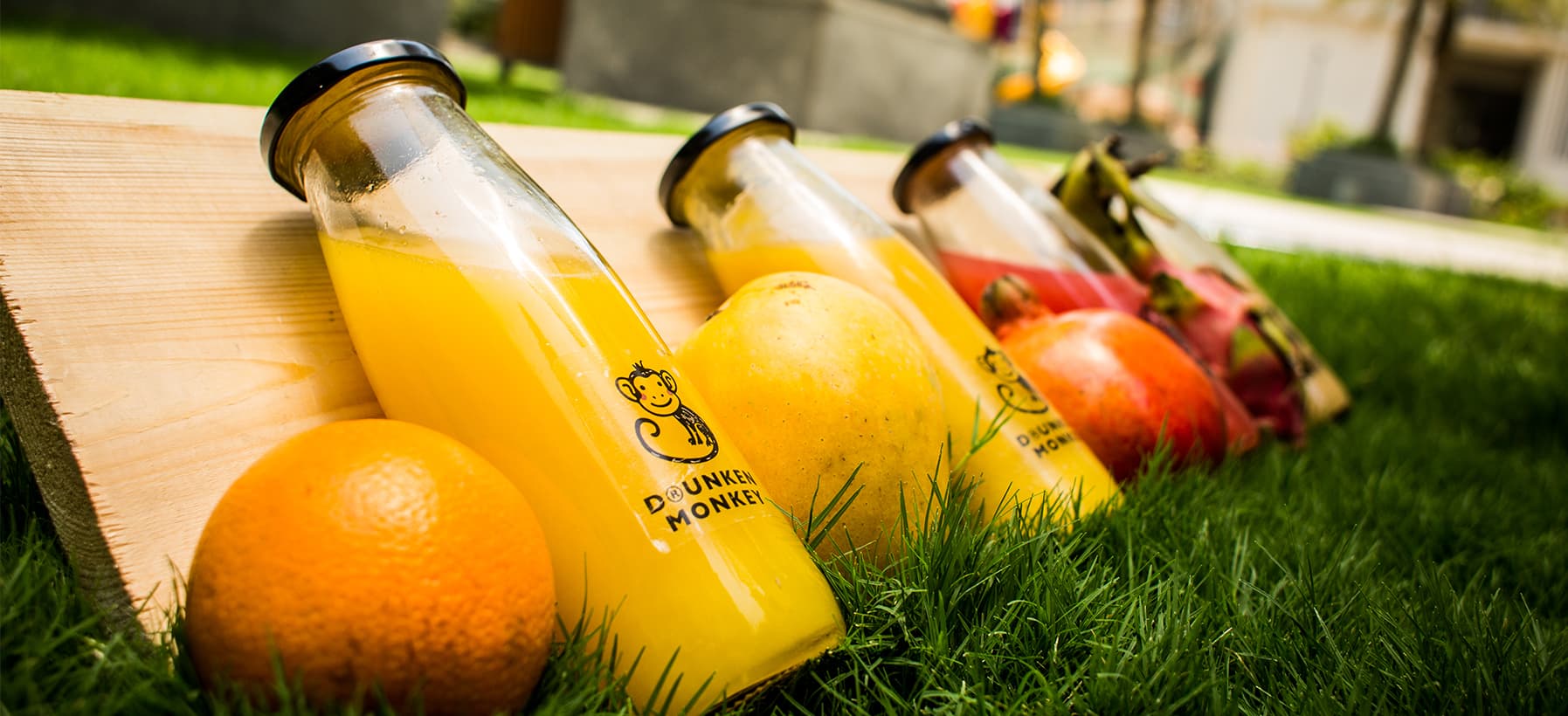
    Drunken Monkey offers over 170 types of smoothies made from locally sourced, natural ingredients, ranging from indulgence to detox, and more. The brand uses pure natural fresh fruit, no artificial flavours, no added sugar, preservatives or concentrates.

    It ensures that the customer is spoilt for choices. There is something for every palette and every mood — from all natural fresh fruit shakes to decadently indulgent smoothies, from detox smoothies to protein smoothies, even a range of smoothies to cure hangovers!

    According to Reddy, “The Fresh Fruit smoothies and shakes are 100 percent natural, without any artificial flavors, preservatives or even ice. The functional range includes Meal Smoothies – wholesome, satisfying blends that keep you going all day, Protein Smoothies – blends of protein and fresh ingredients for a quick pick-me-up, and Hydrator Smoothies that are just perfect for summertime.”

    The brand is unfazed by the competition and believes that they do not have any direct competition in the category.

    “There are a few smoothie players, but they are restricted to limited regions. While, in India, we do not have any competition, internationally we have big players in the market such as Jamba Juice, Booster Juice.  However, the product range built by our RnD team is way ahead of any competition and it would take a lot of effort and time for any player to match it. Apart from that the market for smoothies is a hugely untapped market and the potential for growth is so immense that Drunken Monkey has a great first mover’s advantage by being the pioneers in the smoothie industry in India,” says Reddy.

    Marketing Strategy

    The marketing strategy of Drunken Monkey is aimed at doing to smoothies what Starbucks did to coffee. Four decades ago coffee was not a culture, Starbucks made it what it is now. People want a space to create meaningful social connections without restricting themselves to the regular coffee and chai outlets. Smoothies are the new social lubricant in town.

    “Our vision is to inspire people to feel beautiful, young and full of energy by living naturally high! When people discover and pursue their natural highs, they are more positively engaged, their stress levels are lower and they are able to actively help make communities better!” reveals Reddy.

    Future Plans

    Drunken Monkey is eyeing rapid expansion over the coming years. It is looking to expand to 150 smoothie bars in 2019; by 2021, spread across 5 countries with over 500 smoothie bars and by 2025 – 10,000 smoothie bars.

    Elaborating more on the expansion plans, Reddy says, “Apart from expansion, we plan to reach out to people in different ways through different distribution models. For example – we can get into supermarkets or places where people can pick up smoothies by themselves. So, eventually, we will release a few smoothies with better shelf life, where they can be kept fresh for more time. Apart from this, with fresh fruits, we can do more (apart from smoothies). So, there are more products we can give out in our outlets – expanding our portfolio without leaving our base which is fresh fruits.”

    The brand, which is eyeing Rs 115 crore revenue this fiscal, is planning to spend Rs 50 crore to aid the expansion plans.

    “We are totally self-funded; our initial capital was also self-funded. We will be looking for one round of funding after we reach 200 outlets in India, this funding will help us reach the 500 mark in quick time. Post which we will have another round of funding when we go for abroad expansion and look at expanding our product category and reach,” concludes Reddy.

  • Bugatti Shoes walks in to Iconic

    Bugatti Shoes walks in to Iconic

    AstorMueller, global maker of Bugatti shoes, has appointed Iconic Fashion Retailing as exclusive India retail partner. Bugatti is one of the leading premium shoe brands in Europe, with over 4.5 million pairs sold annually, all designed and crafted by AstorMueller.

    Iconic Fashion Retailing is a prominent multi-brand premium fashion retail chain present in 17 cities. Apart from owned stores, Iconic will distribute and retail Bugatti through various other premium retail destinations, including those exclusively for footwear. Following the rollout of the first group of shop-in-shops will be exclusive Bugatti brand stores in key markets, supported by the strength of Iconic’s distribution. Iconic also has plans to present the collection on keye-commerce platforms, via the marketplace model.

    Iconic will now offer to its customers with the range of Bugatti shoes. Designed by Spanish, German and Italian designers, Bugatti offers a wide range of styles designed for everyone from the traditional businessman to the fashion oriented cosmopolitan and the dynamic sports fashion buyer. The collection features shoes for both men and women and come with many advanced features such as the genial insole, flexcity and the very special hand finished leather. Bugatti MAN includes formal and dress shoes, moccasins, boots, sneakers and casual shoes. Bugatti WOMAN offers pumps, boots, sneakers, dress shoes and ballerinas. Prices range from Rs 4,000 to Rs 10,000.

    Speaking on the introduction of Bugatti, Pawan Khandelwal, Managing Director of Iconic Fashion, says, “We are happy to partner with AstorMueller to present one of Europe’s most successful shoe brands to India. Bugatti is a perfect fit to our premium fashion brands, and we look to take the brand across all main and emerging markets, through various retail partners across India. The first step, though, was to introduce Bugatti into our own Iconic stores, and that’s what we are doing very swiftly this quarter. Iconic is a proven destination for those seeking trendsetting fashion, uncompromising quality and premiumness, and our steady focus on our promise has made the brand solid and aspirational. Bugatti is priced just right for those who demand avant garde fashion.”

    Tim Mueller, Chairman of the AstorMueller Group, which crafts Bugatti shoes, says, “We appreciate Iconic Fashion growth vision for the brand in the Indian market. In 35 countries across Europe and the world, Bugatti is one of the most successful shoe brands of the last decade. Our shoes are recognised for their excellent fit, craftsmanship and attention to detail. The Indian market has been patiently waiting for us to launch in physical retail, and with our trendsetting collections featuring the latest styles from the streets of Europe, we hope to give the Indian consumer the very best.”

    The Autumn Winter 2018 collection is now being introduced ahead of time. Although the launch collection is moderate by Bugatti’s European standards, the entire range will be introduced on par with Europe.

    Says Ewen Campbell, Export Director of the AstorMueller Group says, “We launch numerous styles every season, and we actually also have a fantastic, limited pre-season collection. All these will be introduced to India as well. Many of these go on to become benchmarks in shoe fashion.”

    Says Khandelwal, “The Indian luxury market is worth US $14.5 billion and is rapidly growing. Iconic is positioned as a prestige brand for true fashion enthusiasts with high living standards to upgrade their wardrobes from ordinary mass lifestyle brands to exclusive and premium international brands. Bugatti is precisely one such brand and we have big plans for it.”

    The first shop-in-shop, which offers both Bugatti MAN and Bugatti WOMAN collections, is at the Iconic store in the prominent Ambience Mall, Gurugram, which caters to people across age groups from Gurugram and parts of Delhi as well. Other cities will follow in the course of coming weeks, first in Iconic stores and then in other key fashion and footwear retail stores.

  • IKEA India eyes 15 pc growth year-on-year on same store basis

    IKEA India eyes 15 pc growth year-on-year on same store basis

    IKEA, the furniture retailer which bets big on sustainability, has opened its first store in Hyderabad on August 09. The Swedish home furnishing major has been sourcing from India for its global stores for more than 30 years. Its plan to open retail stores in 40+ cities across the country, reinforces its long-term commitment and deep connection with India.

    Patrik Antoni, Deputy Country Manager, IKEA India says, “We see that Indian market holds a lot of potential for brand IKEA. We do not see India as a country, but we see it as a continent with a lot of people and lot of needs. We see a lot of micro-terms that will support us along with other retailers. It is a growing economy, maybe we might be a little bit bumpy initially but over the coming years India will grow from strength to strength as an economy.”

    He further adds, “We see it as a young country with almost 500 million people below 25 and they will need new homes, we also have a strong observation that people who will shift cities will also need new homes. Then we are very excited about India in the sense that people love homes and it is not the same in the other Asian countries where people many times celebrate outside the home. While in India, it is family, friends, festivals and all over the food, so the four F’s drives life at home and there cannot be a better place for a home furnishing company to be.”

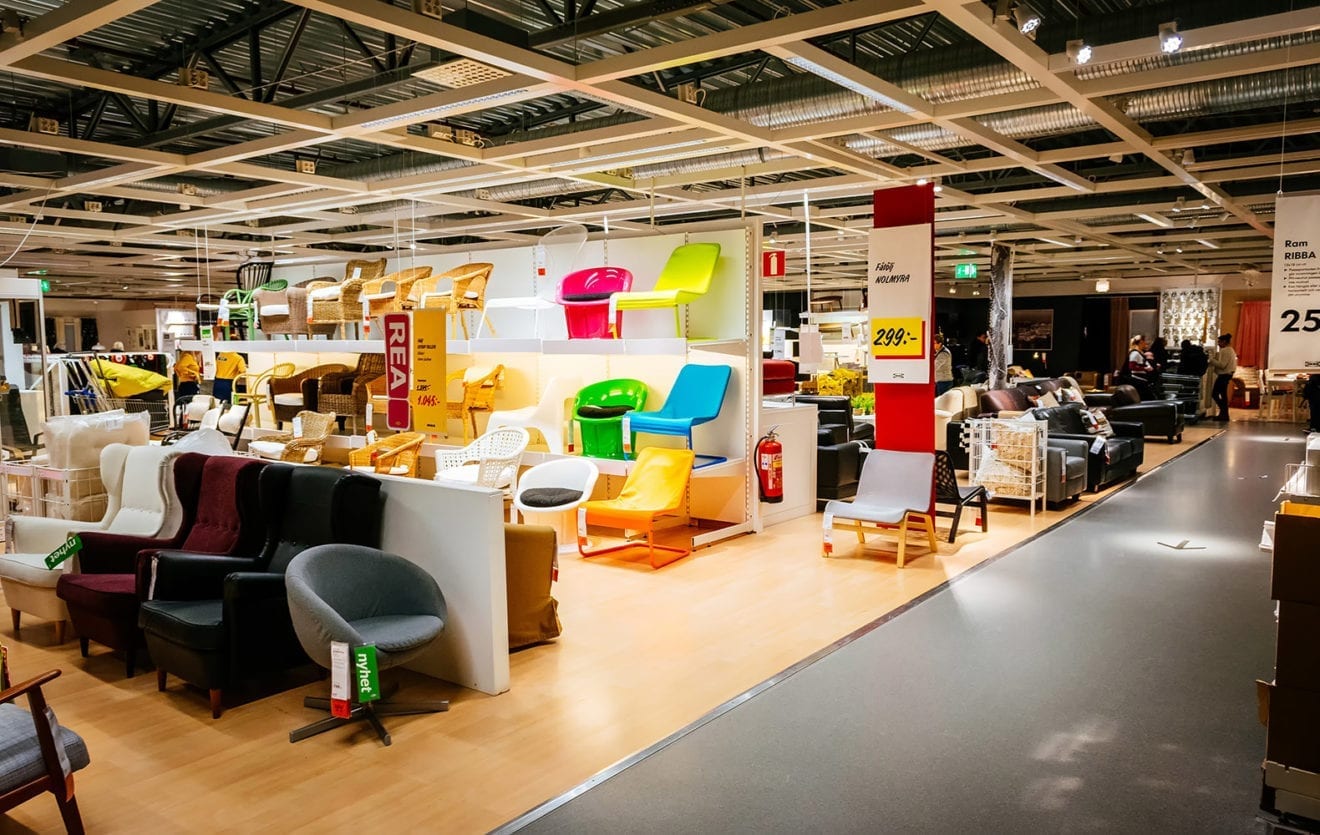
    The IKEA store in Hyderabad offers ideas, inspiration and solutions. It exhibits two full homes that reflect ‘Life at Home’ in Hyderabad, besides different room sets based on different parts of the home like bedroom, kitchen, children’s room and living room. It will also have a market hall where you will find home kitchen utensils and accessories, textiles, rugs, lighting, decoration, stationary and even live plants.

    According to Antoni, “The strength of IKEA Hyderabad is that we have brought all the global IKEA concepts here. We have not compromised on anything. We have got the great experience that we are known all across the world – the inspiration, the customer service, the range – all this has come with us.”

    “What we have done special is that how we have composed the products in the room settings. What we are trying to do is to be relevant for the local market. We have done around 1,000 home visits and research was based on how people live and how they want to live and then we are putting our products in a unique way that represents the Indian needs. If you compare the rooms in IKEA Hyderabad to IKEA Sweden, the main difference is how the rooms are composed and products are composed. On above that, we have 1,000 products that are locally done for India which comes a lot around the food range like frying pans, idli makers etc and coloured bedsheets that we normally do not carry. So we have customised quite a bit,” adds Antoni.

    The 400,000 sq. ft debut outlet in India, features 7,500 furniture and home furnishing products and a 1,000-seater restaurant – which is IKEA’s largest in over 400 stores it has globally.

    “Even IKEA restaurant, which is largest in the IKEA world, is also connected to India’s love for food. We really believe that restaurant will be a huge pull and bring in a lot of people here and we believe that their interaction with IKEA will be over a meal. They will get to know about us through quality of food with low prices and they will realise that the range that we sell is in the same direction,” asserts Antoni.

    Antoni says IKEA would have both large and small stores and more touch points. The e-commerce platform would be launched next year.

    “IKEA Hyderabad is a large store as comapred to many of our other stores across the world. When we enter Mumbai, we want to enter as a multi-channel retailer. Going ahead, we are looking at a store giving a same brand experience, a number of smaller format stores, which will still be big stores, where we can get closer to the customers in the city centres and then an online experience also that gives customers an opportunity to meet IKEA whenever, wherever and however they want,” reveals Antoni.

    Highlighting the USP of the brand, Antoni says, “We are building our customer experience on knowledge. So we do not just produce furniture but we are a Life at Home company. We have been in this business from more than 60 years, and we have a learnt a lot about Life at Home and we combine and build our range based on this knowledge. We do not have a chair that just looks good but it has a function, style and sustainability. Then we have 7,500 products that are built together.”

    The brand is counting on 15 percent growth year-on-year easily on same store basis because the interest in Life at Home will grow.

    According to Antoni,”More the interest in Life at Home will grow in India, more players players will enter India and then the market will grow. This is just a beginning of a new era.”

    In the next phase of expansion, IKEA will be present in other cities like Ahmedabad, Surat, Pune, Chennai and Kolkata with a multi-channel approach. By 2025, the brand is looking at opening more than 25 touchpoints across various cities.

  • Amazon invests US $400 million more in its Indian arms

    Amazon invests US $400 million more in its Indian arms

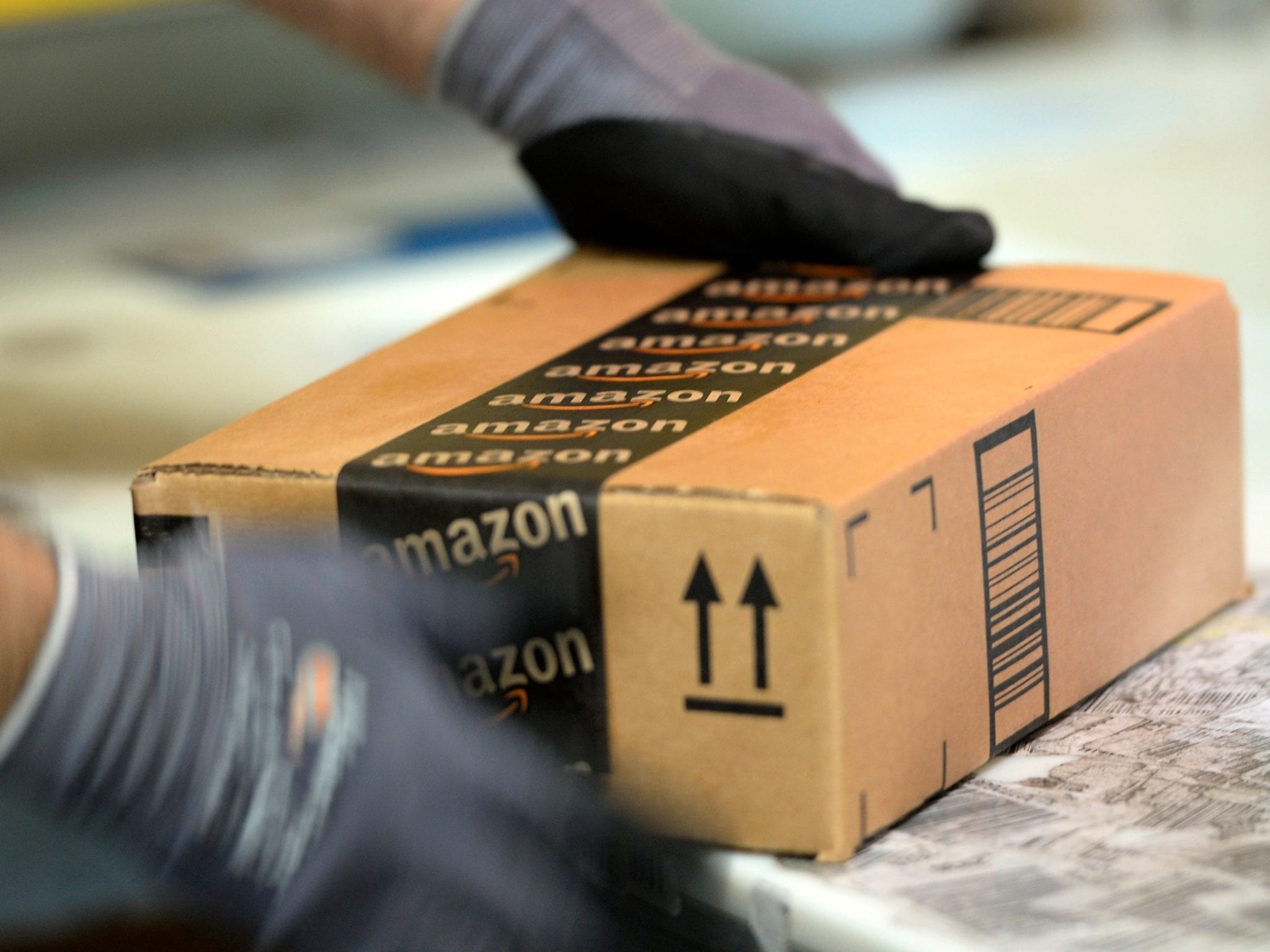
    The US-based world’s largest e-tailer Amazon invested an additional US $400 million (Rs 2,700 crore) in two of its Indian subsidiaries, said business intelligence platform Paper.vc on Monday.

    “Our tally of Amazon’s total investment in its Indian subsidiaries, including this, is US $3.6 billion (Rs 25,241 crore),” Paper.vc founder Vivek Durai said.

    According to documents Amazon filed with the regulators at a meeting on August 6 in Bengaluru, the board of directors of Amazaon Seller Services Ltd approved allotment of 270 crore equity shares of Rs 10 face value for Rs 2,700 crore to the Singapore-based Amazon Corporate Holdings Ltd and an additional 124,753 shares to Amazon.com Incs Ltd without premium.

    “The board of directors of Amazon Retail India Ltd on July 31 agreed to allot 10 crore equity shares of Rs 10 face value for Rs 100 crore to its shareholders (Amazon Corporate Holdings and Amazon.com) without premium on rights basis.

    Ahead of the retail giant Walmart taking majority stake (77 percent) in India’s e-tail major Flipkart for US $16 billion in May, Amazon invested Rs 2,600 crore in its India operations.

    “The Amazon board has consented to allot 260 crore shares of Rs 10 face value aggregating Rs 2,600 crore to the shareholders on rights basis in the ratio of their shareholding,” said Amazon Services Ltd in a filing with the Registrar of Companies (RoC) on May 8.

    Amazon Chief Executive Jeff Bezos had earlier committed to invest a whopping US $5 billion in India to cash in on the rapid growth in e-commerce business.

  • Indian, Swedish food to boost IKEA shoppers’ energy

    Indian, Swedish food to boost IKEA shoppers’ energy

    Walking through the sprawling, newly-opened IKEA store here needs energy and the company is making sure that customers get to recharge at its trademark restaurant. The 1,000-seater restaurant is the biggest among the Swedish home furnishings retailer’s global network in 50 countries.

    The thousands of customers who flocked IKEA’s first India store that opened on August 9 had a massive range of 7,500 world-class products to choose from. With 1,000 products priced below Rs 200, the affordability and the quality of the international brand was the talk of the town.

    So also was the restaurant, with half its menu offering Indian and the other half Swedish food — in line with the company’s global practice.

    “We cater to the local taste wherever we have our operations and half of our food here is Swedish,” Henrik Osterstrom, Country Food Manager, IKEA Food, told IANS at the restaurant, teeming with hundreds of customers.

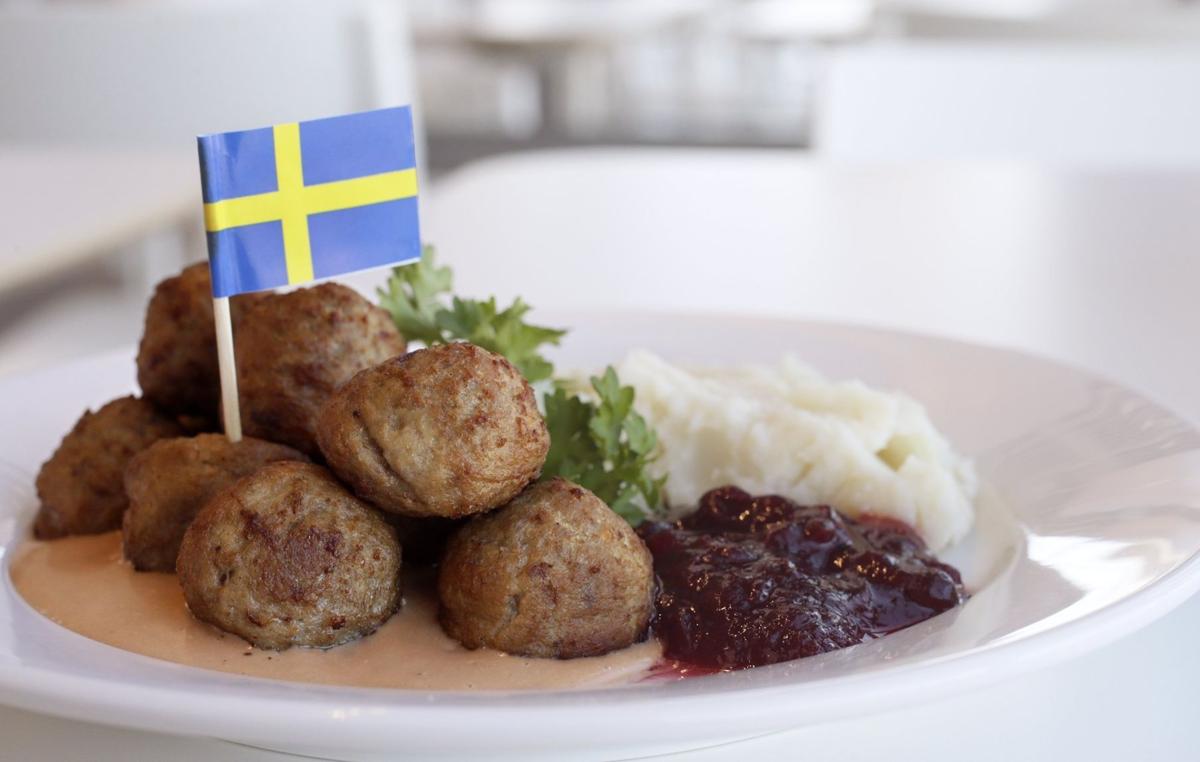
    At the India store, chicken meat balls have replaced beef meat balls, a popular dish on IKEA’s menu globally. It has also dropped pork from the menu for India.

    “Since many people in India don’t eat beef, we are not selling it. As there are many Muslims, we are respecting their sentiments as well by not selling pork,” Osterstrom said.

    The menu includes vegetable biryani, salmon fillet, dal makhni, cakes, green salad, fruit salad, cinnamon buns and and variety of beverages.

    Osterstrom is happy with the customers’ response so far. “It’s fantastic to see so many people coming here. We are selling a lot of biryani, chicken meat balls, veggie balls and dal makhani as well,” he said.

    Like its home furnishing products, IKEA is also offering a menu to suit all sizes of wallets. Vegetable biryani is priced at Rs 99, chicken meat balls at Rs 149 and veggie balls at Rs 129.

    “We have ensured that the food is affordable, of high quality and of good taste. We call it Swedish-feel Indian-appeal,” said Osterstrom.

    The Swedish dishes include chicken meat balls, salmon fillet, lingonberry juice and cinnamon buns.

    Customers have to serve themselves — right from picking up trays and trolleys to collecting food and later leaving the trays and trolleys at designated points. The service is quick as customers collect their orders in a couple of minutes while moving in the queue along the food counters and the billing is done while heading towards their tables.

    Why choose India for the company’s biggest restaurant globally? “It became like that. I think food is starting point in India. We have large restaurants in other countries, especially in Asia, where food is vital. We wanted to give a nice atmosphere and make sure that it is not crowded,” he said.

    Globally, restaurants contribute 10 percent of IKEA’s sales but Osterstrom hopes it will be higher in India as big footfalls are expected. “People in India llove food. It’s just the beginning and we will see more customers.”

    Over 40,000 customers visited IKEA store on the first day. The company expects at least 60 lakh footfalls annually at the store, which has come up with an investment of Rs 1,000 crore in the heart of HITEC City, the information technology hub.

    IKEA plans to open 25 stores across India by 2025. The next store will open in Mumbai next year followed by Bengaluru and Delhi.

    The concept of a store is integral to IKEA, founded by Ingvar Kamprad in 1943.

    “Our founder, from day one, had this idea. As our showrooms are huge and it takes time for customers to go around the entire store, they feel hungry. We also have a play area for kids. It should be fun day for the whole family,” Osterstrom explained.

    The restaurant is located such that if customers feel hungry, after walking through one home furnishings section of the store, they should get new energy to enter the next phase of shopping, that is, the market hall.

    And, after another long walk through the market hall and checkout, customers find in front of them a cafe for refreshments. Here they get a wide range of cookies, chocolates and other delicacies. A samosa costs just Rs 10 while frozen yogurt, which tastes like soft serve ice cream, is also available at the same price.

  • Yoyoso plans its entrance to India

    Yoyoso plans its entrance to India

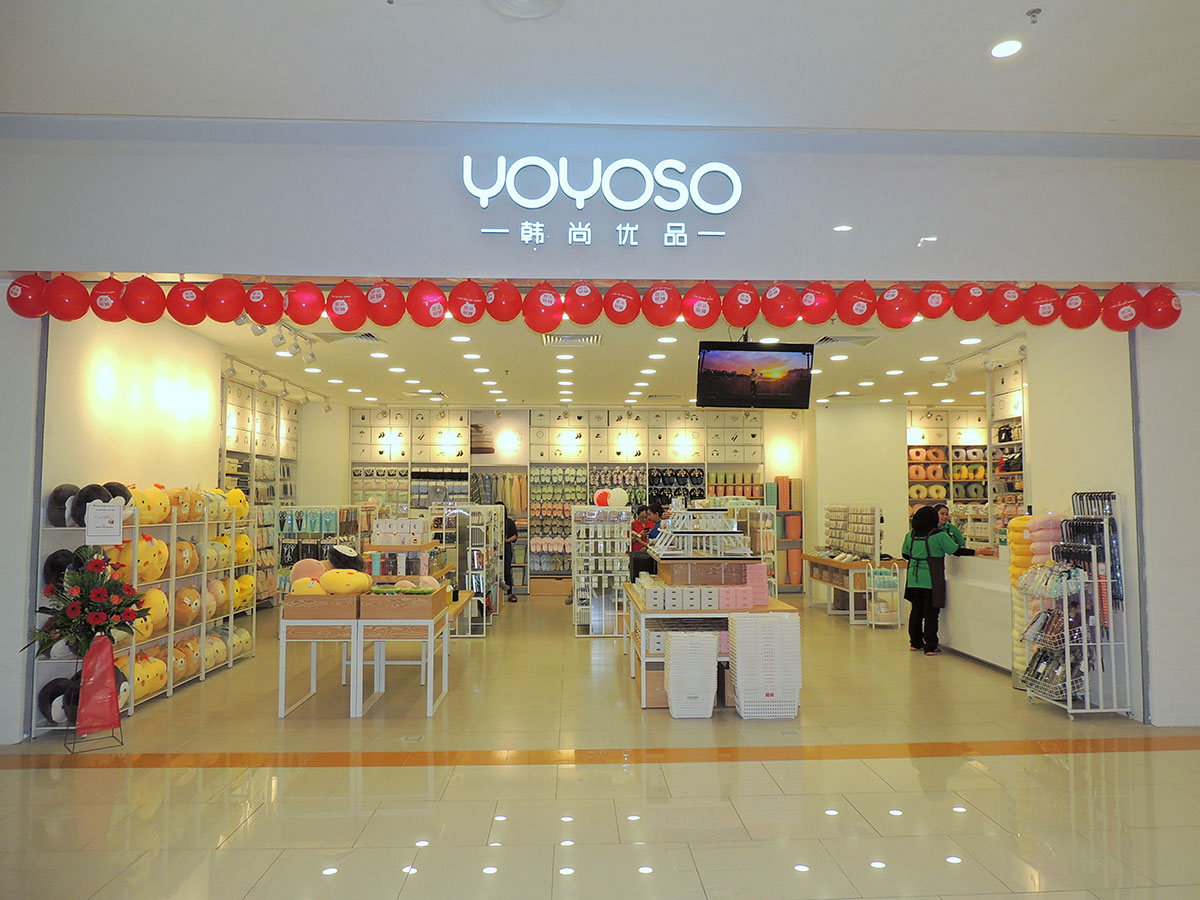
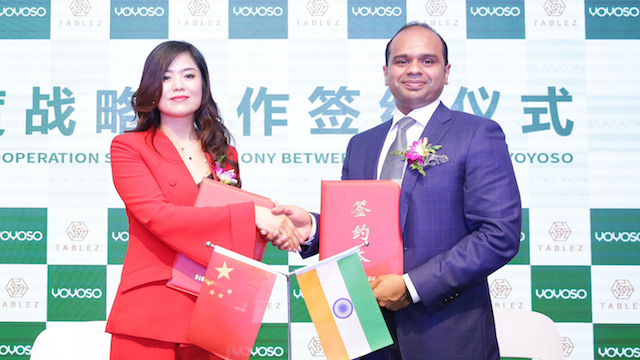
    Chinese lifestyle brand Yoyoso has partnered with Indian retail operation Tablez to bring its outlets to India.

    Ma Huan, president of Yoyoso, said Indian is one of the most important parts of the global market for the business.

    “It’s a great opportunity for both Yoyoso and Tablez.”

    Tablez’ parent company LuLu Group also has plans to open hypermarkets in Yoyoso’s base city of Yiwu, as well as other Chinese cities.

    Tablez MD Adeeb Ahamed said: “Through mutual cooperation, we are confident that Yoyoso will bring plenty of surprises and happiness to a new generation in India.”

    Yoyoso is a discount store, similar in nature to Miniso and Mumuso.

  • China’s Gome set to open in India

    China’s Gome set to open in India

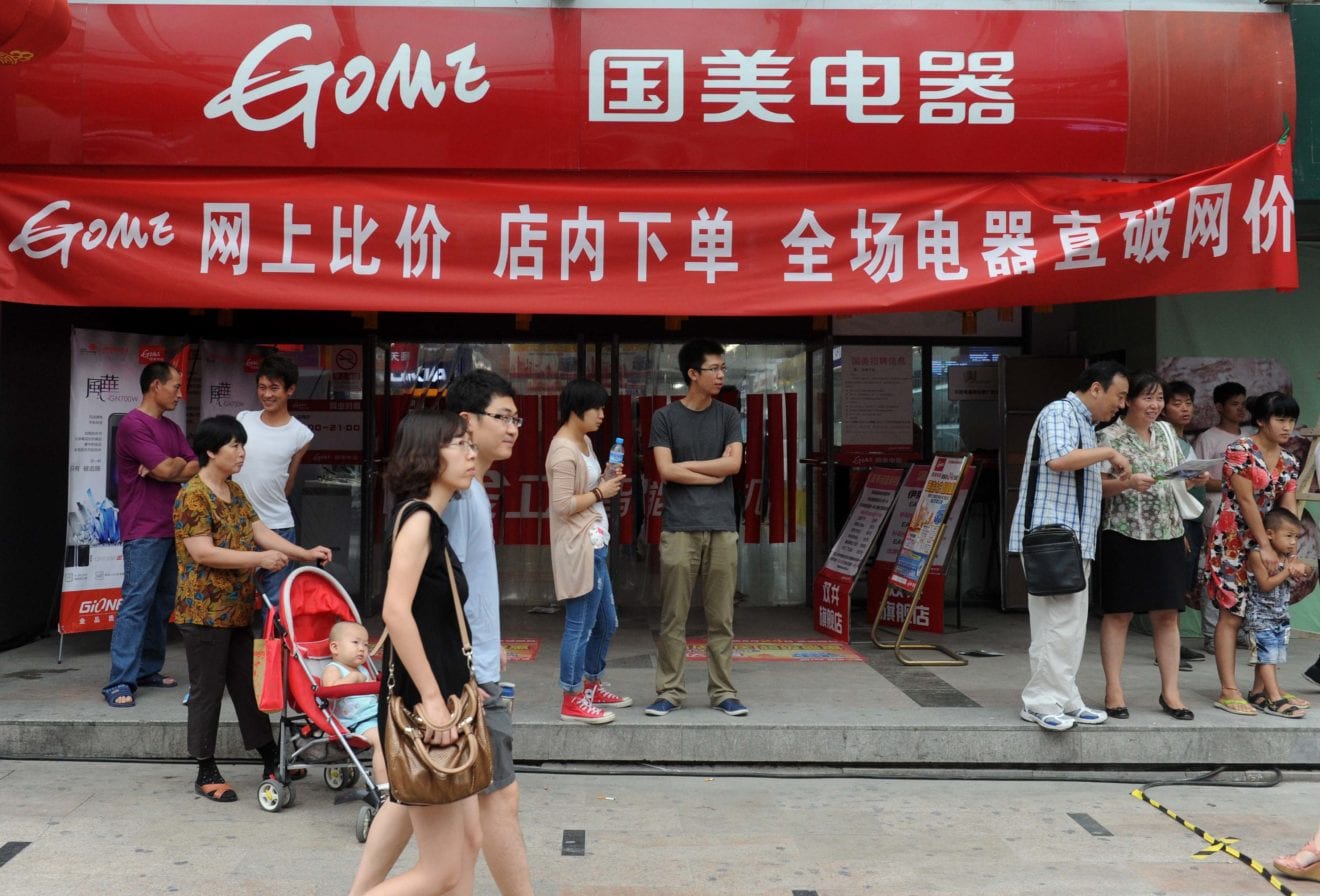
    Chinese electronics retailer Gome is to expand into India.

    The move will involve opening a manufacturing centre in India in order to sell its locally made branded products on the Indian market, which will include appliances, smartphones, and televisions to be sold through multi-brand outlets and online.

    It has already revealed plans to launch three competitively priced smartphones to catch the upcoming festive season in the target region.

    The new firm will be a wholly owned subsidiary of Gome Telecom Equipment, which is part of Hong Kong’s Gome Retail Holdings. Gome Group’s headquarters are based in Beijing.

  • How Ikea makes local shoppers feel at home in its stores across the world

    How Ikea makes local shoppers feel at home in its stores across the world

    Ikea’s blue-and-yellow stores are instantly recognizable: iconic, monolithic and now, as India’s first store throws open its doors to the masses, operating in more than 400 stores in some 50 countries.

    But while every branch of the world’s largest furniture retailer has that most unmistakable whiff of flat-pack conformity, regional differences do exist — not least where their famed Swedish meatballs are concerned. In many countries, the Ikea business model has been subtly tweaked to fit local preferences and customs. Opening hours are altered, menu options are adjusted and very occasionally, women are airbrushed out of catalogues.

    Here’s how a multinational company built on the principles of mass production caters to national tastes.

    The Restaurant

    The cafeteria in Ikea’s new Hyderabad store will have 1,000 seats; what it won’t have is Swedish meatballs. Out of respect for Hindu beliefs, the pork-and-beef dish will be dropped from the menu in favour of chicken meatballs, biryani, samosas and vegetarian hotdogs.

    It’s not the first time the retail giant’s best-known meal has got mixed up in religion. In 2013, traces of horsemeat were discovered in batches from a Swedish supplier, forcing Ikea to release statements in Malaysia and the United Arab Emirates reassuring customers that the pork-free “Swedish” meatballs in those countries were halal certified (and not, in fact, produced in Sweden).

    Most often, menus are tweaked simply to appeal to regional tastes: Crayfish in Japan, fish and chips in the UK, shawarma in Dubai. In a daring move that would pit popularity against convenience, Ikea’s menu may yet become available without a diner having to go anywhere near a stick of furniture: the company is reportedly considering opening standalone restaurants in the US, although “no decisions have been made,” according to a spokesperson.

    The Catalog

    Unsurprisingly, the product lines in the catalog vary somewhat from country to country: the kitchenware section in India will feature spice boxes and idli (rice cake) makers, according to the AFP, while its Chinese cousin goes heavy on woks, cleavers and steamers.

    The catalog itself has been more controversial. A woman-free catalog was produced last year for Israel’s ultra-Orthodox community by the company’s local franchisee, featuring photographs of men and boys only. Ikea later apologized, but the furore can’t have come as a surprise: in 2012 a Saudi catalog appeared with some photos of women airbrushed out, sparking a similar response.

    The Floor Space

    In densely-populated Hong Kong, where flats are typically small and the streets are crowded, Ikea is a place to relax as well as shop. The soft-furnishing section is often crowded with locals taking an air-conditioned break from the city, lounging around on the sofas. Meanwhile, in mainland China, shoppers make themselves even more comfortable: it’s common to find people sleeping in the display beds and armchairs, a habit that isn’t tolerated so readily in other parts of the world.

    Limited space is an issue for the company itself in crowded European capitals like London, Stockholm and Madrid, where it’s opened small-scale stores of less than 1,000 square meters. That’s good news for the maze haters who can’t stand following the arrows around a typical big-box Ikea, which typically sprawls across 25,000 square meters.

    Home Sweet Home

    The local touches aren’t just in-store — they follow you home. Hong Kong deliveries are priced depending on the number of steps up to your apartment (perhaps not unreasonable in such a high-rise city). In the US and UK, you can have your self-assembly furniture built for you using TaskRabbit, an online service that matches freelance labour to one-off jobs, which was acquired by Ikea in 2017. In London, having your kitchen assembled could set you back anywhere between about £13 and £52 ($17 to $67) an hour. Meanwhile, in Dubai, the local assembly service will charge you about 300 dirhams ($82) for the entire job.

    Does the thought of all this global mega-retail have you itching for a long evening browsing the modular storage systems? Head to Hyderabad. In a part of the world where many people’s day starts and ends late, Ikea’s newest branch will be open to 11 pm — a full three hours later than branches in the chain’s home country.

    If, however, you’ve suddenly gone right off the idea of leaving your tastefully furnished house, don’t worry, you can now shop online for your stainless steel shelving, your printed cotton pillowcases — and sometimes even your meatballs — in all but a handful of Ikea’s markets.

  • Amazon India opens its largest fulfilment centre in Haryana

    Amazon India opens its largest fulfilment centre in Haryana

    Expanding its infrastructure footprint in India, online retail major Amazon India on Tuesday opened its largest fulfilment centre (FC) in Haryana with a view to enhance customer experience ahead of the festive season.

    Spread over close to 300,000 square feet with over 1.5 million cubic feet of storage space, the centre situated in Panchgaon will enable faster delivery to customers in the region, the company said in a statement.

    “With the launch of our largest fulfilment centre in Haryana, we now have a storage capacity of more than five million cubic feet in the state. The FC will enable sellers to use the local infrastructure, save capital and help them grow,” said Akhil Saxena, Vice President, Customer Fulfilment, Amazon India.

    The centre is expected to provide support to the local economy by enabling the growth of ancillary businesses such as packaging, transportation, logistics and hospitality across the state.

    It will cater to customer demand for products in categories such as smartphones, consumer electronics, appliances, fashion and consumables, Amazon India said.

  • IKEA India opens one more store with a ‘low price’ strategy

    IKEA India opens one more store with a ‘low price’ strategy

    IKEA, the world’s leading Swedish home furnishing retailer will open the doors of its Hyderabad store, its first in India to customers at 10:00 a.m. today.

    This is a landmark moment for IKEA after it got FDI approval in 2013 that allowed 100 percent FDI for single brand retailers in India. IKEA has been sourcing from India for its global stores for more than 30 years. Its plan to open retail stores in 40+ cities across the country, reinforces its long-term commitment and deep connection with India. IKEA has set out to become a truly unique, meaningful and trusted brand in India, making everyday brighter and better for the many people and this dream seems closer to reality today as we wait to see what the Hyderabad store will offer.

    On the occasion, Jesper Brodin, CEO, IKEA Group said, “Today is a proud moment as it marks a major milestone in a journey that started more than 30 years ago when IKEA partnered up with local manufactures in India. We have a long-term commitment to India, which is an important market for us. We bring an inspiring, affordable and convenient home furnishing offer and awe are more than ready to meet and understand the needs, frustrations and drams in the everyday lives of our customers in India.”

    The store is 4,00,000 sq. ft. large and is spread over 13 acres in the heart of Hyderabad’s tech hub HITEC City and promises to be a ‘fun day out’ for the family. It will offer 7,500 affordable, good quality, value for money home furnishing products, all under one roof. The store will remain open 365 days from between 10.00 a.m. – 11:00 p.m.

    The IKEA store in Hyderabad will offer ideas, inspiration and solutions. It will exhibit two full homes that reflect ‘Life at Home’ in Hyderabad, besides different room sets based on different parts of the home like bedroom, kitchen, children’s room and living room. It will also have a market hall where you will find home kitchen utensils and accessories, textiles, rugs, lighting, decoration, stationary and even live plants.

    The store will house a 1,000-seater restaurant, IKEA’s largest and possibly India’s largest restaurant, a cafe which will offer coffee, bakes, frozen yogurt and many more for purchase, a kids’ paly area named Smaland where customers can leave their children safely.

    The IKEA restaurant will offer 50 percent Swedish specialities like salmon and chicken and vegetarian meatballs and 50 percent local delicacies like biryani, samosas, dal makhni in the case of Hyderabad. The food will be very affordable, for example a plate of samosas will cost Rs 10.

    IKEA’S business idea is based on ambition of reaching the many people with thin wallets. As it sets a goal to reach 200 million people in the next three years , the foundation for a strong and relevant offer is affordability and accessibility. IKEA will attract the many different segments in society and not just the few. Everyone is welcome to shop at IKEA. 1,000 products will be priced below Rs 200.

    Peter Betzel, CEO, IKEA India said, “At IKEA the people, the community and our contribution to safeguarding the health of the planet is the biggest priority. Over the last five years Juvencio Maeztu and the team here have laid a very strong foundation and a solid base for IKEA to be successful. I thank all our friends in India including the government and officials for all the support and partnership to make this dream a reality.”

    In terms of the products, the company will be bringing its classic IKEA range along with a small percentage of locally relevant products for the Indian market like masala boxes, pressure cookers, tawas, idli makers, colourful sheets and mattresses made with coconut fibre centre. Customers will also be able to buy global classics like the BILLY bookcase, KLIPPAN sofa, LACK table and POaNG armchair among others.

    Welcoming the people of Hyderabad, Johan Achillea, IKEA Hyderabad Store Manager said, “I am excited to thrwo open the doors of the first IKEA India store to the many people of Hyderabad and its neighbouring community. Telangana has given us a lot of love over the last few years and now we hope to witness the people of Hyderabad truly enjoying our store that has been built with love. I thank the local officials who have made this day possible. The biggest value we bring its to the many people who have big aspirations for their homes and thin wallets. Our promise is one of value, of quality and of making the everyday life better at home for all of the many people in the state and beyond.”

    The IKEA store employs 950 co-workers in Hyderabad directly and 1500 indirectly in services and expects to host close to 7 million visitors each year.

    IKEA has a non-negotiable commitment to hire 50% women co-workers at all levels in India including forklift drives and assembling co-workers. It will also come with a strong and affordable service offer including delivery and assembly to help customers who are not familiar with the DIY (Do it yourself) concept just yet.

  • Hong Kong’s Fung Group injects US$35M into India’s B2B e-commerce ShopX

    Hong Kong’s Fung Group injects US$35M into India’s B2B e-commerce ShopX

    The Fung family has invested US$35 million in Indian technology platform ShopX.

    The funds came from Fung Strategic Holdings a member of Fung Investments, the private investment vehicle of the families of Dr Victor Fung and Dr William Fung.

    ShopX is described as India’s leading B2B e-commerce company, connecting India’s consumers and small merchants with brands and suppliers directly to purchase products and services.

    India’s retail market is estimated to reach US$1.1 trillion by 2020, and small-to-medium sized businesses play an important role in the Indian economy, making up about 90 per cent of the retail sector. Until now, they largely remain ‘offline’ in small villages and towns serving the local surrounding population.

    ShopX, founded by Amit Sharma and Apoorva Jois in May 2015, aims to be the preeminent e-commerce platform serving more than 12 million small merchants across India, enabling everything from ordering to delivery, payments and localised customer support. ShopX already covers 50,000 retailers in more than 300 locations across India.

    Nandan Nilekani, a leading entrepreneur, has been an early investor in ShopX, supporting the company from inception with more than $18 million in personal investment and active mentorship.

    “The ShopX model provides small retailers access to the same cutting-edge technology and supply chain solutions as any established e-commerce or organised retailer,” he said.

    “This access provides an onboarding ramp into the formal economy for millions of India’s small retailers and the next 400 million consumers. ShopX has been built on scalable and sound business principles like platform thinking, capital efficiency and a sustainable growth model. We are very excited to welcome the Fung Group into ShopX, and look forward to expanding the platform with their investment and strategic synergies.”

    Victor Fung added: “This is one of a series of investments the Fung Group and its companies are making to advance new, disruptive technologies shaping the future of retail and supply chain. ShopX is combining technology and an innovative business model to transform the traditional retail model in India. Given the country’s sheer population size and rising consumer spending power, not only do we see tremendous opportunity in India, but also the successful application of this model to other parts of the region.”

    Tech focus

    The ShopX investment follows recent Fung Group initiatives and investments in new technologies including:

    • A partnership with Tencent-backed WeDoctor to create an e-commerce platform connecting China’s myriad of hospitals with medical device manufacturers and service providers to centrally procure medical devices, consumables and services.
    • A partnership with JD.com to develop AI-driven retail solutions.
    • A new innovation lab with Shima Seiki, the Japanese company behind the world’s most advanced computerised flat knitting machines, to conduct specialised materials R&D.
  • PepsiCo India’s Indra Nooyi to step down as CEO in October

    PepsiCo India’s Indra Nooyi to step down as CEO in October

    Indian American business executive Indra K. Nooyi will step down as the Chief Executive of food and beverage major PepsiCo Inc in October, the company said on Monday.

    According to the US-based multinational, Nooyi, 62, will step down on October 3 after 24 years with the company, the last 12 as the CEO. However, Nooyi will remain the Chairman of the company until early 2019, Pepsico said.

    She will be succeeded by Ramon Laguarta, 54, as the Chief Executive Officer.

    “Growing up in India, I never imagined I’d have the opportunity to lead such an extraordinary company,” Nooyi was quoted as saying in a company statement.

    “Guided by our philosophy of ‘Performance with Purpose’ – delivering sustained performance while making more nutritious products, limiting our environmental footprint and lifting up all the communities we serve, we’ve made a more meaningful impact in people’s lives than I ever dreamed possible.

    “PepsiCo today is in a strong position for continued growth with its brightest days still ahead.”

    While Nooyi departs, the rest of PepsiCo’s senior leadership team will remain unchanged.

    Speaking on behalf of PepsiCo’s Board of Directors, presiding Director Ian Cook said: “As Chairman and CEO, Indra has provided outstanding leadership over the past 12 years, serving as a model both within our industry and beyond for responsible corporate stewardship in the 21st century.

    “As CEO, she grew revenue more than 80 percent, outperforming our peers and adding a new billion-dollar brand almost every other year. And shareholders have benefited: US $1,000 invested in PepsiCo in 2006 is worth more than two-and-a-half times that amount today.”

    Cook pointed out that under her leadership the company invested “for the future, leading the way on corporate sustainability and responsibility, and embedding a sense of purpose in everything the company does.

    “As one of the first Fortune 100 CEOs to embed sustainability targets into business operations, Indra was a pioneer, paving the way for a new generation of business leaders who seek to ‘do well by doing good’.

    “Under her leadership, PepsiCo grew its portfolio of ‘Good for You and Better for You’ options from about 38 percent of revenue in 2006 to roughly 50 percent in 2017, almost tripled its investments in research and development to expand its more nutritious offerings and minimize its environmental impact, and achieved global recognition for the company’s work in communities around the world.”

  • The great differentiator in retail industry

    The great differentiator in retail industry

    The retail industry is competitive, it’s relentless and the success of brands and retailers depends on how firmly they deal with their competition. One way to stay ahead of the curve is the incorporation of technology in a brand’s operating model.

    Technology is changing the shape of the global retail industry as also the way many retailers and businesses operate. In retail, technology gives brands the platform to better satisfy their customers by helping them concentrate on consumer needs.

    According to a Walker study, customer experience will overtake price and product as the key brand differentiator by 2020 and 86 percent of consumers will pay more for a better experience. The challenge in serving the modern customer for most retailers, therefore, lies in bringing about the right balance between technology and humans.

    Retailers with the foresight to understand the potential of technology without getting lost in its complexities, and merging it with human interaction, have always been able to grow faster and bigger. Simply put, technology is beginning to play an increasingly important role in the management of complex retail operations all over the world. To stay ahead of the game, retailers are taking the help of different technologies to lead the way in changing two aspects: their points-of-sale and their points-of-supply.

    As retail markets continue to grow and become complex, it is becoming increasingly tough for businesses to keep a track on new developments and then to figure out how these developments can be combined into their operating models in order to come up with a winning proposition – both for themselves as well as their consumer. This is one of the many reasons that retailers need technology.

    Other important factors for retail brands to transform their IT capabilities include:
    – Increasing the company’s ability to respond to the evolving marketplace through enhanced speed and flexibility
    – Collecting and analysing customer data while enhancing differentiation
    – Working effectively; retailers need one system working across stores (or even across national borders) to make sure the most effective use of stock and improve business processes

    Technology in Retail

    High tech innovations help retailers stay competitive in key categories including consumer convenience, price, size and speed. High tech tools help in manufacturing products in bulk, ensuring fulfillment of consumer demands with greater speed and ease both at the warehouses/ stores and on the sales floor.

    Technology also balances inventory assortments, manages ordering and tracks pricing. Customer tracking tools increase customer satisfaction and promote loyalty by enhancing shoppers’ in-store experience.

    For example, in-store sensors and beacon technology can record behavioral and demographic data to a business’s cloud computing system, offering insight into the customers’ psyche. This data can then guide product, layout and display strategies. The data gathered systems can analyse customer browsing and buying patterns, which then be used to personalise in-store experiences for consumers. IoT beacons can also help customers quickly find items in a store and notify them of offers and discounts via their smartphones.

    On the executive level too, technology plays a positive role in strategy and decision making, saving time and adding convenience and profits to the business.

    Personalisation & CRM Through POS Systems: Thanks to modern technology, cloud-based POS systems aid business owners in the automation of daily tasks. These include payment and checkout like interactive signage, employee attendance, self-service applications like customer check-in. POS systems also help in the overall optimisation of processes like tracking inputs from different access points, implementation of a reservation system (in case of a restaurant) and developing a customer loyalty program.

    These smart register terminals provide reports, calculate discounts, offer coupons, capture and match tally of customer profile information with ease to avoid chaos at the billing counter. They use a signature capture technology for credit card transactions which retains receipts electronically.

    Use of POS technology has served towards making the payment process easier and contactless. RFID and NFC technology provide customers with the bonus of making a purchase using their smartphones and smartwatches.

    It is important for retail businesses to streamline these processes to develop a system which is informative and error-free.

    Inventory Management: According to stores.org, “Retailers will continue to explore ways to use IoT in the coming year for everything from keeping better tabs on their inventory to managing losses from theft and connecting with shoppers.

    With the help of technology, managers can track inventory in an organised manner through its purchase cycle and offer real-time information and updates about the product to consumers. Technology is also already helping in informing managers of the status of the store stock – whether it needs replenishing or not.

    Features like ‘Electronic Data Interchange (EDI)’ help in maintaining direct computer-to-computer transactions from the store to the vendors’ databases and ordering systems. The wireless hand-held inventory units keep a check on the entire database at the headquarters by downloading and help in downloading the data regularly.

    The Universal Product Code (UPC), is used for product identification system using bar code and unique numbering for organising the goods category wise. Automatic replenishment manages restocking of what’s been sold. Customer Relationship Management (CRM) software allows retailers to track customers.

    Price Auditing: Despite being a time consuming and costly process, price auditing is another important aspect for retailers which ensures that the consumers are not being charged extra or less. Auditing has been streamlined to a large extent by the introduction of technology as products can now be scanned at the time of purchase. Th is creates more accurate pricing, saves store employees a lot of time and creates better trust between the store and the customers.

    Impact of Technology on the Retail Industry

    The dawn of e-commerce had dealt a huge blow to the traditional retail – that is until retailers discovered the advantages of Omnichannel retail. With the advent of new technology, retailers are now raising the industry from the simple concept of buying and selling and taking Omnichannel to another level altogether.

    “Retailers will continue to adopt emerging technologies in 2018 to close the gap between the digital and physical worlds, and to learn more about consumers. Mobile will become an increasingly important part of the retail equation as stores also evolve. And throughout the industry, retailers will attain more data about their shoppers and use artificial intelligence to enhance their marketing and merchandising. Personalisation in retail will play a important role in 2018.

    Retailers will use data and AI platforms to better engage customers with personalized shopping experience both online and in the store. More retailers will use AI-based capabilities and technologies to better match shoppers with products. They will be able to access personal shopping history, demographics, page views and clicks then use AI to offer better recommendations and individually tailor their marketing,” says Sunil Nair, Sr. Vice President IT & Business Solutions, SPAR India (Max Hypermarkets).

    Indians as customers are more digitally aware now than ever before, and this number will increase over the next few years. More Indians getting into the digital space would mean more opportunities and challenges for us retailers in terms of getting through to the right audience in a manner that converts them into loyal customers. Upcoming technologies are going to make way for the Indian Retail Industry to make a digital breakthrough and provide exactly what the digitally-aware customers would want,” he adds.

    “India is one of the biggest consumer market in terms of mobile devices. Coupled with an efficient distribution and logistics setup, the retail industry is set for exponential growth. The real time analytics could bring in efficiencies in inventory management, product placements, supply chain, deliveries, and even product development for the right consumer market. The two hot technologies that are becoming very popular are ‘Robotics & Drone Deliveries’ in retail are yet to get a serious consideration in Indian market,” says Chetan Chaturvedi, CIO, Head – IT, Reliance Market Retail Ltd.

    “With the availability of new technologies each consumer today can be viewed as a unique individual with clearly identifiable preferences. Therefore, Indian retail needs to move from one-size-fits-all approach to a highly-customized, consumer-centric
    approach. The way retail is currently structured, this requires a both a big paradigm and structural shift,” adds Abhishek Lal, Sr. Director E-commerce – Emerging Markets, adidas Emerging Markets.

    “AI has become one of the biggest technological developments in recent years. With its ability to help turn large and diverse data sets into enriched information that can help improve speed, cost and flexibility across the value chain. In fashion, AI helps brands and retailers with predictive forecasting, capacity planning and merchandising. Consumers enjoy the benefi ts of better product availability,” says Manoj Patel, Dep. CIO, House of Anita Dongre Ltd.

    How IOT is Shaping the Industry

    “Retailers will make greater use of beacons, sensors and the Internet of Things devices to drive the in-store experience in 2018. IoT will be the tool that can finally bridge the gap between the digital and physical worlds as it finally offers the ability to obtain and use data in stores. Retailers will be able to use these devices to gather more information about consumers in the store and convert that into data that can also be used online and through mobile. They will pilot more IoT programs to enhance store entry, customer interaction, improve merchandising and offer more rapid checkout. We are in the process of implementing IOT for inventory management, improving in-store experience through personalised marketing and energy management,” explains Nair.

    “IoT adaptation varies from company to company. For beauty and cosmetics retail, it would help in recognizing customer sentiments through camera sensors, analysing in-store traffic and converting them as shoppers in real time. IOT can help out in building virtual assist to ‘try on’ makeup look before actually buying the final products. We are working on that,” says Tarun Bali, Head IT, Quest Retail Pvt. Ltd., The Bodyshop.

    “IoT is key for this consumer facing industry and it would create a huge impact in our customer offerings. There is use of sensors which capture Image/ Video/ Product information which are critical elements for retailers. Organizations need to store IoT data and use in for better operating decisions,” Piyush Chowhan, Chief Information Officer, Arvind Fashions Ltd.
  • Amazon India announces ‘Amazon Freedom Sale’ from August 09-12

    Amazon India announces ‘Amazon Freedom Sale’ from August 09-12

    Amazon India is all set to celebrate the country’s spirit of independence with the ‘Amazon Freedom Sale’ from 12 am (midnight) on August 9 to 11:59 pm on August 12, 2018.

    With over 20,000 deals on Smartphones, Consumer Electronics, Fashion, Large Appliances, Groceries & Daily essentials, TVs and more, customers can enjoy shopping from over 170 million products across hundreds of categories on Amazon.in.

    Customers can look forward to new launches and exciting deals across brands such as OnePlus, Huawei, Honor, Samsung, Vivo, RealMe, 10.Or, Marks & Spencer, UCB, GAP, Shoppers Stop, Levis, Pantaloons, Red Tape, Sanyo, Casio, Puma, UCB, Prestige, LG, Bajaj, Pampers, Lego, Lakmé, Nivea, Philips, Pedigree, Bombay Dyeing, JBL, Sony and many more. Amazon Echo devices, Fire TV Stick and Kindle e-readers will be available at great discounts on all four days of the sale.

    “As the most trusted and visited shopping destination in India, we look forward to celebrating every occasion with our customers. The Amazon Freedom Sale has been curated to offer everything customers are looking for this season and more! With new launches, great deals, extra cashback, no cost EMI and convenient exchange options, customers can look forward to a grand celebration on Amazon.in,” said Manish Tiwary, Vice President – Category Management, Amazon India.

    This Amazon Freedom Sale, customers can save more with an additional cashback of 10 percent when they pay using SBI debit and credit cards. Millions of eligible customers can also enjoy EMI on using their debit card from select banks.