Tag: india

  • IKEA India to use electric vehicles for home deliveries

    IKEA India to use electric vehicles for home deliveries

    Swedish furniture maker IKEA is planning to use electric vehicles for home deliveries across the country, said a senior official of the company.

    IKEA initially aims at using electric vehicles, upto 20 percent of its total customer delivery fleet and subsequently increase them up 60 percent over three years.

    Deputy Country Manager of IKEA India, Patrik Antoni said the company will be installing charging pods at its store in Hyderabad to encourage both employees and customers to switch to electric vehicles.

    “To meet the Indian customers’ service expectations home delivery will be an important component of our offer. As a company, we have ambitious plans to adopt electric vehicles across our operations and in our first year in India, around 20 percent of our customer delivery fleet will comprise electric vehicles.

    That number is planned to increase to 40 percent in the second year and 60 percent in the third year of IKEA’s operations,” the Ikea official said.

    “We will be installing charging pods at our IKEA store in Hyderabad to encourage both our employees and customers to switch to electric vehicles.

    The initiative concerns our own vehicles at our stores and offices, but also includes our partners who take care of our home deliveries,” he further said.

    Meanwhile IKEA said it has chosen Gati-KWE, an express distribution services firmas logistic partner for its upcoming store here.

    The store is expected to be open next month here.

    The press release issued by Gati,the partnership will enable Ikea to efficiently manage home deliveries of its products (Do-It-Yourself) sold from its first ever India store to customer homes across Telangana.

    The overall scope of partnership is a combination of contract logistics, last-mile distribution and reverse logistics, it said.
  • India’s first ‘Smart Mall’ coming to smart city of Bhopal

    India’s first ‘Smart Mall’ coming to smart city of Bhopal

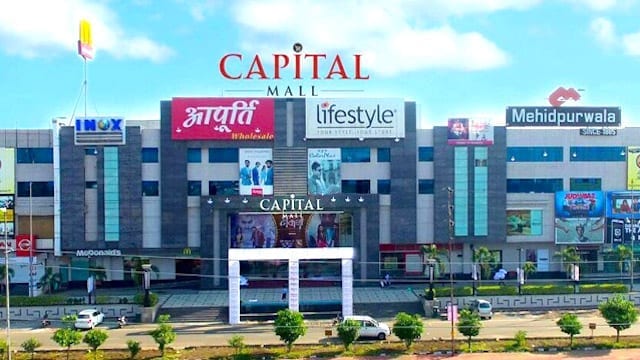
    A ‘smart mall’ is being planned for the city of Bhopal, one of 100 “smart cities” being developed by the government of India.

    Capital Mall is being refitted to offer 100 per cent 4G-internet connectivity to all customers; a cashless parking management system; a 40,000sqft 4D digital experience designed by a British firm; and digital ambient lighting with lumen sensors. Visitors will be able to navigate the mall with the help of a downloadable app, which will also alert customers about discounts and special offers.

    Capital Malls MD Mukesh Kumar said the mall was being designed to match the expectations of today’s “smart customers”, and said the initiative would put Bhopal on the national map despite it being only a tier II city.

    Mall management firm Beyond Squarefeet’s chief mall mechanic Susil Dungarwal said: “While the mall owners are putting in all efforts in converting it into a ‘smart mall’, we are working on creating a smart retail mix and experience for the interior. We have already tied up with various national and international retailers, most of whom will be in Bhopal for the first time. Our focus is to create a unique tenant mix and category mix, which will add to the unique selling point of the mall.”

    The mall covers 500,000sqft of gross leasable area and is situated on Bhopal’s Main Hoshangabad Road in the suburb of Misrod.

  • AirAsia strongly refutes India CBI allegations

    AirAsia strongly refutes India CBI allegations

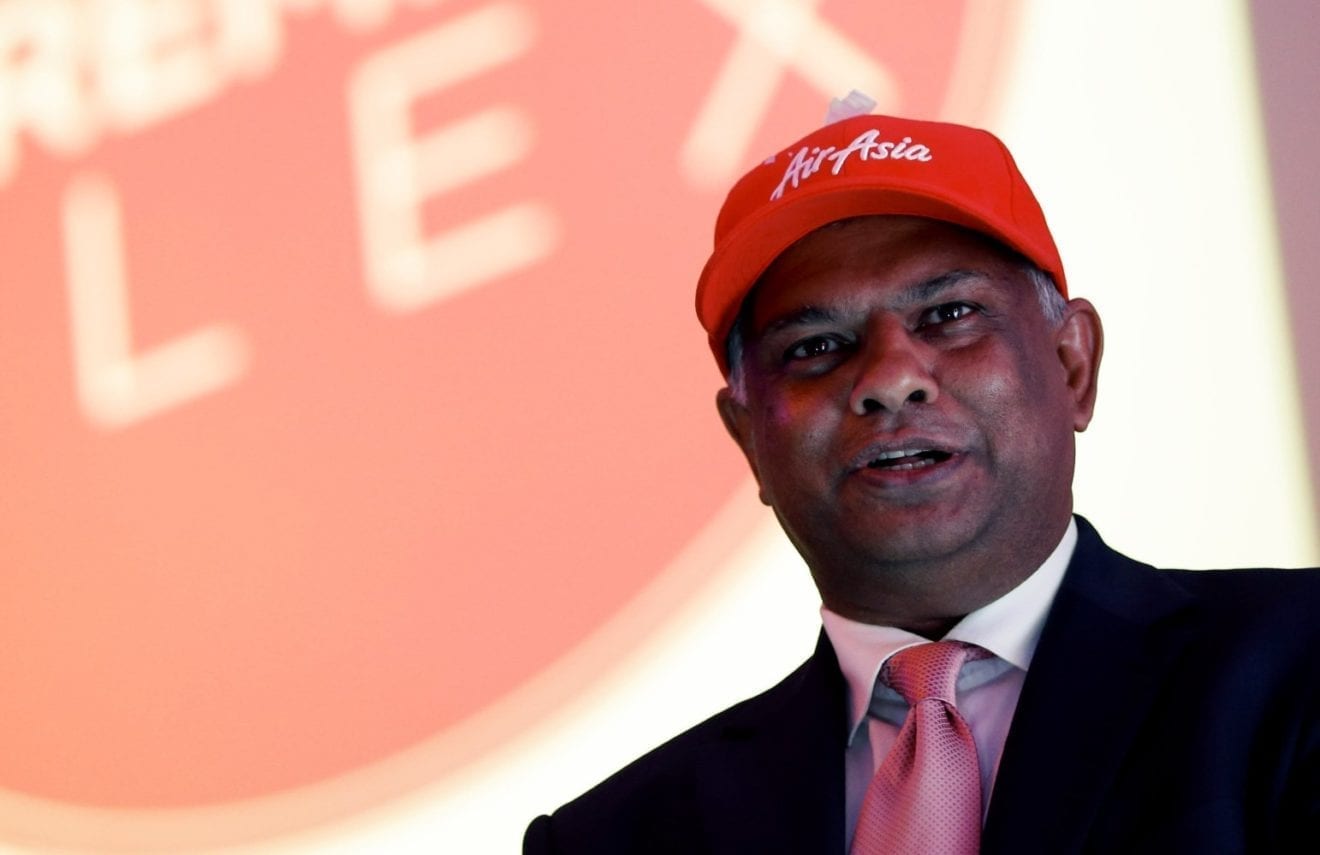
    AirAsia Group Bhd (AAGB) lambasted the Indian Central Bureau of Investigation’s (CBI) first information report (FIR) lodged against the low-cost airline, based on information from an unnamed “reliable source.”

    “We question the motives of the unnamed person, persons or organisation that lodged this FIR but we will cooperate fully with the Indian authorities in accordance with due process provided in law,” it said in a filing with the stock exchange.

    AAGB refuted strongly all the allegations made in the FIR as baseless, unsupported and unjustified and will vigorously challenge these allegations.

    The FIR claimed that unknown public servants have engaged in a criminal conspiracy involving AAGB, AirAsia India, group CEO Tan Sri Tony Fernandes, deputy CEO Bo Lingam, four other named parties and unknown public servants and unknown private persons, to expedite the approval process and change in aviation policies to suit AirAsia India, by lobbying with stakeholders in the Indian government through non-transparent means.

    AAGB explained that its move, together with other aviation players, to lobby the Indian government to remove the 5/20 rule was done in compliance with the law and without any unlawful payments. The 5/20 rule inhibits competition and the development of a healthy aviation sector that endures for the benefit of the Indian consumer.

    “Further, AAGB has had an internal review and concluded that there has been no wrongdoing by either Fernandes or Lingam.”

    AAGB said the joint venture with Tata Sons Ltd to set up its low cost carrier in India carrying the AirAsia brand, was primarily due to the sterling reputation and integrity of Tata Sons in India.

    “All required approvals were obtained through normal channels and it took more than a year to get these approvals. Given Tata’s more than 100 years track record and that of AirAsia’s reputation, we refute any inference of impropriety in obtaining these approvals.”

    AirAsia Investments Ltd holds 49% equity in AirAsia India, while the remaining 51% is owned by Tata Sons (49%) and two individuals on the board (2%) who are Indian nationals.

    AAGB reiterated that all the allegations in the FIR are unfounded and are without any rational basis and are wholly inconceivable in the context of corporate governance norms in Malaysia.

    “Accordingly AAGB denies all allegations of wrongdoing and will pursue all legal remedies available to address these allegations.”

    Meanwhile, AAGB said AirAsia India lodged an FIR against former CEO Mittu Chandilya last year over the contract with HNR Trading Pte Ltd which was unauthorised by the company.

    It also submitted a forensic audit report by an accounting firm in India to show that funds were illegally siphoned out of the company through that unauthorised contract.

    “We believe that the Bangalore police are still investigating although much time has lapsed.”

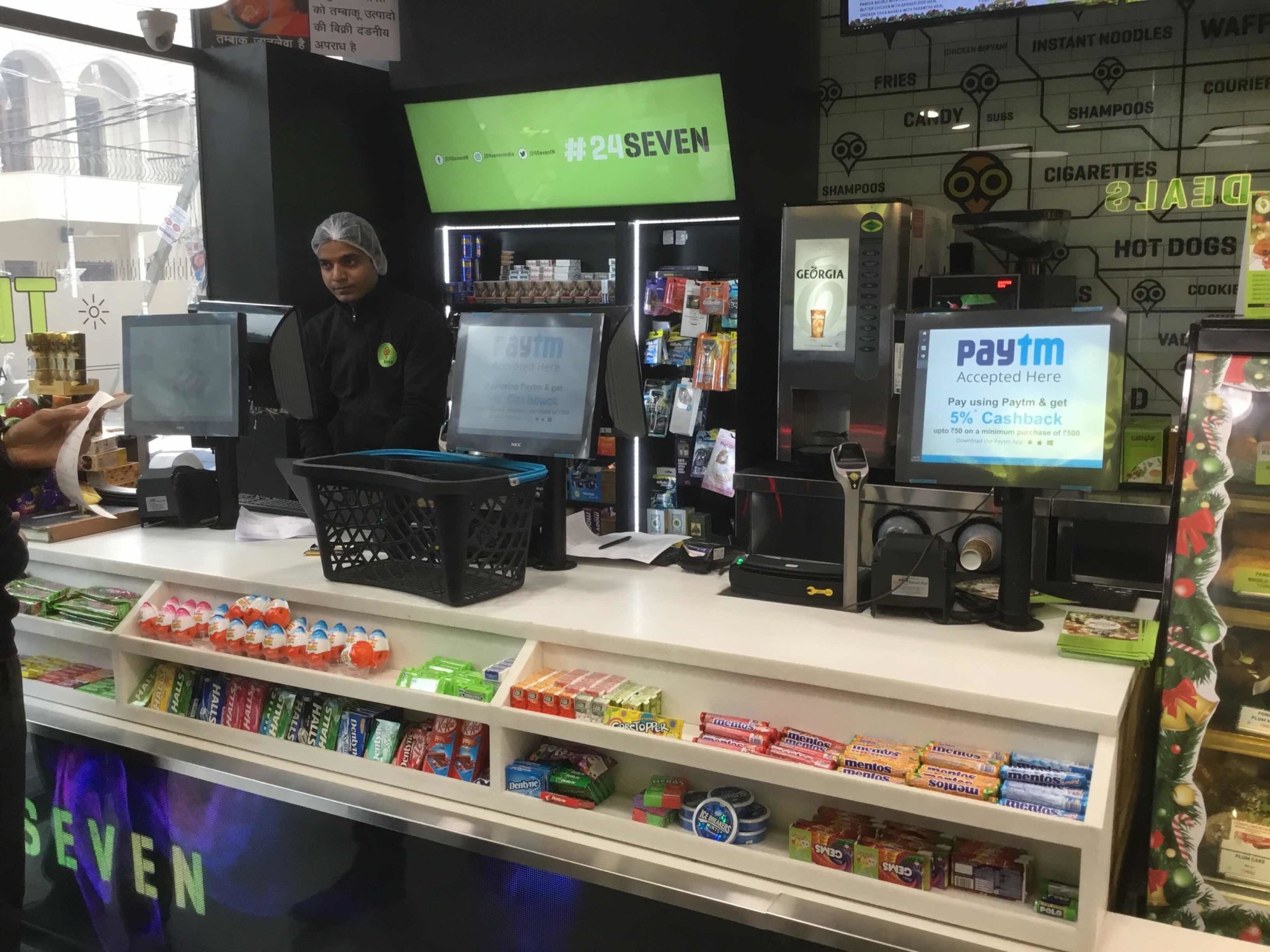
  • Indian tobacco company plans 10,000 more 24Seven Stores

    Indian tobacco company plans 10,000 more 24Seven Stores

    Indian tobacco company Godfrey Philips is planning to open 10,000 of its 24Seven convenience-store chain nationwide.

    The company plans to treble its network between now and March next year to 170 stores, and expand into new markets from its current National Capital Region base. The first 24Seven store in Mumbai is scheduled to open in April and the company is eyeing early growth in Bangalore, Kolkata and Pune, in the west.

    A further 200 stores are scheduled to open next financial year, which starts on April 1 with a target of 10,000 stores within five years.

    Despite its rapidly rising ranks of middle-class consumers and a proliferation of fresh-food stores, India’s convenience-store network is relatively immature.

    Under a longer-term plan revealed in an interview by Godfrey Philips board member Samir Modi, the company will separate the 24Seven operations into a standalone business once it reaches 1000 stores. The expansion will be funded from internal reserves and use a  franchise business model.

    24Seven stores are typically about 75sqm in size, although some newer flagship stores are nearly double that and the company is looking to larger stores to broaden its product range.

    Modi also revealed plans to boost the number of imported lines on sale in its stores. Confectionery and biscuits, for example, would grow from about 90 lines at present to more than 350.

    Godfrey Philips opened its first 24Seven outlet in 2004. The stores look similar to those of 7-Eleven and, until recently, the company had a group of  former 7-Eleven executives consulting to it.

  • Miniso India plans big expansion this year

    Miniso India plans big expansion this year

    Discount chain Miniso India plans to open 200 stores by year’s end.

    India has become a fertile market for many international retail brands, including Gap, H&M and Zara. So far, Miniso has opened 20 stores in India.

    A World Bank report says India’s economy has grown by 6.7 per cent from last year, and is expected to grow to 7.3 per cent this year, overtaking China as the world’s fastest-growing economy again.

    India’s GDP of about US$2.6 trillion made it the world’s sixth-largest economy last year.

    Rapid development of the economy also laid a good foundation for the prosperity of India’s retail industry.

    India’s robust economic growth and rising household incomes are expected to increase consumer spending to $4 trillion by 2025.

  • H&M and Gap to Probe Violence, Sex Abuse in Asian Factories

    H&M and Gap to Probe Violence, Sex Abuse in Asian Factories

    Fashion giants H&M and Gap vowed on Tuesday (05/06) to investigate reports that Asian garment workers who supply their high-street stores routinely face sex abuse, harassment and violence.

    Based on interviews with some 550 workers in 53 H&M and Gap supplier factories in Bangladesh, Cambodia, India, Indonesia and Sri Lanka, rights groups said women were at “daily risk” of violence and faced retaliation if they reported the attacks.

    The coalition has investigated the factories for several years as efforts mount to push Western brands into improving safety along their supply chains and render them slave-free.

    Clothes stitched by low-paid Asian workers – part of a complex global supply chain – end up on high-priced Western high streets, with some 4,750 H&M stores located in 69 countries and about 3,700 Gap shops operating in about 90 nations.

    Sweden’s H&M — the world’s No. 2 clothes group after Zara owner Inditex — said it would review the findings of the recent report by the civil society groups and unions.

    “We will go through every section of the report and follow up on [a] factory level with our local teams based in each production country,” a company spokesman said in a statement.

    “All forms of abuse or harassment are against everything that H&M group stands for.”

    US retailer Gap said it was “deeply concerned about the troubling allegations raised by this report.”

    “Our global team is currently conducting our due diligence to investigate and address these issues,” a spokeswoman said.

    The charities said they had found widespread sex harassment, verbal and physical abuse – such as slapping – and threats of retaliation when women refused sexual advances from bosses.

    Forced Labor

    A separate report published last month by the coalition of rights groups found similar abuse of women at supplier factories in Asia for US-based Walmart, the world’s largest retailer.

    Walmart said last month that it was reviewing the “concerning” accounts cited in the report.

    The Ethical Trading Initiative (ETI), a group of trade unions, firms and charities of which both Gap and H&M are members, said it expected the retailers to work with the suppliers to ensure that women have swift access to remedy.

    “These allegations are deeply concerning,” said Debbie Coulter of the ETI. “Gender-based violence is unacceptable under any circumstances, and brands need to make sure that women working in their supply chain are protected.”

    Campaigners told the Thomson Reuters Foundation last month that the level of pressure and harassment faced by the workers in the three separate reports was approaching forced labour.

    “Any time you have retaliation against workers, and coercion and control … you are coming close to the line of forced labour,” Jennifer Rosenbaum of Global Labor Justice, a network of worker and migrant organizations, said last month.

    The reports have been published amid meetings hosted by the United Nations’ International Labor Organization to work on the first global convention against workplace harassment after the #MeToo campaign thrust the issue into the spotlight.

  • Titan Industries Revealed Limited Franchise Opportunity

    Titan Industries Revealed Limited Franchise Opportunity

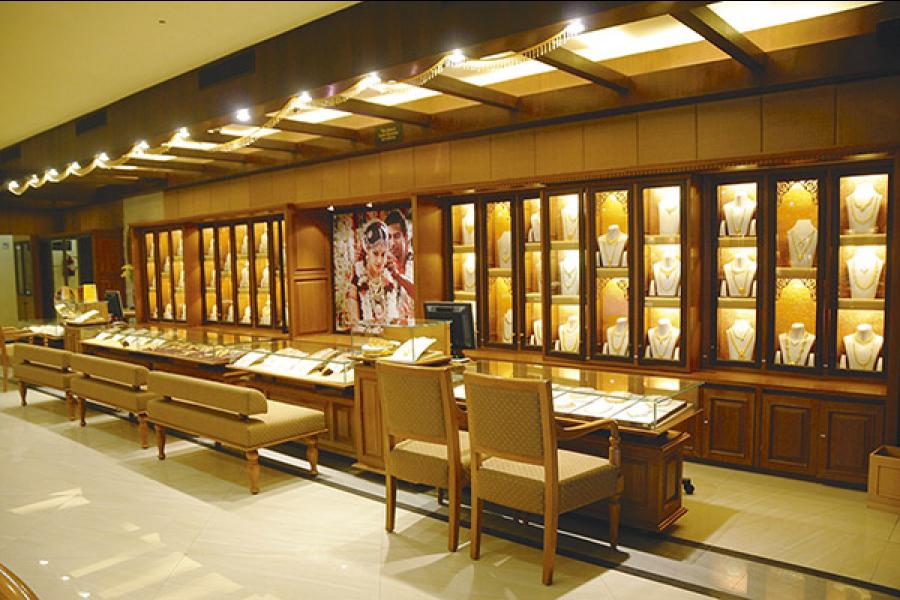
    After watches, India’s Titan is planning to take its jewellery retail business to international markets by end of its next financial year.

    Firstly, the Bengaluru-headquartered company is looking at franchising forays into the Asian market, says Titan Company MD Bhaskar Bhat.

    “The watches business has a minuscule presence in the international markets,” he says. “The big change will come when our jewellery becomes international.”

    Given that jewellery is a low-margin business unlike watches, the company will not make large investments to enter these geographies, but instead opt for a low-cost franchise model. “These stores will be launched on a partnership basis,” says Bhat.

    Jewellery accounts for around 75 per cent of Titan, which also sells watches, eyewear, fragrance and even sarees. It will be the company’s second bid to enter the global markets in the jewellery segment. By focusing on Asia, the company wants to test the model before taking it to other geographies.

  • AirAsia: Neither we nor CEO has received any notice from India’s CBI

    AirAsia: Neither we nor CEO has received any notice from India’s CBI

    Airasia Group Bhd and its CEO Tan Sri Tony Fernandes have not received any notices from the India’s Central Bureau of Investigation (CBI) contrary to reports which stated that Fernandes has been summoned for questioning on June 6.

    “We wish to state categorically that neither AirAsia Group nor Tan Sri Tony Fernandes, in his personal capacity, has received any such notice as of today,” the group said in a statement.

    If and when any such notice is received through formal and official channels, then in accordance with the sovereign laws of Malaysia we will abide by the due process of the letter of the law,” it added.

    AirAsia said both the group and Tony will fully cooperate with the respective authorities in India in the investigations.

    The group was referring to news reports quoting sources in which it was reported that AirAsia’s Indian unit allegedly broke rules while obtaining rights for international flights out of the country.

    CBI reportedly named Fernandes, the airline and others in a complaint, alleging they lobbied government officials “to secure mandatory approvals, some of them through non-transparent means”.

    Reuters quoted a CBI source on Friday as saying that Tony had been called for questioning in the case on June 6, adding that others would also be called as part of the investigation.

    In 2014 the low-cost carrier launched its domestic flight operations in India with local joint venture partner Tata Sons.

    At market close, Airasia’s share price rose 4.19% to close at RM3.23 with some 10.5million shares done.

  • Aavin India to export dairy products to 15 more countries by year-end

    Aavin India to export dairy products to 15 more countries by year-end

    After successfully making foray into the Singapore markets with the ultra high temperature (UHT) milk in November last year, Aavin is now eyeing exports of dairy products to 15 more countries by the end of the current year.

    The countries which the Aavin dairy products will make a beeline for are: Malaysia, Britain, UAE, Hongkong, Qatar, Bahrain, Kuwait, Saudi Arabia, Sri Lanka, Oman, Africa, Vietnam, China, Cambodia and Mauritius, said Minister for Dairy Development KT Rajenthrabhalaji in the Assembly on Friday while replying to a debate on the demand for grants to his department.

    “I take pride in informing the House that we have appointed dealers,” he said. The policy note of the Dairy Development department stated that the quality of the products and packaging would be ensured to make the products on a par with global standards and an exclusive wing was created to focus on exports of milk and milk products. All these steps were expected to help propagate the brand name of Aavin at the global level.

    UHT milk sale in Singapore was launched in November last year. Since then 84,000 litres of  milk were exported to Singapore.

    Procurement and sale

    Referring to procurement and sale of milk in the State, the Minister noted that procurement rose to 30.67 lakh litres per day (LLPD) in May this year, registering 15 per cent growth when compared to the figure of the corresponding month last year (26.62 LLPD).

    The sale of milk registered 22.08 LLPD in May this year while it stood at 21.02 LLPD in the corresponding month last year.

    Revenue through sale

    Aavin’s revenue through sale of dairy products too has registered a growth. It stood at `5,281 crore in 2016-17 but rose to `5,478 crore in 2017-18.

    New dairy products unit

    Rajenthrabhalaji informed that a new dairy products manufacturing unit, at a cost of `10 crore, will be established in Virudhunagar. It will be equipped with machineries to extract butter, produce ghee, packaging and preparing rasagulla, palkova and cold storage.

    CCTV checking

    With a view to ensuring quality and check wrongdoings, closed circuit television cameras (CCTV) will be installed at 341 bulk milk cooling units and 34 chilling centres at a cost of `60 lakh.

    App for milk producers and veterinarians

    The Minister also announced creation of an Android app for helping the milk producers and the veterinarians to feed them with information on rearing milch animals, services provided to the farmers, cattle health maintenance and veterinary medical services. A sum of `20 lakh will be spent for the purpose of creating the app.

  • Alcis Sports Ties Up With Flipkart to Rollout 2018 World Cup Fan Wear Merchandise Online

    Alcis Sports Ties Up With Flipkart to Rollout 2018 World Cup Fan Wear Merchandise Online

    After bagging the rights for the upcoming 2018 FIFA World Cup Russia Licensed Apparel Merchandise for India, Nepal, Sri Lanka and Pakistan, Alcis Sports today announced their partnership with Flipkart to bring Indian fans the official fan-wear merchandise of the biggest single-sport event in the world – the FIFA World Cup. Alcis Sports has inked an exclusive deal with Flipkart to retail fan-wear merchandise on the online platform.

    The World Cup in Russia promises to be one of the biggest tournaments in the world and Alcis Sports expects an unprecedented response from football fans in India. Alcis Sports has lined up a comprehensive range of over 550 articles that will be exclusively available on Flipkart. The exclusive merchandise that will be available on Flipkart includes popular apparel categories such as T-Shirts, Polo T-shirts, Shorts, Track pants, and Tracksuits.

    “Football has always been popular among fans in our country and it got a further boost when we hosted the U-17 World Cup in India. With the Russia World Cup just a matter of few days away, it is the right time to introduce these products to these fans”, said Roshan Baid, Managing Director, Alcis Sports.

    “Ours is a young and youthful brand and with our audience being online, this medium is a very important channel for us. And for that Flipkart was an obvious choice for us,” he further added.

    Anuj Batra, President, Alcis Sports said, “The mandate from FIFA for the 2018 Russia World Cup licensed apparel merchandise is a wonderful opportunity for us at Alcis Sports to showcase our manufacturing capabilities and prowess. AlcisSports is known for its advanced apparel technology at attractive price points, and we are confident that this range will find great traction among football lovers of the country. Besides online with Flipkart, products will also be available across all our 5 exclusive stores and large format retail outlets such as Lifestyle, Shoppers Stop, Central, Globus, Sports Station, etc.  ”

    Allowing football lovers to cheer for their favourite country, the licensed apparel range also incorporates country-specific merchandise for some of the fan favourites such as Brazil, Germany, England, Spain, Portugal, France, Uruguay, Belgium and Sweden.


    The licensed apparel merchandise for the World Cup starts at Rs. 399 and comprises of apparel categories such as T-Shirts, Polo T-shirts, Shorts, Track pants, Tracksuits, Hoodies, Jackets, Sweatshirts, Jerseys and Caps. This comprehensive range consists of over 550 unique articles.

  • GreyOrange to showcase end to endsolutions at the India Warehousing Show 2018

    GreyOrange to showcase end to endsolutions at the India Warehousing Show 2018

    GreyOrange, a multinational robotics and supply chain automation company, will showcase its portfolio of end-to-end solutions for supply chain automation at the 8th edition of India Warehousing Show on 21-23 June in Pragati Maidan in New Delhi.

    Vivekanand, Country Manager, India & SAARC, GreyOrange, said, ”We are proud to be a partner for the India Warehousing Show, a premier event for the logistics and supply chain industry. GreyOrange solutions have been widely adopted by a variety of users and we are excited to share the many use cases applicable for different industries. We invite visitors to meet with our Solution Experts to get to know how our technology can maximize end-to-end efficiencies in their warehouses.”

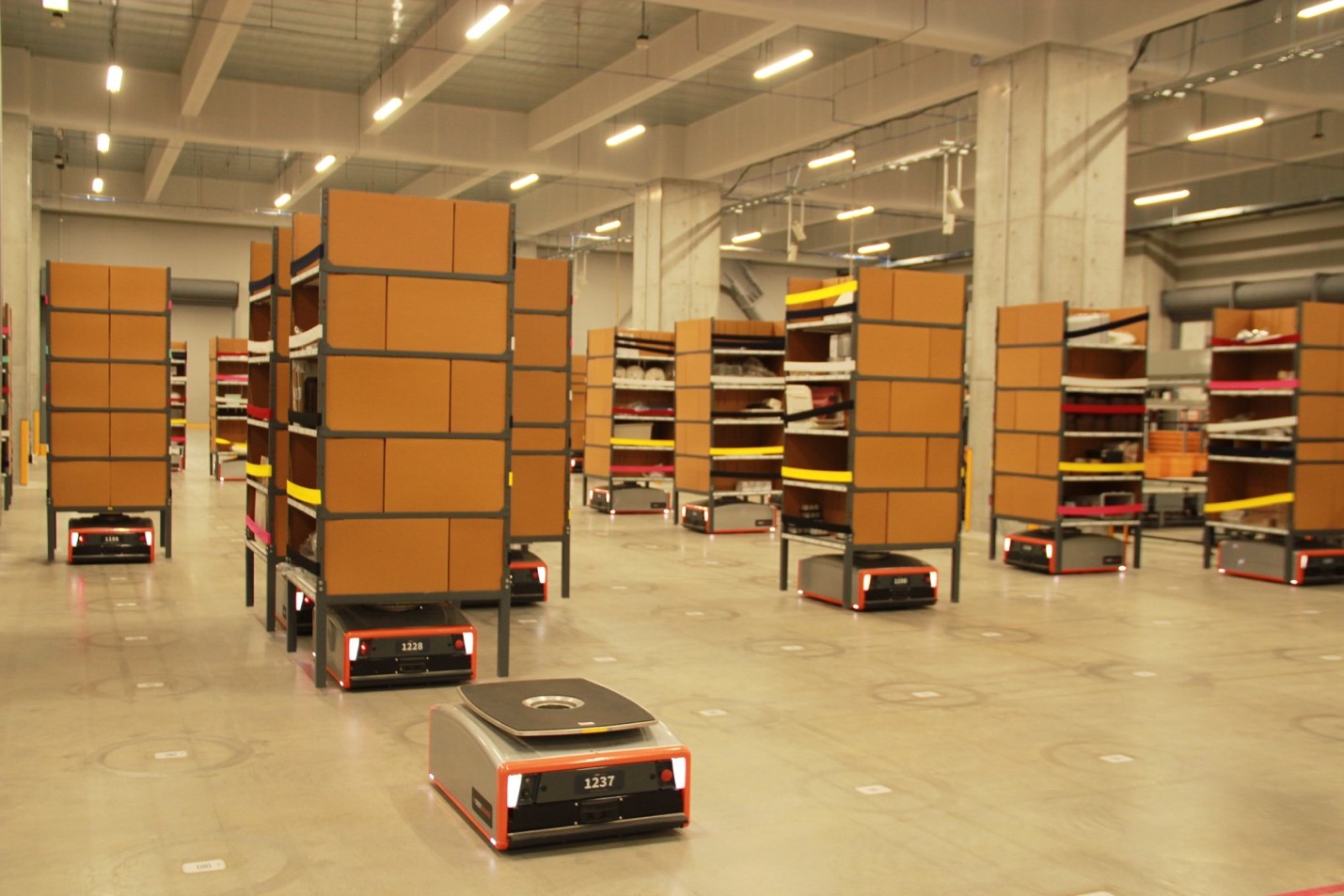
    In the global logistics and warehouse automation market for robots, significant growth is expected in the years 2018 to 2022, with a CAGR of more than 11 percent. India too has seen unprecedented growth as innovation in supply chain optimization will be the key differentiator for businesses to stay competitive. Among the solutions GreyOrangeTM will showcase are the Butler robotics system that has been deployed globally, the Sorter and Pick-Put-to-Light (PPTL) systems suited for high volume sortation, and its software platform, GreyMatter.

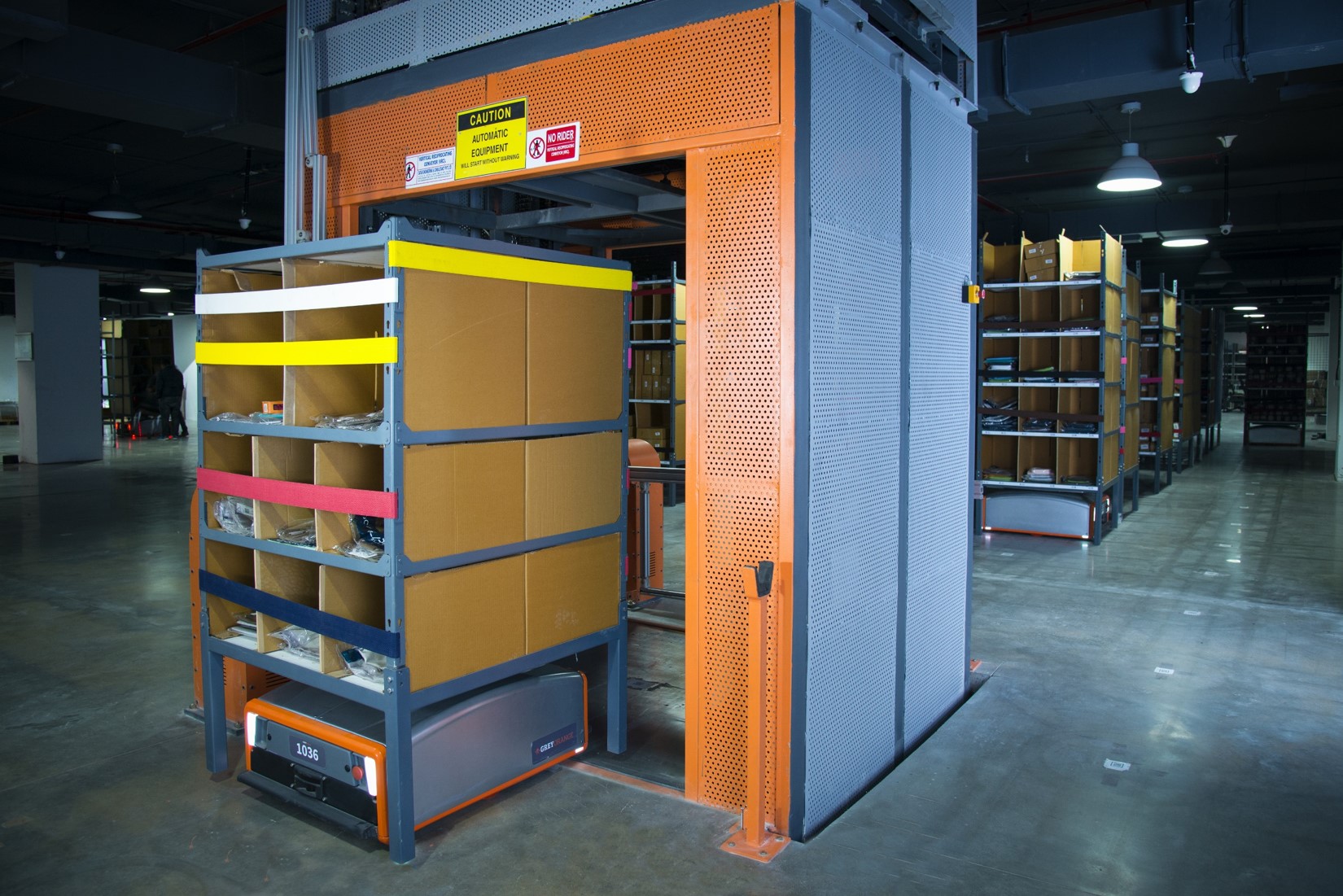
    The ButlerTM goods-to-person system, deployed in Japan, India, Europe and the Americas, is used in distribution centers and omni-channel warehouses. The Butler range can handle a payload of 100 to 1600 kgs (220 to 3500lbs) to move different kinds of loads from finished goods to raw materials, including pallets, drums and sacks. It can use an elevator on its own and will support multi-floor operations, providing even greater flexibility to handle inventory across a facility.

    In a few years, the advanced Linear Sorter from GreyOrange has been installed in over 50 sites serving the fast-growing e-commerce markets from India, Singapore to Indonesia.  It handles high-speed sortation for parcels in all shapes and sizes, including consumer goods, e-commerce and apparel.

    Up to 70 percent of operating costs in a warehouse are incurred during picking and replenishment process, and are often one of the top priorities for warehouse managers to address with advanced technology solutions. The GreyOrangeTM Pick-Put-to-Light system improves operators’ efficiency and accuracy, contributing immensely to increasing productivity.

    GreyMatterTM is the software platform from GreyOrange that integrates multiple automation systems to synchronize material flow, and to gain the highest efficiencies, to manage omni-channel warehouses. It leverages Artificial Intelligence (AI) and Machine Learning (ML) to optimize, in real-time, large and complex operations for e-commerce, Retail, Manufacturing and 3rd Party Logistics (3PL).

  • Antony Morato forays into India

    Antony Morato forays into India

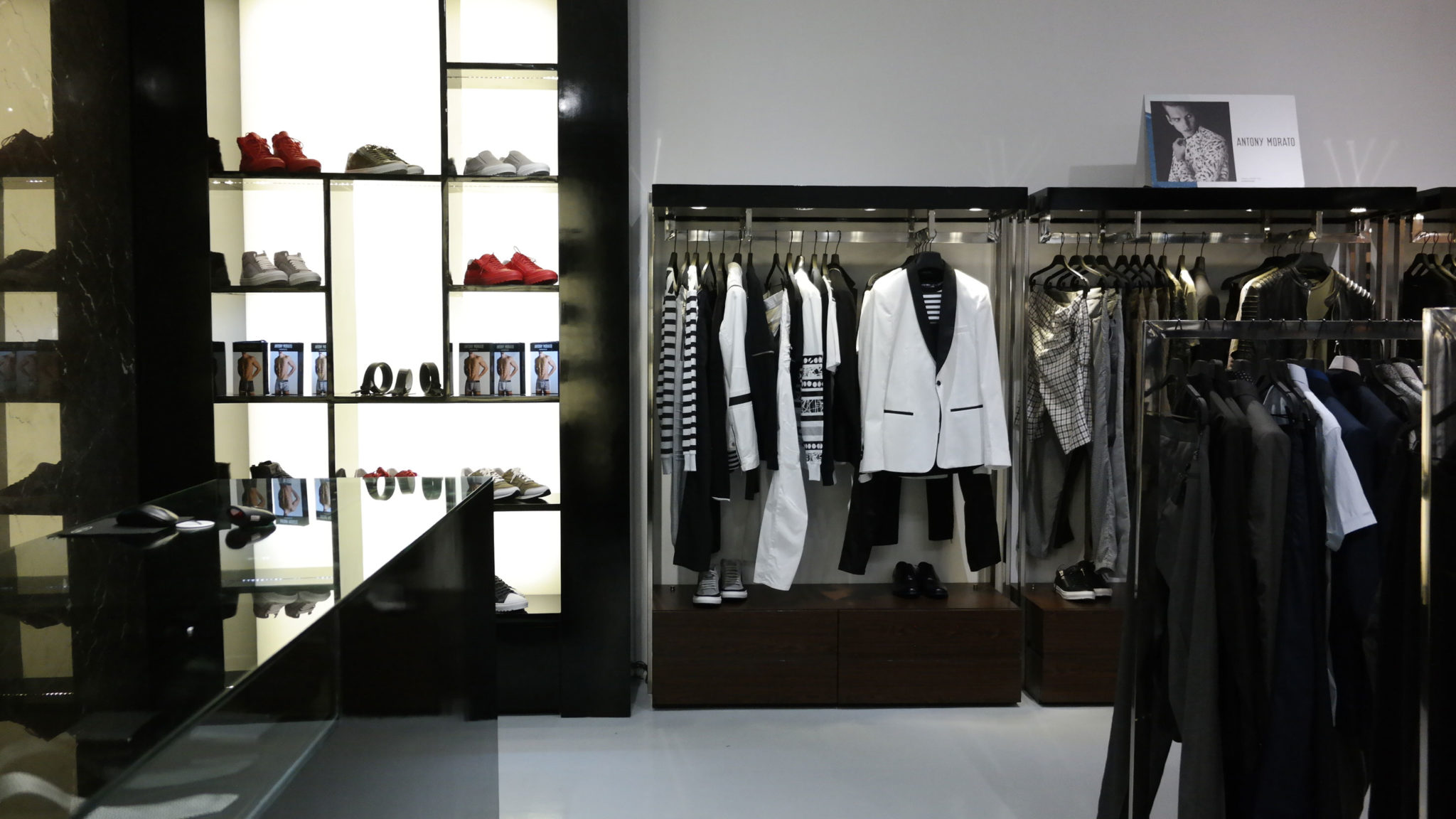
    Antony Morato India has opened its first exclusive store, in Palladium Mall, Mumbai.

    The Italian menswear brand has tied up with Gurugram-based Iconic Fashion Retailing for its India journey.

    Covering more than 160sqm, the store features furniture and interiors designed in line with the brand’s aesthetic codes. It reinterprets traditional materials and industrial elements with a contemporary approach. Founded in 2007 and led by Raffaele Caldarelli, Antony Morato has stores in Europe, Asia and South America, and offices in Germany, Spain and France.

    Antony Morato merchandise is also sold in Iconic stores across India, with 18 outlets spanning key cities such as Ahmedabad, Bengaluru, Bhopal, Delhi, Gurgaon, Hyderabad, Jaipur, Jodhpur, Noida and Udaipur.

    The brand is also available online in India via Jabong and Myntra.

  • Global Wedding Market Expected to Drive 2018 Platinum Jewellery Market

    Global Wedding Market Expected to Drive 2018 Platinum Jewellery Market

    Platinum Guild International (PGI) published the findings of its 2017 Platinum Jewellery Business Review revealing that wedding markets around the world have become strongholds for platinum jewellery across China, Japan, the U.S. and newly emerging in India. Compiled by independent platinum market experts and industry analysts, the survey reports strong consumer retail sales growth in the wedding segment for 2017, even outperforming gold in some areas.

    “We saw growth for platinum jewellery with relation to the wedding market in all four of the key markets in 2017. This trend is mostly tied to a strong preference for platinum among younger consumers to express love, together with a robust global economy and historically low platinum prices, indicates growth potential in the platinum jewellery sector in 2018,” says CEO Huw Daniel of Platinum Guild International.

    In China, despite continuing market challenges at the total market level, PGI has seen strong growth in platinum acquisition in the core bridal category. According to a consumer study covering 55 cities in Tier 1 to 3, platinum bridal acquisition volume has increased by 22% compared to 2014. Platinum has become the dominant precious metal for wedding rings. China annual brand tracking survey shows that consumers strongly associating love with platinum and far ahead of other metals. Bridal jewellery is a gateway purchase leading to subsequent platinum jewellery purchases for anniversaries, birthdays and milestone occasions, which provide opportunities for growth to be further explored in 2018.

    For young India, PGI has created a distinct positioning for platinum versus gold, tapping into modern couples’ desire for jewellery that better represents the bonds of love in a modern relationship between equals. Through the Platinum Days of Love Campaign, platinum has become the metal of choice among today’s young Indian consumers shaping the country’s culture and fashion. The market is led by love-gifting with local organised retailers finding footholds for platinum within the gold-dominated wedding category. The introduction of a new branded segment, Platinum Evara, a modern platinum jewellery collection gifted to the bride and groom before the wedding day has carved out a distinctive niche for platinum and created a new jewellery segment for the industry.

    In  Japan where platinum has a strong presence, platinum holds an astonishing 92% share of the engagement ring market and 82% share of wedding rings. Platinum is expected to continue dominate in bridal jewellery in the coming years.

    Strong results for platinum in bridal are also mirrored in the West. In the United States, the economic recovery and a bullish consumer sentiment has benefited the total jewellery industry, leading to the 5th consecutive year of growth for platinum jewellery consumption at 11%. The growth mainly comes from strong sales in bridal jewellery including engagement rings and wedding bands. In 2018, additional growth is expected to derive from initiatives promoting the use of platinum crowns that hold diamonds more securely, regardless of the choice of metal for the rest of the ring, along with increasing demand from the self-purchase category, which is likely to generate 8-11% of total growth in the U.S.

  • DHL leverages IoT to slash trucking time across India by up to 50%

    DHL leverages IoT to slash trucking time across India by up to 50%

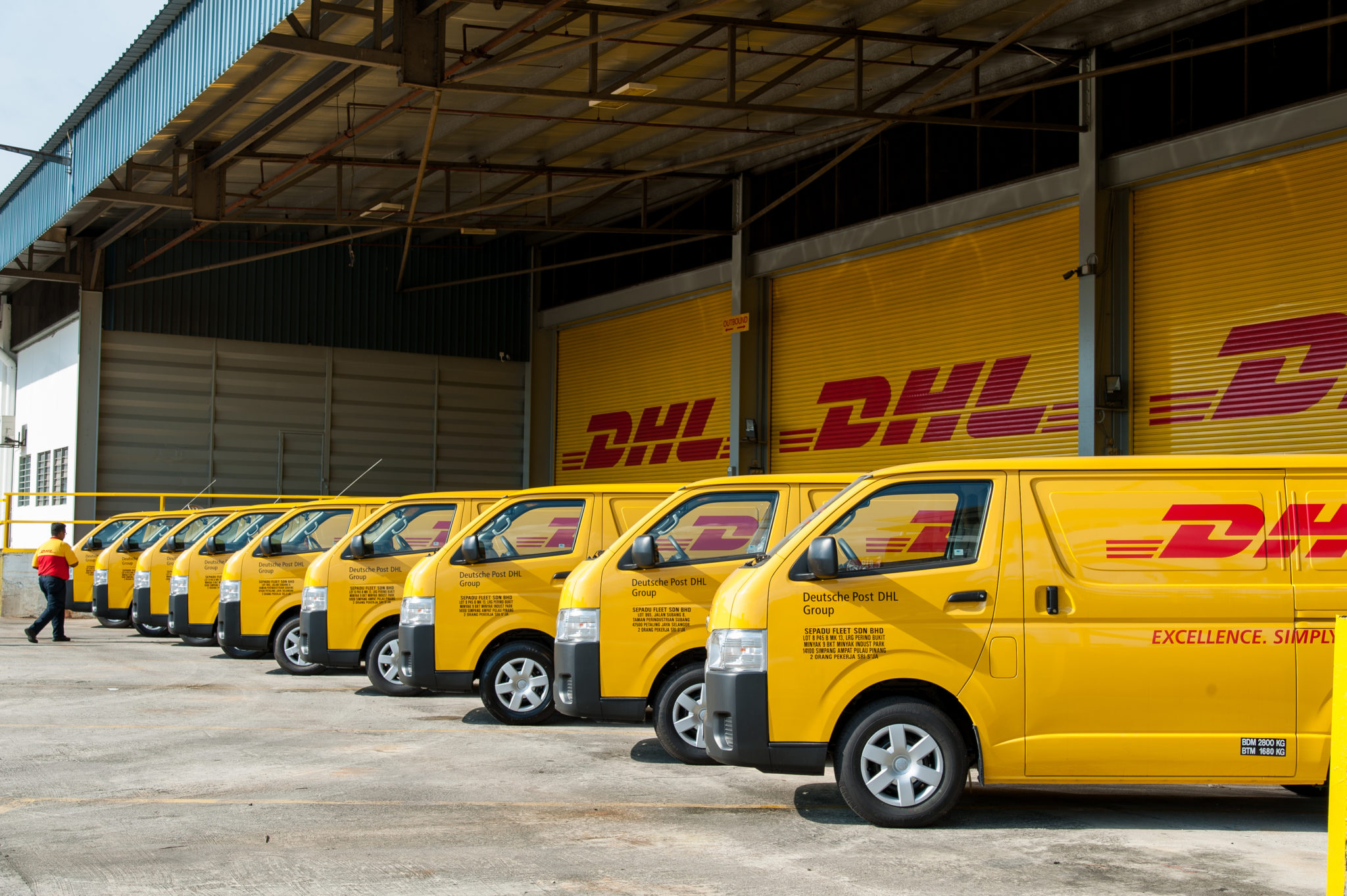
    Deutsche Post DHLGroup (DPDHL),  the world’s leading mail and logistics company, today announced the launch of DHL SmarTrucking to provide an innovative trucking solution across an extensive line-haul express road network in India.

    DHL SmarTrucking is the company’s first official move to accelerate the development of technology-enabled logistics solutions around the world, under the newly formed board department, corporate incubations, which was launched in April this year. The company has also appointed Neeraj Bansal as CEO of DHL SmarTrucking, who will be responsible for leading the company’s growth in India.

    “India is an incredibly important market for Deutsche Post DHL Group. Presently, road freight comprises the majority of the total freight movement and is the largest transportation segment in India,” said Juergen Gerdes, Board member for corporate incubations, Deutsche Post DHL Group. “With greater efficiency from DHL SmarTrucking, we expect to transport 100,000 tonnes of cargo and cover a distance of approximately 4 million kilometres across India daily.”

    TechLog cuts transit time, reduces driver workload

    DHL SmarTrucking’s ‘TechLog’ is logistics made smarter through the use of new and emerging technologies. Following a successful, three-month pilot that covered over 2,770,000 kilometres, DHL SmarTrucking leverages Internet of Things (IoT) technology and data-driven insights for route customisation.

    This reduces transit times by up to 50 percent compared to the traditional trucking industry and provides over 95 percent reliability with ease of use, end-to-end consignment visibility, temperature-controlled capabilities and real-time tracking.

    IoT-enabled sensors, monitored through the company’s centralized control tower, provide real-time temperature and consignment tracking. Information starts and status updates are also sent to customers and DHL SmarTrucking’s operations teams through the customer portal and external  and internal mobile applications.

    Utilising an innovative and agile model, drivers are rotated at predetermined stops located across the country, with the original driver returning to the point of origin with another truckload

    “This transportation model not only helps optimise efficiency but also reduces fatigue among drivers who spend less time on the road, enabling them to go home to their families every two or three days,” said Malcolm Monteiro, CEO, DHL eCommerce India. “Additionally, with the demand for temperature-controlled transportation estimated to grow at 15 percent per annum from 2016 to 2020, DHL SmarTrucking allows our customers in India to scale up and streamline their business operations to meet consumers’ needs.”

    “DHL SmarTrucking’s emphasis on TechLog will change the game for customers in India,” said Neeraj Bansal, CEO, DHL SmarTrucking. “Leveraging the potential of the infrastructural transformation in India’s logistics ecosystem and our innovations through DHL SmarTrucking, we can help Indian businesses reach customers and markets in a faster and more secure manner.”

  • Walmart India, Flipkart top executives meet CCI

    Walmart India, Flipkart top executives meet CCI

    Top executives of Walmart India and Flipkart on Wednesday met fair trade regulator CCI to explain their activities in the country, days after submitting an application seeking approval for their $16-billion mega merger deal.

    While there was no official word on the meeting, sources said it was a “courtesy call” by the executives of the two companies during which they also apprised the regulatory authority of Walmart’s global sourcing from India, including from the farmers, and its work towards kirana stores and supplier development programmes.

    Those present in the meeting included Walmart India president and CEO Krish Iyer and the company’s senior vice president and chief corporate affairs officer Rajneesh Kumar, besides Flipkart CEO Kalyan Krishnamurthy and its group legal head R Baweja, sources said.

    In their meeting with CCI member Sudhir Mittal, the officials of the two companies briefly explained about their individual businesses, development programmes and other activities.

    The meeting comes days after Walmart approached the Competition Commission of India (CCI) for approval of its proposed acquisition of a majority stake in e-commerce major Flipkart. In their application filed last week, the two companies have said the acquisition, proposed through Walmart International Holdings, deal doesn’t raise any competition concerns.

    Mergers and acquisitions beyond a certain threshold require the approval of the CCI.

    In their plea, Walmart has told the regulator that Flipkart is a Singapore-based investment holding firm, which along with its direct and indirect subsidiaries, both in India and elsewhere, is primarily engaged in the business of wholesale cash and carry of goods and providing marketplace based e-commerce platforms to facilitate trade between customers and sellers in India.

    According to the notice submitted to the CCI by Wal-Mart International Holdings, the proposed transaction will be effected pursuant to the share purchase agreement and the share issuance and acquisition agreement entered into on May 9 by and among Walmart’s subsidiary and Flipkart.

    Retailers have joined hands to approach CCI against $16 billion Walmart-Flipkart deal as they apprehend that it would lead to massive job loss and be a “nightmare for retail trade” of the country.

    Earlier this week, traders body CAIT also said it will approach the CCI to file objections on the proposed Walmart-Flipkart deal, claiming that the agreement would lead to an uneven playing field and massive job losses.

    On the other hand, an online sellers industry body has already moved the CCI against Flipkart India Pvt Ltd, a wholesale company, for allegedly abusing its dominant position on Flipkart’s online marketplace.

    Walmart seeks to acquire 77 percent stake in the homegrown e-commerce firm with a buyout of $16 billion.

    Opposing the deal, the Confederation of All India Traders (CAIT) has also written to Commerce Minister Suresh Prabhu, seeking to know the steps being taken by the government to scrutinise the deal.

    CAIT alleged that the deal involves important issues related to FDI policy, cyber security, apprehension of using e-commerce for entering retail trade by circumventing the law etc.