Tag: india

  • Telenor India said to seek merger with RCom, Aircel

    Telenor India said to seek merger with RCom, Aircel

    Norway’s Telenor is reportedly seeking to get in on the proposed merger between Aircel and Reliance Communications.

    Telenor is proposing to combine its Indian business, customer base and spectrum with the merged Aircel-RCom entity. Under the proposed terms, Telenor would own 10% of the combined company, while Aircel parent Maxis and RCom would each own 45%.

    The report cites a telecoms industry executive as stating that negotiations between the three commenced around Christmas, but have been in limbo after the Supreme Court threatened to revoke Aircel’s license if promoted Ananda Krishnan didn’t appear for a corruption case. As part of the decision the court also issued an interim ban on the sale of Aircel’s 2G spectrum.

    Telenor is also reportedly in parallel discussions with Bharti Airtel, even though Airtel has only offered cash value for Telenor’s spectrum rather than a proposed merger. The sources stated that Telenor is eager to exit India as soon as possible and will take the Airtel deal if it will close faster.

    RCom last year agreed to merge with Sistema Shyam Teleservices as part of the wave of telecoms industry consolidation.

    A combined RCom, Telenor, Aircel and SSTL would have a total subscriber base of around 236 million, making it India’s second largest operator behind Bharti Airtel, which has nearly 260 million customers.

  • Xiaomi to expand retail footprint, device ecosystem in India

    Xiaomi to expand retail footprint, device ecosystem in India

    Founded in 2010 in China, Xiaomi entered the Indian market in mid 2014. Since then, the company has aggressively launched its value for money smartphones and accessories. As per the latest numbers shared by IDC, Xiaomi has become the third-largest smartphone brand across the top 30 cities in India. In 2016, Xiaomi India passed $1 billion in annual revenue for the first time. The company claims India to be its primary global market and will continue to customize and make products for India.

    Donovan Sung, Director of Product Management, International, Xiaomi Global, explains, “We look very carefully at the different market segments in India and what our users are asking for. Redmi note 3 hit two very important price segments of Rs 9,999 and Rs 11,999. We have seen that those price points are extremely important in India and so we focus a lot on these segments. We have changed the price segment under Rs 10,000. And our current strategy for high end products is to launch one flagships product in India every year. India is by far a key market for us, outsider China.”

    About 75 per cent of the Xiaomi smartphones sold in India, are made in India. Under its ‘Mission of innovation’, the company believes that innovations and products should not be restricted to people with lot of money and the products should not be sold at a premium. Sung adds, “We are open about the fact that all our products are sold near cost. That means we have low cost in everything we do – the channel structure. That is why we started selling online. We don’t spend a lot of money on marketing. Even though we are experimenting with TV ads in China as well as in India, offline ads, but we are not splurging on it maybe like some other companies would. We are keeping it very low in single digit percentage of our revenue.”

    Besides online, Xiaomi started selling its devices at around 7500 retail points and is looking at expanding its offline reach as well. He further adds, “We expanded in China pretty aggressively and this year will expand in India this year. We have a lot more to share on that. But the way we will do offline in many ways will be similar to the way we do online. It will be a very high efficiency channel for us as we have a very interesting approach for offline, which we have already been trying in China, and we are going to adopt that strategy in India as well”, says Sung.

    Earlier this month, Lei Jun, Xiaomi’s chief executive said in a letter to its employees, ‘Our e-commerce strategy has also faced some challenges. E-commerce now makes up just over 10 per cent of overall retail in China, and the online smartphone market only makes up 20 per cent of the overall smartphone market. Xiaomi has great ambitions, and we are not satisfied with just being an e-commerce smartphone brand, so we have to upgrade our retail model, and incorporate offline retail for a new retail strategy.’ The company upgraded its Mi Home outlets into full-fledged retail stores aims open 200 more Mi Home stores in 2017, and open a total of 1,000 stores over the next three years.

    Apart from smartphones and accessories, Xiaomi is also looking at expanding its product ecosystem in India. Last year, just before Diwali, Xiaomi launched its air-purifier for the Indian market, which received great response. “We have even started launching our ecosystem products in India. In 2017, we plan to bring many more ecosystem products in India. We have a range of different connected devices – TV, Ninebots, toys, air purifiers, etc. and would seriously consider getting all of these things to India,” says Sung.
  • AirAsia to operate flights on Patna-Delhi route from July

    AirAsia to operate flights on Patna-Delhi route from July

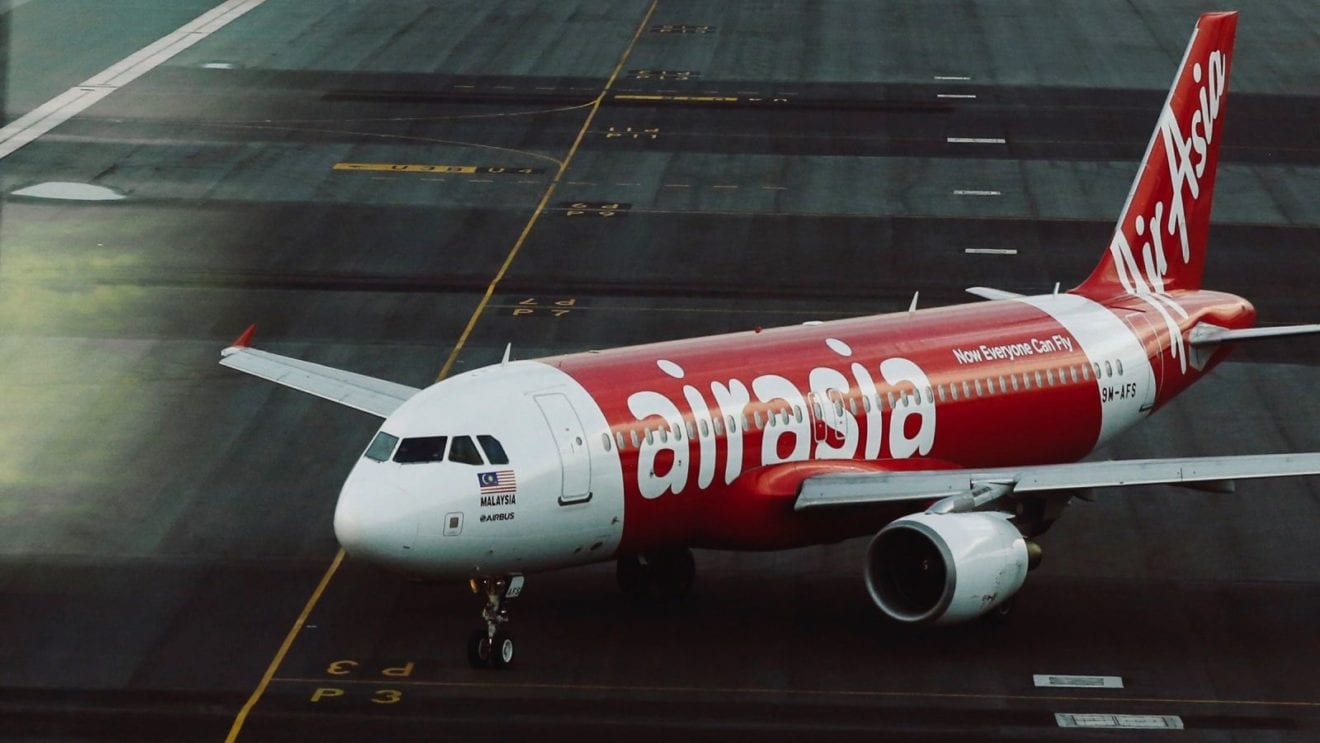
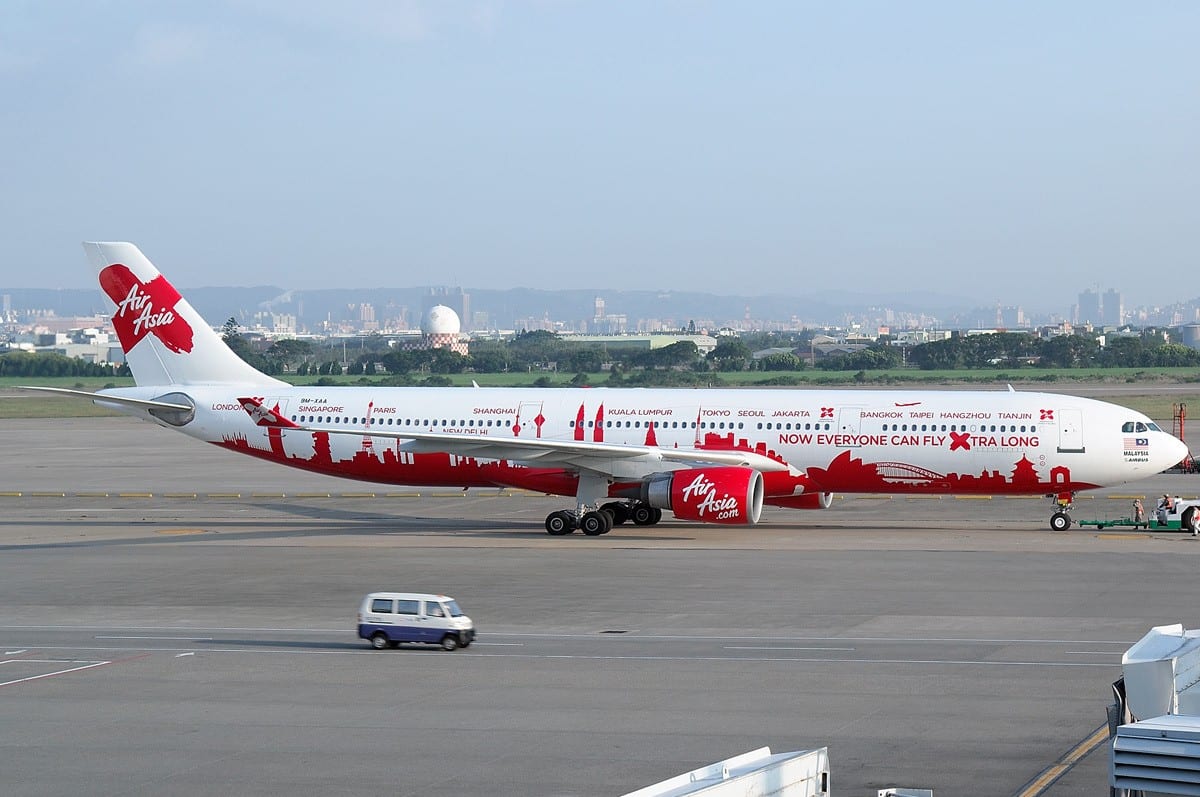
    Malaysian budget airline AirAsia is most likely to start its flight operations from Jayaprakash Narayan International Airport here in July. It will operate two flights on Delhi-Patna-Delhi route from July following a final nod from the Director General of Civil Aviation (DGCA).

    In fact, different airlines have made proposals to operate total 32 flights from Patna airport under the summer schedule. Twenty flights operate from Patna airport at present under the winter schedule, which is likely to end by February 15.

    Patna airport director Rajendra Singh Lahauria told TOI on Friday, “AirAsia has submitted a schedule to the DGCA for operating two flights between Delhi and Patna from July. The first flight will land here at 8:30am and the second at 8:30pm.”

    AirAsia apart, four other airlines operating from Patna airport — Air India, IndiGo, GoAir and Jet Airways — have also sought permission to increase their number of flights from Patna in July.

    As flights are mostly not allowed to land at the city airport before 10am due to foggy conditions normally from first week of November, most airlines had cancelled or rescheduled their morning flights and added in the afternoon under their winter schedule, which came into effect from December.

    IndiGo sources said the total number of flights has been proposed to increase from 11 to 14 from February 16 under their summer schedule. Its seven flights would operate on Patna-Delhi route.

    GoAir has also proposed to increase the number of flights from Patna from five to eight. Also, both Air India and Jet Airways have proposed to increase the number of flights from 2 to 4.

    Patna airport has witnessed a steep surge in aircraft traffic over the past few years as it has increased from 10 flights in 2010 to 20 at present. Altogether 26 flights were operating from the city airport last summer.

    The rise in number of flights has been attributed to the increase in passenger traffic. The passenger flow at the city airport increased from 14.5% in 2014-15 to 32.4% in 2015-16.

    Efforts are also being made to expand the terminal building at the city airport with two-storey swanky building with six aerobridges in order to accommodate an expected traffic of 30 lakh passengers per annum. Union cabinet on Tuesday approved the transfer of 11.35 acres of land to Bihar government in exchange of equivalent land of the Airports Authority of India (AAI) at Anisabad. Airport director Lahauria said construction work is expected to commence from June this year.

  • AirAsia India offers 50% discount on round trips

    AirAsia India offers 50% discount on round trips

    Budget passenger carrier AirAsia India has started a discount offer of 50 per cent on the return leg of round trips booked via its website and mobile-based application (App).

    “The discount is available on airasia.com and the AirAsia mobile App from January 23 to 29, 2017 for travel between February 1 and April 30, 2017,” the airline said in a statement on Tuesday.

    “It (offer) covers flights operated by AirAsia India spanning all destinations including recently added Srinagar and Bagdogra.”

    The airline will start flying to Srinagar and Bagdogra from February 19.

  • Airtel profit slumps 54% due to Jio effect

    Airtel profit slumps 54% due to Jio effect

    India’s Bharti Airtel has reported a steep 54% decline in net income for its fiscal third quarter, as the operator grappled with competitive pressure from disruptive new market entrant Reliance Jio Infocomm.

    Profit for the quarter ending in December fell to 5.04 billion rupees ($74.1 million), with revenue staying flat at 233.36 billion rupees.

    Revenues from India grew 1.8% year-on-year, despite a slowdown in mobile revenue growth due to the competition posed by Reliance Jio, which has been offering free voice and data services as a promotional exercise since launching LTE services nationwide in September.

    Mobile data revenues also declined 3% year-on-year to 30.37 billion rupees, despite a 22% increase in mobile broadband customers to 37.7 million.

    “The quarter has seen turbulence due to the continued predatory pricing by a new operator,” Airtel CEO for India and South Asia Gopal Vittal commented.

    “The present termination costs at 14 paise which are well below cost has resulted in a tsunami of minutes terminating into our network. This has led to an unprecedented year on year revenue decline for the [Indian telecoms] industry, pressure on margins and a serious impact on the financial health of the sector.”

    But he noted that despite the competitive pressures, Airtel’s revenue market share in India grew to a record-high 33%. The company’s Indian mobile base also grew 2.3% quarter-on-quarter to 265.85 million.

    Airtel’s other Indian businesses, including digital TV, business services and home broadband, also recorded healthy year-on-year growth.

    African revenues meanwhile grew 6% year-on-year in constant currency terms – the highest in the past nine quarters. Data revenues grew 24% to $153 million, with data customers growing 21.3% and traffic up 91%.

    Airtel CEO for Africa Raghunath Mandava said Africa is now generating positive free cash and is profit before tax positive in constant currency.

  • Indian company buys Twelve Cupcakes

    Indian company buys Twelve Cupcakes

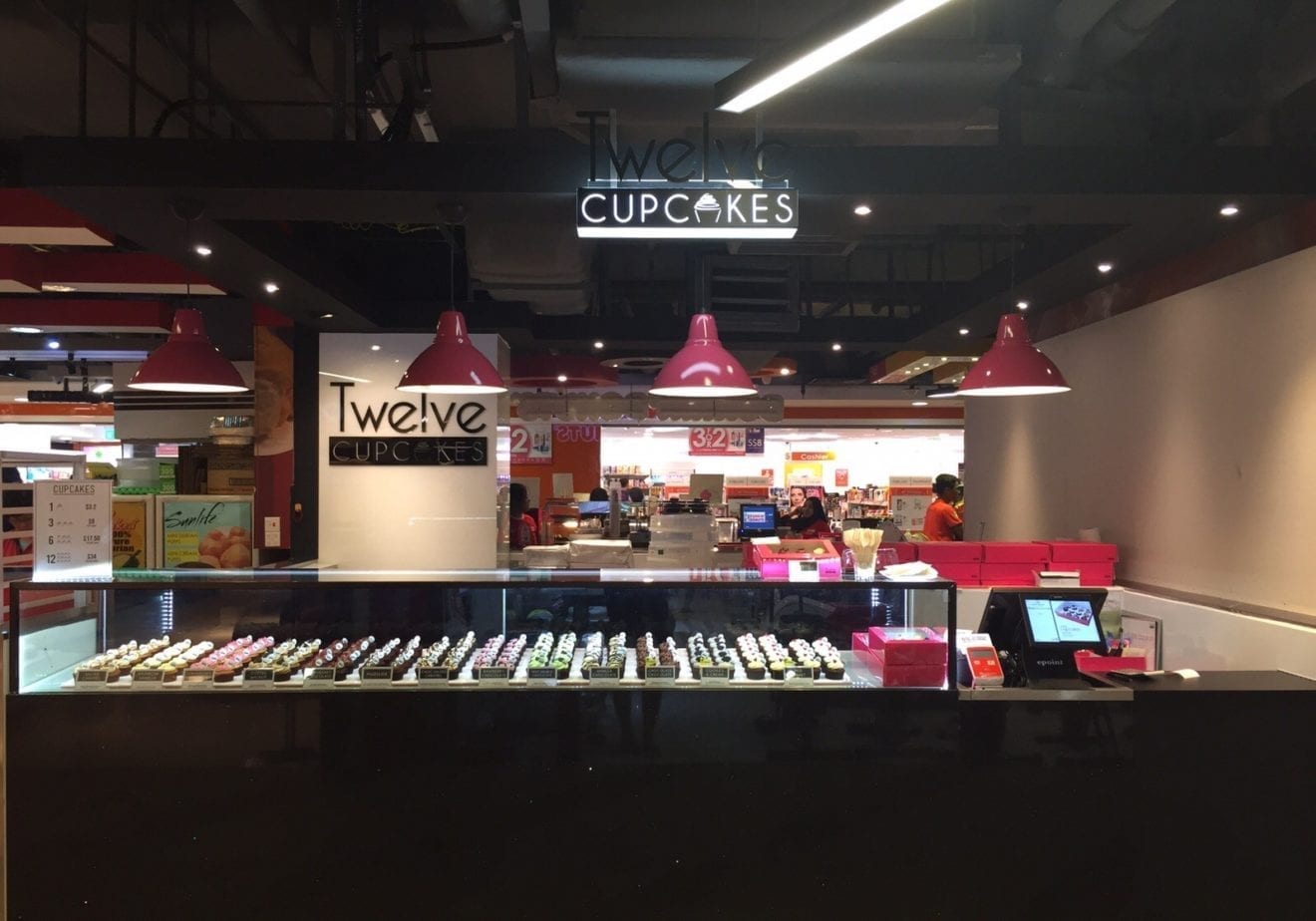
    Following the divorce of celebrity couple Jaime Teo and Daniel Ong, the Twelve Cupcakes chain they founded in 2011 has been sold.

    One of India’s largest tea producers, Kolkata-based Dhunseri Group, has bought the chain outright for S$2.5 million (US$1.7 million).

    With a presence in 17 malls, the chain offers the group the chance to establish a strong footprint in the F&B space in the Singapore market, says Mrigank Dhanuka, a member of the family that owns the Dhunseri Group.

    “We are looking at turning the business around, which is at just about cash break-even point at this juncture.”

    The sale was completed last month, following the divorce four months earlier of the former beauty queen and the radio deejay. The couple made the news of their divorce public on December 31 on their respective Instagram accounts.

    Twelve Cupcakes has more than 40 outlets across six countries in the region.

    This is Dhunseri Group’s first foray into the F&B space in Singapore, and Dhanuka has relocated to Singapore to head the business in the region.

    “We will be expanding our F&B portfolio under Twelve Cupcakes with new product launches in Singapore,” he says. “We continue to look for value deals here in the confectionery space.”

    In the tea business for more than five decades, the group also has petrochemical interests in India.

  • Cebu Pacific and Philippines AirAsia seek rights to India

    Cebu Pacific and Philippines AirAsia seek rights to India

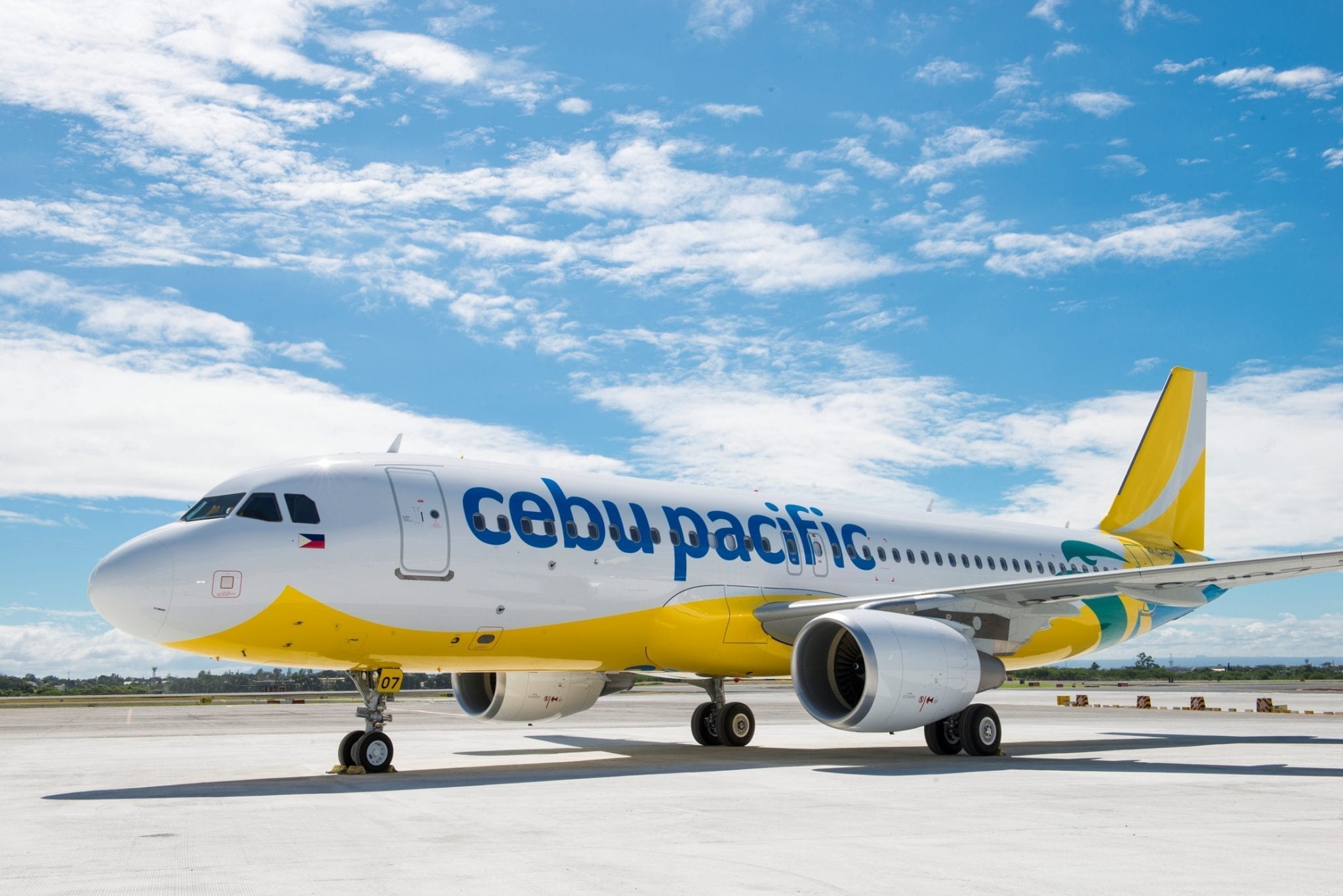
    Cebu Pacific and Philippines AirAsia have applied for rights to serve India. Cebu Pacific has called for the country’s Civil Aeronautics Board to re-allocate Philippine Airlines’ (PAL) entitlements to India.

    Philippines AirAsia, meanwhile, wants to be designated as an official Philippine carrier on services to India. It is seeking to launch daily services on the Manila-Bangkok Don Mueang-New Delhi route.

    PAL launched direct services between Manila and New Delhi in 2010, but stopped after a year of poor performance. It then served New Delhi from Bangkok, but this was also stopped due to poor demand.

    FlightMaps Analytics shows that there are currently no services between Philippines and India.

  • AirAsia India to connect Srinagar, Bagdogra, Pune with Delhi

    AirAsia India to connect Srinagar, Bagdogra, Pune with Delhi

    No-frills carrier AirAsia India today announced the launch of its services to Srinagar and Bagdogra from the national capital, commencing next month.

    The Bengaluru-based airline would also start a direct flight on Delhi-Pune route.

    The launch of two new destinations and one new route is aimed at improving regional connectivity and increasing the airline’s footprint in the country, AirAsia India said in a release.

    The new services will be rolled out from February 19, it said.

    “AirAsia India is consistently growing and is on a rapid business expansion mode. We ended 2016 on a highly positive note and are delighted to continue the same momentum in 2017 with the launch of two new sectors and an additional route,” AirAsia India chief executive officer Amar Abrol said.

    With the launch of these services, AirAsia India would now fly to 13 destinations through its hubs –Bengaluru and New Delhi — covering Chandigarh, Jaipur, Guwahati, Imphal, Goa, Pune, Vizag, Kochi, Hyderabad, Srinagar and Bagdogra.

    The airline also announced special fares from as low as Rs 1,999 for the New Delhi-Srinagar flights and Rs 2,499 and Rs 2999 for Bagdogra and Pune flights from New Delhi.

    AirAsia as a group strongly believes in enhancing connectivity and making air travel affordable for all, Abrol said, adding Bagdogra and Srinagar are key sectors for the airline’s further growth in the domestic market.

  • UCWeb to invest R200 cr in India, Indonesia over 2 yrs

    UCWeb to invest R200 cr in India, Indonesia over 2 yrs

    UCWeb, part of Alibaba Mobile Business Group, plans to invest R200 crore over the next two years in India and Indonesia. The funds will primarily be used to make use of user-generated content in India via its news distribution and content platform, UC News.

    Jack Huang, president of overseas business, Alibaba Mobile Business Group said, “India is the most critical overseas market for UCWeb and this investment will help bring in the global mobile internet to an era of ‘GUF’ (Google, UCWeb, and Facebook).” UC News, a product of UCWeb Inc is a content distributor of trending and curated news content covering all kinds categories including news, cricket, technology, entertainment, movies, lifestyle, health, humor, etc.

    UCWeb plans to add more than 30,000 self-publishers, bloggers and key opinion leaders to its platform in 2017.

  • Videocon to complete mobile market exit on Feb 15

    Videocon to complete mobile market exit on Feb 15

    India’s Videocon will complete its withdrawal from the mobile market next month, shutting down its network in its one remaining telecoms circle on February 15.

    Videocon’s 3 million remaining customers in the Punjab area have been asked to switch to a new provider to avoid losing connectivity.

    The operator’s licenses and spectrum in 17 circles were revoked following the 2G spectrum scandal in 2012, which involved a former telecoms minister allegedly granting favorable treatment to preferred operators during the allocation. A court revoked 122 telecoms licenses in the wake of the scandal.

    Videocon subsequently bid for and won back spectrum in six circles, but last year the company sold these spectrum assets to Bharti Airtel and pulled out of the mobile market in these areas, leaving Punjab as its last remaining mobile operation.

    But Videocon’s mobile license in Punjab is due to expire shortly, after the company was denied permission to have the license validity extended until 2027.

    According to the report, Videocon has decided to exit the mobile sector due to the high cost of mobile spectrum in light of its recent experiences.

    The company is concentrating on businesses including broadband, surveillance and security as well as enterprise services.

  • India, Myanmar top Consumer Confidence rankings

    India, Myanmar top Consumer Confidence rankings

    India tops the Mastercard Index of Consumer Confidence rankings as the most optimistic market in Asia Pacific, with Myanmar, Vietnam, Philippines and Bangladesh rounding off the top five.

    Overall, consumer confidence in Asia Pacific continues to hold steady, showing stability (within plus or minus five points from the previous survey) in nine out of 17 markets. With an increase of 1.2 points in the overall score from the first half of 2016 to 60.9 points in the second half, Asia Pacific sits just above the 60 point optimistic mark.

    However, the overall stability masks some significant movements across five markets in the region compared to the previous six months. Hong Kong, Thailand and Bangladesh saw more than 10 point improvements, while Malaysia and Taiwan saw more than 10 point decreases.

    Bangladesh recorded the largest gain of 11.2 points to 82.8 points – a significant improvement in overall consumer confidence compared to the first half of 2016 where it saw a relatively smaller increase of 4.2 points. Bangladesh’s increase in score was backed by an improvement in all components, the largest coming from heightened expectations in stock market movements (+24.6 points). Both Thailand and Hong Kong also saw a large improvement of 10.1 points, putting Thailand in optimistic territory and Hong Kong in neutral territory.

    On the other hand, eight of the 17 markets saw a deterioration in confidence levels. The biggest decline in optimism levels was observed in Taiwan, followed by Malaysia, and Myanmar. According to the survey, prospects for the stock market was the key driver of the decline.

    Between November and December 2016, 8723 respondents, aged 18 to 64 in 17 Asia Pacific markets, were asked to give a six-month outlook on five economic factors including the economy, employment prospects, regular income prospects, the stock market and their quality of life. The Index is calculated on a scale of 0 to 100, with zero as the most pessimistic, 100 as the most optimistic and between 40 and 60 as neutral.

  • AirAsia launches Early Bird Sale with tickets starting at Rs 99

    AirAsia launches Early Bird Sale with tickets starting at Rs 99

    AirAsia has launched an Early Bird sale with the base fare of tickets to select domestic routes starting at Rs 99. International flights to select destinations start at a base fare of Rs 999.

    The sale, now underway, will go on till January 22, 2017, and you can book tickets for travel time between May 1 2017 and February 6, 2018.

    The sale will be applicable on direct flights from Hyderabad to Bengaluru, Goa and Kochi.

    While on international routes, the sale will be applicable on flights from Kochi, Hyderabad, New Delhi, Tiruchirappalli to Kuala Lumpur and Bangkok.

    AirAsia said airport taxes and other charges will be extra.

  • Indian fashion platform Fynd looks to SE Asia

    Indian fashion platform Fynd looks to SE Asia

    Indian fashion eCommerce platform Fynd plans to expand in Southeast Asia from April, which could include the Philippines.

    It also plans to expand beyond clothing, footwear and accessories to childrenswear, decor and furnishing.

    Fynd is run by Shopsense Technologies, which has among its investors Facebook executive Anand Chandrasekaran, Arvind Sports chief executive Rajiv Mehta and Snapdeal founders Kunal Bahl and Rohit Bansal. It offers same- or next-day delivery in 11 cities in India, and has tied up with about 250 brands. Its platform is both app- and webpage-based.

    This month Fynd deployed an omni-channel in-store product, Fynd Store, that lets customers browse all products of a particular brand on screens inside the brand’s physical outlet. If a customer cannot find a product or a size at that outlet, it can be ordered and delivered via Fynd Store.

    It is Fynd Store that the company plans to take to international markets.

    In-store initially

    Founded by Farooq Adam, Sreeraman MG and Harsh Shah, Fynd launched in 2012 as an in-store engagement provider, then branched out to an eCommerce platform before evolving into an omni-channel or online-to-offline retail firm.

    “This model would work in the international market, primarily in the areas where the customer is brand conscious and is clear he wants a particular product, whether it be size or colour,” says Shah.

    “Many times when customers shop and cannot find products in their size they settle for something that is one level lower in their liking hierarchy. Fynd is trying to solve this problem.”

    The company’s strategy for international markets will be the opposite of what it did in India — it will first deploy its omni-channel Fynd Store product before launching its eCommerce Fynd app.

    “In India we started with eCommerce then got into omni-channel. The reasoning was that with the retailer, sales is the holy grail. With eCommerce you can immediately show sales. With omni-channel you need to build it up – there’s the training in store and things like that.

    “Internationally we’ll start with Fynd Store because we need to develop delivery infrastructure and then get on to Fynd app,” says Shah.

  • James Dyson seeks single-brand stores in India

    James Dyson seeks single-brand stores in India

    Appliances innovator Dyson is seeking Indian government approval to open single-brand retail stores.

    But the company faces a challenge is getting the government to relax the mandatory local sourcing requirements, arguing its products as “state-of-the-art”. Such goods are exempted from the usual norms, according to Indian media.

    Dyson

    Dyson revealed plans to enter India last November.

    “We will invest 150 million British Pounds in next three to five years to open stores and set up retail network here,” founder and chief engineer Sir James Dyson said.

    “Our first store would open in the middle of next year, if we are allowed to.”

    Dyson designs, manufactures and sells appliances such as vacuum cleaners, hand dryers, bladeless fans and heaters. It has filed 7500 patents worldwide.

  • Axis Bank enters blockchain alliance with Ripple

    Axis Bank enters blockchain alliance with Ripple

    Axis Bank, India’s third largest private sector bank, has entered a collaboration with distributed FinTech company Ripple to offer cross-border payments solution through Blockchain technology.

    Ripple is a blockchain-based financial settlements solution that aims to reduce the time and cost of transactions. Axis is the first bank in India to partner with Ripple.

    The technology can enable instant international money transfers, compared to the 3 – 5 day norm for international remittances, and improve efficiency of payments for Axis Bank through instant and automated reconciliation with partner banks.

    “We are committed to using innovation in technology to make banking simple and convenient for our customers,” said V Srinivasan, Deputy Managing Director, Axis Bank.

    “Remittances have been a key strategic area for us, we at Axis are excited with the tie-up and the potential that the use of Blockchain technology could deliver in enabling real-time affordable money transfers.”

    “Given its status as the fastest-growing major economy in the world and the top market for remittances, India is a very important market that is ripe for payments innovation,” said Brad Garlinghouse, CEO of Ripple. “As an early adopter of Ripple, Axis Bank will set a new standard for cross-border payments services and help us continue to grow our global network in a key region of the world.”