Tag: india

  • Ralph Lauren Indian debut on table

    Ralph Lauren Indian debut on table

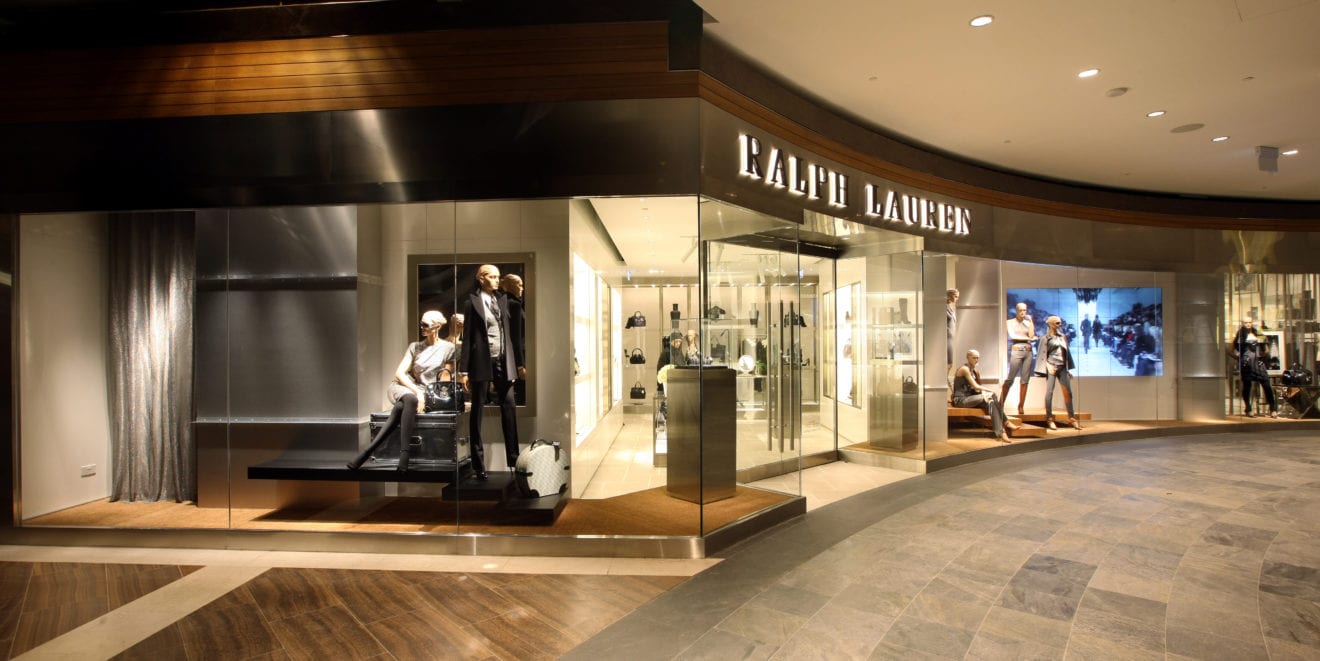
    Ralph Lauren may launch into India through a franchising agreement.

    The premium US lifestyle products company is reportedly negotiating a Ralph Lauren India debut along these lines with Aditya Birla Fashion and Retail.

    Insiders say the first Ralph Lauren store in India will open in the Emporio mall at Chanakyapuri, in New Delhi’s diplomatic enclave, reports The Economic Times. The mall is owned by major commercial real estate developer DLF (Delhi Land & Finance).

    Discussions are at an advanced stage and the store should be launched in the next seven to eight months, an insider says.

    Founded 50 years ago, the New York-­based fashion giant designs, markets and distributes apparel, accessories, fragrances and home furnishings under a wide range of brands.

    According to a report by Indian industry body Assocham last year, the luxury goods market in the nation of 1.2 billion people is likely to grow 25 per cent year ­on ­year.

  • Jabong adds American fashionwear brand Forever 21 to its product portfolio

    Jabong adds American fashionwear brand Forever 21 to its product portfolio

    India’s leading online fashion portal Jabong has announced the addition of American fashionwear brand Forever 21 to its product portfolio. The brand, which is the 5th largest specialty retailer in the United States, will be available on Jabong in variants across the apparel, accessories and footwear categories such as play-in tops, dresses, t-shirts, cosmetics, intimates and shoes with prices ranging from Rs.499 to Rs.2400. 

    “At Jabong, we continuously strive to offer the best of global fashion brands to our shoppers. Forever 21 is a pioneer and global leader in the fast fashion category and its addition will strengthen the comprehensive line of finely curated international portfolio on Jabong,” said Gunjan Soni, Head of Jabong.

    “We are thrilled to launch on Jabong, which has carved a unique niche among the upmarket fashionistas of India who swear by the hottest international designs. The combined strengths of Jabong and Myntra help us cover a major share of the online fashion retail market and uniquely curate our products to cater to the shopper preferences on each platform. This complements our aggressive offline strategy and we are excited to herald a long association with Jabong,” said Abhinav Zutshi, India Business Head, Forever 21. Since 1984, Forever 21 has redefined fashion for the youngsters and has expanded its footprint in more than 47 countries worldwide. 

    With Forever 21, Jabong has now added 20 new brands on its platform in March itself and will be taking the number to 35 by the end of this month. Brands added to Jabong this month include New Era Caps, WROGN, Mothercare, Roadster, Cover Story, AAY, Zivame and Mast and Harbor among others. Jabong now has approximately 2000 brands in its product portfolio, out of which 50 brands have been launched in 2017 alone. Jabong’s Head, Gunjan Soni adds, “We are super-charged with an array of top label launches on Jabong this month, which has injected fresh energy in our team. We have more compelling labels in the offing and will continue to delight our shoppers with the latest and hottest in fashion.”

    Jabong is known to have introduced a multitude of fashion brands in India in the past such as TOPSHOP, TOPMAN, Dorothy Perkins, Missguided, Next to name a few.

  • Nokia, Ciena providing gear for Jio’s major 4G rollout

    Nokia, Ciena providing gear for Jio’s major 4G rollout

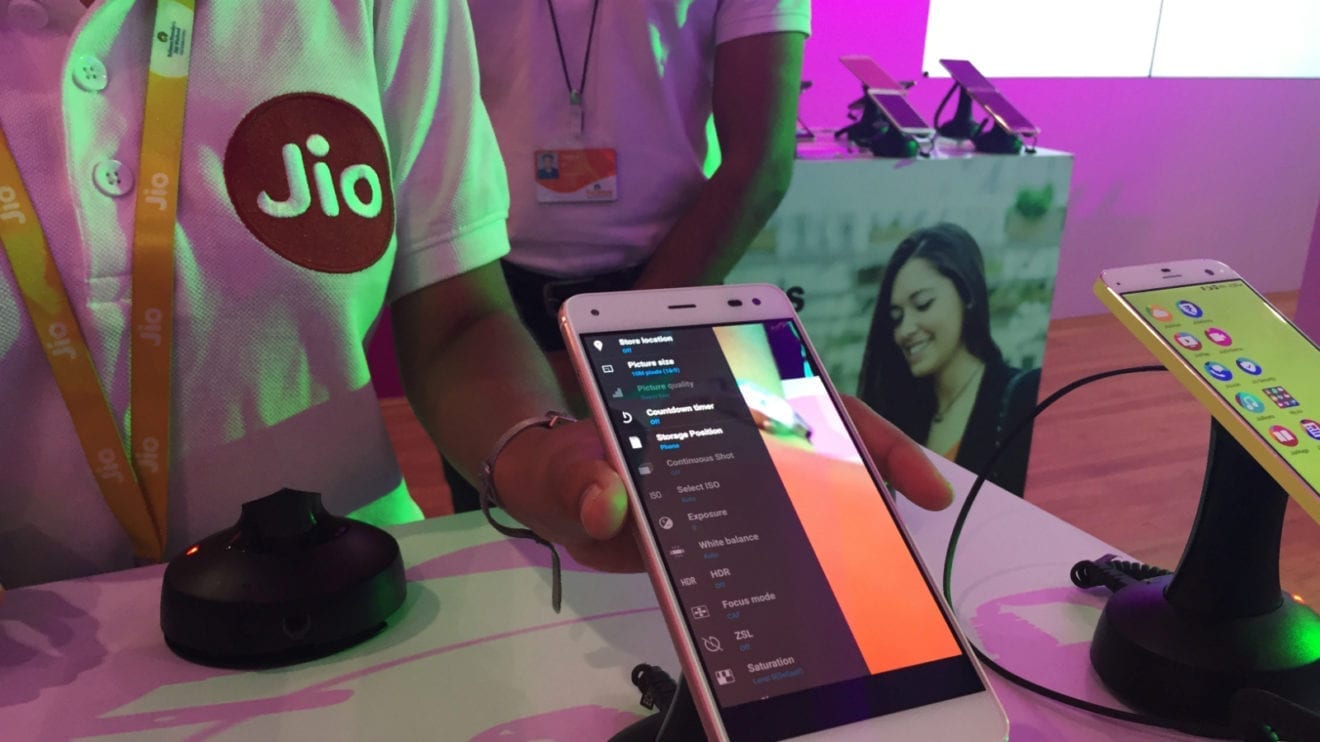
    Nokia and Ciena have both detailed their roles in providing equipment for disruptive Indian newcomer Reliance Jio Infocomm’s greenfield pan-India 4G rollout.

    Reliance Jio finally launched LTE services for the public in September last year, and has signed on 100 million new users in just 170 days due to its aggressive strategy of initially offering all services for free.

    Nokia announced that its optical deployment for Jio covers over 90,000km across India, making it one of the biggest 100G deployments in the world.

    The vendor provided switches with 100G DWDM capabilities as well as generalized MPLS intelligence to support capacity management and restoration

    “In only 170 days, Jio has signed on 100 million new users. With growth rates of this magnitude we had to ensure we deployed the highest capacity, most resilient transport network to build out the 4G network,” Reliance Jio president Jyotindra Thacker commented.

    “Nokia’s next-generation DWDM portfolio provides the ability to scale easily as Jio continues to expand the network to reach the underserved areas of India with digital services in key areas such as communication, education, healthcare, payments and multi-media entertainment.”

    Ciena meanwhile deployed multi-terabit converged packet optical technology for Jio’s 4G network core, operating at speeds of up to 200Gbps.

    The Ciena packet optical platforms use Ciena’s WaveLogic coherent technology for the core network, which connects all major cities of India.

    • “With Ciena we are not only able to provide robust scalability to offer new levels of data consumption, which is already 8 to 10 times above market levels, but also a supreme level of confidence in our network’s reliability and level of service that stands out in our marketplace,” Thacker said.
    • “Ciena’s coherent technological offerings and proven control plane technology is helping to make us the fastest growing 4G network in the world.”
  • Vietnam, India work to adjust back-to-back bans on commodity imports

    Vietnam, India work to adjust back-to-back bans on commodity imports

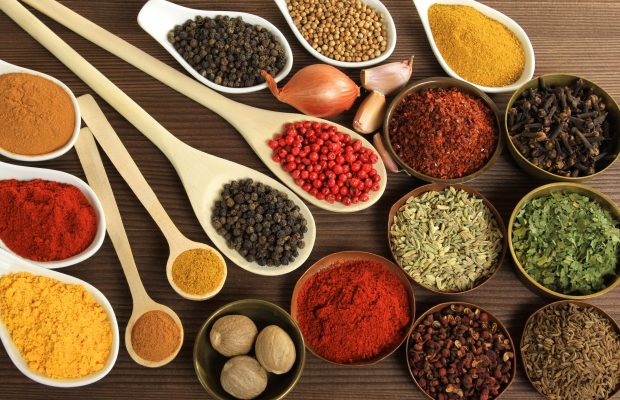
    Vietnam has requested the Indian government to abolish a ban on the import of its six commodities, including coffee and pepper, the Vietnamese government said in a Friday statement.

    India may have agreed with the request and will remove restrictions against the Vietnamese goods in question, the Saigon Times quoted a Vietnamese pepper industry official Saturday as saying, a development could not immediately verify independently.

    India imposed the ban against six commodities from Vietnam, which also included cinnamon, bamboo, cassia and dragon fruit, effective from March 7 after Vietnam’s agriculture ministry had ruled to suspend the import of India’s five agricultural commodities for 60 days starting March 1, citing the infection of peanut beetle.

    Vietnam’s Industry and Trade Ministry, in an official letter, told India to uphold international practice -= referring to the ban, the government statement said, adding that it had Thursday asked the Vietnam embassy in India to deliver the letter.

    The letter also urged India to “soon abolish the suspension of the import”, the government statement said.

    India has agreed to remove the suspension against several items, the Saigon Times quoted Nguyen Mai Oanh, deputy chairwoman of the Vietnam Pepper Association, as saying late Friday.

    “India will abolish the suspension order on the import of agro-products from Vietnam”, after Vietnam’s agriculture ministry officials met Thursday with the Indian embassy in Hanoi, she was quoted as saying.

    In return, Vietnam will adjust its decision on the suspension of five commodities from India and resume their import, Oanh said in the report.

    India’s ban has delayed several shipments of Vietnamese coffee and pushed down pepper prices on Vietnam’s domestic markets in recent days, traders and industry officials say. Vietnam is the world’s largest exporter of robusta coffee and black pepper.

    The country’s coffee export volume on March 1-15 fell 10 percent from the same period last year to 81,000 tons, based on Vietnam Customs’ data released Friday.

    Traders in Vietnam said if the situation is prolonged, Indian roasters would have had to buy their raw material from African nations.

    While domestic pepper prices have eased, due in part also to the ongoing harvest, Vietnam has shipped 13,600 tons of the spice in the first half of March to various destinations, up 31 percent from a year ago, based on customs data.

    Last year India, the third-biggest buyer of Vietnamese pepper after the United States and the United Arab Emirates, imported 11,100 tons of the spice, up 37 percent from 2015, the customs data showed.

  • Apple India opens franchise stores

    Apple India opens franchise stores

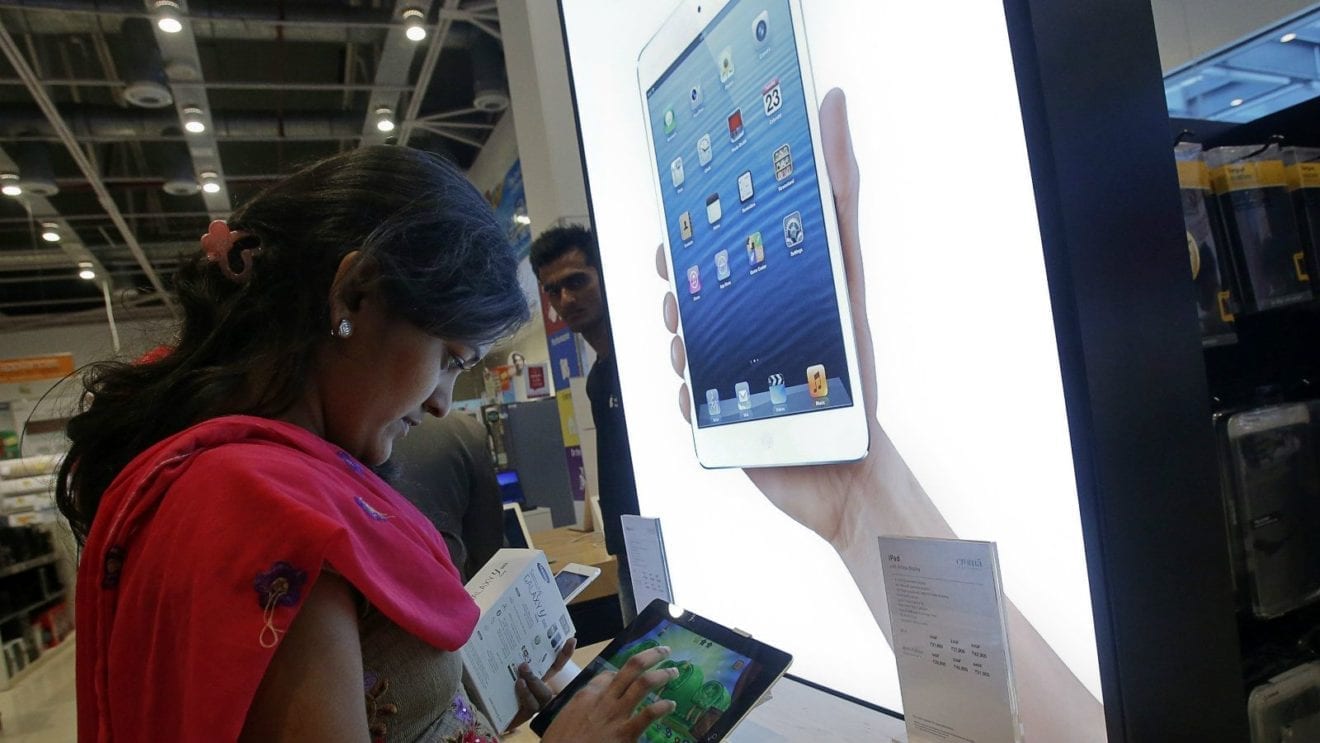
    Apple has set up more than 100 small franchise stores in India in the pilot phase of an initiative aiming at six-fold expansion over the next 12 months.

    The US electronics company’s move is a bid to take on Samsung and Chinese rivals, reports The Economic Times.

    Branded as Apple Authorised Resellers, the stores are no larger than 46 sqm and are distinct from the company-owned outlets Apple plans for India.

    It is a format through which the company plans to widen its presence in high-rental, high-street locations in large cities, neighbourhoods and tier-two and -three markets, say senior trade partners.

    Such stores have been set up in Bengaluru, Chandigarh, Mumbai, the National Capital Region (NCR) and Pune. In the NCR, the stores can be found in Gurgaon’s Galleria Market, Malviya Nagar, South Extension and Vasant Vihar.

  • AirAsia India launches flights to Kolkata, Ranchi

    AirAsia India launches flights to Kolkata, Ranchi

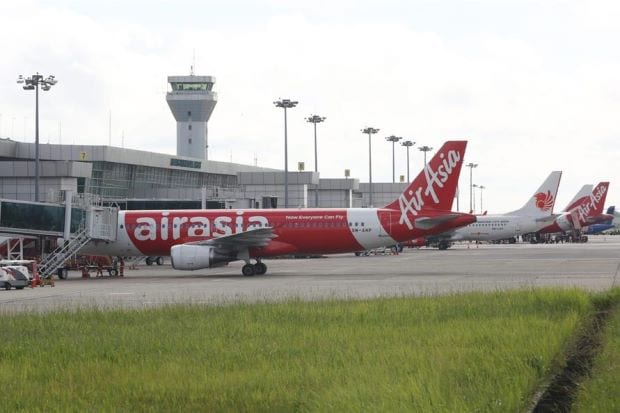
    AirAsia India today announced its addition of two new destinations in Kolkata and Ranchi and said that Kolkata will be its third hub. With the launch of these destinations, AirAsia will operate to 15 destinations in the country.

    AirAsia operates a fleet of 9 Airbus A320 aircraft. The ninth aircraft was added during the beginning of this year.Kolkata will become airline’s third hub in India after Bengaluru and Delhi.

    “2017 is proving to be a very exciting year for us. Our determination to serve regional India is paving way for a successful implementation of our planned strategy. The continued support of the Central and State Governments in a young AirAsia India, is an affirmation to me, as we work towards helping Indians fly,” Amar Abrol, MD & CEO, AirAsia India was quoted in the release.

  • Vodafone India, Idea to merge into India’s top cellco

    Vodafone India, Idea to merge into India’s top cellco

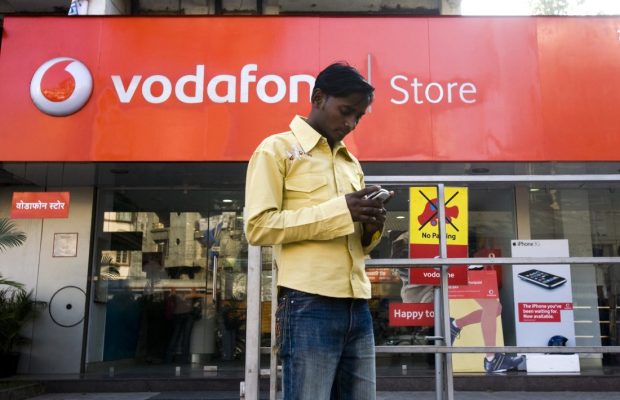
    India’s second and third ranked mobile operators, Vodafone India and Idea Cellular, have revealed plans to merge to create the India’s largest operator by market share.

    The companies have announced that Vodafone will combine its Vodafone India subsidiary with Idea Cellular in a deal worth around $23 billion.

    The combined company will have around nearly 400 million subscribers and is expected to have a revenue market share of around 40%, propelling it ahead of current market leader Bharti Airtel.

    Under the terms of the agreement, Vodafone will take a 45.1% stake in the combined company while the owner of the Idea brand – the Aditya Birla Group – will have about 26%.

    Vodafone will transfer a stake of around 4.9% of the company for around 39 billion rupees ($579 million) as part of this transaction, and there will be a mechanism in place designed to equalise the shareholdings within four to nine years. Until this takes place, the voting rights will be equalised.

    The marger excludes Vodafone’s 42% stake in Indus Towers, the joint venture established between the Bharti Group, Vodafone India and Idea Cellular to manage the operators’ tower infrastructure.

    “The combination of Vodafone India and Idea will create a new champion of Digital India founded with a long-term commitment and vision to bring world-class 4G networks to villages, towns and cities across India,” Vodafone Group CEO Vittorio Colao commented.

    “The combined company will have the scale required to ensure sustainable consumer choice in a competitive market and to expand new technologies – such as mobile money services – that have the potential to transform daily life for every Indian. We look forward to working with the Aditya Birla Group to create value for all stakeholders.”

    Meanwhile fellow Indian operators Reliance Communications (RCom) and Aircel are one step closer to executing their planned merger.

    RCom announced in a regulatory filing that it has secured approval from the Competition Commission of India for the proposed merger, which was announced in September last year.

    The companies have already secured approval from the Securities and Exchange Board of India as well as the BSE and NSE stock exchanges, but still requires the go-ahead from the National Company Law Tribunal.

    Under the terms of the planned merger, RCom and Aircel parent Maxis Communications will each hold 50% of the combined company.

  • Starbucks Asia boosts digital engagement

    Starbucks Asia boosts digital engagement

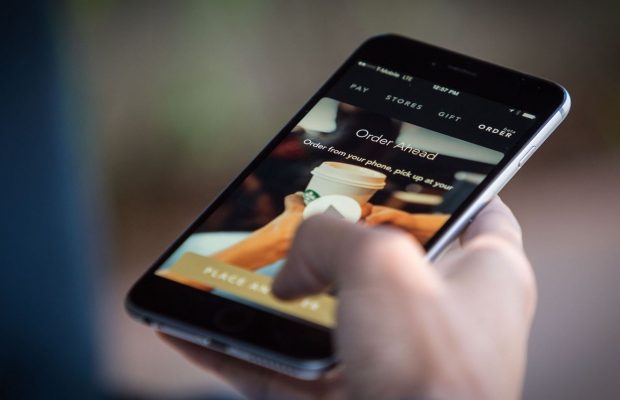
    Starbucks Asia has debuted its mobile Order and Pay app in Hong Kong and India.

    Starbucks globally already offers the largest and most robust mobile ecosystem of any retailer in the world, with more than 12 million Starbucks Rewards members, 8 million mobile paying customers with one out of three now using Mobile Order & Pay, and more than US$6 billion loaded onto prepaid Starbucks Cards in North America during the past year alone.

    Now Starbucks has expanded its digital platform to Asia Pacific with the launch of the Mobile Order and Pay program in Hong Kong and India.

    Starbucks Hong Kong and Tata Starbucks Private Limited are the first retailers in their markets to launch a mobile-ordering feature using its mobile payment technology combined with a loyalty program.

    Customers can choose a store from a map view, browse, select and customise beverage and food items – including the option to modify the size, number of espresso shots and dairy selections – view the estimated pick up times and pre-pay for the order – all within the Starbucks app. Every order is freshly prepared and ready for pick-up in the beverage handoff area. Members can easily collect Stars and earn rewards with Starbucks Rewards loyalty program.

    “Hong Kong is one of the busiest cities in the world and our customers have a very high expectation of convenience,” said Norbert Tan, executive director, Starbucks Hong Kong and Macau. “Starbucks is committed to exploring digital innovations which deliver meaningful value and convenience that enhance the Starbucks Experience.”

    The Mobile Order & Pay feature will be accessible through an update to the Starbucks mobile app. Customers who do not yet have the app can download it from the App Store or Google Play.

    Sumitro Ghosh, CEO of Tata Starbucks India, said mobile app will help meet Indian customers’ needs while serving them seamlessly on the My Starbucks Rewards program.

    “This digital innovation underscores our continued commitment to drive innovation and provide an exceptional and convenient customer experience in our stores across the country.”

  • Jabong adds Virat Kohli’s breakaway fashion brand ‘WROGN’ to its product portfolio

    Jabong adds Virat Kohli’s breakaway fashion brand ‘WROGN’ to its product portfolio

    India’s leading online fashion portal Jabong, has announced the addition of Virat Kohli’s breakaway fashion brand WROGN to its product portfolio. The men’s fashionwear brand will be available on Jabong in 450 variants with prices ranging from Rs. 799 to Rs. 3599.

    The launch will be supported by digital and social media campaigns including Virat’s selfie video announcing the brand’s launch on YouTube, Facebook, Twitter & Instagram. A separate Shop-In-Shop promotion will highlight the WROGN’s latest campaign images, videos, main categories & brand description on Jabong’s website & mobile app as well as the Jabong’s digital fashion blog. The top two highest spenders on the day of launch will be invited for a Meet & Greet with Virat Kohli while the remaining five highest spenders will receive merchandise signed by the Indian cricket captain.

    Rahul Taneja, Chief Business Officer, Jabong said, “We are pretty stoked to launch WROGN on Jabong, which comes from a similar philosophy of being comfortable in your own skin, and therefore, is a great fit for Jabong’s core shoppers. Virat Kohli is a true Indian icon, especially amongst the youth and is a great example of rising above the ordinary by just being himself. Jabong speaks the same language and it’s exhilarating that we will bring more joy to our customers with WROGN on board.”

    Kalyan Kumar Gunasekaran, Chief Merchandising Officer, Jabong added, “It brings great pleasure to us to launch WROGN on Jabong. The collection exudes candid and comfort fashion and allows one to carry their own style effortlessly. Each brand uniquely differentiates itself in its language, WROGN for us is just the right click and we are elated to welcome the brand in the cartel.” 

     Anjana Reddy, CEO Universal Sportsbiz & owner of WROGN, said, “WROGN is one of the fastest growing men’s youth fashion brand in India, and we are very excited to partner with Jabong and launch our latest SS’17 Collection. Jabong has a strong base of fashion forward consumers and I am sure WROGN as a brand will fulfill their needs”.

    Jabong is known to have introduced a multitude of fashion and sports brands in India in the past such as TOPSHOP, TOPMAN, Dorothy Perkins, Missguided, Next, ASICS, ALCIS, Hummel, DC and New Era Caps to name a few.

    Virat Kohli has made into the heart of millions and is touted as the best of all times with Kapil Dev even comparing him to the legendary Don Bradman. Virat has been the highest run scorer for India for 6 years straight and was the fastest in the world to reach 25 centuries in ODIs. He also holds the record for the fastest century by an Indian cricketer in ODIs (in 52 balls), the fastest to reach 7,000 runs in ODI’s, first cricketer to score three centuries in his first three innings as Test captain, first Indian Test captain to score a double century overseas and first Indian Test captain to score two or more double centuries.

  • Airtel to maintain controlling stake in tower arm

    Airtel to maintain controlling stake in tower arm

    India’s Bharti Airtel has called off plans to sell a controlling stake in its infrastructure division Bharti Infratel, but still plans to sell or transfer a minority stake in the company.

    The company’s board decided  in a meeting held this week not to sell a controlling stake in the division for now.

    Instead the company plans to sell or transfer up to 400 million shares in Infratel to either wholly-owned subsidiary Nettle Infrastructure Investments, any other potential investors or both.

    After the transfer Airtel will hold a 50.33% stake in Infratel while Nettle or the new investors will hold 21.63%.

    Bharti Infratel’s portfolio covers around 90,250 towers, the report states. These include the company’s own towers and its share of the assets of independent tower company Indus Towers, which was jointly established in 2007 by Infratel and other Bharti Group members, as well as Vodafone India and Idea Cellular.

    The division reported a 25% increase in net profit to 6.2 billion rupees ($94.5 million) for the December quarter, which compares to a 50% decline in profit for Bharti Airtel.

  • India,Indonesia to enhance ties in cyber security,intelligence

    India,Indonesia to enhance ties in cyber security,intelligence

    India and Indonesia today decided to enhance cooperation in cyber security and intelligence sharing.

    This was decided at a meeting between Minister of State for Home Kiren Rijiju and visiting Indonesian Minister for Security Gen Wiranto here.

    “The bilateral meeting with Indonesian Minister for Security and Coordination was very fruitful. The meeting focused on cyber security and intelligence sharing,” Rijiju said.

    The delegation level meeting was attended by senior officials of Ministry of Home Affairs and Indonesian Ministry of Security and Coordination.

  • China set to cut into India, Vietnam rice exports in 2017

    China set to cut into India, Vietnam rice exports in 2017

    Falling demand and overseas competition are expected to bite into Vietnam’s rice exports. India and Vietnam, the world’s leading rice exporters, may see overseas sales fall below previously expected levels due to slowing demand and rising competition from China, the U.S. Department of Agriculture (USDA) said in a recent report.

    India’s rice exports year could fall by 300,000 tons to only 10 million tons “on slower pace and stronger competition in West Africa”, the USDA said in its March report, putting it on a par with shipments expected from Thailand.

    It more than doubled its forecast for China’s rice exports this year to 500,000 tons from 225,000 tons, the report said, citing rising sales in East Asia and West Africa.

    The USDA also cut Vietnam’s rice export forecast by 3.6 percent to 5.6 million tons this year, citing “reduced trade to Southeast Asia and Africa”.

    With the lower projections, India and Thailand will share the world’s largest rice exporter title this year, followed by Vietnam and Pakistan. Last year, India was the world’s biggest rice exporter, followed by Thailand.

    Vietnam’s rice exports in the first two months of this year fell 23.5 percent from the same period in 2016 to 738,000 tons, based on data from Vietnam Customs released this week.

    Rice exports in the two-month month period brought in $314 million, 24.7 percent below the corresponding period in 2016, data showed.

    On a brighter note, Mexico has given the green light for 150,000 tons of rice to be imported at a zero percent tariff, starting from March 1, to meet domestic demand and diversify its supply sources, a move that would cut the market share currently held by the U.S. and open the door to Vietnamese rice.

    “The United States is expected to remain the dominant supplier (for Mexico), but recent history suggests that other suppliers will likely gain additional sales,” the USDA said.

  • Volkswagen and Tata agree to explore cooperation in India

    Volkswagen and Tata agree to explore cooperation in India

    Volkswagen has signed an agreement with Tata Motors to explore cooperation in India, company sources close to the matter said, as the German carmaker tries once again to conquer emerging markets.

    After months of talks, the carmakers have signed a memorandum of understanding (MoU) to deepen exchanges about technology, components and platforms, and analyze overlaps that could come from cooperation, one of three company sources said.

    VW, already the biggest carmaker by sales in China, is embracing electric cars and looking for new markets as it battles to recover from its diesel emissions scandal.

    A previous VW attempt to expand in emerging markets through an alliance with Suzuki Motor Corp. (7269.T) collapsed in 2015 after a fierce dispute.

    Winning emerging market share is an obvious goal for global automakers, but has yet to prove significantly profitable, except perhaps for budget-car champion Renault.

    “Covering entry-level segments will be crucial for major carmakers’ long-term growth plans,” said Ferdinand Dudenhoeffer, head of the Center of Automotive Research at the University of Duisburg-Essen.

    “A successful budget car can be a feeder to the rest of the brand,” said Dudenhoeffer, a former sales director of PSA Group’s Germany operations.

    VW’s efforts to make inroads in low-cost markets include China, the world’s biggest auto market, where it has scrapped a pre-dieselgate program and redrawn the plans for a budget car, company sources said. VW has pared costs for its MQB mass-market platform, sources told Reuters at the Geneva auto show.

    The vehicles will likely be introduced in 2019-2020 and may cost in the area of 8,000 euros to 10,000 euros ($8,500 to $10,500), sources said. VW had repeatedly failed in previous years to hit cost targets for a budget car priced between 6,000-8,000 euros.

    An announcement on budget models for China could be made at the Shanghai auto show next month, they said.

    VW views the budget car project as essential to protect its market-leading position in China against aspiring local manufacturers.

    “They’re offering relatively high quality at very aggressive prices,” VW brand chief Herbert Diess told Reuters in Geneva. “This is a concern for us.”

    VW is also working on a budget car for Latin America and has revamped its MQB architecture in a way that allows for greater savings on the models, sources said in Geneva.

    “We will continue to work on the budget car and we will offer good solutions here in the foreseeable future,” Chief Executive Matthias Mueller told Reuters in Geneva, without elaborating.

    In India, the owner of British luxury carmaker Jaguar Land Rover is restructuring its car business to cut its platforms to two from six to boost production efficiencies and adjust more quickly to market trends.

    “We confirm that we are in talks with VW for a potential alliance but an announcement will be made at an appropriate time,” a spokesman for Tata said.

    With a very low vehicle penetration rate, India, the world’s second most populous country, is a big attraction for Western carmakers as they search for growth.

    A spokesman for VW said it was discussing ways to expand its product portfolio with tailor-made solutions in India with both its car brands and potential partners.

    Light vehicle sales in India are expected to more than double to 7.1 million cars by 2025 from 3.4 million last year, according to IHS Markit.

  • China’s iVOOMi set to enter Indian smartphone market

    China’s iVOOMi set to enter Indian smartphone market

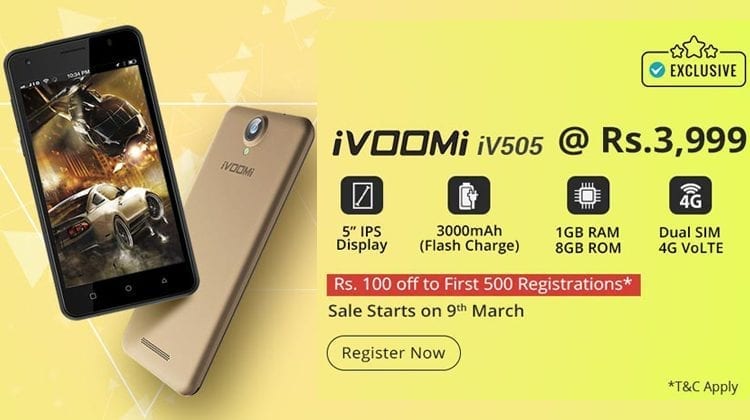
    Chinese electronic major iVoomi is all set to enter the Indian market with the launch of mid- to low-range of smartphones, the company said on Monday.

    To begin with, the company will unveil iV505 (priced at Rs 3,999) as its first smartphone in the country this month.

    “We are committed to establish iVOOMi in the Indian market with our innovative products loaded with highly valued SmartMe OS (Customised OS) and features at an affordable price,” said Bradley Yan, Global Business Head, iVoomi, in a statement.

    The smartphone comes with Jio-ready 4G-VoLTE SIM cards on both the slots, flash charge technology and Android Marshmallow 6.0.

    The brand has also planned to launch four smartphone models in India ranging from Rs 4,000 to Rs 10,000.

    The company has a broader plan for Indian market and intent to establish its research and development and manufacturing unit in India by 2019, the statement said.

  • Indian telcos to start their 5G journeys this year

    Indian telcos to start their 5G journeys this year

    India’s plan of utilizing 5G technology to keep up with the rest of the world may soon become a reality.

    Indian operators will start the process of upgrading to 5G technology from this year. According to Huawei India CEO Jay Chen, 5G technology in present form can deliver up to 1Gbps download speed.

    “I can tell you Massive MIMO (Multiple Input Multiple Output) technology (part of 5G technology) will go to India this year. We have had discussions with leading telecoms operators who are interested and right now it is only available with Huawei for commercial deployment,” Chen said in an interview. Wide-scale commercial deployment of 5G is expected to start in India in the next three years.

    Bharti Airtel Chairman Sunil Bharti Mittal had earlier said that the MIMO technology available with Huawei and ZTE can increase current capability of spectrum by up to 8 times at an additional cost of only about 20%.

    Chen said that 5G standards are expected to be firmed up next year when wide scale commercial deployment of 5G will begin.

    “We have already deployed 4.5G networks in 13 circles across India which with minor upgrades can be transformed to 5G. With 4G subscriber base in India increasing, the download speed will reduce for which operators will need to begin start 4.5G services,” said Chen.

    5G will bring advanced technology which will change the way network coverage is provided to subscribers.

    “At present, subscribers runs to connect with the network. We are ready with pilots for multi MIMO technology that will follow subscribers. Dedicated spectrum frequency (beam forming) will connect with device of the subscribers and follow them wherever they go,” explained Chen.

    He added that the Indian industry is improving significantly with consolidation in the sector and end of spectrum shortage which provides good opportunity for telecoms equipment companies.

    “Earlier their was spectrum scarcity in India. There were 13 operators who were involved in tariff war. Since last year we have not seen operators complaining about spectrum scarcity. Availability of spectrum gives them opportunity to deploy latest technologies like 5G. With Huawei we see this a very positive move. Our growth has also improved in India in last two years,” Chen said.

    He said that Indian operators are now moving in the direction where they can catch up with rest of the world.