Tag: india

  • South Korea’s Kia invests in Indian factory after China troubles hit profit

    South Korea’s Kia invests in Indian factory after China troubles hit profit

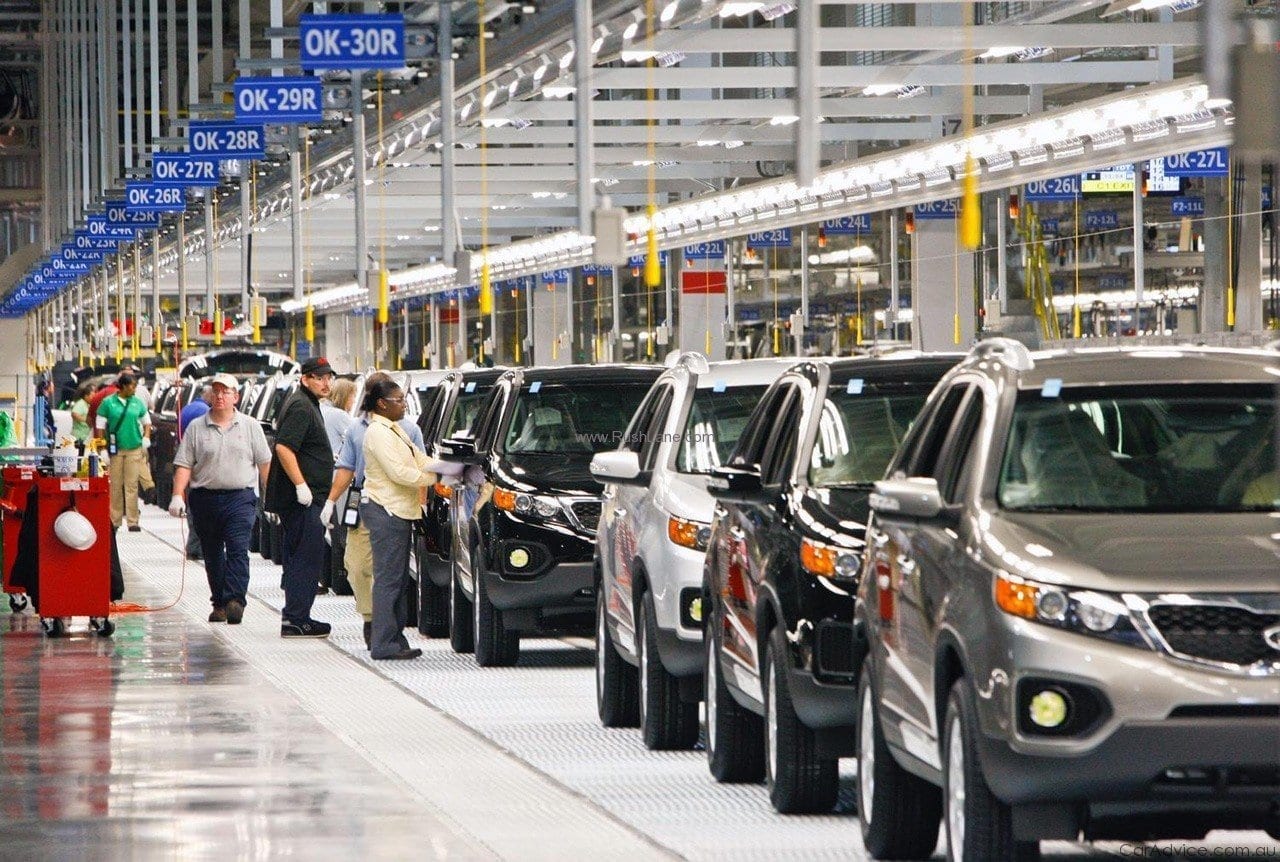
    South Korean carmaker Kia Motors Corp signed a deal on Thursday to invest about $1.1 billion to build its first factory in India, aiming to tap a fast growing market at a time when its China sales are sagging.

    The Hyundai Motor Co affiliate posted a 19 percent slump in first-quarter net profit as anti-Korean sentiment and a conflict with dealers hit its China sales, sending its shares down 2.2 percent in a flat market.

    Production at the factory in Anantapur district, Andhra Pradesh state, would begin in the second half of 2019, the company said.

    Kia is expected to leverage Hyundai’s supply chain network built around its factories in the neighboring state of Tamil Nadu to gain a foothold in the Indian market, tipped to become the world’s third-largest by 2020. Hyundai is India’s No.2 automaker by sales.

    The plant, which will have production capacity of 300,000 vehicles a year, will produce a compact sedan and a sport utility vehicle tailored for the Indian market, Kia said in a statement.

    It will break ground in the fourth quarter of this year.

    “Our new India plant will enable us to sell cars in the world’s fifth-largest market, while providing greater flexibility for our global business,” Kia Motors President Park Han-woo said in a statement.

    Reuters reported in February that Kia was close to finalizing Andhra Pradesh as the site for its first Indian factory..

    The announcement came after Kia and Hyundai Motor suffered a March sales slump in China, their biggest market, and sharply cut production in the wake of Seoul’s decision to deploy a U.S. anti-missile system, which angered China.

    “The fall in consumer sentiment in China is stemming from a political issue, a situation which is beyond the control of an individual firm and is difficult to be resolved within the short term,” Han Chun-soo, Kia’s chief financial officer, said during an earnings conference call.

    Kia would adjust its China production to reduce inventories, cut costs and launch new models including a small crossover to minimize the impact of the political row, he said.

    Kia also said its first-quarter profit was hurt by a cost of 160 billion won ($141.53 million) to recall vehicles over an engine issue in North America and South Korea.

  • NTT Com secures international license in India

    NTT Com secures international license in India

    TT Com has announced it has secured an international telecoms operating license in India via its affiliate NTT Communications India Network Services (NTTCINS).

    NTTCINS has secured a virtual network operator – international long distance (VNO-ILD) license in the market, becoming the first Japanese ICT provider to secure such a license.

    The acquisition will allow NTT Com to launch its Arcstar Universal One International Network Services in India, in addition to the national long distance network services it provides through NTTCINS.

    The company plans to offer a range of ICT solutions in the market, including WAN, LAN, data centers and value-added services. NTT Com also plans to enhance its network services and improve service quality in the market via closer relationships with local operators.

    NT Com has data centers in Chennai, Bangalore, Mumbai and Delhi. The company’s portfolio in India also includes colocation, managed hosting, cloud and ICT management services provided through affiliate Netmagic.

    “With the enhanced network capabilities coupled with managed hosting and cloud services, we are always committed to enable our customers to reap the maximum value from their technology investments,” Netmagic CEO Sharad Sanghi said.

    “This suite of offerings provides a robust value proposition as an ICT provider to meet our customers’ IT infrastructure and connectivity requirements.”

  • DHL to Invest $268 Million in India as National Tax Spurs Demand

    DHL to Invest $268 Million in India as National Tax Spurs Demand

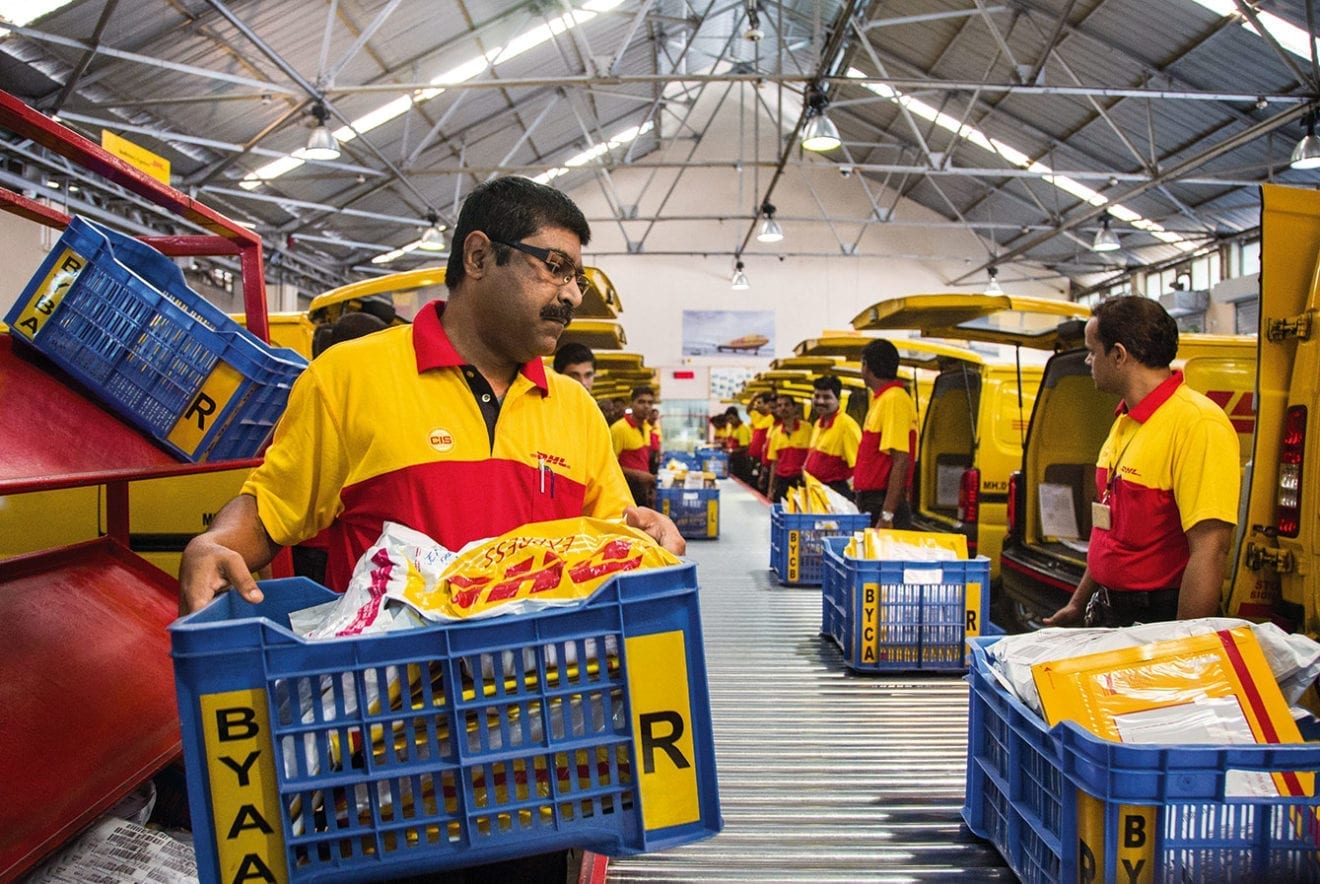
    Deutsche Post DHL Group will invest 250 million euros ($268 million) in India by 2020 to expand its logistics business and tap demand as the South Asian nation introduces a national sales tax that is set to boost movement of freight.

    The goods and services tax will help create bigger distribution centers, Deutsche Post AG Chief Executive Officer Frank Appel said in an interview in Mumbai on Friday. Until now, Indian companies were setting up warehouses in all states to avoid tax burden while the new tax reform may realign the needs of local companies toward larger and fewer mother warehouses, he said.

    The goods and services tax will replace an archaic web of levies and improve ease of doing business in a country with more than 1 billion consumers. Proposed over a decade ago and then refined several times to win bipartisan support under Prime Minister Narendra Modi, the tax is scheduled to be rolled out on July 1.

    “We want to consolidate our distribution centers,” Appel said. “We follow our customers. We adapt to their needs.”

    The 250 million euros will be in addition to the 70 million euros invested in India in the last 18 months, he said. The investment would include all units of DHL Group in India and would cover airport cargo facilities in Mumbai and Delhi of unit Blue Dart Express Ltd.

    The new tax will create an opportunity to optimize the logistics network based on cost and service quality instead of arbitrage tax systems, Appel said. More manufacturers will emerge in India as they don’t have to worry about tax provisions.

    “Goods and Services Tax is a very robust step in realizing ‘Make In India,’” Appel said, citing Prime Minister Modi’s flagship program designed to lure investment in the nation’s manufacturing sector.

  • Citi India debuts paperless cross-border payments

    Citi India debuts paperless cross-border payments

    Citi India has launched new digital cross-border payment solution designed to eliminate the need for multiple, underlying physical documents for cross-border trade payments.

    The solution aims to substantially reduces time, effort and cost of each transaction by facilitating quicker trade payments.

    With Open Account import payments, Citi’s clients can now directly share import payment information with the bank, by simply quoting Reserve Bank of India’s (RBI) Import Data Payment and Monitoring System (IDPMS) number, as against the earlier process of sharing multiple documents to support a single payment.

    This function will be made available on Citi’s online banking platform CitiDirect BE for clients to initiate and authorize payments.

    Citi India worked closely with the Government of India and leveraged RBI’s IDPMS platform that digitally tracks imports to develop this solution, with the aim to reduce for cross-border payments to less than three hours from the earlier same day processing.

    Debopama Sen, Head of Treasury and Trade Solutions, Citi South Asia said, “This is a huge step towards simplifying cross-border trade payments which significantly improves efficiencies for our customers and enhances the digital experience.”

    Citi India handles trade transactions for over 6,000 large, medium and small corporates across industries.

  • China’s Xiaomi branches out beyond smartphones to crack Indian market

    China’s Xiaomi branches out beyond smartphones to crack Indian market

    Chinese technology giant Xiaomi, best known for making smartphones and once hailed as an iPhone slayer, has decided the key to breaking the Indian market lies in a rather different product: the air purifier.

    “We have studied the demands of Indian customers, taking their living environment, preferences and consumption power into consideration. The air purifier is the product for us to further establish ourselves in India,” said Eugene Chan, regional manager of Mi Home, Xiaomi’s retail outlet chain.

    The air purifier is the product for us to further establish ourselves in India

    The Beijing-based firm is betting big on a bricks-and-mortar strategy to expand its presence in India, a country viewed by tech companies around the world as the next big internet market after China.

    Another part of the growth strategy is to branch out into making and selling products besides smartphones in an effort to rejuvenate the brand as an “everything store” in the South Asian country.

    With its first self-operated retail store set to open in Bangalore next month, Xiaomi plans to open five to 10 more offline stores under the Mi Home brand in India this year, selling products ranging from smartphones and fitness trackers to speakers and robot vacuum cleaners – and, of course, air purifiers.

    The plan is likely to include manufacturing some of the items locally to keep costs down.

    “We are considering producing air purifiers as well as other home appliance products in India locally to make sure that our products are still at affordable prices even sold offline in overseas countries,” said Chan, who is in charge of Mi Home’s expansion in South China and foreign markets.

    India, the fastest growing smartphone market in the world, has attracted a number of Chinese manufacturers, such as Huawei Technologies and Lenovo, as their sales at home stagnate. Xiaomi – one of the world’s most valuable companies in 2014, estimated to be worth US$45 billion – has recently announced plans to set up a second smartphone factory in India.

    Once compared to Apple for its sleek smartphones and dominance in China’s market, Xiaomi’s founder and CEO Lei Jun has recently sought to revamp the company into something more like US warehouse retailer Costco Wholesale, which sells everything from wine and cereal to diamond rings.

    He has halted the company’s online-only sales strategy, which originally catapulted Xiaomi to the top, and announced the goal of opening 1,000 Mi Home retail outlets in China in the next three years. Lei is aiming for sales from these stores to top 70 billion yuan annually within five years.

    The company currently operates 68 Mi Home stores in locations including Hong Kong and Taiwan.

    Xiaomi didn’t reveal the size of its investment in its physical expansion in India. But Chan said the offline strategy is good for both sales and marketing there.

    “We hope to bring 102 different kinds of products made by Xiaomi and its partners to Indian customers via Mi Home,” he said.

    In a recent interview with Blomberg, Lei said he expected to double Xiaomi’s revenue in India to US$2 billion in 2017.

    “The cost of offline expansion is much higher than purely selling products online,” said IDC China’s research manager Jin Di. “But Xiaomi needs to expand its product portfolio in India because the profit margin on smartphones is quite thin due to fierce competition. Home appliances, such as air purifiers, have much better margin than smartphones.”

    Xiaomi’s smartphone shipments in India grew 15.3 per cent in the fourth quarter of 2016, beating the industry’s 5.2 per cent, according IDC.

    This article appeared in the South China Morning Post print edition as:

    Xiaomi bets big on air purifiers in India

  • Indo and India see strong growth in processed food retail

    Indo and India see strong growth in processed food retail

    Global innovation within the processed meat, poultry and fish categories has increased over the years and many markets with the highest growth potential are from the Asia Pacific region. New research from global market intelligence agency Mintel reveals that Asia is home to the world’s fastest growing retail markets for processed meat, poultry and fish, with Indonesia and India playing key roles across these categories.

    Indonesia is currently among the fastest growing processed meat and poultry markets globally with a CAGR of 26.7% between 2011 and 2015, followed by India* (22%), Vietnam (15.5%), China (13.9%), and Brazil (10.9%). Mintel estimates Indonesia’s processed meat and poultry market reached a value of IDR 16 trillion in 2016**, while India is estimated to have reached a value of INR 11 billion. Vietnam, China and Brazil have estimated retail values of VND 10 trillion, CNY 275 billion, and BRL 12 billion, respectively.

    Meanwhile, India* is one of the fastest growing retail markets for processed fish and seafood globally, growing at a CAGR of 24.9% between 2011 and 2015, while Indonesia has seen a CAGR of 19.5%, with Turkey (11.8%), South Africa (11.2%) and Russia (10.8%) rounding out the top five growth markets. In 2016**, Mintel estimates India’s processed fish and seafood market reached a value of INR 2,422 million, while Indonesia is estimated to have hit IDR 32 trillion, Turkey TRY 372 million, South Africa ZAR 3 billion and Russia RUB 148 billion.

    In the five years between 2011 and 2015, Thailand also experienced a positive CAGR of 9.4% for the processed fish and seafood market and a CAGR of 7.5% for the processed meat and poultry market. In terms of retail market value for 2016**, Thailand’s processed fish and seafood market is estimated to have reached THB 65 billion and its processed meat and poultry market, THB 60 billion.

    Driven by a surge in innovation activity, the global processed meat, poultry and fish markets saw an 18% increase in product launches in 2016, compared to 2014, according to Mintel Global New Products Database (GNPD). In 2016, Asia Pacific was the second most active region globally in terms of processed meat, poultry and fish new product development (NPD), accounting for 24% of processed meat, poultry and fish product innovations, led by China, Thailand, South Korea, Vietnam and the Philippines.

    Patty Johnson, global food and drink analyst at Mintel, said: “The need for convenience is the key driver behind Asia’s growing processed meat, poultry and fish retail markets in Indonesia, Thailand and India. Demand for processed and ready-to-eat foods, particularly frozen foods, is growing across Asia as increasingly time-pressed consumers have embraced the convenience of the freezer and of microwave cooking. Aligned with consumer interest in the region, processed meat, poultry and fish product innovation in 2016 saw strong focus on convenience claims, such as ease of use and microwaveable.”

    Indeed, according to a consumer study*** conducted by Mintel, over two in five (43%) metro Indonesians and 39% of metro Thais aged 18 and over tend to shop closer to home or work due to a lack of time. Furthermore, over one in four (28%) consumers in Indonesia prefer to buy smaller, bite sized or convenient packs as they can eat these anytime, anywhere, rising to over one in three (37%) Indonesians that fall within the monthly household income bracket of IDR 15,000,000 and above. In Thailand, as many as one in five (22%) consumers prefer to buy smaller, bite sized or convenient packs for the same reason.

  • Walmart India weighing food retail possibilities

    Walmart India weighing food retail possibilities

    Walmart India is “evaluating” new foreign direct investment (FDI) guidelines for the food retail space. This follows the government permitting 100 per cent FDI in the sector.

    Walmart India president/CEO Krish Iyer describes the government’s decision as a good step. “It’s a very noble objective in terms of being able to double farmers’ income and reduce food waste.”

    He says the company has been evaluating the guidelines and “at an appropriate time” will look at the sector. Walmart India currently works in the wholesale segment with 21 cash-and-carry stores across nine states. It plans to increase the number of stores to 50 by 2021.

    Regarding its Best Price wholesale stores, Iyer says the major focus has been in states where the company already has a presence – Andhra Pradesh, Haryana, Himachal Pradesh, Madhya Pradesh, Maharashtra, Punjab, Telangana, Uttarakhand and Uttar Pradesh.

    Walmart India is a wholly ­owned subsidiary of US retail giant Walmart Stores.

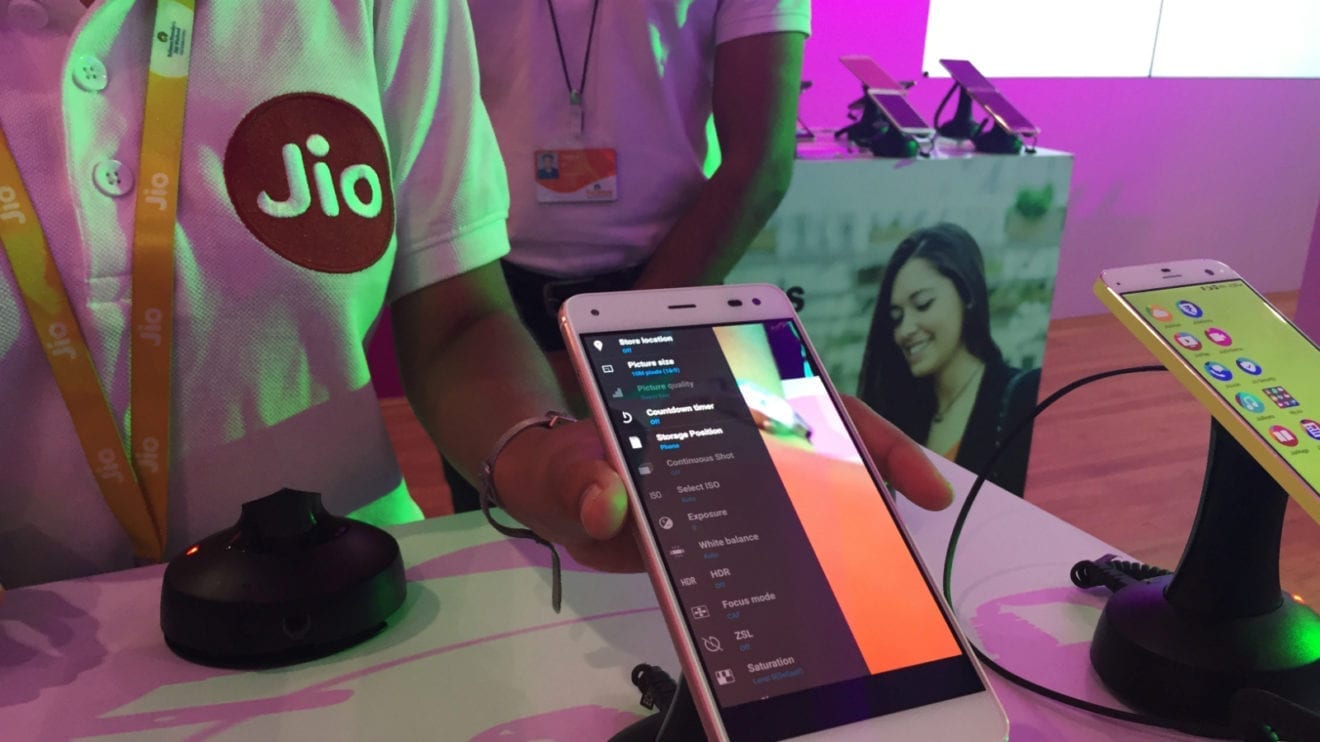
  • Jio has India’s fastest average download speeds

    Jio has India’s fastest average download speeds

    India’s newest mobile operator Reliance Jio Infocomm had the fastest average download speeds  during March by a wide margin, according to the latest figures by regulator Trai.

    Jio recorded an average download speed of 16.48Mbps for the quarter, roughly double that of rivals Idea Cellular (8.33Mbps) and Bharti Airtel (7.66Mbps).

    As a 4G-only operator Jio has an inherent advantage in terms of average download speeds.

    Vodafone meanwhile recorded average download speeds of 5.66Mbps, compared to 2.64Mbps for Reliance Communication, 2.52Mbps for Tata DoCoMo, 2.26Mpbs for BSNL and 2.01Mbps for Aircel, Trai’s figures indicate.

    But the findings of the debut report from wireless coverage mapping company OpenSignal into the state of the Indian mobile market appear to contradict the official figures.

    OpenSignal’s analysis indicates that Airtel tops the rankings in terms of average 4G, 3G and overall speeds. The company measured Airtel’s average LTE download speed of 11.5Mbps, and said that both Vodafone and Idea have faster average speeds than Jio, which scored a mere 3.92Mbps.

    But Jio topped the rankings in terms of LTE availability, finding that testers on Jio’s network were able to find a 4G signal 91.6% of the time. No other Indian operator scored higher than 60%.

  • Woodland India eyes Japan, South Korea

    Woodland India eyes Japan, South Korea

    Footwear and apparel firm Woodland India plans to enter the Japanese and South Korean markets in the next 12 months.

    Owned by the Aero Group, the company is also expanding at home with plans to add 120 exclusive outlets across India by the end of next year.

    Woodland India MD Harkirat Singh says the company also plans to grow its presence in multi-brand outlets.
    He says the company clocked revenue of Rs 1200 crore (US$279.9 million) in the last fiscal year and is seeking growth of 15 to 20 per cent going forward.

    Woodland, which makes most of its products in house, is also looking to add to its employee strength.
    Currently, the company has 600 exclusive outlets apart from presence in 5000 multi-brand stores in India.

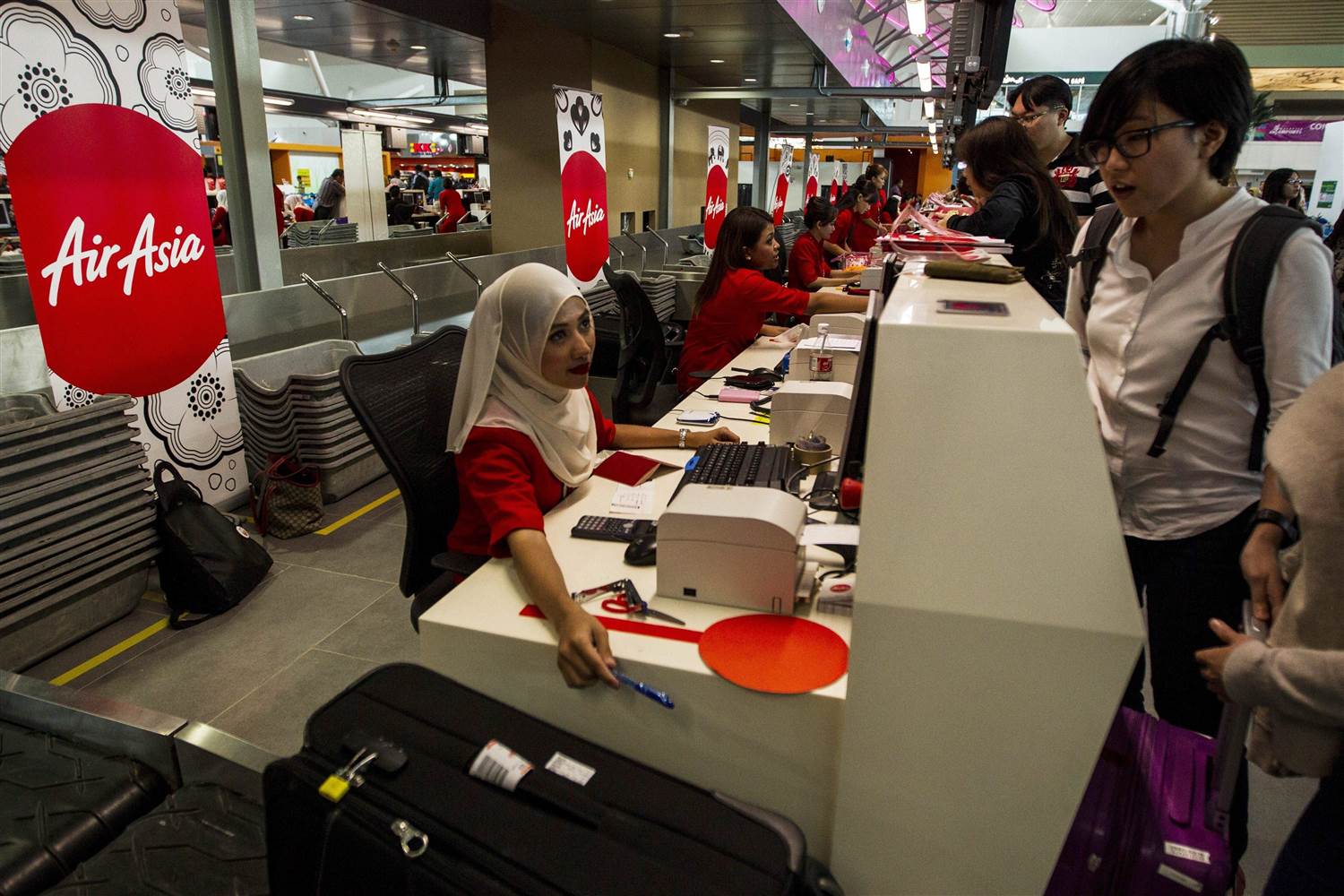
  • Now, Reliance Jio plan subscribers to get 15% discount on AirAsia tickets

    Now, Reliance Jio plan subscribers to get 15% discount on AirAsia tickets

    More than 72 million subscribers of Reliance Jio Infocomm (Jio) can avail a discount of 15% on their domestic and international travel on Air Asia. Sources said Jio subscribers can avail this discount using the Air Asia’s mobile app for the travel period starting June 20, 2017 till September 30, 2017.

    Air Asia is working on the modalities and will come out with the offer in the next 2-3 days, they added. Air Asia India had earlier during the day tweeted the offer, but had then deleted it. Market analysts said that the scheme fits into Jio’s strategy of targeting the high Arpu (Average revenue per user) customers of its rivals as well as to retain its own high-end users by offering such incentives.

    While launching Jio on September 1, 2016, RIL chairman Mukesh Ambani had indicated that the platinum customers of Jio will also be offered a series of “specialized, white-glove services such as concierge services and video call centers”.

    Jio sources said that the company is planning to come out with similar offers related to travel and hospitality for its subscribers.

  • Apple to open App Accelerator in India

    Apple to open App Accelerator in India

    US tech major Apple will set up an App Accelerator in Bangalore, in order to provide support to Indian developers and help them to transform the design and performance of their apps on its mobile operating system iOS.

    The Accelerator in Bengaluru, the hub of India’s start-up scene, will inspire the next generation of Indian developers, according to the company.

    Each week, Apple experts will lead briefings and provide one-on-one app reviews for developers. The facility will also provide support and guidance on Swift — Apple’s programming language created to build apps for iOS, Apple TV and Apple Watch.

    “India has one of the most vibrant and exciting iOS developer communities in the world and already tens of thousands of developers in India make apps for iOS,” the company said in a statement.

    The App Accelerator at Bengaluru will help to further enrich the iOS app ecosystem.”

  • Jio accuses rivals of “unfair and deceptive” practices

    Jio accuses rivals of “unfair and deceptive” practices

    India’s Reliance Jio Infocomm has called on the market’s telecoms regulator to penalize incumbent operators Bharti Airtel, Vodafone India and Idea Cellular for allegedly violating regulations covering mobile plans in an attempt to prevent more customers from porting to the new operator.

    Reliance Jio has accused the operators of using “unfair and deceptive” methods to retain customers, including by offering custom retention offers for subscribers thinking of porting to Jio.

    Jio said these custom offers are being offered on a one-off basis to existing customers, and as such are not advertised publicly as required by the regulations.

    The operator has further argued that the custom offers violate regulatory norms limiting the number of prepaid and postpaid plans allowed to 25.

    Finally, Jio has accused the operators of providing “false and malicious” information regarding the quality of Jio’s network to customers via call center interactions.

    The operator is requesting that regulator Trai issue a ceast and desist order prohibiting the operators from continuing with the alleged actions.

    But Both Bharti Airtel and Vodafone India strongly denied to the Press Trust of India any allegation that they are in violation of the regulations.

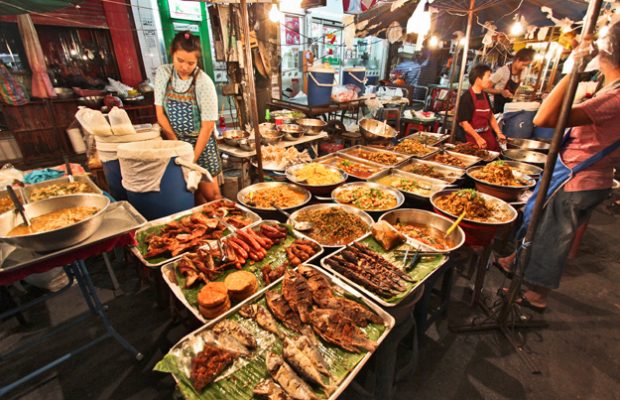
  • GMR Hyderabad Airport Offers ‘Mumbai Central’ delivering the Authentic Street Food from Mumbai

    GMR Hyderabad Airport Offers ‘Mumbai Central’ delivering the Authentic Street Food from Mumbai

    GMR Hyderabad International Airport (GHIAL), which operates Hyderabad Airport today announced the opening of ‘Mumbai Central’ near EAT at Hyderabad food court at the domestic departures Security Hold Area (SHA) of the airport. With the opening of its outlet at Hyderabad Airport, ‘Mumbai Central’ takes a maiden venture into airport Food & Beverage segment.

    Mumbai Central offers a live counter with a menu distinct from other outlets. It brings to the platter the popular west costal cuisine of India including some of the mouthwatering popular street food from the heart of Mumbai to the passengers flying from Hyderabad Airport. Now the travelers in love with the authentic and popular street food from Mumbai, could savour it when at Hyderabad Airport.

    Mumbai Central has been appealing to the travellers throughout the day, allowing them to relax, enjoy their meal and time at the airport. Mumbai Central brings the bustle of the Mumbai street food culture to Hyderabad Airport, offering high quality, authentic and famous Mumbai delicacies. Offering a quick serve world of cuisine, Mumbai Central is focused on directly triggering the customers appetite and to introduce the beauty of fast and fresh cooking; a lot of food is made and finished in the front of the customers.

    A wealth of fresh ingredients and spices adds spontaneous bursts of tasteful experience and stimulates the senses at every step of the way. Diners can order from the digital menus featuring daily specials, which are updated regularly to continuously delight the customers. Strongly promoting the traditional emphasis on healthy eating, balanced meals and fresh food, Mumbai Central uses the freshest of ingredients for recipes, flavors and spices, developed and preserved for many generations.

  • Alibaba Group’s UC News crosses 100 mn active users in India, Indonesia

    Alibaba Group’s UC News crosses 100 mn active users in India, Indonesia

    Alibaba Mobile Business Group-owned company UCWeb’s news app UC News has garnered more than 100 million monthly active users (MAUs) in India and Indonesia. With 100 million daily article views, UC News has rapidly grown in the India and Indonesia markets since its launch in June 2016.

    UCWeb is increasing its focus on digital content aggregation and distribution in India, the world’s second-largest internet market.

    Talking about the latest milestone, Alibaba Mobile Business Group, president of overseas business, Jack Huang said, “We are experiencing a fast rise in the average time spent on UC News. As of this quarter, an average user spends over 23 minutes on UC News. Users are embracing diverse digital content and their appetite for such content is being met by UC News. Going forward, we are also targeting more diversified and localised content on our platform by end of 2017 to make the local content ecosystem stronger. With over 100 million MAUs, UCWeb envisions itself as powerful as Google and Facebook, and aims to bring the global mobile internet to an era of ‘GUF’ (Google, UCWeb and Facebook).”

    Leading the user-generated content ecosystem in India, UC News recently announced We-Media Reward Plan 2.0 for self-publishers, bloggers and independent writers with an initial investment of Rs 50 million. UCWeb is investing Rs 2 billion for driving content distribution in India over the next two years.

    With the changing mobile internet landscape, UCWeb has adopted a strategy of becoming a content distribution platform from being a browsing tool by engaging and aggregating diverse form of content on its platforms—UC Browser and UC News.

    According to web analytics firm StatCounter, UC Browser now holds the highest browser market share in India. UC Browser is now the most popular browser in India in terms of internet usage across all platforms, with a market share of 43.31%, followed by Chrome’s 36.07% and Opera’s 8.34% share. UC Browser is also the dominant browser for mobile internet in India with over 100 million MOUs (as of September 2016).

    According to StatCounter, internet usage in India by desktop and tablet fell from 33.2% in January 2016 to 21% this year. Mobile internet usage jumped from 66.8% to 79% over the same time period.

  • Say goodbye to Whatsapp India’s payment service

    Say goodbye to Whatsapp India’s payment service

    Instant messaging app WhatsApp India, owned by Facebook, has advertised for someone to head its digital transactions.

    It is the first time it has looked at moving into digital payment services globally, Reuters reports. India is WhatsApp’s biggest market with 200 million users.

    Earlier, news website The Ken reported that WhatsApp was working to launch person-to-person payments in India in the next six months.

    A job advertisement on WhatsApp‘s website says it is looking for a candidate with a technical and financial background who understands India‘s Unified Payments Interface (UPI) and the BHIM payments app that enables money transfers and merchant payments using mobile numbers.

    “India is an important country for WhatsApp, and we’re understanding how we can contribute more to the vision of Digital India,” says a WhatsApp spokesman, referring to a flagship government program that aims to boost the use of internet-based services in the nation.

    “We’re exploring how we might work with companies that share this vision, and continuing to listen closely to feedback from our users,” the spokesman says.

    Digital transactions in India have surged after Prime Minister Narendra Modi’s shock ban of certain high-value banknotes in November that accounted for more than 80 per cent of the country’s currency in circulation at the time.

    In February, WhatsApp‘s co-founder Brian Acton told local media the app was in early stages of investigating digital payments in India, and that he had spoken to the government about the matter.

    Meanwhile, Swedish communications app Truecaller, which has a large user base in India, has launched a mobile payment service on India’s UPI payment platform.