Tag: india

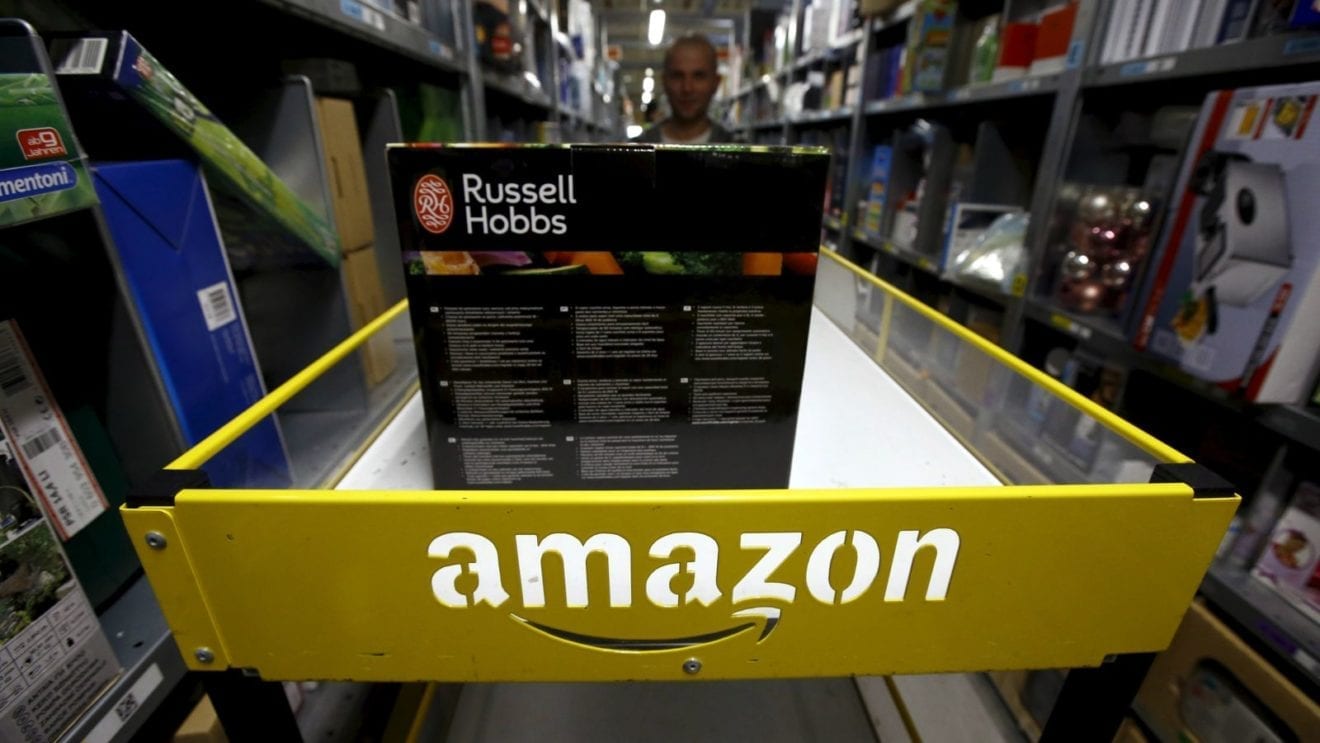
  • Amazon reportedly eyeing BigBasket buy in India

    Amazon reportedly eyeing BigBasket buy in India

    India’s e-commerce market, which is very much driven by mobile commerce, is growing fast and Amazon, which has been operating there for several years, is trying to stay ahead of that growth. The company recently made progress gaining on market leader Flipkart, largely by improving its mobile app engagement rate by 46% in the span of one year.

    But that’s not the only way to grow a business, and if Flipkart’s Snapdeal acquisition goes through, Amazon may move fairly quickly to take advantage of new regulations in India allowing 100% foreign ownership of native e-commerce marketplaces.

    The Bloomberg story also suggests that BigBasket could be talking to other parties, including private equity firms, about a deal, even though the company raised about $150 million from investors last year and another $7 million in venture debt just three months ago. That may be another sign of how fast the market is growing, as even a well-funded, fast-growing online grocery firm appears to need even more money help to keep up.

    Amazon is “deadly serious about Indian e-grocery,” according to Deepanshu Mandlekar, retail analyst with Planet Retail, who wrote up his opinion of the Amazon-BigBasket report. Mandlekar suggested Amazon needs to move quickly to make this acquisition if Flipkart is working on its own deal to gain greater scale and resources.

    Though most recently Amazon has been obsessed with entering the brick-and-mortar grocery market, it could also focus on international expansion of those efforts. In India, being able to absorb an established player would be a shortcut to market prominence might be too hard to ignore.

  • Flipkart fashion sale clocks 2x sales jump

    Flipkart fashion sale clocks 2x sales jump

    Running on its 3rd day, Flipkart said its Fashion Sale event has witnessed a 2x sale jump in the first 3 days of the total 9 day sale event. The ecommerce player said, it is confident about receiving similar response on the remaining 6 days of the sale event.

    Flipkart Fashion Sale which started on 10th of June’2017 is majorly offering theme based discounts including ‘Brand Stock Exchange, Late Night, Early Morning Shows, Fashion Tribes, Lucky Size Store etc.

    “The purpose of the sale isn’t to get a onetime spike but to shift the baseline itself. With learning from this sale, Flipkart will make several of these first time constructs regular engagement activities for its fashion shoppers,” said Rishi Vasudev, head-Fashion, Flipkart.

    Flipkart said, the biggest attraction for shoppers has been the Brand Stock Exchange, where over 20 brands such as Benetton, Puma, Fila, Fossil, Vero Moda, American Tourister, etc have participated.

    “Basis demand, discounts surged and prices were slashed every hour. As demand for a brand increased, discounts reduced. The construct proved to be very engaging for customers, and categories like kids, clothing & footwear spiked the maximum. Multiple editions of the Stock Exchange are expected to come again during the sale. Almost 25% of all customers who visited Flipkart for the day interacted with the Stock Exchange, thereby leading to 2X surge in sales volumes,” Vasudev added further.

    At an overall level, the sale has seen a healthy mix of repeat and new customers on the platform, with women customers again seeing a surge for both western & ethnic wear, the company said.

  • Thai AirAsia to launch direct flights to Bangkok

    Thai AirAsia to launch direct flights to Bangkok

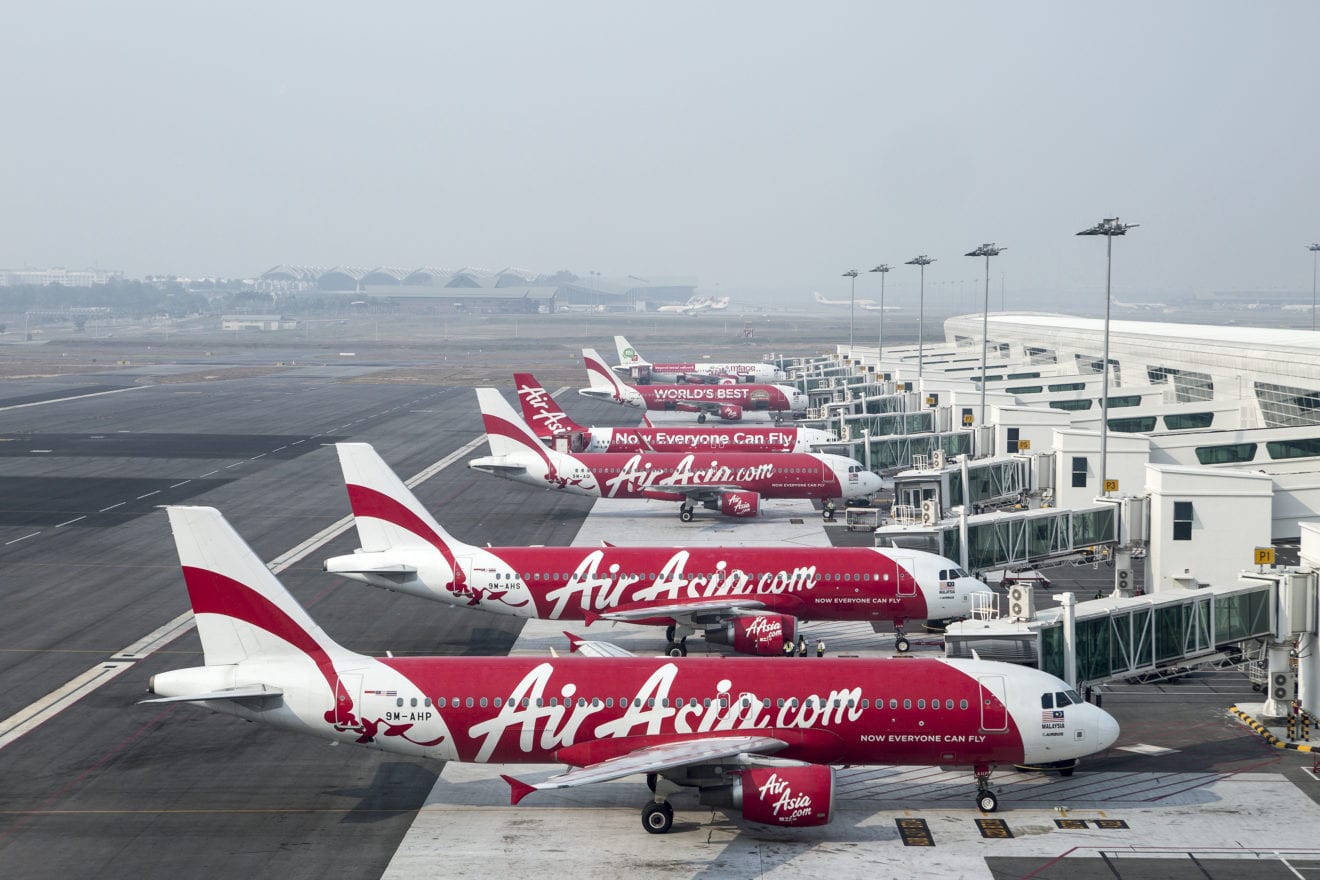
    hai AirAsia has planned to operate direct flights to Bangkok from Trichy international Airport on a daily basis from August 12, according to sources.

    The move was widely welcomed as a large number of travellers from the central region currently have to take a circuitous route via Kuala Lumpur, Colombo and Singapore to reach Bangkok. Once the service becomes operational it would take less than two hours to reach Bangkok from Trichy.

    Thai AirAsia, a joint venture of Malaysia low-cost airline AirAsia and Thailand’s Asia Aviation, flight would depart from Trichy international airport at 1.30am, sources said. With this new service, the total number of international flights being operated from Trichy airport would go up to 112 from 105. At present, SriLankan Airlines, AirAsia, Air India Express, Tiger Air and Malindo Air are operating services from the airport.

    They are presently connecting Dubai, Singapore, Kuala Lumpur, Colombo and Sharjah, besides 28 domestic services per week by Jet Airways.

    As Thailand is a popular and affordable tourist destination, the launch of Thai AirAsia would attract more number of people from central region, travel agents have said. “There is a close historical, spiritual and cultural connection that dates back to thousands of years. India’s influence in Indonesia can be felt even today. Ramayana is a popular epic in Bali and Java islands of the country,” said M S Paramasivam, chairman of Travel Agents Associations of India, South Tamil Nadu Chapter.

    “Compared to any other overseas tourist destination, Thailand would be comparatively cheaper. So, the new service would definitely attract more number of tourists from both the countries,” he added.

  • Airtel beats Jio by active customer adds in March

    Airtel beats Jio by active customer adds in March

    India’s largest operator Bharti Airtel beat out disruptive new entrant Reliance Jio Infocomm in April in terms of active subscriber additions for the first time since Jio launched services last September.

    Analysis from Goldman Sachs finding that Airtel added 2.6 million active subscribers for the month, according to India’s voice location register. This compares to just 400,000 for Jio.

    Data subscriber additions are also starting to increase for Airtel now that Jio is starting to charge for data, and the analysts believe that Jio could continue to face challenges with subscriber growth in the future – Jio’s active VLR additions have now been decelerating for four straight months.

    Jio’s active subscribers as a percentage of total subscribers have also been in decline, falling to only 71% in April, compared to nearly 98% for the market’s top three operators Airtel,  Voafone India and Idea Cellular.

    But the report cites sources close to Jio as stating that the company doesn’t give much significance to VLR figures and stating that its total base of paid customers actually increased by around 8 million during April to over 80 million.

  • Vietnam, Indonesia have much faster internet speed than India

    Vietnam, Indonesia have much faster internet speed than India

    Ranked 89 globally, India’s average internet connection speed of 6.5 Mbps is slower than Vietnam and Indonesia, which are much faster, a report said on Friday.

    While Vietnam, ranked 58, had an average internet speed of 9.5 Mbps, Indonesia at rank 77 provided a speed of 7.2 Mbps, Global leader in content delivery network services Akamai Technologies’ “The State of the Internet Q1 2017 Connectivity” found.

    The report also said that India witnessed a 4 Mbps broadband adoption of 42 per cent in the first quarter of 2017 with a year-over-year change of 81 per cent.

    “Increases in connection speeds and broadband penetration have helped enable the internet to support levels of traffic that even just a few years ago would have been unimaginable,” David Belson, editor of the report, said in a statement.

    “One need only look to January’s US Presidential Inauguration, which broke traffic records for live coverage of a single news event delivered by Akamai, largely thanks to the combination of more viewers watching at increasingly higher levels of video quality,” Belson added.

    On a global level, the average connection speed was 7.2 Mbps – an increase of 15 per cent year-over-year – and average peak connection speed increased 28 per cent year-over-year to 44.6 Mbps in the first quarter of 2017.

    “While South Korea had the highest average connection speed globally at 28.6 Mbps in the first quarter, Singapore had the highest peak connection speed at 184.5 Mbps in the first quarter,” the report noted.

    The average mobile connection speeds ranged from a high of 26 Mbps in Britain to a low of 2.8 Mbps in Venezuela. Germany had the highest peak mobile connection speed at 200 Mbps in the first quarter.

  • Airtel secures approvals for Telenor India merger

    Airtel secures approvals for Telenor India merger

    India’s Bharti Airtel is closer to completing its acquisition of Telenor’s Indian operations, after securing approval for the proposed merger from the Competition Commission of India (CCI).

    In a statement to the Bombay Stock Exchange (BSE), Airtel said CCI signed off on the proposed merger on Monday.

    The announcement comes hot on the heels of Airtel also receiving approval  from the Securities and Exchange Board of India (SEBI), BSE Limited and the National Stock Exchange of India Limited. Airtel and Telenor have also fild a joint application with the New Delhi Bench of the National Company Law Tribunal.

    Airtel arranged in February to acquire Telenor India’s existing operations in seven high-population telecoms circles. The acquisition will include Telenor’s all assets and 44 million customers in the circles, as well as an additional 4.3.4MHz of spectrum in the valuable 1800-MHz band.

    Airtel has also reportedly agreed to take on Telenor India’s outstanding spectrum payments, amounting to around 16.5 billion rupees ($256.1 million) , as well as other financial commitments by way of payment.

    India’s telecoms sector is going through a wave of consolidation triggered by the price war resulting from the entry into the market of Reliance Jio Infocomm.

    Reliance Communications recently announced it has been granted a seven month reprieve to its debt repayment obligations while it completes a planned merger with Aircel, and Vodafone India and Idea Cellular are pursuing a merger that will create India’s largest mobile operator by subscribers.

  • RCom gets seven-month debt reprieve

    RCom gets seven-month debt reprieve

    India’s Reliance Communications (RCom) has been granted a seven-month reprieve from its debt repayment obligations to give it time to complete its proposed merger with Aircel and a planned sale of a stake in its mobile tower operations.

    In a media release, RCom said its lenders have agreed to a standstill on debt servicing obligations until December 2017 in response to the advanced stages of negotiations over the two transactions.

    The merger with Aircel to create an entity which it has been recently revealed will be named Aircom, as well as a sale of a controlling stake in its tower business to Brookfield Group, are expected to reduce RCom’s debt burden by around 60% to around 200 billion rupees ($3.1 billion).

    RCom has also agreed to develop sustainable long term plans to pay off the remaining debt. If the transactions are not completed by this time, lenders will be able to convert their debt into shares, the company said.

    RCom’s proposed merger with Aircel is expected to create India’s third largest mobile operator with a subscriber base of around 186 million. RCom will hold a 50% stake of the combined company, with Aircel’s parent company – Malaysia’s Maxis Communications – owning the remainder.

  • Jabong adds international fashion wear brand Esprit to its product portfolio

    Jabong adds international fashion wear brand Esprit to its product portfolio

    India’s leading fashion etailer, Jabong has announced the addition of another leading international fashionwear brand, Esprit, to its product portfolio. A publicly owned manufacturer of clothing, footwear, accessories, jewellery and housewares, Esprit will be available on Jabong for men and women in more than a 1000 variants across categories such as apparels, watches and bags with the prices ranging from Rs. 499 to Rs. 16999. The Esprit launch will be supported by digital and social media campaigns and through Esprit logo promotion on Jabong’s latest TVC.

    “We are delighted to partner with Jabong, which is credited with bringing top premium global fashion to India. Effortless style, authenticity and easy-going living are a part of the ethos of Esprit’s brand philosophy which resonates well with Jabong’s brand philosophy of ‘be you’. Jabong’s upmarket, fashion forward customer base is the exact target audience to optimize our online presence in India, and we look forward to our lasting partnership with Jabong,” said Guillaume Thery, General Manager Asia-Pacific, Esprit.

    Gunjan Soni, Head of Jabong, adds, “Esprit is an excellent addition to our finely curated international casual fashion portfolio. Through its natural materials and made-to-last quality, Esprit offers effortless style, authenticity and easy-going living. Jabong has come to be known for its selection of premium, luxury brands and we will continue to add the hottest fashion brands to our collection in the coming months.”

    Esprit has been representing style and quality since 1968 and has a presence in 40 countries. It works on a basis of creativity and responsibility, fused with a sunny Californian attitude, that is expressed in its effortless, relaxed and comfortable Esprit style. It is a member of the Business Social Compliance Initiative (BSCI), which works against child labor, and is a founding member of the Sustainable Apparel Coalition (SAC).

    Jabong is expanding its product portfolio aggressively and has earlier added 35 brands in this year including New Era Caps, Forever 21, Aeropostale, Scotch & Soda, Antony Morato, Forever New, Mothercare, Gstar, Elle, Columbia, Speedo, All About You, Roadster and Wrogn among others. It also recently launched the Jabong Mood Store, which is India’s first-ever innovative comprehensive online store that allows the entire look to be shopped together, rather than buying different clothes and accessories separately and then pairing them.

  • India’s Supreme Court holds tower removal order

    India’s Supreme Court holds tower removal order

    India’s Supreme Court has put a hold on a state government order to remove all mobile towers from within 500 meters of jails across Rajasthan after a challenge from mobile operators.

    The Cellular Operators’ Association of India (COAI), the main industry body for India’s mobile sector, is seeking to have the order overturned on the grounds that it would affect around 8 million people an have a cascading effect on the sector.

    The order from the Rajasthan government, issued on April 6, demanded all operators remove their towers from within the vicinity of jails by early June.

    In order to comply with the order, operators would have to remove a total of 400 towers, including base station controller sites catering to a further 2,500 base stations.

    In the court challenge, COAI has argued that even the national Department of Telecommunications has supported operators’ position that they should not have to remove the towers.

    A policy passed earlier this year permits setting up cell towers within 500 meters of jails, hospitals, schools and other public or private locations, the report notes. But this policy has since been amended to stipulate that construction of towers in the vicinity of these locations can be blocked by a court order.

    COAI is seeking a declaration that operators should not have to follow the order, and that the state government should not be allowed to penalize them for non-compliance.

  • Whirlpool Asia-Pacific President Arvind Uppal to step down

    Whirlpool Asia-Pacific President Arvind Uppal to step down

    Home appliances maker Whirlpool of India today said Arvind Uppal will step down as President – Asia Pacific of its parent Whirlpool Corporation with effect from January 1, 2018.

    Uppal, however, will continue to be the Chairman and Non Executive Director of Whirlpool of India.

    “The Board of Directors of the company have on May 25, 2017 by circular resolution taken note of Arvind Uppal’s decision to step down from employment of the company with effect from January 1, 2018,” Whirlpool of India said in a BSE filing.

  • Indian mangoes hit South Korean shelves

    Indian mangoes hit South Korean shelves

    Teams from the GMR Hyderabad Airports Limited, which operates the airport and HMACPL haveworked with the farmer community at Vizianagaram facility for developing a pack-house, creating markets, commissioning this project with requisite approvals from Government and exporting Suvarnarekha variety of mangoes to South Korea.

    With this, RGIA becomes the first airport in India to facilitate export of mangoes to South Korea directly from a farm-based infrastructure. Mangoes being a seasonal fruit of high demand, export volume to South Korea is expected to grow up to 10 tonnes per day for the rest of the season, it said in a statement..

    The Cargo operator has a coordination committee comprising of APEDA, National Plant Protection Organization (NPPO), Korean Delegation and Plant Quarantine to guide the farmers to compete with international export norms..

    The GHIAL & HMACPL are in the process of identifying and enabling similar infrastructure across the catchment areas in Telangana State, Andhra Pradesh, Northern Karnataka and Eastern Maharashtra among others, that can provide the requisite processing facilities to to boost the prospects of India’s Mango exports to South Korea.

    According to Sudhakar, DGM of APEDA, “Telangana and AP are the largest producers of mangoes in India with 25 per cent share, of this Banganapallii, Suvarnarekha, Neelam, Cherukurasam are the most popular varieties. Exports provide attractive rates giving better returns to producers and farmers”:

    The CEO of GHIAL SGK Kishore says so far Hyderabad has been India’s Pharma capital and the airport had garnered a lion’s share of pharma exports. Our effort to diversify into perishables export base has been realised now with the initiative of Mango exports to South Korea.We will establish a dedicated perishables handling facility at the airport soon.

    RGIA has been collaborating with various exporters and regulatory bodies to make this feat possible. Soon Indian mangoes would compete in Mango Festival happening at Seoul with varieties from Pakistan, Vietnam, Thailand and Philippines.

  • India’s electric vehicles push likely to benefit Chinese car makers

    India’s electric vehicles push likely to benefit Chinese car makers

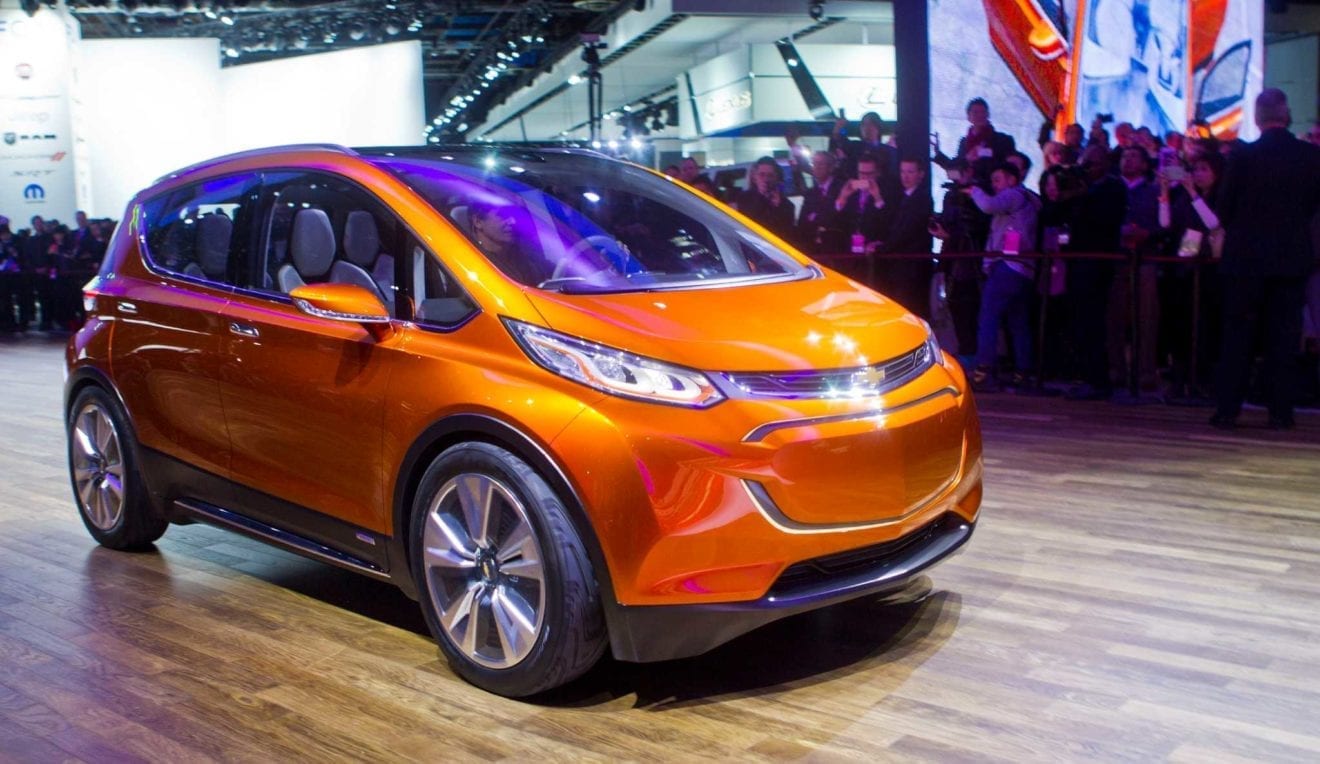
    India’s ambitious plan to push electric vehicles at the expense of other technologies could benefit Chinese car makers seeking to enter the market, but is worrying established automakers in the country who have so far focused on making hybrid models.

    India’s most influential government think-tank unveiled a policy blueprint this month aimed at electrifying all vehicles in the country by 2032, in a move that is catching the attention of car makers that are already investing in electric technology in China such as BYD and SAIC.

    The May 12 report by Niti Aayog, the planning body headed by Prime Minister Narendra Modi, recommends lower taxes and loan interest rates on electric vehicles while capping sales of petrol and diesel cars, seen as a radical shift in policy.

    India also plans to impose higher taxes on hybrid vehicles compared with electric, under a new unified tax regime set to come into effect from July 1, upsetting car makers like Maruti Suzuki and Toyota Motor.

    The prospect of India aggressively promoting electric vehicles was a “big opportunity”, a source close to SAIC, China’s biggest automaker.

    “For a newcomer, this is a good chance to establish a modern, innovative brand image,” the source said, although they added the company would need more clarity on policy before deciding whether to launch electric vehicles in India.

    Earlier this year SAIC set up a local unit called MG Motor which is finalising plans to buy a car manufacturing plant in western India. A spokesman at SAIC did not comment specifically on the company’s India plans.

    Warren Buffett-backed BYD already builds electric buses in the country, while rival Chongqing Changan has said it may enter India by 2020.

    BYD said in a statement the company would have “a lot more confidence” to engage in the Indian market if the government supported the proposed policy. The company said it would look at increasing its investment in India but did not give details on how it would expand its business and market share.

    High Costs

    While the Niti Aayog report has not yet been formally adopted, government sources have said it was likely to form the basis of a new green cars policy.

    If so, India would be following similar moves by China, which has been aggressively pushing clean vehicle technologies. But emulating China’s success could be tough.

    Electric vehicles are expensive due to high battery costs, and car makers say a lack of charging stations in India could make the whole proposition unviable.

    The proposed policy focuses on electric vehicles, and is likely to also include plug-in hybrids. But it overlooks conventional hybrid models already sold in India, such as Toyota’s Camry sedan, Honda Motor’s Accord sedan and so-called mild hybrids built by Maruti Suzuki.

    Hybrids combine fossil fuel and electric power, with mild hybrids making less use of the latter.

    In doubling down on electric power India would be shifting away from its previous policy, announced in 2015, that supported hybrid and electric technology.

    That could delay investments in India, expected to be the world’s third-largest passenger car market within the next decade, according to industry executives and analysts.

    “All these policy changes will affect future products and investments,” said Puneet Gupta, South Asia manager at consultant IHS Markit, adding that most car makers would need to rethink product launches, especially of hybrids.

    Economic Gap

    Mahindra & Mahindra is the only electric car maker in India but has struggled to ramp up sales, blaming low buyer interest and insufficient infrastructure.

    Pawan Goenka, managing director at Mahindra said the company was working with the government and other private players to set up charging stations in India. Mahindra was also focusing on developing electric fleet cars and taxis, Goenka said.

    The cost of setting up a car charging station in India ranges from $500 to $25,000, depending on the charging speed, according to a 2016 report by online journal IOPscience.

    While the proposed policy suggests setting up battery swapping stations and using tax revenues from sales of petrol and diesel vehicles to set up charging stations, it does not specify the investment needed or whether the government would contribute.

    “For full electric vehicles, the economic gap remains huge and the charging infrastructure needed does not exist,” said a spokesman at Tata Motors. The company makes electric buses and is working on developing electric and hybrid cars.

    Delayed Pans

    Most automakers have focused on bringing in hybrid models that are seen as a stepping stone to electrification. Toyota recently launched its luxury hybrid brand Prius in India, while Hyundai Motor plans to debut its Ioniq hybrid sedan next year.

    Maruti’s parent Suzuki Motor, along with Toshiba and Denso, plans to invest 20 billion yen ($180 million) to set up a lithium ion battery plant in India which would support Maruti’s plan to build more hybrids.

    But the apparent sharp shift in policymakers’ thinking in favor of electrification is forcing automakers like Toyota and Nissan Motor to seek more clarity before finalising future products for India, while Hyundai may delay new launches.

    Toyota, the world’s No. 2 carmaker by sales, had planned to have a hybrid variant for all its vehicles in India, but the company’s future launches would now depend on the new policy, said Shekar Viswanathan, vice chairman of its Indian subsidiary.

    Nissan, which plans to launch a hybrid SUV later this year, said in a statement it was waiting for more clarity before deciding whether to bring electric cars to India.

    A plan by Hyundai to launch at least three hybrid cars in India in 2019-2020 would likely to be delayed, said a source.

    Hyundai did not comment on queries related to delays.

    “If the government will be aggressive on electric vehicles and not support other technologies, companies will need to rethink investments,” said an executive with an Asian carmaker.
  • Jabong launches ‘The mood store’ – shopping innovation rooted in fashion insights

    Jabong launches ‘The mood store’ – shopping innovation rooted in fashion insights

    Jabong, India’s leading online fashion retailer, launches the ‘Jabong Mood Store’, which redefines how India shops for fashion online. The Mood Store is the first-ever comprehensive fashion store that allows consumers to shop the entire look per their mood. The store is based on deep consumer understanding and analytics around preferences of the Indian fashion customer.

    The Mood Store will help users understand the best choices across moods like hanging out with friends, out for a road trip, stay at home pampering, and working at the office, among many others. Users will also be able to select the entire look based on different price points basis their needs. Building on Jabong’s brand philosophy of ‘Be You’, the Mood Store is the next step in Jabong innovating for growth.

    The Mood Store launch is supported by a 360-degree marketing campaign across TV, outdoor, cinema, CRM and social media. The overall brand campaign will focus heavily on digital promotions where various influencers will showcase their looks in different moods and for different occasions. The commercial will be aired on leading TV channels in entertainment, music, movies, lifestyle and other genres.

    The Mood Store brand campaign will feature day-to-day fashion that is easily shoppable and wearable, as against the typical industry trend of showcasing outlandish, runway fashion that the shoppers grapple to find anywhere. Digital shoppable videos on YouTube and Facebook will allow customers to buy the fashion shown in the video directly by clicking on its product card

    Gunjan Soni, Head of Jabong, says, ‘We understand both fashion and our consumers really well. Jabong consumer is more affluent, well-travelled, fashion forward and likes to buy complete looks, not just apparel. Fashion shopping behaviour tells us that people buy for a specific mood or occasion, not by categories. This insight led to the mood store innovation where consumers can shop entire looks together for a specific mood. With the launch of mood store and several new brand launches we are well set for a growth momentum. Our strategy is to use ‘tailored to fashion’ innovations to attract and retain the experienced fashion shopper. ‘

    Jabong is credited with launching several industry-firsts in Indian fashion ecommerce such as ramp walk video, online shoppable fashion week and the concept of online shop-in-shop. It has also brought several top global brands exclusively to the Indian market. Its high-quality product curation, top international brands, and a deep assortment that caters to the needs of a complete wardrobe make Jabong ideal to launch this unique fashion proposition as a one-stop destination for all moods and styles of a fashion shopper.

  • Healthy food delivery startup IndieDish announced as winner of TOP 100 Fight Club Thailand

    Healthy food delivery startup IndieDish announced as winner of TOP 100 Fight Club Thailand

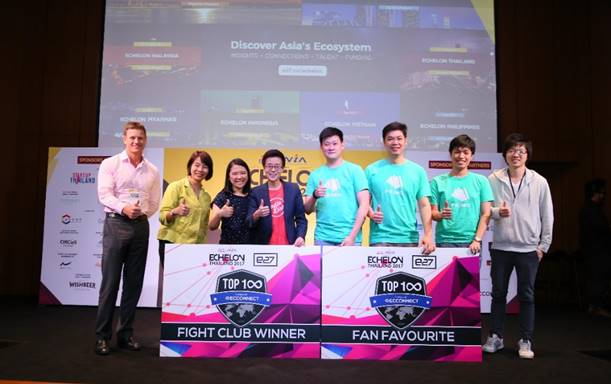
    IndieDish was announced winner of the TOP 100 Fight Club Thailand at Echelon Thailand 2017, an enriching two-day tech conference organised by e27, in collaboration with Startup Thailand and the National Innovation Agency.

    Echelon Thailand 2017 is a digital insight, connections, talent, and funding platform crafted to connect people across Thailand, the gateway to Asia’s thriving tech startup community.

    Thirteen Thai-based startups were shortlisted from over 100 entries to battle for the coveted prize, which includes two tickets to the Echelon Asia Summit in Singapore, access to a VIP dinner with invited investors and corporates and a free TOP 100 Exhibition booth at the event.

    Founded by two ex-Amazon employees, IndieDish not only delivers healthy food at a relatively cheap price of THB 89 per meal on average, it also makes the delivery process efficient in traffic-congested Bangkok.

    IndieDish optimises its logistics algorithm by using a pre-order system. Based on the pre-orders it receives, which can be made a week in advance, IndieDish will work out the most efficient route for its delivery drivers. IndieDish has delivered over 18,000 meals so far. It doesn’t offer on-demand/same day delivery services but it is working on providing this service in the future.

    The judges were impressed with how thoroughly the team had thought through the delivery process and were drawn to IndieDish’s mission to broaden healthier food choices in the country.

    Meanwhile, the fan favourite prize, based on a live audience poll, was awarded to Primo, an app that organises and consolidates promotions from a user’s credit cards and membership cards. The app then pushes personalised deals based on the user’s preference.  Based on the user’s spending limits, Primo then recommends which deals best fit their budget.

    Even though the remaining startups may not have won a prize, they will be considered for qualification into the TOP100 Finale at Echelon Asia Summit 2017 this June 28-29 in Singapore and the e27 platform will continue to support them by connecting them to various stakeholders and investors in the regional ecosystem all year around.

  • Vodafone Group swings to $6.7b loss on India

    Vodafone Group swings to $6.7b loss on India

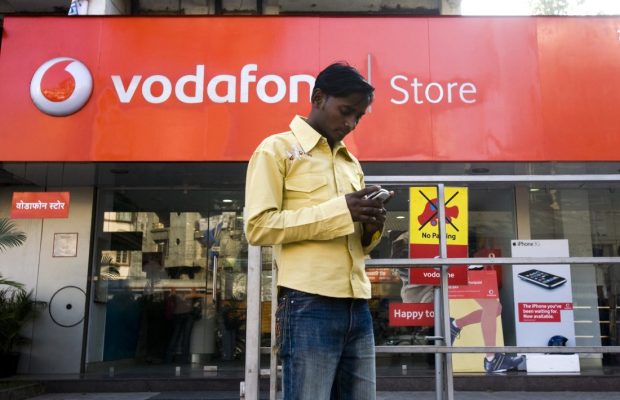
    Vodafone Group has swung to a €6.1 billion ($6.76 billion) full-year loss as a result of a €3.7 billion writedown on its Indian operations.

    Vodafone India recorded an impairment of loss of €4.51 billion for the financial year as a result of the anticipated impact of the entry of Reliance Jio Infocomm into the market and the resulting intense price competition.

    The Indian unit reported an operating loss for the financial year of €4.17 billion, compared to a 423 million operating profit a year earlier. Service revenue also fell 4.9%, or 0.7% on an organic basis, to €5.85 billion.

    But after Vodafone India reached its agreement to merge with Idea Cellular to create India’s largest mobile operator, the impairment charge was reduced to €3.7 billion. Idea Cellular recently also posted a net loss for the financial year.

    Vodafone India’s total net debt meanwhile grew to €8.7 billion by the end of the financial year, up from €8.1 billion at end-2016. Some €7 billion of this was spectrum-related debt

    The impending merger has now led Vodafone to classify Vodafone India as part of its discontinued operations for reporting services.

    The Vodafone Group’s total revenue meanwhile fell 4.4% to €47.63 billion, but operating profit grew 182.2% to €3.72 billion.