Tag: india

  • Idea swings to first net loss since 2007

    Idea swings to first net loss since 2007

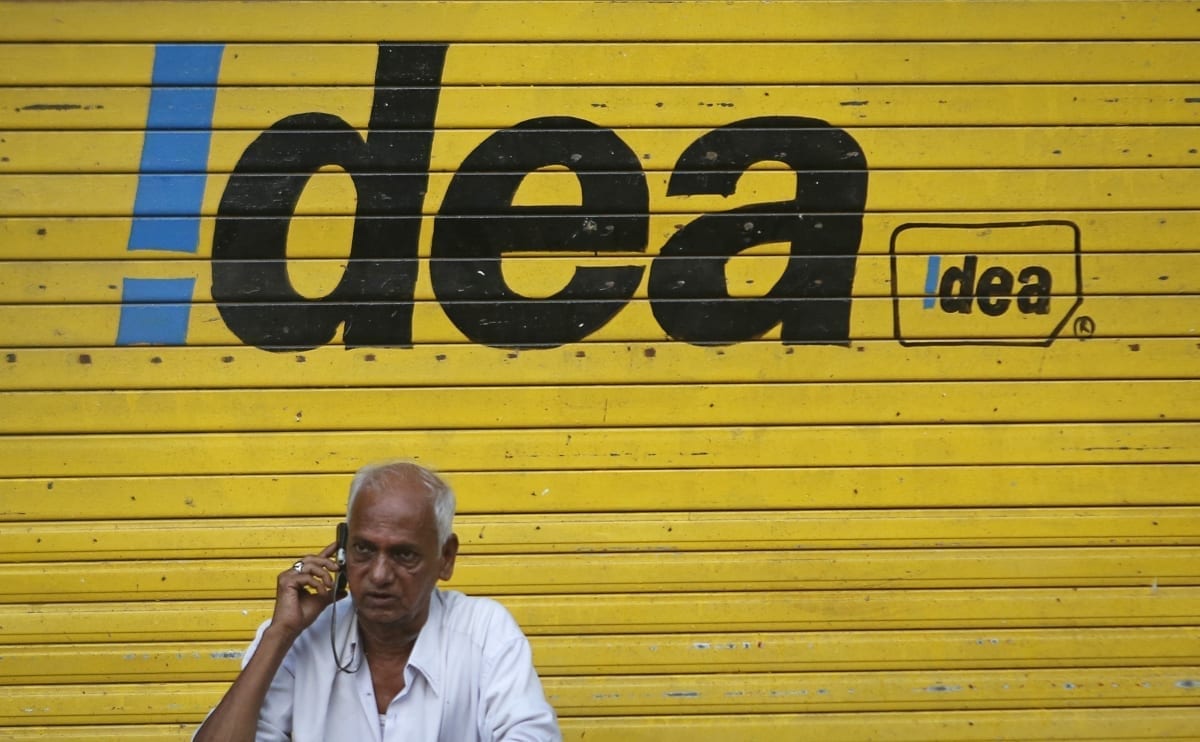
    India’s third largest mobile operator Idea Cellular has swung to its first annual loss since its IPO in 2007, as the company felt the pressure being inflicted on the mobile industry by the entry of disruptive newcomer Reliance Jio Infocomm.

    The company reported a net loss of 4.07 billion rupees ($63.5 million) for the full-year ending in March. This compares to a 23.78 billion rupee profit for the previous year.

    Total revenue fell 1% to 355.75 billion rupees, marking the first revenue decline since the IPO. Revenue from established service areas fell 1.8% to 329.58 billion rupees but revenue from new service areas up 9.5% to 26.17 billion rupees.

    India’s mobile industry has been struggling since Jio burst onto the scene in September with an aggressive strategy of offering services for completely free for a six-month promotional period.

    “The October to April 2017 interval can be best described as ‘Period of Telecom Discontinuity’, permanently changing mobility business parameters. Consequently, the revenue KPIs & financial parameters for all mobile operators have sharply declined in [2H17],” Idea said in a statement announcing its results.

    “For the first time in its history, the flourishing Indian mobility industry is trending towards an annual revenue decline of ~2% in FY17. With the new entrant starting to charge for its services, albeit very slowly, the sector is expected to return to growth in the next financial year.”

    During the March quarter, revenue fell 6.2% sequentially to 81.26 billion rupees, even as the company added 6.2 million new customers to 198.3 million.

    The operator also strengthened its revenue market share for calendar year 2016 by 0.4% to 19% and maintained a subscriber market share of 19.4%.

    Idea Cellular meanwhile announced that it is making progress with its planned merger with Vodafone India, a deal expected to create the market’s largest telecoms operator.

    The two companies have initiated the steps required to gain regulatory approvals for the merger, including filing a joint notification with the Competition Commission of India.
  • India’s game-changing rocket to launch next month

    India’s game-changing rocket to launch next month

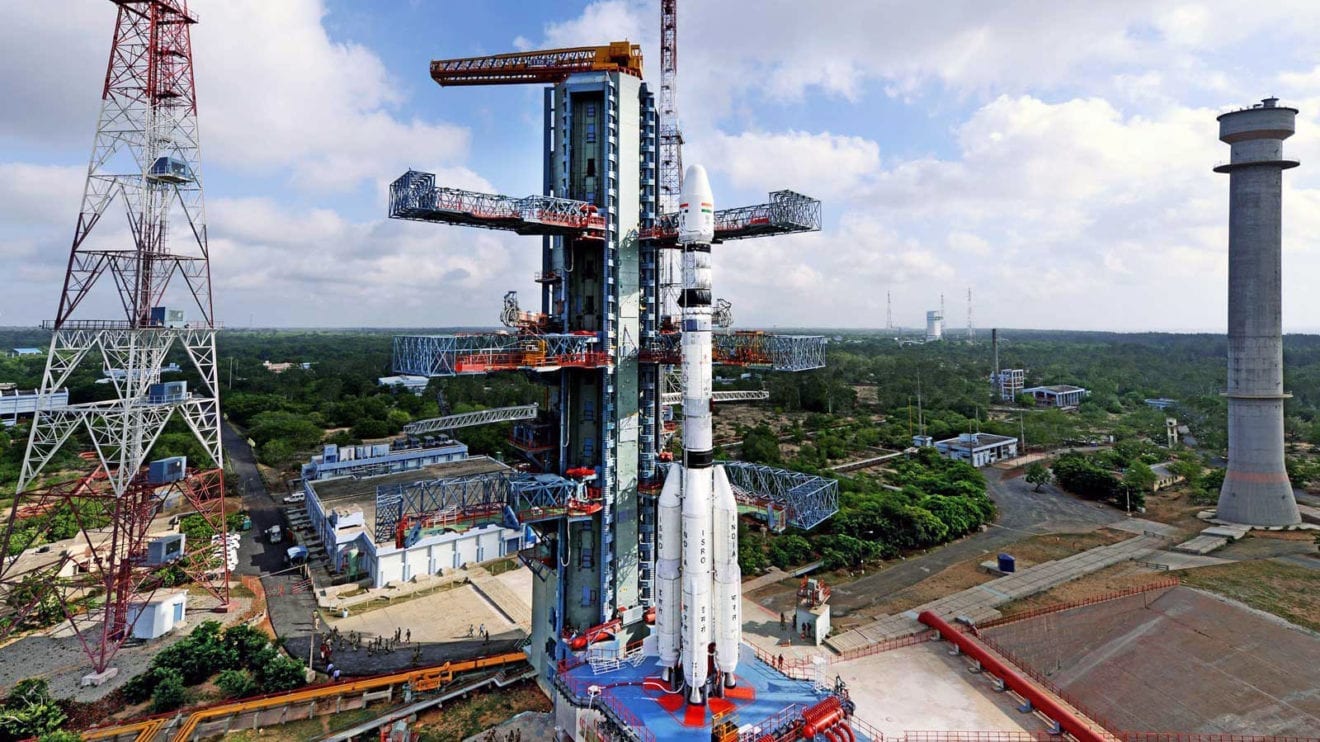
    India is planning to launch Geosynchronous Satellite Launch Vehicle (GSLV) Mark-III, the country’s most powerful rocket, in June.

    The rocket is capable of transporting a heavier 4 ton (3,628.7 kg) communications satellite and described as a game-changer in the first-of-its-kind space mission.

    With this rocket, the Indian Space Research Organisation (Isro) is aiming for a greater share of the multi-billion dollar global space market and to reduce dependency on international launching vehicles.

    A successful launch of this rocket will be another major step towards being self-reliant in the country’s space program.

    The Isro currently has the capability to launch payloads of up to 2.2 tonnes into the intended orbit and for anything above that it had to tap foreign launch facilities.

    “GSLV Mark-III is our next launch. We are getting ready. All the systems are in Sriharikota. The integration is currently going on,” Isro chairman A S Kiran Kumar said.

    GSLV Mark-III will be India’s most powerful launch vehicle built to lift the heaviest Indian communications satellites to space. Its 4 ton capacity is double the weight that the current GSLV-Mark-II can lift.

    It will also enable Isro to launch from India heavier communications spacecraft to geostationary orbits of 36,000 km. Because of the absence of a powerful launcher, Isro currently launches satellites above 2 tons on European rockets for a big fee.

    Noting that communications satellites built beyond the capacity of 2.2 tons have to be launched from foreign soil, Kiran Kumar said efforts are on to launch satellites up to four tonnes and even beyond in India itself.

    The GSLV Mark-III is intended to launch satellites into geostationary orbit and as a launcher for an Indian crew vehicle. It features an Indian cryogenic third stage and a higher payload capacity than the current GSLV.

  • Word of mouth key to Indian smartphone sales

    Word of mouth key to Indian smartphone sales

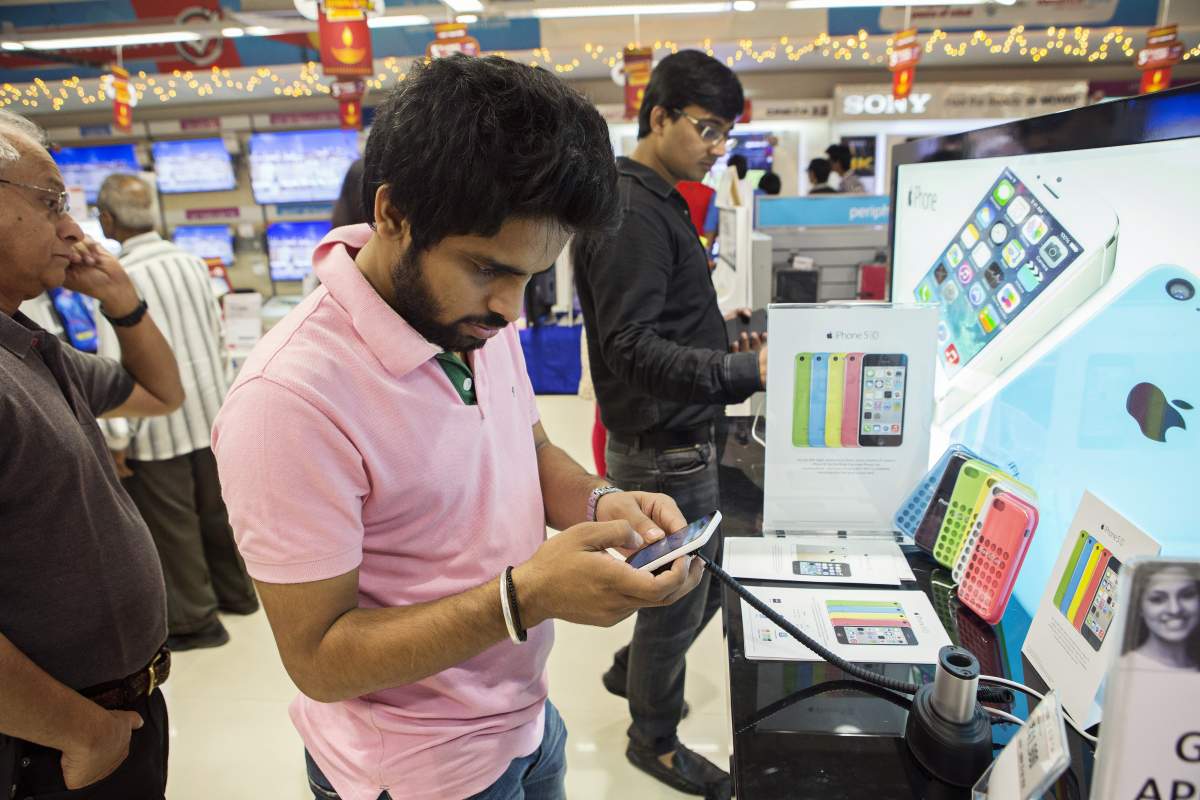
    The most important factors influencing the sale of smartphones in India are point of sales (POS) techniques and word of mouth, according to research from IDC.

    The research firm’s new Smartphone PULSE (Indian smartphone end consumer research) study finds that 75% of Indian consumers take recommendations from family and friends.

    When it comes to smartphone purchases, 50% of buyers are under 25 years and two-thirds of consumers prefer making the purchase at a brick-and-mortar store where they can touch and feel the device. Also 40% of consumers depend on in-shop promoters and retailers to decide their preference for a brand.

    According to Himanshu Jain , Market Analyst, IDC India “Smartphone is now more of a status and style symbol than a mere communication and utilitarian device. Sheer number of smartphones choices in the market, peer pressure and the need to remain up to date with the latest technology are some of the factors driving the consumers in India to research, seek reviews and recommendations before buying a smartphone.”

    Offline retail is still the biggest sales channel in India contributing 2/3rd of smartphone sales in India. To address the width and depth of Indian market a few China-based vendors like vivo, OPPO, Gionee are investing a lot in branding and marketing campaigns to create brand awareness and availability in smaller towns and cities. Also, the nearest to home convenience of stores followed by retailer trust with wide variety of options gives consumers comfort to go for offline purchase of smartphones.

    Online channel is very competitive since smartphones contribute a large portion to overall sales for all e commerce players. The investments by Amazon and Flipkart to improve user experience, reduce delivery time and entering exclusive alliances with smartphone vendors clearly show that online players are making serious efforts to gain consumer trust.

    e-Commerce is a growing trend in India with 50% of online consumer preferring e-commerce due to the convenience and ease of comparing different smartphone models.

    “The Indian smartphone consumer is looking for value-for–money smartphones that fit their budget, while offering the latest technology. With more than 40% overall share of smartphone segment in India, China-based vendors are investing a lot in offline promotions and branding to lure consumers,” IDC India market analyst Sachin Mehta said.

    “These brands are now perceived to be offering great quality products, with good design, latest specifications and focused high decibel communication on features like selfie camera and extended battery life, these vendors are setting a new trend in the industry.”

    The smartphone demand from Tier 2&3 cities is outgrowing demand from Tier 1 cities as urban markets have begun to saturate. Vendors are looking to tap consumer base in Tier 2&3 and rural areas by setting up robust offline distribution network.

    One of the major drivers of this is rapid expansion and promotion of 4G network footprint by telecom operators in India, led by Reliance Jio. This is compelling customers across city tiers to be future ready, by choosing more 4G than 3G devices, with more than 80% of the smartphones being 4G compatible across all city tiers.

    China based vendors have understood this trend and are gradually building and investing significantly in the offline distribution network in Tier 2 cities and beyond. This shows that the offline channel remains significant and the vendors have understood to address the needs of a diverse Indian consumer base, offline must go hand in hand with the online channel.

  • Airtel to invest $2.5b in India this year

    Airtel to invest $2.5b in India this year

    Bharti Airtel has revealed plans to invest $2.5 billion in India during the current financial year as the company seeks to build out its 4G network to improve its dominant market position.

    During an earnings call for the company’s recent financial results, Airtel revealed it doesn’t plan to let its 71.7% decline in Q4 profit hamper its growth ambitions.

    Airtel plans to continue to focus on acquiring market share despite the impact on ARPU in the short term, Airtel’s CEO for India and South Asia Gopal Vittal said.

    The company’s ARPU shrank to 158 rupees ($2.45) during the fourth quarter from 194 rupees a year earlier, largely as a result of the price war triggered by the entry of Reliance Jio Infocomm to the market.

    Airtel has been strongly opposed to what it called Jio’s “predatory pricing” practices of offering free services as promotions to rapidly attract new users.

    Goppal said India’s smartphone penetration is expected to double in the next three years to up to 700 million, which is set to significantly impact data growth and validate the operator’s decision to focus on market share in the near term.

    Airtel also plans to invest around $500 million this financial year to develop its African operations, the report adds.

  • Burger King hands Lowe Lintas creative brief for the Whopper

    Burger King hands Lowe Lintas creative brief for the Whopper

    International fast food franchise Burger King has appointed Lowe Lintas Mumbai to launch a new campaign for its iconic sandwich ‘the Whopper’.

    The campaign brief is be mainly targeted at India’s millennial generation and will focus on strengthening brand awareness within this demographic.

    Describing Lowe Lintas’ team as a “talented bunch”, Burger King India’s chief marketing officer Kapil Grover said: “Creative agencies are like an extended marketing team. It’s important to have partners who understand the brand and share the same passion.”

    Lowe Lintas’ leadership recently underwent a reshuffle with the appointment of Arun Iyer to the dual role of agency chairman and chief creative officer.

    President and Mumbai office head Raj Gupta was also named chief executive officer.

  • Airtel Q4 profit slumps 71.7%

    Airtel Q4 profit slumps 71.7%

    India’s Bharti Airtel has reported a steep 71.7% decline in net profit for its fiscal fourth quarter to 3.73 billion rupees ($57.6 million), as the company felt the effect of competition from newcomer Reliance Jio Infocomm.

    Revenue for the quarter declined 12.1% to 219.35 billion rupees, with revenue from India down 7.1% year-on-year to 170.3 billion rupees.

    Domestic revenue was impacted by a 11.4% year-on-year decline in mobile revenue as a result of intensified competition amid the free offering from Reliance Jio.

    “The sustained predatory pricing by the new operator has led to a decline in revenue growth for the second quarter in a row. The telecom industry as a whole also witnessed a revenue decline for the first time ever on a full year basis,” Airtel CEO for India and South Asia Gopal Vittal said.

    “The deteriorating health of the industry was compounded by the tsunami of incoming voice traffic from the new operator as a result of which significant investments had to be made just to carry the incoming traffic on our network.”

    While Airtel’s Indian mobile broadband customers increased by 20.5% to 42.7 million, mobile data’s contribution to total revenue declined to 21.5% from 23.3% in the same quarter last year. Airtel’s total mobile customer base in India grew 2.9% to 273.6 million.

    Revenue from Africa grew 2.6% in constant currency terms, with data revenue up 14.5% year-on-year to 157 million, representing 17.7% of total revenue from the continent.

    The company’s Airtel Mobey mobile money service meanwhile increased its customer base to 9 million, increasing the total transaction value over the platform by 35.1% to $4 billion. Airtel’s total Africa subscriber base declined by 0.4% to 80.06 million.

    For the full year, net income declined by 37.5% to 60.77 billion rupees, with revenue down 1.1% to 954.68 billion rupees.

  • Muji opens first store in New Delhi

    Muji opens first store in New Delhi

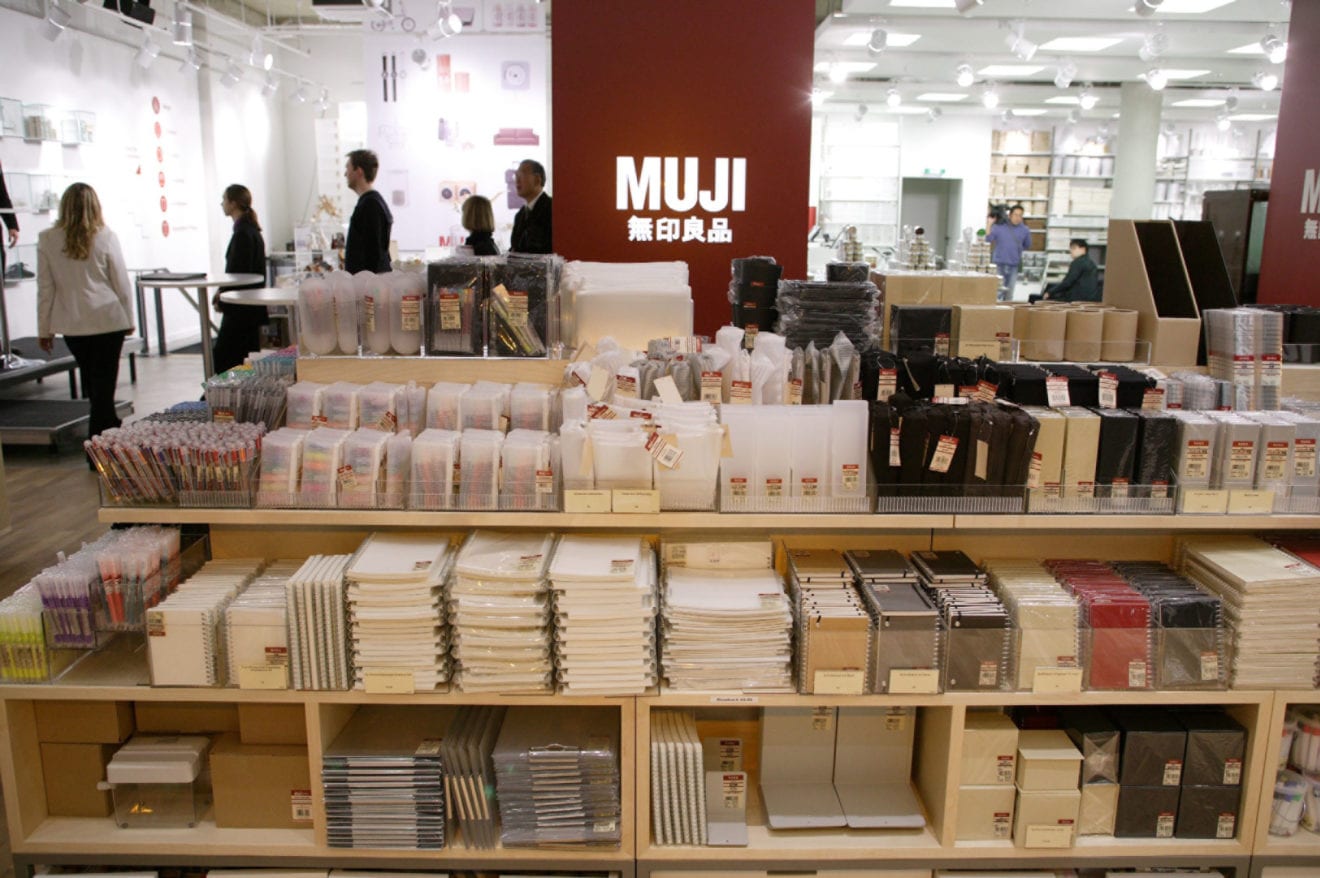
    Fashion and lifestyle retailer Muji has opened its debut store in New Delhi, as the Japanese firm looks to increase its retail footprint in India.

    Located in the Indian capital’s Select Citywalk mall, the maiden Muji store follows successful store openings in Bengalaru and Mumbai in 2016

    Satoru Matsuzaki, president of Ryohin Keikaku, Muji’s parent company, attended the New Delhi opening, and praised Muji’s success in India, after opening two hit stores in the nation back in August and September, respectively.

    “After a tremendous response in Bengaluru and Mumbai, we are very excited to begin a new chapter of our Indian story with the launch of this store,” said Matsuzaki.

    In April 2016, Ryohin Keikaku announced it had entered into a joint venture with Reliance Brands for the distribution of Muji in India. Ryohin Keikaku also announced that it had become the first-ever Japanese retailer to receive individual approval for Foreign Direct Investment from the Indian government’s Foreign Investment Promotion Board.

    However, India’s domestic regulations do not permit Reliance to open formats like Muji cafes locally.

    At the New Delhi opening, Reliance Brands, president and CEO, Darshan Mehta said: “Muji’s unparalleled brand offering, both in terms of use and price appeal, is sure to attract consumers across age groups and mind sets, making it the go-destination store.”

    Based in Tokyo, Ryohin Keikaku Co founded Muji in 1980. The Japanese brand offers an extensive range of furniture, homeware, stationery, electronics, travel goods, beauty products and apparel and maintains low price-points by cutting costs in its packaging and processing, adding to the appeal of its minimalist aesthetic.

    Today, Muji boasts more than 700 stores worldwide, 13 of which are in the US. It plans to increase its shop count to 800, mostly by opening stores outside of Japan. Muji has already said it plans an aggressive expansion in China, where it will add 72 stores in the next year.

    According to the company’s midterm business plan, revealed in April, overseas stores’ contribution to total sales is expected to rise to 42% in 2020, from 35% today.

    Earnings released at the same time showed strong momentum, with group net profit growing 18.9% on the year to 25.8 billion yen ($235 million), and sales rising 8.3% to 332.5 billion yen.

  • Kiko Milano seeks to open 100 stores in India

    Kiko Milano seeks to open 100 stores in India

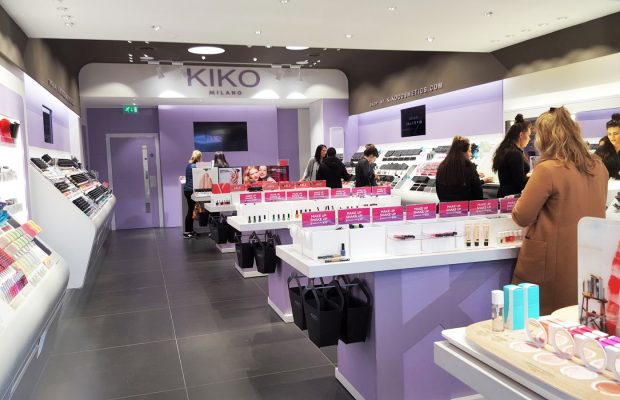
    Beauty isn’t skin-deep: It’s mega business for specialist cosmetics brands such as Kiko Milano. The Italian company, at the forefront of Europe’s expanding beauty and wellness industry, now seeks to harness an increasingly affluent India’s desire to look better, and would invest about GBP 25 million to open 100 stores in the country in the next five years.

    Millennials’ obsession with digital platforms and more disposable cash with them would be the ideal investment draw-cards for Kiko Milano, which expects the South Asian nation to be among its top ten markets in a decade.

    “Potentially, India is absolutely huge and I don’t think it is an immediate market and it is changing, and it will take 6-8 years,”said Stefano Percassi, founder of the 20-year-old specialist cosmetics company Kiko. “In the next ten years, India will be among the top ten markets for us. But it depends on the availability of malls and the (overall) economic situation.”

    Like Europe, where the number of new beauty and wellness shops exceeded that of any other type of retailing outlet in 2016, India is witnessing a boom in the fashion and beauty industries. Beauty salons are now ubiquitous across most Indian towns and cities, with larger shopping malls in metropolitan centres stocking beauty products of major mainstream cosmetic brands.

    The demand for beauty and wellness products has risen exponentially as telecom tariffs reduce in India, and the social media become available to its 1.3-billion people.

    “In countries with not much entertainment or low access to entertainment, people take to the social media dramatically,” Percassi said.

    “For example, in the Middle East, it is either shopping centres or their homes. So, what they do is a lot of social media: They have look good and that means more and more business for us.” Euromonitor expects India’s beauty and personal care market to swell 67 per cent to Rs.1.43 lakh crore by 2020 from about Rs.85,414 crore in 2016.

    Kiko entered India in September last year in a 51-49 per cent joint venture with DLF Brands, and has so far opened three outlets here. Percassi is in New Delhi to roll out its 1,000th global outlet at Ambience Mall in Gurgaon, on the outskirts of the capital. Kiko chose India over the Netherlands for opening its 1,000th shop.

  • Walmart India wants 50 more stores

    Walmart India wants 50 more stores

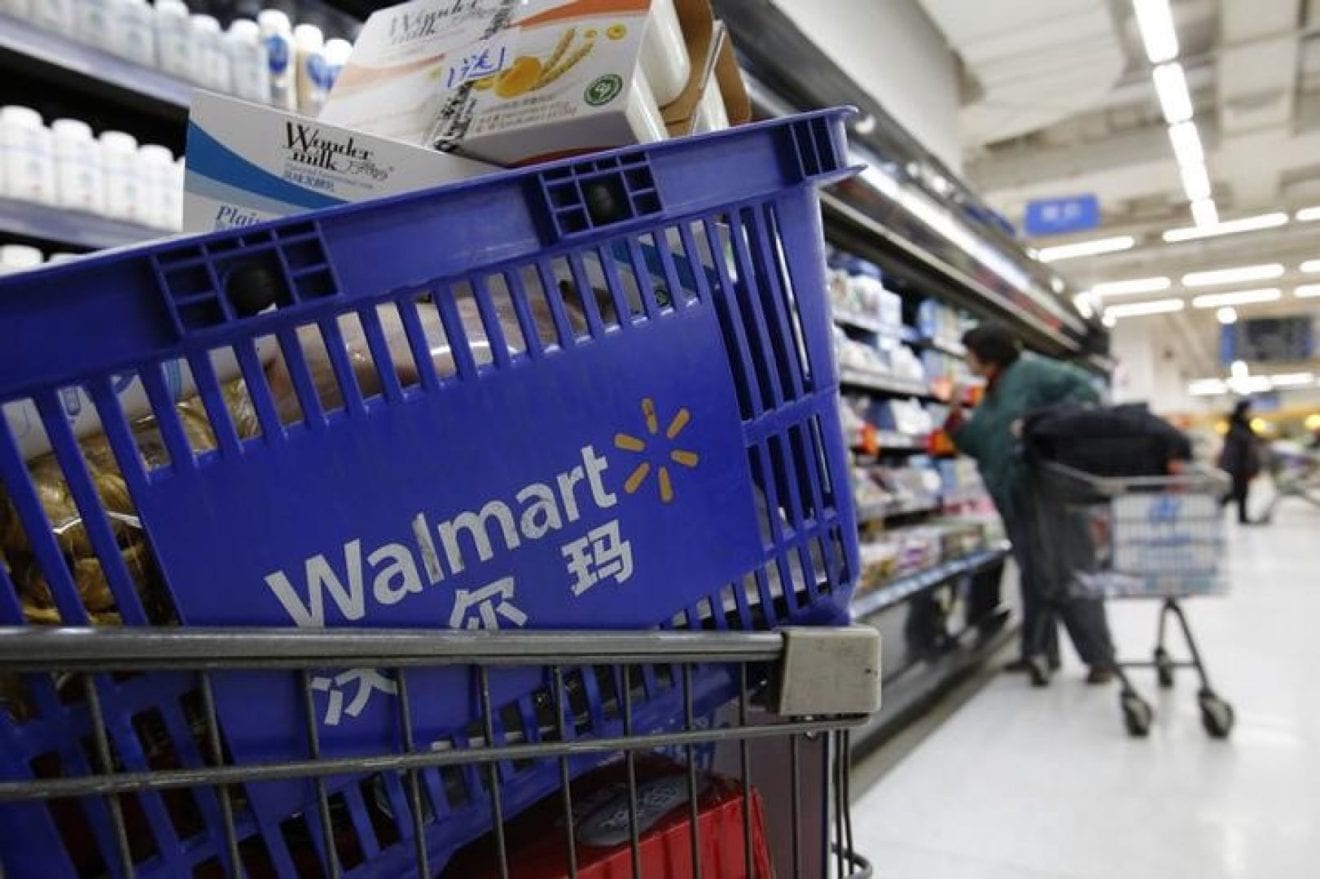
    Supermarket giant Walmart is reportedly opening fifty more stores in India over the next three years, as the US retailer looks to expands its cash-and-carry segment and food retail arm.

    Walmart hopes to open nearly half of its 50 India stores in Uttar Pradesh and Uttarakhand, two of the country’s northern states, a company spokesperson told the Times of International.

    In addition, the cost-savvy retailer plans to open ten stores each in Maharashtra, Andhra Pradesh and Telangana, and two more stores in Lucknow. Other cities include Ghaziabad, Noida, Kanpur, Allahabad, Haridwar, Dehradun and Haldwani.

    With each store providing jobs for 2,000-2,500 persons, the company has the potential to create over 40,000 jobs in Uttar Pradesh and Uttarakhand, said the spokesperson.

    “Our commitment to the country is very deep and we are growing our footprints in India further by opening 50 more cash-and-carry stores in next few years across key focus states, including AP, Telangana, UP, Uttarakhand, Haryana, and Maharashtra,” said a Walmart India spokesperson.

    “Our development team is growing this store pipeline for last couple of years and we’re confident of continuing our contribution to the creation of thousands of skilled jobs, helpings kiranas, farmers & SME suppliers succeed through our cash & carry business.”

    Walmart India parted ways with Bharti in 2013, and had put its store expansion on hold. The news signals new opportunities for the retailer, especially in UP and Uttarakhand, where there is little competition Metro AG and Reliance, rivals chains which also operate the cash-and-carry format.

    Walmart is also awaiting clarity on the food retail guidelines. They want international food products rather than limiting themselves to domestically produced and manufactured food products, which is part of India’s guidelines.

    “As we’ve said earlier, allowing 100% FDI in food retail is a very progressive step, but having a certain percentage of non-food items in this policy will make it economically viable,” said the company’s spokesperson. food retail is a very progressive step, but having a certain percentage of non-food items in this policy will make it economically viable,” said the company’s spokesperson.

  • Pandora opens first store in India

    Pandora opens first store in India

    Denmark-based jewellery brand Pandora has entered India’s jewellery market by opening its first store in the country. Pandora has granted exclusive distribution rights for their jewellery in India to Pan India Charms & Jewellery Private Limited (Pan India).

    The concept store is located on the ground floor of DLF Mall in Noida and carries Pandora’s jewellery collections, including the brand’s Moments collection, the Essence collection as well as the Rose collection.

    “The modern aspirational Indian woman is a section that represents the veering away from wearing predominantly gold jewellery and becoming more fashion conscious and finding unique ways to express their style. Making the brand Pandora accessible to these very customers is what excited us to pursue this business,” Devika Bakshi and Kanika Bakshi Talwar, Managing directors of Pan India, said in a joint statement.

    Through its distribution partner Pan India, Pandora is aiming to establish branded sales distribution focusing on concept stores and shop-in-shops, initially in Delhi, Mumbai and Bangalore.

    Pan India is expected open around 50 concept stores in India over a three year period, with around five stores expected to be opened in 2017.

    The jewellery market in India, which is predominantly a gold and diamond market, is one of the largest jewellery market in the world and in 2015 had a value of INR 2,947 billion (approximately DKK 300 billion), corresponding to an increase of 18% compared to 2014.

    In the period 2016-2021, the market is expected to grow with a compound annual growth rate (CAGR) of 7%, according to Euromonitor.

  • AirAsia to launch Bali-Mumbai route

    AirAsia to launch Bali-Mumbai route

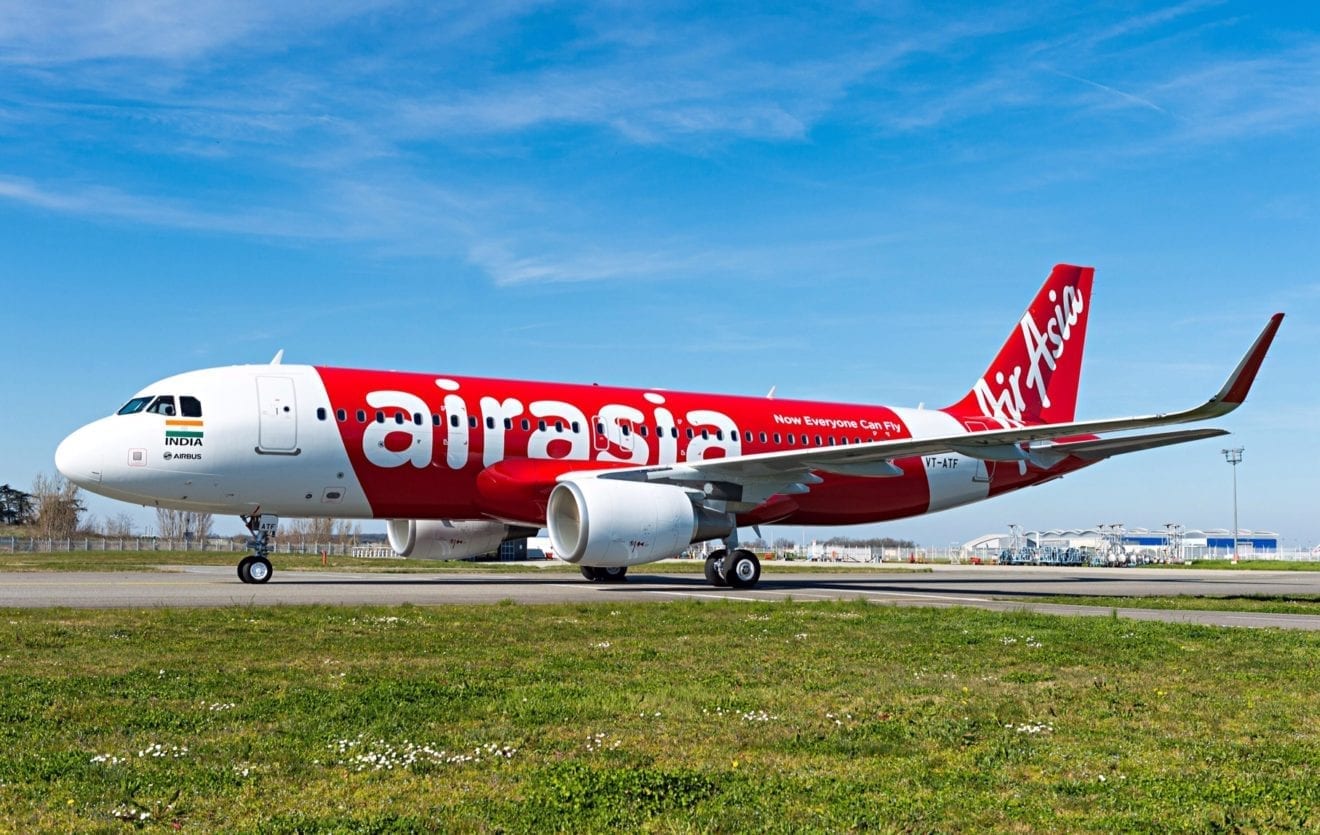
    AirAsia is launching a new route connecting Bali and Indian metropolis, Mumbai.

    The AirAsia X Indonesia service will kick off on May 19, operating seven times per week, using an Airbus A330-300 with 377 seats, 12 of which will be flatbed. Flights are already available for booking. 

    The route won’t be direct—there will be a stopover in KL, AirAsia’s hub, for 65 minutes.

    Dendy Kurniawan, AirAsia Group Chief Executive Officer (CEO) for Indonesia operations, says the Mumbai flight was added in response to an increasing demand amongst Indian tourists to holiday in Bali.

    The Indian and Chinese markets are two of the fastest growing, after all.

    The Mumbai service won’t be AirAsia’s only new route out of Indonesia. AirAsia Indonesia is also opening up a Jakarta to Macau flight starting August 7 later this year, beginning with three scheduled flights per week.

  • Healthy living tops Indian consumers’ list of goals and aspirations

    Healthy living tops Indian consumers’ list of goals and aspirations

    It seems the pursuit of a healthier lifestyle is a nationwide obsession in India as healthy living tops the list of consumers goals and aspirations. New research from global market intelligence agency Mintel reveals that nearly half (48%) of consumers in India aim to live a healthier lifestyle, followed by better time management (30%), improving relationships with family and friends (25%), and travelling (24%).

    Further down on the agenda, just 8% of consumers say they wish to get married in the next three years, rising to less than three in 10 (27%) of those who are still single. Meanwhile, just 5% of consumers say they’d like to have a child, making this the lowest priority on the list of consumer’s goals and aspirations.

    Close to three in four (72%) Indian consumers report increased happiness as their motivation for leading a healthy lifestyle, while over half say that they aim to live healthily in order to look better (56%) and to feel better (53%). Additionally, two in five (41%) say they aim to lead a healthy lifestyle in order to live longer, while just 10% wish to do so to manage their health conditions. Currently, over half (52%) of Indian adults say they eat a healthy diet as part of their healthy living habits.

    Ranjana Sundaresan, Senior Research Analyst at Mintel, said: “Many Indians believe leading a healthy lifestyle will have a knock-off effect on their personal happiness. There has been quite a bit of publicity regarding the rise in lifestyle diseases among Indians, and, thus, growing awareness of the importance of being healthy.”

    While healthy living tops the list of consumers’ aspirations, it seems few are taking steps towards living a healthier life. Just one in three (34%) say they are always trying new things to improve their health, while one in four (26%) say they research health concerns and 10% say they research or think about health a lot but rarely make changes. This opens up quite a bit of opportunity for companies to offer consumers convenient solutions that could encourage making that change.

    Research from Mintel indicates that the food industry has already taken steps to appeal to consumers changing demands. According to Mintel Global New Products Database (GNPD), “natural” was the second largest claim carried on food launches in India last year, behind “suitable for” claims, accounting for 28% of all food product launches in 2016, up from 22% in 2012.

    As a result between 2012 and 2016, India had the highest number of food product launches carrying a natural claim in Asia and was the fifth largest market for these launches globally, accounting for 6% of the world’s food launches labelled as ‘natural’.

    Indeed, while India is leading the charge with Asia’s natural food production, Mintel research reveals that one in five (19%) Indian consumers say they would like to see a wider variety of natural snacks. Furthermore, as many as half (47%) of those who snack think it is important for snacks to be healthy.

    And it seems that consumers in India are willing to pay more for healthier snack options as two in five (39%) Indians who snack are willing to pay extra for fruit or vegetable snacks, while one in four (25%) would pay more for snacks with added nutrition.

    “It is known worldwide that healthy and natural foods tend to be more expensive, and many think twice before making a purchase. However, powered by higher disposable income and increasing health consciousness, India’s growing middle-class urban population is now more willing to pay the additional cost for healthier options.” Ranjana concludes. Ranjana concludes.

  • Lacoste opens boutique at Indira Gandhi International Airport

    Lacoste opens boutique at Indira Gandhi International Airport

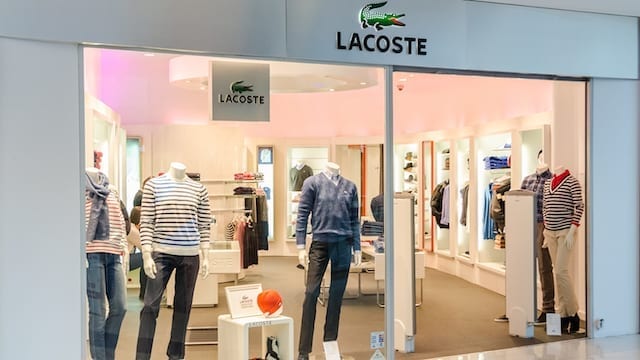
    Lacoste has opened a 1076sq ft store at Indira Gandhi International Airport Terminal 3, Delhi, India.

    The brand said the boutique aims to offer a premium shopping experience to both local and international travellers.

    Lacoste said it reinforces the consumer experience in travel retail through channel specific products and visual merchandising

    Lacoste has more than 170 travel retail boutiques worldwide. The company said it will continue to leverage the travel retail channel to strengthen or expand in new areas, develop new channels, such as e-commerce and cruise, and new ways of connecting with consumers before, during and after their trips.

  • DoCoMo wins Indian court case over TTSL exit

    DoCoMo wins Indian court case over TTSL exit

    India’s Delhi High Court has found in favor of Japan’s NTT DoCoMo and local holding company Tata Sons in their dispute with the Reserve Bank of India (RBI) over an international arbitration settlement.

    With the verdict DoCoMo will be entitled to collect the $1.18 billion award reached in a settlement agreement in the London Court of International Arbitration, associated with DoCoMo’s planned exit of the Tata DoCoMo Indian telecoms joint venture.

    When DoCoMo first entered the joint venture in 2008 via an investment in Tata Teleservices, it was with the condition that the operator would be entitled to sell its stake in the venture at a predetermined sum if it chose to leave the venture.

    DoCoMo attempted to exercise this option in 2014 after the joint venture failed to perform as desired, and when Tata Sons failed to find a buyer the holding company applied to the RBI to make the acquisition.

    But the RBI blocked the transaction on the grounds that it violates Indian regulations restricting the sale of shares at a price higher than market value.

    DoCoMo entered international arbitration with Tata Sons and Tata Teleservices in an attempt to break this deadlock, and the court awarded DoCoMo with $1.17 billion in damages.

    But the RBI objected to this transaction, and DoCoMo accordingly brought the case before the Delhi High Court. DoCoMo and Tata entered a settlement agreement in February, but the RBI once again sought to block the enforcement of this agreement on the grounds that it would be circumventing Indian regulations.

    Tata Sons was required to deposit the $1.18 billion with the court while the case was being held. The settlement can now be transferred to DoCoMo in exchange for the operator’s shares in Tata Teleservices..

  • India is among the world’s fastest growing chocolate markets

    India is among the world’s fastest growing chocolate markets

    While the global chocolate confectionery market posts slow growth, new research from global market intelligence agency Mintel reveals that India is defying the odds. Indeed, India is now one of the world’s fastest growing chocolate confectionery markets.

    Sales of chocolate confectionery in retail markets grew by 13% between 2015 and 2016 in India, followed by Poland which saw sales growth of 2%. In comparison to the rest of the world, Poland and India were the only two markets to see sales of chocolate grow in 2016, with sales in the United States (US), United Kingdom (UK), Germany and France flat over this period, while sales fell in Russia (-2%), Brazil (-6%), and China (-6%).

    Data from Mintel also reveals India’s chocolate confectionery market has had a strong CAGR (compound annual growth rate) of 19.9%, in retail market value, between 2011 and 2015, and is expected to grow at a CAGR of 20.6% from 2016 to 2020.

    When it comes to chocolate confectionery consumption (volume sales), it seems India is a nation of chocolate lovers, as Mintel research reveals that India consumed 228 thousand tonnes worth of chocolate in 2016. Other markets that have consumed in excess of 200,000 tonnes of chocolate last year include France (251 thousand tonnes), Brazil (236 thousand tonnes), and China (202 thousand tonnes). Meanwhile, Australia and Indonesia consumed 95 thousand tonnes and 94 thousand tonnes worth of chocolate in 2016 (respectively). The US and the UK, on the other hand, consumed 1.3 million tonnes and 555 thousand tonnes of chocolate (respectively).

    Marcia Mogelonsky, Director of Insight, Mintel Food and Drink, said: “Chocolate confectionery had an uneven year in 2016. Volume sales in developed markets remained flat, while the picture was a bit brighter in emerging markets, like India, where sales generally fared better.”

    Indeed, according to a consumer study by Mintel, 42% of Indian consumers have eaten sweet or sugary snacks (other than biscuits) like chocolates and cakes in the past three months, rising to 53% of consumers aged 18 to 24. On the benefits of chocolates, Mintel research reveals over two in five Indian consumers (44%) find sweet or sugary snacks like chocolates and cakes to be healthy, while over one in three (35%) Indians believe these snacks provide them with energy.

    Meanwhile, as many as one in two (49%) Indian consumers associate sweet or sugary snacks like chocolates with convenience. Data from Mintel also reveals 43% of Indians consume sweet or sugary snacks like chocolate and cake between lunch and dinner, with over half (53%) of Indian consumers reporting that they tend to snack in between meals because they get hungry.

    “Our research shows that seasonal chocolate tops all chocolate new product development, a testament to the popularity of seasonal treats among consumers across the globe. This reflects the fact that these products are typically bought to help celebrate holidays or special occasions. With this in mind, seasonal chocolate is somewhat immune to recessionary pressures as these products are bought on an occasional basis.”

    Proving chocolate lovers have a heart, interest in ethical products remains relatively strong, with 17% of new products claiming some sort of “ethical-human” positioning, which could include fair trade, Rainforest Alliance, or some other independent “bean-to-bar” certification. Although still a small part of the category, accounting for less than 6% of global new product introductions in 2016, launches of chocolate confectionery with an organic claim increased 6% between 2014 and 2016.

    Finally, Mintel research shows that consumer demand is likely to be the major impetus for more conversion to organic offerings. In India, as many as 19% of Indian consumers would like to see a wider variety of natural snacks that have no additives or preservatives, for instance.