Tag: india

  • DHL Express looks at introducing StreetScooter in India

    DHL Express looks at introducing StreetScooter in India

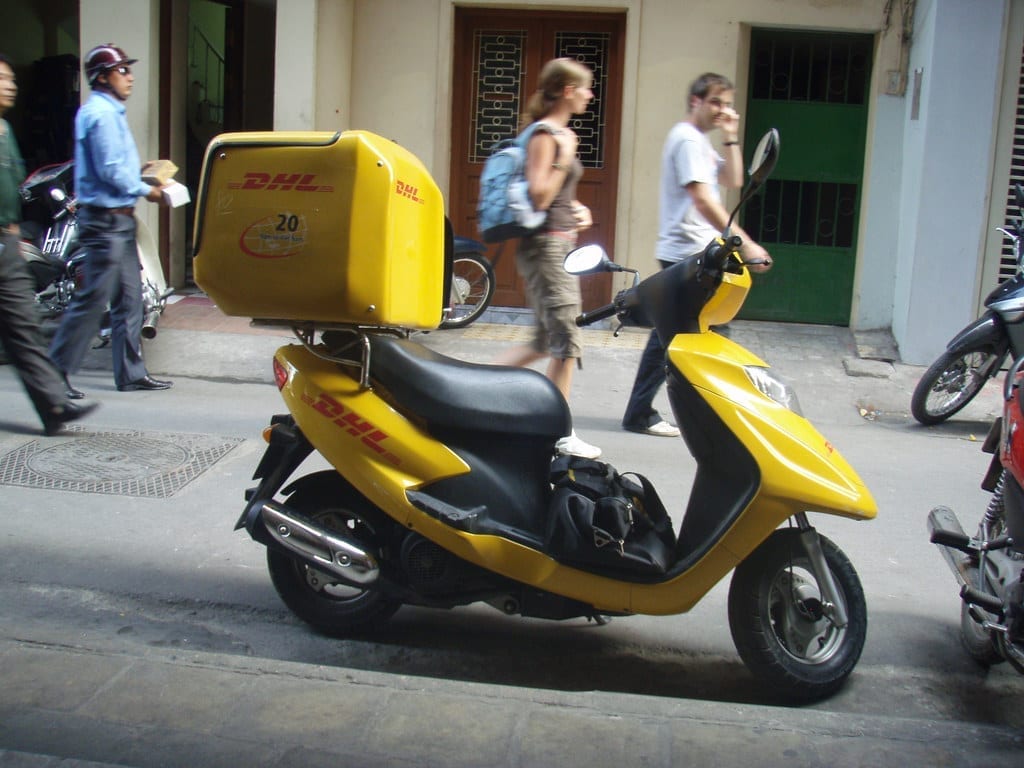
    DHL Express, a group company of Deutsche Post DHL, which saw 8 per cent growth in volume terms in the March quarter, is eyeing India’s 7 per cent economic growth and is also exploring introduction of its electric van, StreetScooter, used for delivery of letters and parcels.

    The company, which plans to double the production capacity of its own e-vehicles from 10,000 to 20,000 by the end of 2017, sees municipal authorities, strategic partners and large fleet customers in Germany and the rest of Europe, in particular, as potential buyers. Ken Lee, CEO, Asia Pacific, and Rs. Subramanian, Senior V-P and Country Manager, DHL Express Asia, spoke to us on the company’s plans.

    Where does India stand in your growth plans?

    Ken Lee: From a growth perspective, India presents itself to us as one of the countries with biggest growth areas. Pakistan could be another growth area, but there could be slight concern from the political security perspective. Hong Kong is slightly saturated, though every country has opportunities and challenges.

    What is your view on the digitisation push in India?

    Lee: The more-developed economies are more transparent, and are slightly more efficient. For developing economies, which are at the start of the digitisation phase, there will be a learning curve. But, eventually they will get there.

    What’s your take on the regulatory environment in different countries?

    Lee: Last year, the Philippines raised their de-minimis. We are expecting the same for Indonesia this year. So, where they are going, depends on various countries. (De-minimis is minimum dollar value of cargo that can be permitted through duty-free channels).

    Would you like the de-minimis to go up?

    At this point, we are all focussed on India’s GST reform. There will be opportunities and we are happy to take a lead to work. A higher de-minimis value smoothens the trade flow, allowing products to be “duty free”.

    And, to be fair to the government, they cannot give you everything for free. They have to collect some tax revenues. We are not there to dictate. But, we want the government to come out with initiatives that only facilitate trade.

    Do you see governments becoming more protectionist?

    Lee: No, I do not. Globalisation versus protectionism has been a hot topic in the past five-six months. But, generally, nobody is opposing globalisation. In the context of inequalities in trade, people have been calling for more fair and sustainable trade agreements.

    Subramanian: The direction is the same – sometimes it is fast and sometimes it is slow. Globalisation cannot go away, the benefits are here.

    Have you felt any impact of the change in the pace of globalisation?

    Lee: If there was any change, it would have impacted our business. First quarter, we are doing extremely well…India is expected to grow at 7 per cent till 2020. China is also expected to grow in single digit, but from a very big base. So, growth is seen in a relative context.

    Are there any new innovations on the cards?

    Lee: We started manufacturing our own StreetScooter. It is not a scooter actually, it is an electric vehicle. We are working with various governments to see how we can work with regulations about registration.

    What’s your take on the recent Petya ransomware impact on business?

    This should not happen to anybody….. One of our big competitors may have gotten impacted. But, whoever gets affected, there is bound to be a cascading effect. Our antenna is up. We had to make sure our systems were not impacted.

    On the positive side, we can be proud that our systems were pretty robust….We have realised one thing, that we cannot take anything for granted. We are watching the cyberspace very carefully.

    The IT systems got impacted and people had to go back to paperwork and start depending on phone calls to get business going…

    …Which is a pretty sad thing, because digitisation is the way forward.

    Not just us, but more and more companies are going to start putting more investments in this area. Even in India, I am really happy that the Prime Minister is driving Digital India, which will take the whole economy to the next level.

  • Foxconn to set up manufacturing hub in India

    Foxconn to set up manufacturing hub in India

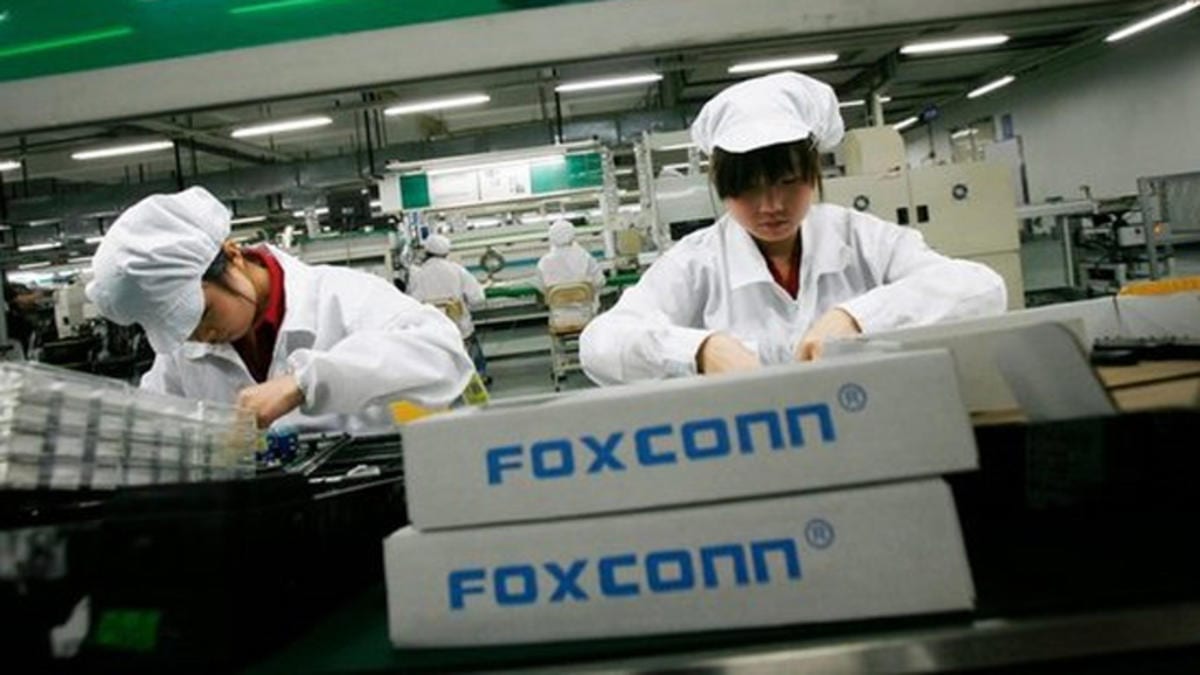
    Foxconn will invest up to 320 billion rupees ($4.9 billion) to establish more manufacturing capabilities in India, in response to the nation’s recent legislative changes designed to incentivize local manufacturing.

    The company plans to exponentially scale up its Indian operations, opening new factories and expanding its manufacturing footprint.

    India has just announced a 10% customs duty on the importation on phones and accessories in a bid to encourage local manufacturing. The move comes two years after he introduction of tax benefits for companies making handsets locally.

    It is currently unclear how the recently-announced GST of up to 18% of the cost of transactions will influence the benefits for local manufacturing.

    According to the report, India currently has the capacity to produce up to four million devices per month, manufacturing phones for companies including Xiaomi, Oppo, InFocus, Nokia and Gionee.

  • India’s big data market set to hit $16b by 2025

    India’s big data market set to hit $16b by 2025

    India’s big data analytics sector is set to record impressive growth in the coming years, WNS Global Services has predicted.

    The sector is expected to witness eight-fold growth to reach $16 billion by 2025 from the current $2 billion, according to industry experts. The sector is also looking at registering compound annual growth rate (CAGR) of 26% over next five years.

    India is currently among top 10 big data analytics markets in the world.

    “The government, industry and academia can collaborate to build an ecosystem to generate sustainable solutions by harnessing the power of big data and digital innovation,” said WNS Global Services Group CEO Keshav Murugesh.

    “The combined power of harnessing big data and digital solutions can drive tremendous results in improving the citizen experience, implementation efficiency and boosting the nation’s economy.”

    Murugesh was speaking at the Emerging Worlds Conference workshop organised by Indian School of Design and Innovation (ISDI) in collaboration with MIT Media Labs. “India is a diversified country with a wide array of challenges, and it is pertinent that we as citizens of this country, innovate to find effective solutions that can make a difference to the billion lives that live here,” he said.

    “If big data can be put to cutting-edge use for our corporations and clients, it can very well be a catalyst for the economy and the country.”

    The workshop brought together industry leaders, technical experts, data scientists, innovators, academic institutions, implementation collaborators and progressive corporate collaborators to source national challenges and potential solutions.

  • India to double apparel, textile market by 2025

    India to double apparel, textile market by 2025

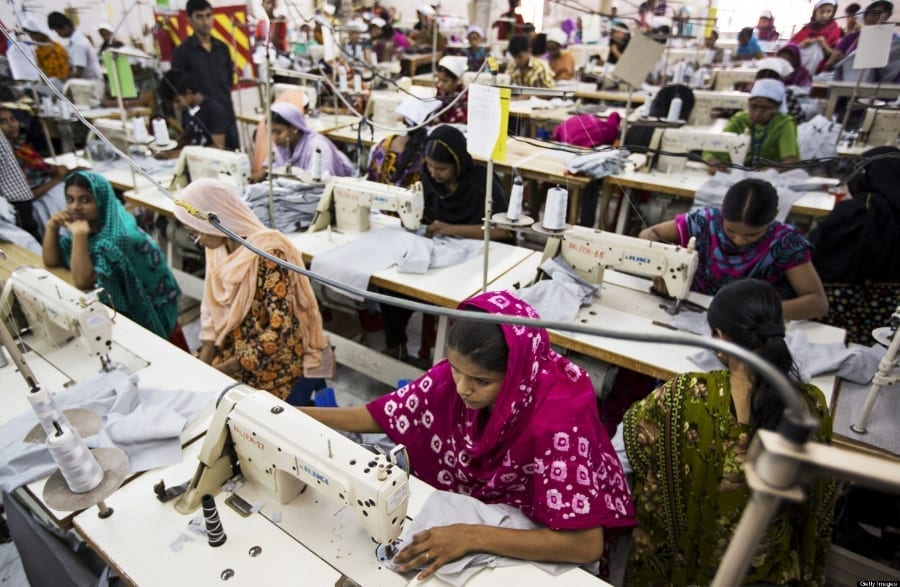
    The textile and apparel industry in India is worth some $110 billion, and is the nation’s second largest employer, after agriculture, providing direct employment to more than 45 million people and indirect employment to another 60 million.

    All this is set to soar by 2025, according to Indian Prime Minister Modi, who addressed attendees this week at the Textiles India 2017, a three-day event, which saw the PM map out a series of targets for India’s textile industry.

    Modi said that the domestic market for apparel and lifestyle products is worth $85 billion and is expected to grow to $160 billion by 2025, boasted by increased spending from wealthier Indians.

    “This growth will be driven by the rising middle class,” he said.

    Modi also hailed his nation’s liberated direct investment policies, allowing international firms to inject money into the burgeoning sector.

    “We have one of the most liberal investment policies for foreign investment in the textile and apparel sector,” said Modi.

    “We allow 100% foreign direct investment through automatic route in the textile and apparel sector. I think the time has now come for us to concentrate on textile exports in a big way,” he added.

    Moreover, the textile industry is expected to create about 35 million more jobs by 2024-25, with exports rising from $39 billion to $300 billion by that time, said Modi.

    India is the world’s second-largest exporter of textiles, after China. Apparel exports accounted for an estimated $17 billion, making India the sixth-largest exporter of garments in the world.

  • Singapore explores more air links to India

    Singapore explores more air links to India

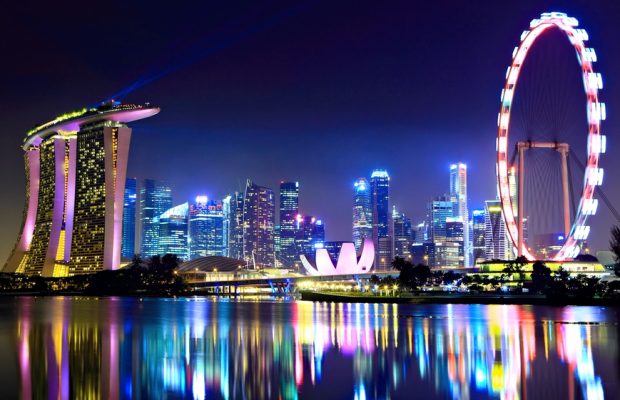
    Singapore is exploring more airline services to India whichis expected to overtake China and Indonesia to become the fastest-growing air-traffic generating market for Changi Airport here, according to a media report.

    New services to Pune, Madurai, Bhubaneswar and Guwahati are being explored, to add to the 15 cities in India that airlines already operate to from Singapore, said Changi Airport Group’s managing director for air hub development Lim Ching Kiat.

    More than 1.7 million passengers travelled between Singapore and India between January-May this year, a 15 per cent jump over the same period of last year, Lim was quoted as saying by the Straits Times.

    Comparatively, two-day traffic between Singapore and China, as well as Indonesia, grew by 12 per cent and 9 per cent, respectively.

    Changi Airport handled 5 million passengers in May, a 4.6 per cent increase from the same month a year ago.

    Nine airlines, including Singapore Airlines, Scoot, Tigerair, Air India and Jet Airways, fly between Singapore and India.

    Among the Indian cities, top-performing routes include Mumbai, Chennai and Bangalore. The traffic increase has come on the back of additional capacity provided by airlines with more flights and flying bigger aircraft.

    This led to a 21 per cent increase in the number of seats on the Singapore-India sector in the first five months of this year, compared with the same period last year.

    Just last week, India’s largest domestic carrier, IndiGo, launched a new daily non-stop service between Singapore and Bangalore.

    A growing Indian expatriate population here and strong Singapore-India trade links are fuelling demand for travel between the two countries, with competition among carriers bringing fares down for travellers, the Singapore daily had experts as saying.

    According to the High Commission of India in Singapore, the city state is among India’s largest trade and investment partners, accounting for more than 22 per cent of India’s overall trade with ASEAN countries from 2014 to 2015.

    Indian travellers also featured significantly among transfer and fly-cruise passengers, Lim said.

    India is currently the third largest contributor of Changi Airport’s transfer traffic, after Australia and Indonesia.

    Last year, about 100,000 cruise passengers from India, the highest for any country, were registered by the Singapore Tourism Board.

  • AirAsia India gearing up to start international flights

    AirAsia India gearing up to start international flights

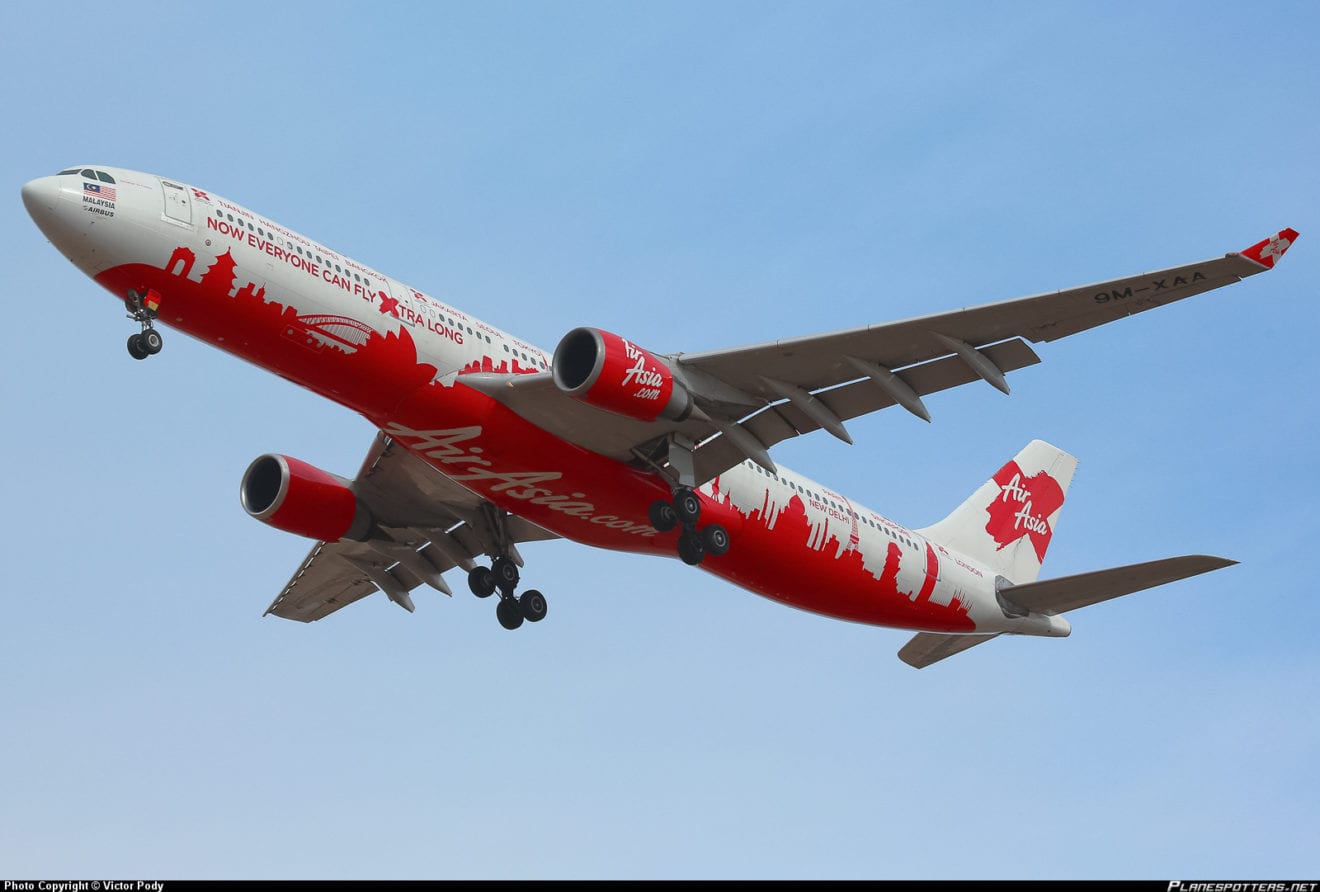
    AirAsia India aims to scale up to a fleet of 20 planes by September-October and commence international operations thereafter, its CEO Amar Abrol said on Tuesday.

    Any domestic airline with a fleet size of at least 20 aircraft will be eligible for international operations under India’s aviation policy. AirAsia India currently has a fleet of 10 Airbus A320 planes.

    Abrol said the initial international destinations in the airline’s plan would naturally be those in Southeast Asia, the stronghold of its parent AirAsia Berhad.

    As a precursor of sorts, the airline is launching Fly-Thru, a service which facilitates seamless check-in for passengers through to the final destination. Abrol said it is in its testing stages.

    He said AirAsia India would stick to its earlier target of doubling revenue and passenger traffic this year although he declined to give any projection on profitability.

    He said the airline is almost every month clocking passenger ticket revenue of Rs 100 crore, double the amount in the same period last year.

    AirAsia India posted a net loss of Rs 40.4 crore in the quarter ended March, down from Rs 46.89 crore a year earlier, thanks to foreign exchange gains. Its operating loss for the quarter widened to Rs 53.91 crore from Rs 46.86 crore, according to unaudited filings in Bursa Malaysia, the Kuala Lumpur stock exchange.

  • Indian retailers lure customers with discounts as GST kicks in

    Indian retailers lure customers with discounts as GST kicks in

    Some of India’s biggest retailers announced price cuts on Saturday as Asia’s third-largest economy switched to a new nationwide sales tax at the stroke of midnight, replacing a host of provincial and national levies.

    The Goods and Services Tax (GST), India’s biggest tax reform in the 70 years since independence from British colonial rule, unifies the $2 trillion economy and 1.3 billion people into one of the world’s biggest common markets.

    Hypermarket Big Bazaar, owned by Future Retail Ltd, announced discounts of 2 percent to 22 percent on groceries and household supplies across its stores in 26 states.

    Fashion portal Myntra, part of India’s biggest online retailer Flipkart, was also offering GST discounts.

    In Bhubaneswar, the capital of eastern Odisha state, customers queued up outside shops and malls, which remained open until late Friday night to clear stocks of watches, electronic gadgets, cosmetics and gold at discounted rates before the GST regime kicked off at midnight.

    Members of Prime Minister Narendra Modi’s Bharatiya Janata Party (BJP) were seen celebrating the launch of the GST with firecrackers on Friday evening and by painting “Welcome GST” slogans on roads.

    The federal government is encouraging all business to migrate to the new GST system but its complexity – four rates and several exemptions – has still kept many at bay.

    “We will continue as usual unless we see trouble,” said a 35-year-old grocer in Bhubaneswar who has not yet registered for the GST.

    India’s northern Muslim-majority state of Jammu and Kashmir is yet to implement the GST as the provincial government grapples to arrive at a consensus with the opposition and other stakeholders.

    Traders in Kashmir Valley have called for a day’s strike on Saturday to protest the GST.

    “Though we have missed the (July 1) deadline, we will wish to take everybody along before taking any decision,” Public Works Minister Naeem Akhtar said.

  • Amazon Prime Day will include China and India on July 11th

    Amazon Prime Day will include China and India on July 11th

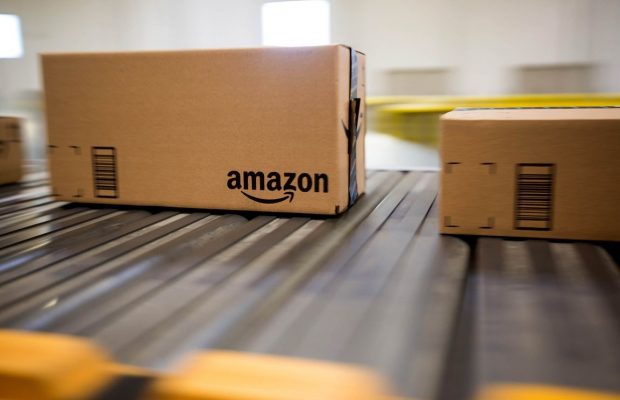
    Amazon’s Black Friday-like event for the summer will be back for the third time. On July 11th, the e-commerce giant will hold the third annual “Prime Day,” and this time, more people will be able to take advantage of all the deals on offer.

    To start with, the event will last for 30 hours instead of the usual 24 and will begin at 9PM Eastern on July 10th. In addition, Amazon is launching the event for the first time in China, India and Mexico, which only recently joined the list of countries where the company’s Prime service is available. Customers in the US, UK, Spain, Japan, Italy, Germany, France, Canada, Belgium and Austria will be able to participate as always.

    While the event itself won’t begin until the evening of July 10th, Amazon will reveal exclusive promos for Prime members every day until then. It is possible to access the first batch of promotions starting today, which include access to Amazon Music Unlimited for 99 cents, 40 percent off Kindle Unlimited membership and 40 percent off Audible for your first six months on the audiobooks service. Alexa-exclusive deals are also to be checked out when having an Echo or a Tap speaker, a Fire TV or a Fire table, since they typically include bigger discounts than what you’ll find on the website.

  • India, Portugal launch international startup hub

    India, Portugal launch international startup hub

    India and Portugal have entered a collaboration to strengthen the connection between the startup ecosystems of the two countries.

    The recently-launched India-Portugal International Startup Hub is an initiative towards that end. “Startup sphere is an interesting space for cooperation. It is a great means to generate value and wealth for society,” India’s Prime Minister Narendra Modi has commented.

    The India-Portugal International Startup Hub (IPISH) is a platform for all stakeholders of the startup ecosystem in India, including startups, investors, mentors, incubators, accelerators, aspiring entrepreneurs, service providers and government bodies.

    The hub provides an opportunity to connect with other members of the ecosystem and also offers access to important resources such as its learning and development program, information about relevant government schemes, a forum to brainstorm and discuss, news and blogs among others.

    The platform has been initiated by StartUp India and supported by the Indian Commerce and Industry Ministry and StartUp Portugal to create a mutually supportive entrepreneurial partnership.

    IPISH hosts a range of tools and will provide information on the startup hotspots of Bangalore, Delhi and Lisbon; and on associated subjects, such as policy, taxation, and visa options. It will develop a Go-To-Market Guide to support startups.

    IPISH is expected to help in mutual capacity building, and enable connections between start-ups, investors, and incubators from relevant sectors. It is also expected to establish a network of honorary ambassadors based in India and Portugal to guide start-ups from both countries.

    There are strong synergies between India and Portugal in the start-up sector. Portugal has one of the highest rates of business creation in Europe and has emerged as one of the most vibrant European ecosystems for entrepreneurship.

  • India to become the gateway to the food industry

    India to become the gateway to the food industry

    India is all set to become the global manufacturing hub of the food industry, and to establish its presence and showcase its capabilities, the World Food India 2017 is being held in New Delhi, from 3rd to 5th November 2017. World Food India will be the largest gathering of investors, manufacturers, producers, food processors, policy makers, and food corporations from the global food ecosystem. The three-day event is being organised by the Ministry of Food Processing Industries, Government of India.

    World Food India intends to establish global linkages and facilitate foreign investment in India’s food retail market that services the needs and rising aspirations of the country’s 1.3 billion consumers – a ready market. The food processing industry accounts for over 9% manufacturing GDP and has emerged as critical component of India’s economy.

    World Food India aims to provide opportunities for both investment and trade in the food processing sector for leading Indian and international companies. Encompassing the entire food spectrum from production to consumption, World Food India is looking at creating a better sourcing environment, thereby enabling higher returns for farmers, creating employment, and fostering entrepreneurship. The three day mega event ‘World Food India’ will provide a platform to showcase offerings and services along the food value chain which includes production, processing, packaging, technology, equipment, storage, logistics or retail.

    Global food corporations, MSMEs & everyone connected directly or indirectly to the food sector are showing tremendous interest in World Food India 2017. The cuisines of India are inherently diverse in nature as each state in India come with a unique palate & offering. The World Food India aims to bring all the different states of India, as well as the global powerhouses in the food industry, together – for the first time.

    World Food India will have exhibitions on the food processing industry, a Global CEO conclave, a country session, a state session, and conferences. One key attraction of the event will be the Food Street which will showcase food delicacies of the various states of India and as well as international cuisine. More details on World Food India 2017 can be found on this website.

  • Kioda to enter India via franchise route, open 300 stores

    Kioda to enter India via franchise route, open 300 stores

    Malaysia-based Korean concept retail store Kioda plans to open 300 stores in India by 2021 and has tied up with Franchise India which will invest USD 10 million for expansion and marketing.

    Kioda, which has a product range of cosmetics, gifts, stationery and household items, is looking to source 25-30 per cent of its products locally for Indian stores and rest to be imported from Malaysia.

    Kioda is entering India in a joint venture partnership with Franchise India and will open 300 stores in the next four years, the company said in a statement.

    “We eventually want to source products from India itself especially in the F&B range.Kioda stores will be unique stores which have a Korean concept and experience,”Kioda Managing Director Alvin said.

    The company, which currently has presence in Singapore and China apart from Malaysia, plans to expand to additional 13 countries by 2018.

    The joint venture agreement was signed at the Master Franchise Show here by Franchise India where over 150 companies participated.

    Franchise India Chairman Gaurav Marya said: “India offers a large landscape for brands to access the burgeoning consumer market with international brands taking the top tier space in the hierarchy. Our investments in the JV will help us to quickly ramp up across India.

  • Amazon India, Myntra get battle ready for fashion sales this weekend

    Amazon India, Myntra get battle ready for fashion sales this weekend

    With apparel manufacturers trying to liquidate old stock ahead of the new GST tax regime, e-commerce companies like Amazon India, Myntra and Jabong are expecting blockbuster sales this weekend. Flipkart firms Myntra & Jabong will go head on with Amazon India for superiority in the fashion category with their end-of-season sales this weekend.

    Amazon India has partnered with 1500 leading fashion brands for the sale event from June 23 to 25 with exclusive tie-ups with 25 brands like GAP, Under Armour, M&S, Michael Kors and many more.

    Amazon has also said that it will open 12 temporary physical stores in the country’s biggest tech parks in Bengaluru, NCR and Mumbai to popularise its fashion sale event coming up this weekend.

    “We have tied up with the biggest tech parks in the country to promote our fashion sale and give youngsters an opportunity to step out and experience fashion at physical outlets,” Arun Sirdeshmukh, head of Amazon’s fashion business, told the Times of India.

    Flipkart which is currently the undisputed leader in the fashion category with its two fashion subsidiaries Myntra & Jabong is expecting its fashion e-tailers to dominate the sales this weekend.

    Myntra said it expects to see a 25-fold jump in daily sales during its ‘End of Reason’ sale to be held between June 24-26. Over 1,800 brands will participate in the three-day sale, offering discounts of 50-80 per cent like that of Amazon India.

    “Our ‘End of Reason Sale (EORS) gets bigger and better with each passing season. The sixth edition will be the largest yet and will see Jabong also participate,” Ananth Narayanan, CEO of Myntra and Jabong, said in a statement.

    “We expect about 45 per cent growth over last year and 25X jump in revenues from what we do on an average day,” he said.

    With GST, the taxation structure and prices will change from July 1 so the sellers are offering high discounts which will benefit the end of season sales on e-commerce firms. GST Council has decided to tax man-made apparel up to Rs 1,000 at 5 per cent, while those costing above Rs 1,000, will attract 12 per cent.

  • India’s digital economy can reach $4tr by 2022

    India’s digital economy can reach $4tr by 2022

    India’s digital economy has the potential to reach up to $4 trillion in just four years, according to India’s tech firms. This outshines the government’s goal of making India a $1 trillion digital economy by 2022.

    IT minister Ravi Shankar Prasad, who chaired a meeting with industry captains to chalk out a growth plan, said the government will formulate a new set of strategies to support growth including a new electronics policy, software product policy and a framework for data security and protection.

    “There was unanimity among all the participants that $1 trillion digital economy is an understatement. India has the immense potential to go to [a] $2 trillion to $3 [trillion] to $4 trillion digital economy,” he said.

    The meeting was attended by top experts such as Nasscom President R Chandrashekhar, Google India’s Rajan Anandan, Wipro’s Rishad Premji, Indian Cellular Association national president Pankaj Mohindroo, NIIT chairman Rajendra Pawar and Hike Messenger CEO Kavin Bharti Mittal, among others.

    The government has projected that Indian digital economy will be worth $1 trillion by 2022, from around $450 billion at present.

    As of now, the Indian telecoms market is estimated to be around $150 billion, its electronics market is worth around $ 100 billion, its IT sector is around $150 billion, e-commerce $30-40 billion. The remainder is contributed by the sharing economy such as taxi hailing services, as well as startups.

    The Ministry of Electronics and IT has projected that the IT and IT enabled services sector will grow to $350 billion by 2025, while the electronics sector is poised to touch $300 billion by the same time.

    Telecoms and e-commerce are projected to grow to be worth $150 billion each, while the sharing economy and digital skilling each presents a further $30 billion opportunity.

    Digital payments, cyber security and Internet of Things — all of which are expanding rapidly — are expected to touch $50 billion, $35 billion and $20 billion respectively.

    It was also projected that the digital economy will generate 30 million employment opportunities by 2024-25, which is double than the current scenario. The ministry has identified digital payments, Make In India, Start-Up India, Skill India among the key drivers of the digital economy.

  • India’s telecoms sector under “severe financial stress”

    India’s telecoms sector under “severe financial stress”

    India’s Department of Telecom (DoT) has asked the nation’s finance ministry to cut its target for non-tax revenue to be raised from the telecoms industry by nearly 40% due to the “severe financial stress” the sector is facing.

    The Finance Ministry has set a revenue target of 473.04 billion rupees ($7.3 billion) to be raised by the telecom ministry. But the department has asked for this to be cut to 295.24 billion rupees in light of the rapidly declining revenues from all the major operators.

    Non-tax revenue from the sector comes from sources including license fees, spectrum usage charges and spectrum acquisition costs. But the DoT believes there is little prospect of holding the next round of spectrum auctions this year.

    In addition, because license fees are paid as a proportion of revenue, license fees that had been projected to total around 166.64 billion rupees are likely to decline to 92.55 billion rupees in the current financial year.

    Spectrum usage charges are also tracking to be lower than anticipated at 49.7 billion rupees.

    Major operators have been grappling with declining revenues since the entry into the market of disruptive pan-Indian LTE operator Reliance Jio Infocomm with its aggressive free services promotion.

    While the free service period is now over, experts expect the trend of falling revenues to continue for some time as operators feel the brunt of the large tariff cuts they made to stay competitive.

  • Budget airline AirAsia announces discount fares

    Budget airline AirAsia announces discount fares

    There is good news for air travellers. Budget airline AirAsia has come out with ‘discount fares’ as part of its sales promotion campaign.

    The ‘discounted fares’ begin from as low as Rp1,099 for domestic destinations on flights operated by its Indian joint venture and Rp2,999 for international flights operated by other group airlines. However, these ‘discounted fares’ are for a limited period.

    Booking period

    Tickets for ‘discounted fares’ can be availed from June 4 to June 11 for travel between January 15, 2018 and August 28, 2018.

    “Travellers can enjoy fares as low as ₹1,099 to domestic destinations such as Bengaluru, New Delhi, Hyderabad, Kochi, Goa, Srinagar, Ranchi and Kolkata operated by AirAsia India. They can also fly to international destinations such as Kuala Lumpur, Bangkok, Phuket, Krabi and many more destinations operated by AirAsia Berhad, Thai AirAsia, AirAsia X Berhad and Indonesia AirAsia X at fares as low as Rp2,999,” said a release.

    “Guests travelling on AirAsia X will also be able to enjoy its award-winning Premium Flatbed to Sydney, Melbourne, Korea, Japan, Bali at a fare of ₹11,999.”

    “The lowest fare during this promo applies to all bookings made through www.airasia.com and the AirAsia mobile app,” the release added.

    “Big sale is the best time to lock down travel plans for next year. With so many fantastic destinations on offer, it is perfect for a long break or even just a quick weekend getaway,” said Amar Abrol, MD and CEO.