Tag: india

  • AirAsia India In Expansion Mode, Adds New Aircraft And Route

    AirAsia India In Expansion Mode, Adds New Aircraft And Route

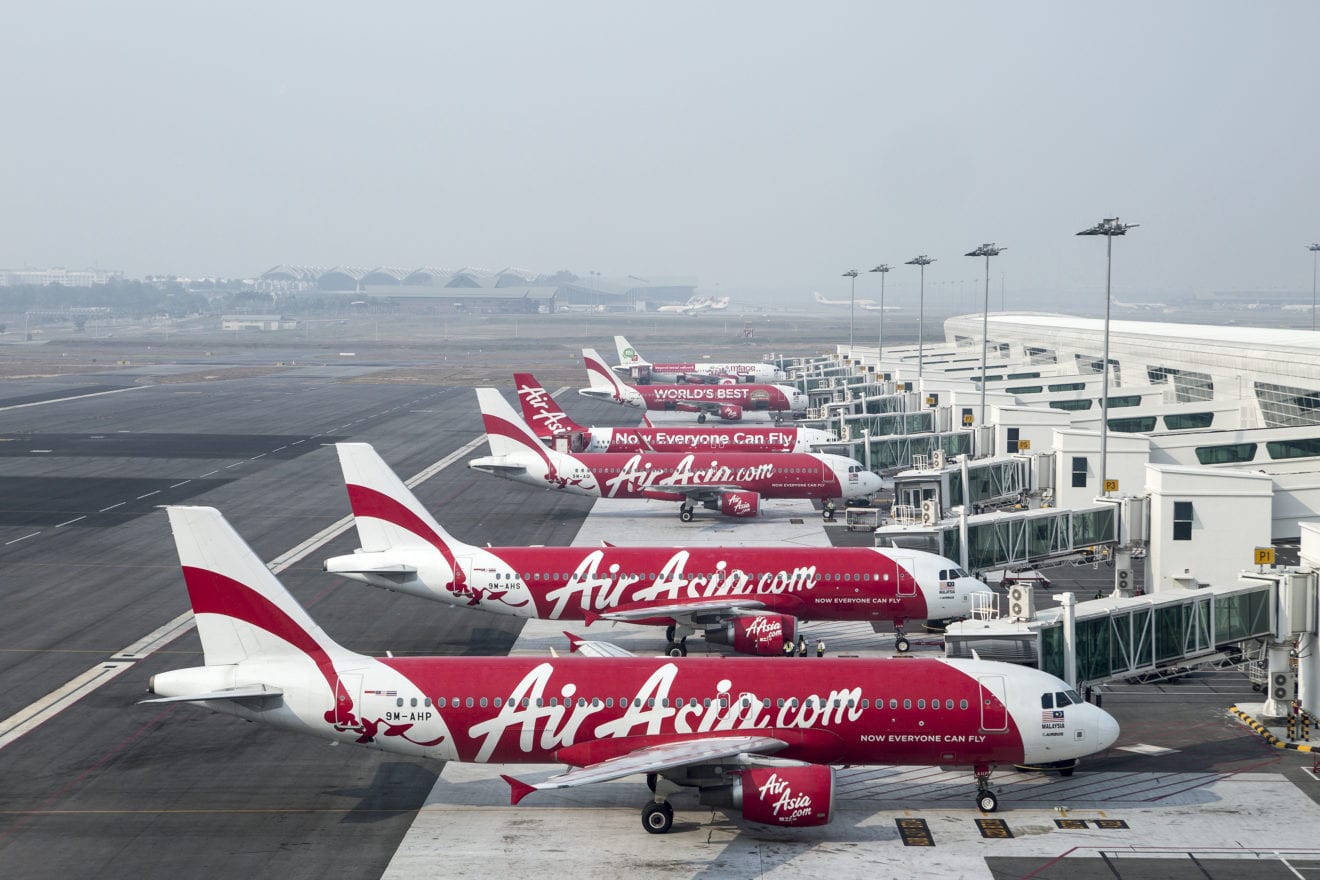
    Low-cost carrier AirAsia India has inducted a new aircraft (Airbus A320) to its fleet taking the total to 12. Focusing on its expansion plans, the airline has announced a new Hyderabad-Jaipur route which will be operational from September 1. AirAsia India has also added additional flights on Bengaluru-Bhubaneshwar and Kolkata-Bhubaneshwar routes “keeping in mind the government’s vision for regional connectivity,” it said in a release. The new AirAsia India aircraft will be stationed in Bengaluru, it added.

    “We received great reception in less than a month of starting the operations to Bhubaneshwar and are happy to intensify by adding another flight. We strive to provide connectivity to India’s key and under-served routes,” AirAsia India Managing Director and Chief Executive Officer Amar Abrol said.

    The airline currently flies to 16 destinations with its hubs in Bengaluru, New Delhi and Kolkata covering Kochi, Goa, Jaipur, Chandigarh, Pune, Guwahati, Imphal, Vizag, Hyderabad, Srinagar, Bagdogra, Ranchi and Bhubaneswar.

    Meanwhile, AirAsia announced the launch of direct flights between Tiruchirappalli and Bangkok at starting fares of Rs. 3,399 for a one-way journey. “AirAsia plans to continually penetrate the Indian market in the latter half of 2017 as it is a major market with great growth potential, especially as Bangkok and Thai cities have proven popular destinations for Indians,” Thai AirAsia, Commercial Director, Santisuk Klongchaiya said.

    Booking of tickets started from July 31 and will be open till August 13 for travel between September 29 and August 28, 2018. Currently, AirAsia offers direct flights to Thailand from Chennai, Bengaluru, Kolkata and Kochi.

  • Airtel Q1 profit shrinks 75% on strict competition

    Airtel Q1 profit shrinks 75% on strict competition

    India’s Bharti Airtel has reported a steep 75% decline in first quarter profit as a result of the intense competition triggered by the entry into the market of Reliance Jio Infocomm.

    Net profit fell to 3.67 billion rupees ($56.9 million), marking the Indian incumbents third straight quarter of declining income.

    Revenue meanwhile fell 2.6% to 255.46 billion rupees, with India revenue down 10% to 172.44 billion rupees, driven by a 14.1% decline in mobile revenues to 129.15 billion rupees.

    By contrast, African revenues grew 1.5% year-on-year in constant currency terms. But African mobile revenues fell to 48.53 billion from 62.49 billion a year earlier.

    The steep decline was felt despite the operator increasing its total customer base by 6.2% to 379.9 million across 17 countries. In India, the operator also reported a record 5.2 million customer increase in data subscriber base during the quarter.

    “The pricing disruption in the Indian telecom market caused by the entry of a new operator [Jio] continued with industry revenues declining over 15% YoY, creating further stress on

    sector profitability, cash flows and leverage,” Airtel CEO for India and South Asia Gopal Vittal commented.

    “Consequently, our [Indian] revenues declined 10% and EBITDA margin eroded by 5.3% YoY. We remain committed to providing the best value & experience to our customers and continue to invest towards it. As a result, our network witnessed data and voice traffic growth of 200% and 34% YoY respectively.”

  • CCI clears Vodafone-Idea merger

    CCI clears Vodafone-Idea merger

    The Competition Commission of India has approved the proposed merger between Indian operators Vodafone India and Idea Cellular, which would create the market’s largest mobile operator by subscribers.

    The regulator has cleared a proposal that would see Vodafone initially holding a 50% stake in the combined company, Idea’s major shareholder the Aditya Birla Group holding 21.1% and public shareholders owning 28.9%, the Economic Timesreported.

    Under the plan, Vodafone would then sell a 4.9% stake in the combined operator to the Aditya Birla Group for 39 billion rupees ($605.8 million) in cash upon completion of the merger.

    But both companies still require approval from the Securities and Exchange Board of India, which is investigating whether the deal would trigger an open offer under India’s takeover regulations.

    These rules require entities acquiring at least 25% of a listed company to make an open offer for an additional 26% from public shareholders.

    The proposed $23 billion merger between Vodafone and Idea Cellular was first announced in March. The combined company will have nearly 400 million subscribers and a revenue market share of around 40%, dethroning Bharti Airtel as the current market leader.

    High debts accumulated from spectrum purchases and the entry of Reliance Jio Infocomm into the market with its deep pockets and disruptive pricing have triggered a wave of consolidation in India’s telecoms sector. Reliance Communications and Aircel are also pursuing a merger, while Bharti Airtel  last month secured required approvals to acquire Telenor India.

  • Digitalisation of supply chains in India

    Digitalisation of supply chains in India

    The digital B2B marketplace for warehousing, Log-hub AG from Switzerland, and the Indian Supply Chain specialist 3SC are now collaborating on the Indian market. Both companies are technology based and offer advanced analytics based transportation and warehousing solutions. Log-hub and 3SC have agreed to combine their capabilities to provide seamless service offerings for those companies who want to identify and implement the savings potential of the new Indian tax regime.

    Log-hub AG and 3SC Solutions Ltd provide complete supply chain management services in terms of planning and execution throughout entire India. Their transportation and warehouse network is rendered by a control tower set up of more than 200 experts and the digital marketplace for warehousing space.

  • Reliance Jio launches “free” 4G phone

    Reliance Jio launches “free” 4G phone

    India’s Reliance Jio Infocomm has disrupted the mobile market once again with the launch of a “free” 4G handset named the JioPhone.

    The operator is offering the JioPhone for a security deposit of 1,500 rupees ($23.29), fully refundable after three years.

    The handset is being produced in India. It will be offered under a plan worth 153 rupees per month for free voice calls and SMS as well as unlimited data with a daily fair use cap of 500MB.

    The device has a keypad and a 2.4-inch, 240×320 display. It supports Bluetooth, NFC payment and access to Jo services including JioTV and JioMovies, and has a rear camera, SD card slot and headphone jack.

    An additional data plan worth 309 rupees per month will allow mirroring of the phone screen to any TV to support streaming services at home.

    Announcing the handset, Reliance chairman Mukesh Ambani said around two thirds of India’s mobile users do not have smartphones, leaving them unable to access Jio’s 4G-only network and leaving Jio unable to attract these customers. The Jio Phone is intended to help the company reach this audience.

    Preorders of the Jio phone will commence next month. The introduction of the device will only increase the intense competition in India’s mobile market triggered by Jio’s explosive entry onto the scene with its pan-India 4G network.

  • Airtel accuses Jio of engineering monopoly

    Airtel accuses Jio of engineering monopoly

    India’s largest operator by subscribers Bharti Airtel has accused disruptive new market entrant Reliance Jio Infocomm of attempting to distort competition and create a monopoly with its proposal to scrap the current interconnect usage charge (IUC).

    At an industry consultation held by telecoms regulator Trai to discuss the future direction of India’s planned new national telecoms policy, Jio called for the current 0.14 rupee IUC to be abolished and replaced with a “bill and keep” regime.

    But the proposal was strongly opposed by incumbent operators including Airtel, with the operator’s chief regulatory officer accusing Jio of attempting to “build its business by getting a free ride on the highways built by Airtel and other operators.”

    He said Jio appears to be attempting to engineer a monopoly situation by unduly burdening the existing operators.

    While Jio accused Airtel of earning excess revenue from the current IUC, Airtel has insisted it is in fact losing 5.5 billion rupees ($85.4 million) per month interconnecting the large volume of calls coming from Jio’s network.

    Jio burst on to the scene last year with a cutthroat promotional offer involving providing free services for a six month period to customers porting to its network. The company now charges for data but plans to keep voice calls free in perpetuity.

    Some Indian MPs, consumer activists and Reliance Jio partner Reliance Communications have also called for the IUC to be scrapped, whereas top operators Airtel, Vodafone India and Idea Cellular want the charge to be raised.

  • 3,000 stores to open in India, world’s most promising retail market

    3,000 stores to open in India, world’s most promising retail market

    The recent implementation of the GST along with the rise of e-commerce has caused over 50 brands to announce that they will launch in India in the next six months.

    Data compiled by Franchise India states that a large number of brands, including 14 from the US and 11 from Singapore, are set to start business in India. The main sectors they will be doing business in are the food and beverage industry where 18 new brands will be launching and the apparel and lifestyle industry where 13 brands will be launching.

    Just some of these international fashion, cosmetic, and lifestyle brands launching at present in India are Greece’s bag manufacturer Migato and Lush Addiction, a jewellery company from Singapore using Swarovski crystals in its designs. Others include Korres, Monnalisa, Evisu, and Melting Pot. Education-focused brands will also be coming to India from abroad.

    An AT Kearney report stated that this month India overtook China as the most promising retail market in the world. Many international companies are experiencing troubles in their home countries due to the economic downturn and so are hoping that launching in India will help to boost their finances.

    India is currently an attractive market to launch in due to its growing middle class as well as increasing urbanisation. Moreover, e-commerce is blossoming as more and more labels are experiencing success through online retail portals.

    The government has now allowed 100% foreign ownership in business to business e-commerce ventures and has made efforts to boost cashless payments which is making the online market easier to break into for foreign firms.

  • Cortefiel opens first stores in India

    Cortefiel opens first stores in India

    After announcing last December a distribution partnership deal with Tablez Retail to enter India, Cortefiel group has opened its first retail stores. The contract will see 60 store openings in India, as well as nearby Sri Lanka.

    On July 17, mixed apparel retailer Springfield and lingerie chain Women’secret debuted inside the Phoenix MarketCIty shopping centre, located in the city of Bangalore.

    In autumn, the Spanish group, which also owns the brands Corefiel, Pedro del Hierro and Fifty Factory – but not in the India market – will open a further eight stores in Bangalore, as well as in Bombay and Chennai.

    By entering India, the Madrid distributor intends to take advantage of the growing appetite of young adults in the country for international brands, focusing its communication on city fashion, as the urbanisation of the country continues at high speed.

    The goal of the group is to “achieve rapid growth across the two brands, thanks to the growing percentage of young people in the country,” as well as the explosion of commercial property in the nation.

    The group, which according to several sources is in the process of being sold by the three funds that have retained ownership since 2005 (PAI Partners, CVC Capital Partners and Permira), also made its debut in Cuba a few weeks ago, setting up a Women’secret store in Havana.

    Sales at Cortefiel, which boasts more than 2,000 stores across 90 countries, recorded an increase of 3.1%, to 1.13 billion euros for the year ending February 28.

  • Kale Logistics collaborates with Celebi Delhi cargo terminal

    Kale Logistics collaborates with Celebi Delhi cargo terminal

    Celebi Delhi Cargo terminal went live with Kale’s Galaxy (Domestic module) Cargo Management system as part of the phase wise implementation of the entire suite of Galaxy Air Cargo management software system comprising of EXIM operations, Warehouse Management, UD, Invoice and Accounts and Domestic Operations. The new age domestic module incorporates next generation features like Mobile App, Customer Portal, Hand-held based app and EDI with Airlines.

    Celebi Delhi Cargo Terminal Management India Pvt. Ltd., is a Joint Venture between Delhi International Airport Private Ltd (DIAL) and Celebi Ground Handling Turkey which along with domestic operations also provides cargo handling and warehousing services to approximately fifty international schedule carriers. Celebi Delhi is the largest operations in Air Cargo for Celebi worldwide. In order to keep pace with the ever-increasing domestic cargo demands, Celebi Delhi has partnered with Kale Logistics Solutions to automate their Air Cargo and terminal operations.

    Air Cargo industry has reached a crucial point where a fast-track approach to digitalization is required to keep pace with competitive modes of transport. It is undergoing a tremendous transformation – moving from legacy systems to agile technologies in order to streamline its operations, reduce costs and optimize efficiencies.

    Ramesh Mamidala, CEO of Celebi Delhi Cargo Terminal Management quoted, “Modern day freight challenges need technology to enable innovative practices to move businesses forward. With our domestic operations going live on Galaxy, we look forward to greater automation of our operational processes and getting quick and comprehensive information on consignment and cargo tracking. This significant development will help to speed up shipment times, improve efficiency and reduce costs.”

    Being the capital of the country, Delhi has maximum number of flight operations and Celebi – Delhi operates one of the largest volume of domestic cargo movement out of Delhi airport. Topographically, Delhi is surrounded by many states and with a boom in e-commerce business, there is additional domestic freight movement which makes Delhi a top e-commerce hub of India.

    Speaking more on this scenario, Mamidala added, “Celebi – Delhi’s current domestic handling system was challenged by an increased load of cargo and connectivity issues. Hence we decided to move forward with the latest technology solution to cater to this demand. Kale’s Galaxy is the perfect solution, which, with minor customizations fulfilled all our requirements. We would soon be going live on our international operations”.

    Amar More, CEO, Kale Logistics Solutions says, “We are delighted to partner with Celebi and are extremely confident that our system will address all their concerns and realize the benefits of GALAXY in near future. Galaxy is a global application that is being used by worldwide airports that incorporate global best practices and prepare the industry to manage the demands of e-commerce”.

  • India’s Flipkart planning offline venture

    India’s Flipkart planning offline venture

    India’s Flipkart is planning to enter the brick-and-mortar space as a master franchisee for foreign brands. This follows other e-commerce companies opening on-ground ventures as the online market slows down.

    Flipkart is already in advanced talks with Giordano for a licensing deal to sell the Hong Kong­ apparel and accessory retailer’s products both offline and online in India. The plan is to set up a chain of Giordano­-branded stores along with a digital platform, says an insider.

    Flipkart will appoint sub-­franchisees with brick-­and-­mortar expertise to run the physical stores.

    Meanwhile, pure-play companies such as Faballey, Lenskart, Myntra, Nykaa, Pepperfry and Urban Ladder have already set up physical stores.

    Fashion retailer Myntra this year acquired the Indian franchisee agreement for Spain’s Mango and is appointing two sub-­franchisees for the label – Jaipur-­based Samarth, which runs more than 100 outlets of Benetton, Calvin Klein, Lee, Puma, Tommy Hilfiger, US Polo and Wrangler, and New Delhi­-based G&B which has 25 Benetton stores in the National Capital Region.

    Myntra is also selling its own brands. It opened its first brick-and-­mortar store in Bengaluru in March under its private brand Roadster on the 100 Feet Road.

    Beauty retailer Nykaa.com is also expanding on the ground. Its head of offline retail strategy, Adwaita Nayar, says touch and feel is important for customers in India. “Almost 90 per cent of the market for beauty products is still offline.”

    Nykaa.com intends to have large-format experiential stores as well as smaller outlets. Its aim is to have 30 stores at malls and high streets as well as travel retail by 2020.

  • Airtel to launch VoLTE later this year

    Airtel to launch VoLTE later this year

    India’s Bharti Airtel has announced plans to launch VoLTE services later this year to counter new market entrant Reliance Jio Infocomm.

    Airtel is trialing VoLTE in five cities and plans to become the second operator in the nation after Reliance Jio to launch the technology.

    The launch could potentially allow Airtel to better compete against Reliance Jio’s strategy of offering free voice calls and only charging for data. The entry of Jio into the market has triggered a price war and compelled the nation’s operators to pursue consolidation in response.

    Airtel CEO Gopal Vittal detailed the company’s VoLTE plans at an event announcing the launch of Project Next, its latest initiative aimed at improving the customer experience.

    As part of the new project, Airtel has introduced a data rollover program enabling customers to carry over up to 200GB of data left unused in the previous month.

    The new initiative will also include improvements to the operator’s app, website and in-store experience, including the Family Promise program designed to allow postpaid customers to develop multiple customized plans for each family member over the MyAirtel app, enabling savings of up to 20%.

    Airtel revealed plans to invest up to 20 billion rupees ($309.8 million) on Project Next, and through the program aims to transform into a truly digital service provider.

  • June Retail Inflation for India Slowest in More Than Five Years

    June Retail Inflation for India Slowest in More Than Five Years

    India’s annual retail inflation eased in June to its slowest pace in more than five years, as food prices fell, building pressure on the central bank to cut interest rate when it meets for a monetary policy review on August 2.

    The consumer price index rose 1.54% in the 12 months through June, down from an increase of 2.18% in the previous month and slower than the forecast of economists in a Reuters poll, data released by the Ministry of Statistics showed on Wednesday.

    Economists in a poll had predicted inflation to ease to 1.7% last month.

    This is the lowest inflation rate since India started releasing retail inflation data in January 2012 based on a combined CPI index for rural and urban consumers.

    Elsewhere in Asia, China’s annual consumer prices remained subdued at 1.5% in June.

    With headline inflation remaining below the Reserve Bank of India’s mid-term target of 4% for the past eight months, industry participants and the government have sought a cut in interest rates to support economic expansion.

    Economists expect that the central bank to cut interest rates in its next policy review.

    The economy grew at an annual 6.1% in January-March quarter, the weakest growth since late 2014, hit by Prime Minister Narendra Modi’s surprise decision to scrap 86% of the currency in circulation in November.

    Some analysts, though, say an increase in charges of services after the launch of a new tax system this month, could push up core inflation, which excludes food and energy prices, and has remained stubbornly stayed above 4 percent for years.

    Separately, industrial output grew 1.7% in May from a year earlier, data showed.

    The pace of expansion, however, was slower than a revised 2.8% annual rise in April and compared with a 1.9% growth forecast by economists in a Reuters poll.

    Bumper foodgrains

    Analysts say expected good rains this year could lead to bumper grain production and a further slide in food prices in Asia’s third largest economy.

    Retail food prices fell 2.12% last month from a year ago, compared with a 1.05% fall in May. Falling food prices present a worry for the government because of the hit on millions of farm households.

    The central bank now expects retail inflation to come in a 2.0-3.5% range for the first half of fiscal year 2017/18 and 3.5-4.5% in the second half, down from 4.5% and 5.0%, respectively.

    Expert opinions

    “The continued softness in core inflation should comfort the MPC that underlying price pressures have eased, in addition to the collapse in food prices over the past few months.

    Accordingly, we expect the MPC (monetary policy committee) to cut the repo rate by 25 bps in their August review.

    Subsequently we expect the MPC to be on a wait and watch mode through this financial year. We expect headline inflation to top around 4 percent by March 2018 as food inflation reverts to more normal levels.

    Further price data is likely to be clouded by both GST (goods and services tax) and government house rent allowance increases.

    Lastly, with major central banks likely starting to contract balance sheets by last quarter of this calendar year, global financial markets could turn more volatile from hereon. Taking all this into consideration the MPC would prefer to stay on sidelines after easing rates in August.”

    “Given the current inflation trajectory we reiterate our call of a 25 basis points rate cut in August policy.

    The momentum of overall inflation will pick-up slightly from August given higher housing allowances but it is unlikely to pose any upside risk to the upper band of RBI’s 3.5-4.5 percent inflation target in the second half of the year (October-March).

    Core inflation is at a series low since 2012, which might go up slowly but we don’t see any sharp upside as a pick-up in demand is still not robust and the output gap is negative.”

    “It is slightly higher than my expectations. I was at 1.4%, and that is largely because of vegetable prices. I was expecting the increase to be on the lower side.

    Otherwise, we do expect a rate cut of 25 basis points in the August policy. There is a significant possibility that overall inflation will be significantly lower than RBI’s forecast. Unless, there is some major disappointment in monsoon, I don’t see any upside risk to inflation by March 2018.”

    “RBI does not believe that GST will increase inflation yet, but if you observe other countries where GST was implemented, it definitely created an upward pressure on inflation.

    We also have the 7th Pay Commission which increased the house rent allowance (HRA). Both factors would create upside risk for the baseline inflation.

    The RBI will be monitoring the progress of GST and the monsoon this year.”

    “This print will provide room for RBI to cut repo rate by 25 bps, but scope for further rate cuts would be restricted as the RBI would likely wait-and-watch the impact of HRA (house rent allowance) increases over the next few months.

    Recent increase in vegetable and cereals prices would also keep the RBI cautious. Further, developed markets have been signalling a reversal in their policy stances for some time.

  • Switch to Vegetarian Food on Air India Causes an Uproar

    Switch to Vegetarian Food on Air India Causes an Uproar

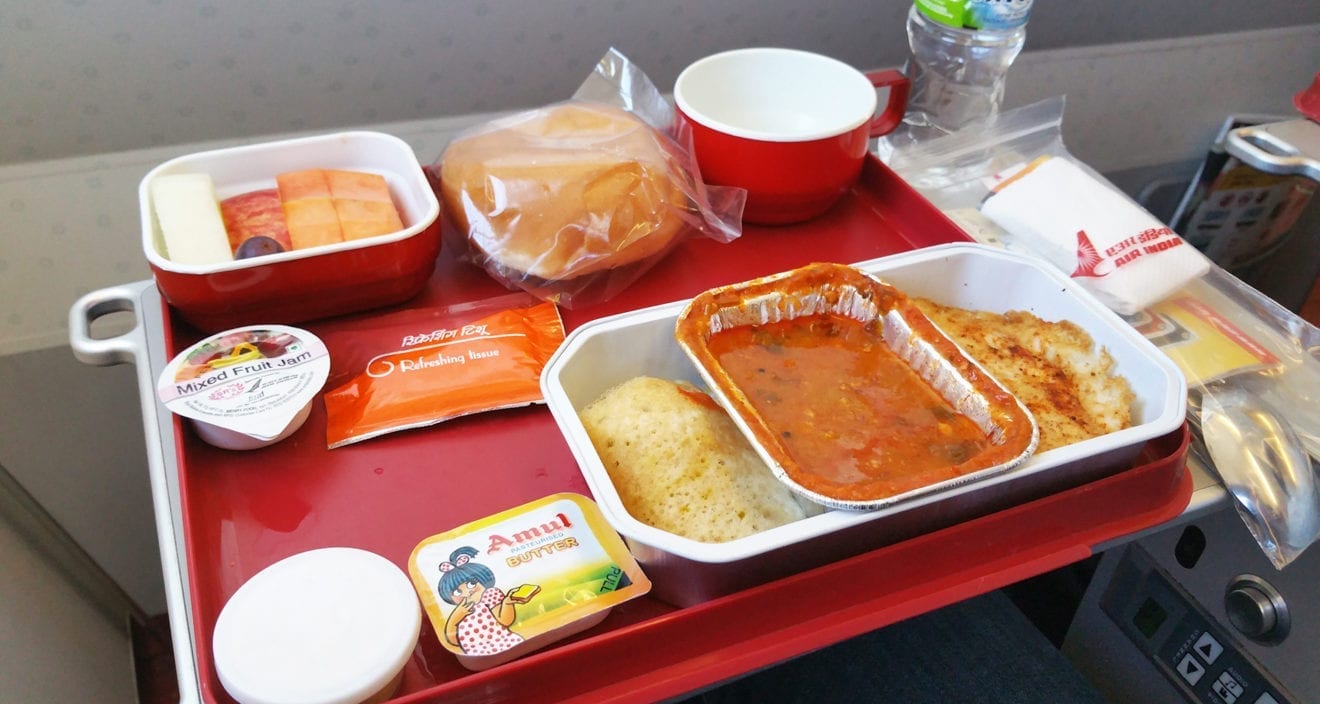
    Coming from some other debt-ridden airline, it might have been shrugged off as just another service cutback. But not this time: When Air India announced on Monday that coach passengers on its domestic flights would now be offered only vegetarian meals, the move provoked an uproar on social media.

    G. P. Rao, a spokesman for the government-owned airline, said the change was made a week ago strictly to reduce waste and cut costs. But what people eat can be a sectarian flash point in India, especially since Prime Minister Narendra Modi and his Hindu nationalist Bharatiya Janata Party took power.

    Many members of the Hindu majority are vegetarians, while the country’s Muslims and some other minorities eat meat. So the airline’s action was seen by many as discriminatory and part of a wave of religious nationalism sweeping the country.

    “Only veg food on Air India,” Madhu Menon, a Bangalore-based chef and food writer, wrote on Twitter. “Next, flight attendants to speak only Hindi. After that, stand for national anthem before flight take-off.

    The government of Uttar Pradesh, India’s most populous state, which is led by a new firebrand chief minister, has been cracking down on buffalo slaughterhouses this year, even though buffaloes are not considered sacred by Hindus the way cows are. And the lynching of a Muslim teenageron a train from Delhi last month, in which his assailants called him a “beefeater,” has further inflamed tensions.

    The government approved plans last month to privatize the airline, which has more than $8 billion in debt.

    Mr. Rao did not say on Monday how much the change in meals would save the company. But in an interview with The Hindu, a major newspaper, an official for the airline put the figure at 80 million rupees, or about $1.2 million, a year.

    Critics derided that as a drop in the bucket. Omar Abdullah, a former chief minister of the state of Jammu and Kashmir, wrote on Twitter that the move would “restore Air India to full health in … oh heck 5000 years.”

    The step on Monday was not the airline’s first away from serving meat. In January 2016, the airline replaced sandwiches with hot vegetarian meals for economy passengers on flights between an hour and 90 minutes long, The Press Trust of India reported, a change that the airline presented as an upgrade.

  • Delhi Duty Free posts record daily and monthly sales

    Delhi Duty Free posts record daily and monthly sales

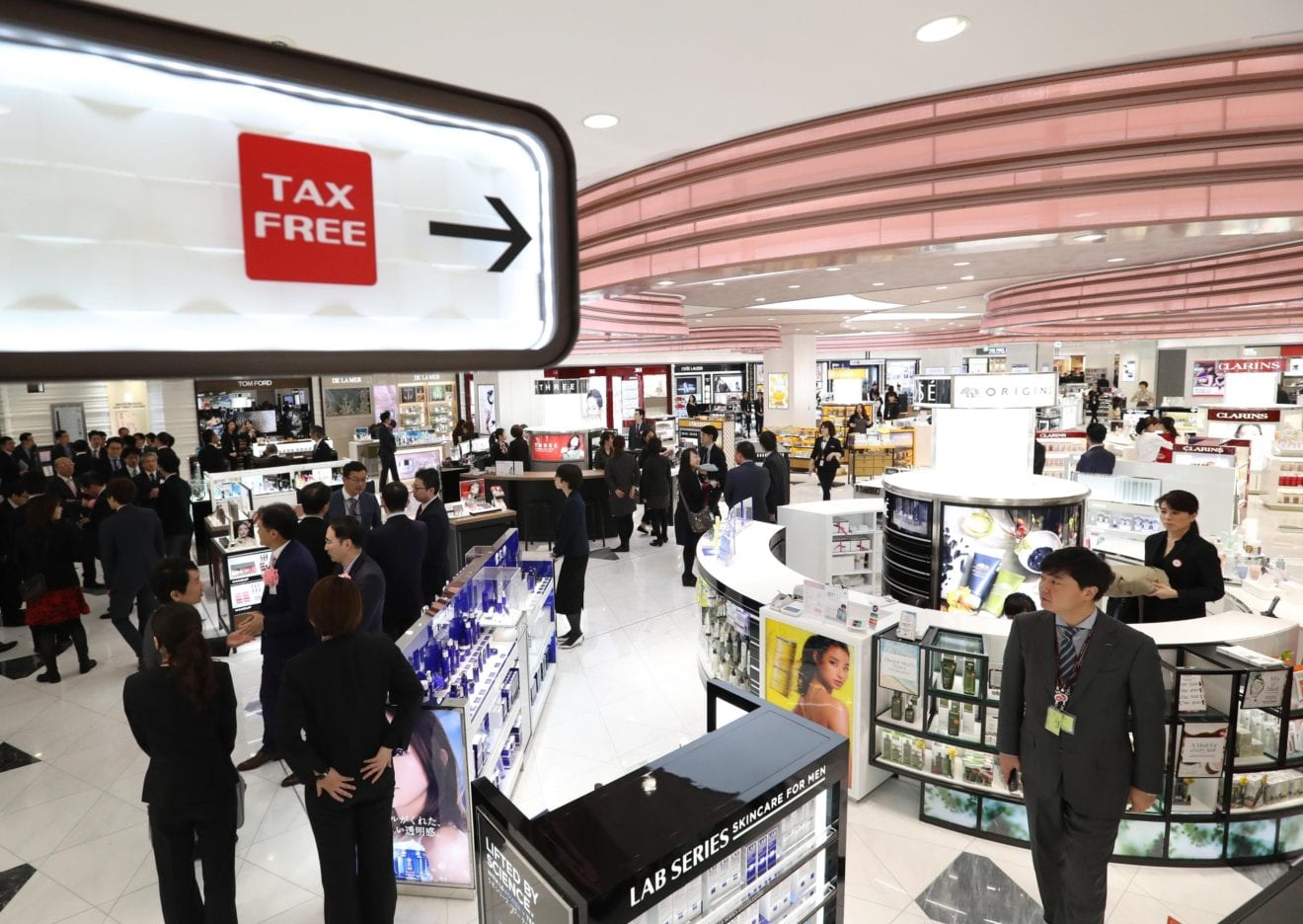
    Delhi Duty Free posted its highest ever sales in a single month in June, hitting US$ 15.1 million. This compares to US$ 13.9m in the corresponding month last year. June also saw the highest daily sales yet (US$625,000), over +50% growth in Shop & Collect sales, and the highest ever sales in the beauty and liquor categories. In the latter, a record than 53,000 bottles of Johnnie Walker Black Label were sold.

    Delhi Duty Free CEO Luke Gorringe said: “Overall it has been a good start to the year, particularly in light of the tough travel retail business environment and ongoing new shop fit-outs. We enjoyed strong growth in June, even though our arrivals trading area was reduced by -50%. I would like to thank our great team, our suppliers and shareholders and of course our loyal customers, who are all key to this success. We have much to look forward to in the coming months with the opening of new shops featuring exclusive brands and concepts that are going to elevate the customer experience in Delhi Duty Free.”

    The company said it was poised to continue its growth momentum, with investment in staff training and skills alongside new product offers and marketing campaigns.

    In 2016, Delhi Duty Free delivered revenues of over US$146 million, from US$140 million a year earlier.

  • Bharti Airtel eyes Tata’s assets

    Bharti Airtel eyes Tata’s assets

    India may see a mega merger this year, if reports out of the region are correct. Tata Group has long been seeking a way to reconfigure its capital structure and relieve the pressure of its debt, and they may have found a way to do it with the help of the rival Bharti Enterprises group.

    The two companies are talking about some sort of merger of Bharti Airtel with Tata Teleservices, Tata Communications, and Tata Sky. Now, this would obviously have huge repercussions in the Indian market itself, and the prospect of Tata Communications and its global network infrastructure, top 6 internet backbone, and wholesale/enterprise customer base changing hands is another matter.

    Tata Communications has been a player global consolidation of telecommunications assets on both sides of the table over the years. They have been fixture in the submarine cable business ever since buying the Tyco Global Network and Teleglobe back in 2005. They also bought BitGravity to enter the CDN space back in 2011.

    More recently, the company has been monetizing assets to help with that debt load. Tata sold its South African unit Neotel to Liquid Telecom after a similar deal to sell to Vodacom collapsed. And they sold a majority stake in the company’s data center business to ST Telemedia last year.

    Should a deal happen and these assets land in the hands of Bharti Airtel, it might be that the winds of consolidation shift further. But in which direction is not that clear.

    That being said, it’s still just talk right now and in all likelihood will never be anything else. Until it is, of course.