Tag: india

  • RCom to stop offering 2G voice in eight circles

    RCom to stop offering 2G voice in eight circles

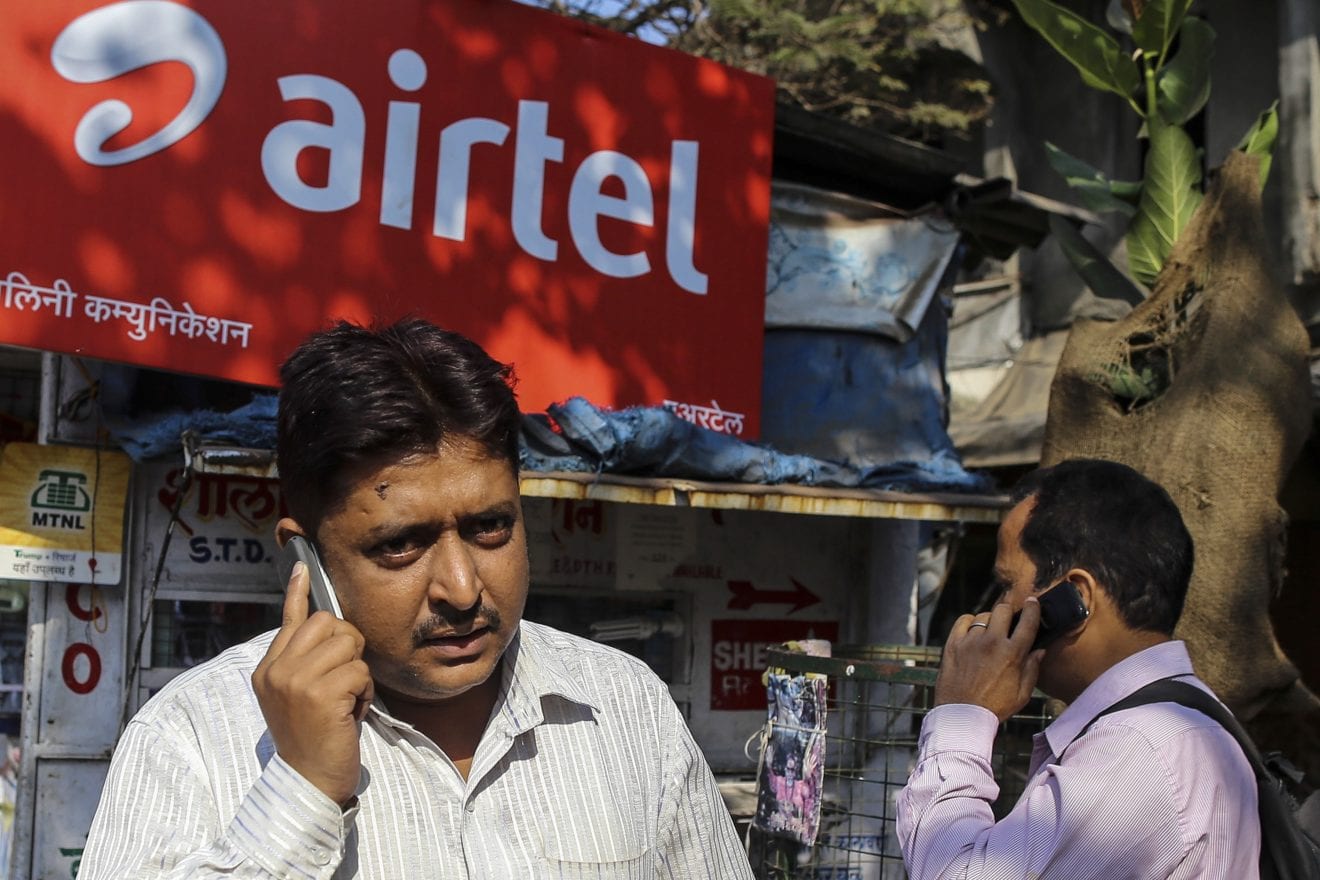
    Struggling Indian operator Reliance Communications will stop offering 2G voice services in eight circles from December as a cost saving measure.

    Telecoms regulator Trai has issued a direction stating that RCom plans to discontinue 2G GSM services in eight telecoms circles after the closure of the merger between RCom and Sistema Shyam Teleservices (SSTL), providing only 4G data services.

    RCom also plans to use the merger to upgrade its network from CDMA to LTE using the 800-MHz band in nine circles including Delhi.

    Trai has requested that all operator honor any porting requests from existing RCom customers and directed RCom not to deny any such requests from its own subscribers until the end of the year.

    RCom has been reconsidering its operations after failing to clinch a proposed merger with Aircel due to regulatory uncertainty and the objections of some creditors.

    The operator is grappling with debt of around 450 billion rupees ($6.95 billion) and had been hoping that the merger could help it reduce this burden.

    The RCom-SSTL share swap merger by contrast was approved last month. RCom will acquire around 2 million new customers, as well as 30 MHz of 800-MHz spectrum in eight of India’s 22 telecoms circles including Delhi.

  • Two new floors for Onitsuka Tiger Shinjuku

    Two new floors for Onitsuka Tiger Shinjuku

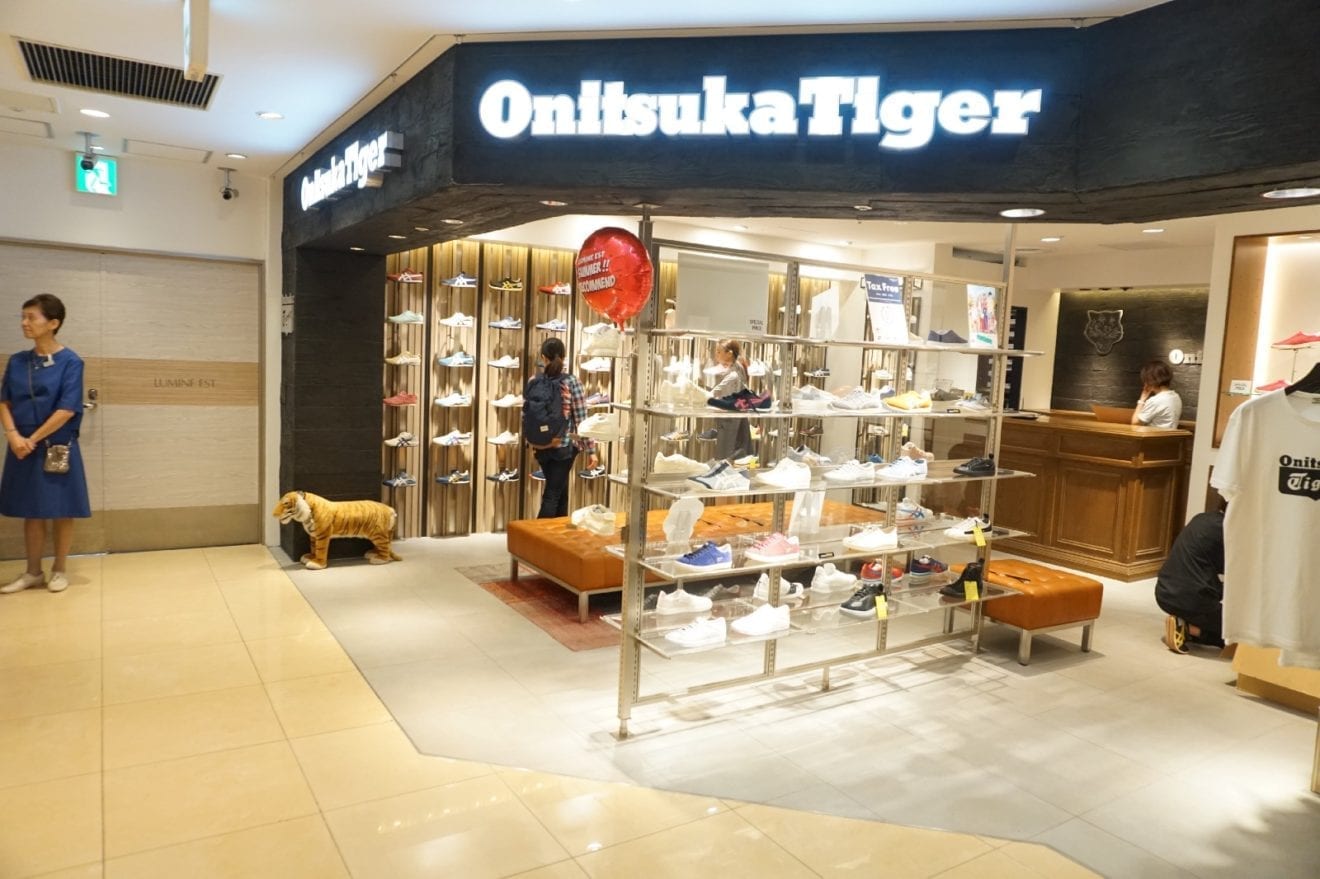
    Onitsuka Tiger Shinjuku store will open on Friday with an interior design that fuses traditional and futuristic along with eastern and western worlds, reflecting the sports fashion brand’s design philosophy.

    Its black-toned exterior makes its simple white name sign and gold logo stand out, while the entrance is framed with a subtle black and grey weave pattern.

    Staple items and the Nippon Made series are displayed on the ground floor, with clothing and accessories upstairs. The store is close to the NeWoMan shopping complex, Takashimaya Department Store and Japanese lifestyle store Tokyu Hands.

    To celebrate its opening, Onitsuka Tiger Shinjuku will offer a special on its white-and-blue California 78 Vin model. The retro design, based on shoes made when Japan was in the midst of a jogging boom, features tricolour stripes and reflective heels.

    Onitsuka Tiger India last month opened its first monobrand store, in Mumbai’s Palladium Mall.

  • RCom cleared to merge with SSTL

    RCom cleared to merge with SSTL

    India’s Reliance Communications (RCom) has secured approval from the Department of Telecom to merge with Sistema Shyam Teleservices (SSTL), operator of the MTS India brand.

    The telecoms ministry has granted final approval for the share swap deal.

    Under the terms of the merger agreement, SSTL shareholders will receive a 10% stake in RCom. RCom will meanwhile take on SSTL’s spectrum installment payment obligations, which amount to 3.9 billion rupees ($59.9 million) per year for eight years.

    RCom will in return acquire around 2 million new customers, as well as 30 MHz of 800-MHz spectrum in eight of India’s 22 telecoms circles including Delhi.

    The operator projects that the merger will contribute additional annual revenue of around 7 billion rupees. RCom reported total revenue of 35.9 billion rupees for the year ending in June, down 33% year-on-year.

    RCom had also been pursuing a merger with Aircel as part of the wave of consolidation sweeping India’s mobile market, but this deal collapsed recently due to regulatory uncertainty and opposition from some of the operator’s creditors. The operator is seeking to reduce its roughly $6.8 billion in debt by around $3 billion, and may pursue an asset fire sale to achieve this goal.

  • Airtel-Tata Teleservices merger good for the industry

    Airtel-Tata Teleservices merger good for the industry

    The planned merger between Bharti Airtel and Tata Teleservices’ consumer mobile business is a positive for both the deal participants and the industry as a whole, according to Fitch Ratings.

    Airtel announced last week that it plans to absorb Tata Teleservices’ consumer mobile business as well as its spectrum assets in the 850-MHz, 1800-MHz and 2100-MHz bands.

    Because the merger is being conducted on a cash and debt free basis, with Airtel only required to take on certain additional spectrum expenses, the deal is expected to slightly improve Airtel’s credit profile, Fitch Ratings said.

    It is also expected to help arrest the decline in Airtel’s ebitda and bolster its 4G network position.

    “Bharti will gain about 178.5 MHz of spectrum in the 850-MHz, 1800-MHz and 2100-MHz bands in 17 Indian telecom coverage areas, the right to use Tata Telecom’s extensive fiber network and 42 million subscribers that will add to its existing Indian subscriber base of 281 million,” Fitch Ratings said in a research note.

    “We estimate the consumer mobile business of Tata Telecom generated revenue of around $1.1 billion to $1.2 billion and a small [positive] ebitda in FY17, compared with Bharti’s revenue of $14.7 billion and ebitda of $5.4 billion. Bharti’s revenue market share will increase by 4-5 percentage points to around 37%-38%.”

    Tata Group will meanwhile be able to exit the consumer mobile segment, avoiding potential future losses. The group’s consumer mobile business been a drain on the company’s profit for some time. The company plans to retain Tata Teleservices’ enterprise fixed line and broadband business.

    Finally, the deal marks another move towards industry consolidation in India’s formerly overcrowded mobile market, Fitch noted.

    “[This consolidation] has been accelerated by the entry of aggressive new operator Reliance Jio. Since Jio’s launch in September 2016, the industry has consolidated into three large operators from over 10 participants,” the company said.

    “Weaker telcos have had to exit the market by selling their operations to the stronger telcos, which have had to rethink their long-term plans.”

  • Mango India moves offline with store in Delhi

    Mango India moves offline with store in Delhi

    Mango India has moved on to the ground with a store in Delhi in conjunction with its e-commerce business partner Myntra.

    In turn, Myntra has partnered with select retail companies to curate the Spanish apparel company’s offline business and help it expand its omni-channel strategy in India.

    Mango’s expansion plan comprises 25 store openings in India over the next five years. Its first store, at Select Citywalk Mall in Delhi’s Saket district, was launched with an event hosted by model/actress Ileana D’Cruz. The second store will open at Phoenix Mall in Mumbai next month, to be followed by three more openings before year’s end.

    Delhi’s store has advanced technology to provide a seamless shopping experience. It sets the style for the stores to come, featuring integrated inventory and the “endless aisle” concept. Customers can browse the Mango collection on an in-store tablet, check out product details and availability, and have goods from other stores delivered to their home. The tablets also provide personalised recommendations based on purchase history, and advise customers about new products and styles.

    By using the assisted-checkout feature on the tablets, customers will be able to skip queues.

    Mango chose Myntra in 2014 to help develop its online business in India. Already Mango has become one of the five top-selling women’s western-wear brands on Myntra marketplace, with annual growth rates exceeding 100 per cent.

    “Myntra’s expertise has allowed us to reach virtually every corner of India and increase our customer base exponentially,” says Mango executive VP Daniel Lopez. “Following an omni-channel strategy and having physical stores will allow us to generate value for consumers by improving their shopping experience”.

    Founded in 1984, Barcelona-based Mango has stores  in 110 countries. Every year it designs more than 18,000 garments and accessories, and closed its latest financial year with sales of  €2.26 billion (US$ 2.6 billion).

    Myntra marketplace lists more than 2000 fashion and lifestyle brands such as Adidas, Diesel, Ferrari, Harley Davidson, Levi’s, Nike, Puma, Timberland and Wrangler.

  • Airtel to buy Tata Group’s consumer mobile business

    Airtel to buy Tata Group’s consumer mobile business

    India’s Bharti Airtel has agreed to acquire Tata Teleservices’ consumer mobile businesses as part of the wave of consolidation sweeping the sector.

    Under the agreement, Airtel will absorb Tata Teleservices’ consumer mobile businesses across 19 of India’s 22 telecoms circles, the Economic Times reported.

    The acquisition has been approved by the boards of Airtel, Tata Sons, Tata Telervices and Tata Teleservices Maharashtra.

    It will cover all customers and assets of Tata’s consumer mobile business, including 178.5 MHz of spectrum across the 850-MHz, 1800-MHz and 2100-MHz bands. It will also provide Airtel with a right to use part of Tata’s fiber network.

    According to the report, the merger is being conducted on a debt and cash free basis, but Airtel will assume part of Tata’s unpaid spectrum acquisition debt.

    The deal is a lifeline for Tata Group, which had been considering shutting down Tata Teleservices altogether due to ongoing losses. The company will split off and retain ownership of Tata Teleservices’ enterprise fixed line and broadband business.

    The company is in initial stages of exploring combining this enterprise business with Tata Communications and its retail fixed line and broadband business with Tata Sky. Tata also plans to retain its stake in tower company Viom Networks.

  • Oppo Mobiles India given nod to open stores

    Oppo Mobiles India given nod to open stores

    Oppo Mobiles India has been granted approval to open single-brand retail stores, meaning the Chinese smartphone maker can now sell directly to consumers in addition to its wholesale business.

    The Foreign Investment Promotion Board announced the approval on its website, and has also approved luxury goods retailer Louis Vuitton’s application to open its own stores in India.

    India allows foreign firms to sell directly to consumers through the “single-brand retail” system, but companies need to source 30 per cent of the products locally. India moved to partially relax those conditions last year, exempting foreign retailers for three years from the 30 per cent local-sourcing rule.

  • AirAsia now connects Bali and Kolkata

    AirAsia now connects Bali and Kolkata

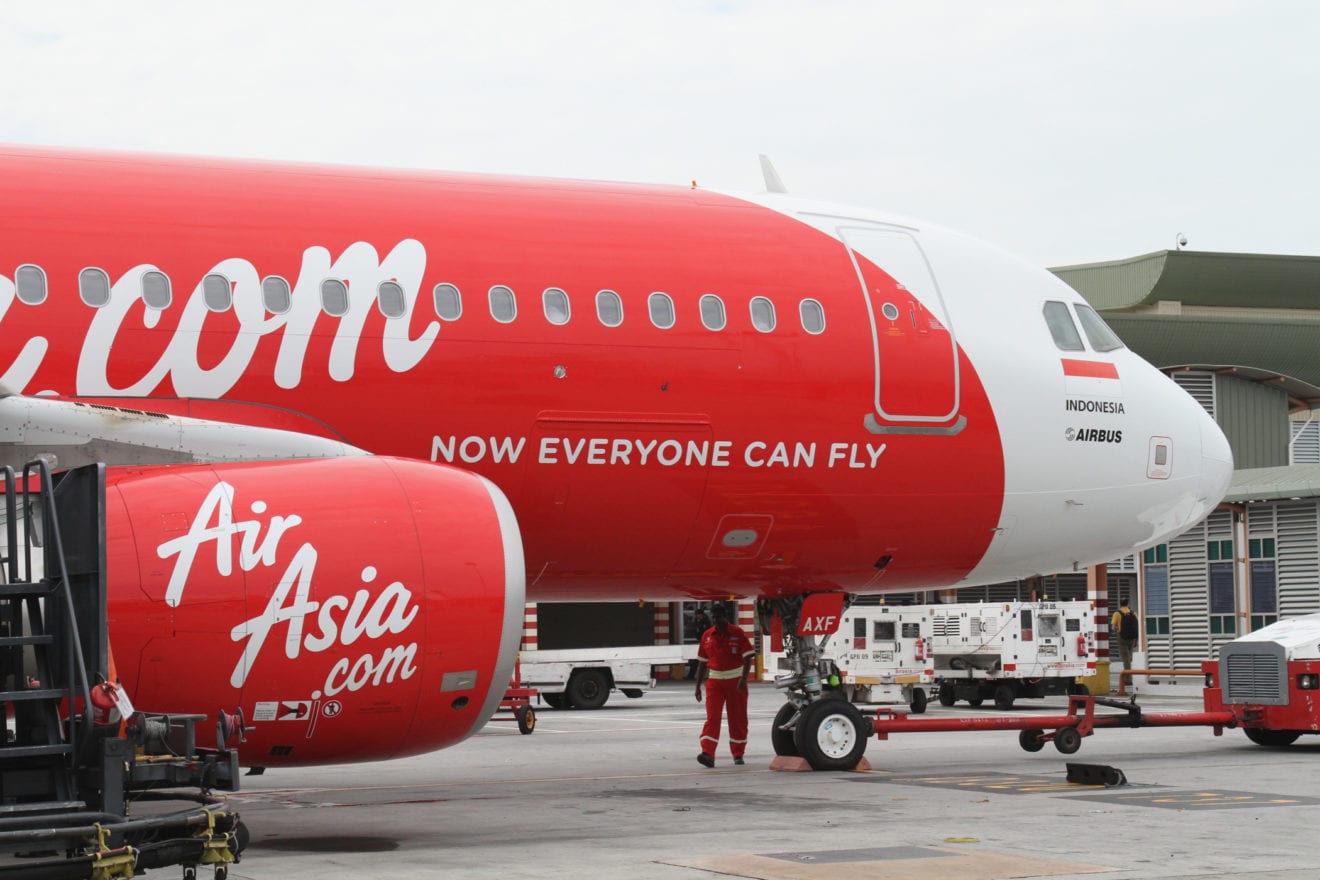
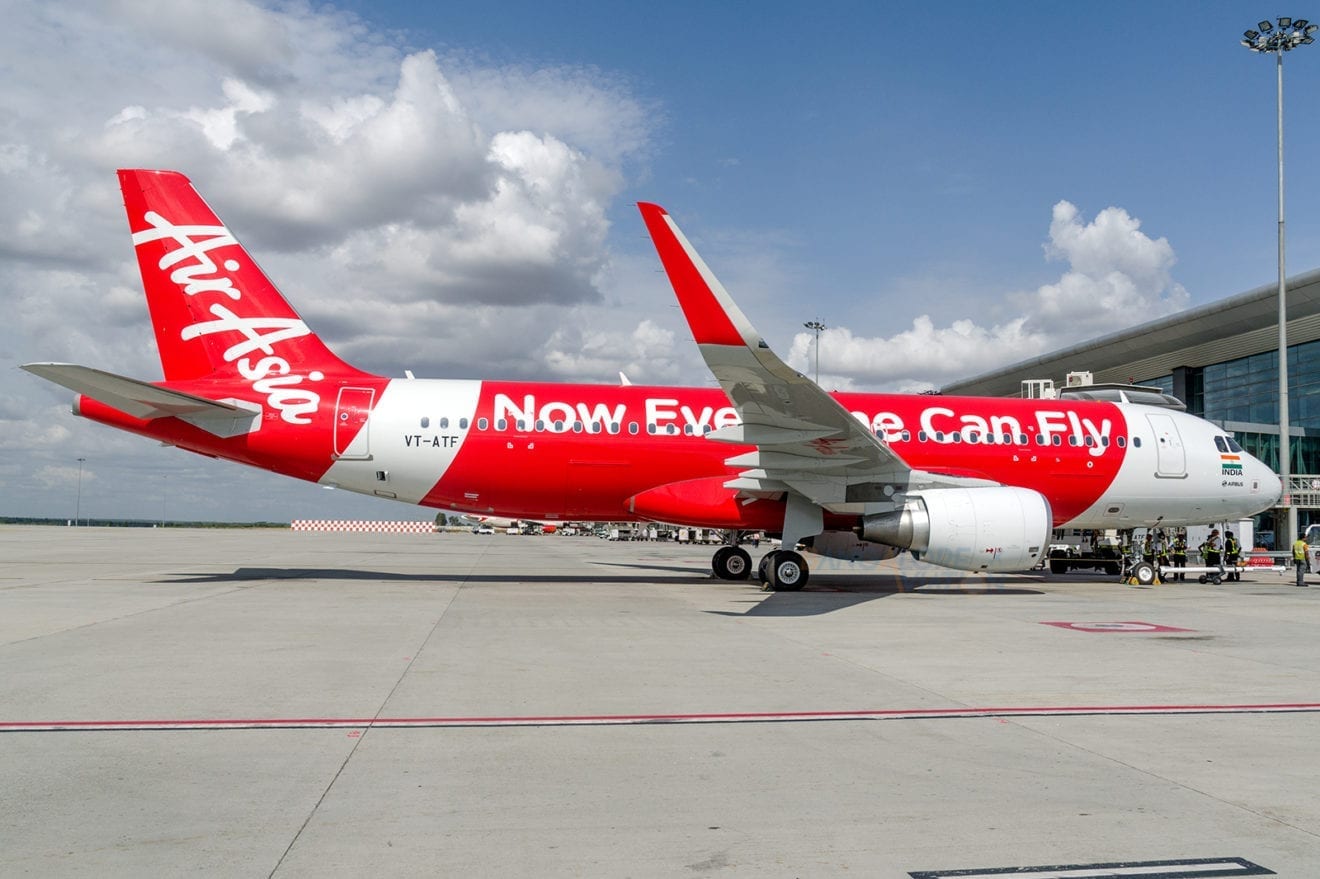
    AirAsia Indonesia inaugurated its new flight route from Bali to Kolkata in India on Oct. 4.

    The service offers four flights a day departing from I Gusti Ngurah Rai International Airport in Bali and arrives at Kolkata’s Netaji Subhas Chandra Bose.

    Upon landing, the maiden flight, which used an Airbus A320-200 airplane, was greeted with a water canon at the airport in Bali.

    According to AirAsia Group CEO for Indonesia Dendy Kurniawan, the ticket sales for this route was first made available on Aug. 17 in accordance to the 72nd anniversary celebration of Indonesia’s Independence Day.

    “We want to emphasize that this expansion is only possible due to the hard work of the Transportation Ministry. We are currently in the first category of the FAA safety rank and we really appreciate it,” said Dendy.

    Following the launch of the new service, AirAsia now offers two routes to India as it previously launched Bali – Mumbai flight in May.

    This also marks the fourth international route from AirAsia Indonesia after Bali – Narita, Bali – Mumbai and Jakarta – Macau.

    The travel time between Bali from Kolkata is 7.5 hours including a short transit in Kuala Lumpur, Malaysia.

    India has the second highest growth percentage for the number of tourists to Indonesia with 27 percent per year, right behind China with 45 percent per year.

  • FirstCry talking with potential investors

    FirstCry talking with potential investors

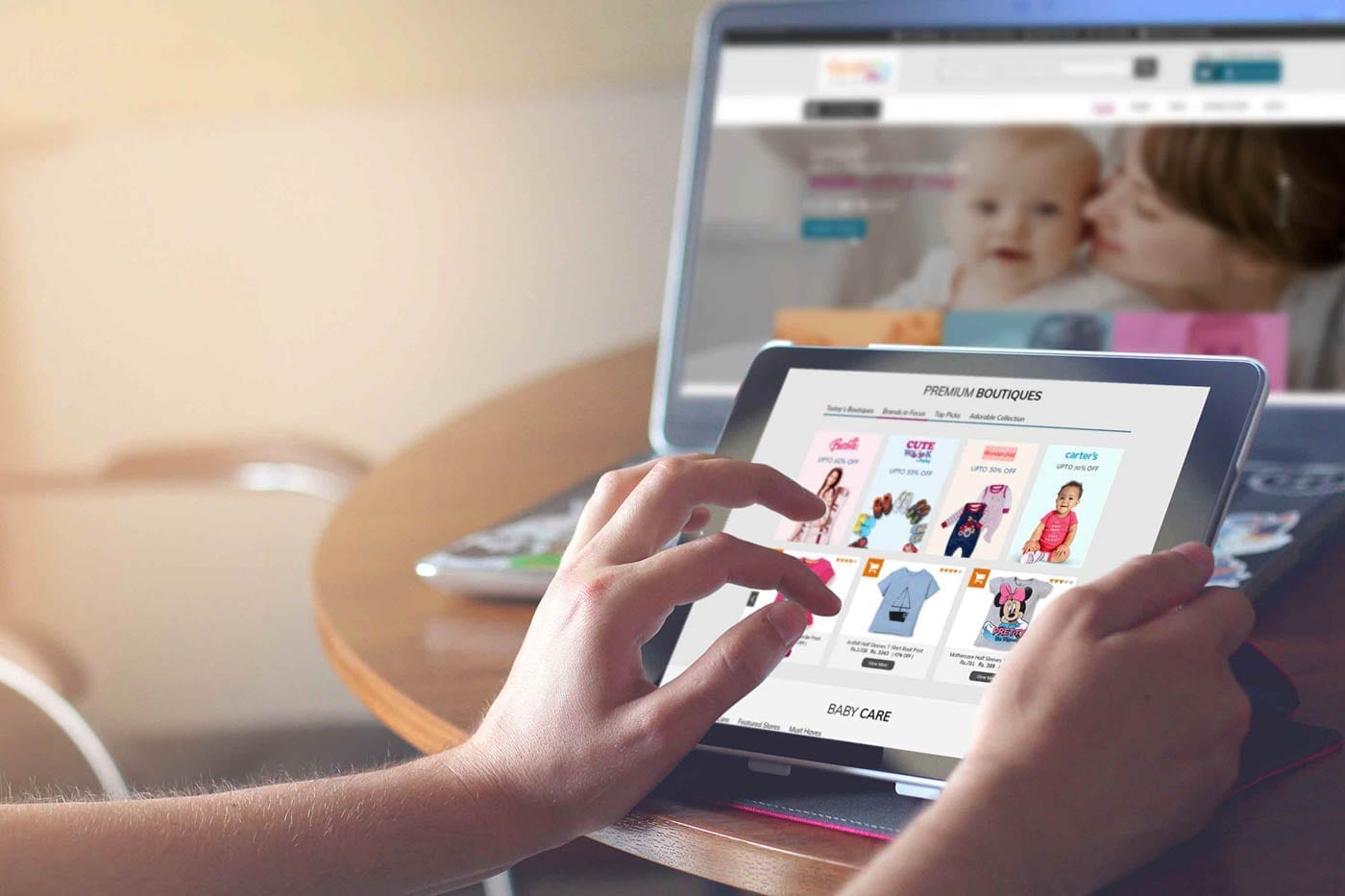
    Indian online baby products retailer FirstCry is talking with potential investors, including Singapore government investment fund Temasek Holdings, to raise equity financing of about US$100 million (Rs665 crore).

    FirstCry owner Brainbees Solutions is ultimately seeking to raise $400-500 million, reports The Economic Times. The Pune-based company was estimated to be worth $300-350 million when it last raised capital 12 months ago.

    Two years ago, FirstCry spun off its logistics arm Xpressbees Logistics as an independent business. A year ago it acquired Mahindra Retail for about Rs362 crore. The Mahindra Group subsidiary owned the Babyoye brand.

    Government-backed investment company Temasek manages assets worth about $275 billion globally. In India it has backed online marketplace Snapdeal, automobile classified portal CarTrade, and online insurance aggregator PolicyBazaar, as well as other companies.

    Meanwhile, India’s baby and child-specific product market is expected to grow at a CAGR of 8 per cent, reaching Rs2940 crore by 2021, according to a Euromonitor report.

  • Thai AirAsia adds two new destinations in India

    Thai AirAsia adds two new destinations in India

    Thai AirAsia commenced two new routes from Bangkok Don Mueang (DMK) to India. Flights from the Thai airport to Tiruchirappalli (TRZ) commenced on 28 September, followed by the inaugural service to Jaipur (JAI) on 29 September. Both routes will be served four times weekly by Thai AirAsia A320s. There is no competition on either route. The airline now serves six destinations in India from Don Mueang, accounting for 32 weekly flights.

  • RCom-Aircel merger deal collapses

    RCom-Aircel merger deal collapses

    India’s Reliance Communications (RCom) has called off a planned merger of its wireless business with rival Aircel as a result of regulatory uncertainty and opposition from some creditors.

    RCom had been planning to merge its wireless business with Aircel to create a 50:50 joint venture with Aircel parent company Maxis, in a deal aimed at reducing its debt burden by around $3 billion.

    But the company announced on Sunday that its merger agreement with Aircel has now “lapsed by mutual consent” due to “legal uncertainties” and “interventions by vested interests” – referring to creditors to the company.

    RCom will now have to pursue alternative methods of reducing its substantial debt burden of around 450 billion rupees ($6.8 billion).

    LiveMint reports that the operator now plans a fire sale of assets ranging from spectrum to real estate as part of a plan to reduce its debt by around 250 billion rupees. This will partly involve adopting a 4G focus to allow it to monitize its existing 2G and 3G spectrum.

    RCom is also planning to sell its tower business and had been seeking to fetch around 110 billion rupees from the sale, but this will need to be revised now that Aircel’s tenancies will no longer be included in the deal.

  • Tata Comms trials live 360-degree video streaming

    Tata Comms trials live 360-degree video streaming

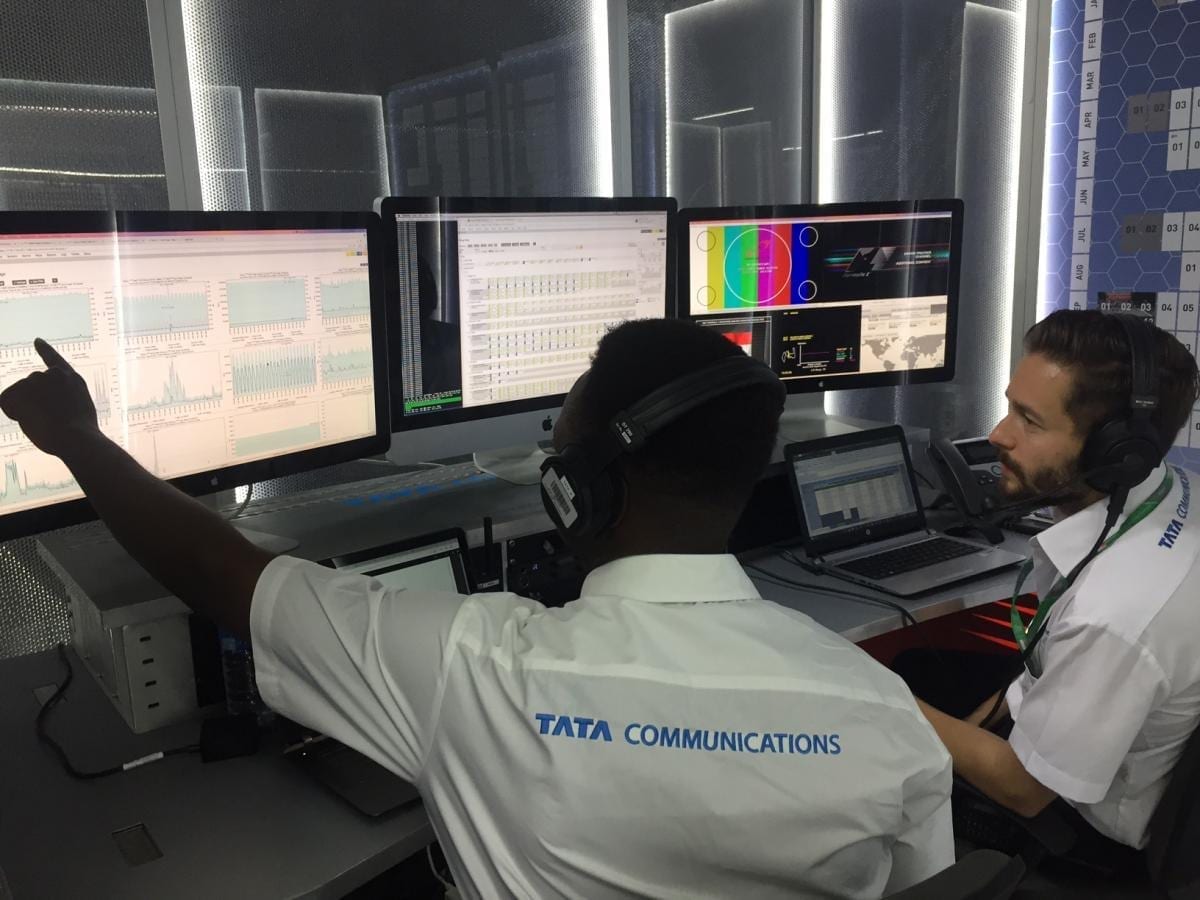
    Tata Communications and Formula 1 have conducted a test of truly live 360-degree video streaming at the 2017 Formula 1 Singapore Airlines Singapore Grand Prix.

    To-date, any 360-degree video experiments in sports have been hampered by a 30-second delay between the 360-degree video and live TV feeds, preventing a widespread adoption of the technology.

    This proof-of-concept by Tata Communications and Formula 1 is the first time when the live 360-degree video feeds and TV broadcast have been shown in complete sync.

    There were two 360-degree cameras at the Marina Bay Street Circuit in Singapore in the trackside and paddock to show how viewers at home could immerse themselves in the world of F1 and experience these exclusive areas through a virtual reality (VR) like environment via the Official F1 App.

    For example, during a Grand Prix build-up, fans could use their tablet to access a live 360-degree video feed from the paddock and see the biggest names in the sport. Or, during a race, as a driver pulls into the pits for a tyre change, fans could complement the action on TV with a 360-degree view of everything that is happening in the pit lane in real-time.

    The live video feeds from the two cameras were distributed from the Marina Bay Street Circuit in Singapore back to Europe using Tata Communications’ Media Ecosystem. This includes the Video Connect service, which brings together traditional video contribution and IP connectivity globally in the cloud, underpinned by Tata Communications’ global network.

    “Eliminating the delay in 360-degree video means that, for the first time, it’s possible to offer fans truly live 360-degree video experiences on a global scale,” said Mehul Kapadia, managing director of Tata Communications’ F1 Business.

    “This will enable sports and entertainment organisations to engage with their audiences in new ways and generate new revenue streams – helping the 360-degree video and VR market achieve its $60 billion potential,” said Kapadia.

  • Airtel, Idea fail to gain stay on IUC cut

    Airtel, Idea fail to gain stay on IUC cut

    India’s Bharti Airtel and Idea Cellular have failed to secure a court injunction on a  recent regulatory decision to slash and eventually abolish the interconnection usage charge (IUC).

    The two operators petitioned the Bombay High Court seeking an order to halt the implementation of

    regulator Trai’s order to reduce the IUC to 6 paise ($0.001) per minute from the current 14 paise.

    But the court declined to grant the stay  before the cut took effect yesterday. The court has nevertheless agreed to hear the operators’ arguments against the cut next month.

    Trai revealed last month  that the IUC will be cut starting this month, and will be abolished altogether from the start of 2020.

    The move has the potential to cost incumbent operators up to a combined 50 billion rupees ($765.5 million) in revenue annually, and to benefit newcomer Reliance Jio by the same amount, although Jio has denied that it stands to gain from the decision.

  • India to draw up 5G roadmap

    India to draw up 5G roadmap

    Both India and Pakistan have this week taken steps towards the introduction of 5G in their respective countries.

    The Indian government has set up a panel to draw up a roadmap for the rollout of 5G in the nation by 2020.

    With the 5G committee, the government aims to avoid a repeat of the delayed adoption of 4G, with telecoms minister Manoj Sinha stating that the government aims that India will be on par with other 5G adopters in 2020.

    In August, Indian telecoms regulator Trai launched a consultation on the design of 5G deployment regulations and standards, covering details including valuations, spectrum caps and rollout obligations for 5G spectrum.

    Indian operators are meanwhile preparing for the arrival of 5G, with incumbent operator Bharti Airtel announcing this week that it is deploying MIMO technology on its network.

    Meanwhile in Pakistan, the federal cabinet has approved the issue of a policy directive to regulator PTA that will allow local operators to conduct 5G tests.

    One operator – China Mobile’s ZONG – has already indicated it is ready to test 5G if given permission. But the PTA has not yet revealed its plans for assigning test 5G spectrum to various operators.

  • Harrys of London taking steps toward India

    Harrys of London taking steps toward India

    Luxury men’s footwear and accessories brand Harrys of London has plans to enter India. Its first outlet will be in Delhi, followed by Mumbai early next year.

    Founded in 2001 and with stores in more than 20 countries, Harrys of London is seeking franchise partners in India.

    “India is an important market for us with our target group being businessmen and travellers between 25 and 60 years old,” says CEO Steven Newey. “Our collection ranges from contemporary London and formal footwear to sneakers.”

    The company also sells travel bags, wallets, shoe-care products, scarves and belts.

    Harrys plans to open five to six stores in India over the next five years and expects to earn £1 million (US$1.3 million) a store.

    “We have been growing at an annual rate of 20 to 25 per cent, and we sell 25 pairs of footwear every month, on average,” says Newey. “In five years, our India stores will be able to earn five to six million pounds.”

    The company, which has its own e-commerce platform, has its footwear manufactured in Italy.

    About 60 per cent of India’s branded footwear market is for men, according to KPMG figures.

    While the branded market is dominated by old brands like Bata, Liberty and Relaxo, much of the segment is unorganised.

    Meanwhile, with increasing disposable income and brand awareness, the men’s footwear segment is growing at a rate of 10 per cent while the women’s category is growing at 20 per cent, says KPMG.