Tag: india

  • Coca-Cola is yet to crack the code in Indian market

    Coca-Cola is yet to crack the code in Indian market

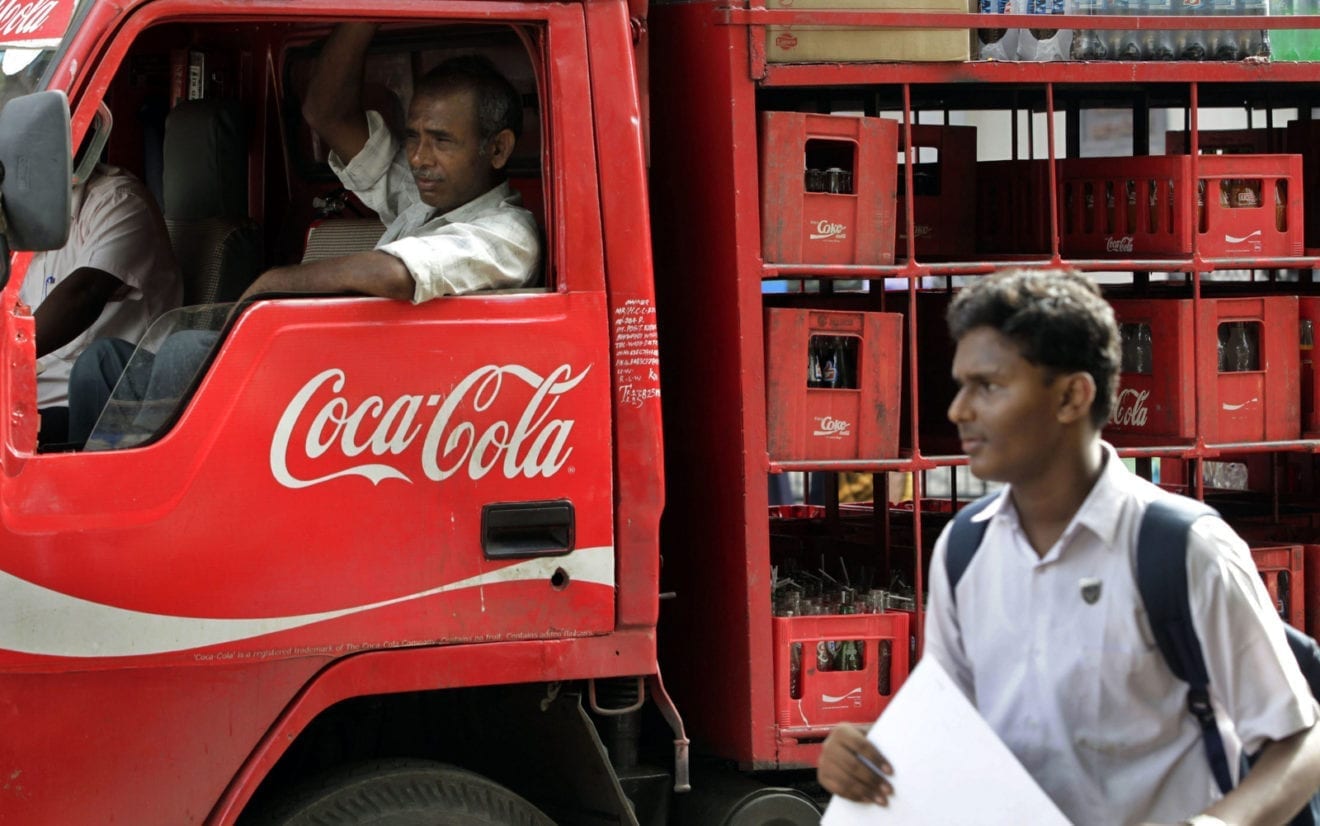
    Coca-Cola, the world’s largest beverage company, has not been able to crack a section of the Indian market even with brands such as Sprite, Maaza and Thums Up.

    India is “a different story,” John Murphy, President of the Asia Pacific Group of Coca-Cola, said at the company’s investor’s day conference in Atlanta, referring to a market of almost 300 million people in the bottom half of the pyramid in India that is yet to take to the global soft drink brands.

    “We have tried so many times in my time in the Coca-Cola system to crack the code there and we haven’t done it. We have got a team of pretty smart people who want to have the legacy to be the first to do so,” he said. India is the US giant’s sixth largest market and Coca-Cola is the country’s leading beverage maker.

    “In India we have leader brands, but we have an industry that is very underdeveloped,” Murphy said at the conference on November 16, adding that in China, Coca-Cola has a value share of an industry that is actually quite huge.

    He said Sprite, Maaza and Thums Up have tremendous equity in India and the company’s job is to leverage those brands to help grow the industry.

    “We’re excited with the work we have under way to do that. In addition, we have a couple of other categories that we believe have tremendous room for growth as we go forward and the good news is there are not too many there yet who have cracked the code on leadership in those categories,” Murphy said.

    Sales growth for soft drinks in India has tapered as urban consumers opt for low-sugar beverages and rural buyers cut discretionary spending. Smaller regional brands that are cheaper are getting popular, hurting the prospects of global beverage companies including Coca-Cola and Pepsi.

    Addressing investors and company executives across the world, including global president James Quincey, Murphy said the beverage maker had, over the past three years, launched over 500 products in Asia-Pacific.

    The runway for growth across Asia-Pacific is significant, given that 52% of the world’s population lives in the region, he said.

    “The beverage landscape in Asia-Pacific is very different today than you have seen in other parts of the world. Seven out of every 10 beverages consumed in Asia-Pacific are non-commercial,” he said.

    Asian consumers have something in common — whether they are in Japan, India or China.

    “Home rituals are important, hence the prevalence of self-home beauty, homemade juices. They love a lot of stuff, sweet, unsweet, hot, cold, gooey, un-gooey — you name it. They are very trend conscious increasingly in today’s environment and those trends are influencing the repertoire of beverages that they are trying and they love to try,” Murphy said.

    Mentioning the launch of mosambi juice under its Minute Maid franchise, Murphy said marrying a local desired fruit to a global brand creates value. The move to localise to the last mile with ethnic flavours and leveraging local fruit-based beverages is aimed at fighting back the onslaught of regional brands.

    Recent examples include ethnic flavours in carbonated soft drinks such as jeera drink RimZim and grape-flavoured Portello.

  • Can Japan’s Uniqlo make it big in India?

    Can Japan’s Uniqlo make it big in India?

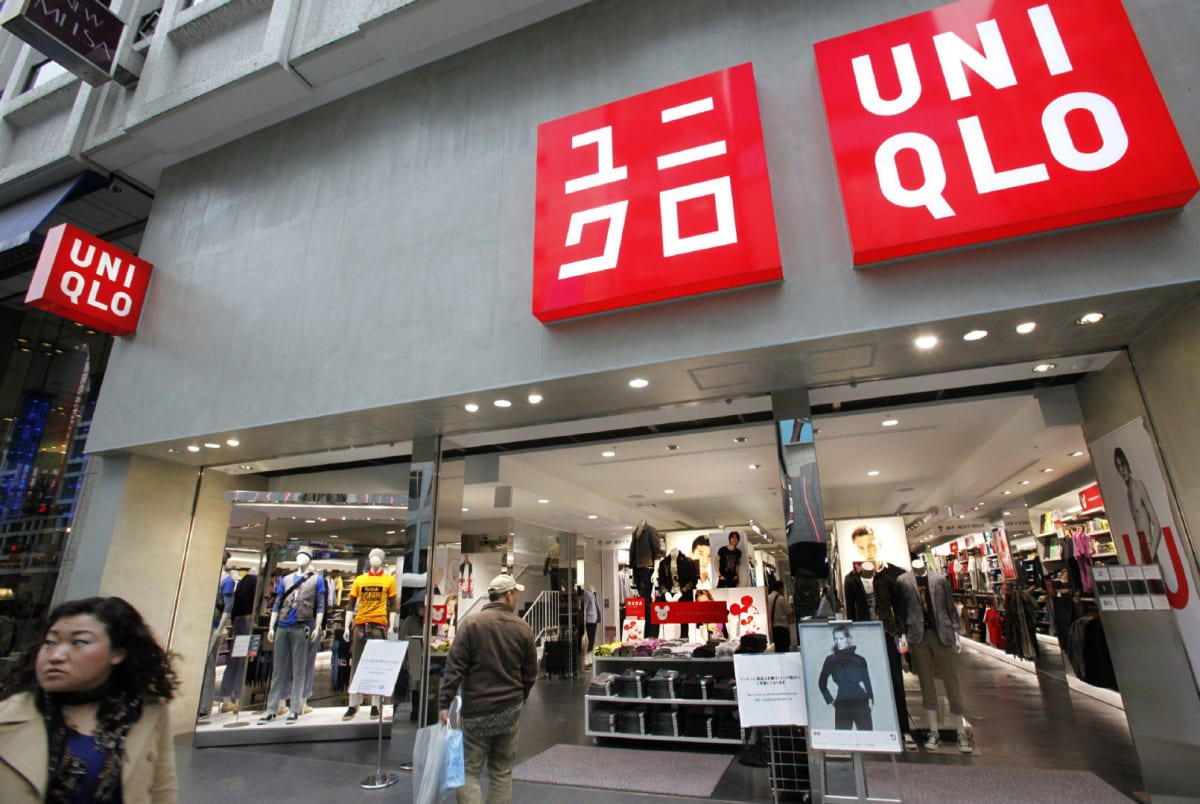
    Japanese brand Uniqlo, Asia’s largest apparel retailer, is all set to enter India. The Fast Retailing Co-owned brand, popular for its casual clothing in solid colours and iconic lightweight jackets, has sought the approval of India’s department of industrial policy and promotion (DIPP) to undertake single-brand retail trading in the country.

    If its proposal is cleared, Uniqlo will join the ranks of fast-fashion brands such as Zara, Forever 21, and H&M to open stores in Asia’s third-largest economy, where fashion retail is a $70 billion business. And here, its range of winter-wear, polos in solid colours, linen shirts, and other minimalistic offerings could well lure legions of young, aspiring shoppers hunting for branded clothing.

    While Uniqlo’s positioning and fashion are visibly different from that of Spanish retailer Zara and Swedish label H&M, with more focus on basic clothing and a strong line-up of winter wear, the brand will have to work on its pricing, communication, and styles to suit Indian shoppers, said retail experts.

    That’s because, unlike in other Asian markets, the brand is quite niche in India. “Not too many Indians know it as (well as) they know a Zara or H&M, so expansion is going to be a big challenge,” Pankaj Renjhen, managing director-retail at real estate consultancy JLL India, said. “Since Uniqlo is a basics brand…its positioning will have to be in line with that, which means the sizes and pricing will need to be tailored to India.”

    But what is likely to work for Uniqlo is its plain linen shirts and trousers that may find takers among India’s young office-goers seeking business casuals. Also, the Japanese firm offers a mix for both men and women, unlike Zara and H&M that mostly target the later. “While Zara and H&M are high on the fashion quotient, Uniqlo will have an appeal with the more young, office-going crowd as it offers casual wear at affordable prices,” said Ankur Bisen, vice-president of retail and consumer products at Technopak. “It also has a wide range for both men and women.”

    Uniqlo’s interest in India comes at a time when the retailer, which first opened a shop in Hiroshima in 1984, has been expanding its presence outside Japan where it holds a 6.5% share of the apparel market. In its most recent earnings report, the Fast Retailing Co posted a record operating profit of $1.57 billion for the year ended August 2017, bolstered by a jump in Uniqlo’s international business.

    For India, it has spent years evaluating the country’s policies. India allows foreign retail companies to invest directly in single-brand retail trading but has local sourcing requirements. Top Uniqlo officials have on several occasions met Indian government representatives to discuss its India debut. “India is a market with great potential,” a company spokesperson told Bloomberg, adding, “At the moment, we are awaiting word from the government, and we will be able to discuss potential future steps at a later date.”

  • King Strengthens Candy Crush Licensing Categories, Adding New Jewelry lines to its Offering

    King Strengthens Candy Crush Licensing Categories, Adding New Jewelry lines to its Offering

    King Digital Entertainment, a leading interactive entertainment company for the mobile world, continues to expand its Candy Crush consumer products offering, with a new range of jewelry by leading Indian designer Mrinalini Chandra. Fans and candy-lovers around the world will be able to get their hands on a range of necklaces, bracelets, earrings, brooches and rings inspired by the deliciously sweet world of Candy Crush. The deal was facilitated and is being managed by Dream Theatre, King’s licensing agent in India and South Asia.

    The range comprises of two parts; the more competitively priced range features 2D colored candy shapes while the premium range is made from gold and features 3D versions of the candies. The premium range also offers a series of Kaleera.

    The collection comprises of Necklace, Choker necklace, Ring, Cuff bracelet, Earrings, Charm necklace, Charm bracelet, Brooch pin in couture range and Y necklace, Two finger ring, Single finger ring, Lariet necklace, Candy Unit brooch, Earring, Hoop earring, Open bangle, Bracelet in mass range.

    “We’re delighted to be able to offer an array of Candy Crush inspired jewellery to long-time fans of the game,” said Philippe Bost, VP International Consumer Products, Activision Blizzard. “Our colourful designs are really brought to life by this striking jewellery range and the Kaleera series will add extra sweetness to any bride’s special day.’’

    Commenting on the range, jewelry designer Mrinalini Chandra said: “We are very excited about our collaboration with Candy Crush.  Our jewelry will comprise of hand crafted pieces inspired by the game with a quirky but chic aesthetic that is emblematic of our label. It will incorporate traditional craft techniques of Meenakari and Jaali from India infused with modern design aesthetics. Launching in the festive season, the range has something to offer every candy-lover.”

    Founder and CEO of licensing company, Dream Theatre Pvt. Ltd, Jiggy George said “We are thrilled to have facilitated this partnership between Candy Crush and Mrinalini Chandra. The collection is stunning, making it ideal for Candy Crush fans and fashionistas alike.”

    The collection is launched on 29th November 2017, just in time for the Christmas season, and will be available on www.mrinalinichandra.com and leading ecommerce sites.

    Candy Crush Saga is one of the world’s most popular mobile games in the world and along with its sister titles, Candy Crush Soda Saga and Candy Crush Jelly Saga, is played by many millions of people every day. Candy Crush Saga and its sister title, Candy Crush Soda Saga, are two of the top 10 grossing mobile games in the U.S. Over one trillion game rounds have been played in Candy Crush Saga alone since its launch.

    King continues to grow its consumer products offering across the globe supported by its global network of 19 licensing agents. King has signed 145 licensees to date.


  • Uniqlo seeks single brand retail licence in India

    Uniqlo seeks single brand retail licence in India

    Uniqlo has applied to open stores in India, in a bid to rival fellow fast-fashion retailers Zara and H&M, two global firms that are already dominating the Indian retail landscape.

     The Japanese fashion brand, owned by Fast Retailing Company, has officially submitted its proposal to the Department of Industrial Policy and Promotion (DIPP), which will allow it to set up single brand retail stores in India.

    As per India’s foreign direct investment (FDI) policy, 100% equity investment is allowed in single brand retail trading. FDI of up to 49% is permitted automatically, however in respect of proposals involving FDI beyond 51%, it is mandatory to source 30% of the value of goods purchased from India.

    In regards to Uniqlo, it remains unclear how much the Japanese firm will be investing, but India is intent on expanding its global reach via India and was expected to enter the Indian market this year. The firm has delayed its launch, citing location issues to set up their stores.

    “Fast Retailing believes India is a market with great potential, and can confirm that the company has taken the first step towards a later introduction of Uniqlo to customers in India. At the moment, we are awaiting word from the government, and we will be able to discuss potential future steps at a later date,” a spokesperson of Fast Retailing in Tokyo told the Economic Times.

    Fast Retailing had record net profits of 119.2 billion yen (895.5 million euros) in the financial year ended in August, up 148% on the previous year according to the company’s accounts. Revenue increased by 4.2% to 13.9 billion euros.

    However, Uniqlo’s local Japanese market has softened due to poor consumer sentiment in the region, and as a result, Fast Retailing has had to look elsewhere – mostly in Asia and the US – to garner revenue growth. The firm more recently launched apparel vending machines as a soft-launch in the US, to test the retail waters.

    In November 2017, the group said Tadashi Yanai, the founder and president of Fast Retailing, would retire in 2019.

  • Amazon India to support female entrepreneurs

    Amazon India to support female entrepreneurs

    Amazon India has launched an exclusive online store for women entrepreneurs.

    It is rolling out it Amazon Saheli initiative in partnership with non-government social-service entities Impulse Social Enterprise and Self-Employed Women Association (Sewa). The store will enable women entrepreneurs to sell their products online (“saheli” is Hindi for “women’s friend”).

    “Through Amazon Saheli we aim to bring a change in the lives of thousands of women entrepreneurs with the help of our partners,” says Amazon India director/GM seller services Gopal Pillai.

    Sewa founder and social worker Reema Nanavati says the partnership will not only provide women entrepreneurs access to millions of new customers and become economically secure, but will also generate employment opportunities for many more young women.

    The store will feature exclusive products like handicrafts, apparel, handbags and home-decor items made by women entrepreneurs.

    Meanwhile, Amazon India has been running workshops across the country to familiarise women entrepreneurs with the benefits of e-commerce.

    For the Saheli store, the e-commerce firm is offering women vendors such benefits as subsidised product cataloguing, imaging, packaging and courier services, as well as basic online training.

    Pillai says he expects the workshop program to reach about 20,000 women entrepreneurs over the next few months.

    The program will eventually be expanded to empower women through other programs offered by Amazon India like ATES (Amazon-Trained E-commerce Specialists), IHS (I Have Space,) SPN (Service Provider Network) and Udaan.

  • Fiat Chrysler to recall 1,200 SUVs in India for airbag replacement

    Fiat Chrysler to recall 1,200 SUVs in India for airbag replacement

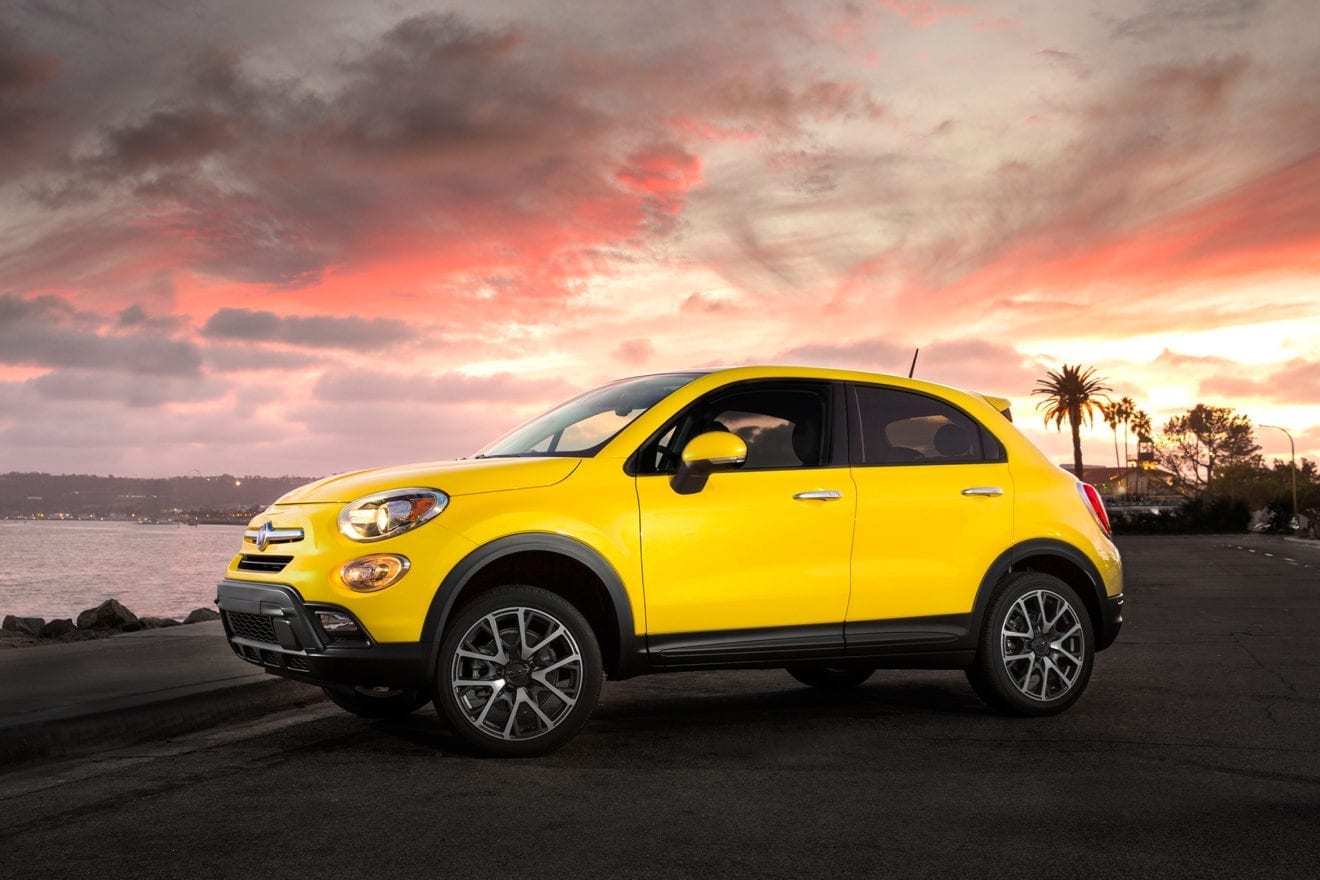
    Italian-American carmaker Fiat Chrysler Automobiles NV will recall 1,200 Jeep Compass sports utility vehicles (SUVs) sold in India, for “replacement of the front passenger air bag,” FCA India said in a statement on Thursday.

    The recalls are part of a bigger recall by the company. The carmaker on Wednesday recalled 7,000 U.S.-market SUVs and 1,000 vehicles sold in Canada and Mexico for the same reason.

    During the airbag module assembly process, “loose fasteners may have inadvertently found their way undetected into a small number of modules,” Fiat said in an emailed statement.

    No injuries, accidents, warranty claims or complaints have been reported, the company said.

  • Fast Retailing to launch in India

    Fast Retailing to launch in India

    Uniqlo parent Fast Retailing has applied to open stores in India.

    The Japanese fast-fashion giant has filed an application with India’s Department of Industrial Policy & Promotion to do business in the country under the Uniqlo brand.

    “India is a market with great potential,” says Fast Retailing spokeswoman Pei-Chi Tung. The company has long been interested in entering India, but has been beaten by H&M and Zara which are already established in the apparel market Euromonitor International has predicted will grow 29 per cent to INR3.76 trillion (US$58 billion) by 2021.

    Zara owner Inditex opened a flagship in Mumbai in May, which CEO Pablo Isla says has had a strong reception. It has just started online sales as well in India.

    Fast Retailing last month reported its biggest jump in annual earnings in more than a decade, driven by a near doubling of operating profit at Uniqlo stores outside of Japan. Operating profit for the brand in China jumped 37 per cent for the year ended August 31, compared with a 6.4 per cent slump in Japan.

  • Hej Home precedes Ikea Hyderabad store

    Hej Home precedes Ikea Hyderabad store

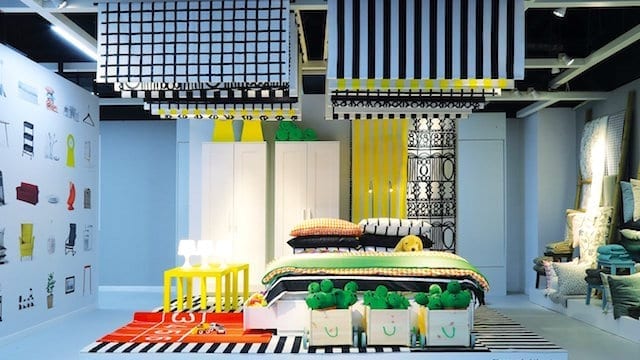
    Swedish home-furnishing retailer Ikea has opened a Hej Home experience centre in Hyderabad, where it will launch its first store for India next year.

    The centre will give visitors an idea of the type of products the store will offer when it opens next spring.

    Ikea country marketing manager Ulf Smedberg says the global retailer had also acquired land in Bengaluru and Gurgaon to establish stores in the coming months.

    Hyderabad’s store will cover 400,000sqft (37,160sqm) area in the city’s hi-tech area, and will display more than 7000 products, says manager John Achillea. “We’re still recruiting and also training young women to work in retail.”

    Smedberg says the company has been sourcing materials from India for 30 years. “For the Hyderabad store, we have local entrepreneurs who will help us with assembling and servicing.”

    He says Ikea. The company looked at more than 500 homes in India, and more than 100 in Hyderabad, over a range of demographics to decide on the final product line-up.

  • 250 to 300 international brands to enter India

    250 to 300 international brands to enter India

    A new wave of international fashion brands will be entering the Indian consumer market in the coming two years as an increasing number of mid-segment brands expand into India.

    Following the success of many international fashion brands in India including Zara, Mango, H&M, and Levis, many mid-segment brands are now looking to follow their lead and enter India.

    The retail solutions provider Franchisee India Holdings has estimated that between 250 and 300 such brands will enter India over the course of the next two years.

    With the entry of these brands, the business also estimated that an investment of about one billion dollars will accompany this, a figure that could transform India’s fashion market.

    “Now, it’s the turn of small and mid-sized brands as they look to cash in on the open retail policy and huge gap in the market for branded products,” said Gaurav Marya, the Chairman of Franchisee India Holdings. Anurag Mathur, a Partner at Pricewaterhouse Coopers, agreed: “Many international brands are lining up as the retail sector is growing and international brands like Zara and H&M have been really successful, with strong profits and revenue growth being reported in the country. Now, the slightly mid-level or smaller brands too want to explore the Indian market.”

    Some of the mid-section brands that are in the process of expanding into India include Kiabi, Mavi, Avva, Colin’s, Damat, Tudba Deri, and Dufy.

    It is expected that this wave of brands will focus their expansion efforts on Tier 1 cities and, for them to be able to reach out to Tiers 2 and 3, infrastructure will have to greatly improve.

  • Asia to dominate global grocery market by 2022

    Asia to dominate global grocery market by 2022

    The region is expected to enjoy a CAGR of 6.6%.

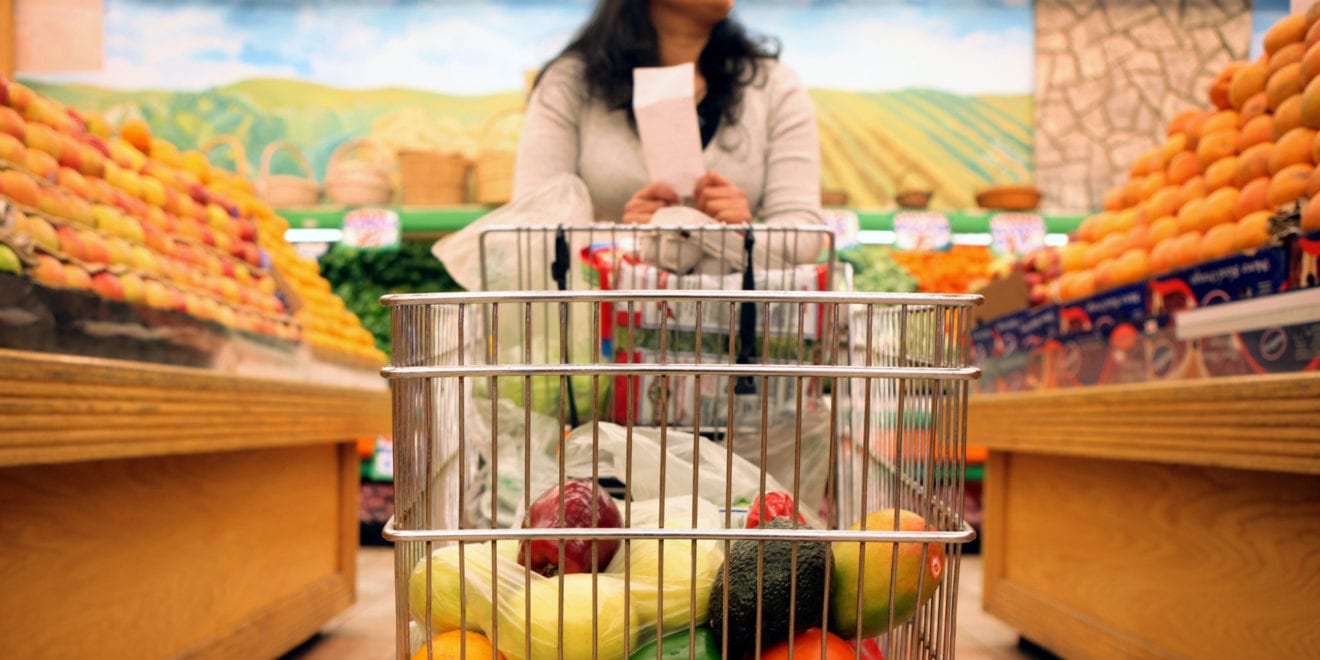
    Asia is expected to dominate the global grocery retail market as it is projected to add $1.2t in sales which is more than Africa, Europe and Latin America combined, according to Institute of Grocery Distribution (IGD).

    IGD forecasts that Asia will enjoy a compound annual growth rate (CAGR) of 6.6%.

    Levels of consumer spending from Asia account for nearly half of additional sales generated until 2022 as the region’s grocery retail market is significantly boosted by its continuously rising population.

    Six countries from Asia secured a spot in the top 20 largest grocery markets by 2022, led by China at second place with a projected value of $1.67b.

    India follows at third place with an expected $812b value by 2022.

    Japan is at fifth place with a projected value of $455b; Indonesia notched seventh with $313b; Philippines at $153b and South Korea at $141b.

    “With China, India and Japan all in the top five, Asia’s grocery market continues to be in rude health thanks to growing populations and shoppers with more disposable income. Innovations in this market also continue apace, especially in China, where retailers are experimenting to drive the online and convenience channels,” said John Wright of IGD.

  • More stores for Berluti Asia

    More stores for Berluti Asia

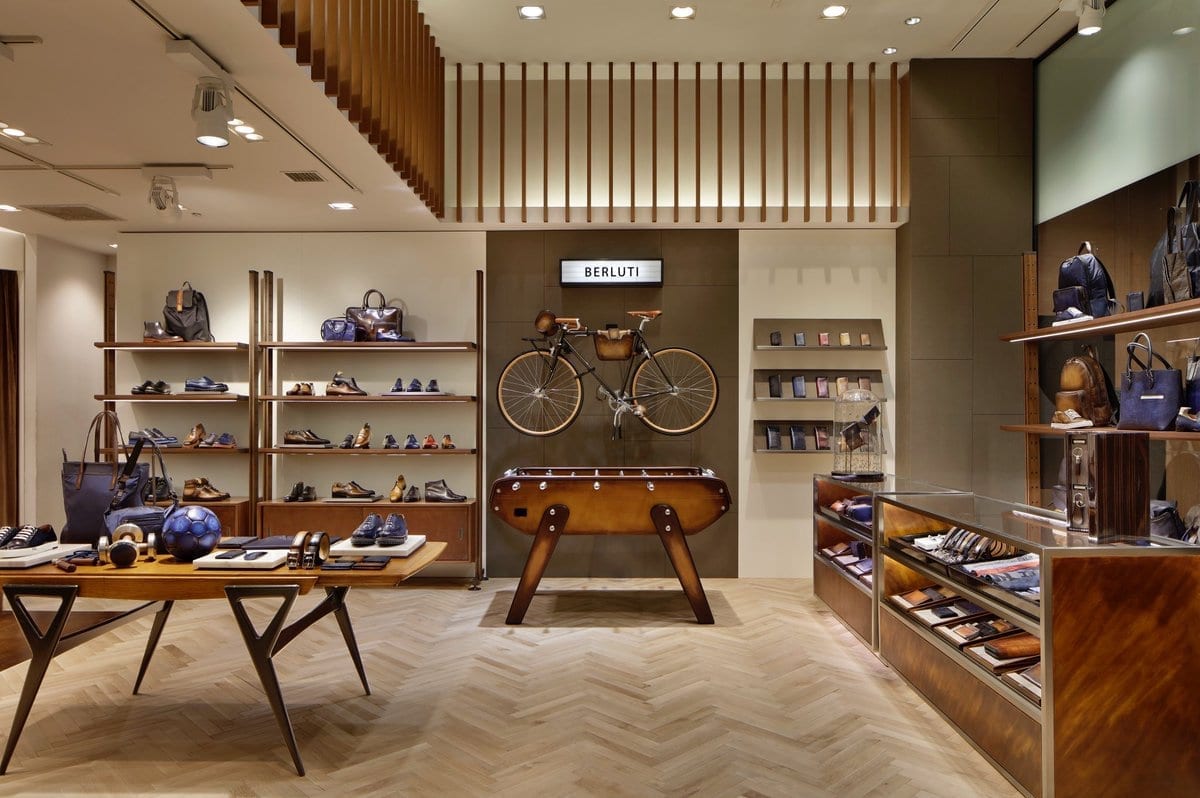
    Berluti Asia will open in India before year’s end, to be followed by a third store in Macau next year.

    It has stores in Macau Galaxy (pictured) and Macau One Central, with the third location yet to be revealed.

    In India, it is being introduced through an exclusive partnership with luxury retail group Bequest, reports Fashion Network. Bequest has exclusive rights in India already for such brands as Bang & Olufsen, and also has plans to expand the presence of UK cosmetics brand Molton Brown and Paris-based perfume house Creed.

    “Berluti is our first association with LVMH,” says Bequest group CEO Gaganmeet Singh. “We are also in advanced talks with Brunello Cucinelli and other brands.”

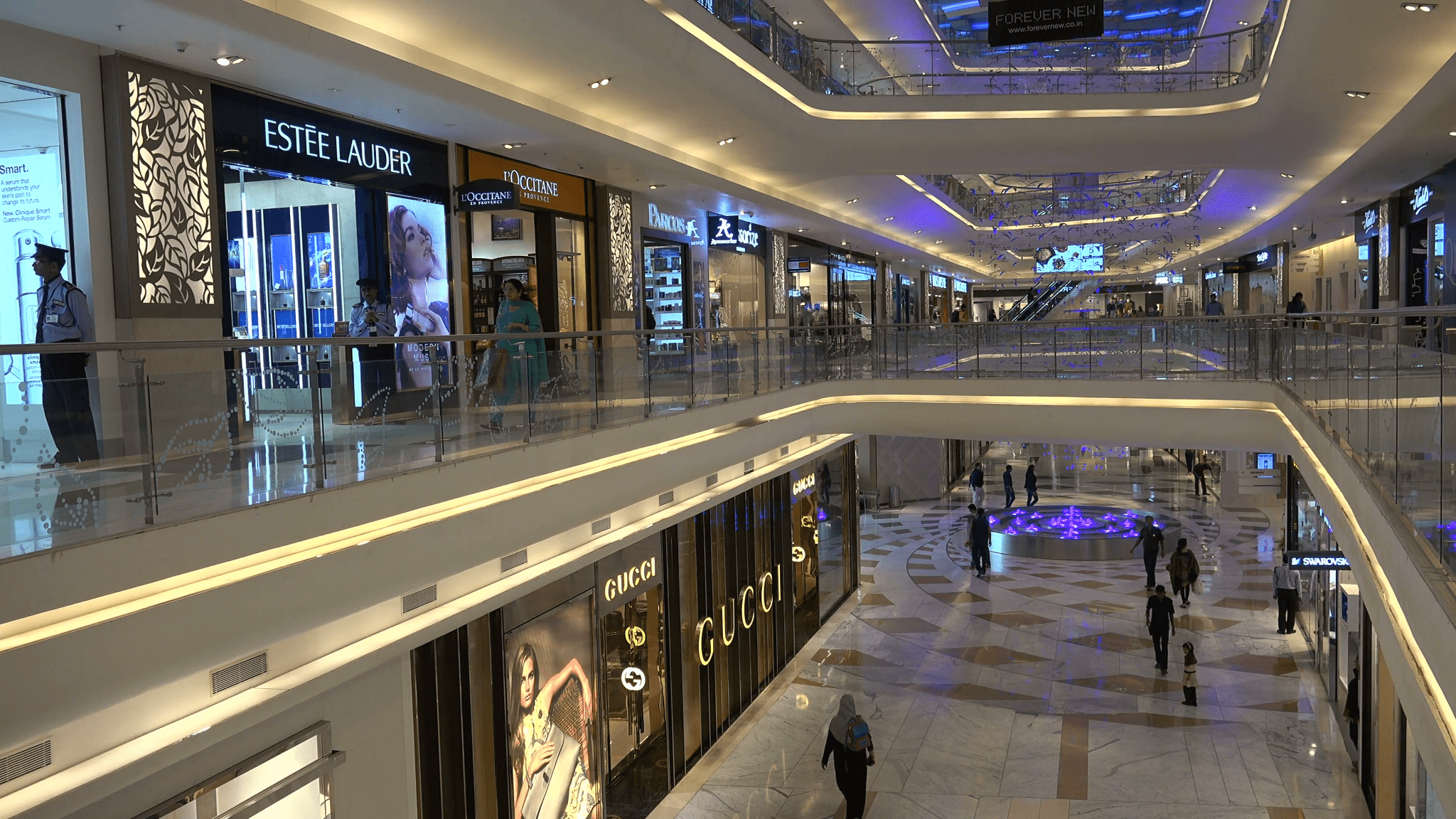
    Berluti will launch at Emporio mall in Delhi.

    The luxury shoe brand, which has 53 monobrand stores internationally, was founded in Paris in 1895, adding menswear to its range in 2011 as well as a bespoke service. Bought by LVMH in 2012, ,the label started to roll out globally the following year with stores in Shanghai and Tokyo as well as London and New York.

    In September last year the label appointed Colombian ready-to-wear fashion designer Haider Ackermann as creative director.

    His collections are working well with clients in all geographical areas, says Berluti CEO Antoine Arnault. “Chinese clients are swarming back, and Japan too is going very well.”

  • Alibaba seeks approval to buy stake in India’s BigBasket

    Alibaba seeks approval to buy stake in India’s BigBasket

    Chinese internet giant Alibaba is seeking Competition Commission of India (CCI) approval to acquire a stake in online grocery startup BigBasket.

    Financial details have not been disclosed in the CCI filing, which relates to “the acquisition and purchase of shares” of BigBasket parent Supermarket Grocery Supplies by Alibaba Singapore.

    Alibaba Group Holding and its Indian associate PayTM E-Commerce were reported in July as having a 60-day exclusive pact with BigBasket. There were also reports of BigBasket being in merger talks with rival Grofers.

    BigBasket has a presence in Bengaluru, Hyderabad, Pune, Mumbai, Chennai, Delhi-NCR, Kolkata, Jaipur, Punjab and Lucknow as well as four other cities, and has raised more than $200 million from investors.

  • AirAsia India Offers Flight Tickets At Base Fare Of Rs. 99 In Big Sale

    AirAsia India Offers Flight Tickets At Base Fare Of Rs. 99 In Big Sale

    AirAsia India is offering domestic flights at a starting base fare of Rs. 99. AirAsia India’s Rs. 99 fare excludes taxes and other charges, the airline said on its website – airasia.com. The offer of a starting fare of Rs. 99 is part of a limited-period promotional scheme which requires flyers to make advance bookings. Called ‘Big Sale’, the promotional scheme is valid on bookings for travel from May 7, 2018 to January 31, 2019, according to the AirAsia website. Bookings under the AirAsia Big Sale are open till November 19, 2017, it noted.
    Here are 10 things to know about AirAsia’s Big Sale offer:
    airasia big sale airasia website
    (AirAsia said the ‘Big Sale’ is valid on bookings for travel from May 7, 2018 to January 31, 2019)

    1. The fares offered under the Big Sale scheme are quoted for single journey (one-way) only, AirAsia said.

    2. The fares offered under the Big Sale scheme are only available for online bookings at the airline’s website – www.airasia.com, it noted.

    3. AirAsia India is offering all-inclusive fares starting at Rs. 403 under the Big Sale offer. A search on the AirAsia bookings portal showed tickets for flights from Bhubaneswar to Ranchi in mid-May next year were available for booking at Rs. 403. The ticket price of Rs. 403 included fares of Rs. 99, a surcharge of Rs. 52 and GST (Goods and Services Tax) of Rs. 8, according to the airline’s website.
    airasia big sale airasia website
    (Tickets priced at Rs. 403 include fares of Rs. 99, according to the AirAsia bookings portal)

    4. Some other starting all-inclusive prices included flights from Ranchi to Bhubaneswar at Rs. 466; from Bhubaneswar to Kolkata at Rs. 507; from Ranchi to Kolkata at Rs. 571, and from Kochi to Bengaluru at Rs. 764, according to the airline’s website. Some other flight tickets offered just above Rs. 1,000 include Kolkata-Ranchi (Rs. 1,001), Kolkata-Bhubaneswar (Rs. 1,001), Goa-Bengaluru (Rs. 1,087), Guwahati-Imphal (Rs. 1,096) and Hyderabad-Bengaluru (Rs. 1,061).

    5. The fare includes airport taxes (except for selected airports where airport tax is collected at the point of departure), AirAsia said. “A non-refundable processing fee is applicable for payments via credit, debit or charge card,” AirAsia added.

    6. Without divulging the number of seats offered under the Big Sale offer, AirAsia said: “Seats are limited and may not be available on all flights.”

    7. AirAsia further said the offer was valid for new purchases only and fares are not available during embargo period.

    8. “All taxes must be paid at the time of purchase unless otherwise stated,” AirAsia said. “Full payment shall be made upon booking,” it added.

    9. The airline also said the offer is subject to availability “and AirAsia’s Terms and Conditions of Carriage”. Under the Big Sale scheme, AirAsia said, no refunds are permitted after a payment has been made.

    10. Change of flight dates will be chargeable. “Changes to flights and dates are permitted subject to change fees… Changes to name are not permitted,” AirAsia India said.

  • India is next plan for PayPal

    India is next plan for PayPal

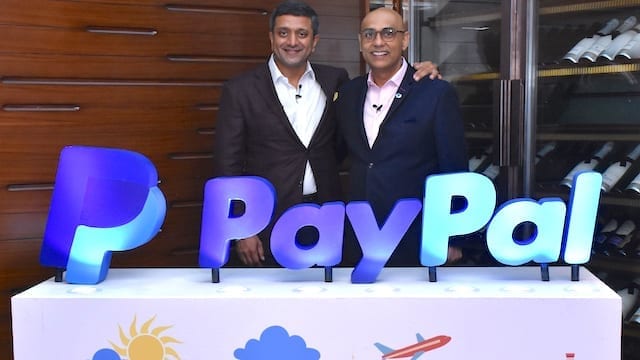
    Global technology platform and digital payments company PayPal Holdings has launched in India.

    This enables Indian consumers to use PayPal to shop online. Merchants offering PayPal will be able to process both local and global payments, gaining access to the brand’s more than 218 million customers across 200 global markets.

    Offering cross-border payments in India for nearly a decade, PayPal has now rolled out secure transactions and such benefits as One Touch, Buyer and Seller Protection and Refunded Return Shipping.

    India has all the ingredients to become a true digital economy, says PayPal Private CEO Rohan Mahadevan.

    “India is transitioning away from our biggest competitor, cash, and our digital platform and technology has immense scope to enable this at scale,” says PayPal India MD Anupam Pajuja. “For us, the marathon has just begun.”

    PayPal has set up a customer service centre in India with multilingual support and on-ground sales team.

    As digital payments become more mainstream in India, PayPal is partnering with government and state-owned banks on such initiatives as a digital financial literacy program and an eTourist visa.

  • Dachser Chennai on the move

    Dachser Chennai on the move

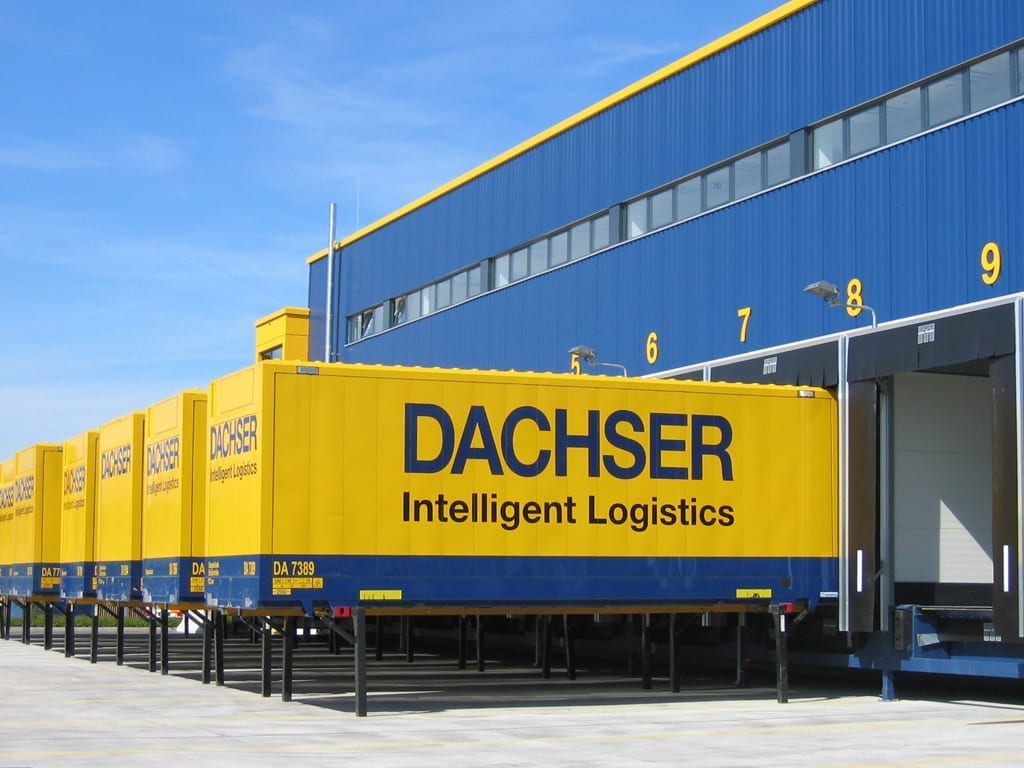
    Dachser India has moved its Chennai branch to a new location to facilitate the company’s prospects for growth and development. The new premises are centrally located in the modern KRM Plaza, and offers easy connectivity by road, rail and air travel.

    Dachser India has moved its Chennai branch to a new location to facilitate the company’s prospects for growth and development.

    “The new office is designed to provide a pleasant and comfortable workplace for our Chennai team and is easily accessible for our customers,” said Sivagurunathan B, deputy general manager India South Air & Sea Logistics.

    “This new office provides a perfect environment for our teams to serve our customers better. Markets in South India, especially Chennai and other cities in Tamil Nadu, have always contributed significantly to Dachser’s success in India. We expect very strong growth from this market in the years to come,” added Huned Gandhi, managing director Air & Sea Logistics India