Tag: india

  • Tata Comms trials live 360-degree video streaming

    Tata Comms trials live 360-degree video streaming

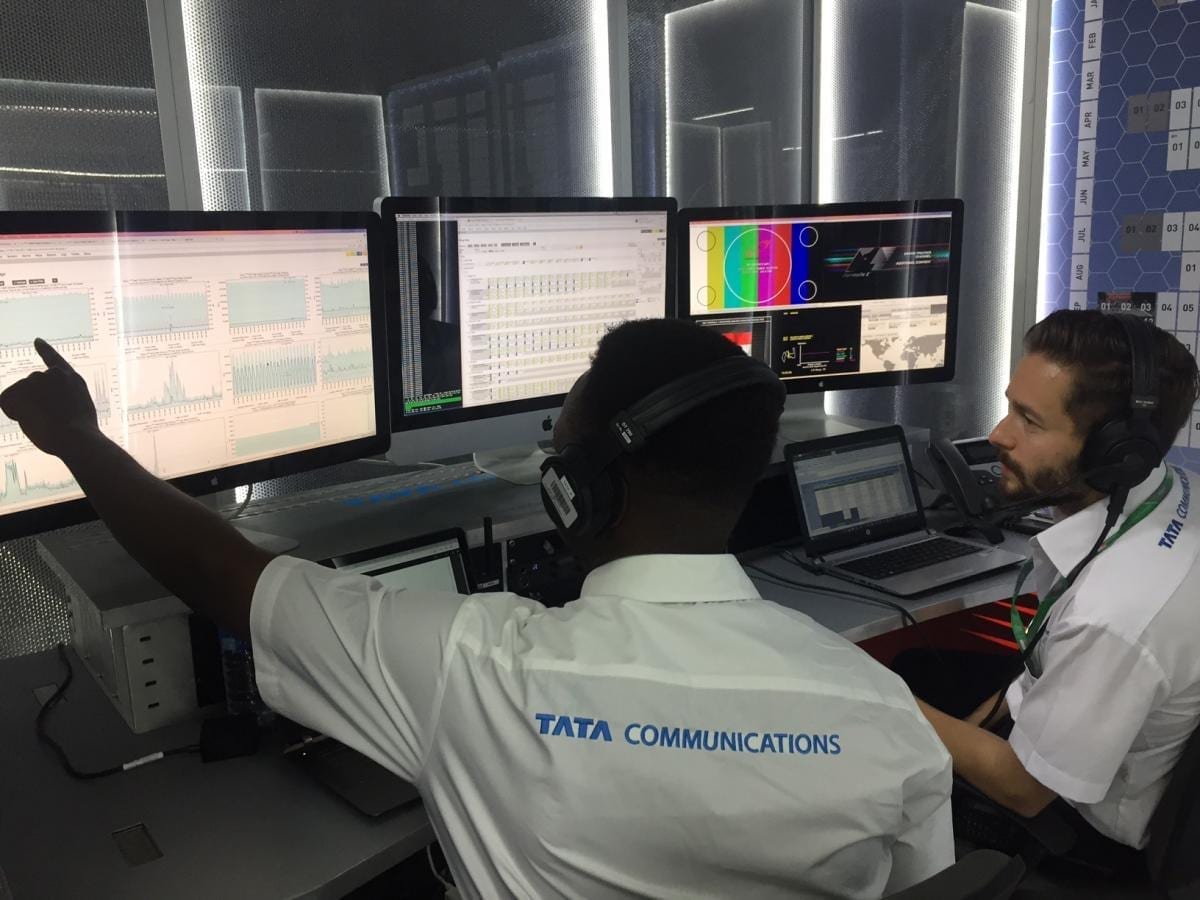
    Tata Communications and Formula 1 have conducted a test of truly live 360-degree video streaming at the 2017 Formula 1 Singapore Airlines Singapore Grand Prix.

    To-date, any 360-degree video experiments in sports have been hampered by a 30-second delay between the 360-degree video and live TV feeds, preventing a widespread adoption of the technology.

    This proof-of-concept by Tata Communications and Formula 1 is the first time when the live 360-degree video feeds and TV broadcast have been shown in complete sync.

    There were two 360-degree cameras at the Marina Bay Street Circuit in Singapore in the trackside and paddock to show how viewers at home could immerse themselves in the world of F1 and experience these exclusive areas through a virtual reality (VR) like environment via the Official F1 App.

    For example, during a Grand Prix build-up, fans could use their tablet to access a live 360-degree video feed from the paddock and see the biggest names in the sport. Or, during a race, as a driver pulls into the pits for a tyre change, fans could complement the action on TV with a 360-degree view of everything that is happening in the pit lane in real-time.

    The live video feeds from the two cameras were distributed from the Marina Bay Street Circuit in Singapore back to Europe using Tata Communications’ Media Ecosystem. This includes the Video Connect service, which brings together traditional video contribution and IP connectivity globally in the cloud, underpinned by Tata Communications’ global network.

    “Eliminating the delay in 360-degree video means that, for the first time, it’s possible to offer fans truly live 360-degree video experiences on a global scale,” said Mehul Kapadia, managing director of Tata Communications’ F1 Business.

    “This will enable sports and entertainment organisations to engage with their audiences in new ways and generate new revenue streams – helping the 360-degree video and VR market achieve its $60 billion potential,” said Kapadia.

  • Airtel, Idea fail to gain stay on IUC cut

    Airtel, Idea fail to gain stay on IUC cut

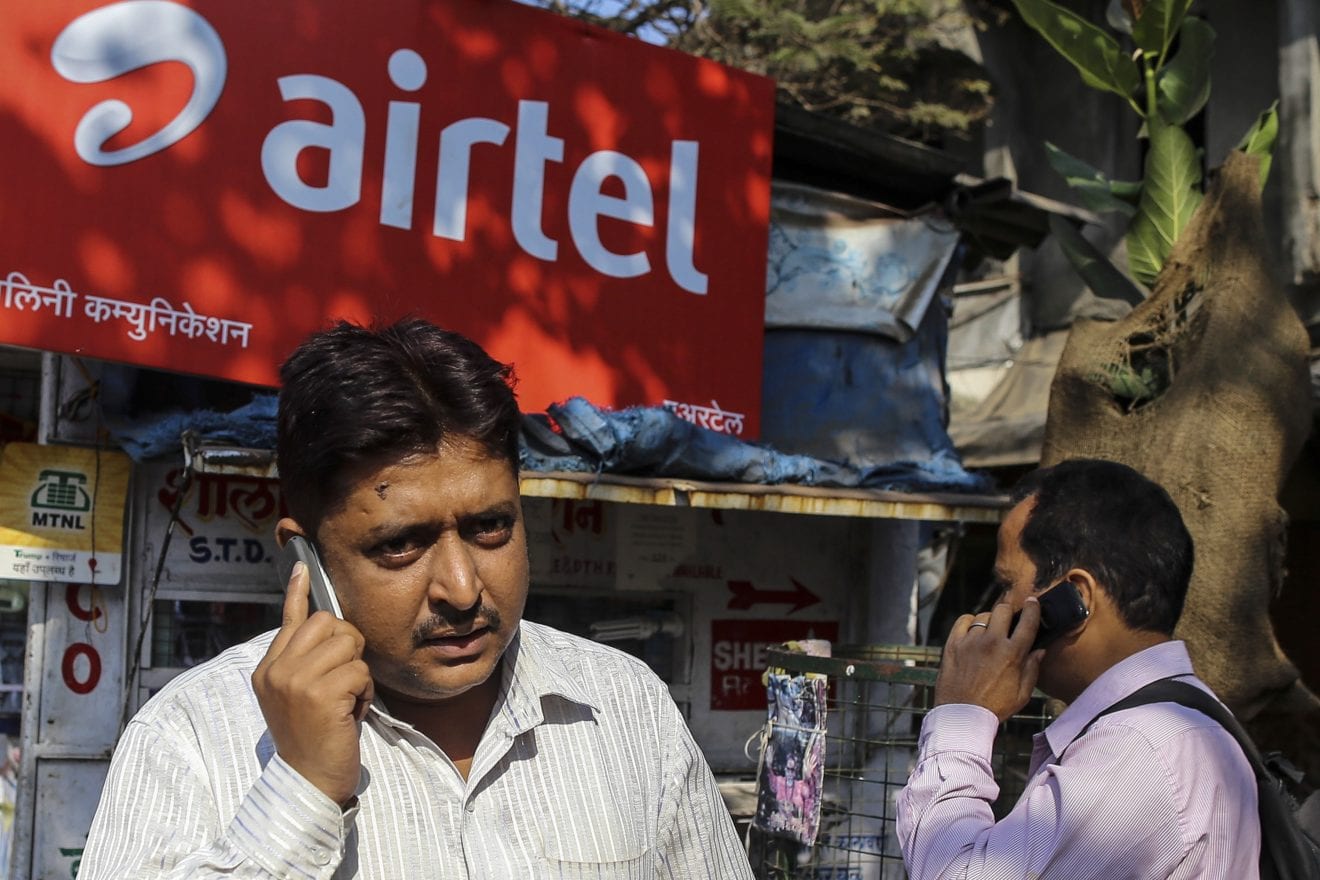
    India’s Bharti Airtel and Idea Cellular have failed to secure a court injunction on a  recent regulatory decision to slash and eventually abolish the interconnection usage charge (IUC).

    The two operators petitioned the Bombay High Court seeking an order to halt the implementation of

    regulator Trai’s order to reduce the IUC to 6 paise ($0.001) per minute from the current 14 paise.

    But the court declined to grant the stay  before the cut took effect yesterday. The court has nevertheless agreed to hear the operators’ arguments against the cut next month.

    Trai revealed last month  that the IUC will be cut starting this month, and will be abolished altogether from the start of 2020.

    The move has the potential to cost incumbent operators up to a combined 50 billion rupees ($765.5 million) in revenue annually, and to benefit newcomer Reliance Jio by the same amount, although Jio has denied that it stands to gain from the decision.

  • India to draw up 5G roadmap

    India to draw up 5G roadmap

    Both India and Pakistan have this week taken steps towards the introduction of 5G in their respective countries.

    The Indian government has set up a panel to draw up a roadmap for the rollout of 5G in the nation by 2020.

    With the 5G committee, the government aims to avoid a repeat of the delayed adoption of 4G, with telecoms minister Manoj Sinha stating that the government aims that India will be on par with other 5G adopters in 2020.

    In August, Indian telecoms regulator Trai launched a consultation on the design of 5G deployment regulations and standards, covering details including valuations, spectrum caps and rollout obligations for 5G spectrum.

    Indian operators are meanwhile preparing for the arrival of 5G, with incumbent operator Bharti Airtel announcing this week that it is deploying MIMO technology on its network.

    Meanwhile in Pakistan, the federal cabinet has approved the issue of a policy directive to regulator PTA that will allow local operators to conduct 5G tests.

    One operator – China Mobile’s ZONG – has already indicated it is ready to test 5G if given permission. But the PTA has not yet revealed its plans for assigning test 5G spectrum to various operators.

  • Harrys of London taking steps toward India

    Harrys of London taking steps toward India

    Luxury men’s footwear and accessories brand Harrys of London has plans to enter India. Its first outlet will be in Delhi, followed by Mumbai early next year.

    Founded in 2001 and with stores in more than 20 countries, Harrys of London is seeking franchise partners in India.

    “India is an important market for us with our target group being businessmen and travellers between 25 and 60 years old,” says CEO Steven Newey. “Our collection ranges from contemporary London and formal footwear to sneakers.”

    The company also sells travel bags, wallets, shoe-care products, scarves and belts.

    Harrys plans to open five to six stores in India over the next five years and expects to earn £1 million (US$1.3 million) a store.

    “We have been growing at an annual rate of 20 to 25 per cent, and we sell 25 pairs of footwear every month, on average,” says Newey. “In five years, our India stores will be able to earn five to six million pounds.”

    The company, which has its own e-commerce platform, has its footwear manufactured in Italy.

    About 60 per cent of India’s branded footwear market is for men, according to KPMG figures.

    While the branded market is dominated by old brands like Bata, Liberty and Relaxo, much of the segment is unorganised.

    Meanwhile, with increasing disposable income and brand awareness, the men’s footwear segment is growing at a rate of 10 per cent while the women’s category is growing at 20 per cent, says KPMG.

  • Rickshaws to jump start India’s all-electric drive

    Rickshaws to jump start India’s all-electric drive

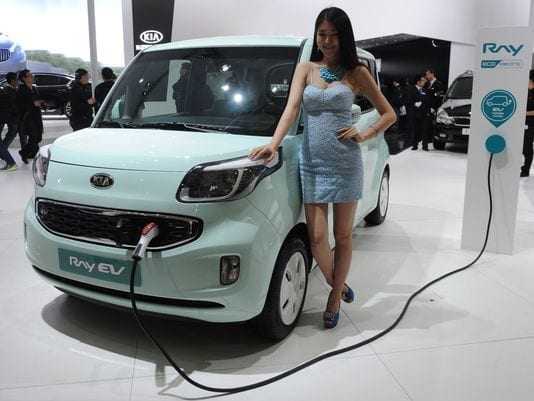
    India, one of the world’s most polluted nations, has one of the most ambitious plans to kick its fossil fuel addiction. India will roll out nearly 100,000 battery-powered buses and autorickshaws onto its sulphurous city streets in the coming weeks, setting it on the bumpy road to making new vehicle sales all-electric by 2030.

    Analysts say the target is “daunting”.

    Transport is a major source of India’s carbon emissions and the Greenpeace group blames at least 1.2 million deaths a year in the country on pollution.

    Getting off diesel and petrol would improve the nation’s health and bolster India’s bid to meet the bold climate change targets it pledged in Paris in 2015.

    India is not alone in wanting all-electric cars, though it is aiming to go faster than others.

    Britain and France have said they want to end the sale of fossil fuel cars by 2040.

    But electric and hybrid models make up just three percent of all cars on the road worldwide, say London-based consultancy firm PwC.

    That figure is even lower in India, underscoring the enormity of Prime Minister Narendra Modi’s electric challenge.

    On top of gradually bringing in electric rickshaws and buses in New Delhi, the government has issued a tender to auto makers for 10,000 cars to replace pollution producers at four government ministries.

    “To go all electric is a daunting task,” said PwC partner Abdul Majeed.

    “Electric vehicles have a few huge challenges to deal with before they can take off in a big way.”

    Low-cost solutions

    The government does not want to pay for a network of charging stations for millions of future green motorists to power up depleted car batteries.

    Instead it hopes private energy companies will invest in “swapping bays”, where drivers can exchange empty batteries for fresh ones, Ashok Jhunjhunwala, principal advisor to the power minister and the official spearheading the efforts, told AFP.

    It plans to lease batteries separately for public transport and taxi fleets. It also wants more work on smaller, easier to use batteries.

    Amara Raja Batteries, an Indian battery manufacturer, would be part of the “swapping model”, said its chief executive S. Vijayanand.

    “The headache of managing and charging the battery will not be with the driver then,” he said.

    Other ideas include setting tougher efficiency standards so new vehicles use less power.

    “The idea is to keep it as low-cost as possible,” Jhunjhunwala said. “Vehicles and chargers must happen without subsidies and must make business sense.”

    Mahesh Babu, chief executive at Indian conglomerate Mahindra, said it was an exciting project but government efficiency targets are “idealistic and might lead to compromise on consumer needs and safety.”

    Others are more optimistic.

    Reductions in the size and cost of electric vehicles, coupled with rapid technological advances, mean India’s ambitions were “very feasible”, said Bill Hare, chief executive of the Berlin-based Climate Analytics consultancy.

    ‘India’s challenges’

    Foreign car majors are not ready to bring their electric offerings to India.

    Mercedes said it needs a reasonable timeline and improved incentives for motorists — currently a tiny sum that could be withdrawn at any time — to bring in electric cars.

    Tesla boss Elon Musk — who in July launched Model 3, a mass-market version of Tesla’s pricier cars — has postponed entry to the Indian market.

    But at $35,000, even the cheapest Tesla is out of reach for most Indians. Most of the three million new cars added to India’s roads every year are far cheaper, compact vehicles.

    Nissan Motor is test driving its Leaf model to see how it performs on Indian roads and copes with pollution and extreme weather conditions.

    That leaves the field wide open for Mahindra, currently the only company selling electric cars in India.

    Its hatchback, sedan and van sell in Delhi from $11,000 to $15,000, after a subsidy of $2,300.

    The company hopes to sell up to 5,000 units this year, including autorickshaws.

    So far it has tied up with cab firms in a handful of cities, logistics firms and start-ups that offer a sharing system of self-driving cars.

    “We want to meet India’s challenges,” Babu said.
  • Tata Teleservices may be wound down

    Tata Teleservices may be wound down

    Indian conglomerate Tata Group is reportedly considering winding down its struggling mobile operation Tata Teleservices after failing to find a potential buyer.

    Cciting unnamed sources, Tata Group chairman N Chandrasekaran is evaluating suspending its telecoms operations to tackle the operator’s mounting debt.

    If the operations are wound down, Tata Group may need to take financial losses due to Tata Teleservices’ total debt of around 340 billion rupees ($5.3 billion), and lenders may need to take a haircut on the value of their debt owed, according to the report.

    But according to the report, a closure can only happen once these lenders agree to a loan recast program

    Tata Teleservices still has around 45 million customers for a 4% share of the total market. But the operator has been seeking a sale or merger ever since joint venture partner NTT DoCoMo decided to pull out of its 26% shareholding, exercising its option to require Tata Group to buy back DoCoMo’s stake in the venture

    The company has held discussions with Airtel, Vodafone and even newcomer and Reliance Jio, but no deal has eventuated, leaving dissolving the company the most viable option.

    A nominee of Tata Sons’ largest shareholder has also recently suggested that Tata Teleservices file for bankruptcy.

  • Jabong becomes the third largest global digital partner for Dorothy Perkins

    Jabong becomes the third largest global digital partner for Dorothy Perkins

    Dorothy Perkins, the UK-based women’s fashion retailer, which has been dressing and inspiring women worldwide for more than 100 years, has announced Jabong as their third largest global digital partner. The brand is available on Jabong, with an extensive collection of over 3,000 SKUs, which are currently priced within a range of Rs.999 to Rs.7,999. In the last three years of this association, Jabong has recorded a 50% CAGR in sales.

    John Kenchington, Multi Channel Director, Dorothy Perkins said, “As one of India’s best loved fashion e-tailers, Jabong has been our partner of choice in India since 2014. They have helped us position our brand to the right audiences in a way that matches perfectly with our persona. Their immense contribution towards raising brand awareness for us in the country, is a testament to Jabong’s track record of providing the ideal launch pad for top global brands entering India.”

    Gunjan Soni, Head, Jabong said, “Our team is exhilarated that Jabong has emerged as the third largest partner for Dorothy Perkins worldwide, even though we only sell in India. It is actually a salute to our fashion forward women consumers who form the major share of our customer base. Dorothy Perkins with its continued focus on fast fashion is one of the most loved brands on the platform. We will continue to ramp up our efforts to provide the best of international fashion to our consumers.”

    Jabong has been aggressively expanding its product portfolio and has added 50+ new brands this year with a special focus on adding international brands. A few of these include New Era Caps, Forever 21, Mothercare, Cover Story, AAY, Aeropostale, Scotch and Soda, Esprit, Alcott, Antony Morato, North Face, Mast and Harbor and Swarovski among others.

  • Zara India going online next month

    Zara India going online next month

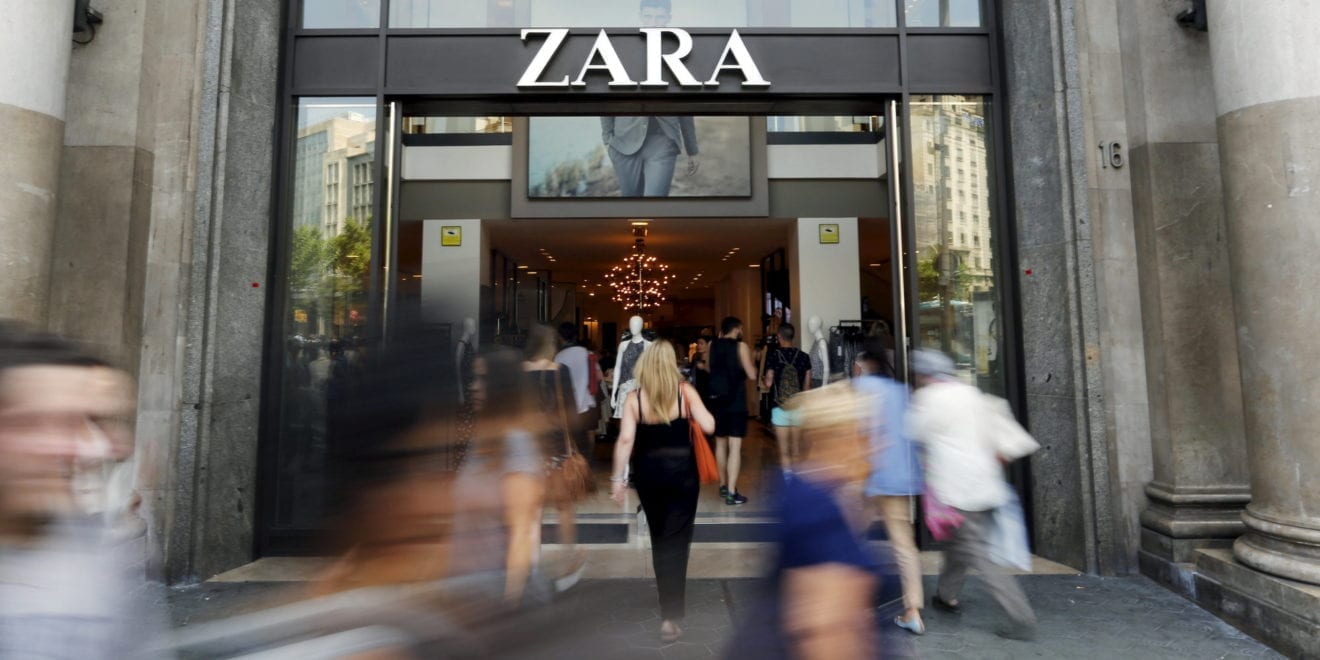
    Zara India is launching an online store on October 4, it has announced on its Facebook page.

    This follows the Spanish clothing retailer launching e-commerce sites this year for Malaysia, Singapore, Thailand and Vietnam.

    With a presence in 93 countries, the Inditex Group’s flagship brand added 279  stores last year to take its total to 7292 outlets.

    It plans to open up to 500 stores this year.

  • Nike India still feeling pinch

    Nike India still feeling pinch

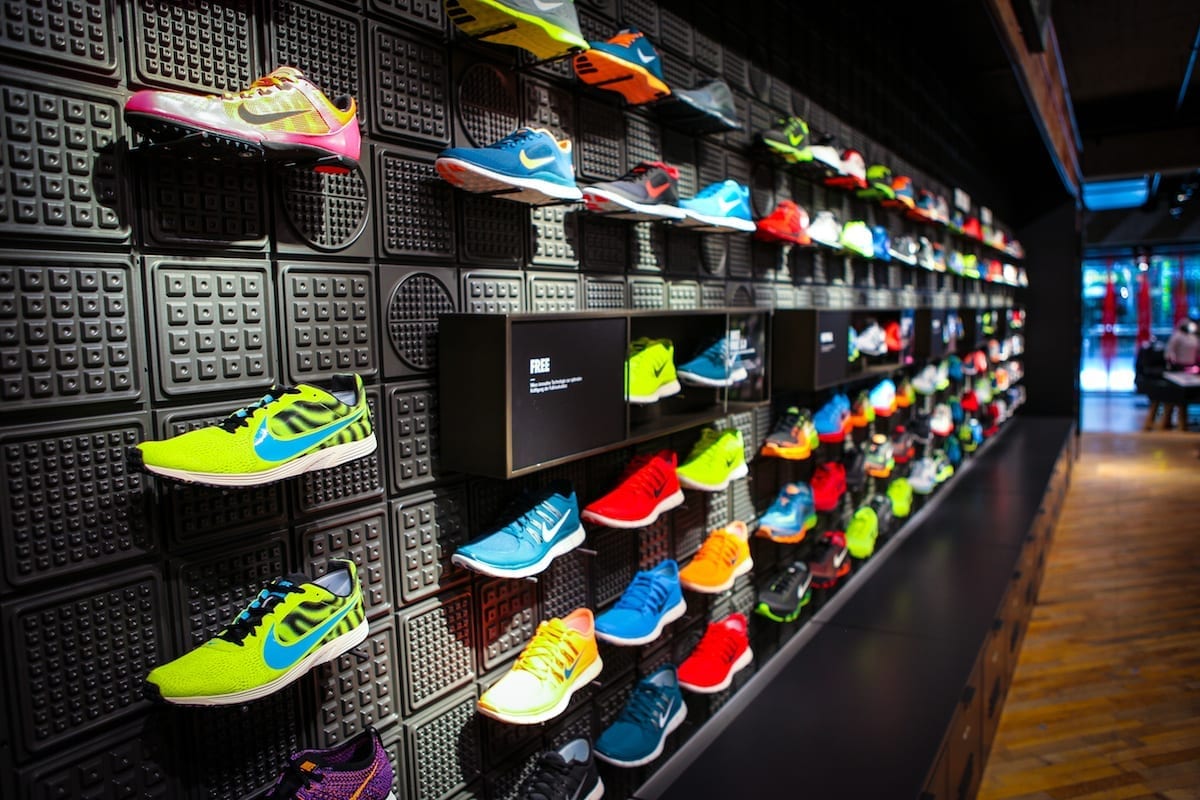
    Nike India is planning to further trim back its business activities to stem losses.

    A year ago the US sportswear major had already closed about 35 per cent of its stores, leaving it with about 200 outlets.

    While the sportswear market is expected to touch US$8 billion in sales by 2020, according to Euromonitor, global firms like Adidas and Nike are finding it hard to make profits in the otherwise lucrative Indian market, reports Fashion Network. Even the German sportswear maker Puma had losses in India this financial year, after three years of profits.

    Fashion Network says that while India is a booming market for sportswear, it is price sensitive and dominated by domestic brands like HRX, YWC and Zeven.

    Nike was an early entrant in the Indian market in 2005, but has had losses there for the past few years. It sales plummeted to Rs764 crore (about $119.2 million) last year from Rs803 crore, and its losses widened from Rs101 crore to Rs170 crore.

    In damage-control mode, the company is trying to minimise losses by trimming costs and cutting down on sponsorship deals. It has also let go of 20 per cent of its employees in India.

    It has its headquarters in Bangalore and offices in Delhi and Mumbai.

  • CK Hutchison hit with $5b tax bill in India

    CK Hutchison hit with $5b tax bill in India

    CK Hutchison Holdings has been hit with a 320.32 billion rupee ($5 billion) tax demand in India over the sale of its Indian mobile business to Vodafone a decade earlier.

    The demand includes a base tax claim of 79 billion rupees, as well as 164.3 billion rupees interest and a 79 billion rupee penalty, CK Hutchison said in a stock exchange filing.

    The company received an initial demand in February and a further notice earlier this month, the filing states. But CK Hutchison has received legal advice that the claim is not enforceable and is therefore expected to have limited impact on its finances.

    Indian tax authorities have been attempting to tax Vodafone over the 2007 sale for a long time, and the government even went so far as retroactively changing tax lawfollowing a Supreme Court decision ruling that the acquisition was not taxable as it involved two offshore holding companies.

    But Vodafone has long resisted paying and is currently involved in international arbitration seeking to have the demand revoked. Now authorities have opened a new front by attempting to tax the seller in the transaction.

    One of Vodafone’s arguments in resisting the claim has been that if the transaction is taxable it should be paid by the seller rather than the buyer.

    CK Hutchison said the legal advice it has received is that retroactively changing the tax law to circumvent the Supreme Court verdict is in violation of the principles of international law.

  • Crocs start expanding in India, opens store in Jaipur

    Crocs start expanding in India, opens store in Jaipur

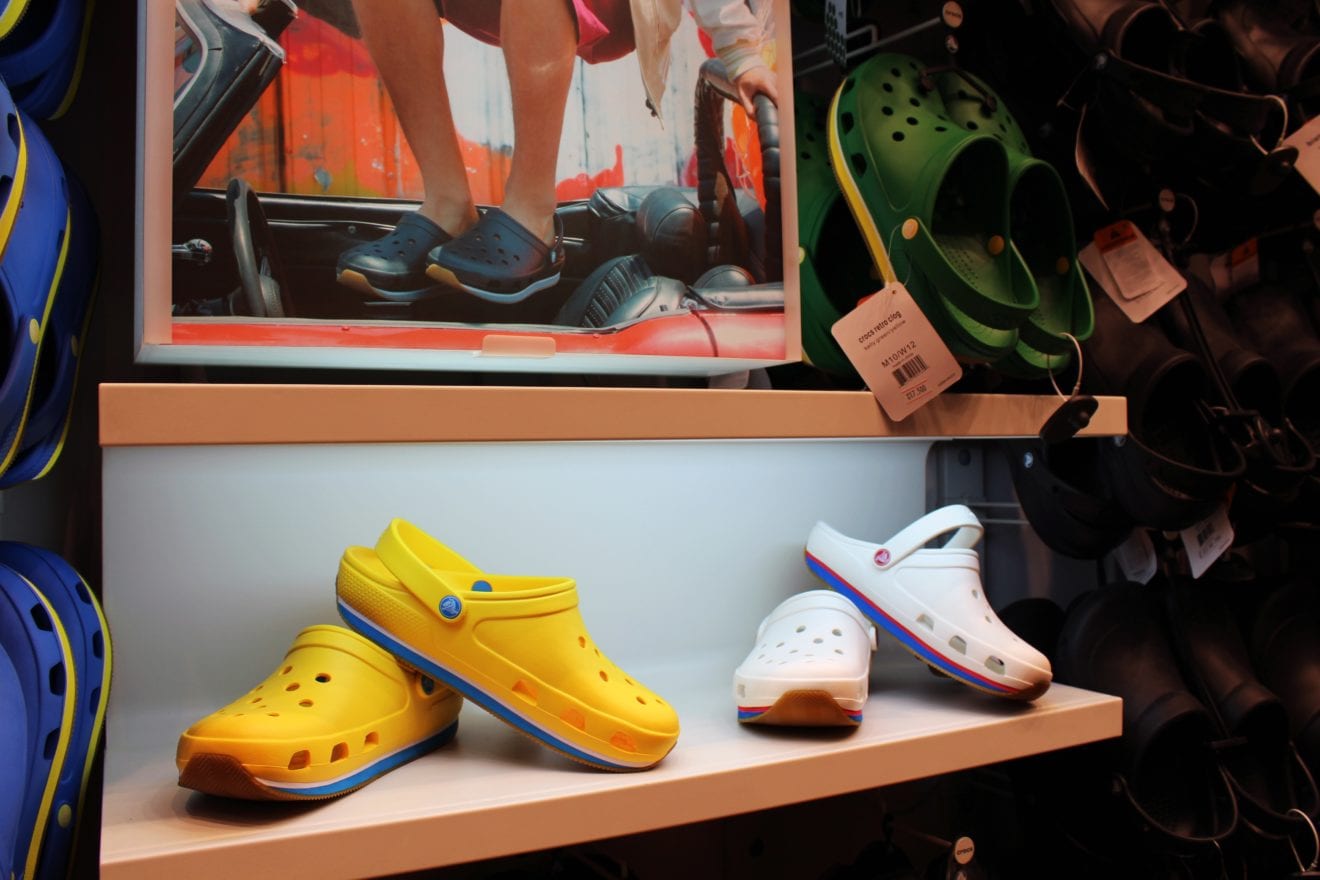
    Crocs, the US footwear brand, as promised has started its retail expansion drive in India and opened a store at MGF Metropolitan Mall in the city of Jaipur.

    The store features a full line-up of the brand’s flats, loafers, sneakers, flip flops and its signature trademark clogs

    On the opening of the new store, CEO of Crocs India, Deepak Chhabra said the company wants to reach a customer looking for both comfort and style and opening in Jaipur is key as the city is an attraction for tourists.

    Crocs is expected to open more stores in the coming months across the country as the company had earlier said that it will open 50 standalone stores this calendar year to drive growth, especially in East and North-East part of the country.

    Chhabra in a statement earlier had said that the company is growing at over 35 per cent year-on-year and expects to double its India business within three years.

    The company globally sold 55 million pairs of shoes in 2016 while in India it sold 1.5 million pairs.

    At present, the company has 1,000 points of sales including over 35 exclusive stores. The brand’s new campaign Come as You Are with brand ambassadors John Cena, Drew Barrymore, Yoona and Henry Lau is celebrating the uniqueness of individuals and aims to inspire everyone to be comfortable in their own shoes.

  • India’s Barbeque Nation plans to launch IPO

    India’s Barbeque Nation plans to launch IPO

    Bengaluru-based restaurant chain Barbeque Nation Hospitality aims to raise about Rs700 crore (US$109 million) through an IPO.

    Draft documents filed with the Securities and Exchange Board of India say the offer comprises a fresh issue of up to Rs200 crore as well as an offer for sale of up to 6.2 million equity shares by company’s promoters.

    The company says it plans to use the funds raised to expand nationally, as well as repay loans.

    At the end of June, the company ran 81 Barbeque Nation restaurants in 42 cities in India plus one in Dubai.

    Domestic investor CX Partners is likely to sell the bulk of its holding in the company, according to the draft prospectus.

    According to Deal Street Asia, the casual-dining chain has acquired the master franchisee rights to India for US burger chain Johnny Rockets.

  • Pizza chain secures franchise rights to enter India

    Pizza chain secures franchise rights to enter India

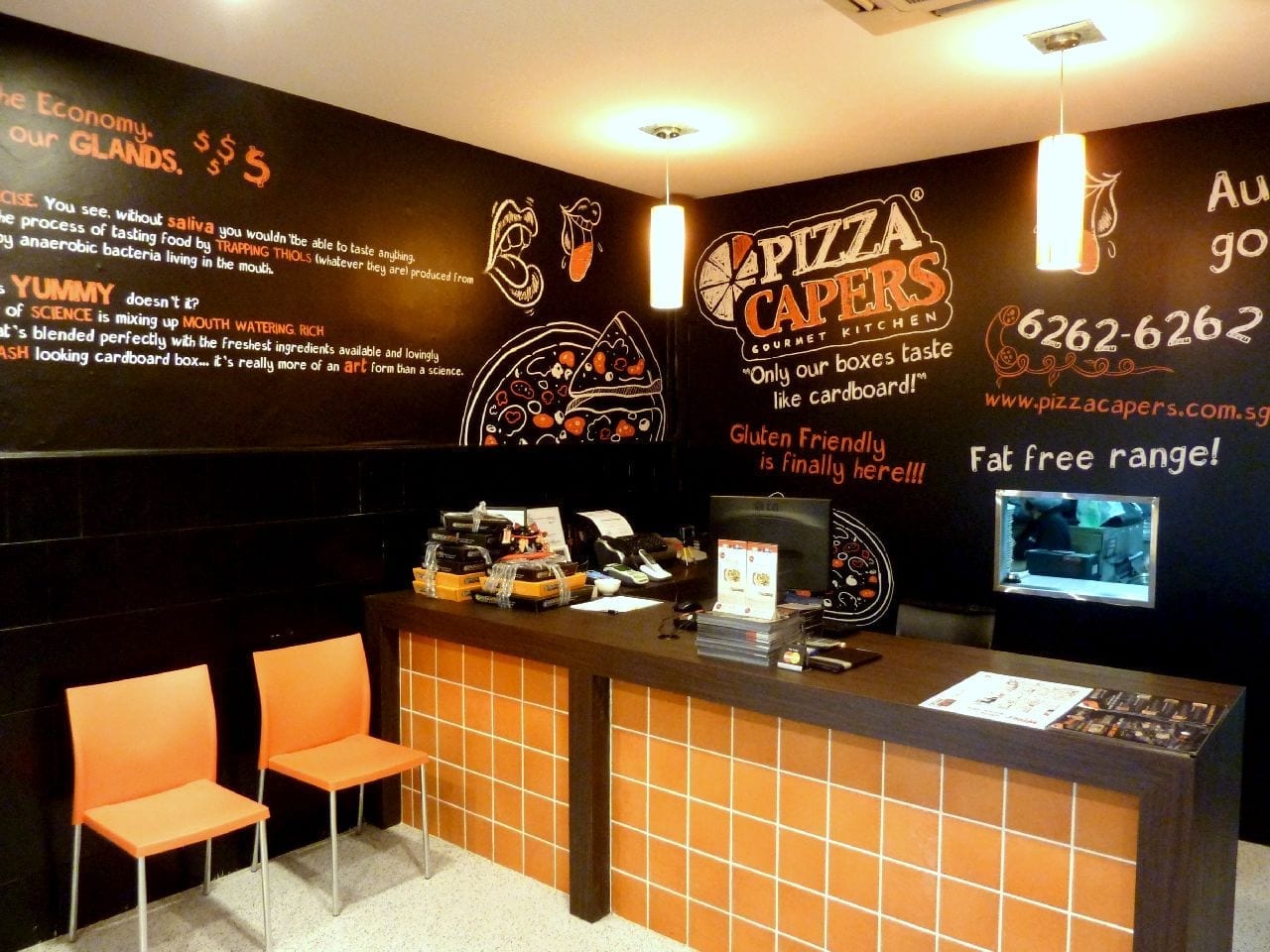
    Retail Food Group owned Pizza Capers, has today announced it’s entering the Indian market via a master franchise license in favour of local firm Krsna Foods (India) Pvt Limited.

    RFG chief executive – international, Mike Gilbert, said the grant of master franchise rights for India represented a watershed event for the brand, which also set the platform for further international growth.

    “Pizza Capers has enjoyed considerable success in the Australian market, and we are excited to be partnering with local experts who share our vision for introducing high quality gourmet pizzas to Indian consumers,” he said.

    “A surge in consumerism coupled with increasing incomes and changes to lifestyle and eating patterns within India has meant that entry into the territory has long been on our radar. We expect these factors to provide a huge platform upon which the Pizza Capers brand can prosper”, he said.

    Pizza Capers’ international expansion model is based on recruiting franchise partners, with Gilbert asserting the company was conscious of finding a franchisee capable of applying sufficient resources, expertise and resolve to ensuring success in the Indian market.

    “Krsna Foods (India) Pvt Limited satisfies each of these pre-requisites and we have every confidence of the Brand’s success in the territory,” he said.

  • Paypal launches innovation labs in India

    Paypal launches innovation labs in India

    Online payments company PayPal has set up two new innovation labs at its Chennai and Bangalore tech centers in India.

    These are the first of such facilities in India set up by the company and third globally after the US and Singapore.

    These labs will support projects in machine learning, artificial intelligence, data science, IoT, software-defined radio, virtual and artificial reality and basic robotics, among other fields, according to a release shared by the company.

    They will also be integrated with some of the company’s ongoing initiatives, such as the PayPal Incubator, to develop and nurture fintech startups, the statement added. Launched in 2013, PayPal’s startup incubator offers office space, mentoring and technical training, and networking opportunities to companies incubated.

    “The focus will be on fuelling new-age technology and giving rise to unconventional ideas with the potential to transform the ecosystem we operate in,” said Mike Todasco, director of Innovation, PayPal.

    Paypal is one of the companies that have made a play for India’s fintech space after the government’s recent demonetisation move.

    To strengthen its position in the market, PayPal has reportedly sought a wallet (prepaid payment instrument) licence from the Reserve Bank of India.

  • Bally opens first-ever India store

    Bally opens first-ever India store

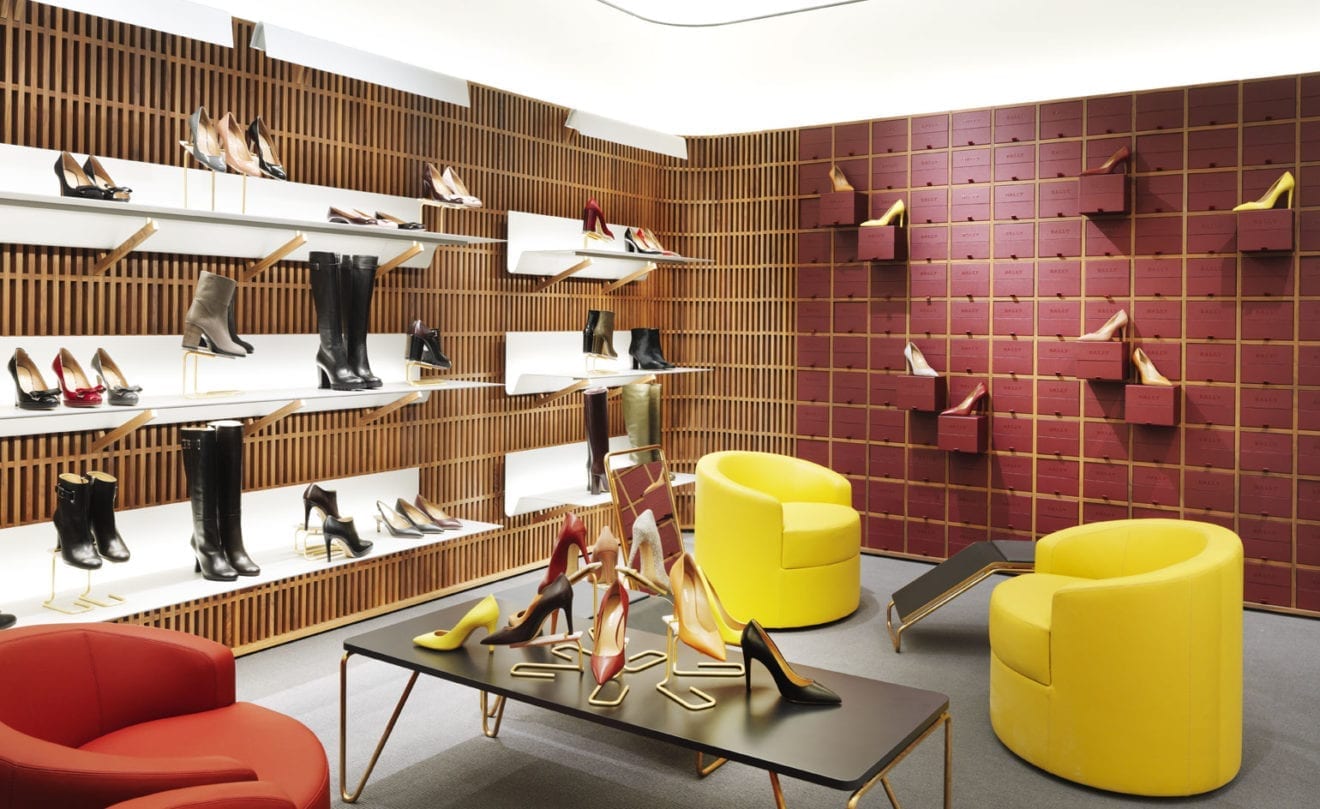
    Bally has brought its luxury offerings to India, opening its debut location in New Delhi in partnership with local licensee Reliance Brands.

    Situated in Delhi’s DLF Emporio, the flagship store is lavishly designed with a focus on the high-end products consisting of bags, belts, shoes, jackets, and accessories.

    Opening its doors inside the high-end mall August 2, the Swiss luxury brand joins fellow international brands such as Louis Vuitton, Burberry, Dior, and Giorgio Armani.

    The launch of Bally’s brick and mortar store comes after twelve months worth of talks with Reliance Brands, part of Reliance Retail and the Reliance Group.

    Founded in 1851 in Switzerland, Bally rose to fame in 1890 for inventing the Zurich pump, before launching its ready-to-wear and accessories lines in 1976.

    After launching internationally in 1990, Bally has launched in many Asian countries and with India the latest market entry.

    It is also due to open up an outlet store in Australia this month, with the reopening of Sydney discount centre, Birkenhead Mall.