Tag: india

  • India paves way for foreign stakes in Air India

    India paves way for foreign stakes in Air India

    Foreign investors will be allowed to own 49 per cent of Air India when it is privatised, opening the path for companies such as Singapore Airlines to take a stake in the country’s flag carrier.

    The Indian government announced it would allow foreign companies to take a non-controlling stake in the struggling company as part of long-running plans to sell it off.

    The cabinet in New Delhi last year gave its approval for a sale, but ministers have been grappling for the past few months with how exactly to do so.

    One of the most politically sensitive decisions has been whether to allow foreign companies to bid for part or all of the airline.

    While many officials think it will be difficult for domestic carriers to swallow the company whole given it has $8bn of debt, some politicians are reluctant to see what they view as a prized national asset fall into foreign hands.

    Many still talk of the role the airline played in helping to airlift nearly 200,000 Indians from Kuwait before the war in 1990.

    A parliamentary panel this week reportedly recommended the government find “an alternative to disinvestment of our national carrier which is our national pride”.

    Atul Anjan, national secretary of the Communist Party of India, said of Wednesday’s decision: “Air India is not merely an air carrier, it is our national pride.”

    Despite Air India’s status in the country’s national consciousness, it has struggled in recent years to keep up with no-frills domestic airlines and better resourced international ones.

    The company has made losses for almost the entire past decade, and received a Rs422bn ($6.6bn) government bailout in 2012.

    Government officials are hoping several foreign companies might enter the bidding for the company, but so far only Singapore Airlines has indicated possible interest.

    Last week Leslie Thng, chief executive of Vistara — an Indian joint venture between Tata and Singapore Airlines — said the two companies were open to making an offer.

    Kapil Kaul, chief executive in South Asia for the Centre for Asia-Pacific Aviation, said: “I would expect a significant interest from foreign airlines, though the offer and conditions attached will determine the level of participation in the bids.

    “What’s more, this is a major reform and national economic policy decision — not just limited to aviation. It sends a very important signal to the global investors.”

    At the same time, ministers also decided to make it easier for foreign retailers to set up in India, without having to partner with local companies.

    The cabinet in New Delhi said foreign investors would no longer require government approval to invest more than 49 per cent in an Indian single-brand retail business.

    It did not decide to do the same for retail chains who sell more than one brand, a move that would have allowed major chains such as Walmart and Carrefour, both of which have previously operated in India, to open their own stores.
  • Idea Cellular plans to raise $1b

    Idea Cellular plans to raise $1b

    Indian operator Idea Cellular said Thursday that its board has approved plans to raise up to 67.5 billion rupees ($1.06 billion) in the sale of new shares, in a bid to strengthen its capital position ahead of completing its planned merger with Vodafone India.

    The company, which is poised to merge with Vodafone’s India unit to create the country’s biggest mobile carrier, will raise 32.5 billion rupees by selling shares to its controlling shareholder the Aditya Birla Group (ABG) and raise the remaining 35 billion rupees by selling shares to institutional investors or a rights issue, the company said.

    As a result, ABG will buy a minimum of 2.5% of the merged entity from Vodafone, or such higher stake as required in order for ABG to ultimately own at least 26% of the merged entity.

    The purchase of the 2.5% interest by ABG follows the increase in its ownership in Idea to 47% from 42%, as a result of a fundraising by the Indian carrier.

    Under the original merger agreement, ABG is expected to reach a shareholding of 26% in the merged entity.

    Vodafone will receive minimum proceeds of 19.6 billion rupees from such sale and its ownership in the combined entity is expected to be approximately 47.5% at the completion of the merger.

    The companies said such changes to the capital structure were already contemplated in the scheme of arrangement for the merger. Vodafone’s stake in the combined entity in excess of 45.1% will not be subject to any lock-up.

    The merger of Vodafone India with Idea Cellular — the country’s second and third-largest mobile operators, respectively–was announced in March 2017. The proposed deal has already been approved by shareholders and creditors and the Competition Commission of India, but still needs clearance from the Department of Telecom and the National Company Law Tribunal.

    The companies expect to complete the merger in the first half of calendar 2018.

  • Oppo, Vivo offer retailers unkindest cut

    Oppo, Vivo offer retailers unkindest cut

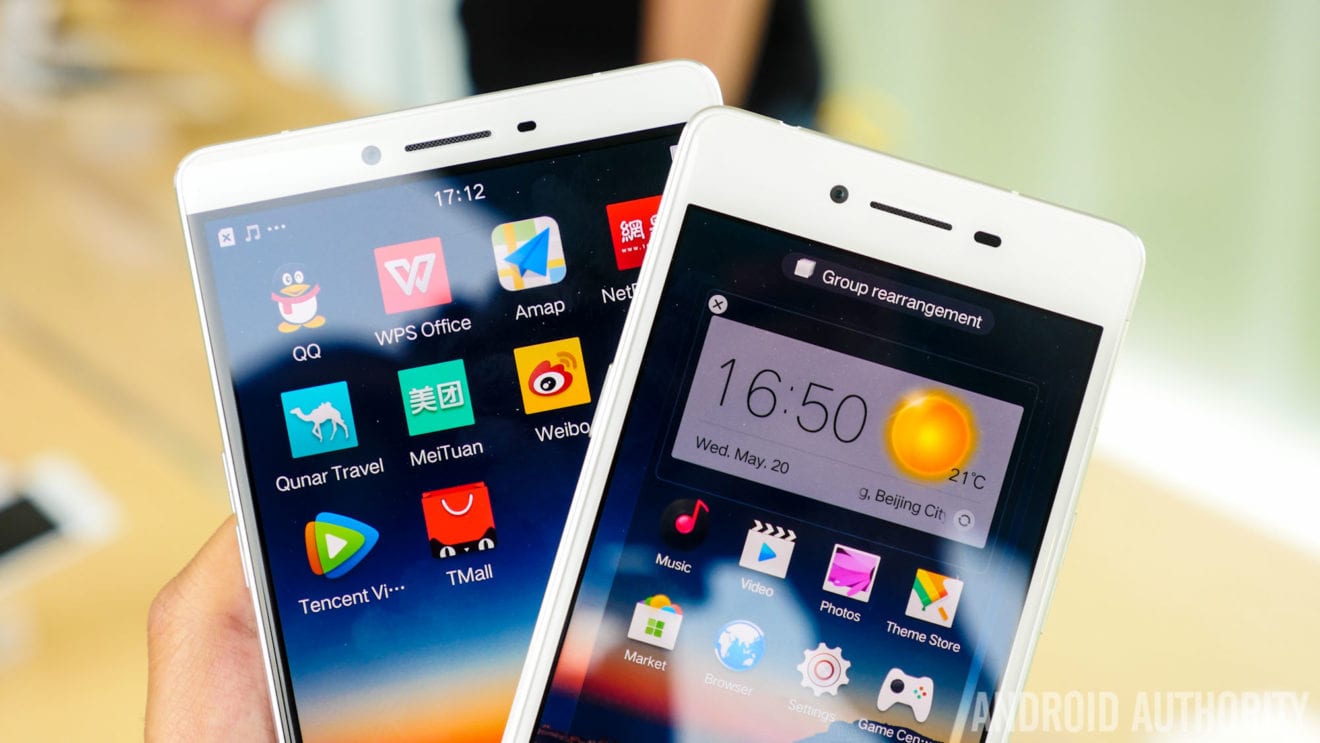
    Chinese smartphone makers Oppo and Vivo, which together have a 17% share of the market in India, have slashed trade margins by over 40%, leading to a backlash by neighbourhood stores and mobile phone retail chains.

    Industry executives said Oppo and Vivo have lost about 10,000 sales outlets each. Both had about 70,000 outlets each in the country before the margin cuts and the number of stores selling their phones may fall further, they said.

    Chains including Sangeetha Mobile, Big C, Lot Mobile, Poorvika, Mobiliti World and Hotspot have stopped selling the two brands or reduced focus on them, three senior industry executives said. These chains have a combined network of over 1,300 outlets.

    Oppo and Vivo, both founded by Chinese billionaire Duan Yongping, cut the margin offered to large chains to 14-15% from 23-25%, the executives said. They reduced it to 5-6% for standalone stores from 15-16%.

    Sangeetha Mobile has stopped selling Oppo and Vivo in Tamil Nadu due to margin issues, managing director Subhash Chandra said. “The two brands have different margins in different states, which is a problem for multi-state retailers,” he said.

    graph

    There is now no sales push for Oppo and Vivo, the CEO of a leading chain said.

    An Oppo India spokesman confirmed the margin changes and the drop in number of outlets. The spokesperson said some stores were no longer able to sell handsets after the goods and services tax was introduced — he did not elaborate. He also said Oppo has changed its strategy to focus on mid- to high-end models and some stores had to be shed when their sales didn’t match expectations.

    These adjustments are being done across markets by different smartphone industry players… All these decisions have been taken keeping in mind health of the company. We believe the company will now be healthier and efficient,” he said.

    A Vivo India spokesperson said its retail network has not shrunk and the company plans to add outlets this year.

    “Last year, we witnessed good response from the market which contributed towards increase in revenue and market share. As per Counterpoint Research, Vivo V7+ commanded 40% share in ?20,000-25,000 segment in November 2017. We plan to further build on the growth momentum this year,” he said.

    The two brands have been forced to reduce margins in India because they are under pressure to become profitable, the CEO of a retailer said. “They are replicating the strategy adopted in China of slowing down the high investment after reaching a certain scale. But India is a different market and their share is already coming down,” he said.

    Both have drastically scaled down their huge marketing investment in India over the past three months in outdoor, television and print advertising, executives said.

    Vivo had a 9% share of India’s smartphone market in the third quarter of 2017 compared with 5% a year earlier, according to Counterpoint Technology Market Research, a Hong Kong-based firm that tracks device shipments. Oppo’s share increased to 8% from 4% during this time, Counterpoint said.

    Oppo currently manufactures phones in India through third-party vendors and is setting up its own unit in Greater Noida near New Delhi. Vivo has an assembling unit in Greater Noida with a capacity of 1-million smartphones per month, according to its website.

    Vivo India posted a loss of ?111.66 crore in 2016-17, according to regulatory filings, while sales grew six-fold to ?6,173 crore. Oppo’s earnings figure was not available, although its sales surged seven-fold to ?7,974 crore.

    Oppo and Vivo were among the fastest-growing smartphone brands in the third quarter of 2017, Counterpoint said.

    The industry executives said Oppo and Vivo’s pace of growth and market share will be under stress this year, which will change the pecking order of Chinese brands in the Indian market with Xiaomi and Lenovo-owned Motorola filling the space.

    It launched its own portal in India, marking its entry into the e-comm business.

  • Ford India sales up 27% in December 2017

    Ford India sales up 27% in December 2017

    Ford India’s combined domestic wholesales and exports in December recorded 29,795 vehicles, compared to 23,470 vehicles in the same month last year, registering a growth of 27%.

    The company sold 5,087 vehicles in domestic wholesales, compared to 5,566 vehicles the corresponding month last year. Exports in December stood at 24,708 vehicles, against 17,904 vehicles a year ago.

    Ending the year with sustained growth, the combined domestic wholesales and exports in CY 2017 stood at 262,784 vehicles, compared to 238,098 units in CY 2016 – recording its highest production and wholesale volume ever.

    “The year 2017 saw the Indian automotive industry overcome challenges precipitated by the implementation of GST, increased inflation, after-effects of demonetization, rising crude prices and volatile regulatory environment to register growth,” said Anurag Mehrotra, president & managing director, Ford India.

    “At Ford, we remain committed to India as one of our most important markets, and are focused on the strategic pillars like strong brand, right products, competitive cost and effective scale, to build a profitable business.”

    Ford’s efforts on delivering differentiated customer experience and surprisingly affordable service cost continue to win customers. The introduction of several industry-first service initiatives such as service price promise and parts price promise are enabling Ford customers to know the exact costs of routine repairs, parts, and maintenance, even before they walk into a dealership.

    With two of its world-class plants, Ford continues to deliver on the Make in India promise with the commencement of KA+ exports to mature markets like Europe and New Ford EcoSport to North America.

  • Deliveroo heads to India

    Deliveroo heads to India

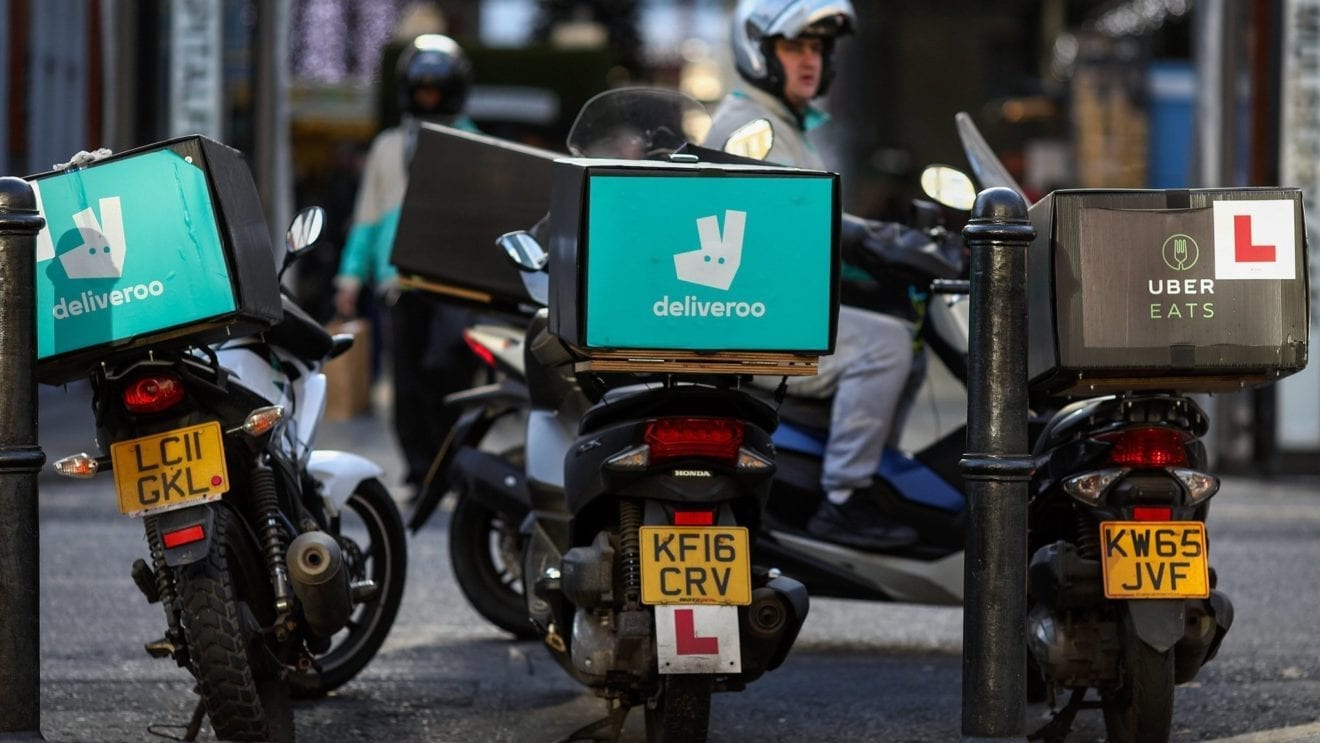
    UK food-delivery startup Deliveroo is preparing to launch in India.

    Valued at US$2 billion, the company is hiring a country head along with a full team, insiders say, according to The Times of India. It will go head to head with local players like Swiggy and Zomato as well as comparatively new entrant UberEats. Ola has also re-entered the category by acquiring Foodpanda from Delivery Hero.

    Founded in 2013 by former investment banker Will Shu, Deliveroo works in 140 cities across 13 countries, including Hong Kong and Singapore.

  • Handmade World brings Hawaii Thai to India

    Handmade World brings Hawaii Thai to India

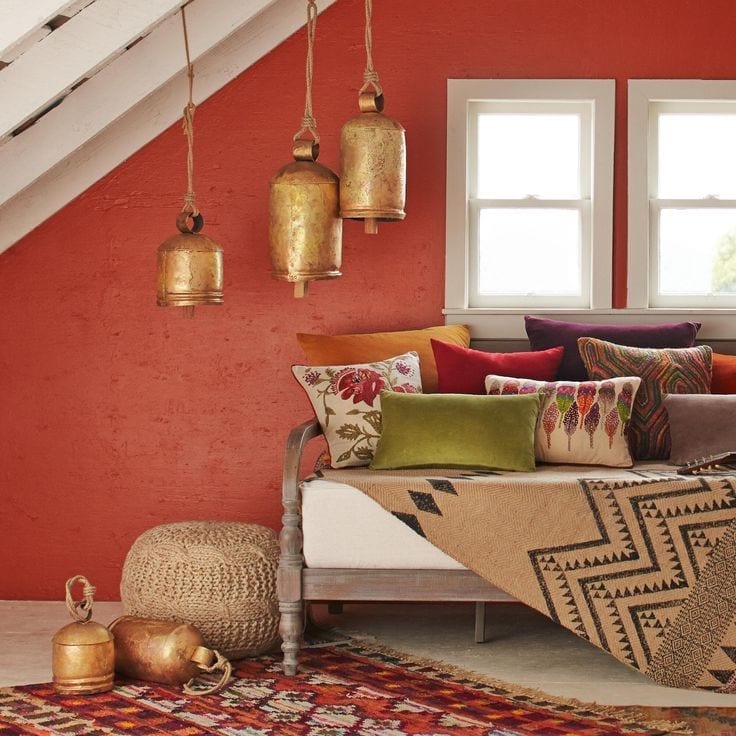
    Handmade World, a leading name in the handmade outdoor furniture and interior décor in India, has tied up with world’s hi-end handwoven furniture brand, Hawaii Thai, to be the sole dealer and distributor for India market. Having received the India market rights for the lifestyle outdoor furniture brand, Handmade World has started looking for channel partners in key markets like Ahmedabad, Pune, Bengaluru, Ludhiana, Chandigarh, etc.

    Talking about the new development, Adarsh Mishra, Founder of Handmade World said that it was an achievement of sorts for the company that they have been able to persuade the Thailand-based global brand to partner for India market. “They are masters in handwoven outdoor furniture and acknowledged world over for quality. Hawaii Thai is the only brand which offers five-year complete warranty for outdoor furniture, including the fabric and the colour,” he said. Even in outdoor conditions, even the colour of the fabric doesn’t fade, he added.

    When asked about the value that will be bringing to Handmade World’s portfolio in India market, Mishra said, “Hawaii Thai will be a strong partner for us which will drive our outdoor furniture business in India in coming years. It will definitely change the outdoor furniture landscape in India.” The weaving technology they use, the colour combinations they have and offer are far ahead of the competition, he said. “We will now be able to cater to all range and budgets in the market,” he added.

    Started seven years ago as a retail outdoor handcrafted furniture brand, Handmade World later expanded into interior décor as well. “99% of our products are handcrafted by artisans and weavers from different parts of the country. We offer materials and get the work done,” he said. Handmade World offers outdoor furniture to both households and institutional customers like hotels, restaurants, corporate offices, etc.

    When asked about the latest fad in outdoor furniture which is more towards rustic and recycled, which is also Handmade World’s forte, Mishra said that the trend is yet to pick up momentum in India. “We are yet to develop that taste for rusticness compared to the US or Europe. Lot of modern cafes and bars are following the trend, but it is still a very small market,” he said.

  • CapitaLand marks 10th year in India with mall openings

    CapitaLand marks 10th year in India with mall openings

    CapitaLand India plans to divest six retail malls and its half-share in CapitaLand Retail Prestige Mall Management, which manages some of the properties.

    Singapore-headquartered CapitaLand has entered into definitive agreements to divest:

    * Its respective equity interests in six special-purpose vehicles (SPVs), which each hold a retail mall asset in the Indian cities of Bangalore, Mangalore, Hyderabad, Mysore, Cochin and Udaipur to Prestige Retail Ventures; and

    * Its 50 per cent equity interest in CapitaLand Retail Prestige Mall Management (CRPMM), which manages the properties in Bangalore, Mangalore and Hyderabad, to Prestige Estates Projects for an aggregate consideration of INR3.4 billion (about S$71.5 million or US$53 million), to be fully satisfied in cash and negotiated on a willing-buyer/willing-seller basis.

    When the transaction is completed, probably this quarter, the SPVs and CRPMM will no longer be subsidiaries or associates of CapitaLand.

    The SPVs and properties involved are:

    • Prestige Garden Constructions – The Forum Neighbourhood Mall and Oakwood Residences, Bangalore.
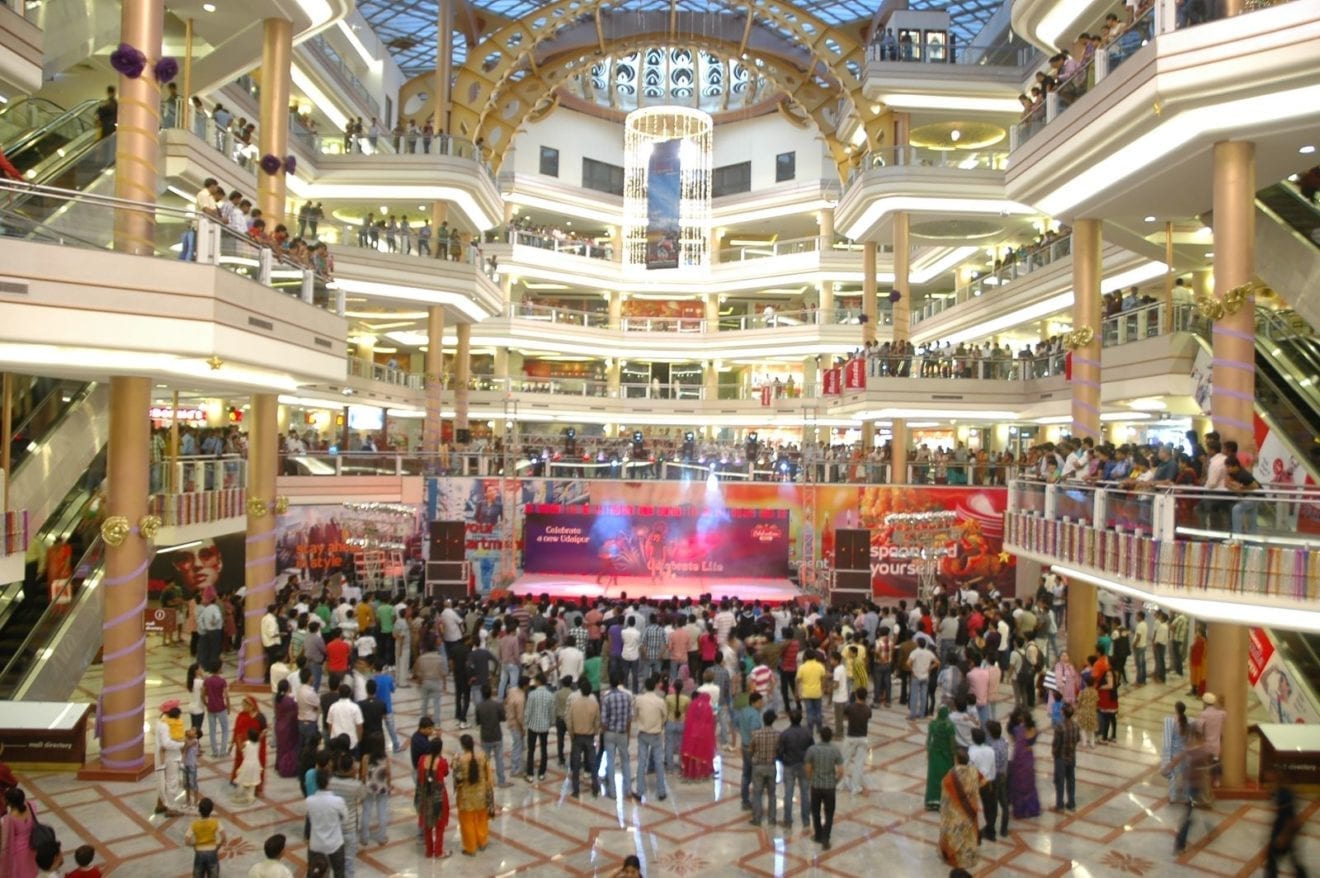
    • Prestige Mangalore Retail Ventures – The Forum Fiza Mall (pictured), Mangalore.
    • Babji Realtors – The Forum Sujana Mall, Hyderabad.
    • Prestige Mysore Retail Ventures – Forum Centre City (FKA Mall), Mysore.
    • Thomsun Realtors – Forum Cochin Mall, Cochin.
    • Flicker Projects – The Celebration Mall Udaipur, Udaipur.
  • Volkswagen to invest Rs 7,600 crore to launch new models

    Volkswagen to invest Rs 7,600 crore to launch new models

    The Volkswagen Group plans to invest 1billion euros more in India, several people in the know said, as the world’s largest carmaker seeks to launch a flurry of vehicles and expand capacity to shrug off its underperformance in one of the fastest-growing markets.

    The group will spend the money to set up a new manufacturing line at its existing facility at Chakan in Pune, build an engineering centre and develop products, these people said, speaking on the condition of anonymity. Developing electric vehicles is also under consideration, they said.

    The German auto major is reworking its India plan after an aborted attempt for a partnership with Tata Motors to make products for emerging markets, where the most crucial factor that sells a vehicle is its affordability. Despite the group being present in India for more than a decade and half, it could garner only a less than 2% market share between the Volkswagen and Skoda brands.

    Positioning as a premium brand that sits above the likes of market leaders Maruti Suzuki and Hyundai Motor has hurt its performance. The group has now decided to come out with an affordable portfolio on its own for emerging markets, based on the MQB-A0 platform. The new models will be heavily localised to keep the cost low.

    Czech unit Skoda Auto is driving this India and emerging market strategy for the group. Skoda chairman Bernhard Maier visited India towards the end of October, followed by a contingent of 40 senior engineers who came to understand the critical issues here before executing the plan. The group has also conducted one-on-one workshops with over a dozen-and-half vendors to put finishing touches to its emerging market strategy, the people said.

    The Volkswagen board discussed the progress of the plan on December 19 and is hopeful of finalising a blueprint within a quarter, they said. About half a dozen cars are planned with the new MQB-A0 underpinning, including a hatchback each from Skoda and Volkswagen positioned in the Maruti Baleno and Hyundai Elite segment, a mid-size sedan that will replace the Rapid and Vento, and a B-segment SUV that will be benchmarked against the Volkswagen T Cross to take on the Hyundai Creta. Discussions are currently ongoing on the SUV project, codenamed VW216.

    “We believe we are in a good position to tackle new segments in the Indian market now,” Skoda chairman Maier told ET in a statement. “We will invest a substantial amount into the Indian market. We are in the process of ascertaining the total investment,” he said, but declined to get into the specifics. The company is studying volume scenarios of 1,80,000, 2,50,000 and 3,20,000 units for capacity expansion. A chunk of the production will go towards exports.

    Till the time the MQB-A0 car project goes fully on stream by 2022-2023, an existing platform is being upgraded to meet requirements in overseas markets.

  • AirAsia India Offers Flights To Goa

    AirAsia India Offers Flights To Goa

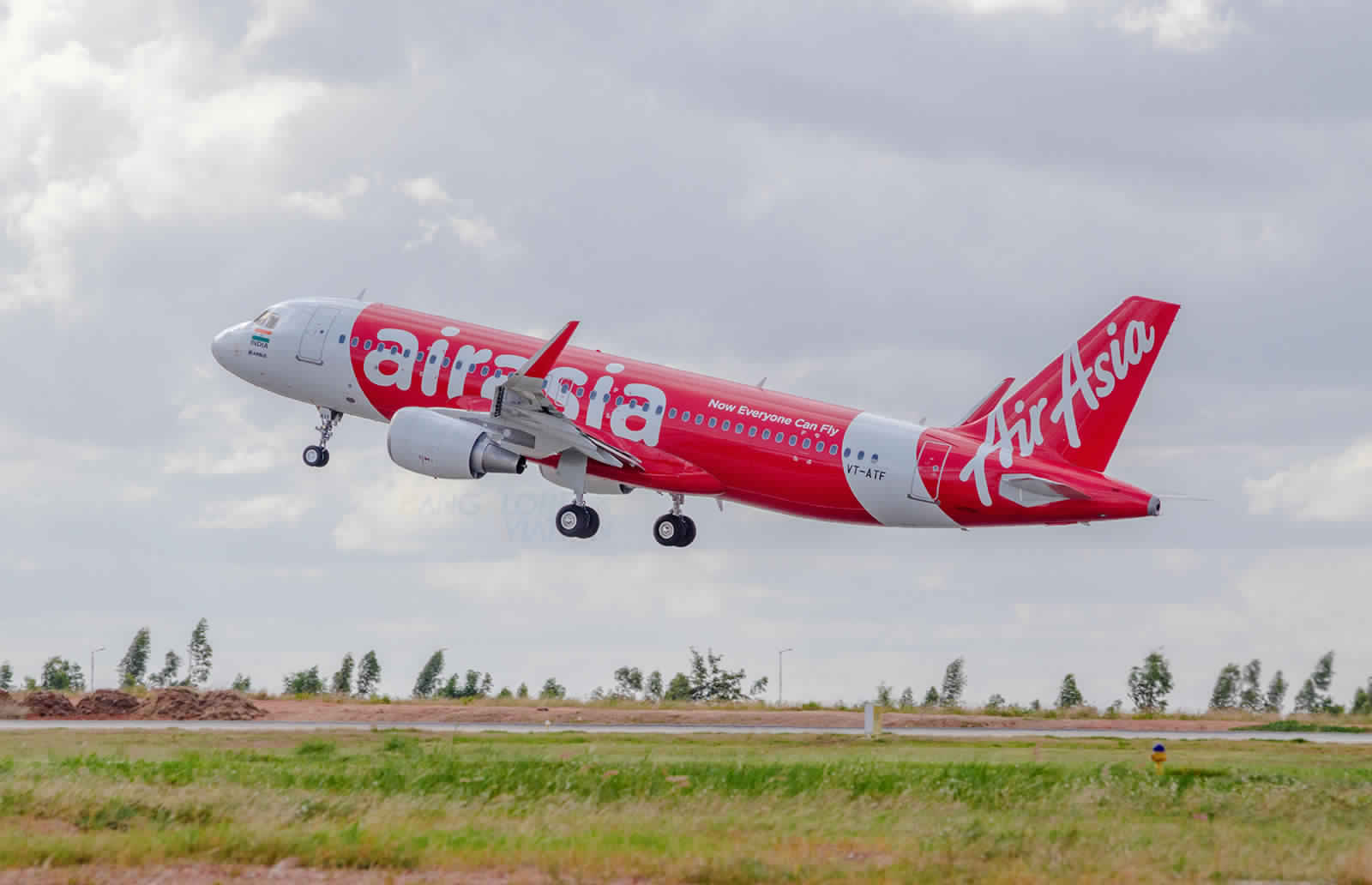
    AirAsia India is offering flight tickets starting below Rs. 1,400 on select routes in a limited-period sale. AirAsia India is offering tickets starting at Rs. 1,399 on flights from Bengaluru to destinations including Goa under a promotional scheme, according to the airline’s website – airasia.com. The AirAsia India offer requires flyers to make advance bookings, which are open till December 31, 2017, the airline noted. The all-inclusive fares offered under the scheme are applicable on travel till June 30, 2018, AirAsia India noted on its website. Flight tickets starting at an all-inclusive Rs. 1,399 are also available on flights from Bengaluru to Hyderabad and Kochi, it noted.

    AirAsia India offers on flights come days before New Year 2018, amid high competition in the domestic civil aviation market. Many airlines operating in the domestic market offer discounts around the New Year holiday season to attract passengers during a period marked with high demand, say analysts.

    A search on the AirAsia bookings portal on Friday showed tickets for flights from Bengaluru to Goa on January 17 were available for booking at Rs. 1,899.

  • Ola Cabs merges with Foodpanda in India

    Ola Cabs merges with Foodpanda in India

    Uber rival Ola Cabs has merged with food-delivery platform Foodpanda India, taking control from Delivery Hero Group of Germany.

    Under the terms of the deal, as well as a handover of shares, Ola has committed to investing US$200 million into Foodpanda’s India business.

    With Foodpanda India CEO Saurabh Kochhar having moved on, Ola founding partner Pranay Jivrajka will be interim CEO.

    Rocket Internet-backed Delivery Hero last year pulled out of Indonesia after tough competition, while Foodpanda wound up its Vietnam business in 2015 and scaled back in India.

    “The partnership with Ola will allow us to further consolidate markets where it strategically makes sense to collaborate with local players,” says Delivery Hero CEO/co-founder Niklas Östberg.

    The acquisition comes shortly after Ola raised $1.1 billion in funding from Japanese telco SoftBank Group and Chinese internet giant Tencent.

    Uber Eats launched in India a few months ago.

  • Nissan India set to hike prices from January 2018

    Nissan India set to hike prices from January 2018

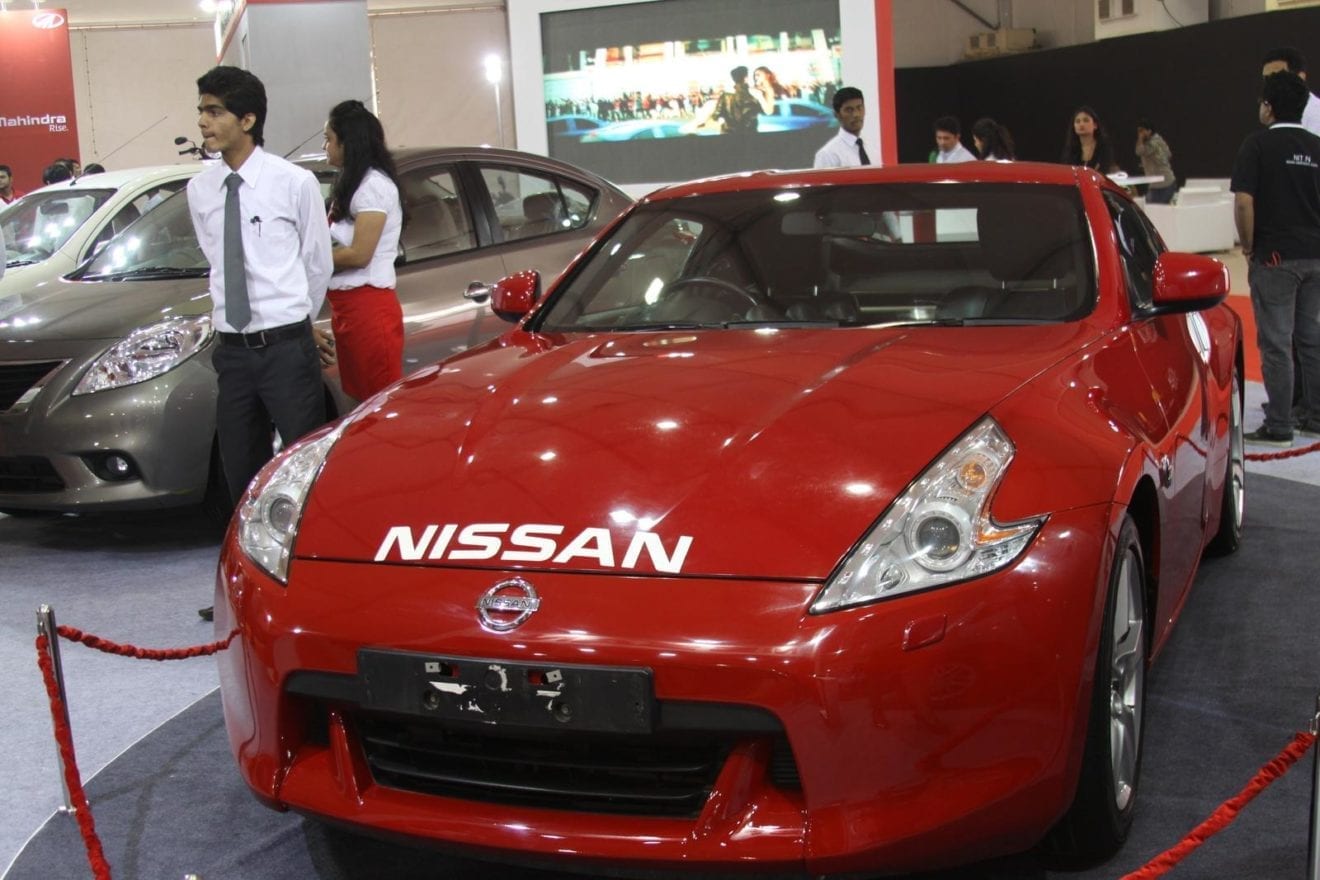
    Nissan Group of India on Tuesday announced a price revision across its Nissan and Datsun range of models.

    The prices of the Nissan and Datsun models will rise by up to Rs 15,000 effective 1 January 2018.

    Jerome Saigot, managing director, Nissan Motor India, said: “With the rise in input and manufacturing costs, Nissan has decided for a price hike across all the Nissan and Datsun models with effect from 1 January 2018. The revised pricing will help us to optimize our manufacturing efficiencies and continue to serve our customers pan-India.”

    Recently, Nissan and Datsun have been ranked among top 6 auto companies in India for customer satisfaction. The Datsun redi-GO has been ranked among the top 3 cars in the entry compact segment by the JD Power 2017 India Initial Quality Study.

  • Indian Threads expands retail network in Madhya Pradesh, Maharashtra and Rajasthan

    Indian Threads expands retail network in Madhya Pradesh, Maharashtra and Rajasthan

    Indore based start-up Indian Threads is changing the fashion industry for men. It is the online style destination for men in India. They bring you the most sharp & premium men’s shirts. Indian Threads love to make great clothes that suit every individual. They want people to love their clothes and enjoy wearing them.

    In offline market, they are majorly working in 3 states Madhya Pradesh, Maharashtra and Rajasthan and in online, they have been selling their shirts nationwide.

    Indian Threads launched in 2015. It all started with a simple idea – to design fresh high-quality items at nominal price range. After dropping out of college in January 2015, Abhishek Rawal & Vishi Porwal (22 yrs) started Indian Threads, they found themselves brainstorming about launching their own brand centered on love for design and fashion. What started as an online web store for their passion and entrepreneurial experiment quickly grew into much more than just selling a few shirts.

    Indian Threads shirts are hand crafted at their state of the art facility in Indore. Their skilled operators use single needle construction to ensure clean finishing and durable seams. Collars are fused with high quality interlining to achieve a fine balance between volume and pliability. Much attention is paid to both the provenance of their raw materials and craftsmanship. People will love Indian Threads shirt.

    High Quality fabric shirts shouldn’t necessarily mean expensive – Indian Threads believes in serving the finest quality shirt at the cheapest rates possible. By cutting the over whelming profit ration & selling directly to customers on their online platform, they cut out the middle men, and pass the savings on to you.

    Their aim is to open their own brand Store all over India in next 5 years and expand the Indian Brand by exporting to different countries. Their vision is to empower their members to feel like a million bucks without spending a million bucks. They want everyone to stay fresh, for less and keep you on the forefront of trending fashion – They aim to continuously redefine everyday style for Men in India.

  • DHL ecommerce to launch its Indian operations

    DHL ecommerce to launch its Indian operations

    Mail and logistics group Deutsche Post DHL (DPDHL) is expanding its dedicated e-commerce logistics service- DHL e-commerce- in India. The company has been testing e-commerce logistics business in India through its Indian subsidiary Blue Dart Express since 2014.

    The publication reports that Germany-headquartered DHL eCommerce has hired former Reliance Jio marketing head Neeraj Bansal and will be roping in more senior executives to kickstart its operations in the country by March 2018.

    DHL ecommerce has previously made many investments in the country through its BlueDart Express subsidiary. However, the publication added that BlueDart and DHL eCommerce will not be competing against each other but rather co-exist.

    Recent developments in the logistics segment in India

    While there are a number of standalone logistics companies in India. E-commerce players too have started having their own logistic arms in the country.

    Amazon: In November, Amazon India’s logistics arm Amazon Transportation Services (ATS) further received funding of Rs 130 crore from its US-based parent Amazon Inc. Before that, ATS received Rs 207 crore worth of funding from Singapore-based Amazon Corporate Holdings and Amazon Malaysia, in June, and before that, it had received Rs 67 crore in September 2016.

    Flipkart: Etailer Flipkart also owns a logistics arm eKart, in which it invested Rs 961.4 crore in October. In April, Flipkart-owned online fashion website Myntra acquired Bangalore-based logistics startup InLogg.

    Hippo: Hippo Innovations Private Limited, which runs the DIY mobile e-commerce platform StoreHippo, launched an e-commerce logistics solutions aggregation platform called ShipKaro, in October. At present, it lists standalone companies like Delhivery, Aramex, FedEx, Ecom Express, Holisol, Blue Dart, Bombino Express, DTDC, Book A Wheel, Gati, OnlineXpress, Vegostics, and Xpressbees as carrier partners. It claims to deliver to over 20,000 PIN codes across India.

    The government of India: In October, the government of India launched the International Tracked Packet service, which provides cross-border shipping for the e-commerce sector in the Asia-Pacific region. This service is provided by the Department of Post, and offer features like track & trace, volume discounts, pick up facility, and compensation for loss or damage.

    In terms of standalone companies, there are firms like Ecom Express, Locus, Delhivery, Rivigo, Loadshare, Blackbuck, and also NSE-listed Gati, which invested in Browntape.com in November, which is a service which enables vendors to sell on multiple marketplaces with the same pool of inventory, and give them access to data, marketing and technology.

  • Alibaba all set to put $300 million in BigBasket

    Alibaba all set to put $300 million in BigBasket

    Chinese e-commerce giant Alibaba Group Holding plans to invest about US$200 million in India’s online supermarket Bigbasket.

    This leads a $280 million funding round and would give it a stake of about 25 per cent in the startup, insiders say. The deal is awaiting approval from the Competition Commission of India.

    Based in Bangalore, the grocer has previously had investment discussions with Amazon.com, which was given government approval this year to invest $500 million into food retailing. Founder Jeff Bezos has said he will invest $5 billion in India.

    Meanwhile, Alibaba has invested in One97 Communications, which runs digital payment and e-commerce businesses.

    Owned by Innovative Retail Concepts, Bigbasket has TV commercials featuring Bollywood actor Shahrukh Khan. The company offers delivery in more than 25 cities and offers 18,000 products from 1000-plus brands.

  • Alipay Launches “Double 12” Global Shopping Festival in Hong Kong

    Alipay Launches “Double 12” Global Shopping Festival in Hong Kong

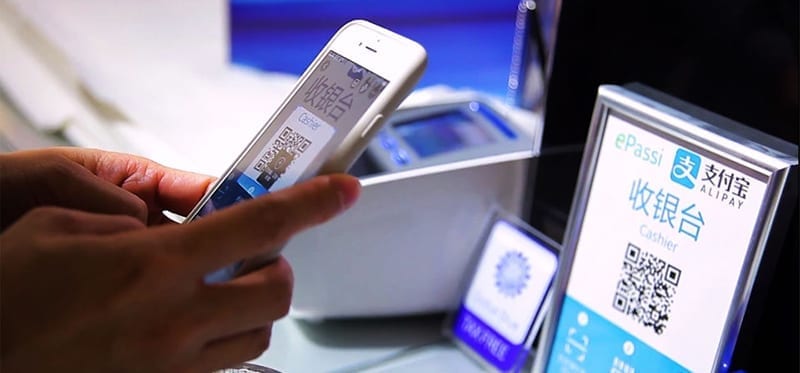
    Alipay, the world’s largest online, mobile payment and lifestyle platform operated by Ant Financial Services Group, today launched this year’s “Double 12” Global Shopping Festival in 15 countries spanning across four continents. In addition, Ant Financial’s strategic partners in Hong Kong, India, Thailand and the Philippines will introduce campaigns for their local e-wallet users for the first time. These partners include Paytm in India, TrueMoney in Thailand, and GCash in the Philippines. Together with CK Hutchison Holdings (“CK Hutchison), AlipayHK was launched in Hong Kong earlier this year to further develop local service offerings in the city.

    In short, we call it ‘glocalization.’” Douglas Feagin, President of International Business, Ant Financial Services Group said at the launch ceremony. “This concept is about developing Alipay globally while also developing localized service offerings.”

    “Working with our global merchants network, we also continue to focus on enhancing the Alipay mobile payment experience for Mainland Chinese tourists wherever they travel,” he added. “In particular, some of our most attractive Double 12 promotions are in the Greater Bay Area, where millions of Chinese travellers regularly visit.”

    As part of this year’s Double 12 Shopping Festival, almost 10,000 merchants in Hong Kong and Macau will offer exclusive discounts throughout December to Alipay users from Mainland China. This year, a key feature of this year’s Double 12 offering is focused on Hong Kong delicacies to attract Mainland China users. In Hong Kong’s Mongkok district, a promotion of “Hong Kong snacks for 1 RMB” can be enjoyed by Alipay users. In the Guangdong province, Alipay users will receive a cashback for every payment made in over 2 million stores.

    Venetia Lee, General Manager of Alipay Hong Kong, Taiwan & Macau said, “Our aim is to provide a seamless payment and travel experience to millions of Alipay users who constantly travel to the Greater Bay Area. We will plan to launch more integrated campaigns to further enhance our user experience and bring more value to our merchant network in the region.”

    Jennifer Tan, CEO designate of the joint venture between CK Hutchison and Ant Financial that offers AlipayHK separately commented on plans for Hong Kong. “Building on Alipay’s success in mainland China, we are rolling out a creative, localized payment experience for our Hong Kong users. Participating in this year’s Double 12 Festival is a first step towards that, and we are very excited to be partnering with so many local merchants to bring this festival to life by providing exclusive offerings to AlipayHK users.”

    CK Hutchison and Ant Financial first announced the strategic partnership in September 2017. The joint venture remains subject to regulatory approval, and is expected to complete in the first quarter of 2018.

    AlipayHK has partnered with over 8,000 brick-and-mortar stores to offer exclusive gifts, discounts and rewards throughout December. In addition, vendors in the Po Tat Market will offer “1 Dollar Groceries” flash sale on December 12.

    Alipay is also working with partners across Southeast Asia to launch localized versions of Double 12 shopping festival. In Thailand for example, more than 10,000 merchants will be participating in the 1212 D-day Deals for TrueMoney users while 3,000 merchants will offer exclusive discounts on 1212 GCash Day in the Philippines.