Tag: india

  • GNC plans big expansion in India

    GNC plans big expansion in India

    Health and wellness brand GNC India is planning major expansion by increasing its availability to 4000 stores by 2020.

    The retailer will partner with pharmacy chain Guardian Healthcare Services, its master franchise in the market, to distribute GNC products to 1000 retail outlets this year, and boost its business to multiple channels, encompassing retail, e-commerce and distribution.

    GNC India will also market and sell its full product line through the company’s website and via other e-commerce players.

    “We are very excited about our expansion plans in India, where there is significant opportunity for growth,” says Ken Martindale, GNC’s CEO.

    “Guardian is an established player in India’s health and wellness industry and we believe the strength of our two companies will position us as one of the leaders in this attractive and fast growing market.”

    According to the Associated Chambers of Commerce and Industry in India 2017 report, India’s nutraceutical market is currently estimated to be US$4 billion in 2017 and expected to grow to $10 billion in 2022.

    GNC arrived in India in 2004 and is currently available at 50 of Guardian’s stores.

  • Xiaomi Redmi 5 full-screen budget smartphone to launch in India soon

    Xiaomi Redmi 5 full-screen budget smartphone to launch in India soon

    Xiaomi will be launching a new smartphone in India on March 14. Manu Kumar Jain, Xiaomi global vice president, made the announcement on Twitter on Wednesday, hinting at a phone that is “compact” and “powerhouse”. The phone featured in the promo photo resembles Xiaomi Redmi 5, the company’s first full-screen smartphone for the budget segment.

    Just like Redmi 5, the cut out of the phone has a tall display with most likely an 18:9 aspect ratio. Redmi 5 launched in China in December last year. The smartphone was accompanied by a Plus variant with a taller display. Xiaomi Redmi 5 and Redmi 5 Plus retail in China at a starting price of 799 Yuan or approximately Rs 7,500.

    Xiaomi sells multiple variants of the two phones in China. Xiaomi Redmi 5 is available in two variants – 2GB RAM + 16GB storage and 3GB RAM + 32GB storage – priced at 799 Yuan (approximately Rs 7,500) and 899 Yuan (approximately Rs 8,500) respectively.

    The Plus model is also available in two variants – 3GB RAM + 32GB built-in storage and 4GB RAM + 32GB built-in storage which are priced at 999 Yuan (approximately Rs 9,500) and 1299 Yuan (approximately Rs 12,700) respectively.

    Xiaomi Redmi 5, Xiaomi Redmi 5 Plus

    Xiaomi Redmi 5 comes with a 5.7-inch 18:9 screen with 1440 x 720 pixels resolution. Redmi 5 Plus has a 5.99-inch 18:9 display with 2160 x 1080 pixels resolution. Redmi 5 is powered by Qualcomm’s Snapdragon 450 processor whereas Redmi 5 Plus runs Snapdragon 625 processor. Redmi 5 comes with a 3,200mAh battery while Redmi 5 Plus is powered by a 4,000mAh battery.

    Common features of the two phones include 12-megapixel rear camera and 5-megapixel front-facing camera. Connectivity options include 4G, VoLTE, dual-SIM, Bluetooth and Wi-Fi. Both the phones include a fingerprint reader and run on Android 7.1.2 Nougat-based custom MIUI ROM.

  • India shifts to gold discount but Akshaya Tritya seen reigniting demand

    India shifts to gold discount but Akshaya Tritya seen reigniting demand

    Gold was sold at a discount in India as demand remained subdued for a fourth straight week while buying in the rest of Asia picked up as prices fell for a third consecutive week.”Many consumers are busy in paying advance tax. Since this is last month of the fiscal year, they have to pay taxes by March end,” said Ashok Jain, proprietor of Mumbai-based wholesaler Chenaji Narsinghji.India’s fiscal year runs from April to March.Dealers in India were offering a discount of up to $3 an ounce over official domestic prices, compared with a premium of $2 last week. The domestic price includes a 10 per cent import tax.”Retail demand is very weak.

    Despite the correction in prices, consumers are showing little interest in buying,” said Harshad Ajmera, the proprietor of JJ Gold House, a wholesaler in the eastern Indian city of Kolkata.In the local market, gold was trading at 30,405 rupees per 10 grams, after hitting a 15-month high of 30,839 rupees last month.India’s gold imports in February dropped a quarter from a year ago to 63 tonnes as higher prices curtailed demand in the world’s second-biggest consumer of bullion, provisional data from precious metals consultancy GFMS and bank dealers showed.

    Weddings and Akshay Tritiya festival, when buying gold is considered auspicious, could lift demand in April, Ajmera said.Meanwhile in China, there was some good buying through the mid week, with gold selling at a premium of $6-$8 over benchmark rates this week, down slightly from $8-10 last week.

    Gold prices extended losses into a third session on Friday as the dollar strengthened against the yen on hopes of easing tensions between the United States and North Korea and ahead of U. S. non-farm payroll data later in the day.Benchmark spot gold prices have fallen for a third straight week.

    Premiums of 70 cents to a $1.20 were being charged in Hong Kong last week, while in Singapore, premiums were unchanged at the 80 cent level.”There was a pick up in demand when prices fell below $1,320 last week … There is buying on dips and we expect prices to go down further, which should see some buying,” said Ronald chief dealer at Lee Cheong Gold Dealers in Hong Kong.

    In Japan, premiums were unchanged from last week at 50 cents despite good demand.The demand in Japan was strong due to lower prices in Japanese yen terms, but have started to wane towards the end of the week, a Tokyo-based trader said.

  • The new Mexx eyes China, India

    The new Mexx eyes China, India

    Resurrected fashion brand Mexx is considering entering the China and India markets over the next two years.

    Meanwhile, the once Turkish-headquartered label has rolled out a mini-collection including fashion for men, women and children, with a comprehensive footwear collection to follow. Its spring collection next year will be a full brand launch integrating accessories and bags, with a clear Mexx signature and brand DNA, says the company.

    Mexx will relaunch the brand in retail in Canada, France, Austria and the Netherlands in autumn. Those markets will be followed by Belgium, Germany, the Middle East, Russia and Egypt in Spring 2019. Flagship stores are planned for Paris, Antwerp, Amsterdam, Berlin and Munich starting in Spring 2019. “Possible market entries in India and China during the course of 2019/2020 are being discussed,” the company said.

    With the relaunch, Mexx aims to become the leading brand in the upper-low segment, positioned just under Massimo Dutti.

    For fragrances, Mexx will continue with its licence partner Coty.

    E-commerce is one of the highest priorities in the brand’s distribution strategy. As well as developing its own platform, Mexx will team up with platforms such as Amazon and the Otto Group.

    For physical distribution, Mexx is taking a decentralised approach aimed solely at markets where it has been present for more than 25 years. The main channel focus is on controlled distribution through franchise and department store environments, major multi-brand chain stores and a limited number of smaller stand-alone multi-brand stores.

    An important element of the relaunch is a fresh and innovative store concept with its format reduced to a 200sqm lifestyle box.

    “We see immense potential for Mexx to play a highly relevant role in today’s fashion landscape,” says Mexx International CEO Leo Cantagalli.

    Mexx was founded in the 1970s by fashion designer Rattan Chadha and his business partner Adu Advaney who supplied private label clothes to department and wholesale stores in the Netherlands. By 1980, this had resulted in the creation of two well-known Dutch clothing brands – Moustache for men and Emanuelle for women. The two brands merged in 1986 to create Mexx, with the company name coming from M (from Moustache) and E (from Emanuelexx, plus XX (an abbreviation for “Kiss! Kiss!”). The brand achieved revenue of over $1 billion.

    However the company collapsed in 2016 and the global IP of Mexx was acquired by a new Dutch entity Mexx International BV in August last year.

  • Japanese confectionery brand Morozoff enters Dubai

    Japanese confectionery brand Morozoff enters Dubai

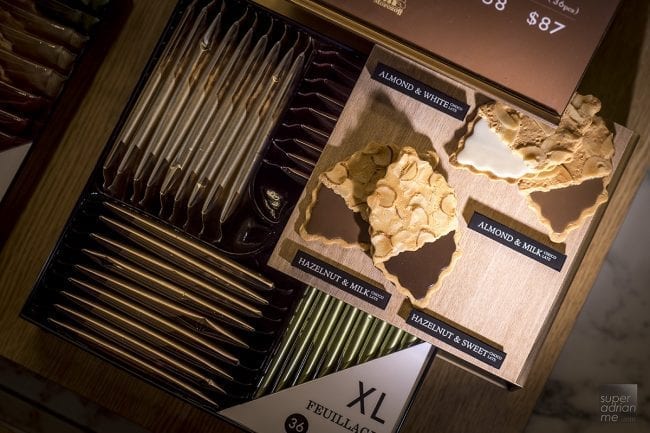
    Japanese confectionery and chocolatier chain Morozoff has opened its first Dubai store, at Wafi Mall.

    Launched by the Emerald Star Group, Morozoff Dubai offers not only cookies and cakes but also a gift collection to suit a range of celebrations and events.

    Morozoff president Shinji Yamaguchi says the Dubai launch is a significant development for the group, with plans already in place for expansion.

    Emerald Star, which specialises in distributing Japanese products, plans to take Morozoff to other territories in the region as well as India.

    The chain returned to Singapore in November after an absence of 14 years.

  • Vietjet announces route expansion plan with  direct flights and Bangkok – Krabi route

    Vietjet announces route expansion plan with direct flights and Bangkok – Krabi route

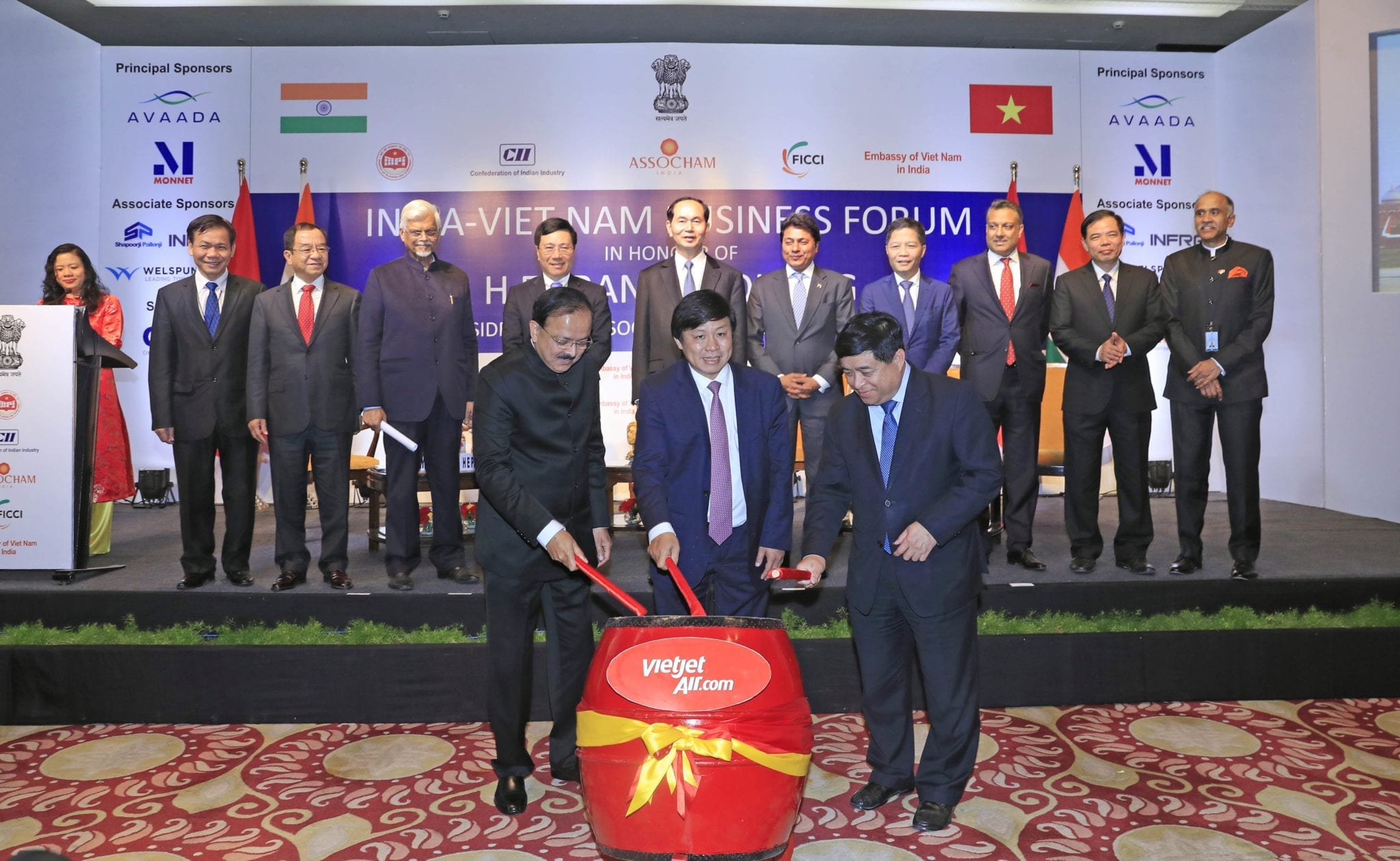
    Vietjet has announced its plan to operate direct flights connecting Vietnam and India, while its subsidiary, Thai Vietjet, is to launch a new direct domestic service between Bangkok and Krabi from April 5, 2018. Both plans are designed to become part of Vietjet’s long term development program to be a “Consumer Airline” that serves all demands of its customers.

    The India route will connect Ho Chi Minh City with New Delhi with four flights a week, serving the growing travel demands of the two peoples and contributing to the region’s integration and trade exchange. The announcement was made at the Vietnam – India Business Forum which was witnessed by Vietnam President Tran Dai Quang and senior leaders of Vietnam and India. It also came as a highlight of the 45th anniversary of the establishment of Vietnam – India diplomatic relationship and the 10th anniversary of strategic partnership between Vietnam and India.

    India, the country with the world’s second largest population, is famous for its diversified culture, religions, cuisine and tourism. Also, the country is well-known for its marvelous nature and grand architectures that are certified as world heritages. Among them are the Valley of Flowers National Park (Uttarakhand), Lotus Temple (New Delhi), Taj Mahal (Uttar Pradesh), Red Fort (New Delhi), etc.

    For the Thailand route, Thai Vietjet will launch a new direct domestic service between Bangkok (Suvarnabhumi) and Krabi, starting from April 5, 2018. The service will operate with two daily return flights and a flight duration of one hour twenty minutes per leg. Departure times from Bangkok (Suvarnabhumi) are 07:10, 19:25 and departure times from Krabi are 09:05, 21:20. Thai Vietjet will deploy an A320 aircraft with 180 seats for the route, representing the airline’s determination to meet passenger demand for popular routes. Krabi is an eternally popular holiday destination, offering great beaches, clean air, beautiful temples, stunning views of both lush mountains and stunning coastlines. It is also a getaway for Bangkok residents to escape the city smog for some clean coastal relaxation. Krabi is also renowned for its world class seafood, beach barbeques and popular nightlife attractions in Krabi Town. With the new Bangkok (Suvarnabhumi) to Krabi flight addition, the airline will be flying five Thailand domestic routes, including Bangkok (Suvarnabhumi) to Chiang Mai, Chiang Rai, Phuket, Krabi and a daily direct flight connecting Phuket and Chiang Rai.

  • The luxury mobile shopper emerges in Asia, says Worldpay

    The luxury mobile shopper emerges in Asia, says Worldpay

    Shoppers in emerging economies such as China and India are seeking a more luxury, personalised shopping service on their mobile, and many Asia Pacific shoppers are even willing to pay more for a product or service if the mobile shopping experience is better. This is according to new research from Worldpay, a global leader in payments.

    Worldpay’s research examined the viewpoints of 16,000 consumers across 10 global markets, including China, India, Japan and Australia in Asia Pacific. Questioning consumers about their last mobile shopping experience and what makes them hit the “pay” button, the research found that mobile payment apps are on track to become the luxury shopping experience of the future.

    Key findings in Asia Pacific include:

     62% of Chinese consumers and 64% of Indian consumers are happy to pay more for an item, trip or service if the mobile user experience is better; far ahead of the global average of 41%

     56% of consumers in India and 54% in China are more likely to shop on a mobile phone if sent a personalised push notification from a nearby store; far outweighing the global average of 35%

     As the mobile shopping experience improves, more Australians are purchasing higher-end goods on their smartphones, with 36% spending over $85 AUD (US$67) on their last purchase

     In Japan, 38% of mobile shoppers spent over ¥7410 (US$69) on their last purchase

     India and China prefer purchasing via apps over mobile browsers more than any other markets in the world, at 82% vs. 18% and 80% vs. 20% respectively. This is compared to the global average of 71% vs. 29%.

    Phil Pomford, General Manager for Asia Pacific, Global Enterprise eCommerce at Worldpay, said: “Shoppers in Asia’s emerging economies are active mobile users who have leapfrogged past traditional modes of online shopping and now demand a personalised, luxury, on-the-go experience in the palm of their hand. Online merchants that can deliver the right experience have much to gain, as Asian shoppers are making bigger, more valuable purchases via their smartphones and are even happy to spend more with merchants that deliver a better experience. At the same time, to capitalise on the mobile shopping opportunity, merchants must consider how to help smartphone shoppers feel secure.”

    Indeed, despite exciting growth in mobile shopping in Asia Pacific, security concerns continue to hinder the full potential of mobile commerce. Australia is behind Asia in terms of mobile app adoption, with significant issues remaining around security and usability – 73% of Australian consumers say they only download apps from brands they trust. The number one reason for smartphone basket abandonment in Australia is concerns that the website wasn’t secure. In Japan, meanwhile, security is also a concern, with just 37% of consumers saying they would be happy for apps to store their payment details, against a global average of 57%.

    Pomford added: “Merchants can help to mitigate shoppers’ security fears by providing a mobile payment experience that’s quick, seamless and familiar. This might mean storing consumers’ payment details so they don’t need to enter them every time, or simply providing a range of payment options so that consumers can always use their preferred method. In China, for example, lack of preferred payment options is the top reason for smartphone basket abandonment – an important reminder that capturing this emerging class of luxury mobile shoppers depends upon providing a comfortable and convenient mobile payment journey.”


  • Flipkart’s Singapore parent infuses Rs. 4500cr into India wholesale arm

    Flipkart’s Singapore parent infuses Rs. 4500cr into India wholesale arm

    the wholesale arm of the country’s largest e-commerce company, has received almost Rs 4,500 crore in what is one of the largest capital infusions for the entity, as per latest regulatory filing at the Registrar of Companies (RoC). This large investment in to the wholesale arm from its parent indicates the aggressive plans that Flipkart has charted out to counter its closest rival Amazon which too runs a wholesale arm. Since raising $4 billion from marquee investors like SoftBank last year, Flipkart has been largely been pushing its logistics and payments businesses adding big bucks to rev up these verticals.

    Flipkart India is one of the core companies that controls the e-tailer’s India operations. The wholesale arm buys products in bulk from various manufacturers and then sells it to merchants who work closely with the online retailer as well as to independent third party vendors. These merchants, in turn, sell these products to consumers on the Flipkart platform. Flipkart Internet is the other significant entity which runs the marketplace for the e-commerce major. This entity too received an investment of about Rs 370 crore recently.

    In March 2016, the Indian government allowed 100% FDI in online retail of goods and services under the marketplace model with riders which restrict a seller from contributing more than 25% of overall sales generated on any e-commerce site. This is why companies like Flipkart and Amazon, which cannot work on the inventory model, prop up few big merchants and help them cater to the growing consumer demand. Having a wholesale arm helps in doing that as they e-tailers cannot directly sell to shoppers. As per the RoC documents, Flipkart’s Singapore parent was issued each share of Flipkart India for Rs 23,900 for raising the new capital.
    An email sent to a Flipkart spokesperson on the development did not elicit a response. The e-tailer’s wholesale entity reported revenues of Rs 15,264 crore for the financial year 2017 compared to Rs12, 818 crore in the previous year showing a growth of about 18%. After a tough 2015- 2016, Flipkart had managed to make a turnaround last year with a bump up in growth numbers on the back of smartphone sale. It also successfully raised massive funds to fight Amazon as Japan’s SoftBank came on board as its largest investor.
    Both Amazon and Flipkart are vying for the largest pie of the Indian e-commerce market and are investing in their businesses at a staggering pace. Amazon has already infused over $3 billion in the Indian market and its international losses–majority of which is credited to India–stood at $3 billion for the full year of 2017. Flipkart Singapore parent reported a 67% jump in losses at Rs 8,771 crore for the financial year ending March 2017. Both the players are also ramping up their infrastructure for new businesses as they look to drive up growth. While Flipkart is setting up new fulfilment centres for its TV and large appliances business, Amazon recently announced it has opened up 15 new warehouses or what it cals Fulfillment Centres to push its grocery and daily consumables business.
    Flipkart is currently engaged in talks with Walmart, the world’s largest offline retailer, for a deal that may give the American retailer a big stake in the homegrown comoany valuing it at upwards of $20 billion, as TOI reported in our February 8 edition.
  • DHL gives India top ranking for growth in the ‘Big Seven’

    DHL gives India top ranking for growth in the ‘Big Seven’

    India’s economy holds the brightest growth prospects of the world’s seven largest economies, according to results from the Global Trade Barometer (GTB) from logistics company DHL.

    GTB analytics assigned India the highest growth indices of the seven countries assessed, due to strong and sustained increases in both air and ocean freight in and out of the country.

    The country’s trade in machinery and high-tech goods continues to underpin its growth, while increased imports of industrial raw materials point to an extended period of trade development for the nation.

    “More than any of the world’s largest economies, India’s major industries have displayed levels of resilience and growth that will buoy business confidence in the short-to-medium term,” said George Lawson, managing director, DHL Global Forwarding India.

    “India’s economy has built up terrific momentum in recent times: Since 2008, its GDP has risen every single year to US$2.44 trillion last year, more than double the levels of a decade ago. As the country continues to invest heavily in infrastructure, we expect it to continue its upward trajectory for the foreseeable future.”

    According to the GTB, businesses in India can expect ocean trade to further improve on already-high levels, largely thanks to demand for commodities and industrial materials from overseas.

    Air freight demand is projected to remain stable at its current highs, sustained by growth in machinery and technology imports. Both India’s air and ocean freight forecasts proved stronger than those of any other country in the GTB — in large part due to every major sector making a positive contribution to the country’s trade.

    Developed jointly by DHL and Accenture, the GTB provides a quarterly outlook on future trade, taking into consideration the import and export data of seven large economies: China, South Korea, Germany, India, Japan, the United Kingdom and the United States. Together, these countries account for 75 per cent of world trade, making their aggregated data an effective bellwether for near-term predictions on global trade. The GTB, which assesses commodities that serve as the basis for further industrial production, predicts that global trade will continue to grow in the next three months, despite slight losses in momentum.

  • Retail AI startup Capillary Technologies raises $20 million

    Retail AI startup Capillary Technologies raises $20 million

    Capillary Technologies on Wednesday announced the raising of approximately $20 million over the past year from its existing investors, including Warburg Pincus and Sequoia Capital. The cloud-based software solutions startup uses artificial intelligence to enable top retailers such as Walmart, Starbucks and Dubai-based Al-Futtaim to smartly engage with their customers.

    With these funds, Capillary expects to strengthen its new product development, powered by AI and Machine Learning catering to Asia and other upcoming emerging markets. The company said it also plans to invest in the newly launched Consumer Goods vertical with its solutions.

    “More than 70% of these funds would be [spent] on AI and machine learning products,” said Aneesh Reddy, co-founder and CEO of Capillary Technologies. “We have a 25 member team for it. We are also funding a research team at IIT-Kharagpur.”

    The firm would also use the money to further strengthen its presence in China and the Middle East, besides penetrating further into Southeast Asia. The company said it will soon be opening its second office in China in Guangzhou and then another one in Beijing later this year.

    “We are pleased to continue to be a part of the company’s journey as the team further scales the business,” said Vikram Chogle, Principal, Warburg Pincus, in a statement.

    Reverse innovation

    Capillary, founded by IIT-Kharagpur graduates Aneesh Reddy, Krishna Mehra and Ajay Modani, launched the firm in India to solve the key pain points of the local retailers. Its innovation which helps retailers understand customer purchase behaviour through artificial intelligence later found the market in other countries.

    Capillary’s technology has now been used by more than 300 top brands across 25,000 stores in over 30 countries to enable easy and seamless consumer experiences. Some of them include Pizza Hut, Giordano, Bata and Puma. The firm expects to achieve a revenue of $100 million in the next three years, according to Mr. Reddy of Capillary.

  • Thai low-cost carrier Nok Air pins turnaround on more China, India flights

    Thai low-cost carrier Nok Air pins turnaround on more China, India flights

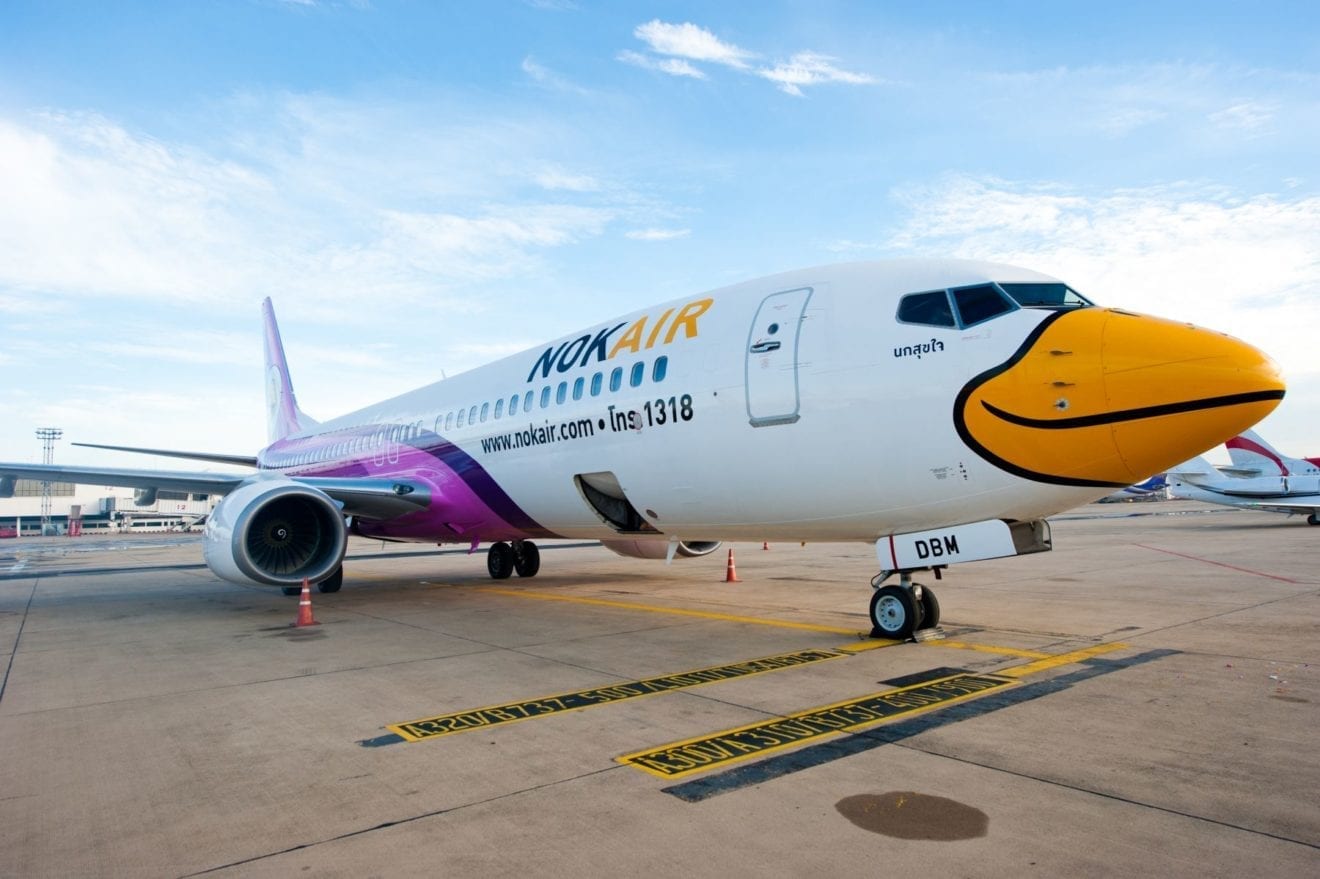
    Nok Airlines Pcl, the struggling low-cost subsidiary of Thai Airway International Pcl, aims to turn around operations by growing international revenue with more flights to China and India, a top executive said on Monday.

    The carrier, which posted a loss of 1.85 billion baht ($58.95 million) last year, aims to increase revenue by 3 billion baht this year from 20.4 billion baht in 2017, by carrying 9 million passengers, 4 percent more than a year prior, Chief Executive Piya Yodmani said.

    He also said the carrier aims to increase revenue from international operations to 40 percent of its total from 20 percent a year earlier.

    Piya, who took over as CEO in September after the resignation of Patee Sarasin, said Nok targets aircraft utilization of 12 hours, up from 10.4 hours in 2017, with more red-eye flights and routes in China to boost earnings as Chinese tourist arrivals surge in Thailand.

    “We are waiting for approval to fly into three cities in India with the possibility of increasing routes there,” Piya said.

    Hotel and retail groups are among the main beneficiaries of a Thai tourism boom, while Thai airlines struggle with competition and fuel costs.

    Nok is deferring delivery of 8 Boeing Co 737-MAXs to next year through 2021 due to a “red ocean of competition,” Vice President Surachart Angkasuwan said.

    Tourism accounts for about 12 percent of Southeast Asia’s second-largest economy, with the country expecting 37.55 million arrivals this year, up 6.1 percent from 2017.

  • Air Asia X to stop flights from Mumbai

    Air Asia X to stop flights from Mumbai

    Malaysian budget carrier AirAsia has decided to pull out its flights from Mumbai to Kuala Lumpur from April 30.

    AirAsia India spokesperson saying passengers booked on the sector after April 29 will be allowed to either re-route through other destinations, get a credit refund, change the travel date or get a full refund.

    The Mumbai-Kuala Lumpur flight has been popular with tourists to Malaysia and Bali, where Air Asia has excellent connections. If you were planning your South Asia summer holiday, you still have three good options from Mumbai. The following airlines operate non-stop flights:

    Malindo Air flies to to Kuala Lumpur from Mumbai every day, with a flight duration of 5 hours and 20 minutes. Book your tickets here.

    Malaysia Airlines also has daily non-stop flights between Mumbai and Kuala Lumpur. Book tickets here.

    Jet Airways flights, operated by Malaysia Airlines as a part of codeshare, will also take you to Kuala Lumpur in just 5 hours 20 minutes. Book here.

    Other primary carriers that will get you there with 1 short stop along the way include Singapore Airlines, Air India, Emirates, Etihad, Cathay Pacific and Sri Lankan Airlines, to name a few.

  • India bank hack ‘similar’ to US$81m Bangladesh central bank heist

    India bank hack ‘similar’ to US$81m Bangladesh central bank heist

    Hackers who tried to steal nearly US$2 million from India’s City Union Bank this month used tactics similar to those employed in the unsolved cyber heist of US$81 million from Bangladesh’s central bank in 2016, City’s CEO said on Monday (Feb 19).

    The unknown hackers disabled the City printer connected to global payments platform SWIFT on Feb 6, preventing the bank from receiving acknowledgement messages for three fraudulent payment instruction sent that evening until the next morning.

    “Nobody suspected that it was an attack and thought it was a systemic network failure,” N Kamakodi said on phone. “The system department people, everybody assembled, analysed the problem, rebooted, they closed shop only around 10.00pm to 10.30pm.”

    The next morning, bank officials managed to reconcile the previous day’s transactions and found out “three transactions which were not originated from our bank”.

    The bank had been able block only one of the transfers worth US$500,000, while attempts were under way to retrieve the rest, he said. It first disclosed the heist on Saturday.

    In the case of Bangladesh Bank, hackers infected the system with malware that disabled the SWIFT printer. Bank officials in Dhaka initially assumed there was simply a printer problem.

    The hackers stole the money from Bangladesh Bank’s account at the Federal Reserve Bank of New York using fraudulent orders on SWIFT. The money was sent to accounts at Manila-based Rizal Commercial Banking Corp and then disappeared into the casino industry in the Philippines.

    Nearly two years later, there is no word on who was responsible and Bangladesh Bank has been able to retrieve only about US$15 million, mostly from a Manila junket operator.

    “We definitely see similarities between the Bangladesh case, and the similarities are being factored into the investigation,” Kamakodi said.

    City Union, a small private lender based in south India, said the three money transfer instructions were sent via correspondent banks to accounts in Dubai, Turkey and China.

    He said SWIFT was helping it investigate the matter, and that the hack happened despite the bank adding new security measures days before.

    “It’s a cat and mouse game,” he said.

    SWIFT said it did not comment on individual customers or entities.

    Russia’s central bank said last week that unknown hackers stole 339.5 million roubles (US$6 million) in an attack via the SWIFT international payments messaging system in Russia last year.


  • AirAsia India plans to add up to 70 planes to its fleet in 5 years

    AirAsia India plans to add up to 70 planes to its fleet in 5 years

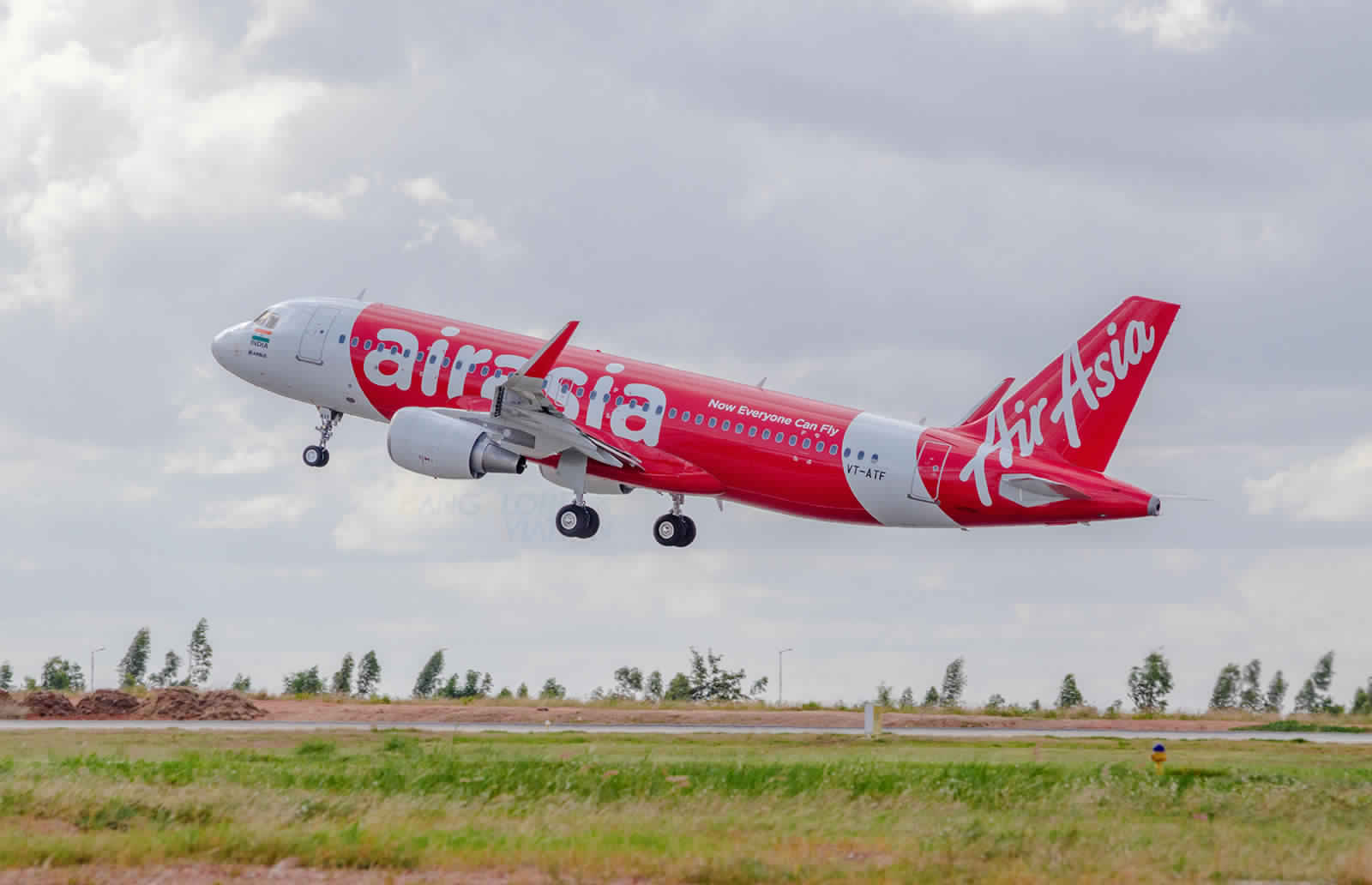
    Low-cost carrier AirAsia India plans to add up to 70 aircraft to its fleet over the next 4-5 years as it seeks to aggressively expand services, domestic market share, and network, a top executive at the firm said in an interview.

    “We are expanding aggressively and aiming to be among the top three in the low-cost carrier (LCC) segment once we have inducted 60-70 aircraft in our fleet,” AirAsia India chief executive Amar Abrol said.

    The airline, a joint venture between Malaysia’s AirAsia Bhd and India’s Tata Sons, expects to double its revenue to Rs1,200 crore in 2017, and take it to Rs1,800 crore in 2018, Abrol added.

    During the year ended 31 December 2016, the company narrowed its losses to Rs140.32 crore from Rs181.70 crore in the previous year, according to data available with the Registrar of Companies (RoC).

    AirAsia India’s financial year starts from 1 January and it is yet to disclose numbers for the Indian operations during the year ended 31 December 2017.

    A significant number of the 70 aircraft that the airline plans to add are likely to be purchased, while the rest will be leased. Like its parent AirAsia Bhd, AirAsia India has an all-Airbus fleet and will place the aircraft order through its parent to get favourable prices.

    “All aircraft orders will be done at the group level, where commitments have been made to purchase aircraft from Airbus over a period of time,” Abrol said.

    “We draw best practices from our parent, AirAsia Bhd, and also take advantage of economies of scale while placing orders for aircraft,” Abrol said, adding that there is a significant cost advantage with the parent, which already owns a significant fleet, negotiating with lessors and aircraft manufacturers for its subsidiary.

    Abrol did not share any estimate of the investment the company plans to make on aircraft acquisition.

    An industry expert who spoke on condition of anonymity pegged the size of AirAsia India’s order to Airbus at $3 billion.

    For a no-frills airline like AirAsia India to reach the market leadership position, the company either needs to be the leader in the revenue segment or be the top company in keeping costs down—both are not in AirAsia’s favour right now, according to a sector analyst.

    “The biggest challenge faced by AirAsia India is that they don’t have good slots at major Indian airports. As a result, they find it difficult to compete with bigger airlines in the no-frills space. They should aggressively expand their regional markets, as they could miss out on growth if they fail to get good slots at some of the major regional hubs. They also need to check their costs, as it is higher than some of its competitors and bring it down from the current levels. Otherwise the path for AirAsia India to break even is a difficult one,” the analyst said, requesting anonymity.

    “Getting to profitability is absolutely essential for us but not at the cost of stalling expansion,” Abrol said. “We are investing heavily on people, infrastructure, aircraft, and expansion.” He expects AirAsia India to break even by January-March 2019.

    A consultant said that he does not expect the airline to grow in double digits or even high single digits in 2018-19.

    “Rising fuel prices are a huge challenge for airlines and are expected to affect low-cost carriers adversely. We don’t expect the airline to grow in double digits or high single digits in FY19,” Peeyush Naidu, partner, Deloitte Touche Tohmatsu India LLP, said.

    AirAsia India has also expressed the intent to go for an initial public offering to meet its investment requirements. But, according to Abrol, the company has not appointed a banker to start the process and a decision to that effect will come from the board.

    AirAsia India, which had a market share of 3.7% in 2017, up from 1.7% in 2015, carried 43.23 lakh passengers in calendar year 2017, according to Directorate General of Civil Aviation (DGCA) data.

    The LLC segment in India was led by Interglobe Aviation-run IndiGo, which registered a 39.6% market share, and carried 4.64 crore passengers. Other no-frills airlines like SpiceJet (12.8%) and GoAir (9.1%) carried 41.12 lakh and 29.38 lakh passengers, respectively during the same period.

  • Asia gold demand picks up as prices fall

    Asia gold demand picks up as prices fall

    Physical gold demand in Asia picked up towards the end of the week, as a pullback in prices spurred purchases ahead of the Lunar New Year in China and the wedding season in India.

    Spot gold has declined about 1% so far this week and was headed for a second straight weekly drop due to a recovery in the dollar. 

    “Retail buyers are comfortable with the current price range,” said Aditya Pethe, a director at Waman Hari Pethe Jewellers in Mumbai. Local gold prices have declined more than 2% since rising to Rs30,720 per 10 gram last week, the highest since November 9, 2016.

    Dealers were charging a premium of up to $1.5 an ounce yesterday over official domestic prices, down from $2 last week. The domestic price includes a 10% import tax.

    “Demand is not great but the market is still in premium due to limited supplies. Imports were lower last month,” said a Mumbai-based dealer with a private bank. India’s gold imports in January dropped 37% from a year earlier to their lowest in 17 months as buyers postponed purchases in expectation of a cut in the import tax.

    Gold demand in India is likely to remain below its 10-year average for a third year in 2018 as higher taxes and new transparency rules on purchases may cap last year’s rebound in buying, the World Gold Council said on Tuesday.

    In top consumer China, premiums rose to $9-$10 an ounce from $6-$8 last week as demand picked up after prices fell later in the week, traders said.

    In Hong Kong, premiums remained unchanged from last week at between 60 cents and $1 an ounce. Demand in Southeast Asia remained strong ahead of the Chinese New Year that starts from February 16, as dealers stocked up in anticipation of strained supply during the festival week when gold refineries and businesses will be on holidays.

    “Supply-wise, we see some issues… That’s why the market is getting squeezed a bit and premiums are a little higher now,” said Brian Lan, managing director at dealer GoldSilver Central in Singapore.

    “Dealers generally try to get in more inventory during this period to at least get through the one tight week during the Chinese New Year.”

    Premiums for the precious metal in Singapore were slightly higher this week at between 80 cents and $1 an ounce, compared with 60-80 cents last week.

    “There’s no shortage of gold or anything, but it’s because of the festival season and the production schedule,” said Lan.

    In Japan, gold was sold at par after being on discount for the past few weeks, according to a Tokyo-based trader.

    India’s gold imports in January dropped 37% from a year earlier to their lowest in 17 months as buyers postponed purchases in expectation of a cut in the
    import tax.