Tag: india

  • Airtel close to deal to buy Telenor India

    Airtel close to deal to buy Telenor India

    Bharti Airtel is reportedly in advanced negotiations to buy out Telenor’s Indian operations through a debt acquisition deal. Airtel is planning to take on debt of around 15 billion rupees ($219.6 million) from Telenor by way of payment for the purchase.

    Russian telecoms group Telenor is seeking to exit the Indian market through the deal. According to the source, third-ranked Idea baulked at a deal because the operator did not want to take on additional debt, and had offered equity instead. Telenor had also approached various other operators including Vodafone but had been unable to clinch an agreement.

    While Airtel is reluctant to increase its existing $12.23 billion debt burden, the operator was lured in  by Telenor’s 4G spectrum holdings in seven of India’s 22 telecoms circles.

    The acquisition won’t cover all Telenor’s Indian debts, and the company will have to cover the remainder, the report states.

    Telenor has been considering exiting the Indian market for some time. The operator’s efforts to establish a competitive foothold in the market were dealt a serious blow by the cancellation of its 2G licenses in 2012 as part of a supreme court decision revoking 122 licenses issued under a former telecoms minister’s regime. Telenor India never fully recovered from this setback despite purchasing new licenses in seven circles.

  • AirAsia Philippines wants flights to India

    AirAsia Philippines wants flights to India

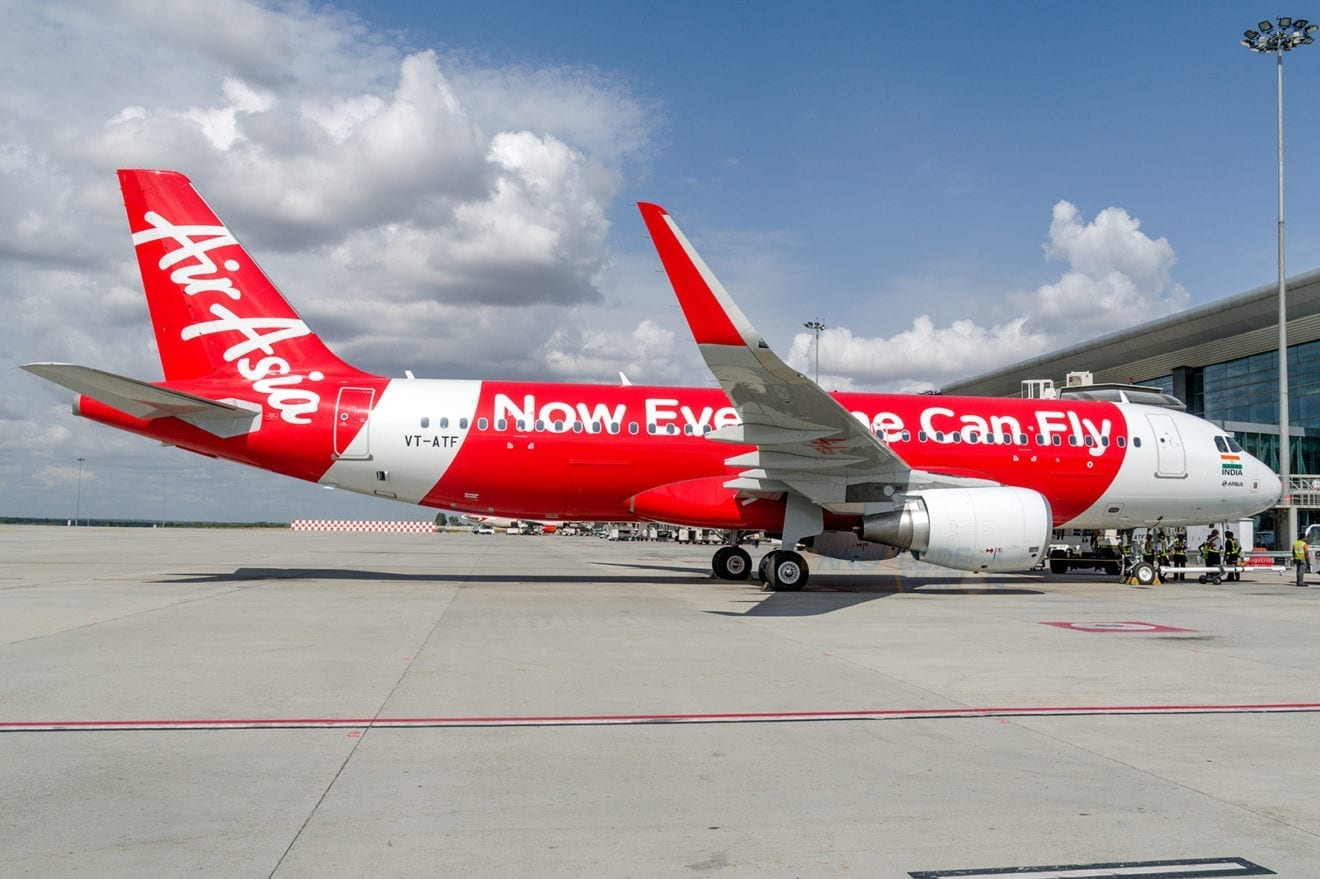
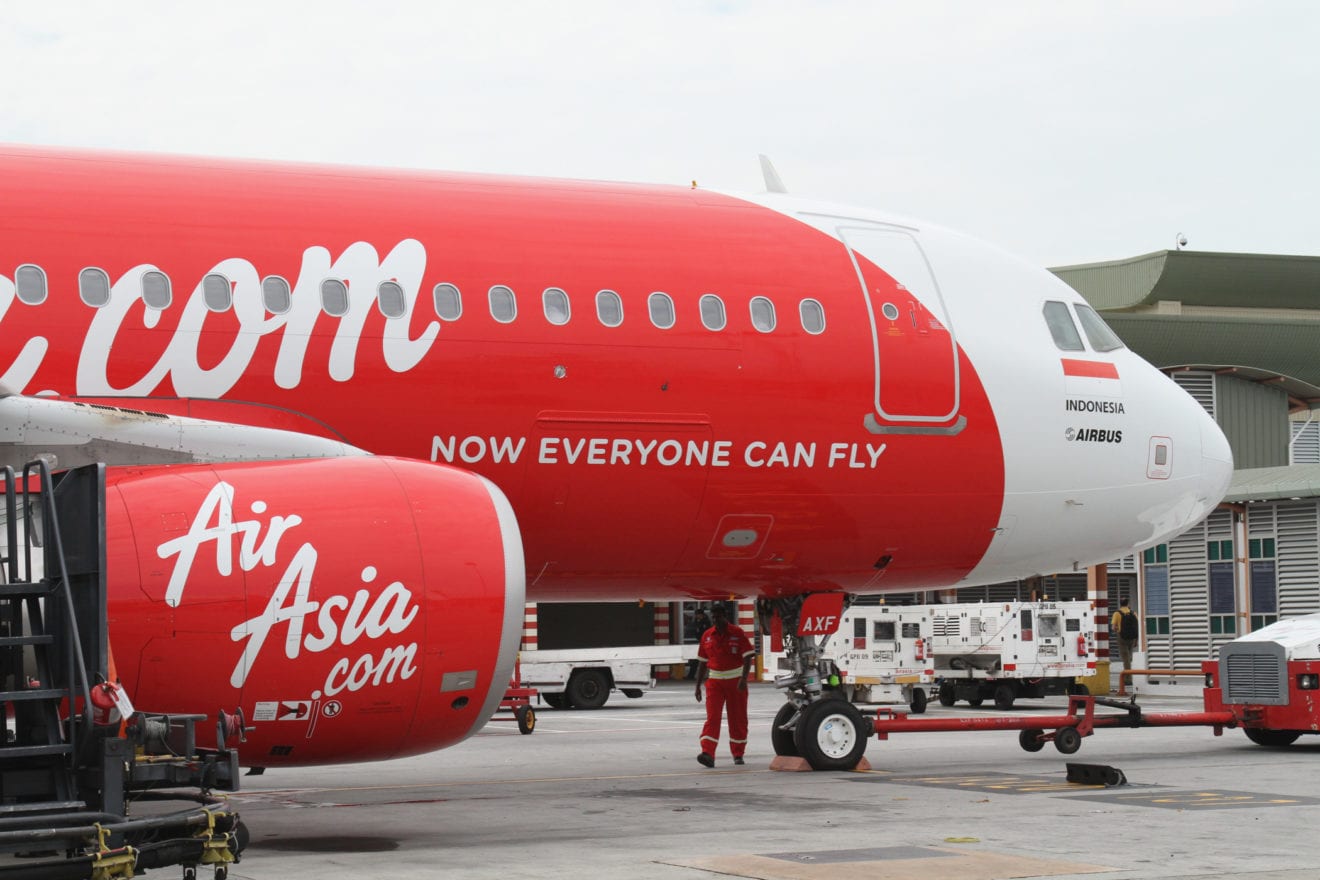
    Budget airline Philippines AirAsia wants flights to India and has sought the Philippine government’s approval for the right to launch a route to New Delhi.

    Philippines AirAsia, the domestic unit of Malaysian budget carrier giant AirAsia Berhad, filed an application with the Civil Aeronautics Board (CAB) last month, a regulatory filing showed.

    According to the filing, the airline was seeking an allocation of seven weekly flights to New Delhi’s Indira Gandhi International Airport, via Bangkok, Thailand. This was in accordance with the existing air services agreement between the Philippines and India, it said.

    The move was in step with a strategy to broaden its market share in the Philippines for both domestic and international markets.

    Philippines AirAsia, which took over Zest Airways, controls about 10 percent of the Philippine commercial aviation market, which is still dominated by Philippine Airlines and Cebu Pacific Air.

    AirAsia Bhd Group CEO Tony Fernandes said last month he remained bullish on their prospects in the Philippines. Philippines Air Asia, which has yet to post a full-year profit, would be back in the black by 2017, the airline said in a financial filing.

    Fernandes noted that the carrier would soon be able to finance its own expansion plans.

    He said Philippines  AirAsia would accelerate plans to hold an initial public offering in the Philippines, originally eyed in 2018, to next year. He said this would raise over $200 million.

    Philippines AirAsia, which still relies on AirAsia Bhd for financial support, has a fleet of 15 Airbus A320s, which it uses for domestic and regional routes.

    Philippines AirAsia reported a net operating loss of P914.8 million, lower by 2 percent, while net loss after tax narrowed 12 percent to P1.2 billion for the third quarter of 2016, a filing with the Malaysian Stock Exchange showed.

    The airline continued to grow, with revenues up 24 percent to P2.57 billion. Philippines AirAsia said this was due to an 8 percent increase in passenger volume, and increase in average fares by 21 percent to P2,245.

  • India’s festive season drives smartphone sales

    India’s festive season drives smartphone sales

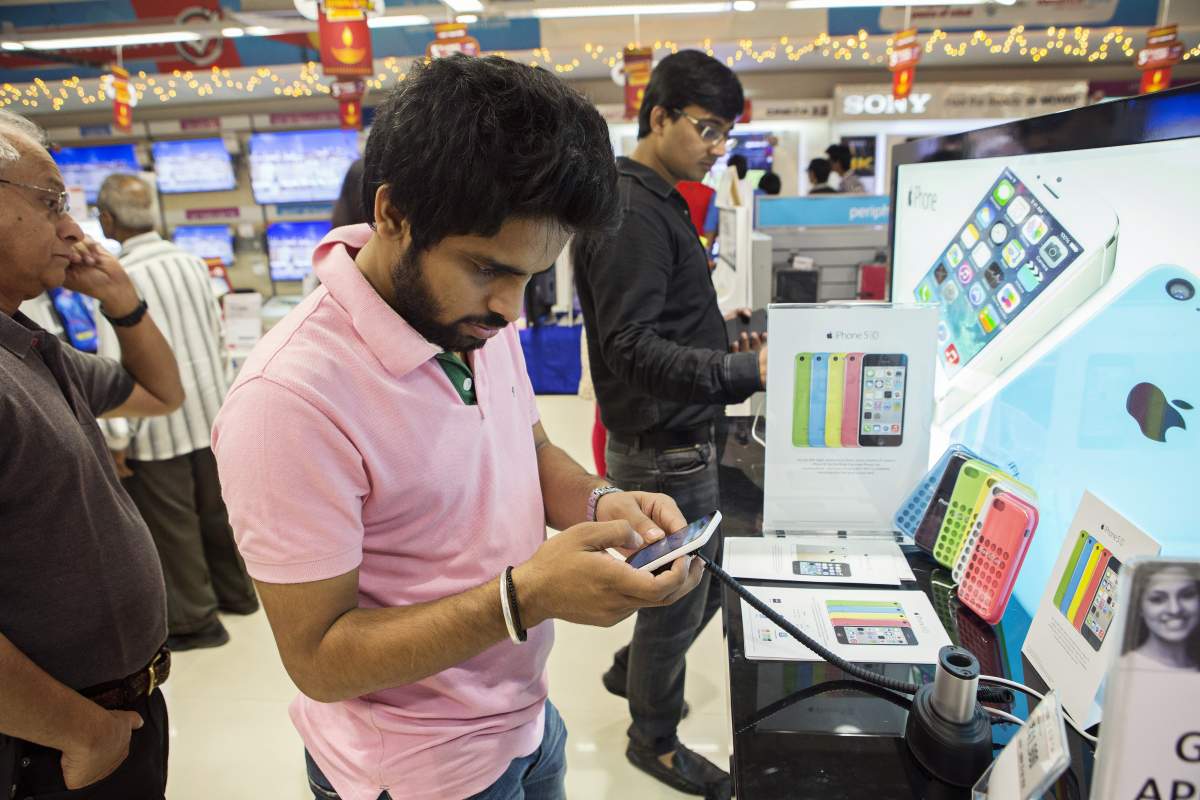
    India’s Tier 2 and 3 cities led growth in smartphone sales during the festive season between August and October, according to IDC.

    Total sales in tier 2 and 3 cities – those with a population of between 20,000 and 100,000 – grew 23.3% growth over the previous month, the research firm’s latest Monthly City Level Smartphone tracker shows.

    IDC said this is largely due to vendors focusing on new affordable launches, higher spending on marketing and innovative payment options.

    IDC India senior market analyst Upasana Joshi said the key four months from July to October 2016 made up more than 40% of annual smartphone sales. The festive season in India started in August with Independence Day and ran until Diwali in October, drove the consumer buying across all markets.

    “Multiple sales by all major e-commerce players in October with their high-decibel marketing, attractive payment options, and exchange offers also helped in growing the market. The top 8 to 10 cities of India constitute the major portion of online sales, leaving a yawning gap between these markets and the still largely untapped smaller towns,” he said.

    Josh disclosed that China-based players contributed significantly to the growth at the offline retail counters while continuing to dominate the online channel.

    “These vendors collectively accounted for more than 40% market share in the top 30 cities during Diwali month, primarily driven by 4G enabled handsets. Oppo and Vivo continue to shake the traditional line up of Indian vendors with their superior build quality, massive marketing investments in the offline channel,” he said.

    Varun Singh, Market Analyst, IDC India, added that e-commerce players have also started investing more on sellers in smaller cities, better model and improving delivery network, moving away from deeper discounts.

    “Previously offline only or online only vendors have now started drawing benefits from their multi-channel strategies, acknowledging that offline and online channels can coexist in the market, without necessarily posing a threat to each other,” he said.

    Samsung registered 26.1% share in the top 30 cities. With a series of newly launched models namely J5 Prime and J7 Prime, Samsung clocked 15.8% shipments growth in October over the previous month.

  • Demonetization boosts India’s m-wallet market

    Demonetization boosts India’s m-wallet market

    Mobile wallet transactions in India are on pace to grow at a CAGR of a strong 160% through to 2022 to reach 260 billion, new research indicates.

    A joint study conducted by The Associated Chambers of Commerce & Industry of India (ASSOCHAM) and business consulting firm RNCOS shows that these gains are being driven in large part by growing usage of smartphones.

    Other factors behind the rapid growth include robust mobile internet penetration, growth of the e-commerce sector and increasing disposable incomes.

    The study shows that following India’s 500 rupee and 1,000 rupee banknote demonetization, the average wallet spend for retail witnessed a huge jump in 2016 and is expected to increase from 500 to 700 rupees ($7.35 to $10.30) to between 2,000 and 10,000 ($29.40 to $147.10) in the near term.

    The mobile wallet market in India has also benefited greatly from demonetization and its share in the total mobile payment volume transactions is likely to rise from 20% in FY16 to 57% by FY22.

    “The government has hinted of not demonetizing all of the scrapped currency and aims to fill the gap by promoting digital/cashless payments. This is bound to further boost prospects for the m-wallet sector in India,” said ASSOCHAM’s D.S. Rawat at a press conference.

    Taking over traditional payment modes, the m-wallet market in India is forecast to reach 1,512 billion rupees by FY22.

    The study, however, said that it is a challenge for the sector to bring the number of shoppers preferring cash on delivery (COD) and other modes of payment to the m-wallet platform.It therefore recommends that companies operating in the mobile wallet sector should implement measures to provide effective, secure, private and reliable services such as 3D or OTP (one-time password) security options, data backup systems and others.

    “A strong authentication mechanism must be put in place to bind the identity of the user to the authorization of the transaction thereby being extremely mindful of authentication and risk assessment,” the study suggested.

    As the mobile payment space evolves, the stakeholders are also advised to create secure transactions that foster consumer trust.

  • India, Indonesia key areas of focus for DBS in 2017

    India, Indonesia key areas of focus for DBS in 2017

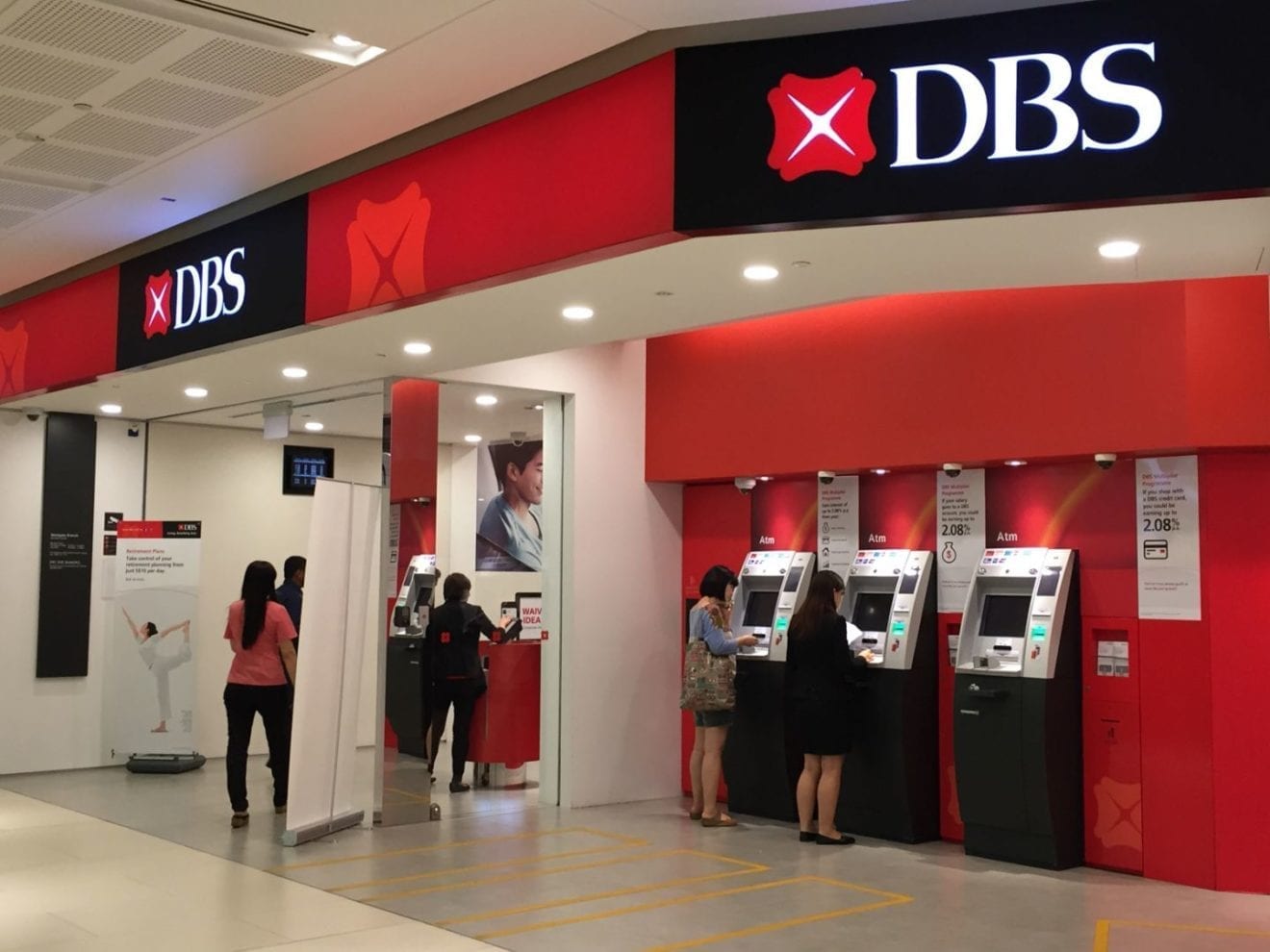
    India and Indonesia will be the Development Bank of Singapore’s “big” areas of focus for this year, its chief executive officer Piyush Gupta has said. “We also remain focused on building leading regional cash management, foreign exchange, debt markets and wealth management franchises,” Gupta said here.

    “So India and Indonesia will be our big areas of focus in 2017,” Gupta was quoted. DBS leads foreign banks with expansion plans in India.

    DBS’ wealth management business has quadrupled over the past six years, and now accounts for to 13 to 14 per cent of group revenue.

    “Over the next five years, we think it could get up to 20 per cent,” he said in a report on Singapore banks’ prospects during this year.

    “The world will have to grapple with massive consequences behind technological disruption on jobs displacement, both blue-collar and white-collar workers. My own bet is that you will find a lot more entrepreneurship, or what people call the gig economy,” he said.

    “It is likely that there will be a new wave of redistributive economics. Governments may prove inadequate to do this entirely under their own steam, and the private sector will have to play a meaningful role,” said Gupta.

    DBS’s top priorities for this year is to be prepared for volatility as markets will continue to be choppy.

    An increase in US dollar rates could also create negative impact, he added.”Step up the pace on transformation of the bank that is re-imagine banking, and be a 22,000-person start-up,” stressed Gupta. “The third priority is to continue our steady business expansion,” he said.

    But he also cautioned that uncertainties over US President-elect Donald Trump’s policies will be a headache for Asian strategies and could result in heightened market volatility in the short-term. At the same time, global growth is expected to remain subdued, said Gupta.

    “To navigate these uncertain times, we need to remain watchful and vigilant, as well as disciplined about costs and the risks we take,” he advises.

  • Twelve Cupcakes sold to Indian tea company

    Twelve Cupcakes sold to Indian tea company

    Less than a month after celebrity couple Jaime Teo and Daniel Ong made their divorce public, it is now confirmed that Twelve Cupcakes, the cupcake chain they founded in 2011, has been sold to Kolkata-based Dhunseri Group, one of India’s largest tea producers, for S$2.5 million.

    Mr Mrigank Dhanuka, a member of the family that owns the Dhunseri Group, told: “We have acquired a 100 per cent stake in Twelve Cupcakes. The company, with a presence across 17 malls, helps us establish a strong footprint in the food & beverage (F&B) space in the Singapore market. We are looking at turning the business around, which is at just about cash break-even point at this juncture.”

    The sale was completed last December, following the divorce four months earlier of the former beauty queen and the radio deejay.

    The couple made the news of their divorce public on Dec 31 on their respective Instagram accounts.

    They have a six-year-old daughter, Renee, and they both said their focus is on giving her “as normal a childhood as possible”.

    “We have no comment on the story for now,” Mr Ong said in his response to queries about the sale of Twelve Cupcakes, which has expanded to more than 40 outlets across six countries in the region. Ms Teo did not respond by press time.

    The deal marks Dhunseri Group’s first foray into the F&B space in Singapore and the region. Mr Dhanuka has relocated to Singapore to head the operations locally, with plans to widen his firm’s presence in the F&B scene here. “We will be expanding our F&B portfolio under Twelve Cupcakes with new product launches in Singapore. We are also looking at expanding in the region post this acquisition. We continue to look for value deals here in the confectionery space,” he said.

    Dhunseri Group, which has been in the tea business for more than five decades, expanded its holdings to 10 estates in 2012-13 in Assam, from eight estates in 2003-04. The group also has a sizeable presence in the petrochemicals sector in India.

    The Twelve Cupcakes deal comes at a time when the retail industry in Singapore is struggling amid poor consumer sentiment, high costs, labour constraints and, above all, increased competition from e-commerce. The F&B segment has, however, remained largely resilient to the broader retail decline, and malls have increased the F&B share of their tenant mix sharply to attract footfall.

  • DFS and Flemingo team with Pernod on promotion

    DFS and Flemingo team with Pernod on promotion

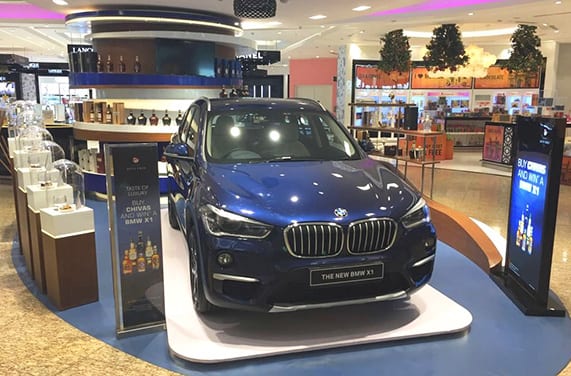
    The Mumbai Duty Free joint venture of DFS Group and Flemingo International teamed up with Pernod Ricard India recently for its third edition 2016 ‘Taste of Luxury’ promotion at Mumbai’s Chatrapati Shivaji International Airport Terminal ‘T2’.

    This offers the lucky winner the opportunity to try and win a luxury BMW X1 Expedition under this exclusive offer for participants spending $80 or more on Pernod Ricard luxury portfolio products.

    These products include Pernod Ricard’s leading Sotch whisky brands, including Chivas Regal, Royal Salute, The Glenlivet and Ballantine’s.

    Those who are eligible to enter simply complete a lucky draw entry ahead of the closing date January 31 where the winner will claim the BMW X1 Expedition prize.

    LUXURY PROMOTION…

    Commenting on the promotion, Nodjame Fouad, Marketing Director, Travel Retail Asia Pacific said: “At Pernod Ricard, we have always believed in delivering luxury experiences to our consumers at various touch points. This promotion at the Duty Free store of Mumbai international airport is one such touch point where consumers can enjoy our luxury brands and experiences”

    Manishi Sanwal, Managing Director, Mumbai Duty Free added: “In our constant quest to offer a greater value to our customers, we bring back the very successful ‘Win a BMW Car’ promotion yet again in this festive period of December-January.

    “We are extremely delighted to have partner brands like Pernod Ricard, who are always willing to support with greater excitement and engagement in their promotions”.

  • Frshly launches automated food dispensing system

    Frshly launches automated food dispensing system

    ‘Frshly’ has launched its service offerings at the Bengaluru Central Railway Station and Chennai international Airport. Frshly is a first-of-its-kind automated retail marketplace that sells fresh and hot food from popular restaurant brands in the city for people who are on the move.

    Currently offering 6 different cuisines with 30 combos, the brand promises unprecedented service quality, convenience and variety to its customers through its state-of-the-art dispensing machines. The brand is currently present across 3 cities – Bengaluru, Chennai and Secundrabad.

    ‘Frshly’ serves piping hot food from popular restaurants across the city including Tadka Singh, Currylicious and Delhi Highway. Anjappar and Nandhana Palace in Bengaluru, while in Chennai food is available from – ‘Anjappar, Kumarakom’, ‘Delhi Highway’, ‘Arab Street’, ‘Madrasi Biryani’ and Eco Kitchen.

    Consumers have a wide range to choose from multiple restaurants at every Frshly outlet.

    Consumers can download theFrshly app from Apple and Google play stores to pick locations, order and pay for their food on the go. The available food options have been priced between – INR 79 – INR 160.

  • 83% of smartphone users in India shop online

    83% of smartphone users in India shop online

    Indian retail customers are taking strongly to mobile commerce, with nearly 83 percent of people owning a smartphone saying that they shop online on their mobile phones, new study reveals.

    As expected, customers in the younger age group – 25-34 years old – are using their mobile phones more (90 percent) to shop online.

    However, the State of M-Commerce 2016 survey, conducted by US-based global digital strategy and services firm Regalix Inc., also showed that while a large number of customers have used their mobiles to shop online, there is still much room for growth in terms of the frequency of online shopping.

    Only 53 percent of those surveyed said that they had shopped online within the last month. Moreover, only 25 percent of respondents said that they shopped on their phones at least once a week. There seems to be a gender divide also in the frequency of online shopping, with more men (63 percent) doing so at least once a month than women (40 percent).

    Overall, gadgets and electronics was the most popular product category at 60 percent, followed distantly by clothing and accessories at 20 percent. While 66 percent of men shopped for gadgets online, only 31 percent of women did so. On the other hand, more women (65 percent) shopped online for clothing, accessories and home products as compared to men (27 percent).

    The survey likewise showed that the lion’s share of online retail is divided between three platforms – Flipkart (44 percent), Amazon (32 percent), and Snapdeal (19 percent). Interestingly, preference between these platforms is segmented by age, with Flipkart the preferred retailer for 49 percent of respondents in the 18-24 age group, but only 35 percent in the 25-34 age group. Snapdeal received more support in the 25-34 age group (25 percent) than in the 18-24 group (only 13 percent).

    Another interesting finding is that the number of retail customers shopping online has grown, many still prefer to browse online and purchase offline. Around 42 percent off respondents said that they preferred to do so while purchasing gadgets and electronics, while 33 percent said that they bought clothing and accessories this way.

    Clothing and accessories were the one category in which offline purchasers outnumbered online shoppers across all age and gender groups.

    The two biggest factors influencing a customer’s decision to shop online are Cash-on-delivery (34 percent) and free delivery (34 percent). CoD was the preferred payment mode for the majority of customers, with 62 percent preferring this over net banking, credit/debit cards or mobile wallets.

    Mobile apps are also the preferred way for customers to shop on their phones, with an overwhelming 94 percent declaring they preferred apps to mobile websites. The study also found that while 81 percent of respondents said they were unaffected by mobile ads, a higher percentage of women (25 percent) said that ads influenced their shopping behavior than men (17 percent).

  • Amazon big shopping to buy Flipkart

    Amazon big shopping to buy Flipkart

    In a bid to knock online marketplace Flipkart from its leadership position in India, eCommerce giant Amazon has injected Rs2010 crore (US$296 million) into its Indian unit.

    Regulatory filings show that the move takes Amazon’s total capital investment in India to more than Rs7000 crore in the past one year.

    “We will invest what it takes to become the customers’ preferred choice in India, and are encouraged that we are India’s largest and fastest-growing eCommerce marketplace,” says an Amazon India spokeswoman.

    A report in The Economic Times says Amazon is estimated to have spent more than Rs1000 crore last month to woo customers with special offers and discounts for the festive season, and is losing about Rs600 crore every month.

    Amazon entered India three years ago, introducing some of its global programs this year including its Prime service, which offers quicker deliveries and early-access deals.

    Last week, it announced Prime Video services for India offering Hollywood and other international movies and TV shows – plus launching nine original Indian shows, making it the largest Indian original line-up on an OTT (over-the-top) platform.

    Earlier this month Amazon announced the launch in India of its global program for start-up products, Launchpad, and in October it launched Global Store, offering products from its US online store that are not available in India.

    Meanwhile, Flipkart’s Sachin Bansal is seeking government help in the battle against Amazon.

  • 2,000+ Buyers Visit First HKTDC Lifestyle Expo in New Delhi

    2,000+ Buyers Visit First HKTDC Lifestyle Expo in New Delhi

    The inaugural HKTDC Lifestyle Expo in New Delhi welcomed more than 2,000 trade buyers during its two-day run on 19 and 20 December 2016, as 120 Hong Kong and mainland companies showcased a range of trendy, high-quality products, reaffirming Hong Kong’s position as Asia’s lifestyle trendsetter and “super-connector” in business.

    Jointly organised by the Hong Kong Trade Development Council (HKTDC) and the Trade Development Bureau (TDB) of the Ministry of Commerce of the People’s Republic of China, the expo took place at The Lalit New Delhi.

    Apart from bringing a slice of Hong Kong lifestyle to India, the event also helped develop stronger bilateral trade relations between India and the Chinese mainland.

    The Opening Ceremony was officiated by LC Goyal, Chairman and Managing Director, India Trade Promotion Orgnisation, Stephen Liang, Assistant Executive Director, HKTDC, Jin Hong, Deputy Director-General, Trade Development Bureau, Ministry of Commerce, The People’s Republic of China, and Li Bai Jun, Commercial Counsellor, Economic Counsellor’s office of the Embassy of the People’s Republic of China in the Republic of India.

    Bridging India and China

    “We have very big hopes for the future of trade links between India and China, with Hong Kong serving as a ‘super-connector’ between two of the world’s most populous and fastest-growing large economies,” said Mr Liang.

    “India and China are two of the fastest-growing large economies on earth, with the IMF (International Monetary Fund) predicting GDP growth of 7.6 per cent and 6.2 per cent respectively in 2017. Together, they have a combined population of some 2.7 billion potential consumers,” he added.

    Individual buyers and buying missions came from New Delhi and other cities and regions including Mumbai, Chandigarh, Gujarat, Haryana, Jharkhand, Maharashtra and Punjab.

    At the Lifestyle Expo, the exhibitors paraded a variety of modern, high-calibre products including consumer electronics and ICT, gifts and premium, household products and electrical appliances, fashion and accessories and watches and clocks. The expo also featured trade-related services.

    These attracted buyers from different sectors, including importers, distributors, mass retailers, mail-order houses, department stores and specialised stores.

    Getting Connected

    The HKTDC arranged more than 1,600 one-to-one business matching meetings and various networking events during the expo to further connect Hong Kong and Chinese mainland suppliers with buyers.

    A brand new “Live Chat” service was offered at the Thematic Showcase Display zone, where staff connected buyers to off-site exhibitors via WhatsApp for real-time discussion of potential deals.

    The expo also featured the popular hktdc.com Small Orders showcase spotlighting 150 products available for orders in quantities of between five and 1,000 units. This allowed buyers to place small orders to test the market while minimising their risks. It also leveraged the growing trend of e-tailing that is changing the face of international trade.

    Business leads

    Exhibitors reported positive results from their participation in the event. Andy Lee, Managing Director of Hong Kong houseware supplier Star Express Asia Ltd. said he was happy with the quality of the Indian buyers. The company received about 25 serious enquiries, including a potential customer he had established contact with through the HKTDC Showcase Display at the China Products (Mumbai India) Exhibition 2016.

    Hong Kong LED lighting supplier Celex LED Technology Ltd Business Development Director Andrew Tsang said he was satisfied with the results, having been approached by “very good” Indian buyers including a lighting contractor and LED lighting distributors from Mumbai and New Delhi.

    Hong Kong online marketing services promoter CG Marketing Co Ltd, was keen to find local partners, and the company received more than 30 enquiries from various sectors, including online marketing, travel, toys and electronics products.

    Lifestyle trendsetter

    The Lifestyle Expo is one of the HKTDC’s signature international promotion events and has a successful track record in fostering trade between companies from Hong Kong and emerging markets worldwide including Russia, Poland, Turkey, Dubai, India and Indonesia. The Lifestyle Expo in Mumbai was successfully held in 2010.
    The Lifestyle Expo is one of the HKTDC’s signature international promotion events and has a successful track record in fostering trade between companies from Hong Kong and emerging markets worldwide including Russia, Poland, Turkey, Dubai, India and Indonesia. The Lifestyle Expo in Mumbai was successfully held in 2010.
  • India’s internet population to reach 600m by 2020

    India’s internet population to reach 600m by 2020

    India’s rapidly expanding digital population is expected to double to approximately 600 million users by 2020 from 343 million users today, a new study reveals.

    The joint study, conducted The Associated Chambers of Commerce & Industry of India (ASSOCHAM) and Deloitte, also showed that of India’s over one billion mobile subscriptions, smartphone users account for approximately about a fourth or 240 million subscriptions. This is expected to grow to 520 million by 2020.

    While India is the second largest mobile phone market globally, the study noted that over 55,000 villages remain deprived of mobile connectivity, largely because providing mobile connectivity in these locations is not commercially viable for service providers.

    Spectrum availability in Indian metros is also just about a tenth of the same in cities in developed countries, which is a major roadblock to providing high-speed data services.

    The study noted that public Wi-Fi penetration remains low, with only about 31,000 hotspots available. For India to achieve the global average of one Wi-Fi hotspot for every 150 citizens, the country needs over eight million hotspots.

    Rural adoption of data-enabled devices, however, is expected to increase with the BharatNet initiative under the Digital India program, which itself has been hampered by many challenges including a lack of technical skills and capabilities or competent organizations to support the program.

    Other factors include lack of awareness of internet services among Indian consumers and non-availability of most of these digital services in local languages. Moreover, with the proliferation of cloud-based services like DigiLocker, data security has also emerged as a major challenge.

    The recent data breach in August 2016, in which debit card data for more than 3.2 million subscribers was stolen, highlights the importance of implementing foolproof security systems.

    The study recommends that the government should make efforts to make additional spectrum available to telecom service providers for deployment of high-speed data networks and must effectively collaborate with the private sector to develop the digital infrastructure.

    Moreover, it noted that in rural and remote areas, private sector players should be incentivized to provide last mile connectivity. Satellite communication solutions could also be used to speed up broadband access in rural and remote areas. For instance, banks can use VSAT technology to connect remote ATMs, remote branches which need instant access to customer data.

    “In order for the benefits of the Digital India program to reach all sections of the population, improving digital literacy is imperative. A strong skill base is required to support the initiatives and services that are envisaged under the Digital India umbrella,” the study concluded.

  • Eros Now teams with Paytm on mobile payment, platform

    Eros Now teams with Paytm on mobile payment, platform

    Eros Now has entered into a strategic partnership in India with Paytm to enable its subscribers to make easy and hassle free payments using the e-wallet service.

    “Post demonetization in India, there has been a high surge in mobile and digital payments as we move towards a digital economy along with a rise in internet penetration and smartphone usage,” said Rishika Lulla Singh, CEO of Eros Digital.

    Through Paytm, owned by One97 Communications, users can make convenient payments to subscribe to Eros Now to access its rapidly growing repository of premium Bollywood and regional content including movies, music, television shows and originals.

    Eros Now said the platform currently has over two million paid subscribers worldwide through significant deals in place with all major telecom players in India, including as Reliance Jio, Airtel, IDEA Cellular Network and more recently Vodafone.

    Between the four platforms that offer Eros Now integrated as part of their video service, there is a potential reach of 686 million subscribers which is almost 60% of India’s total mobile user base of more than one billion.

    “Our strategy remains to distribute Eros Now, a world class OTT platform, to consumers across telecoms and OEMs with compelling content and product features,” said Singh. “We view the recent demonetization move in India as a great opportunity for the OTT business as more consumers are signing up for online and mobile pay systems.”

  • India to start screening of imported telecoms gear in April

    India to start screening of imported telecoms gear in April

    The Indian government is reportedly planning to start screening imported telecoms equipment used in mobile networks and handsets from April 1, 2017, following several implementation delays over the last three and a half years.

    The government has assigned labs under a state-owned quality control agency, Standardisation Testing & Quality Certification (STQC), to undertake the screening of imported mobile network gears, feature phones and smartphones in the interest of national security, the Economic Times reported.

    Initially, local screening will be conducted in phases by identifying network gear deemed most vulnerable, the Economic Times cited a senior official at Department of Telecom (DoT) as saying.

    The government’s immediate objective is to also ensure that local screening does not create supply-chain bottlenecks or disrupt mobile network rollouts or expansions, according to another source familiar with the matter.

    Accordingly, the DoT plans to invite companies from the private sector to set up more accredited labs to screen imported network gear, and develop a full-blown local testing ecosystem.

    However, the government has received a lukewarm response from the private sector due to the lack of a viable funding mechanism.

  • AirAsia’s New Year offer: Fly at Rs 917 onwards

    AirAsia’s New Year offer: Fly at Rs 917 onwards

    No-frills carrier AirAsia under a New Year offering is selling an all-inclusive tickets starting from Rs 917 onwards, NDTV reported on Monday.

    The Malaysia headquartered carrier’s offer is open till January 1 next year and is valid on travel from March 1 to October 31 in 2017.

    The airline presently flies to 11 destinations with its two hubs in bengaluru and New Delhi covering Chandigarh, Jaipur, Guwahati, Imphal, Pune, Goa, Vizag, Kochi and Hyderabad.

    GoAir is also offering tickets starting Rs 1,057 on specified sectors. The fares are applicable till December 31, GoAir said on its website. The Rs 1,057 fare is applicable on Delhi-Jaipur route.