Tag: india

  • Bally first step in India

    Bally first step in India

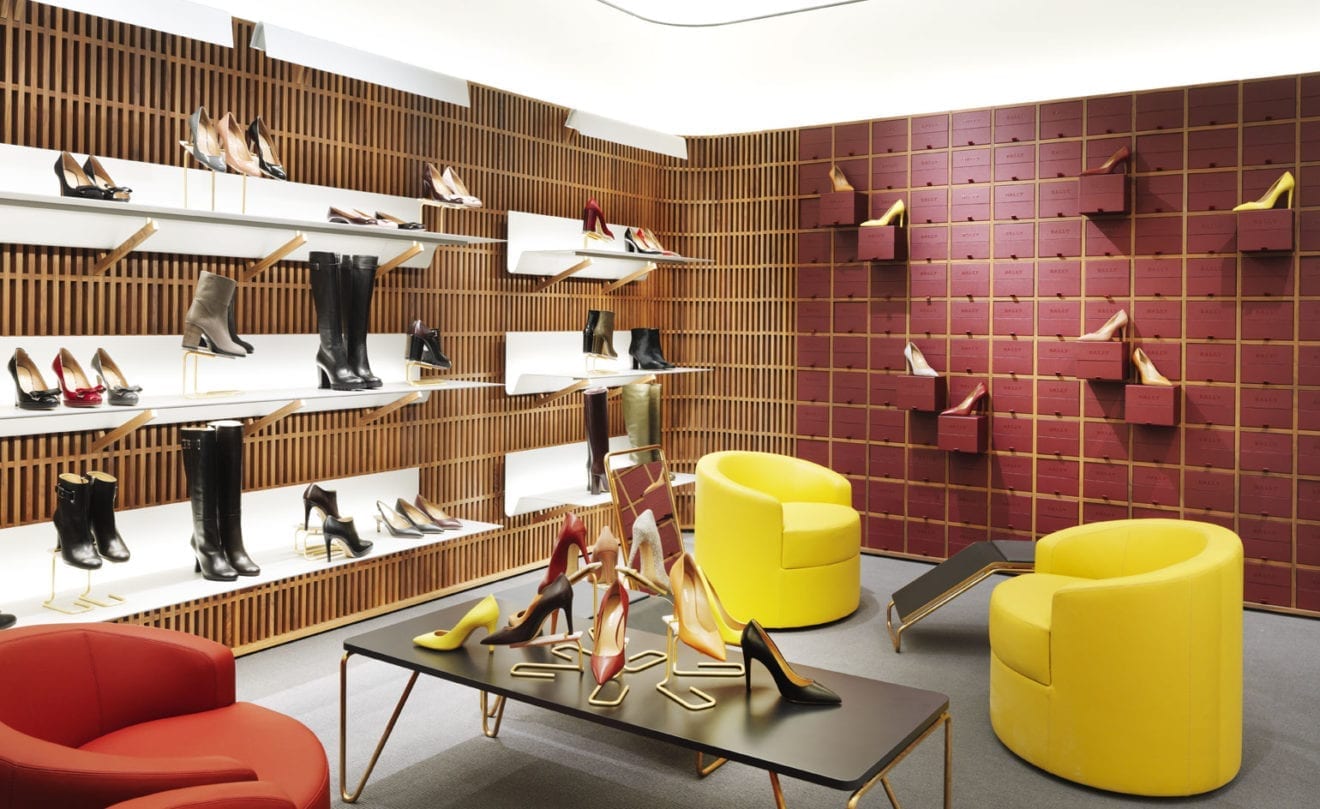
    Reliance Brands will launch Bally India after signing an exclusive distribution and marketing rights agreement with the Swiss luxury brand.

    Bally and Reliance plan to open a store in New Delhi next year and will look at further expansion afterwards in Chennai, Kolkata and Mumbai.

    “In collaboration with Reliance, we have identified a roadmap to develop the brand in proven retail locations,” says Bally CEO Frederic de Narp.

    Bally has embarked on a global expansion program, including the opening of two concept flagship stores in Tokyo’s Ginza and Los Angeles Rodeo Drive this year. Next year it will add two flagship stores – on New York’s Madison Avenue and in Beijing’s China World Mall.

  • President Jokowi announces Garuda Indonesia`s direct flight to Mumbai

    President Jokowi announces Garuda Indonesia`s direct flight to Mumbai

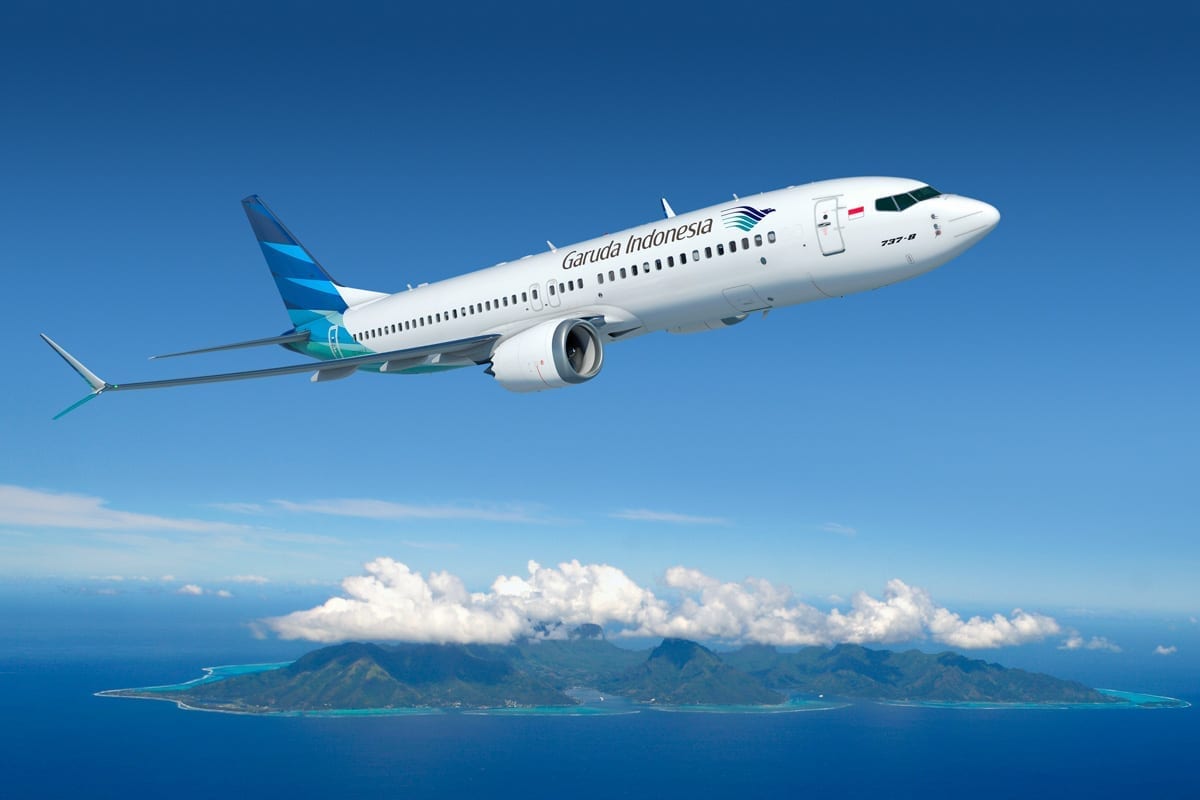
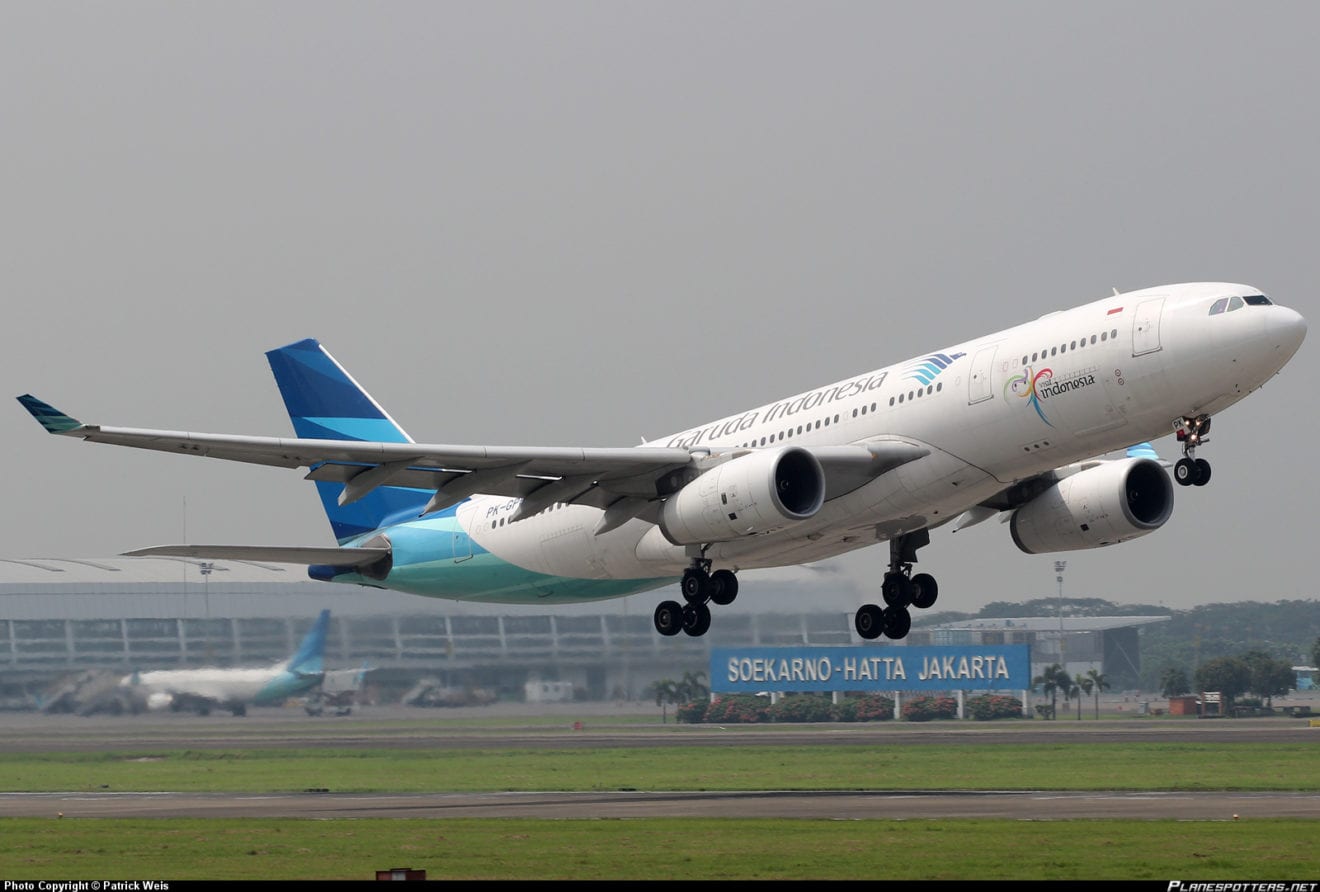
    National carrier Garuda Indonesia will operate a direct flight from Jakarta to Mumbai, India, President Joko Widodo (Jokowi) has announced.

    The announcement was made during a joint press conference by President Jokowi and Indian Prime Minister Narendra Modi at Hyderabad House here on Monday.

    “I am pleased to announce that Garuda Indonesia, beginning today, will fly directly to Mumbai from Jakarta,” he said.

    The direct flight connecting the two metropolitan cities will help strengthen bilateral cooperation between the two countries, and support economic cooperation as well as people-to-people contact, the president said.

    Garudas maiden Jakarta-Mumbai flight on Monday was a Boeing 737-800 NG with a seating capacity of 156, comprising 12 business class seats and 144 economic class seats.

    The direct flight service is aimed at supporting the Indonesian governments objective of attracting more Indian tourists to Indonesia and strengthening the cultural and historical relations between the two nations.

    Around 270 thousand Indian tourists visited Indonesia last year, and 350 thousand this year, President Director of Garuda Indonesia M Arif Wibowo said in a statement.

    “As the number of Indian tourists continues to increase annually, we are sure that Mumbai is a prospective market for us,” Wibowo stated.

    Indian tourists now have better access to fly to Indonesian tourist destinations such as Bali, Yogyakarta, Surabaya (East Java), and Medan (North Sumatra), from Jakarta, he remarked.

    Garuda Indonesias Jakarta-Mumbai flight GA 862 via Bangkok will operate thrice a week. It will depart Jakarta at 5:55 am local time and arrive in Bangkok at 9:25 am local time. It will depart Bangkok at 10:20 am local time and land in Mumbai at 3 pm local time.

    The Mumbai-Jakarta flight GA 861 will also fly three times a week. It will depart from Mumbai at 5:35 pm local time, and arrive in Bangkok at 9:55 pm local time. It will depart Bangkok at 11:35 pm local time and arrive in Jakarta at 3:05 am local time.

    Garuda operates direct flights from Jakarta to various Asian countries such as Singapore, Malaysia (Kuala Lumpur), Thailand (Bangkok), China (Beijing, Guangzhou, Shanghai), South Korea (Seoul), Japan (Tokyo, Osaka) and Saudi Arabia (Jidda and Madinah).

  • AirAsia India adds more direct flights connecting Bengaluru to Goa and Pune

    AirAsia India adds more direct flights connecting Bengaluru to Goa and Pune

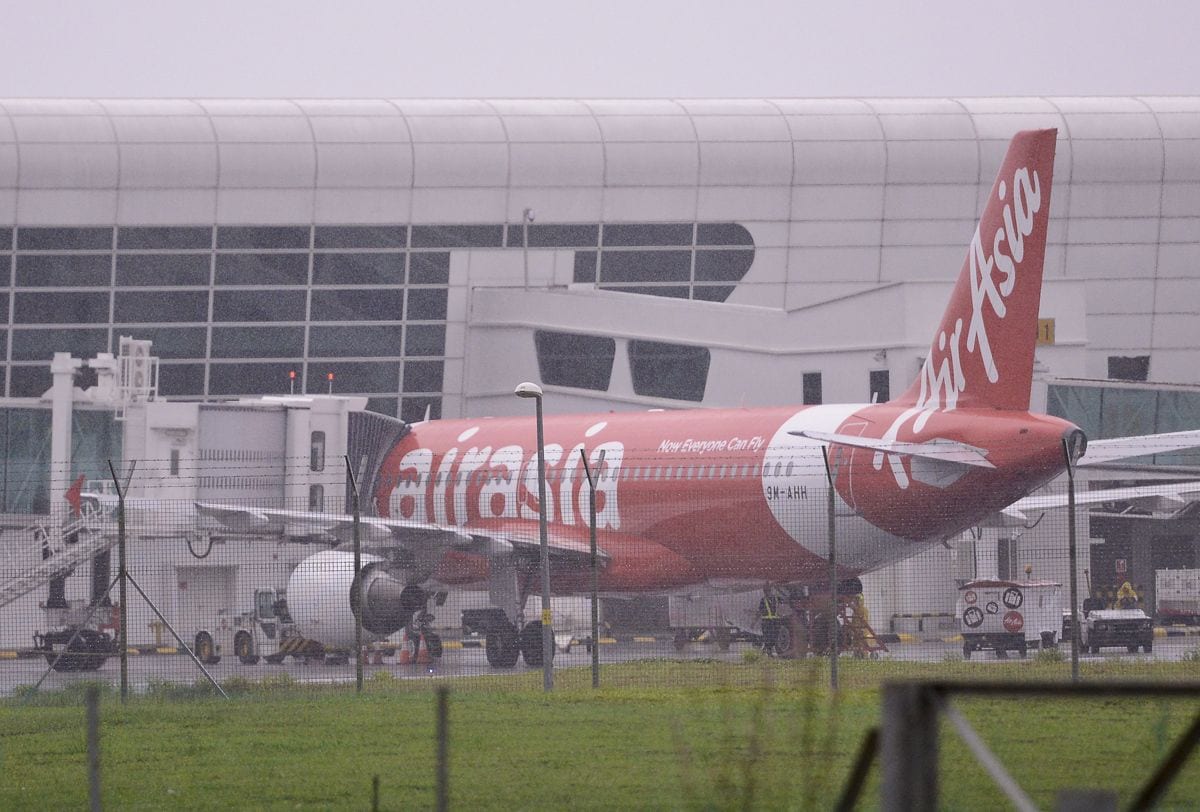
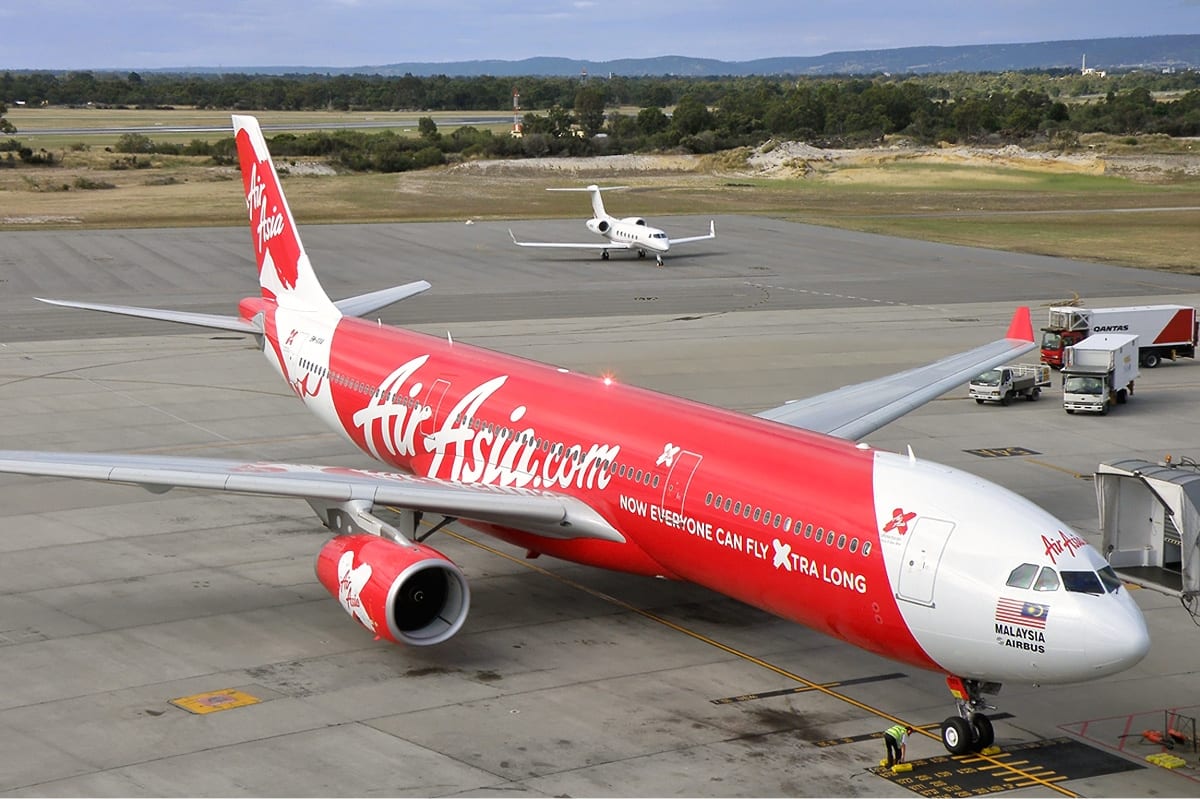
    AirAsia India has announced an additional flight connecting Bengaluru to Goa and Pune starting December 18. The airline currently operates one daily flight between Bengaluru and Pune, and with this additional flight, the airline will operate two daily flights connecting the two cities.

    AirAsia India will also operate its fourth daily connection between Bengaluru and Goa starting December 18. Speaking about the additional frequency, AirAsia CEO and MD Amar Abrol said, “Our flights from Bengaluru to Pune are doing extremely well, and so are our three existing connections to the party city of India. We see immense demand in this sector. We are constantly working towards providing our guests the most convenient options for them to pick from. We are confident that this new connection is going to be well received by our guests.”

    AirAsia India currently flies to 11 destinations with its two hubs in Bengaluru New Delhi covering Chandigarh, Jaipur, Guwahati, Imphal, Pune, Goa, Vizag, Kochi and Hyderabad.

    AirAsia (India) Ltd is a joint venture between Tata Sons Limited and AirAsia, with AirAsia Investment Limited holding 49%, Tata Sons Limited holding 49% and Mr. S. Ramadorai (Chairman) and Mr. R. Venkataramanan, two directors of the company in their individual capacity holding 0.5% and 1.5% shareholding respectively in the airline.
  • DHL eCommerce invests in India to tap surging demand

    DHL eCommerce invests in India to tap surging demand

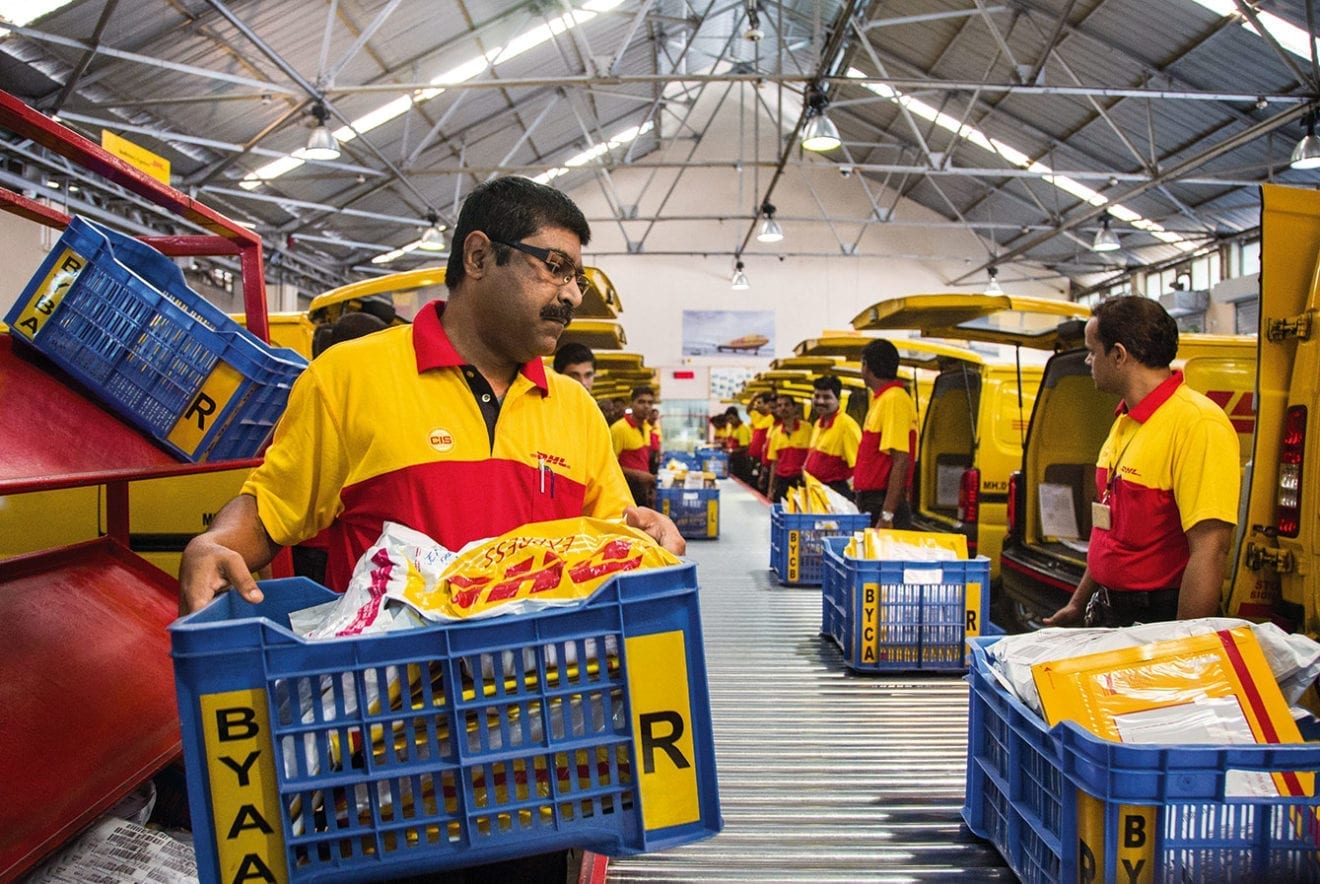
    DHL eCommerce, a division of Deutsche Post DHL Group, is investing €70 million to strengthen its operations to meet the fast-growing demand for e-commerce logistics services in India.

    Through its subsidiary Blue Dart Express, this investment will go into the expansion of its air hubs in Delhi and Mumbai, which are part of its network of 13 air hubs in India. The latest investment supports the growth of B2C e-commerce in India, and is part of the company’s broader plan to aggressively expand across Asia Pacific.

    “The US and Asia Pacific are the two largest B2C e-commerce markets in the world, and the opening of these new facilities will be another milestone in the expansion of DHL eCommerce logistics network,” said Charles Brewer, CEO, DHL eCommerce.

    “India is a really important market for us and is one of the fastest-growing, with B2C e-commerce expected to grow from €9.6 billion in 2016 to €30-40 billion in 2020,” he said.

    “Recognising the tremendous potential in Asia Pacific, we are making aggressive steps to ensure that our customers are well supported to tap into the growing e-commerce market,” added Malcolm Monteiro, CEO, Asia Pacific, DHL eCommerce.

    In June 2016, DHL eCommerce announced that it will expand its overall presence in China by 50 per cent, with the expansion of the distribution centres in Shenzhen, Shanghai and Hong Kong. Earlier in January 2016, DHL eCommerce launched domestic delivery operations in Thailand and announced plans to double its fleet and number of depots by 20

    The company is also planning to introduce its newly-developed drone, Parcelcopter, for last-mile delivery services in India after getting necessary clearance, Brewer said. “In terms of using the Parcelcopter in India, we would love to do so, but of course is predicated on the local legislation. So whilst you may not see a Blue Dart Parcelcopter flying around India anytime soon, we will as soon as allowed to do so,” he added. The Parcelcopter has successfully completed its trial run in Germany.

  • Airtel investing in cable to Myanmar

    Airtel investing in cable to Myanmar

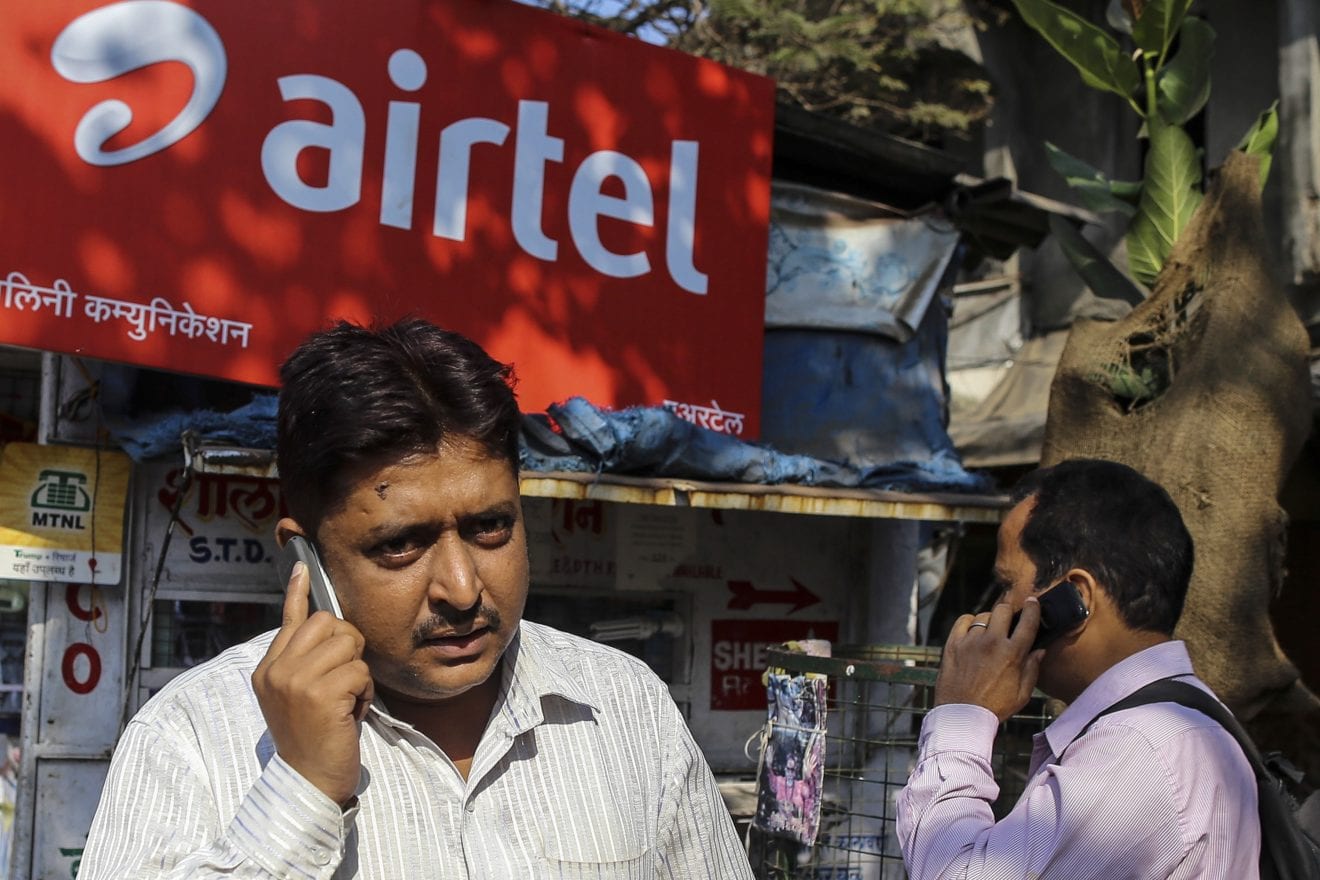
    India’s largest mobile operator Bharti Airtel has announced it is investing in a new fiber cable between India and Myanmar.

    The operator plans to use the new fiber asset to offer end-to-end connectivity solutions in the Myanmar market.

    The 6,500km terrestrial cable will connect to Airtel’s landing stations in Chennai on the east coast and Mumbai on the west.

    Bharti Airtel CEO for global voice and data Ajay Chitkara told the publication that Myanmar is experiencing strong uptake of digital services as one of the last major growth frontiers in Asia, and the company aims to take advantage of that growth by introducing new connectivity services.

    Myanmar liberalized its telecoms sector in 2011, resulting in a rush of foreign entrants into the market and strong subscriber growth and development.

    But Telenor Myanmar, which launched services in September 2014 after securing one of two mobile licenses allocated through a tender process following the opening up of the sector, believes that the market’s hyper growth era has now ended.

    News of the terrestrial cable project came as China Telecom Global and Nepal Telecom announced they have linked China and Nepal through the Himalayas and plan to use the new terrestrial cable to offer IP services to the Nepalese market.

  • China drives Ikea growth

    China drives Ikea growth

    China has been cited as one of the major contributors to a year in which Ikea’s profits surged 19.6 per cent.

    Ikea growth was strongest in China, while the company’s largest markets were Germany, the US, France, Britain and Sweden.

    The Stockholm-headquartered furniture and homewares retailer reported a profit of 4.2 billion euros ($US4.5 billion). Total sales rose 7.1 per cent to 34.2 billion euros for the 2016 financial year ending in August, the company said.

    In the past year Ikea has opened 12 new stores and 19 pick-up and order points worldwide, and in the coming year planned to open its first stores in Serbia and in Hyderabad, India.

    “Growth and profitability give us freedom to choose our own way, the flexibility to move fast and the independence to think and invest long term,” Peter Agnefjall, Ikea Group CEO, said in a statement.

    The retailer registered 783 million visits to its 340 stores in 28 countries during the 12-month period but was also expanding its online offers. In addition, 49 stores are operated by other franchises.

    As part of its efforts to reduce its environmental footprint, the company said it was to invest 1 billion euros in sustainable materials. This included forestry and firms involved in recycling, renewable energy and developing biomaterials.

    It said 71 per cent of the energy it used in 2016 came from renewable energy sources such as solar and wind farms. Ikea plans to be energy independent by 2020.

  • AirAsia India adds more direct flights

    AirAsia India adds more direct flights

    AirAsia India today announced an additional flight connecting Bengaluru to Goa and Pune starting fourth week this month.

    The airline currently operates one daily connection between Bengaluru and Pune, and with this additional flight, the airline will operate two daily flights connecting the two cities, the company said in a release issued here.

    AirAsia India will also operate its fourth daily connection between Bengaluru and Goa starting December 18, 2016, it added.

    “Our flights from Bengaluru to Pune are doing extremely well and so are our three existing connections to Goa. We see immense demand in this sector. We are constantly working towards providing our guests the most convenient options for them to pick from. We are confident that this new connection is going to be well received by our guests,” AirAsia Managing Director and CEO Amar Abrol said.

    AirAsia India currently flies to 11 destinations with its two hubs in Bengaluru and New Delhi covering Chandigarh, Jaipur, Guwahati, Imphal, Pune, Goa, Vizag, Kochi and Hyderabad.

  • Ansals Plaza announces grand opening of its key brands

    Ansals Plaza announces grand opening of its key brands

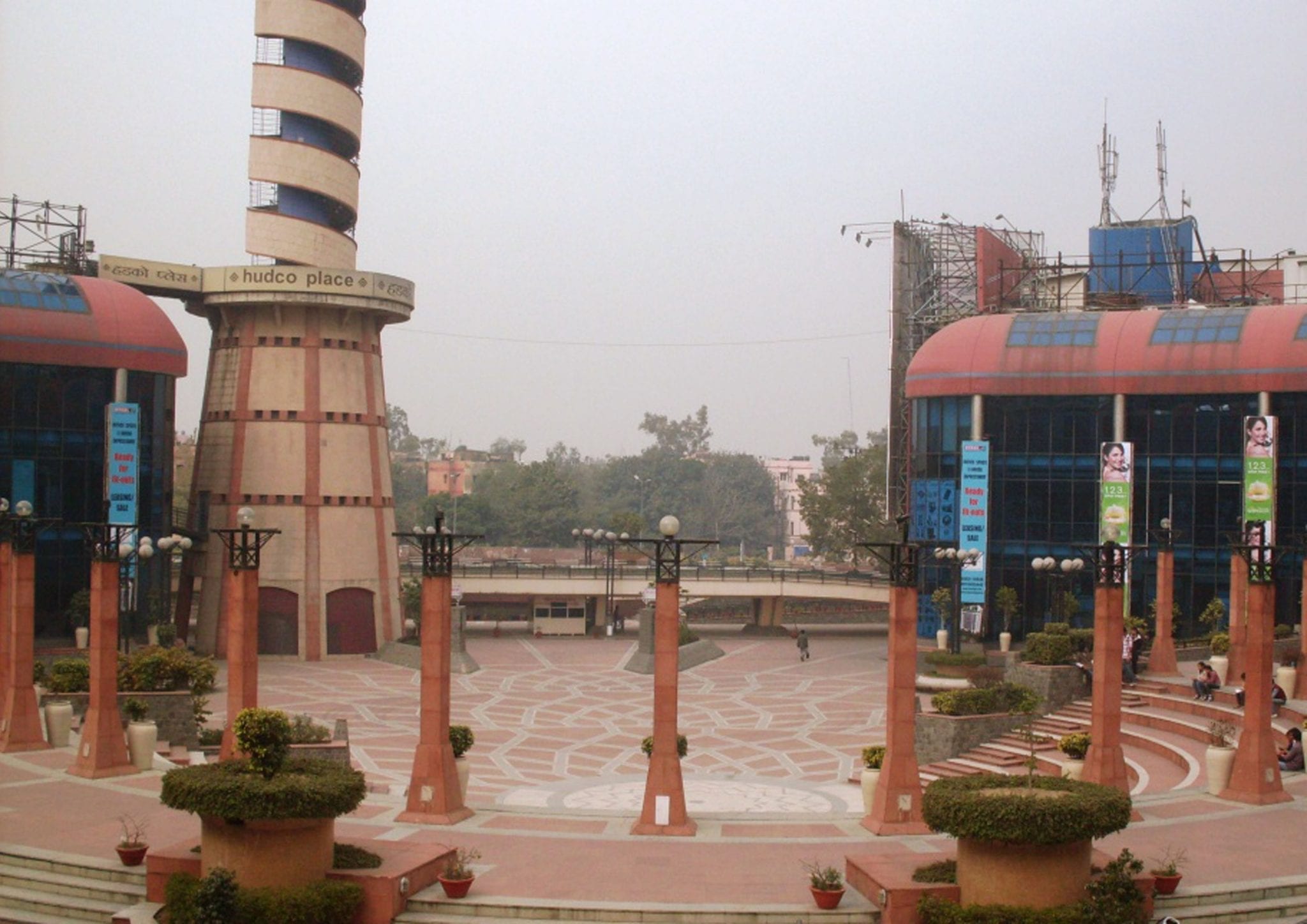
    Delhi’s first mall, Ansal Plaza, repositioned as Delhi’s ultimate Sports and F&B Destination, has opened its door to its two anchor brands, Decathlon, the global sports retail giant and The Arena, Ultra Luxury lounge. During a daylong celebration, Ansal Plaza hosted the grand opening of one of India’s biggest two level Decathlon Khel Gaon store, which is equipped with smart LED screens and open space for sports activities. Agala evening party was also organized to announce the grand launch of The Arena.

    With a bagful of new and unique sporting events like Capoeria (Afro Brazilian marital arts), Blind Cricket, Free motion Ski, Basketball and Zumba , the Grand opening of the Decathlon Khel Gaon store at Ansal Plaza promises to be an exciting affair for the sports enthusiasts of Delhi. A unique costume run for kids and five to 10 km run for adults was also scheduled as a part of Decathlon Khel Gaon store’s Opening Run on Sunday, December 4, 2016.

    The Arena with approx. 13000 sq. feet extravaganza spread across two levels with indoor and outdoor party areas, private and VIP event space, great ambience and a fully stocked up bar. With a great dance floor, superior customer service and exceptional pricing The Arena is another wonderful reason to visit Ansal Plaza.

    Talking about the two grand openings on Saturday, Amit Phull, Head Retail Ansal API said, “We identified that sports shopping experience is one of the niches that lacks in other South Delhi malls and the event and experience that Ansal Plaza offers will help us live up to our promise of being the ultimate sports hub of Delhi. Also, the launch of The Arena along with other premium F&B Brands will help us in establishing the mall as an ultimate destination for various kinds of world cuisine.”

    Caroline Mulliez of Decathlon said, “We are proud to be associated with Ansal Plaza. The strategic location offers the best catchment of sports enthusiast and its vast open space also supports what Decathlon stands for, which is sporty fun at exceptionally affordable prices.”

    Mukul Bajaj, Co-founder, The Arena, said, “We are excited about the launch. We are definite that the prime location of Ansal Plaza at the heart of the city will draw the kind of patrons The Arena is looking for.”

    Sahil Madaan, Owner, Taksim, “Trends meet chic in our very own of serving world cuisine. Taksim, with its International concept offering fusion Turkish and Indian cuisine, is trying to find a balance between a cafe and a restro bar.”

    Ansal Plaza has been the hub of entertainment in Delhi since 1999 as the city’s first mall. With its prime location, excellent parking facility and vast green space, Ansal Plaza promises to continue the tradition of excitement and celebration in its new avatar.

  • Asian grocery boom predicted by IGD

    Asian grocery boom predicted by IGD

    Asia will continue to be the biggest engine of growth in the grocery market with its sales set to exceed those of Europe and North America combined within five years, according to new forecasts from research organisation IGD.

    Global growth will be driven by a combination of inflation, population and rising incomes.

    Highlights from IGD’s latest global grocery forecasts to 2021 include:

    * Asia’s grocery market is set to increase by $1.073 trillion, an annual compound growth rate (CAGR) of 6.3 per cent.

    * China will extend its lead over the US as the world’s biggest grocery market, with India in third place closing the gap.

    “Although there are several risks to the global economy and a danger of new barriers to trade in particular, we are optimistic these can be surmounted,” says IGD chief executive Joanne Denney-Finch. “We expect all regions to grow their grocery markets over the next five years, presenting big opportunities globally for manufacturers and retailers.”

    Asia’s grocery market will continue to prosper with China remaining comfortably in first place and three other Asian countries within the top 10, Denney-Finch says. “Millions more people across Asia will become middle class, and many more consumer goods companies will view this region as the key to their growth strategy.”

    IGD’s projected figures for 2021 show that China’s grocery market will be worth $1612 billion with a CAGR of 5.5 per cent.

    This compares with a market worth of $1.311 trillion for the US, with a CAGR of 3.6 per cent.

    India comes in third with a $735 billion market and a CAGR of 9.1 per cent.

    Japan is in fifth place after Brazil with a $399 billion market and a CAGR of 0.7 per cent.

    Rounding up the top markets in Asia is Indonesia, in eighth position with a market value of $305 billion and a CAGR of 9 per cent.

    A food and grocery research and training charity, IGD defines the grocery retail market as all food, drink and non-food products – such as health and beauty, pet care, clothing, DIY – sold through retail outlets selling predominantly food. Modern retail formats, such as supermarkets and hypermarkets, are included as well as traditional retail formats like markets and traditional food stores such as bakers. It excludes wholesale and foodservice formats and drugstores/pharmacies.

  • Garuda Indonesia Opens Jakarta-Mumbai Route on December 12th

    Garuda Indonesia Opens Jakarta-Mumbai Route on December 12th

    Flag carrier Garuda Indonesia will open scheduled flights to India starting December 12, 2016. Garuda Indonesia will operate three flights a week from Jakarta to Mumbai via China.

    Garuda Indonesia president director Arif Wibowo said that the flights will make one transit stop in China in first phase of operation.

    “We will see how it goes in two or three months; if the results are good, we will make it direct flights,” he told reporters at a tourism event in Jakarta on Tuesday, December 6, 2016.

    Arif went on to say that India has a huge potential considering its 1.4 billion population. On the other hand, the number of tourists traveling from India to Indonesia is quite significant at 300,000 arrivals per year.

    As such, he is confident that seat occupancy rate of Garuda’s Boeing 737 to operate in that route will reach 70-75%.

    “More so because it will start to operate on the right time, i.e. before year-end holidays,” he added.

    Aside from India, Garuda will also open direct flights from China’s Chengdu province to Bali. Regular flights will commence mid-January 2017.

  • Jio extends free services offer to March 31

    Jio extends free services offer to March 31

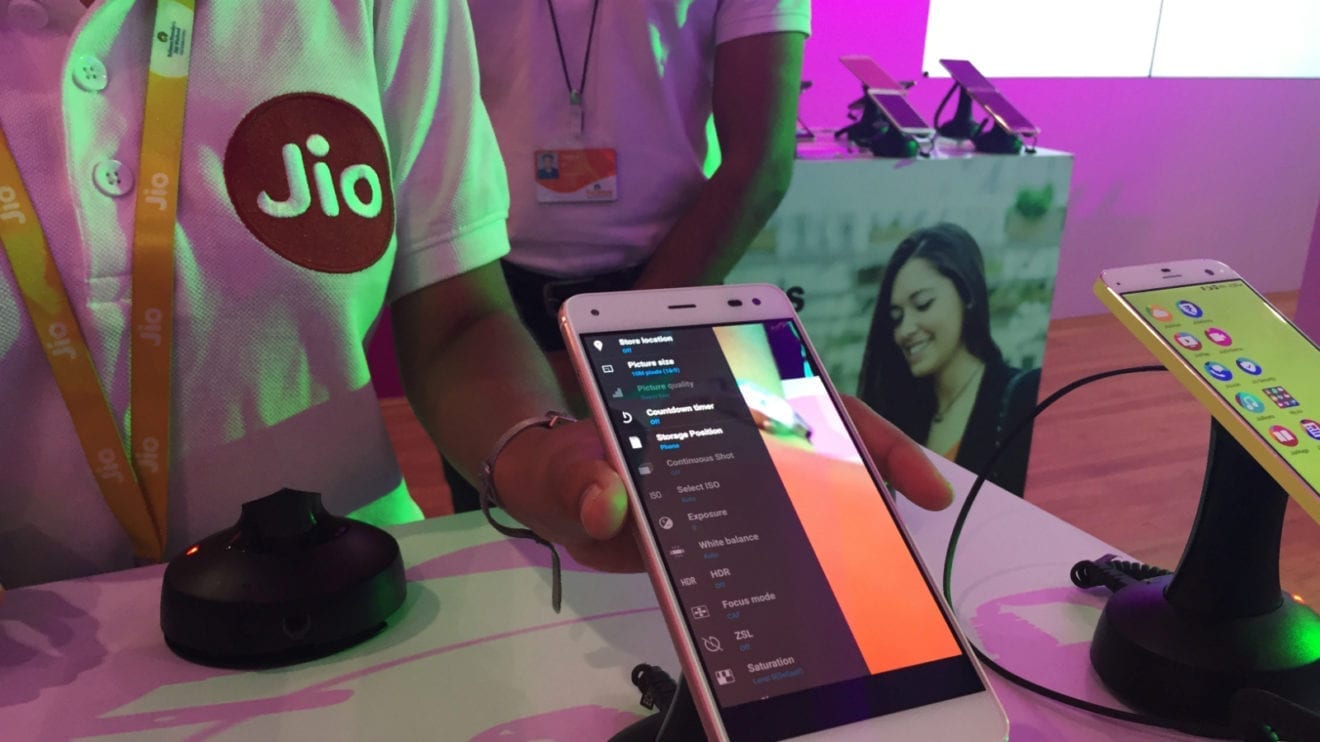
    Disruptive Indian 4G operator Reliance Jio has extended its free services offer until March 31, and announced it has already achieved 52 million customers.

    The operator has announced a new “Happy New Year” offer involving the supply of free voice, data and Jio apps to both new and existing customers until March 31.

    Existing customers will automatically be signed up to the Happy New Year offer, without having to buy a new SIM.

    But the new offer comes with a daily fair-use limit of 1GB, with broadband speeds shaped if this is exceeded.

    According to the report, only 20% of users of the earlier Welcome Offer free services consumed over 1GB per day, and their heavy usage resulted in network congestion. The earlier offer had a fair-use limit of 4GB per day.

    The new offer has come under scrutiny from the Telecommunications Regulatory Authority of India (Trai), which is investigating the deal to determine whether it falls afoul of regulatory limits on promotions.

    India only allows telecoms promotional offers to run for three months, but Jio has asserted that it is an entirely new campaign. The company has also argued that it would be unfair to charge customers while the operator is still dealing with congestion issues.

    Jio also revealed it had reached over 52 million customers in 83 days, and has been signing up  600,000 customers per day over this time. Jio soft-launched 4G services for its employees and those of its partners months before the launch to the public, so the company already had a subscriber base.

    This rate of growth makes Jio the fastest growing technology company in the world, according to parent company Reliance Industries’ owner Mukesh Ambani.

  • EuroShop enters the Indian market

    EuroShop enters the Indian market

    EuroShop Düsseldorf, the leading international trade fair for all investment needs in the retail sector, is entering the Indian market-now touted to be one of the fastest growing retail markets in the world with a volume of 500 billion US dollars. Messe Duesseldorf GmbH, the parent that organises the fair which is globally well known as a trade fair organiser and as a provider of trade fair related services for exhibitors and visitors.

    Under the ‘Mall of Europe powered by EuroShop’ umbrella, the Düsseldorf-based trade fair had recently provided exhibitors the opportunity to participate in the In-store Asia fair in New Delhi in August this year, as a first step into India.

    Messe Düsseldorf has now sealed a close, long-term cooperation deal with In-store Asia organiser, Thought Shows & Events Pvt Ltd, under which they have formed a new company with equal participation between Messe Düsseldorf India Ltd. and In-store Asia called Excosa. The deal which involves retail design and in-store marketing domain related events will see In-Store Asia being organised annually in alternating locations between New Delhi and Mumbai from February 2018 onwards.

    For many years now, In-store Asia has been the largest retail fair for retail design and in-store marketing in the Indian sub-continent, and has been instrumental in bringing these domains’ Indian community onto one platform and enabling them in keeping pace with global trends, innovations and developments.

    “In-store Asia now joins the family of EuroShop, that has been the undisputed leader in this domain for the last five decades”, says Vasant Jante, founder and managing director of In-store Asia. He further explains,”This was the best option to broaden the horizon for the growing In-store clientele to enable new global opportunities in trade, partnerships, new technologies and reaching new markets in this domain. The timing is also perfect considering the healthy growth rate of the Indian retail market which has made it a top location for international investments from global brands and retailers. ”

    An official statement says that ‘for the trade fair organisers from Düsseldorf, the cooperation with the Indian trade fair is the ideal way to tap into India’s national retail scene. It is estimated that retail area in India’s top 7 metropolises will grow to 4.3 million square metres in the next 5 years.’

    Hans Werner Reinhard, managing director, Messe Düsseldorf, recalls,”We met Vasant Jante during a EuroShop presentation in India in 2013. Then in 2015 we experienced In-store Asia live for the first time, and we were really impressed with the fair. More than 5,000 decision-makers from the industry, retail, architecture and banking sectors visit the event, and its offerings range from retail design, lighting, digital signage to POP displays and visual merchandising, as well as retail technology. Excosa will enable us to gain a foothold in a highly exciting, aspiring retail market.”

    Incidentally, Messe Düsseldorf has had its own subsidiary, Messe Düsseldorf India Ltd., with headquarters in New Delhi and a branch office in Mumbai for some years now, and has gathered extensive experience in organising international trade fairs in the country.

  • Amazon’s flagship India unit beats Flipkart’s in revenue

    Amazon’s flagship India unit beats Flipkart’s in revenue

    Amazon’s flagship unit in India Amazon Seller Services has more than doubled its revenues in the year ended March, leading rival Flipkart’s similar firm in terms of revenues.

    Amazon Seller Services’ turnover for the last fiscal rose 116% to Rs 2,217 crore while Flipkart Internet’s sales increased 153% to Rs 1,952 crore during the same period.

    Both units earn revenues through commissions, advertisements and shipping fees that they charge to sellers.

    While the Amazon unit outpacing Flipkart Internet is a significant development, both companies operate through a complex structure which makes total revenues of their units hard to conclusively interpret.

    Flipkart India, which runs the wholesale arm of the Singapore-registered etailer, posted 34% increase in revenues for FY16 with sales of Rs 12,818 crore, compared with Rs 9,351.7 crore a year ago.

    Amazon India’s wholesale unit has not filed its numbers for the financial year yet.

    Experts feel Flipkart’s retail sales could be at least 15-20% higher than its wholesale revenues after including margins. Flipkart didn’t disclose profit or loss figures. It made a loss of Rs 837 crore in 2014-15.

    Doubling of revenues of both the ecommerce giants indicates the rapid pace of growth in the ecommerce market aided by billions of dollars in overseas funding even as brick and mortar peers struggle.

    Flipkart India’s turnover is now nearly double the country’s organised wholesale market that has players such as Wal-Mart and Metro Cash & Carry. Experts, though, feel the numbers are minuscule compared to other markets.

    “Given the potential of the market, the numbers are still not huge and the pace of growth has come down. Even within the overall organised retail market, their contribution is just a fraction despite spending aggressively to gain market share,” said Harminder Sahni, founder of retail consultancy firm Wazir Advisors.

    “Flipkart will have a tough time going forward in terms of funding as well as competing with Amazon,” he said.

    The financial performance numbers are also reflective of the change of pace in investments by both the etailers. Amazon India has ramped up investment since 2015 as it looks to increase its market share, even as Flipkart has been focused on cutting its cash burn rate.

    Flipkart Marketplace, a Singapore-based subsidiary and investment holding company which owns 99.74% stake in Flipkart Internet, received equity infusion of Rs 1,629 crore in fiscal 2016, significantly down from Rs 5,456 crore in the preceding year.

    In comparison, Amazon Seller Services received capital infusion of Rs 7,463 crore in fiscal 2016, up from Rs 1,888 crore in the previous year.

    The rivalry will only intensify — Amazon has committed $5 billion to the Indian market, and is outspending Flipkart by 3-4 times by investing aggressively in areas like video and grocery delivery. An Amazon India spokesperson said it is now the largest as well as fastest growing online marketplace.
  • AirAsia India mulls A320 aircraft option for UDAN

    AirAsia India mulls A320 aircraft option for UDAN

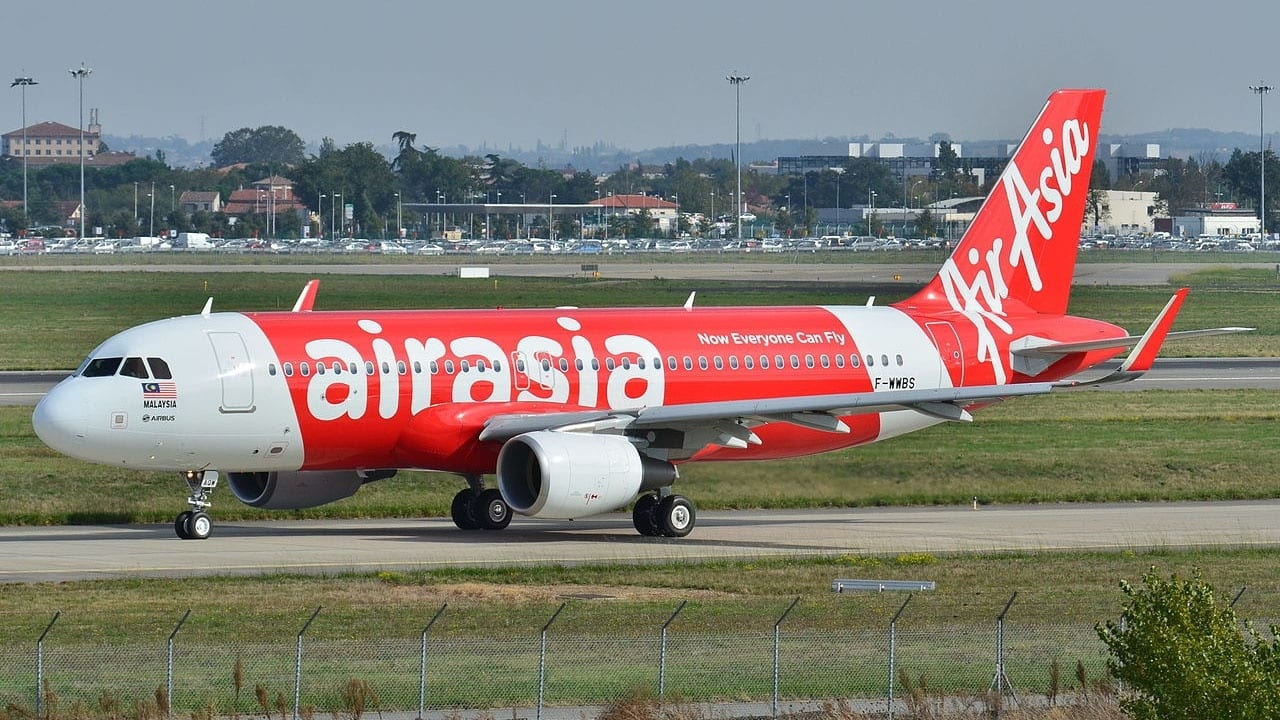
    Keen to expand its domestic presence, AirAsia India is evaluating the proposition of operating regional flights with A320 planes under the government’s UDAN scheme. The ambitious UDAN (Ude Desh Ka Aam Naagrik) scheme aims to connect unserved and under-served airports in the country while participating airlines would get various incentives, including viability gap funding and other financial concessions.

    AirAsia India, which currently has eight A320 planes, expects to have a fleet of 10 aircraft by end of this fiscal. According to a senior airline official, options of participating in UDAN are being evaluated and a decision would be taken depending on the commercial viability of the regional routes.

    “We are evaluating which routes can be served by A320. If it is viable, we will certainly look into it,” the official told PTI. Manufactured by Airbus, A320s are single-aisle planes that can have up to 180 seats depending on the configuration opted for by the carriers.

    Fares would be capped at Rs 2,500 for one-hour flights under UDAN and the first flight under the scheme is expected to take off in January 2017. Along with increasing its fleet size to 10 planes, AirAsia India also expects to have a headcount of around 1,000 by the end of March next year.

    In the three months ended September 2016, the budget carrier saw its loss marginally narrow to Rs 62.18 crore from Rs 63.14 crore in the year-ago period. However, revenues increased 31 per cent to Rs 175.11 crore in the latest September quarter. The same stood at Rs 132.95 crore in the same period a year ago.

    AirAsia India, now a joint venture between Tatas and Malaysia’s AirAsia Berhad, began operations in June 2014. Tata Sons owns 49 per cent stake while two of the airline’s directors — S Ramadorai and R Venkataramanan –have 2 per cent shareholding, and the remaining is with AirAsia Berhad.

    Meanwhile, Malaysia’s AirAsia Berhad has invested additional funds to the tune of Rs 115 crore in AirAsia India.

  • India grants demonetization exemption for prepaid credit

    India grants demonetization exemption for prepaid credit

    The Indian government has made a special exception to temporarily allow demonetized 500 rupee notes for the purchase of prepaid top ups in response to a sharp decline in purchases.

    The government enacted legislation earlier this month to declare the use of 500 rupee and 1000 rupee banknotes invalid as part of a crackdown on counterfeiting and black market money.

    New 500 rupee and 2000 rupee banknotes have been issued to exchange the old currency, but the policy led to a cash shortage in the country.

    In response to lobbying from GSM industry body the Cellular Operators’ Association of India (COAI), the government has added prepaid top-ups up to the list of essential services allowed to accept the old banknotes.

    Consumers will be able to pay for top-ups up to a maximum of 500 rupees using the old notes until December 15.

    The mobile industry had been seeking for the exemption to apply to both prepaid and postpaid services, and for the old 1000 and 500 rupee notes, but the government has approved the exemption only for prepaid purchases and 500 rupee notes, the report adds.