Tag: india

  • Dachser India upgrades offices in Mumbai

    Dachser India upgrades offices in Mumbai

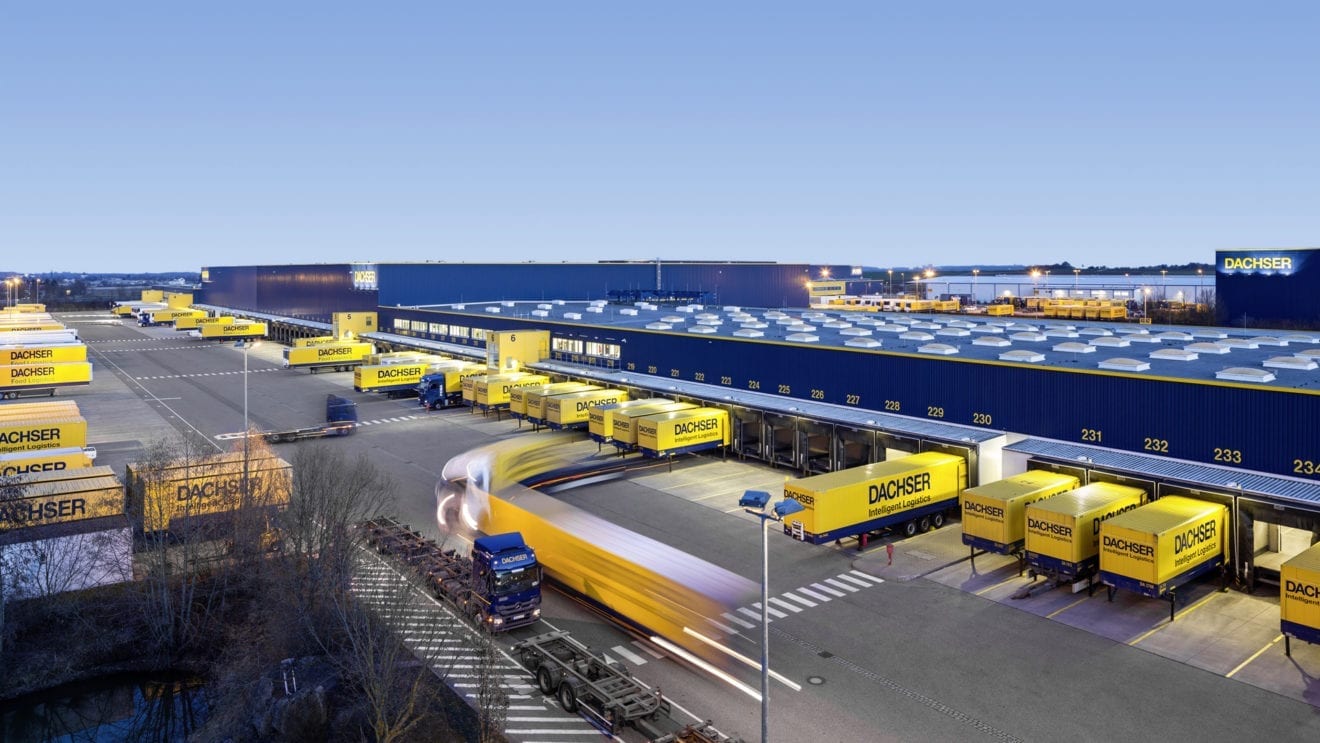
    Dachser India has moved to a new regional office in a thriving business area in Mumbai, to be closer to its brand named customers and enable staff from different departments to communicate more effectively.

    “With India’s strong developing manufacturing, automotive, FMCG and e-commerce market, there is an increasing need for quality and integrated logistics solutions. As we focus on India’s positive economic growth and upcoming favorable government reforms, we are very excited about our strategic investment in the new Regional Office in India and look forward to offering more efficient support and promote Dachser’s brand promise to our customers in India,” says Huned Gandhi, Managing Director Air & Sea Logistics India.

    The new open plan office is located in Sakinaka a leading commercial district in the city with easy access to public transport links.

    In another development Dachser incorporated its air, ocean, customs and operations staff under one roof in a new operational office in Mumbai. In total 100 employees will work in the new office which is close to the international airport and its customers in the western region of the city.

    “The western region has always been a consistent market with strong potential and demand. The new office will enable us to gather all our sea and air freight staff in one office thereby strengthen the effectiveness and efficiency of the branch operations. ”

    Dachser now has 25 offices across the subcontinent with one of the largest country wide logistics networks of any international company.

  • Direct air link to Indonesia from Mumbai soon

    Direct air link to Indonesia from Mumbai soon

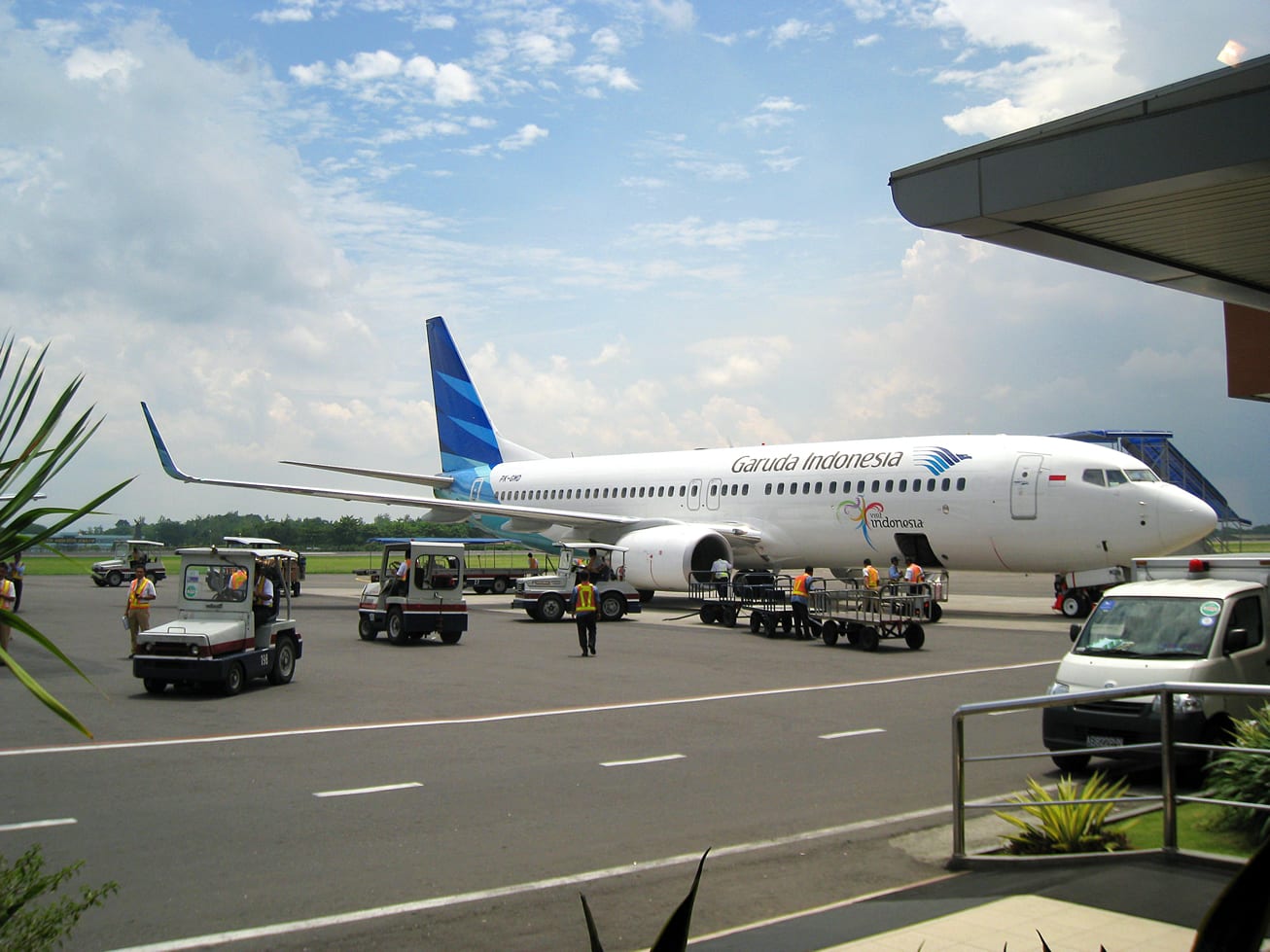
    A direct air link between India and Indonesia is set to become a reality with Garuda Indonesia, the South East Asian country’s national air carrier, considering to launch a service soon.

    Garuda Indonesia plans to introduce direct flights connecting Jakarta-Mumbai. In all likelihood, it should happen this December, Consul General of Indonesia Saut Siringoringo said here on Tuesday.

    He hoped the move would not only address the biggest challenge — absence of direct air connectivity — but eventually also provide a boost to bilateral trade, tourism and people to people ties. Tourism, he added, has considerable potential, particularly in pushing up the number of people from India visiting Indonesia.

    From 2,70,000 Indian tourists last year, which was a 13 per cent growth, the number would cross 3,50,000 this year. “I am very optimistic, this year it could even reach 4,00,000,” the Consul General said, pointing out visa free facility, for stay upto 30 days, was provided on arrival to Indian tourists. Mr. Siringoringo is from the Consulate in Mumbai that covers eight States, including all those in south India. His office, he added, issued around 7,000 working permits every year.

    Bilateral trade

    On the bilateral trade, he said it was around $16 billion and the need for Indonesia was to diversify it beyond the coal and palmoil. Pharmaceuticals and agriculture were two areas that could contribute to the diversification, he added.

    The Consulate, he said, was keen on showcasing Indonesia and strengthening ties with India through programmes. It recently organised a two-day ‘Expo Indonesia 2016’ in Mumbai featuring 37 Indonesian companies. Apart from showcasing a range of products, including furniture, paper, health-care products, food, the event served as a platform to explore business ties. The last time such an exhibition was conducted was in 2007, Mr. Siringoringo said.

    Stating that there is a lot of interest on both sides, he said 130 business delegates from India attended the ‘Trade Expo Indonesia 2016’ last month in Jakarta, an event that witnessed a transaction of $ 84 million.

    Apart from holding another exhibition next year, the Consulate is also getting ready for the visit of a Ramayana troupe comprising 100 dancers from Indonesia.

  • Prepaid purchases gaining traction in India

    Prepaid purchases gaining traction in India

    For the first time, cash is no longer king in India’s online shopping scene.

    In a post-Diwali media release, India’s online marketplace Snapdeal reported that customers across India were willing to pay at the time of making the purchase instead of opting for cash on delivery.

    “This was in part driven by Snapdeal’s partnerships with eight leading banks this Diwali including with American Express, Axis Bank, Citi Bank, HDFC Bank, Kotak Bank, Standard Chartered Bank, State Bank of India and Yes Bank,” the report noted.

    These banks offered 10-25% additional instant discounts on each day of the sale in October. Data also showed that customers who bought electronics and furniture were the most likely to go for prepaid options.

    Among the cities, Trivandrum had the highest share of prepaid orders, constituting a whopping 85% of the total orders from the city. But the preference for prepaid transactions was the strongest in South India, followed by North, West, and East in that order.

    Snapdeal’s Unbox Diwali Sale was held from October 2-6. On the first 16 hours of the sale alone, Snapdeal reported more than 800,000 buyers from over 2,800 cities and towns across India, with sales volumes jumping six times the daily average. The orders went to nearly 50,000 sellers all over the country.

    During the sale, the e-commerce giant said it recorded the fastest shipping track record by delivering an order within an hour. An order for iPhone 5s placed at 7.20 a.m. was delivered to the buyer in Gurgaon at 8.10 a.m.

    To power faster deliveries, Snapdeal said nearly 72% orders were shipped out of its fulfillment centers (SD+). Nearly 32,000 people deployed every day of the month to deliver the packages across India.

    On the seller side, out of the more than 300,000 sellers on the platform, more than 32,000 sellers saw sales grow 7X from last Diwali season. The cities where most of these sellers are based were: Delhi NCR, Mumbai Metropolitan Region, Bengaluru, Jaipur and Surat.

    A little more than 60% orders came from Tier 2 cities and beyond. Moreover, over 82% of overall orders were placed through mobile platforms. The highest numbers of units ordered were for the fashion category, followed by home, electronics and mobiles in that order. In the fashion category, women’s’ ethnic wear was the most popular purchase.

    Diwali or Deepavali is a Hindu festival of lights celebrated every year in autumn. People generally dress up and exchange gifts on Diwali night and shop during the festive period.

  • AirAsia India Sells Tickets From Rs 799 On Advance Bookings

    AirAsia India Sells Tickets From Rs 799 On Advance Bookings

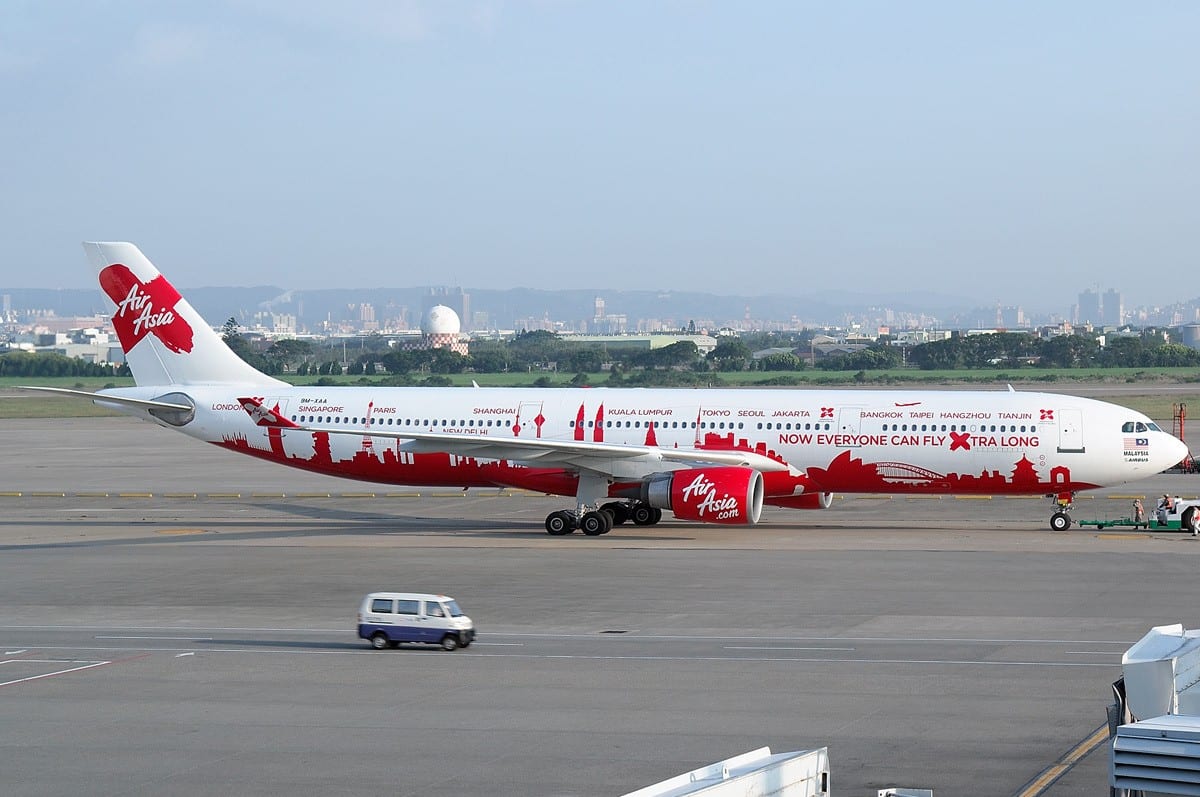
    Budget-carrier AirAsia India has announced a promotional offer with all-inclusive fares starting from Rs 799 on travel next year.

    The AirAsia India offer is valid till November 20 and is applicable on travel from May 1, 2017 to February 6, 2018. The Rs 799 promotional offer is applicable on the Guwahati-Imphal route.

    Also, there is a Rs 999 offer, which is applicable on Kochi-Bengaluru and Hyderabad-Bengaluru routes. Ticket prices on Bengaluru-Goa, Pune-Bengaluru, Bengaluru-Visakhapatnam routes start from Rs 1,299, Hyderabad-Goa Rs 1,599, Kochi-Hyderabad Rs 1,999 and Delhi-Bengaluru Rs 2,499, among others.

    Promotional offers by airlines have spurred a strong demand for air travel in India, which is among the fastest growing aviation market in the world.

    AirAsia India flew 5.89 lakh passengers in three months ended September, 2016, a 42 per cent increase from the number of passengers who flew with the airline in the corresponding period a year ago.

    During the quarter, the airline added three new destinations in its route network – Bengaluru-Guwahati, Bengaluru-Hyderabad and Hyderabad-Goa.

  • Vodafone India to launch 4G in 8 more circles

    Vodafone India to launch 4G in 8 more circles

    Vodafone India has revealed plans to roll out 4G services in eight additional telecoms circles by March 2017, giving it a 4G presence in 17 of India’s 22 service areas.

    The operator aims to deploy 4G in 2,400 additional towns over the next four months, in the circles of of Maharashtra and Goa, Odisha, Punjab, Rajasthan, Tamil Nadu, Uttar Pradesh West, Assam and North East.

    Vodafone’s SuperNet 4G service already covers nine circles – Mumbai, Delhi and NCR, Kolkata, Karnataka, Kerala, Haryana, Gujarat, Uttar Pradesh East and West Bengal.

    Vodafone was the biggest winner of India’s recent $9.8 billion spectrum auction, securing 2x 82.6MHz of FDD and 200MHz of TDD spectrum across the 1800-MHz, 2100-MHz and 2500-MHz bands. The auction gave the company 4G capability in 17 of India’s 22 telecoms circles.

    Now the company plans to leverage this spectrum to expand its 4G network. This will allow Vodafone to better compete against disruptive new pan-India 4G operator Reliance Jio Infocomm, which has been shaking up the market with its mobile data focused approach. Jio’s unlimited voice and SMS plans threaten to further cut into existing Indian mobile operators’ low margins.

  • Fujitsu Consulting India deploys SDN technology

    Fujitsu Consulting India deploys SDN technology

    Fujitsu Consulting India has deployed an end-to-end SDN infrastructure to support operations at its new 2,000-seat Global Delivery Center (GDC) in Pune and Bangalore.

    Fujitsu Consulting India selected Brocade’s SDN technology, partly due to the vendor’s open standard approach, which Fujitsu felt were critical to fully realizing the benefits of SDN.

    Brocade switches form the campus network core at the new Fujitsu GDC, offering 96 wire-speed 10 Gigabit Ethernet (GbE) ports per switch and the capability to integrate up to a dozen switches into a high-performance stack.

    The stack can be managed as a single device delivering up to 5.76 Tbps of aggregated stacking bandwidth.

    “Being successful in outsourced development requires more than just great design and programming talent. It also needs a high-performance IT infrastructure capable of keeping development teams productive 24×7, with the flexibility to emulate clients’ environments, which are of an increasingly hybrid-cloud nature,” Fujitsu Consulting India group head of IT and CISO Mohammed Shahed Khan said.

    “In putting together the specifications for our new Bangalore GDC and upgrade of the Pune GDC, it was clear that we would need to go beyond traditional networking to deliver the capabilities we see as essential to a successful future.”

  • India’s parliament addresses call drop controversy

    India’s parliament addresses call drop controversy

    An Indian parliamentary panel has taken up the issue of call drops on new mobile operator Reliance Jio Infocomm’s network.

    The panel met with GSM industry body COAI – representing the market’s incumbent operators – and Reliance Jio to discuss the reasons for the high number of call failures.

    Reliance Jio has been engaged in a bitter dispute with operators over the issue of frequent call drops. Earlier this month, Jio said around 50% to 60% of calls from Jio users to the three largest mobile network operators Airtel, Vodafone and Idea Cellular were failing or dropping.

    While this has recently contracted to around 25%, this still represents a substantial number of call drops and call failures..

    Reliance Jio has accused the operators of not making enough points of interconnection available to meet the demand for its pan-India mobile services. But incumbents have blamed the company’s strategy of offering free calls, which has led to a surge in network traffic.

  • Dyson plans to enter India

    Dyson plans to enter India

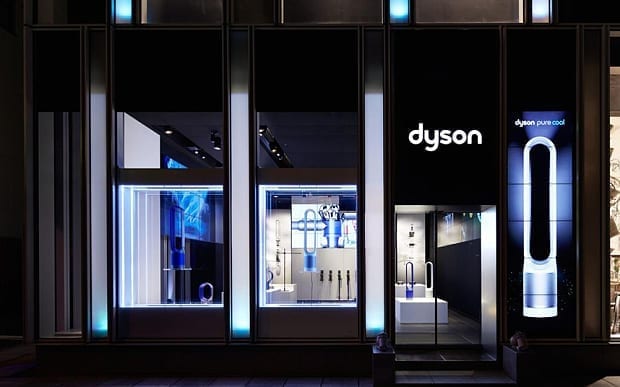
    UK company Dyson, known for its innovative vacuum cleaners and air purifiers, plans to open its own retail stores in India by the middle of next year.

    It has already sought permission from the Department of Industrial Policy and Promotion (DIPP) to import and sell products in India.

    “If we get the permit, we’ll set up middle of next year,” says founder James Dyson, in New Delhi for the India-UK Tech Summit.

    “Over the first five years, we’ll invest about £154 million [US$190.8 million] in India. Our investment will be in building infrastructure (retail), taxes (to the government), marketing and promotions.”

    India will be the 76th market for Dyson, which in its last overseas foray entered China three years ago.

    “India is an interesting market, but it may take time to develop – unlike China, which has emerged as the third-largest market for Dyson after the US and Japan,” says Dyson.

    Online portals

    The company’s plan is to set up a retail store in each of the top 20 cities in India, as well as selling through other retailers and online shopping portals.

    “Online helps our business,” Dyson says. “We sell through Amazon in some countries and may sell through Amazon in India as well.”

    The company will import products from Malaysia, Singapore and Philippines for the Indian market. Depending on volume, Dyson may look at making products in India after a few years.
    As well as vacuum cleaners, the company will also look at the beauty and hygiene market with hair dryers and hand dryers, as well as LED lighting products.

    Dyson is a family-owned technology company that employs more than 7000 people globally—a third of whom are engineers and scientists.

    “India produces 1.3 million engineers every year – that’s very exciting. We’ll look at working with Indian universities soon,” Dyson says. The company spends £5 million a week in research, design and development, and has more than 200 live technology projects and 50 active research programs with 40 universities around the world.

    Dyson’s revenue rose 26 per cent to £1.7 billion last year while profit increased 19 per cent to £448 million.

  • India’s BSNL seeks 700-MHz spectrum

    India’s BSNL seeks 700-MHz spectrum

    Indian state-owned operator BSNL has approached the nation’s telecoms ministry seeking a portion of the 700-MHz spectrum that was left unsold during the recent major spectrum auction.

    The operator has proposed that a 5 MHz block in the 700-MHz band be assigned to the operator through an equity route.

    Under the proposal, in lieu of payment, the government’s paid-up equity in BSNL would increase by the value of the spectrum.

    BSNL officials told the news agency that the 700-MHz band, when combined with the company’s existing 2500-MHz holdings, would put the operator in a position to roll out 4G services across India.

    With India’s telecom market transitioning towards 4G, this would allow BSNL to compete against private sector incumbents as well as newcomer Reliance Jio Infocomm.

    The 700-MHz spectrum put up for sale during India’s recent $9.8 billion spectrum auction went completely unsold – despite the attractiveness of the band for mobile operators – due to a high reserve price. Operators had already accrued substantial debts during previous auctions, and shied away from both the 700-MHz and 900-MHz bands.

  • Spar India continues roll-out

    Spar India continues roll-out

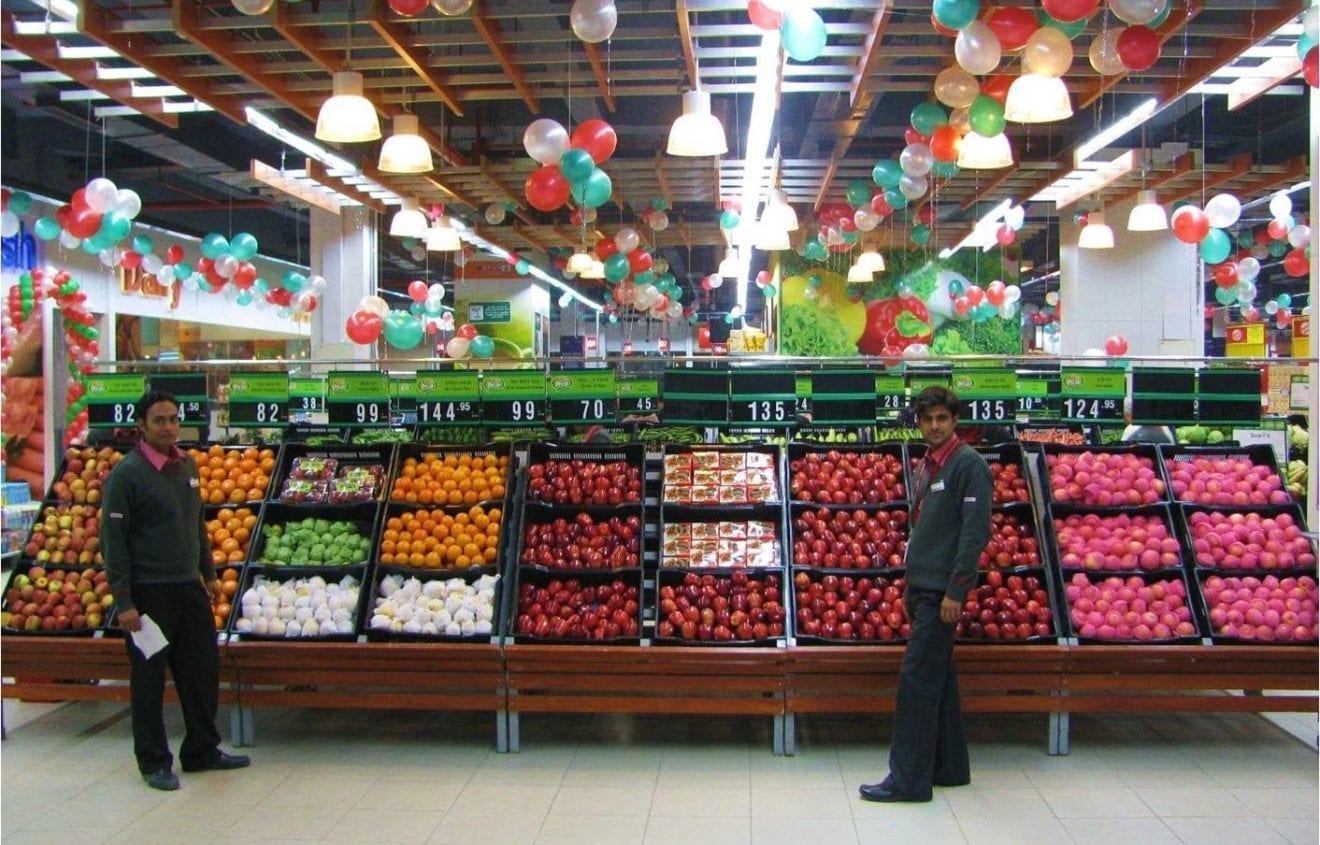
    Spar India has opened its 18th store as the grocery franchise continues its rollout.

    The latest store is located in Hyderabad’s Paradise Mall, which is owned by Spar India’s licensee Max Hypermarkets. Located in Nacharam, it is the fourth store in the Hyderabad area. Spar India now boasts stores in nine cities in seven states.

    The newly built hypermarket has a retail selling area of 5400 sqm, offering a diverse range of fresh foods from the fish, bakery, delicatessen and Food-to-Go service departments and an extensive non-food offer, including a Home & Living department.

    Thanks to sustained publicity campaign prior to the opening, more than 1000 transactions were processed between 4.30pm and 10pm on the first day of trading.

    Spar India says it will continue to focus on its in-store range, expanding its own-brand products, which currently account for approximately 10 per cent of store turnover. Spar India MD Rajeev Krishnan says the group intends to expand its footprint by 30 per cent during the next 12-18 months.

    The Spar India licence was granted to Max by Spar International in 2014.

  • India’s Trai sets 512kbps broadband speed minimum

    India’s Trai sets 512kbps broadband speed minimum

    The Telecommunications Regulatory Authority of India (Trai) has instructed the market’s fixed line operators to guarantee a minimum download speed of 512kbps at all times.

    In a new directive, Trai set the minimum required speed to be considered broadband at 512kbs and ordered the nation’s operators not to reduce their speeds below this even when throttling customers for excess data use.

    ISPs as well as mobile broadband subscribers have also been told to provide information on data usage limits, connection speeds and capped speeds in any advertisements published in any media covering broadband plans.

    New and existing subscribers must also be informed of this information over email or SMS.

    Finally, operators will need to provide alerts to customers via these channels when their data usage reaches 50%, 90% and 100% of their allocation, and to maintain a portal or website to allow users to access their usage at any time.

    Operators including Bharti Airtel, Reliance Communications and Sistema Shyam Teleservices had urged the regulator to allow throttling to speeds of just 64kbps to prevent misuse of fixed broadband services. With the directive this request has now been rebuffed.

    But on the other hand, the government had previously considered setting 2Mbps rather than 512kbps as the minimum speed.

  • Probe of millennial consumers’ shopping preferences

    Probe of millennial consumers’ shopping preferences

    While Asia Pacific millennial consumers shop online, only physical stores and particularly shopping centres give them the experiences and social elements they want, says a new report.

    Millennials shop online an average of 4.7 days a month, but visit shopping centres an average of three days a month for other reasons apart from buying, such as dining out, banking and visiting exhibitions.

    However, slower economic growth and a desire to save money for buying a home may inhibit spending on leisure activities, suggests research by commercial property adviser CBRE Research. Its inaugural Asia Pacific Millennials: Shaping the Future of Real Estate report says this emerging “superclass” demographic actually has similar long-term lifestyle priorities with other generations despite being more likely to spend their time and money on leisure activities and experiences like travel, entertainment and dining than previous generations.

    “In order to leverage on millennials’ spending habits, retailers are recommended to increase the experience-based element of their offering and focus on providing an environment for visitors to socialise and relax,” says CBRE Asia Pacific head of research Dr Henry Chin.

    As well as increasing F&B, cinema and entertainment elements in their shopping malls, retail landlords should consider organising more live events to attract millennials, he says, warning that they should also carefully manage their tenant mix to ensure they still cater to other generations.

    The millennials report is based on a global survey by CBRE Research last December. It covered 13,000 people between 22 and 29 years old to examine how they live, work and play, and what this means for real estate.

    For the Asia Pacific region, the report involved 5000 respondents evenly representing Australia, China, Hong Kong, India and Japan. The survey also explored differences between millennials of different gender, employment status, marital status, education and income.

    Inaccurate perceptions

    It found that perceptions of millennials as preferring informal employment, changing jobs regularly and avoiding financial responsibility are inaccurate in the region. Consistent with previous generations, most millennials were found to be spending prudently in order to save money to buy a home.

    While this demographic aspires to carve out a stable career, the report finds that it does take into account factors such as office design when choosing an employer, with 71 per cent of respondents willing to give up other benefits for a better office environment.

    Millennials are also increasingly demanding the freedom to work anywhere, anytime—more than 60 per cent in Asia Pacific want flexibility and mobility for their career.

    Job loyalty is also stronger than perceived, with two-thirds expecting to work for the same company, or for a small number of companies, throughout their career.

    Almost two-thirds of the region’s millennials still live with their family because of both cultural practices and financial factors. In most major markets surveyed, the high cost of residential property is providing challenges for millennials.

    While 65 per cent of respondents said they plan to buy property in the future, 63 per cent said they are forced into renting as they are unable to buy.

    “The millennial demographic in Asia Pacific is a game-changer for businesses across the board. Their life, work and play priorities and habits will shape economics, redefine opinions on workplace design and functionality, and drive new attitudes toward consumption and experience for the foreseeable future, ” says CBRE Asia Pacific CEO Steve Swerdlow.
  • Garuda Indonesia plans to connect Mumbai with Jakarta

    Garuda Indonesia plans to connect Mumbai with Jakarta

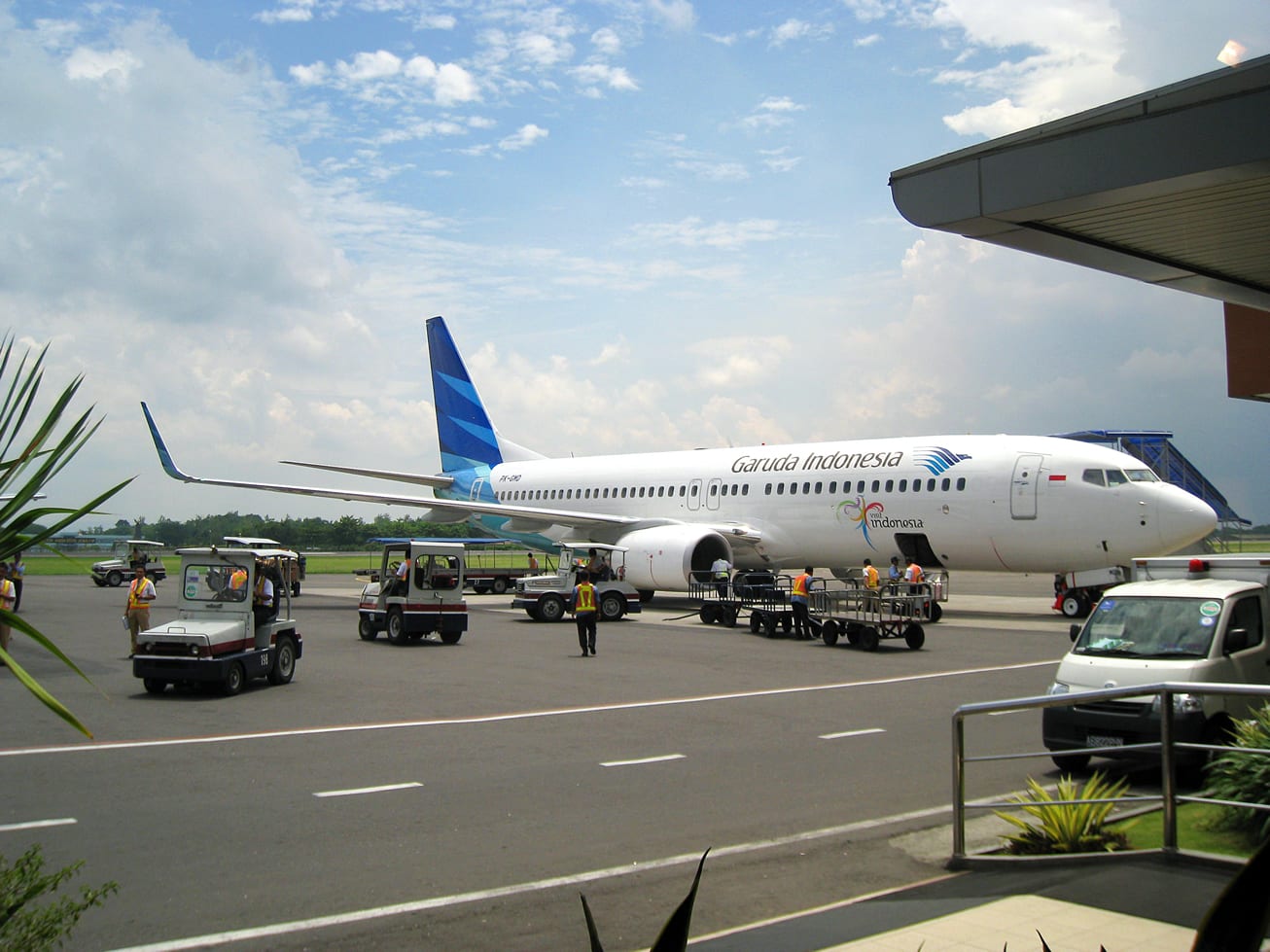
    Garuda Indonesia plans to expand its service to India at the end of this year by opening a new route from Mumbai to Jakarta.

    Garuda Indonesia’s vice president of corporate communications Benny S. Butarbutar told that the airline had received support from the Transportation Ministry and the new service would use Airbus 330 and Boeing 777 aircraft. “We are currently planning the route, and considering factors like is it going to be a direct flight or will there be a transit, will it be a daily service or several flights per week,” said Benny in Jakarta on Wednesday.

    The potential of tourist arrivals from India to Indonesia was quite significant, said Benny. “This is a growing market that we should tap into in order to attract more visitors.”

    Indian tourists visiting Indonesia in 2014 amounted to 223,607 people, an upsurge from the previous year’s figure of 201,009, according to the Central Statistics Agency.

  • India to have nearly 1b mobile subs by 2020

    India to have nearly 1b mobile subs by 2020

    India has become the second-largest mobile market in the world, and is on track to reach nearly 1 billion unique subscribers by 2020, according to the GSMA.

    A new report from GSMA Intelligence indicates that by the end of June 2016, 616 million unique users had subscribed to mobile services in India, making the country the second-largest mobile market globally.

    India is also expected to see a significant increase in mobile subscriptions, broadband and connectivity with almost a billion unique mobile subscribers expected by 2020. This marks a period of rapid development of the country’s mobile economy, according to the study.

    The country overtook the US in 2016 to become the world’s second-largest smartphone market with an installed base of 275 million devices.

    According to the report, improving affordability, falling device prices and operator investments in network coverage and quality will help deliver an additional 330 million unique subscribers in India by 2020, lifting the country’s penetration rate to 68% per cent of the population, an increase from 47% in 2015.

    India is also seeing an technology shift to mobile broadband services. The number of 3G/4G mobile broadband connections is forecast to reach more than 670 million by 2020, 48% of the total connection base.

    There will also be an accelerating move to 4G over this period. The number of 4G connections is forecast to grow rapidly, growing from just 3 million at the end of 2015 to 280 million by 2020. In addition, the industry is set to invest heavily, with operator capex growing to $34 billion for the period 2016 to 2020.

    “With this report, all signs point to a period of tremendous growth for India’s mobile economy, which will strongly support and enable the government’s ‘Digital India’ initiative aimed at providing broadband connectivity to all,” GSMA director general Mats Granryd said.

    “To fully realize India’s tremendous market potential, review and reform in key areas, including modernizing regulation and long-term planning for spectrum allocation, would accelerate mobile broadband access and adoption across the country,” he adds.

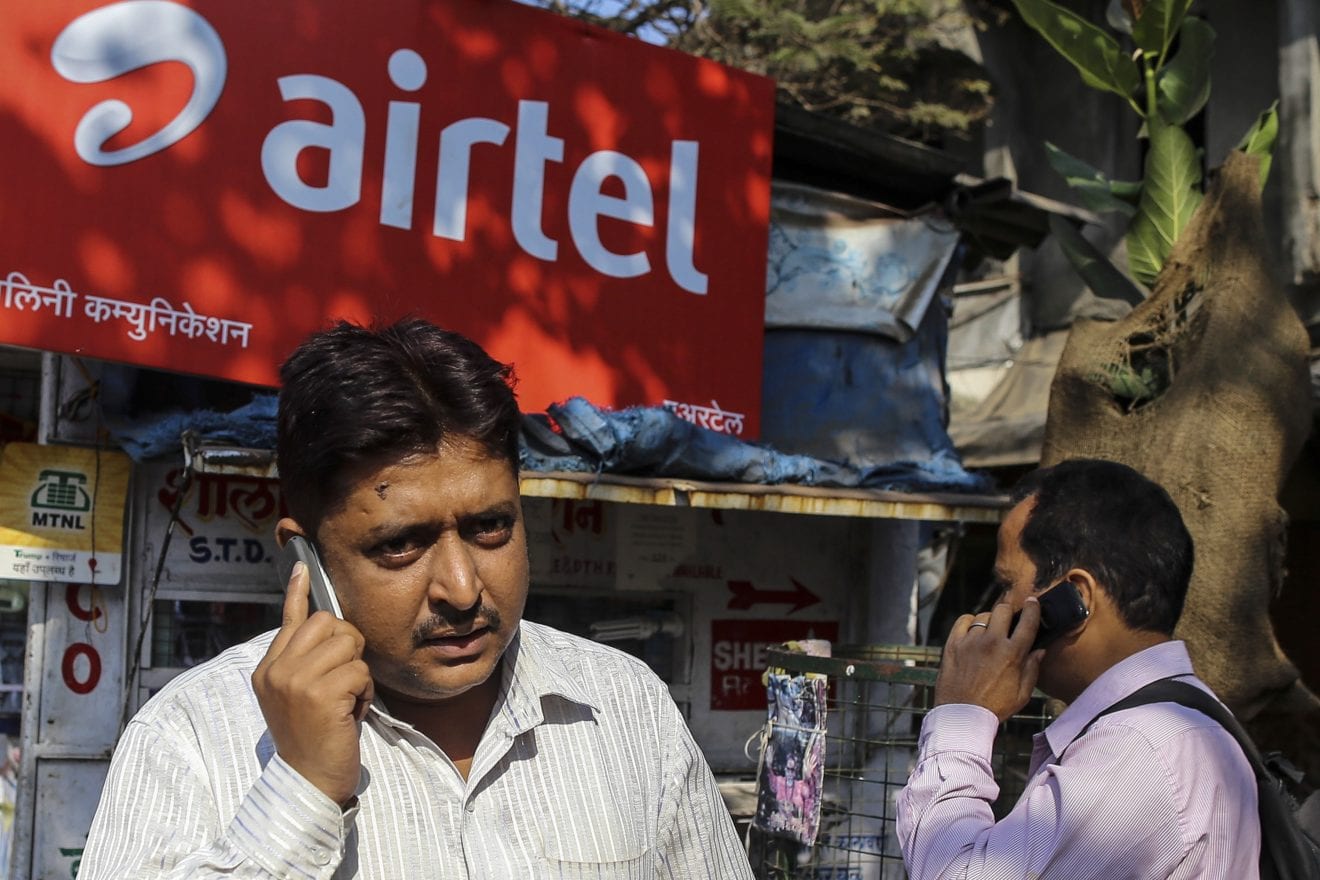
  • Airtel Q2 profit falls 4.9%

    Airtel Q2 profit falls 4.9%

    Bharti Airtel has reported a 4.9% decline in net profit for its fiscal second quarter, as the operator cut tariffs to prepare for competition from disruptive newcomer Reliance Jio Infocomm.

    India’s largest operator by subscribers reported a profit for the quarter ending September 30 of 14.61 billion rupees ($218.5 million).

    Revenue grew 5.6% year-on-year to 246.52 billion rupees, with India revenues up 10.1% to 192.19 billion rupees.

    But while total ARPU rose to 201 rupees from 193 rupees the year before, aggressive price cutting led to a decline in voice ARPU to 140 rupees from 132 rupees.

    Mobile data revenues grew 21% year-on-year to 45.36 billion rupees, thanks largely to a 62.2% year-on-year growth in Indian mobile data customers to 41.3 million. Mobile data revenues accounted for 24.7% of Indian mobile revenues for the quarter, up from 21.5% a year earlier.

    Africa revenues meanwhile grew 4.7% on an underlying bases. Airtel has divested its operations in Burkina Faso and Sierra Leone over the past two quarters, reducing its African footprint to 15 countries.

    “Our strong focus on enhancing customer experience and building a robust network has resulted in continued acceleration of revenue market share. Overall revenue momentum in India has been sustained during Q2 with a growth of 10.1% year-on-year,” Airtel CEO of India and South Asia Gopal Vittal said.

    “This is primarily due to the strong performance of our non-mobile businesses, which grew in aggregate at 18.8% year-on-year, albeit our mobile business has experienced a slowdown in growth due to free services being offered by a new operator.”