Tag: india

  • Upset Hindus urge Australian company to recall Hindu gods’ leggings

    Upset Hindus urge Australian company to recall Hindu gods’ leggings

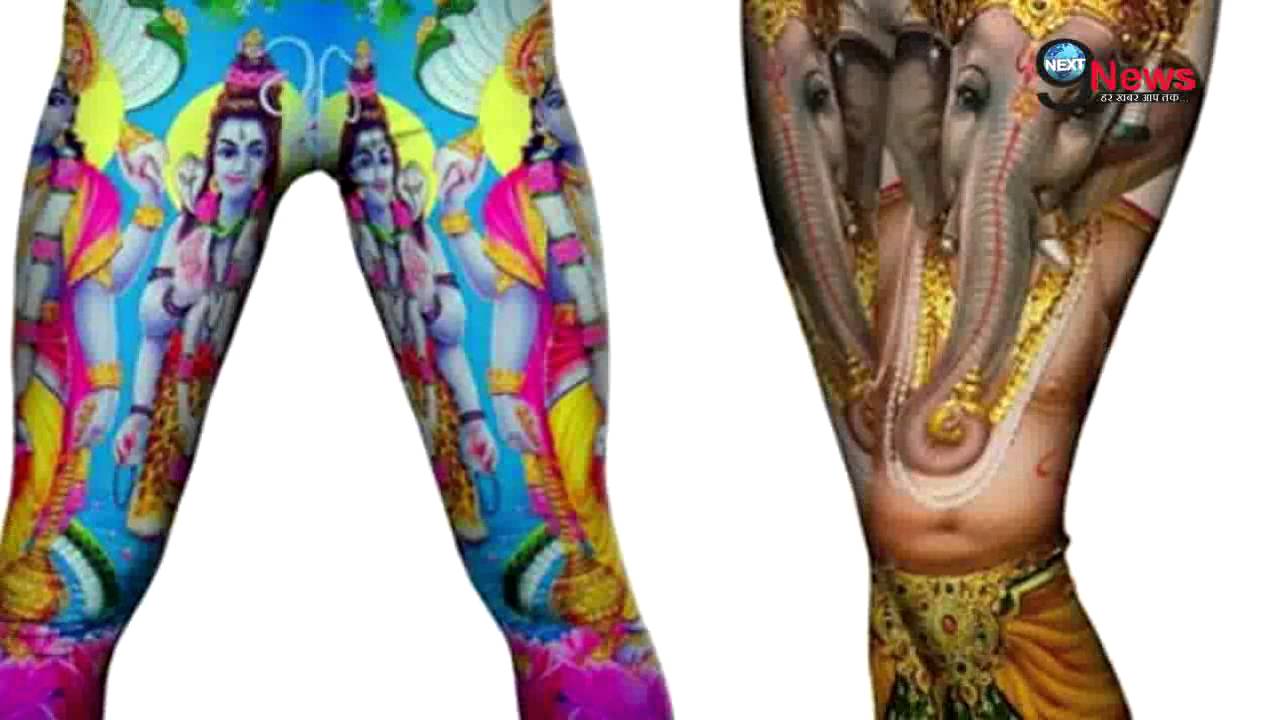
    Upset Hindus have urged for the immediate withdrawal of leggings carrying images of various Hindu gods and goddesses, sold on a Melbourne headquartered online marketplace Redbubble, calling it highly inappropriate.

    Hindu statesman Rajan Zed, in a statement in Nevada today, said that Hindu deities printed on Redbubble leggings—Shiva, Vishnu, Brahma, Krishna, Ganesha, Durga, Lakshmi, Skanda, Saraswati, Hanuman, Kali, Seshnarayana—were highly revered in Hinduism and was meant to be worshipped in temples or home shrines and not to be worn around one’s legs. Inappropriate usage of Hindu deities or concepts for commercial or other agenda was not okay as it hurt the devotees.

    Zed, who is President of Universal Society of Hinduism, also urged Redbubble CEO Martin Hosking and Board Chair Richard Cawsey to offer a formal apology.

    Hinduism was the oldest and third largest religion of the world with about one billion adherents and a rich philosophical thought and it should not be taken frivolously. Symbols of any faith, larger or smaller, should not be mishandled, Rajan Zed noted.

    Zed further said that such trivialization of Hindu deities was disturbing to the Hindus world over. Hindus were for free artistic expression and speech as much as anybody else if not more. But faith was something sacred and attempts at trivializing it hurt the followers, Zed added.

    Award-winning Redbubble, founded in 2006 and listed on Australian Securities Exchange, which also has offices in San Francisco (USA), claims to be “a global online marketplace powered by artists” and sells “high-quality, everyday products”. “More than 4.2 million Customers from over 196 different countries have shopped on Redbubble”, it states.
  • Laziz Pizza to fast-track growth with 100 new stores

    Laziz Pizza to fast-track growth with 100 new stores

    Overwhelmed by response to its first 50 stores across India, local brand Laziz Pizza plans to double its outlets in the short term.

    Owned by Laziz Food and Beverages, the chain is primarily targeting tier-one, -two and -three cities.

    Founder/CEO Keirron Patil says the company started franchising in 2013, and as well as India now has its expansion sights set on Malaysia (it already has one store in Johor Bahru), Singapore, Sri Lanka, Bangladesh and Nepal.

    Laziz allows its franchisees to team its outlets with other brands so they can offer customers multiple products under one roof, including a vegetarian outlet. An unusual aspect of the Laziz business is that franchisees are not charged a royalty fee nor have to share profits with the franchisor.

  • DLF Brands quits luxury sector

    DLF Brands quits luxury sector

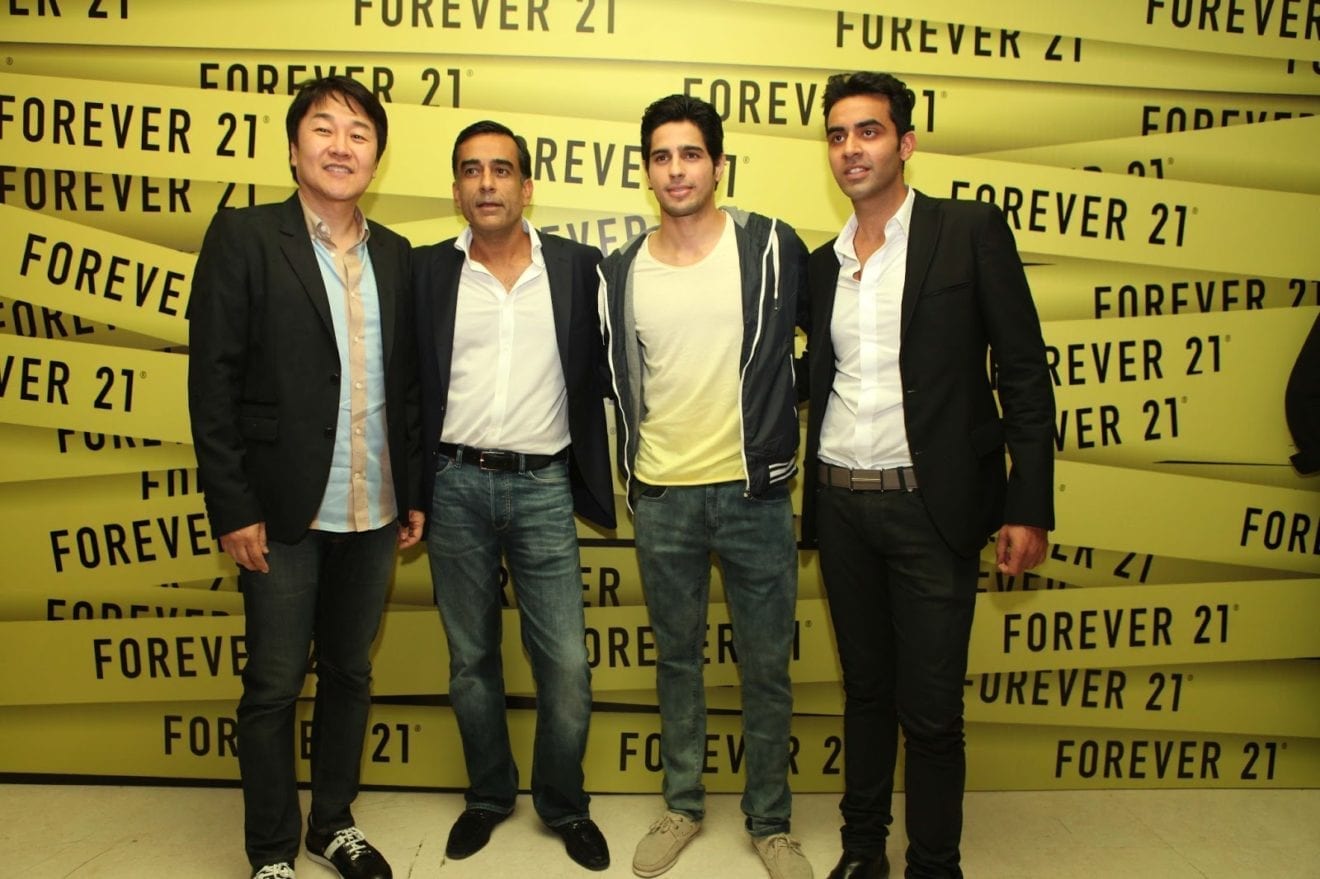
    India’s DLF Brands, which runs high-street fashion brands mall Emporio in Delhi, is quitting the luxury business.

    It has just shut down two of the seven stores of US fashion brand DKNY after parting ways earlier with such brands such as Giorgio Armani, Mango, Salvatore Ferragamo and Sephora.

    “We don’t have any plans to open more DKNY stores,” says DLG Brands MD Timmy Sarna. “And we don’t want to be in the high-fashion business. It’s difficult to scale up that business because there aren’t too many locations in the country where you can sell luxury.”

    Instead, DLF Brands, the retail arm of real-estate company DLF, wants to focus on mass brands. “We have profitable businesses in Kiko, Mothercare and Sunglass Hut,” says Sarna.

    DLF Brands has bought the franchise rights of UK-based Mothercare for 15 years, and plans to launch smaller stores, even in community-based markets, selling value-added products.

    “From 109 stores at present, we want to increase the number to 300. A major part of production is happening here now, so prices will eventually come down,” Sarna says. “Apart from this, our other brands such as Sunglass Hut, Claire’s and make-up brand Kiko are doing extremely well and are profitable.”

    DLF Brands started its exit from the luxury market in 2012, quitting its joint ventures with Ferragamo and Giorgio Armani. In 2014, it shut down stores of Italian menswear brand Boggi Milano, then last year parted with LVMH’s make-up and skincare brand Sephora, which was taken over by Arvind Lifestyle Brands.

    “You can either be in the fashion business or in the mass-brand business. You cannot have your finger in too many pies,” says Sarna.

  • T-Hub, Uber launch T-Bridge startup platform

    T-Hub, Uber launch T-Bridge startup platform

    Indian startup incubator T-Hub has joined hands with ride sharing pioneer Uber and TiE Silicon Valley to launch a program that will connect Indian startups with global market opportunities and help bring global new-age companies to the country.

    A press release issued by the startup incubator T-Bridge said that the program will enable startup communities in India and globally to cross-pollinate ideas, innovate and create channels for knowledge transfer. It will also create a network of mentors, VCs, incubators and accelerators that will support the Indian startup ecosystem.

    K T Rama Rao, Telangana Minister for IT on Saturday inaugurated T-Bridge at Uber’s headquarters in San Francisco.

    T-Bridge will provide a platform for such fast-track tech companies looking to tap into India’s huge consumer market for technology and help startups access UberExchange-Uber’s flagship startup mentorship program and TiE Silicon Valley’s mentor network.

    “We have a strong vision to make Hyderabad one of the top 10 startup cities in the world. T-Bridge is one such move towards opening a channel of investment from the world to the state of Telangana. I am proud to open our first outpost in the US in association with Uber and TiE Silicon Valley and believe that this association will forge new partnerships and spur investment and innovation between the two countries,” Rama Rao said at the launch.

    Rachel Whetstone, Uber’s senior vice president for policy and communications, said, Telangana is one of the most progressive states in India; and it has set up a culture of ‘regulatory incubation’ – allowing new ideas and business models to thrive.

    “Today more and more people around the world want to build something themselves. Through initiatives like UberExchange, our mentorship program for Indian startups, we hope to spur entrepreneurship. Creative partnerships like T-Bridge will continue to strengthen ties between India and the global startup scene,” Whetstone said.

  • Bharti Airtel launches VDSL vectoring

    Bharti Airtel launches VDSL vectoring

    India’s Bharti Airtel has launched a new VDSL vectoring service the company has branded V-Fiber, capable of delivering speeds of up to 100Mbps.

    The company’s new service has been launched in Chennai, and is being rolled out across Airtel’s national broadband network – which spans 87 cities.

    Airtel will offer the service to its existing customers at no additional cost, except for the cost of an upgraded modem. For new subscribers, Airtel will offer an unlimited three month trial offer.

    The operator will now also offer all its fixed broadband subscribers unlimited voice calling at no extra cost, and is providing a rewards program to allow broadband customers to get 5GB of additional mobile data per month if they are also subscribed to Airtel’s mobile services.

    As part of Project Leap, Airtel’s nationwide network transformation initiative, the company is meanwhile augmenting its 550,000km of domestic and international fiber capacity to improve latency and customer service and meet growing demand for data services.

    “India is witnessing an explosive growth in data usage and a lot of in-home data consumption is happening over fixed broadband that offers consistent speeds. Airtel has always innovated ahead of the curve and offered its customers best-in-class broadband technology and experience,” Airtel director of operations Ajai Puri said.

    “With ‘V-Fiber’ and our national optic fiber backbone, we are all set to offer a future ready network for tomorrow’s digitally connected homes. This solution, besides reducing our carbon footprint, offers a very quick and convenient upgrade to the customer.”

    Airtel is bracing for the anticipated impact of the planned entry into the fixed broadband market of Reliance Jio Infocomm, the disruptive pan-Indian 4G service provider with an extensive existing fiber footprint.

  • India’s GCX expands cloud ecosystem

    India’s GCX expands cloud ecosystem

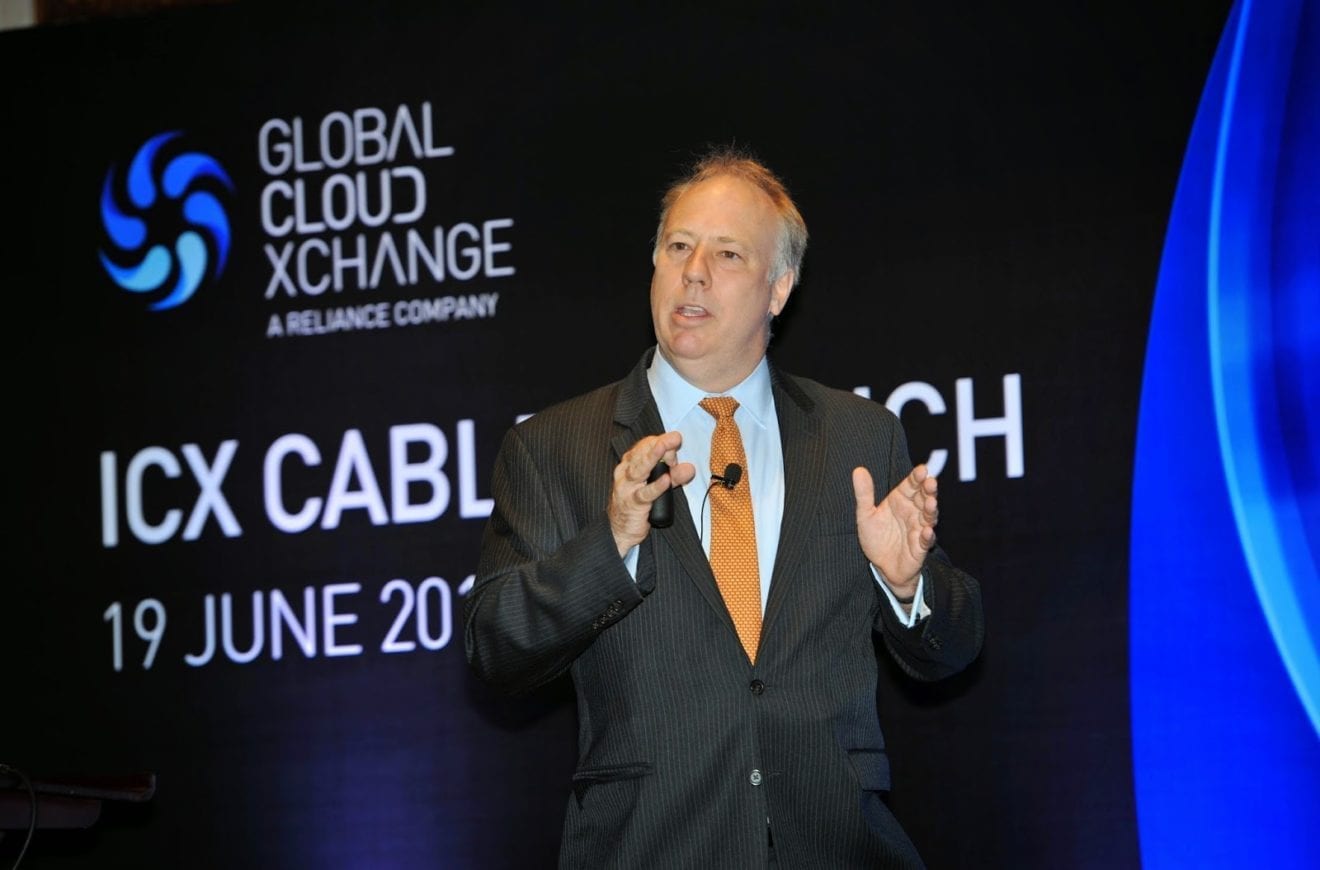
    Reliance Communications subsidiary Global Cloud Xchange (GCX) has expanded its cloud ecosystem with the addition of support for Microsoft Azure ExpressRoute.

    The company is offering access to ExpressRoute via its CLOUD X Fusion service in Chennai.

    CLOUD X Fusion allows enterprises to use Ethernet or MPLS VPN to privately connect their on-premise network or data center directly to Microsoft’s cloud platforms.

    Besides Chennai, CLOUD X nodes have been launched in Delhi, Mumbai, Bangalore and Hyderabad, as well as Hong Kong, California, London and New York.

    “As India enterprises enter a new era of digital globalization, they require sophisticated new levels of support to tap into opportunities from the convergence of Big Data and the IoT, to the latest augmented reality apps,” RCom and GCX SVP of global product management Braham Singh said.

    “Through the interconnection of CLOUD X Fusion and Microsoft Azure ExpressRoute, customers will benefit from the added flexibility and global reach to be more competitive as we look at new opportunities from the ‘Digital India’ initiatives.”

  • Workz Group launches world’s smallest SIM OS

    Workz Group launches world’s smallest SIM OS

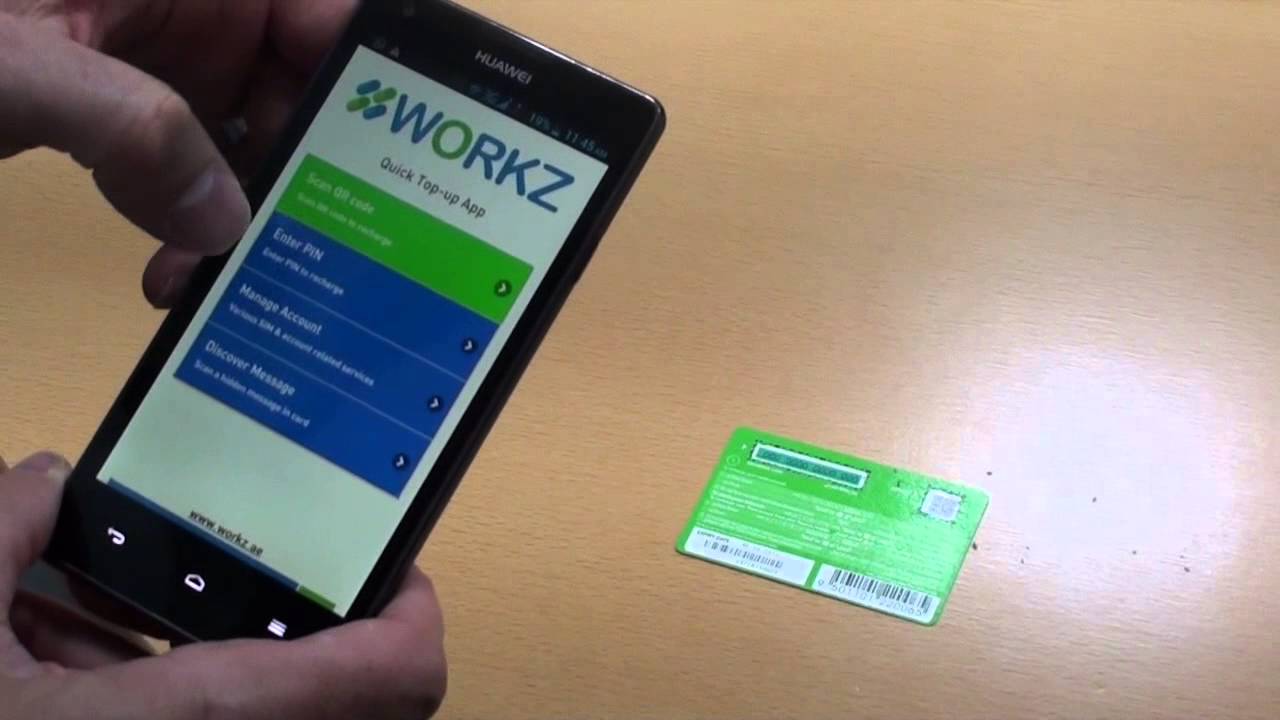
    Telecoms subscriber products manufacturer Workz Group has announced the launch of what it says is the world’s most lightweight SIM OS.

    The Z-OS operating system is around 40% smaller than other SIM operating systems on the market, providing operators with greater opportunity to add VAS and revenue-generating features to subscriber SIM cards.

    Z-OS was soft-launched in May and has been tested in various markets, demonstrating the ability to support secure over-the-air management of applications.

    The product complies with major SIM standards defined by the ISO, ETSI, 3GPP, Global Platform, Oracle Java card, SIM Alliance and the GSMA as well as its proposed eSIM specification, and is designed to be compatible with both Java and native products.

    Z-OS is available from all major chipset manufacturers and is interoperable with all mobile network technologies.

    It is being offered in conjunction with Workz’s latest SIM product, the 3-in-1 seamless half SIM, which is designed to use 50% of the plastic of a traditional SIM card and work on any handset by allowing users to select which SIM module size to push out.

    “We’re very proud to develop the world’s most efficient SIM operating system. The Z-OS is a significant technological advancement which allows us to provide network operators with more customized applications on the SIM card to engage subscribers,” Workz CEO Brad Taylor said.

  • Nissan recalls 932 units of Datsun redi-Go in India

    Nissan recalls 932 units of Datsun redi-Go in India

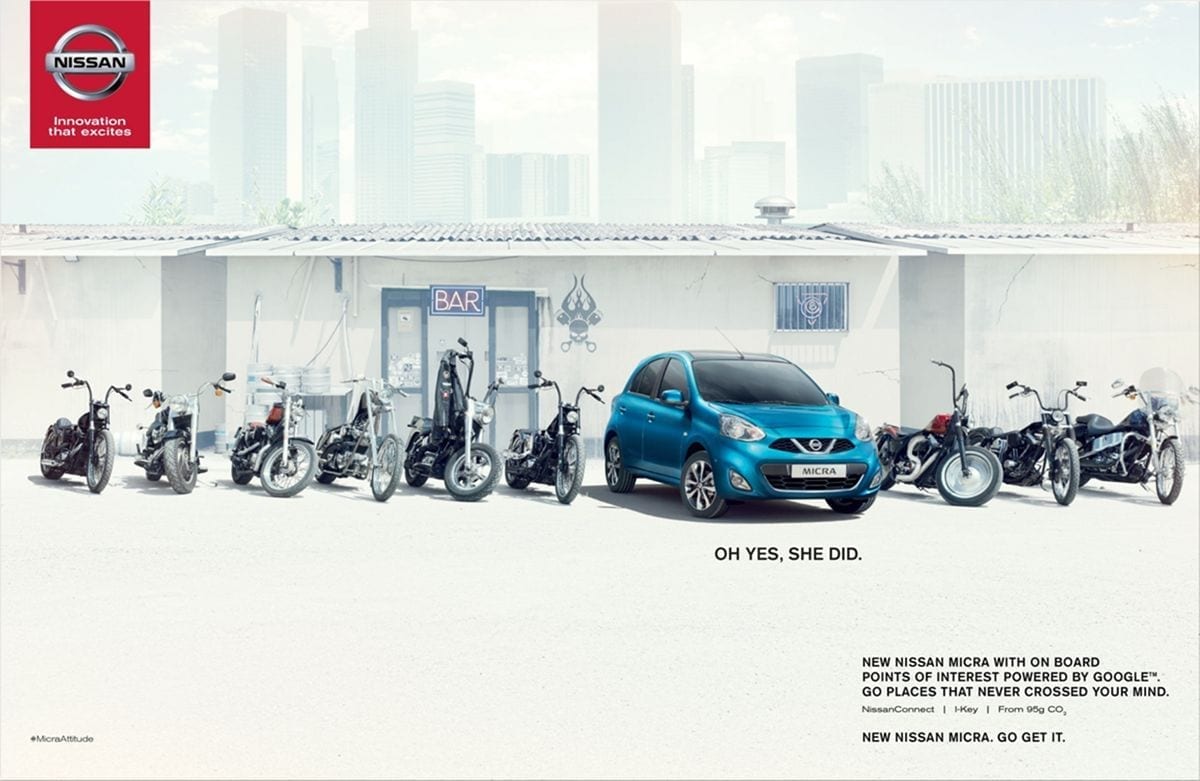
    Japanese auto major Nissan is recalling 932 units of entry level car redi-Go from its Datsun brand in India to fix faulty fuel system.

    “Datsun is conducting a voluntary recall campaign on certain India-manufactured Datsun redi-GO vehicles to inspect the fuel hose and fix a clip at no cost to the customer,” Nissan Motor India said in a statement.

    Datsun will start notifying affected owners from this month.

    The recall will affect units manufactured till May 18, 2016, a company official said.

    The redi-GO hit the market on June 7 this year and has sold over 14,000 units.

  • You Tube Pre-school Smash Hit ChuChu TV partners with Dream Theatre

    You Tube Pre-school Smash Hit ChuChu TV partners with Dream Theatre

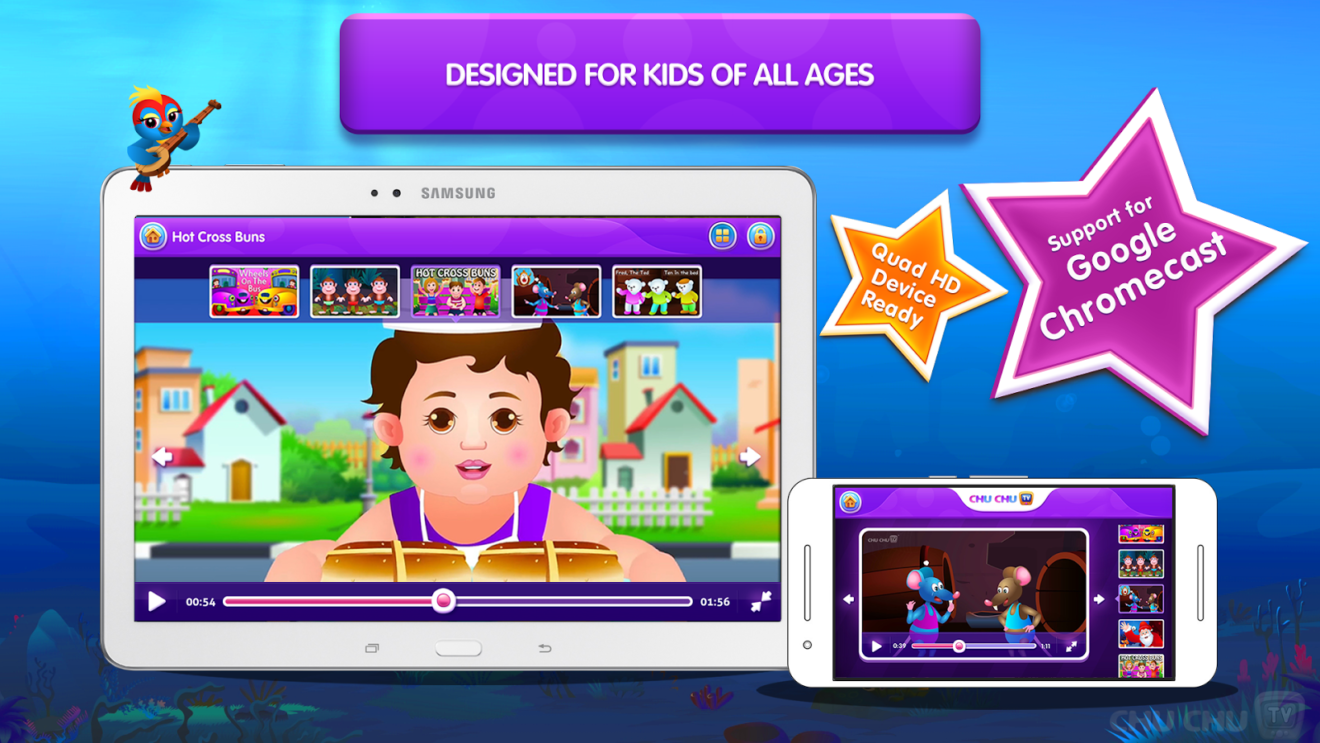
    ChuChu TV, Asia-Pacific’s most watched YouTube channel for toddlers from India, with over 6 billion views and 6 million subscribers, has partnered with Dream Theatre to launch the global Consumer Products business for the brand. In terms of watch time, ChuChu TV is the most watched channel in Asia Pacific and is amongst the top 20 YouTube channels in the world. Originated in Chennai in 2013, ChuChu TV is a truly global phenomenon with a wide audience from around the world averaging around 300 million views per month. Given its global appeal and audience, ChuChu TV has now partnered with Dream Theatre to launch the ChuChu TV Consumer Products business globally.

    Dream Theatre, India’s premier entertainment firm with licensing as a core business, is creating the brand architecture and is and making ChuChu TV “license ready”. Having worked with iconic international brands like Angry Birds, DreamWorks Animation, Pokemon, Femina and numerous others on the licensing front, Dream Theatre is creating the brand architecture and Go-To-Market plan for ChuChu TV by upgrading the creative assets, creating style guides, business templates and also charting the launch strategy and rollout plan across territories for ChuChu TV.  Toys, Gaming, Publishing, Apparel will form the core categories and will be rolled out first, starting summer 2017. US, Europe and Asia will be the leader markets with Dream Theatre collaborating with best in class licensing agencies, toy players, publishing houses and gaming companies to roll out the consumer products program in a synchronized fashion. 

    “ChuChu TV’s huge popularity across the world propelled us to create a consumer products business on a global scale. Our target audience loves the ChuChu TV characters. Parents and care takers around the world trust us and our content. Hence we wanted to channel this into creating equally loved and trusted ChuChu TV products for our cute little fans. The real time feedback we receive from the parents, points to a huge demand for merchandise of our key characters ChuChu, ChaCha, Chika, Chiku, and Mr. Harlo who are loved and adored across the world. We have found the right partner in Dream Theatre who has a wealth of experience in licensing. We felt this is right time to enter the licensing arena and take our brand to the next level”, says Vinoth Chandar, Founder, CEO & Creative Director, ChuChu TV.

    “Chu Chu TVs phenomenal success is a testimony to its popularity and it is very exciting for us to work with a brand originated in India and adored across the world by the young and old alike.  We are thrilled to create a world class licensing program that enables fans to engage with the brand in a products and services form and will be engaging with top international licensing agents, toy companies and retailers to launch and grow the business across the globe” says Jiggy George, CEO and Founder Dream Theatre. 

  • Embassy ties up with Hilton for star hotel in Bengaluru

    Embassy ties up with Hilton for star hotel in Bengaluru

    Leading property developer Embassy Group has tied up with international hospitality major Hilton to build a 586-room dual branded star hotel in this tech hub, said the realtor on Tuesday.

    “As per the agreement signed recently, the twin hotel will be developed and owned by our group, while Hilton will manage it,” said Embassy in a statement.

    Set to be located in the Embassy Manyata Business Park in the north-east suburb, the hotel will have 250 rooms at Hilton and 336 rooms at Hilton Garden Inn, with 46,000 sq.ft. of meetings and events space that can accommodate up to 1,500 people.

    “The hotel complex, when completed by 2020, will have a food and beverage hub and two commercial towers. It will also sport an iconic design drawn by Singapore-based Andy Fisher workshop,” said Embassy Chairman and Managing Director Jitu Virwani.

    The star hotel will offer the rooms at two price points to serve the needs of global firms located in and around the sprawling park.

    Both the partners, which run a brand hotel-cum-resorts at Embassy GolfLinks in the city’s eastern suburb, plan to build a mega hospitality project at the 100-acre Embassy Tech-Village in the nearby suburb.

    “Partnering with Hilton in developing two more hotels is part of our strategy in the hospitality business as it’s a global leader in the sector and known for quality service and attention to detail,” noted Embassy Chief Executive Mike Holland.

    The partnership will also help Embassy in providing synergy with its 175 international corporate occupier clientele across its commercial parks.

    “We see growing awareness of our global brand in the sub-continent and our partnership with Embassy reaffirms our commitment to India as an important market where we operate 15 hotels in 11 cities across the country,” said Guy Phillips, Hilton senior Vice-President for Asia.

    The three decades old realty group, which has an extensive land bank, developed a whopping 37-million square feet prime commercial, residential and retail space across the country and in Malaysia and Serbia.

    The US-based 97-year-old Hilton has 4,700 managed, franchised, owned and leased hotels and timeshare properties, with 775,000 rooms in 104 countries the world over.

  • Kenny Rogers Roasters arrives in India

    Kenny Rogers Roasters arrives in India

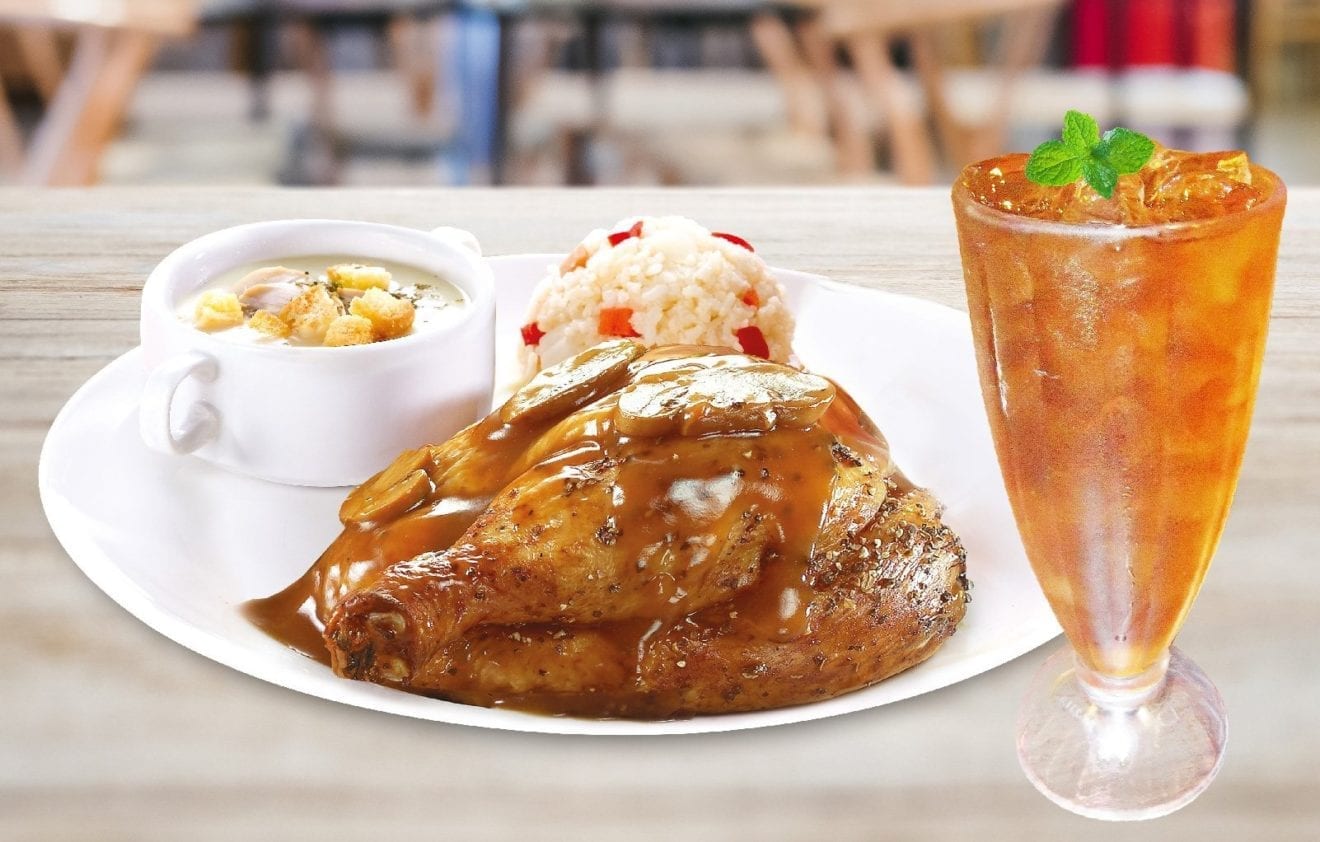
    Malaysia’s chicken-based restaurant chain Kenny Rogers Roasters will open its first outlet in India this month, aiming to expand to up to 50 stores in the next five years.

    Its first restaurant will be in the Gardens Galleria Mall, Noida.

    “We are eyeing a Rs 200-crore [U$30 million] turnover from the Indian market by 2021,” says master franchisee Troika Hospitality India managing partner Rajeev Chawla.

    He says the plan is to open eight to 10 restaurants in north India by the end of next year, after which expansion will cover other parts of India. The stores will be a mix of company-owned and franchises.

    Known for its chicken offerings, Kenny Rogers Roasters will also serve vegetarian food in India, he says.
    Owned by Malaysia’s Berjaya Corporation, there are more than 400 Kenny Rogers Roaster restaurants in 14 countries including China, Malaysia, the Philippines, Singapore and the US.

    Kenny Rogers is an American singer/songwriter and member of the Country Music Hall of Fame who is now 78 years old. He teamed with John Y. Brown, the governor of the state of Kentucky, who had also helped develop Kentucky Fried Chicken, to launch the first Kenny Rogers restaurant in Florida in 1991.

    It expanded to Brunei, China, Indonesia, Malaysia, the Philippines and Singapore, with Berjaya acquiring the group from Nathan’s Famous Inc in 2008.

  • India and Singapore to collaborate on innovation

    India and Singapore to collaborate on innovation

    India and Singapore have signed an agreement to promote innovation, creativity and technological advancement in both markets.

    According to the official statement released, “The MoU will enhance bilateral cooperation activities in the arena of industrial property rights of patents, trademarks and industrial designs. It is intended to give a boost to innovation, creativity and technological advancement in both regions.”

    The agreement covers intellectual property cooperation between DIPP and the Intellectual Property Office of Singapore. The MoU was signed during the visit of Singapore’s Prime Minister to India last week.

    The key initiatives under the pact will be exchange of best practices, experiences and knowledge on intellectual property awareness among the public, businesses and educational institutions of both countries.

    Both the countries will also exchange experts in the field of intellectual property; dissemination of best practices, experiences and knowledge on IP with the industry and universities.

    The MoU will enable India to find out about best practices in the innovation and IP ecosystems that will substantially benefit entrepreneurs, investors and businesses on both sides.

    “The exchange of best practices between the two countries will lead to improved protection and awareness about India’s range of intellectual creations,” the release mentioned.

    It adds that the collaboration is a step forward in India’s journey towards becoming a major player in global innovation and will further the objectives of the National IPR Policy.

  • Number of Indian tourists to Bali rises by 61.57%

    Number of Indian tourists to Bali rises by 61.57%

    The number of Indian tourists visiting Bali has increased by 61.57 percent — the highest rise among all countries — compared to the same period last year, from 72,969 to 117,897 people.

    “India ranks fifth among the top 10 countries visiting the island, after Australia, China, Japan and the UK,” Adi Nugroho, head of Balis Central Statistics Agency (BPS), said on Wednesday.

    Indian tourists constitute 3.69 percent of the total foreign tourists visiting Bali. About 3.19 million tourists have visited the destination in the first eight months of 2016. This figure is by 22.76 percent higher than the number of visitors seen during the same period last year, which was 2.6 million.

    India tops the list of countries that have seen the highest rise in the number of visitors to Bali, followed by the UK (42.56 percent) and China (35.06 percent), Nugroho said. The number of German tourists has risen by 35.05 percent, French by 31.48 percent, Australian by 18.51 percent and Japanese by 7.98 percent.

    Bali tourism practitioner Made Sudana said Bali is seeing an increasing number of Indian tourists because of the similarity between both places in terms of art, culture and Hinduism. Improved cooperation between India and Indonesia has also had a positive effect. Bali has actively pursued this as it expects more and more Indian tourists to visit the island.

    Earlier, Indonesian Ambassador to India, Rizali W Indrakesuma, said the Indonesian government is seeking direct flights to India and vice-versa. Direct flights are important as they will help increase the number of Indian tourists as well as facilitate business and investment opportunities between both countries.

  • 60 companies apply for MVNO licenses in India

    60 companies apply for MVNO licenses in India

    India’s Department of Telecom (DoT) has published a list of 60 companies applying for an MVNO license in various cities.

    The companies have between them applied for 70 state, city or sub-district specific licenses across 11 of India’s 22 telecoms circles.

    The DoT is offering MVNO licenses under a unified license arrangement, with an entry fee of 75 million rupees ($1.1 million).

    MVNOs seeking to offer services on a pan-India basis will need to pay a 1.5 million rupee license fee and a 10.25 million rupee fee for a national and international long distance license.

    There were no applications for the Bangalore circle and only one each for Punjab, Maharashra, Rajasthan and Tamil Nadu. By contrast, Gujarat received 22 applications, Mumbai received 12, Uttar Pradesh got 11 and there were eight in Delhi.

    Some companies applied for more than one city or circle specific license, with Mumbai’s Telenet Services making seven applications.

    MVNOs will be able to partner with multiple operators, but with the exception of data services, will be able to have only one MNO provider per access service type.

  • Fortis Healthcare to take loan of Rs 77.6 cr from Singapore bank

    Fortis Healthcare to take loan of Rs 77.6 cr from Singapore bank

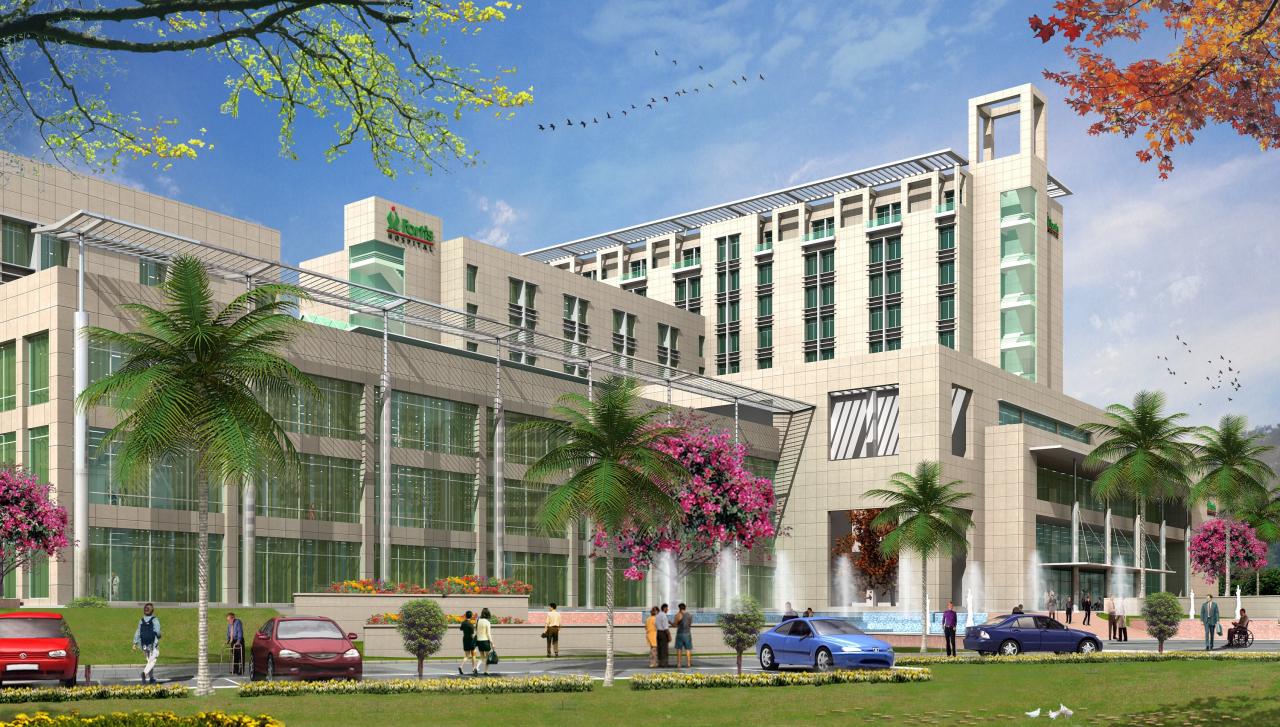
    Fortis Healthcare said it´s Mauritius subsidiary Fortis Healthcare international Ltd, has will take a loan of SGD 165 mln (Rs 77.6 crore) from Singapore-based Consortium of Bankers.

    “Fortis Healthcare Ltd has being holding the company, is giving guarantee on behalf of FHIL securing the payment of principle and interest thereon.,” said the Indian company.

    Fortis Healthcare Limited is a chain of super speciality hospitals in India.

    Currently, the company operates its healthcare delivery services in India, Dubai, Mauritius and Sri Lanka with 54 healthcare facilities (including projects under development), approximately 10,000 potential beds and 314 diagnostic centres.